

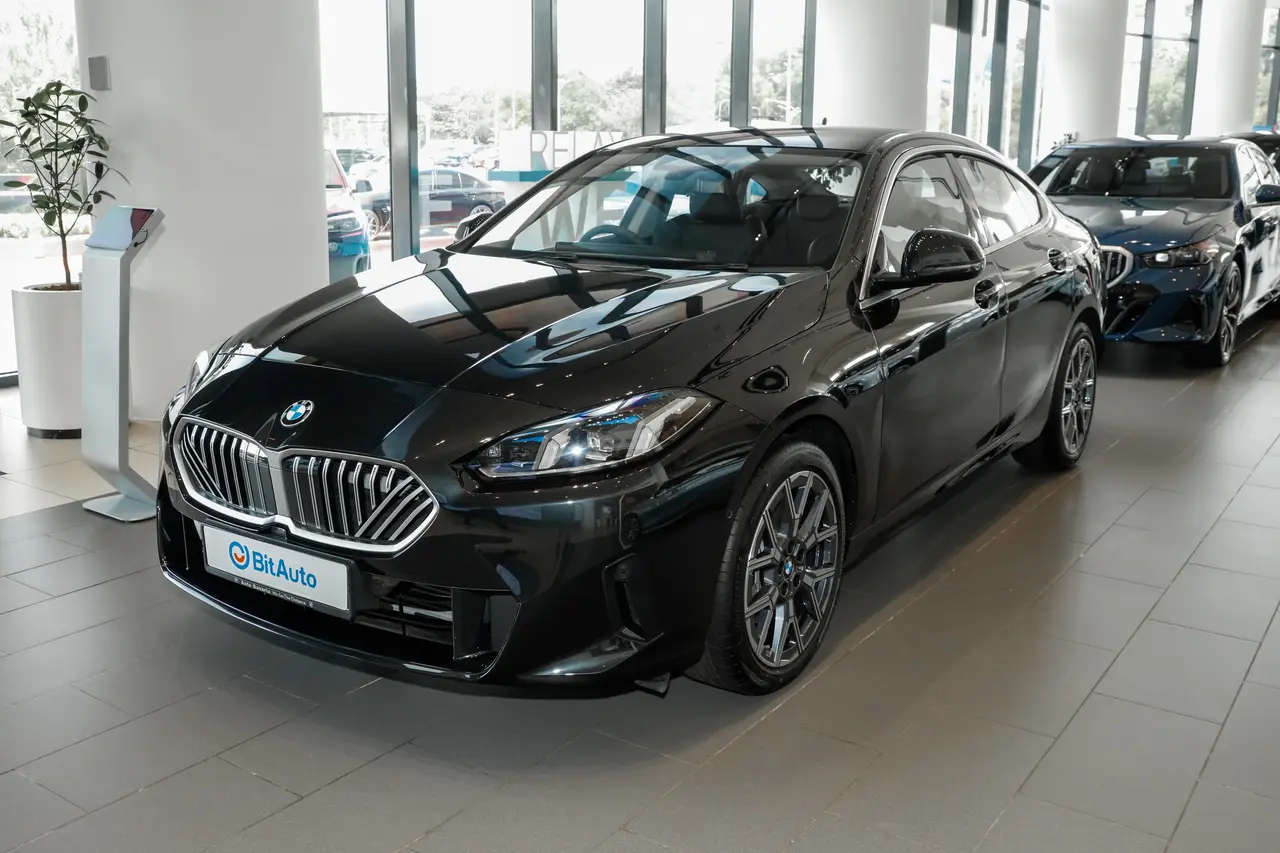
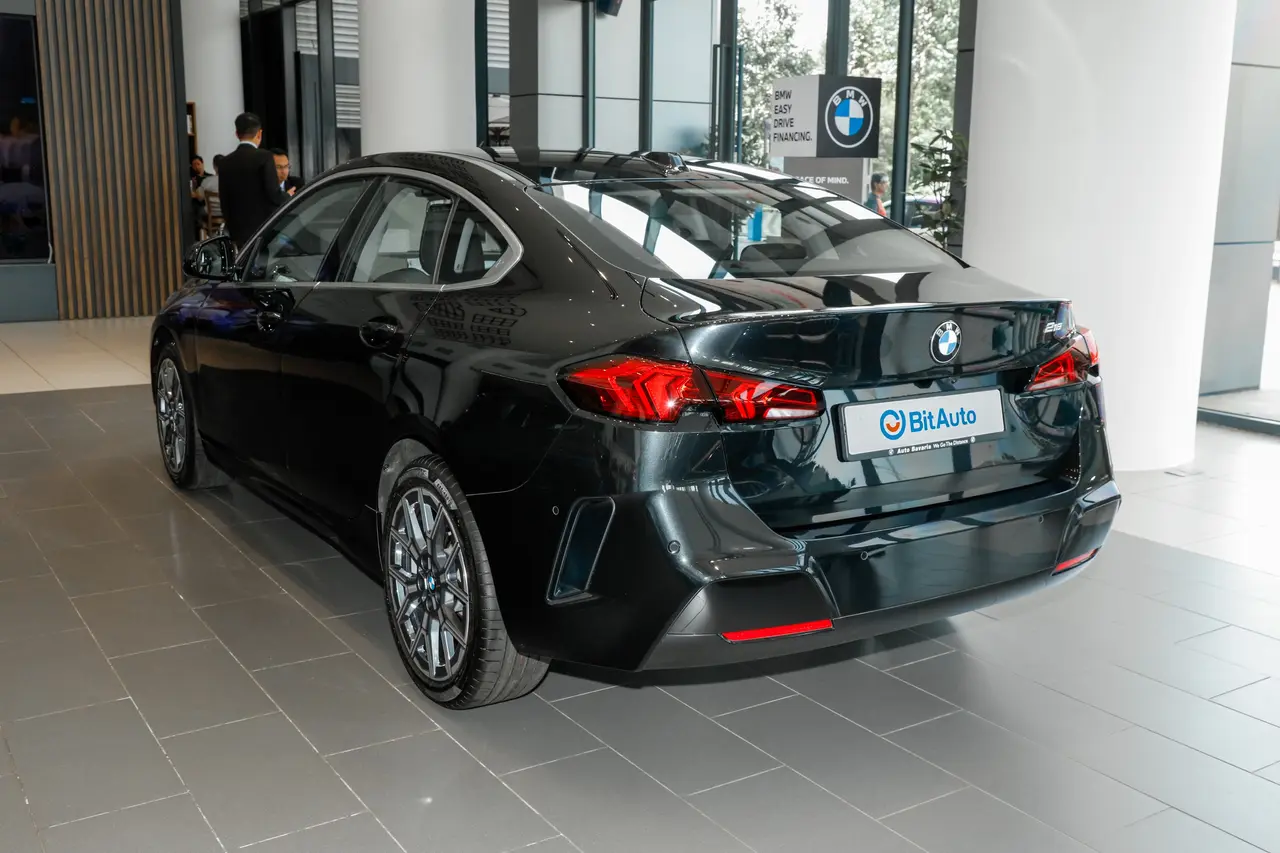
The compact footprint and low overall height give this four-door sedan a low-set stance. At around 4.55 metres long and 1.80 metres wide, its proportions also suit buyers who want a saloon that fits more comfortably into urban surroundings.

 Reka Bentuk Luaran
 Dalaman & Kelengkapan
 Prestasi & Pengendalian
 Ruang & Keselesaan
 Keselamatan & Kebolehpercayaan
 Nilai ekonomi & Nilai jual semula
The compact footprint and low overall height give this four-door sedan a low-set stance. At around 4.55 metres long and 1.80 metres wide, its proportions also suit buyers who want a saloon that fits more comfortably into urban surroundings.
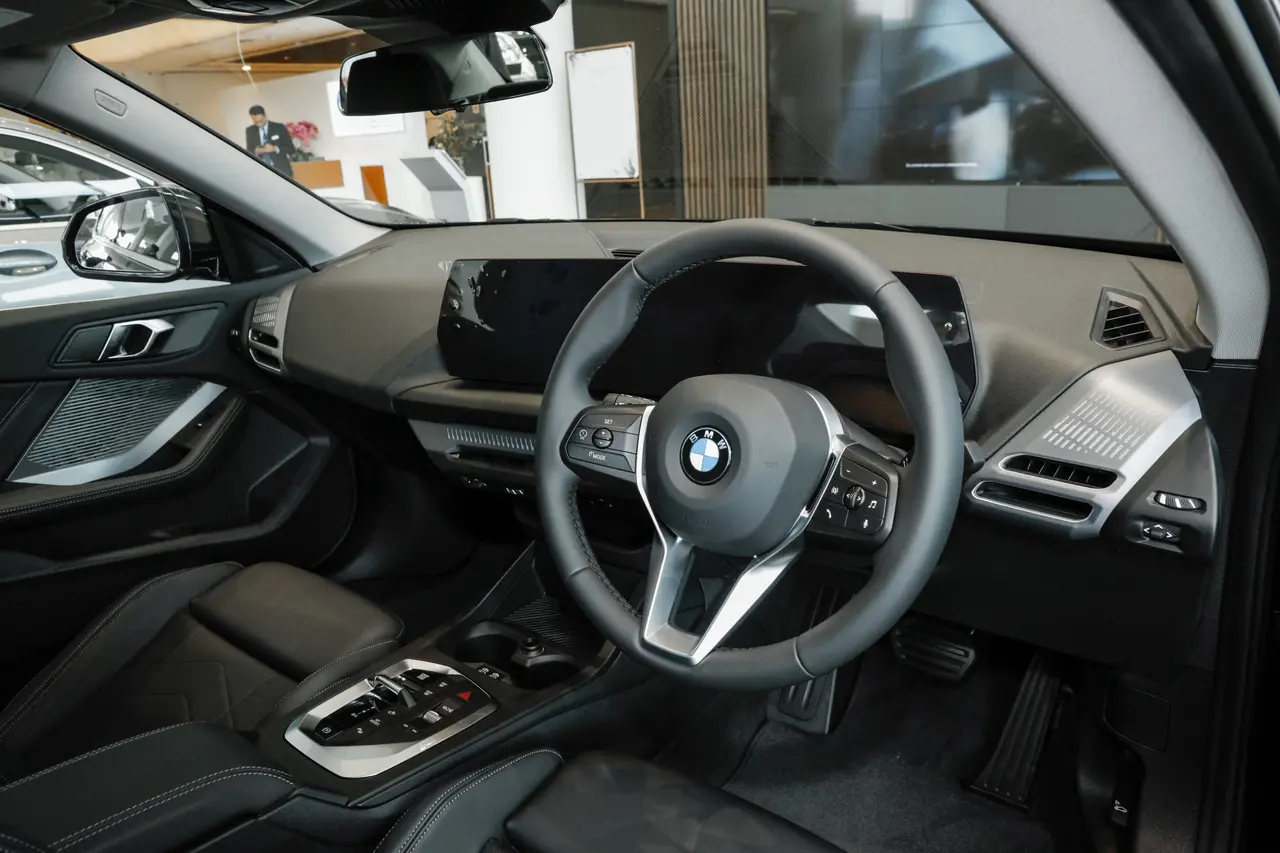
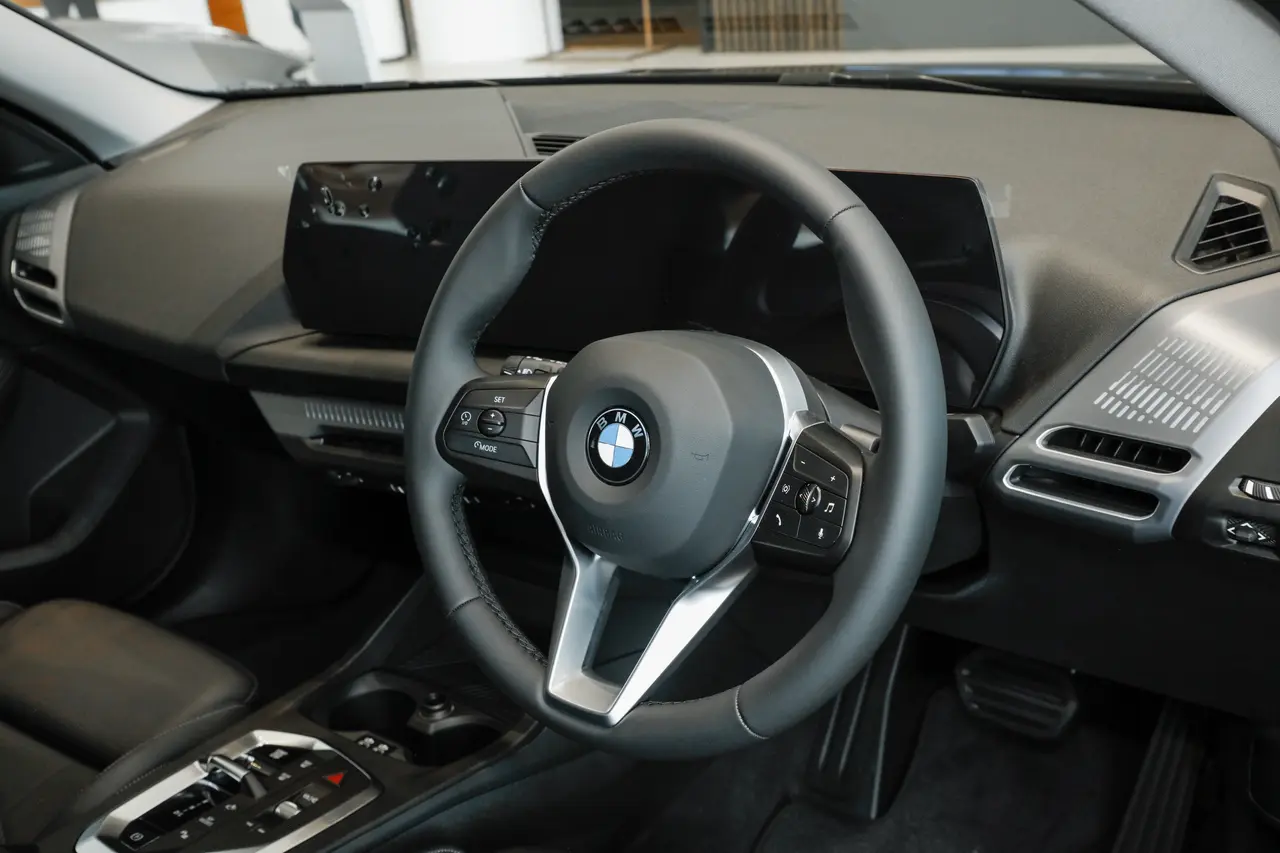
Everyday convenience is a strong part of the cabin's appeal. Apple CarPlay and Android Auto bring familiar navigation and music apps to the centre display, while the digital instrument cluster keeps driving information separate. The electrically adjustable driver's seat with memory makes sharing the car easier. Dual-zone climate control lets the front occupants choose their own temperatures, and rear air vents are a useful touch in Malaysia's heat.
The turbocharged 1.5-litre engine puts its emphasis on usable everyday performance. Peak torque arrives from 1,500 rpm and stays available through much of the mid-range, so accessing the engine's pulling power does not require chasing high revs. Paired with a seven-speed dual-clutch transmission, the quoted 8.6-second sprint to 100 km/h places the 218 Gran Coupé Sport in sensible daily-driver territory rather than outright performance-car territory.
A conventional two-front, three-rear seating arrangement gives the cabin flexibility for commuting with passengers or handling the school run. Its compact exterior keeps the overall package manageable for urban use. The appeal here is fitting five seating positions into a relatively modest footprint, rather than stretching the car's dimensions.
The active safety package addresses several everyday traffic risks. Forward collision warning and autonomous emergency braking can help when traffic slows unexpectedly, while blind-spot monitoring and lane-keeping assistance support awareness on multi-lane roads. Front, front-side and curtain airbags add occupant protection, and child-seat mounting points make this a practical choice for parents carrying younger passengers.
The official combined WLTC consumption figure of 6.3 L/100 km translates to roughly 15.9 km per litre, a useful reference when planning a petrol budget. Treat that as a test-cycle figure: stop-start traffic, air-conditioning use and driving style will influence consumption on Malaysian roads.

Hak Cipta bitauto.com
Yiche (www.yiche.com dan www.bitauto.com) ialah salah satu laman web automotif yang paling banyak dikunjungi di China, dan kami akan memberikan anda maklumat terperinci tentang kereta jenama China di kawasan anda. Sila ambil perhatian bahawa maklumat yang diberikan di laman web ini adalah berdasarkan maklumat yang tersedia secara umum dan hanya untuk rujukan sahaja. Ia mungkin tidak dikemas kini sepenuhnya atau tepat sepanjang masa.

Bantu kami memperbaiki laman web ini


