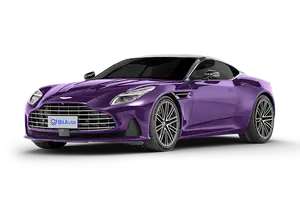
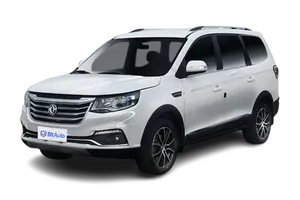
Family buyers: SX6 — 5 seats suits family duty better
Performance seekers: DB12 — 680 hp beats the SX6's 150 hp
Price & Ownership Costs
ParameterAston Martin DB12Forthing SX6
PriceTBCTBC
Body Type / Seats2 door Sports Car · 4 seats5 door SUV · 5 seats
AssemblyCBUCBU
Annual Road TaxRM 6,549RM 120 ✓
Engine, Fuel Economy & Refuelling
ParameterAston Martin DB12Forthing SX6
Engine Capacity3,982 cc ✓1,499 cc
Rated Economy12.2 L/100km7.4 L/100km
Fuel Tank78 L-
Both run conventional petrol engines. The DB12 uses a 4-litre turbocharged engine; the SX6 a 1.5-litre turbocharged engine. The SX6 is more frugal at 7.4 L/100km versus 12.2 L/100km.
Power & Performance
ParameterAston Martin DB12Forthing SX6
Max Power680 Ps ✓150 Ps
Max Torque800 N·m ✓200 N·m
DrivetrainRWDFWD
TransmissionATMT
Dimensions
ParameterAston Martin DB12Forthing SX6
Length4,725 mm ✓4,720 mm
Width1,980 mm ✓1,825 mm
Height1,295 mm1,790 mm ✓
Wheelbase2,805 mm ✓2,750 mm
Boot Capacity262 L-
The DB12 is the longer car — 5 mm up at 4725 mm versus 4720 mm. The SX6 seats 5.
Comfort & Technology
DB12
10.25" central touchscreen + 10.25" digital cluster
Dual-zone automatic climate control
Heated front seats
Wireless phone charging
11-speaker sound system
SX6
Manual air conditioning
Sunroof
Heated door mirrors
Sales Comparison
Monthly new car sales in Malaysia, with data for the past 6 or 12 months, or the full sales history since launch.
Monthly Sales Trend (Malaysia)
Loading sales data…
Monthly Registrations
Monthly Registrations
Data is based on vehicle registration and transaction records from Road Transport Department (JPJ), updated on the 10th of each month. It covers car sales by brand and model, as well as EV sales across Malaysia.
Key Specs Compared
ParameterAston Martin DB12Forthing SX6
Overview
Body Type2 door Sports Car5 door SUV
Seats4 seats5 seats ✓
AssemblyCBUCBU
Performance
Max Power680 Ps ✓150 Ps
Max Power500 kW ✓110 kW
Max Torque800 N·m ✓200 N·m
0–100 km/h3.6 s-
Top Speed325 km/h ✓160 km/h
DrivetrainRWDFWD
TransmissionATMT
Dimensions
Length4,725 mm ✓4,720 mm
Width1,980 mm ✓1,825 mm
Height1,295 mm1,790 mm ✓
Wheelbase2,805 mm ✓2,750 mm
Kerb Weight1,788 kg-
Boot Capacity262 L-
FAQs
Which one is more powerful?
The DB12 is more powerful — 680 hp against 150 hp.
Which has better fuel economy?
The SX6 is more frugal at 7.4 L/100km against 12.2 L/100km.