One is electric and one runs on petrol — the split comes down to how you charge and how far you drive. The EC40 is the cheaper way in at RM 248,888, undercutting the Everest by RM 67,950. With no clear hardware advantage to justify the difference, the Everest is harder to recommend.
Key Differences
Price:EC40 RM 248,888; Everest RM 316,838
Powertrain & range:EC40 70 kWh; Everest 2L
Power:EC40 235 hp; Everest 170 hp
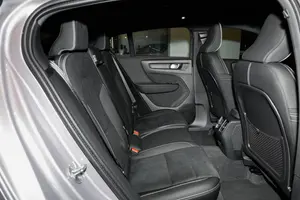
Boot space:EC40 404 L; Everest 259 L
Pros & Cons
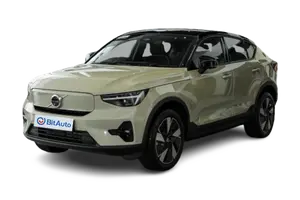
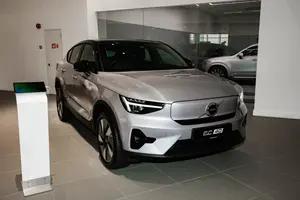
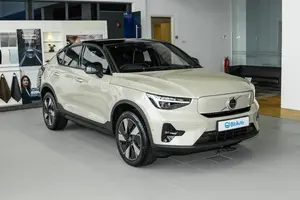
Volvo EC40 488km Ultra (2027)
Pros
Lower price at RM 248,888
Stronger 235 hp
404 L boot
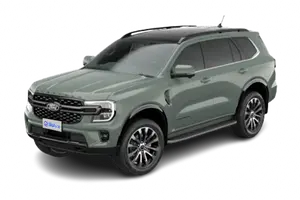
Ford Everest 2.0T 4WD Sport (2026)
Pros
Competitive on price for what it offers
Cons
Higher entry price
Less power
Smaller boot
Find the Right Car
Choose the EC40 if you want...
the lowest purchase price (RM 248,888)
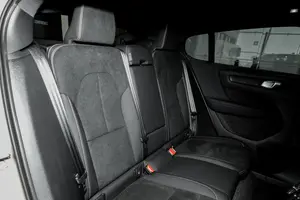
5 seats and 404 L of boot space
stronger 235 hp performance and a 7.3 s sprint
near-zero fuel cost on home charging
Choose the Everest if you want...
refuels anywhere in minutes
259 L of boot space
a 2-litre engine
Which car suits your lifestyle best?
Daily commuters: EC40 — the lower price makes it an easy city EV
Long-distance drivers: Everest — refuels anywhere with no charging stops
Performance seekers: EC40 — 235 hp beats the Everest's 170 hp
Body Type / Seats5 door SUV · 5 seats5 door SUV · 7 seats
AssemblyCKDCKD
Annual Road TaxRM 220 ✓RM 440
Energy & Consumption
ParameterVolvo EC40Ford Everest
Fuel TypeBEVDiesel
Consumption16.7 kWh/100km-
Max Range (Full Tank/Charge)488 km · WLTP-
The EC40 runs on electricity alone; the Everest burns petrol.
Power & Performance
ParameterVolvo EC40Ford Everest
MotorRear-
Max Power-170 Ps
Max Torque-405 N·m
DrivetrainRWD4WD
TransmissionFixed Gear RatioAT
Dimensions
ParameterVolvo EC40Ford Everest
Length4,440 mm-
Width1,873 mm-
Height1,591 mm-
Wheelbase2,702 mm-
Boot Capacity404-958 L ✓259-1818 L
Comfort & Technology
EC40
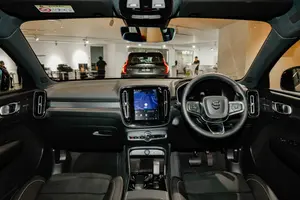
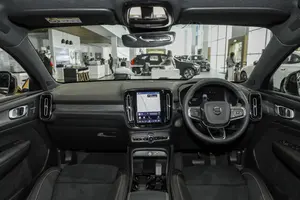
9" central touchscreen + 12.3" digital cluster
Dual-zone automatic climate control
Panoramic sunroof
Wireless phone charging
13-speaker Harman/Kardon system
Everest
12" central touchscreen + 8" digital cluster
Dual-zone automatic climate control
Wireless phone charging
8-speaker sound system
Power tailgate
Sales Comparison
Monthly new car sales in Malaysia, with data for the past 6 or 12 months, or the full sales history since launch.
Monthly Sales Trend (Malaysia)
Loading sales data…
Monthly Registrations
Monthly Registrations
Data is based on vehicle registration and transaction records from Road Transport Department (JPJ), updated on the 10th of each month. It covers car sales by brand and model, as well as EV sales across Malaysia.




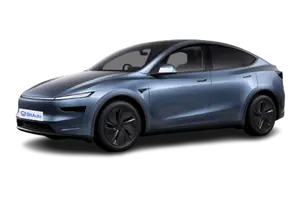 TESLA Model Y
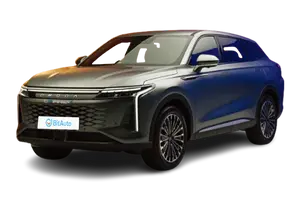 OMODA JAECOO C9 PHEV
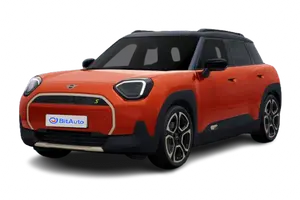 MINI Aceman
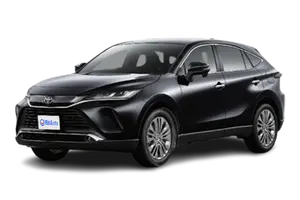 Toyota Harrier
 MINI Countryman
 Mercedes-Benz GLA

