In the Malaysian automotive landscape, the name Toyota is virtually synonymous with reliability, strong residual value, and a substantial installed base. Models such as the Vios, Hilux, and Camry are ubiquitous on our roads, a testament to Toyota's dominant position in the hearts of local consumers. Toyota registered 9,632 new vehicles in May 2026, securing third place among all brands nationwide with a market share of 14.6%.
Yet, even the world's largest automaker has not seen every model secure a foothold in Malaysia. Some have never truly entered the local market, others made a fleeting appearance before quietly withdrawing, while a few that thrived overseas failed to adapt to local conditions.
From the Etios to the Premio, from the Wish to the Sienta and the Rush—their absence or departure reflects not only Toyota's product strategy but also the unique demand logic of the Malaysian automotive market.
Let us begin with the most extreme case.
If you spot a Toyota Etios on the roads of Malaysia, you are looking at the only one in the entire country.
Since 2017, only one Toyota Etios has been formally registered in all of Malaysia. This grey Etios was registered in December 2017, with no further registration records since. The Etios was never officially imported by UMW Toyota; that single unit was likely brought in via personal import or another special channel.
The Etios is a budget sedan developed by Toyota in 2010 for the Indian market (later followed by the Liva hatchback), with a production run spanning from 2010 to 2023. Known for being "cost-effective and highly reliable" in markets like India, Brazil, and Indonesia, the Etios never reached Malaysian consumers through official channels.
However, the Etios nearly appeared in Malaysia under a different guise.
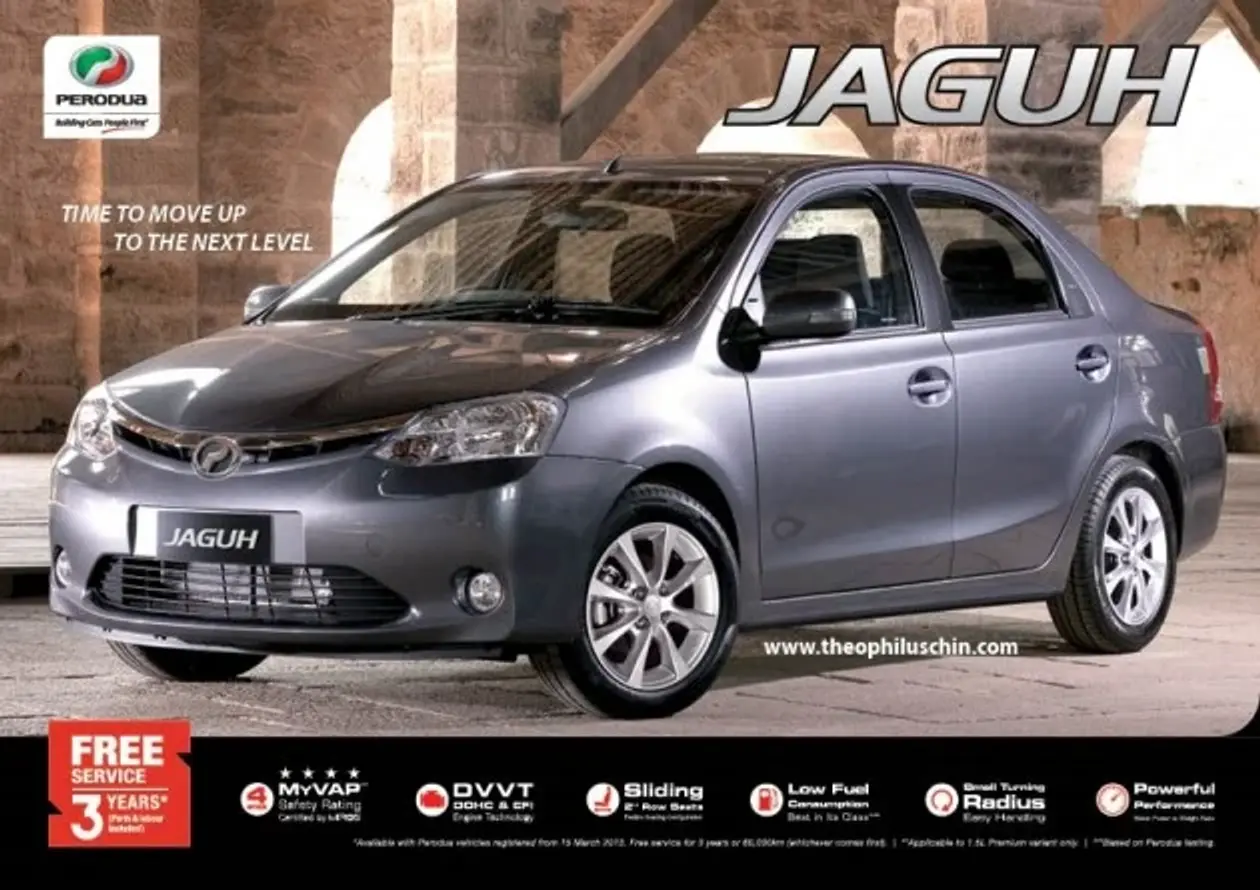
In July 2013, a so-called "Perodua Jaguh" brochure suddenly circulated online. The images showed a sedan bearing the Perodua badge—visually very similar to the Toyota Etios but featuring a Perodua-style front grille, Myvi-style door handles, and wheels from an Alza. This sent shockwaves through the Malaysian automotive community: was Perodua launching a sedan based on the Toyota Etios?
At the time, the rumour was not entirely baseless. Perodua maintains a deep partnership with Toyota (via Daihatsu), with Daihatsu holding approximately 35% of Perodua's shares. Rebadging a Toyota model for local assembly and sale by Perodua made logical sense. The Etios's 1.5-litre engine, delivering around 90 PS, along with its size and positioning, would have perfectly filled the gap in Perodua's sedan lineup at the time.
However, the entire affair was later revealed to be a well-planned prank. The mastermind behind the fake brochures was render designer Theophilus Chin. He later confessed that it was merely a "carefully orchestrated prank"—all Toyota logos were replaced with Perodua branding, the door handles were sourced from a Myvi, the wheels came from an Alza, and even the overall style of the brochure heavily referenced official Alza materials.
The Jaguh never existed. The Etios was never officially imported into Malaysia. Perodua did later launch a sedan—the Bezza, which debuted in 2016—but that is a completely different story. The name Etios left only a solitary registration number in Malaysian automotive history: 1.
If the Etios is "almost non-existent," then the Premio is "did exist, but so few it is negligible."
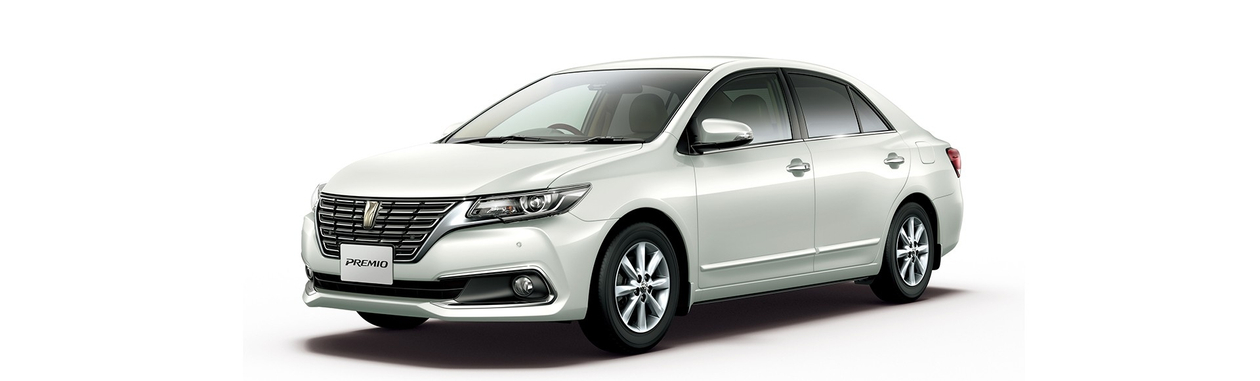
The Toyota Premio is a sedan developed exclusively for the Japanese domestic market (JDM), sharing a platform with its sibling, the Allion. While the Premio targets a more luxurious and traditional audience, the Allion leans younger and sportier. The Premio was never included in Toyota's official export plans—it was a product solely for Japanese consumers.
Yet, in Malaysia, 19 units of the Premio were registered. These vehicles were almost certainly imported via the recon (reconditioned) channel or as personal imports. Registration data shows that the Premio's "golden era" in Malaysia was 2005, with four units registered that year. Sporadic registrations occurred thereafter, with the last one completed in March 2015.
Nineteen units. Against the backdrop of Toyota Malaysia's massive cumulative registration numbers, this figure is virtually insignificant. The Premio's presence in Malaysia resembles a niche hobby for Japanese car enthusiasts rather than that of a legitimate "model."
The story of the Premio teaches us: not all Toyota models are suitable for Malaysia. Some were never designed for this market in the first place; their appearance was purely accidental, and their disappearance was equally inevitable.
Unlike the Etios and Premio, the Wish once enjoyed true success in Malaysia.
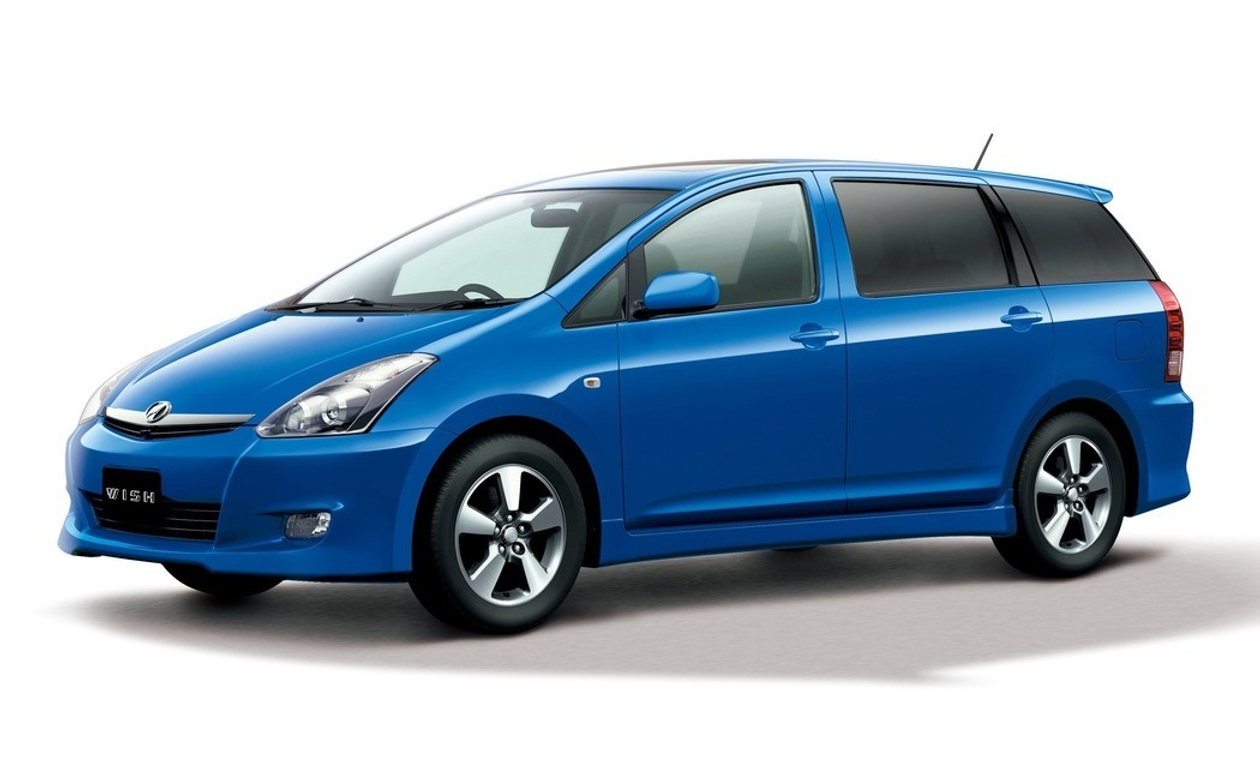
The Toyota Wish made its debut in Japan in 2003, positioned as a sporty seven-seater MPV. In an era when MPVs reigned supreme, the Wish quickly won over a large following in Malaysia thanks to its sleek lines, spacious interior, and Toyota's hallmark reliability.
There is a common misconception regarding the Wish's sales channels in Malaysia: many believe it was never officially imported. In fact, UMW Toyota briefly imported the first generation (ZGE10) Wish for official sales. However, the second-generation Wish (ZGE20) was never brought in via official channels; instead, the parallel import market took full control, making the Wish one of the "cash cows" of Malaysia's parallel import sector.
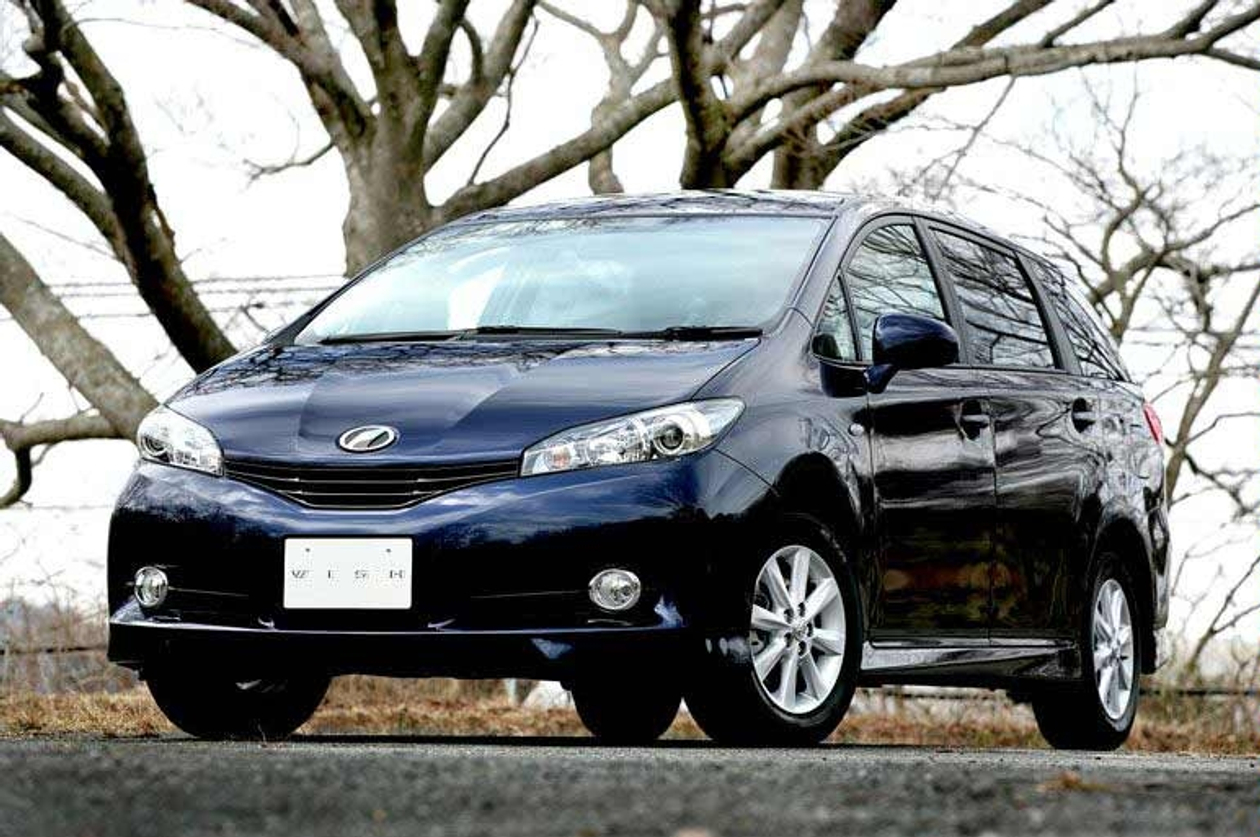
A total of 55,999 Toyota Wish units have been registered in Malaysia since 2003. The best-selling year was 2014, with 4,384 units registered. While this figure is not top-tier compared to Toyota's bestsellers like the Vios (597,774 units) or Hilux (453,152 units), it is still remarkable for a model that later relied heavily on parallel imports.
However, the Wish eventually met its end. In 2017, Toyota announced the model would be officially discontinued that November. The reasons were straightforward: a general decline in the MPV market and product overlap within Toyota's own MPV lineup in Japan. The rise of SUVs and crossover models gradually eroded the appeal of sedan-based MPVs like the Wish.
In Malaysia, the discontinuation of the Wish marked the end of an era. Families that once drove Wishes to shuttle their children to school gradually switched to HR-Vs, X-Trails, or CX-5s. Notably, however, as of May 2026, four Wish units were registered in the past six months—likely remaining stock from parallel import dealers. The name Wish, meaning "hope," now survives only as a trail of second-hand transactions and occasional sightings on the roads.
If the Wish is a story of "glory followed by natural withdrawal," then the Sienta's tale is more like "extinguished before it ever had a chance to shine."
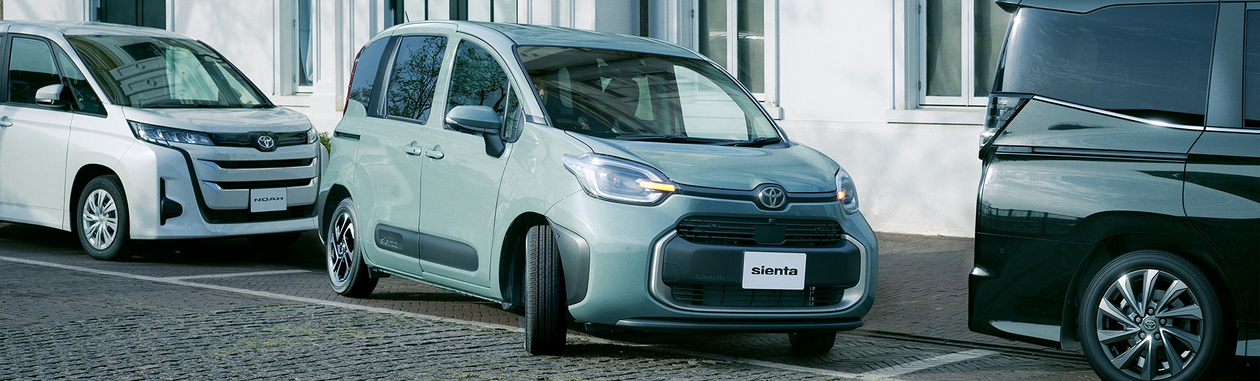
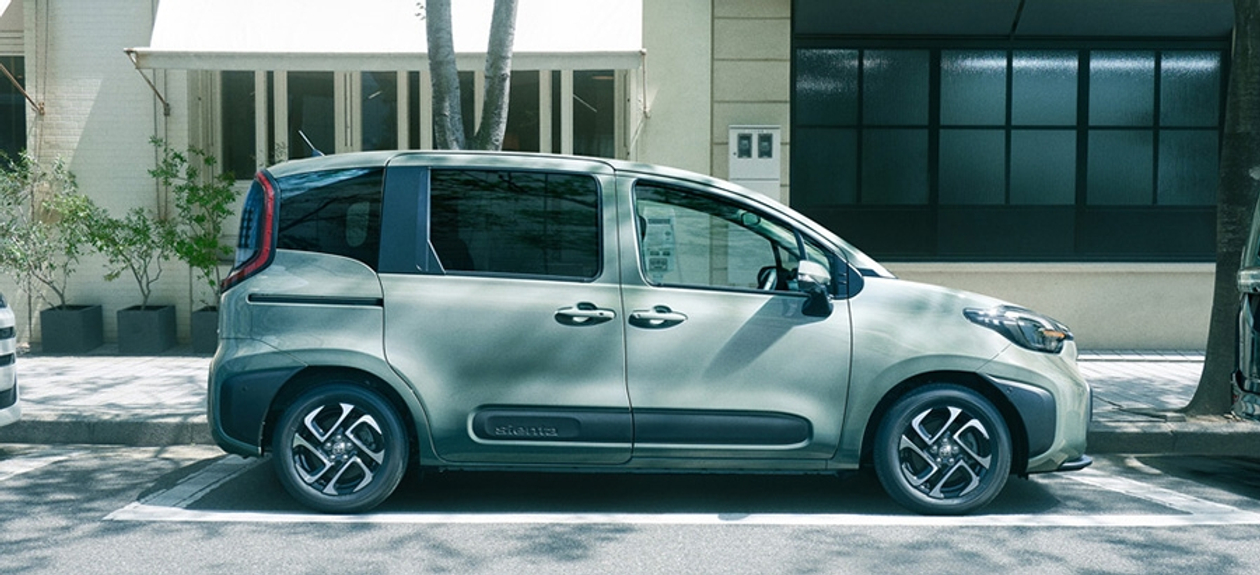
UMW Toyota officially launched the Toyota Sienta in Malaysia in August 2016. It is a compact seven-seater MPV featuring a small footprint, high interior space efficiency, and power sliding doors, targeting urban families. The Sienta was imported as a completely built-up (CBU) unit from Indonesia, with launch prices of RM 92,900 for the 1.5G model and RM 99,900 for the 1.5V model. In March 2018, UMW Toyota revised the Sienta lineup, dropping the 1.5G variant and retaining only the 1.5V trim.
On paper, the Sienta's product offering was not weak. It performed well in Japan and Hong Kong, and its sliding door design was ideal for congested urban environments. However, in Malaysia, the Sienta never found its footing.
Several reasons contributed to this. First, pricing. A price exceeding RM 90,000 for a 1.5-litre compact MPV was uncompetitive. At that price point, buyers had numerous alternatives, including larger MPVs or emerging SUVs. Second, sliding doors. Malaysian consumers were far less accepting of power sliding doors compared to markets in Japan and Hong Kong. Locally, sliding doors were often associated with commercial vans rather than family vehicles. In contrast, traditional hinged-door models like the Toyota Avanza and Perodua Aruz were more popular. Third, market competition. When the Sienta launched, the market already offered cheaper seven-seater options like the Perodua Alza and Proton Exora, while above that segment sat larger MPVs.
Sales data tells the whole story. Sienta registrations in Malaysia began in October 2006—a full decade before the model's official launch in 2016. These early records likely stem from extremely rare parallel import cases or data classification anomalies. The Sienta's true sales peak was 2017, with 2,203 units registered. Since 2006, a total of 6,126 Sienta units have been registered in Malaysia.
In 2019, when Toyota launched a minor facelift for the Sienta in Thailand and Indonesia, UMW Toyota chose to quietly discontinue the model. The official sales cycle of the Sienta in Malaysia spanned only about three years, from August 2016 to 2019. Only a few remaining inventory units were registered in subsequent years, with the most recent registration recorded in October 2025.
The withdrawal of the Sienta highlights a harsh reality of the Malaysian automotive market: not all cars that sell well in Japan succeed in Malaysia. Differences in market preferences, price sensitivity, and consumer habits can determine a vehicle's fate.
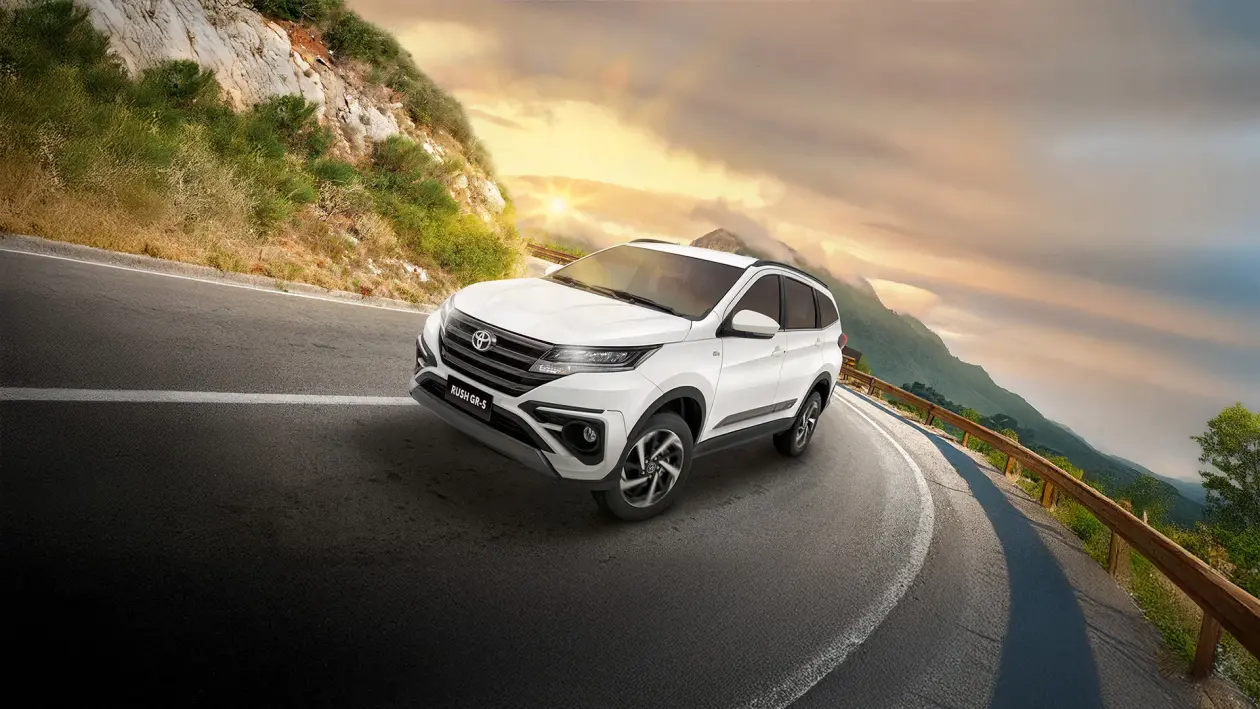
The Toyota Rush is a seven-seater SUV powered by a 1.5-litre 2NR-VE four-cylinder naturally aspirated engine, producing 105 PS and 136 Nm of torque. Launched in the Malaysian market in October 2018, it was offered in two trims: 1.5G and 1.5S, priced at RM 88,314 and RM 91,885 respectively. The Rush accumulated 29,216 registrations in Malaysia.
In January 2024, UMW Toyota confirmed that: the Rush has been officially discontinued in the Malaysian market. The model was removed from the UMW Toyota website, marking the end of its product lifecycle in Malaysia.
Toyota subsequently introduced the Yaris Cross in Malaysia based on the DNGA platform, which is produced at its Bukit Raja plant alongside the Vios, not on the Rush's line.
A combination of factors—line closure, platform aging, and strategic adjustments within the brand's product lineup—ultimately led to the Rush's market exit. The Rush's departure was not due to product failure but rather the natural cycle of product evolution and production layout adjustments.
Reviewing the fates of these models allows us to identify some recurring patterns.
First, price is the biggest barrier. The Sienta's case is the most typical: a vehicle with strong product attributes failed to gain traction simply because its price was too high. In Malaysia, RM 90,000 is a sensitive psychological threshold. Exceeding this figure significantly alters consumer expectations and the scope of available choices.
Second, market preferences dictate everything. The Wish's success in Malaysia relied on a dual supply channel of official imports and parallel imports, combined with consumer aesthetic preference for sporty MPVs. However, when trends shifted towards SUVs, the Wish's departure became inevitable. The Sienta's sliding door design was a selling point in Japan but a disadvantage in Malaysia. The same product can receive completely different evaluations in different markets.
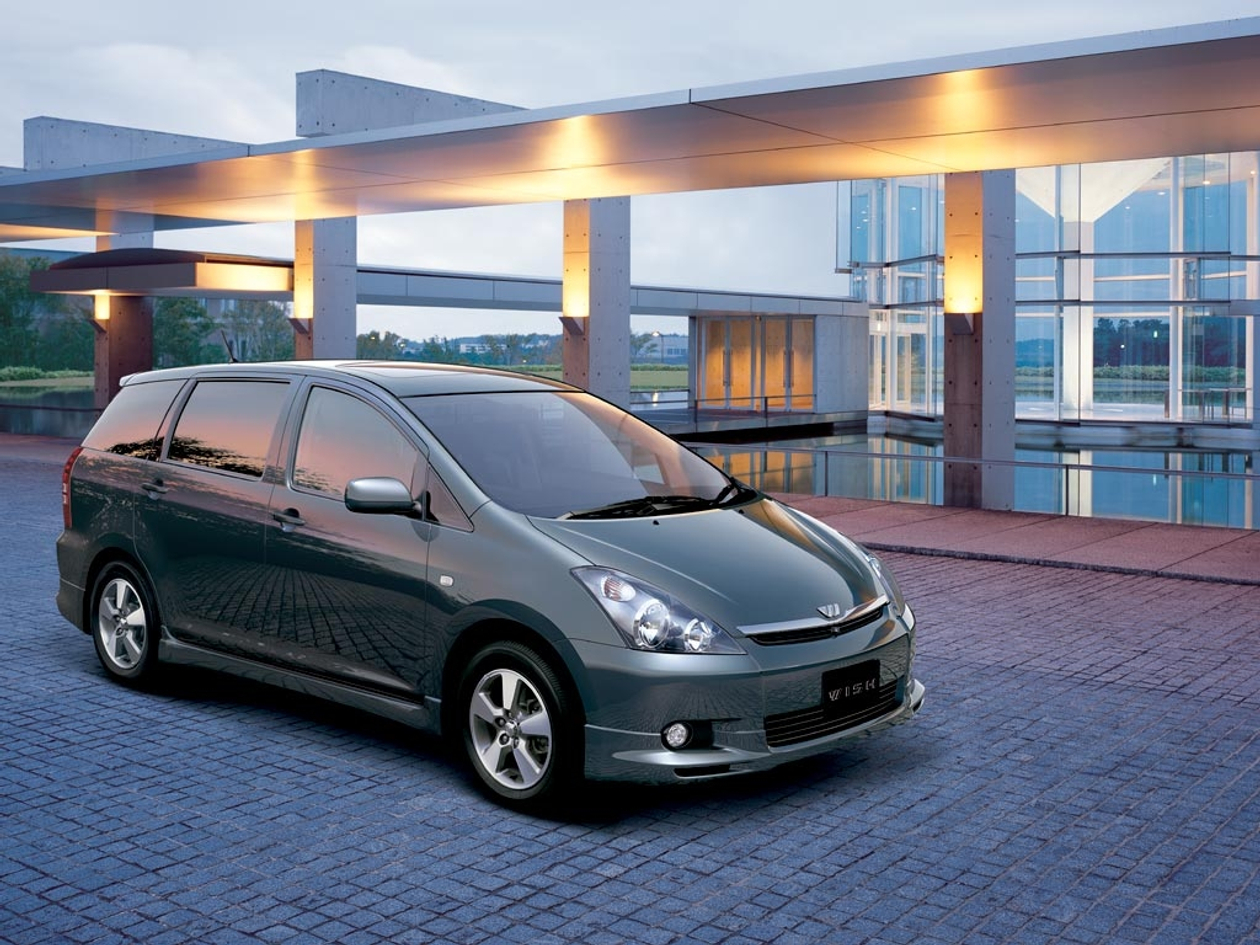
Third, official imports versus parallel imports. The Wish presents an interesting case: the first generation was officially imported, while the second generation was fully dominated by parallel importers, achieving a cumulative 55,999 units sold. This demonstrates that Malaysian consumer demand for certain models can be so strong that even without official support, buyers will seek them out through unofficial channels. However, parallel imports have limitations: they cannot achieve economies of scale, after-sales service is not guaranteed, and prices fluctuate significantly. The single-digit registration numbers for the Etios and Premio show that niche models without official backing ultimately remain niche.
Fourth, production layout determines product fate. The exit of the Rush clearly illustrates that even if a model sells reasonably well, if its production depends on another model's production line, it must also withdraw when that line closes. Automotive manufacturing is an industry heavily reliant on economies of scale, and production-level decisions often hold more weight than market-level decisions.
From the Etios to the Rush, from the Premio to the Sienta and the Wish—these models have had different stories in Malaysia, but they all share a common underlying logic: the automotive market is never as simple as "good cars will sell well".
Price, positioning, market demand, consumer habits, production layout, and brand strategy—these factors intertwine to determine a car's survival in Malaysia. Some cars never truly arrived (Etios), others arrived but were forgotten (Premio), some enjoyed glory but were abandoned by the times (Wish), some were extinguished before they could shine (Sienta), and some retired gracefully due to production line changes (Rush).
For consumers, understanding these "failed" or "short-lived" models may be more meaningful than studying successful ones. It reminds us that in the matter of car buying, following the herd is not necessarily a bad thing. Models that are ubiquitous on the roads—Vios, Hilux, Camry—are everywhere precisely because they have been tested by the market and proven to suit Malaysia.
And the models that "came and went," regardless of their overseas success or their sentimental value among car enthusiasts, will ultimately be eliminated by the laws of the market.
This is perhaps the cruelest yet fairest aspect of the automotive industry.

Your go-to source for all things automotive in Malaysia. 🚗 Latest reviews, breaking news, launches & industry trends.
+ Follow This weekend is your chance to own a Volvo Selekt Certified Used Car, priced from just RM 148,000.
What are you waiting for?
#volvo 1 minute ago
This weekend is your chance to own a Volvo Selekt Certified Used Car, priced from just RM 148,000.
What are you waiting for?
#volvo 1 minute ago  We saw this accident this morning, and here’s a reminder to everyone: please drive safe. 2 days ago
  The G50 BMW 3 series is now here, adopting much of the i3's design elements.
So, where's the BMW M3?
#bmw #BMW3Series 4 days ago
The G50 BMW 3 series is now here, adopting much of the i3's design elements.
So, where's the BMW M3?
#bmw #BMW3Series 4 days ago Get the latest car news first!
Your go-to source for all things automotive in Malaysia. 🚗 Latest reviews, breaking news, launches & industry trends.
This weekend is your chance to own a Volvo Selekt Certified Used Car, priced from just RM 148,000.
What are you waiting for?
#volvo 1 minute ago We saw this accident this morning, and here’s a reminder to everyone: please drive safe. 2 days ago The G50 BMW 3 series is now here, adopting much of the i3's design elements.
So, where's the BMW M3?
#bmw #BMW3Series 4 days ago  ProtonGWMVolkswagenJAECOOVolvoPeroduaToyotaHondaTESLAMitsubishiMazdaJetourCheryBYDLexusBMWMercedes-BenziCAURZeekrIsuzuNissanLeapmotorPorscheFordOMODAMINIMGSuzukiXPengHyundaiWulingKiaSubaruDenzaGACLand RoverDongfengCAMAudiPeugeotFotonMAXUSsmartDaihatsuJACJMCMaseratiLotusAlfa RomeoRenaultGolden DragonKaiceneSeresLamborghiniFerrariJeepRolls-RoyceLepasAston MartinMcLarenChevroletBentleyFiatBAICForthingGeelyRoeweAeolusChanganARCFOXDeepalExeedHongqiVoyahJaguarKGMBuforiAcuraCadillacDodgeAbarthINEOSMHEROJMEVFreelander
© 2024 Bitauto.com. All Rights Reserved.
Bitauto (www.yiche.com and www.bitauto.com) is one of the most visited automotive websites in China. We provide detailed info on Chinese car brands available in your area. Please note that the information provided on this website is based on publicly available data and is for reference only. It may not be fully updated or accurate at all times.
Help us improve our website


