In July 2026, a pure electric K-Car from China's BYD became a hot topic in the Malaysian automotive circle.
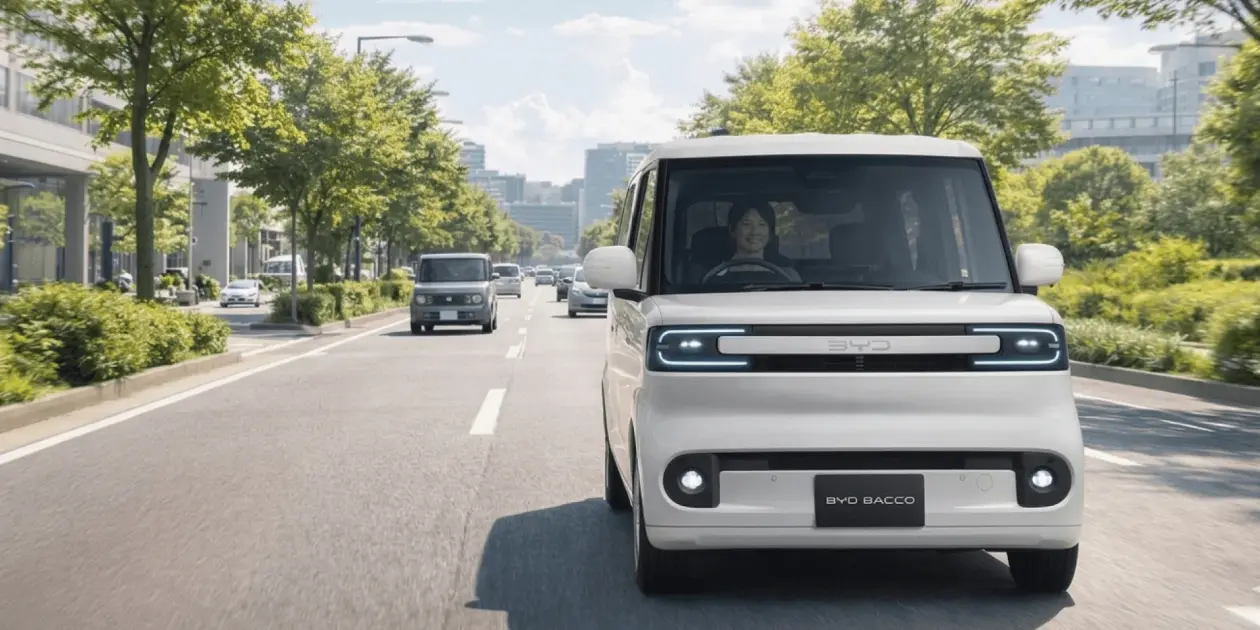
BYD Racco will officially launch in Japan on July 28, 2026. This is BYD's first K-Car specifically developed for the Japanese market, marking the first time a Chinese brand has entered the Japanese K-Car segment, a niche market long monopolised by domestic brands.
The estimated starting price of the Racco in the Japanese market is around 2.5 million yen (approximately RM 63,000). A four-seater micro MPV with dual electric sliding doors, pure electric powertrain, and priced around the RM 60k level—an combination that finds virtually no direct rival in the Malaysian market.
The question is: Malaysia is not on the official import plan.
However, this does not mean the Racco is irrelevant to Malaysian consumers. Quite the opposite—the emergence of this vehicle reflects profound changes in the global EV market and offers Malaysian consumers a window into future urban mobility trends.
What Is a K-Car and Why Is It Unique to Japan?
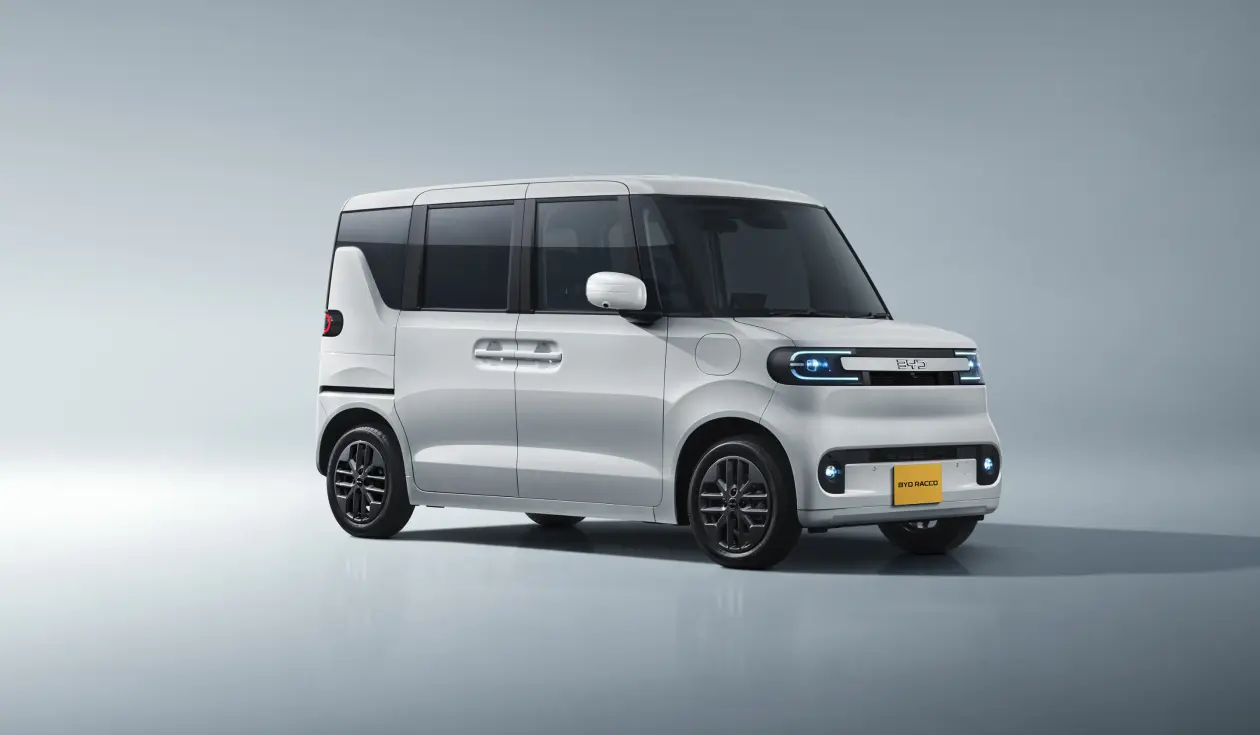
Before understanding the Racco, let's clarify one concept: the K-Car.
The K-Car is a Japanese-only category of light automobiles, subject to strict regulations—maximum vehicle length of 3.4 metres, maximum width of 1.48 metres, and engine displacement not exceeding 660cc (for internal combustion models). This segment has consistently accounted for approximately one-third of new car sales in Japan, making it an indispensable market for any brand seeking genuine entry into Japan.
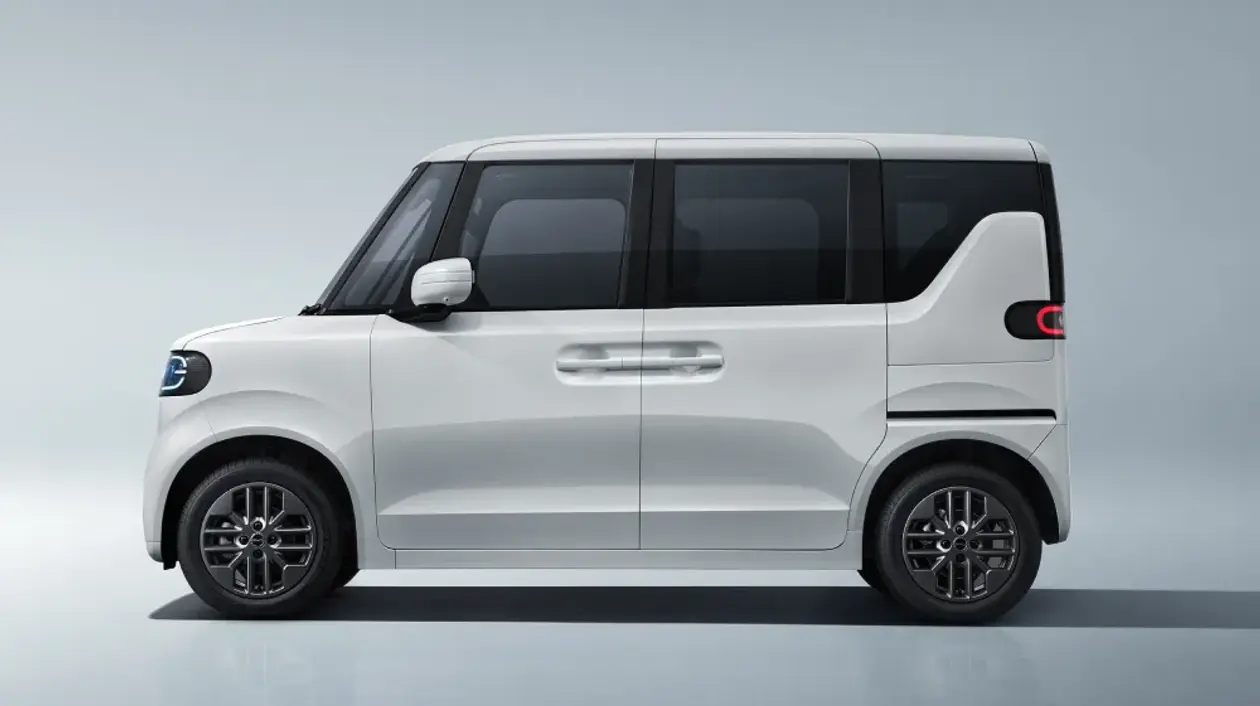
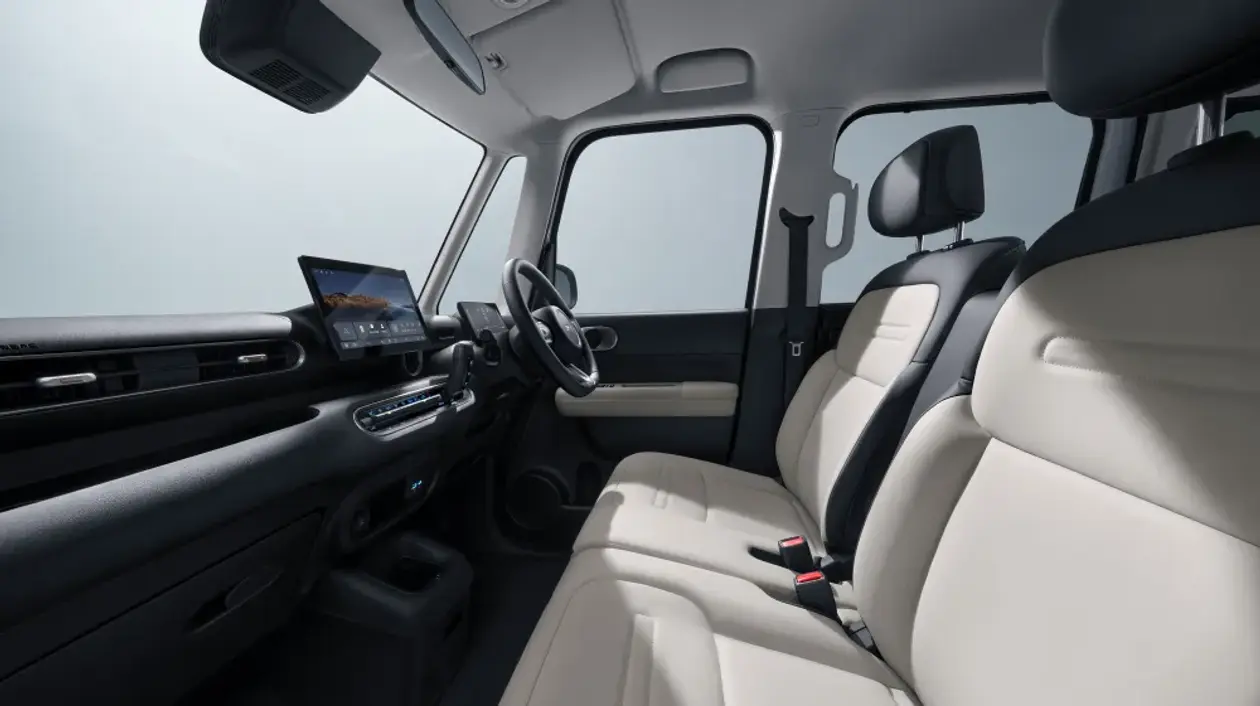
The Racco's dimensions are 3,395mm in length, 1,475mm in width, and 1,800mm in height, with a wheelbase of 2,520mm. Its size approaches the legal limits for K-Cars, adopting a "Super Height Wagon" design—a boxy body that maximises interior space, comfortably accommodating four adults.
Powertrain and Range: Two Battery Options, Three Variants
The Racco will be offered in three versions: 200, 300 Plus, and 300 Premium.
All versions are equipped with the same front-mounted single motor, delivering 64 PS (63 hp / 47 kW) and 160 Nm of torque—160 Nm being the maximum torque permitted by Japanese K-Car regulations.
Regarding battery options:
Racco 200: Equipped with a 22.4 kWh LFP (Lithium Iron Phosphate) battery, offering a WLTC range of 210 kilometres.
Racco 300 Plus / 300 Premium: Equipped with a 35.84 kWh battery, offering a WLTC range of 320 kilometres.
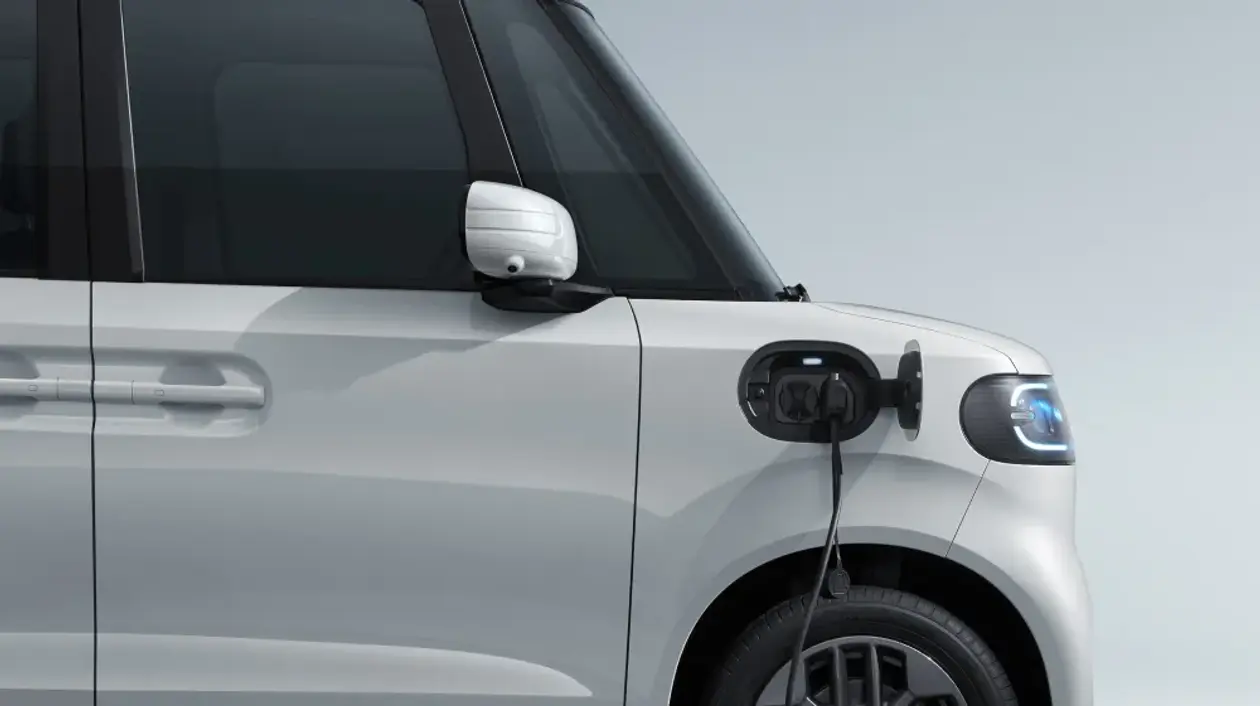
The Racco supports DC fast charging with a maximum power of 50 kW.
Highlight Features: Dual Electric Sliding Doors Are the Main Selling Point
The most striking feature of the Racco is its dual electric sliding doors—it is the first light pure electric vehicle in Japan equipped with dual electric sliding doors. For a micro-car with a width of only 1,475mm, the convenience of sliding doors for entering and exiting in narrow parking spaces is self-evident.
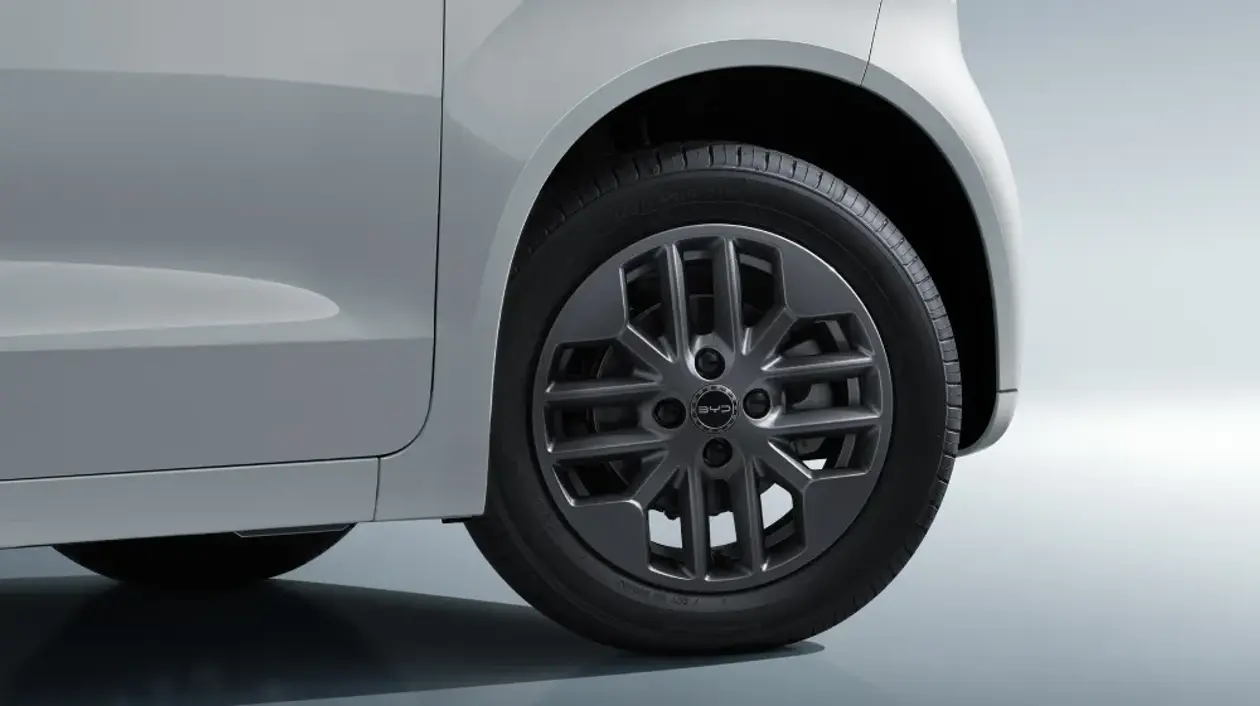
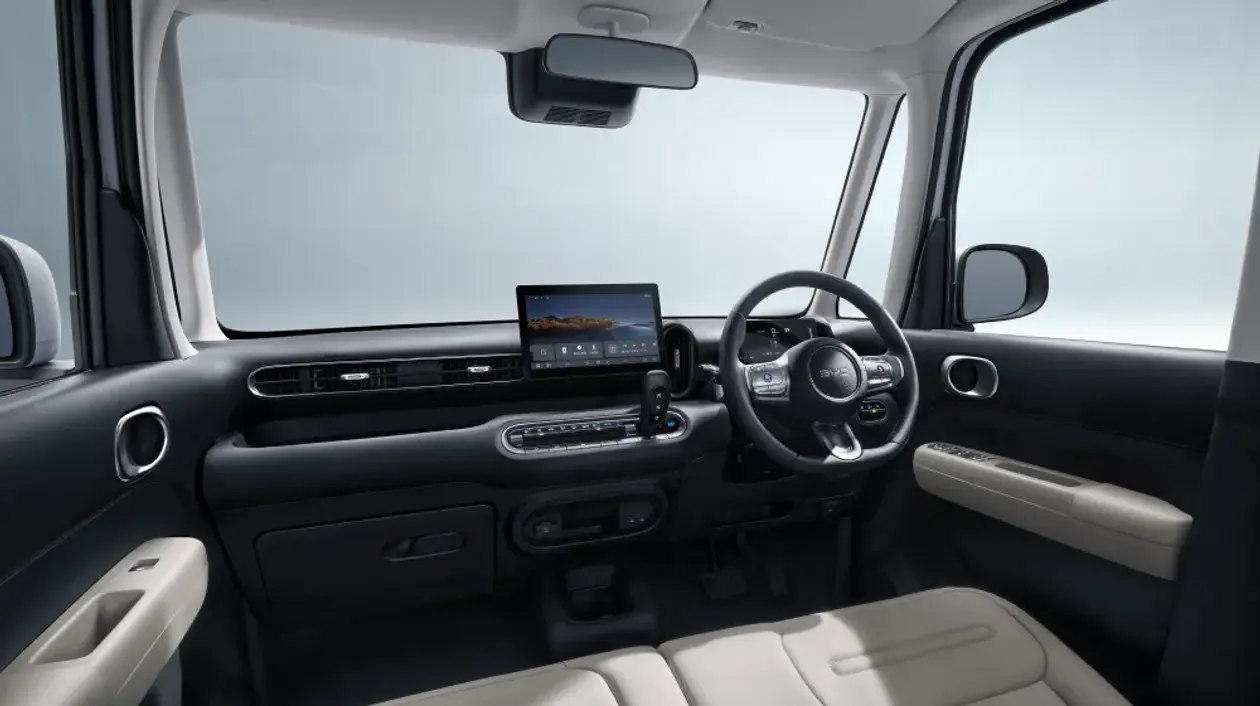
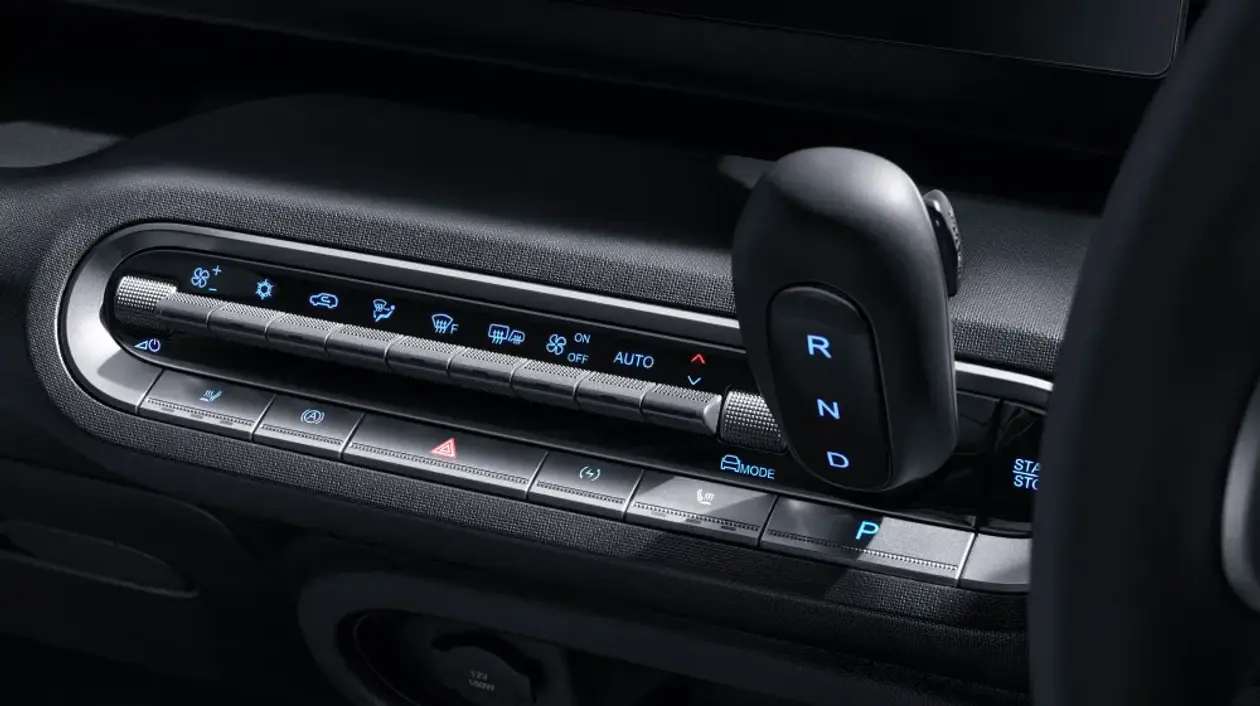
Other features include 15-inch wheels fitted with 165/65 tyres, MacPherson struts front suspension + torsion beam rear suspension, ventilated front brake discs, and solid rear brake discs. The interior features a digital instrument cluster and a touchscreen infotainment system. Higher trim levels also offer NFC digital keys, and even a foldable rear tray table. The standard boot capacity is 280 litres, expandable to 1,372 litres with the rear seats folded.
These specifications are truly impressive for a vehicle estimated at the RM 60k price point.
Competitors: Challenging Local "Tough Guys" in Japan
The Racco's direct competitors in the Japanese market include the Honda N-One e:, Nissan Sakura, and Mitsubishi eK X EV. These are the "local tough guys" of the Japanese K-Car market, with mature products, established distribution channels, and high brand loyalty.
To gain market share from these competitors, the Racco relies on the cost advantage of LFP Blade Batteries, the differentiated configuration of dual electric sliding doors, and BYD's vertical integration capabilities in the EV supply chain. This is a head-on challenge initiated by a Chinese brand in the Japanese domestic market—regardless of the outcome, the launch of the Racco itself is a milestone.
Official statement: Exclusive to Japan, Malaysia Not Currently on the Agenda
According to a Carlist report on July 13, 2026: "Malaysia not on the cards". Liu Xueliang, General Manager of BYD Asia-Pacific Sales, has previously confirmed that the Racco will maintain Japan market exclusivity.
This means that, at least in the short term, BYD Malaysia will not import the Racco through official channels.
What about the Recon (Reimported Used Vehicles) Channel?
Theoretically, Malaysian importers holding an AP (Approved Permit) can import used cars from overseas. The Racco is a right-hand drive model (both Japan and Malaysia use right-hand drive), which is a natural advantage.
However, in practice, the new CBU EV regulations effective from July 1, 2026, present a hard barrier.
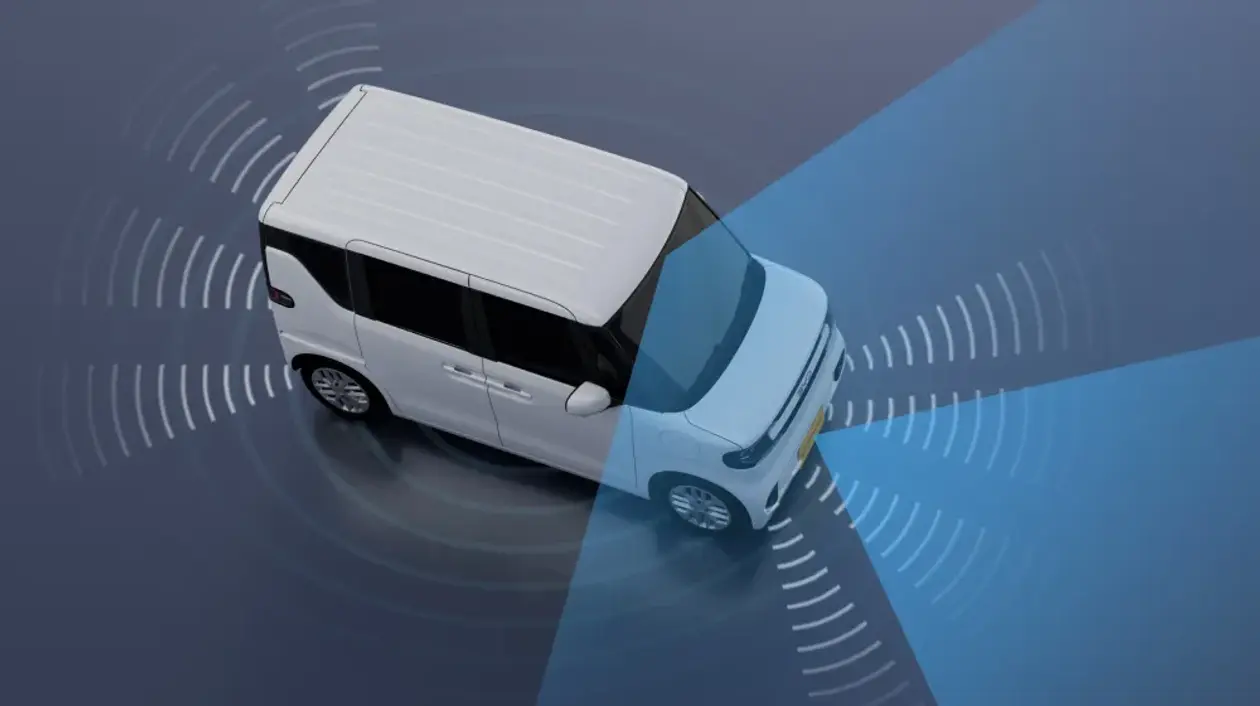
Under the new policy by the Malaysian Ministry of Investment, Trade and Industry (MITI), all Completely Built Unit (CBU) pure electric vehicles must meet two conditions simultaneously:
Minimum Power Requirement: The vehicle's maximum power must reach at least 180 kW (approximately 241 horsepower).
Minimum Price Threshold: The Cost, Insurance, and Freight (CIF) price must be above RM 200,000.
The Racco's motor power is only 47 kW (64 PS)—far below the 180 kW threshold. The Racco's estimated price in Japan is about RM 63,000—far below the RM 200,000 price threshold.
The introduction of this new regulation is essentially aimed at encouraging EV brands to assemble locally (CKD) in Malaysia, rather than continuing to import low-priced models in CBU form. The long-term goal of the new regulation is clear—Malaysia plans to achieve 20% EV adoption by 2030, 50% by 2040, and 80% by 2050. To achieve these targets, local production and supply chain development are indispensable.
But There Are Still Chances: CKD Is the Key to Future Possibilities
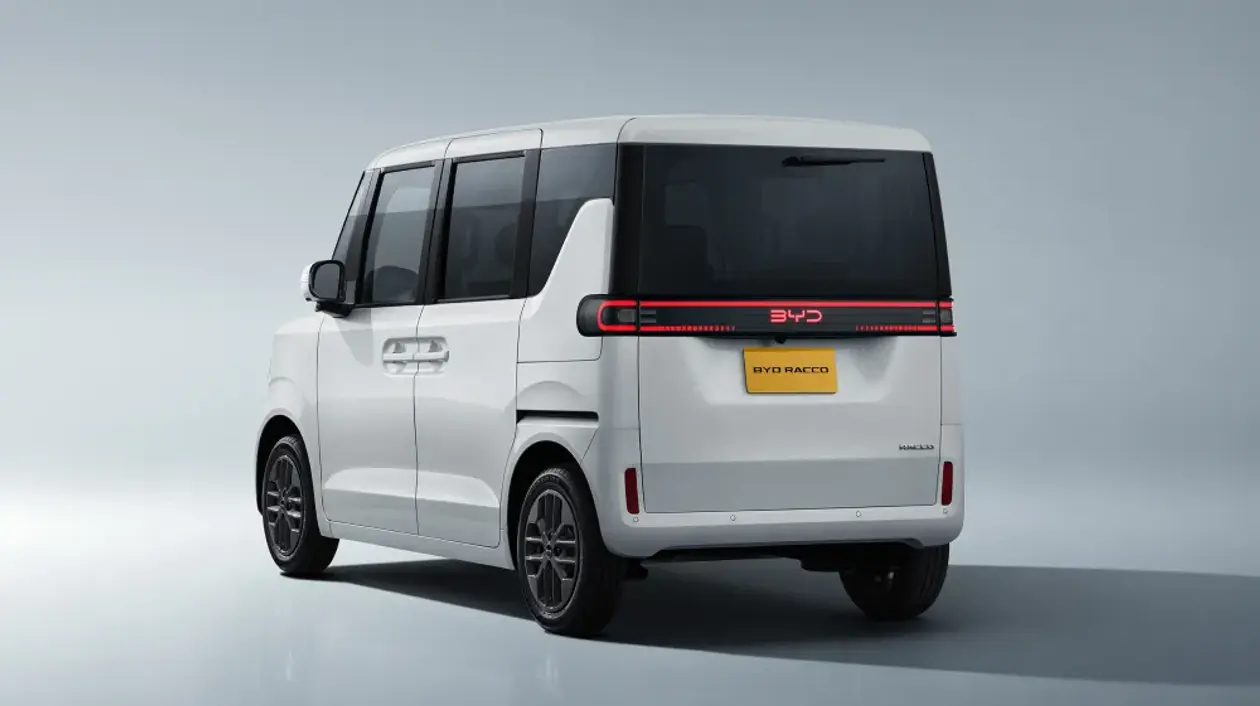
This is the critical path through which the Racco may eventually enter Malaysia.
BYD has already planned a 600,000-square-metre CKD assembly plant in Tanjung Malim, Malaysia, with production expected to commence in the second half of 2026. The construction of this plant is one of the core strategies of BYD's long-term layout in Malaysia.
Electric vehicles assembled locally via CKD are not subject to the CBU new regulations—this means that once the Tanjung Malim plant is officially operational, the Racco could completely be incorporated into the local assembly product lineup.
Although discussions are still ongoing between BYD and MITI regarding details such as local content ratios and export conditions, the direction is aligned—promoting the localisation upgrade of Malaysia's EV industry. As BYD's flagship model in the K-Car segment, if the Racco is able to be produced locally via CKD in the future, it will not only be more price-competitive but also enjoy tax incentives for local assembly.
Estimated Landing Price for Recon Imports
Even under current policies, purely from a cost perspective, estimating the price of an Racco entering Malaysia via the Recon channel:
Japanese vehicle price: ~RM 63,000 (estimated)
Sea freight + Insurance: ~RM 5,000 - 8,000
AP Permit Fee: ~RM 10,000 - 20,000
PUSPAKOM Inspection + Registration Fees
Dealer Profit: ~RM 10,000 - 15,000
Conservatively, the landing price is estimated between RM 90,000 and RM 110,000—far higher than the estimated price in the Japanese market and also higher than the price ranges of the Perodua Myvi (approximately RM 50k-60k) and Proton Saga (approximately RM 40k-50k) in the Malaysian market. At this price point, the value proposition is indeed not outstanding under the current policy environment.
However, as mentioned earlier—CKD is the true breakthrough. Once the Tanjung Malim plant is operational, if the Racco can be assembled locally, the price is expected to drop significantly to a more competitive range.
Putting aside the "when can I buy it" question, assuming the Racco eventually appears in the Malaysian market via CKD or other channels, is it suitable for local driving conditions?
Where It Fits Well
City Commuting Flexibility. The Racco's body length is only 3,395mm—half a metre shorter than the Perodua Myvi (3,895mm). In the narrow alleys and congested parking lots of cities like Kuala Lumpur and Penang, the convenience brought by this dimension is evident. Small turning radius and easy parking make it an ideal size for city commuting.
Practicality of Dual Electric Sliding Doors. In narrow parking spaces in Malaysia, sliding doors have obvious advantages over traditional hinged doors—entering and exiting does not require extra opening space. This is one of the Racco's biggest selling points in the Japanese market, equally applicable in Malaysia.
Low Operating Costs. As a pure electric vehicle, the Racco's cost per kilometre is far lower than that of fuel vehicles. For urban users with daily commuting distances under 50 kilometres, a range of 210 km or 320 km is more than sufficient.
Points to Note
Power Is Suitable for City Driving, Not for High-Speed Long-Distance Trips. A power output of 64 PS / 160 Nm is standard for the K-Car market in Japan. In Malaysia, the Perodua Myvi 1.5L outputs about 102 PS, and the Proton Saga 1.3L outputs about 95 PS. The Racco's power is more suited to city commuting scenarios—shuttling around Kuala Lumpur city centre, picking up children, and short-distance shopping, where 64 PS is completely adequate. However, for frequent interstate travel or long-distance driving on the PLUS highway, more reasonable expectations regarding power are necessary.
Range Performance in Hot Climates. The 320 km range under WLTC standards was measured under mild climate conditions. Malaysia is hot year-round with temperatures often above 30°C. In high-temperature environments, the additional energy consumption from the EV's battery cooling system and air conditioning will cause the actual range to take a certain discount. However, LFP (Lithium Iron Phosphate) batteries have better stability and safety in high-temperature environments compared to ternary lithium batteries, which is a potential advantage for the Racco.
Vehicle Height and Compatibility with Indoor Parking Lots. The Racco's height reaches 1,800mm. Many indoor parking lots in Malaysia have height restrictions between 1.8 metres and 2.0 metres—the Racco sits right on the critical threshold. Slight caution is needed when selecting parking spaces.
Establishment of After-Sales Services Takes Time. If the Racco enters Malaysia via the CKD channel, after-sales service and parts supply will be gradually established alongside local production—this will take time, but the direction is clear.
The BYD Racco is an impressive product.
It is the first time a Chinese brand has genuinely attempted to enter the "closed kingdom" of Japan's K-Car market. It controls costs using LFP Blade Batteries, achieves differentiation with dual electric sliding doors, and catches up to Japanese rivals with a 320 km range. The estimated starting price of RM 63,000 is highly competitive in any market.
In Malaysia, the Racco will not appear through official channels in the short term. The new CBU EV regulations effective from July 2026 have created a de facto barrier for low-priced, low-power imported EVs—but this highlights the importance of CKD local assembly.
BYD's CKD plant in Tanjung Malim is progressing. Once the plant goes into operation, models like the Racco could very well enter the Malaysian market through local assembly—at that time, not only will prices be more competitive, but after-sales service will also be more guaranteed.
For Malaysian consumers who have been impressed by the Racco's specifications and price, my advice is: take it as a future option.
In the short term, there are still many pragmatic choices in the Malaysian market—Perodua Myvi and Axia, Proton Saga and Persona—they have mature after-sales networks and large used car markets.
But in the long run, the trend represented by the Racco is clear: smaller, cheaper, and more practical EVs are becoming an important direction for global urban mobility. Malaysia's EV market is also evolving in this direction—from CBU imports to CKD local assembly, from high-end models to mass-market products. It is just a matter of time.
The Racco may not appear in Malaysian showrooms tomorrow. But the product philosophy and market direction it represents are worth our continued attention.


Your go-to source for all things automotive in Malaysia. 🚗 Latest reviews, breaking news, launches & industry trends.
+ Follow This weekend is your chance to own a Volvo Selekt Certified Used Car, priced from just RM 148,000.
What are you waiting for?
#volvo 1 minute ago
This weekend is your chance to own a Volvo Selekt Certified Used Car, priced from just RM 148,000.
What are you waiting for?
#volvo 1 minute ago  We saw this accident this morning, and here’s a reminder to everyone: please drive safe. 2 days ago
  The G50 BMW 3 series is now here, adopting much of the i3's design elements.
So, where's the BMW M3?
#bmw #BMW3Series 4 days ago
The G50 BMW 3 series is now here, adopting much of the i3's design elements.
So, where's the BMW M3?
#bmw #BMW3Series 4 days ago Get the latest car news first!
Your go-to source for all things automotive in Malaysia. 🚗 Latest reviews, breaking news, launches & industry trends.
This weekend is your chance to own a Volvo Selekt Certified Used Car, priced from just RM 148,000.
What are you waiting for?
#volvo 1 minute ago We saw this accident this morning, and here’s a reminder to everyone: please drive safe. 2 days ago The G50 BMW 3 series is now here, adopting much of the i3's design elements.
So, where's the BMW M3?
#bmw #BMW3Series 4 days ago  ProtonGWMVolkswagenJAECOOVolvoPeroduaToyotaHondaTESLAMitsubishiMazdaJetourCheryBYDLexusBMWMercedes-BenziCAURZeekrIsuzuNissanLeapmotorPorscheFordOMODAMINIMGSuzukiXPengHyundaiWulingKiaSubaruDenzaGACLand RoverDongfengCAMAudiPeugeotFotonMAXUSsmartDaihatsuJACJMCMaseratiLotusAlfa RomeoRenaultGolden DragonKaiceneSeresLamborghiniFerrariJeepRolls-RoyceLepasAston MartinMcLarenChevroletBentleyFiatBAICForthingGeelyRoeweAeolusChanganARCFOXDeepalExeedHongqiVoyahJaguarKGMBuforiAcuraCadillacDodgeAbarthINEOSMHEROJMEVFreelander
© 2024 Bitauto.com. All Rights Reserved.
Bitauto (www.yiche.com and www.bitauto.com) is one of the most visited automotive websites in China. We provide detailed info on Chinese car brands available in your area. Please note that the information provided on this website is based on publicly available data and is for reference only. It may not be fully updated or accurate at all times.
Help us improve our website


