In early July 2026, news began circulating among Malaysian car enthusiasts that the Toyota GR GT—hailed by many as Japan's V8 performance flagship—could be heading to Malaysia.
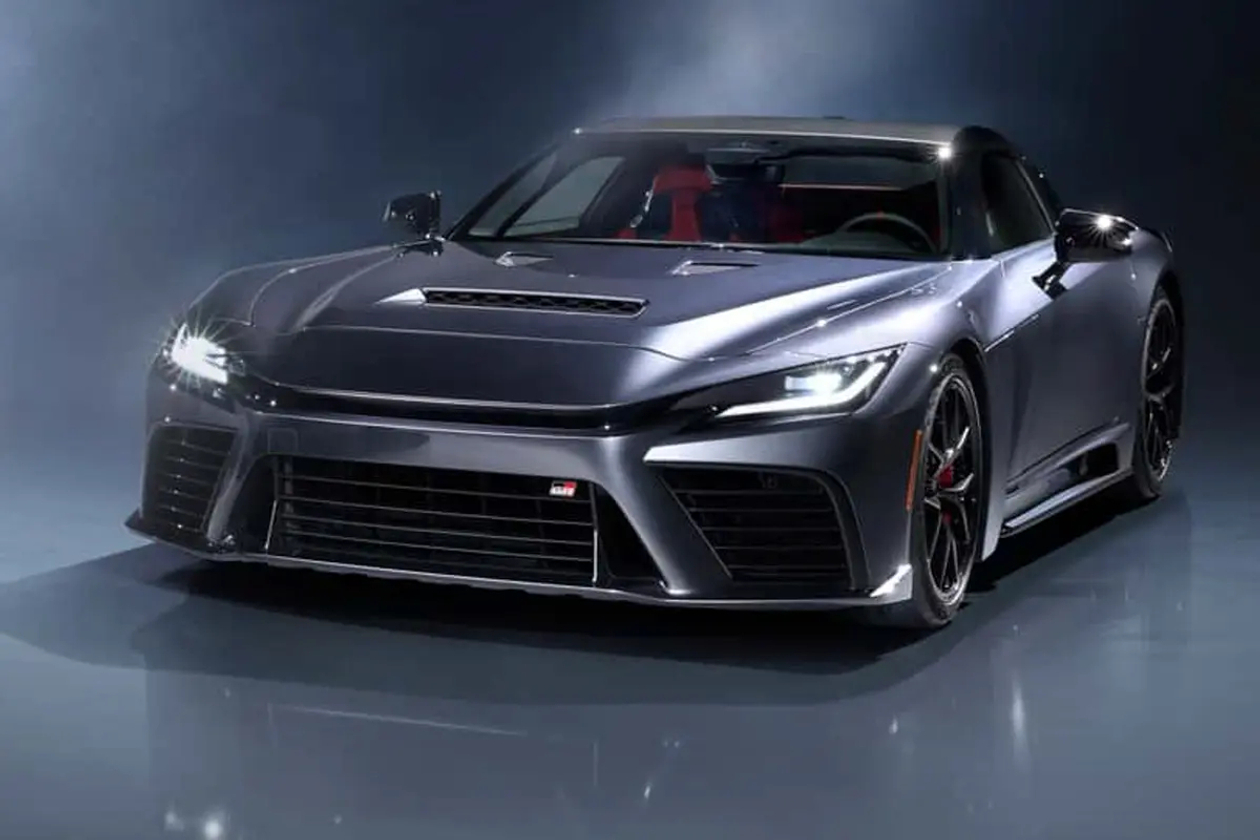
But what exactly is the GR GT? How credible are the rumours? And if it does arrive in Malaysia, what could it cost? Here's everything you need to know.
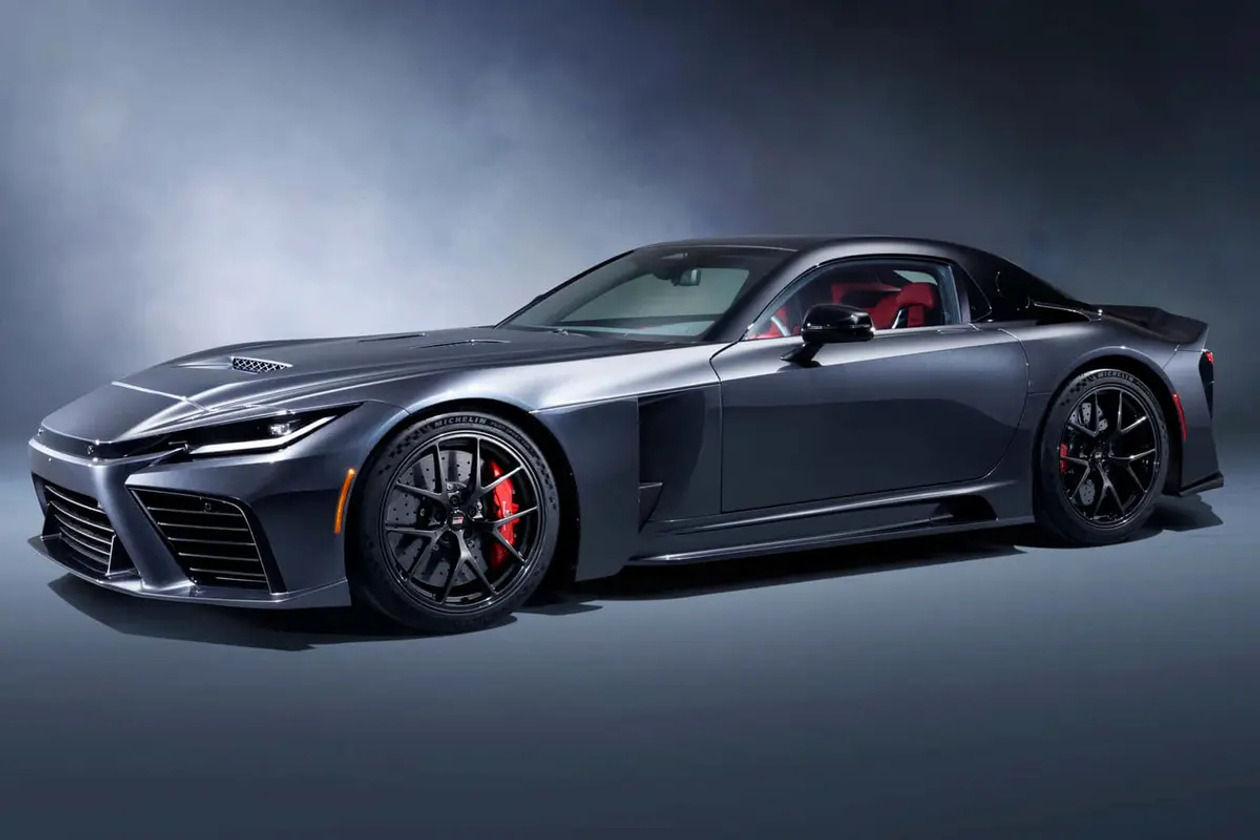
The GR GT traces its origins back to the GR GT3 Concept, unveiled at the 2022 Tokyo Auto Salon. After several years of development, the production model made its global debut on 5 December 2025, alongside the GR GT3 race car and the Lexus LFA Concept. It was then displayed to the public for the first time at the 2026 Tokyo Auto Salon, held from 9 to 11 January.
The GR GT has a very clear mission: to serve as the spiritual successor to the legendary Lexus LFA and the flagship supercar of Toyota Gazoo Racing. It is also the first model developed following Gazoo Racing's transition into a standalone performance brand.
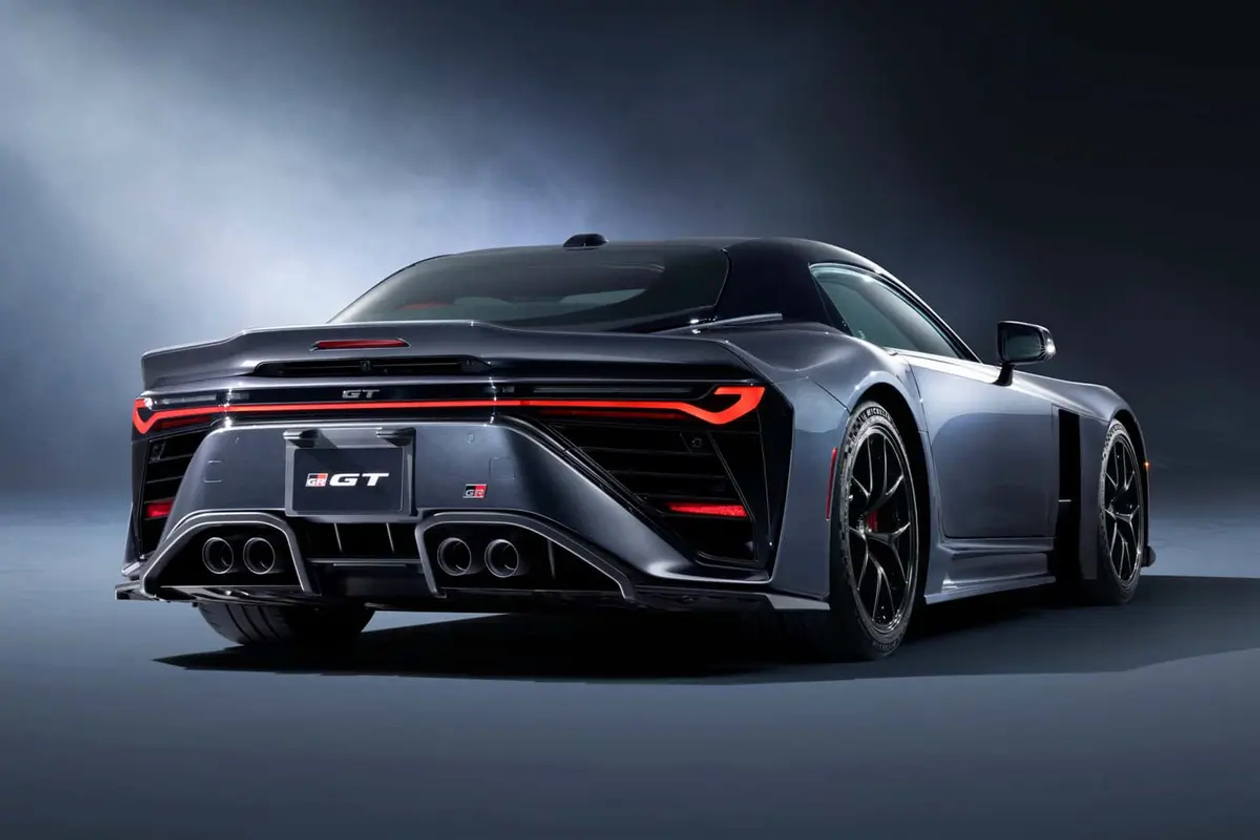
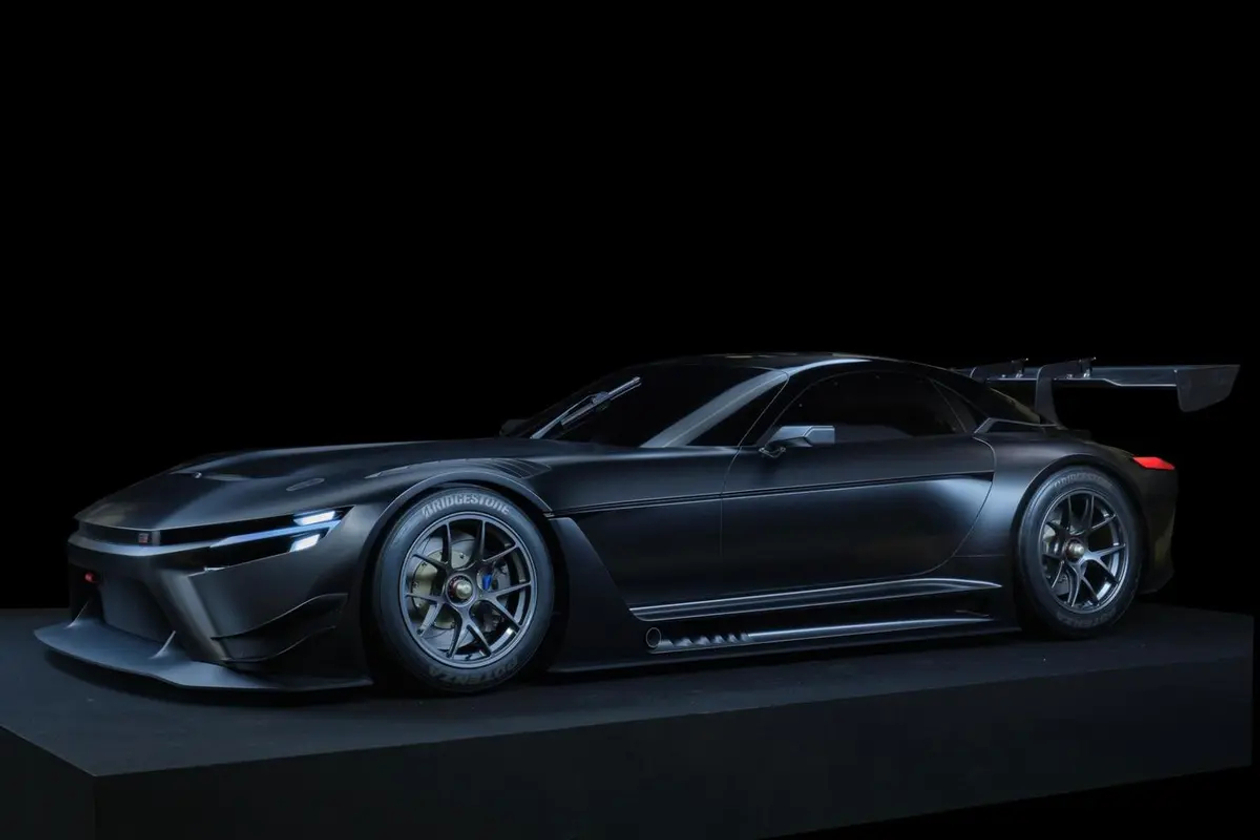
The car adopts a classic front-engine, rear-wheel-drive (FR) layout with a long bonnet and short rear deck, giving it the proportions of a traditional GT racer. Measuring 4,820 mm long, 2,000 mm wide and 1,195 mm tall, with a 2,725 mm wheelbase, the GR GT is built around Toyota's first all-aluminium spaceframe chassis, complemented by carbon-fibre and composite body panels. Toyota aims to keep kerb weight below 1,750 kg.
Power comes from an all-new 4.0-litre V8 twin-turbocharged engine, featuring a hot-V turbo configuration—where both turbochargers are mounted within the engine's V angle—along with a short-stroke design and a dry-sump lubrication system to lower the centre of gravity.
The engine is connected via a carbon-fibre torque tube to a rear-mounted eight-speed automatic transmission (wet-clutch design instead of a conventional torque converter). An integrated electric motor forms part of the hybrid powertrain.
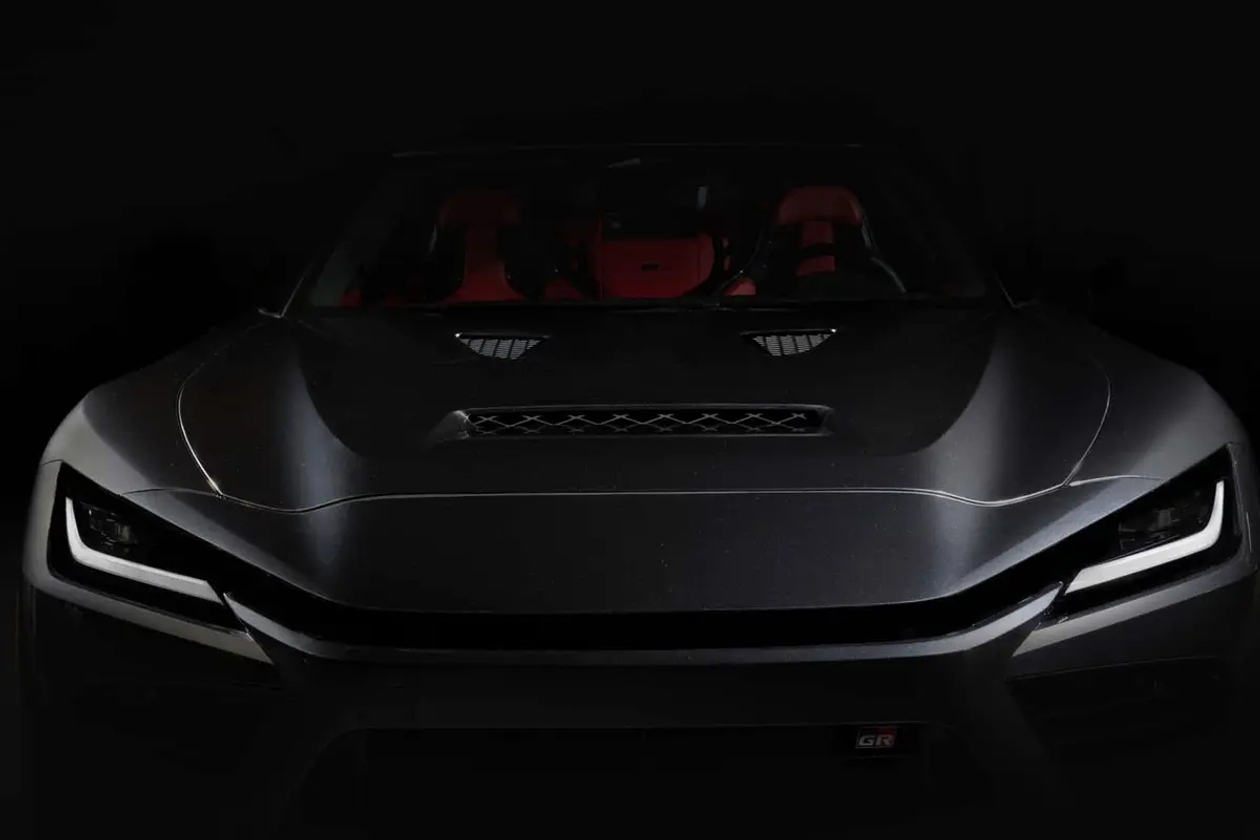
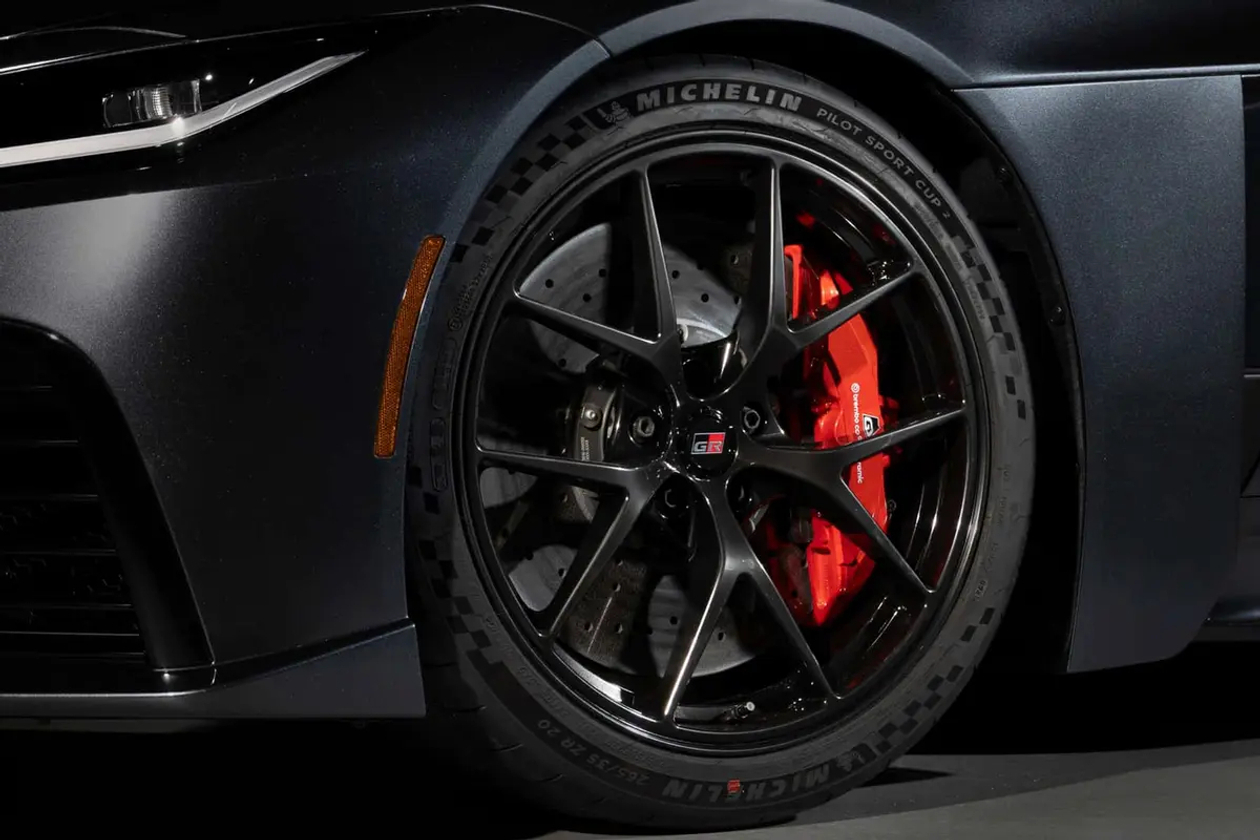
Toyota quotes a combined output of at least 650 PS and 850 Nm, with a top speed exceeding 320 km/h. Suspension consists of double wishbones at both ends, paired with forged aluminium control arms and carbon-ceramic brakes. Weight distribution is claimed to be an almost ideal 45:55.
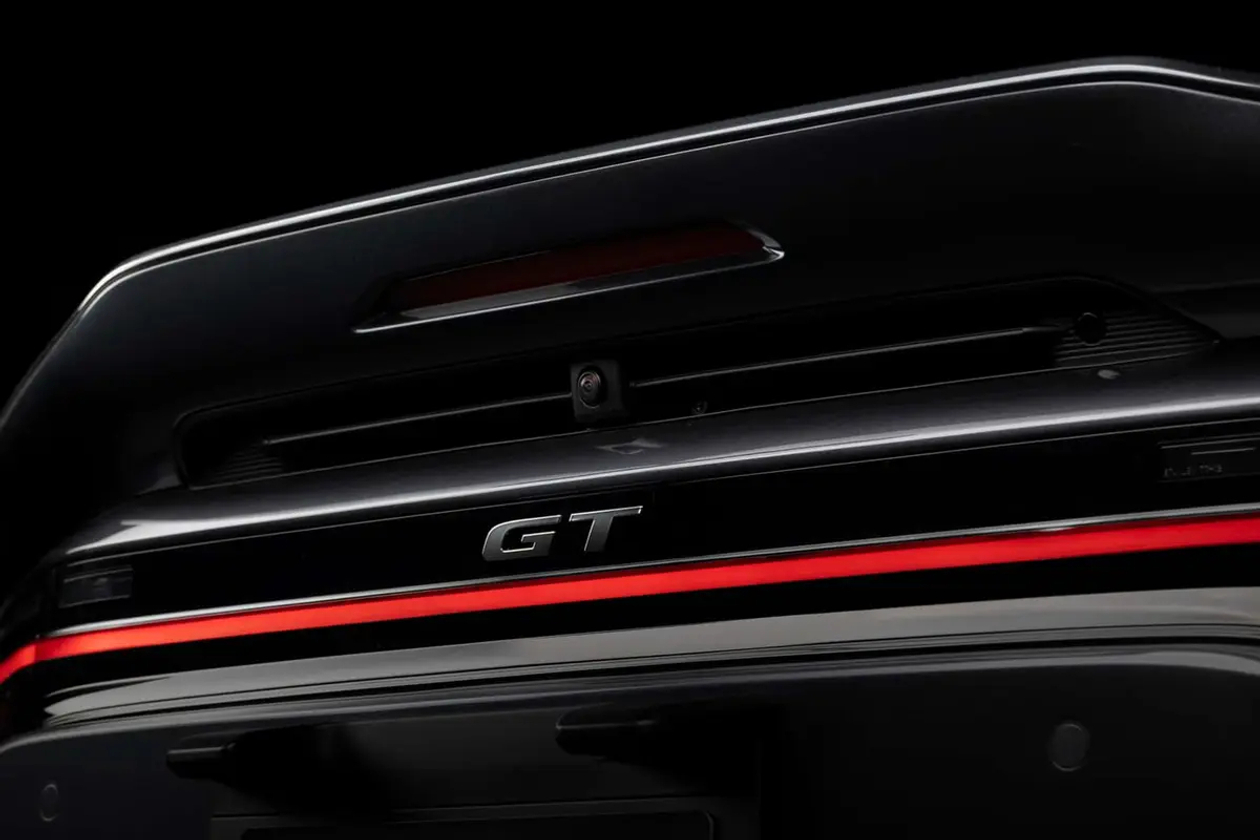
In short, this is one of the fastest production cars Toyota has ever built—and a road-legal machine engineered with serious track capability. Toyota says the GR GT was designed with aerodynamics taking absolute priority over styling, resulting in proportions heavily inspired by Le Mans race cars.
At present, reports of the GR GT coming to Malaysia remain unconfirmed, as UMW Toyota has yet to make any official announcement.
However, there are several points worth noting.
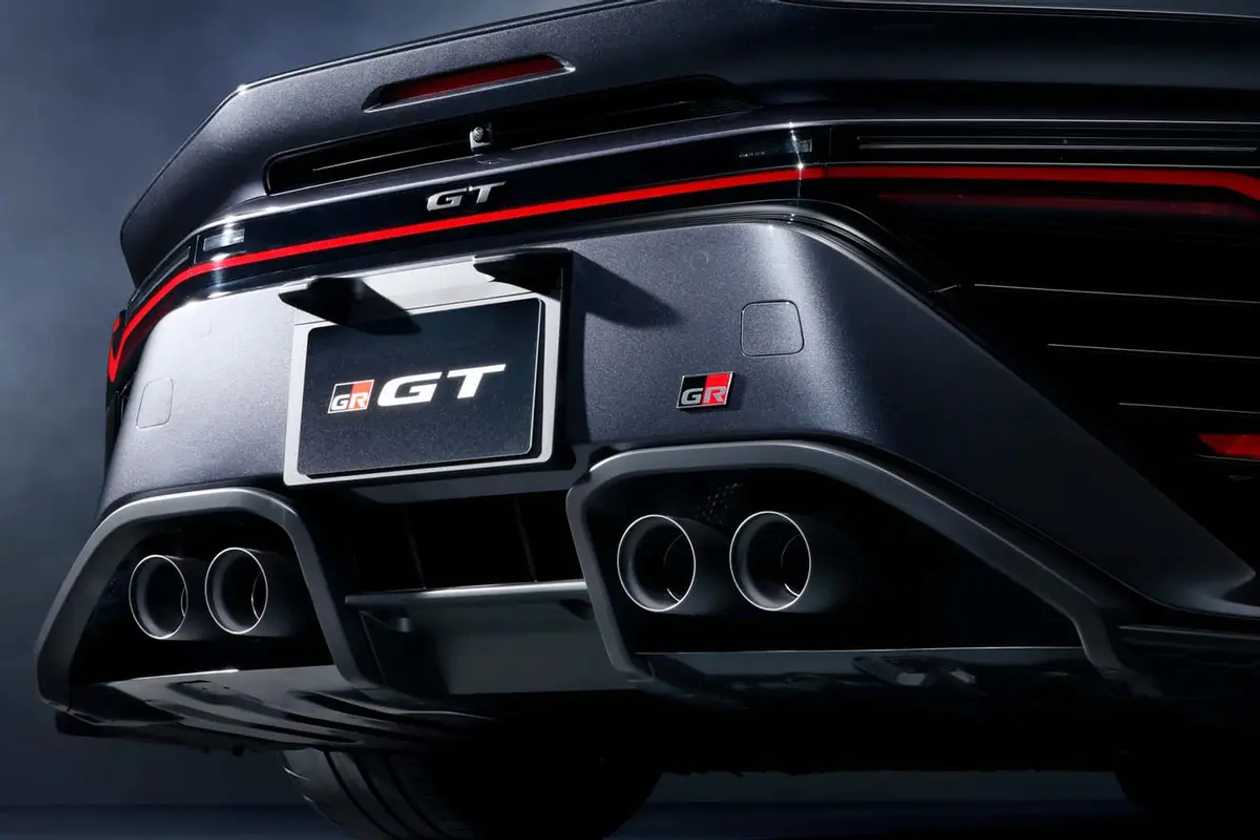
Toyota is positioning Gazoo Racing as a standalone performance brand. The GR GT carries no Toyota badges, wearing only GR branding throughout. This reflects Gazoo Racing's evolution from an internal Toyota division into a dedicated performance marque. A more independent brand identity could also pave the way for broader international market expansion.
Malaysia is one of Toyota's most important markets in the region. UMW Toyota has an established dealer network and strong brand presence, and performance models such as the GR Yaris, GR Corolla and GR Supra have all found a loyal customer base locally. Introducing the GR GT as the flagship model would be consistent with Toyota's strategy of expanding its high-performance GR portfolio in Malaysia.
The Toyota GR GT start at around USD 150,000 (approximately RM 700,000) in overseas markets. In Europe, the price is around €200,000 (approximately RM 1 million).
If the GR GT were to be launched in Malaysia, several factors would influence its pricing:
For reference, the Toyota GR Supra Track Edition is currently priced at RM 698,000. The GR GT would almost certainly command more than RM 1,000,000, with pricing potentially approaching RM 1,500,000.
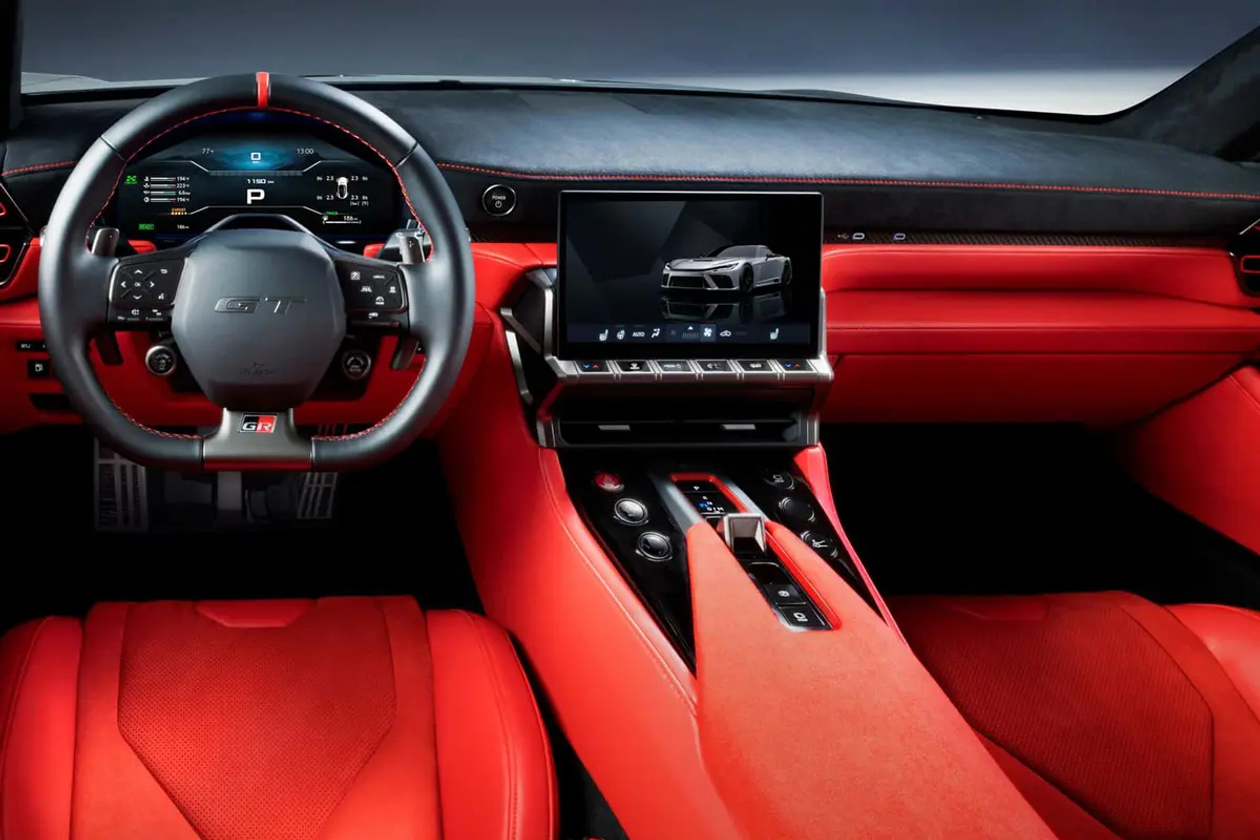
Interestingly, Toyota seems to be highly selective about who gets to buy one. Even wealthy buyers may not be able to simply walk into a Toyota dealership and secure an allocation. Instead, Toyota reportedly intends to prioritise genuine driving enthusiasts. That makes it clear the GR GT is aimed at a very exclusive audience—not the average JDM enthusiast, but serious buyers looking for a flagship performance car.
Even if the rumours are true, the entry of the GR GT into Malaysia still faces several practical obstacles.
Production Timeline: The GR GT is expected to enter production in 2027. This means that even if Malaysia is confirmed as one of the markets to receive the model, actual deliveries are unlikely to take place before 2027.
Extremely Limited Allocation: When asked how many units the Philippines would receive, a Toyota Motor Philippines executive reportedly responded that the number could be counted on one hand. Malaysia's allocation, if any, is likely to be similarly limited.
RHD Production: Although Malaysia is a right-hand-drive market, the overall size of the global RHD market is significantly smaller than that of left-hand-drive markets. Whether Toyota is willing to allocate additional production resources specifically for RHD markets remains to be seen.
So, back to the big question: Is the Toyota GR GT actually coming to Malaysia?
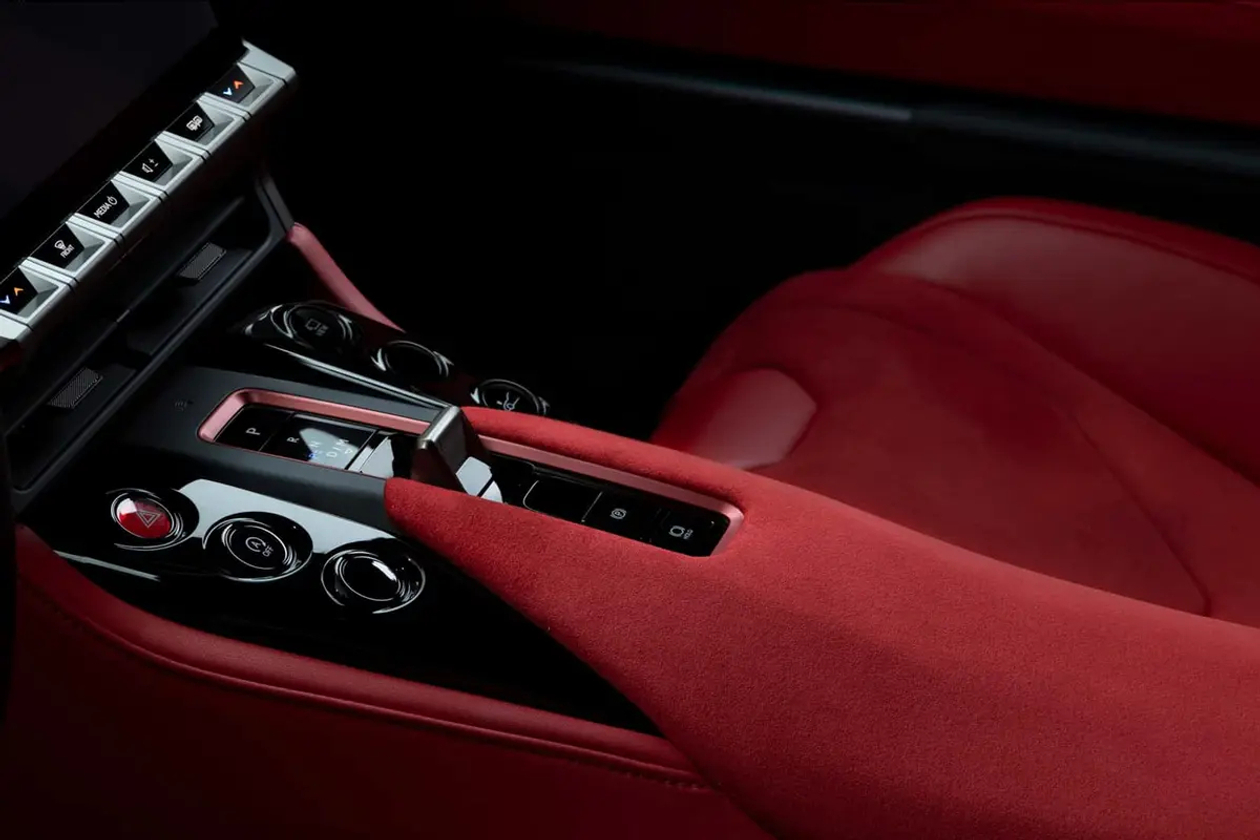
For now, the answer remains the same: the rumours are reasonably credible, but they have yet to receive any official confirmation.
From a strategic perspective, Toyota's move to further strengthen the GR brand as a standalone performance brand, the gradual expansion of right-hand-drive markets in Southeast Asia, and Malaysia's position as one of Toyota's key regional markets all suggest that the GR GT's introduction in Malaysia is a realistic possibility. The Philippines becoming one of the first markets to receive the model is also an encouraging sign.
However, don't expect to see the physical GR GT on Malaysian roads before 2027. Even if everything proceeds smoothly, there would still be a considerable waiting period between official confirmation and actual customer deliveries.
For enthusiasts and potential buyers, the best approach is to stay interested, but stay realistic.
A 4.0-litre twin-turbo V8 hybrid, 650+ PS, 320 km/h, and an all-aluminium spaceframe chassis are the kind of figures that would excite enthusiasts. But until UMW Toyota Motor makes an official announcement, everything remains speculative.

Your go-to source for all things automotive in Malaysia. 🚗 Latest reviews, breaking news, launches & industry trends.
+ Follow This weekend is your chance to own a Volvo Selekt Certified Used Car, priced from just RM 148,000.
What are you waiting for?
#volvo 1 minute ago
This weekend is your chance to own a Volvo Selekt Certified Used Car, priced from just RM 148,000.
What are you waiting for?
#volvo 1 minute ago  We saw this accident this morning, and here’s a reminder to everyone: please drive safe. 2 days ago
  The G50 BMW 3 series is now here, adopting much of the i3's design elements.
So, where's the BMW M3?
#bmw #BMW3Series 4 days ago
The G50 BMW 3 series is now here, adopting much of the i3's design elements.
So, where's the BMW M3?
#bmw #BMW3Series 4 days ago Get the latest car news first!
Your go-to source for all things automotive in Malaysia. 🚗 Latest reviews, breaking news, launches & industry trends.
This weekend is your chance to own a Volvo Selekt Certified Used Car, priced from just RM 148,000.
What are you waiting for?
#volvo 1 minute ago We saw this accident this morning, and here’s a reminder to everyone: please drive safe. 2 days ago The G50 BMW 3 series is now here, adopting much of the i3's design elements.
So, where's the BMW M3?
#bmw #BMW3Series 4 days ago  ProtonGWMVolkswagenJAECOOVolvoPeroduaToyotaHondaTESLAMitsubishiMazdaJetourCheryBYDLexusBMWMercedes-BenziCAURZeekrIsuzuNissanLeapmotorPorscheFordOMODAMINIMGSuzukiXPengHyundaiWulingKiaSubaruDenzaGACLand RoverDongfengCAMAudiPeugeotFotonMAXUSsmartDaihatsuJACJMCMaseratiLotusAlfa RomeoRenaultGolden DragonKaiceneSeresLamborghiniFerrariJeepRolls-RoyceLepasAston MartinMcLarenChevroletBentleyFiatBAICForthingGeelyRoeweAeolusChanganARCFOXDeepalExeedHongqiVoyahJaguarKGMBuforiAcuraCadillacDodgeAbarthINEOSMHEROJMEVFreelander
© 2024 Bitauto.com. All Rights Reserved.
Bitauto (www.yiche.com and www.bitauto.com) is one of the most visited automotive websites in China. We provide detailed info on Chinese car brands available in your area. Please note that the information provided on this website is based on publicly available data and is for reference only. It may not be fully updated or accurate at all times.
Help us improve our website


