BYD Malaysia has previewed an updated 2026 Sealion 7 ahead of its July 30 launch, with the electric SUV set to gain a longer-range battery option and faster charging capability.
The teaser suggests the Sealion 7 will be “redefined further for tomorrow”, and the most likely headline change is the introduction of the larger 91.3 kWh Blade LFP battery previously seen in overseas markets, such as in Europe.
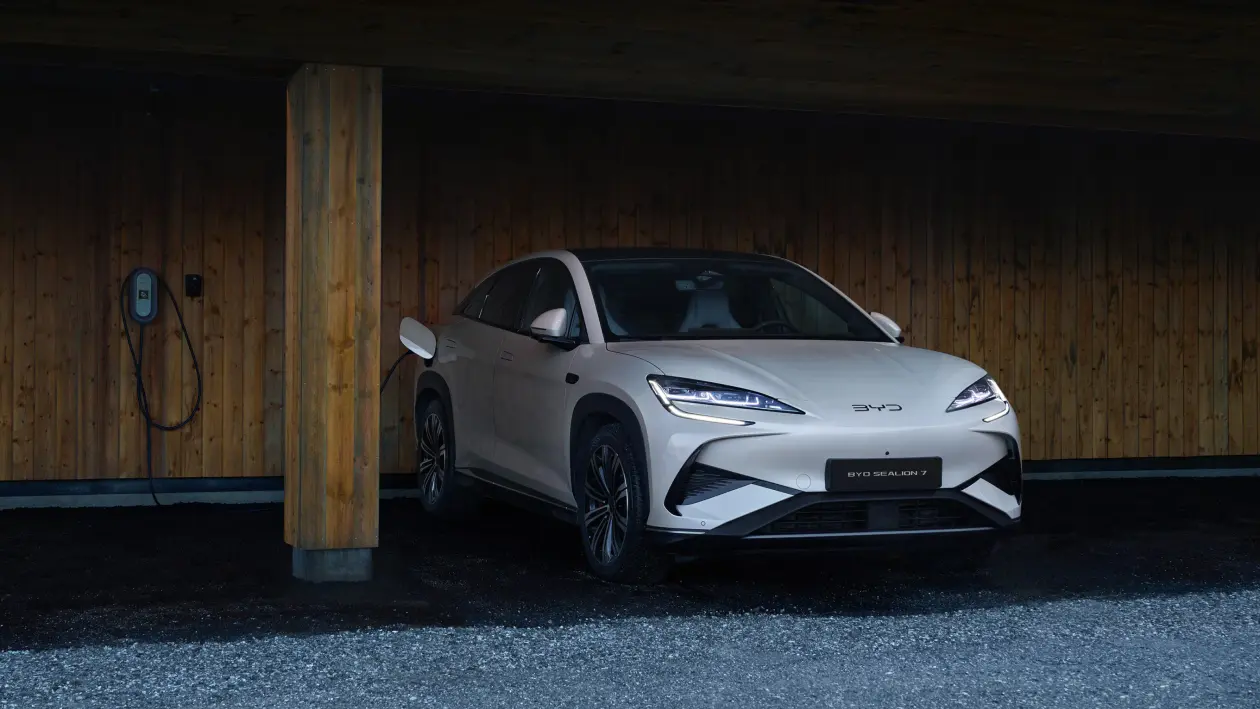
That battery is expected to be reserved for the AWD version, giving the model a claimed WLTP range of up to 502 km. That is a clear step up from the current figures of 454 km for the Performance AWD and 480 km for the Premium RWD, both of which use the smaller 82.5 kWh pack.
The new battery is also tied to an 800V electrical architecture. In practical terms, that means DC fast charging at up to 230 kW, cutting the 10 to 80 percent charging time to 24 minutes.
By comparison, the current 400V versions charge at up to 150 kW and take 32 minutes to reach the same state of charge. That makes the updated model more competitive against newer electric SUVs that now offer quicker charging as standard.
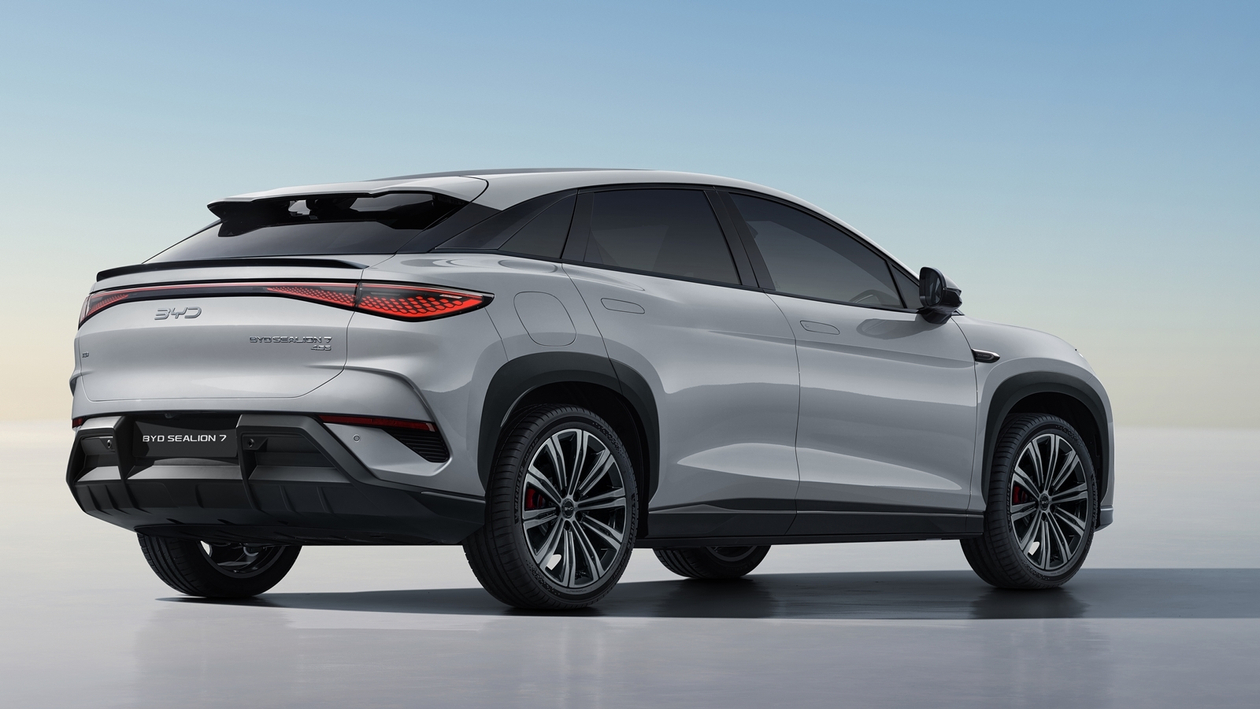
The rest of the powertrain is expected to remain unchanged. The current Sealion 7 line-up consists of the Premium RWD and Performance AWD, with outputs of 313 PS and 380 Nm for the rear-drive version, and 530 PS and 690 Nm for the dual-motor model.
Performance figures are also likely to stay the same, with the current model listed at 6.7 seconds for the 0 to 100 km/h sprint in Premium RWD form and 4.5 seconds for the Performance AWD. The latter even carries its acceleration time on the tailgate.
No major exterior redesign appears to be planned, although the update is expected to bring minor changes such as new wheel designs and possible colour or trim revisions. The Sealion 7’s overall styling remains relatively fresh, so BYD is likely focusing on specification rather than a full visual overhaul.
Pricing is the main question mark. The current tax-free 2025 retail prices are RM 183,800 for the Premium and RM 199,800 for the Performance, but the updated model may cost more depending on when the imported units entered the country and how MITI’s new EV policy is applied.
That policy, which began on July 1, sets a minimum cost, insurance and freight threshold of RM 200,000 for imported EVs, excluding import and excise duties. If the new Sealion 7 lands under the new framework, its pricing structure could move upward from the current figure.


Your go-to source for all things automotive in Malaysia. 🚗 Latest reviews, breaking news, launches & industry trends.
+ Follow This weekend is your chance to own a Volvo Selekt Certified Used Car, priced from just RM 148,000.
What are you waiting for?
#volvo 1 minute ago
This weekend is your chance to own a Volvo Selekt Certified Used Car, priced from just RM 148,000.
What are you waiting for?
#volvo 1 minute ago  We saw this accident this morning, and here’s a reminder to everyone: please drive safe. 2 days ago
  The G50 BMW 3 series is now here, adopting much of the i3's design elements.
So, where's the BMW M3?
#bmw #BMW3Series 4 days ago
The G50 BMW 3 series is now here, adopting much of the i3's design elements.
So, where's the BMW M3?
#bmw #BMW3Series 4 days ago Get the latest car news first!
Your go-to source for all things automotive in Malaysia. 🚗 Latest reviews, breaking news, launches & industry trends.
This weekend is your chance to own a Volvo Selekt Certified Used Car, priced from just RM 148,000.
What are you waiting for?
#volvo 1 minute ago We saw this accident this morning, and here’s a reminder to everyone: please drive safe. 2 days ago The G50 BMW 3 series is now here, adopting much of the i3's design elements.
So, where's the BMW M3?
#bmw #BMW3Series 4 days ago  ProtonGWMVolkswagenJAECOOVolvoPeroduaToyotaHondaTESLAMitsubishiMazdaJetourCheryBYDLexusBMWMercedes-BenziCAURZeekrIsuzuNissanLeapmotorPorscheFordOMODAMINIMGSuzukiXPengHyundaiWulingKiaSubaruDenzaGACLand RoverDongfengCAMAudiPeugeotFotonMAXUSsmartDaihatsuJACJMCMaseratiLotusAlfa RomeoRenaultGolden DragonKaiceneSeresLamborghiniFerrariJeepRolls-RoyceLepasAston MartinMcLarenChevroletBentleyFiatBAICForthingGeelyRoeweAeolusChanganARCFOXDeepalExeedHongqiVoyahJaguarKGMBuforiAcuraCadillacDodgeAbarthINEOSMHEROJMEVFreelander
© 2024 Bitauto.com. All Rights Reserved.
Bitauto (www.yiche.com and www.bitauto.com) is one of the most visited automotive websites in China. We provide detailed info on Chinese car brands available in your area. Please note that the information provided on this website is based on publicly available data and is for reference only. It may not be fully updated or accurate at all times.
Help us improve our website


