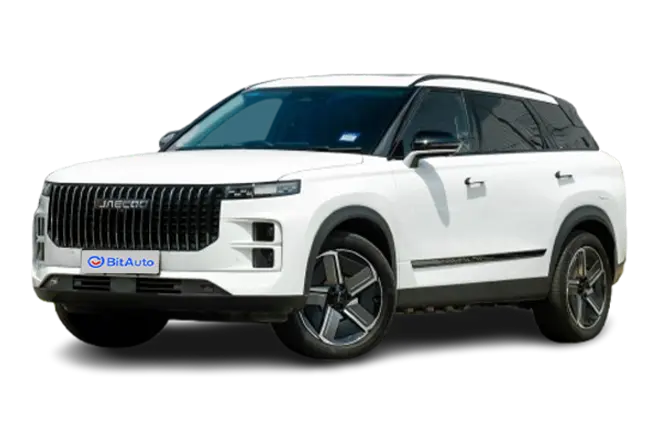
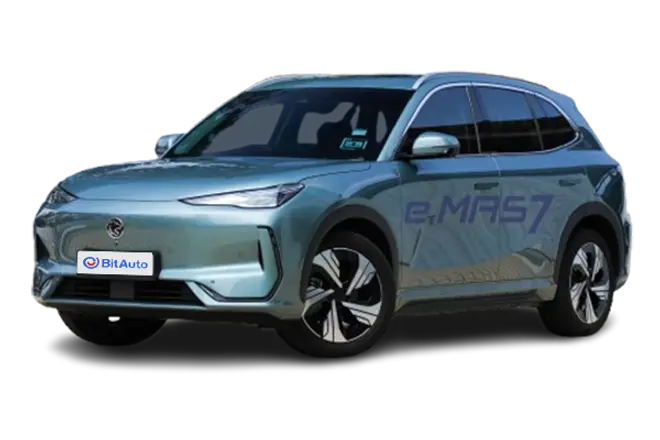
Just two or three years ago, buying a PHEV in Malaysia was strictly reserved for the affluent, with options confined to continental luxury marques. Come February 2025, the Jaecoo J7 PHEV made its local debut at RM158,800, bringing a plug-in hybrid SUV down to the RM150k–RM160k mark for the first time and subsequently crowned Malaysia's best-selling PHEV. Fast forward to February 2026, Proton entered the fray with its first-ever PHEV: the eMas 7 PHEV, tagged between RM109,800 and RM129,800, complete with an early-bird launch promo starting from RM105,800.
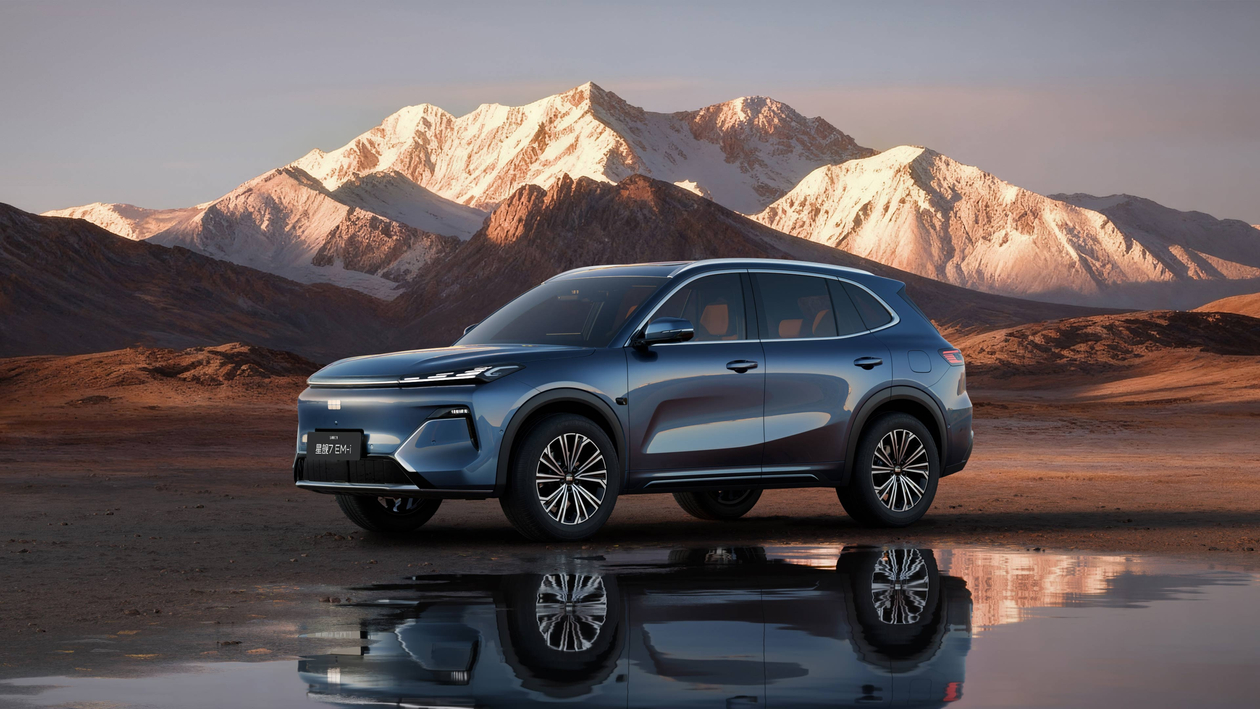
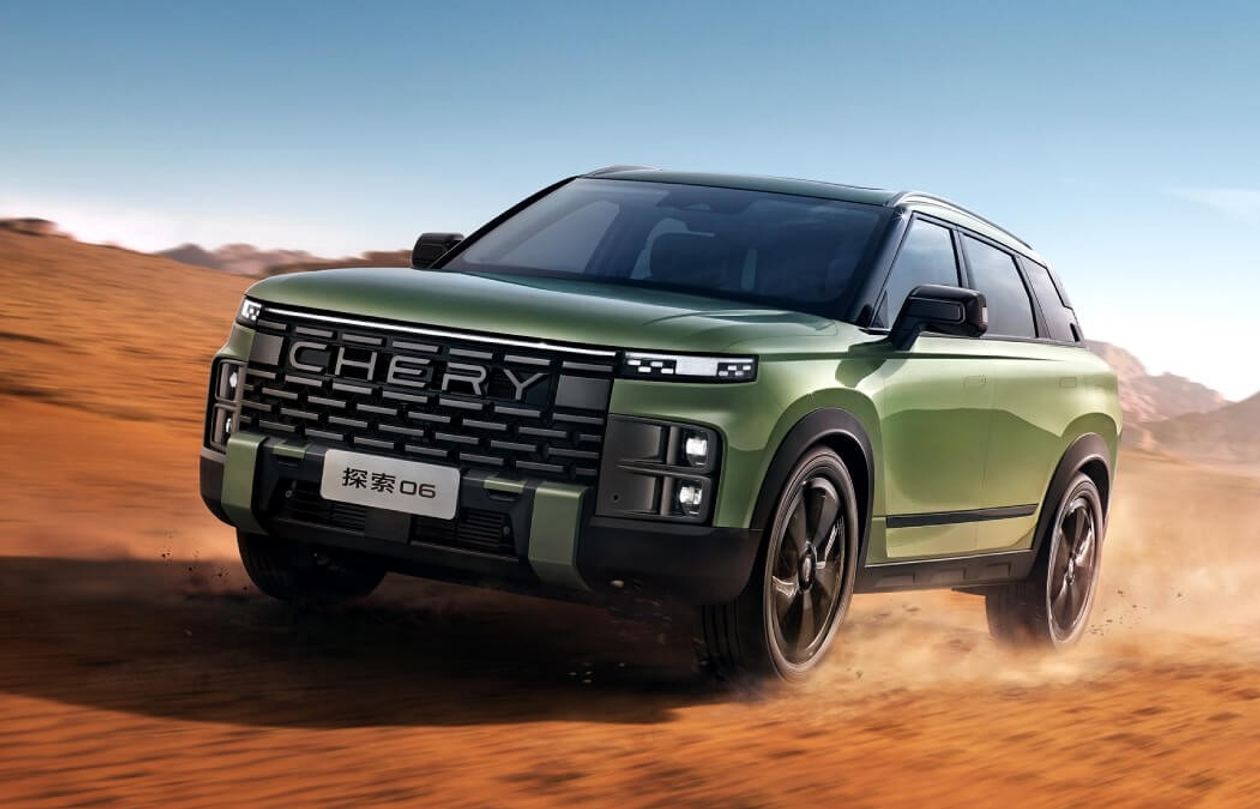
Beneath the surface, these two contenders represent a proxy war between two Chinese automotive giants. The J7 PHEV hails from Chery, known natively in China as the Tansuo 06. Meanwhile, the eMas 7 PHEV is essentially a Geely Galaxy Starship 7 EM-i wearing the Proton tiger badge. It pits Chery's SHS super hybrid against Geely's EM-i powertrain—two distinctly different approaches to plug-in motoring.
The real dilemma for buyers boils down to pricing: the significantly cheaper eMas 7 PHEV is actually the larger car here, despite a massive RM30k to RM50k price gulf separating them. Let us crunch the numbers to see exactly what that price premium buys you.
The eMas 7 PHEV is available in three variants: Prime and Premium feature an 18.4kWh battery, while the Premium Plus upgrades to a 29.8kWh pack (separated by slashes below). The J7 PHEV is offered in a sole guise.
|
Parameter |
Jaecoo J7 PHEV |
Proton eMas 7 PHEV |
Verdict |
|
OTR Price |
RM158,800 |
RM109,800 / RM123,800 / RM129,800 (Launch promo from RM105,800) |
eMas |
|
Engine |
1.5L Turbo, 141hp, 215Nm |
1.5L NA, 73kW (approx. 98hp), 125Nm |
J7 |
|
Electric Motor |
201hp, 310Nm |
160kW (approx. 215hp), 262Nm |
Draw (Power to eMas, Torque to J7) |
|
Combined System Output |
347PS, 525Nm |
Not officially quoted |
— |
|
0–100km/h |
8.5 seconds |
8.0 seconds (Premium Plus: 8.2 seconds) |
eMas |
|
Top Speed |
180km/h |
170km/h |
J7 |
|
Battery |
18.3kWh BYD Blade LFP |
18.4kWh / 29.8kWh LFP |
eMas (Premium Plus) |
|
EV Range (NEDC) |
106km |
105km / 170km |
eMas (Premium Plus) |
|
EV Range (WLTP) |
88km |
83km / 146km |
eMas (Premium Plus) |
|
Total Cruising Range (NEDC) |
1,300km |
1,000km / 1,065km |
J7 |
|
Claimed Fuel Consumption |
4.9L/100km |
4.3L/100km (Prime) |
eMas |
|
DC Fast Charging |
40kW |
30kW / 60kW |
Variant-dependent |
|
AC Charging |
6.6kW |
6.6kW |
Draw |
|
Length |
4,500mm |
4,740mm |
eMas |
|
Width |
1,865mm |
1,940mm |
eMas |
|
Height |
1,680mm |
1,685mm |
Draw |
|
Wheelbase |
2,672mm |
2,755mm |
eMas |
|
Boot Capacity |
500L |
528L (plus approx. 100L underfloor storage) |
eMas |
|
Airbags |
8 |
6 / 7 |
J7 |
|
Vehicle Warranty |
7 years / 150,000km |
6 years / unlimited mileage |
Usage-dependent |
|
Battery Warranty |
8 years |
8 years / 160,000km |
Draw |
Tally on Technical Specs: The eMas 7 PHEV leads in 10 metrics (3 of which apply exclusively to the Premium Plus), the J7 PHEV clinches 4, 4 end in a tie, and 3 are subjective or dependent on usage patterns.
|
Non-numerical Metric |
Winner |
Rationale |
|
Value for Money |
eMas |
RM30,000 to RM50,000 cheaper with a larger footprint |
|
Long-distance Cruising |
J7 |
1,300km total range with punchy turbo power |
|
Market Track Record |
J7 |
Debuted a year earlier; established as Malaysia's top-selling PHEV |
|
Standard Safety Kit |
J7 |
Comes standard with 8 airbags across the board |
|
Network Coverage |
eMas |
Unrivalled nationwide Proton 3S/4S service network |
|
Brand Appeal |
J7 |
Carries stronger premium cachet for status-conscious buyers |
In summary: On paper, cabin practicality, and wallet-friendliness, the eMas 7 PHEV takes the crown. For outstation highway hauls, standard passive safety, and a proven market track record, the J7 PHEV stays ahead.
Both setups share a similar core architecture: the electric traction motor handles the lion's share of propulsion duties, while the petrol engine mainly acts as a generator or chimes in during high-speed cruising. Where they truly differ is where the engineering budget went.
The J7 PHEV utilizes a 1.5-litre turbocharged engine delivering 141hp, paired with a 201hp, 310Nm electric drive motor for a substantial combined system output of 347PS and 525Nm. Energy is stored in an 18.3kWh BYD Blade battery, yielding an EV range of 106km (NEDC) or 88km (WLTP), alongside a claimed total cruising range of 1,300km. It is an interesting talking point that a Chery-developed vehicle runs on BYD-sourced battery tech. During an earlier fuel economy challenge, the J7 PHEV completed a 1,066km journey from Singapore to Hat Yai non-stop, returning a thrifty 3.8L/100km.
Under the eMas 7 PHEV's hood sits a naturally aspirated 1.5-litre unit producing 73kW, but its electric motor dishes out a stout 160kW and 262Nm, serving as the undisputed workhorse in everyday urban commutes. Its headline act lies in the flagship Premium Plus: a massive 29.8kWh battery pack delivering 170km (NEDC) and 146km (WLTP) of pure EV range, paired with 60kW DC fast charging that juicing up from 30% to 80% takes under 16 minutes. Interestingly, this large-battery variant is an exclusive configuration developed specifically for the Malaysian market. Note that the lower Prime and Premium variants settle for a smaller 18.4kWh pack, offering a modest 83km WLTP range and 30kW DC charging, bringing them on par with or marginally behind the J7.
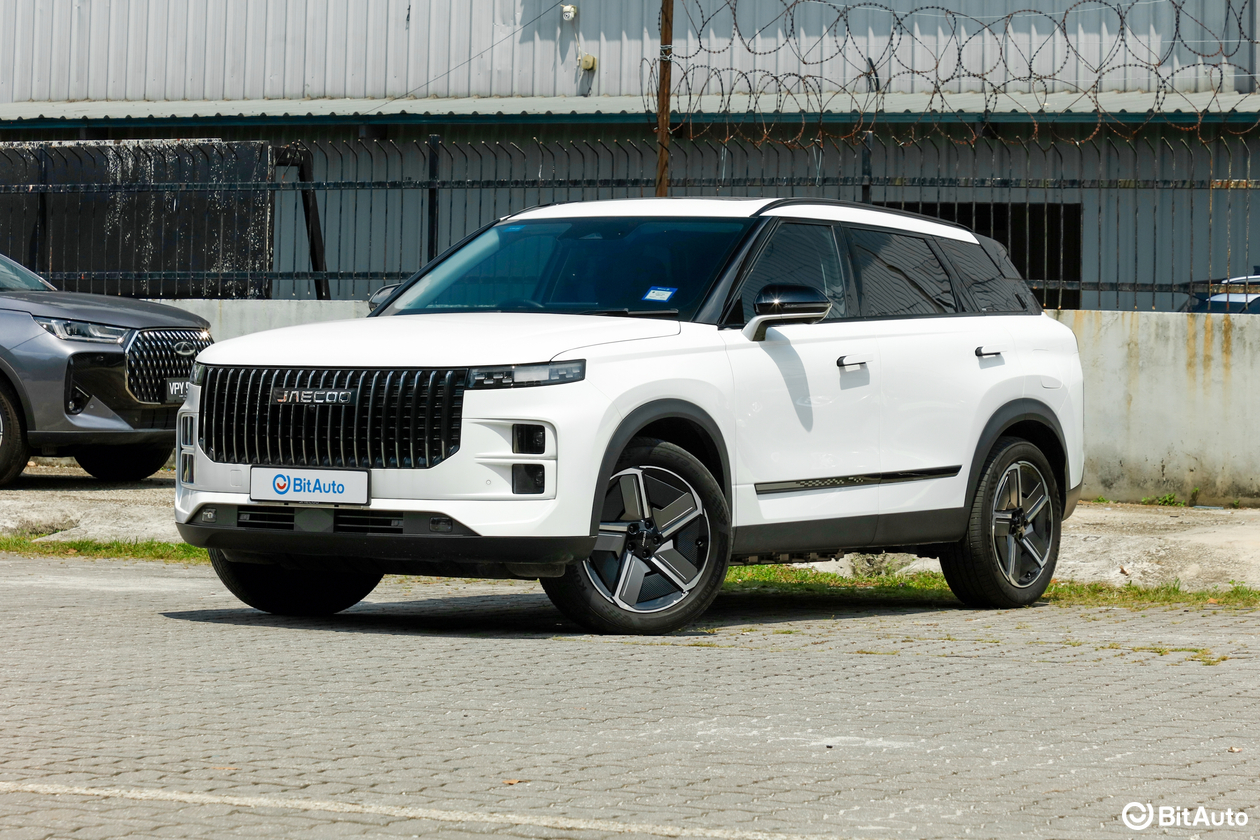
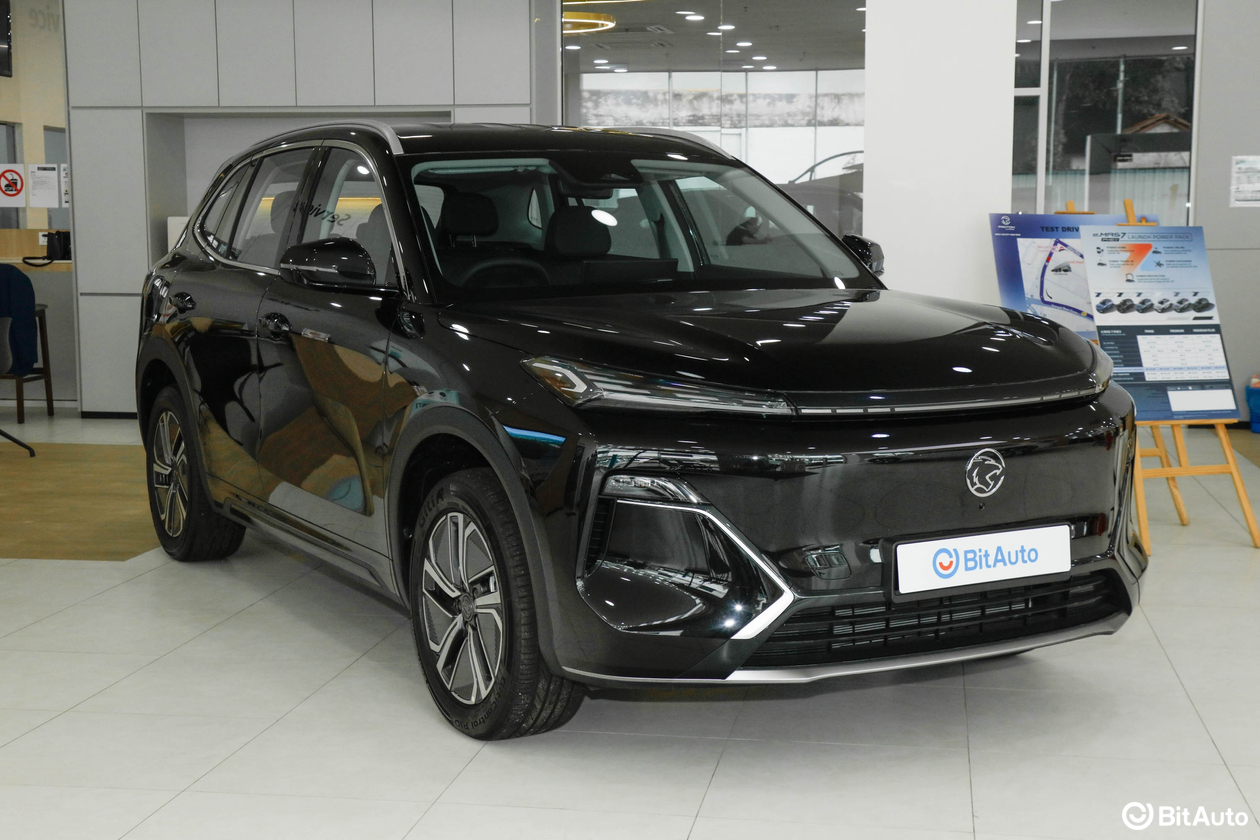
Ultimately, the winner here depends entirely on your driving habits. If you have home charging access and keep your daily work commute under 100km, the eMas 7 PHEV Premium Plus lets you drive purely on electric power all week without burning a single drop of petrol. On the flip side, if you are a frequent interstate road-tripper heading outstation up north or down south, the J7's turbocharged reserves and 1,300km overall endurance inspire far greater confidence on PLUS highways.
Exterior dimensions represent the eMas 7 PHEV's most obvious competitive edge. Stretching 4,740mm in length and 1,940mm across with a 2,755mm wheelbase, it outclasses the J7 by 240mm in length and 83mm between the axles. While officially categorized as a C-segment SUV, its footprint knocks on the door of the mid-sized SUV category. Cargo volume stands at 528 litres, expanding past 2,000 litres with the rear seats folded flat, complemented by a handy 100-litre sub-trunk storage compartment beneath the boot floor. For growing families with strollers and prams, this practicality is tough to beat.
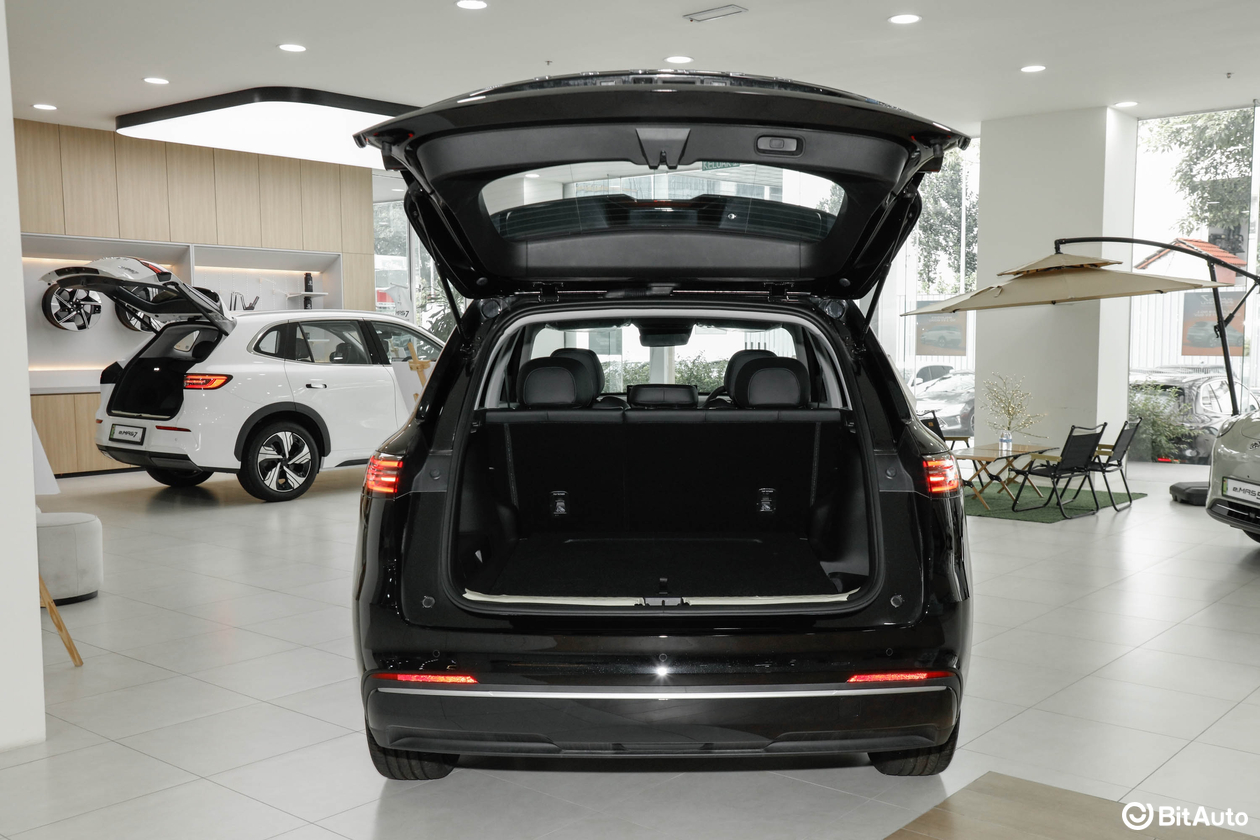
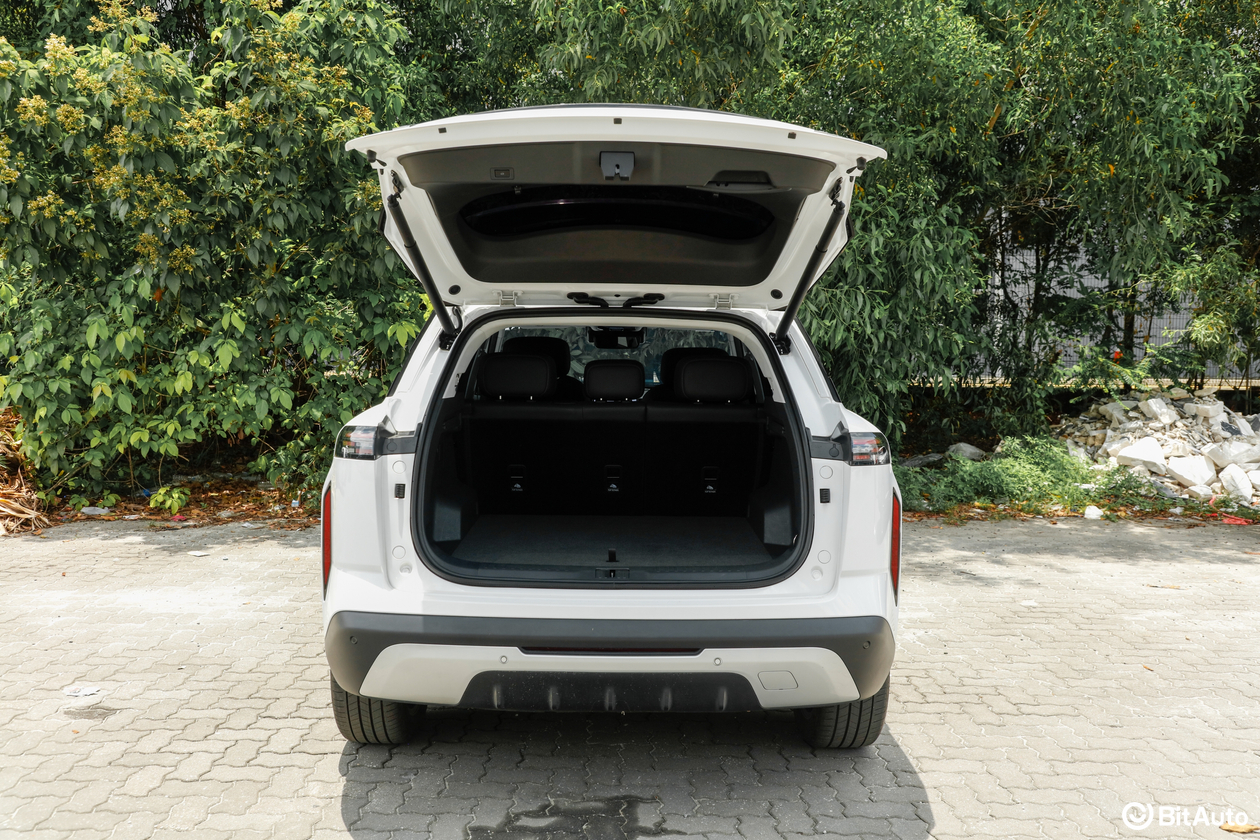
The J7 PHEV is more compact, but certainly not cramped. By swapping out the full-size spare tyre for a tyre repair kit, it actually liberates 500 litres of boot space—improving over the pure-ICE variant. Its biggest trump card is passive safety: standard fitment includes 8 airbags (featuring a front centre airbag and a driver's knee airbag), driver monitoring system (DMS), and a full ADAS active safety suite.
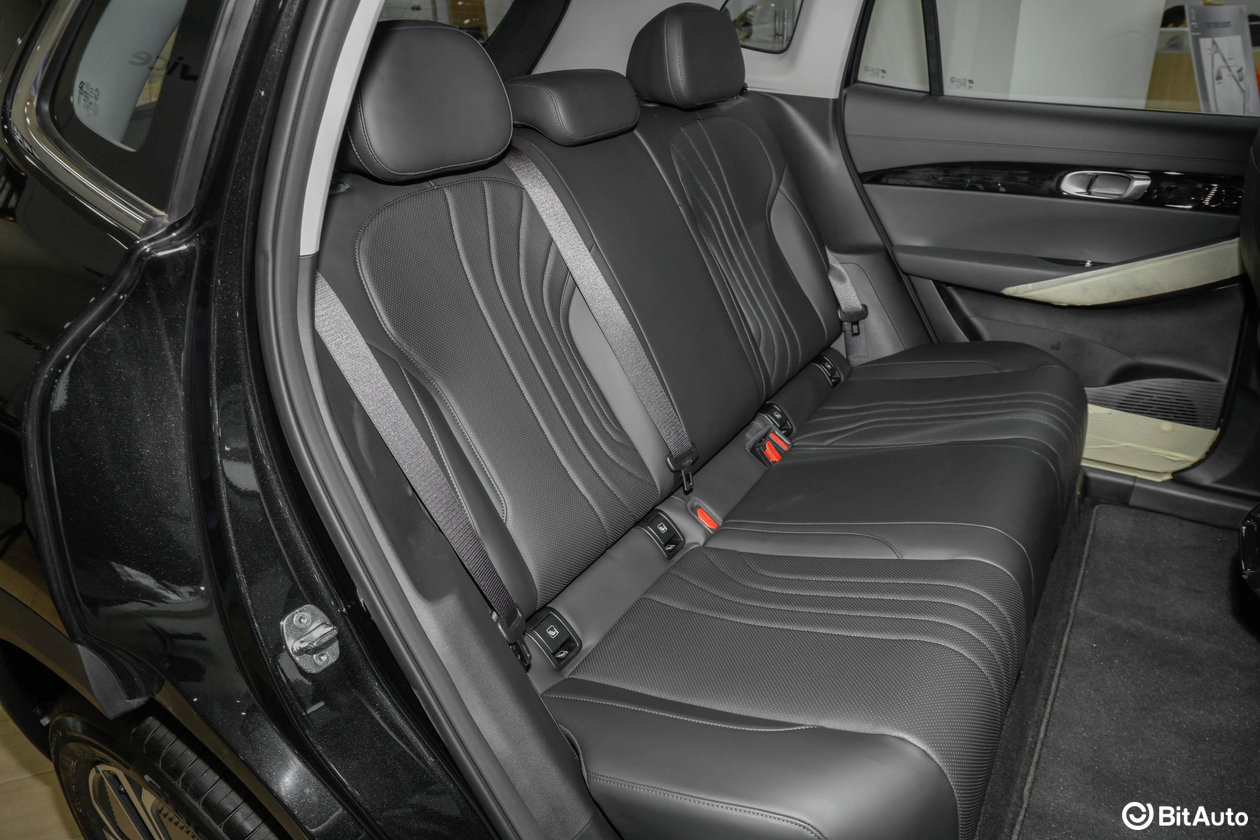
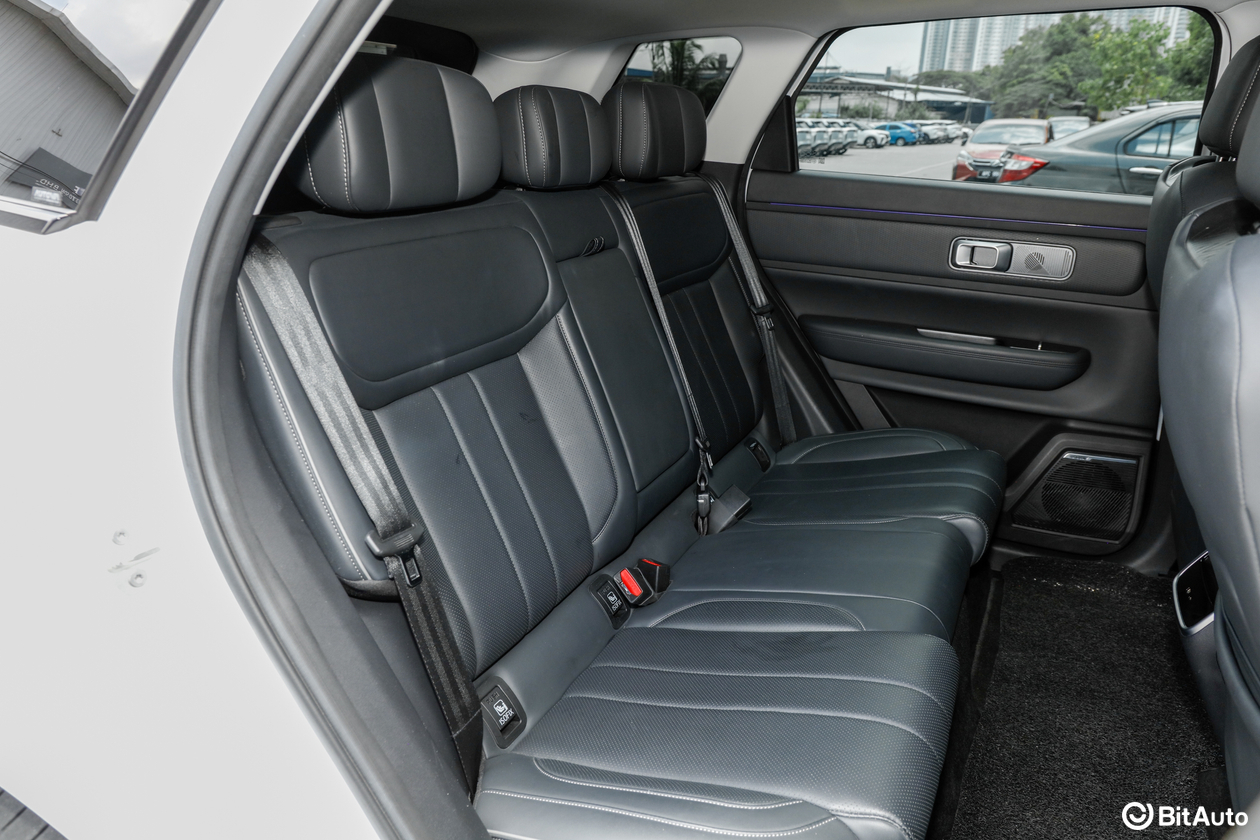
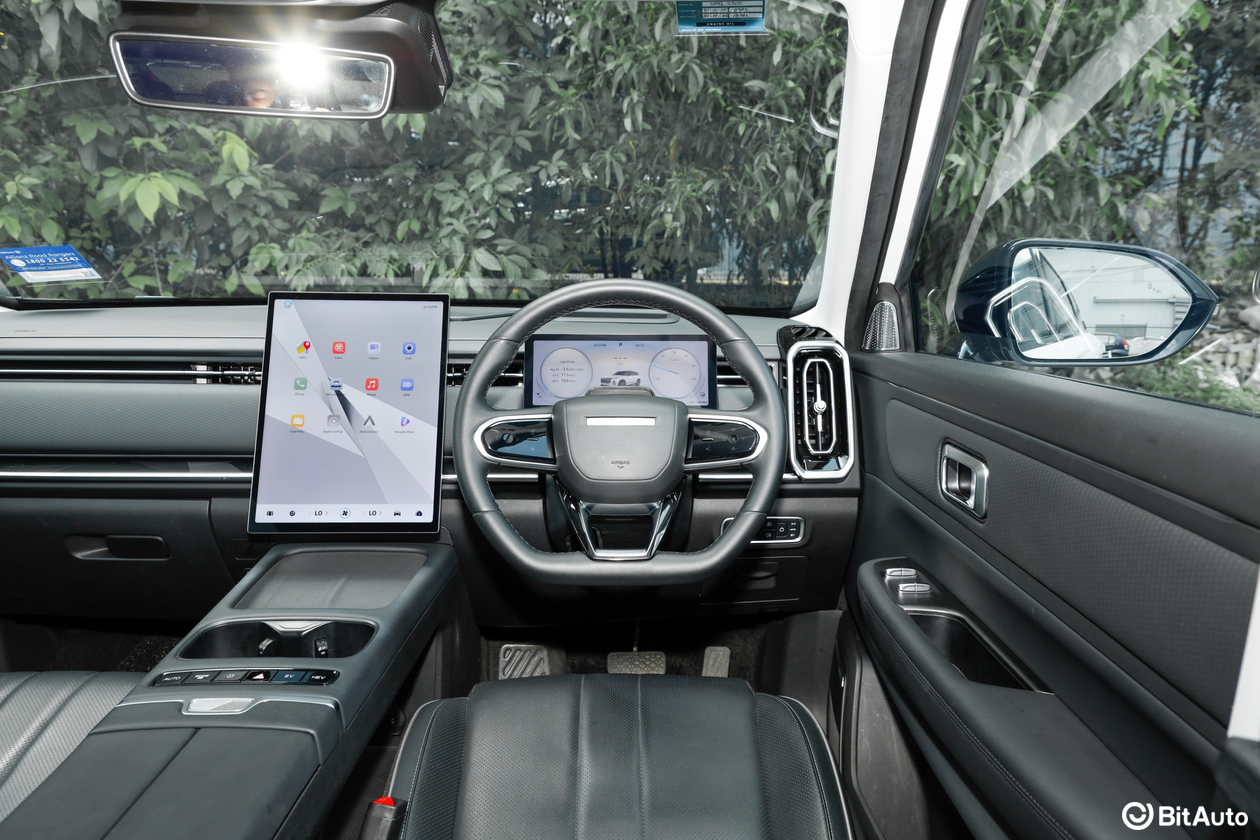
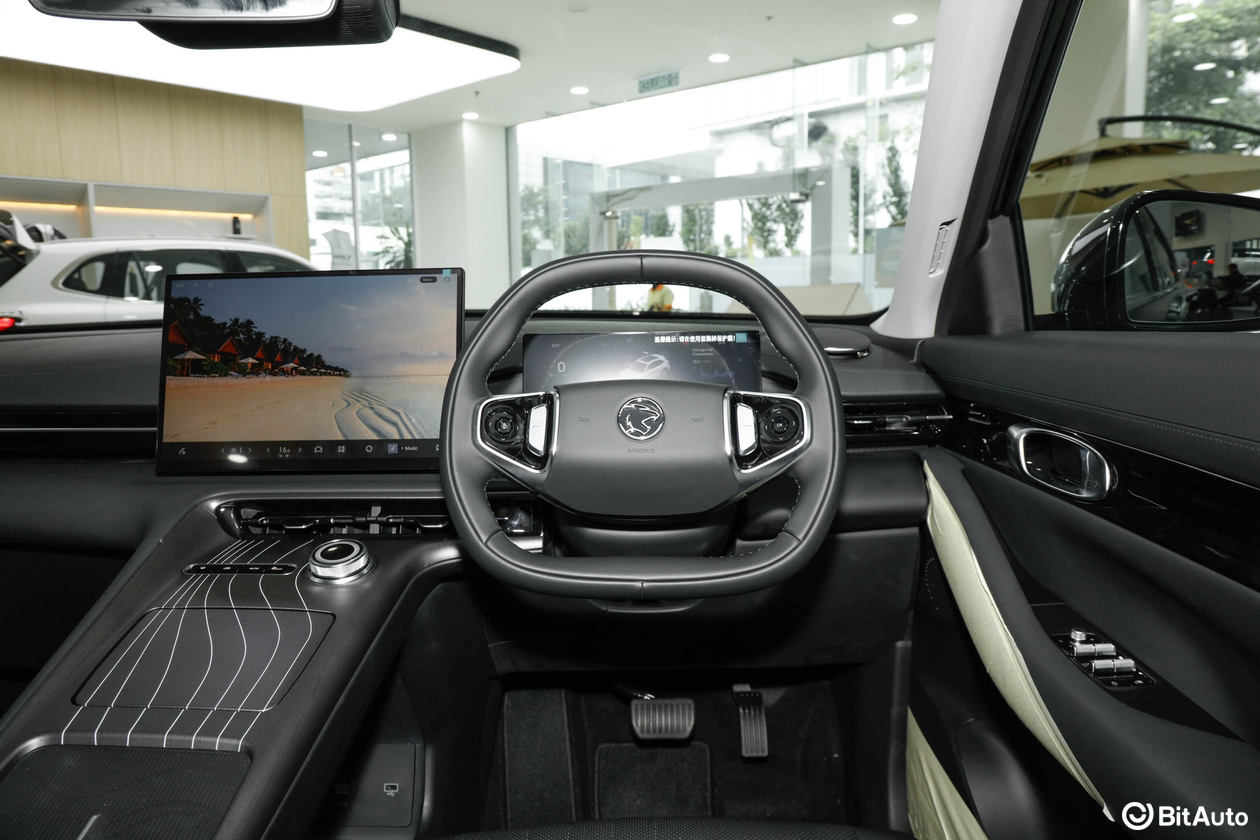
Equipment across the eMas 7 PHEV range is segregated across trim grades. The base Prime makes do with 6 airbags, 6 speakers, and 18-inch alloys. You will need to step up to the Premium to unlock the 7th airbag (front centre airbag), 360-degree camera, head-up display, ventilated front powered seats, and a premium 16-speaker audio system; the Premium Plus further crowns it with a panoramic sunroof. Put simply, matching the J7's comprehensive kit count requires springing for the Premium or Premium Plus. Even so, at its ceiling price of RM129,800, it still undercuts the J7 by nearly RM30,000.
Warranty terms showcase distinct corporate strategies. The J7 PHEV comes with a 7-year/150,000km vehicle warranty alongside an 8-year battery warranty. The eMas 7 PHEV counters with a 6-year unlimited-mileage warranty, while high-voltage battery and hybrid components receive 8 years or 160,000km of coverage. For moderate users doing under 25,000km annually, the J7's extra year of bumper-to-bumper protection is enticing; for commercial users or high-mileage drivers clocking 30,000km to 40,000km per year, Proton's unlimited mileage is undoubtedly the safer bet.
Brand perception is another battle altogether. Proton is a household national institution backed by widespread 3S/4S centres and supported by Geely's global engineering, offering unmatched reassurance to conservative buyers making the plug-in leap. Jaecoo entered Malaysia in 2024 as Chery's premium urban-offroad lifestyle brand; having established a year's head start, the J7 PHEV has already claimed the crown as Malaysia's top-selling PHEV. One wins on dealer footprint; the other on market timing.
Depreciation trends remain an open question. Both models have been around for less than two years, and Malaysia's secondary market for electrified vehicles is still maturing. That said, long-term battery degradation remains the number one headache for electrified car buyers. With both manufacturers providing comprehensive 8-year high-voltage warranties, owners are well protected on both sides. However, in terms of initial cash outlay, buying the eMas leaves RM30,000 to RM50,000 in your pocket from day one; even if both shed value at an identical percentage rate down the road, your absolute loss in hard ringgit will naturally be lower.
If you strictly judge by the spec sheet, this showdown is an open-and-shut case: the eMas 7 PHEV is roomier, cheaper, and more fuel-efficient, with the Premium Plus completely blowing the J7 out of the water in EV-only cruising range. Paying RM129,800 for the top-spec eMas still leaves a massive RM30k surplus compared to the J7—easily enough to install an AC home wallbox charger and prepay for years of scheduled servicing.
Yet the J7 PHEV's premium is not unjustified. Its potent turbocharged engine paired with an immense 1,300km total range delivers authoritative high-speed cross-country cruising confidence; standard 8 airbags across all units mean passive safety is never compromised for savings; and having spent over a year on local roads establishing itself as the undisputed PHEV sales champion, it boasts proven market credibility that the newcomer eMas has yet to match.
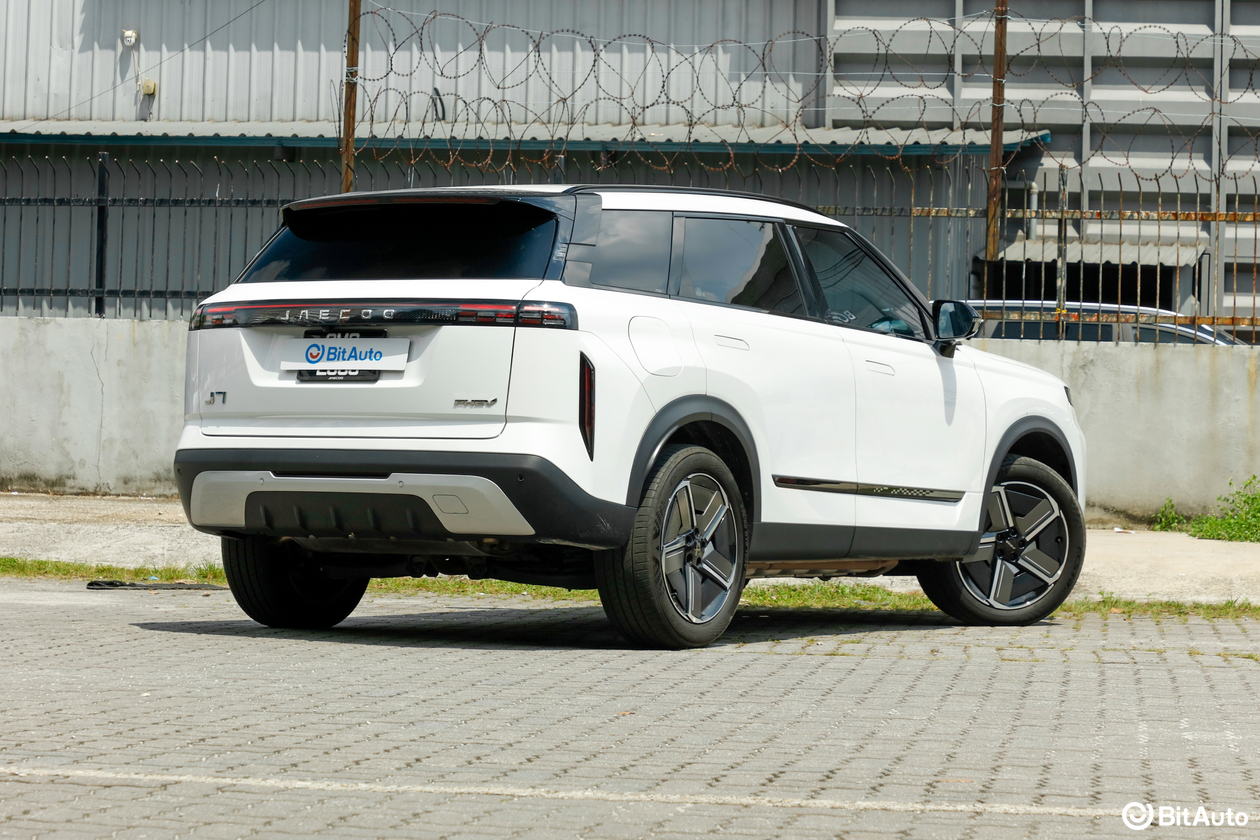
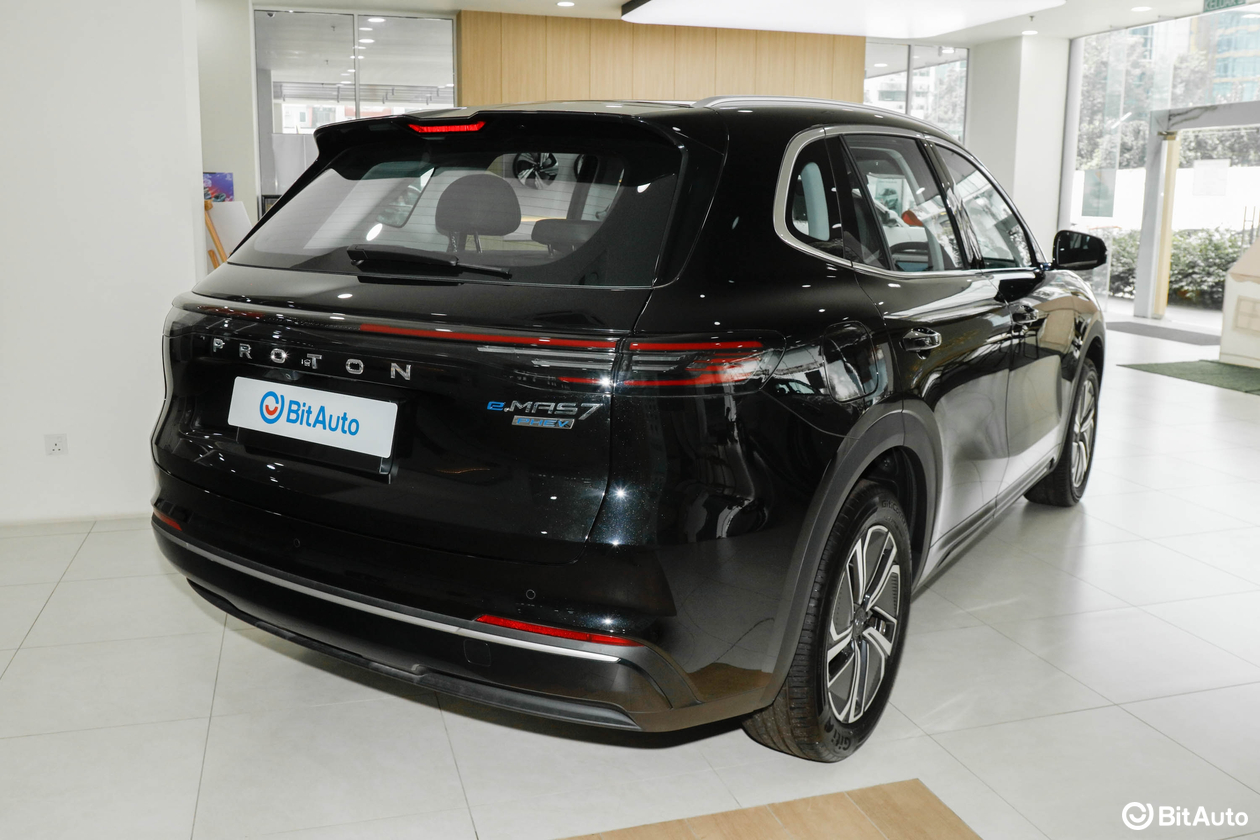
Our buying advice is crystal clear: if you have access to home charging, mainly navigate city traffic, and prioritize cabin space and absolute value, make a beeline for the eMas 7 PHEV Premium Plus. If your lifestyle involves frequent interstate highway cruising, uncompromising standard safety kit, and you have a solid RM150k–RM160k budget to play with, the J7 PHEV remains a thoroughly dependable choice.
If you had to pick, would you fork out the extra RM30,000 to RM50,000 for the J7 PHEV, or pocket the savings and drive home the eMas 7 PHEV? Do you have home charging sorted where you stay? Let us know in the comments below!
Leave your number, an advisor will contact you


Your go-to source for all things automotive in Malaysia. 🚗 Latest reviews, breaking news, launches & industry trends.
+ Follow Zeekr Lounge X Park Sunway Serene is now live, and owners can enjoy lounge access 24/7!
There'll even be sales advisors on standby if you're looking to update ;)
#zeekr 1 day ago
 70,000 wire harness types and China breathing down their neck 😅🇯🇵
Japanese brands are finally teaming up on basic parts to save cash for next-gen cars.
Tap in 👇 1 day ago
 Yangwang U8 and U9 otw to Malaysia? 👀🔥 BYD Malaysia posted dancing cars on track—not local footage, so is a launch imminent?
Tap in 👇 1 day ago
Get the latest car news first!
Your go-to source for all things automotive in Malaysia. 🚗 Latest reviews, breaking news, launches & industry trends.
Zeekr Lounge X Park Sunway Serene is now live, and owners can enjoy lounge access 24/7!
There'll even be sales advisors on standby if you're looking to update ;)
#zeekr 1 day ago 70,000 wire harness types and China breathing down their neck 😅🇯🇵
Japanese brands are finally teaming up on basic parts to save cash for next-gen cars.
Tap in 👇 1 day ago Yangwang U8 and U9 otw to Malaysia? 👀🔥 BYD Malaysia posted dancing cars on track—not local footage, so is a launch imminent?
Tap in 👇 1 day ago 
© 2024 Bitauto.com. All Rights Reserved.
Bitauto (www.yiche.com and www.bitauto.com) is one of the most visited automotive websites in China. We provide detailed info on Chinese car brands available in your area. Please note that the information provided on this website is based on publicly available data and is for reference only. It may not be fully updated or accurate at all times.

Help us improve our website