
Search History
Popular Searches
English
Dealer Login / Sign Up
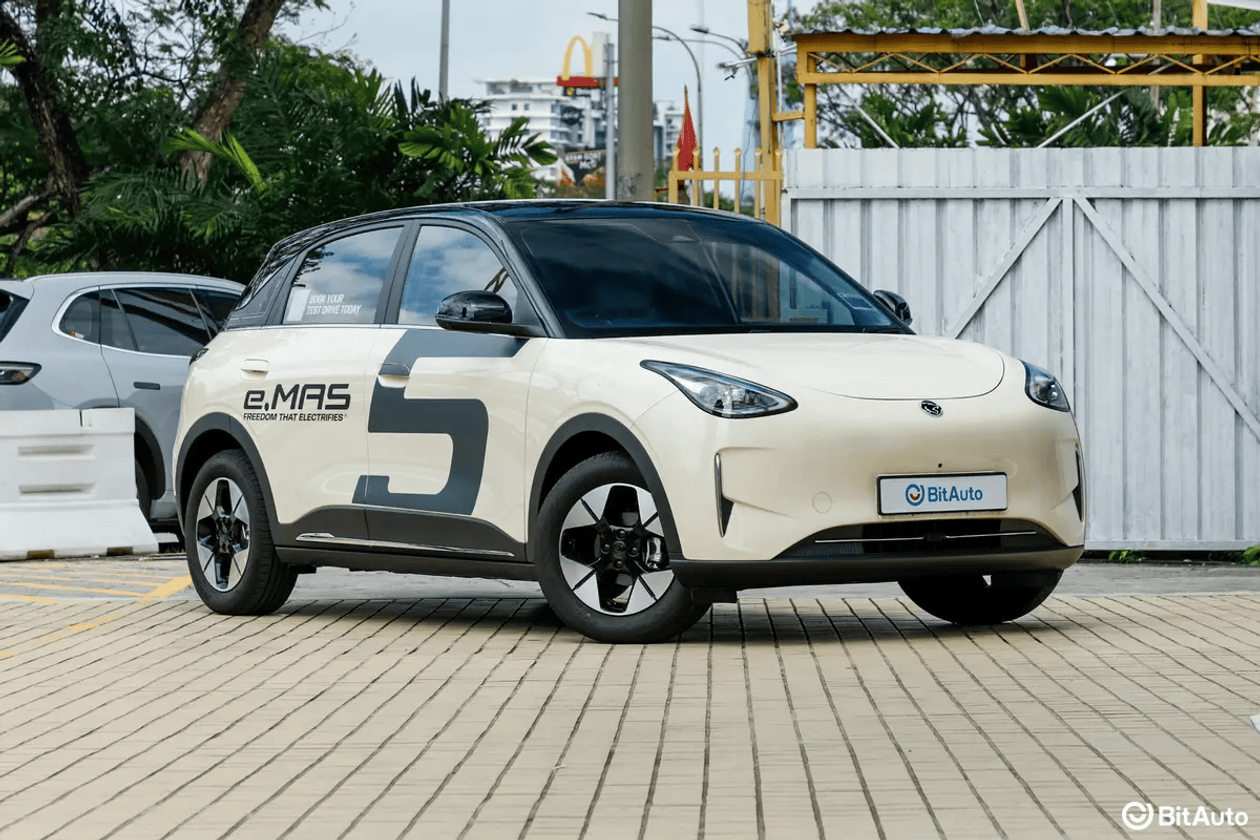
With the government restructuring targeted fuel subsidies to ensure petrol assistance reaches eligible groups, more Malaysian motorists are evaluating whether making the switch to an Electric Vehicle (EV) makes financial sense.
To clarify policy directions, the Ministry of Transport recently emphasized that targeted RON95 fuel subsidies and EV adoption policies are two separate instruments. While fuel subsidies manage pump prices, EV adoption is driven through tax relief, local manufacturing support and charging infrastructure growth.
Here is a breakdown of Malaysia’s current and upcoming EV incentives, tax structures and charging developments for prospective buyers.
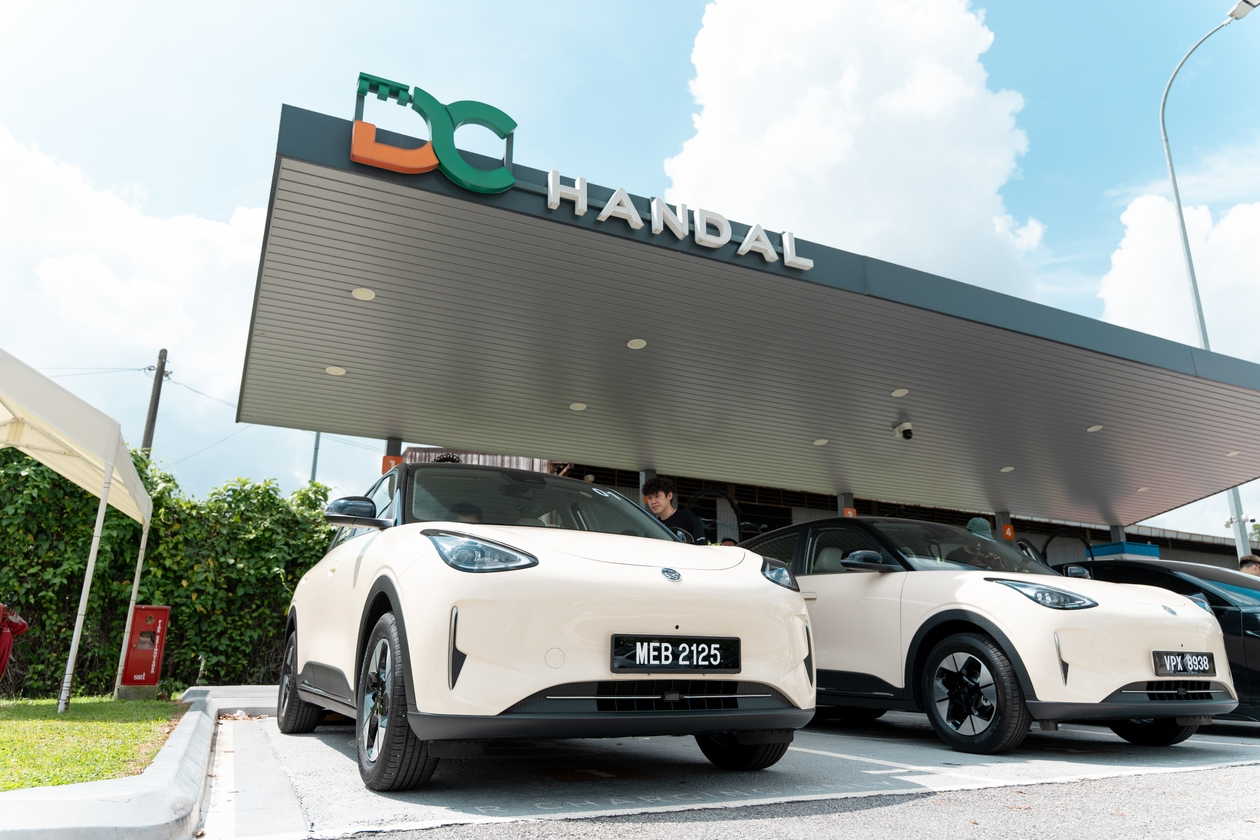
Addressing range anxiety and public charger availability remains central to the national EV roadmap.
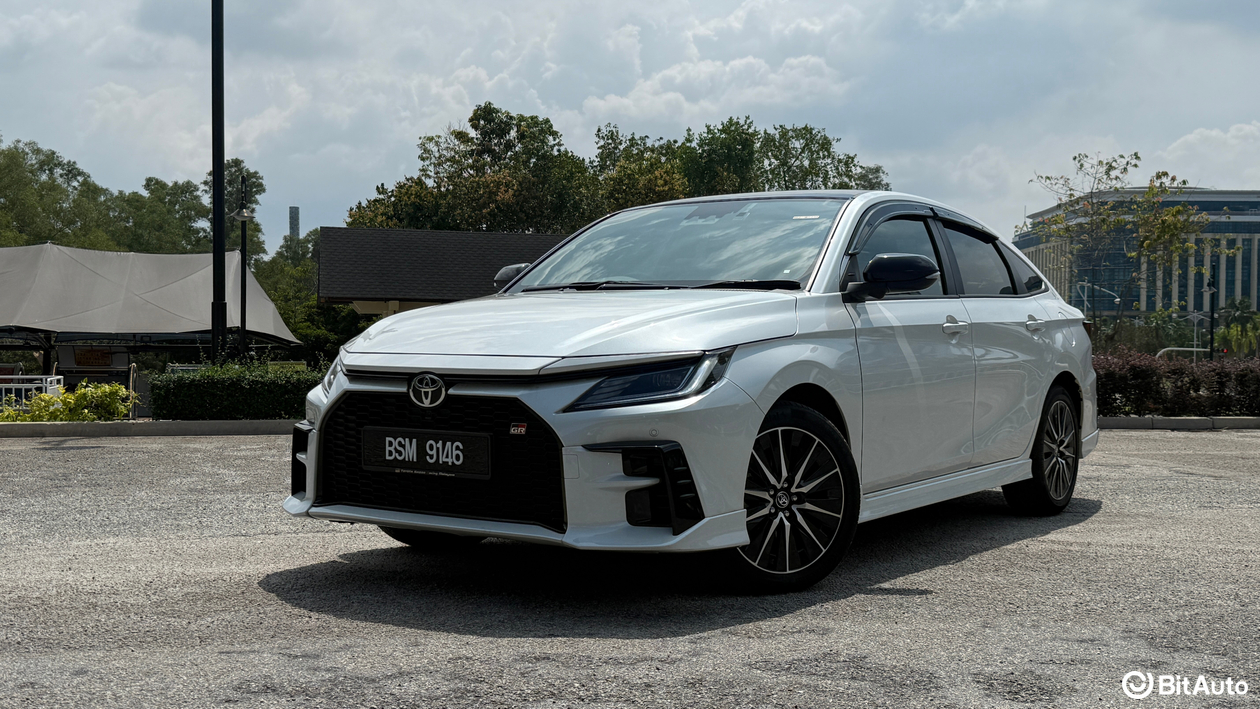
If you live in a landed home where installing a wallbox charger is straightforward and your daily commute is primarily urban or intercity, current income tax exemptions and low home-charging rates offer substantial long-term savings.
For high-rise residents or high-mileage rural drivers, hybrid options remain a solid transitional choice while national public charging infrastructure continues to expand.

Your go-to source for all things automotive in Malaysia. 🚗 Latest reviews, breaking news, launches & industry trends.
+ Follow No more offline SUV!
The GWM Tank 500 HEV Black Edition returns, now with app connectivity that allows owners to control and monitor the Tank 500 HEV via their phone.
#GWM #GWMTank500 2 hours ago
 10% to 70% in just 5 minutes??
That's as quick as refuelling an ICE car. And Thailand just launched this 2026 Denza D9.
#Denza #DenzaD9 3 hours ago
 With 182k units sold YTD, Proton's on track to hit its 200k mark this year since 2002.
And driving that volume is the updated Proton Saga MC3.
#proton 4 hours ago
Get the latest car news first!
Your go-to source for all things automotive in Malaysia. 🚗 Latest reviews, breaking news, launches & industry trends.
No more offline SUV!
The GWM Tank 500 HEV Black Edition returns, now with app connectivity that allows owners to control and monitor the Tank 500 HEV via their phone.
#GWM #GWMTank500 2 hours ago 10% to 70% in just 5 minutes??
That's as quick as refuelling an ICE car. And Thailand just launched this 2026 Denza D9.
#Denza #DenzaD9 3 hours ago With 182k units sold YTD, Proton's on track to hit its 200k mark this year since 2002.
And driving that volume is the updated Proton Saga MC3.
#proton 4 hours ago © 2024 Bitauto.com. All Rights Reserved.
Bitauto (www.yiche.com and www.bitauto.com) is one of the most visited automotive websites in China. We provide detailed info on Chinese car brands available in your area. Please note that the information provided on this website is based on publicly available data and is for reference only. It may not be fully updated or accurate at all times.

Help us improve our website


