Today in 2026, dropping RM200,000 on a car remains quite a luxury. According to the Department of Statistics Malaysia (DOSM) 2024 Household Income Survey, the median monthly household income in our country is just RM7,017; the national T20 threshold sits at RM12,680 per month.
Do the simple math: on a RM200,000 car, with a 10% down payment, a 9-year hire purchase tenure, and a 3% annual fixed interest rate, the monthly instalment comes to around RM2,117—swallowing a clean 30% of a median household’s earnings. Those who can comfortably afford one are either trust-fund babies born with a silver spoon, or towkays and C-suite executives barely scraping into the T20 bracket.
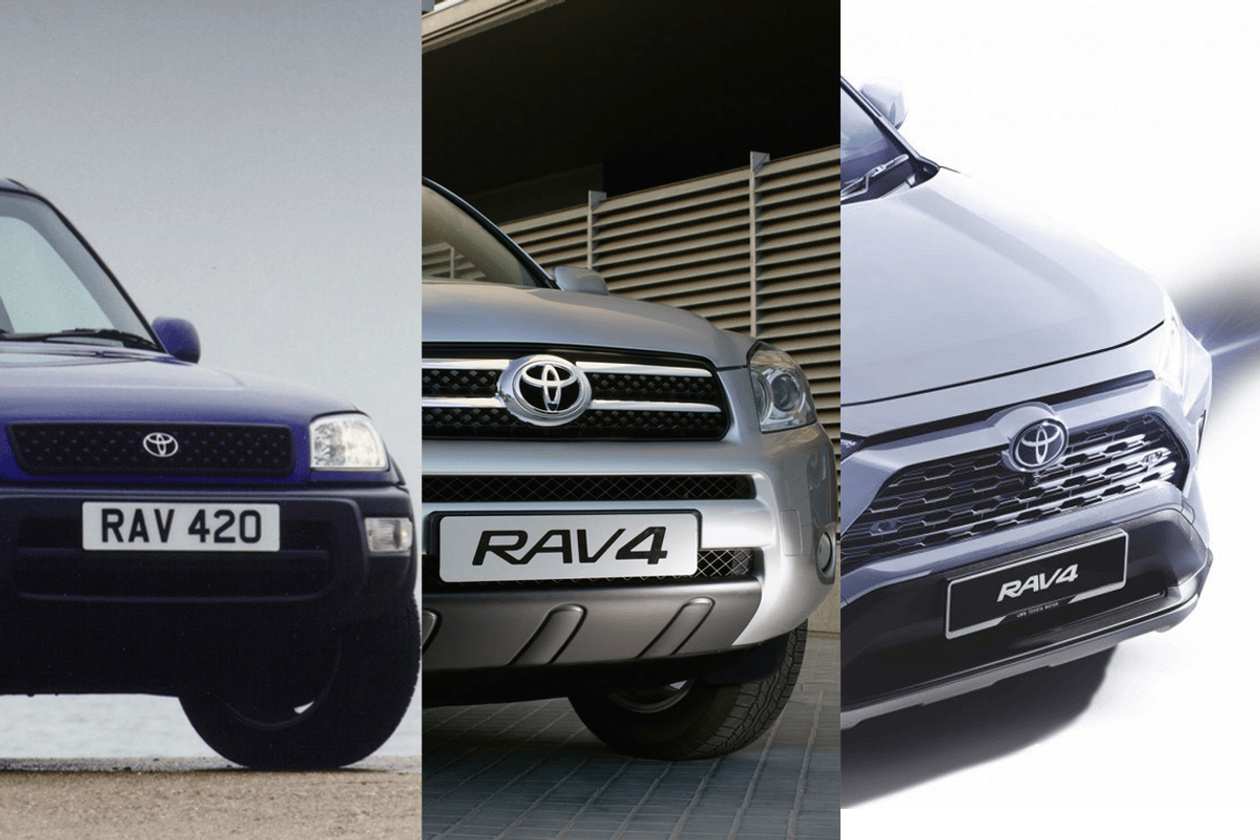
Yet just six years ago in 2020, Toyota introduced a model locally with an entry price pushing near RM200,000 that proved remarkably short-lived: the fifth-generation Toyota RAV4.
However, our story today isn't about that fifth-generation RAV4, which sank without a trace and felt like a mere face in the crowd.
In this day and age where our roads are crawling with SUVs and China-made crossovers rule the roost, have you ever wondered which model actually kicked off the crossover SUV craze in the first place?
What we are doing today is taking a trip back to the vibrant, colourful, and effortlessly cool 1990s to unpack the story behind the original Recreational Active Vehicle.
The name RAV4 stands for "Recreational Active Vehicle with 4-wheel drive." In layman's terms, it simply means "a 4WD rig for your weekend getaways."
Its earliest form broke cover as the RAV-FOUR concept at the 1989 Tokyo Motor Show. By March 1994, the production-spec RAV4 made its global bow at the Geneva Motor Show before hitting showroom floors in Japan that May.
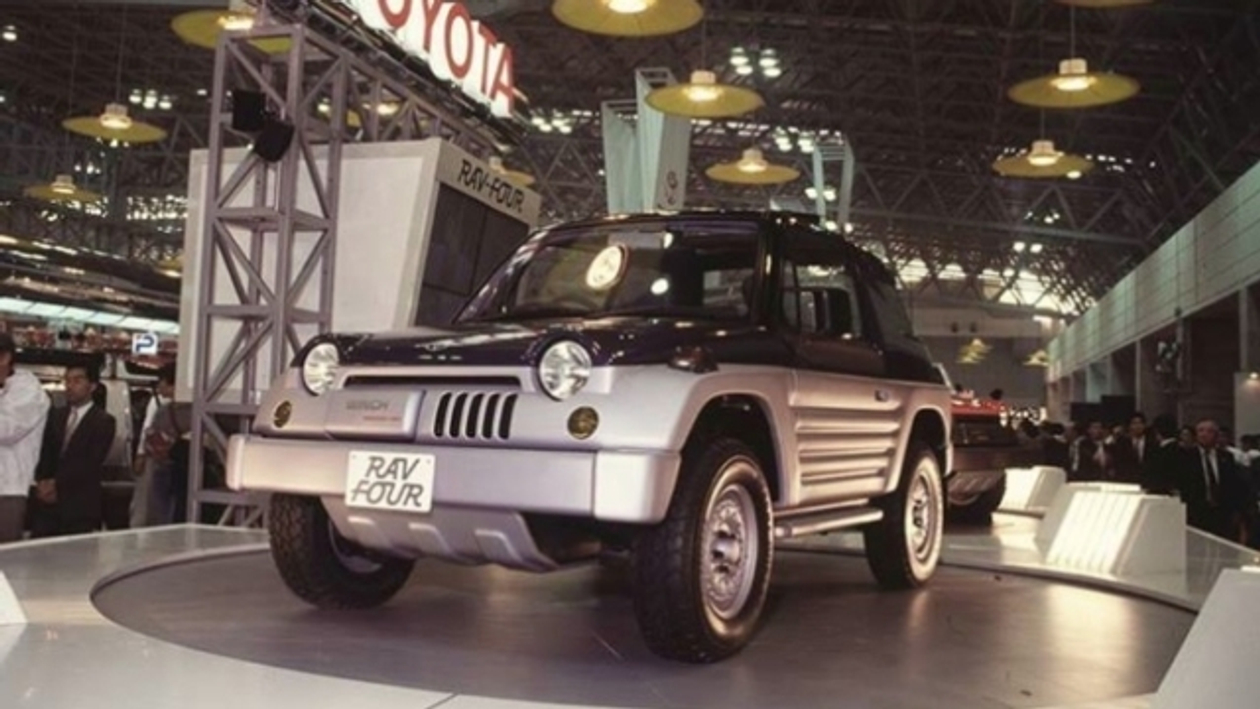
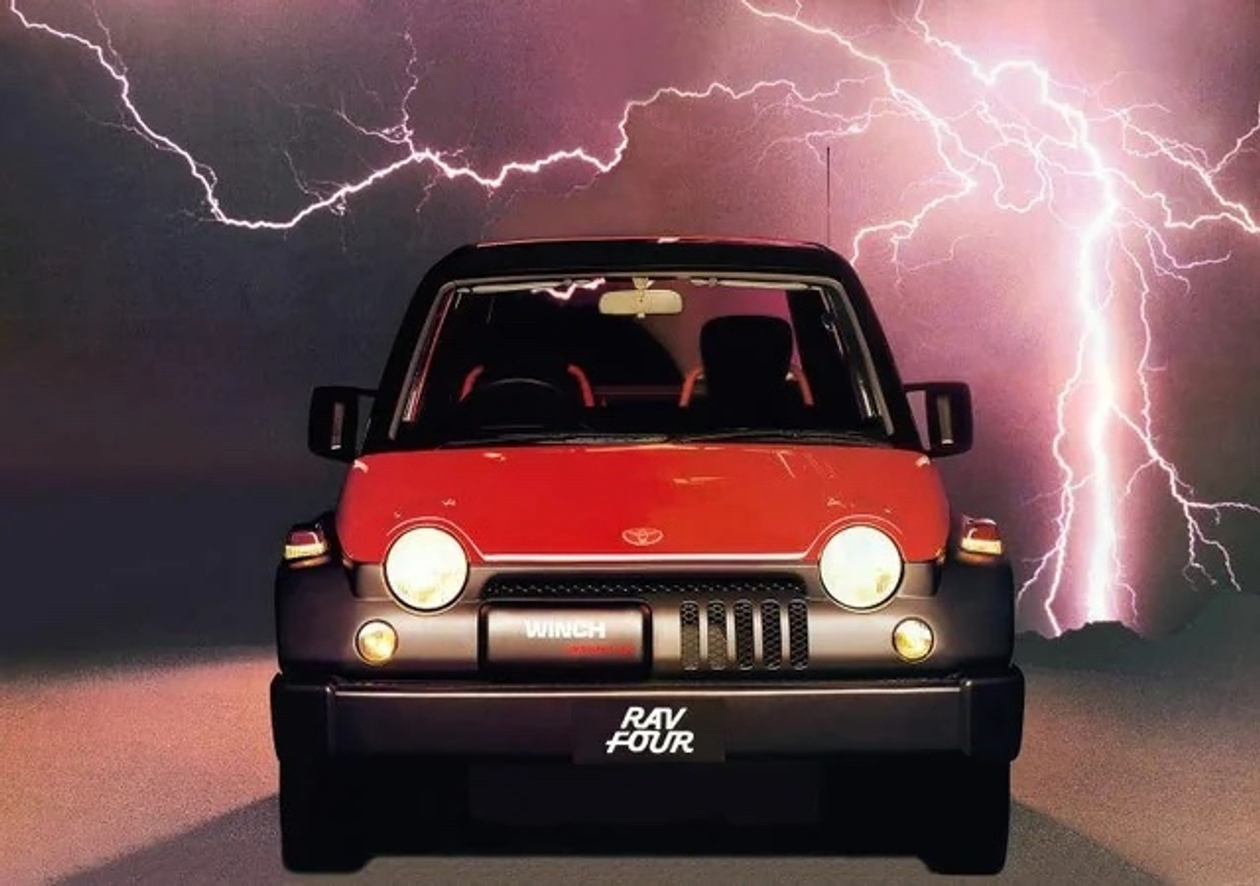
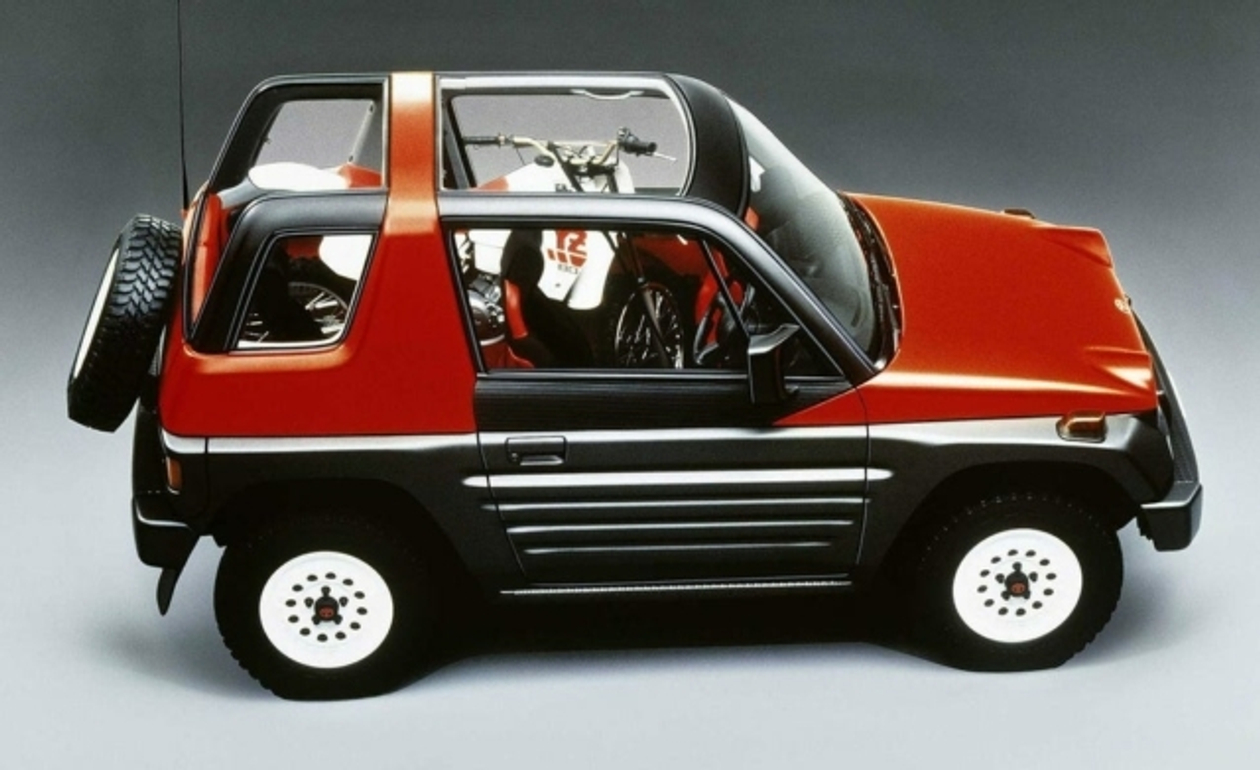
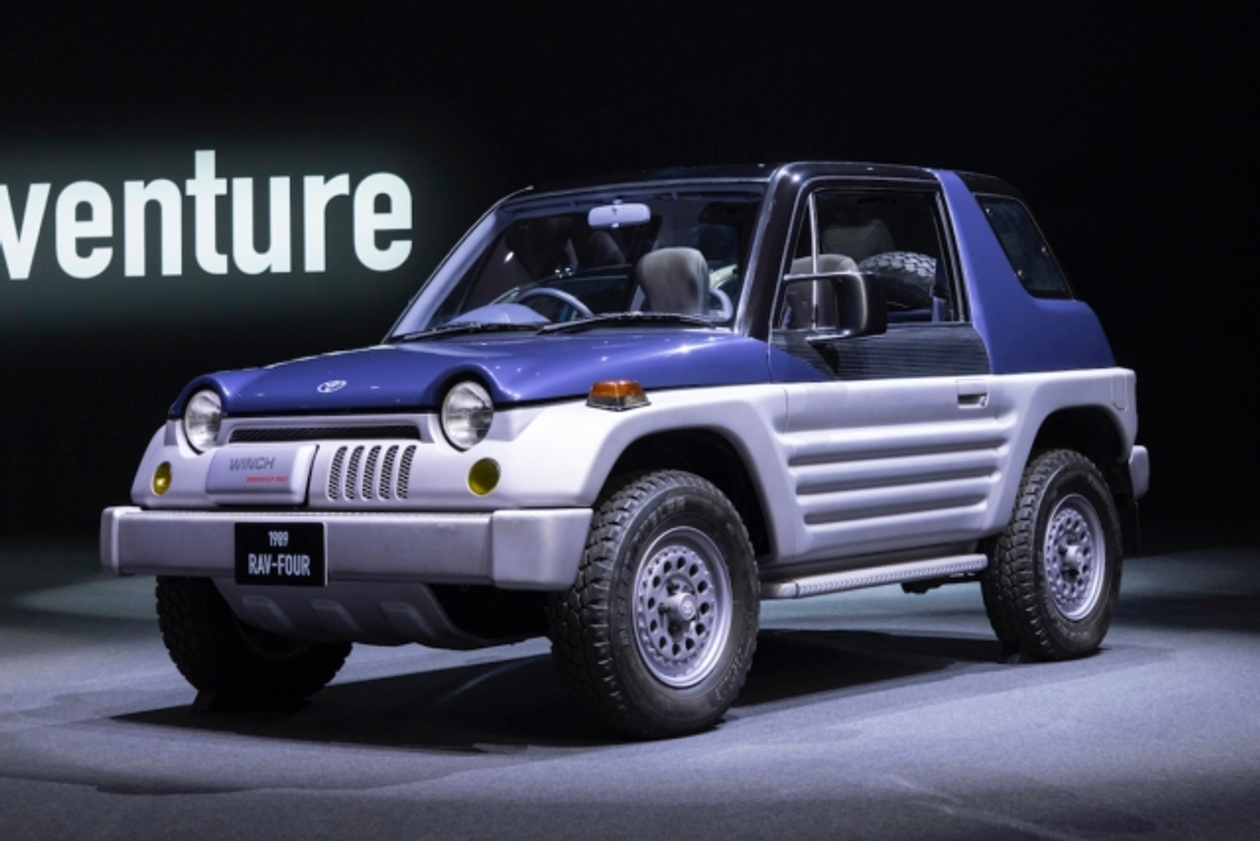
Unlike today where people flop onto the couch after work bingeing AI dramas and walk around glued to their smartphones, the internet was barely a thing in the '90s. Leisure back then meant heading outdoors: everyone, young and old, just wanted to head out under the open skies and catch the sea breeze.
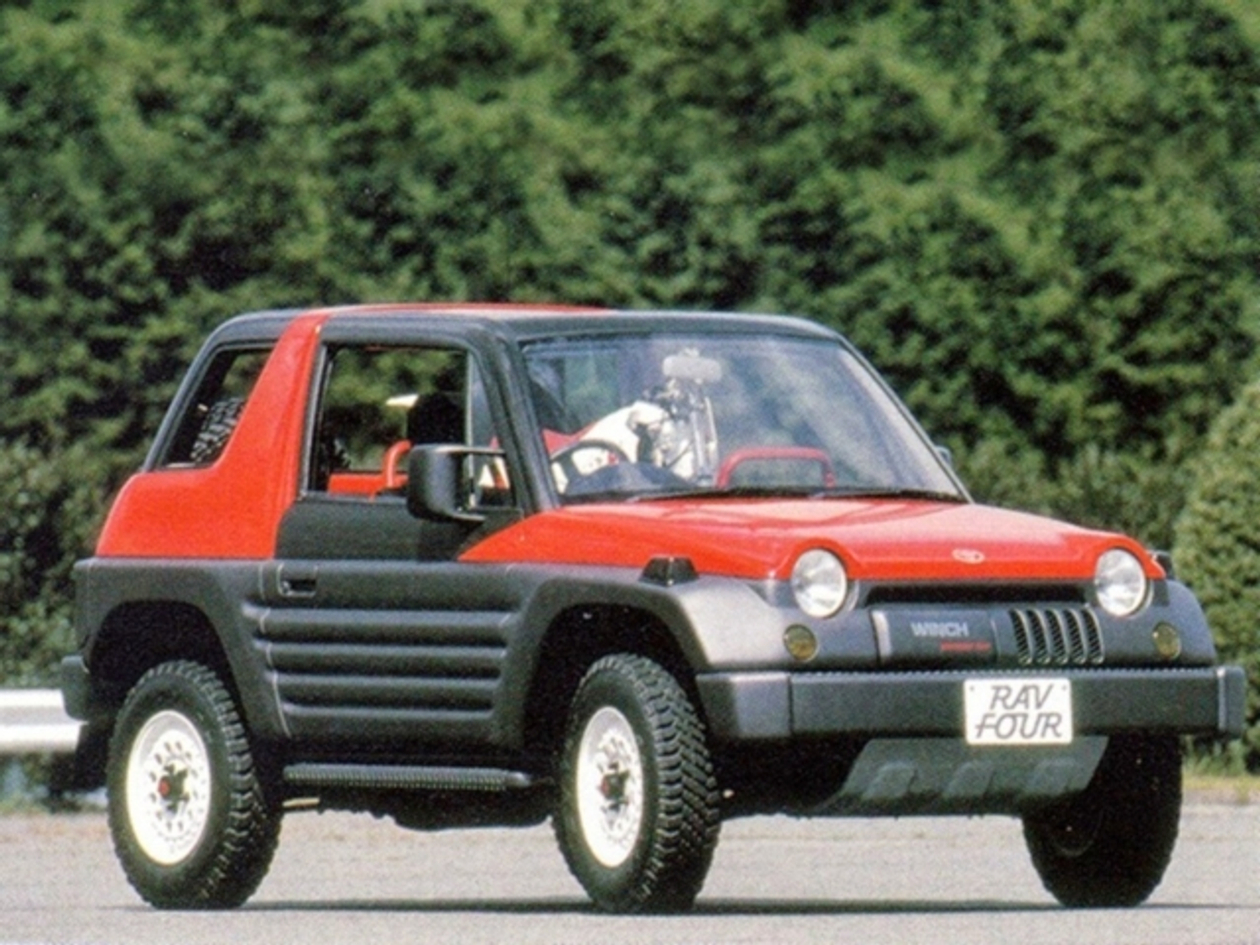
The RAV-FOUR concept was tailor-made for that lifestyle. Toyota positioned it back then as a "new urban 4x4" designed specifically for the outdoorsy crowd.
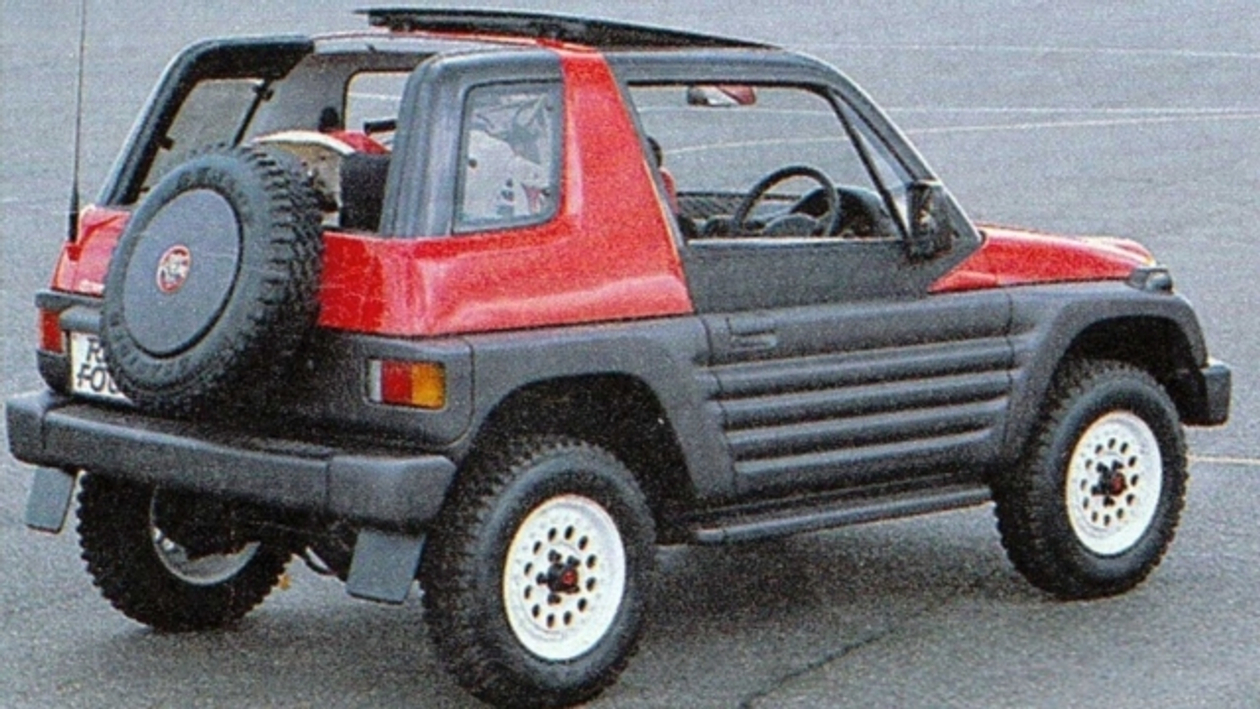
Ironically, not long after the concept broke cover, Japan's economic asset bubble burst. Moving into the 1990s, Japanese marques shelved their wild experimental concept cars to churn out safe, mass-market volume sellers. Yet, the RAV-FOUR philosophy somehow lived on. In 1991, Toyota officially greenlit the production model, with the exterior penned by designer Hideo Kondo and the chassis adapting running gear from Corolla and Carina.
Toyota's brief for the first-generation RAV4 was essentially "we want it all":
– A spacious cabin
– A compact, sporty, and avant-garde silhouette
– Genuine off-road chops without sacrificing sedan-like daily ride comfort
– High safety and environmental standards with zero compromises
The game-changer was its chassis architecture. The contemporary Suzuki Escudo, like most SUVs of that era, sat on a traditional ladder frame chassis; the RAV4, however, opted for a car-like monocoque construction. Toyota was upfront from day one: the RAV4 was never meant to be an off-road workhorse like Land Cruiser, nor did it aim to lock horns with hardcore mini 4x4s. Bolstered by sensible pricing, Toyota set a modest domestic sales target of 2,000 units per month.
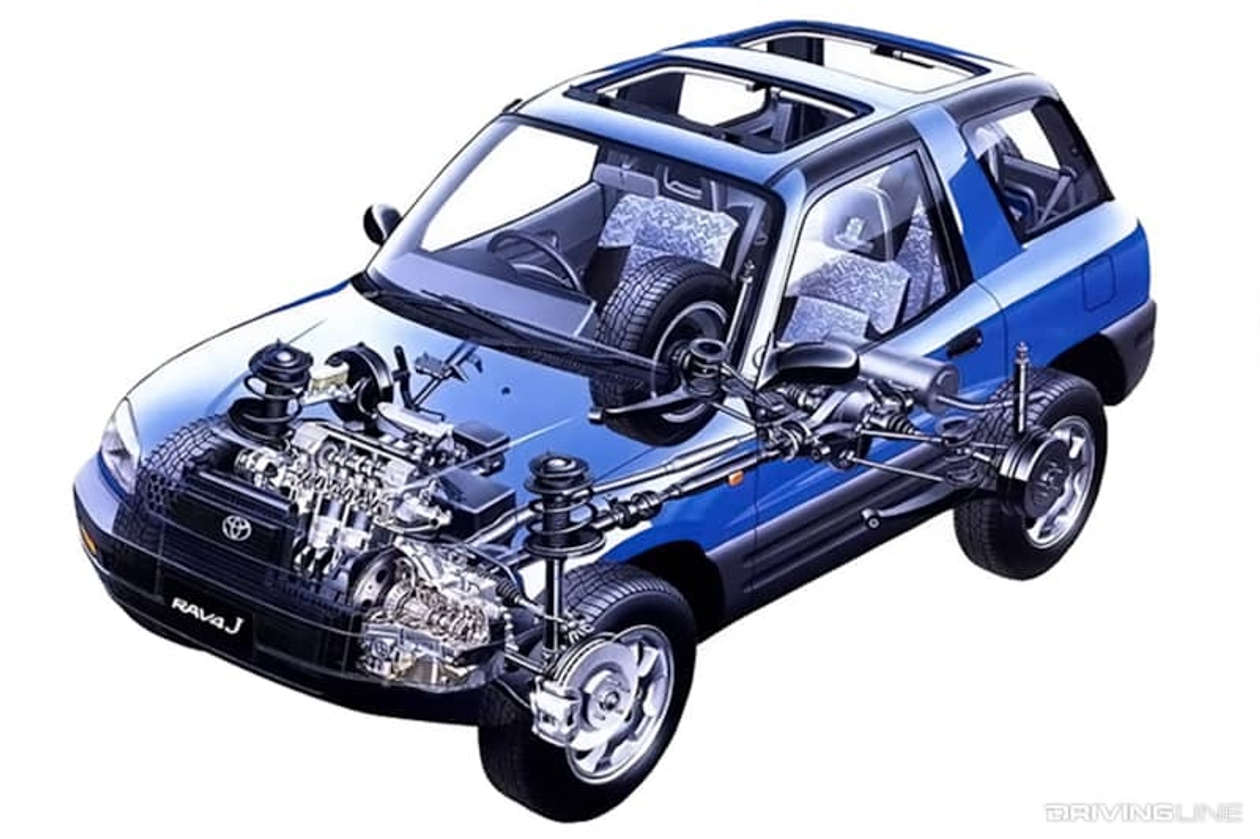
The blueprint of the first-gen RAV4 (chassis code XA10) was thoroughly radical for its day:
– A three-door bodyshell stretching just 3.69 metres long—shorter than many of today’s A-segment hatchbacks
– A 2.0-litre 3S-FE 4-cylinder powerplant churning out 129 PS with full-time 4WD
– Monocoque construction that drove like a passenger car without the bone-jarring ride of a traditional 4x4
Most SUVs back then were rugged, truck-based 4x4s; the RAV4 was the pioneer that grafted an off-roader aesthetic onto a passenger car chassis. In March 1995, Toyota rolled out a five-door version stretched by 400 mm, turning it into a proper five-seater family hauler.
The outcome? A staggering 53,000 units found homes in 1994 alone. The crossover SUV blueprint that rival carmakers furiously copied in the years that followed started right here. By February 2020, cumulative worldwide sales of the RAV4 breached the monumental 10-million-unit mark.
A huge part of the first-gen RAV4’s runaway success came down to its headline star: it was fronted by none other than Japan's heartthrob idol of the era, Takuya Kimura.
Japan in the early '90s was caught in an RV craze. Billed as a "Flexible Vehicle", the RAV4 spoke directly to trendsetting youths and young families. With the undeniable boost of what Toyota itself termed the "Kimutaku effect", the RAV4 was an instant smash hit from the get-go.
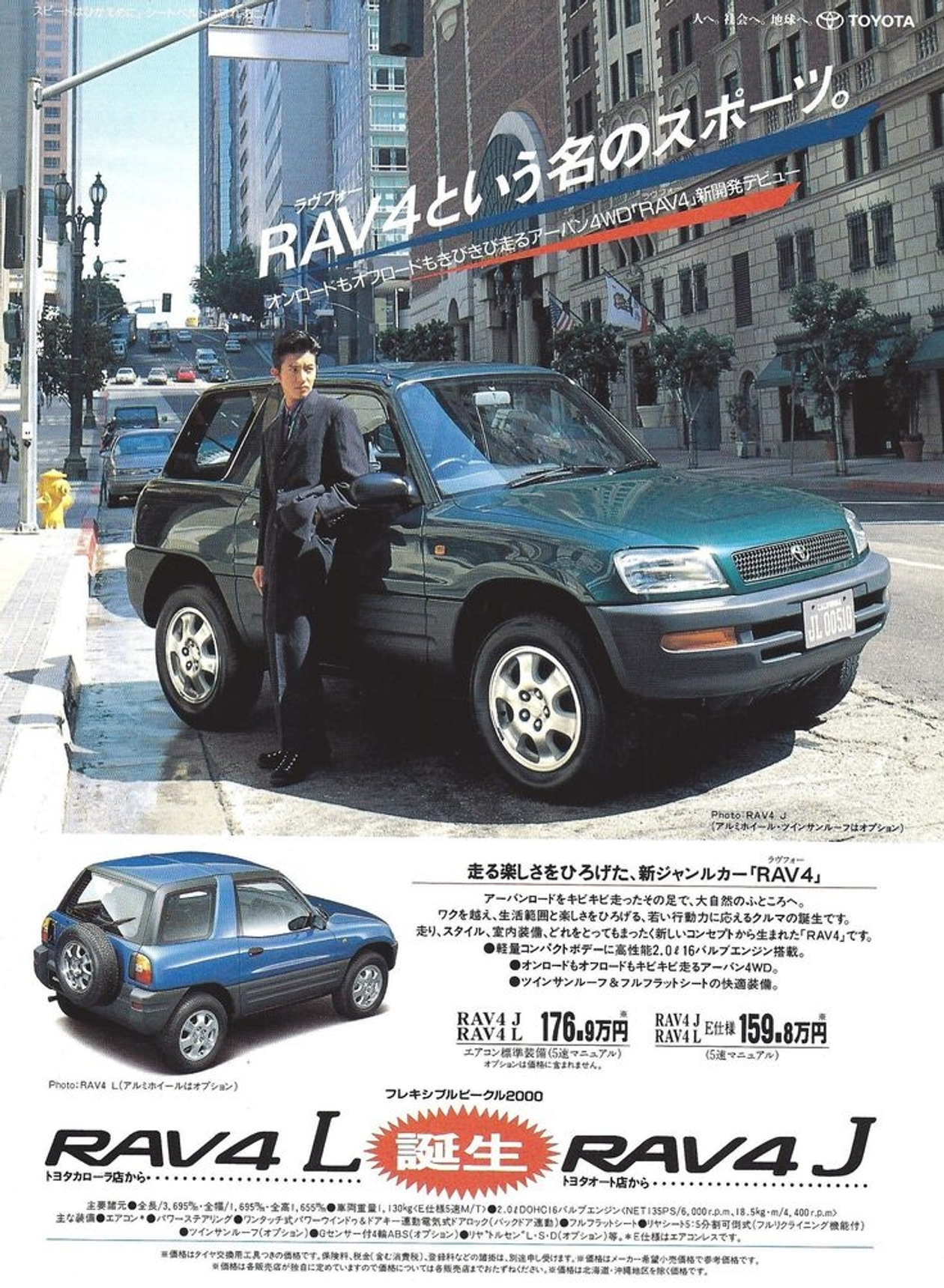
In its home market, Toyota pulled off a classic JDM dealership play: the identical car retailed as RAV4 L at Toyota Corolla dealerships, and as RAV4 J at Toyota Auto stores, with the front grille mesh pattern being the main telltale differentiator. The five-door variant introduced in April 1995 was dubbed RAV4 L V and RAV4 J V, respectively—the "V" standing for five-door.
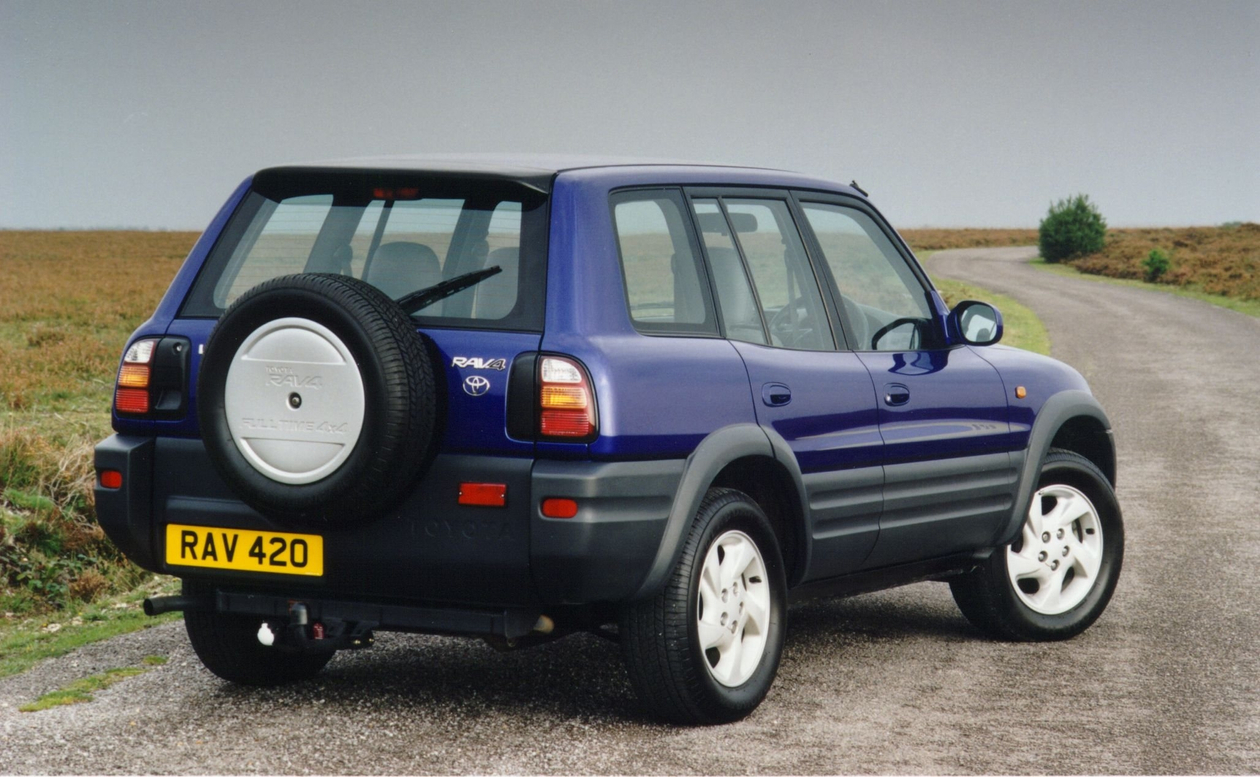
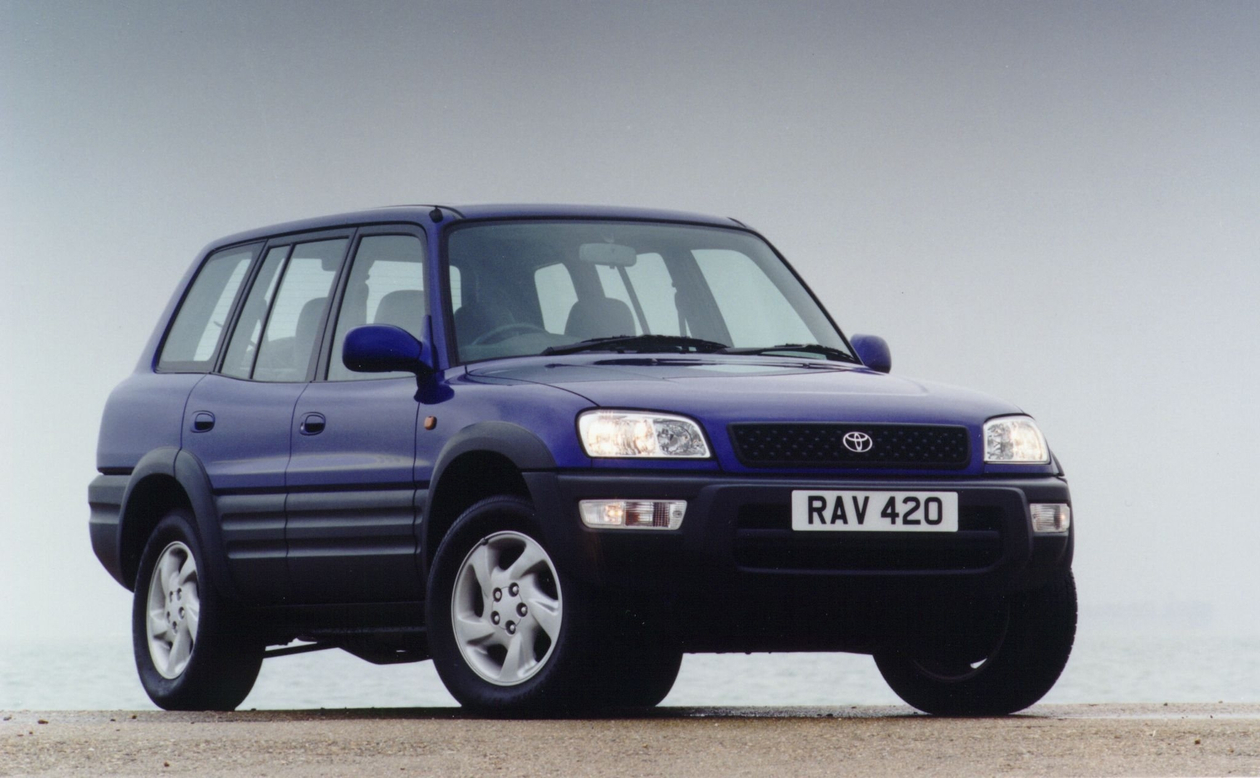
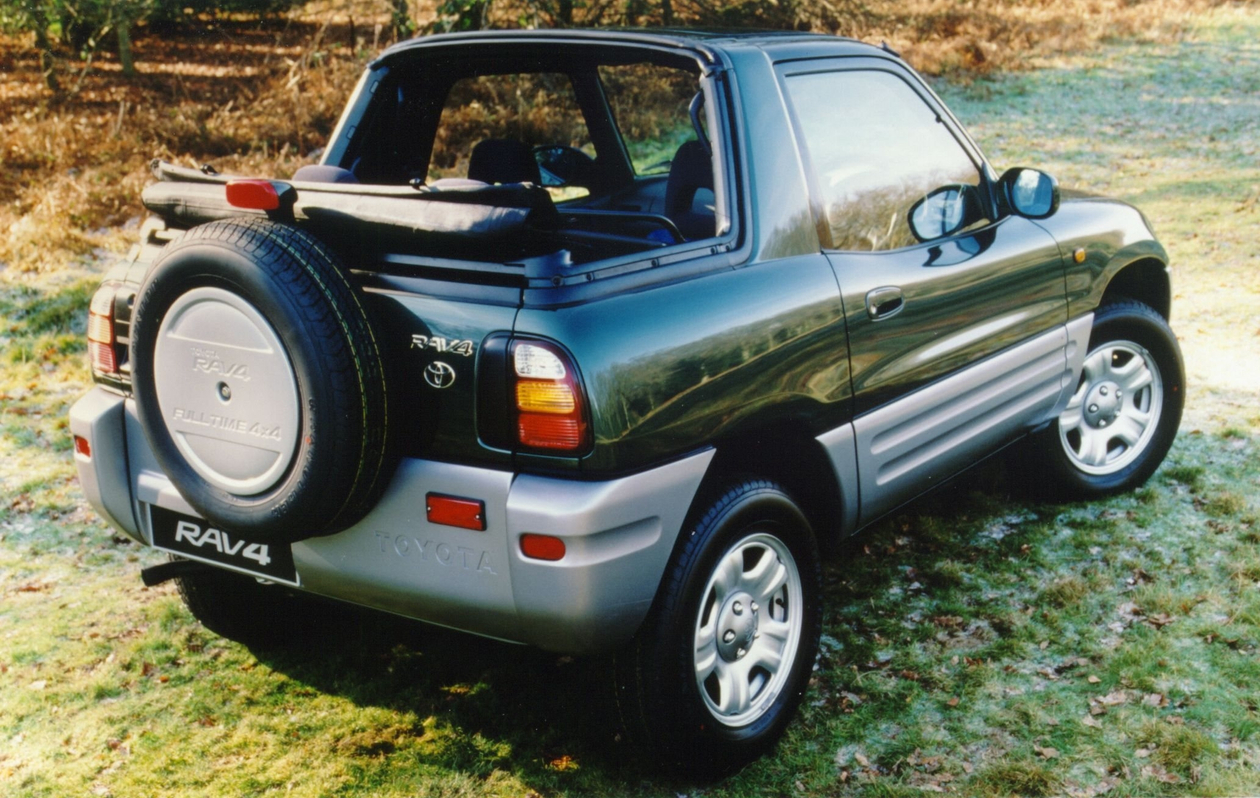
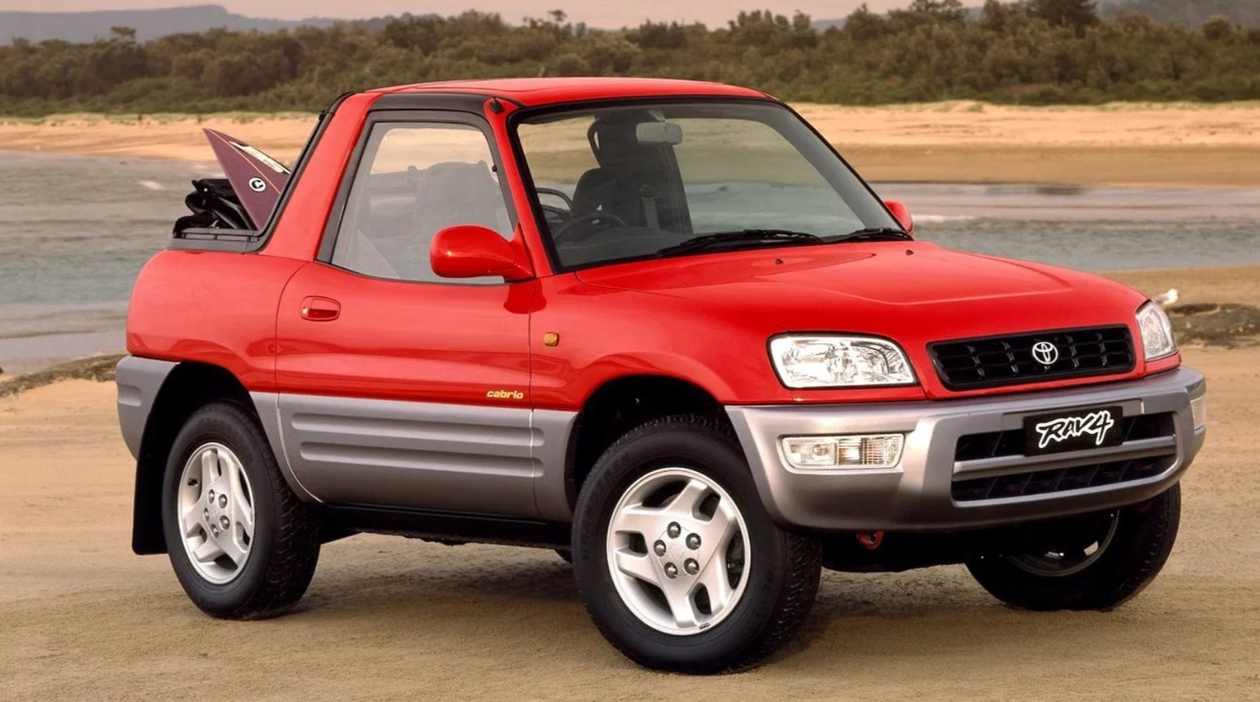
RAV4 spawned multiple body styles, from the practical five-door long-wheelbase to the fun, sun-seeking soft-top convertible.
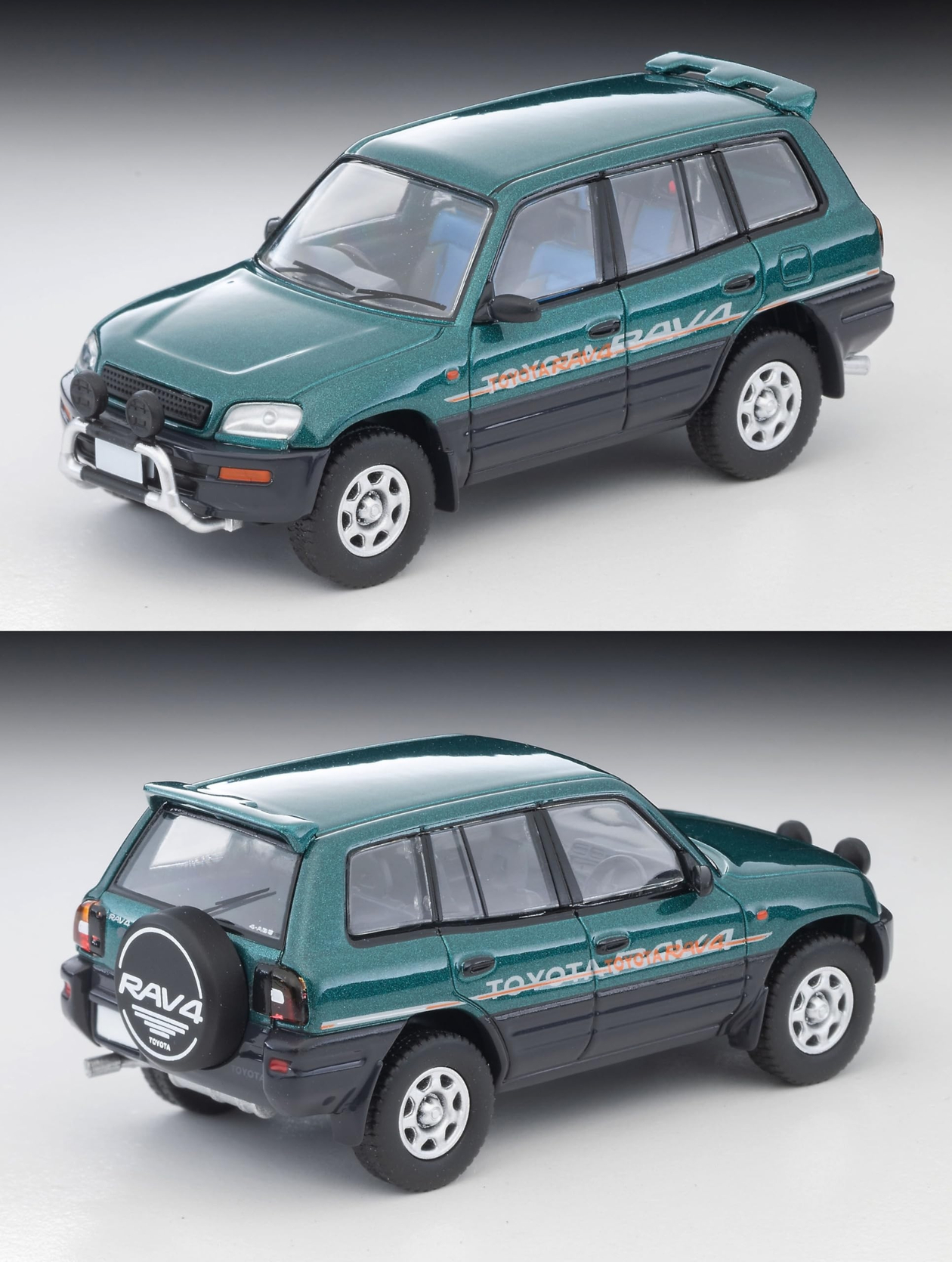
What was the coolest setup on a RAV4 back then? Slapping on an aftermarket bull bar and round spot lamps. To this day, Tomica Limited Vintage NEO's 1:64 scale RAV4 L V diecast still faithfully replicates these period-correct factory options, immortalising the mid-90s recreational craze.
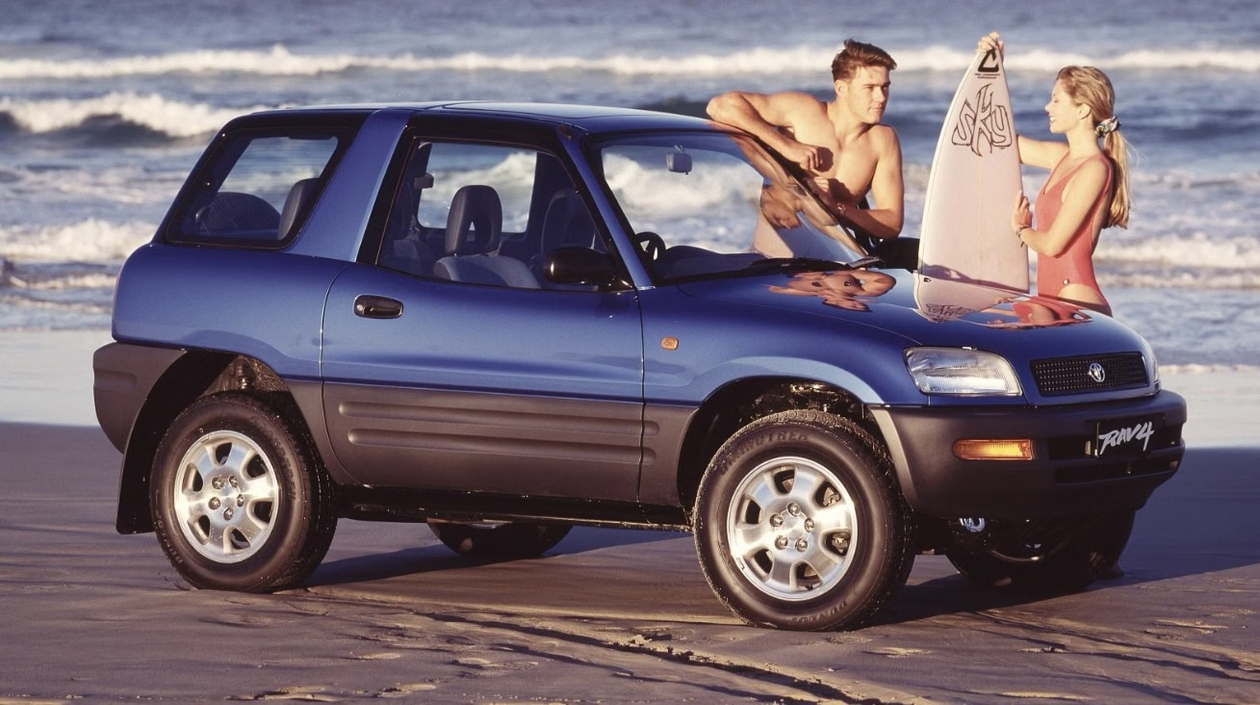
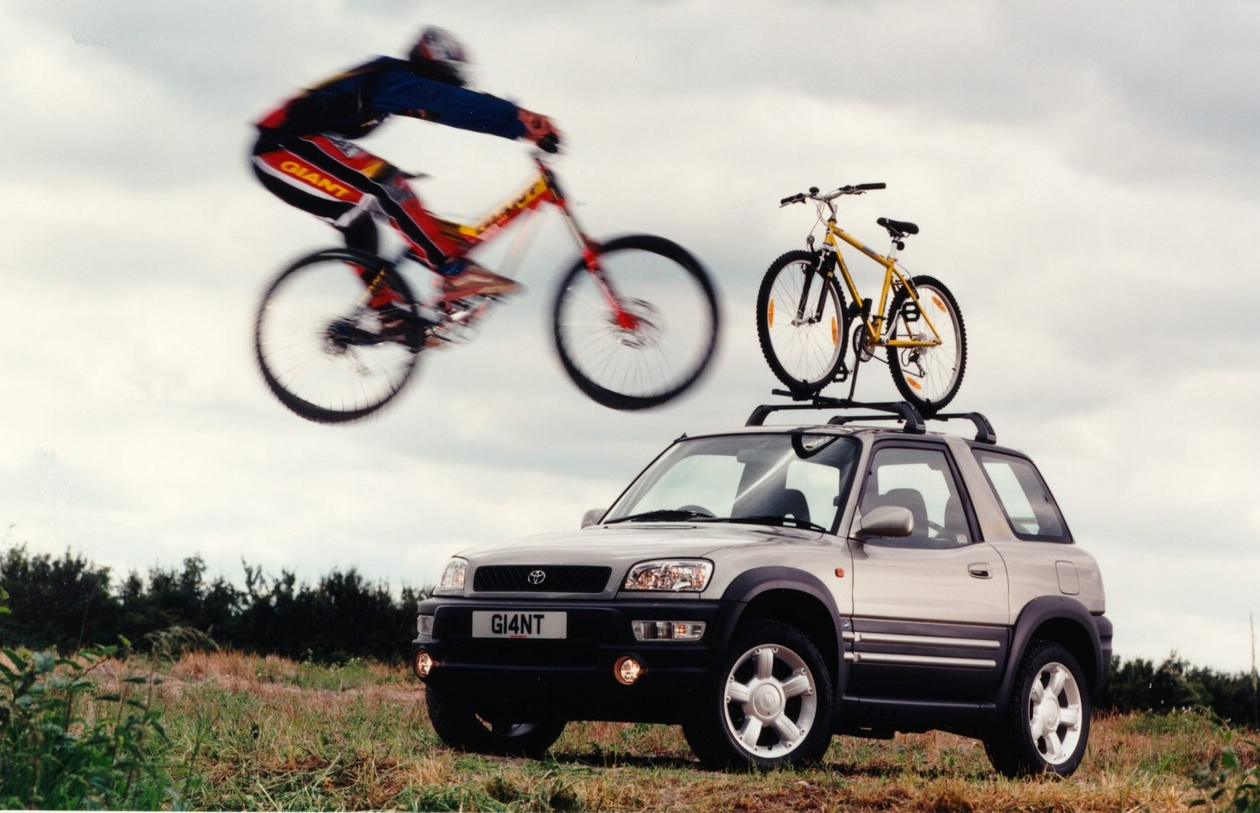
Back then, cruising in a RAV4 with mountain bikes mounted out back, strapping a surfboard to the roof to chase the waves, or throwing on a vibrant Patagonia windbreaker to hit the ski slopes was the ultimate badge of cool.
Among Malaysian petrolheads, the RAV4 has its own insider moniker system: first-gen is RAV4.1, second-gen is RAV4.2, and the third is inevitably RAV4.3. While it sounds like software patch updates, it was simply local shorthand.
You cannot talk about the first-gen without mentioning the grey import (recond) car market. JDM-spec units offered far tastier mechanical bits than official export versions:
– The base 3S-FE engine was rated at 135 PS in JDM trim, slightly up on the European-spec 129 PS
– The Japanese market also got the revered 3S-GE BEAMS powerplant churning out a stout 179 PS
– Post-1998 revisions saw chassis codes shift from SXA10 to SXA11, giving rise to another origin of the "RAV 4.1" nickname among owners
Spot a first-gen model running around the Klang Valley with "RAV4 L" or "RAV4 J" badges out back, and chances are it came in as a recond unit from Japan.
According to JPJ vehicle registration data, 6,255 units of the RAV4 have been registered in Malaysia since 2000, with deliveries peaking in 2001 at 964 units. The public data doesn’t break down how many came via the official franchise holder versus recond grey importers, but it speaks volumes about how wildly sought-after the car was back then.
Back in the day, rolling through town in a RAV4 gave you that youthful Aaron Kwok vibe, even if you didn't quite have Leon Lai’s good looks. Remember, that era also saw boxier, utilitarian rivals like the first-gen Vitara and Daihatsu Rocky, yet only the RAV4 managed to capture that chic, boutique lifestyle appeal beloved by young urban professionals.
Over in Japan today, first-generation RAV4 L used prices fluctuate between 324,000 and 2.39 million yen. Some still treat it as a rugged daily runner, while others covet it as a prized Heisei-era collectible. Having crossed the three-decade mark, it has thoroughly earned its stripes as a bona fide modern classic.
Few remember that the first-gen RAV4 was actually officially brought in by UMW Toyota Motor as a CBU import across several specs. Sadly, the run was cut short; sharp currency depreciation and the broader economic downturn made import costs untenable, forcing UMW Toyota to pull the plug. Going by the timeline, the fallout from the 1997 Asian Financial Crisis was the clear culprit.
Given how long ago it was, official historical pricing is hard to come by, but safe estimates put it around the RM130,000 to RM160,000 mark.
That was the RAV4's first breakup with Malaysia: no farewell fanfare, no final-run special editions, just a quiet exit out the back door.
Round two happened in 2006, when UMW Toyota reintroduced the third-generation RAV4 (the community’s RAV4.3) as a CBU import, offered strictly in five-door trim. Later, when Toyota issued a global recall over second-row seatbelts, local reports noted the affected batch represented about 5% of around 500 units of the third-gen RAV4 on our roads. In other words, only about 500 units were ever sold officially here.
Why so few? It was hardly surprising: back in 2006, UMW Toyota slapped it with an eye-watering RM203,000 price tag. In 2006 money, RM200,000 was enough to buy you a freehold double-storey terrace house in Puchong, with plenty of change to spare.
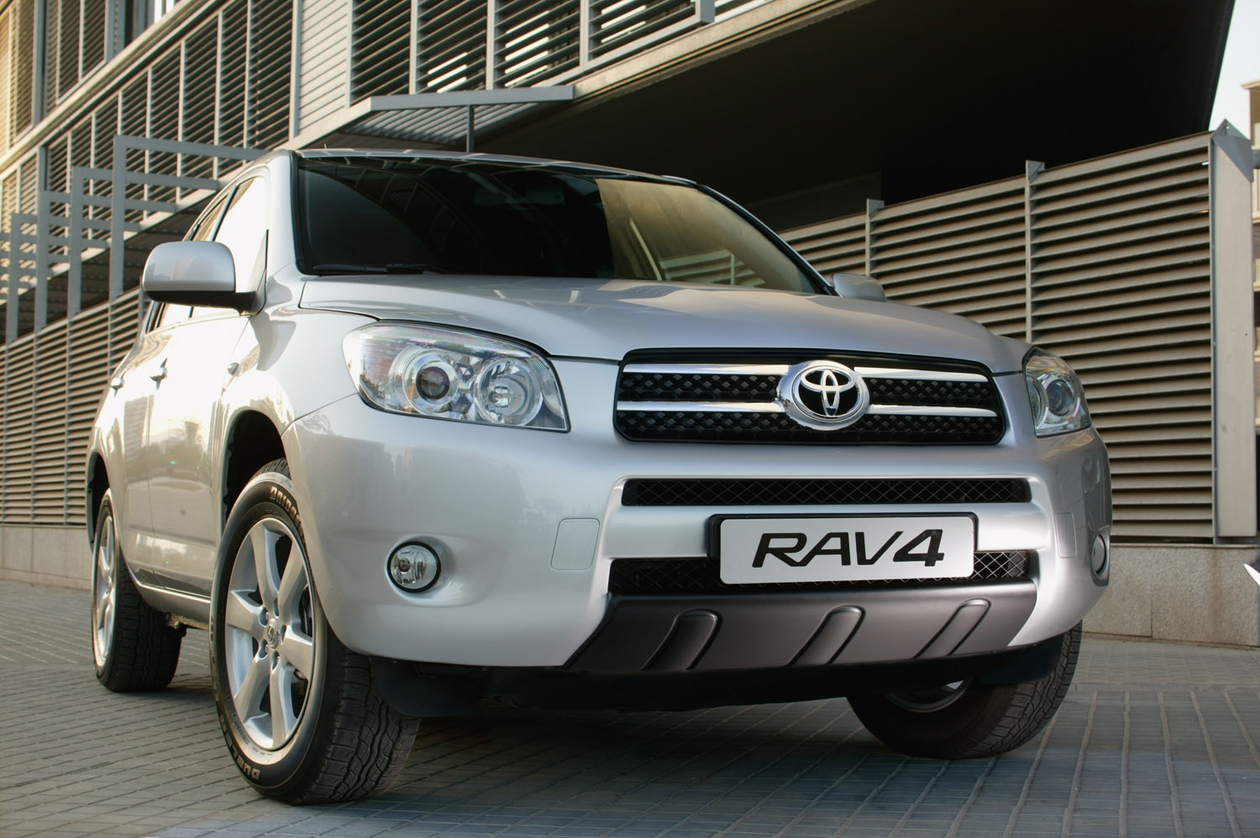
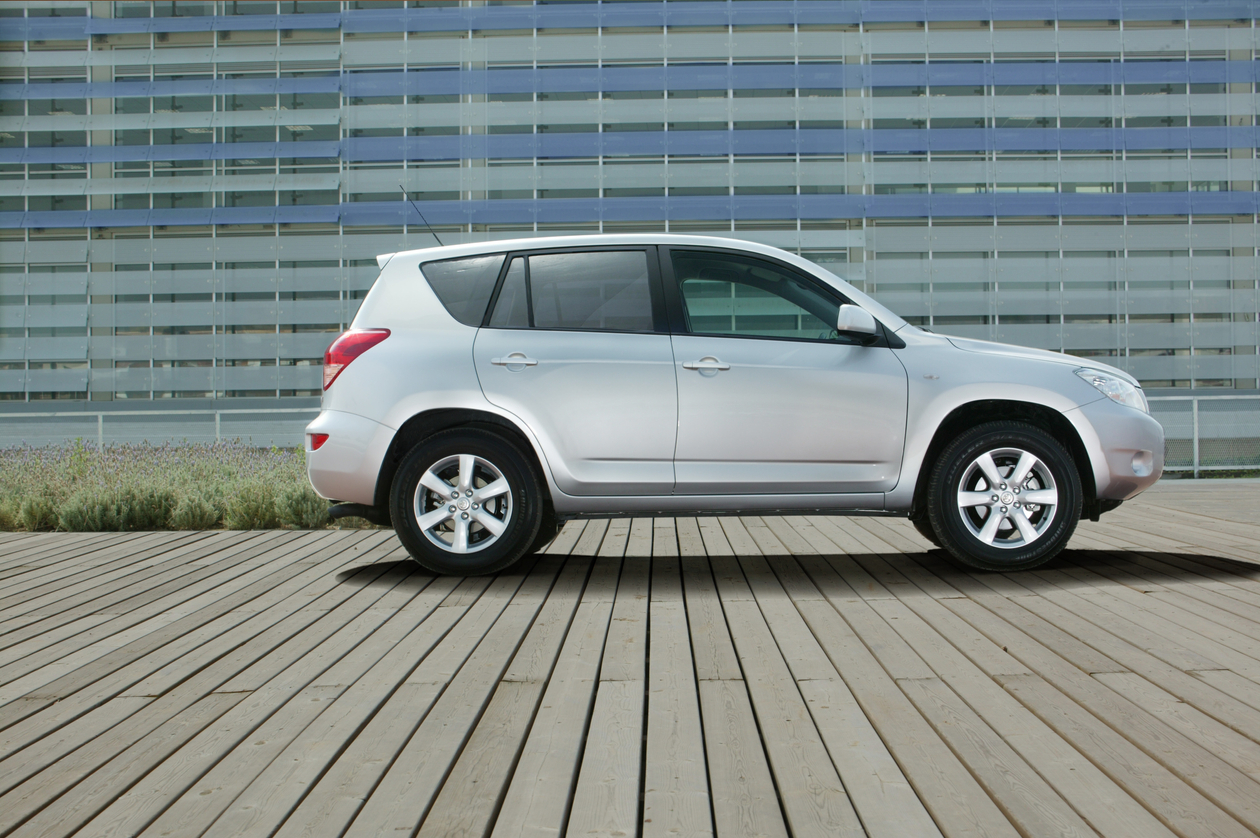
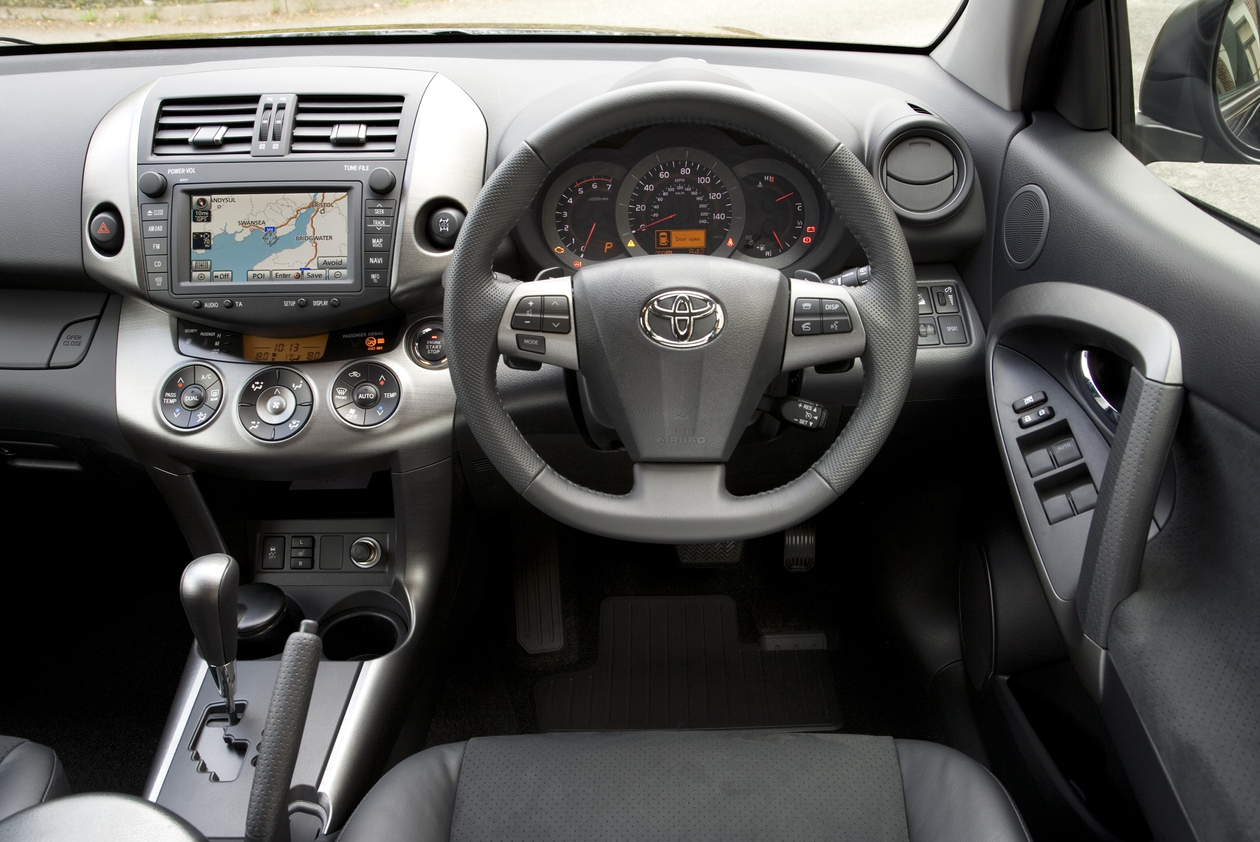
Naturally, the RAV4 vanished from UMW Toyota’s price lists once more. As the CR-V and CX-5 engaged in a fierce war for C-segment SUV dominance, Toyota was left watching from the sidelines. The crux of the issue boiled down to one word: price. By the time it resurfaced in 2020, Paul Tan noted that the badge had been missing from our market for 12 long years.
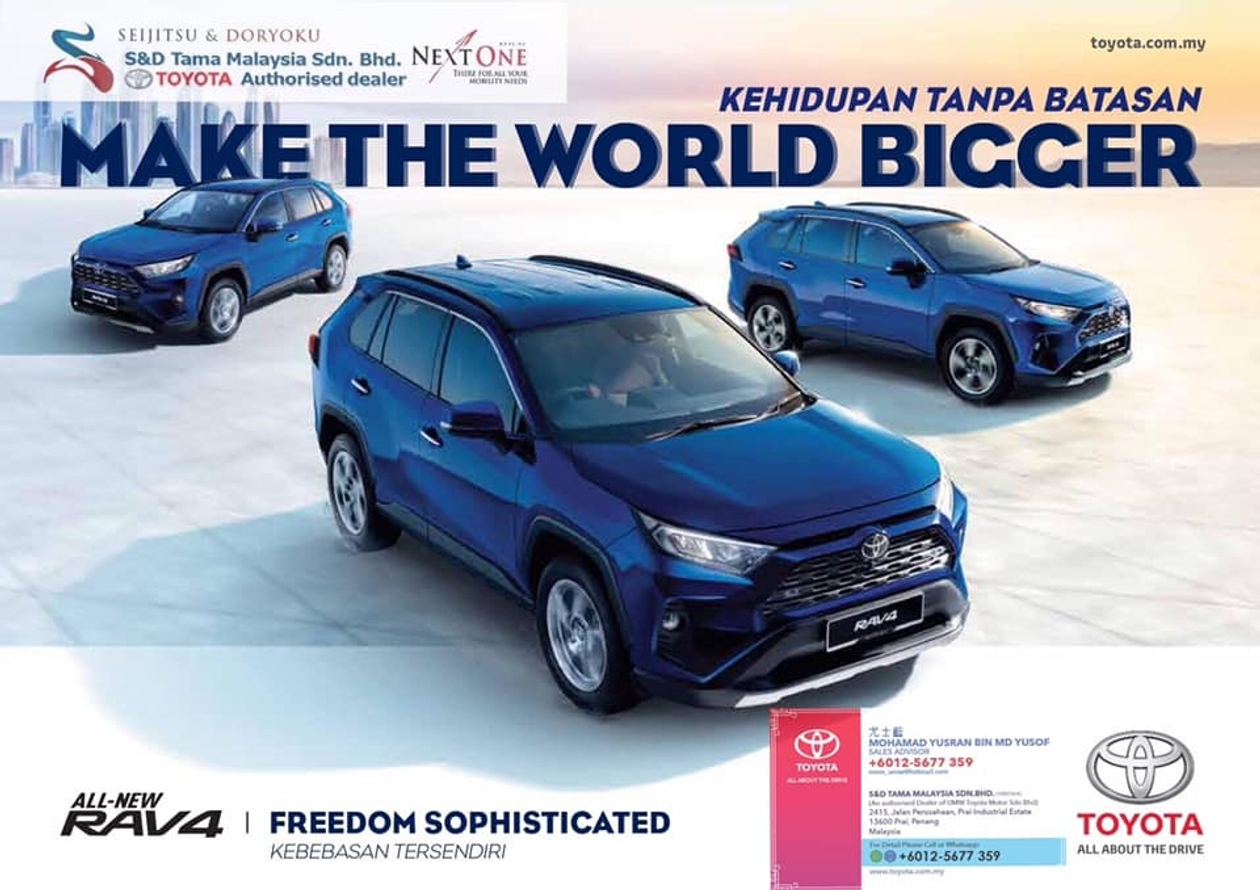
With local car buyers ditching traditional sedans in droves for high-riding SUVs, UMW Toyota finally made a comeback on 18 June 2020 with the fifth-generation RAV4 (XA50). Sourced fully imported (CBU) from Japan and built on the TNGA platform, it arrived in two flavours:
Amusingly, about a week before its official launch, the local sales brochure leaked on Facebook. With "toyota.com.my" visible on the cover alongside the Malay taglines "Kehidupan Tanpa Batasan" and "Kebebasan Tersendiri", there was no mistaking that a Malaysian-spec launch was imminent.
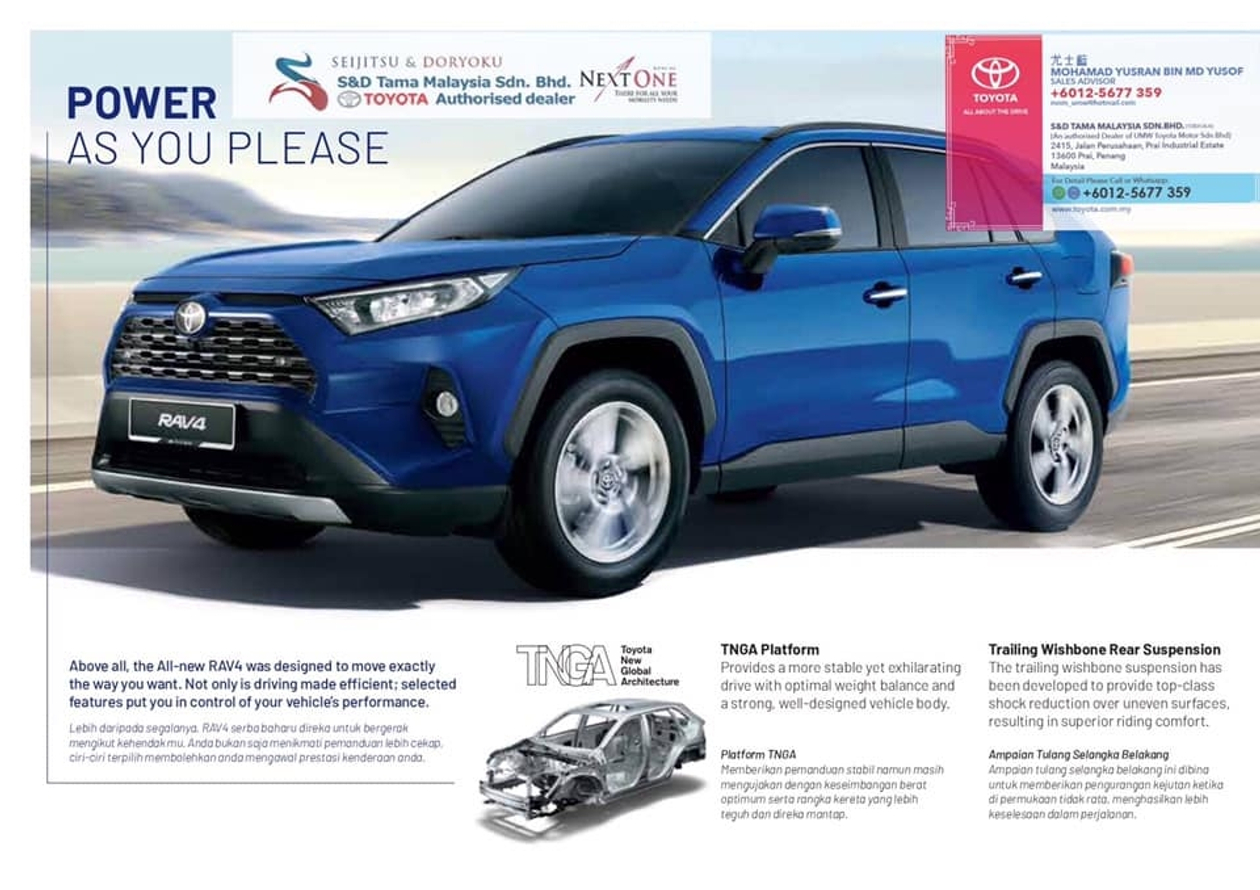
– 2.0L: M20A-FKS Dynamic Force engine pushing 173 PS / 207 Nm, paired with a CVT
– 2.5L: A25A-FKS Dynamic Force engine pushing 207 PS / 243 Nm, mated to an 8-speed Direct Shift automatic gearbox
– Toyota Safety Sense (TSS) standard across the board: Pre-Collision System (PCS), Lane Departure Alert (LDA), Lane Tracing Assist (LTA), and all-speed Dynamic Radar Cruise Control (DRCC)
– 18-inch alloy wheels, powered tailgate, dual-zone climate control, leather upholstery, and front/rear digital video recorders (DVR) bundled in
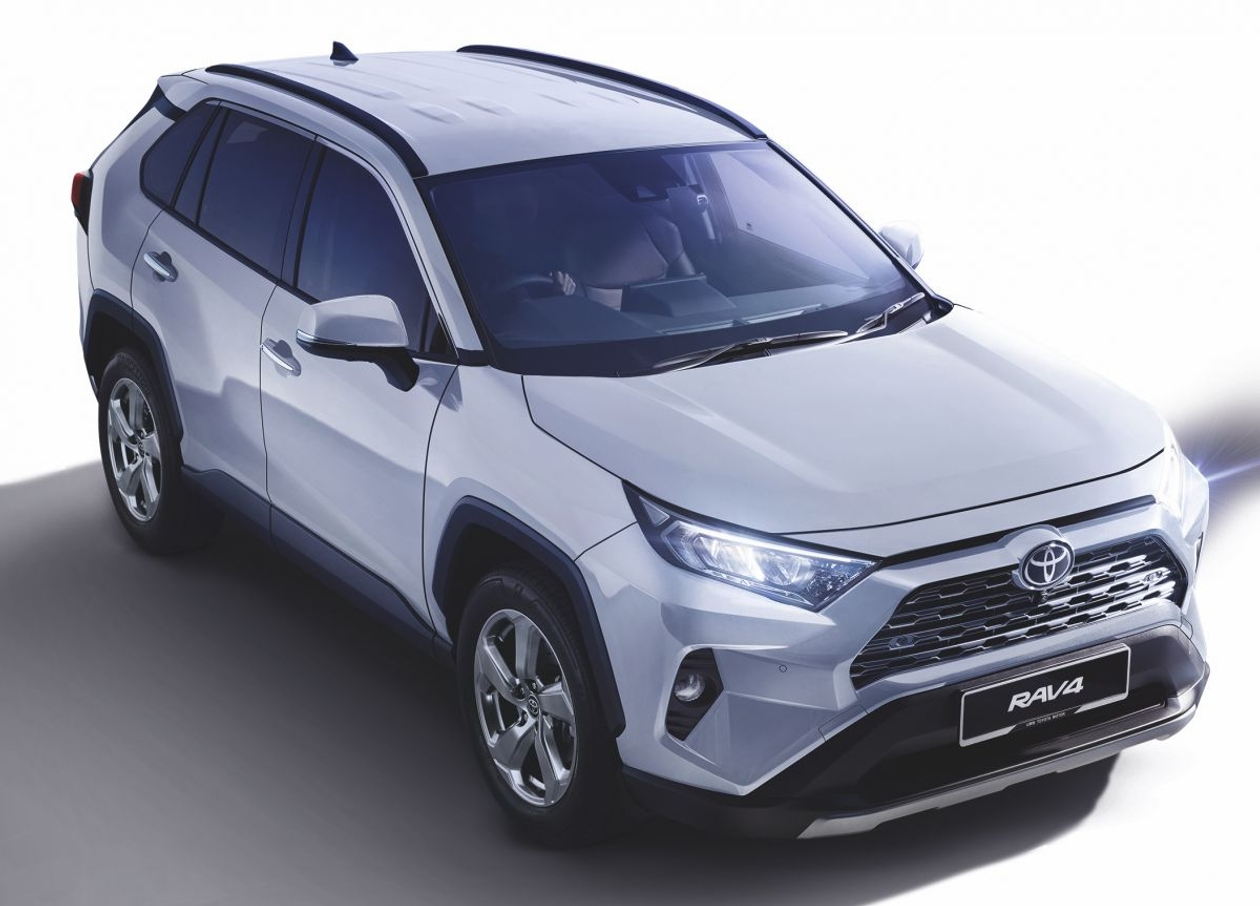
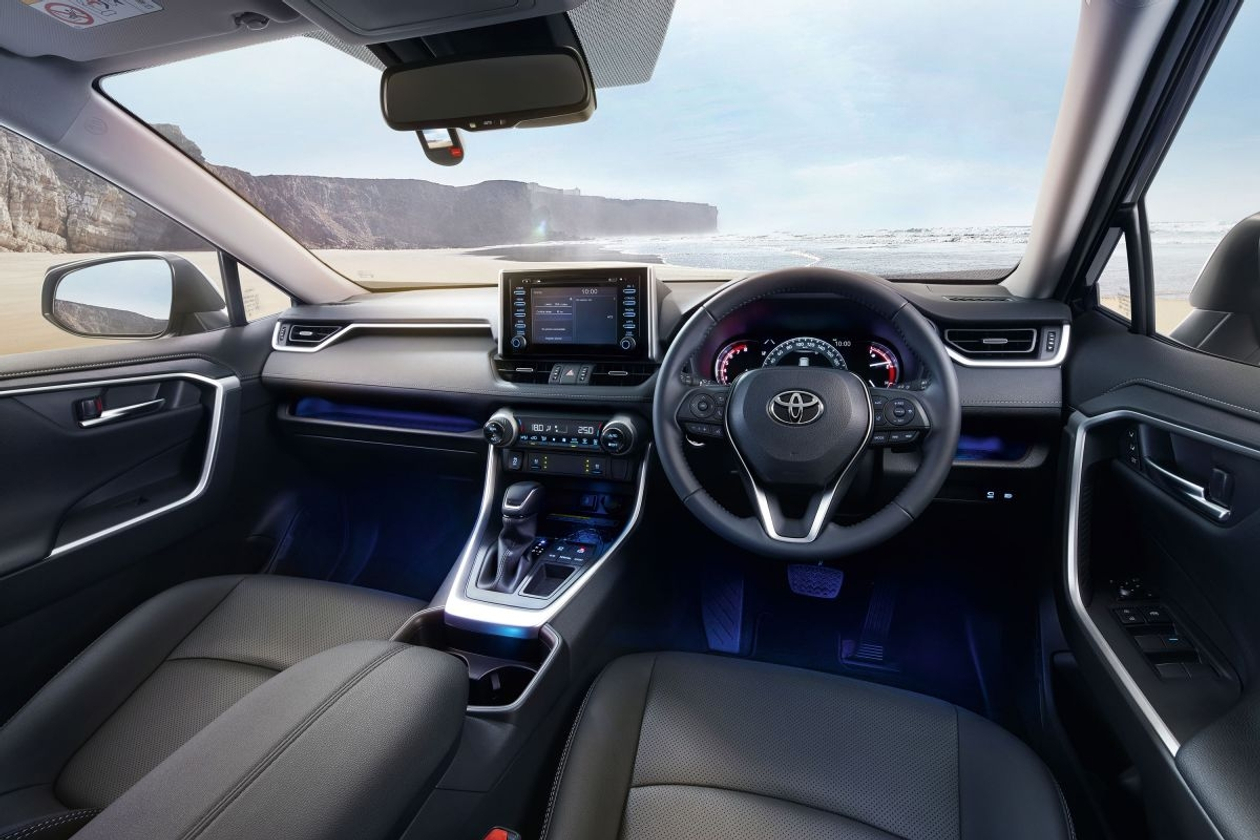
The spec sheet was generous, but the pricing was a tough pill to swallow. With SST, it stickered at RM203,880 for the 2.0L and RM223,880 for the 2.5L. Even with the pandemic-era Penjana sales tax exemption factored in, the figures merely dipped to around RM196,500 and RM215,700.
Context is king: back then, the top-spec Honda CR-V 1.5 TC-P retailed for RM175,900, while the range-topping Mazda CX-5 2.5 Turbo 4WD came in at RM181,660. The entry-level RAV4 2.0L was dearer than its rivals’ flagship trims. The reason was obvious: its competitors were locally assembled (CKD), whereas the RAV4 bore the brunt of import duties as a Japan-made CBU.
The moment pricing went live, local netizens tore into it: many remarked that topping up a bit more got you into a BMW X1, while others pointed out that the same money could easily bag two units of the Proton X70.
And if your design sensibilities match ours, you will spot a rather tragic trend across the automotive landscape: the original '90s RAV4, while the oldest, packed the most distinctive design flair. In contrast, the second, third, fourth, and fifth generations evolved into rather anonymous, cookie-cutter appliances.
The first casualty happened faster than anyone predicted. Barely two months post-launch, UMW Toyota quietly axed the 2.0L variant. There was no official press statement, just a quiet confirmation to media queries. It turned out the handful of buyers willing to cross the RM200k threshold simply opted for the higher-output 2.5L variant instead.
By 2022, under two years into its local lifecycle, the RAV4 was scrubbed entirely from Toyota Malaysia’s official website. Automotive portal WapCar duly added it to its list of discontinued models for 2022.
Why did an SUV that conquered the globe to the tune of ten million units flop so hard here? In our view, it came down to two fatal flaws:
First, CBU pricing going head-to-head with CKD stalwarts. Its key rivals were assembled locally with competitive pricing; the CBU RAV4 saw its base variant outpriced by everyone else's range-toppers.
Second, terribly unfortunate timing. Launching in June 2020 meant dropping right as Malaysians were gingerly emerging from the initial Movement Control Order (MCO) with consumer sentiment at rock bottom. No matter how competent the Toyota badge was, asking north of RM200,000 was never going to fly.
Fast forward to 2025, and the sixth-generation RAV4 has already surfaced in Japan, pivoting exclusively to hybrid (HEV) and plug-in hybrid (PHEV) drivetrains. Will it ever make a fourth attempt on Malaysian soil? There’s no official word yet. But in 2026, the pool of buyers ready to drop RM200k on a family runabout hasn't expanded, while the sheer number of sub-RM200k options—particularly SUVs across Japanese, Chinese, Korean, French, and German marques—has exploded.
The main reason this writer wanted to revisit this badge is simple: I'm a child of the '90s. If you ever browse through collector toy stores, you’ll quickly notice that the original first-gen RAV4 commands an unshakeable cult status. What we now call "lifestyle marketing"—selling an aspirational way of life rather than just a hunk of metal—effectively started with the RAV4. You didn't actually have to go overlanding or be an avid surfer or skier; you might have just used it for the daily office commute and grocery runs. But the original RAV4 bottled up that romanticised outdoor optimism and sold it effortlessly to the masses.
That is why, whenever the RAV4 nameplate comes up, this writer doesn't think about technical spec sheets, but rather the urge to pack up for an epic road trip to live out the car’s true ethos: a Recreational Active Vehicle.
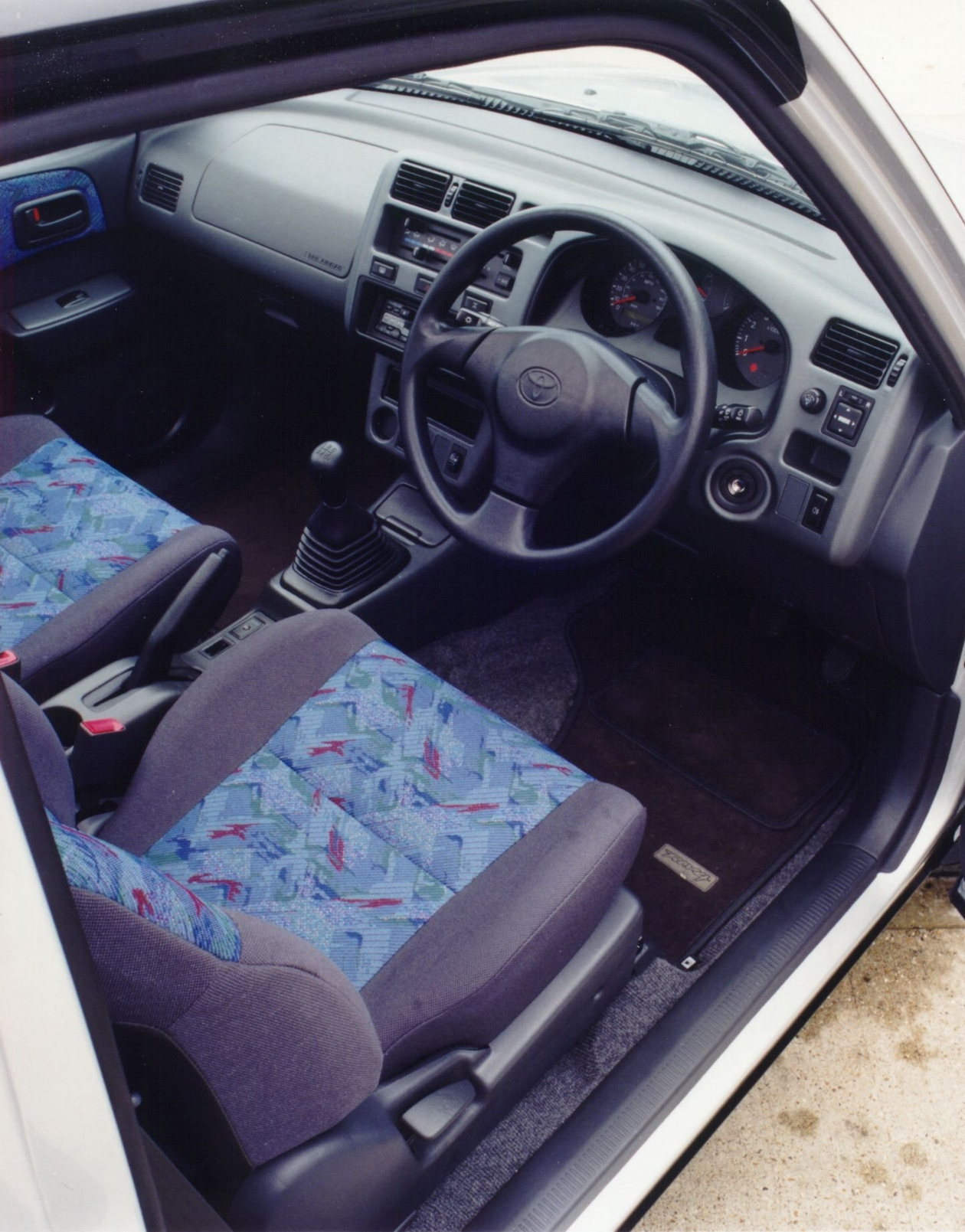
Born over three decades ago, this compact crossover boasts a timeless silhouette that arguably none of its successors managed to top. While later iterations blended into traffic, in 2026, that pure, fun-loving recreational mantle seems to have been spiritually inherited by the boxy Suzuki Jimny, which remains a massive hit among lifestyle-conscious buyers.
Thanks to that enduring cult status, browse local classifieds like Mudah.my or Carlist today and you'll find that first-gen RAV4 units actually command higher used values than the second- and third-gens (the fourth-gen never officially made it to our shores), averaging around RM20,000.
In an age where modern cars feel increasingly like white goods on wheels, taking a look back at the colourful '90s and that plucky original RAV4—doesn't it just bring a wave of good old nostalgia rushing back?

Your go-to source for all things automotive in Malaysia. 🚗 Latest reviews, breaking news, launches & industry trends.
+ Follow History made! The BYD Yangwang U9X hits an official 503.17 km/h, becoming the first production car to break the 500 km/h barrier.
Full story 👇
#BYD #YangwangU9X #Hypercar #EV #SpeedRecord 1 minute ago
 BMW has just revealed its Guangzhou Auto Show 2026 lineup, confirming the official market launch dates for the ground-breaking Neue Klasse iX3 and Neue Klasse i3! 1 minute ago
 Meanwhile, the new CR-V All-Round Honor Edition is set to debut in China tomorrow. 1 minute ago
Get the latest car news first!
Your go-to source for all things automotive in Malaysia. 🚗 Latest reviews, breaking news, launches & industry trends.
History made! The BYD Yangwang U9X hits an official 503.17 km/h, becoming the first production car to break the 500 km/h barrier.
Full story 👇
#BYD #YangwangU9X #Hypercar #EV #SpeedRecord 1 minute ago BMW has just revealed its Guangzhou Auto Show 2026 lineup, confirming the official market launch dates for the ground-breaking Neue Klasse iX3 and Neue Klasse i3! 1 minute ago Meanwhile, the new CR-V All-Round Honor Edition is set to debut in China tomorrow. 1 minute ago 
© 2024 Bitauto.com. All Rights Reserved.
Bitauto (www.yiche.com and www.bitauto.com) is one of the most visited automotive websites in China. We provide detailed info on Chinese car brands available in your area. Please note that the information provided on this website is based on publicly available data and is for reference only. It may not be fully updated or accurate at all times.

Help us improve our website


