While carmakers around the world are rushing to go fully electric, Toyota continues to follow its multi-pathway strategy.
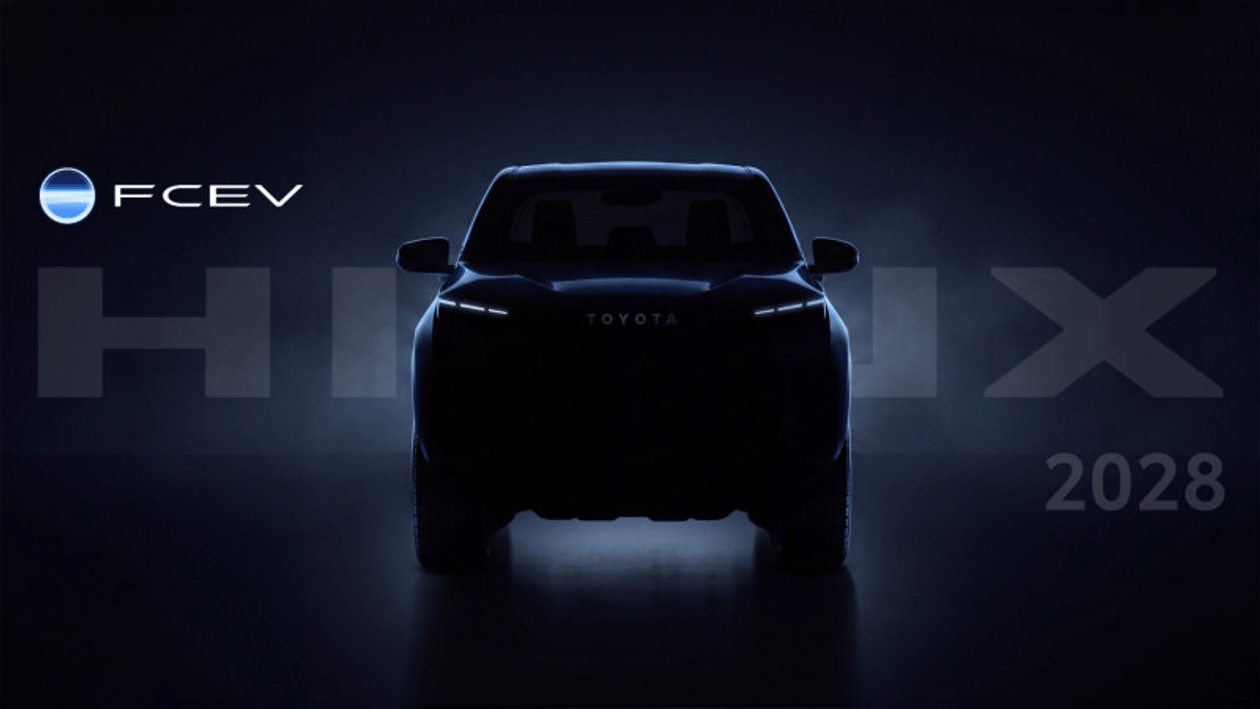
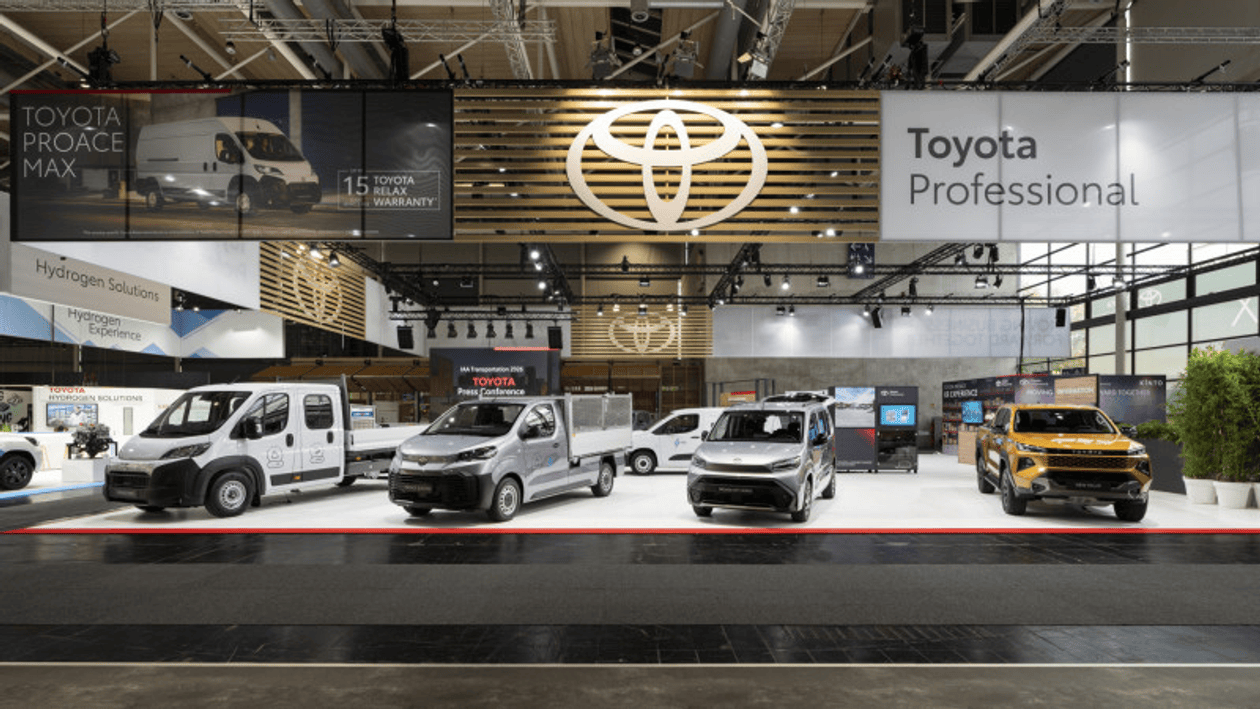
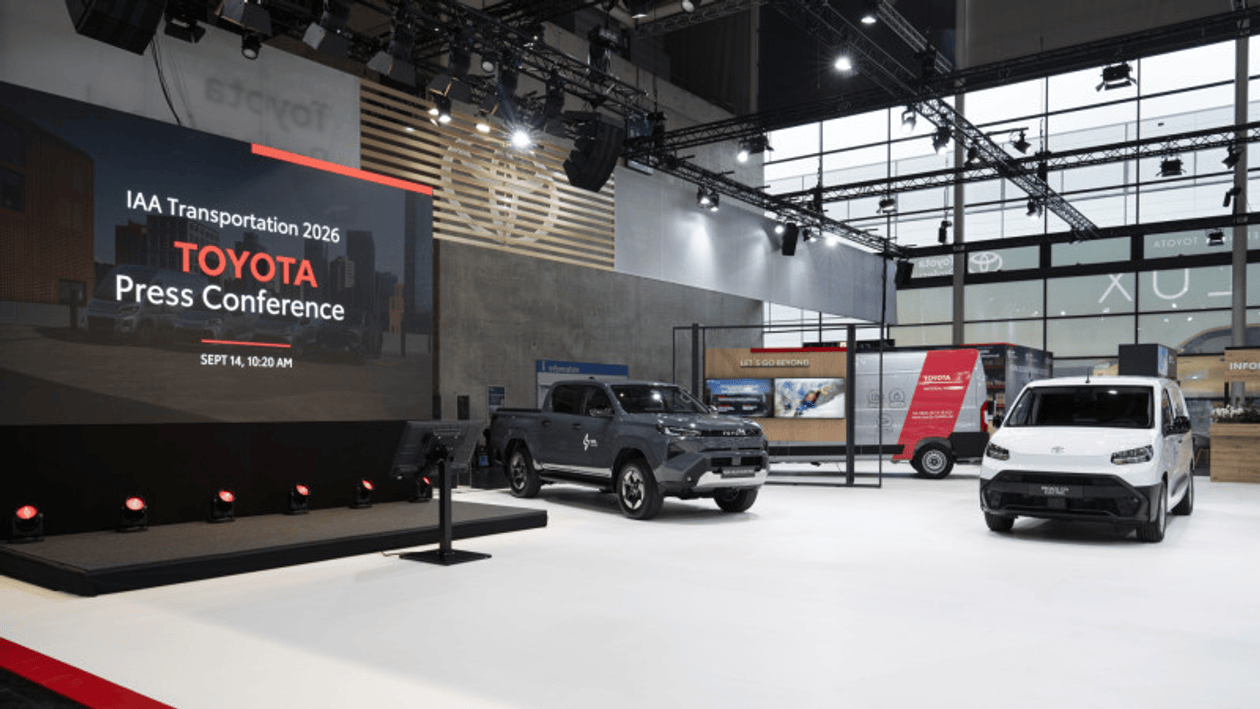
At IAA Transportation 2026 in Hannover, Germany, Toyota Europe announced that the ninth-generation Hilux will get a production hydrogen fuel-cell electric vehicle (FCEV) version in 2028.
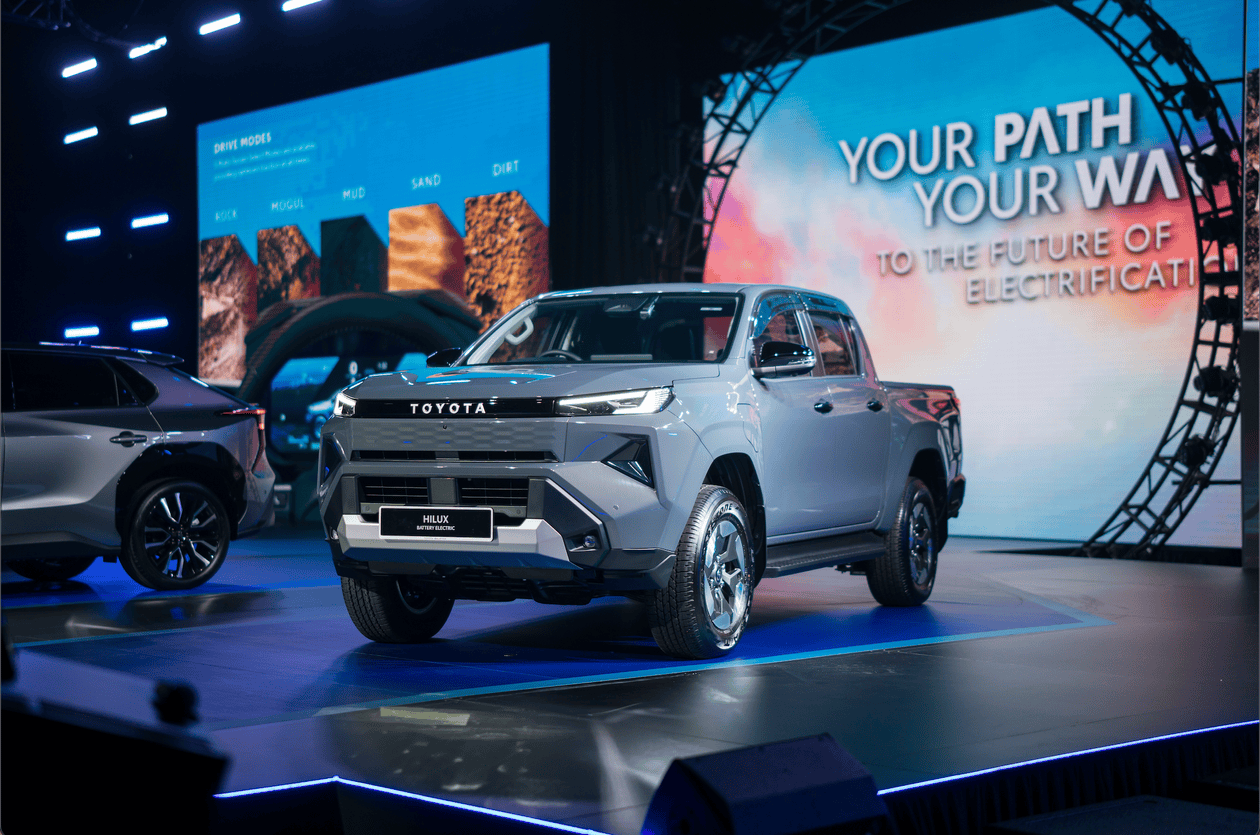
UMW Toyota only launched the Hilux BEV in Malaysia in April this year, priced at RM 226,300.
The electric pick-up uses a roughly 60 kWh battery and rear-wheel drive, producing 204 PS and 343 Nm. Maximum payload is rated at 750 kg, while WLTP range stands at 240 km.
For Malaysian owners, the range may take some planning on longer trips. For urban deliveries and company fleets running fixed routes, however, the lower running costs make the Hilux BEV a fairly practical option.
The Hilux BEV is already on sale, but battery power still has its limitations for construction crews and commercial users that regularly carry heavy loads or travel long distances. The Hilux FCEV, due in 2028, is aimed at some of those issues.
More range: Toyota is targeting a WLTP range of more than 400 km (248 miles), compared with 240 km for the current Hilux BEV.
Higher towing capacity: The target is 2,500 kg (5,512 lb), compared with around 1,600–2,000 kg for battery-electric models.
Faster refuelling: Filling the hydrogen tanks is expected to take just 3–5 minutes, much closer to the time needed to refuel a conventional petrol or diesel vehicle and far shorter than a typical fast-charging stop.
The Hilux FCEV generates electricity through a chemical reaction between hydrogen stored in the vehicle and oxygen from the air, which then powers a rear-mounted electric motor.
It is still an electric vehicle underneath, but the only emission from the exhaust is water. It also avoids the particulate emissions associated with a conventional diesel engine.
Toyota has been testing H2 prototypes in the UK since 2022. The company also plans to enter a hydrogen-powered Hilux in the 2027 Dakar Rally.
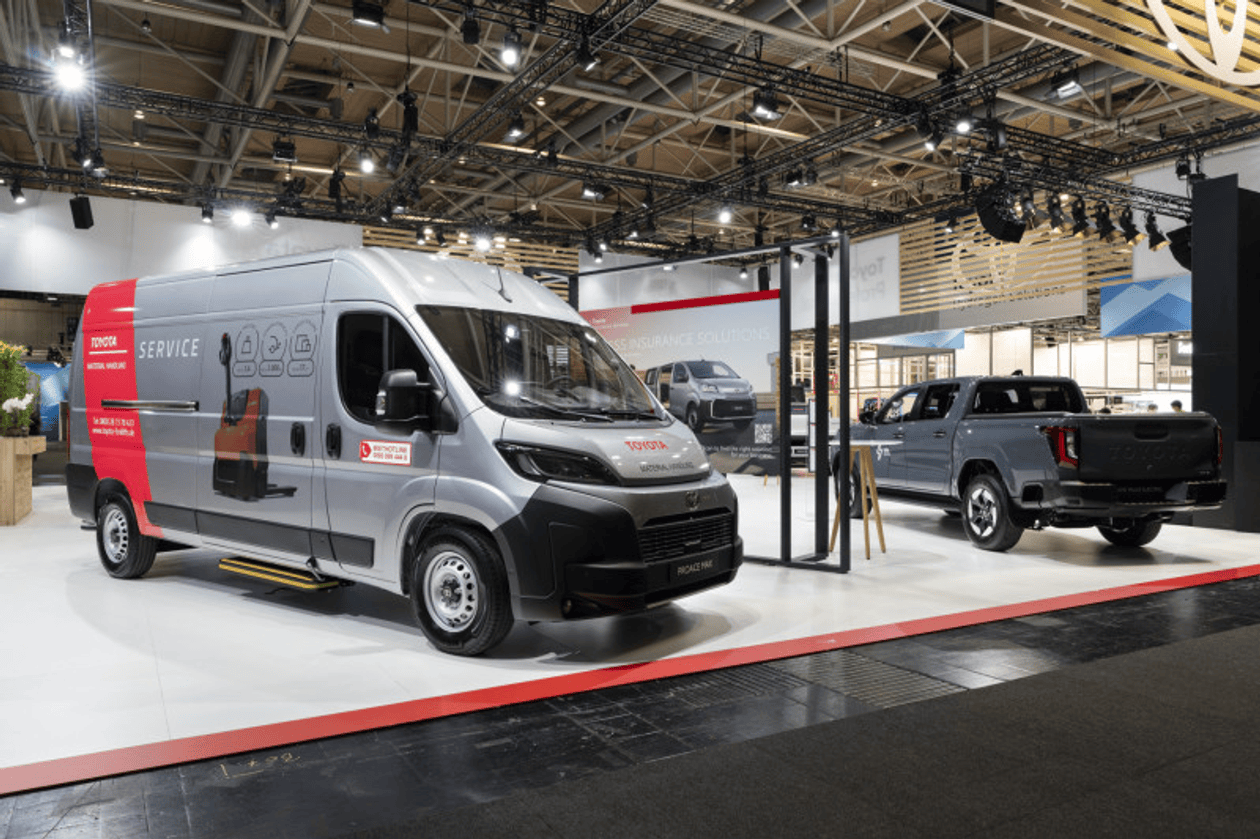
Toyota is also developing its hydrogen technology for heavy commercial vehicles. It is targeting annual sales of 200,000 commercial vehicles in Europe by 2030, equivalent to an 8% market share.
Its third-generation 300kW hydrogen fuel-cell system is being developed for heavy trucks, including a project with Scania to supply 40 hydrogen-powered trucks and a 44-tonne fuel-cell prototype being developed with Iveco.
Toyota also plans to work more closely with Cellcentric as it expands its involvement in Europe's hydrogen heavy-truck supply chain.
The Hilux has a particularly strong following in Malaysia, where pick-ups are widely used for everything from daily driving to plantations and construction sites.
Diesel still has the edge
For Malaysian pick-up buyers, diesel remains the established choice thanks to its fuel economy and durability, particularly when carrying heavy loads or dealing with rough roads. Future compatibility with HVO renewable fuel could also keep diesel-powered models relevant.
Toyota has said that the Hilux FCEV will initially target businesses and leasing companies in Europe with fixed operating routes and fleet bases. It is not expected to replace diesel or battery-electric versions in the short term.
Hydrogen infrastructure remains the challenge
A 3–5 minute hydrogen refill sounds appealing, but the infrastructure is still limited. Europe currently has fewer than 200 hydrogen refuelling stations.
In Southeast Asia and Malaysia, where hydrogen refuelling infrastructure is still at an early stage, the size of the network will be crucial if hydrogen-powered pick-ups are to become a practical option.
Toyota is continuing with its multi-pathway approach, offering diesel, mild hybrid, battery-electric and hydrogen fuel-cell power across its wider range.
The Hilux FCEV is due to enter production in 2028, giving Toyota another option for customers who need the range, payload and quick refuelling of a conventional commercial vehicle without relying on a diesel engine.
Whether it eventually comes to Malaysia will largely depend on how quickly the local hydrogen refuelling network develops.


Your go-to source for all things automotive in Malaysia. 🚗 Latest reviews, breaking news, launches & industry trends.
+ Follow Xiaomi SU7 Ai feature is crazy 😳😳#xiaomisu7 #xiaomi #su7 #ai 1 minute ago
  The luxury MPV market will soon welcome the Voyah Dream 9, with prices in China starting from RM 255k.
With both EV and PHEV options available, could this challenge the core rivals in this segment?
#Voyah #VoyahDream9 1 minute ago
The luxury MPV market will soon welcome the Voyah Dream 9, with prices in China starting from RM 255k.
With both EV and PHEV options available, could this challenge the core rivals in this segment?
#Voyah #VoyahDream9 1 minute ago  Sebuah MPV alternatif Hyundai. Apa kelainannya?
Dengan lambakan MPV Segmen B sedia ada di pasaran sudah tiba masa untuk Hyundai memperkenalkan sebuah alternatif kepada semua.
#hyundai #hyundaistargazer #MPV #keretabaru 1 minute ago
Sebuah MPV alternatif Hyundai. Apa kelainannya?
Dengan lambakan MPV Segmen B sedia ada di pasaran sudah tiba masa untuk Hyundai memperkenalkan sebuah alternatif kepada semua.
#hyundai #hyundaistargazer #MPV #keretabaru 1 minute ago Get the latest car news first!
Your go-to source for all things automotive in Malaysia. 🚗 Latest reviews, breaking news, launches & industry trends.
Xiaomi SU7 Ai feature is crazy 😳😳#xiaomisu7 #xiaomi #su7 #ai 1 minute ago The luxury MPV market will soon welcome the Voyah Dream 9, with prices in China starting from RM 255k.
With both EV and PHEV options available, could this challenge the core rivals in this segment?
#Voyah #VoyahDream9 1 minute ago Sebuah MPV alternatif Hyundai. Apa kelainannya?
Dengan lambakan MPV Segmen B sedia ada di pasaran sudah tiba masa untuk Hyundai memperkenalkan sebuah alternatif kepada semua.
#hyundai #hyundaistargazer #MPV #keretabaru 1 minute ago  ProtonGWMVolkswagenJAECOOVolvoPeroduaToyotaHondaTESLAMitsubishiMazdaJetourCheryBYDLexusBMWMercedes-BenziCAURZeekrIsuzuNissanLeapmotorPorscheFordOMODAMINIMGSuzukiXPengHyundaiWulingKiaSubaruDenzaGACLand RoverDongfengCAMAudiPeugeotFotonMAXUSsmartDaihatsuJACJMCMaseratiLotusAlfa RomeoRenaultGolden DragonKaiceneSeresLamborghiniFerrariJeepRolls-RoyceLepasAston MartinMcLarenChevroletBentleyFiatBAICForthingGeelyRoeweAeolusChanganARCFOXDeepalExeedHongqiVoyahJaguarKGMBuforiAcuraCadillacDodgeAbarthINEOSMHEROJMEVFreelander
© 2024 Bitauto.com. All Rights Reserved.
Bitauto (www.yiche.com and www.bitauto.com) is one of the most visited automotive websites in China. We provide detailed info on Chinese car brands available in your area. Please note that the information provided on this website is based on publicly available data and is for reference only. It may not be fully updated or accurate at all times.
Help us improve our website


