
Search History
Popular Searches
English
Dealer Login / Sign Up
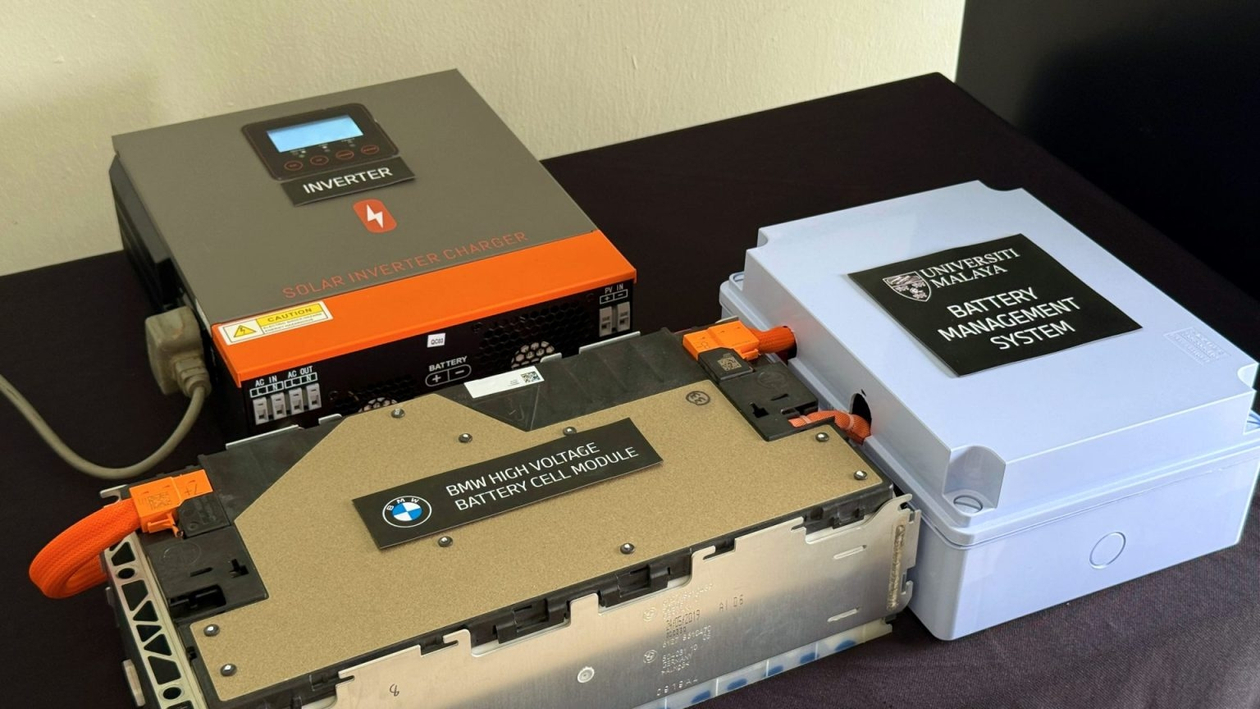
One of the most common questions Malaysian car buyers ask about electric vehicles is simple: what happens to the battery once its life on the road is over? BMW Group Malaysia and Universiti Malaya (UM) have just demonstrated a practical local answer by using retired BMW EV battery modules to deliver 24-hour electricity to an off-grid village in Pahang.
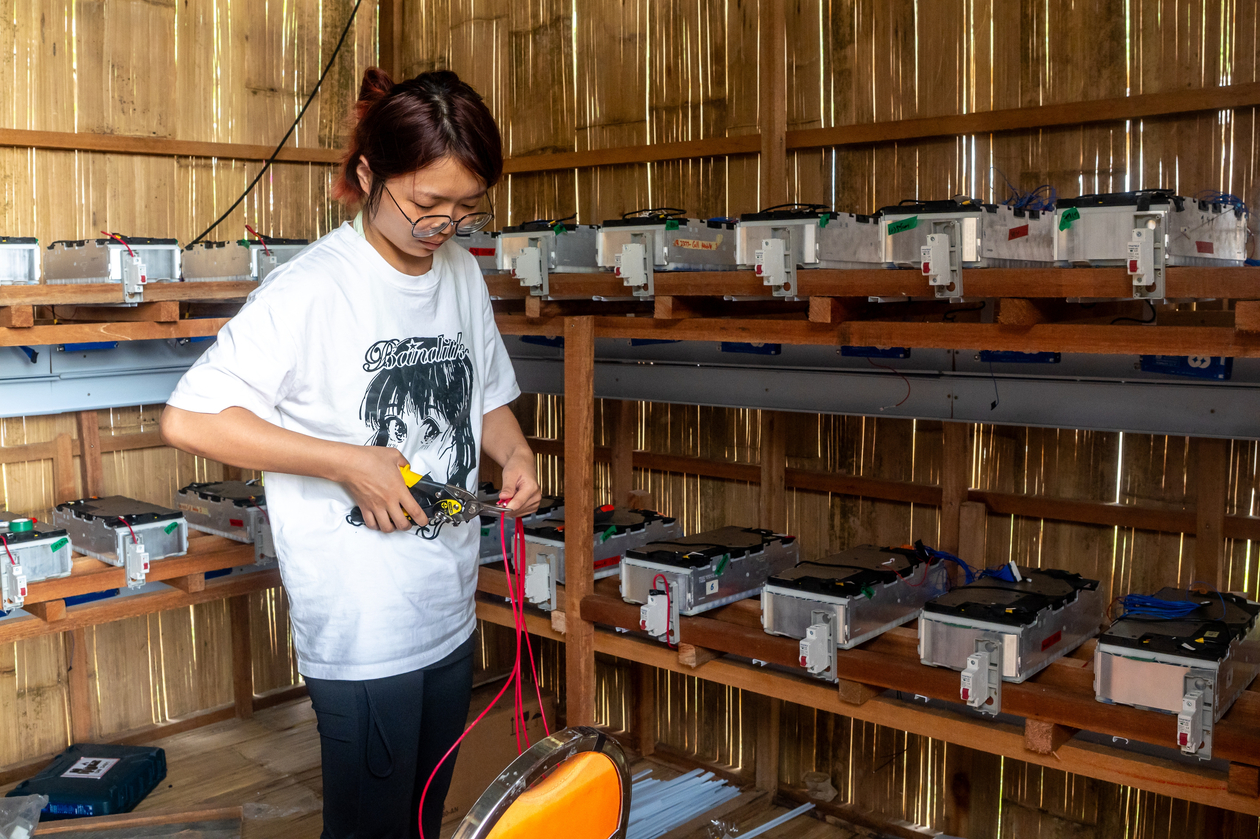
Installed between 23 and 27 October 2026 at Kampung Saweh, Pos Sinderut in Kuala Lipis, the solar-powered energy storage system now supplies continuous power to 20 households within the Semai Orang Asli community for the first time. The project marks the second real-world deployment under the RE:GENERATE x Universiti Malaya research initiative, engineered by Associate Professor Dr. Tan Chia Kwang and his team at the UM Power Energy Dedicated Advanced Centre (UMPEDAC).
Read Also: How long do EV batteries actually last? Essential maintenance tips for Malaysia’s climate
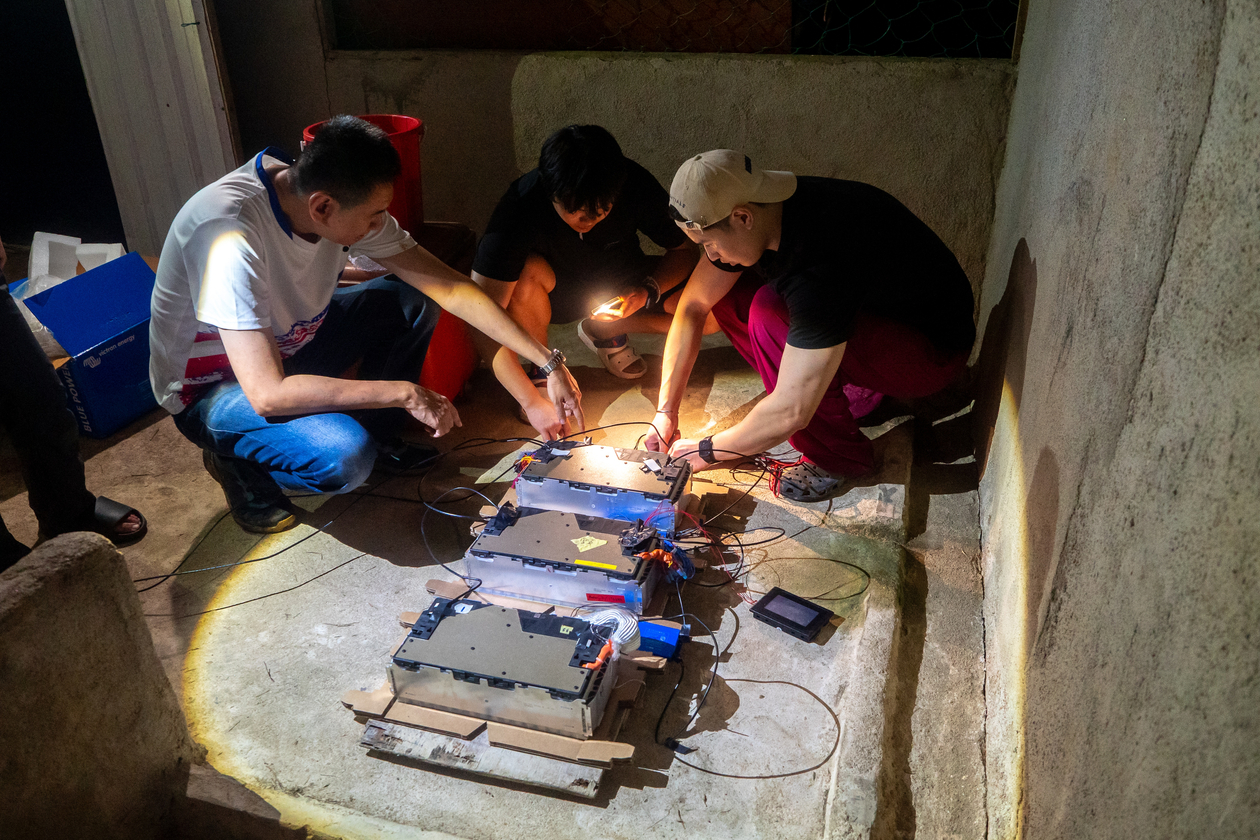
Before the system went live, villagers relied on petrol and diesel generators for roughly four hours each night, mainly to run basic lights and fans at an estimated fuel cost of RM 10 per household daily (around RM 300 a month).
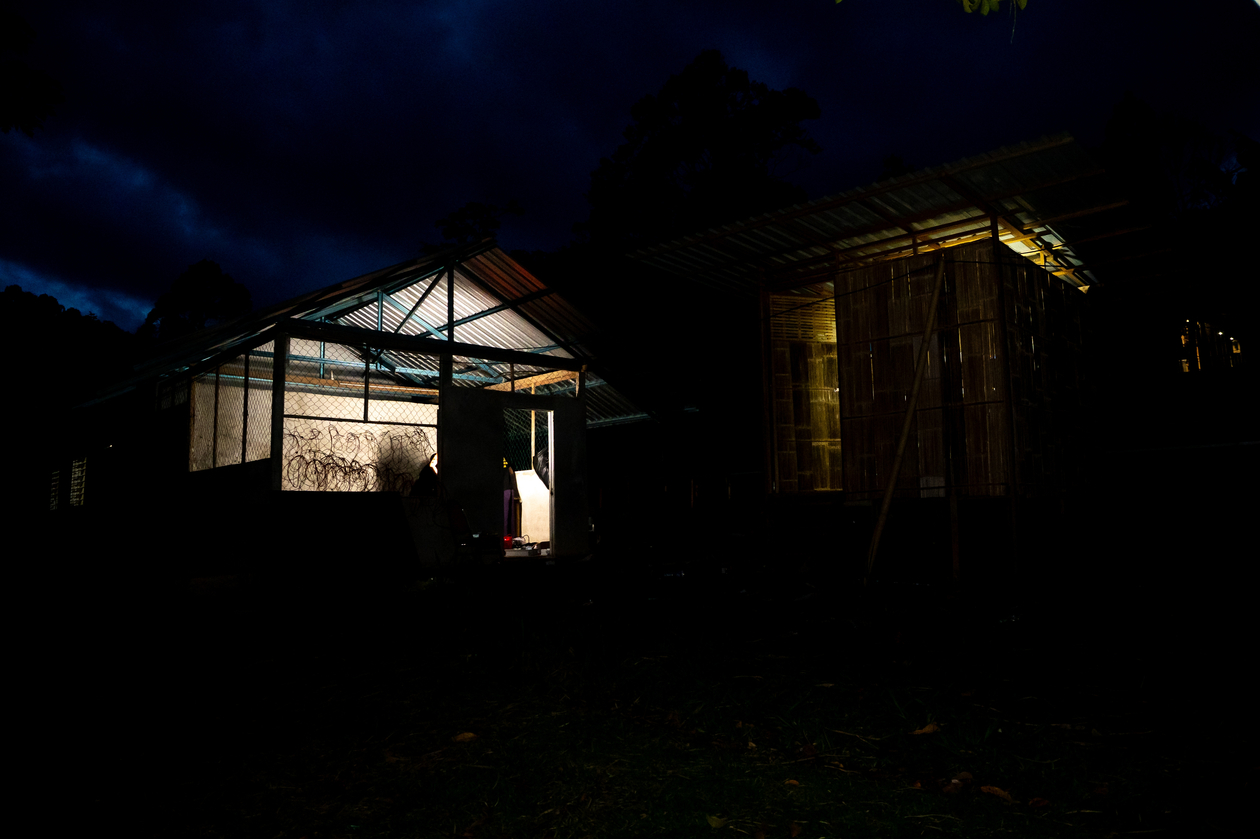
With the new second-life battery system in place, residents now get clean, quiet, 24-hour electricity at a fraction of the running cost. More importantly, UMPEDAC engineers designed the setup specifically around refrigeration:
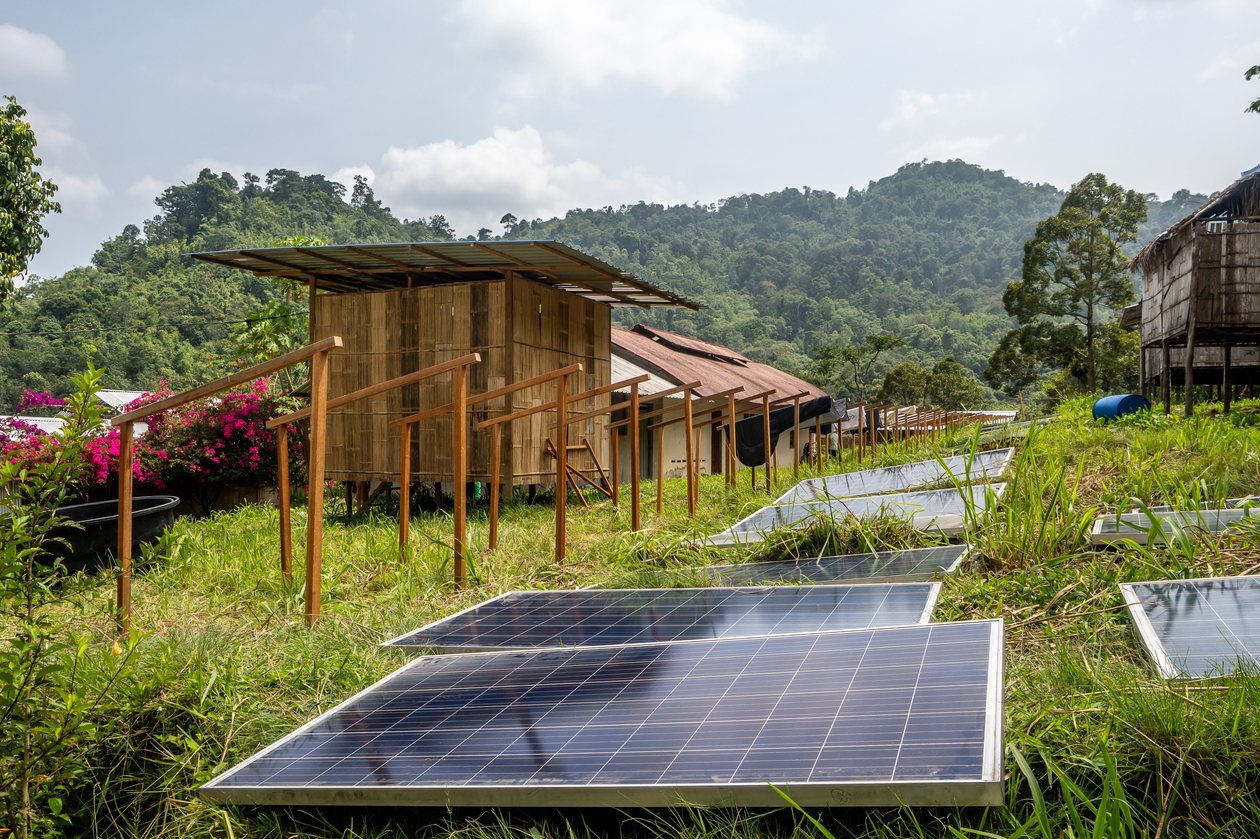
Rather than giving each house an oversized standalone battery, the UM team designed a smart centralised microgrid built around circular economy principles:
Read Also: Tan Chong and SGMW plan local EV battery assembly in Malaysia under TQ Wuling partnership
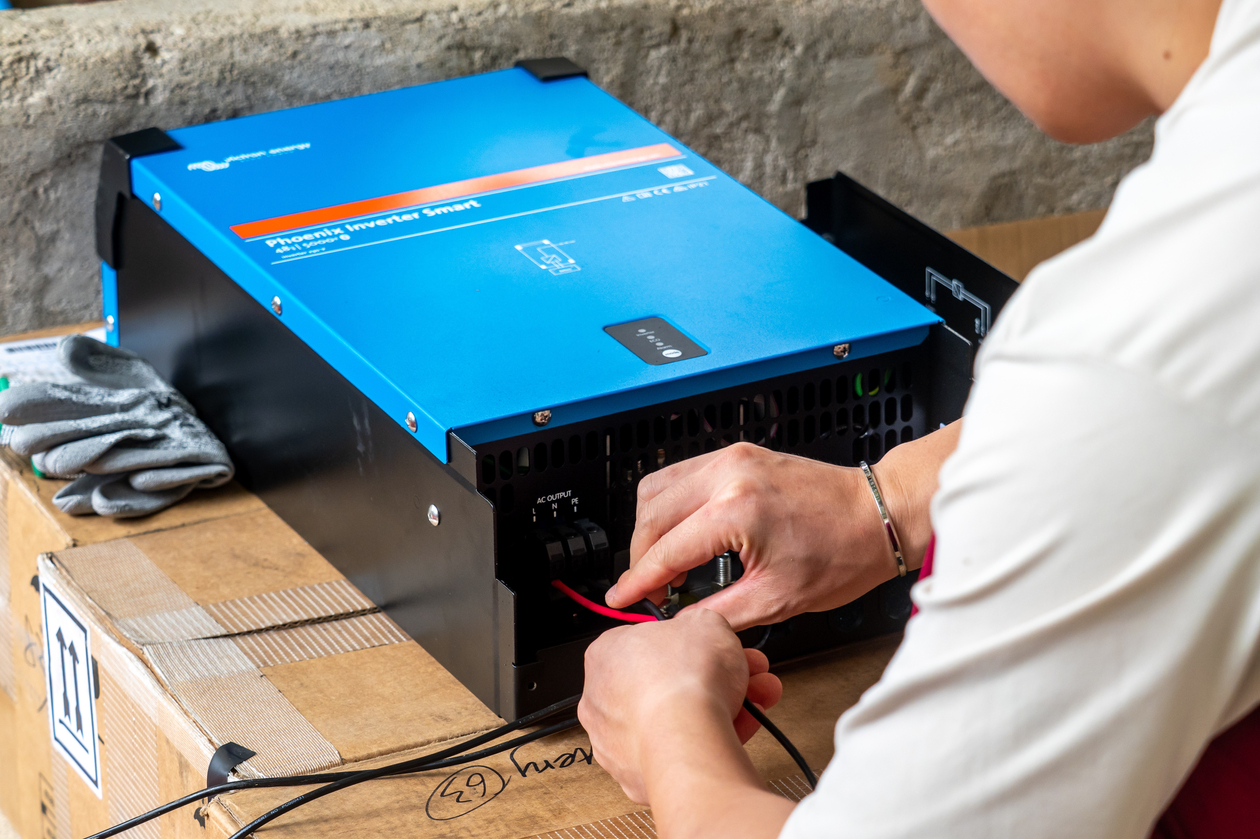
As EV adoption accelerates across Malaysia with models like the 2026 BMW iX3 offering 8-year high-voltage battery warranties, battery end-of-life management is becoming a key policy focus.
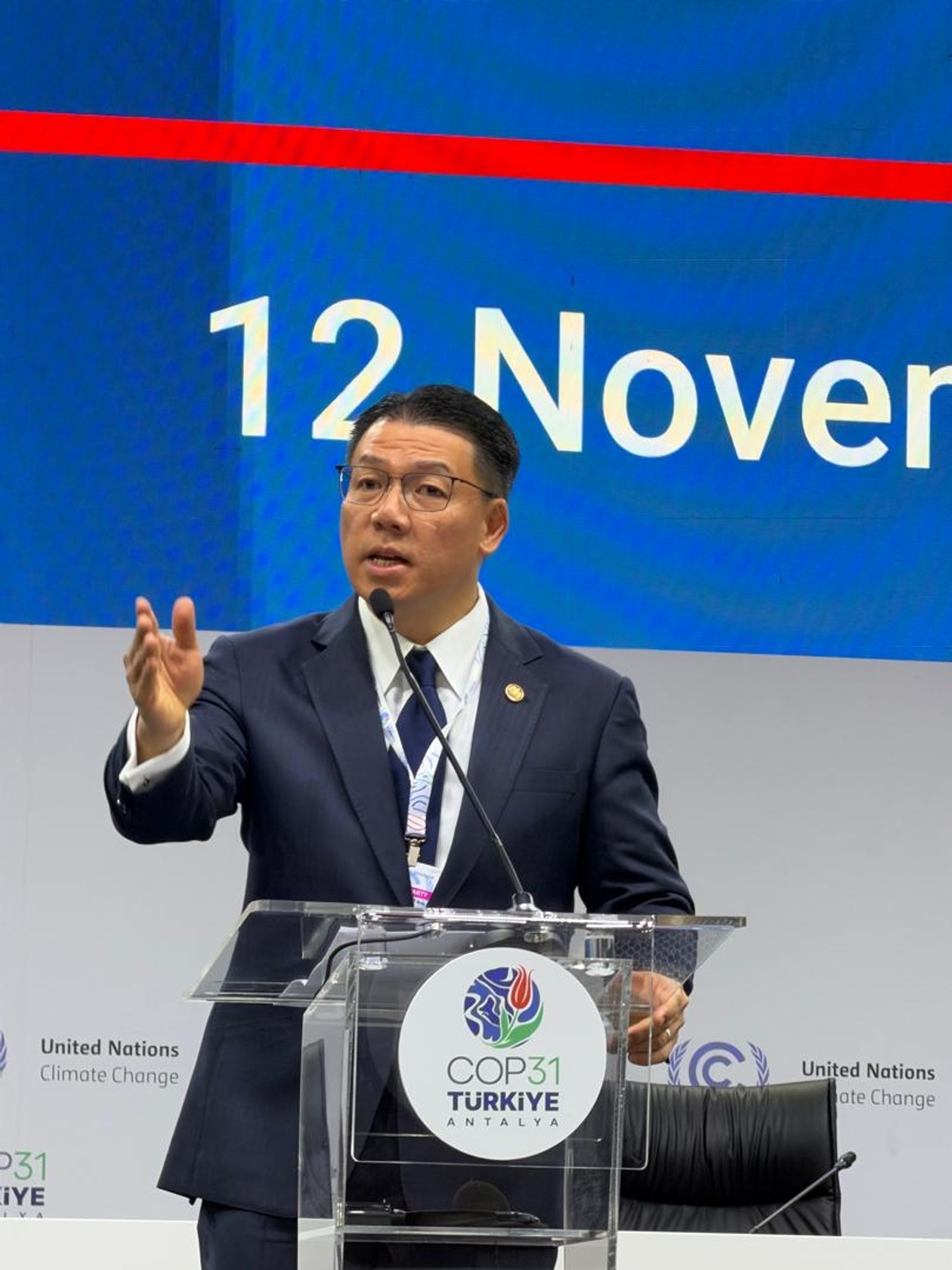
Just two weeks after Kampung Saweh went live, Housing and Local Government Minister YB Tuan Nga Kor Ming tabled Malaysia’s Circular Equity Dividend proposal at COP31 in Antalya, Türkiye on 10 November 2026, calling for retired EV batteries to be re-engineered into energy storage systems for rural settlements and clinics. The Pahang installation already serves as a working Malaysian blueprint for that strategy.
| Feature / detail | Kampung Saweh RE:GENERATE installation |
|---|---|
| Location | Kampung Saweh, Pos Sinderut, Kuala Lipis, Pahang |
| Community served | 20 Semai Orang Asli households |
| Battery hardware | 30 second-life BMW EV battery modules |
| Inverter & daily allocation | 8 kW inverter output; 3 kWh daily allocation per household |
| Charging source | Second-life commercial solar panels |
| Expected lifespan | At least 5 years (matching or exceeding new lead-acid packs) |
| Project partners | BMW Group Malaysia, UMPEDAC (UM), UMCares, Ritsumeikan University, Tech Inspiration Systems |

Your go-to source for all things automotive in Malaysia. 🚗 Latest reviews, breaking news, launches & industry trends.
+ Follow Ever wondered what actually happens to EV batteries in Malaysia once they are retired from the road?
BMW and Universiti Malaya have the answer.
#BMWGroupMalaysia #UniversitiMalaya #EVBattery #SustainabilityMY 1 minute ago
 Say goodbye to the 1.5L VTEC Turbo?
Honda has just dropped a major confirmation about the all-new seventh-generation CR-V ahead of its 2027 debut and traditional petrol buyers might be in for a surprise! 1 minute ago
 Toyota Malaysia has launched the facelifted 2027 Toyota Yaris in Malaysia, with prices starting from RM 90,400 for the base 1.5 E, and RM 96,400 for the high-spec 1.5 G.
It's an increase, as the pre-facelift car was priced at RM 88k (1.5E) and RM 91.6k (1.5G).
Anyway, the changes this time around are quite substantial. There's a new look, projector headlamps, wireless Apple CarPlay via its 9-inch headunit, leatherette seats for the G, and much more.
#toyota #yaris #malaysia #toyotayaris 1 minute ago
Get the latest car news first!
Your go-to source for all things automotive in Malaysia. 🚗 Latest reviews, breaking news, launches & industry trends.
Ever wondered what actually happens to EV batteries in Malaysia once they are retired from the road?
BMW and Universiti Malaya have the answer.
#BMWGroupMalaysia #UniversitiMalaya #EVBattery #SustainabilityMY 1 minute ago Say goodbye to the 1.5L VTEC Turbo?
Honda has just dropped a major confirmation about the all-new seventh-generation CR-V ahead of its 2027 debut and traditional petrol buyers might be in for a surprise! 1 minute ago Toyota Malaysia has launched the facelifted 2027 Toyota Yaris in Malaysia, with prices starting from RM 90,400 for the base 1.5 E, and RM 96,400 for the high-spec 1.5 G.
It's an increase, as the pre-facelift car was priced at RM 88k (1.5E) and RM 91.6k (1.5G).
Anyway, the changes this time around are quite substantial. There's a new look, projector headlamps, wireless Apple CarPlay via its 9-inch headunit, leatherette seats for the G, and much more.
#toyota #yaris #malaysia #toyotayaris 1 minute ago © 2024 Bitauto.com. All Rights Reserved.
Bitauto (www.yiche.com and www.bitauto.com) is one of the most visited automotive websites in China. We provide detailed info on Chinese car brands available in your area. Please note that the information provided on this website is based on publicly available data and is for reference only. It may not be fully updated or accurate at all times.

Help us improve our website


