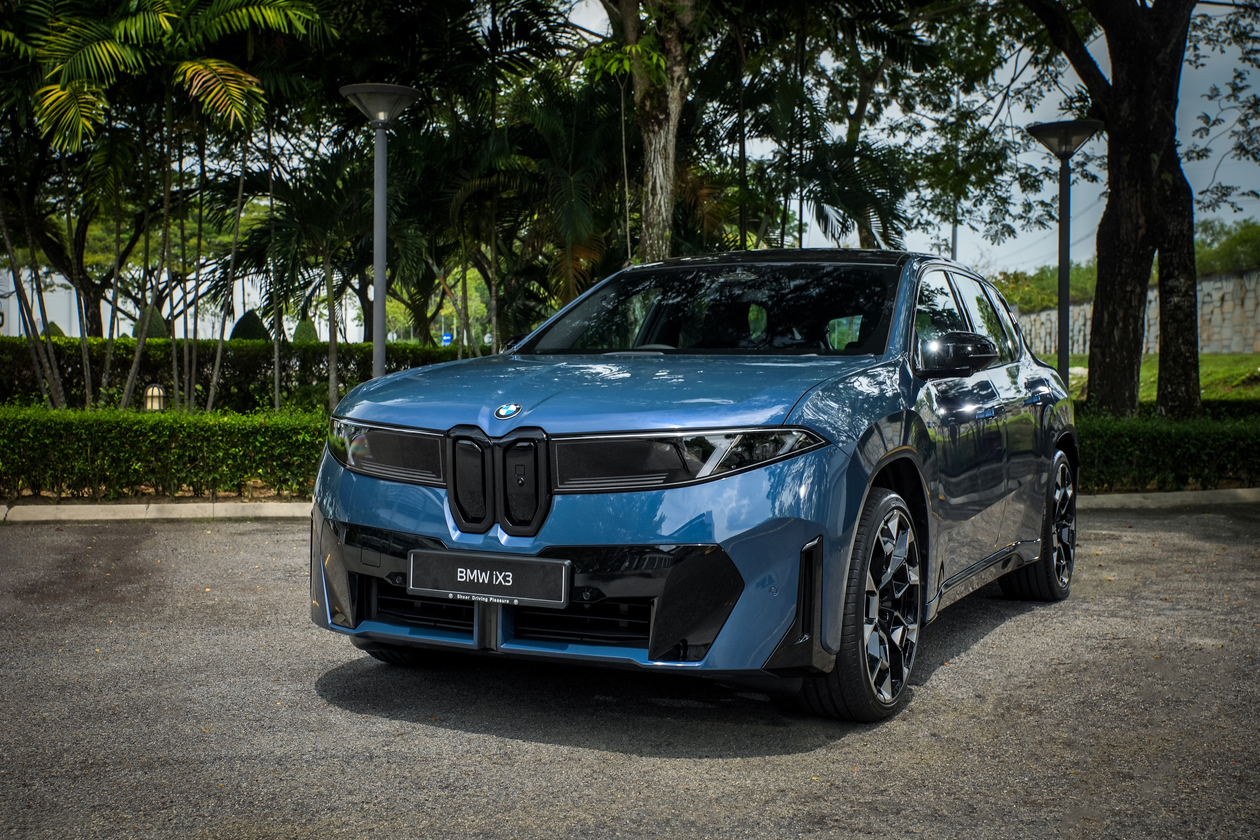
On 6 August, BMW Malaysia officially launched the all-new generation BMW iX3. As the first mass-production model built on the BMW Neue Klasse platform, it recently bagged both the 2026 World Car of the Year and World Electric Vehicle of the Year awards. The Malaysian market receives the standard wheelbase version, fully imported (CBU) from the Debrecen plant in Hungary. The flagship iX3 50 xDrive M Sport Pro features a dual-motor AWD setup producing 469 PS and 645 Nm of torque, paired with a 108.7 kWh battery. It offers a WLTP-rated range of 805 km and supports up to 400 kW DC fast charging. Pricing starts from RM378,800.
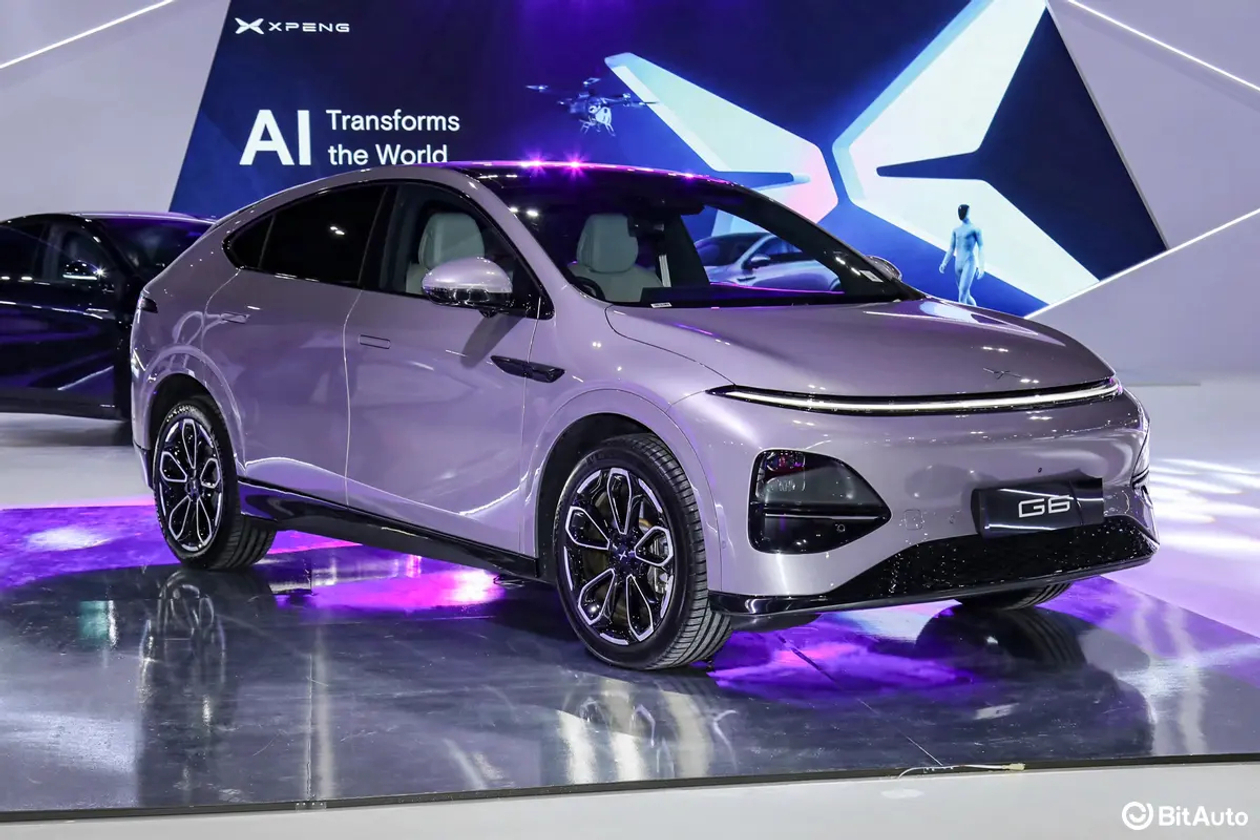
Almost concurrently, deliveries of the locally assembled (CKD) Xpeng G6 are underway. Priced from RM158,888, it features an 800V high-voltage architecture with up to 382 kW of DC fast charging capability, allowing a 10% to 80% charge in just 12 minutes.
The price disparity between the two is massive. With the iX3 priced at RM378,800 and the entry-level G6 starting at just RM158,888, the difference stands at a staggering RM220,000. For the price of one iX3, you could practically buy two and a half units of the G6.
One is a new-generation all-electric flagship from a historic luxury brand, while the other is a value-packed, locally assembled offering from a rising Chinese EV brand. While their target buyers may not overlap, a side-by-side comparison helps buyers of varying budgets answer one key question: what exactly does that extra RM220,000 buy you?
Let's break down the prices first.
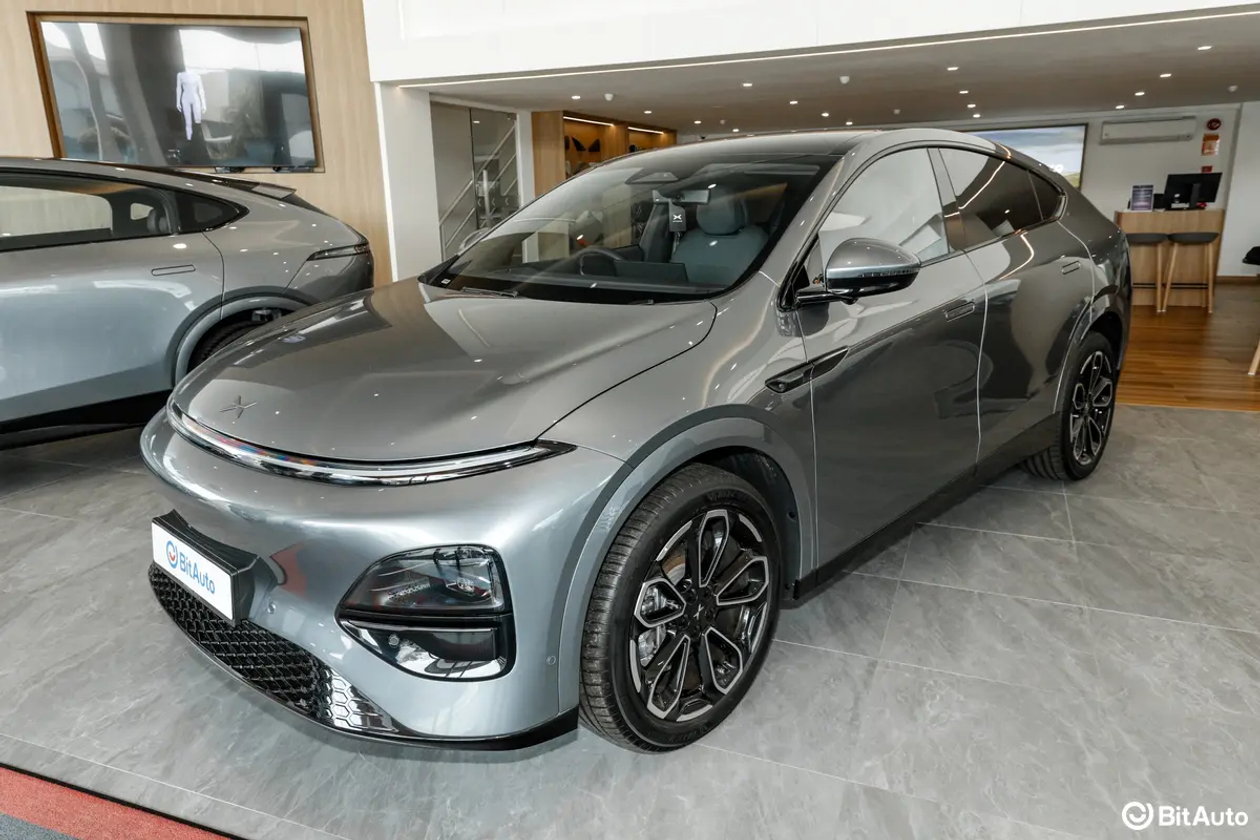
The CKD Xpeng G6 is available in three variants: the Standard Range at RM158,888, the Long Range at RM178,888, and the AWD Performance at RM189,888. Notably, the CKD pricing matches the previous CBU introductory prices. Bookings are open, with deliveries commencing in August. Early bird bookings also come with a free home AC wallbox charger worth RM5,000 and a complimentary insurance package worth RM5,000.
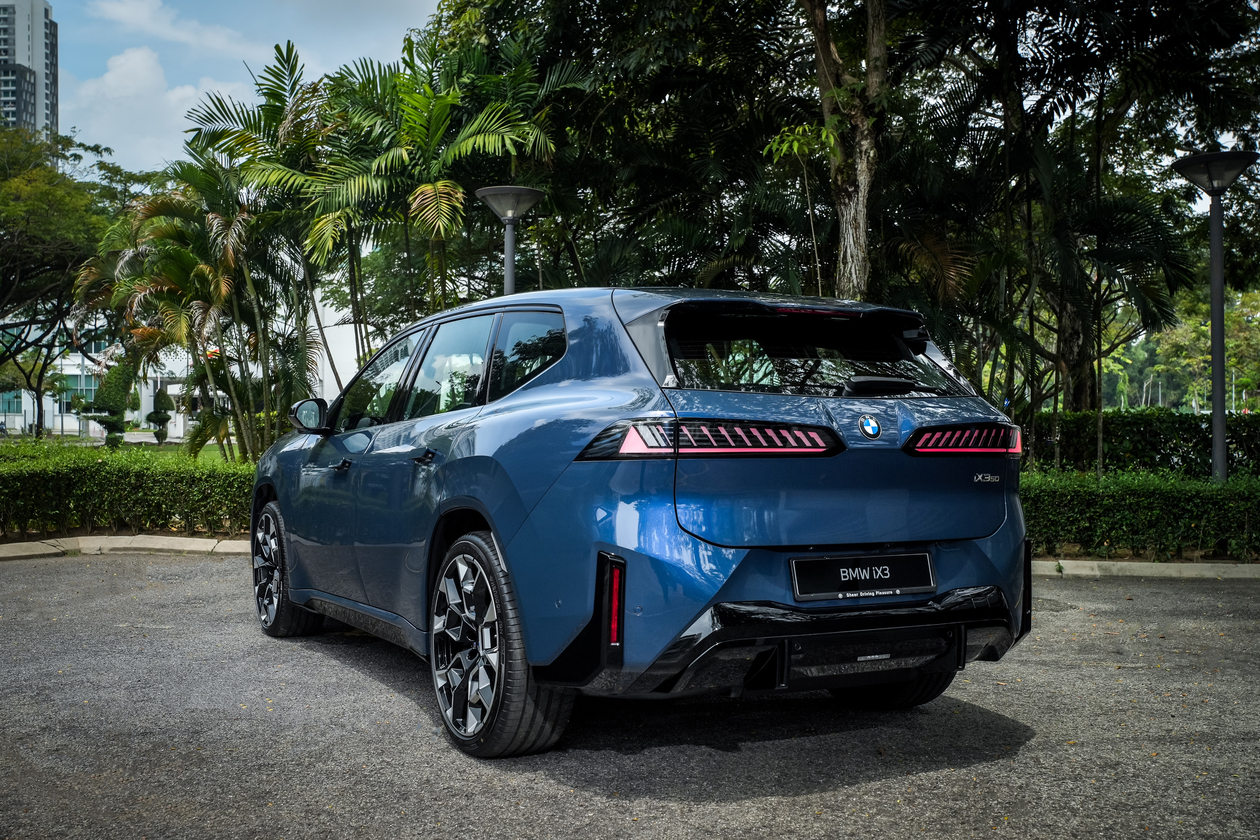
For the Malaysian market, the BMW iX3 is currently sold in a single variant, the iX3 50 xDrive M Sport Pro, retailing at RM378,800 (on-the-road without insurance). Opting for the BMW Service + Repair Inclusive (BSRI) package brings the price up to RM399,800. This package upgrades the warranty to a 5-year unlimited mileage vehicle warranty, alongside an 8-year high-voltage battery warranty and 6 years of unlimited mileage service maintenance.
At RM378,800, one iX3 costs almost as much as two and a half units of the entry-level G6. But does this massive price gap translate to a similarly huge difference in technology, cabin space, and overall experience? That is the real question.
While both EVs utilize an 800V electrical architecture, their charging rates are in different leagues.
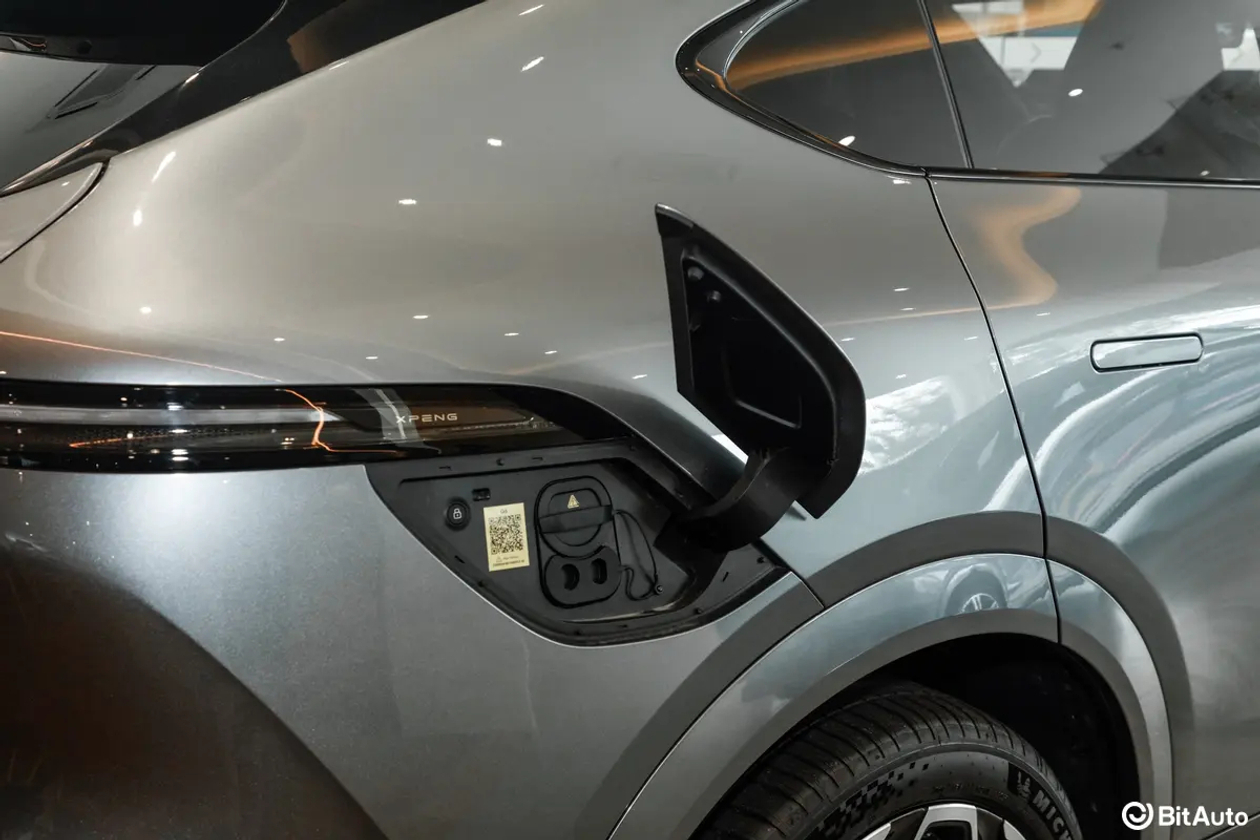
Built on the SEPA 2.0 architecture, the Xpeng G6 comes standard with 800V 5C ultra-fast charging capability. The Standard Range variant supports up to 382 kW DC fast charging, completing a 10-80% state-of-charge (SoC) sprint in just 12 minutes. The Long Range and AWD Performance variants up the ante with support for up to 451 kW DC charging, achieving the same 10-80% charge in the same 12 minutes. This makes the G6 one of the fastest-charging EVs on the market today.
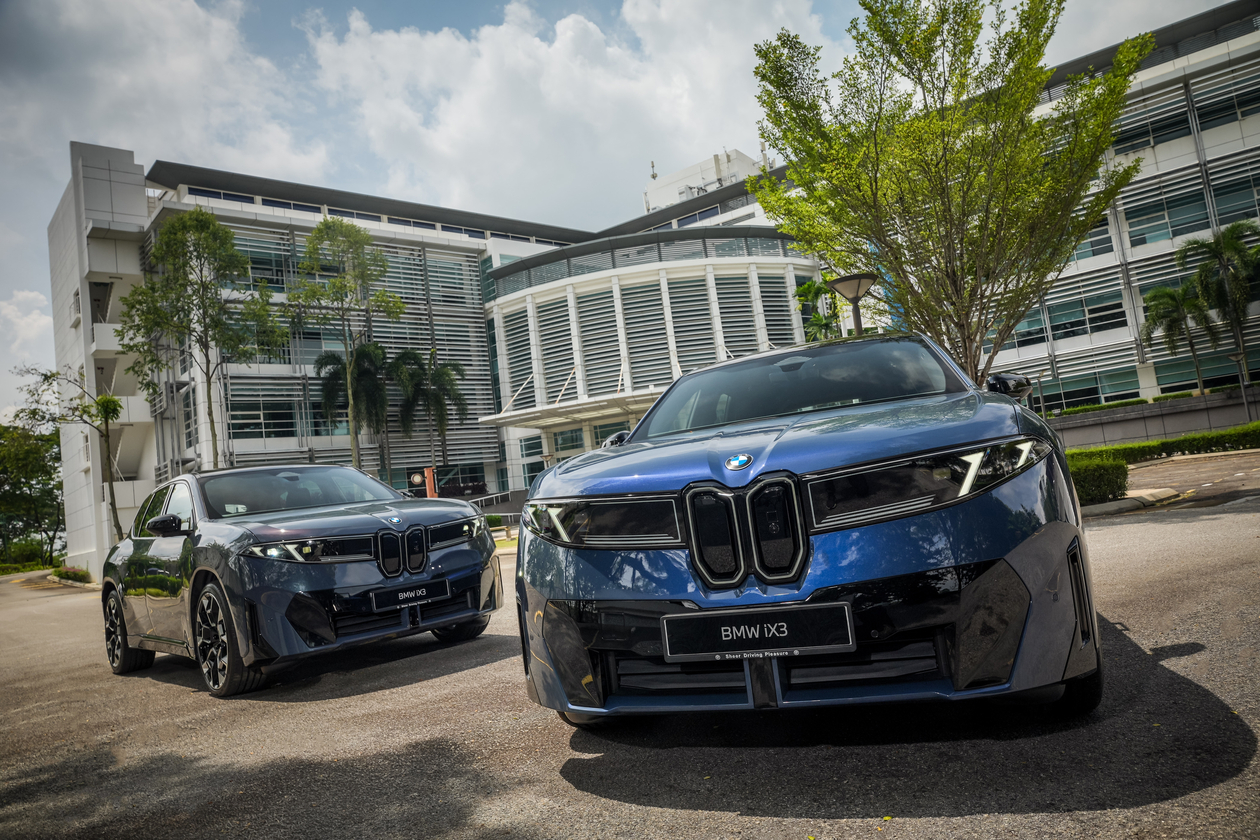
The BMW iX3, leveraging the Neue Klasse platform's 800V architecture, supports up to 400 kW DC fast charging. A quick 10-minute charge can add about 372 km of range, while a 10-80% charge takes 21 minutes. While 21 minutes is reactionally fast, it still loses out to the G6's blistering 12-minute time.
The G6 boasts higher peak charging power and shorter charging times. Given that both cars are charging from 10% to 80%, the G6 is effectively twice as quick to top up compared to the BMW.
However, context is key. The iX3 packs a massive 108.7 kWh battery pack, which is nearly 60% larger than the G6 Standard Range's 68.5 kWh unit. A larger battery naturally takes longer to charge. If you calculate it in terms of "range added per minute of charging", the iX3 remains highly competitive.
This is where the structural differences between the two SUVs become most apparent.
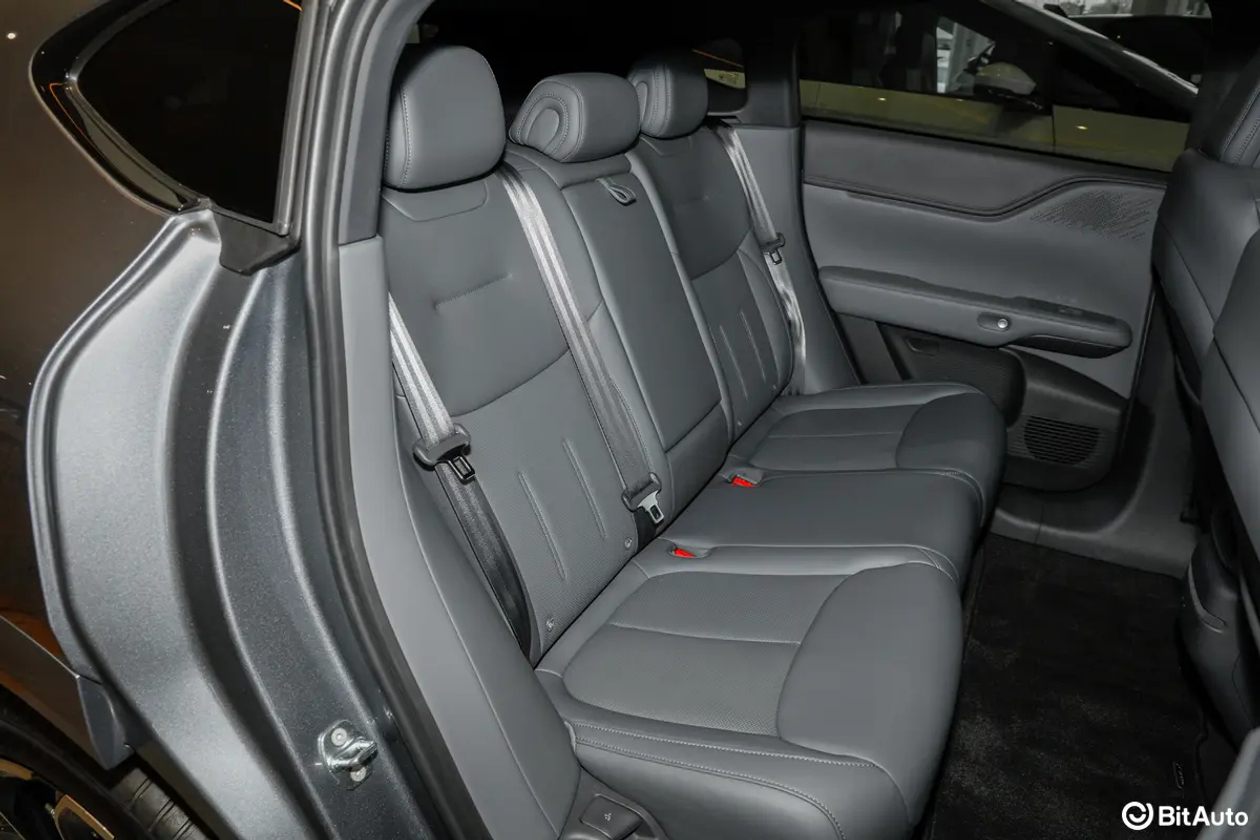
The Xpeng G6 measures 4,758 mm long, 1,920 mm wide, and 1,650 mm tall, with a wheelbase of 2,890 mm.
By comparison, the BMW iX3 measures 4,782 mm long, 1,895 mm wide, and 1,635 mm tall, but boasts a much longer 2,987 mm wheelbase. The kerb weight for the iX3 50 xDrive stands at 2,285 kg.
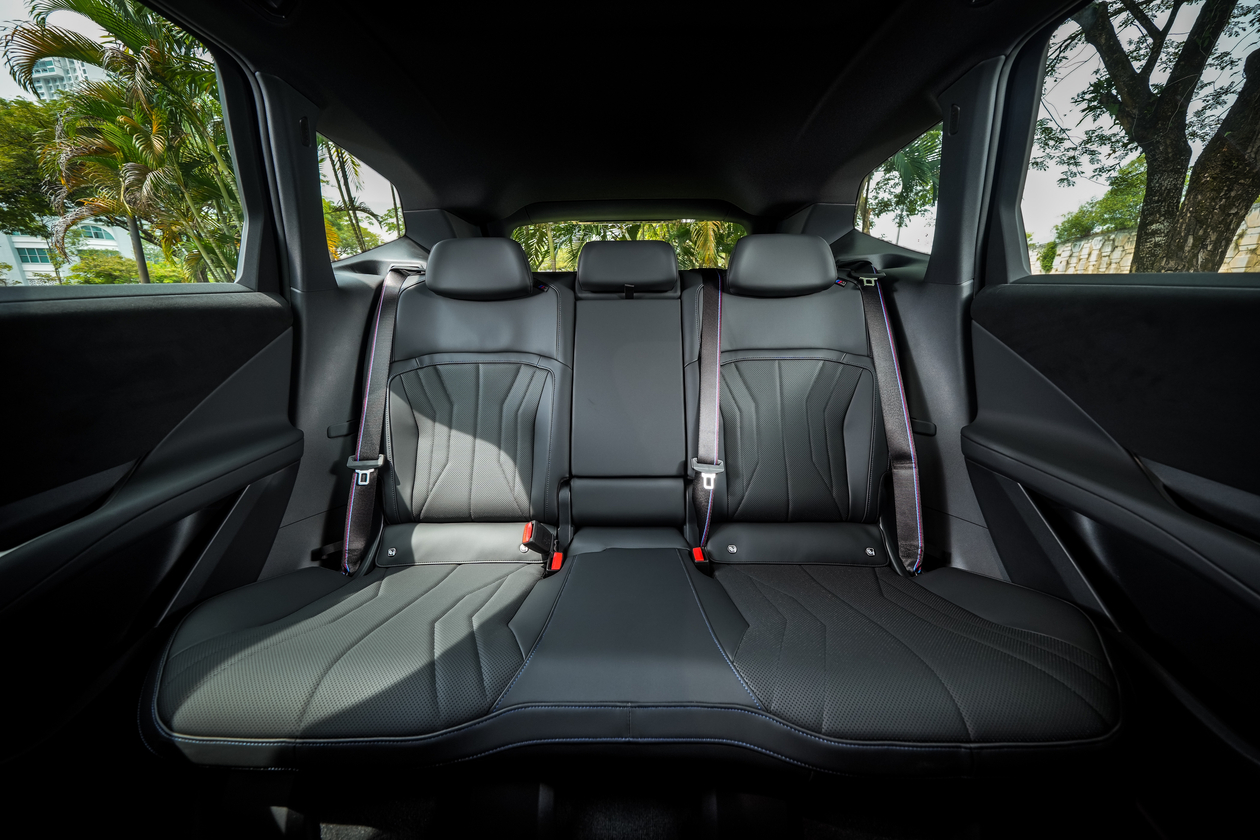
With a wheelbase difference of nearly 100 mm, the iX3's advantage in rear legroom is immediately obvious. This is not just a marginal difference; it is the difference between lounging comfortably with legs crossed and having just adequate space. Furthermore, the iX3's rear seats feature thicker cushioning and extended seat bases, offering a massive upgrade in passenger comfort over its predecessor.
While the Xpeng G6 offers decent rear accommodation for a mid-sized SUV with its 2,890 mm wheelbase, it simply cannot match the near-3-metre wheelbase of the iX3.
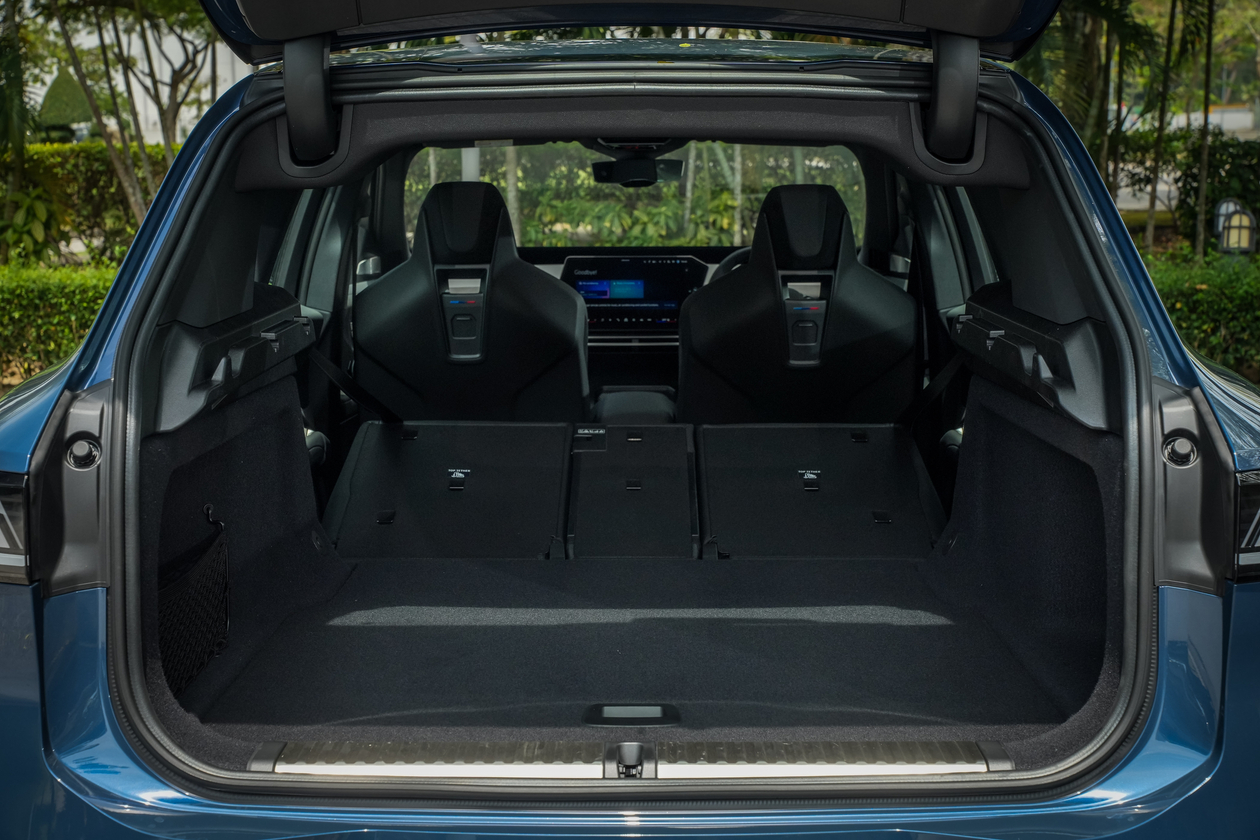
For cargo, the iX3 offers a 520-litre boot that expands to 1,750 litres with the rear seats folded, plus a 58-litre frunk (front boot) under the bonnet. The G6 edges it in standard configuration with a 571-litre boot, but maxes out at a smaller 1,374 litres with the rear seats flat.
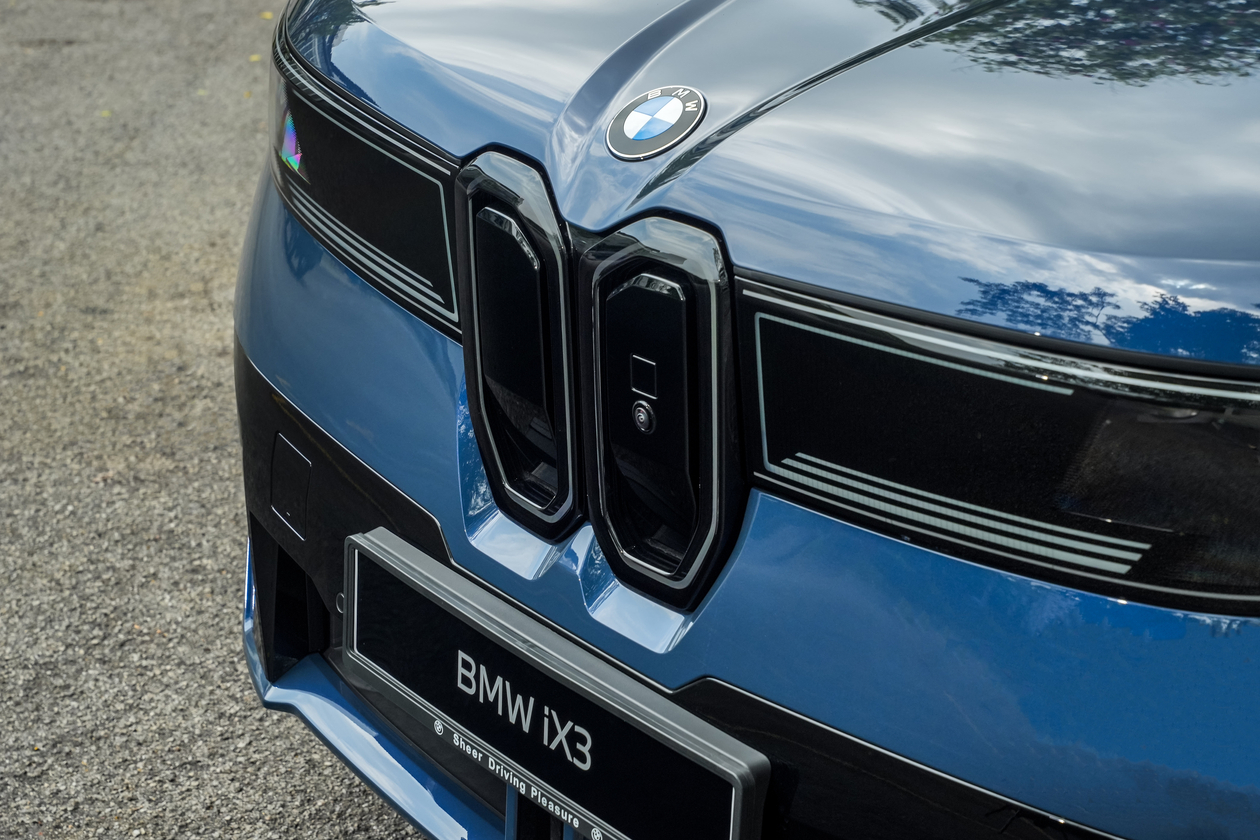
The iX3 features a dual-motor setup delivering 469 PS and 645 Nm of torque, enabling a 0-100 km/h sprint time of just 4.9 seconds. Powering it is a 108.7 kWh NMC battery that delivers an official WLTP range of 805 km. However, the Malaysian-spec model rides on massive 22-inch wheels, which will impact efficiency—German configurator data suggests real-world range drops to around 730 km. Even so, that remains a highly impressive figure.
The G6 Standard Range, meanwhile, uses a single rear-mounted motor pushing out 252 PS and 440 Nm of torque, doing the 0-100 km/h sprint in 6.94 seconds. It gets a 68.5 kWh LFP battery that yields a WLTP-rated range of 480 km.
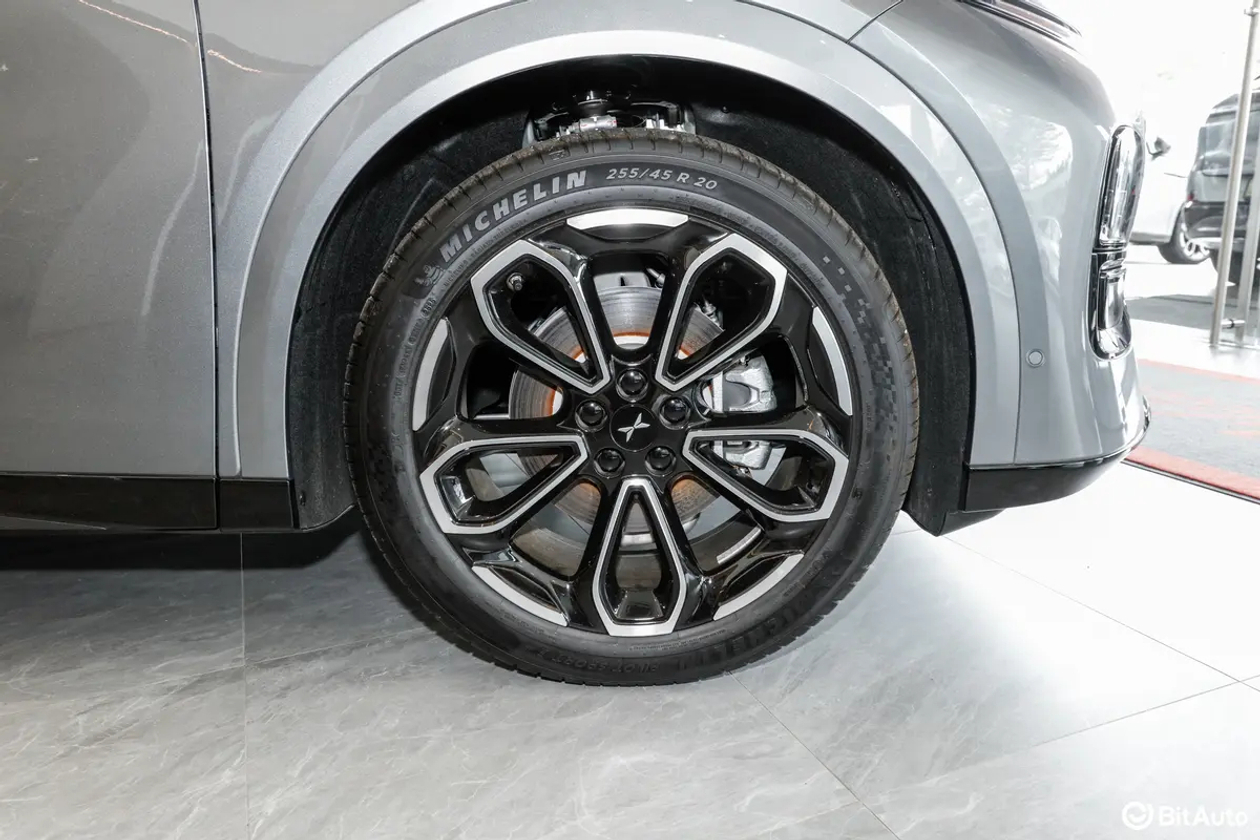
On paper, the iX3 puts out an extra 217 PS and 205 Nm of torque over the entry-level G6, making it nearly two seconds quicker to 100 km/h. It also offers about 325 km more WLTP range, courtesy of a battery pack that is 40 kWh larger.
However, stepping up to the G6 Long Range narrows the gap. This variant makes 296 PS and 440 Nm, completing the century sprint in 6.7 seconds. With a larger 80.8 kWh LFP battery, its WLTP range goes up to 525 km. While it still cannot match the iX3's performance, the disparity is far less pronounced.
The range-topping G6 AWD Performance ups the ante with a dual-motor all-wheel-drive setup. While full local specifications are yet to be detailed, it promises to be significantly quicker than its single-motor stablemates.
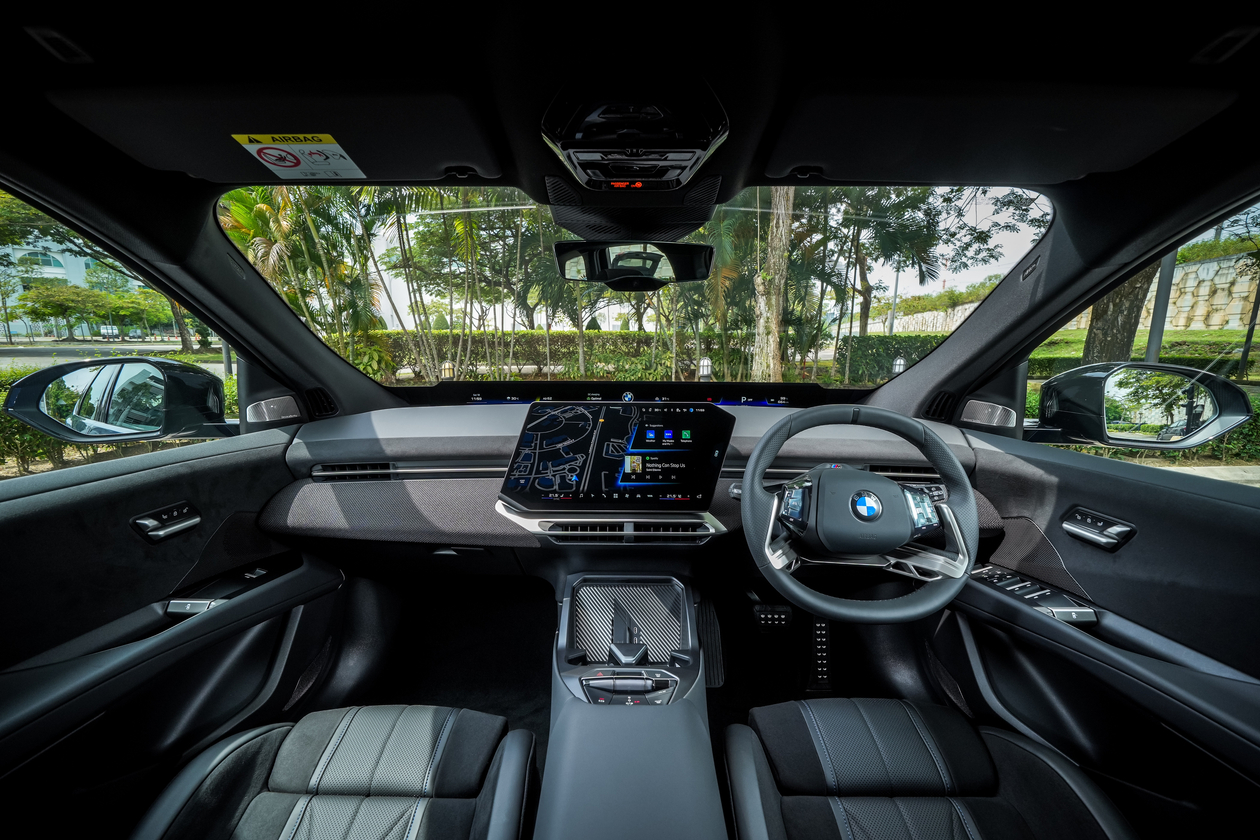
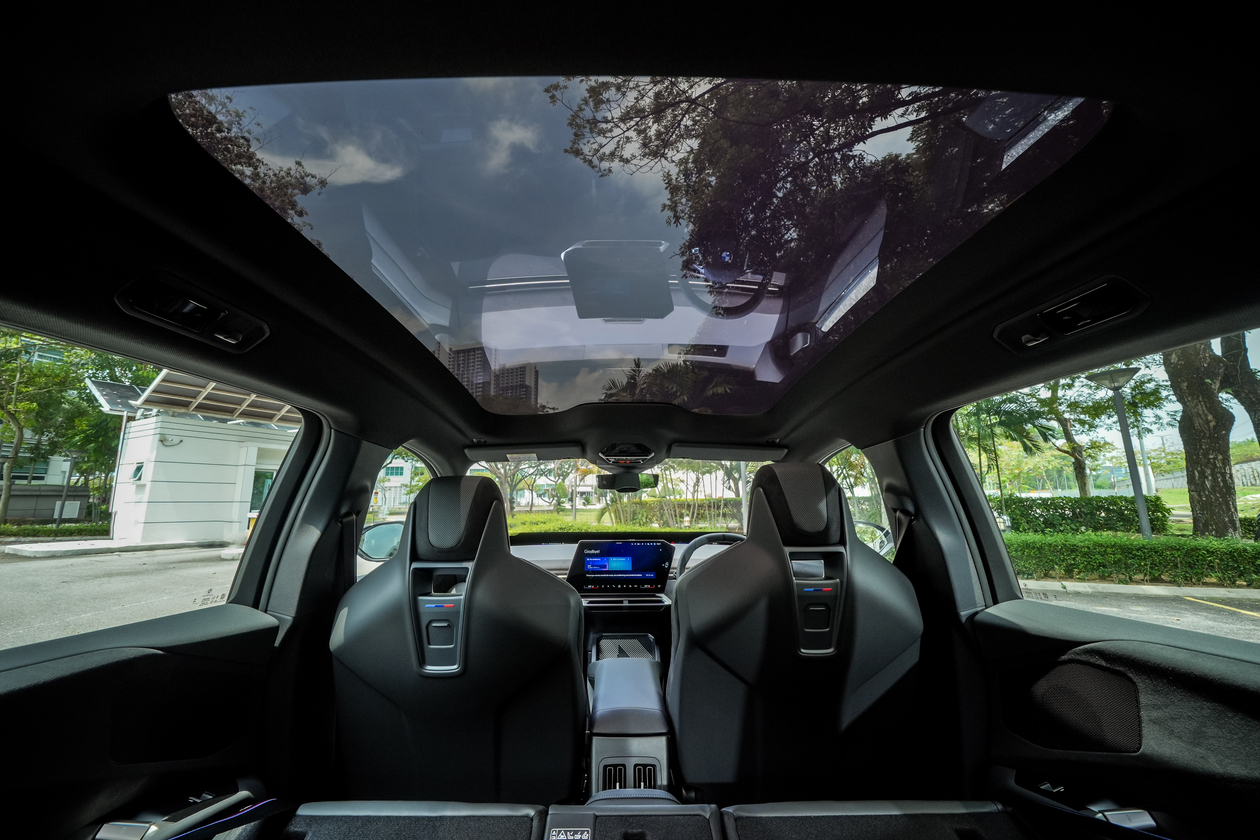
The iX3's cabin is in a completely different class. The innovative BMW Panoramic iDrive replaces the conventional instrument cluster, utilising a 1.1-metre-wide head-up display area across the base of the windscreen. A 17.9-inch central infotainment screen runs the latest BMW Operating System X. The steering wheel adopts a unique vertical two-spoke design featuring touch controls with haptic feedback. Standard kit includes a 13-speaker Harman Kardon premium sound system, a 3D head-up display, and a panoramic glass roof. Safety-wise, it comes standard with BMW's latest Symbiotic Drive driver assistance package, offering level 2 semi-autonomous driving. For parking, it gets the Parking Assistant Professional package, which includes a 360-degree camera and Remote Parking.
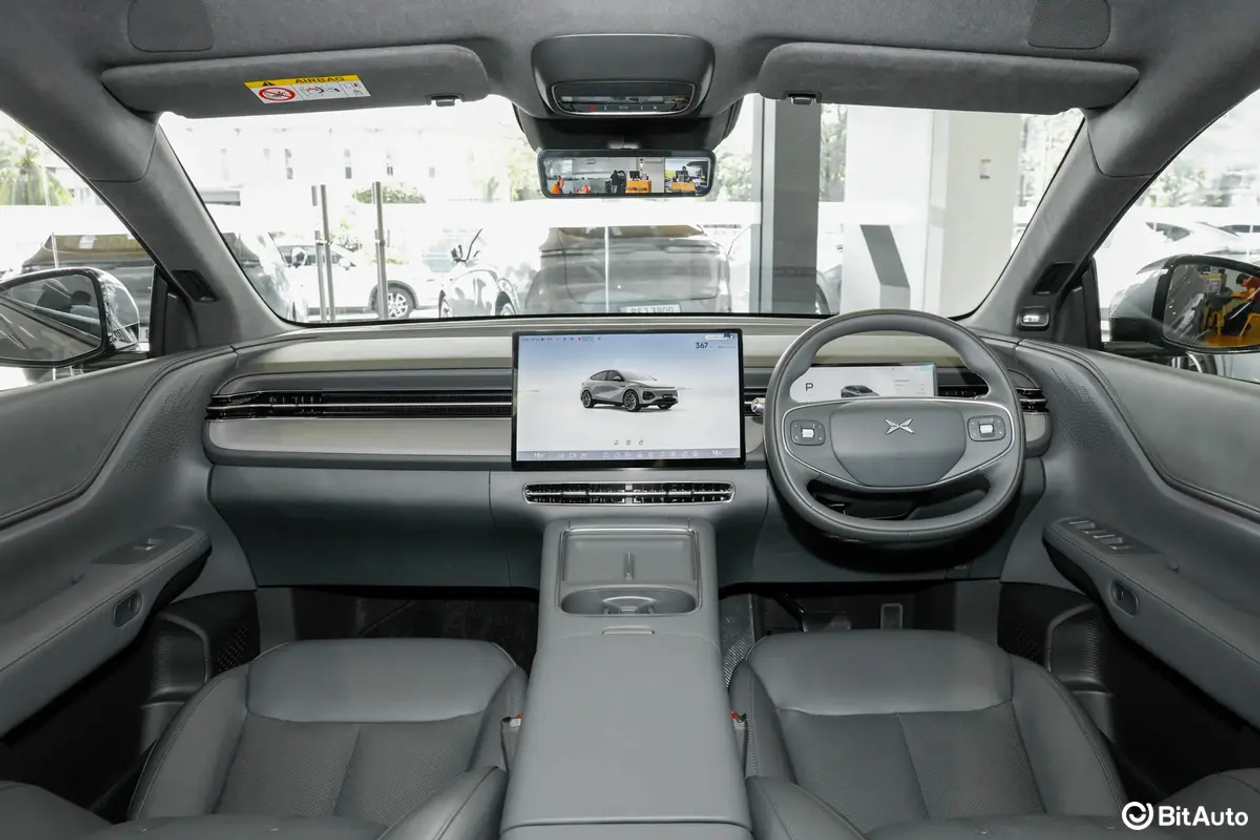
Over in the G6, you get a 15.6-inch central infotainment screen with wireless Apple CarPlay and Android Auto support. XPilot Assist driver assistance is standard across the line-up. While the equipment list is incredibly generous for the price, it naturally lacks the premium luxury of the iX3.
Warranty-wise, the Xpeng G6 is backed by a 5-year/120,000 km vehicle warranty, an 8-year/160,000 km battery warranty, and a 5-year/100,000 km free maintenance package. In comparison, the iX3 comes standard with a basic 2-year unlimited mileage warranty, which is upgraded to a 5-year unlimited mileage vehicle warranty, an 8-year battery warranty, and a 6-year unlimited mileage service package only if you opt for the BSRI package.
When it comes to ownership costs, the G6 holds a clear advantage. Beyond the lower entry price, maintenance and replacement parts will be significantly cheaper. Conversely, insurance, servicing, and replacement parts for the BMW will sit in a much higher price bracket.
Returning to the question at the beginning of the article: what exactly does spending this extra over RM200,000 get you?
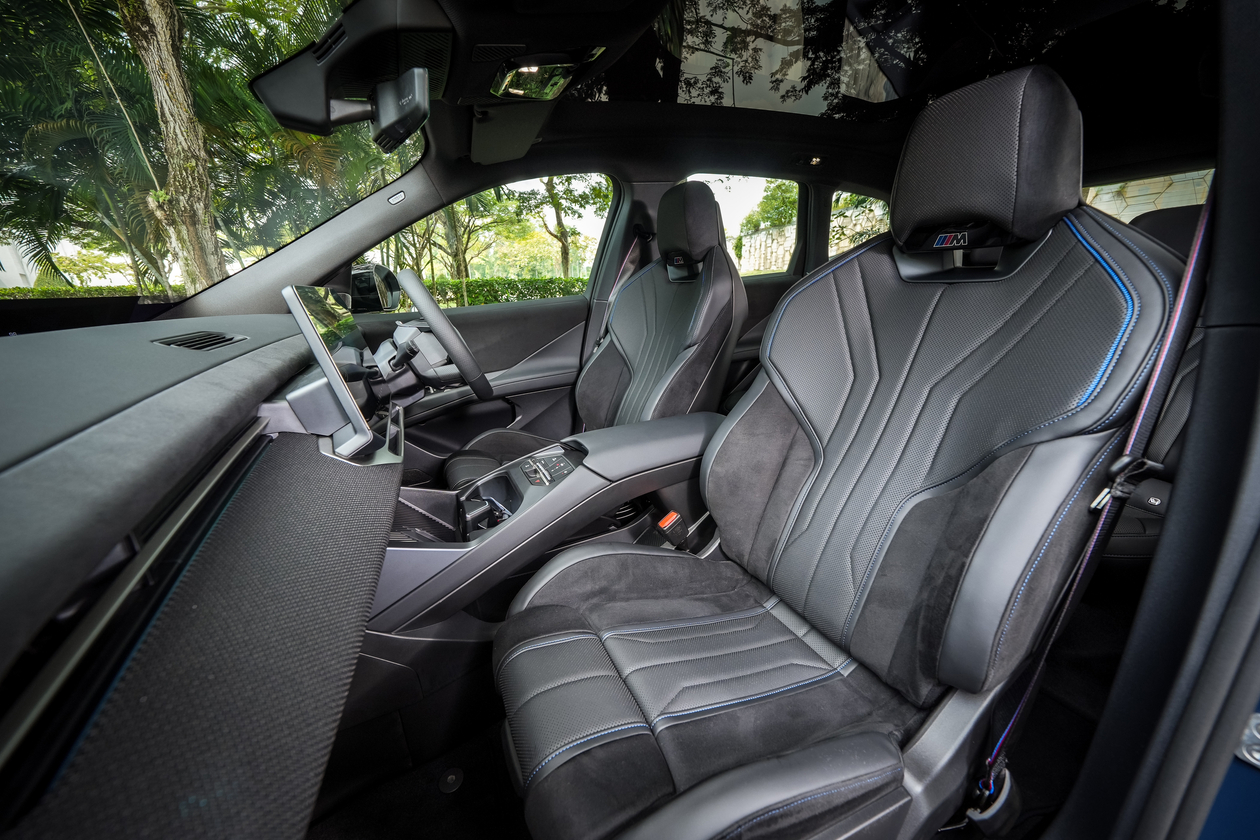
Opting for the iX3 gets you a highly spacious rear cabin with a nearly 3-metre wheelbase, a rapid 4.9-second century sprint, an impressive range of over 800 km, the high-tech 1.1-metre panoramic projection screen, and the undeniable prestige of the blue-and-white roundel. You are buying into the future of the brand with its Neue Klasse architecture, not to mention a double-award-winning EV. You also get the premium ownership experience and status that comes with driving a BMW. With only 50 units available in the initial batch, its sheer exclusivity is also a strong draw.
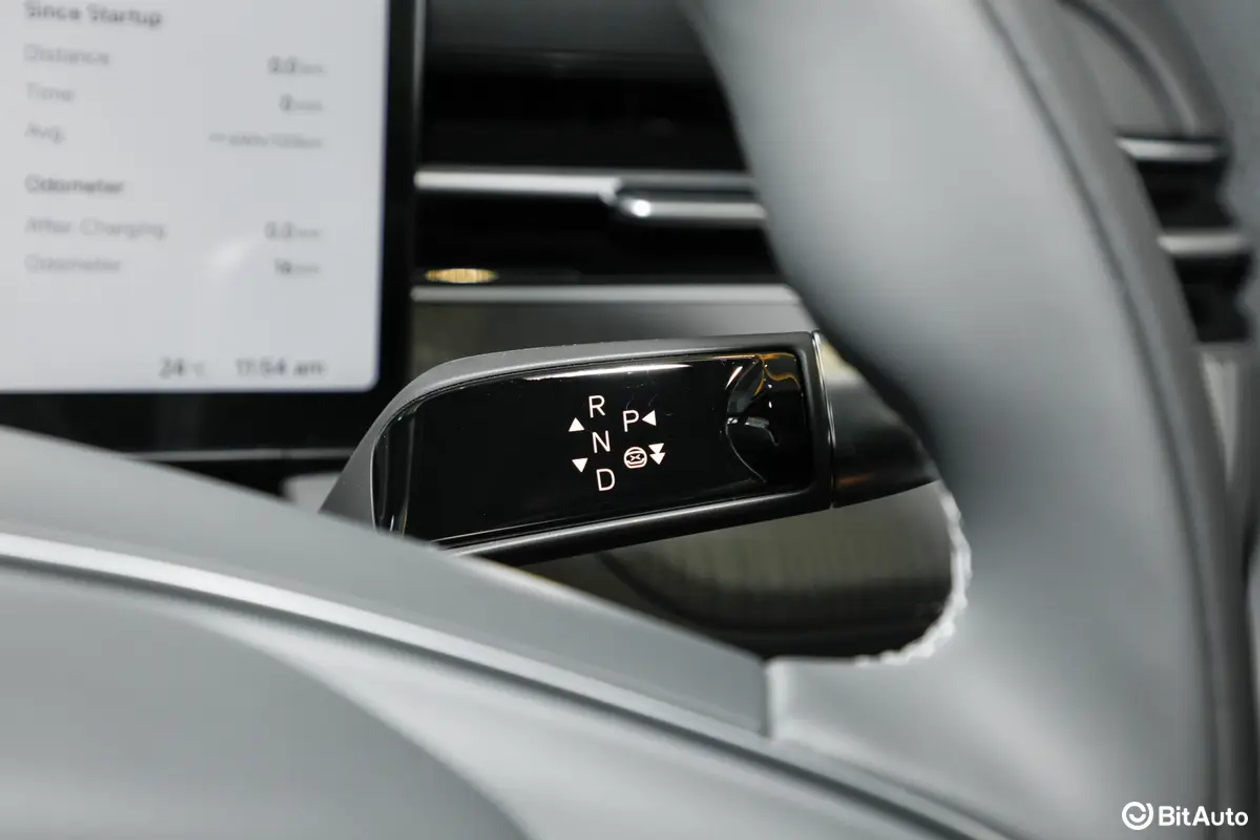
On the other hand, choosing the G6 gives you a class-leading charging speed of 10% to 80% in just 12 minutes, an advanced 800V architecture, highly usable space and performance, and a massive RM220,000 savings in your bank account. As a CKD vehicle, it also offers localized after-sales support and better parts availability. Ultimately, you are getting an incredibly competent, user-friendly, and value-for-money electric SUV.
Ultimately, these two cars appeal to very different demographics. The iX3 targets buyers with deep pockets who seek premium brand cachet, driving dynamics, and cutting-edge tech. The G6, meanwhile, is aimed at value-conscious buyers who prioritize charging efficiency, practical range, and have a budget in the RM160,000 to RM190,000 region.
The iX3 is an aspirational purchase, whereas the G6 is a highly sensible, realistic buy. Which one you should choose depends entirely on your financial capability and what you value most, rather than just the numbers on a spec sheet.


Your go-to source for all things automotive in Malaysia. 🚗 Latest reviews, breaking news, launches & industry trends.
+ Follow This weekend is your chance to own a Volvo Selekt Certified Used Car, priced from just RM 148,000.
What are you waiting for?
#volvo 1 minute ago
This weekend is your chance to own a Volvo Selekt Certified Used Car, priced from just RM 148,000.
What are you waiting for?
#volvo 1 minute ago  We saw this accident this morning, and here’s a reminder to everyone: please drive safe. 2 days ago
  The G50 BMW 3 series is now here, adopting much of the i3's design elements.
So, where's the BMW M3?
#bmw #BMW3Series 4 days ago
The G50 BMW 3 series is now here, adopting much of the i3's design elements.
So, where's the BMW M3?
#bmw #BMW3Series 4 days ago Get the latest car news first!
Your go-to source for all things automotive in Malaysia. 🚗 Latest reviews, breaking news, launches & industry trends.
This weekend is your chance to own a Volvo Selekt Certified Used Car, priced from just RM 148,000.
What are you waiting for?
#volvo 1 minute ago We saw this accident this morning, and here’s a reminder to everyone: please drive safe. 2 days ago The G50 BMW 3 series is now here, adopting much of the i3's design elements.
So, where's the BMW M3?
#bmw #BMW3Series 4 days ago  ProtonGWMVolkswagenJAECOOVolvoPeroduaToyotaHondaTESLAMitsubishiMazdaJetourCheryBYDLexusBMWMercedes-BenziCAURZeekrIsuzuNissanLeapmotorPorscheFordOMODAMINIMGSuzukiXPengHyundaiWulingKiaSubaruDenzaGACLand RoverDongfengCAMAudiPeugeotFotonMAXUSsmartDaihatsuJACJMCMaseratiLotusAlfa RomeoRenaultGolden DragonKaiceneSeresLamborghiniFerrariJeepRolls-RoyceLepasAston MartinMcLarenChevroletBentleyFiatBAICForthingGeelyRoeweAeolusChanganARCFOXDeepalExeedHongqiVoyahJaguarKGMBuforiAcuraCadillacDodgeAbarthINEOSMHEROJMEVFreelander
© 2024 Bitauto.com. All Rights Reserved.
Bitauto (www.yiche.com and www.bitauto.com) is one of the most visited automotive websites in China. We provide detailed info on Chinese car brands available in your area. Please note that the information provided on this website is based on publicly available data and is for reference only. It may not be fully updated or accurate at all times.
Help us improve our website


