

Home色林錯遠

Search History
Popular Searches
Dealer Login / Sign Up

在马来西亚的SUV市场,很多买家在选车的时候都会拿 Proton X90 和 Chery Tiggo 8 来做比较。这两款车在价位和定位上都蛮接近的,今天我们就从多个方面做一个详细的对比,帮你省下做功课的时间。
Proton X90 在马来西亚的 OTR 售价是 RM 106,800 - 122,800,一共有 4 个版本,包括 2026 1.5T Prime X(RM 122,800)、2026 1.5T Prime(RM 116,800)、2026 1.5T Lite(RM 106,800) 等。
Chery Tiggo 8 在马来西亚的 OTR 售价是 RM 129,750 - 129,750,一共有 1 个版本,包括 2026 1.6T Standard(RM 129,750) 等。
从价钱来看,Proton X90 的起步价确实比 Chery Tiggo 8 便宜了 RM 22,950。如果你预算有限,Proton 的入门版已经可以满足日常需求。但也要注意,便宜的那几千块,可能在配备上会有取舍,具体要看你的需求。

Proton X90 搭载 1.5L Turbo,马力 140 hp。官方油耗 7.0 L/100km。
Chery Tiggo 8 搭载 1.5L Turbo,马力 140 hp。官方油耗 7.0 L/100km。
两款车用的是同一套动力系统,日常开起来的感受基本没有差别。油耗方面也差不多,不用太纠结这一点。

Proton X90 的安全评级是 5★ (ASEAN NCAP),主动安全系统包括 ADAS (ACC, AEB, LKA, LDA, BSM, RCTA)。
Chery Tiggo 8 的安全评级是 TBD,主动安全系统包括 Basic。
安全配备方面,两款车都拿到了不错的评级。不过 Proton X90 的 ADAS (ACC, AEB, LKA, LDA, BSM, RCTA) 和 Chery Tiggo 8 的 Basic 在功能上有些差异,如果你比较看重主动安全的话,可以仔细对比一下两者的功能列表。

Proton X90 车身长 4400 mm,后备箱 400 L。
Chery Tiggo 8 车身长 4400 mm,后备箱 400 L。
两款车的尺寸几乎一样,车内空间差别不大。这个级别的车,日常使用完全够用。

Proton X90 采用 FWD 驱动方式。
Chery Tiggo 8 采用 FWD 驱动方式。
两款车的驱动方式一样,都是 FWD,日常驾驶感受不会有太大区别。

总的来说,Proton X90 和 Chery Tiggo 8 都是马来西亚市场很不错的车型。选择哪一辆,关键还是要看你的个人需求和预算。建议大家做好功课,多比较几间车行的报价,再去试驾做最终决定。买车是件大事,花点时间做功课绝对不会错。


在马来西亚的SUV市场,很多买家在选车的时候都会拿 Proton X70 和 Honda WR-V 来做比较。这两款车在价位和定位上都蛮接近的,今天我们就从多个方面做一个详细的对比,帮你省下做功课的时间。
Proton X70 在马来西亚的 OTR 售价是 RM 106,800 - 122,300,一共有 3 个版本,包括 1.5L Standard 2WD(RM 106,800)、1.5L Executive 2WD(RM 115,800)、1.5L Premium 2WD(RM 122,300) 等。
Honda WR-V 在马来西亚的 OTR 售价是 RM 89,900 - 107,900,一共有 4 个版本,包括 2023 1.5L V(RM 99,900)、2023 1.5L E(RM 95,900)、2023 1.5L S(RM 89,900) 等。
从价钱来看,Honda WR-V 的起步价比 Proton X70 便宜了 RM 16,900。老实讲,在这个价位段,几千块的差距其实不算大,关键还是看整体的性价比和长期使用成本。

Proton X70 的安全评级是 5★ (ASEAN NCAP),主动安全系统包括 ADAS (ACC, AEB, LKA, LDA, BSM, RCTA)。
Honda WR-V 的安全评级是 5★ (ASEAN NCAP),主动安全系统包括 Honda SENSING。
两款车的安全评级一样,在这个级别里面安全配备都算给得很齐全了。现在的新车安全性都不差,不用太担心这一点。

Proton X70 保修 5年/150,000km,保养间隔 每10,000km或6个月。
Honda WR-V 保修 5年/无限制里程,保养间隔 每10,000km或6个月。

Proton X70 和 Honda WR-V 都是马来西亚市场的主流选择,适合家庭使用、日常通勤。如果你更看重品牌口碑和二手价,可以优先考虑口碑更好的那一款;如果你更在意性价比和配备,那就选配置更丰富的那款。最终还是建议两款都去试驾,亲身体验才是最重要的。
总的来说,Proton X70 和 Honda WR-V 都是马来西亚市场很不错的车型。选择哪一辆,关键还是要看你的个人需求和预算。建议大家做好功课,多比较几间车行的报价,再去试驾做最终决定。买车是件大事,花点时间做功课绝对不会错。


在马来西亚的SUV市场,很多买家在选车的时候都会拿 Proton X50 和 Mitsubishi Xforce 来做比较。这两款车在价位和定位上都蛮接近的,今天我们就从多个方面做一个详细的对比,帮你省下做功课的时间。
Proton X50 在马来西亚的 OTR 售价是 RM 89,800 - 113,300,一共有 4 个版本,包括 1.5T Executive(RM 89,800)、1.5T Premium(RM 101,800)、1.5T Flagship(RM 113,300) 等。
Mitsubishi Xforce 在马来西亚的 OTR 售价是 RM 109,930 - 119,930,一共有 2 个版本,包括 2026 1.5L Ultimate(RM 119,930)、2026 1.5L Urban(RM 109,930) 等。
从价钱来看,Proton X50 的起步价确实比 Mitsubishi Xforce 便宜了 RM 20,130。如果你预算有限,Proton 的入门版已经可以满足日常需求。但也要注意,便宜的那几千块,可能在配备上会有取舍,具体要看你的需求。

Proton X50 搭载 1.5L 4-cyl,马力 105 hp。官方油耗 6.0 L/100km。
Mitsubishi Xforce 搭载 1.5L Turbo,马力 140 hp。官方油耗 7.0 L/100km。
动力方面,Mitsubishi Xforce 的 1.5L Turbo 比 Proton X50 的 1.5L 4-cyl 多了 35 匹马力。不过日常在市区开,两款车的动力都够用,不会觉得不够力。
Proton X50 的安全评级是 5★ (ASEAN NCAP),主动安全系统包括 ADAS (ACC, AEB, LKA, LDA, BSM, RCTA)。
Mitsubishi Xforce 的安全评级是 5★ (ASEAN NCAP),主动安全系统包括 MI-PILOT。
两款车的安全评级一样,在这个级别里面安全配备都算给得很齐全了。现在的新车安全性都不差,不用太担心这一点。
Proton X50 车身长 4400 mm,后备箱 400 L。
Mitsubishi Xforce 车身长 4400 mm,后备箱 400 L。
两款车的尺寸几乎一样,车内空间差别不大。这个级别的车,日常使用完全够用。

Proton X50 和 Mitsubishi Xforce 都是马来西亚市场的主流选择,适合家庭使用、日常通勤。如果你更看重品牌口碑和二手价,可以优先考虑口碑更好的那一款;如果你更在意性价比和配备,那就选配置更丰富的那款。最终还是建议两款都去试驾,亲身体验才是最重要的。
总的来说,Proton X50 和 Mitsubishi Xforce 都是马来西亚市场很不错的车型。选择哪一辆,关键还是要看你的个人需求和预算。建议大家做好功课,多比较几间车行的报价,再去试驾做最终决定。买车是件大事,花点时间做功课绝对不会错。


在马来西亚的SUV市场,很多买家在选车的时候都会拿 Proton X50 和 Chery Tiggo 9 来做比较。这两款车在价位和定位上都蛮接近的,今天我们就从多个方面做一个详细的对比,帮你省下做功课的时间。
Proton X50 在马来西亚的 OTR 售价是 RM 89,800 - 113,300,一共有 4 个版本,包括 1.5T Executive(RM 89,800)、1.5T Premium(RM 101,800)、1.5T Flagship(RM 113,300) 等。
Chery Tiggo 9 在马来西亚的 OTR 售价是 RM 166,800 - 179,800,一共有 1 个版本,包括 2026 2.0T Standard(RM 179,750) 等。
从价钱来看,Proton X50 的起步价确实比 Chery Tiggo 9 便宜了 RM 77,000。如果你预算有限,Proton 的入门版已经可以满足日常需求。但也要注意,便宜的那几千块,可能在配备上会有取舍,具体要看你的需求。
Proton X50 的安全评级是 5★ (ASEAN NCAP),主动安全系统包括 ADAS (ACC, AEB, LKA, LDA, BSM, RCTA)。
Chery Tiggo 9 的安全评级是 TBD,主动安全系统包括 Basic。
安全配备方面,两款车都拿到了不错的评级。不过 Proton X50 的 ADAS (ACC, AEB, LKA, LDA, BSM, RCTA) 和 Chery Tiggo 9 的 Basic 在功能上有些差异,如果你比较看重主动安全的话,可以仔细对比一下两者的功能列表。
Proton X50 采用 4WD 驱动方式。
Chery Tiggo 9 采用 FWD 驱动方式。
Proton 的 4WD 和 Chery 的 FWD 在操控上会有不同感受,建议试驾对比。
Proton X50 保修 5年/150,000km,保养间隔 每10,000km或6个月。
Chery Tiggo 9 保修 3年/100,000km,保养间隔 每10,000km或6个月。

总的来说,Proton X50 和 Chery Tiggo 9 都是马来西亚市场很不错的车型。选择哪一辆,关键还是要看你的个人需求和预算。建议大家做好功课,多比较几间车行的报价,再去试驾做最终决定。买车是件大事,花点时间做功课绝对不会错。

在马来西亚的SUV市场,很多买家在选车的时候都会拿 Proton X50 和 Chery Tiggo 8 PHEV 来做比较。这两款车在价位和定位上都蛮接近的,今天我们就从多个方面做一个详细的对比,帮你省下做功课的时间。
Proton X50 在马来西亚的 OTR 售价是 RM 89,800 - 113,300,一共有 4 个版本,包括 1.5T Executive(RM 89,800)、1.5T Premium(RM 101,800)、1.5T Flagship(RM 113,300) 等。
Chery Tiggo 8 PHEV 在马来西亚的 OTR 售价是 RM 159,750 - 159,750,一共有 2 个版本,包括 1.6L Turbo Standard(RM 130,000)、1.6L Turbo Premium(RM 145,000) 等。
从价钱来看,Proton X50 的起步价确实比 Chery Tiggo 8 PHEV 便宜了 RM 69,950。如果你预算有限,Proton 的入门版已经可以满足日常需求。但也要注意,便宜的那几千块,可能在配备上会有取舍,具体要看你的需求。
Proton X50 的安全评级是 5★ (ASEAN NCAP),主动安全系统包括 ADAS (ACC, AEB, LKA, LDA, BSM, RCTA)。
Chery Tiggo 8 PHEV 的安全评级是 TBD,主动安全系统包括 Basic。
安全配备方面,两款车都拿到了不错的评级。不过 Proton X50 的 ADAS (ACC, AEB, LKA, LDA, BSM, RCTA) 和 Chery Tiggo 8 PHEV 的 Basic 在功能上有些差异,如果你比较看重主动安全的话,可以仔细对比一下两者的功能列表。
Proton X50 采用 4WD 驱动方式。
Chery Tiggo 8 PHEV 采用 FWD 驱动方式。
Proton 的 4WD 和 Chery 的 FWD 在操控上会有不同感受,建议试驾对比。
Proton X50 和 Chery Tiggo 8 PHEV 都是马来西亚市场的主流选择,适合家庭使用、日常通勤。如果你更看重品牌口碑和二手价,可以优先考虑口碑更好的那一款;如果你更在意性价比和配备,那就选配置更丰富的那款。最终还是建议两款都去试驾,亲身体验才是最重要的。
总的来说,Proton X50 和 Chery Tiggo 8 PHEV 都是马来西亚市场很不错的车型。选择哪一辆,关键还是要看你的个人需求和预算。建议大家做好功课,多比较几间车行的报价,再去试驾做最终决定。买车是件大事,花点时间做功课绝对不会错。

车型概览

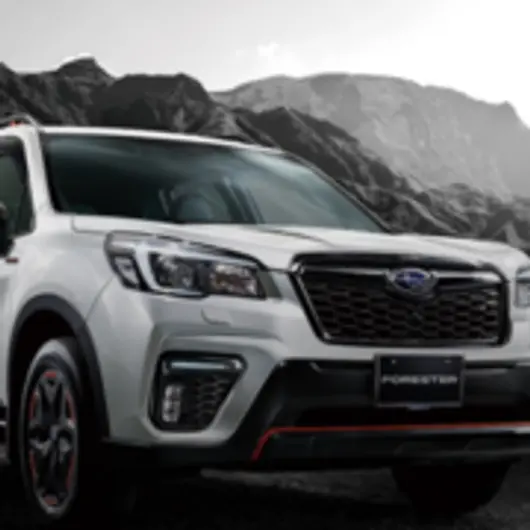
Volvo XC90 值不值得买,关键不是它看起来有多吸引,而是它能不能解决你的真实用车需求。这篇文章会把重点放在市区驾驶、停车和日常灵活性。
价格落在 RM 418,888,买家可以先用它判断预算压力和同级定位。
购车价格指南
Volvo XC90 的购车预算可以先从 RM 418,888 开始衡量。这个数字真正影响的是月供、保险和现金流,而不只是展厅里的标价。
如果你在几个版本之间犹豫,可以把 2025 2.0T Ultra(RM 418,888) 放在同一张清单里比较。日常通勤买家优先看舒适与安全,常跑高速的买家则更应重视动力、辅助驾驶和座舱便利。
核心参数汇总
看 Volvo XC90 的核心规格,最重要是把数字翻译成生活里的感受。
涡轮增压、4缸的动力底子,适合拿来判断市区跟车和高速巡航是否轻松。 249 Ps、350 N·m的输出,真正意义在于满载、上坡和超车时不会太吃力。 8.1 L/100km的油耗,对每天通勤的人来说会直接影响加油频率。 车长 4953 mm、车宽 1931 mm、车高 1771 mm、轴距 2984 mm,可以帮助你预判停车难度和后排乘坐空间。
优缺点分析
Volvo XC90 的优点不必夸张,真正有价值的是它能不能让日常使用更省心:预算位置清楚,方便和同级车直接比较、日常能源成本有明确参考、动力输出能支撑高速和超车需求。
需要留意的是,市区停车和狭窄路段仍要看个人驾驶习惯。这些不是扣分项,而是下订前应该先想清楚的生活细节。
购车常见问题解答
购买 Volvo XC90 前,买家最常问的不是单一规格,而是它能不能融入自己的生活。
这辆车适合谁?适合把市区驾驶、停车和日常灵活性放在首位的买家。 家庭用户要看什么?优先看后排乘坐、儿童座椅、行李和日常上下车是否顺手。 每天开会不会麻烦?8.1 L/100km 的油耗参考让通勤成本更容易预估。
竞品对比内容
把 Volvo XC90 放进同级车名单时,不建议只看品牌或外形。真正有用的比较顺序是:先用 RM 418,888 锁定预算圈、再看动力是否足够应付高速和满载、接着比较能源成本和补能便利、最后看空间是否适合家人和行李。
这样筛选出来的结果更贴近日常生活。你会更清楚它是适合城市通勤、家庭代步、长途巡航,还是更适合作为一辆讲求个性的选择。
用车全周期指南

拥有 Volvo XC90 的日常成本,最直接会反映在燃油、保险、轮胎和定期保养上。8.1 L/100km 的油耗让通勤预算更容易掌握。
如果你常跑南北大道,动力和座舱舒适度会比单纯低价更重要;如果主要在市区,停车灵活性、视野和低速顺滑度会更影响心情。

车型概览

Mercedes-Benz GLC Coupé AMG 值不值得买,关键不是它看起来有多吸引,而是它能不能解决你的真实用车需求。这篇文章会把重点放在高速巡航、并线和超车信心。
价格落在 RM 508,888 - 518,888,买家可以先用它判断预算压力和同级定位。
购车价格指南
Mercedes-Benz GLC Coupé AMG 的购车预算可以先从 RM 508,888 - 518,888 开始衡量。这个数字真正影响的是月供、保险和现金流,而不只是展厅里的标价。
如果你在几个版本之间犹豫,可以把 2026 AMG GLC 43 4MATIC Coupé Nightfall Edition(RM 518,888)、2025 AMG GLC 43 4MATIC Coupé(RM 508,888) 放在同一张清单里比较。日常通勤买家优先看舒适与安全,常跑高速的买家则更应重视动力、辅助驾驶和座舱便利。
核心参数汇总
看 Mercedes-Benz GLC Coupé AMG 的核心规格,最重要是把数字翻译成生活里的感受。
10.1 kWh/100km的耗电表现,会影响你多久需要补一次电。 421 Ps的输出,让高速并线和短距离超车更有底气。 车长 4792 mm、车宽 2076 mm、车高 1603 mm,可以帮助你预判停车难度和后排乘坐空间。 自动变速箱 变速箱、四轮驱动布局 的设定,会影响起步顺滑度、湿地稳定感和长途巡航感。
优缺点分析
Mercedes-Benz GLC Coupé AMG 的优点不必夸张,真正有价值的是它能不能让日常使用更省心:预算位置清楚,方便和同级车直接比较、日常能源成本有明确参考、动力输出能支撑高速和超车需求。
需要留意的是,需要先确认家里、公司或常去商场的充电条件、市区停车和狭窄路段仍要看个人驾驶习惯。这些不是扣分项,而是下订前应该先想清楚的生活细节。
购车常见问题解答
购买 Mercedes-Benz GLC Coupé AMG 前,买家最常问的不是单一规格,而是它能不能融入自己的生活。
这辆车适合谁?适合把高速巡航、并线和超车信心放在首位的买家。 家庭用户要看什么?优先看后排乘坐、儿童座椅、行李和日常上下车是否顺手。 每天开会不会麻烦?9.6 L/100km 的油耗参考让通勤成本更容易预估。
竞品对比内容
把 Mercedes-Benz GLC Coupé AMG 放进同级车名单时,不建议只看品牌或外形。真正有用的比较顺序是:先用 RM 508,888 - 518,888 锁定预算圈、再看动力是否足够应付高速和满载、接着比较能源成本和补能便利、最后看空间是否适合家人和行李。
这样筛选出来的结果更贴近日常生活。你会更清楚它是适合城市通勤、家庭代步、长途巡航,还是更适合作为一辆讲求个性的选择。
用车全周期指南

拥有 Mercedes-Benz GLC Coupé AMG 的关键,是先把充电安排想清楚。家充、公司充电或商场快充只要其中一项稳定,日常体验就会轻松很多。
如果你常跑南北大道,动力和座舱舒适度会比单纯低价更重要;如果主要在市区,停车灵活性、视野和低速顺滑度会更影响心情。


车型概览

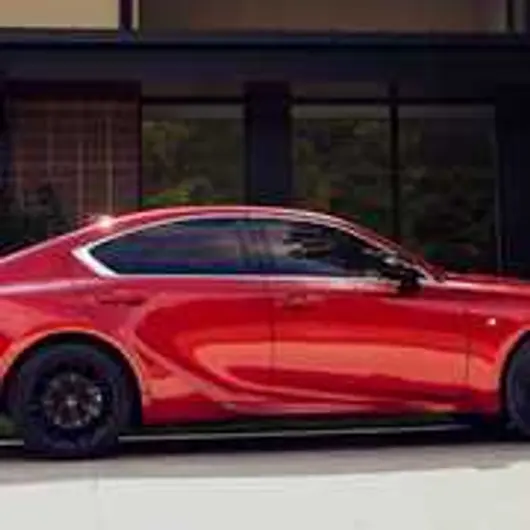
Mercedes-Benz GLE PHEV 值不值得买,关键不是它看起来有多吸引,而是它能不能解决你的真实用车需求。这篇文章会把重点放在预算、贷款压力和同级价值。
价格落在 RM 498,888,买家可以先用它判断预算压力和同级定位。
购车价格指南
Mercedes-Benz GLE PHEV 的购车预算可以先从 RM 498,888 开始衡量。这个数字真正影响的是月供、保险和现金流,而不只是展厅里的标价。
如果你在几个版本之间犹豫,可以把 2025 GLE 400 e 4MATIC(RM 498,888) 放在同一张清单里比较。日常通勤买家优先看舒适与安全,常跑高速的买家则更应重视动力、辅助驾驶和座舱便利。
核心参数汇总
看 Mercedes-Benz GLE PHEV 的核心规格,最重要是把数字翻译成生活里的感受。
252 Ps、400 N·m的输出,让高速并线和短距离超车更有底气。 车长 4924 mm、车宽 2010 mm、车高 1795 mm,可以帮助你预判停车难度和后排乘坐空间。 自动变速箱 变速箱、四轮驱动布局 的设定,会影响起步顺滑度、湿地稳定感和长途巡航感。
优缺点分析
Mercedes-Benz GLE PHEV 的优点不必夸张,真正有价值的是它能不能让日常使用更省心:预算位置清楚,方便和同级车直接比较、动力输出能支撑高速和超车需求、空间和车身尺寸便于家庭买家预判实用性。
需要留意的是,需要先确认家里、公司或常去商场的充电条件、市区停车和狭窄路段仍要看个人驾驶习惯。这些不是扣分项,而是下订前应该先想清楚的生活细节。
购车常见问题解答
购买 Mercedes-Benz GLE PHEV 前,买家最常问的不是单一规格,而是它能不能融入自己的生活。
这辆车适合谁?适合把预算、贷款压力和同级价值放在首位的买家。 家庭用户要看什么?优先看后排乘坐、儿童座椅、行李和日常上下车是否顺手。 每天开会不会麻烦?只要充电条件稳定,电动车的通勤体验通常更安静,也更容易控制日常能源成本。
竞品对比内容
把 Mercedes-Benz GLE PHEV 放进同级车名单时,不建议只看品牌或外形。真正有用的比较顺序是:先用 RM 498,888 锁定预算圈、再看动力是否足够应付高速和满载、最后看空间是否适合家人和行李。
这样筛选出来的结果更贴近日常生活。你会更清楚它是适合城市通勤、家庭代步、长途巡航,还是更适合作为一辆讲求个性的选择。
用车全周期指南

拥有 Mercedes-Benz GLE PHEV 的关键,是先把充电安排想清楚。家充、公司充电或商场快充只要其中一项稳定,日常体验就会轻松很多。
如果你常跑南北大道,动力和座舱舒适度会比单纯低价更重要;如果主要在市区,停车灵活性、视野和低速顺滑度会更影响心情。

车型概览

Mazda 6 值不值得买,关键不是它看起来有多吸引,而是它能不能解决你的真实用车需求。这篇文章会把重点放在花出去的钱是否换来每天会用到的便利。
价格落在 RM 240,848,买家可以先用它判断预算压力和同级定位。
购车价格指南
Mazda 6 的购车预算可以先从 RM 240,848 开始衡量。这个数字真正影响的是月供、保险和现金流,而不只是展厅里的标价。
如果你在几个版本之间犹豫,可以把 2023 Sedan 2.5L High Plus(RM 240,848)、2023 Touring 2.5L、2023 Sedan 2.0L 放在同一张清单里比较。日常通勤买家优先看舒适与安全,常跑高速的买家则更应重视动力、辅助驾驶和座舱便利。
核心参数汇总

看 Mazda 6 的核心规格,最重要是把数字翻译成生活里的感受。
自然进气、4缸的动力底子,适合拿来判断市区跟车和高速巡航是否轻松。 143 kW、258 N·m的输出,真正意义在于满载、上坡和超车时不会太吃力。 车长 4865 mm、车宽 1840 mm、车高 1450 mm、轴距 2830 mm,可以帮助你预判停车难度和后排乘坐空间。 自动变速箱 变速箱、前轮驱动布局 的设定,会影响起步顺滑度、湿地稳定感和长途巡航感。
优缺点分析
Mazda 6 的优点不必夸张,真正有价值的是它能不能让日常使用更省心:预算位置清楚,方便和同级车直接比较、动力输出能支撑高速和超车需求、空间和车身尺寸便于家庭买家预判实用性。
需要留意的是,市区停车和狭窄路段仍要看个人驾驶习惯。这些不是扣分项,而是下订前应该先想清楚的生活细节。
购车常见问题解答
购买 Mazda 6 前,买家最常问的不是单一规格,而是它能不能融入自己的生活。
这辆车适合谁?适合把花出去的钱是否换来每天会用到的便利放在首位的买家。 家庭用户要看什么?优先看后排乘坐、儿童座椅、行李和日常上下车是否顺手。 每天开会不会麻烦?如果能源成本、停车便利和版本配置都符合你的生活节奏,它会比较容易相处。
竞品对比内容
把 Mazda 6 放进同级车名单时,不建议只看品牌或外形。真正有用的比较顺序是:先用 RM 240,848 锁定预算圈、再看动力是否足够应付高速和满载、最后看空间是否适合家人和行李。
这样筛选出来的结果更贴近日常生活。你会更清楚它是适合城市通勤、家庭代步、长途巡航,还是更适合作为一辆讲求个性的选择。
用车全周期指南

拥有 Mazda 6 的重点,是确认保险、路税、保养和轮胎成本都在可接受范围内。买车不是一次付款结束,而是每天都要相处。
如果你常跑南北大道,动力和座舱舒适度会比单纯低价更重要;如果主要在市区,停车灵活性、视野和低速顺滑度会更影响心情。


车型概览

JAECOO J5 EV 值不值得买,关键不是它看起来有多吸引,而是它能不能解决你的真实用车需求。这篇文章会把重点放在下订前最容易忽略的问题。
版本方面,JAECOO J5 EV 目前可围绕 2026 Standard 来比较。
购车价格指南
评估 JAECOO J5 EV 的购车预算时,建议先从版本定位和后续拥车成本下手。价格不是唯一重点,真正决定是否划算的是每天会不会用到那些配置。
如果你在几个版本之间犹豫,可以把 2026 Standard 放在同一张清单里比较。日常通勤买家优先看舒适与安全,常跑高速的买家则更应重视动力、辅助驾驶和座舱便利。
核心参数汇总
看 JAECOO J5 EV 的核心规格,最重要是把数字翻译成生活里的感受。
JAECOO J5 EV 的核心价值应回到日常场景判断:你要它负责通勤、家庭出行、长途,还是作为更有个性的选择。
优缺点分析
JAECOO J5 EV 的优点不必夸张,真正有价值的是它能不能让日常使用更省心:车型定位清楚,适合先作为同级比较对象。
需要留意的是,最终取舍会落在版本配置、保险和长期保养成本。这些不是扣分项,而是下订前应该先想清楚的生活细节。
购车常见问题解答
购买 JAECOO J5 EV 前,买家最常问的不是单一规格,而是它能不能融入自己的生活。
这辆车适合谁?适合把下订前最容易忽略的问题放在首位的买家。 家庭用户要看什么?优先看后排乘坐、儿童座椅、行李和日常上下车是否顺手。 每天开会不会麻烦?如果能源成本、停车便利和版本配置都符合你的生活节奏,它会比较容易相处。
竞品对比内容
把 JAECOO J5 EV 放进同级车名单时,不建议只看品牌或外形。真正有用的比较顺序是:先从版本定位、品牌售后和日常用途开始比较。
这样筛选出来的结果更贴近日常生活。你会更清楚它是适合城市通勤、家庭代步、长途巡航,还是更适合作为一辆讲求个性的选择。
用车全周期指南
拥有 JAECOO J5 EV 的重点,是确认保险、路税、保养和轮胎成本都在可接受范围内。买车不是一次付款结束,而是每天都要相处。
如果你常跑南北大道,动力和座舱舒适度会比单纯低价更重要;如果主要在市区,停车灵活性、视野和低速顺滑度会更影响心情。


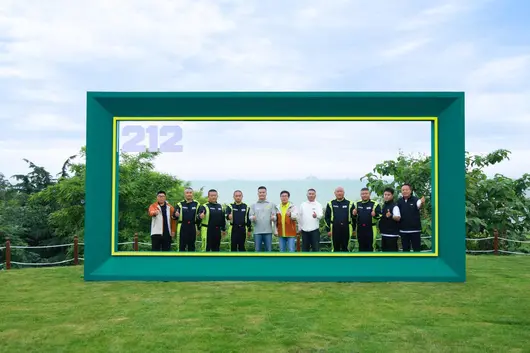
6月6日,212越野车环塔收官庆典在青岛举行。著名体育赛事主持人韩乔生、职业赛车手韩魏、212越野车厂商队车手、用户队车手以及技术后勤团队等环塔亲历者齐聚一堂,共同回顾了212越野车车队在本届环塔拉力赛中的极限征程。

在刚刚落幕的2026中国环塔国际拉力赛中,212越野车车队以接近原厂状态的量产车出战,在总里程7500公里的极限征程中,完成“2.0T对阵3.0T”的越级挑战,接连在SS10-SS13赛段斩获“两冠一亚”的佳绩,最终成为T2.1量产组厂商队唯一100%完赛的品牌,且荣获该组别厂商队亚军。
本次的参赛车辆T01无重度赛事改装,其搭载环塔同款动力总成——2.0T发动机与采埃孚8AT变速箱,经过赛事全程检验,低扭爆发强劲,在戈壁爬坡、满载拖拽时媲美大排量车型;配合博格华纳大分动器,高低速切换迅捷,在4L模式下可将扭矩放大2.64倍,实现扭矩按需分配,确保长途穿越动力输出稳定且不易故障。车身结构方面,T01采用非承载式车身搭配前后整体桥,在越野颠簸路面与炮弹坑中行驶车身不变形,重载翻越时抗扭性拉满;底盘基于环塔极限路况进行专项优化调教,原厂出厂即可从容适配各种复杂路况,且全车车身采用镀锌板,无惧戈壁碎石剐蹭,不易锈蚀。此外,T01还强化了乘员舱的顶部承载力,性能提升16%,配合笼式乘员舱设计、540°全景影像、行车记录仪以及紧急呼叫救援等功能,为乘员人身安全提供了全方位的守护。

为了让更多用户切身感受环塔赛事的魅力,212宣布环塔改装套件即将登陆官方商城。套件涵盖底盘护甲、防脱轮毂、越野轮胎及脱困救援装备等,旨在为用户的爱车赋予更强大的越野实力。从极限赛场的严苛验证,到用户生态的持续深耕,212正依托赛事、产品与用户的深度互动,帮助普通人实现越野梦。212越野车营销公司总经理何兆鹏表示:“212要把越野文化普及,让更多人心里那颗关于远方和梦想的种子,有机会生根发芽。”

关于未来的赛事计划,212也表示,达喀尔拉力赛、马来西亚沙巴国际雨林赛、阿拉善T3挑战赛及2027环塔拉力赛等一系列国内外顶级赛事均在规划之中,212将持续以赛促研。同时,212正式启动2027环塔用户车手招募计划,并将携手韩魏成立冠军越野培训学院,为用户提供系统化的赛前指导和参赛机遇。通过赛事打磨产品、依托培训赋能用户,212 正一步步落地全民越野的愿景,让每一台 212 都承载起属于用户的环塔梦。


The international energy situation continues to fluctuate, oil prices continue to rise, prompting Europeans to accept electric vehicles, and giving Chinese new energy vehicle brands new hope in Europe. According to foreign media reports, in April 2026, overall sales of Chinese automakers in the European market increased by 114% year-on-year, with SAIC Motor, BYD, and Chery emerging as the big winners.
While products are selling well, facing EU trade barriers and the global reality of excess capacity, Chinese top new and old automakers are also accelerating the layout of overseas production bases, landing localized production by acquiring and renovating idle capacity of traditional automakers in the US and Europe.
From export to sales to production, Chinese new energy vehicle brands going global are accelerating their advancement, expected to enter a new stage of reshaping the European automotive industry landscape.
SAIC Steady, Chery Aggressive, Chinese Cars Selling Big in Europe
On May 22, 2026, European automotive media cited the latest data from local market research firm Dataforce, stating April overall new car sales in Europe continued to recover, up 6.4% year-on-year, with the regional car market maintaining a steady recovery trend overall.
Due to the ongoing conflict in the Middle East, European oil prices have risen by about 20% since 2026, therefore, new energy models became the core driver pulling April growth in the European car market. Among them, pure electric vehicles performed the most prominently, with April sales increasing by 38% year-on-year, setting the highest single-month growth rate since 2026; Plug-in hybrid vehicle sales growth was 21%, and Hybrid vehicle sales growth also reached 15%.
European car users are accelerating their shift to new energy vehicles, which also created a perfect growth opportunity for Chinese car brands to accelerate expanding sales in the European market.

Data shows, in April 2026, overall sales of Chinese automakers in the European market doubled, surging 114% year-on-year. Among them, SAIC Motor sales in April were 30,074 vehicles, stably at the top of the Chinese automaker sales list, BYD single month sales were 28,186 vehicles ranking second, Chery April sales were 25,656 vehicles, ranking third. From a single-month performance perspective, the sales gap between the three Chinese automakers in the European market is also continuously narrowing.
In terms of sales growth rate, April European car market growth rate list was almost dominated by Chinese brands, Leapmotor growth rate was as high as 423%, Chery and BYD followed with year-on-year growth rates of 344% and 125% respectively, overall growth momentum was strong.
Among them, Chery became the Chinese automaker with the strongest growth explosiveness in the European market in April. Compared to April 2025, Chery sales increased by nearly 20,000 vehicles. Dataforce data shows, Chery brand April 2025 sales in Europe were only 4 vehicles, this April reached 5,446 vehicles; In addition, two sub-brands under Chery, Omoda and Jaecoo, both exerted force synchronously, all ranked in the forefront of European market sales growth, among them, Omoda growth ranked third in Europe, Jaecoo ranked sixth. Terminal market performance indicates Chery's layout in Europe has entered a stage of full-force exertion.
Because contrasting sharply with the high growth of Chinese brands is that some European local automakers and traditional car giants encountered sales decline in April. For example, Toyota dipped slightly 1% year-on-year, Renault declined 3%, Ford fell 11%, Hyundai decline reached 12%, Premium brand Porsche also surprisingly declined year-on-year to 17%, Mitsubishi decline was most prominent, reaching 51%.
European local giant Stellantis, which maintains close relations with Chinese automakers Leapmotor and Dongfeng, April sales achieved 4.3% year-on-year growth, but growth rate was lower than the overall European car market performance. Brand performance division within the group was significant, Leapmotor, Fiat, Opel/Vauxhall, Citroen maintained positive sales growth, while Peugeot and Alfa Romeo showed obvious sales decline.
If Chinese new energy vehicle new and old brands can continue this upward momentum, they will be expected to reshape the European market competition landscape.
Chinese Automakers on a Crazy Buying Spree, But Still Must Clear Union Hurdles
On one hand, multiple factors such as oil price hikes and new energy vehicle market transition overlap, leading to weak sales of traditional car giants in the European market. On the other hand, the manufacturing system left over from the fuel vehicle era is also gradually falling into the dilemma of idleness or excess capacity.
Consulting agencies predict, large numbers of low-utilization car factories in the US and Europe will face shutdown or transfer in the future, and the EU's measure of imposing additional import tariffs on Chinese electric vehicles, will further promote Chinese automakers to accelerate the layout of European localized production.
In this context, taking over and renovating traditional automaker factories has become a core method for many Chinese automakers laying out overseas localized production. This phenomenon has also attracted foreign media attention, recently a European automotive media reported that BYD is currently negotiating with Stellantis and other European automakers to take over idle factories in the region. In fact, BYD announced building a factory in Hungary as early as the end of 2023, becoming the first Chinese automaker to build a passenger car factory in the EU.
BYD Hungary factory planned annual capacity is 300,000 vehicles, in 2025 BYD sales in the European market exceeded 187,000 vehicles, year-on-year increase of over 260% compared to 2024. Predicting according to the growth rate, BYD relying solely on one Hungary factory will be difficult to satisfy car sales needs in Europe, therefore rumors about negotiating factory purchase with local car makers are reasonable.
Chinese automakers full of ambition for the European market are not just BYD. Just in one month of May 2026, news has spread about multiple Chinese automakers negotiating European capacity cooperation projects. For example, on May 20, Stellantis Group announced cooperation negotiation with Dongfeng Group, planning to rely on France Rennes factory to achieve local production of Dongfeng new energy models. In addition, Leapmotor also revealed that Leapmotor International established as a joint venture with Stellantis, is expected to acquire Stellantis factory located in Madrid, Spain, quickly build a European local production base.
There is also news that Geely is also actively accelerating the acquisition of Ford Spain Valencia factory partial assembly production line; Xpeng was also exposed to be negotiating with Volkswagen Group, seeking to acquire its European idle capacity. There is also Chery cooperating with Spain Ebro Group to activate former Nissan old factory, currently production has been resumed, Chery models are about to be imported and landed.
Taking over and renovating European automakers' idle capacity, the benefit is avoiding industry duplicate construction, increase local European employment opportunities, conforming to industrial policy orientation, also can save more time and improve efficiency compared to completely self-building factories.
However, what needs to be reminded to Chinese automakers is, buying spree does not mean permanent security, behind it also hides great risks.

Also recently, after news spread about Volkswagen Group and Xpeng negotiating idle capacity sales, Volkswagen Group union head (Daniela Cavallo) stood before tens of thousands of workers, heatedly criticized group management, and strongly opposed management negotiating with Chinese automakers etc. third parties to yield idle capacity.
Under this pressure, Volkswagen Group CEO (Oliver Blume) publicly stated, currently, Volkswagen has not had any negotiations with Chinese manufacturers regarding using European factory capacity, in the future there are absolutely no related cooperation plans.
Compared to emerging markets such as Southeast Asia, Middle East, Africa with high inclusivity to Chinese automakers, mature European car market regulations, unions, environmental protection, employment commitments etc. constraints conditions are more severe, Chinese automakers landing localization through the method of acquiring factories, besides renovating production lines, adapting supply chains, more need to adapt to local rules, adapt to local culture to survive better.
Of course, self-built factories can fully fit the automaker's own manufacturing standards, supply chain systems, and production concepts, autonomy control is stronger, but this also suits fund-adequate, layout pace controllable automakers to go for long-term layout. From this level, currently BYD's capacity layout in Europe fits long-term + short-term coordination better, globally, besides negotiating qualified old factories in major markets for renovation, BYD has landed at least 4 self-built complete vehicle factories in places like Thailand, Hungary, Turkey.
European new energy vehicle sales significantly increased, brought development opportunities to Chinese automakers eager to go global, however European complex emotions on Chinese automaker acquiring factories, again makes Chinese automakers' Europe road full of difficulties. Actually, this round of global automotive capacity restructuring led by Chinese automakers, reflects structural transfer of industry discourse power in the new energy vehicle era.
Fuel vehicle era, US/EU/Japan/Korea automakers dominated global car technical routes, capacity configuration and industry rules, under the wave of smart electrification, relying on complete new energy supply chain, mature three-electric and intelligent technology, efficient capacity system, Chinese automakers are upgrading from product export to full-scale overseas presence of capacity, technology, standards, expected to reshape the European and even global automotive industry landscape.
(Source: autonews.com, reuters.com, bloomberg.com)


[Maklumat Teknologi CNMO] 22 Mei, Kumpulan SAIC mengumumkan, pada penghujung bulan ini akan menyambut penghantaran kenderaan ke-100 juta di seluruh dunia, menjadi kumpulan automoter pertama dalam sejarah automoter China yang jumlah pengeluaran dan jualan terkumpul melebihi 100 juta kenderaan.

Kumpulan SAIC
Menurut Teknologi CNMO, tahun 1955, Syarikat Pembuatan Komponen Injin Shanghai ditubuhkan; tahun 1958, kenderaan sedan jenama Phoenix yang pertama berjaya dalam ujian prototaip; tahun 1983, memanfaatkan angin Reformasi dan Pembukaan, SAIC memimpin kerjasama persaraan industri, Santana buatan tempatan yang pertama dihimpun dengan berjaya; tahun 2015, SAIC secara awal membina kereta internet pertama di dunia. Dalam lebih 70 tahun, SAIC dan banyak syarikat automoter China bersama-sama menyaksikan dan memacu perjalanan agung industri automoter China dari tiada kepada ada, dari lemah kepada kuat, dari 'mengikut pembelajaran' kepada 'kepemimpinan inovasi'.

SAIC adalah syarikat automoter China yang paling awal keluar negara dan berskala terbesar. Tahun 2001, SAIC pertama kali mencapai eksport kenderaan penumpang, kini produk dan perkhidmatan telah tersebar ke lebih 170 negara dan wilayah di dunia, penghantaran terkumpul luar negara melebihi 7 juta kenderaan. Di luar negara, SAIC memiliki lebih 100 tapak pengeluaran komponen, lebih 3000 jaringan pengedar, telah membina 3 pusat penyelidikan dan inovasi utama seperti London, serta Thailand, Indonesia, India, Pakistan 4 pusat pengeluaran dan pembuatan, dan telah membentuk armada logistik kenderaan keseluruhan yang diusahakan sendiri, yang pertama di China dan dipimpin secara global.
Tahun 2025, SAIC memulangkan strategi luar negara 'Strategi Glocal' — strategi gabungan 'Global + Tempatan', berasaskan akumulasi teknologi rangkaian pintar elektrik yang mendalam, SAIC akan secara aktif membina model luar negara baharu yang merangkumi SUV, sedan, MPV, pikap, model yang dilengkapi dengan sistem hibrid HEV baharu akan merangkumi pasaran tumpuan utama global, teknologi membalik seperti bateri pepejal juga akan secara beransur-ansur mencapai pelaksanaan aplikasi,进一步 membina ekosistem jenama automoter global dan sistem tempatan.
Kumpulan SAIC menyatakan, 100 juta kenderaan, adalah landmark kemuliaan, malah titik mula baru demi kemajuan. Berdiri pada titik mula baharu ini, SAIC akan terus bersama pengguna global "Perjalanan Bersama", mula bersama bab seterusnya industri automoter China yang menarik.
© 2024 Bitauto.com. All Rights Reserved.
Bitauto (www.yiche.com and www.bitauto.com) is one of the most visited automotive websites in China. We provide detailed info on Chinese car brands available in your area. Please note that the information provided on this website is based on publicly available data and is for reference only. It may not be fully updated or accurate at all times.

Help us improve our website


