

Home電飯煲壓力

Search History
Popular Searches
Dealer Login / Sign Up

车型概览

Roewe Ei5 值不值得买,关键不是它看起来有多吸引,而是它能不能解决你的真实用车需求。这篇文章会把重点放在下订前最容易忽略的问题。
版本方面,Roewe Ei5 目前可围绕 2025 Standard 来比较。
购车价格指南
评估 Roewe Ei5 的购车预算时,建议先从版本定位和后续拥车成本下手。价格不是唯一重点,真正决定是否划算的是每天会不会用到那些配置。
如果你在几个版本之间犹豫,可以把 2025 Standard 放在同一张清单里比较。日常通勤买家优先看舒适与安全,常跑高速的买家则更应重视动力、辅助驾驶和座舱便利。
核心参数汇总
看 Roewe Ei5 的核心规格,最重要是把数字翻译成生活里的感受。
Roewe Ei5 的核心价值应回到日常场景判断:你要它负责通勤、家庭出行、长途,还是作为更有个性的选择。
优缺点分析
Roewe Ei5 的优点不必夸张,真正有价值的是它能不能让日常使用更省心:车型定位清楚,适合先作为同级比较对象。
需要留意的是,最终取舍会落在版本配置、保险和长期保养成本。这些不是扣分项,而是下订前应该先想清楚的生活细节。
购车常见问题解答
购买 Roewe Ei5 前,买家最常问的不是单一规格,而是它能不能融入自己的生活。
这辆车适合谁?适合把下订前最容易忽略的问题放在首位的买家。 家庭用户要看什么?优先看后排乘坐、儿童座椅、行李和日常上下车是否顺手。 每天开会不会麻烦?如果能源成本、停车便利和版本配置都符合你的生活节奏,它会比较容易相处。
竞品对比内容
把 Roewe Ei5 放进同级车名单时,不建议只看品牌或外形。真正有用的比较顺序是:先从版本定位、品牌售后和日常用途开始比较。
这样筛选出来的结果更贴近日常生活。你会更清楚它是适合城市通勤、家庭代步、长途巡航,还是更适合作为一辆讲求个性的选择。
用车全周期指南
拥有 Roewe Ei5 的重点,是确认保险、路税、保养和轮胎成本都在可接受范围内。买车不是一次付款结束,而是每天都要相处。
如果你常跑南北大道,动力和座舱舒适度会比单纯低价更重要;如果主要在市区,停车灵活性、视野和低速顺滑度会更影响心情。

车型概览

Nissan Almera 值不值得买,关键不是它看起来有多吸引,而是它能不能解决你的真实用车需求。这篇文章会把重点放在花出去的钱是否换来每天会用到的便利。 近期围绕这款车的讨论包括「2026 Nissan Versa Debuts in Mexico – To Be Sold in Malaysia as Almera?」,说明它在本地买家视野里仍有关注度。
价格落在 RM 83,888 - 95,888,买家可以先用它判断预算压力和同级定位。
购车价格指南
Nissan Almera 的购车预算可以先从 RM 83,888 - 95,888 开始衡量。这个数字真正影响的是月供、保险和现金流,而不只是展厅里的标价。
如果你在几个版本之间犹豫,可以把 2025 1.0T VLT(RM 95,888)、2025 1.0T VLP(RM 89,888)、2025 1.0T VL(RM 83,888) 放在同一张清单里比较。日常通勤买家优先看舒适与安全,常跑高速的买家则更应重视动力、辅助驾驶和座舱便利。
核心参数汇总
看 Nissan Almera 的核心规格,最重要是把数字翻译成生活里的感受。
涡轮增压、3缸的动力底子,适合拿来判断市区跟车和高速巡航是否轻松。 100 Ps、152 N·m的输出,真正意义在于满载、上坡和超车时不会太吃力。 5.4 L/100km的油耗,对每天通勤的人来说会直接影响加油频率。 车长 4495 mm、车宽 1740 mm、车高 1460 mm、轴距 2620 mm,可以帮助你预判停车难度和后排乘坐空间。
优缺点分析
Nissan Almera 的优点不必夸张,真正有价值的是它能不能让日常使用更省心:预算位置清楚,方便和同级车直接比较、日常能源成本有明确参考、动力输出能支撑高速和超车需求。
需要留意的是,市区停车和狭窄路段仍要看个人驾驶习惯。这些不是扣分项,而是下订前应该先想清楚的生活细节。
购车常见问题解答
购买 Nissan Almera 前,买家最常问的不是单一规格,而是它能不能融入自己的生活。
这辆车适合谁?适合把花出去的钱是否换来每天会用到的便利放在首位的买家。 家庭用户要看什么?优先看后排乘坐、儿童座椅、行李和日常上下车是否顺手。 每天开会不会麻烦?5.4 L/100km 的油耗参考让通勤成本更容易预估。
竞品对比内容
把 Nissan Almera 放进同级车名单时,不建议只看品牌或外形。真正有用的比较顺序是:先用 RM 83,888 - 95,888 锁定预算圈、再看动力是否足够应付高速和满载、接着比较能源成本和补能便利、最后看空间是否适合家人和行李。
这样筛选出来的结果更贴近日常生活。你会更清楚它是适合城市通勤、家庭代步、长途巡航,还是更适合作为一辆讲求个性的选择。
用车全周期指南

拥有 Nissan Almera 的日常成本,最直接会反映在燃油、保险、轮胎和定期保养上。5.4 L/100km 的油耗让通勤预算更容易掌握。
如果你常跑南北大道,动力和座舱舒适度会比单纯低价更重要;如果主要在市区,停车灵活性、视野和低速顺滑度会更影响心情。


车型概览

Mazda CX-8 值不值得买,关键不是它看起来有多吸引,而是它能不能解决你的真实用车需求。这篇文章会把重点放在高速巡航、并线和超车信心。
价格落在 RM 165,360 - 201,360,买家可以先用它判断预算压力和同级定位。
购车价格指南
Mazda CX-8 的购车预算可以先从 RM 165,360 - 201,360 开始衡量。这个数字真正影响的是月供、保险和现金流,而不只是展厅里的标价。
如果你在几个版本之间犹豫,可以把 2025 2.5T 4WD High Plus Petrol(RM 201,360)、2025 2.2L 2WD High Plus Diesel(RM 193,123)、2025 2.5L 2WD High Plus Petrol(RM 186,360)、2025 2.5L 2WD High Petrol(RM 171,360) 放在同一张清单里比较。日常通勤买家优先看舒适与安全,常跑高速的买家则更应重视动力、辅助驾驶和座舱便利。
核心参数汇总
看 Mazda CX-8 的核心规格,最重要是把数字翻译成生活里的感受。
涡轮增压、4缸的动力底子,适合拿来判断市区跟车和高速巡航是否轻松。 170 kW、420 N·m的输出,真正意义在于满载、上坡和超车时不会太吃力。 车长 4900 mm、车宽 1840 mm、车高 1730 mm、轴距 2930 mm,可以帮助你预判停车难度和后排乘坐空间。 自动变速箱 变速箱、前轮驱动布局 的设定,会影响起步顺滑度、湿地稳定感和长途巡航感。
优缺点分析
Mazda CX-8 的优点不必夸张,真正有价值的是它能不能让日常使用更省心:预算位置清楚,方便和同级车直接比较、动力输出能支撑高速和超车需求、空间和车身尺寸便于家庭买家预判实用性。
需要留意的是,市区停车和狭窄路段仍要看个人驾驶习惯。这些不是扣分项,而是下订前应该先想清楚的生活细节。
购车常见问题解答
购买 Mazda CX-8 前,买家最常问的不是单一规格,而是它能不能融入自己的生活。
这辆车适合谁?适合把高速巡航、并线和超车信心放在首位的买家。 家庭用户要看什么?优先看后排乘坐、儿童座椅、行李和日常上下车是否顺手。 每天开会不会麻烦?如果能源成本、停车便利和版本配置都符合你的生活节奏,它会比较容易相处。
竞品对比内容
把 Mazda CX-8 放进同级车名单时,不建议只看品牌或外形。真正有用的比较顺序是:先用 RM 165,360 - 201,360 锁定预算圈、再看动力是否足够应付高速和满载、最后看空间是否适合家人和行李。
这样筛选出来的结果更贴近日常生活。你会更清楚它是适合城市通勤、家庭代步、长途巡航,还是更适合作为一辆讲求个性的选择。
用车全周期指南

拥有 Mazda CX-8 的重点,是确认保险、路税、保养和轮胎成本都在可接受范围内。买车不是一次付款结束,而是每天都要相处。
如果你常跑南北大道,动力和座舱舒适度会比单纯低价更重要;如果主要在市区,停车灵活性、视野和低速顺滑度会更影响心情。


车型概览

Jetour VT9 值不值得买,关键不是它看起来有多吸引,而是它能不能解决你的真实用车需求。这篇文章会把重点放在整体购车判断。 近期围绕这款车的讨论包括「KLIMS 2026: Jetour VT9 Gives the Brand a Practical Seven-Seat SUV Base」,说明它在本地买家视野里仍有关注度。
价格落在 RM 119,150 - 124,150,买家可以先用它判断预算压力和同级定位。
购车价格指南
Jetour VT9 的购车预算可以先从 RM 119,150 - 124,150 开始衡量。这个数字真正影响的是月供、保险和现金流,而不只是展厅里的标价。
如果你在几个版本之间犹豫,可以把 2025 1.5T Prime(RM 124,150)、2025 1.5T Comfort(RM 119,150) 放在同一张清单里比较。日常通勤买家优先看舒适与安全,常跑高速的买家则更应重视动力、辅助驾驶和座舱便利。
核心参数汇总
看 Jetour VT9 的核心规格,最重要是把数字翻译成生活里的感受。
涡轮增压、4缸的动力底子,适合拿来判断市区跟车和高速巡航是否轻松。 156 Ps、230 N·m的输出,真正意义在于满载、上坡和超车时不会太吃力。 车长 4724 mm、车宽 1900 mm、车高 1720 mm、轴距 2720 mm,可以帮助你预判停车难度和后排乘坐空间。 DCT 双离合 变速箱、前轮驱动布局 的设定,会影响起步顺滑度、湿地稳定感和长途巡航感。
优缺点分析
Jetour VT9 的优点不必夸张,真正有价值的是它能不能让日常使用更省心:预算位置清楚,方便和同级车直接比较、动力输出能支撑高速和超车需求、空间和车身尺寸便于家庭买家预判实用性。
需要留意的是,市区停车和狭窄路段仍要看个人驾驶习惯。这些不是扣分项,而是下订前应该先想清楚的生活细节。
购车常见问题解答
购买 Jetour VT9 前,买家最常问的不是单一规格,而是它能不能融入自己的生活。
这辆车适合谁?适合把整体购车判断放在首位的买家。 家庭用户要看什么?优先看后排乘坐、儿童座椅、行李和日常上下车是否顺手。 每天开会不会麻烦?如果能源成本、停车便利和版本配置都符合你的生活节奏,它会比较容易相处。
竞品对比内容
把 Jetour VT9 放进同级车名单时,不建议只看品牌或外形。真正有用的比较顺序是:先用 RM 119,150 - 124,150 锁定预算圈、再看动力是否足够应付高速和满载、最后看空间是否适合家人和行李。
这样筛选出来的结果更贴近日常生活。你会更清楚它是适合城市通勤、家庭代步、长途巡航,还是更适合作为一辆讲求个性的选择。
用车全周期指南

拥有 Jetour VT9 的重点,是确认保险、路税、保养和轮胎成本都在可接受范围内。买车不是一次付款结束,而是每天都要相处。
如果你常跑南北大道,动力和座舱舒适度会比单纯低价更重要;如果主要在市区,停车灵活性、视野和低速顺滑度会更影响心情。


车型概览

Forthing Friday EV 值不值得买,关键不是它看起来有多吸引,而是它能不能解决你的真实用车需求。这篇文章会把重点放在市区驾驶、停车和日常灵活性。 近期围绕这款车的讨论包括「Forthing Friday REEV Set to Enter Malaysia, Estimated Price RM130,000」,说明它在本地买家视野里仍有关注度。
版本方面,Forthing Friday EV 目前可围绕 2025 RHD 440km Exclusive、2025 RHD 440km Luxury、2025 371km Standard 来比较。
购车价格指南
评估 Forthing Friday EV 的购车预算时,建议先从版本定位和后续拥车成本下手。价格不是唯一重点,真正决定是否划算的是每天会不会用到那些配置。
如果你在几个版本之间犹豫,可以把 2025 RHD 440km Exclusive、2025 RHD 440km Luxury、2025 371km Standard 放在同一张清单里比较。日常通勤买家优先看舒适与安全,常跑高速的买家则更应重视动力、辅助驾驶和座舱便利。
核心参数汇总
看 Forthing Friday EV 的核心规格,最重要是把数字翻译成生活里的感受。
64.4 kWh的电池容量,重点是能不能支撑一周通勤和周末出门。 15.5 kWh/100km的耗电表现,会影响你多久需要补一次电。 150 kW、340 N·m的输出,让高速并线和短距离超车更有底气。 车长 4600 mm、车宽 1860 mm、车高 1680 mm、轴距 2715 mm,可以帮助你预判停车难度和后排乘坐空间。
优缺点分析
Forthing Friday EV 的优点不必夸张,真正有价值的是它能不能让日常使用更省心:日常能源成本有明确参考、动力输出能支撑高速和超车需求、空间和车身尺寸便于家庭买家预判实用性。
需要留意的是,需要先确认家里、公司或常去商场的充电条件、市区停车和狭窄路段仍要看个人驾驶习惯。这些不是扣分项,而是下订前应该先想清楚的生活细节。
购车常见问题解答
购买 Forthing Friday EV 前,买家最常问的不是单一规格,而是它能不能融入自己的生活。
这辆车适合谁?适合把市区驾驶、停车和日常灵活性放在首位的买家。 家庭用户要看什么?优先看后排乘坐、儿童座椅、行李和日常上下车是否顺手。 每天开会不会麻烦?只要充电条件稳定,电动车的通勤体验通常更安静,也更容易控制日常能源成本。
竞品对比内容
把 Forthing Friday EV 放进同级车名单时,不建议只看品牌或外形。真正有用的比较顺序是:再看动力是否足够应付高速和满载、接着比较能源成本和补能便利、最后看空间是否适合家人和行李。
这样筛选出来的结果更贴近日常生活。你会更清楚它是适合城市通勤、家庭代步、长途巡航,还是更适合作为一辆讲求个性的选择。
用车全周期指南
拥有 Forthing Friday EV 的关键,是先把充电安排想清楚。家充、公司充电或商场快充只要其中一项稳定,日常体验就会轻松很多。
如果你常跑南北大道,动力和座舱舒适度会比单纯低价更重要;如果主要在市区,停车灵活性、视野和低速顺滑度会更影响心情。



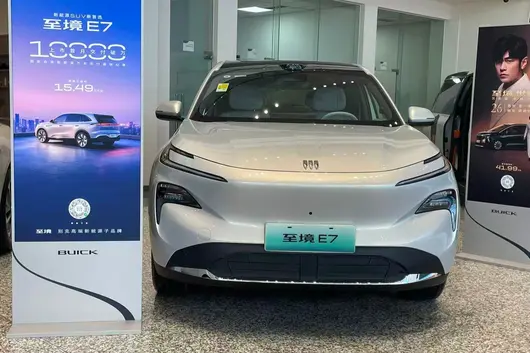
日前,“上汽集團全球首一億位用戶交車儀式”喺上海舉行。由此,上汽都係成爲首个累計產銷量突破一億輛嘅中國汽車集團,並站喺其它國內同行未能企及嘅一個高度。

秉持“識車更識你”呢個用戶理念,令上汽集團喺傳統燃油車時代同新能源智能化時代始終都保持緊穩健步伐。進入“新能源下半場”後,上汽仲將硬核技術同產品優勢發揮到極致——關於這一點,透過上市首月交付量即突破一萬輛嘅別克至境 E7 就可以得到驗證。
內外設計:摒棄傳統厚重感
整體嚟講,別克至境 E7 堪稱係一款最接近主流自主新能源車嘅合資產品。佢嘅外觀看上嚟時尚大氣,封閉式前臉配合分體式流水大燈帶嚟滿滿科技感,兼具當下主流新能源汽車嘅時尚元素同運動氣息。

再睇內飾,呢部車集合咗當下主流新能源車特有嘅簡潔、大氣嘅設計內涵同高級感,尤其係 15.6 吋萊茵護眼中控屏+8.8 吋液晶儀表 + 後排 15.6 吋吸頂影院屏之多屏組合,更加令科技感扑面而来。

至於車身尺寸方面,呢部車嘅長寬高分別為 4850/1910/1676mm,軸距則為 2850mm,大五座佈局能好好滿足家用車嘅舒適性需求。

另外,全車均標準配備雲感懸浮層座椅,副駕更加採用咗伊姆斯零重力躺椅,進一步提升咗駕駛同乘嘅舒適性——單單呢一點,就能夠充分感受到廠方嘅誠意。可以話,至境 E7 喺打造極致舒適體驗方面比好多其他品牌更加用心。

動力同操控:解決用户需求痛點
再睇動力,呢部車全系搭載真龍插混 Pro 系統,並提供 1.5L/1.5T 兩種版本可選。當中,前一個嘅純電續航里程為 235km,綜合續航里程達 1630km;後一個嘅純電續航里程為 230km,綜合續航里程達 1600km。喺快充技術加持下,呢部車 30%-80% 補能淨係需要 15 分鐘,仲支持 6kW 外放電,可以好好滿足消費者喺戶外露營嘅時候嘅用電需求。

至於底盤方面,呢部車仲搭載咗預瞄式 RTD 連續阻尼可變懸掛,可以精準適應唔同路況,對顛簸嘅過濾效果足夠出色;同時,專屬防暈底盤同 eBoost 舒適制動系統亦可大幅降低容易暈車人士嘅出行唔適感,進一步提升駕駛乘體驗。

喺輔助駕駛方面,至境 E7 高配車型搭載咗 Momenta R6 高級智駕系統,仲全車配備咗包括激光雷達在內嘅 27 個感知硬件。基於強化學習大模型,呢部車可實現高速 NOA、無斷點城市 NOA、全場景自動泊車、主動避險等好多功能——豐富嘅智能化配備,將為中國消費者帶嚟更安全、安心嘅智能出行體驗。

《車壹圈》觀點:堅持同創新,唔單止係上汽集團成爲“首個累計產銷量突破一億輛嘅中國汽車集團”嘅底气所在,亦會為企業持續發展贏得領先機遇。

從開啓合資合作,到創造“上海速度”,再到推出全球首款互聯網汽車,同埋全面向新能源智能化轉型、推出高端智能電動品牌等等——可以話,上汽集團嘅每一次選擇都非常堅決,時機亦恰到好處。
透過別克至境 E7,我哋能明顯感受到廠方喺打造合資新能源產品嘅過程入面對“本土化”嘅落實到位,呢個唔單止為呢部車“上市即熱銷”創造咗有利條件,亦深刻體現出上汽集團對中國消費者嘅尊重,同對市場嘅重視。
而家,上汽集團旗下品牌同車型可謂“兵強馬壯”,仲喺海外擁有超 100 個零部件生產基地、超 3000 間經銷商網絡門店,仲建成咗倫敦等 3 大研發創新中心同泰國、印尼、印度、巴基斯坦合共 4 個生產製造中心。深耕海外市場多年,上汽集團始終都係以“全球化企業”為目標,不斷創造緊驕人業績。

另外,上汽集團喺營銷推廣層面都非常“接地氣”,並將“識車更識你”理念深入貫徹,既能夠吸引羅振宇成為華境 S 第 001 號體驗官,又能得到前國腳楊晨對 ID. ERA 9X 嘅青睞。呢次活動入面,上汽通用汽車副總經理薛海濤仲親手將一輛別克至境 E7 交付咗俾公益理髮師劉佳。

據介紹,呢位公益博主已經連續五年為廣西山區留守兒童理髮、送陪伴。再睇別克至境 E7,除咗以“兒童成長需求”為產品研發原點打造小朋友嘅滿分座艙,仲以實際行動對劉佳守護更多大山小朋友嘅成長表達咗支持——一個個深情嘅故事,喺見證緊上汽集團責任同擔當嘅同時,都係對“識車更識你”最生動嘅詮釋。

從第一位用戶,到第一億位用戶,上汽集團用咗 70 幾年。展望緊未來,喺創新同挑戰嘅路上,上汽集團會繼續同全球用戶一齊創造“美好出行新時代”。

Influenced by disturbances in the Middle East situation and a sharp rise in international fuel prices, the Australian automotive market is undergoing profound structural changes. Local residents' vehicle usage costs and living costs continue to rise, driving consumer demand to accelerate towards high cost-performance electric models.
Against this backdrop, Chinese automakers quickly seize the market with mature new energy technologies and affordable pricing, achieving significant sales growth and continuously squeezing the survival space of Japanese automakers. This year, Australia's vehicle imports from China exceeded imports from Japan for the first time, marking a fundamental shift in the Australian car market landscape that has persisted for many years.
Chinese Automakers Break Through Strongly, Traditional Japanese Advantages Continue to Loosen
The Australian car market has long been dominated by Japanese brands like Toyota, but market influence has accelerated in changing since the beginning of this year. Data from automotive research institution Cox Automotive shows that from January to April this year, BYD became the automaker with the largest sales growth in Australia, selling 13,269 more new cars year-on-year. Chery, Geely, Great Wall, and Jaecoo followed closely, jointly joining the top five spots for sales growth in Australia.

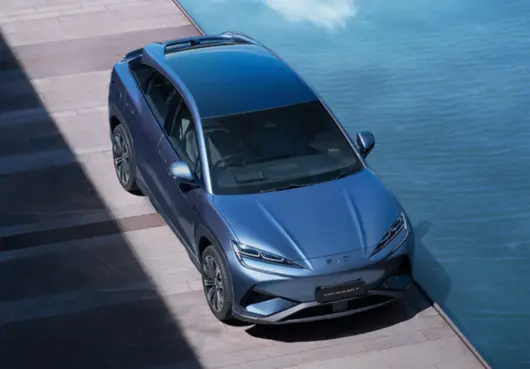
Sealion 7; Image Source: BYD
In stark contrast, Toyota, the market leader in Australia, saw a significant drop in sales, decreasing by 17,502 year-on-year, the largest decline in the industry. Japanese brands such as Mitsubishi, Nissan, and Mazda, as well as American Ford, all experienced varying degrees of sales contraction.
In recent years, the layout pace of Chinese automakers in Australia has continued to accelerate, with market penetration achieving leapfrog growth. From 2022 to date, the number of Chinese models on sale in Australia has grown more than five times, reaching 70 models, with a total of 11 Chinese automakers and 22 brands taking root in the local market.
From January to April this year, the overall sales share of Chinese brands in Australia rose to 25%, a significant leap from less than 15% in the same period last year. In contrast, Japanese automakers, despite occupying 40% of the Australian market share in the first four months of this year, having deep roots, and Toyota remaining the highest-selling automotive brand in Australia, growth has basically stalled under the continuous impact of Chinese cars, and market share is being gradually eroded.

Image Source: Toyota
The trend of changing the global automotive industry landscape is becoming increasingly obvious: this year, the total volume of cars imported by Australia from China exceeded the number imported from Japan for the first time, which includes both domestic Chinese brand models and foreign brand models produced in factories in China.
In the first four months of this year, Australia imported 107,196 vehicles from China, up 60% year-on-year; imported 94,500 vehicles from Japan, down 23% year-on-year; China surpassed Japan for the first time to become Australia's largest automotive import source country; meanwhile, Australia imported 72,689, 47,492, and 17,569 vehicles from Thailand, South Korea, and Germany respectively, all lower than the import scale from China, and the market competitiveness of Chinese cars significantly improved.
Cox Automotive analyst Mike Costello analyzes that Australia's new car annual sales are stable at around 1.2 million units, the market volume is solid, and with more Chinese automakers continuing to enter the field, the market share of traditional automakers will be further squeezed. "Chinese rise, Japanese decline" has become one of the core trends of the Australian car market.
Mike Costello said: "Simply put, the current market pattern shows the characteristics of rising market share for Chinese automakers and declining market share for Japanese automakers. Japanese brands still have substantial overall depth, but the overall growth rate of the Australian car market is only a few percentage points."
Oil Prices and Cost-Performance Resonate, Chinese Enterprises Lead the Australian New Energy Track
In this round of market changes, new energy vehicles have become the core force leveraging the change in the pattern. Previously, Australia's electrification progress lagged behind the global mainstream market for a long time, with consumers preferring traditional fuel vehicles. However, the skyrocketing oil prices triggered by the Middle East situation, combined with government car purchase subsidy policies, significantly activated local new energy consumption potential, and the electric vehicle market welcomed explosive growth.
In March this year, sales of electric vehicles in Australia accounted for nearly 20% of total passenger car and SUV sales, and market penetration speed significantly accelerated. Industry predictions suggest that sales of electric vehicles in Australia in 2026 are expected to reach 150,000 units, achieving an increase of about 50% compared to last year.
Relying on dual advantages of technology and price, Chinese automakers have already occupied a dominant position in the Australian new energy track. Data shows that Chinese automakers hold a 54% share of the Australian pure electric vehicle market, and the share in the plug-in hybrid market is as high as 76%.
In terms of specific sales dimensions, Tesla Model Y slightly leads the pure electric vehicle sales list, with BYD Sealion 07 (Sealion 7) following closely; in the overall electric vehicle sales list, BYD leads by a wide margin with cumulative sales of 14,406 units, leading the second-place Tesla's 8,485 units.

Image Source: Tesla
The new energy trend has covered the entire market of new and used cars. According to data from the Australian Automobile Dealers Association, the transaction volume of local used electric vehicles doubled in March compared to February, and market consumption heat continued to heat up.
James Voortman, CEO of the Australian Automobile Dealers Association, stated that rising oil prices, policy subsidy support, combined with the entry of a large number of high cost-performance Chinese electric vehicles, multiple factors jointly accelerated the popularization process of local pure electric and hybrid models.
James Voortman said: "Many people ignore one point: electric vehicles pouring into the Australian market have seen a significant price drop, and one core reason is the entry of a large number of high cost-performance Chinese models. Lowering the threshold for car purchase, no need to bear high fuel costs daily, and combined with policy subsidies, for consumers planning to buy new or used cars, electric models already possess extremely strong purchase attraction."
Compared to the high usage costs of traditional fuel vehicles, Chinese hybrid and pure electric models balance the core advantages of low purchase price and low-cost maintenance, precisely matching the current Australian public's need to reduce living expenses.
Mike Costello stated: "Currently, there is increased pressure on people's living costs, and more and more people tend to choose electric vehicles, and Chinese automaker products just fit these two major market demands. Chinese vehicle pricing is generally more advantageous, hybrid and pure electric vehicle technologies are mature, and product strength is outstanding."
From a market logic perspective, the fuel-saving and durability advantages of Japanese fuel vehicles are gradually being offset by the comprehensive cost-performance of electric vehicles in the era of high oil prices, which is also one of the core underlying logics of the continued weakness of Japanese brands and the rapid rise of Chinese automakers. As the electrification wave continues to deepen, the market position of Chinese brands in the Australian market is expected to be further consolidated.
© 2024 Bitauto.com. All Rights Reserved.
Bitauto (www.yiche.com and www.bitauto.com) is one of the most visited automotive websites in China. We provide detailed info on Chinese car brands available in your area. Please note that the information provided on this website is based on publicly available data and is for reference only. It may not be fully updated or accurate at all times.

Help us improve our website


