

HomeAnniversary

Search History
Popular Searches
Dealer Login / Sign Up


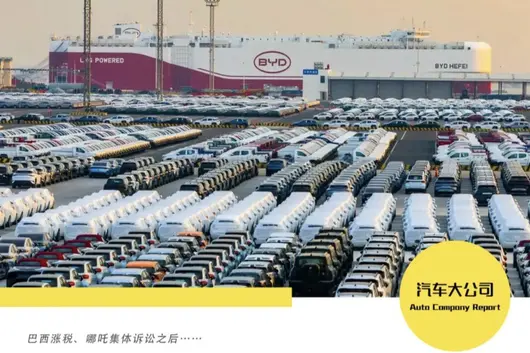
July of this year, the Brazilian government raised import tax rates for complete vehicles and SKD to 35%, and CKD tax rates will also rise to 35% in 2027. From 10 years ago, when the import tax was reduced to 0% to cultivate the new energy vehicle market, to now restoring tax rates stepwise, Brazil's guidance policy for new energy vehicles has shifted from "cultivating the consumer market" to "attracting local production".

At the same time, Chinese car exports exceeded 6.39 million units from January to July of this year. New energy vehicle exports in July grew 1.5 times year-on-year, accounting for over half for the first time. When Chinese automobiles are rushing overseas at an unprecedented speed, host countries are no longer concerned only about import quantities, but what value Chinese cars can bring to local industries and societies.

At the Global New Energy Vehicle Cooperation Development Forum (GNEV2026), Former Vice Minister of the Ministry of Commerce Jiang Yaoping pointed out that Chinese car overseas expansion has shifted from traditional product exports to being dominated by new energy and intelligent models, and has begun to enter emerging markets and traditional automotive powerhouses.
When we no longer question whether Chinese automobiles possess sufficient competitiveness in the domestic market, the problems faced by Chinese car overseas expansion are also undergoing fundamental changes: from just answering whether products can go out and sell well to now thinking about how to integrate into local social and economic operating systems, and truly keep technology, supply chains, manufacturing, and services locally.
01
The Focus of Going Global Has Truly Changed
Chief Expert at Auto Century International Zhang Yongwei summarized overseas markets' reactions to Chinese car overseas expansion into three categories: one category delays Chinese enterprise entry through restrictive measures; one category sees Chinese automotive rise as an opportunity to undertake capacity and attract factory building; and another category wants cooperation but fears being surpassed, having practical needs but also risk concerns.

Brazil is exactly a microcosm of this complex mindset.
On one hand, President Lula personally attended the Great Wall Motor factory production ceremony; on the other hand, the Brazilian National Association of Automobile Manufacturers (Anfavea) publicly opposed extending the KD tax exemption policy. Its Chairman Igor Calvet believes that if staying at the level of imports and simple assembly, it is difficult for other local manufacturers to participate in competition at the same cost.

As more and more destination countries for going global begin to require that Chinese automakers' market share grow synchronously with local value, for the Chinese automotive industry, how to reduce such concerns and achieve benefit sharing has become more important than sales figures themselves.
Voice from the government level first set the tone. Liu Jiafeng, Member of the Party Group of Shanghai Jiading District People's Government and Deputy District Mayor, proposed the development concept of "In China, For the Global", emphasizing that Chinese automotive globalization is not an outward expansion of a closed system, but should be based on two-way opening and industrial synergy.

Jiang Yaoping summarized the new cooperation path as "Co-construction, Mutual Recognition, Mutual Gain": Chinese automakers must move from product overseas expansion to ecological co-construction, from adapting to rules to mutual recognition of standards, and from one-way output to two-way empowerment. He believes that the competitiveness of Chinese automobiles comes from mass manufacturing, a complete supply chain, and rapid iteration, and cannot be simply equated to overcapacity; but enterprises must also shift from "selling products" to "building brands, optimizing services, building ecosystems" to turn advantages into capabilities long-term accepted by overseas markets.
This also aligns with "Chinese Opportunities for Global Automobiles 2.0" mentioned by Zhang Yongwei.
In Phase 1.0, China opened its market and introduced multinational automakers, becoming a global automobile manufacturing base; in Phase 2.0, China must continue to attract global resources, while also taking the already formed new energy and intelligent supply chains, rapid product development, and manufacturing capabilities overseas, shifting from passively integrating into the world to actively participating in global resource allocation. And China's technical and industrial "resource pools" accumulated in the field of new energy and intelligence are exactly the basis for Chinese automakers to carry out global collaboration.

Some Chinese automakers have already tried utilizing existing local capacity. BYD Brazil Camaçari factory park assets came from Ford's exit; Great Wall took over General Motors and Daimler factories in Rayong, Thailand and Iraçema, Brazil respectively; Chery has also just completed the acquisition of Nissan's South Africa production base.
This is also what Zhang Yongwei mentioned: Chinese automakers' overseas expansion can utilize existing and idle overseas capacity, drive Chinese parts companies to go out together, and can also leverage the existing global network of multinational suppliers to help local factories and suppliers complete electrification and intelligence upgrades.
02
What is True "Localization"?
Chery, which has long ranked first in Chinese car exports, Vice President Wang Lang explained localization as moving from product overseas expansion to local symbiosis: "Not only go out, but also go in, go up, and take root." This means entering local users, channels, and industrial ecosystems to form stable organizations, services, supply chains, and governance systems.

In Wang Lang's view, true globalization does not lie in how many countries are entered, but whether it can continuously improve user value, deepen industrial integration, and establish business models that can be operated long-term.
To achieve this goal, it requires improving global resource allocation capabilities, not simply increasing parts localization rates, or completely copying domestic factories, organizations, and industrial chains overseas.

Specifically, capabilities directly affecting product compliance, delivery, and user experience should be built locally according to market conditions; warehousing, logistics, spare parts, certification, and talent training can be shared within the region; core platforms, brand standards, capital discipline, and major risk boundaries require global coordination.

Changan Automobile Vice President Di Zhirui pointed out taking Changan Automobile's Rayong base in Thailand as an example that producing locally is not just to reduce tariffs, the greater significance is to create jobs, guarantee after-sales, and let the local supply chain gain value, achieving sustainable development.
To this end, Changan built local teams synchronously from the beginning of planning, gradually increased parts localization rates, cultivated supporting clusters within 300 kilometers around, and ensured every sales terminal had service capability support.

Great Wall Motor Technology Center Deputy General Manager Zhu Yongqing showed global synergy at the product technology level. The logic of developing suitable models for the local market is not hard to understand, but how to achieve the optimal balance between product competitiveness and commercial interest is a complex topic.
Great Wall Motor's answer is to layout R&D bases globally and invest in testing and experimental facilities. On the basis of global environmental actual testing, creating a "Guiyuan" platform with multiple powertrains for one vehicle. Reducing costs with 80% parts commonality, and achieving rapid derivation to adapt products to different markets. For example in Brazil, Great Wall took the lead in putting into production the H6 PHEV version supporting flexible fuel Flexfuel, while also ensuring monthly sales reached 5,671 units, taking the top spot in sales.
03
From a Single Vehicle to an Entire Industrial Ecosystem
But local production and system integration are still not the end point, automakers also need to answer how to operate vehicles and users for the long term.
NETA was once the best-selling Chinese brand in Thailand and also achieved local production. But after parent company Hozon New Energy entered bankruptcy proceedings, production and sales in Thailand stalled, exposing problems such as parts shortages, service center closures, and warranty fulfillment issues. In May 2026, the Thai court accepted a class-action lawsuit covering more than 20,000 NETA car owners.

Zhang Yongwei mentioned in the speech "100-1=0": if one automaker has problems in the overseas market, the consequences may be borne by the entire Chinese automotive industry. SANY Heavy Truck Chairman Liang Linhe also pointed out that some enterprises in the early stage of new energy heavy truck overseas expansion already had problems such as low-price competition, insufficient product adaptability, commitments detached from reality, and absence of after-sales service, ultimately turning short-term sales into long-term costs for the entire Chinese brand.
The commercial vehicle market better proves the importance of lifecycle operations.
Di Shang Tie Chief Marketing Officer Kang Pinglu said: "Commercial vehicles are essentially not just a sales market, but an operations market." Overseas customers widely adopt long-term leasing plus service models, financial institutions and operators need to manage vehicle risks for 7 to 10 years. Therefore, automakers not only need to sell new cars, but also cover recharging, maintenance, asset management, used car residual value, and recycling, achieving "run frequently, manage well, exit smoothly".

This ecosystem construction cannot be accomplished by a single enterprise, but is collaboration of the entire industry. As Zhang Yongwei said, synergistic global expansion should become a hard constraint for the industry, enterprises must avoid clustering construction, low-price competition, and value internal friction, and also jointly bear the global responsibility of Chinese automobile brands.
In this process, supply chain enterprises also play an important role.

Practices of Desay SV, ADI, and Sunwoda together point to one path: automakers can drive Chinese supply chains to go out together, cooperate with Chinese Tier 1 suppliers that already possess global manufacturing and service capabilities, and also leverage the existing networks of multinational suppliers. Choose cooperation methods based on local needs, rather than repeating construction of a closed system in every market.
Among them, global partners can provide local regulatory experience, on-site engineering support, and cross-regional unified standards; battery enterprises must also use tools such as Battery Passports to meet lifecycle requirements such as carbon footprint, data security, supply chain due diligence, and recycling.
04
Big Company Perspective
The process of changes in Brazil's import tax rates reminds Chinese automakers: when product competitiveness translates into considerable market share, host countries will inevitably propose new interest demands such as local manufacturing, services, compliance, and social responsibility. Similar changes will appear in more markets in the future.
Therefore, measuring Chinese automotive global expansion cannot just look at sales volume, but more importantly look at localization rates, user satisfaction, compliance capabilities, and social responsibility contributions.
The next stage of Chinese automotive globalization is not just about letting more cars drive out of China, but letting technology, manufacturing, and service capabilities truly enter locally, to continuously create value for users, industries, and society.

喺馬來西亞嘅 SUV 市場,好多人買家揀車嗰陣都會將 本田 WR-V 同 馬自達 CX-5 做比較。呢兩款車喺價錢同定位上都好接近,今日我哋就從多個方面做一個詳細嘅對比,幫你省返做功課嘅時間。
本田 WR-V 喺馬來西亞嘅 OTR 售價係 RM 89,900 - 107,900,總共有 4 個版本,包括 2023 1.5L V(RM 99,900)、2023 1.5L E(RM 95,900)、2023 1.5L S(RM 89,900) 等。
馬自達 CX-5 喺馬來西亞嘅 OTR 售價係 RM 135,469 - 166,760,總共有 3 個版本,包括 2025 2.0L AT 35th Anniversary(RM 316,154)、2025 2.0L AT(RM 296,154)、2025 2.0L MT(RM 294,154) 等。
從價錢睇,本田 WR-V 嘅起步價真係比 馬自達 CX-5 平咗 RM 45,569。如果你預算有限,本田嘅入門版已經可以滿足日常需求。但都要留意,平嗰幾千蚊,喺配備上會有取捨,具體就要睇你嘅需求。

本田 WR-V 嘅安全评分係 5★ (ASEAN NCAP),主動安全系統包括 本田 SENSING。
馬自達 CX-5 嘅安全评分係 5★ (ASEAN NCAP),主動安全系統包括。
兩款車嘅安全评分一樣,喺呢個級別入面安全配備都算畀好齊全。而家嘅新車安全性都唔錯,唔使太擔心呢點。

本田 WR-V 採用 FWD 驅動方式。
馬自達 CX-5 採用 FWD 驅動方式。
兩款車嘅驅動方式一樣,都係 FWD,日常駕駛感受唔會有太大區別。

本田 WR-V 保養保證 5 年/無限制里程,保養間隔 每 10,000km 或 6 個月。
馬自達 CX-5 保養保證 5 年/150,000km,保養間隔 每 10,000km 或 6 個月。

本田 WR-V 同 馬自達 CX-5 都係馬來西亞市場嘅主流選擇,適合家庭使用、日常通勤。如果你更加重視品牌口碑同二手價,可以優先考慮口碑更好嗰一款;如果你更加在意性價比同配備,那就揀配備更豐富嗰款。最終仲係建議兩款都去試駕,親身體驗先係最重要。

總體嚟講,本田 WR-V 同 馬自達 CX-5 都係馬來西亞市場好好嘅車型。揀邊一輛,關鍵仲係要睇你嘅個人需求同預算。建議大家做足功課,多比較幾間車行嘅報價,再試駕做最終決定。買車係件大事,花少少時間做功課絕對唔錯。


In Malaysia's SUV market, many buyers compare Proton X70 and Chery Tiggo 7 PHEV when choosing a car. These two models are quite close in price and positioning. Today we will make a detailed comparison from multiple aspects to help you save time on research.
Proton X70 OTR price in Malaysia is RM 106,800 - 122,300, with a total of 3 versions, including 1.5L Standard 2WD (RM 106,800), 1.5L Executive 2WD (RM 115,800), 1.5L Premium 2WD (RM 122,300), etc.
Chery Tiggo 7 PHEV OTR price in Malaysia is RM 129,750 - 129,750, with a total of 2 versions, including 2025 1.5T 90km CSH (RM 129,750), What charging methods does the Tiggo 7 PHEV support? Can it be charged using a home power socket? (RM 117,478), etc.
In terms of price, Proton X70's starting price is indeed RM 22,950 cheaper than Chery Tiggo 7 PHEV. If your budget is limited, Proton's entry-level version can already meet daily needs. However, note that the few thousand savings might involve trade-offs in features, depending on your specific needs.

Proton X70 features 1.5L Turbo, 140 hp. Official fuel consumption 7.0 L/100km.
Chery Tiggo 7 PHEV features Hybrid, 170 hp. Official fuel consumption 4.5 L/100km.
In terms of power, Chery Tiggo 7 PHEV's Hybrid has 30 more hp than Proton X70's 1.5L Turbo. However, for daily driving in the city, the power of both cars is sufficient, you won't feel lacking in power.

Proton X70 body length 4400 mm, trunk 400 L.
Chery Tiggo 7 PHEV body length 4400 mm, trunk 400 L.
The dimensions of both cars are almost identical, and the interior space difference is not significant. For cars in this class, daily use is completely sufficient.

Proton X70 Warranty 5 years/150,000km, Maintenance interval Every 10,000km or 6 months.
Chery Tiggo 7 PHEV Warranty 3 years/100,000km, Maintenance interval Every 10,000km or 6 months.
Overall, Proton X70 and Chery Tiggo 7 PHEV are both very good car models in the Malaysia market. Choosing which one depends mainly on your personal needs and budget. We recommend doing your homework, comparing quotes from a few dealerships, and then test driving to make the final decision. Buying a car is a big matter, spending some time on research is never wrong.


喺馬來西亞嘅 SUV 市場,好多買家喺揀車嘅時候都會拿 Perodua Aruz 同 GWM Haval H6 來做比較。這兩款車喺價位同定位上都好接近,今日我就從多個方面做一個詳細嘅比較,幫你省做足功課嘅時間。
Perodua Aruz 喺馬來西亞嘅 OTR 售價係 RM 72,900 - 77,900,一共有 2 個版本,包括 1.5L X(RM 72,900)、1.5L AV(RM 77,900)等。
GWM Haval H6 喺馬來西亞嘅 OTR 售價係 RM 139,750 - 139,750,一共有 2 個版本,包括 1.5L Turbo Standard(RM 140,000)、1.5L Turbo Premium(RM 155,000)等。
由價錢睇,Perodua Aruz 嘅起步價確實比 GWM Haval H6 平咗 RM 66,850。如果你預算有限,Perodua 嘅入門版已經可以滿足日常需要。但都要注意,平啲嘅幾千蚊,可能喺配備上會有取捨,具體要看你嘅需要。

Perodua Aruz 配備 1.5L 4-cyl,馬力 105 hp。官方油耗 6.0 L/100km。
GWM Haval H6 配備 Hybrid,馬力 170 hp。官方油耗 4.5 L/100km。
動力方面,GWM Haval H6 嘅 Hybrid 比 Perodua Aruz 嘅 1.5L 4-cyl 多咗 65 匹馬力。不過日常喺市區開,兩款車嘅動力都夠用,唔會覺得冇力。
Perodua Aruz 嘅安全評級係 5★ (ASEAN NCAP),主動安全系統包括。
GWM Haval H6 嘅安全評級係 TBD,主動安全系統包括 Basic。

Perodua Aruz 車身長 4400 mm,後尾箱 400 L。
GWM Haval H6 車身長 4400 mm,後尾箱 400 L。
兩款車嘅尺寸幾乎一樣,車內空間差別唔大。呢個級別嘅車,日常使用完全夠用。
Perodua Aruz 同 GWM Haval H6 都係馬來西亞市場嘅主流選擇,適合家庭使用、日常通勤。如果你更睇重品牌口碑同二手價,可以優先考慮口碑好嗰款;如果你更在意性價比同配備,就揀配置更豐富嗰款。最終都係建議兩款都去試駕,親身體驗先係最重要。
總體嚟講,Perodua Aruz 同 GWM Haval H6 都係馬來西亞市場幾唔錯嘅車型。揀邊部車,關鍵都要睇你嘅個人需求同預算。建議大家做好功課,多比較間幾間車行嘅報價,再去試駕做最後決定。買車係件大事,花少少時間做功課絕對唔會錯。


喺馬來西亞嘅 SUV 市場,好多買家喺揀車嘅時候都會拿 Hyundai Tucson 同 Subaru Forester 做比較。兩款車喺價錢同定位上都好接近,今日我哋就從多個方面做一個詳細嘅對比,幫你節省做足功課嘅時間。
Hyundai Tucson 喺馬來西亞嘅 OTR 售價係 RM 143,888 - 197,888,一共有 5 個版本,包括 2025 HEV 1.6T AT 2WD Prestige(RM 197,888)、2025 1.6T DCT 4WD Prestige(RM 186,888)、2025 1.6T DCT 2WD Prime(RM 164,888) 等。
Subaru Forester 喺馬來西亞嘅 OTR 售價係 RM 174,000 - 197,000,一共有 3 個版本,包括 2024 2.0L S EyeSight GT Edition(RM 189,538)、2024 2.0L S EyeSight(RM 177,538)、2024 2.0L L EyeSight(RM 167,538) 等。
從價錢來看,Hyundai Tucson 嘅起步價確實比 Subaru Forester 平咗 RM 30,112。如果你預算有限,Hyundai 嘅入門版已經可以满足日常需要。但都要注意,平嗰幾千蚊,可能喺配備上會有取捨,具體睇你嘅需要。

Hyundai Tucson 配備 1.5L Turbo,馬力 140 hp。官方油耗 7.0 L/100km。
Subaru Forester 配備 2.0L 4-cyl,馬力 170 hp。官方油耗 8.0 L/100km。
動力方面,Subaru Forester 嘅 2.0L 4-cyl 比 Hyundai Tucson 嘅 1.5L Turbo 多咗 30 匹馬力。不過日常喺市區開,兩款車嘅動力都夠用,唔會覺得唔夠力。

Hyundai Tucson 嘅安全评分係 5★ (ASEAN NCAP),主動安全系統包括 SmartSense。
Subaru Forester 嘅安全评分係 5★ (Euro NCAP),主動安全系統包括 EyeSight。
安全配備方面,兩款車都拿到唔錯嘅評級。不過 Hyundai Tucson 嘅 SmartSense 同 Subaru Forester 嘅 EyeSight 喺功能上有些差異,如果你比較重視主動安全嘅話,可以仔細對比一下兩者嘅功能列表。

Hyundai Tucson 車身長 4400 mm,尾箱 400 L。
Subaru Forester 車身長 4400 mm,尾箱 400 L。
兩款車嘅尺寸幾乎一樣,車內空間分別唔大。呢個級別嘅車,日常使用完全夠用。

Hyundai Tucson 保修 5 年/300,000km,保養間隔 每 10,000km 或 6 個月。
Subaru Forester 保修 3 年/100,000km,保養間隔 每 10,000km 或 6 個月。

總而言之,Hyundai Tucson 同 Subaru Forester 都係馬來西亞市場幾好嘅車型。選擇邊一個,關鍵係要睇你嘅個人需要同預算。建議大家做足功課,多比較幾間車行嘅報價,先至去試駕做最終決定。買車係件大事,花少少時間做功課絕對無錯。


在马来西亚的汽车市场,很多买家在选车的时候都会拿 Toyota Hilux 和 Ford Ranger 来做比较。今天我们从多个方面做一个详细的对比,帮你省下做功课的时间。


Toyota Hilux 在马来西亚的 OTR 售价是 RM 104,880 - 173,280,一共有 6 个版本,包括 2025 2.8T AT Double Cab GR Sport(RM 173,280)、2025 2.8T AT Double Cab Rogue(RM 163,080)、2025 2.4T AT Double Cab V(RM 149,580) 等。
Ford Ranger 在马来西亚的 OTR 售价是 RM 116,838 - 273,838,一共有 13 个版本,包括 2026 3.0T AT Raptor Sport Petrol(RM 273,838)、2025 3.0T AT Raptor Petrol(RM 263,888)、2025 3.0T AT WildTrak Diesel(RM 192,838) 等。
从价钱来看,Toyota Hilux 的起步价确实比 Ford Ranger 便宜了 RM 11,958。如果你预算有限,Toyota 的入门版已经可以满足日常需求。但也要注意,便宜的那几千块,可能在配备上会有取舍,具体要看你的需求。

Toyota Hilux 搭载 2.5L Diesel,马力 187 hp。官方油耗 8.5 L/100km。
Ford Ranger 搭载 2.5L Diesel,马力 187 hp。官方油耗 8.5 L/100km。
两款车用的是同一套动力系统,所以日常开起来的感受基本没有差别。油耗方面也差不多,不用太纠结这一点。

Toyota Hilux 车身长 5300 mm,后备箱 0 L。
Ford Ranger 车身长 5300 mm,后备箱 0 L。
两款车的尺寸几乎一样,车内空间差别不大。这个级别的车,日常使用完全够用。

Toyota Hilux 保修 5年/无限制里程,保养间隔 每10,000km或6个月。
Ford Ranger 保修 3年/100,000km,保养间隔 每10,000km或6个月。
总的来说,Toyota Hilux 和 Ford Ranger 都是马来西亚市场很不错的车型。选择哪一辆,关键还是要看你的个人需求和预算。建议大家做好功课,多比较几间车行的报价,再去试驾做最终决定。买车是件大事,花点时间做功课绝对不会错。


在马来西亚的SUV市场,很多买家在选车的时候都会拿 Mazda CX-60 和 Chery Tiggo 7 Pro 来做比较。这两款车在价位和定位上都蛮接近的,今天我们就从多个方面做一个详细的对比,帮你省下做功课的时间。
Mazda CX-60 在马来西亚的 OTR 售价是 RM 200,510 - 252,873,一共有 2 个版本,包括 2026 3.3T 4WD High Plus(RM 252,873)、2025 2.5L 2WD High(RM 200,510) 等。
Chery Tiggo 7 Pro 在马来西亚的 OTR 售价是 RM 123,750 - 123,750,一共有 2 个版本,包括 1.6L Turbo Standard(RM 125,000)、1.6L Turbo Premium(RM 140,000) 等。
从价钱来看,Chery Tiggo 7 Pro 的起步价比 Mazda CX-60 便宜了 RM 76,760。老实讲,在这个价位段,几千块的差距其实不算大,关键还是看整体的性价比和长期使用成本。

Mazda CX-60 车身长 4500 mm,后备箱 450 L。
Chery Tiggo 7 Pro 车身长 4400 mm,后备箱 400 L。
空间方面,Mazda CX-60 的车身比 Chery Tiggo 7 Pro 长了 100 mm,车内乘坐空间会稍微宽裕一些,尤其是后座腿部空间。如果你经常载家人或者需要放婴儿车,大一点的车身确实更实用。

Mazda CX-60 采用 FWD 驱动方式。
Chery Tiggo 7 Pro 采用 FWD 驱动方式。
两款车的驱动方式一样,都是 FWD,日常驾驶感受不会有太大区别。

Mazda CX-60 和 Chery Tiggo 7 Pro 都是马来西亚市场的主流选择,适合家庭使用、日常通勤。如果你更看重品牌口碑和二手价,可以优先考虑口碑更好的那一款;如果你更在意性价比和配备,那就选配置更丰富的那款。最终还是建议两款都去试驾,亲身体验才是最重要的。
总的来说,Mazda CX-60 和 Chery Tiggo 7 Pro 都是马来西亚市场很不错的车型。选择哪一辆,关键还是要看你的个人需求和预算。建议大家做好功课,多比较几间车行的报价,再去试驾做最终决定。买车是件大事,花点时间做功课绝对不会错。


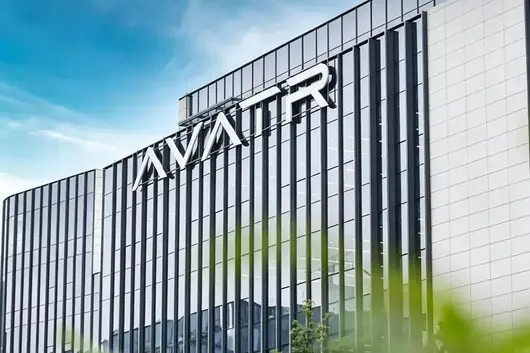
Avatr Technology, on the important milestone of the brand's fifth anniversary, is witnessing a full burst of development momentum. With the product matrix continuously improving and overseas layout accelerating implementation, the globalization process enters a new stage. A series of solid achievements mark that Avatr has entered a new cycle of high-quality development with synergistic improvement in brand power, product power, and market competitiveness, injecting strong confidence into the market and users.

In the five years since its establishment, Avatr has successively launched multiple models including 11, 12, 06/06T, 07, covering a price range of 200,000 to 700,000 Yuan, with cumulative sales exceeding 250,000 units, establishing a foothold in the high-end intelligent electric vehicle market. At the same time, the product matrix is still accelerating expansion - in the second half of this year, Avatr 07L and a new flagship large six-seater SUV will be launched successively. The latter will be the first in the industry to be equipped with CATL condensed-state batteries, further raising the product ceiling. According to the plan, by 2030, Avatr will complete the layout of 17 products, comprehensively covering sub-segments such as SUVs, sedans, MPVs, etc. Synchronized with the product line acceleration is the global layout. Since going overseas in 2024, Avatr has entered over 40 countries and regions, firmly holding the top spot in Thailand's high-end electric vehicle sales, and capturing 10% of the UAE high-end electric vehicle market share. The global layout is taking shape. This year, Avatr will officially enter the European market, further accelerating global high-end market penetration. It plans to cover over 110 countries and regions by 2030, with overseas sales accounting for 40%.

Behind Avatr's rapid growth is the continuous increase in strategic empowerment by Changan Automobile. As the core carrier of Changan's high-end strategy, Avatr carries the mission to break through upwards and build a global high-end brand. In April this year, Changan Automobile announced that Avatr and Deepal Automobile have launched strategic synergy, following the principle of "front-end independence, middle-and-rear-end collaboration, brand-independent operation", further raising Avatr's strategic weight. As the "flagship and benchmark" of the brand group, Avatr has become increasingly stable in its high-end positioning and shows increasingly strong development momentum, while maintaining its three major systems of brand management, channel operation, and user service unchanged. After the synergy is implemented, the group's global resources will continue to tilt towards Avatr, efficiency and system capabilities will be further amplified, providing a solid backing for the brand's long-term development.

It is worth noting that the unique advantage of Avatr relying on the "three giants" of Changan, Huawei, and CATL is still deepening, building a technical and resource barrier that is difficult to replicate. Based on Changan's century-old manufacturing heritage, Avatr has independently developed two core technologies: Kunlun Smart Range Extension and Taihang Intelligent Control Chassis. The iterated Taihang Intelligent Control Chassis 2.0 achieves dual advancement in safety and handling with industry-leading distributed electric drive technology. As "technical shareholders" of Huawei and CATL, Avatr not only enjoys priority adoption of the latest technologies but also works with partners to define every new technology from the source. Meanwhile, Avatr is Huawei's Xinwang's largest external shareholder, both parties form an interest community linked by capital and continuously share development dividends; CATL, as Avatr's second largest shareholder, has always prioritized mounting front-end battery technologies such as Shixing, Xiaoyao, Condensed State, etc., on Avatr models, ensuring product strength remains at the forefront of the industry.

Relying on clearer strategic layout, accelerating implementation of core technologies, and firm global pace, Avatr continues to validate its long-termist development path. As a core strategic asset built by Changan Automobile, Avatr will continue to adhere to the sustainable growth path of "Original, Intelligent, New Luxury", continuously solidify core competitiveness, and release long-term value for the market.

车型概览

Mercedes-Benz Maybach GLS 值不值得买,关键不是它看起来有多吸引,而是它能不能解决你的真实用车需求。这篇文章会把重点放在预算、贷款压力和同级价值。
价格落在 RM 1,918,888,买家可以先用它判断预算压力和同级定位。
购车价格指南
Mercedes-Benz Maybach GLS 的购车预算可以先从 RM 1,918,888 开始衡量。这个数字真正影响的是月供、保险和现金流,而不只是展厅里的标价。
如果你在几个版本之间犹豫,可以把 2025 GLS 600 4MATIC(RM 1,918,888) 放在同一张清单里比较。日常通勤买家优先看舒适与安全,常跑高速的买家则更应重视动力、辅助驾驶和座舱便利。
核心参数汇总
看 Mercedes-Benz Maybach GLS 的核心规格,最重要是把数字翻译成生活里的感受。
Twin-Turbocharged、8缸、3982 mL 排量的动力底子,适合拿来判断市区跟车和高速巡航是否轻松。 557 Ps的输出,真正意义在于满载、上坡和超车时不会太吃力。 13.9 L/100km的油耗,对每天通勤的人来说会直接影响加油频率。 车长 5208 mm、车宽 2030 mm、车高 1838 mm,可以帮助你预判停车难度和后排乘坐空间。
优缺点分析
Mercedes-Benz Maybach GLS 的优点不必夸张,真正有价值的是它能不能让日常使用更省心:预算位置清楚,方便和同级车直接比较、日常能源成本有明确参考、动力输出能支撑高速和超车需求。
需要留意的是,市区停车和狭窄路段仍要看个人驾驶习惯。这些不是扣分项,而是下订前应该先想清楚的生活细节。
购车常见问题解答
购买 Mercedes-Benz Maybach GLS 前,买家最常问的不是单一规格,而是它能不能融入自己的生活。
这辆车适合谁?适合把预算、贷款压力和同级价值放在首位的买家。 家庭用户要看什么?优先看后排乘坐、儿童座椅、行李和日常上下车是否顺手。 每天开会不会麻烦?13.9 L/100km 的油耗参考让通勤成本更容易预估。
竞品对比内容
把 Mercedes-Benz Maybach GLS 放进同级车名单时,不建议只看品牌或外形。真正有用的比较顺序是:先用 RM 1,918,888 锁定预算圈、再看动力是否足够应付高速和满载、接着比较能源成本和补能便利、最后看空间是否适合家人和行李。
这样筛选出来的结果更贴近日常生活。你会更清楚它是适合城市通勤、家庭代步、长途巡航,还是更适合作为一辆讲求个性的选择。
用车全周期指南
拥有 Mercedes-Benz Maybach GLS 的日常成本,最直接会反映在燃油、保险、轮胎和定期保养上。13.9 L/100km 的油耗让通勤预算更容易掌握。
如果你常跑南北大道,动力和座舱舒适度会比单纯低价更重要;如果主要在市区,停车灵活性、视野和低速顺滑度会更影响心情。

© 2024 Bitauto.com. All Rights Reserved.
Bitauto (www.yiche.com and www.bitauto.com) is one of the most visited automotive websites in China. We provide detailed info on Chinese car brands available in your area. Please note that the information provided on this website is based on publicly available data and is for reference only. It may not be fully updated or accurate at all times.

Help us improve our website


