

HomeBeautyMY

Search History
Popular Searches
Dealer Login / Sign Up

In the Malaysian SUV market, many buyers compare Perodua Aruz and Proton X90 when choosing a car. These two cars are quite close in price and positioning. Today, we will make a detailed comparison from multiple aspects to help you save time on research.
The Perodua Aruz OTR price in Malaysia is RM 72,900 - 77,900. It has 2 versions in total, including 1.5L X (RM 72,900), 1.5L AV (RM 77,900), etc.
The Proton X90 OTR price in Malaysia is RM 106,800 - 122,800. It has 4 versions in total, including 2026 1.5T Prime X (RM 122,800), 2026 1.5T Prime (RM 116,800), 2026 1.5T Lite (RM 106,800), etc.
In terms of price, the starting price of Perodua Aruz is indeed RM 33,900 cheaper than Proton X90. If your budget is limited, Perodua's entry-level version is sufficient for daily needs. However, note that the few thousand cheaper might involve trade-offs in features, which depends on your specific requirements.

Perodua Aruz safety rating is 5★ (ASEAN NCAP). Active safety systems include.
Proton X90 safety rating is 5★ (ASEAN NCAP). Active safety systems include ADAS (ACC, AEB, LKA, LDA, BSM, RCTA).
Both cars have the same safety rating. Safety features in this class are quite comprehensive. New car safety these days is not bad, so there is no need to worry too much about this.

Perodua Aruz warranty 5 years/150,000km, maintenance interval every 10,000km or 6 months.
Proton X90 warranty 5 years/150,000km, maintenance interval every 10,000km or 6 months.
Warranty conditions for both cars are the same. There is no need to agonize over this aspect. Actual maintenance costs depend on the brand's service network and parts prices. It is recommended to ask real owners in car owner groups about their experience.

Perodua Aruz and Proton X90 are both mainstream choices in the Malaysian market, suitable for family use and daily commuting. If you value brand reputation and resale value more, you can prioritize the one with better reputation; if you care more about cost-performance ratio and features, then choose the one with richer configuration. Ultimately, it is recommended to test drive both cars; personal experience is the most important.

Overall, Perodua Aruz and Proton X90 are very good models in the Malaysian market. Which one to choose depends mainly on your personal needs and budget. We recommend doing your homework, comparing quotes from multiple car dealerships, and then test driving to make the final decision. Buying a car is a big matter; spending time on homework is never wrong.


喺馬來西亞嘅 SUV 市場,好多買家喺揀車嘅時候都會拿 寶騰 X50 同 馬自達 CX-5 嚟做比較。呢兩部車喺價位同定位上都幾接近嘅,今日我就喺多個方面整個詳細嘅比較,幫你省返做功課嘅時間。
寶騰 X50 喺馬來西亞嘅 OTR 售價係 RM 89,800 - 113,300,合共有 4 個版本,包括 1.5T Executive(RM 89,800)、1.5T Premium(RM 101,800)、1.5T Flagship(RM 113,300) 等。
馬自達 CX-5 喺馬來西亞嘅 OTR 售價係 RM 135,469 - 166,760,合共有 3 個版本,包括 2025 2.0L AT 35th Anniversary(RM 316,154)、2025 2.0L AT(RM 296,154)、2025 2.0L MT(RM 294,154) 等。
由價錢睇,寶騰 X50 嘅入門價確實比 馬自達 CX-5 平咗 RM 45,669。如果你預算有限,寶騰嘅入門版已經可以滿足日常需求。但都要留意,平嗰幾千蚊,可能喺配備上要有取舍,具體要看你嘅需求。

寶騰 X50 配備 1.5L 4-cyl,馬力 105 hp。官方油耗 6.0 L/100km。
馬自達 CX-5 配備 1.5L Turbo,馬力 140 hp。官方油耗 7.0 L/100km。
動力方面,馬自達 CX-5 嘅 1.5L Turbo 比 寶騰 X50 嘅 1.5L 4-cyl 多咗 35 匹馬力。不過日常喺市區開,兩部車嘅動力都夠用,唔會覺得唔夠力。
寶騰 X50 嘅安全評級係 5★ (ASEAN NCAP),主動安全系統包括 ADAS (ACC, AEB, LKA, LDA, BSM, RCTA)。
馬自達 CX-5 嘅安全評級係 5★ (ASEAN NCAP),主動安全系統包括 。
兩部車嘅安全評級一樣,喺呢個級別入面安全配備都算好齊全。而家嘅新車安全性都唔差,唔使太擔心呢一點。

寶騰 X50 車身長 4400 mm,行李廂 400 L。
馬自達 CX-5 車身長 4500 mm,行李廂 450 L。
空間方面,馬自達 CX-5 嘅車身比 寶騰 X50 長咗 100 mm,乘坐空間更有優勢。不過 寶騰 X50 喺城市入面停車會靈活啲,各有取舍。

寶騰 X50 保養 5 年/150,000km,保養間隔 每 10,000km 或 6 個月。
馬自達 CX-5 保養 5 年/150,000km,保養間隔 每 10,000km 或 6 個月。
兩部車嘅保養條件一樣,呢方面唔使糾結。實際保養成本仲要看品牌嘅服務網絡同零件價格,建議去車友群問下真實車主嘅經驗。

總括嚟講,寶騰 X50 同 馬自達 CX-5 都係馬來西亞市場幾唔錯嘅車型。揀邊一部,關鍵仲係要看你嘅個人需求同預算。建議大家做好功課,多比較幾間車行之嘅報價,再試駕先做最終決定。買車係件大件事,花啲時間做功課絕對唔會錯。


Dalam pasaran SUV di Malaysia, ramai pembeli akan membandingkan Proton X50 dan Chery Tiggo 7 PHEV semasa memilih kereta. Kedua-dua kereta ini hampir sama dari segi harga dan penempatan. Hari ini, kita akan membuat perbandingan terperinci dari pelbagai aspek untuk membantu anda menjimatkan masa membuat penyelidikan.
Proton X50 dijual dengan harga OTR di Malaysia antara RM 89,800 - 113,300, terdapat 4 versi, termasuk 1.5T Executive (RM 89,800), 1.5T Premium (RM 101,800), 1.5T Flagship (RM 113,300) dan lain-lain.
Chery Tiggo 7 PHEV dijual dengan harga OTR di Malaysia antara RM 129,750 - 129,750, terdapat 2 versi, termasuk 2025 1.5T 90km CSH (RM 129,750), Apakah kaedah pengecasan yang disokong oleh Tiggo 7 PHEV? Bolehkah ia dicas menggunakan soket kuasa rumah? (RM 117,478) dan lain-lain.
Dari segi harga, harga permulaan Proton X50 memang lebih murah RM 39,950 berbanding Chery Tiggo 7 PHEV. Jika bajet anda terhad, versi permulaan Proton sudah boleh memenuhi keperluan harian. Tetapi perhatikan juga, perbezaan harga beberapa ribu itu mungkin ada kompromi dari segi kelengkapan, bergantung pada keperluan anda.
Proton X50 dilengkapi enjin 1.5L 4-silinder, kuasa 105 hp. Kerjanaan minyak rasmi 6.0 L/100km.
Chery Tiggo 7 PHEV dilengkapi Hybrid, kuasa 170 hp. Kerjanaan minyak rasmi 4.5 L/100km.
Dari segi kuasa, Hybrid Chery Tiggo 7 PHEV mempunyai 65 hp lebih daripada 1.5L 4-silinder Proton X50. Namun dalam penggunaan harian di bandar, kuasa kedua-dua kereta ini cukup memadai dan tidak akan berasa kurang kuasa.
Penilaian keselamatan Proton X50 ialah 5★ (ASEAN NCAP), sistem keselamatan aktif termasuk ADAS (ACC, AEB, LKA, LDA, BSM, RCTA).
Penilaian keselamatan Chery Tiggo 7 PHEV ialah TBD, sistem keselamatan aktif termasuk Asas.
Dari segi kelengkapan keselamatan, kedua-dua kereta mendapat penilaian yang baik. Namun ADAS Proton X50 (ACC, AEB, LKA, LDA, BSM, RCTA) dan Asas Chery Tiggo 7 PHEV mempunyai perbezaan dalam fungsi. Jika anda lebih mengutamakan keselamatan aktif, boleh membandingkan senarai fungsi kedua-duanya.
Proton X50 mempunyai tempoh waranti 5 tahun/150,000km, selang penyelenggaraan setiap 10,000km atau 6 bulan.
Chery Tiggo 7 PHEV mempunyai tempoh waranti 3 tahun/100,000km, selang penyelenggaraan setiap 10,000km atau 6 bulan.

Proton X50 dan Chery Tiggo 7 PHEV kedua-duanya merupakan pilihan utama di pasaran Malaysia, sesuai untuk kegunaan keluarga dan perjalanan harian. Jika anda lebih mengutamakan reputasi jenama dan harga jualan semula, boleh utamakan yang mempunyai reputasi lebih baik. Jika anda lebih menitikberatkan nilai dan kelengkapan, pilih yang lebih kaya dengan konfigurasi. Akhir sekali, disarankan untuk memandu uji kedua-duanya, pengalaman langsung adalah yang paling penting.

Secara keseluruhan, Proton X50 dan Chery Tiggo 7 PHEV adalah model kereta yang sangat baik di pasaran Malaysia. Memilih yang mana, utamanya bergantung pada keperluan peribadi dan bajet anda. Disarankan membuat kajian, bandingkan harga dari beberapa pengedar, kemudian uji kenderaan untuk membuat keputusan akhir. Membeli kereta adalah perkara besar, meluangkan masa membuat kajian tidak akan merugikan.

Competition in the global automotive market is surface-level product and channel rivalry, while at the core lies a contest of technological systems and supply chain control. This time, Great Wall Motor broke from the conventional meeting mode, opening the core positions of its R&D, manufacturing, and verification full-link to global investors through a full-process immersive verification, both demonstrating confidence in its own technical strength, and allowing the outside world to clearly see that the decades-accumulated hard-core technical foundation supports its rapid overseas sales growth.

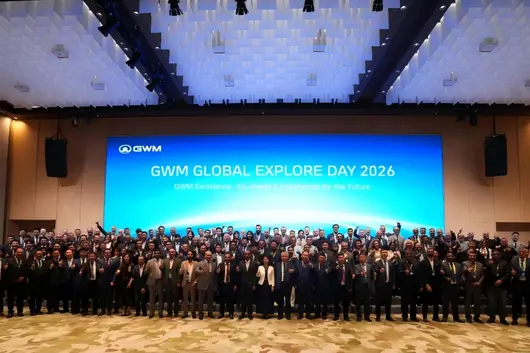
Recently, investors from six continents gathered at Great Wall Motor's global headquarters. A deep exchange covering full-industry chain tours, full-scenario product test drives, strategy presentations, and cultural experiences stepped out of the templated narrative of traditional business meetings. This global exploration and seminar day centered on "full-process verification" was far from an ordinary corporate strength showcase; rather, it was a significant microcosm of the shift in the globalization process of Chinese automotive brands: When overseas cumulative sales broke 2 million units and overseas channels exceeded 1,600, Great Wall Motor, anchored by technology, has shifted the logic of Chinese automakers going global from superficial product output to deep value cultivation, writing a vivid footnote for high-quality overseas expansion of Chinese automobiles.
Chinese automobiles going global is no longer a fresh topic. For over the past decade, many Chinese brands opened overseas market doors through complete vehicle trade, rapidly expanding sales based on price-performance advantages, and spreading the "Chinese Automobile" label across the globe. Great Wall Motor's globalization path chose the heavier and harder "localization rooting" model from the start. This confidence stems from its systematic technological and industrial capabilities.

As of June 2026, Great Wall Motor has established full-process production bases in Thailand and Brazil, building a localized layout of R&D, production, supply, sales, and service. While achieving local production, it drives the cultivation of local supply chains and talent systems, realizing symbiosis and win-win outcomes between industrial implementation and regional development. In the first half of 2026, Great Wall Motor's overseas cumulative sales reached 291,426 units, a year-on-year increase of 47.44%; June single-month overseas sales were 60,168 units, up 50.16% year-on-year, with overseas business becoming the core engine of group growth. Behind these eye-catching data lies the underlying logic of "symbiosis and win-win between industrial implementation and regional development" — not simply replicating Chinese production lines overseas, but deeply participating in local industrial upgrades, binding its own development with local economy, employment, and industrial growth. This "symbiotic going global" effectively dissolves trade protection barriers and allows the brand to truly gain long-term recognition from local markets.
Supporting this globalization layout is Great Wall Motor's technology system strength accumulated over many years, which is also the core background displayed to global investors at this event. Unlike the radical strategies of some automakers betting on a single technology route, Great Wall Motor chose a more pragmatic full-power technology layout: product matrices natively built on the Guiyuan Platform cover fuel, hybrid, plug-in hybrid, pure electric, and even hydrogen fuel cell routes, possessing the ability to flexibly adapt to regulatory policies and consumer demands in different global regional markets. This "don't put all eggs in one basket" technical strategy hits the reality of global market segmentation: Europe and North America markets are accelerating electrification transformation, while markets in Southeast Asia, Latin America, Middle East, etc., still have strong demand for fuel and hybrid, meaning a single technology route is doomed to not dominate globally; full power reserves are the standard for global enterprises.

Technical confidence comes from continuous long-termist investment. Great Wall Motor's R&D investment has exceeded 10 billion yuan for consecutive years, with an engineering R&D team reaching 27,000 people. It possesses a safety laboratory with investment over 500 million yuan and multi-angle crash test capabilities, as well as comprehensive test tracks, the world's first nested intelligent connected test track, and other verification sites, building an R&D foundation for full-domain safety. More worth noting is its "Forest Ecosystem" industrial system: with complete vehicles as the core, technology industries like Jinggong Automotive, Weishi Energy, and HiHope Energy coordinate and develop together. Three of its parts enterprises have already entered the global auto parts top 100 list. This full-industry chain independent and controllable capability not only guarantees overseas supply chain stability but also ensures Great Wall Motor's going global is not a "hollowed-out" brand output, but value output carrying complete industrial capabilities. From underlying technology R&D to supply chain quality control, from complete vehicle manufacturing to extreme scenario verification, this event opening full-link traceability to global investors is essentially proving in a transparent way: the competitiveness of Chinese automakers is no longer low prices, but systematic technology and manufacturing strength.

The deep test of globalization has never been limited to products and technology, but lies more in cooperation concepts and business credibility. At this briefing session, Great Wall Motor President Mu Feng proposed the cooperation tone of "mutual recognition, mutual efforts, and joint achievement", clarifying three major cooperation guarantees: strong product adaptability, outstanding business risk resistance, and sustainable profit growth, particularly emphasizing "no vicious price wars, no transfer of business pressure to partners". The weight of this statement is particularly prominent against the backdrop of current global automotive market fierce competition. For global distributors and investors, short-term sales dividends are certainly tempting, but long-term stable profit expectations and healthy cooperation relationships are fundamental. And full power technology reserves and full industry chain capabilities are the core support for this commitment to be fulfilled. From joint progress in the Brazil market to the breakthrough implementation of WEY G9 in the Malaysia market, multiple local market success cases also validate the feasibility of the localization symbiotic model under technology empowerment.
In the changing global market, marketing dividends will eventually fade; only technical foundations can traverse the cycle. Great Wall Motor's R&D investment at the billion level for consecutive years, full-power technology layout, and full-chain quality control system jointly built the confidence for globalization. This long-term adherence to technology is not only the growth code of the enterprise itself but also the core support for Chinese automotive brands to stand firm in the global market.


在马来西亚的SUV市场,很多买家在选车的时候都会拿 Mazda CX-3 和 Chery Tiggo 7 PHEV 来做比较。这两款车在价位和定位上都蛮接近的,今天我们就从多个方面做一个详细的对比,帮你省下做功课的时间。
Mazda CX-3 在马来西亚的 OTR 售价是 RM 126,159 - 139,159,一共有 2 个版本,包括 2023 2.0L High(RM 139,159)、2023 2.0L Plus(RM 126,159) 等。
Chery Tiggo 7 PHEV 在马来西亚的 OTR 售价是 RM 129,750 - 129,750,一共有 2 个版本,包括 2025 1.5T 90km CSH(RM 129,750)、What charging methods does the Tiggo 7 PHEV support? Can it be charged using a home power socket?(RM 117,478) 等。
从价钱来看,Mazda CX-3 的起步价确实比 Chery Tiggo 7 PHEV 便宜了 RM 3,591。如果你预算有限,Mazda 的入门版已经可以满足日常需求。但也要注意,便宜的那几千块,可能在配备上会有取舍,具体要看你的需求。

Mazda CX-3 的安全评级是 5★ (ASEAN NCAP),主动安全系统包括 i-Activsense。
Chery Tiggo 7 PHEV 的安全评级是 TBD,主动安全系统包括 Basic。
安全配备方面,两款车都拿到了不错的评级。不过 Mazda CX-3 的 i-Activsense 和 Chery Tiggo 7 PHEV 的 Basic 在功能上有些差异,如果你比较看重主动安全的话,可以仔细对比一下两者的功能列表。

Mazda CX-3 车身长 4500 mm,后备箱 450 L。
Chery Tiggo 7 PHEV 车身长 4400 mm,后备箱 400 L。
空间方面,Mazda CX-3 的车身比 Chery Tiggo 7 PHEV 长了 100 mm,车内乘坐空间会稍微宽裕一些,尤其是后座腿部空间。如果你经常载家人或者需要放婴儿车,大一点的车身确实更实用。

Mazda CX-3 和 Chery Tiggo 7 PHEV 都是马来西亚市场的主流选择,适合家庭使用、日常通勤。如果你更看重品牌口碑和二手价,可以优先考虑口碑更好的那一款;如果你更在意性价比和配备,那就选配置更丰富的那款。最终还是建议两款都去试驾,亲身体验才是最重要的。
总的来说,Mazda CX-3 和 Chery Tiggo 7 PHEV 都是马来西亚市场很不错的车型。选择哪一辆,关键还是要看你的个人需求和预算。建议大家做好功课,多比较几间车行的报价,再去试驾做最终决定。买车是件大事,花点时间做功课绝对不会错。

© 2024 Bitauto.com. All Rights Reserved.
Bitauto (www.yiche.com and www.bitauto.com) is one of the most visited automotive websites in China. We provide detailed info on Chinese car brands available in your area. Please note that the information provided on this website is based on publicly available data and is for reference only. It may not be fully updated or accurate at all times.

Help us improve our website


