

HomeCheeseTea

Search History
Popular Searches
Dealer Login / Sign Up


四重張力尚未閉合,兌現速度決定下一個三十年。
作者:宋家婷
"30 歲可以是衰老的開始,也可以是創新爆發的前夜。”
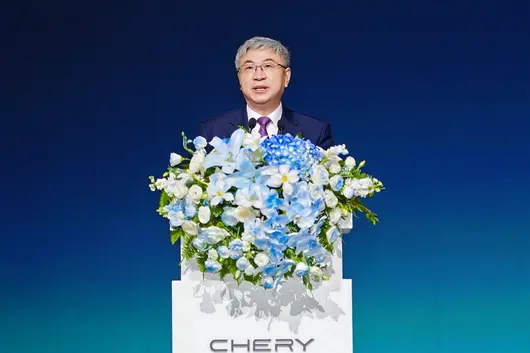
奇瑞控股集團有限公司董事局主席尹同躍在 2026 奇瑞全球創新大會開場這樣說。他還說,今天的奇瑞很像當年面對第一台賓士汽車的養馬人和馬車作坊老闆——很多企業倒在三十歲之前,也有企業在三十歲前後交出改變世界的作品。

一個年銷二百多萬輛、出口連續 23 年中國品牌第一的董事局主席,說自己像“養馬人”。讓人恐懼的不是某個對手,而是過去三十年賴以生存的能力,在下一個三十年可能不再值錢。這也是奇瑞選擇“改變”的根本原因。
從現在來看,奇瑞的變局是四組張力由內向外同時拉開,每一層以上一層為前提,每一層都尚未閉合——而在所有張力最終交匯的地方,站著的是一个个普通家庭。這才是一家汽車製造商,或者說,一家科技公司的終極使命。
技術:一個模擬工程師的 126 天與 3 天
奇瑞的模擬工程師過去做一款車的空氣動力學優化,六輪方案、每輪一百個,傳統流程要跑 126 天。
接入 CheryMind 之後,同樣的工作 3 天完成,效率提升 42 倍,風阻從 0.32 壓到 0.26,續航直接多出 40 公里。省下來的 123 天,工程師可以去想“更有創意的事”。

這只是冰山一角。奇瑞沒有走通用大模型路線,而是自研垂類模型 CheryMind,目標窄得多:只做車端和物理場景的推理與決策。
為這個窄目標,它同時自研三樣東西——模型本身、車規晶片紫微 C100、世界引擎 CHERYAWE,構成“模型—算力—決策”的車端閉環。
CheryMind 背後是七百 TB 級企業知識和 PB 級工程數據,紫微 C100 為百億參數模型的車端部署定制,2027 年投產。

物理 AI 的硬約束決定了閉環的必要性:延遲壓到毫秒級,數據不能隨便出車,車規可靠性不允許任何一環外包掉鏈子。代價是重資產、慢回報,通用性受限;回報是工業場景的確定性。
閉環成不成立,不看發布會,看 2027 年 C100 上車之後的表現。這一層是後三層的前提——沒有可復用的底座,邊界擴張無從談起,組織調整失去方向,身份宣言淪為口號。
邊界:從一塊農田開始的熱帶雨林
東北大田裡,一台純電智能農機正在無人作業。過去一人一機日作業 150 畝,現在一人多機日作業 800 畝;馬鈴薯農場實測,能耗成本降 74%、維保降 59%、碳排放降 56%。同一塊地,玉米畝產從 1600 斤增至 2000 斤。
沒有人會想到,做這件事的團隊,來自一家汽車公司。十九年前,它還涉足了造船業。

奇瑞的跨界不是從零開始,而是從汽車的三條能力線往外復用。電動化底座復用到農機、儲能、eVTOL 動力;智能化大腦復用到智艙、智駕、機器人、農機 OS;製造與供應鏈復用到機器人量產和全球備件生態。
三條線半徑不同:電動化遷移成本最低,智能化需要場景數據反哺,製造與供應鏈依賴規模效應。半徑越長,越依賴汽車主業輸血。
奇瑞的主業並不輕鬆。今年前三季度出口 155.1 萬輛,出口佔總銷量比超過七成。海外高毛利撐起了研發底氣,但國內承壓意味著輸血管道並非無限粗。尹同躍劃了紅線:對外輸出能力,但不帶去內捲。

從乘用車到農機、儲能是復用,到機器人整機和 eVTOL 整機是更遠的跳躍。哪些是延伸,哪些是透支,奇瑞沒有給出清晰答案——這正是尚未閉合之處。尹同躍說,奇瑞希望從一棵樹變成熱帶雨林,但無疑,成長需要厚重的根基,也需要漫長的時間。
組織:十四天,兩輪落子
九月到十月,十四天內兩輪調整。張貴兵從國際業務負責人升任股份公司常務副總裁,隨後奇瑞主品牌納入全球市場體系由其直管,同時統籌全球造型、人力、法務、備件和機器人業務;捷途由李學用分管,聚焦全球越野品牌。
突如其來的調整,背後飽含深意。出口是奇瑞的底牌,在新一輪的競爭中,奇瑞必須做足這張牌,並築高壁壘,不能給對手任何超越的機會。

真正的全球一體化經營,要求海外區域團隊在產品配置、定價、渠道和服務上有對應決策權。奇瑞把所有權力集中到蕪湖總部,效率可能提高,本地化深度卻可能受限,“Be somewhere”就只是口號。
換個角度看,國際體系的結果導向、月度考核、扁平化正加速向國內平移,這套邏輯在海外高毛利市場跑得通,但在國內銷量承壓、團隊規模龐大的現實下,同樣的激勵強度能否覆蓋全員,是成本結構上的未知數。人員調配採取先植基因再覆蓋全員,中層已動,終端感知滯後。
組織變局決定的不是誰坐哪個辦公室,而是前兩層的能力和野心有沒有人接得住。
身份:一個焊點與一場道歉
尹同躍說奇瑞是“披著汽車企業馬甲的高科技企業”,說“聽了很高興”別人說奇瑞越來越不像汽車企業。這些話一場大會就能說完,傳播效率很高,但身份不是宣布出來的。
同一個月,他在北京為馬來西亞產品質量問題公開道歉——歐萌達 5 後軸脫落,召回八千多輛車。這件事與“高科技企業”的宣言放在同一時間窗口,指向一個樸素事實:無論技術底座多先進、跨界版圖多遼闊,一個焊點出問題,全球化敘事就要往回退一步。

身份層只能靠前三層事實累積閉合:閉環兌現沒有,復用可持續沒有,組織接住沒有。2073 萬全球用戶是規模事實,六組海外家庭站上品牌之夜舞台是情感事實,但兩者都不能替代品質事實。宣言跑得比兌現快,是一家企業三十歲轉型最大的風險。
Family:技術繞一圈,落腳是人
10 月 21 日,蕪湖大劇院,CHERY Brand Night 宣布了它的主題:“Together, For Family"。來自厄瓜多爾、波蘭、英國、羅馬尼亞、南非、巴西的六組真實家庭走上舞台,四幕家庭劇場,從“煙火·都市守護日常”演到“派對·全家福”。
荷蘭足球傳奇范德薩以超級用戶身份出現,用“守住最後一道底線”詮釋安全——一個門將的職責,和一輛車守護家庭,在同一個場景相遇。
同一天,ALL-NEW TIGGO7 與 TIGGO X7 完成全球首秀。瑞虎 7 系全球用戶超 200 萬、暢銷 100 多個國家、連續四年蟬聯中國品牌 A 級燃油 SUV 出口冠軍,集齊中、歐、澳、東盟四大洲五星安全認證——這些數字的意思不在數字本身,而在於它們是“全球同款、全球同標、全球同源驗證”的證據——國內用戶不用走出國門,就能擁有經過全世界市場驗證的全球車品質。

技術繞了一大圈,落腳點還是人。奇瑞全球用戶已突破 2000 萬規模,海外用戶超過 739 萬,平均每 17 秒就有一台奇瑞車交付到全球用戶手中。但尹同躍依舊強調:“AI 能夠替代技能,不可能代替人性、對未來的洞察力以及對未來的戰略佈局。AI 能夠提高效率,但不能替代人的責任、人的判斷和人的溫度。”
這層回答的不是“奇瑞想成為誰”,而是“奇瑞在用戶心中被認為是什麼”。身份由技術、邊界、組織三層事實累積之後的外部認定,而家庭是這種認定最樸素、也最苛刻的尺度——一個家庭把車交給家人之前,先確認它護得住家人。來自全球不同國家和地區的家庭用戶,就是“宣言速度”與“兌現速度”之間一次公開的對賬。

人汽結語:
技術層決定底氣,邊界層決定半徑,組織層決定執行力,身份層決定外界認不認。任何一層斷了,整條鏈都會失穩。而這一切最終要回答的,是那個站在舞台上的家庭願不願意把鑰匙交給下一代。
蘋果三十歲發布 iPhone,豐田二十九歲推出卡羅拉,都不是生日那天突然變強的。三十歲之前能力內核已經長好,三十歲那年只是把累積兌現成作品。奇瑞的處境是:能力內核正在重寫,兌現的時鐘已經開始走,指針還沒走到刻度上。
三十歲可以是衰老的開始,也可以是創新爆發的前夜。奇瑞選了後者,但選擇不構成答案。兌現的速度,才是。

Di pasaran SUV Malaysia, ramai pembeli membandingkan Toyota Yaris Cross dan Subaru Crosstrek semasa memilih kereta. Kedua-dua model ini mempunyai harga dan posisi yang agak hampir. Hari ini, kita akan membuat perbandingan terperinci dari pelbagai aspek untuk membantu anda menjimatkan masa membuat persiapan.
Toyota Yaris Cross di Malaysia mempunyai harga OTR RM 99,900 - 109,900, terdapat 2 varian, termasuk 2026 1.5L Standard (RM 99,900), 2026 HEV 1.5L Standard (RM 109,900) dan lain-lain.
Subaru Crosstrek di Malaysia mempunyai harga OTR RM 145,000 - 160,000, terdapat 1 varian, termasuk 2.0L e-Boxer (RM 150,000) dan lain-lain.
Dari segi harga, harga permulaan Toyota Yaris Cross benar-benar RM 45,100 lebih murah daripada Subaru Crosstrek. Jika bajet anda terhad, versi asas Toyota sudah cukup untuk keperluan harian. Namun, perhatikan juga, perbezaan harga beberapa ribu ini mungkin melibatkan pengurangan pada spesifikasi, bergantung pada keperluan anda.

Gred keselamatan Toyota Yaris Cross adalah 5★ (ASEAN NCAP), sistem keselamatan aktif termasuk TSS.
Gred keselamatan Subaru Crosstrek adalah 5★ (Euro NCAP), sistem keselamatan aktif termasuk EyeSight.
Dari segi peralatan keselamatan, kedua-dua kereta mendapat gred yang baik. Walau bagaimanapun, TSS Toyota Yaris Cross dan EyeSight Subaru Crosstrek mempunyai perbezaan dari segi fungsi. Jika anda mengutamakan keselamatan aktif, anda boleh membandingkan senarai fungsi kedua-duanya.

Toyota Yaris Cross mempunyai jaminan 5 tahun / tanpa had jarak, jarak servis setiap 10,000km atau 6 bulan.
Subaru Crosstrek mempunyai jaminan 3 tahun/100,000km, jarak servis setiap 10,000km atau 6 bulan.

Toyota Yaris Cross dan Subaru Crosstrek adalah pilihan utama di pasaran Malaysia, sesuai untuk kegunaan keluarga dan perjalanan harian. Jika anda lebih mengutamakan reputasi jenama dan harga jualan semula, pilih yang lebih berreputasi; jika anda lebih mengutamakan nilai harga dan spesifikasi, pilih yang lebih lengkap. Pada akhirnya, disyorkan untuk memandu uji kedua-dua model, pengalaman langsung adalah yang paling penting.

Secara keseluruhannya, Toyota Yaris Cross dan Subaru Crosstrek adalah model yang sangat baik di pasaran Malaysia. Memilih mana satu, kuncinya bergantung pada keperluan dan bajet peribadi anda. Kami sarankan anda membuat penyelidikan terlebih dahulu, bandingkan tawaran harga dari beberapa pengedar, kemudian buat keputusan akhir selepas memandu uji. Membeli kereta adalah perkara besar, meluangkan masa untuk penyelidikan tidak akan rugi.


In Malaysia's SUV market, many buyers compare the Toyota Yaris Cross and Mazda CX-30 when choosing a car. These two models are quite close in price and positioning. Today we will provide a detailed comparison from multiple aspects to help save you time on research.
The OTR price for the Toyota Yaris Cross in Malaysia is RM 99,900 - 109,900, with a total of 2 versions, including the 2026 1.5L Standard (RM 99,900), 2026 HEV 1.5L Standard (RM 109,900), etc.
The OTR price for the Mazda CX-30 in Malaysia is RM 122,409 - 146,409, with a total of 4 versions, including the 2025 2.0L High+ Premium (RM 146,409), 2025 2.0L High+ (RM 138,409), 2025 2.0L High (RM 130,409), etc.
From a price perspective, the Toyota Yaris Cross starting price is indeed RM 22,509 cheaper than the Mazda CX-30. If your budget is limited, Toyota's entry-level version can already meet daily needs. However, note that the savings of a few thousand ringgit may come with compromises in features, depending on your specific requirements.
Toyota Yaris Cross is equipped with a 1.5L 4-cyl, 105 hp. Official fuel consumption is 6.0 L/100km.
Mazda CX-30 is equipped with a 1.5L Turbo, 140 hp. Official fuel consumption is 7.0 L/100km.
In terms of power, the 1.5L Turbo of Mazda CX-30 has 35 more hp than the 1.5L 4-cyl of Toyota Yaris Cross. However, for daily city driving, the power of both cars is sufficient, you won't feel a lack of power.
Toyota Yaris Cross body length is 4,400 mm, trunk 400 L.
Mazda CX-30 body length is 4,500 mm, trunk 450 L.
In terms of space, the Mazda CX-30 body is 100 mm longer than the Toyota Yaris Cross, offering an advantage in passenger space. However, the Toyota Yaris Cross is slightly more flexible for parking in the city, both have trade-offs.
Toyota Yaris Cross uses FWD drive type.
Mazda CX-30 uses FWD drive type.
Both cars have the same drive type, both are FWD, there won't be much difference in daily driving experience.

Overall, the Toyota Yaris Cross and Mazda CX-30 are both very good models in the Malaysia market. Choosing which one depends on your personal needs and budget. We recommend doing your research, comparing quotes from several dealerships, and then test driving to make a final decision. Buying a car is a big matter, spending some time doing research will definitely not be wrong.

In the Malaysian SUV market, many buyers compare Honda CR-V and BMW X1 when choosing a car. These two cars are quite close in price and positioning. Today, we will make a detailed comparison from multiple aspects to help you save time doing research.
The Honda CR-V OTR selling price in Malaysia is RM 178,200 - 195,900, with a total of 4 versions, including 2026 e:HEV 2.0L 2WD RS (RM 195,900), 2026 1.5T 4WD V (RM 181,900), 2026 e:HEV 2.0L 2WD E (RM 178,200), etc.
The BMW X1 OTR selling price in Malaysia is RM 252,800 - 252,800, with a total of 2 versions, including sDrive18i (RM 220,000), sDrive20i (RM 250,000), etc.
Looking at the price, the Honda CR-V's starting price is indeed RM 74,600 cheaper than the BMW X1. If your budget is limited, Honda's entry-level version can already meet daily needs. However, note that the savings of a few thousand ringgit may involve trade-offs in features, depending on your specific needs.

Honda CR-V safety rating is 5★ (ASEAN NCAP), active safety systems include Honda SENSING (ACC, CMBS, LKAS, RDM).
BMW X1 safety rating is 5★ (Euro NCAP), active safety systems include Premium ADAS.
In terms of safety equipment, both cars have received good ratings. However, the Honda SENSING (ACC, CMBS, LKAS, RDM) of the Honda CR-V and the Premium ADAS of the BMW X1 have some differences in functionality. If you prioritize active safety, you can carefully compare the feature lists of both.

Honda CR-V body length 4500 mm, trunk 450 L.
BMW X1 body length 4400 mm, trunk 400 L.
In terms of space, the Honda CR-V body is 100 mm longer than the BMW X1, so the interior seating space will be slightly more spacious, especially the rear legroom. If you frequently carry family members or need to fit a stroller, a slightly larger body is indeed more practical.

Honda CR-V adopts FWD drive mode.
BMW X1 adopts FWD drive mode.
Both cars have the same drive mode, both are FWD, daily driving feel will not differ significantly.

Overall, both Honda CR-V and BMW X1 are very good models in the Malaysian market. Choosing which one depends mainly on your personal needs and budget. We recommend doing your research, comparing quotes from several dealerships, and then test driving to make the final decision. Buying a car is a major matter, spending some time doing research will definitely not be wrong.


Do you ever have this experience: On the weekend taking the kids to the mall, circling the basement B3 for three rounds without finding a spot? You finally see an empty space at B5, but the cars on both sides are parked crookedly. You reverse three times but don't dare to enter; the child in the back seat is already crying, and the wife in the passenger seat starts to sigh. It's not a technical issue; it's that a car at this price point simply doesn't come equipped with the tools to solve this problem.
Cross-floor memory parking was previously the exclusive ticket for high-end pure electric vehicles above 200,000 RMB. 100,000-class family pure electric? Being able to get basic automatic parking is already good enough, still single-floor, changing floors in the garage means it stops working. But the Fengyun T7 pre-selling on August 12 tore this ticket directly — starting from 109,900 RMB, up to 2km cross-floor memory parking without floor limits, 300+ all-scenario automatic parking, arranged for the entire series.
This is not just about adding a line to the specification sheet. This is the first time in the 100,000-class market that someone seriously answers the question: What kind of smart driving does an ordinary family actually need?
Parking Freedom is the Highest Frequency Smart Driving Necessity
The industry has a misconception that smart driving equals highway NOA, equals city navigation, the more like an experienced driver the more advanced. But you do the math: How many times does an ordinary family drive on the highway in a year? How many times do they park every day? The answer is brutal. Highway smart driving might be used only a few dozen times a year, but parking is a daily necessity at least twice. Multi-floor mall garages, community vertical parking lots, park floors up and down — new drivers fear narrow spots, moms fear hassle, female drivers fear being honked at by cars behind — these scenarios are where smart driving truly needs to step in.
The value of cross-floor memory parking lies here: You drive a route once, the car remembers it. Next time, it goes into the basement itself, crosses floors itself, and parks itself. What does '2km no floor limit' mean? Most commercial complexes and large residential community garage traffic flows are all within the coverage range.
True smart driving equality is not about letting you drive hands-free on the highway, but about letting you be anxiety-free when parking in the garage every day you return home.
22 Sensors + 4nm Chip, Not Filler But Foundation
Some might ask, giving cross-floor parking at the 100,000 RMB price point, is it a function demo version? Look at the hardware to know. 3 millimeter-wave radars, 7 high-performance cameras, 12 ultrasonic radars, totaling 22 high-precision sensors. The 3R7V12U configuration is over-equipped for this price range.
More crucial is the industry-first 4nm 8775 cockpit-drive integrated chip at this level, 72 TOPS NPU computing power, system response latency compressed to 80ms. Cockpit-drive-parking integration, end-to-end algorithms, mean parking isn't patched together with a separate small chip, but rather the cockpit and smart driving share computing power and sensors. Compared to those using 5-7nm chips where parking and cockpit run separately, the experience is a generation gap.
Without a cockpit-drive integrated chip, cross-floor parking is just a PPT feature. Whether perception is comprehensive and computing power is fast enough determines whether it is 'usable' or 'good to use'. Fengyun T7's hardware setup brings the underlying architecture of high-end cars down to this price point.
Slow Work Builds Good Cars, Not a Slogan But Verified Mileage
The theme of this pre-sale launch was 'Building Good Cars Takes Time, We've Been Waiting.' Sounds like sentiment, but looking at the verification data shows this car indeed waited for a reason. 81 durability test vehicles, 1.45 million km durability verification, 100+ extreme road conditions and environments, covering -40°C to 55°C global extreme temperature zones. Researched global regulations 2 years in advance, benchmarked against 2026 version E-NCAP standards, 5,000+ global user surveys, 15 typical national scenarios included in product definition. Southeast Asia rainy season 500mm water wading, Middle East high-temperature sun exposure, Siberia snow/rain low temperature, Brazilian gravel roads, Mexican cobblestone roads — 7 major categories of extreme environments, not a single one missed.
Why do it like this? Because from the very first day, this car was built to global car standards. It will be sold in Europe, Australia/New Zealand, Mexico, Turkey, Brazil, Thailand, and the Middle East. The verification intensity for global markets is naturally one order of magnitude higher than for single-market supply. To be honest, a car that passes in multiple global markets simultaneously, brought back for domestic family use, will only have a higher quality baseline, not lower.
Six Major Necessities, None Are Just Showpieces
Parking is the sharp edge, but not everything. The Fengyun T7 revolves around six major necessities for family users, each stepping on the pain points. Range is not reduced for lower configs; the entire series has a 65.05kWh Rhinoceros battery, CLTC 600km range, official testing shows 667km+, avoiding false ratings. 30%-80% fast charge in 20 minutes, battery cycle life over 2,500 times, whole car won't need battery replacement for 15 years. For Northern users concerned about winter range, all-domain integrated thermal management dual-source wide heat pump, range improved by 30% at -10°C.
In terms of safety, high-strength steel accounts for 80%, hot-formed steel 18.84%. Nine-cross five-longitudinal cage body, industry-unique shotgun structure and double frame subframe plus Pack anti-collision beam, 9 airbags are the most at this level. Rhinoceros battery 6D lock armor 31-layer protection, IP68 waterproofing is 96 times the national standard, side crush resistance 200kN is 2 times the national standard.
Regarding space, car length 4570mm, wheelbase 2700mm, efficiency rate 84%, rear legroom 911mm+ pure flat floor. After folding 4/6, 1955mm×1310mm pure flat large bed. Trunk maximum expansion 1550L. Chassis polished by an international team led by Maserati front chassis tuning experts, 50.8:49.2 golden axle load ratio is unique at this level, 560mm center of gravity height, doesn't float at high speed, doesn't understeer in turns.
There is also a 15.6-inch 2.5K HD large screen, full brand phone direct connection, Lingxi Smart Cockpit 2.0 x Doubao Large Model, six major scene modes. You will discover a pattern: No configuration on this car exists just to look good at the press conference; all are things family users will use every day.
Starting at 109,900, Who Is This Blade Cutting At?
109,900 to 129,900, three versions, seven purchasing rights, whole car lifetime warranty (including powertrain), power battery thermal runaway bottom-line compensation for a new car, assisted driving accident highest compensation 5 million. This pricing placed in the 100,000-class pure electric SUV market, benchmarking against hot competitors like BYD Yuan PLUS and AION Y Plus, the configuration advantage is overwhelming.
But I think what deserves more attention is not the parameter comparison, but the pricing logic. The past industry unwritten rule was: Smart driving features are stepped down by price, 200,000 gets you highway NOA, 150,000 gets you basic parking, 100,000 getting a backup camera is considered conscientious. Fengyun T7 directly dismantled this ladder — giving high-end exclusive features like cross-floor memory parking at the 100,000-class price point.
This is the true catfish effect. It's not that I have one more airbag or 10km more range than you, but that I turn things you thought shouldn't appear at this price point into standard equipment. Once a user experiences cross-floor parking, going back to drive a car with only basic parking creates a gap they won't be able to bridge.
Yan Zhao Auto Review:
Smart driving equality has been called for many years, mostly remaining at the slogan level. This time, Fengyun T7 truly brings high-end features to the 100,000-class price point, and not a cut-down version — 22 sensors, 4nm cockpit-drive integrated chip, 2km no floor limit, 300+ all-scenarios, both hardware and algorithms are in place.
What does this mean for ordinary families? It means you don't have to spend an extra 100,000 to buy a high-end car just for a parking function you use daily. It means new drivers, moms, and female drivers are no longer anxious in garages. It means the competition for 100,000-class pure electric SUVs now has a hard standard: Parking freedom should not be a luxury.
Fengyun T7's move, on the surface is pre-sale pricing, but the underlying layer is redefining the smart driving threshold for the 100,000-class. Building good cars takes time, we've waited long — this wait was worth it.
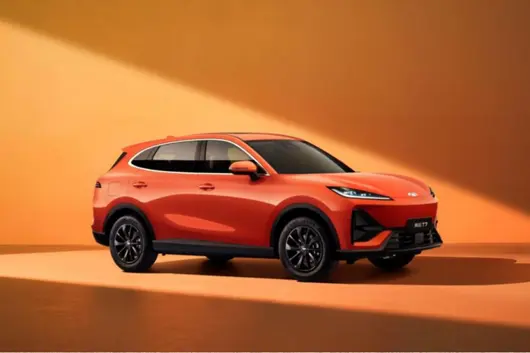


Chery telah lama membina sistem penyelidikan, pembangunan, dan pembuatan automotif yang terus berbuah hasil, strategi pelbagai jenama dan pelancaran berterusan kenderaan elektrik baharu memainkan peranan penting dalam mengembangkannya untuk mengembangkan bahagian pasaran. Fengyun T7 telah menyambut pra-jualan; SUV elektrik murni yang diarahkan kepada keluarga biasa ini memulakan pengembaraan pasaran baharu dengan kandungan yang kukuh dan harga yang menarik.

Fengyun T7 melancarkan 3 model kenderaan, dengan julat harga pra-jualan yang diumumkan secara rasmi adalah antara 10.99 ribu Yuan hingga 12.99 ribu Yuan. Chery serentak melancarkan hak pengguna yang sepadan, dari kini hingga pelancaran, jika membayar deposit 1000 Yuan, boleh menikmati 7 hak, termasuk hadiah warna kereta, hadiah pengembangan, hadiah keutamaan, dan lain-lain, serta perlindungan keselamatan bateri tenaga, jaminan panduan bantuan. Selain itu, jaminan seumur hidup untuk keseluruhan kenderaan dan pakej penyelenggaraan seumur hidup juga meningkatkan nilai produk sepanjang kitaran hayat.

Chery menyatakan, model asal yang sama dengan kenderaan ini, Lepas L6, telah dilancarkan di Afrika Selatan dan Thailand, menerima pengiktirafan pengguna luar negara. Kenderaan ini melalui 2 tahun perancangan dan 3 tahun penyelidikan pembangunan, dibangunkan mengikut piawaian keselamatan lima bintang E-NCAP versi 2026, telah menanggung ujian pelbagai keadaan jalan yang rumit di luar negara, mempunyai ciri-ciri antarabangsa yang jelas.

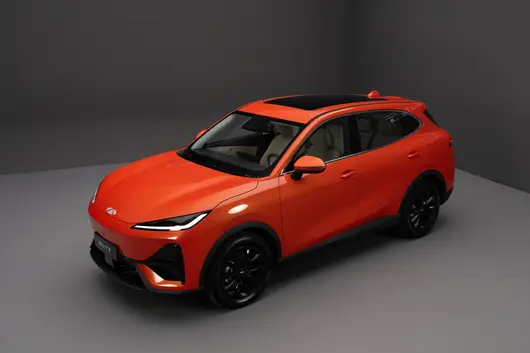
Fengyun T7 menyediakan 6 warna badan dan hiasan dalaman bergaya ganda. Dimensi badan adalah 4570×1852×1694 milimeter, paksi roda 2700 milimeter, bentuk padat, tetapi kecekapan ruang dalaman agak tinggi, kapasiti beg bagasi adalah 450 liter, termasuk 19 liter lapisan privasi dan 99 liter ruang penyimpanan tersembunyi. Kenderaan menyediakan kerusi awan komposit 9 lapisan dengan fungsi pemanasan dan pengudaraan.
Seri penuh Fengyun T7 dilengkapkan standard dengan bateri Rhinoceros 65.05kWh, julangan CLTC adalah 600 kilometer, dalam mod caj pantas, isi semula tenaga dari 30% ke 80% mengambil masa 22 minit. Memenuhi piawaian keselamatan dalam dan luar negara yang ketat, badan kenderaan baharu menggunakan 80% badan keluli tahan lasak + 18.84% keluli dibentuk panas, dilengkapi dengan 9 beg udara. Bateri Rhinoceros mempunyai perlindungan 31 lapisan, mencapai tahap kalis air IP68.

Kabinet pintar kenderaan memperkenalkan cip 4 nanometer 8775, mencapai 72TOPS NPU kekuatan pengiraan. Kenderaan baharu dilengkapi dengan skrin anti-silau 15.6 inci 2.5K 1000nit, membawa Kabinet Pintar Lingxi 2.0×Model Besar Doubao, dan menyediakan mod skenario seperti rehat, segar, pengawal, bayi, haiwan peliharaan, kem, dan lain-lain.
Sistem panduan pintar Falcon 500 kenderaan baharu berdasarkan 22 sensor ketepatan tinggi, boleh melaksanakan fungsi parkir automatik skenario penuh, menyokong parkir jauh, parkir meninggalkan kenderaan, 100 meter undur ikut laluan, dan lain-lain.

Berbanding perbelanjaan pengguna, pulangan yang dibawa oleh Fengyun T7 adalah agak besar, sekurang-kurangnya di atas kertas ia mempunyai daya tarikan tertentu dalam pasaran tahap yang sama. Sebenarnya, dari segi kualiti produk, Chery tidak pernah mengendurkan diri, dalam proses teknologi teras menjadi matang, peningkatan keupayaan produknya telah dipantulkan dalam prestasi pasaran keseluruhan.

喺馬來西亞嘅 SUV 市場,好多買家揀車嗰陣都會拿 Proton X70 同 Mazda CX-3 來做比較。呢兩款車喺價錢同定位上都幾接近,而家我哋就從多個方面做一個詳細嘅對比,幫你省咗做功課嘅時間。
Proton X70 喺馬來西亞嘅 OTR 售價係 RM 106,800 - 122,300,一共有 3 個版本,包括 1.5L Standard 2WD(RM 106,800)、1.5L Executive 2WD(RM 115,800)、1.5L Premium 2WD(RM 122,300) 等。
Mazda CX-3 喺馬來西亞嘅 OTR 售價係 RM 126,159 - 139,159,一共有 2 個版本,包括 2023 2.0L High(RM 139,159)、2023 2.0L Plus(RM 126,159) 等。
從價錢睇落,Proton X70 嘅起步價確實比 Mazda CX-3 平咗 RM 19,359。如果你預算有限,Proton 嘅入門版已經可以滿足日常需求。但都要注意,便宜嗰幾千蚊,喺配備上可能有取舍,具體要睇你嘅需求。

Proton X70 搭載 1.5L Turbo,馬力 140 hp。官方油耗 7.0 L/100km。
Mazda CX-3 搭載 1.5L Turbo,馬力 140 hp。官方油耗 7.0 L/100km。
兩款車用同一套動力系統,日常開嘅感受基本冇分別。油耗方面亦都相若,唔使太糾結呢一點。

Proton X70 嘅安全评分係 5★ (ASEAN NCAP),主動安全系統包括 ADAS (ACC, AEB, LKA, LDA, BSM, RCTA)。
Mazda CX-3 嘅安全评分係 5★ (ASEAN NCAP),主動安全系統包括 i-Activsense。
兩款車嘅安全评分一樣,喺呢個級別入面安全配備都算好齊全。而家嘅新车安全性都幾好,唔使太擔心呢一點。

Proton X70 車身長 4400 mm,後備箱 400 L。
Mazda CX-3 車身長 4500 mm,後備箱 450 L。
空間方面,Mazda CX-3 嘅車身比 Proton X70 長咗 100 mm,乘坐空間更有優勢。不過 Proton X70 喺城市入面停車會靈活啲,各有取捨。
Proton X70 保用 5 年/150,000km,保養間隔 每 10,000km 或 6 個月。
Mazda CX-3 保用 5 年/150,000km,保養間隔 每 10,000km 或 6 個月。
兩款車嘅保用條件一樣,呢方面唔使糾結。實際保養成本仲要睇品牌嘅服務網絡同零件價格,建議去車友群問問真實車主嘅經驗。
總體嚟講,Proton X70 同 Mazda CX-3 都係馬來西亞市場好唔錯嘅車型。揀邊架,關鍵仲要睇你嘅個人需求同預算。建議大家做足功課,多比較幾間車行嘅報價,再去試駕做最終決定。買車係件大事,花少少時間做功課絕對唔會錯。


In Malaysia's SUV market, many buyers compare Proton X70 and Toyota Corolla Cross when choosing a car. These two models are quite close in price and positioning. Today we will make a detailed comparison from multiple aspects to help you save time on research.
The OTR price of Proton X70 in Malaysia is RM 106,800 - 122,300, with 3 versions, including 1.5L Standard 2WD (RM 106,800), 1.5L Executive 2WD (RM 115,800), 1.5L Premium 2WD (RM 122,300), etc.
The OTR price of Toyota Corolla Cross in Malaysia is RM 133,800 - 148,800, with 3 versions, including 2026 HEV 1.8L GR Sport (RM 148,800), 2026 HEV 1.8L Standard (RM 140,800), 2026 1.8L Standard (RM 133,800), etc.
From a price perspective, the starting price of Proton X70 is indeed RM 27,000 cheaper than Toyota Corolla Cross. If your budget is limited, Proton's entry-level version can already meet daily needs. But also note, the few thousand cheaper price might involve trade-offs in equipment, specifically depending on your needs.

Proton X70 is equipped with 1.5L Turbo, horsepower 140 hp. Official fuel consumption 7.0 L/100km.
Toyota Corolla Cross is equipped with 1.5L Turbo, horsepower 140 hp. Official fuel consumption 7.0 L/100km.
Both cars use the same powertrain, the feeling when driving daily is basically no difference. Fuel consumption is also similar, no need to worry too much about this.
Proton X70's safety rating is 5★ (ASEAN NCAP), active safety systems include ADAS (ACC, AEB, LKA, LDA, BSM, RCTA).
Toyota Corolla Cross's safety rating is 5★ (ASEAN NCAP), active safety systems include TSS (PCS, LDA, ACC, LTA).
Both cars have the same safety rating, safety features are quite comprehensive in this class. New car safety is not bad these days, no need to worry too much about this.
Proton X70 body length 4400 mm, trunk 400 L.
Toyota Corolla Cross body length 4400 mm, trunk 400 L.
The dimensions of both cars are almost the same, interior space difference is not big. For this class of cars, daily use is completely sufficient.
Proton X70 adopts FWD drive system.
Toyota Corolla Cross adopts FWD drive system.
Both cars have the same drive system, both are FWD, daily driving feeling will not have too big a difference.
Overall, Proton X70 and Toyota Corolla Cross are both very good models in the Malaysian market. Which one to choose depends on your personal needs and budget. We suggest doing your research, comparing quotes from several dealerships, and then test driving to make the final decision. Buying a car is a big matter, spending a bit of time on research will definitely not be wrong.


喺馬來西亞嘅 SUV 市場,好多買家喺揀車嘅時候都會用 寶騰 X50 同 奇瑞 Tiggo 7 Pro 嚟比較。呢兩款車喺價錢同定位上都幾接近,今日我哋就從多個方面做一個詳細嘅對比,幫你省咗做功課嘅時間。
寶騰 X50 喺馬來西亞嘅 OTR 售價係 RM 89,800 - 113,300,一共有 4 個版本,包括 1.5T Executive(RM 89,800)、1.5T Premium(RM 101,800)、1.5T Flagship(RM 113,300) 等。
奇瑞 Tiggo 7 Pro 喺馬來西亞嘅 OTR 售價係 RM 123,750 - 123,750,一共有 2 個版本,包括 1.6L Turbo Standard(RM 125,000)、1.6L Turbo Premium(RM 140,000) 等。
由價錢睇,寶騰 X50 嘅起價確實比 奇瑞 Tiggo 7 Pro 平咗 RM 33,950。如果你預算有限,寶騰嘅入門版已經可以滿足日常需要。但都要記住,平既那幾千蚊,可能喺配備上會有取捨,具體要睇你嘅需要。

寶騰 X50 搭載 1.5L 4-cyl,馬力 105 hp。官方油耗 6.0 L/100km。
奇瑞 Tiggo 7 Pro 搭載 1.5L Turbo,馬力 140 hp。官方油耗 7.0 L/100km。
動力方面,奇瑞 Tiggo 7 Pro 嘅 1.5L Turbo 比 寶騰 X50 嘅 1.5L 4-cyl 多咗 35 匹馬力。不過日常喺市區開,兩款車嘅動力都夠用,唔會覺得唔夠力。

寶騰 X50 車身長 4400 mm,尾箱 400 L。
奇瑞 Tiggo 7 Pro 車身長 4400 mm,尾箱 400 L。
兩款車嘅尺寸幾近一樣,車內空間分別唔大。呢個級別嘅車,日常使用完全夠用。

寶騰 X50 採用 4WD 驅動方式。
奇瑞 Tiggo 7 Pro 採用 FWD 驅動方式。
寶騰嘅 4WD 同 奇瑞嘅 FWD 喺操控上會有唔同感受,建議試駕對比。
總嘅嚟講,寶騰 X50 同 奇瑞 Tiggo 7 Pro 都係馬來西亞市場幾唔錯嘅車型。揀邊一部,關鍵仲係要睇你個人需要同預算。建議大家做好功課,多比較幾間車行嘅報價,再去試駕先做最終決定。買車係件大事,花啲時間做功課絕對唔會錯。


在马来西亚的汽车市场,很多买家在选车的时候都会拿 Honda HR-V 和 Hyundai Tucson 来做比较。今天我们从多个方面做一个详细的对比,帮你省下做功课的时间。


Honda HR-V 在马来西亚的 OTR 售价是 RM 115,900 - 143,900,一共有 4 个版本,包括 2026 e:HEV 1.5L RS(RM 143,900)、2026 1.5T V(RM 137,900)、2026 1.5T E(RM 130,900) 等。
Hyundai Tucson 在马来西亚的 OTR 售价是 RM 143,888 - 197,888,一共有 5 个版本,包括 2025 HEV 1.6T AT 2WD Prestige(RM 197,888)、2025 1.6T DCT 4WD Prestige(RM 186,888)、2025 1.6T DCT 2WD Prime(RM 164,888) 等。
从价钱来看,Honda HR-V 的起步价确实比 Hyundai Tucson 便宜了 RM 27,988。如果你预算有限,Honda 的入门版已经可以满足日常需求。但也要注意,便宜的那几千块,可能在配备上会有取舍,具体要看你的需求。
Honda HR-V 车身长 4500 mm,后备箱 450 L。
Hyundai Tucson 车身长 4400 mm,后备箱 400 L。
空间方面,Honda HR-V 的车身比 Hyundai Tucson 长了 100 mm,车内乘坐空间会稍微宽裕一些,尤其是后座腿部空间。如果你经常载家人或者需要放婴儿车,大一点的车身确实更实用。
Honda HR-V 保修 5年/无限制里程,保养间隔 每10,000km或6个月。
Hyundai Tucson 保修 5年/300,000km,保养间隔 每10,000km或6个月。

Honda HR-V 和 Hyundai Tucson 都是马来西亚市场的主流选择,适合家庭使用、日常通勤。如果你更看重品牌口碑和二手价,可以优先考虑口碑更好的那一款;如果你更在意性价比和配备,那就选配置更丰富的那款。最终还是建议两款都去试驾,亲身体验才是最重要的。

总的来说,Honda HR-V 和 Hyundai Tucson 都是马来西亚市场很不错的车型。选择哪一辆,关键还是要看你的个人需求和预算。建议大家做好功课,多比较几间车行的报价,再去试驾做最终决定。买车是件大事,花点时间做功课绝对不会错。

© 2024 Bitauto.com. All Rights Reserved.
Bitauto (www.yiche.com and www.bitauto.com) is one of the most visited automotive websites in China. We provide detailed info on Chinese car brands available in your area. Please note that the information provided on this website is based on publicly available data and is for reference only. It may not be fully updated or accurate at all times.

Help us improve our website


