

HomeChefMalaysia

Search History
Popular Searches
Dealer Login / Sign Up

In the SUV market in Malaysia, many buyers choose to compare Toyota Harrier and Mercedes-Benz GLA when selecting a car.
The OTR price of Toyota Harrier in Malaysia is RM 289,000 - 289,000. There is 1 version in total, including 2026 HEV 2.5L Standard (RM 289,000) etc.
The OTR price of Mercedes-Benz GLA in Malaysia is RM 258,888 - 295,888. There is 1 version in total, including Standard (RM 258,888) etc.
From a price perspective, the starting price of Mercedes-Benz GLA is RM 30,112 cheaper than Toyota Harrier. Honestly, in this price range, the difference of a few thousand is not really significant; the key is still looking at the overall value for money and long-term usage costs.

Toyota Harrier is equipped with a 2.0L Turbo, 220 hp. Official fuel consumption is 9.5 L/100km.
Mercedes-Benz GLA is equipped with a 2.0L Turbo, 220 hp. Official fuel consumption is 9.5 L/100km.
Both cars use the same powertrain system, and the daily driving experience is basically the same. Fuel consumption is also similar, so there is no need to worry too much about this.

Toyota Harrier uses FWD drive mode.
Mercedes-Benz GLA uses FWD drive mode.
Both cars have the same drive mode, both are FWD, so there won't be much difference in daily driving experience.

Toyota Harrier warranty is 5 years/unlimited mileage, maintenance interval is every 10,000km or 6 months.
Mercedes-Benz GLA warranty is 3 years/100,000km, maintenance interval is every 10,000km or 6 months.

Both Toyota Harrier and Mercedes-Benz GLA are mainstream choices in the Malaysian market, suitable for family use and daily commuting. If you value brand reputation and resale value more, you can prioritize the one with better reputation; if you care more about value for money and features, choose the one with richer configuration. In the end, it is recommended to test drive both models; experiencing it personally is the most important thing.

Overall, both Toyota Harrier and Mercedes-Benz GLA are very good models in the Malaysian market. Which one to choose mainly depends on your personal needs and budget. We recommend doing your homework, comparing quotes from several dealers, and then test driving to make the final decision. Buying a car is a big deal, spending some time doing research will definitely not be a mistake.


Di pasaran SUV di Malaysia, ramai pembeli semasa memilih kereta akan membandingkan Toyota Fortuner dan Volvo XC60. Dua kereta ini dalam hal harga dan penempatan pasaran adalah cukup hampir, hari ini kita akan lakukan perbandingan terperinci dari pelbagai aspek, membantu anda menjimatkan masa untuk membuat penelitian.
Toyota Fortuner di Malaysia mempunyai harga OTR adalah RM 195,880 - 241,880, keseluruhan ada 3 varian, termasuk 2024 2.8T VRZ Diesel (RM 241,880), 2024 2.7L SRZ Petrol (RM 202,880), 2024 2.4L Standard Diesel (RM 195,880) dan lain-lain.
Volvo XC60 di Malaysia mempunyai harga OTR adalah RM 328,888 - 328,888, keseluruhan ada 1 varian, termasuk 2025 2.0T Core (RM 328,888) dan lain-lain.
Dilihat dari segi harga, harga permulaan Toyota Fortuner memang lebih murah RM 133,008 daripada Volvo XC60. Jika belanjawan anda terhad, varian permulaan Toyota sudah boleh memenuhi keperluan harian. Tetapi perlu juga diingat, perbezaan harga beberapa ribu ringgit ini, mungkin ada pengorbanan pada kelengkapan, bergantung sepenuhnya pada keperluan anda.

Penarafan Keselamatan Toyota Fortuner ialah 5★ (ASEAN NCAP), sistem keselamatan aktif merangkumi.
Penarafan Keselamatan Volvo XC60 ialah 5★ (Euro NCAP), sistem keselamatan aktif merangkumi.

Toyota Fortuner menggunakan cara pemacu FWD.
Volvo XC60 menggunakan cara pemacu FWD.
Kedua-dua kereta menggunakan cara pemacu yang sama, iaitu FWD, rasa memandu harian tiada perbezaan yang ketara.

Toyota Fortuner menjamin 5 Tahun / Jarak Tanpa Had, selang penyelenggaraan setiap 10,000km atau 6 Bulan.
Volvo XC60 menjamin 5 Tahun / Jarak Tanpa Had, selang penyelenggaraan setiap 10,000km atau 6 Bulan.

Secara keseluruhannya, Toyota Fortuner dan Volvo XC60 sama-sama merupakan model kereta yang sangat baik di pasaran Malaysia. Memilih mana satu, kuncinya adalah melihat keperluan peribadi dan belanjawan anda. Kami sarankan anda membuat penelitian yang baik, bandingkan sebut harga daripada beberapa pengedar, kemudian buat ujian memandu untuk membuat keputusan akhir. Membeli kereta adalah perkara penting, meluangkan masa membuat penelitian tidak akan salah.


In the SUV market in Malaysia, many buyers compare Toyota Fortuner and Chery Tiggo 7 PHEV when choosing a car. These two cars are quite close in price and positioning. Today we will do a detailed comparison from multiple aspects to help you save time on research.
Toyota Fortuner OTR price in Malaysia is RM 195,880 - 241,880, with 3 versions in total, including 2024 2.8T VRZ Diesel (RM 241,880), 2024 2.7L SRZ Petrol (RM 202,880), 2024 2.4L Standard Diesel (RM 195,880), etc.
Chery Tiggo 7 PHEV OTR price in Malaysia is RM 129,750 - 129,750, with 2 versions in total, including 2025 1.5T 90km CSH (RM 129,750), What charging methods does the Tiggo 7 PHEV support? Can it be charged using a home power socket? (RM 117,478), etc.
From a price perspective, the starting price of Chery Tiggo 7 PHEV is RM 66,130 cheaper than Toyota Fortuner. To be honest, in this price segment, a difference of a few thousand is actually not big. The key is to look at overall cost-performance ratio and long-term usage costs.
Toyota Fortuner body length 4400 mm, trunk 400 L.
Chery Tiggo 7 PHEV body length 4400 mm, trunk 400 L.
The dimensions of the two cars are almost identical, and the interior space difference is not significant. For this class of cars, daily use is completely sufficient.
Toyota Fortuner warranty 5 years/unlimited mileage, maintenance interval every 10,000km or 6 months.
Chery Tiggo 7 PHEV warranty 3 years/100,000km, maintenance interval every 10,000km or 6 months.
Both Toyota Fortuner and Chery Tiggo 7 PHEV are mainstream choices in the Malaysian market, suitable for family use and daily commuting. If you value brand reputation and resale value more, you can prioritize the one with better reputation; if you care more about cost-performance ratio and equipment, choose the one with richer configurations. Ultimately, we suggest test-driving both models, as personal experience is the most important.

Overall, both Toyota Fortuner and Chery Tiggo 7 PHEV are very good models in the Malaysian market. Which one to choose mainly depends on your personal needs and budget. We suggest doing your homework, comparing quotes from several dealerships, and then test-driving to make the final decision. Buying a car is a big matter, taking time to do research will definitely not be wrong.

As the focus of competition in the new energy market continues to tilt towards high-end and large-sized models, a quiet value reconstruction is happening in the 80,000-100,000 RMB premium compact pure electric track. For a long time, compact electric vehicles were simply tagged as "low-cost commuting tools", where the market competed on low prices and basic range, with aesthetics, quality, and emotional value often placed in a secondary position. However, consumer iteration is rewriting industry logic: users buying a compact car are no longer satisfied with just "drivable", they expect it to look good, drive well, be safe and reliable, and be able to carry self-expression and diverse life scenarios.
On September 22, the all-new QQ3 Modern Edition officially debuted at Wuhu Jiuzi Plaza, with an official guide price of 88,900 RMB and a limited-time trade-in price of 83,900 RMB. This launch event, which broke away from traditional press conference paradigms and turned into a "Happy Show Stage", was not just the release of a special model, but a re-exploration of the value boundaries of the QQ brand for premium small cars. From the old QQ in national memories, to the all-new QQ3 in the smart electric era, to the advancement of the Modern Edition, Chery attempts to answer industry propositions: Can an 80,000 RMB tier national small car balance hardcore manufacturing quality, aesthetic expression, user co-creation, and simultaneously possess global market competitiveness.

Goodbye Cheap Labels: Bringing Premium Texture Down to the National Compact Car Track
For a long time, the industry has had an inherent bias: small cars should sacrifice texture for low prices. Costs like paint materials, interior craftsmanship, and body safety, which are often invisible, are usually compressed first. The core breakthrough of the all-new QQ3 Modern Edition is breaking the stereotypical cognition that "small cars equal cheap", bringing higher-level manufacturing standards to the 80,000 RMB price segment.
The design adopts a Neo‑Retro retro-futurism concept, with 6-layer 2K high-grade paint provided by luxury car original suppliers; exclusive Modern Era and Anne Pearl car colors, paired with Time Emblem retro wheels, Wind Track Racing Stripes, and Retro White front and rear bumpers, fully realizing retro modern aesthetics. Inside the cabin, Cloud Velvet Beige interior, Velvet headliner, and Houndstooth haute couture textures extend the premium feel from outside the car to the inside, jumping out of the "enough is good enough" interior logic of same-level products.
Texture is not merely surface decoration but is rooted in the underlying safety of the body and three-electric systems. The "Rock Solid" body high-strength steel ratio reaches 82%, equipped with 1300MPa integrated hot-formed door rings; the "Rhino" battery is equipped with CATL cells and obtained CATARC NESTA six-dimensional electric safety certification. The native pure electric platform is paired with master-level chassis tuning and a rear multi-link independent suspension, balancing urban commuting flexibility with driving stability. Beyond hardware, the 8155 chip, 15.6-inch 2.5K central control screen, Carmind AI agent, L2 level assisted driving, 100+ scenario automatic parking, 70L smart electric front trunk, and 6.6kW external discharge bring intelligence and scenario-based configurations to a mass market level.
It can be seen that the Modern Edition's product logic is not simply stacking configurations, but bringing the safety standards, smart hardware, and craftsmanship texture previously found only in 100,000+ RMB tier models, completely to the 80,000 RMB tier users. It proves that premium small cars do not equal compromise or downgrading; small-sized models can also possess a complete product experience.


From Lecture Platform to Plaza: Embedding User Co-creation into the Product Core
Unlike the closed venue platforms of most new car press conferences, the all-new QQ3 Modern Edition placed the launch in an urban public square, creating a "QQ Show Happy Show Stage". Stand-up comedy performances, user modification exhibitions, and trendy check-in experiences turned the press conference from a one-way product presentation into a life party with two-way interaction between the brand and users. Six co-creation modified cars with distinct styles were featured together; multi-scheme plans such as National Style, California Holiday, Cute Pet Theme, and Outdoor Camping intuitively demonstrated QQ3's powerful modification potential and scenario extensibility.


Behind this is the QQ brand's deep insight into user needs. A large number of QQ3 users are enthusiastic about personalized modifications, expecting the vehicle to express their own aesthetics. The launch of the Modern Edition is an official response to the folk modification boom: turning users' spontaneous modification needs into factory-standardized mature products, providing users with a modern scheme ready to enjoy out of the box, while retaining sufficient space for secondary creation.
Chery QQ Brand Owner Zhang Hongyu mentioned: "Users choosing a car is just the beginning, true value will be constantly discovered in daily use." This sentence clarifies the Modern Edition's product positioning: the standard version solidifies the sales baseline, the Modern Edition undertakes the mission of upward quality, targeting consumer groups pursuing self-pleasing experiences and valuing aesthetics and personality. Sun Li, as the brand spokesperson, conveyed the lifestyle attitude "Good enough is good enough, find joy in it", which also perfectly fits the consumption psychology of current urban users — buying a car is no longer purely for functional attributes, but also a projection of one's own lifestyle attitude.


Purchase benefits also align with ordinary users' realistic needs: Expansion Renewal Subsidy, up to 70,000 RMB 36-month 0% interest financing plan, whole vehicle lifetime warranty, limited-time deposit gifts include signature car models and factory racing stripes, lowering the car purchase threshold and further amplifying product cost-performance ratio.
From National Memory to Global Export: The Two-Way Growth of Premium Small Cars
Looking back at history, the first-generation QQ was a car enlightenment for a generation, fulfilling the car dreams of countless ordinary families, with cumulative sales of 1.6 million+, settling deep national sentiment. Entering the electrification era, QQ did not live off sentiment but completed thorough product iteration. Since the launch of the all-new QQ3, domestic and overseas orders have broken through 100,000 units, breaking 10,000 monthly sales for 5 consecutive months; overseas markets in Thailand and Indonesia pre-sale orders quickly broke through 20,000, achieving hot sales on both domestic and international lines, with products exported to over 100 countries and regions worldwide.
In the domestic market, it faces fierce A0-grade pure electric competition; in the overseas market, it must undergo the test of different country regulations, road conditions, and user aesthetics. This means the product development standards of the QQ3 were built according to global car specifications from the start. Multi-regional global validation and strict battery safety tests serve as both a safety guarantee for domestic users and the confidence for the battle in overseas markets.
In the view of Global Auto, China's new energy export does not have only one path of high-end large cars. Premium small electric vehicles are also an important calling card for Chinese cars going global. Globally, large urban markets have huge urban short-distance travel needs. Nimble, economical, good-looking, safe small pure electric vehicles possess vast market space. The hot sales of the QQ3 prove that national small cars can completely achieve "standing firm domestically and winning recognition overseas".

Industry Observation: The Second Half of the Small Car Market, Value Trumps Price
Looking at the current new energy market, intense price war is raging, many products are trapped in specification race. But the 80,000-100,000 RMB small pure electric market is welcoming a consumption upgrade inflection point: users are no longer blindly pursuing extreme low prices, but safety, texture, aesthetics, intelligence, and full-life-cycle usage experience are becoming new competitive focuses.

The biggest inspiration the all-new QQ3 Modern Edition brings to the industry is repositioning the value coordinates of premium small cars: an excellent national small car is not just a commuting tool, it is a life partner, an aesthetic carrier, and also a cultural symbol. It must possess hardcore industrial manufacturing foundations while also understanding and reading users' emotional needs; it must stick to consumer-friendly prices while refusing shoddy craftsmanship; it must deeply cultivate the domestic market while also possessing global competitiveness.

Sentiment cannot be eaten as food, but classics can iterate and be reborn. QQ's happiness gene has continued from the past to today, being endowed with new connotations in the electric era. The appearance of the all-new QQ3 Modern Edition is not just an upgrade of a car, but also represents the deep thinking of Chinese local brands on urban travel: regardless of budget, every user deserves to own a travel product that looks good, is safe, and understands life.

Small cars are not small; within this limited space, they can also carry big dreams and big markets.
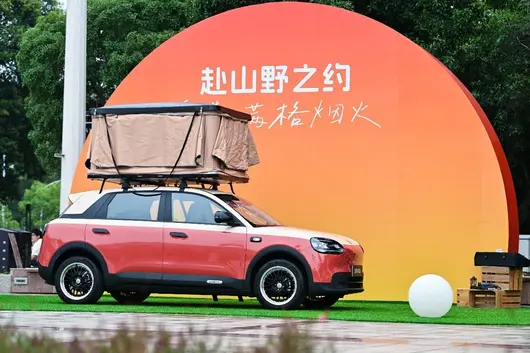

喺馬來西亞嘅 SUV 市場,好多買家揀車嗰陣都會拿本田 HR-V 同奇瑞 Tiggo 7 PHEV 嚟比較。呢兩款車喺價位同定位上都幾接近,今日我哋就從多個方面做一個詳細嘅對比,幫你省咗做功課嘅時間。
本田 HR-V 喺馬來西亞嘅 OTR 售價係 RM 115,900 - 143,900,一共有 4 個版本,包括 2026 e:HEV 1.5L RS(RM 143,900)、2026 1.5T V(RM 137,900)、2026 1.5T E(RM 130,900) 等。
奇瑞 Tiggo 7 PHEV 喺馬來西亞嘅 OTR 售價係 RM 129,750 - 129,750,一共有 2 個版本,包括 2025 1.5T 90km CSH(RM 129,750)、Tiggo 7 PHEV 支持邊種充電方法?可以喺家用電源插座充電嗎?(RM 117,478)等。
從價錢嚟睇,本田 HR-V 嘅起價真係比奇瑞 Tiggo 7 PHEV 便宜咗 RM 13,850。如果你預算有限,本田嘅入門版已經可以滿足日常需求。但都要注意,便宜嗰幾千塊,可能喺配備上有取舍,具體要看你嘅需求。

本田 HR-V 搭載 1.5L Turbo,馬力 140 hp。官方油耗 7.0 L/100km。
奇瑞 Tiggo 7 PHEV 搭載 Hybrid,馬力 170 hp。官方油耗 4.5 L/100km。
動力方面,奇瑞 Tiggo 7 PHEV 嘅 Hybrid 比本田 HR-V 嘅 1.5L Turbo 多咗 30 匹馬力。不過日常喺市區開,兩款車嘅動力都足夠,唔會覺得唔夠力。

本田 HR-V 車身長 4500 mm,後廂 450 L。
奇瑞 Tiggo 7 PHEV 車身長 4400 mm,後廂 400 L。
空間方面,本田 HR-V 嘅車身比奇瑞 Tiggo 7 PHEV 長咗 100 mm,車內乘坐空間會稍微寬敞啲,尤其係後座腳部空間。如果你經常載家人或者需要放嬰兒車,大啲嘅車身真係更實用。

本田 HR-V 採用 FWD 驅動方式。
奇瑞 Tiggo 7 PHEV 採用 FWD 驅動方式。
兩款車嘅驅動方式一樣,都係 FWD,日常駕駛感受唔會太大分別。
本田 HR-V 同奇瑞 Tiggo 7 PHEV 都係馬來西亞市場嘅主流選擇,適合家用、日常通勤。如果你更睇重品牌口碑同二手價,可以優先考慮口碑好嗰一款;如果你更在意性價比同配備,就揀配置更豐富嗰款。最後仲係建議兩款都去試駕,親身體驗先係最重要嘅。

總嘅嚟講,本田 HR-V 同奇瑞 Tiggo 7 PHEV 都係馬來西亞市場好唔錯嘅車型。揀邊一輛,關鍵都要睇你嘅個人需求同預算。建議大家做足功課,多比較幾間車行嘅報價,先去試駕先做最終決定。買車係件大事,花少少時間做功課絕對唔會錯。


In Malaysia's SUV market, many buyers compare Honda HR-V and Toyota Fortuner when choosing a car. Both cars are quite close in price and positioning. Today we will make a detailed comparison from multiple aspects to help you save time on research.
Honda HR-V is priced at RM 115,900 - 143,900 in Malaysia OTR, with a total of 4 versions, including 2026 e:HEV 1.5L RS (RM 143,900), 2026 1.5T V (RM 137,900), 2026 1.5T E (RM 130,900), etc.
Toyota Fortuner is priced at RM 195,880 - 241,880 in Malaysia OTR, with a total of 3 versions, including 2024 2.8T VRZ Diesel (RM 241,880), 2024 2.7L SRZ Petrol (RM 202,880), 2024 2.4L Standard Diesel (RM 195,880), etc.
Looking at the price, Honda HR-V's starting price is indeed cheaper by RM 79,980 compared to Toyota Fortuner. If your budget is limited, Honda's entry-level version can already meet daily needs. But note, those few thousand cheaper might involve trade-offs in features, depending on your needs.
Honda HR-V is equipped with 1.5L Turbo, 140 hp. Official fuel consumption is 7.0 L/100km.
Toyota Fortuner is equipped with 2.5L Diesel, 187 hp. Official fuel consumption is 8.5 L/100km.
In terms of power, Toyota Fortuner's 2.5L Diesel has 47 more hp than Honda HR-V's 1.5L Turbo. However, for daily city driving, both cars' power is sufficient, you won't feel it lacks power.
Honda HR-V's safety rating is 5★ (ASEAN NCAP), active safety systems include Honda SENSING (ACC, CMBS, LKAS, RDM).
Toyota Fortuner's safety rating is 5★ (ASEAN NCAP), active safety systems include.
Both cars have the same safety rating; safety features in this segment are quite comprehensive. New cars nowadays are safe enough, no need to worry too much about this.
Honda HR-V body length is 4500 mm, trunk 450 L.
Toyota Fortuner body length is 4400 mm, trunk 400 L.
In terms of space, Honda HR-V's body is 100 mm longer than Toyota Fortuner, the interior seating space is slightly more spacious, especially rear legroom. If you often carry family or need to put in a stroller, the larger body is indeed more practical.
Both Honda HR-V and Toyota Fortuner are mainstream choices in the Malaysia market, suitable for family use and daily commute. If you value brand reputation and resale value more, prioritize the one with better reputation; if you care more about value for money and features, choose the one with richer specs. Finally, it is recommended to test drive both, personal experience is the most important.
Overall, Honda HR-V and Toyota Fortuner are both very good models in the Malaysia market. Which one to choose depends on your personal needs and budget. We suggest doing research, comparing quotes from several dealerships, then test drive to make the final decision. Buying a car is a big matter, spending some time on research will definitely not be wrong.

8月12日,奇瑞风云T7正式开启预售。这场以“慢功造好车,久等了”为主题的发布会,与其说是一次产品亮相,不如说是奇瑞对当下行业“速成造车”风潮的一次明确回应。
新车共推出3款版型,预售指导价10.99万元至12.99万元。全系标配600km续航(CLTC)、舱驾一体8775芯片、猎鹰500驾驶辅助系统——当这些配置集中在一款10万级纯电SUV上时,风云T7的产品逻辑已经足够清晰:用全球标准做车,用国民价格卖车。
“反向出海”:先经世界检验,再回中国上市
风云T7最值得关注的,不是某项配置的堆砌,而是它的开发路径。
当下不少车型走的是“国内首发、再推海外”的常规路线。风云T7走的却是一条相反的路径——其同源车型Lepas L6已率先在南非、泰国等海外市场上市,并收获了海外用户的认可。在完成海外市场的实车验证之后,风云T7才落地国内开启预售。

这种“先接受全球市场检验,再落地国内发售”的反向输入节奏,在本土车企中并不多见。奇瑞执行副总裁李学用在预售发布会上坦言,风云T7历经两年策划、三年研发,“快不了一点”。他强调,汽车关系到千万家庭的安全,扛的是全球不同路况、气候、习惯的考验,“有些时间真的不敢省”。
这种“慢”,体现在数字上就是:项目投入81台专属耐久车同步路试,整车累计测试里程超600万公里,耐久专项实测145万公里。测试覆盖东南亚雨季、中东高温暴晒(40℃-55℃)、印尼高湿、北欧极寒等上百种极限工况。
六大刚需:一款车如何回应所有家庭期待
风云T7的产品定义逻辑也很清晰——围绕家庭用户的“六大刚需”展开:颜值、安全、出行、智能、舒享、安心。
颜值刚需层面,新车由奇瑞10大全球设计中心参与设计,5000余名海内外用户全程共创。同源车型Lepas L6曾亮相米兰设计周。外观采用驭风前脸、风塑绸缎车身、天际霞光尾门设计,提供炽焰橙、山烟紫、云粉米、流光银、青竹灰、墨石黑6款配色。内饰分温暖黑棕、极夜黑曜两种风格,所有内饰皮革、密封条、塑料件均按不易硬化褪色的标准选材。
安全刚需是风云T7最硬核的底牌。新车对标2026版E-NCAP五星安全标准设计,功能安全达到ASIL D最高等级。车身采用80%高强度钢、18.84%热成型钢打造九横五纵笼式车身,配备shotgun结构、双框副车架+Pack防撞梁。全车搭载9个安全气囊,含48L双腔远端气囊和后排侧气囊。全系标配犀牛电池,具备超强6D防护结构,IP68防水等级为国标96倍。

出行刚需方面,风云T7实现“续航平权”——全系标配65.05kWh犀牛电池,CLTC续航600km,实测续航达667km以上。30%充至80%仅需20分钟。搭载全域一体化热管理双源宽热泵空调+高压PTC,-30℃至55℃超宽温域稳定运转。配合全系标配的AGS智能进气格栅与14项低风阻优化,高低温能耗更稳定。
智能刚需层面,风云T7搭载同级首发的4nm制程舱驾一体8775芯片,NPU算力72TOPS,响应仅需80ms。配备15.6英寸2.5K高清大屏,支持CarPlay、HUAWEI HiCar、CarLink无线连接,覆盖市面99%以上手机投屏。灵犀智舱2.0内置小憩、露营、宠物、醒神等六大场景模式。智驾方面搭载猎鹰500驾驶辅助系统,集成3颗毫米波雷达、7个高性能摄像头、12个超声波雷达,总计22颗高精度传感器,支持300余种全场景自动泊车,覆盖断头路泊车、一键循迹倒车、跨楼层泊车等场景。
舒享刚需方面,整车尺寸4570×1852×1694mm,轴距2700mm,车内得房率84%。后排纯平地台,腿部空间911mm。后排放倒可拓展为1955mm纯平空间,后备箱容积450L、拓展至1550L。9层云感座椅配备通风加热功能,-20℃环境下5分钟可速热至30℃。全车38处储物空间,配备4个最大承重300kg的铆环和2个最大承重3kg的挂钩。底盘由国际化团队调校,轴荷比50.8:49.2。
安心刚需层面,奇瑞推出两大兜底保障和两项终身权益。两大兜底:动力电池因自身原因导致热失控损毁,赔付同款新车;购车一年内因智驾系统原因导致事故,最高赔偿500万元。两项终身权益:整车终身质保(含三电);666元购价值3999元终身基础保养套餐。
补齐风云序列纯电版图,直面红海竞争
风云T7的推出,补齐了奇瑞风云序列插混、增程、纯电三条技术路线的最后一块版图。按照规划,奇瑞风云未来三年将推出12款全新车型。风云T7则是纯电SUV品类的首发之作。
不过,10万至15万元纯电紧凑型SUV市场,恰是中国新能源车市竞争最激烈的细分市场之一。比亚迪元PLUS、深蓝S05、长安启源Q05等都是直接竞争对手。风云T7能否在“慢功造车”与“快速响应市场”之间找到平衡,是奇瑞需要持续回答的命题。
但有一点可以确定:当一款历经全球600万公里验证、对标E-NCAP五星安全、全系标配600km续航和8775芯片的纯电SUV,把预售价定在10.99万元时,它所定义的已不仅仅是一款产品的价值,更是一种造车理念的回归——好的产品,值得慢工细活。
风云T7预计8月底正式上市。届时,这款“生而全球,淬炼而归”的纯电SUV,将正式接受中国消费者的检验。
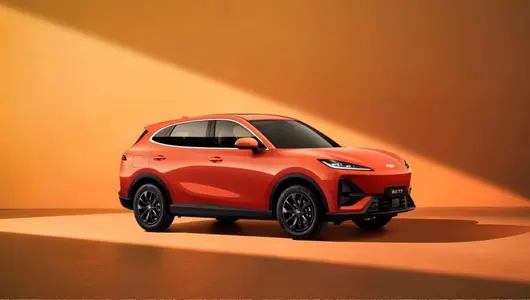
In the Malaysian SUV market, many buyers compare Proton X90 and Honda CR-V when choosing a car. These two models are quite close in price and positioning. Today, we will make a detailed comparison from multiple aspects to help you save time on research.
Proton X90's OTR price in Malaysia is RM 106,800 - 122,800, with a total of 4 versions, including 2026 1.5T Prime X (RM 122,800), 2026 1.5T Prime (RM 116,800), 2026 1.5T Lite (RM 106,800), etc.
Honda CR-V's OTR price in Malaysia is RM 178,200 - 195,900, with a total of 4 versions, including 2026 e:HEV 2.0L 2WD RS (RM 195,900), 2026 1.5T 4WD V (RM 181,900), 2026 e:HEV 2.0L 2WD E (RM 178,200), etc.
In terms of price, the starting price of Proton X90 is indeed RM 71,400 cheaper than Honda CR-V. If your budget is limited, Proton's entry-level version can already meet daily needs. But also note that the few thousand dollars saved might mean compromises in features, depending on your specific needs.

Proton X90 comes with a 1.5L Turbo, 140 hp. Official fuel consumption 7.0 L/100km.
Honda CR-V comes with a 2.0L 4-cyl, 170 hp. Official fuel consumption 8.0 L/100km.
In terms of power, Honda CR-V's 2.0L 4-cyl has 30 more horsepower than Proton X90's 1.5L Turbo. However, for daily city driving, both cars have sufficient power, you won't feel like it's lacking.
Proton X90 body length 4400 mm, trunk 400 L.
Honda CR-V body length 4500 mm, trunk 450 L.
In terms of space, Honda CR-V's body is 100 mm longer than Proton X90, offering better interior space. However, Proton X90 is a bit more flexible for parking in the city, each has its trade-offs.
Proton X90 adopts FWD drive mode.
Honda CR-V adopts FWD drive mode.
Both cars have the same drive mode, both are FWD, daily driving experience will not have much difference.

Proton X90 warranty 5 years/150,000km, service interval every 10,000km or 6 months.
Honda CR-V warranty 5 years/unlimited mileage, service interval every 10,000km or 6 months.

Overall, both Proton X90 and Honda CR-V are excellent models in the Malaysian market. Which one to choose depends on your personal needs and budget. We suggest doing your research, comparing quotes from several dealers, and then test driving to make a final decision. Buying a car is a big deal, spending time on research will never be wrong.


In Malaysia's SUV market, many buyers compare the Proton X70 and Chery Tiggo Cross when choosing a car. Both cars are quite close in price and positioning. Today, we will make a detailed comparison from multiple aspects to help you save time on research.
The OTR price of the Proton X70 in Malaysia is RM 106,800 - 122,300, with a total of 3 versions, including 1.5L Standard 2WD (RM 106,800), 1.5L Executive 2WD (RM 115,800), 1.5L Premium 2WD (RM 122,300), etc.
The OTR price of the Chery Tiggo Cross in Malaysia is RM 88,750 - 99,750, with a total of 2 versions, including 2025 HEV 1.5L CSH (RM 99,750), 2025 1.5T Standard (RM 88,750), etc.
From the price perspective, the starting price of the Chery Tiggo Cross is RM 18,050 cheaper than the Proton X70. Honestly, in this price range, a difference of a few thousand is not that big, the key is still to look at overall value for money and long-term usage costs.

Proton X70 body length 4400 mm, trunk 400 L.
Chery Tiggo Cross body length 4400 mm, trunk 400 L.
The dimensions of both cars are almost the same, with little difference in interior space. For this class of cars, it is fully sufficient for daily use.

Proton X70 adopts FWD drive mode.
Chery Tiggo Cross adopts FWD drive mode.
The drive mode of both cars is the same, both are FWD, and there will not be much difference in daily driving feel.

Both Proton X70 and Chery Tiggo Cross are mainstream choices in the Malaysian market, suitable for family use and daily commuting. If you value brand reputation and resale price more, you can prioritize the one with better reputation; if you care more about value for money and equipment, then choose the one with richer configuration. Ultimately, it is recommended to test drive both, as experiencing it firsthand is the most important.
Overall, both Proton X70 and Chery Tiggo Cross are quite good models in the Malaysian market. Which one to choose mainly depends on your personal needs and budget. It is recommended to do your homework, compare quotes from a few car dealers, and then test drive to make a final decision. Buying a car is a big matter, spending some time doing homework will definitely not be wrong.


In the Malaysian SUV market, many buyers compare the Proton X50 and Mazda CX-30 when choosing a car. These two cars are quite close in price and positioning. Today, we will make a detailed comparison from multiple aspects to help you save time doing your homework.
The Proton X50 OTR price in Malaysia is RM 89,800 - 113,300, with a total of 4 versions, including 1.5T Executive (RM 89,800), 1.5T Premium (RM 101,800), 1.5T Flagship (RM 113,300), etc.
The Mazda CX-30 OTR price in Malaysia is RM 122,409 - 146,409, with a total of 4 versions, including 2025 2.0L High+ Premium (RM 146,409), 2025 2.0L High+ (RM 138,409), 2025 2.0L High (RM 130,409), etc.
From a price perspective, the starting price of the Proton X50 is indeed RM 32,609 cheaper than the Mazda CX-30. If your budget is limited, the Proton entry-level version is enough to meet daily needs. However, be aware that the few thousand cheaper might involve trade-offs in equipment, depending on your specific needs.

The Proton X50 adopts a 4WD drive system.
The Mazda CX-30 adopts a FWD drive system.
The Proton 4WD and Mazda FWD will feel different in handling; it is recommended to test drive and compare.
The Proton X50 warranty is 5 years/150,000km, maintenance interval every 10,000km or 6 months.
The Mazda CX-30 warranty is 5 years/150,000km, maintenance interval every 10,000km or 6 months.
The warranty conditions for both cars are the same, so no need to worry about this. Actual maintenance costs depend on the brand's service network and parts prices; it is recommended to ask real owners in car owner groups for their experience.
Both the Proton X50 and Mazda CX-30 are mainstream choices in the Malaysian market, suitable for family use and daily commuting. If you value brand reputation and resale value more, consider the one with better reputation first; if you care more about cost-performance ratio and features, choose the one with richer configuration. In the end, it is recommended to test drive both, as experiencing it yourself is most important.

Overall, the Proton X50 and Mazda CX-30 are both very good car models in the Malaysian market. Which one to choose depends on your personal needs and budget. It is recommended to do your homework, compare quotes from several dealerships, and then test drive to make a final decision. Buying a car is a big matter; spending some time doing research will never be wrong.


喺馬來西亞嘅 SUV 市場,好多買家喺揀車嗰陣都會揾 Proton X70 同 Honda CR-V 嚟做比較。呢兩款車喺價位同定位上都有少少接近,今日我哋就從多個方面做個詳細比較,幫你省返做功課嘅時間。
Proton X70 喺馬來西亞嘅 OTR 售價係 RM 106,800 - 122,300,合共 3 個版本,包括 1.5L Standard 2WD(RM 106,800)、1.5L Executive 2WD(RM 115,800)、1.5L Premium 2WD(RM 122,300) 等。
Honda CR-V 喺馬來西亞嘅 OTR 售價係 RM 178,200 - 195,900,合共 4 個版本,包括 2026 e:HEV 2.0L 2WD RS(RM 195,900)、2026 1.5T 4WD V(RM 181,900)、2026 e:HEV 2.0L 2WD E(RM 178,200) 等。
由價錢睇落,Proton X70 嘅起步價確實比 Honda CR-V 平咗 RM 71,400。如果你預算有限,Proton 嘅入門版已經可以满足日常需求。但都要留意,平嗰幾千蚊,可能會喺配備上有取舍,具體就要睇你嘅需求。
Proton X70 搭載 1.5L Turbo,馬力 140 hp。官方油耗 7.0 L/100km。
Honda CR-V 搭載 2.0L 4-cyl,馬力 170 hp。官方油耗 8.0 L/100km。
動力方面,Honda CR-V 嘅 2.0L 4-cyl 比 Proton X70 嘅 1.5L Turbo 多咗 30 匹馬力。不過日常喺市區開,兩款車嘅動力都夠用,唔會覺得唔夠力。
Proton X70 車身長 4400 mm,後尾箱 400 L。
Honda CR-V 車身長 4500 mm,後尾箱 450 L。
空間方面,Honda CR-V 嘅車身比 Proton X70 長咗 100 mm,乘坐空間更有優勢。不過 Proton X70 喺城市入面停車會靈活啲,各有取舍。

Proton X70 同 Honda CR-V 都係馬來西亞市場嘅主流選擇,適合家庭使用、日常通勤。如果你更重視品牌口碑同二手價,可以優先考慮口碑更好嗰款;如果你更在意性價比同配備,就揀配置更豐富嗰款。最後始終建議兩款都去試駕,親身體驗先係最重要嘅。
總括嚟講,Proton X70 同 Honda CR-V 都係馬來西亞市場幾不錯嘅車型。揀邊一部,關鍵都要睇你嘅個人需求同預算。建議大家做好功課,多比較幾間車行嘅報價,再去試駕先至做最終決定。買車係一件大事,花啲時間做功課絕對唔會錯。


Dalam pasaran SUV di Malaysia, ramai pembeli ketika memilih kereta akan membandingkan Proton X70 dengan Honda HR-V. Kedua-dua kereta ini dalam harga dan segmen adalah sangat hampir, hari ini kita akan buat perbandingan terperinci dari pelbagai aspek, membantu anda menjimatkan masa membuat kajian.
Proton X70 memiliki harga OTR di Malaysia ialah RM 106,800 - 122,300, jumlahnya 3 varian, termasuk 1.5L Standard 2WD (RM 106,800), 1.5L Executive 2WD (RM 115,800), 1.5L Premium 2WD (RM 122,300) dan lain-lain.
Honda HR-V memiliki harga OTR di Malaysia ialah RM 115,900 - 143,900, jumlahnya 4 varian, termasuk 2026 e:HEV 1.5L RS (RM 143,900), 2026 1.5T V (RM 137,900), 2026 1.5T E (RM 130,900) dan lain-lain.
Dari segi harga, harga permulaan Proton X70 memang lebih murah RM 9,100 berbanding Honda HR-V. Jika bajet anda terhad, varian permulaan Proton sudah boleh memenuhi keperluan harian. Namun perlu diperhatikan juga, perbezaan harga ribuan ringgit itu mungkin memerlukan kompromi pada kelengkapan, bergantung pada keperluan spesifik anda.
Proton X70 dipasang enjin 1.5L Turbo, kuasa kuda 140 hp. Penggunaan minyak rasmi 7.0 L/100km.
Honda HR-V dipasang enjin 1.5L Turbo, kuasa kuda 140 hp. Penggunaan minyak rasmi 7.0 L/100km.
Kedua-dua kereta menggunakan sistem penggerak yang sama, perasaan memandu secara harian pada dasarnya tiada perbezaan. Dari segi penggunaan minyak juga hampir sama, tidak perlu terlalu berfikir mendalam mengenai perkara ini.
Penarafan keselamatan Proton X70 ialah 5★ (ASEAN NCAP), sistem keselamatan aktif termasuk ADAS (ACC, AEB, LKA, LDA, BSM, RCTA).
Penarafan keselamatan Honda HR-V ialah 5★ (ASEAN NCAP), sistem keselamatan aktif termasuk Honda SENSING (ACC, CMBS, LKAS, RDM).
Penarafan keselamatan kedua-dua kereta sama, pada peringkat ini peralatan keselamatan dianggap cukup lengkap. Keselamatan kereta baru sekarang tidaklah buruk, tidak perlu terlalu risau mengenai hal ini.
Proton X70 menggunakan cara penggerak FWD.
Honda HR-V menggunakan cara penggerak FWD.
cara penggerak kedua-dua kereta sama, semua FWD, perasaan memandu secara harian tidak akan berbeza banyak.
Secara keseluruhannya, Proton X70 dan Honda HR-V adalah model kereta yang sangat baik dalam pasaran Malaysia. Memilih mana satu, kuncinya bergantung pada keperluan peribadi dan bajet anda. Disarankan membuat kajian terlebih dahulu, bandingkan beberapa sebut harga daripada pengedar kereta, kemudian pergi ujian pandu untuk membuat keputusan akhir. Membeli kereta adalah perkara besar, meluangkan masa untuk kajian tidak akan menjadi kesilapan.

在马来西亚的汽车市场,很多买家在选车的时候都会拿 Mercedes-Benz GLA 和 Land Rover Discovery Sport 来做比较。今天我们从多个方面做一个详细的对比,帮你省下做功课的时间。

Mercedes-Benz GLA 在马来西亚的 OTR 售价是 RM 258,888 - 295,888,一共有 1 个版本,包括 Standard(RM 258,888) 等。
Land Rover Discovery Sport 在马来西亚的 OTR 售价是 RM 499,800 - 499,800,一共有 1 个版本,包括 Standard(RM 499,800) 等。
从价钱来看,Mercedes-Benz GLA 的起步价确实比 Land Rover Discovery Sport 便宜了 RM 240,912。如果你预算有限,Mercedes-Benz 的入门版已经可以满足日常需求。但也要注意,便宜的那几千块,可能在配备上会有取舍,具体要看你的需求。
Mercedes-Benz GLA 的安全评级是 5★ (Euro NCAP),主动安全系统包括 Premium ADAS。
Land Rover Discovery Sport 的安全评级是 TBD,主动安全系统包括 Basic。
安全配备方面,两款车都拿到了不错的评级。不过 Mercedes-Benz GLA 的 Premium ADAS 和 Land Rover Discovery Sport 的 Basic 在功能上有些差异,如果你比较看重主动安全的话,可以仔细对比一下两者的功能列表。
Mercedes-Benz GLA 车身长 4400 mm,后备箱 400 L。
Land Rover Discovery Sport 车身长 4400 mm,后备箱 400 L。
两款车的尺寸几乎一样,车内空间差别不大。这个级别的车,日常使用完全够用。

Mercedes-Benz GLA 采用 FWD 驱动方式。
Land Rover Discovery Sport 采用 4WD 驱动方式。
Mercedes-Benz GLA 的 FWD 和 Land Rover Discovery Sport 的 4WD 在操控上会有不同感受,建议试驾对比。

总的来说,Mercedes-Benz GLA 和 Land Rover Discovery Sport 都是马来西亚市场很不错的车型。选择哪一辆,关键还是要看你的个人需求和预算。建议大家做好功课,多比较几间车行的报价,再去试驾做最终决定。买车是件大事,花点时间做功课绝对不会错。


在马来西亚的轿车市场,很多买家在选车的时候都会拿 Proton S70 和 Mazda Mazda 3 来做比较。这两款车在价位和定位上都蛮接近的,今天我们就从多个方面做一个详细的对比,帮你省下做功课的时间。
Proton S70 在马来西亚的 OTR 售价是 RM 73,800 - 94,800,一共有 5 个版本,包括 2026 1.5T Flagship X(RM 94,800)、2026 1.5T Flagship(RM 89,800)、2026 1.5T Premium(RM 79,800) 等。
Mazda Mazda 3 在马来西亚的 OTR 售价是 RM 119,620 - 175,059,一共有 2 个版本,包括 1.5L SkyActiv-G(RM 135,000)、2.0L SkyActiv-G(RM 155,000) 等。
从价钱来看,Proton S70 的起步价确实比 Mazda Mazda 3 便宜了 RM 45,820。如果你预算有限,Proton 的入门版已经可以满足日常需求。但也要注意,便宜的那几千块,可能在配备上会有取舍,具体要看你的需求。

Proton S70 的安全评级是 5★ (ASEAN NCAP),主动安全系统包括 ADAS。
Mazda Mazda 3 的安全评级是 5★ (ASEAN NCAP),主动安全系统包括 。
两款车的安全评级一样,在这个级别里面安全配备都算给得很齐全了。现在的新车安全性都不差,不用太担心这一点。

Proton S70 采用 FWD 驱动方式。
Mazda Mazda 3 采用 FWD 驱动方式。
两款车的驱动方式一样,都是 FWD,日常驾驶感受不会有太大区别。

Proton S70 保修 5年/150,000km,保养间隔 每10,000km或6个月。
Mazda Mazda 3 保修 5年/150,000km,保养间隔 每10,000km或6个月。
两款车的保修条件一样,这方面不用纠结。实际保养成本还要看品牌的服务网络和零件价格,建议去车友群问问真实车主的经验。
总的来说,Proton S70 和 Mazda Mazda 3 都是马来西亚市场很不错的车型。选择哪一辆,关键还是要看你的个人需求和预算。建议大家做好功课,多比较几间车行的报价,再去试驾做最终决定。买车是件大事,花点时间做功课绝对不会错。


在马来西亚的SUV市场,很多买家在选车的时候都会拿 Volvo XC60 和 BMW X7 来做比较。这两款车在价位和定位上都蛮接近的,今天我们就从多个方面做一个详细的对比,帮你省下做功课的时间。
Volvo XC60 在马来西亚的 OTR 售价是 RM 328,888 - 328,888,一共有 1 个版本,包括 2025 2.0T Core(RM 328,888) 等。
BMW X7 在马来西亚的 OTR 售价是 RM 635,800 - 694,800,一共有 3 个版本,包括 1.5L Standard 2WD(RM 106,800)、1.5L Executive 2WD(RM 115,800)、1.5L Premium 2WD(RM 122,300) 等。
从价钱来看,Volvo XC60 的起步价确实比 BMW X7 便宜了 RM 306,912。如果你预算有限,Volvo 的入门版已经可以满足日常需求。但也要注意,便宜的那几千块,可能在配备上会有取舍,具体要看你的需求。
Volvo XC60 搭载 2.0L Turbo,马力 220 hp。官方油耗 9.5 L/100km。
BMW X7 搭载 3.0L Turbo,马力 350 hp。官方油耗 12.0 L/100km。
动力方面,BMW X7 的 3.0L Turbo 比 Volvo XC60 的 2.0L Turbo 多了 130 匹马力。不过日常在市区开,两款车的动力都够用,不会觉得不够力。

Volvo XC60 的安全评级是 5★ (Euro NCAP),主动安全系统包括 。
BMW X7 的安全评级是 5★ (ASEAN NCAP),主动安全系统包括 ADAS (ACC, AEB, LKA, LDA, BSM, RCTA)。

Volvo XC60 保修 5年/无限里程,保养间隔 每10,000km或6个月。
BMW X7 保修 5年/无限里程,保养间隔 每10,000km或6个月。
两款车的保修条件一样,这方面不用纠结。实际保养成本还要看品牌的服务网络和零件价格,建议去车友群问问真实车主的经验。

Volvo XC60 和 BMW X7 都是马来西亚市场的主流选择,适合家庭使用、日常通勤。如果你更看重品牌口碑和二手价,可以优先考虑口碑更好的那一款;如果你更在意性价比和配备,那就选配置更丰富的那款。最终还是建议两款都去试驾,亲身体验才是最重要的。

总的来说,Volvo XC60 和 BMW X7 都是马来西亚市场很不错的车型。选择哪一辆,关键还是要看你的个人需求和预算。建议大家做好功课,多比较几间车行的报价,再去试驾做最终决定。买车是件大事,花点时间做功课绝对不会错。

© 2024 Bitauto.com. All Rights Reserved.
Bitauto (www.yiche.com and www.bitauto.com) is one of the most visited automotive websites in China. We provide detailed info on Chinese car brands available in your area. Please note that the information provided on this website is based on publicly available data and is for reference only. It may not be fully updated or accurate at all times.

Help us improve our website


