

HomeDengkil

Search History
Popular Searches
Dealer Login / Sign Up

Recently, the 2026 Chinese Brand Overseas Expo opened in Hainan. During the same period, the forum released the "2026 Top 500 Overseas Chinese Brands" ranking. BYD made it into the top ten of the overall list, becoming the No. 1 Overseas Auto Brand, and was selected as a China Enterprise Overseas Impact Case the next day.
The weight of this No. 1 rank does not lie in how many cars were sold abroad, but rather because it did not follow the simple export route, but deeply rooted the entire system of manufacturing, R&D, charging, and services locally.

To understand this strategy, we must first outline BYD's overseas rhythm: how did it lay out overseas step by step?
As early as 1998, BYD established its first overseas subsidiary in Rotterdam, Netherlands. Initially, what went out were batteries, energy storage, and commercial vehicles.
Starting from 2022, passenger cars began entering Europe on a large scale and were delivered in Q4 of that year. Subsequently, BYD announced the construction of a Hungary factory in 2023;
2025 Brazil factory went into production, European HQ settled, overseas sales exceeded 1 million units for the first time;
Entering 2026, Hungary and Indonesia factories were put into production successively, the entire path went from product export step by step to local operations.

One: In terms of manufacturing system, BYD did not stop at complete vehicle export, but directly built factories in key markets.
Europe direction, Hungary Szeged factory went into production in Q4 2026, planned annual capacity about 300,000 units, is BYD's first manufacturing foothold in EU. European market models will turn from imported cars to European manufacturing. Originally costs eaten by tariffs and logistics are transformed into local investment and employment.
Latin America direction, Brazil Camaçari factory went into production in July 2025, initial annual capacity 150,000 units expanding to 300,000 units. Already welcomed the 100,000th complete vehicle output, driving local employment of about 5,500 people.
Southeast Asia direction, Thailand Rayong factory designed annual capacity 150,000 units. As of September 2026, 100,000th vehicle output down. Thai employees proportion 95%, local procurement ratio about 50%. Indonesia factory also officially put into production in September, becoming second base in Southeast Asia.

Two: In terms of R&D system, BYD solved the problem of product adaptation issues.
BYD built European HQ and supporting R&D center in Budapest, Hungary, undertaking sales and after-sales, vehicle certification testing, and local vehicle design three functions. R&D first focuses on intelligent assisted driving and next-generation electrification technology, also conducted joint research with at least three Hungarian universities.
This means models fit local regulations and user habits from the beginning of R&D, rather than made first then taken for modification.
In response to Japanese market with prominent barriers, BYD custom developed the first overseas dedicated model Sea Otter, English name BYDRACCO. This one place one policy thinking is exactly its biggest difference from traditional exporters.

Three: In terms of energy supply system, BYD Flash Charging Network landed globally.
BYD proposed Flash Charging Planet Plan, planning to build 6000 Flash Charging Stations overseas. Europe arranged 3000 stations, expected to complete by end of March 2027. Only UK arranged at least 300 stations.
Currently Flash Charging Stations have landed in Europe and Americas successively. Indonesia becomes the first overseas Flash Charging Network testbed, advanced first by Denza brand. Cars sell where, charging network spreads where. User range anxiety will not become brand expansion obstacle.

Four: In terms of service system, BYD uses long-termism to defend reputation.
BYD in Europe established cooperation with multiple top dealership groups, borrowing local mature channels to quickly spread after-sales network. Denza plans to cover 30+ European countries by end of 2026, building more than 150 retail stores.
This Budapest HQ, BYD unified coordination of European countries sales and after-sales services, letting car owners complete maintenance and repair locally, without relying on support far in China.
Putting the four systems together, then looking at market status of each region is clearer.
Europe is the station with highest value. 2026 Q1-Q3 BYD in EU, UK and European Free Trade Association countries newly registered about 284,000 vehicles, YoY growth 134.6%, market share from 1.2% to 2.7%. Among them UK about 68,400 vehicles is largest single market. Italy, Spain and France also grew volume;
Brazil market share has reached about 11%. BYD from strange Chinese brand became local opponent must recognize as a serious competitor;
Southeast Asia relies on Thailand and Indonesia two factories to form cluster. Entire overseas map presents Latin America leading, Europe breakthrough, Asia-Pacific many points blooming pattern;

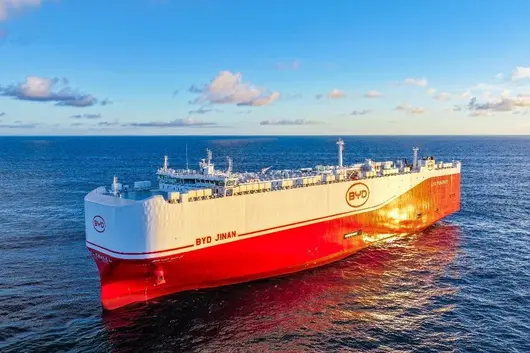
Besides landing overseas systems, connecting China factories and overseas market transportation link, BYD also chose to grasp it itself.
2022, BYD announced investing about 5 billion yuan to build own car RORO fleet, ordered from Guangzhou Shipyard International, China Merchants Industry and CIMC Raffles etc. shipyards.
Jan 2024, first Explorer 1 maiden voyage. Ship length 199.9 meters, equipped with 7000 standard parking spaces, using LNG dual fuel clean power.
Up to now, BYD has 8 RORO ships put into operation. Except Explorer 1, also includes Changzhou, Hefei, Shenzhen, Xi'an, Changsha, Zhengzhou and Jinan. Among them Shenzhen and Xi'an both equipped with 9200 standard parking spaces. Shenzhen is currently the largest car transport ship globally put into operation.
Oct 2026, BYD Executive Vice President Li Ke confirmed ordered another 10 transport ships. After new ships all delivered, own fleet will reach 18 ships. One-time complete vehicle sea transport total capacity breakthrough 130,000 standard parking spaces. Corresponding annual export capacity can be upgraded to about 2.5 million vehicles.
Self-built fleet means BYD need not look at international shipping schedule and pricing whims. Overseas logistics this key link also held in own hands.

From sales view, BYD 2025 overseas sales first exceeded 1 million vehicles. 2026 Q1-Q3 already reached about 1.338 million vehicles, YoY growth 92%. Whole year expected close to 2 million vehicles. Company also set goal for itself 2029 overseas sales exceeding domestic goal.
This time, BYD is using the most down-to-earth and solid way, deep cultivate global never stop walking, turning itself from a global enterprise into a local enterprise rooted everywhere in the world.
So you think, when factory, R&D and charging all moved overseas, BYD real challenge will fall on which link?

Dalam pasaran SUV di Malaysia, banyak pembeli membandingkan Toyota Fortuner dan Volvo XC60 semasa memilih kereta. Kedua-dua model ini mempunyai harga dan kedudukan yang agak serupa. Hari ini, kita akan membuat perbandingan terperinci dari pelbagai aspek untuk membantu anda menjimatkan masa membuat kajian.
Harga OTR Toyota Fortuner di Malaysia ialah RM 195,880 - 241,880, terdapat 3 versi, termasuk 2024 2.8T VRZ Diesel (RM 241,880), 2024 2.7L SRZ Petrol (RM 202,880), 2024 2.4L Standard Diesel (RM 195,880) dan lain-lain.
Harga OTR Volvo XC60 di Malaysia ialah RM 328,888 - 328,888, terdapat 1 versi, termasuk 2025 2.0T Core (RM 328,888) dan lain-lain.
Dari segi harga, harga permulaan Toyota Fortuner memang RM 133,008 lebih murah berbanding Volvo XC60. Jika bajet anda terhad, versi asas Toyota sudah mencukupi untuk memenuhi keperluan harian. Namun, perhatikan juga, beberapa ribu lebih murah itu mungkin ada kompromi dari segi ciri-ciri, bergantung pada keperluan anda.

Penarafan keselamatan Toyota Fortuner ialah 5★ (ASEAN NCAP), sistem keselamatan aktif termasuk.
Penarafan keselamatan Volvo XC60 ialah 5★ (Euro NCAP), sistem keselamatan aktif termasuk.

Panjang badan Toyota Fortuner 4400 mm, isipadu bagasi 400 L.
Panjang badan Volvo XC60 4400 mm, isipadu bagasi 400 L.
Saiz kedua-dua kereta hampir sama, ruang dalaman tidak banyak berbeza. Kereta dalam kelas ini sudah cukup untuk kegunaan harian.

Toyota Fortuner dan Volvo XC60 kedua-duanya adalah pilihan utama pasaran Malaysia, sesuai untuk kegunaan keluarga dan perjalanan harian. Jika anda lebih mementingkan reputasi jenama dan harga sisa, pertimbangkan model yang mempunyai reputasi lebih baik dahulu. Jika anda lebih mementingkan nisbah harga dan ciri-ciri, pilih model dengan konfigurasi yang lebih lengkap. Akhir sekali, disyorkan untuk mencuba memandu kedua-dua model, pengalaman sendiri adalah yang paling penting.

Secara keseluruhannya, Toyota Fortuner dan Volvo XC60 adalah model kereta yang bagus di pasaran Malaysia. Pemilihan bergantung pada keperluan peribadi dan bajet anda. Disarankan membuat kajian, bandingkan tawaran daripada beberapa kedai kereta, kemudian lakukan ujian memandu untuk keputusan akhir. Membeli kereta adalah perkara penting, meluangkan masa untuk membuat kajian tidak akan salah.


In the Malaysian SUV market, many buyers compare the Honda HR-V and Subaru Forester when choosing a car. These two cars are quite close in price and positioning. Today, we will make a detailed comparison from multiple aspects to help you save time doing homework.
Honda HR-V has an OTR price of RM 115,900 - 143,900 in Malaysia, with a total of 4 versions, including 2026 e:HEV 1.5L RS (RM 143,900), 2026 1.5T V (RM 137,900), 2026 1.5T E (RM 130,900), etc.
Subaru Forester has an OTR price of RM 174,000 - 197,000 in Malaysia, with a total of 3 versions, including 2024 2.0L S EyeSight GT Edition (RM 189,538), 2024 2.0L S EyeSight (RM 177,538), 2024 2.0L L EyeSight (RM 167,538), etc.
In terms of price, the Honda HR-V's starting price is indeed RM 58,100 cheaper than the Subaru Forester. If your budget is limited, Honda's entry-level version can already meet daily needs. However, note that the few thousand difference may involve trade-offs in features, depending on your specific needs.

Honda HR-V is equipped with a 1.5L Turbo, with 140 hp. Official fuel consumption is 7.0 L/100km.
Subaru Forester is equipped with a 2.0L 4-cyl, with 170 hp. Official fuel consumption is 8.0 L/100km.
In terms of power, the Subaru Forester's 2.0L 4-cyl has 30 more horsepower than the Honda HR-V's 1.5L Turbo. However, for daily driving in the city, both cars have sufficient power and won't feel underpowered.

Honda HR-V's safety rating is 5★ (ASEAN NCAP), active safety systems include Honda SENSING (ACC, CMBS, LKAS, RDM).
Subaru Forester's safety rating is 5★ (Euro NCAP), active safety systems include EyeSight.
Regarding safety features, both cars have received decent ratings. However, there are some differences in function between Honda HR-V's Honda SENSING (ACC, CMBS, LKAS, RDM) and Subaru Forester's EyeSight. If you value active safety, you can carefully compare the feature lists of both.

Honda HR-V warranty is 5 years/unlimited mileage, maintenance interval every 10,000km or 6 months.
Subaru Forester warranty is 3 years/100,000km, maintenance interval every 10,000km or 6 months.

Overall, the Honda HR-V and Subaru Forester are both excellent models in the Malaysian market. Choosing which one depends mainly on your personal needs and budget. We recommend doing your homework, comparing quotes from several car dealerships, and test driving before making a final decision. Buying a car is a big matter, taking some time to do research is never wrong.



电动化内卷之下,国内新能源行业普遍追求快迭代,不少品牌大幅压缩研发、测试周期,靠换壳、简化极限测试快速推出新车,将试错成本转嫁给消费者,市场故障、召回频次随之走高。在此背景下,风云T7提出“全球车快不了一点”,以长期主义造车路线,形成与行业速成逻辑鲜明的反差。

8月12日风云T7正式开启预售,新车共推出三款配置,售价10.99万、11.99万、12.99万,这套经过全球严苛验证的全球化产品,将起售价定的如此亲民,也是一开始大家没有想到了。

风云T7并非国内特供车型,而是奇瑞基于全球化体系正向打造的全域车型,海外同源车型Lepas L6已先行登陆泰国、南非,后续将进入欧盟、澳新等市场,“先出海验证、再国内上市”的节奏,注定研发环节无法走捷径。整车历经2年策划、3年研发,依托全球研发体系提前两年预研各国法规,严格对标2026版E-NCAP安全标准。设计端联动全球十大设计中心,吸纳5000余名多国用户需求,完成80余项本地化细节适配,兼顾全球审美与不同地域用车习惯。

区别于多数车企简化路试流程,该车投入963台试验车,完成145万公里全球耐久验证,覆盖-40℃至55℃极端温域,历经高温、高寒、高湿、高盐碱七大类极限环境试炼,上万次制动、底盘冲击测试全部闭环整改。针对不同市场专项优化:北欧搭载双源热泵提升冬季续航,热带配备500mm越野级涉水防护,砂石路面加强电池底部防护,所有验证均以实车测试为核心,拒绝仅靠仿真模拟省略试验环节。

产品坚持全球同源同标,无内外减配差异。整车80%高强度钢笼式车身、9安全气囊、31层电池防护体系全系标配,底盘由玛莎拉蒂前工程师团队调校,采用博世、索尼等全球一线供应链。硬件层面,65.05kWh电池实现CLTC 600km续航,4nm 8775芯片支撑舱驾一体智驾,宽体座舱兼顾家用舒适,产品力均衡无明显短板。

拉长研发验证周期会承担短期市场节奏损失,但奇瑞将成本投入前置到安全、耐久、底盘调校等隐性工程。这套模式的价值清晰可见:完整全域测试大幅降低后期故障与召回风险;统一高标准车身、三电方案,适配全球高法规市场,巩固出口优势;叠加整车终身质保、动力电池热失控换新、智驾事故高额兜底政策,建立区别于低价速成车型的信任壁垒。
当前行业正从“拼速度”转向“拼品质”。短期速成车型可抢占低价流量市场,但有志全球化布局的自主品牌,必然要接受长周期研发的时间成本。风云T7的实践证明,面向全球市场的汽车制造没有捷径,唯有沉下心完成全维度验证、统一全球品质标准,才能在国内家用市场与国际赛道形成长期竞争力。
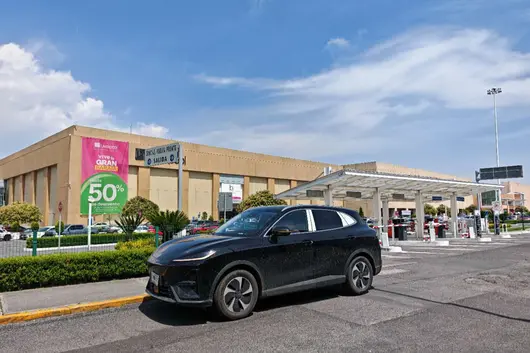

In the Malaysian SUV market, many buyers compare Proton X50 and Chery Tiggo 8 PHEV when choosing a car.
The OTR price of Proton X50 in Malaysia is RM 89,800 - 113,300, with a total of 4 versions, including 1.5T Executive (RM 89,800), 1.5T Premium (RM 101,800), 1.5T Flagship (RM 113,300), etc.
The OTR price of Chery Tiggo 8 PHEV in Malaysia is RM 159,750 - 159,750, with a total of 2 versions, including 1.6L Turbo Standard (RM 130,000), 1.6L Turbo Premium (RM 145,000), etc.
From a price perspective, the starting price of Proton X50 is indeed RM 69,950 cheaper than Chery Tiggo 8 PHEV. If your budget is limited, Proton's entry-level version can already meet daily needs. But note, the few thousand ringgit cheaper might have trade-offs in features, depending on your specific needs.

Proton X50 is powered by a 1.5L 4-cyl, horsepower 105 hp. Official fuel consumption 6.0 L/100km.
Chery Tiggo 8 PHEV is powered by Hybrid, horsepower 170 hp. Official fuel consumption 4.5 L/100km.
In terms of power, the Hybrid in Chery Tiggo 8 PHEV has 65 hp more than the 1.5L 4-cyl in Proton X50. However, daily driving in the city, the power of both cars is sufficient and will not feel insufficient.

Proton X50 body length 4400 mm, trunk 400 L.
Chery Tiggo 8 PHEV body length 4400 mm, trunk 400 L.
The dimensions of both cars are almost the same, and the interior space difference is not significant. For cars of this level, daily use is fully sufficient.

Proton X50 and Chery Tiggo 8 PHEV are both mainstream choices in the Malaysian market, suitable for family use and daily commuting. If you value brand reputation and resale value more, consider the one with better reputation; if you care more about cost-performance ratio and features, choose the one with richer configuration. Ultimately, it is recommended to test drive both, as personal experience is the most important.
Overall, Proton X50 and Chery Tiggo 8 PHEV are both very good car models in the Malaysian market. Which one to choose depends on your personal needs and budget. It is recommended to do your homework, compare quotes from multiple car dealerships, and then test drive to make the final decision. Buying a car is a big matter, spending time to do homework will never be wrong.


在马来西亚的汽车市场,很多买家在选车的时候都会拿 Toyota Corolla Cross 和 MG MG HS 来做比较。今天我们从多个方面做一个详细的对比,帮你省下做功课的时间。

Toyota Corolla Cross 在马来西亚的 OTR 售价是 RM 133,800 - 148,800,一共有 3 个版本,包括 2026 HEV 1.8L GR Sport(RM 148,800)、2026 HEV 1.8L Standard(RM 140,800)、2026 1.8L Standard(RM 133,800) 等。
MG MG HS 在马来西亚的 OTR 售价是 RM 130,450 - 146,450,一共有 2 个版本,包括 1.5L Standard(RM 105,000)、1.5L Executive(RM 115,000) 等。
从价钱来看,MG MG HS 的起步价比 Toyota Corolla Cross 便宜了 RM 3,350。老实讲,在这个价位段,几千块的差距其实不算大,关键还是看整体的性价比和长期使用成本。
Toyota Corolla Cross 的安全评级是 5★ (ASEAN NCAP),主动安全系统包括 TSS (PCS, LDA, ACC, LTA)。
MG MG HS 的安全评级是 TBD,主动安全系统包括 Basic。
安全配备方面,两款车都拿到了不错的评级。不过 Toyota Corolla Cross 的 TSS (PCS, LDA, ACC, LTA) 和 MG MG HS 的 Basic 在功能上有些差异,如果你比较看重主动安全的话,可以仔细对比一下两者的功能列表。

Toyota Corolla Cross 保修 5年/无限制里程,保养间隔 每10,000km或6个月。
MG MG HS 保修 7年/150,000km,保养间隔 每10,000km或6个月。
Toyota Corolla Cross 和 MG MG HS 都是马来西亚市场的主流选择,适合家庭使用、日常通勤。如果你更看重品牌口碑和二手价,可以优先考虑口碑更好的那一款;如果你更在意性价比和配备,那就选配置更丰富的那款。最终还是建议两款都去试驾,亲身体验才是最重要的。
总的来说,Toyota Corolla Cross 和 MG MG HS 都是马来西亚市场很不错的车型。选择哪一辆,关键还是要看你的个人需求和预算。建议大家做好功课,多比较几间车行的报价,再去试驾做最终决定。买车是件大事,花点时间做功课绝对不会错。


在马来西亚的皮卡市场,很多买家在选车的时候都会拿 Toyota Hilux 和 Mitsubishi Triton 来做比较。这两款车在价位和定位上都蛮接近的,今天我们就从多个方面做一个详细的对比,帮你省下做功课的时间。
Toyota Hilux 在马来西亚的 OTR 售价是 RM 104,880 - 173,280,一共有 6 个版本,包括 2025 2.8T AT Double Cab GR Sport(RM 173,280)、2025 2.8T AT Double Cab Rogue(RM 163,080)、2025 2.4T AT Double Cab V(RM 149,580) 等。
Mitsubishi Triton 在马来西亚的 OTR 售价是 RM 101,930 - 169,930,一共有 7 个版本,包括 2026 Double Cab 2.4T AT Athlete Championship(RM 169,930)、2026 Double Cab 2.4T AT Premium Championship(RM 155,930)、2025 Double Cab 2.4T AT Athlete(RM 159,930) 等。
从价钱来看,Mitsubishi Triton 的起步价比 Toyota Hilux 便宜了 RM 2,950。老实讲,在这个价位段,几千块的差距其实不算大,关键还是看整体的性价比和长期使用成本。

Toyota Hilux 搭载 2.5L Diesel,马力 187 hp。官方油耗 8.5 L/100km。
Mitsubishi Triton 搭载 2.5L Diesel,马力 187 hp。官方油耗 8.5 L/100km。
两款车用的是同一套动力系统,日常开起来的感受基本没有差别。油耗方面也差不多,不用太纠结这一点。

Toyota Hilux 车身长 5300 mm,后备箱 0 L。
Mitsubishi Triton 车身长 4400 mm,后备箱 400 L。
空间方面,Toyota Hilux 的车身比 Mitsubishi Triton 长了 900 mm,车内乘坐空间会稍微宽裕一些,尤其是后座腿部空间。如果你经常载家人或者需要放婴儿车,大一点的车身确实更实用。

Toyota Hilux 保修 5年/无限制里程,保养间隔 每10,000km或6个月。
Mitsubishi Triton 保修 3年/100,000km,保养间隔 每10,000km或6个月。

总的来说,Toyota Hilux 和 Mitsubishi Triton 都是马来西亚市场很不错的车型。选择哪一辆,关键还是要看你的个人需求和预算。建议大家做好功课,多比较几间车行的报价,再去试驾做最终决定。买车是件大事,花点时间做功课绝对不会错。


在马来西亚的SUV市场,很多买家在选车的时候都会拿 Mazda CX-8 和 Chery Tiggo 8 PHEV 来做比较。这两款车在价位和定位上都蛮接近的,今天我们就从多个方面做一个详细的对比,帮你省下做功课的时间。
Mazda CX-8 在马来西亚的 OTR 售价是 RM 165,360 - 201,360,一共有 5 个版本,包括 2025 2.5T 4WD High Plus Petrol(RM 201,360)、2025 2.2L 2WD High Plus Diesel(RM 193,123)、2025 2.5L 2WD High Plus Petrol(RM 186,360) 等。
Chery Tiggo 8 PHEV 在马来西亚的 OTR 售价是 RM 159,750 - 159,750,一共有 2 个版本,包括 1.6L Turbo Standard(RM 130,000)、1.6L Turbo Premium(RM 145,000) 等。
从价钱来看,Chery Tiggo 8 PHEV 的起步价比 Mazda CX-8 便宜了 RM 5,610。老实讲,在这个价位段,几千块的差距其实不算大,关键还是看整体的性价比和长期使用成本。

Mazda CX-8 搭载 2.0L 4-cyl,马力 170 hp。官方油耗 8.0 L/100km。
Chery Tiggo 8 PHEV 搭载 Hybrid,马力 170 hp。官方油耗 4.5 L/100km。
动力方面,Chery Tiggo 8 PHEV 的 Hybrid 比 Mazda CX-8 的 2.0L 4-cyl 多了 0 匹马力。不过日常在市区开,两款车的动力都够用,不会觉得不够力。

Mazda CX-8 的安全评级是 5★ (ASEAN NCAP),主动安全系统包括 Brand ADAS。
Chery Tiggo 8 PHEV 的安全评级是 TBD,主动安全系统包括 Basic。
安全配备方面,两款车都拿到了不错的评级。不过 Mazda CX-8 的 Brand ADAS 和 Chery Tiggo 8 PHEV 的 Basic 在功能上有些差异,如果你比较看重主动安全的话,可以仔细对比一下两者的功能列表。

Mazda CX-8 保修 5年/150,000km,保养间隔 每10,000km或6个月。
Chery Tiggo 8 PHEV 保修 3年/100,000km,保养间隔 每10,000km或6个月。
总的来说,Mazda CX-8 和 Chery Tiggo 8 PHEV 都是马来西亚市场很不错的车型。选择哪一辆,关键还是要看你的个人需求和预算。建议大家做好功课,多比较几间车行的报价,再去试驾做最终决定。买车是件大事,花点时间做功课绝对不会错。


车型概览

Mercedes-Benz E-Class PHEV 值不值得买,关键不是它看起来有多吸引,而是它能不能解决你的真实用车需求。这篇文章会把重点放在高速巡航、并线和超车信心。
价格落在 RM 427,888,买家可以先用它判断预算压力和同级定位。
购车价格指南
Mercedes-Benz E-Class PHEV 的购车预算可以先从 RM 427,888 开始衡量。这个数字真正影响的是月供、保险和现金流,而不只是展厅里的标价。
如果你在几个版本之间犹豫,可以把 2025 E 350 e AMG Line(RM 427,888) 放在同一张清单里比较。日常通勤买家优先看舒适与安全,常跑高速的买家则更应重视动力、辅助驾驶和座舱便利。
核心参数汇总
看 Mercedes-Benz E-Class PHEV 的核心规格,最重要是把数字翻译成生活里的感受。
204 Ps的输出,让高速并线和短距离超车更有底气。 车长 4949 mm、车宽 2065 mm、车高 1480 mm,可以帮助你预判停车难度和后排乘坐空间。 自动变速箱 变速箱、后轮驱动布局 的设定,会影响起步顺滑度、湿地稳定感和长途巡航感。
优缺点分析
Mercedes-Benz E-Class PHEV 的优点不必夸张,真正有价值的是它能不能让日常使用更省心:预算位置清楚,方便和同级车直接比较、日常能源成本有明确参考、动力输出能支撑高速和超车需求。
需要留意的是,需要先确认家里、公司或常去商场的充电条件、市区停车和狭窄路段仍要看个人驾驶习惯。这些不是扣分项,而是下订前应该先想清楚的生活细节。
购车常见问题解答
购买 Mercedes-Benz E-Class PHEV 前,买家最常问的不是单一规格,而是它能不能融入自己的生活。
这辆车适合谁?适合把高速巡航、并线和超车信心放在首位的买家。 家庭用户要看什么?优先看后排乘坐、儿童座椅、行李和日常上下车是否顺手。 每天开会不会麻烦?8 L/100km 的油耗参考让通勤成本更容易预估。
竞品对比内容
把 Mercedes-Benz E-Class PHEV 放进同级车名单时,不建议只看品牌或外形。真正有用的比较顺序是:先用 RM 427,888 锁定预算圈、再看动力是否足够应付高速和满载、接着比较能源成本和补能便利、最后看空间是否适合家人和行李。
这样筛选出来的结果更贴近日常生活。你会更清楚它是适合城市通勤、家庭代步、长途巡航,还是更适合作为一辆讲求个性的选择。
用车全周期指南

拥有 Mercedes-Benz E-Class PHEV 的关键,是先把充电安排想清楚。家充、公司充电或商场快充只要其中一项稳定,日常体验就会轻松很多。
如果你常跑南北大道,动力和座舱舒适度会比单纯低价更重要;如果主要在市区,停车灵活性、视野和低速顺滑度会更影响心情。


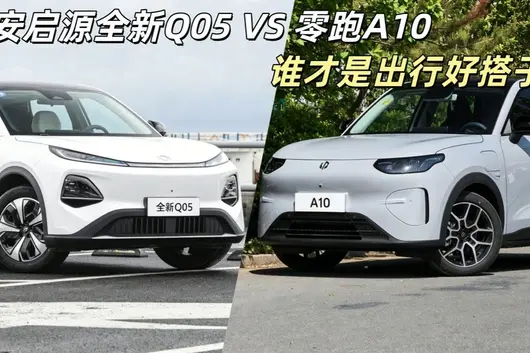
购车预算10万以内想买台纯电SUV,要想兼顾日常带娃买菜和周末露营聚会,长安启源全新Q05和零跑A10到底谁更行?我相信这是很多朋友都在思考的问题,今天我们不兜圈子,直接找来它们俩终端价格都是7万多的两个配置:长安启源全新Q05 2026款 405 Max、零跑A10 2026款 505悦享版,看看到底谁才是出行好搭子?

购买汽车这样的大件,最重要的绝对是稳定可靠,那电车从什么地方看是否稳定可靠呢?品控、技术、三电是核心要素。品控层面双方倒是都比较给力,因为都是全球车,符合严苛的全球测试标准,长安启源全新Q05已于5月泰国上市,不久后将进入更多海外国家。零跑A10预计今年三季度将进入欧洲市场,那三电与技术呢?
 (长安启源全新Q05)
 (长安启源全新Q05)
长安启源全新Q05表现不错,配备了宁德时代电芯和金钟罩2.0 3C快充电池技术,同时底盘还带有护板,保护更好,平时如果是走非铺装路面,钓鱼露营啥的,不用过于担心会刮蹭底盘伤害电池。续航上,这台车满电是405km,当然它也有506km可选,而且也都是宁德时代电芯,值得信任。
 (零跑A10)
 (零跑A10)
零跑A10则配备来自江苏正力或者国轩高科的电芯,属于二线品牌,而它则是用了液冷技术,散热快、够安全,但值得一提的是零跑A10只有高配是液冷,低配则是风冷技术,散热就没那么给力了,而长安启源全新Q05低配是直冷,散热效果优于风冷,高配同样用上了液冷散热。续航上这台车给到了505km,满电可以跑得更远一些。简单来说,就是同价来看长安启源全新Q05电池是大厂更可靠,零跑A10续航更长跑得远,所以你会怎么选呢?
 (长安启源全新Q05)
 (零跑A10)
接着来看空间舒适性,这部分差异挺大的,长安启源全新Q05是紧凑型SUV,轴距2735mm,零跑A10是小型SUV,轴距2605mm,落后130mm。平时一个人、两个人出行倒没什么,但如果三五好友、父母家人一起出门就有区别了。
 (长安启源全新Q05)
 (长安启源全新Q05)
以身高175cm的成年人为参考,分别进入2款SUV主驾并调整好坐姿后,再来到第二排乘坐。这个时候,体验者在长安启源全新Q05的后排,头顶和腿部空间分别还可以剩下1拳和2拳,而且它的后排靠背角度还能调节,长时间坐车能有不同坐姿,可以缓解一定的疲劳感。同时,炎热的夏天和寒冷的冬天,长安启源全新Q05后排也具备空调出风口,可以给后排更好的乘坐体验。
 (零跑A10)
 (零跑A10)
而体验者在零跑A10的后排,头顶和腿部空间分别剩下1拳和1拳3指,座椅靠背角度比较小,也不能调节,长时间乘坐就会比较辛苦了。但如果家里有小宝宝的话,这台小车好的是带了一块小桌板,可以放玩具、平板,不过从安全出发,开车时并不建议使用。
 (零跑A10)
再者来看坐着舒不舒服的问题,这个价格A10给的配置不多,只有主驾电调和前排加热,座椅贴合度也一般,日常代步肯定没问题,但在车里坐上一两小时的话还是很累。
 (长安启源全新Q05)
长安启源全新Q05则是前排都带电调,主驾是最舒服的地方,头枕、腰托、加热、通风甚至是按摩功能全部都有,上班午休、露营开车累了,直接放倒座椅躺下打开按摩功能,半小时后立马就能恢复状态。


现在买车智能科技肯定也不能落后,两款车都是常规L2级辅助驾驶就没啥可说的,但座舱大有不同。零跑A10的Leapmotor OS系统生态还是不错,卡片式布局操作也简单直接;长安启源全新Q05则是天枢智能座舱,同样丝滑流畅,而且比零跑A10多了Carlink、CarPlay和荣耀互联,对使用苹果与荣耀手机的朋友来说更友好,并且多出可见即可说功能,无需唤醒可以直接说出指令操作,使用更加方便。


总结:
一番对比下来,两款车各有各的“杀手锏”。零跑A10胜在续航够长,而长安启源全新Q05则更像一个“六边形战士”,宁德时代电芯+金钟罩电池技术,品质让人放心;轴距多出130mm,后排靠背可调节,多人出行更自由;再加上主驾通风按摩、可见即可说等配置,确实给力。如果让我选,我会投长安启源全新Q05一票,毕竟买下后天天都要开,对自己好一点,比什么都值,你觉得呢?
© 2024 Bitauto.com. All Rights Reserved.
Bitauto (www.yiche.com and www.bitauto.com) is one of the most visited automotive websites in China. We provide detailed info on Chinese car brands available in your area. Please note that the information provided on this website is based on publicly available data and is for reference only. It may not be fully updated or accurate at all times.

Help us improve our website


