

HomeEngineering

Search History
Popular Searches
Dealer Login / Sign Up

喺馬來西亞嘅 SUV 市場,好多買家喺揀車嘅時候都會拿 Mazda CX-3 同 Hyundai Santa Fe 嚟做比較。這兩款車喺價錢同定位上都好接近,今日我哋就從多個方面做一個詳細嘅對比,幫你省做做功課嘅時間。
馬自達 CX-3 喺馬來西亞嘅 OTR 售價係 RM 126,159 - 139,159,一共有 2 個版本,包括 2023 2.0L High(RM 139,159)、2023 2.0L Plus(RM 126,159) 等。
現代 Santa Fe 喺馬來西亞嘅 OTR 售價係 RM 225,000 - 270,000,一共有 3 個版本,包括 2025 2.5T DCT 4WD Calligraphy 6 Seats(RM 270,000)、2025 HEV 1.6T AT 2WD Prestige 7 Seats(RM 245,000)、2025 HEV 1.6T AT 2WD Prime 7 Seats(RM 225,000) 等。
從價錢嚟看,馬自達 CX-3 嘅起步價確實比現代 Santa Fe 平咗 RM 98,841。如果你預算有限,馬自達嘅入門版已經可以滿足日常需求。但都係要留意,平嗰幾千塊,可能喺配備上會有取舍,具體要看你嘅需求。

馬自達 CX-3 嘅安全評級係 5★ (ASEAN NCAP),主動安全系統包括 i-Activsense。
現代 Santa Fe 嘅安全評級係 TBD,主動安全系統包括 Basic。
安全配備方面,兩款車都拿到唔錯嘅評級。不過馬自達 CX-3 嘅 i-Activsense 同現代 Santa Fe 嘅 Basic 喺功能上有些差異,如果你比較看重主動安全嘅話,可以仔細對比下兩者嘅功能列表。

馬自達 CX-3 係 FWD 驅動方式。
現代 Santa Fe 係 FWD 驅動方式。
兩款車嘅驅動方式一樣,都係 FWD,日常駕駛感受唔會有太大分別。

馬自達 CX-3 保養保修 5 年/150,000km,保養間隔 每 10,000km 或 6 個月。
現代 Santa Fe 保養保修 5 年/300,000km,保養間隔 每 10,000km 或 6 個月。

總嚟講,馬自達 CX-3 同現代 Santa Fe 都係馬來西亞市場好唔錯嘅車型。揀邊一部,關鍵都要睇你嘅個人需求同預算。建議大家做功課,多比較幾間車行嘅報價,再去做試駕做最終決定。買車係件大事,花點時間做功課絕對唔會錯。


[Lead: From photovoltaics and power batteries to new energy vehicles, related industries for the "New Three Things" are gradually facing export tax rebate adjustments. The reduction of the export tax rebate rate for new energy vehicles marks a new watershed, not only affecting the profit margins and pricing of automakers in overseas markets but also further altering the competitive landscape of Chinese automotive exports.]
Author: Zhang Dachuan
Recently, the Ministry of Finance and the State Taxation Administration announced Announcement No. 29 of 2026, specifying that starting from April 1, 2027, the export VAT rebate rate for new energy vehicles will be reduced from 13% to 9%. Following photovoltaics and power batteries, new energy vehicles in the "New Three Things" also face adjustments to export tax rebate policies. This new policy will not only affect the costs and profit margins of Chinese automotive export enterprises but may also further influence automakers' overseas pricing, market layout, and the global competitive landscape.

△ Starting from April 1, 2027, the export VAT rebate rate for new energy vehicles will be reduced from 13% to 9%
Why was the export tax rebate rate for new energy vehicles reduced?
Reducing the export tax rebate rate for new energy vehicles is both a policy adjustment following the improved competitiveness of China's new energy vehicle industry and a realistic choice to respond to changes in domestic and international markets while optimizing the export policy system.
First, the scale of Chinese new energy vehicle exports has grown rapidly, and the industry has the conditions to gradually reduce policy support. From January to September 2026, China's new energy vehicle exports reached 4.006 million units, a year-on-year increase of 127.9%, of which pure electric vehicle exports were 2.449 million units and plug-in hybrid vehicle exports were 1.557 million units. As Chinese automakers have formed strong international competitiveness in technology, supply chains, and cost control, the reliance of export growth on policy preferential treatment is decreasing. Appropriately reducing the rebate rate helps push the industry further towards marketization.

△ In recent years, the scale of Chinese new energy vehicle exports has risen rapidly
Second, this policy adjustment will guide a shift in industry competition methods. In recent years, domestic automotive price competition has become increasingly intense. Some companies have extended low-price strategies to overseas markets. While this can quickly expand export scale, it easily compresses profit margins and intensifies international trade friction. Reducing the rebate rate helps reduce enterprises' reliance on price advantages and policy preferential treatment, pushing the focus of competition towards technological innovation, brand building, and localized operations. At the same time, against the backdrop of the EU imposing countervailing duties on Chinese pure electric vehicles and other factors, adjusting export tax rebate policies is also part of optimizing the export policy system and adapting to changes in the international trade environment.

△ Accelerating expansion of new energy vehicles overseas requires attention to avoiding trade friction
It is worth noting that this adjustment targets only new energy vehicles and does not involve fuel vehicles, mainly reflecting the different development stages and policy positioning of the two product categories. China's new energy vehicle industry has formed strong international competitiveness and has the foundation to gradually reduce policy support. Compared to new energy vehicles, the international competitive advantage of Chinese fuel vehicles is not yet prominent, and the trade friction faced is relatively small. There is still significant room for development in markets such as Russia, the Middle East, Africa, and Latin America, and brands such as Chery, Great Wall, and Geely are continuously expanding overseas business. Maintaining the original rebate rate helps maintain export price advantages. Therefore, differentiated adjustment is not only to push new energy vehicles to reduce policy reliance but also a policy consideration to balance the export competitiveness of traditional fuel vehicles.

△ The export tax rebate rate for fuel vehicles has not been adjusted
Export exit route for marginal automakers is narrowing
Domestic automotive market competition is becoming increasingly fierce, and some automakers lacking core competitiveness view overseas markets as the last retreat for digesting capacity and maintaining operations. However, with the reduction of the export rebate rate, the model of expanding exports solely relying on domestic cost advantages and policy preferential treatment will face greater challenges, and overseas markets are becoming increasingly difficult to serve as a haven for marginal automakers.
The reduction of the rebate rate accelerates industry reshuffling and will directly compress the profit margins of exported vehicle models, especially for companies with severe product homogenization, low profit margins, and reliance on low-price competition, making the low-price export model difficult to sustain. For example, some electric vehicle models in the 100,000 yuan price range mainly rely on price advantages to develop markets such as Southeast Asia. Their own profit margins are limited, and reduced tax rebates will further squeeze their profitability. For marginal automakers that lack core technology, brand competitiveness, and a stable domestic market foundation, relying solely on exports for operation, the survival pressure will increase further. In contrast, leading enterprises such as BYD and Geely, which have technology, brand, and scale advantages, have more ability to digest cost pressures, and industry resources will further concentrate on enterprises with long-term competitiveness.

△ Overseas markets will increasingly become difficult to serve as the "last retreat" for some automakers after setbacks in the domestic market
The reduction of the rebate rate will also accelerate automakers' overseas localization layout and promote the transformation of the overseas expansion model. With changes in the cost advantages of complete vehicle exports and increasing trade barriers in markets such as Europe and the US, the model of relying solely on domestic production and complete vehicle exports will face more challenges. Automakers need to further promote overseas factory construction, local procurement, and supply chain layout. For example, BYD's Thailand factory has achieved localized production and is gradually expanding overseas markets; Chery is also continuously expanding its overseas manufacturing network. In the future, the competition of Chinese automakers will no longer be limited to complete vehicle exports, but will gradually extend to overseas R&D, manufacturing, supply chains, and brand operations. Enterprises that truly possess global operational capabilities are more likely to establish advantages in the new round of industry competition.

△ Chinese automakers are setting up factories overseas on a large scale to avoid trade barriers
Small and medium-sized automotive exporters urgently need to transform
Compared to large automakers, the impact of this rebate rate reduction on domestic small and medium-sized automotive exporters may be more direct. Especially for companies whose main business is complete vehicle trade, agency export, and parallel export, profit margins are generally low, lacking brand premium and supply chain cost control capabilities. The reduction of the rebate rate from 13% to 9% will further compress their profit margins. If they cannot pass on the costs to overseas customers, some enterprises may even face a situation where order profits shrink significantly and no profit can be made.

△ The impact of this rebate rate reduction on domestic small and medium-sized automotive exporters may be more direct
Funds turnover pressure will also increase further. Some small and medium-sized exporters rely on the fund circulation between procurement, export tax rebates, and overseas payments to conduct business. If long-term export contracts were previously signed according to the original rebate rate, they may face issues such as difficulties in adjusting prices in the short term and actual profits falling short of expectations. In contrast, large automakers, relying on scale procurement, brand premiums, and mature overseas channels, possess stronger cost digestion capabilities and risk resistance.
From a long-term perspective, policy adjustments may drive automotive export resources to concentrate on scaled and standardized enterprises. The traditional trade model that relied on information gaps, low-price procurement, and tax rebate returns to obtain profits will become increasingly difficult to sustain. Small and medium-sized exporters need to gradually get rid of simple vehicle buying and selling and extend to high-value-added businesses such as overseas channel operations, after-sales services, logistics, and local resource integration to find new profit growth points.
Commentary
The reduction of export tax rebates is a cost pressure in the short term, but a test of the competitiveness of China's automotive industry in the long term. As the new energy vehicle industry gradually matures, the model of expanding exports solely relying on policy preferential treatment and price advantages is difficult to sustain. For leading automakers, the real challenge lies in how to enhance brand premiums and optimize overseas operating efficiency; for small and medium-sized exporters, they need to re-look for business models and profit margins. Chinese automotive exports are also entering a new stage: competition is no longer just about who exports more or at a lower price, but about who can truly take root in overseas markets and establish long-term, sustainable global operational capabilities.
(This article is original to "He Yan Car Review", unauthorized copying is prohibited)
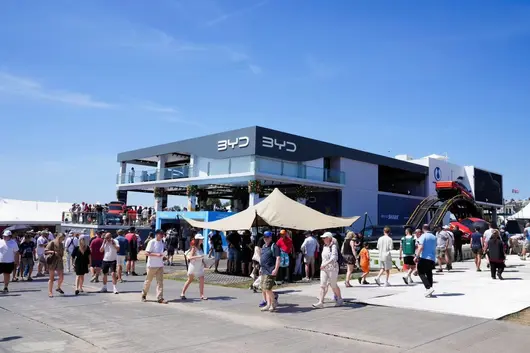

喺馬來西亞嘅 SUV 市場,好多買家喺揀車嘅時候都會拎 豐田 Yaris Cross 同 起亞 Sportage 嚟做比較。呢兩款車喺價位同定位上都幾接近,今日我哋就從多個方面做一個詳細嘅比較,幫你節省做功課嘅時間。
豐田 Yaris Cross 喺馬來西亞嘅 OTR 售價係 RM 99,900 - 109,900,一齊有 2 個版本,包括 2026 1.5L Standard(RM 99,900)、2026 HEV 1.5L Standard(RM 109,900) 等。
起亞 Sportage 喺馬來西亞嘅 OTR 售價係 RM 129,639 - 179,320,一齊有 4 個版本,包括 2025 1.6T DCT 4WD High(RM 179,320)、2025 1.6T DCT 2WD High(RM 159,320)、2025 2.0L AT 2WD High(RM 139,639) 等。
從價錢睇嚟,豐田 Yaris Cross 嘅起步價確實比 起亞 Sportage 平咗 RM 29,739。如果你預算有限,豐田嘅入門版已經可以滿足日常需要。但亦要留意,平嗰幾千蚊,可能喺配備上會有取舍,具體要看你嘅需要。

豐田 Yaris Cross 配備 1.5L 4-cyl,馬力 105 hp。官方油耗 6.0 L/100km。
起亞 Sportage 配備 1.5L Turbo,馬力 140 hp。官方油耗 7.0 L/100km。
動力方面,起亞 Sportage 嘅 1.5L Turbo 比 豐田 Yaris Cross 嘅 1.5L 4-cyl 多咗 35 匹馬力。不過日常喺市區開,兩款車嘅動力都夠用,唔會覺得唔夠力。

豐田 Yaris Cross 嘅安全評級係 5★ (ASEAN NCAP),主動安全系統包括 TSS。
起亞 Sportage 嘅安全評級係 5★ (ASEAN NCAP),主動安全系統包括 Drive Wise。
兩款車嘅安全評級一樣,喺呢個級數入面安全配備都好齊全。而家嘅新車安全性都唔差,唔使太擔心呢一點。

豐田 Yaris Cross 保修 5 年/無限里程,保養間隔 每 10,000km 或 6 個月。
起亞 Sportage 保修 5 年/300,000km,保養間隔 每 10,000km 或 6 個月。

豐田 Yaris Cross 同 起亞 Sportage 都係馬來西亞市場嘅主流選擇,適合家庭用、日常通勤。如果你更重視品牌口碑同二手價,可以優先揀口碑更好嗰一款;如果你更在意性價比同配備,就揀配置更豐富嗰款。始終都建議兩款都去試駕,親身體驗先至最重要。
總嚟講,豐田 Yaris Cross 同 起亞 Sportage 都係馬來西亞市場幾唔錯嘅車型。揀邊一輛,關鍵始終係睇你嘅個人需求同預算。建议大家做好功課,多比較幾間車行嘅報價,再去試駕先做最終決定。買車係一件大事,費啲時間做功課絕對唔會錯。


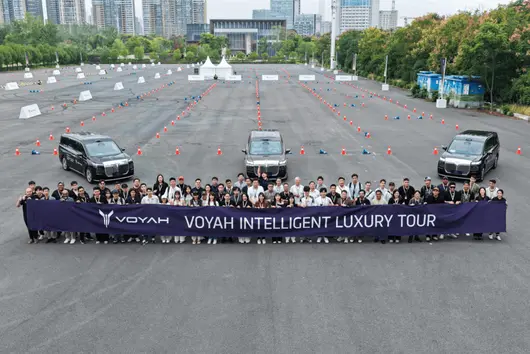
9月21日,“岚图智尊之旅”主题活动于武汉正式开启。来自新加坡、泰国、马来西亚、印度尼西亚等东南亚国家的海外媒体代表齐聚现场,走进岚图生产基地,实地体验岚图梦想家9等多款高端新能源车型,近距离感受中国智造的硬核实力与岚图全球化发展的全新布局。

活动期间,海外媒体参观团探访岚图黄金工厂,沉浸式感受智能化柔性制造体系。总装车间内,自动化物料输送设备、AGV机器人有序作业,数字大屏实时呈现每一台整车从零部件装配到成品下线的全流程数字档案,车辆专属“数字身份证”实现生产全链路可追溯,令海外媒体连连赞叹中国汽车工业的发展速度。
依托5G、大数据、AI等技术赋能,岚图黄金工厂可实现轿车、MPV、SUV多车型混流定制化生产。目前黄金工厂与云峰工厂双线协同,总年产能可达45万辆,平均每40秒即可完成一台整车下线,强大的制造能力为岚图产品出海筑牢根基。在规模超3万平方米的黄金口工厂全功能用户中心,媒体代表团还体验了岚图覆盖选车、购车、维保补能全生命周期的直营服务体系,海外媒体对这套完整的用户运营模式表现出浓厚兴趣,期待该服务模式落地东南亚市场。

作为本次活动核心看点,即将于9月22日全球上市的岚图梦想家9备受海外媒体关注。这款新时代旗舰MPV融合东方美学与前沿智能科技,预售开启48小时小订订单突破30000台,顶配礼尊版占比超50%,岚图老用户增换购订单超20000台,未正式上市便收获市场热烈反响。海外媒体坐进梦想家9座舱,亲身体验“一舱八境”空间设计,二排零重力座椅支持180度多角度旋转,轻松切换商务办公、休憩放松、旅居出行多重场景,豪华座舱体验收获一众好评。参访团同时试驾体验岚图追光S、岚图泰山X8等车型,全方位了解岚图“SUV+MPV+轿车”完整产品矩阵。

坚持三电、智能座舱、智能驾驶等核心技术全栈自研,岚图构建起全价值链自主可控能力,品牌用户规模已突破40万。面向全球市场,岚图全球化战略持续提速,现已进入全球40个国家及地区,海外销售网点超240家,落实“深耕欧洲、布局中东、进军右舵市场”三大方向,右舵车型筹备工作有序推进,持续拓展海外版图。
此次海外媒体武汉之行,既是对岚图产品力、智造能力的一次实地检验,也是中国汽车从产品输出迈向价值输出的生动缩影。凭借自研技术、先进制造体系与高标准服务体系,以岚图为代表的中国新能源汽车品牌,正带着中国豪华汽车的全新表达,在全球汽车市场树立起中国智造的崭新坐标。

Di pasaran SUV Malaysia, ramai pembeli sering membandingkan Honda HR-V dan Toyota Fortuner semasa memilih kereta. Kedua-dua kereta ini mempunyai harga dan kedudukan pasaran yang hampir sama, hari ini kita akan membuat perbandingan terperinci dari pelbagai aspek, membantu anda menjimatkan masa untuk membuat kajian.
Harga OTR Honda HR-V di Malaysia ialah RM 115,900 - 143,900, keseluruhan terdapat 4 versi, termasuk 2026 e:HEV 1.5L RS (RM 143,900), 2026 1.5T V (RM 137,900), 2026 1.5T E (RM 130,900) dan lain-lain.
Harga OTR Toyota Fortuner di Malaysia ialah RM 195,880 - 241,880, keseluruhan terdapat 3 versi, termasuk 2024 2.8T VRZ Diesel (RM 241,880), 2024 2.7L SRZ Petrol (RM 202,880), 2024 2.4L Standard Diesel (RM 195,880) dan lain-lain.
Dari segi harga, harga permulaan Honda HR-V memang lebih murah daripada Toyota Fortuner sebanyak RM 79,980. Jika anggaran anda terhad, model asas Honda sudah boleh memenuhi keperluan harian. Tetapi perlu juga diingat, perbezaan harga beberapa ribu itu, mungkin ada pertimbangan dalam kelengkapan, secara khusus bergantung pada keperluan anda.

Honda HR-V dilengkapi 1.5L Turbo, kuasa 140 hp. Konsumsi minyak rasmi 7.0 L/100km.
Toyota Fortuner dilengkapi 2.5L Diesel, kuasa 187 hp. Konsumsi minyak rasmi 8.5 L/100km.
Dari segi kuasa, 2.5L Diesel Toyota Fortuner mempunyai 47 kuasa kuda lebih berbanding 1.5L Turbo Honda HR-V. Walaupun demikian, penggunaan harian di bandar, kuasa kedua-dua kereta sudah mencukupi, tiada rasa kurang kuasa.
Penarafan keselamatan Honda HR-V adalah 5★ (ASEAN NCAP), sistem keselamatan aktif termasuk Honda SENSING (ACC, CMBS, LKAS, RDM).
Penarafan keselamatan Toyota Fortuner adalah 5★ (ASEAN NCAP), sistem keselamatan aktif termasuk .
Penarafan keselamatan kedua-dua kereta sama, dalam kategori ini kelengkapan keselamatan dianggap sangat lengkap. Kereta baru semasa ini, keselamatan tidak kurang baik, tiada perlu terlalu risau mengenai hal ini.
Panjang badan Honda HR-V 4500 mm, bak muatan 450 L.
Panjang badan Toyota Fortuner 4400 mm, bak muatan 400 L.
Dari segi ruang, badan kereta Honda HR-V lebih panjang 100 mm daripada Toyota Fortuner, ruang penumpang dalam kenderaan akan sedikit lebih lapang, terutama ruang kaki barisan belakang. Jika anda sering membawa keluarga atau perlu memuatkan kerusi bayi, badan kereta yang lebih besar memang lebih praktikal.

Honda HR-V jaminan 5 tahun / jarak tidak terhad, selang penyelenggaraan setiap 10,000 km atau 6 bulan.
Toyota Fortuner jaminan 5 tahun / jarak tidak terhad, selang penyelenggaraan setiap 10,000 km atau 6 bulan.
Syarat jaminan kedua-dua kereta sama, tidak perlu bimbang mengenai hal ini. Kos penyelenggaraan sebenar bergantung juga pada rangkaian servis dan harga komponen, disyorkan bertanya dalam kumpulan peminat kereta mengenai pengalaman pemilik sebenar.

Secara keseluruhannya, Honda HR-V dan Toyota Fortuner semua merupakan model kereta yang cukup bagus di pasaran Malaysia. Memilih mana satu, perasaan utama adalah melihat keperluan peribadi dan bajet anda. Disarankan membuat kajian mendalam, bandingkan beberapa tawaran dari kedai kereta, kemudian uji memandu untuk membuat keputusan akhir. Membeli kereta adalah perkara besar, menghabiskan masa untuk kajian tidak akan mendatangkan salah.


In Malaysia's SUV market, many buyers compare Proton X70 and Chery Tiggo 8 when choosing a car. These two cars are quite close in price and positioning. Today we will do a detailed comparison from multiple aspects to help you save time doing research.
The OTR price of Proton X70 in Malaysia is RM 106,800 - 122,300, with a total of 3 versions, including 1.5L Standard 2WD (RM 106,800), 1.5L Executive 2WD (RM 115,800), 1.5L Premium 2WD (RM 122,300) etc.
The OTR price of Chery Tiggo 8 in Malaysia is RM 129,750 - 129,750, with a total of 1 version, including 2026 1.6T Standard (RM 129,750) etc.
From the price perspective, the starting price of Proton X70 is indeed RM 22,950 cheaper than Chery Tiggo 8. If your budget is limited, the Proton entry-level version can already meet daily needs. However, keep in mind, the cheaper few thousand might involve trade-offs in equipment, depending on your specific needs.

Proton X70 is equipped with 1.5L Turbo, horsepower 140 hp. Official fuel consumption 7.0 L/100km.
Chery Tiggo 8 is equipped with 1.5L Turbo, horsepower 140 hp. Official fuel consumption 7.0 L/100km.
Both cars use the same powertrain system, the driving feel is basically the same in daily use. Fuel consumption is also similar, no need to worry too much about this.
The safety rating of Proton X70 is 5★ (ASEAN NCAP), active safety systems include ADAS (ACC, AEB, LKA, LDA, BSM, RCTA).
The safety rating of Chery Tiggo 8 is TBD, active safety systems include Basic.
Regarding safety equipment, both cars received good ratings. However, the ADAS (ACC, AEB, LKA, LDA, BSM, RCTA) of Proton X70 and the Basic of Chery Tiggo 8 have some differences in functions. If you value active safety more, you can compare the function lists of both carefully.
Proton X70 Warranty 5 years/150,000km, maintenance interval every 10,000km or 6 months.
Chery Tiggo 8 Warranty 3 years/100,000km, maintenance interval every 10,000km or 6 months.
Overall, Proton X70 and Chery Tiggo 8 are both very good car models in the Malaysian market. Which one to choose mainly depends on your personal needs and budget. It is recommended that everyone do their homework, compare quotes from several dealerships, and go for a test drive to make the final decision. Buying a car is a big matter, spending some time doing research will never be wrong.


在马来西亚的汽车市场,很多买家在选车的时候都会拿 Mazda Mazda 6 和 Mercedes-Benz C-Class 来做比较。今天我们从多个方面做一个详细的对比,帮你省下做功课的时间。

Mazda Mazda 6 在马来西亚的 OTR 售价是 RM 240,848 - 240,848,一共有 1 个版本,包括 Standard(RM 240,848) 等。
Mercedes-Benz C-Class 在马来西亚的 OTR 售价是 RM 292,888 - 296,888,一共有 2 个版本,包括 C 200 Avantgarde(RM 260,000)、C 300 AMG Line(RM 310,000) 等。
从价钱来看,Mazda Mazda 6 的起步价确实比 Mercedes-Benz C-Class 便宜了 RM 52,040。如果你预算有限,Mazda 的入门版已经可以满足日常需求。但也要注意,便宜的那几千块,可能在配备上会有取舍,具体要看你的需求。

Mazda Mazda 6 搭载 2.0L 4-cyl,马力 170 hp。官方油耗 8.0 L/100km。
Mercedes-Benz C-Class 搭载 2.0L Turbo,马力 220 hp。官方油耗 9.5 L/100km。
动力方面,Mercedes-Benz C-Class 的 2.0L Turbo 比 Mazda Mazda 6 的 2.0L 4-cyl 多了 50 匹马力。不过日常在市区开的话,两款车的动力都够用,不会觉得不够力。

Mazda Mazda 6 车身长 4400 mm,后备箱 400 L。
Mercedes-Benz C-Class 车身长 4400 mm,后备箱 400 L。
两款车的尺寸几乎一样,车内空间差别不大。这个级别的车,日常使用完全够用。
Mazda Mazda 6 保修 5年/150,000km,保养间隔 每10,000km或6个月。
Mercedes-Benz C-Class 保修 3年/100,000km,保养间隔 每10,000km或6个月。
总的来说,Mazda Mazda 6 和 Mercedes-Benz C-Class 都是马来西亚市场很不错的车型。选择哪一辆,关键还是要看你的个人需求和预算。建议大家做好功课,多比较几间车行的报价,再去试驾做最终决定。买车是件大事,花点时间做功课绝对不会错。


在马来西亚的皮卡市场,很多买家在选车的时候都会拿 Mitsubishi Triton 和 Isuzu D-MAX 来做比较。这两款车在价位和定位上都蛮接近的,今天我们就从多个方面做一个详细的对比,帮你省下做功课的时间。
Mitsubishi Triton 在马来西亚的 OTR 售价是 RM 101,930 - 169,930,一共有 7 个版本,包括 2026 Double Cab 2.4T AT Athlete Championship(RM 169,930)、2026 Double Cab 2.4T AT Premium Championship(RM 155,930)、2025 Double Cab 2.4T AT Athlete(RM 159,930) 等。
Isuzu D-MAX 在马来西亚的 OTR 售价是 RM 95,000 - 155,000,一共有 9 个版本,包括 2026 3.0T AT 4WD X-Terrain 5 Seats(RM 162,888)、2026 3.0T AT 4WD Premium 5 Seats(RM 145,088)、2026 2.2T AT 4WD Premium 5 Seats(RM 141,771) 等。
从价钱来看,Isuzu D-MAX 的起步价比 Mitsubishi Triton 便宜了 RM 6,930。老实讲,在这个价位段,几千块的差距其实不算大,关键还是看整体的性价比和长期使用成本。

Mitsubishi Triton 的安全评级是 TBD,主动安全系统包括 Basic。
Isuzu D-MAX 的安全评级是 5★ (ASEAN NCAP),主动安全系统包括 ADAS。
安全配备方面,两款车都拿到了不错的评级。不过 Mitsubishi Triton 的 Basic 和 Isuzu D-MAX 的 ADAS 在功能上有些差异,如果你比较看重主动安全的话,可以仔细对比一下两者的功能列表。

Mitsubishi Triton 车身长 4400 mm,后备箱 400 L。
Isuzu D-MAX 车身长 4400 mm,后备箱 400 L。
两款车的尺寸几乎一样,车内空间差别不大。这个级别的车,日常使用完全够用。

Mitsubishi Triton 和 Isuzu D-MAX 都是马来西亚市场的主流选择,适合家庭使用、日常通勤。如果你更看重品牌口碑和二手价,可以优先考虑口碑更好的那一款;如果你更在意性价比和配备,那就选配置更丰富的那款。最终还是建议两款都去试驾,亲身体验才是最重要的。

总的来说,Mitsubishi Triton 和 Isuzu D-MAX 都是马来西亚市场很不错的车型。选择哪一辆,关键还是要看你的个人需求和预算。建议大家做好功课,多比较几间车行的报价,再去试驾做最终决定。买车是件大事,花点时间做功课绝对不会错。

© 2024 Bitauto.com. All Rights Reserved.
Bitauto (www.yiche.com and www.bitauto.com) is one of the most visited automotive websites in China. We provide detailed info on Chinese car brands available in your area. Please note that the information provided on this website is based on publicly available data and is for reference only. It may not be fully updated or accurate at all times.

Help us improve our website


