

HomeFon

Search History
Popular Searches
Dealer Login / Sign Up
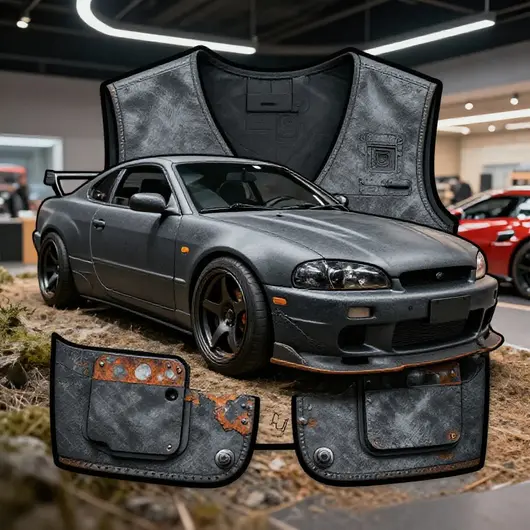
在马来西亚的汽车市场,很多买家在选车的时候都会拿 Perodua Aruz 和 Chery Tiggo 8 来做比较。今天我们从多个方面做一个详细的对比,帮你省下做功课的时间。


Perodua Aruz 在马来西亚的 OTR 售价是 RM 72,900 - 77,900,一共有 2 个版本,包括 1.5L X(RM 72,900)、1.5L AV(RM 77,900) 等。
Chery Tiggo 8 在马来西亚的 OTR 售价是 RM 129,750 - 129,750,一共有 1 个版本,包括 2026 1.6T Standard(RM 129,750) 等。
从价钱来看,Perodua Aruz 的起步价确实比 Chery Tiggo 8 便宜了 RM 56,850。如果你预算有限,Perodua 的入门版已经可以满足日常需求。但也要注意,便宜的那几千块,可能在配备上会有取舍,具体要看你的需求。

Perodua Aruz 的安全评级是 5★ (ASEAN NCAP),主动安全系统包括 。
Chery Tiggo 8 的安全评级是 TBD,主动安全系统包括 Basic。

Perodua Aruz 车身长 4400 mm,后备箱 400 L。
Chery Tiggo 8 车身长 4400 mm,后备箱 400 L。
两款车的尺寸几乎一样,车内空间差别不大。这个级别的车,日常使用完全够用。

Perodua Aruz 和 Chery Tiggo 8 都是马来西亚市场的主流选择,适合家庭使用、日常通勤。如果你更看重品牌口碑和二手价,可以优先考虑口碑更好的那一款;如果你更在意性价比和配备,那就选配置更丰富的那款。最终还是建议两款都去试驾,亲身体验才是最重要的。

总的来说,Perodua Aruz 和 Chery Tiggo 8 都是马来西亚市场很不错的车型。选择哪一辆,关键还是要看你的个人需求和预算。建议大家做好功课,多比较几间车行的报价,再去试驾做最终决定。买车是件大事,花点时间做功课绝对不会错。


在马来西亚的皮卡市场,很多买家在选车的时候都会拿 Mazda BT-50 和 Mitsubishi Triton 来做比较。这两款车在价位和定位上都蛮接近的,今天我们就从多个方面做一个详细的对比,帮你省下做功课的时间。
Mazda BT-50 在马来西亚的 OTR 售价是 RM 140,418 - 140,418,一共有 1 个版本,包括 2025 3.0T High Plus(RM 140,418) 等。
Mitsubishi Triton 在马来西亚的 OTR 售价是 RM 101,930 - 169,930,一共有 7 个版本,包括 2026 Double Cab 2.4T AT Athlete Championship(RM 169,930)、2026 Double Cab 2.4T AT Premium Championship(RM 155,930)、2025 Double Cab 2.4T AT Athlete(RM 159,930) 等。
从价钱来看,Mitsubishi Triton 的起步价比 Mazda BT-50 便宜了 RM 38,488。老实讲,在这个价位段,几千块的差距其实不算大,关键还是看整体的性价比和长期使用成本。

Mazda BT-50 的安全评级是 5★ (ASEAN NCAP),主动安全系统包括 Brand ADAS。
Mitsubishi Triton 的安全评级是 TBD,主动安全系统包括 Basic。
安全配备方面,两款车都拿到了不错的评级。不过 Mazda BT-50 的 Brand ADAS 和 Mitsubishi Triton 的 Basic 在功能上有些差异,如果你比较看重主动安全的话,可以仔细对比一下两者的功能列表。

Mazda BT-50 采用 FWD 驱动方式。
Mitsubishi Triton 采用 FWD 驱动方式。
两款车的驱动方式一样,都是 FWD,日常驾驶感受不会有太大区别。

Mazda BT-50 保修 5年/150,000km,保养间隔 每10,000km或6个月。
Mitsubishi Triton 保修 3年/100,000km,保养间隔 每10,000km或6个月。

Mazda BT-50 和 Mitsubishi Triton 都是马来西亚市场的主流选择,适合家庭使用、日常通勤。如果你更看重品牌口碑和二手价,可以优先考虑口碑更好的那一款;如果你更在意性价比和配备,那就选配置更丰富的那款。最终还是建议两款都去试驾,亲身体验才是最重要的。

总的来说,Mazda BT-50 和 Mitsubishi Triton 都是马来西亚市场很不错的车型。选择哪一辆,关键还是要看你的个人需求和预算。建议大家做好功课,多比较几间车行的报价,再去试驾做最终决定。买车是件大事,花点时间做功课绝对不会错。


在马来西亚的轿车市场,很多买家在选车的时候都会拿 BMW 3 Series 和 Mercedes-Benz E-Class PHEV 来做比较。这两款车在价位和定位上都蛮接近的,今天我们就从多个方面做一个详细的对比,帮你省下做功课的时间。
BMW 3 Series 在马来西亚的 OTR 售价是 RM 267,800 - 392,800,一共有 2 个版本,包括 320i Sport(RM 248,000)、330i M Sport(RM 298,000) 等。
Mercedes-Benz E-Class PHEV 在马来西亚的 OTR 售价是 RM 427,888 - 427,888,一共有 2 个版本,包括 E 200 Avantgarde(RM 350,000)、E 300 AMG Line(RM 400,000) 等。
从价钱来看,BMW 3 Series 的起步价确实比 Mercedes-Benz E-Class PHEV 便宜了 RM 160,088。如果你预算有限,BMW 的入门版已经可以满足日常需求。但也要注意,便宜的那几千块,可能在配备上会有取舍,具体要看你的需求。

BMW 3 Series 车身长 4400 mm,后备箱 400 L。
Mercedes-Benz E-Class PHEV 车身长 4400 mm,后备箱 400 L。
两款车的尺寸几乎一样,车内空间差别不大。这个级别的车,日常使用完全够用。

BMW 3 Series 保修 5年/无限里程,保养间隔 每10,000km或6个月。
Mercedes-Benz E-Class PHEV 保修 3年/100,000km,保养间隔 每10,000km或6个月。

BMW 3 Series 和 Mercedes-Benz E-Class PHEV 都是马来西亚市场的主流选择,适合家庭使用、日常通勤。如果你更看重品牌口碑和二手价,可以优先考虑口碑更好的那一款;如果你更在意性价比和配备,那就选配置更丰富的那款。最终还是建议两款都去试驾,亲身体验才是最重要的。

总的来说,BMW 3 Series 和 Mercedes-Benz E-Class PHEV 都是马来西亚市场很不错的车型。选择哪一辆,关键还是要看你的个人需求和预算。建议大家做好功课,多比较几间车行的报价,再去试驾做最终决定。买车是件大事,花点时间做功课绝对不会错。


在马来西亚的轿车市场,很多买家在选车的时候都会拿 Lexus LS 和 Porsche 911 来做比较。这两款车在价位和定位上都蛮接近的,今天我们就从多个方面做一个详细的对比,帮你省下做功课的时间。
Lexus LS 在马来西亚的 OTR 售价是 RM 1,250,000 - 1,531,000,一共有 2 个版本,包括 2021 500 Executive Kiriko(RM 1,531,000)、2021 500 Luxury(RM 1,250,000) 等。
Porsche 911 在马来西亚的 OTR 售价是 RM 1,430,000 - 2,630,000,一共有 10 个版本,包括 2025 2.0T S line(RM 340,112)、PMT 1874, Lorong IKS BukitTengah 14000 Bukit Mertajam(RM 294,800)、2026 GT3 RS 4.0L DCT(RM 2,630,000) 等。
从价钱来看,Lexus LS 的起步价确实比 Porsche 911 便宜了 RM 180,000。如果你预算有限,Lexus 的入门版已经可以满足日常需求。但也要注意,便宜的那几千块,可能在配备上会有取舍,具体要看你的需求。

Lexus LS 搭载 3.0L Turbo,马力 350 hp。官方油耗 12.0 L/100km。
Porsche 911 搭载 3.0L Turbo,马力 350 hp。官方油耗 12.0 L/100km。
两款车用的是同一套动力系统,日常开起来的感受基本没有差别。油耗方面也差不多,不用太纠结这一点。

Lexus LS 采用 FWD 驱动方式。
Porsche 911 采用 FWD 驱动方式。
两款车的驱动方式一样,都是 FWD,日常驾驶感受不会有太大区别。

Lexus LS 保修 3年/100,000km,保养间隔 每10,000km或6个月。
Porsche 911 保修 3年/100,000km,保养间隔 每10,000km或6个月。
两款车的保修条件一样,这方面不用纠结。实际保养成本还要看品牌的服务网络和零件价格,建议去车友群问问真实车主的经验。

Lexus LS 和 Porsche 911 都是马来西亚市场的主流选择,适合家庭使用、日常通勤。如果你更看重品牌口碑和二手价,可以优先考虑口碑更好的那一款;如果你更在意性价比和配备,那就选配置更丰富的那款。最终还是建议两款都去试驾,亲身体验才是最重要的。

总的来说,Lexus LS 和 Porsche 911 都是马来西亚市场很不错的车型。选择哪一辆,关键还是要看你的个人需求和预算。建议大家做好功课,多比较几间车行的报价,再去试驾做最终决定。买车是件大事,花点时间做功课绝对不会错。


在马来西亚的轿车市场,很多买家在选车的时候都会拿 Volkswagen Golf R 和 Mercedes-Benz A-Class 来做比较。这两款车在价位和定位上都蛮接近的,今天我们就从多个方面做一个详细的对比,帮你省下做功课的时间。
Volkswagen Golf R 在马来西亚的 OTR 售价是 RM 338,812 - 338,812,一共有 2 个版本,包括 2026 2.0T Standard(RM 338,812)、DCT(RM 294,800) 等。
Mercedes-Benz A-Class 在马来西亚的 OTR 售价是 RM 241,888 - 269,888,一共有 1 个版本,包括 Standard(RM 241,888) 等。
从价钱来看,Mercedes-Benz A-Class 的起步价比 Volkswagen Golf R 便宜了 RM 96,924。老实讲,在这个价位段,几千块的差距其实不算大,关键还是看整体的性价比和长期使用成本。

Volkswagen Golf R 搭载 2.0L Turbo,马力 220 hp。官方油耗 9.5 L/100km。
Mercedes-Benz A-Class 搭载 2.0L 4-cyl,马力 170 hp。官方油耗 8.0 L/100km。
动力方面,Volkswagen Golf R 的 2.0L Turbo 比 Mercedes-Benz A-Class 的 2.0L 4-cyl 多了 50 匹马力,中段加速更有信心,尤其是跑高速公路超车的时候。不过 Mercedes-Benz A-Class 的油耗可能更友好,日常市区通勤差别不会太大。

Volkswagen Golf R 的安全评级是 5★ (Euro NCAP),主动安全系统包括 IQ.Drive。
Mercedes-Benz A-Class 的安全评级是 5★ (Euro NCAP),主动安全系统包括 Premium ADAS。
两款车的安全评级一样,在这个级别里面安全配备都算给得很齐全了。现在的新车安全性都不差,不用太担心这一点。

Volkswagen Golf R 车身长 4400 mm,后备箱 400 L。
Mercedes-Benz A-Class 车身长 4400 mm,后备箱 400 L。
两款车的尺寸几乎一样,车内空间差别不大。这个级别的车,日常使用完全够用。

Volkswagen Golf R 采用 FWD 驱动方式。
Mercedes-Benz A-Class 采用 FWD 驱动方式。
两款车的驱动方式一样,都是 FWD,日常驾驶感受不会有太大区别。

总的来说,Volkswagen Golf R 和 Mercedes-Benz A-Class 都是马来西亚市场很不错的车型。选择哪一辆,关键还是要看你的个人需求和预算。建议大家做好功课,多比较几间车行的报价,再去试驾做最终决定。买车是件大事,花点时间做功课绝对不会错。


在马来西亚的轿车市场,很多买家在选车的时候都会拿 Volkswagen Golf GTI 和 Audi A3 来做比较。这两款车在价位和定位上都蛮接近的,今天我们就从多个方面做一个详细的对比,帮你省下做功课的时间。
Volkswagen Golf GTI 在马来西亚的 OTR 售价是 RM 256,962 - 256,962,一共有 3 个版本,包括 2025 2.0T Sepang Edition(RM 262,990)、2025 2.0T Standard(RM 256,962)、DCT(RM 219,800) 等。
Audi A3 在马来西亚的 OTR 售价是 RM 340,112 - 340,112,一共有 2 个版本,包括 1.5L SkyActiv-G(RM 135,000)、2.0L SkyActiv-G(RM 155,000) 等。
从价钱来看,Volkswagen Golf GTI 的起步价确实比 Audi A3 便宜了 RM 83,150。如果你预算有限,Volkswagen 的入门版已经可以满足日常需求。但也要注意,便宜的那几千块,可能在配备上会有取舍,具体要看你的需求。

Volkswagen Golf GTI 搭载 2.0L Turbo,马力 220 hp。官方油耗 9.5 L/100km。
Audi A3 搭载 2.0L Turbo,马力 220 hp。官方油耗 9.5 L/100km。
两款车用的是同一套动力系统,日常开起来的感受基本没有差别。油耗方面也差不多,不用太纠结这一点。
Volkswagen Golf GTI 车身长 4400 mm,后备箱 400 L。
Audi A3 车身长 4400 mm,后备箱 400 L。
两款车的尺寸几乎一样,车内空间差别不大。这个级别的车,日常使用完全够用。
Volkswagen Golf GTI 保修 3年/100,000km,保养间隔 每10,000km或6个月。
Audi A3 保修 5年/150,000km,保养间隔 每10,000km或6个月。

总的来说,Volkswagen Golf GTI 和 Audi A3 都是马来西亚市场很不错的车型。选择哪一辆,关键还是要看你的个人需求和预算。建议大家做好功课,多比较几间车行的报价,再去试驾做最终决定。买车是件大事,花点时间做功课绝对不会错。


在马来西亚的轿车市场,很多买家在选车的时候都会拿 Volkswagen Golf GTI 和 Lexus ES 来做比较。这两款车在价位和定位上都蛮接近的,今天我们就从多个方面做一个详细的对比,帮你省下做功课的时间。
Volkswagen Golf GTI 在马来西亚的 OTR 售价是 RM 256,962 - 256,962,一共有 3 个版本,包括 2025 2.0T Sepang Edition(RM 262,990)、2025 2.0T Standard(RM 256,962)、DCT(RM 219,800) 等。
Lexus ES 在马来西亚的 OTR 售价是 RM 320,888 - 371,888,一共有 4 个版本,包括 2025 250 F Sport(RM 371,888)、2025 250 Luxury(RM 356,888)、2025 250 Premium(RM 320,888) 等。
从价钱来看,Volkswagen Golf GTI 的起步价确实比 Lexus ES 便宜了 RM 63,926。如果你预算有限,Volkswagen 的入门版已经可以满足日常需求。但也要注意,便宜的那几千块,可能在配备上会有取舍,具体要看你的需求。
Volkswagen Golf GTI 的安全评级是 5★ (Euro NCAP),主动安全系统包括 IQ.Drive。
Lexus ES 的安全评级是 TBD,主动安全系统包括 Basic。
安全配备方面,两款车都拿到了不错的评级。不过 Volkswagen Golf GTI 的 IQ.Drive 和 Lexus ES 的 Basic 在功能上有些差异,如果你比较看重主动安全的话,可以仔细对比一下两者的功能列表。
Volkswagen Golf GTI 车身长 4400 mm,后备箱 400 L。
Lexus ES 车身长 4400 mm,后备箱 400 L。
两款车的尺寸几乎一样,车内空间差别不大。这个级别的车,日常使用完全够用。
Volkswagen Golf GTI 和 Lexus ES 都是马来西亚市场的主流选择,适合家庭使用、日常通勤。如果你更看重品牌口碑和二手价,可以优先考虑口碑更好的那一款;如果你更在意性价比和配备,那就选配置更丰富的那款。最终还是建议两款都去试驾,亲身体验才是最重要的。

总的来说,Volkswagen Golf GTI 和 Lexus ES 都是马来西亚市场很不错的车型。选择哪一辆,关键还是要看你的个人需求和预算。建议大家做好功课,多比较几间车行的报价,再去试驾做最终决定。买车是件大事,花点时间做功课绝对不会错。

在马来西亚的轿车市场,很多买家在选车的时候都会拿 Mazda Mazda 6 和 Volkswagen Arteon 来做比较。这两款车在价位和定位上都蛮接近的,今天我们就从多个方面做一个详细的对比,帮你省下做功课的时间。
Mazda Mazda 6 在马来西亚的 OTR 售价是 RM 240,848 - 240,848,一共有 1 个版本,包括 Standard(RM 240,848) 等。
Volkswagen Arteon 在马来西亚的 OTR 售价是 RM 300,962 - 300,962,一共有 2 个版本,包括 2025 2.0T R-Line(RM 300,962)、DCT(RM 240,848) 等。
从价钱来看,Mazda Mazda 6 的起步价确实比 Volkswagen Arteon 便宜了 RM 60,114。如果你预算有限,Mazda 的入门版已经可以满足日常需求。但也要注意,便宜的那几千块,可能在配备上会有取舍,具体要看你的需求。

Mazda Mazda 6 的安全评级是 5★ (ASEAN NCAP),主动安全系统包括 Brand ADAS。
Volkswagen Arteon 的安全评级是 TBD,主动安全系统包括 Basic。
安全配备方面,两款车都拿到了不错的评级。不过 Mazda Mazda 6 的 Brand ADAS 和 Volkswagen Arteon 的 Basic 在功能上有些差异,如果你比较看重主动安全的话,可以仔细对比一下两者的功能列表。
Mazda Mazda 6 采用 FWD 驱动方式。
Volkswagen Arteon 采用 FWD 驱动方式。
两款车的驱动方式一样,都是 FWD,日常驾驶感受不会有太大区别。

Mazda Mazda 6 保修 5年/150,000km,保养间隔 每10,000km或6个月。
Volkswagen Arteon 保修 3年/100,000km,保养间隔 每10,000km或6个月。
总的来说,Mazda Mazda 6 和 Volkswagen Arteon 都是马来西亚市场很不错的车型。选择哪一辆,关键还是要看你的个人需求和预算。建议大家做好功课,多比较几间车行的报价,再去试驾做最终决定。买车是件大事,花点时间做功课绝对不会错。


在马来西亚的轿车市场,很多买家在选车的时候都会拿 Toyota Corolla 和 Nissan Almera 来做比较。这两款车在价位和定位上都蛮接近的,今天我们就从多个方面做一个详细的对比,帮你省下做功课的时间。
Toyota Corolla 在马来西亚的 OTR 售价是 RM 144,800 - 149,800,一共有 2 个版本,包括 2026 1.8L GR Sport(RM 149,800)、2026 1.8L G(RM 144,800) 等。
Nissan Almera 在马来西亚的 OTR 售价是 RM 83,888 - 95,888,一共有 3 个版本,包括 2025 1.0T VLT(RM 95,888)、2025 1.0T VLP(RM 89,888)、2025 1.0T VL(RM 83,888) 等。
从价钱来看,Nissan Almera 的起步价比 Toyota Corolla 便宜了 RM 60,912。老实讲,在这个价位段,几千块的差距其实不算大,关键还是看整体的性价比和长期使用成本。

Toyota Corolla 搭载 1.5L Turbo,马力 140 hp。官方油耗 7.0 L/100km。
Nissan Almera 搭载 1.5L 4-cyl,马力 105 hp。官方油耗 6.0 L/100km。
动力方面,Toyota Corolla 的 1.5L Turbo 比 Nissan Almera 的 1.5L 4-cyl 多了 35 匹马力,中段加速更有信心,尤其是跑高速公路超车的时候。不过 Nissan Almera 的油耗可能更友好,日常市区通勤差别不会太大。

Toyota Corolla 保修 5年/无限制里程,保养间隔 每10,000km或6个月。
Nissan Almera 保修 5年/150,000km,保养间隔 每10,000km或6个月。

Toyota Corolla 和 Nissan Almera 都是马来西亚市场的主流选择,适合家庭使用、日常通勤。如果你更看重品牌口碑和二手价,可以优先考虑口碑更好的那一款;如果你更在意性价比和配备,那就选配置更丰富的那款。最终还是建议两款都去试驾,亲身体验才是最重要的。

总的来说,Toyota Corolla 和 Nissan Almera 都是马来西亚市场很不错的车型。选择哪一辆,关键还是要看你的个人需求和预算。建议大家做好功课,多比较几间车行的报价,再去试驾做最终决定。买车是件大事,花点时间做功课绝对不会错。


在马来西亚的轿车市场,很多买家在选车的时候都会拿 Honda Civic 和 BMW 3 Series 来做比较。这两款车在价位和定位上都蛮接近的,今天我们就从多个方面做一个详细的对比,帮你省下做功课的时间。
Honda Civic 在马来西亚的 OTR 售价是 RM 133,900 - 167,900,一共有 5 个版本,包括 2025 e:HEV 2.0L RS(RM 167,900)、2025 1.5T RS(RM 149,900)、2025 1.5T V(RM 144,900) 等。
BMW 3 Series 在马来西亚的 OTR 售价是 RM 267,800 - 392,800,一共有 2 个版本,包括 320i Sport(RM 248,000)、330i M Sport(RM 298,000) 等。
从价钱来看,Honda Civic 的起步价确实比 BMW 3 Series 便宜了 RM 133,900。如果你预算有限,Honda 的入门版已经可以满足日常需求。但也要注意,便宜的那几千块,可能在配备上会有取舍,具体要看你的需求。

Honda Civic 搭载 1.5L Turbo,马力 140 hp。官方油耗 7.0 L/100km。
BMW 3 Series 搭载 2.0L Turbo,马力 220 hp。官方油耗 9.5 L/100km。
动力方面,BMW 3 Series 的 2.0L Turbo 比 Honda Civic 的 1.5L Turbo 多了 80 匹马力。不过日常在市区开,两款车的动力都够用,不会觉得不够力。

Honda Civic 的安全评级是 5★ (ASEAN NCAP),主动安全系统包括 Honda SENSING (ACC, CMBS, LKAS, RDM)。
BMW 3 Series 的安全评级是 5★ (Euro NCAP),主动安全系统包括 Driving Assistant Professional (ACC, AEB, LKA, BSM)。
安全配备方面,两款车都拿到了不错的评级。不过 Honda Civic 的 Honda SENSING (ACC, CMBS, LKAS, RDM) 和 BMW 3 Series 的 Driving Assistant Professional (ACC, AEB, LKA, BSM) 在功能上有些差异,如果你比较看重主动安全的话,可以仔细对比一下两者的功能列表。

Honda Civic 保修 5年/无限制里程,保养间隔 每10,000km或6个月。
BMW 3 Series 保修 5年/无限里程,保养间隔 每10,000km或6个月。
总的来说,Honda Civic 和 BMW 3 Series 都是马来西亚市场很不错的车型。选择哪一辆,关键还是要看你的个人需求和预算。建议大家做好功课,多比较几间车行的报价,再去试驾做最终决定。买车是件大事,花点时间做功课绝对不会错。

在马来西亚的SUV市场,很多买家在选车的时候都会拿 Volvo XC90 PHEV 和 Porsche Cayenne 来做比较。这两款车在价位和定位上都蛮接近的,今天我们就从多个方面做一个详细的对比,帮你省下做功课的时间。
Volvo XC90 PHEV 在马来西亚的 OTR 售价是 RM 434,888 - 434,888,一共有 2 个版本,包括 2025 2.0T 77km Ultra(RM 434,888)、What safety features does the Volvo XC90 PHEV have?(RM 362,888) 等。
Porsche Cayenne 在马来西亚的 OTR 售价是 RM 609,000 - 1,200,000,一共有 3 个版本,包括 2025 Sportback 2.0T quattro S line(RM 442,112)、2026 Cayenne 3.0T(RM 609,000)、2026 Cayenne S 4.0T(RM 1,200,000) 等。
从价钱来看,Volvo XC90 PHEV 的起步价确实比 Porsche Cayenne 便宜了 RM 174,112。如果你预算有限,Volvo 的入门版已经可以满足日常需求。但也要注意,便宜的那几千块,可能在配备上会有取舍,具体要看你的需求。

Volvo XC90 PHEV 搭载 Hybrid,马力 170 hp。官方油耗 4.5 L/100km。
Porsche Cayenne 搭载 3.0L Turbo,马力 350 hp。官方油耗 12.0 L/100km。
动力方面,Porsche Cayenne 的 3.0L Turbo 比 Volvo XC90 PHEV 的 Hybrid 多了 180 匹马力。不过日常在市区开,两款车的动力都够用,不会觉得不够力。

Volvo XC90 PHEV 车身长 4400 mm,后备箱 400 L。
Porsche Cayenne 车身长 4400 mm,后备箱 400 L。
两款车的尺寸几乎一样,车内空间差别不大。这个级别的车,日常使用完全够用。

Volvo XC90 PHEV 采用 FWD 驱动方式。
Porsche Cayenne 采用 FWD 驱动方式。
两款车的驱动方式一样,都是 FWD,日常驾驶感受不会有太大区别。

Volvo XC90 PHEV 和 Porsche Cayenne 都是马来西亚市场的主流选择,适合家庭使用、日常通勤。如果你更看重品牌口碑和二手价,可以优先考虑口碑更好的那一款;如果你更在意性价比和配备,那就选配置更丰富的那款。最终还是建议两款都去试驾,亲身体验才是最重要的。

总的来说,Volvo XC90 PHEV 和 Porsche Cayenne 都是马来西亚市场很不错的车型。选择哪一辆,关键还是要看你的个人需求和预算。建议大家做好功课,多比较几间车行的报价,再去试驾做最终决定。买车是件大事,花点时间做功课绝对不会错。


在马来西亚的SUV市场,很多买家在选车的时候都会拿 Volvo XC90 PHEV 和 Land Rover Discovery Sport 来做比较。这两款车在价位和定位上都蛮接近的,今天我们就从多个方面做一个详细的对比,帮你省下做功课的时间。
Volvo XC90 PHEV 在马来西亚的 OTR 售价是 RM 434,888 - 434,888,一共有 2 个版本,包括 2025 2.0T 77km Ultra(RM 434,888)、What safety features does the Volvo XC90 PHEV have?(RM 362,888) 等。
Land Rover Discovery Sport 在马来西亚的 OTR 售价是 RM 499,800 - 499,800,一共有 1 个版本,包括 Standard(RM 499,800) 等。
从价钱来看,Volvo XC90 PHEV 的起步价确实比 Land Rover Discovery Sport 便宜了 RM 64,912。如果你预算有限,Volvo 的入门版已经可以满足日常需求。但也要注意,便宜的那几千块,可能在配备上会有取舍,具体要看你的需求。
Volvo XC90 PHEV 的安全评级是 5★ (Euro NCAP),主动安全系统包括 Premium ADAS。
Land Rover Discovery Sport 的安全评级是 TBD,主动安全系统包括 Basic。
安全配备方面,两款车都拿到了不错的评级。不过 Volvo XC90 PHEV 的 Premium ADAS 和 Land Rover Discovery Sport 的 Basic 在功能上有些差异,如果你比较看重主动安全的话,可以仔细对比一下两者的功能列表。
Volvo XC90 PHEV 采用 FWD 驱动方式。
Land Rover Discovery Sport 采用 4WD 驱动方式。
Volvo 的 FWD 和 Land Rover 的 4WD 在操控上会有不同感受,建议试驾对比。
Volvo XC90 PHEV 和 Land Rover Discovery Sport 都是马来西亚市场的主流选择,适合家庭使用、日常通勤。如果你更看重品牌口碑和二手价,可以优先考虑口碑更好的那一款;如果你更在意性价比和配备,那就选配置更丰富的那款。最终还是建议两款都去试驾,亲身体验才是最重要的。

总的来说,Volvo XC90 PHEV 和 Land Rover Discovery Sport 都是马来西亚市场很不错的车型。选择哪一辆,关键还是要看你的个人需求和预算。建议大家做好功课,多比较几间车行的报价,再去试驾做最终决定。买车是件大事,花点时间做功课绝对不会错。

在马来西亚的SUV市场,很多买家在选车的时候都会拿 Volvo XC60 和 Porsche Macan 来做比较。这两款车在价位和定位上都蛮接近的,今天我们就从多个方面做一个详细的对比,帮你省下做功课的时间。
Volvo XC60 在马来西亚的 OTR 售价是 RM 328,888 - 328,888,一共有 1 个版本,包括 2025 2.0T Core(RM 328,888) 等。
Porsche Macan 在马来西亚的 OTR 售价是 RM 469,000 - 469,000,一共有 4 个版本,包括 2025 55 quattro S line(RM 467,285)、2025 50 quattro Advanced(RM 361,135)、PMT 1874, Lorong IKS BukitTengah 14000 Bukit Mertajam(RM 296,610) 等。
从价钱来看,Volvo XC60 的起步价确实比 Porsche Macan 便宜了 RM 140,112。如果你预算有限,Volvo 的入门版已经可以满足日常需求。但也要注意,便宜的那几千块,可能在配备上会有取舍,具体要看你的需求。

Volvo XC60 的安全评级是 5★ (Euro NCAP),主动安全系统包括 。
Porsche Macan 的安全评级是 5★ (Euro NCAP),主动安全系统包括 InnoDrive。
两款车的安全评级一样,在这个级别里面安全配备都算给得很齐全了。现在的新车安全性都不差,不用太担心这一点。

Volvo XC60 保修 5年/无限里程,保养间隔 每10,000km或6个月。
Porsche Macan 保修 3年/100,000km,保养间隔 每10,000km或6个月。

Volvo XC60 和 Porsche Macan 都是马来西亚市场的主流选择,适合家庭使用、日常通勤。如果你更看重品牌口碑和二手价,可以优先考虑口碑更好的那一款;如果你更在意性价比和配备,那就选配置更丰富的那款。最终还是建议两款都去试驾,亲身体验才是最重要的。

总的来说,Volvo XC60 和 Porsche Macan 都是马来西亚市场很不错的车型。选择哪一辆,关键还是要看你的个人需求和预算。建议大家做好功课,多比较几间车行的报价,再去试驾做最终决定。买车是件大事,花点时间做功课绝对不会错。


在马来西亚的SUV市场,很多买家在选车的时候都会拿 Hyundai Palisade 和 Mercedes-Benz GLE 来做比较。这两款车在价位和定位上都蛮接近的,今天我们就从多个方面做一个详细的对比,帮你省下做功课的时间。
Hyundai Palisade 在马来西亚的 OTR 售价是 RM 368,838 - 399,838,一共有 4 个版本,包括 2023 3.8L 2WD Luxe 7 Seats Petrol(RM 399,838)、2023 2.2T 4WD Executive 7 Seats Diesel(RM 389,838)、2023 3.8L 2WD Luxe 8 Seats Petrol(RM 378,838) 等。
Mercedes-Benz GLE 在马来西亚的 OTR 售价是 RM 544,888 - 544,888,一共有 1 个版本,包括 Standard(RM 544,888) 等。
从价钱来看,Hyundai Palisade 的起步价确实比 Mercedes-Benz GLE 便宜了 RM 176,050。如果你预算有限,Hyundai 的入门版已经可以满足日常需求。但也要注意,便宜的那几千块,可能在配备上会有取舍,具体要看你的需求。

Hyundai Palisade 车身长 4400 mm,后备箱 400 L。
Mercedes-Benz GLE 车身长 4400 mm,后备箱 400 L。
两款车的尺寸几乎一样,车内空间差别不大。这个级别的车,日常使用完全够用。

Hyundai Palisade 采用 FWD 驱动方式。
Mercedes-Benz GLE 采用 FWD 驱动方式。
两款车的驱动方式一样,都是 FWD,日常驾驶感受不会有太大区别。

Hyundai Palisade 和 Mercedes-Benz GLE 都是马来西亚市场的主流选择,适合家庭使用、日常通勤。如果你更看重品牌口碑和二手价,可以优先考虑口碑更好的那一款;如果你更在意性价比和配备,那就选配置更丰富的那款。最终还是建议两款都去试驾,亲身体验才是最重要的。

总的来说,Hyundai Palisade 和 Mercedes-Benz GLE 都是马来西亚市场很不错的车型。选择哪一辆,关键还是要看你的个人需求和预算。建议大家做好功课,多比较几间车行的报价,再去试驾做最终决定。买车是件大事,花点时间做功课绝对不会错。


在马来西亚的SUV市场,很多买家在选车的时候都会拿 Hyundai Santa Fe 和 Subaru Outback 来做比较。这两款车在价位和定位上都蛮接近的,今天我们就从多个方面做一个详细的对比,帮你省下做功课的时间。
Hyundai Santa Fe 在马来西亚的 OTR 售价是 RM 225,000 - 270,000,一共有 3 个版本,包括 2025 2.5T DCT 4WD Calligraphy 6 Seats(RM 270,000)、2025 HEV 1.6T AT 2WD Prestige 7 Seats(RM 245,000)、2025 HEV 1.6T AT 2WD Prime 7 Seats(RM 225,000) 等。
Subaru Outback 在马来西亚的 OTR 售价是 RM 260,000 - 280,000,一共有 2 个版本,包括 2025 2.4T R-Touring EyeSight(RM 310,340)、2025 2.5L Touring EyeSight(RM 280,340) 等。
从价钱来看,Hyundai Santa Fe 的起步价确实比 Subaru Outback 便宜了 RM 35,000。如果你预算有限,Hyundai 的入门版已经可以满足日常需求。但也要注意,便宜的那几千块,可能在配备上会有取舍,具体要看你的需求。

Hyundai Santa Fe 搭载 2.0L 4-cyl,马力 170 hp。官方油耗 8.0 L/100km。
Subaru Outback 搭载 2.0L Turbo,马力 220 hp。官方油耗 9.5 L/100km。
动力方面,Subaru Outback 的 2.0L Turbo 比 Hyundai Santa Fe 的 2.0L 4-cyl 多了 50 匹马力。不过日常在市区开,两款车的动力都够用,不会觉得不够力。

Hyundai Santa Fe 的安全评级是 TBD,主动安全系统包括 Basic。
Subaru Outback 的安全评级是 TBD,主动安全系统包括 Basic。
两款车的安全评级一样,在这个级别里面安全配备都算给得很齐全了。现在的新车安全性都不差,不用太担心这一点。

Hyundai Santa Fe 车身长 4400 mm,后备箱 400 L。
Subaru Outback 车身长 4400 mm,后备箱 400 L。
两款车的尺寸几乎一样,车内空间差别不大。这个级别的车,日常使用完全够用。

Hyundai Santa Fe 采用 FWD 驱动方式。
Subaru Outback 采用 FWD 驱动方式。
两款车的驱动方式一样,都是 FWD,日常驾驶感受不会有太大区别。

总的来说,Hyundai Santa Fe 和 Subaru Outback 都是马来西亚市场很不错的车型。选择哪一辆,关键还是要看你的个人需求和预算。建议大家做好功课,多比较几间车行的报价,再去试驾做最终决定。买车是件大事,花点时间做功课绝对不会错。


在马来西亚的SUV市场,很多买家在选车的时候都会拿 MG MG HS 和 Subaru Crosstrek 来做比较。这两款车在价位和定位上都蛮接近的,今天我们就从多个方面做一个详细的对比,帮你省下做功课的时间。
MG MG HS 在马来西亚的 OTR 售价是 RM 130,450 - 146,450,一共有 2 个版本,包括 1.5L Standard(RM 105,000)、1.5L Executive(RM 115,000) 等。
Subaru Crosstrek 在马来西亚的 OTR 售价是 RM 145,000 - 160,000,一共有 1 个版本,包括 2.0L e-Boxer(RM 150,000) 等。
从价钱来看,MG MG HS 的起步价确实比 Subaru Crosstrek 便宜了 RM 14,550。如果你预算有限,MG 的入门版已经可以满足日常需求。但也要注意,便宜的那几千块,可能在配备上会有取舍,具体要看你的需求。

MG MG HS 搭载 1.5L Turbo,马力 140 hp。官方油耗 7.0 L/100km。
Subaru Crosstrek 搭载 1.5L Turbo,马力 140 hp。官方油耗 7.0 L/100km。
两款车用的是同一套动力系统,日常开起来的感受基本没有差别。油耗方面也差不多,不用太纠结这一点。

MG MG HS 的安全评级是 TBD,主动安全系统包括 Basic。
Subaru Crosstrek 的安全评级是 5★ (Euro NCAP),主动安全系统包括 EyeSight。
安全配备方面,两款车都拿到了不错的评级。不过 MG MG HS 的 Basic 和 Subaru Crosstrek 的 EyeSight 在功能上有些差异,如果你比较看重主动安全的话,可以仔细对比一下两者的功能列表。

MG MG HS 车身长 4400 mm,后备箱 400 L。
Subaru Crosstrek 车身长 4400 mm,后备箱 400 L。
两款车的尺寸几乎一样,车内空间差别不大。这个级别的车,日常使用完全够用。
MG MG HS 和 Subaru Crosstrek 都是马来西亚市场的主流选择,适合家庭使用、日常通勤。如果你更看重品牌口碑和二手价,可以优先考虑口碑更好的那一款;如果你更在意性价比和配备,那就选配置更丰富的那款。最终还是建议两款都去试驾,亲身体验才是最重要的。
总的来说,MG MG HS 和 Subaru Crosstrek 都是马来西亚市场很不错的车型。选择哪一辆,关键还是要看你的个人需求和预算。建议大家做好功课,多比较几间车行的报价,再去试驾做最终决定。买车是件大事,花点时间做功课绝对不会错。


在马来西亚的SUV市场,很多买家在选车的时候都会拿 Mazda CX-80 和 Subaru Forester 来做比较。这两款车在价位和定位上都蛮接近的,今天我们就从多个方面做一个详细的对比,帮你省下做功课的时间。
Mazda CX-80 在马来西亚的 OTR 售价是 RM 296,610 - 296,610,一共有 1 个版本,包括 2025 2.5L 65km High Plus(RM 296,610) 等。
Subaru Forester 在马来西亚的 OTR 售价是 RM 174,000 - 197,000,一共有 3 个版本,包括 2024 2.0L S EyeSight GT Edition(RM 189,538)、2024 2.0L S EyeSight(RM 177,538)、2024 2.0L L EyeSight(RM 167,538) 等。
从价钱来看,Subaru Forester 的起步价比 Mazda CX-80 便宜了 RM 122,610。老实讲,在这个价位段,几千块的差距其实不算大,关键还是看整体的性价比和长期使用成本。

Mazda CX-80 的安全评级是 5★ (ASEAN NCAP),主动安全系统包括 Brand ADAS。
Subaru Forester 的安全评级是 5★ (Euro NCAP),主动安全系统包括 EyeSight。
安全配备方面,两款车都拿到了不错的评级。不过 Mazda CX-80 的 Brand ADAS 和 Subaru Forester 的 EyeSight 在功能上有些差异,如果你比较看重主动安全的话,可以仔细对比一下两者的功能列表。

Mazda CX-80 采用 FWD 驱动方式。
Subaru Forester 采用 FWD 驱动方式。
两款车的驱动方式一样,都是 FWD,日常驾驶感受不会有太大区别。

Mazda CX-80 保修 5年/150,000km,保养间隔 每10,000km或6个月。
Subaru Forester 保修 3年/100,000km,保养间隔 每10,000km或6个月。

Mazda CX-80 和 Subaru Forester 都是马来西亚市场的主流选择,适合家庭使用、日常通勤。如果你更看重品牌口碑和二手价,可以优先考虑口碑更好的那一款;如果你更在意性价比和配备,那就选配置更丰富的那款。最终还是建议两款都去试驾,亲身体验才是最重要的。
总的来说,Mazda CX-80 和 Subaru Forester 都是马来西亚市场很不错的车型。选择哪一辆,关键还是要看你的个人需求和预算。建议大家做好功课,多比较几间车行的报价,再去试驾做最终决定。买车是件大事,花点时间做功课绝对不会错。


在马来西亚的SUV市场,很多买家在选车的时候都会拿 Mazda CX-9 和 Land Rover Discovery Sport 来做比较。这两款车在价位和定位上都蛮接近的,今天我们就从多个方面做一个详细的对比,帮你省下做功课的时间。
Mazda CX-9 在马来西亚的 OTR 售价是 RM 328,810 - 345,810,一共有 2 个版本,包括 2023 2.5T 4WD(RM 345,810)、2023 2.5T 2WD(RM 328,810) 等。
Land Rover Discovery Sport 在马来西亚的 OTR 售价是 RM 499,800 - 499,800,一共有 1 个版本,包括 Standard(RM 499,800) 等。
从价钱来看,Mazda CX-9 的起步价确实比 Land Rover Discovery Sport 便宜了 RM 170,990。如果你预算有限,Mazda 的入门版已经可以满足日常需求。但也要注意,便宜的那几千块,可能在配备上会有取舍,具体要看你的需求。
Mazda CX-9 的安全评级是 5★ (ASEAN NCAP),主动安全系统包括 Brand ADAS。
Land Rover Discovery Sport 的安全评级是 TBD,主动安全系统包括 Basic。
安全配备方面,两款车都拿到了不错的评级。不过 Mazda CX-9 的 Brand ADAS 和 Land Rover Discovery Sport 的 Basic 在功能上有些差异,如果你比较看重主动安全的话,可以仔细对比一下两者的功能列表。
Mazda CX-9 采用 FWD 驱动方式。
Land Rover Discovery Sport 采用 4WD 驱动方式。
Mazda 的 FWD 和 Land Rover 的 4WD 在操控上会有不同感受,建议试驾对比。

Mazda CX-9 和 Land Rover Discovery Sport 都是马来西亚市场的主流选择,适合家庭使用、日常通勤。如果你更看重品牌口碑和二手价,可以优先考虑口碑更好的那一款;如果你更在意性价比和配备,那就选配置更丰富的那款。最终还是建议两款都去试驾,亲身体验才是最重要的。
总的来说,Mazda CX-9 和 Land Rover Discovery Sport 都是马来西亚市场很不错的车型。选择哪一辆,关键还是要看你的个人需求和预算。建议大家做好功课,多比较几间车行的报价,再去试驾做最终决定。买车是件大事,花点时间做功课绝对不会错。

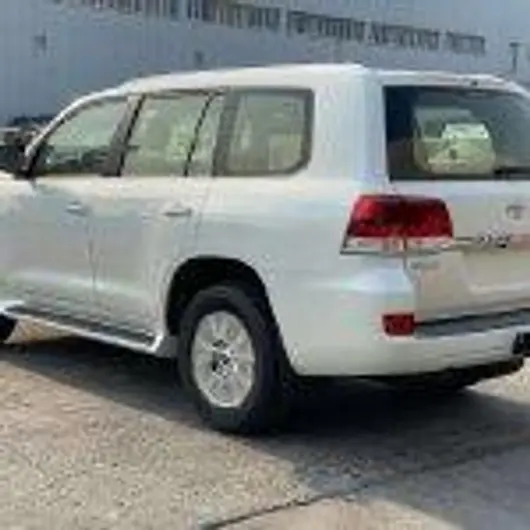
在马来西亚的SUV市场,很多买家在选车的时候都会拿 Mazda CX-9 和 Audi Q7 来做比较。这两款车在价位和定位上都蛮接近的,今天我们就从多个方面做一个详细的对比,帮你省下做功课的时间。
Mazda CX-9 在马来西亚的 OTR 售价是 RM 328,810 - 345,810,一共有 2 个版本,包括 2023 2.5T 4WD(RM 345,810)、2023 2.5T 2WD(RM 328,810) 等。
Audi Q7 在马来西亚的 OTR 售价是 RM 462,222 - 462,222,一共有 1 个版本,包括 Standard(RM 462,222) 等。
从价钱来看,Mazda CX-9 的起步价确实比 Audi Q7 便宜了 RM 133,412。如果你预算有限,Mazda 的入门版已经可以满足日常需求。但也要注意,便宜的那几千块,可能在配备上会有取舍,具体要看你的需求。
Mazda CX-9 搭载 2.0L Turbo,马力 220 hp。官方油耗 9.5 L/100km。
Audi Q7 搭载 3.0L Turbo,马力 350 hp。官方油耗 12.0 L/100km。
动力方面,Audi Q7 的 3.0L Turbo 比 Mazda CX-9 的 2.0L Turbo 多了 130 匹马力。不过日常在市区开,两款车的动力都够用,不会觉得不够力。
Mazda CX-9 的安全评级是 5★ (ASEAN NCAP),主动安全系统包括 Brand ADAS。
Audi Q7 的安全评级是 5★ (Euro NCAP),主动安全系统包括 Premium ADAS。
安全配备方面,两款车都拿到了不错的评级。不过 Mazda CX-9 的 Brand ADAS 和 Audi Q7 的 Premium ADAS 在功能上有些差异,如果你比较看重主动安全的话,可以仔细对比一下两者的功能列表。
Mazda CX-9 车身长 4500 mm,后备箱 450 L。
Audi Q7 车身长 4400 mm,后备箱 400 L。
空间方面,Mazda CX-9 的车身比 Audi Q7 长了 100 mm,车内乘坐空间会稍微宽裕一些,尤其是后座腿部空间。如果你经常载家人或者需要放婴儿车,大一点的车身确实更实用。

Mazda CX-9 采用 FWD 驱动方式。
Audi Q7 采用 FWD 驱动方式。
两款车的驱动方式一样,都是 FWD,日常驾驶感受不会有太大区别。
总的来说,Mazda CX-9 和 Audi Q7 都是马来西亚市场很不错的车型。选择哪一辆,关键还是要看你的个人需求和预算。建议大家做好功课,多比较几间车行的报价,再去试驾做最终决定。买车是件大事,花点时间做功课绝对不会错。

在马来西亚的SUV市场,很多买家在选车的时候都会拿 Mazda CX-9 和 Hyundai Santa Fe 来做比较。这两款车在价位和定位上都蛮接近的,今天我们就从多个方面做一个详细的对比,帮你省下做功课的时间。
Mazda CX-9 在马来西亚的 OTR 售价是 RM 328,810 - 345,810,一共有 2 个版本,包括 2023 2.5T 4WD(RM 345,810)、2023 2.5T 2WD(RM 328,810) 等。
Hyundai Santa Fe 在马来西亚的 OTR 售价是 RM 225,000 - 270,000,一共有 3 个版本,包括 2025 2.5T DCT 4WD Calligraphy 6 Seats(RM 270,000)、2025 HEV 1.6T AT 2WD Prestige 7 Seats(RM 245,000)、2025 HEV 1.6T AT 2WD Prime 7 Seats(RM 225,000) 等。
从价钱来看,Hyundai Santa Fe 的起步价比 Mazda CX-9 便宜了 RM 103,810。老实讲,在这个价位段,几千块的差距其实不算大,关键还是看整体的性价比和长期使用成本。
Mazda CX-9 的安全评级是 5★ (ASEAN NCAP),主动安全系统包括 Brand ADAS。
Hyundai Santa Fe 的安全评级是 TBD,主动安全系统包括 Basic。
安全配备方面,两款车都拿到了不错的评级。不过 Mazda CX-9 的 Brand ADAS 和 Hyundai Santa Fe 的 Basic 在功能上有些差异,如果你比较看重主动安全的话,可以仔细对比一下两者的功能列表。
Mazda CX-9 保修 5年/150,000km,保养间隔 每10,000km或6个月。
Hyundai Santa Fe 保修 5年/300,000km,保养间隔 每10,000km或6个月。
Mazda CX-9 和 Hyundai Santa Fe 都是马来西亚市场的主流选择,适合家庭使用、日常通勤。如果你更看重品牌口碑和二手价,可以优先考虑口碑更好的那一款;如果你更在意性价比和配备,那就选配置更丰富的那款。最终还是建议两款都去试驾,亲身体验才是最重要的。
总的来说,Mazda CX-9 和 Hyundai Santa Fe 都是马来西亚市场很不错的车型。选择哪一辆,关键还是要看你的个人需求和预算。建议大家做好功课,多比较几间车行的报价,再去试驾做最终决定。买车是件大事,花点时间做功课绝对不会错。
© 2024 Bitauto.com. All Rights Reserved.
Bitauto (www.yiche.com and www.bitauto.com) is one of the most visited automotive websites in China. We provide detailed info on Chinese car brands available in your area. Please note that the information provided on this website is based on publicly available data and is for reference only. It may not be fully updated or accurate at all times.

Help us improve our website


