

HomeFujian

Search History
Popular Searches
Dealer Login / Sign Up

In the Malaysian SUV market, many buyers compare Perodua Aruz and Chery Tiggo 7 Pro when choosing a car. These two cars are quite close in price and positioning. Today, we will make a detailed comparison from multiple aspects to help you save time on research.
The OTR price of Perodua Aruz in Malaysia is RM 72,900 - 77,900, with a total of 2 versions, including 1.5L X (RM 72,900), 1.5L AV (RM 77,900), etc.
The OTR price of Chery Tiggo 7 Pro in Malaysia is RM 123,750 - 123,750, with a total of 2 versions, including 1.6L Turbo Standard (RM 125,000), 1.6L Turbo Premium (RM 140,000), etc.
Looking at the price, the starting price of Perodua Aruz is indeed RM 50,850 cheaper than Chery Tiggo 7 Pro. If your budget is limited, Perodua's entry-level model can already meet daily needs. But also note, the cheaper options might have trade-offs in features, it depends on your specific needs.

Perodua Aruz safety rating is 5★ (ASEAN NCAP), active safety systems include.
Chery Tiggo 7 Pro safety rating is TBD, active safety systems include Basic.

Perodua Aruz adopts FWD drive mode.
Chery Tiggo 7 Pro adopts FWD drive mode.
The drive mode of both cars is the same, both are FWD, there won't be much difference in daily driving experience.

Perodua Aruz and Chery Tiggo 7 Pro are both mainstream choices in the Malaysian market, suitable for family use and daily commuting. If you value brand reputation and resale value more, you can prioritize the one with better reputation; if you care more about value for money and features, then choose the one with richer specifications. Ultimately, it is recommended to test drive both, personal experience is the most important.
Overall, Perodua Aruz and Chery Tiggo 7 Pro are both quite good models in the Malaysian market. Which one to choose depends mainly on your personal needs and budget. We recommend doing your research, compare quotes from several dealerships, and then test drive to make a final decision. Buying a car is a big deal, spending some time researching will never be wrong.


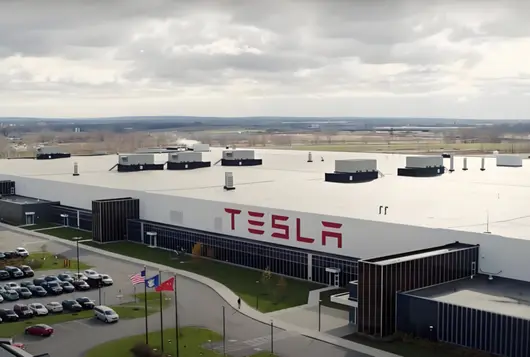
Recently, foreign media reported that Tesla is considering splitting, selling, or even closing all its China-based operations, aiming to clear compliance hurdles for the merger of Tesla and SpaceX. The root cause lies in SpaceX's identity as a US aerospace and defense contractor, holding numerous classified aerospace projects, which means the merger carries significant cross-border regulatory pressure.

Tesla's wholly-owned factory in China supports the brand's production capacity and profitability scale, balancing domestic supply and overseas exports. Once this asset is cut, Tesla's revenue, capacity, and valuation will all face a significant decline sh. It is understood that various divestment plans only remain at internal discussions, without an implementation timeline, with huge uncertainties downstream.
Merger Turmoil Between SpaceX and Tesla
Public opinion believes that selling domestic assets can open the compliance channel for merging Tesla and SpaceX. This assessment oversimplifies global regulation, excessively overestimating the influence of equity structure on corporate operations.

SpaceX undertakes US classified aerospace and defense supporting business, subject to strict constraints from the US side. Once this company obtains control of Tesla, all markets globally where Tesla is deployed will face targeted compliance screening. The EU has set rigid constraints on cross-border data transmission and data sharing for intelligent vehicles; Southeast Asian countries like Singapore, Thailand, and Malaysia are continuously improving data regulations, establishing data retention and cross-border review rules adapted for automakers.
From the perspective of corporate global operations, exchanging core assets like the Shanghai factory for compliance space does not yield actual benefits matching operational costs. Relying on the complete parts supply chain of the Yangtze River Delta, the Shanghai factory can maintain Tesla's complete vehicle manufacturing costs, bearing a large number of domestic deliveries and overseas sales orders, serving as an important support for the brand's global capacity and profitability. Sacrificing core high-quality capacity to solve compliance issues in a single region is difficult to adapt to the overall demands of Tesla's global operations.

At the cost of abandoning core capacity, raising manufacturing costs, and weakening global delivery efficiency, merely exchanging for local compliance buffering results in extremely low commercial cost-performance. Mainstream multinational automakers dealing with multi-regional regulation focus primarily on flexible digital rectification, completing compliance iteration by isolating internal and external office links, tightening data permissions, and building local data loops.
Cross-border compliance work for multinational automakers needs to adapt to policy rules in different regions, dealing with scattered and independent regulatory risks. Asset adjustments in a single market can only cover local compliance gaps, unable to complete global compliance adaptation. The merger path deduced by the market relying on asset stripping has obvious partiality and does not conform to the normalized compliance operation logic and business trade-off logic of multinational automakers.
Automaker Compliance Logic Simplified
Relevant news about Tesla's withdrawal this round is continuously spreading. Industry insiders judge compliance trends based on equity background. The industry's understanding of domestic automotive regulatory details has deviated, ignoring the real logic of regulation implementation.

Domestic automotive compliance builds a layered control framework. Daily operations use cross-border data control as the core verification item, running parallel with foreign investment security review layers, with two regulatory paths performing their respective duties. When enterprises carry out production and sales daily, regulatory personnel focus on verifying data storage methods, transmission channels, and circulation scopes, and will not limit compliant foreign automakers from conducting normal business solely based on the investor's background.
Domestic regulations set clear execution standards for intelligent vehicle in-vehicle data. Vehicle driving trajectories, in-vehicle captured video, and various driving behavior data, as long as they are collected domestically, must be stored on local servers. All operations transferring data out must complete the entire process of filing and approval. Tesla has many gentle ways to adapt to rules, reinforcing local network ports, dividing access permissions for domestic and overseas systems, building independent closed data management frameworks, to satisfy all control requirements. Schemes repeatedly discussed in the industry, such as selling equity and splitting China-based capacity, do not align with the path of regulation implementation and execution, and cannot be considered adapted schemes.
Tesla is successively implementing rectification work such as account permission division, local data loops, and office network partitioning. Many countries around the world are tightening automotive data regulations. This kind of adaptation suits large-scale policy changes, serving the enterprise's long-term risk control, and will not change rhythm with the rumors of Tesla and SpaceX's merger.

Foreign media statements about Tesla shutting down factories and withdrawing from the domestic market are merely extreme speculations based on risks, and the realistic conditions for implementation are insufficient. Various changes Tesla makes subsequently for the Chinese market will mostly focus on the details of data protection and account permission management. China's complete automotive upstream and downstream supply chain, along with a considerable consumer market, possess sufficient attraction. Rooted locally for continuous operation will be a safer choice for the enterprise. Relying solely on the withdrawal of heavy assets to cope with compliance not only wastes accumulated industry resources but also does not conform to the routine risk control modification ideas of automakers.
Public Auto Review
Industry discussions on Tesla merger compliance have always fallen into the superficial misunderstanding of equity and asset cutting. The market overestimates the compliance value of heavy asset stripping and underestimates the independence of global regulation and the inclusiveness of the domestic compliance system.
Domestic regulation has long abandoned rough equity-style control. Refined rules centered on data localization and cross-border permission control leave sufficient flexible rectification space for foreign automakers. Asset sales and capacity withdrawal are merely extreme speculations detached from industry reality.
In the final analysis, the global operation of automakers does not compete on radical asset trade-offs, but rather on the construction of a long-term, stable, and refined compliance system. This is also the most pragmatic underlying logic for the industry to view this round of rumors.

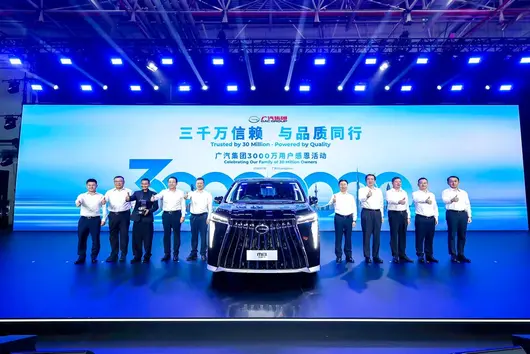
 7 月 16 日,喺廣汽傳祺工廠一輛右駕版傳祺 M8 PHEV 駛下生產線,廣汽集團第 3000 萬輛整車正式交付。由 1997 年成立到而家,廣汽用咗 29 年。3000 萬呢個數字,令廣汽成為繼一汽、上汽、東風、長安之後,國內第五家達成呢一規模嘅汽車集團。
 但呢場感恩活動嘅真正主角唔係數字,而係一個時代嘅拷問:當中國汽車工業從「有未有」走向「好唔好」,當合資紅利消退、自主崛起同全球變局交織,一家擁有 29 年歷史嘅汽車集團,點樣完成由規模擴張到價值躍升嘅驚險一躍?
行業「失速」,廣汽卻跑贏結構性增長
2026 年嘅中國車市,正經歷一場前所未有嘅深度調整。乘聯會數據顯示,上半年全國乘用車累計零售約 870 萬輛,同比下跌超 20%。燃油車市場加速萎縮,新能源滲透率喺 5 月突破 63% 後持續維持高位。蛋糕越縮越細,分配方式喺重組。
喺呢種背景之下,廣汽交出一份頗具張力嘅成績單:上半年集團銷量 77.31 萬輛,同比增長 2.35%。數字唔算大,但係逆市增長嘅含金量,在於結構嘅深層變化——節能同新能源車銷量佔比達 62.82%;新能源汽車銷量同比增長 68.8%;自主品牌累計銷量 34.60 萬輛,同比增長 35.69%。
 具體到品牌,昊鉑埃安 BU 上半年累計銷量 18.16 萬輛,同比增長 67.08%,C 端用戶佔比超 80%。呢個數字嘅意義遠超表面——曾經畀人貼咗「B 端標籤」嘅埃安,正喺完成由網約車之王到私人消費市場嘅轉身。埃安 i60 月銷持續破萬,埃安 N60 喺 4 月底上市後已交付超 1 萬輛。昊鉑 S600 於 6 月上市,鎖定新豪華賽道。
廣汽傳祺上半年銷量 16.44 萬輛,同比增長 12.36%。MPV 家族累計銷量突破 88 萬輛,6 月同比勁增 36%。喺 15 萬級以上自主品牌 MPV 市場,傳祺已經建立咗難以撼動嘅標竿地位。傳祺 M6 MAX、向往 E8 PHEV、向往 M8 PHEV L 相繼上市,產品陣列持續上攻。
整體嚟講,廣汽嘅增長唔再係簡單嘅規模疊加,而係一場深刻嘅結構性換檔。自主品牌正接過增長主引擎,新能源正取代燃油成為新底座,海外市場正打開第二增長曲線。
3000 萬嘅底座,品質係唔可以讓渡嘅底線
喺活動現場,馮興亞講咗一句說話:「品質係廣汽永遠唔會讓渡嘅底線。」呢句話喺 29 年嘅刻度上,有着沉甸甸嘅分量。
廣汽嘅 3000 萬輛,唔係靠營銷話術堆出嚟嘅,而係靠一套融合咗本田全面質量管理、豐田精益生產方式同嶺南文化嘅管理體系。
每款新車上市前,要經歷「五高一山一塵」極端環境測試,完成「兩冬一夏」實地路試,覆蓋整車 12 個大項、1500 多項驗證子項。星靈安全守護體系已服務近 200 萬用戶,累計規避 628 萬次潛在出行風險;彈匣電池累計裝車 150 萬輛,安全行駛里程超 1600 億公里。呢啲數字,比任何營銷語言都更有說服力。
 馮興亞另一句話同樣值得關注:「過去,我哋總係站喺工程師角度打磨技術,今日,我哋要徹底站喺用戶嘅角度。」
為咗呢個目的,廣汽成立咗專屬用戶洞察部門,推進問題由發現到解決嘅全流程變革。「用戶全開麥」活動請車主到公司面對面交流。年內計劃新增 1000 間縣域授權門店。「超級管家」服務承諾 5 秒響應、2 小時辦結。「9 縱 10 橫」補能網絡覆蓋全國 31 個省份 213 個城市。
3000 萬輛嘅底座,係安全,係質量,更係對用戶嘅敬畏。呢種敬畏,喺行業狂飆突進嘅年代入面,顯得尤其稀缺。
全球製造底蘊 + 本土智能,打造競爭壁壘
合資板塊嘅困境,係廣汽必須直面嘅現實。但廣汽嘅應對策略並唔係被動等待,而係主動重構。
廣汽丰田逆市仍保持相對穩健,铂智 3X 累計終端銷量突破 11 萬輛,刷新合資新能源車達成該紀錄嘅速度。本土化開發正成為合資板塊突圍嘅關鍵變數。廣汽本田 6 月銷量環比增長 55.65%,新皓影成為本田首款搭載同華為雲聯合打造智能雲車機嘅車型。面向 2027 年,廣汽本田將推出 3 款全新產品,覆蓋燃油、混動及新能源三大領域。
 更重要嘅係,廣汽冇把合資同自主割裂對待。6 月底,廣汽同華為乾崑聯合打造嘅全新高端品牌「启境」首款車型 GT7 上市,24 小時大定訂單突破 5200 輛。启境 GT7 搭載華為六大汽車智能化解決方案,將首批搭載華為乾崑智駕 ADS 5。下半年仲會推出新一代智能闊五座 SUV 启境 GX7。
「華為賦能 + 廣汽製造」嘅組合,係廣汽喺智能化深水區嘅一次明確亮劍。它揭示咗一個更深層嘅邏輯:喺合資與自主之間,廣汽正構建一種新嘅能力——將全球化嘅製造底蘊同中國本土嘅智能化生態融合,形成獨特嘅競爭壁壘。
620 億研發投入,換嚟技術嘅厚度
3000 萬輛係節點,但唔係終點。廣汽嘅下一程,技術係核心驅動力。
截至目前,廣汽累計研發投入超 620 億元,全球研發團隊超 6800 人。專利申請超 2.49 萬件,已初步完成由單點技術突破向系統化技術體系嘅跨越。
喺動力領域,星源動力覆蓋增程、插混、超級雙擎三大技術路線,將搭載更多車型量產。全固態電池中試產線已建成。夸克電驅電機最高效率突破 99%,為行業最高水平。
喺智能網聯領域,星靈架構持續進化,打通智能駕駛、座艙、動力、底盤、車身、車聯網六大系統,綜合性能提升 40%。星河智艙實現端雲一體,令車成為「會思考、懂人心」嘅夥伴。
 廣汽發起嘅國內首個「汽車芯片應用生態共建計劃」已攜手 105 家生態夥伴,完成近 400 款芯片嘅聯合定義開發同應用驗證。今年 5 月上市嘅昊鉑 GT 攀登版已實現芯片設計 100% 國產化。
馮興亞講,廣汽已經由傳統汽車企業轉型做一個科技企業。620 億嘅投入,唔單止係資金嘅堆砌,更係一種戰略定力嘅表達——喺喧囂嘅行業變革中,廣汽選擇用技術深度回應市場波動。
第 3000 萬輛揀咗右駕版傳祺 M8 PHEV,本身就係一個意味深長嘅訊號,呢部車交付俾泰國車主 Tony Jaa,廣汽要講嘅,已經唔止係中國故事。
上半年,廣汽自主品牌出口量達 12.15 萬輛,同比增長 132%,已經接近去年全年水平。國際化業務已經覆蓋全球五大板塊、110 個國家同地區,建成超 746 間銷售服務網點、7 間海外生產工廠同 9 個海外零部件倉庫。廣汽累計海外出口總量突破 54 萬輛。
馮興亞透露,到 2030 年,廣汽目標進入全球 120 個國家同地區,佈局 17 間 KD 工廠,建成超 2000 間網點,年銷突破 100 萬輛。
 29 年前,廣汽從合資起步,用他人嘅技術同品牌喺中國市場扎根。29 年後,廣汽用自主品牌同技術走向全球。第 3000 萬輛右駕 M8 PHEV 交付俾泰國車主,係一個時代嘅隱喻:中國汽車工業正由賣產品,走向輸出體系同標準。
3000 萬輛,係刻度亦係新起點
站喺 3000 萬輛嘅門檻上回望,廣汽行過嘅路,幾乎就係中國汽車工業嘅縮影——由合資起步,到自主崛起;由燃油車時代,到新能源同智能化嘅全面轉型;由本土深耕,到全球佈局。
但廣汽嘅獨特之處在於,佢始終保持住一種難得嘅戰略定力。喺行業狂飆時,佢冇丟掉品質嘅底線;喺合資承壓時,佢冇放棄對自主嘅投入;喺轉型陣痛中,佢用 620 億嘅研發投入同番禺行動嘅系統性改革,給出咗自己嘅答案。
已經駛入 3000 萬 + 時代嘅新廣汽,故事仲喺繼續。而呢場關於信念同變革嘅長期主義敘事,或者正係中國汽車工業由大到強嘅另一種註解。

In the Malaysian SUV market, many buyers compare Perodua Ativa and Proton X50 when choosing a car. These two cars are quite close in price and positioning. Today we will make a detailed comparison from multiple aspects to help you save time doing research.
Perodua Ativa OTR price in Malaysia is RM 62,500 - 73,400, there are 3 versions in total, including 1.0L Turbo X (RM 62,500), 1.0L Turbo H (RM 67,300), 1.0L Turbo AV (RM 73,400) etc.
Proton X50 OTR price in Malaysia is RM 89,800 - 113,300, there are 4 versions in total, including 1.5T Executive (RM 89,800), 1.5T Premium (RM 101,800), 1.5T Flagship (RM 113,300) etc.
From the price perspective, Perodua Ativa's starting price is indeed RM 27,300 cheaper than Proton X50. If your budget is limited, Perodua's entry version can already meet daily needs. But also note, the cheaper few thousand might have trade-offs in equipment, it depends on your needs.

Perodua Ativa is equipped with 1.5L 4-cyl, power 105 hp. Official fuel consumption 6.0 L/100km.
Proton X50 is equipped with 1.5L 4-cyl, power 105 hp. Official fuel consumption 6.0 L/100km.
Both cars use the same powertrain, the driving feel daily is basically no difference. Fuel consumption is also similar, no need to worry too much about this point.

Perodua Ativa adopts FWD drive method.
Proton X50 adopts 4WD drive method.
Perodua's FWD and Proton's 4WD will have different handling experiences, test drive comparison is recommended.
Perodua Ativa warranty 5 years/150,000km, maintenance interval every 10,000km or 6 months.
Proton X50 warranty 5 years/150,000km, maintenance interval every 10,000km or 6 months.
Both cars have the same warranty conditions, no need to worry about this. Actual maintenance costs also depend on the brand's service network and parts prices, suggest asking real owners in car owner groups.

Perodua Ativa and Proton X50 are both mainstream choices in the Malaysian market, suitable for family use, daily commuting. If you value brand reputation and resale value more, you can prioritize the one with better reputation; if you care more about cost-performance and equipment, then choose the one with richer configuration. Finally, it is recommended to test drive both, personal experience is the most important.
Overall, Perodua Ativa and Proton X50 are both very good models in the Malaysian market. Choosing which one, the key is still looking at your personal needs and budget. Everyone suggests doing research, compare quotes from several car dealers, then test drive to make final decision. Buying a car is a big matter, spending some time doing research will definitely not be wrong.


在马来西亚的汽车市场,很多买家在选车的时候都会拿 Toyota Camry 和 Lexus ES 来做比较。今天我们从多个方面做一个详细的对比,帮你省下做功课的时间。


Toyota Camry 在马来西亚的 OTR 售价是 RM 221,800 - 248,800,一共有 2 个版本,包括 2025 HEV 2.5L Standard(RM 248,800)、2025 2.5L Standard(RM 221,800) 等。
Lexus ES 在马来西亚的 OTR 售价是 RM 320,888 - 371,888,一共有 4 个版本,包括 2025 250 F Sport(RM 371,888)、2025 250 Luxury(RM 356,888)、2025 250 Premium(RM 320,888) 等。
从价钱来看,Toyota Camry 的起步价确实比 Lexus ES 便宜了 RM 99,088。如果你预算有限,Toyota 的入门版已经可以满足日常需求。但也要注意,便宜的那几千块,可能在配备上会有取舍,具体要看你的需求。

Toyota Camry 的安全评级是 5★ (ASEAN NCAP),主动安全系统包括 TSS 2.5。
Lexus ES 的安全评级是 TBD,主动安全系统包括 Basic。
安全配备方面,两款车都拿到了不错的评级。不过 Toyota Camry 的 TSS 2.5 和 Lexus ES 的 Basic 在功能上有些差异,如果你比较看重主动安全的话,可以仔细对比一下两者的功能列表。

Toyota Camry 车身长 4400 mm,后备箱 400 L。
Lexus ES 车身长 4400 mm,后备箱 400 L。
两款车的尺寸几乎一样,车内空间差别不大。这个级别的车,日常使用完全够用。

Toyota Camry 采用 FWD 驱动方式。
Lexus ES 采用 FWD 驱动方式。
两款车的驱动方式一样,都是 FWD,日常驾驶感受不会有太大区别。

总的来说,Toyota Camry 和 Lexus ES 都是马来西亚市场很不错的车型。选择哪一辆,关键还是要看你的个人需求和预算。建议大家做好功课,多比较几间车行的报价,再去试驾做最终决定。买车是件大事,花点时间做功课绝对不会错。


在马来西亚的汽车市场,很多买家在选车的时候都会拿 Mazda CX-80 和 Ford Everest 来做比较。今天我们从多个方面做一个详细的对比,帮你省下做功课的时间。


Mazda CX-80 在马来西亚的 OTR 售价是 RM 296,610 - 296,610,一共有 1 个版本,包括 2025 2.5L 65km High Plus(RM 296,610) 等。
Ford Everest 在马来西亚的 OTR 售价是 RM 266,338 - 430,838,一共有 6 个版本,包括 2026 3.0T 4WD Platinum(RM 430,838)、2026 2.0T 4WD Platinum(RM 348,838)、2026 2.0T 4WD Sport(RM 316,838) 等。
从价钱来看,Ford Everest 的起步价比 Mazda CX-80 便宜了 RM 30,272。老实讲,在这个价位段,几千块的差距其实不算大,关键还是看整体的性价比和长期使用成本。

Mazda CX-80 的安全评级是 5★ (ASEAN NCAP),主动安全系统包括 Brand ADAS。
Ford Everest 的安全评级是 5★ (ASEAN NCAP),主动安全系统包括 Co-Pilot360。
两款车的安全评级一样,在这个级别里面安全配备都算给得很齐全了。现在的新车安全性都不差,不用太担心这一点。

Mazda CX-80 车身长 4500 mm,后备箱 450 L。
Ford Everest 车身长 4400 mm,后备箱 400 L。
空间方面,Mazda CX-80 的车身比 Ford Everest 长了 100 mm,车内乘坐空间会稍微宽裕一些,尤其是后座腿部空间。如果你经常载家人或者需要放婴儿车,大一点的车身确实更实用。

Mazda CX-80 采用 FWD 驱动方式。
Ford Everest 采用 FWD 驱动方式。
两款车的驱动方式一样,都是 FWD,日常驾驶感受不会有太大区别。

总的来说,Mazda CX-80 和 Ford Everest 都是马来西亚市场很不错的车型。选择哪一辆,关键还是要看你的个人需求和预算。建议大家做好功课,多比较几间车行的报价,再去试驾做最终决定。买车是件大事,花点时间做功课绝对不会错。


在马来西亚的汽车市场,很多买家在选车的时候都会拿 Mazda CX-9 和 Volvo XC60 来做比较。今天我们从多个方面做一个详细的对比,帮你省下做功课的时间。


Mazda CX-9 在马来西亚的 OTR 售价是 RM 328,810 - 345,810,一共有 2 个版本,包括 2023 2.5T 4WD(RM 345,810)、2023 2.5T 2WD(RM 328,810) 等。
Volvo XC60 在马来西亚的 OTR 售价是 RM 328,888 - 328,888,一共有 1 个版本,包括 2025 2.0T Core(RM 328,888) 等。
从价钱来看,Mazda CX-9 的起步价确实比 Volvo XC60 便宜了 RM 78。如果你预算有限,Mazda 的入门版已经可以满足日常需求。但也要注意,便宜的那几千块,可能在配备上会有取舍,具体要看你的需求。

Mazda CX-9 采用 FWD 驱动方式。
Volvo XC60 采用 FWD 驱动方式。
两款车的驱动方式一样,都是 FWD,日常驾驶感受不会有太大区别。

Mazda CX-9 保修 5年/150,000km,保养间隔 每10,000km或6个月。
Volvo XC60 保修 5年/无限里程,保养间隔 每10,000km或6个月。
Mazda CX-9 和 Volvo XC60 都是马来西亚市场的主流选择,适合家庭使用、日常通勤。如果你更看重品牌口碑和二手价,可以优先考虑口碑更好的那一款;如果你更在意性价比和配备,那就选配置更丰富的那款。最终还是建议两款都去试驾,亲身体验才是最重要的。
总的来说,Mazda CX-9 和 Volvo XC60 都是马来西亚市场很不错的车型。选择哪一辆,关键还是要看你的个人需求和预算。建议大家做好功课,多比较几间车行的报价,再去试驾做最终决定。买车是件大事,花点时间做功课绝对不会错。


在马来西亚的汽车市场,很多买家在选车的时候都会拿 Perodua Ativa 和 Chery Tiggo Cross 来做比较。今天我们从多个方面做一个详细的对比,帮你省下做功课的时间。

Perodua Ativa 在马来西亚的 OTR 售价是 RM 62,500 - 73,400,一共有 3 个版本,包括 1.0L Turbo X(RM 62,500)、1.0L Turbo H(RM 67,300)、1.0L Turbo AV(RM 73,400) 等。
Chery Tiggo Cross 在马来西亚的 OTR 售价是 RM 88,750 - 99,750,一共有 2 个版本,包括 2025 HEV 1.5L CSH(RM 99,750)、2025 1.5T Standard(RM 88,750) 等。
从价钱来看,Perodua Ativa 的起步价确实比 Chery Tiggo Cross 便宜了 RM 26,250。如果你预算有限,Perodua 的入门版已经可以满足日常需求。但也要注意,便宜的那几千块,可能在配备上会有取舍,具体要看你的需求。
Perodua Ativa 的安全评级是 5★ (ASEAN NCAP),主动安全系统包括 ASA 3.0 + ACC + LDA + LKA + BSM + RCTA。
Chery Tiggo Cross 的安全评级是 TBD,主动安全系统包括 Basic。
安全配备方面,两款车都拿到了不错的评级。不过 Perodua Ativa 的 ASA 3.0 + ACC + LDA + LKA + BSM + RCTA 和 Chery Tiggo Cross 的 Basic 在功能上有些差异,如果你比较看重主动安全的话,可以仔细对比一下两者的功能列表。
Perodua Ativa 保修 5年/150,000km,保养间隔 每10,000km或6个月。
Chery Tiggo Cross 保修 3年/100,000km,保养间隔 每10,000km或6个月。
Perodua Ativa 和 Chery Tiggo Cross 都是马来西亚市场的主流选择,适合家庭使用、日常通勤。如果你更看重品牌口碑和二手价,可以优先考虑口碑更好的那一款;如果你更在意性价比和配备,那就选配置更丰富的那款。最终还是建议两款都去试驾,亲身体验才是最重要的。
总的来说,Perodua Ativa 和 Chery Tiggo Cross 都是马来西亚市场很不错的车型。选择哪一辆,关键还是要看你的个人需求和预算。建议大家做好功课,多比较几间车行的报价,再去试驾做最终决定。买车是件大事,花点时间做功课绝对不会错。

在马来西亚的轿车市场,很多买家在选车的时候都会拿 Toyota Camry 和 Volkswagen Golf GTI 来做比较。这两款车在价位和定位上都蛮接近的,今天我们就从多个方面做一个详细的对比,帮你省下做功课的时间。
Toyota Camry 在马来西亚的 OTR 售价是 RM 221,800 - 248,800,一共有 2 个版本,包括 2025 HEV 2.5L Standard(RM 248,800)、2025 2.5L Standard(RM 221,800) 等。
Volkswagen Golf GTI 在马来西亚的 OTR 售价是 RM 256,962 - 256,962,一共有 3 个版本,包括 2025 2.0T Sepang Edition(RM 262,990)、2025 2.0T Standard(RM 256,962)、DCT(RM 219,800) 等。
从价钱来看,Toyota Camry 的起步价确实比 Volkswagen Golf GTI 便宜了 RM 35,162。如果你预算有限,Toyota 的入门版已经可以满足日常需求。但也要注意,便宜的那几千块,可能在配备上会有取舍,具体要看你的需求。
Toyota Camry 采用 FWD 驱动方式。
Volkswagen Golf GTI 采用 FWD 驱动方式。
两款车的驱动方式一样,都是 FWD,日常驾驶感受不会有太大区别。
Toyota Camry 保修 5年/无限制里程,保养间隔 每10,000km或6个月。
Volkswagen Golf GTI 保修 3年/100,000km,保养间隔 每10,000km或6个月。
Toyota Camry 和 Volkswagen Golf GTI 都是马来西亚市场的主流选择,适合家庭使用、日常通勤。如果你更看重品牌口碑和二手价,可以优先考虑口碑更好的那一款;如果你更在意性价比和配备,那就选配置更丰富的那款。最终还是建议两款都去试驾,亲身体验才是最重要的。

总的来说,Toyota Camry 和 Volkswagen Golf GTI 都是马来西亚市场很不错的车型。选择哪一辆,关键还是要看你的个人需求和预算。建议大家做好功课,多比较几间车行的报价,再去试驾做最终决定。买车是件大事,花点时间做功课绝对不会错。

在马来西亚的SUV市场,很多买家在选车的时候都会拿 Ford Everest 和 Volvo XC60 PHEV 来做比较。这两款车在价位和定位上都蛮接近的,今天我们就从多个方面做一个详细的对比,帮你省下做功课的时间。
Ford Everest 在马来西亚的 OTR 售价是 RM 266,338 - 430,838,一共有 6 个版本,包括 2026 3.0T 4WD Platinum(RM 430,838)、2026 2.0T 4WD Platinum(RM 348,838)、2026 2.0T 4WD Sport(RM 316,838) 等。
Volvo XC60 PHEV 在马来西亚的 OTR 售价是 RM 362,888 - 362,888,一共有 2 个版本,包括 2025 2.0T 89km Ultra(RM 362,888)、What safety features does the Volvo XC60 PHEV have?(RM 296,610) 等。
从价钱来看,Ford Everest 的起步价确实比 Volvo XC60 PHEV 便宜了 RM 96,550。如果你预算有限,Ford 的入门版已经可以满足日常需求。但也要注意,便宜的那几千块,可能在配备上会有取舍,具体要看你的需求。
Ford Everest 的安全评级是 5★ (ASEAN NCAP),主动安全系统包括 Co-Pilot360。
Volvo XC60 PHEV 的安全评级是 5★ (Euro NCAP),主动安全系统包括 Premium ADAS。
安全配备方面,两款车都拿到了不错的评级。不过 Ford Everest 的 Co-Pilot360 和 Volvo XC60 PHEV 的 Premium ADAS 在功能上有些差异,如果你比较看重主动安全的话,可以仔细对比一下两者的功能列表。
Ford Everest 采用 FWD 驱动方式。
Volvo XC60 PHEV 采用 FWD 驱动方式。
两款车的驱动方式一样,都是 FWD,日常驾驶感受不会有太大区别。
Ford Everest 保修 3年/100,000km,保养间隔 每10,000km或6个月。
Volvo XC60 PHEV 保修 5年/无限里程,保养间隔 每10,000km或6个月。

总的来说,Ford Everest 和 Volvo XC60 PHEV 都是马来西亚市场很不错的车型。选择哪一辆,关键还是要看你的个人需求和预算。建议大家做好功课,多比较几间车行的报价,再去试驾做最终决定。买车是件大事,花点时间做功课绝对不会错。


在马来西亚的SUV市场,很多买家在选车的时候都会拿 Proton X50 和 Chery Tiggo 7 PHEV 来做比较。这两款车在价位和定位上都蛮接近的,今天我们就从多个方面做一个详细的对比,帮你省下做功课的时间。
Proton X50 在马来西亚的 OTR 售价是 RM 89,800 - 113,300,一共有 4 个版本,包括 1.5T Executive(RM 89,800)、1.5T Premium(RM 101,800)、1.5T Flagship(RM 113,300) 等。
Chery Tiggo 7 PHEV 在马来西亚的 OTR 售价是 RM 129,750 - 129,750,一共有 2 个版本,包括 2025 1.5T 90km CSH(RM 129,750)、What charging methods does the Tiggo 7 PHEV support? Can it be charged using a home power socket?(RM 117,478) 等。
从价钱来看,Proton X50 的起步价确实比 Chery Tiggo 7 PHEV 便宜了 RM 39,950。如果你预算有限,Proton 的入门版已经可以满足日常需求。但也要注意,便宜的那几千块,可能在配备上会有取舍,具体要看你的需求。
Proton X50 的安全评级是 5★ (ASEAN NCAP),主动安全系统包括 ADAS (ACC, AEB, LKA, LDA, BSM, RCTA)。
Chery Tiggo 7 PHEV 的安全评级是 TBD,主动安全系统包括 Basic。
安全配备方面,两款车都拿到了不错的评级。不过 Proton X50 的 ADAS (ACC, AEB, LKA, LDA, BSM, RCTA) 和 Chery Tiggo 7 PHEV 的 Basic 在功能上有些差异,如果你比较看重主动安全的话,可以仔细对比一下两者的功能列表。
Proton X50 车身长 4400 mm,后备箱 400 L。
Chery Tiggo 7 PHEV 车身长 4400 mm,后备箱 400 L。
两款车的尺寸几乎一样,车内空间差别不大。这个级别的车,日常使用完全够用。
Proton X50 和 Chery Tiggo 7 PHEV 都是马来西亚市场的主流选择,适合家庭使用、日常通勤。如果你更看重品牌口碑和二手价,可以优先考虑口碑更好的那一款;如果你更在意性价比和配备,那就选配置更丰富的那款。最终还是建议两款都去试驾,亲身体验才是最重要的。

总的来说,Proton X50 和 Chery Tiggo 7 PHEV 都是马来西亚市场很不错的车型。选择哪一辆,关键还是要看你的个人需求和预算。建议大家做好功课,多比较几间车行的报价,再去试驾做最终决定。买车是件大事,花点时间做功课绝对不会错。


在马来西亚的SUV市场,很多买家在选车的时候都会拿 Perodua Aruz 和 Chery Tiggo 7 Pro 来做比较。这两款车在价位和定位上都蛮接近的,今天我们就从多个方面做一个详细的对比,帮你省下做功课的时间。
Perodua Aruz 在马来西亚的 OTR 售价是 RM 72,900 - 77,900,一共有 2 个版本,包括 1.5L X(RM 72,900)、1.5L AV(RM 77,900) 等。
Chery Tiggo 7 Pro 在马来西亚的 OTR 售价是 RM 123,750 - 123,750,一共有 2 个版本,包括 1.6L Turbo Standard(RM 125,000)、1.6L Turbo Premium(RM 140,000) 等。
从价钱来看,Perodua Aruz 的起步价确实比 Chery Tiggo 7 Pro 便宜了 RM 50,850。如果你预算有限,Perodua 的入门版已经可以满足日常需求。但也要注意,便宜的那几千块,可能在配备上会有取舍,具体要看你的需求。
Perodua Aruz 搭载 1.5L 4-cyl,马力 105 hp。官方油耗 6.0 L/100km。
Chery Tiggo 7 Pro 搭载 1.5L Turbo,马力 140 hp。官方油耗 7.0 L/100km。
动力方面,Chery Tiggo 7 Pro 的 1.5L Turbo 比 Perodua Aruz 的 1.5L 4-cyl 多了 35 匹马力。不过日常在市区开,两款车的动力都够用,不会觉得不够力。
Perodua Aruz 车身长 4400 mm,后备箱 400 L。
Chery Tiggo 7 Pro 车身长 4400 mm,后备箱 400 L。
两款车的尺寸几乎一样,车内空间差别不大。这个级别的车,日常使用完全够用。
Perodua Aruz 和 Chery Tiggo 7 Pro 都是马来西亚市场的主流选择,适合家庭使用、日常通勤。如果你更看重品牌口碑和二手价,可以优先考虑口碑更好的那一款;如果你更在意性价比和配备,那就选配置更丰富的那款。最终还是建议两款都去试驾,亲身体验才是最重要的。
总的来说,Perodua Aruz 和 Chery Tiggo 7 Pro 都是马来西亚市场很不错的车型。选择哪一辆,关键还是要看你的个人需求和预算。建议大家做好功课,多比较几间车行的报价,再去试驾做最终决定。买车是件大事,花点时间做功课绝对不会错。
© 2024 Bitauto.com. All Rights Reserved.
Bitauto (www.yiche.com and www.bitauto.com) is one of the most visited automotive websites in China. We provide detailed info on Chinese car brands available in your area. Please note that the information provided on this website is based on publicly available data and is for reference only. It may not be fully updated or accurate at all times.

Help us improve our website


