

HomeGadgetMY

Search History
Popular Searches
Dealer Login / Sign Up

10月24日,由比亚迪鼎力赞助的2026东润杯全国青少年足球总决赛在北京工人体育场落幕,清华大学附属中学2:0击败石家庄二中实验学校夺冠。

比亚迪作为赛事顶级战略合作伙伴,现场见证了中国少年绽放纯粹绿茵锋芒!从职业豪门主场到校园足球决赛,比亚迪正在用企业力量,为中国青少年足球搭建一个更扎实的舞台。

本届东润杯辐射全国20余个省区市、覆盖352所学校,惠及球员教练约5000人。总决赛阶段,22支从全国各地脱颖而出的校园球队齐聚北京,开启单败淘汰赛。经过多轮鏖战,清华附中与石家庄二中实验学校会师决赛。

当晚的工体,攻防节奏紧凑,两队全力以赴,上演了一场高质量的校园足球对决。终场哨响,清华附中以2:0取胜,拿下本届东润杯冠军。
 图:清华附中攻入第一个球瞬间(任意球)
颁奖仪式上,最佳守门员、最佳射手、最佳球员以及冠亚季军奖杯与奖金支票依次颁发。东润公益基金会创始人暨理事长孔东梅、比亚迪品牌及公关处总经理李云飞出席颁奖,共同见证少年的荣耀时刻。

值得注意的是,这不是职业球员的舞台,而是普通中学生的决赛。工体的灯光、草坪和看台,第一次为校园足球少年完整亮起。这种“顶级场地不只为少数人专属”的信号,对千千万万踢球的孩子来说,意义远超一场比赛本身。
比亚迪的足球版图:从海外交流到县域校园比亚迪对青少年足球的投入并非单点发力。自2024年起,比亚迪持续组织足球少年前往德国、日本、西班牙、泰国、意大利、巴西、墨西哥等地,超200人次与海外顶级俱乐部交流切磋,并带孩子们走进欧洲杯、世界杯等顶级赛场开拓眼界。
与此同时,比亚迪也把资源下沉到基层:组织新疆伊犁足球少年赴日本开展国际交流赛事,配套捐赠足球装备;联动车主志愿者走进贵州元宝女足,开设公益课堂、捐赠物资。
此次携手东润公益基金会,是比亚迪在校园足球领域的又一次落地。双方联动,聚焦普通高中校园球队,补齐基层足球资源短板——不只扶持少数天赋球员,而是兼顾精英拔高与校园普及,让更多普通孩子就近有球踢、有高质量比赛打。

中国足球的短板从来不在顶端,而在基层。校园足球缺的不是热情,而是场地、赛事、师资和持续的关注。
比亚迪一边给有潜力的孩子创造走出国门、与海外强队交流的机会;一边把赛场建到县域校园,扩大参与基数,循序渐进地夯实国内青少年足球土壤。

从2010年成立慈善基金会,到30周年之际设立30亿元教育慈善基金,比亚迪在公益领域的投入有长期逻辑——期待有更多足球少年们在绿茵场上持续成长,奔赴更远的足球赛场。


喺馬來西亞嘅 SUV 市場,好多買家在揀車嘅時候都會拿 Toyota Harrier 同 Volkswagen Tiguan 嚟做比較。呢兩款車喺價錢同定位上都好接近,今日我哋就由多個方面做一個詳細嘅比較,幫你節省做功課嘅時間。
Toyota Harrier 喺馬來西亞嘅 OTR 售價係 RM 289,000 - 289,000,一共有 1 個版本,包括 2026 HEV 2.5L Standard(RM 289,000)等。
Volkswagen Tiguan 喺馬來西亞嘅 OTR 售價係 RM 206,540 - 260,024,一共有 2 個版本,包括 2025 Allspace 2.0T R-Line(RM 260,024)、2025 Allspace 1.4T Elegance(RM 206,540)等。
就價錢睇嚟,Volkswagen Tiguan 嘅起價比 Toyota Harrier 平咗 RM 82,460。老實講,喺呢個價位段,幾千元嘅差距其實唔算大,關鍵仲係睇整體嘅性價比同長期使用成本。

Toyota Harrier 嘅安全評級係 5★ (ASEAN NCAP),主動安全系統包括 Brand ADAS。
Volkswagen Tiguan 嘅安全評級係 5★ (Euro NCAP),主動安全系統包括 IQ.Drive。
安全配備方面,兩款車都拿到不錯嘅評級。不過 Toyota Harrier 嘅 Brand ADAS 同 Volkswagen Tiguan 嘅 IQ.Drive 喺功能上有啲分別,如果你比較重視主動安全嘅話,可以仔細比較下兩者嘅功能列表。

Toyota Harrier 採用 FWD 驅動方式。
Volkswagen Tiguan 採用 FWD 驅動方式。
兩款車嘅驅動方式一樣,都係 FWD,日常駕駛感受唔會有太大分別。

Toyota Harrier 保修 5 年/無限里程,保養間隔 每 10,000km 或 6 個月。
Volkswagen Tiguan 保修 3 年/100,000km,保養間隔 每 10,000km 或 6 個月。

總括嚟講,Toyota Harrier 同 Volkswagen Tiguan 都係馬來西亞市場好唔錯嘅車型。揀邊一部,關鍵仲係要睇你嘅個人需求同預算。建議大家做好功課,多比較幾間車行嘅報價,再諗清楚試駕先做最終決定。買車係件大事,花少少時間做功課絕對唔會錯。


喺馬來西亞嘅 SUV 市場,好多買家喺揀車嗰陣都會拿豐田 Fortuner 同 奇瑞 Tiggo 8 嚟比較。這兩款車喺價位同定位上都好接近,今日我哋就從多個方面做個詳細嘅對比,幫你省返做功課嘅時間。
豐田 Fortuner 喺馬來西亞嘅 OTR 落地售價係 馬幣 195,880 - 241,880,合共有 3 個版本,包括 2024 年 2.8T VRZ 柴油(馬幣 241,880)、2024 年 2.7L SRZ 汽油(馬幣 202,880)、2024 年 2.4L 標準 柴油(馬幣 195,880) 等。
奇瑞 Tiggo 8 喺馬來西亞嘅 OTR 落地售價係 馬幣 129,750 - 129,750,合共有 1 個版本,包括 2026 年 1.6T 標準(馬幣 129,750) 等。
由價錢睇,奇瑞 Tiggo 8 嘅起步價比 豐田 Fortuner 平咗 馬幣 66,130。坦白講,喺呢個價位段,幾千蚊嘅差距其實唔算大,關鍵仲係睇整體性價比同長期使用成本。

豐田 Fortuner 採用 前輪驅動 驅動方式。
奇瑞 Tiggo 8 採用 前輪驅動 驅動方式。
兩款車嘅驅動方式一樣,都係 前輪驅動,日常駕駛感受唔會有太大分別。

豐田 Fortuner 保修 5 年/無限里程,保養間隔 每 10,000 公里或 6 個月。
奇瑞 Tiggo 8 保修 3 年/100,000 公里,保養間隔 每 10,000 公里或 6 個月。

豐田 Fortuner 同 奇瑞 Tiggo 8 都係馬來西亞市場嘅主流選擇,適合家庭用途、日常通勤。如果你更加重視品牌口碑同二手價,可以優先考慮口碑好嗰款;如果你更加在意性價比同配備,那就揀配備更豐富嗰款。最後始終建議兩款都去試駕,親身感受先係最重要。

總括嚟講,豐田 Fortuner 同 奇瑞 Tiggo 8 都係馬來西亞市場幾唔錯嘅車型。揀邊一部,關鍵都要睇你個人需要同預算。建議大家做好功課,多比較幾間車行嘅報價,先至去試駕做最終決定。買車係件大事,花少少時間做功課絕對無錯。


Dalam pasaran SUV di Malaysia, ramai pembeli membandingkan Toyota Yaris Cross dan Subaru Crosstrek ketika memilih kereta. Kedua-dua kereta ini hampir sama dari segi harga dan kedudukan, hari ini kita akan buat perbandingan terperinci dari pelbagai aspek, membantu anda menjimatkan masa untuk membuat kajian.
Harga OTR Toyota Yaris Cross di Malaysia adalah RM 99,900 - 109,900, terdapat 2 versi, termasuk 2026 1.5L Standard (RM 99,900), 2026 HEV 1.5L Standard (RM 109,900) dan lain-lain.
Harga OTR Subaru Crosstrek di Malaysia adalah RM 145,000 - 160,000, terdapat 1 versi, termasuk 2.0L e-Boxer (RM 150,000) dan lain-lain.
Dari segi harga, harga permulaan Toyota Yaris Cross memang lebih murah RM 45,100 berbanding Subaru Crosstrek. Jika belanjawan anda terhad, versi masuk Toyota sudah boleh memenuhi keperluan harian. Tetapi perlu diingat, kelebihan ribuan ringgit yang lebih murah itu mungkin melibatkan pertukaran pada kelengkapan, bergantung pada keperluan anda.

Toyota Yaris Cross dilengkapi enjin 1.5L 4-silinder, kuasa 105 hp. Konsumsi bahan api rasmi 6.0 L/100km.
Subaru Crosstrek dilengkapi enjin 1.5L Turbo, kuasa 140 hp. Konsumsi bahan api rasmi 7.0 L/100km.
Dari segi kuasa, 1.5L Turbo Subaru Crosstrek mempunyai 35 hp lebih banyak daripada 1.5L 4-silinder Toyota Yaris Cross. Namun, untuk penggunaan harian di bandar, kuasa kedua-dua kereta sudah mencukupi dan tidak terasa kurang tenaga.

Dimensi panjang Toyota Yaris Cross 4400 mm, kapasiti bagasi 400 L.
Dimensi panjang Subaru Crosstrek 4400 mm, kapasiti bagasi 400 L.
Dimensi kedua-dua kereta hampir sama, ruang dalaman tidak banyak berbeza. Kereta dalam kelas ini, penggunaan harian sudah cukup.

Toyota Yaris Cross jaminan 5 tahun / tanpa had jarak, selang servis setiap 10,000km atau 6 bulan.
Subaru Crosstrek jaminan 3 tahun/100,000km, selang servis setiap 10,000km atau 6 bulan.

Secara keseluruhannya, Toyota Yaris Cross dan Subaru Crosstrek adalah model kereta yang sangat bagus di pasaran Malaysia. Memilih yang mana satu, ia bergantung pada keperluan dan belanjawan peribadi anda. Disarankan untuk membuat kajian, bandingkan beberapa tawaran dari showroom kereta, kemudian buat ujian memandu untuk membuat keputusan akhir. Membeli kereta adalah perkara besar, meluangkan masa untuk kajian tidak akan salah.


Di pasaran SUV Malaysia, ramai pembeli ketika memilih kereta sering membandingkan Honda CR-V dengan Mercedes-Benz GLC. Kedua-dua kereta ini mempunyai harga dan posisi yang hampir sama, hari ini kita akan melakukan perbandingan terperinci dari pelbagai aspek, membantu anda menjimatkan masa membuat kajian.
Honda CR-V di Malaysia harga OTR ialah RM 178,200 - 195,900, terdapat 4 varian, termasuk 2026 e:HEV 2.0L 2WD RS (RM 195,900), 2026 1.5T 4WD V (RM 181,900), 2026 e:HEV 2.0L 2WD E (RM 178,200) dan lain-lain.
Mercedes-Benz GLC di Malaysia harga OTR ialah RM 336,888 - 336,888, terdapat 2 varian, termasuk GLC 200 (RM 290,000), GLC 300 (RM 340,000) dan lain-lain.
Dari segi harga, harga permulaan Honda CR-V memang RM 158,688 lebih murah daripada Mercedes-Benz GLC. Jika bajet anda terhad, varian permulaan Honda sudah boleh memenuhi keperluan harian. Tetapi perlu diingat, ribuan ringgit yang lebih murah itu, mungkin ada kompromi pada kelengkapan, bergantung pada keperluan anda.

Honda CR-V dilengkapi enjin 2.0L 4-silinder, kuasa 170 hp. Penggunaan minyak rasmi 8.0 L/100km.
Mercedes-Benz GLC dilengkapi enjin 2.0L Turbo, kuasa 220 hp. Penggunaan minyak rasmi 9.5 L/100km.
Dari segi kuasa, 2.0L Turbo Mercedes-Benz GLC mempunyai 50 kuasa kuda lebih banyak berbanding 2.0L 4-silinder Honda CR-V. Namun memandu di kawasan bandar harian, kuasa kedua-dua kereta sudah memadai, tidak rasa kurang tenaga.

Honda CR-V panjang badan 4500 mm, ruang bagasi 450 L.
Mercedes-Benz GLC panjang badan 4400 mm, ruang bagasi 400 L.
Dari segi ruang, badan Honda CR-V 100 mm lebih panjang daripada Mercedes-Benz GLC, ruang penumpang dalam kenderaan akan sedikit lebih luas, terutamanya ruang kaki belakang. Jika anda kerap mengangkut keluarga atau perlu meletakkan kerusi bayi, badan yang lebih besar memang lebih praktikal.

Honda CR-V menggunakan sistem penggerak FWD.
Mercedes-Benz GLC menggunakan sistem penggerak FWD.
Sistem penggerak kedua-dua kereta sama, iaitu FWD, pengalaman memandu harian tidak akan banyak berbeza.
Secara keseluruhannya, Honda CR-V dan Mercedes-Benz GLC adalah model kereta yang sangat baik di pasaran Malaysia. Memilih mana satu, penting bergantung pada keperluan dan bajet peribadi anda. Kami sarankan anda membuat kajian terlebih dahulu, bandingkan lebih banyak tawaran harga dari dealer, kemudian buat keputusan akhir selepas ujian memandu. Membeli kereta adalah perkara besar, meluangkan masa untuk kajian tidak akan salah.


Dalam pasaran SUV di Malaysia, ramai pembeli semasa memilih kereta akan membandingkan Honda CR-V dan Chery Tiggo 8 PHEV. Kedua-dua model ini berada pada harga dan tahap yang agak hampir, hari ini kita akan membuat perbandingan terperinci dari pelbagai sudut, membantu anda menjimatkan masa penyelidikan.
Harga OTR Honda CR-V di Malaysia ialah RM 178,200 - 195,900, terdapat 4 varian, termasuk 2026 e:HEV 2.0L 2WD RS (RM 195,900), 2026 1.5T 4WD V (RM 181,900), 2026 e:HEV 2.0L 2WD E (RM 178,200) dan lain-lain.
Harga OTR Chery Tiggo 8 PHEV di Malaysia ialah RM 159,750 - 159,750, terdapat 2 varian, termasuk 1.6L Turbo Standard (RM 130,000), 1.6L Turbo Premium (RM 145,000) dan lain-lain.
Dari segi harga, harga permulaan Chery Tiggo 8 PHEV adalah RM 18,450 lebih murah daripada Honda CR-V. Jujur dikatakan, dalam julat harga ini, jurang beberapa ribu sebenarnya tidak besar, yang penting adalah melihat keseluruhan nisbah kualiti-harga dan kos penggunaan jangka panjang.
Honda CR-V dilengkapi enjin 2.0L 4-silinder, kuasa 170 hp. Konsumsi bahan api rasmi 8.0 L/100km.
Chery Tiggo 8 PHEV dilengkapi Hybrid, kuasa 170 hp. Konsumsi bahan api rasmi 4.5 L/100km.
Dari segi kuasa, Hybrid Chery Tiggo 8 PHEV mempunyai 0 hp lebih daripada 2.0L 4-silinder Honda CR-V. Namun, penggunaan harian di bandar, kuasa kedua-dua kereta ini mencukupi, tidak berasa kurang tenaga.
Panjang badan Honda CR-V 4500 mm, bak bar 450 L.
Panjang badan Chery Tiggo 8 PHEV 4400 mm, bak bar 400 L.
Dari segi ruang, badan Honda CR-V lebih panjang 100 mm berbanding Chery Tiggo 8 PHEV, ruang duduk di dalam kenderaan akan sedikit lebih luas, terutamanya ruang kaki di kerusi belakang. Jika anda kerap membawa ahli keluarga atau perlu meletakkan kereta bayi, badan kenderaan yang lebih besar memang lebih praktikal.
Honda CR-V menggunakan cara drivaan FWD.
Chery Tiggo 8 PHEV menggunakan cara drivaan FWD.
Kedua-dua kereta menggunakan cara drivaan yang sama, iaitu FWD, pengalaman memandu harian tidak akan berbeza banyak.
Secara keseluruhan, Honda CR-V dan Chery Tiggo 8 PHEV adalah model kereta yang sangat baik di pasaran Malaysia. Memilih yang mana, semuanya bergantung kepada keperluan dan bajet peribadi anda. Kami cadangkan anda membuat penyelidikan, bandingkan harga beberapa pengedar kereta, kemudian buat ujian memandu untuk membuat keputusan akhir. Membeli kereta adalah perkara besar, meluangkan masa meneliti tidak akan salah.

【CNMO 科技訊息】9 月 11 日,小鵬汽車官方微博宣佈,2026 年上半年,小鵬汽車喺埃及高端 EV 市場註冊量排名第一。

小鵬汽車

小鵬喺埃及市場嘅突破並非偶然。自 2024 年進入埃及以來,小鵬攜手本土頭部企業,成功跑通咗「產品 + 渠道 + 服務」一體化出海模式。2026 年 4 月,小鵬 G6 同 G9 登頂埃及高端純電 SUV 細分市場銷量冠軍,整體上牌量位居市場第二。據埃及當地媒體 Masrawy 報導,小鵬喺 2026 年上半年位居埃及高端電動汽車註冊量榜首,旗下 G9 喺高端電動 SUV 細分市場排名第一,G6 則喺高端緊湊型 SUV 類別中領先,兩款車型均保持強勁嘅環比增長。同期,小鵬喺埃及整體電動汽車註冊量中也躋身前三,並自 2025 年底以來持續穩居該國電動汽車註冊品牌前十。

小鵬汽車門店
埃及市場嘅領跑,係小鵬海外業務整體提速嘅一個縮影。2026 年第二季度,小鵬海外銷量首次突破 2 萬台,同比增長 81%。上半年海外業務收入達 82.3 億元,同比增長 62.2%,喺集團總營收中嘅佔比突破 25%。平均出口價格超 4 萬歐元,單車收入同單車毛利處於中國車企出海嘅領先水平。

小鵬汽車
從具體市場嚟睇,小鵬喺法國、挪威、以色列、丹麥、葡萄牙五國登頂中國新勢力純電品牌銷量第一。車型層面,小鵬 G6 喺法國、以色列、丹麥、德國等 7 國純電中型 SUV 市場中位列中國品牌銷量第一;G9 則喺挪威、丹麥、葡萄牙、以色列 4 國嘅中大型純電 SUV 市場登頂全品牌第一,擊敗咗沃爾沃、奧迪等传统豪華品牌;X9 喺泰國、印尼、馬來西亞等東南亞高端純電 MPV 市場同樣拔得頭籌。截至 8 月底,小鵬全球化版圖已覆蓋 79 個國家同地區,海外門店超過 500 間,全球充電樁突破 300 萬樁。小鵬汽車董事長何小鵬提出嘅目標係:2026 年海外銷量翻倍至 9 萬輛以上,海外收入佔比突破 20%,未來五年海外銷量佔總體銷量嘅一半。
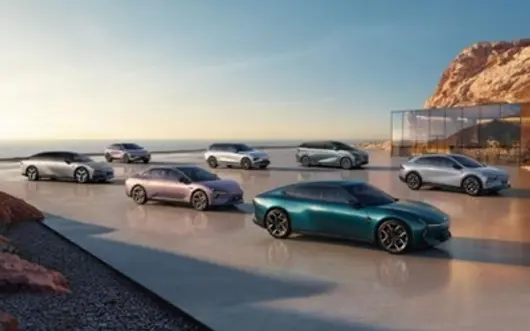


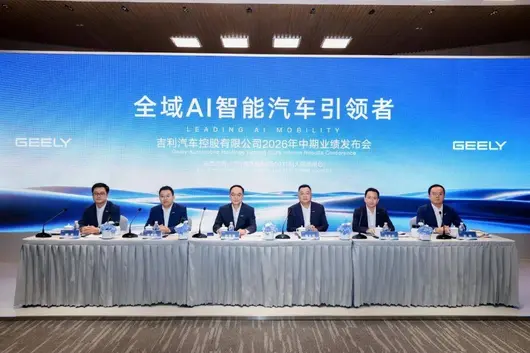
On August 17, Geely Automobile announced its mid-year 2026 performance. Almost at the same time, a more symbolic handover was also taking place.
Li Shufu resigned as Chairman and Executive Director of Geely Automobile Holdings Limited, with An Conghui taking over as Chairman. For Geely, amidst simple personnel adjustments, the enterprise achieved a governance upgrade after a new phase of development.
After all, today Geely Automobile has set its 2030 goal at sales volume over 6.5 million units and revenue exceeding 1 trillion yuan. Having reached the current scale, how to establish a systemic, professional, and young management system, to let Geely transform from being driven by "one person" to truly becoming the cause of "a group of people", has become key to supporting the next round of growth.
Right at this node, Geely presented a semi-annual report with considerable weight. In the first half of the year, Geely's total sales volume exceeded 1.42 million units, total revenue reached 173.6 billion yuan, up 15% year-on-year, maintaining growth for six consecutive years; core net profit attributable to shareholders reached 9.68 billion yuan, up 46% year-on-year, profit growth significantly outpaced revenue growth; gross margin reached 17.9%, core net profit margin increased to 5.6%, revenue per vehicle increased 16% year-on-year to 112,000 yuan. By the end of June, cash reserves further reached a historic high of 69.56 billion yuan.

If the management handover solves the question of "who will lead Geely forward in the future", then the semi-annual report this year answers what kind of Geely the new management team is taking over. At least based on the current portfolio, An Conghui is taking over an automotive group with a stable financial foundation, a gradually clear brand matrix, rapid expansion in overseas markets, while still possessing ample technology and cash reserves.
Of course, a good hand does not mean the game will be easy. Geely's full-year sales target for this year reached 3.45 million, completed 1.423 million in the first half, still needs to complete over 2 million in the second half; after rapid growth in new energy vehicle sales, the mainstream market of 120,000 to 250,000 yuan still needs to strengthen "mid-range products"; after overseas sales exceeded 470,000, how to move from exports to truly local operations has become a new exam question; meanwhile, "One Geely" still needs to continue to solve the efficiency problems behind multiple brands, multiple platforms, and a huge organizational system...
At this time, what is truly worth discussing in this semi-annual report is no longer how much money Geely earned. After the important management handover, they are jointly answering: When Geely goes from a 3 million unit-level automaker to a 6.5 million unit-level global automotive group, what does it rely on to achieve the next round of growth?
Aiming for One Million Units, Geely's Globalization Reached the Moment to "Change Track"
One of the most notable changes Geely witnessed in the first half of the year was overseas markets. Data shows that in the first half of the year, Geely Automobile overseas sales exceeded 474,000 units, up 158% year-on-year. Among them, new energy vehicle overseas sales reached 277,000 units, up 585% year-on-year, new energy vehicles accounted for 58.5% of overseas sales proportion. By the first half of the year, Geely has covered 114 core overseas markets, global channels exceeded 2,000.
Such growth directly changed Geely's goals set at the beginning of the year.
At the mid-year performance conference, An Conghui, Chairman of Geely Automobile Holdings Limited, announced raising the 2026 overseas sales target from 640,000 units to 920,000 units, and further proposed challenging 1 million units. The more long-term goal is even more aggressive; in the future, Geely hopes two-thirds of sales come from overseas.
The importance of this sentence may be even greater than "exporting one million units" itself. Because if calculated based on Geely's 2030 sales target of over 6.5 million units, two-thirds means in the future Geely may need to support a sales scale of millions of units overseas. At that time, overseas markets will not be a supplement to Chinese sales but must truly become core business on par with the Chinese market.
Therefore, what Geely is doing now is no longer just "selling more cars abroad".

Gan Jiayue, CEO of Geely Automobile Holdings Limited, stated that Geely is building an overseas system of "One Geely". Zeekr, Lynk & Co, Geely, and other brands share middle and back-office resources, and establish different scale goals around Pan-European, ASEAN, Latin America & Africa, Eastern Europe, Central Asia, and Middle East regions. Among them, Pan-European market target reaches 600,000 units, ASEAN 500,000 units, Latin America & Africa 400,000 units, Eastern Europe 300,000 units, Central Asia & Middle East 200,000 units, together forming a 2 million unit overseas foundation. This is also what Geely internationalization calls the "123456" strategy.
Overseas goals have changed, and the methods to achieve these numbers are all different.
In the past, the most typical path for Chinese cars going overseas was producing domestically and exporting via trade; one step further, independently building factories locally. Now, Geely is trying to utilize industrial resources accumulated from years of global mergers and acquisitions and cooperation to turn overseas partners' existing capacity into its own global manufacturing network.
An Conghui revealed that Geely's overseas manufacturing system has already begun to take shape. Malaysia Proton factory is upgrading to a 500,000 unit Southeast Asian production base; Spain Ford factory has about 500,000 units capacity, will produce multiple Geely brand models in the future; Volvo Europe factory can take on Geely's high-end products; Renault合作的 Brazil project planned capacity about 300,000 units. Geely summarizes this as "industrial symbiotic" going overseas, that is, using existing resources of partners like Volvo, Proton, Renault, Ford, etc., to accelerate localization with a relatively lighter asset model.

The value of this system will be more obvious in the environment where global trade barriers are increasing. For an enterprise planning for most future sales to come from overseas, true globalization is having R&D, production, supply chain, channels, and after-sales service capabilities in different markets. To this, Gan Jiayue specifically emphasized at the press conference "whether after-sales service can be done well is one of the important marks of whether Chinese automakers can successfully go global", which actually explains that Geely's understanding of globalization is changing.
From selling products to managing markets, then to managing local industrial systems, this is a layer of change behind Geely's export numbers that deserves more attention. Moreover, overseas growth is turning back to improve Geely's profit structure. Taking Galaxy Xingyuan as an example, it undertakes the task of sales volume domestically, but overseas markets, due to higher selling prices and profit space, can contribute better revenue per vehicle. In the first half of the year, Xingyuan exported 87,000 units, accounting for over 40% of Galaxy brand exports, some overseas market selling prices significantly higher than domestic.

In other words, past exports solved "selling more cars", in the future Geely hopes to solve "where to sell cars for more profit".
Strengthen Both Ends, Next Step is to Strengthen the "Waist"
However, the beautiful numbers in the semi-annual report do not mean Geely has no problems. At the performance meeting, An Conghui directly pointed out the most realistic shortcoming in the current product structure: Geely new energy still lacks a strong enough "mid-range product".
Today Geely's product matrix two ends are already quite clear.
High-end market, Zeekr has gradually built price and brand support. In the first half of the year, Zeekr sales reached 178,400 units, up 97% year-on-year, sales accounted for 12.5% of Geely total sales, but contributed 31.7% of revenue, average transaction price around 350,000 yuan, meaning Zeekr is undertaking the important task of Geely improving revenue per vehicle and profit structure. The other end, Galaxy has established scale advantages. In the first half of the year, Galaxy sales close to 520,000 units, Xingyuan and other products became important volume-driving models.

What truly needs strengthening is the middle.
120,000 to 250,000 yuan is exactly one of the most cruel and largest mainstream battlefields for China's new energy vehicles today. This market faces not a single brand, but a product group formed by many domestic new energy brands densely layout. Consumers are extremely sensitive to range, space, intelligent driving, cockpit, hybrid efficiency, and even price.
Of course, Geely is not without products. Galaxy E5, Starship 7, and Lynk & Co some models have already entered this market, but from the whole new energy matrix perspective, there is still a need for more "mid-range forces" that can continuously stand at the top of niche markets and form stable monthly sales volumes. This is why the second half of the year is so important for Geely.

Gan Jiayue stated that Galaxy TT, Galaxy Warship 700, and Lynk & Co 07 GT, New Lynk & Co Z20, and other products are entering the market one after another, essentially bearing the same task: to let Geely new energy's sales structure further transform from "few star models + high-end brands" to a product matrix with multiple stable pivot points. According to Geely announced plans, Galaxy will also expand mainstream market coverage through featured new products, main model upgrades, etc., while Lynk & Co 07 GT aims for the 150,000 to 200,000 yuan B-class plug-in hybrid wagon market.
An automotive group that reached 3 million units, 4 million units, and future 6.5 million units scale cannot always rely on one or two hit products to support growth. In the second half of the year, what Geely truly needs to prove is whether it can establish a whole row of "mid-range forces". This is the first product system exam that "One Geely" must accept after completing brand sorting.
"One Geely" Starts Subtraction, Profit Sheet Starts Addition
In the past decade or so, Geely built a huge brand and technology system through acquisitions, incubation, and internal innovation. It helped Geely complete the leap from a Chinese independent automaker to a global automotive group, but following this came multiple brands, multiple platforms, multiple R&D teams, multiple sales systems, and even product cross-over in similar price ranges.
During the industry's high-growth period, this model could cover efficiency problems through incremental growth; when the industry enters stock competition, repeated R&D, repeated procurement, repeated channels, and internal product competition will directly reflect on the profit sheet. Therefore, the most important significance of "One Geely" is to do a "subtraction" to the complex system left behind by past rapid expansion.
Gan Jiayue revealed that after "One Geely" integration, Geely has adjusted product planning with cross-over, reducing product quantity by about 20%. At the same time, R&D starts sharing vehicle architecture, electronic-electrical architecture, three-electric, assisted driving, and smart cockpit technology resources; procurement promotes joint procurement; manufacturing coordinates production; channels and after-sales gradually co-build, middle and back-office human resources, finance, legal, and other resources also begin coordination.

These changes have finally entered the financial statements. In the first half of the year, Geely's administrative expense ratio decreased 0.2 percentage points year-on-year to 1.7%, R&D investment ratio decreased 0.3 percentage points to 5.2%; in the case of rapid overseas business expansion, sales expense ratio still remains basically flat compared to the same period last year. At the same time, Geely's total R&D investment still reached 9.061 billion yuan, up 8% year-on-year.

Even more noteworthy is that in the first half of this year, Geely continued to actively compress supplier payment terms, currently supplier payment terms have been unified to within 60 days, small and medium suppliers further shortened to within 30 days; listed company accounts payable turnover days decreased from 115 days last year to 103 days, second quarter further dropped to 96 days.
For automakers, extending payment terms can improve short-term cash flow, shortening payment terms means true money flows out earlier. Geely chose the latter, essentially using its own cash reserves to exchange for supply chain stability. By the end of June, Geely cash reserves still reached a historic high of 69.56 billion yuan.
So, the value of 69.56 billion yuan besides "Geely has a lot of money on the ledger", it also gave Geely the qualification to make long-term choices in the industry's low-profit cycle.
Gasoline Vehicles Are Another Card in Geely's Globalization
There is another number in the semi-annual report that is easily overlooked.
In the first half of the year, Geely gasoline and gasoline hybrid model sales reached 623,500 units, down 8.8% year-on-year. Surface appearance seems not very eye-catching. But Gan Jiayue responded that the same period China gasoline and gasoline hybrid market overall decreased about 17%, Geely decline significantly smaller than market, thus instead achieving market share increase.
In past few years, some automakers equated "comprehensive new energy transformation" with quickly exiting gasoline vehicles, but for an ultra-large automotive group like Geely, the answer is obviously more complex. So what Geely did to gasoline vehicles was redefinition, laying out from harmless and intelligentization two directions.

Gan Jiayue pointed out that in the future Geely will no longer continue to develop traditional pure gasoline products, but gradually transition to i-HEV Smart Engine hybrid, reducing fuel consumption through electrification, while moving intelligent cockpit, assisted driving, and other capabilities formed in new energy era to gasoline foundation.
Currently i-HEV has covered Emgrand, Xingyue L, Xingrui and other main products, within the year will also add 3 model types, year-end i-HEV plan to hit monthly sales over 30,000 units, and enter European, Asia-Pacific, UK, Australia New Zealand and other overseas markets in 2027. In this way, China Star's role will also change. In the first half of the year, China Star sales exceeded 580,000 units, continuing to contribute stable sales and profits to Geely. For today's Geely, cash flow created by gasoline vehicles can continue to support large-scale investment in new energy, AI, globalization, etc.; after i-HEV transformation, China Star can again become an important product tool for Geely entering some overseas markets.
This strategy is actually a very realistic technical route selection, letting different energy forms serve different markets. Pure electric suits mature infrastructure markets, plug-in hybrid, extended-range cover more new energy scenarios, i-HEV adapts to areas with insufficient charging facilities, methanol can enter more special energy markets. Geely ultimately hopes to establish a system where five technical routes parallel: pure electric, plug-in hybrid, extended-range, gasoline hybrid, alcohol-hydrogen.
From this perspective, gasoline vehicles are not Geely new energy transformation's "historical burden", but are being re-constructed as a tool in the globalization era.

In the Malaysian SUV market, many buyers compare the Perodua Aruz and Kia Sportage when choosing a car. These two models are quite close in terms of price and positioning. Today, we will conduct a detailed comparison from multiple aspects to save you time on research.
The OTR price for the Perodua Aruz in Malaysia is RM 72,900 - 77,900, with a total of 2 versions, including 1.5L X (RM 72,900), 1.5L AV (RM 77,900), etc.
The OTR price for the Kia Sportage in Malaysia is RM 129,639 - 179,320, with a total of 4 versions, including 2025 1.6T DCT 4WD High (RM 179,320), 2025 1.6T DCT 2WD High (RM 159,320), 2025 2.0L AT 2WD High (RM 139,639), etc.
From a price perspective, the Perodua Aruz's starting price is indeed RM 56,739 cheaper than the Kia Sportage. If your budget is limited, the Perodua entry-level version is already sufficient for daily needs. However, be aware that the savings of a few thousand Ringgit might involve trade-offs in features, depending on your needs.

Perodua Aruz is equipped with a 1.5L 4-cyl, 105 hp. Official fuel consumption 6.0 L/100km.
Kia Sportage is equipped with a 1.5L Turbo, 140 hp. Official fuel consumption 7.0 L/100km.
In terms of power, the Kia Sportage's 1.5L Turbo has 35 hp more than the Perodua Aruz's 1.5L 4-cyl. However, for daily city driving, the power of both cars is sufficient, you won't feel a lack of power.

The Perodua Aruz uses FWD drive type.
The Kia Sportage uses FWD drive type.
Both cars have the same drive type, both are FWD, there won't be too much difference in daily driving experience.
Perodua Aruz warranty 5 years/150,000km, maintenance interval every 10,000km or 6 months.
Kia Sportage warranty 5 years/300,000km, maintenance interval every 10,000km or 6 months.

Both Perodua Aruz and Kia Sportage are mainstream choices in the Malaysian market, suitable for family use and daily commuting. If you value brand reputation and resale value more, you can prioritize the one with better reputation; if you care more about value for money and features, choose the one with richer configurations. Ultimately, it is recommended to test drive both, personal experience is the most important.

Overall, Perodua Aruz and Kia Sportage are both quite good car models in the Malaysian market. Which one to choose depends on your personal needs and budget. It is recommended to do your research, compare quotes from several dealerships, and then test drive to make a final decision. Buying a car is a major matter, spending time on research will definitely not be a mistake.


Dalam pasaran SUV di Malaysia, banyak pembeli akan membandingkan Proton X70 dan Toyota Fortuner semasa memilih kereta.
Proton X70 dijual di Malaysia dengan harga OTR RM 106,800 - 122,300, terdapat 3 varian, termasuk 1.5L Standard 2WD (RM 106,800), 1.5L Executive 2WD (RM 115,800), 1.5L Premium 2WD (RM 122,300) dan lain-lain.
Toyota Fortuner dijual di Malaysia dengan harga OTR RM 195,880 - 241,880, terdapat 3 varian, termasuk 2024 2.8T VRZ Diesel (RM 241,880), 2024 2.7L SRZ Petrol (RM 202,880), 2024 2.4L Standard Diesel (RM 195,880) dan lain-lain.
Dari segi harga, harga permulaan Proton X70 memang RM 89,080 lebih murah daripada Toyota Fortuner. Jika bajet anda terhad, varian paling asas Proton sudah boleh memenuhi keperluan harian. Namun, perhatikan juga, ribuan ringgit yang lebih murah itu, mungkin terdapat kompromi dalam kelengkapan, bergantung pada keperluan anda.
Proton X70 panjang badan 4400 mm, ruang kargo 400 L.
Toyota Fortuner panjang badan 4400 mm, ruang kargo 400 L.
Saiz kedua-dua kereta hampir sama, ruang dalam kenderaan tidak terlalu berbeza. Untuk kereta kelas ini, ia cukup untuk penggunaan harian.
Proton X70 menggunakan cara pemanduan FWD.
Toyota Fortuner menggunakan cara pemanduan FWD.
Cara pemanduan kedua-dua kereta sama, semuanya FWD, rasa pemanduan harian tidak akan terlalu berbeza.
Proton X70 dan Toyota Fortuner sama-sama pilihan utama pasaran Malaysia, sesuai untuk penggunaan keluarga dan perjalanan harian. Jika anda lebih mementingkan reputasi jenama dan harga jual semula, boleh mempertimbangkan yang mempunyai reputasi lebih baik terlebih dahulu; jika anda lebih mementingkan nilai dan kelengkapan, maka pilih yang mempunyai kelengkapan lebih kaya. Pada akhirnya, disarankan untuk mencuba memandu kedua-dua kereta, pengalaman peribadi adalah yang paling penting.
Secara keseluruhan, Proton X70 dan Toyota Fortuner sama-sama model kereta yang sangat bagus di pasaran Malaysia. Memilih mana satu, kuncinya bergantung pada keperluan dan bajet peribadi anda. Kami sarankan untuk membuat kajian, membandingkan beberapa sebut harga daripada kedai kereta, kemudian mencuba memandu untuk membuat keputusan akhir. Membeli kereta adalah perkara besar, meluangkan masa untuk membuat kajian pasti tidak akan rugi.

在马来西亚的汽车市场,很多买家在选车的时候都会拿 Honda WR-V 和 Subaru Forester 来做比较。今天我们从多个方面做一个详细的对比,帮你省下做功课的时间。


Honda WR-V 在马来西亚的 OTR 售价是 RM 89,900 - 107,900,一共有 4 个版本,包括 2023 1.5L V(RM 99,900)、2023 1.5L E(RM 95,900)、2023 1.5L S(RM 89,900) 等。
Subaru Forester 在马来西亚的 OTR 售价是 RM 174,000 - 197,000,一共有 3 个版本,包括 2024 2.0L S EyeSight GT Edition(RM 189,538)、2024 2.0L S EyeSight(RM 177,538)、2024 2.0L L EyeSight(RM 167,538) 等。
从价钱来看,Honda WR-V 的起步价确实比 Subaru Forester 便宜了 RM 84,100。如果你预算有限,Honda 的入门版已经可以满足日常需求。但也要注意,便宜的那几千块,可能在配备上会有取舍,具体要看你的需求。
Honda WR-V 的安全评级是 5★ (ASEAN NCAP),主动安全系统包括 Honda SENSING。
Subaru Forester 的安全评级是 5★ (Euro NCAP),主动安全系统包括 EyeSight。
安全配备方面,两款车都拿到了不错的评级。不过 Honda WR-V 的 Honda SENSING 和 Subaru Forester 的 EyeSight 在功能上有些差异,如果你比较看重主动安全的话,可以仔细对比一下两者的功能列表。

Honda WR-V 车身长 4400 mm,后备箱 400 L。
Subaru Forester 车身长 4400 mm,后备箱 400 L。
两款车的尺寸几乎一样,车内空间差别不大。这个级别的车,日常使用完全够用。
Honda WR-V 采用 FWD 驱动方式。
Subaru Forester 采用 FWD 驱动方式。
两款车的驱动方式一样,都是 FWD,日常驾驶感受不会有太大区别。
总的来说,Honda WR-V 和 Subaru Forester 都是马来西亚市场很不错的车型。选择哪一辆,关键还是要看你的个人需求和预算。建议大家做好功课,多比较几间车行的报价,再去试驾做最终决定。买车是件大事,花点时间做功课绝对不会错。


在马来西亚的SUV市场,很多买家在选车的时候都会拿 GWM Haval H6 和 Ford Everest 来做比较。这两款车在价位和定位上都蛮接近的,今天我们就从多个方面做一个详细的对比,帮你省下做功课的时间。
GWM Haval H6 在马来西亚的 OTR 售价是 RM 139,750 - 139,750,一共有 2 个版本,包括 1.5L Turbo Standard(RM 140,000)、1.5L Turbo Premium(RM 155,000) 等。
Ford Everest 在马来西亚的 OTR 售价是 RM 266,338 - 430,838,一共有 6 个版本,包括 2026 3.0T 4WD Platinum(RM 430,838)、2026 2.0T 4WD Platinum(RM 348,838)、2026 2.0T 4WD Sport(RM 316,838) 等。
从价钱来看,GWM Haval H6 的起步价确实比 Ford Everest 便宜了 RM 126,588。如果你预算有限,GWM 的入门版已经可以满足日常需求。但也要注意,便宜的那几千块,可能在配备上会有取舍,具体要看你的需求。

GWM Haval H6 搭载 Hybrid,马力 170 hp。官方油耗 4.5 L/100km。
Ford Everest 搭载 2.5L Diesel,马力 187 hp。官方油耗 8.5 L/100km。
动力方面,Ford Everest 的 2.5L Diesel 比 GWM Haval H6 的 Hybrid 多了 17 匹马力。不过日常在市区开,两款车的动力都够用,不会觉得不够力。
GWM Haval H6 车身长 4400 mm,后备箱 400 L。
Ford Everest 车身长 4400 mm,后备箱 400 L。
两款车的尺寸几乎一样,车内空间差别不大。这个级别的车,日常使用完全够用。

GWM Haval H6 采用 FWD 驱动方式。
Ford Everest 采用 FWD 驱动方式。
两款车的驱动方式一样,都是 FWD,日常驾驶感受不会有太大区别。
GWM Haval H6 和 Ford Everest 都是马来西亚市场的主流选择,适合家庭使用、日常通勤。如果你更看重品牌口碑和二手价,可以优先考虑口碑更好的那一款;如果你更在意性价比和配备,那就选配置更丰富的那款。最终还是建议两款都去试驾,亲身体验才是最重要的。
总的来说,GWM Haval H6 和 Ford Everest 都是马来西亚市场很不错的车型。选择哪一辆,关键还是要看你的个人需求和预算。建议大家做好功课,多比较几间车行的报价,再去试驾做最终决定。买车是件大事,花点时间做功课绝对不会错。


在马来西亚的SUV市场,很多买家在选车的时候都会拿 Chery Tiggo 8 PHEV 和 Kia Sportage 来做比较。这两款车在价位和定位上都蛮接近的,今天我们就从多个方面做一个详细的对比,帮你省下做功课的时间。
Chery Tiggo 8 PHEV 在马来西亚的 OTR 售价是 RM 159,750 - 159,750,一共有 2 个版本,包括 1.6L Turbo Standard(RM 130,000)、1.6L Turbo Premium(RM 145,000) 等。
Kia Sportage 在马来西亚的 OTR 售价是 RM 129,639 - 179,320,一共有 4 个版本,包括 2025 1.6T DCT 4WD High(RM 179,320)、2025 1.6T DCT 2WD High(RM 159,320)、2025 2.0L AT 2WD High(RM 139,639) 等。
从价钱来看,Kia Sportage 的起步价比 Chery Tiggo 8 PHEV 便宜了 RM 30,111。老实讲,在这个价位段,几千块的差距其实不算大,关键还是看整体的性价比和长期使用成本。
Chery Tiggo 8 PHEV 搭载 Hybrid,马力 170 hp。官方油耗 4.5 L/100km。
Kia Sportage 搭载 1.5L Turbo,马力 140 hp。官方油耗 7.0 L/100km。
动力方面,Chery Tiggo 8 PHEV 的 Hybrid 比 Kia Sportage 的 1.5L Turbo 多了 30 匹马力,中段加速更有信心,尤其是跑高速公路超车的时候。不过 Kia Sportage 的油耗可能更友好,日常市区通勤差别不会太大。
Chery Tiggo 8 PHEV 车身长 4400 mm,后备箱 400 L。
Kia Sportage 车身长 4400 mm,后备箱 400 L。
两款车的尺寸几乎一样,车内空间差别不大。这个级别的车,日常使用完全够用。

Chery Tiggo 8 PHEV 采用 FWD 驱动方式。
Kia Sportage 采用 FWD 驱动方式。
两款车的驱动方式一样,都是 FWD,日常驾驶感受不会有太大区别。
Chery Tiggo 8 PHEV 保修 3年/100,000km,保养间隔 每10,000km或6个月。
Kia Sportage 保修 5年/300,000km,保养间隔 每10,000km或6个月。
总的来说,Chery Tiggo 8 PHEV 和 Kia Sportage 都是马来西亚市场很不错的车型。选择哪一辆,关键还是要看你的个人需求和预算。建议大家做好功课,多比较几间车行的报价,再去试驾做最终决定。买车是件大事,花点时间做功课绝对不会错。

© 2024 Bitauto.com. All Rights Reserved.
Bitauto (www.yiche.com and www.bitauto.com) is one of the most visited automotive websites in China. We provide detailed info on Chinese car brands available in your area. Please note that the information provided on this website is based on publicly available data and is for reference only. It may not be fully updated or accurate at all times.

Help us improve our website


