

HomeLi Bin

Search History
Popular Searches
Dealer Login / Sign Up

Author | Zhang Rui
Editor | Zhi Hao
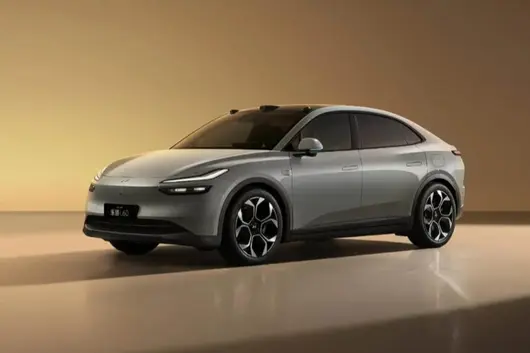
Car21 reported on June 17 that recently, NIO's sub-brand Onvo officially unveiled the new Onvo L60 in Hefei.
The new car has 3 versions. The Pro version's vehicle purchase price starts from 192,800 yuan, and battery rental purchase price starts from 135,800 yuan; the Max+ version's vehicle purchase price starts from 202,800 yuan, and battery rental purchase price starts from 145,800 yuan; the Ultra+ version's vehicle purchase price starts from 222,800 yuan, and battery rental purchase price starts from 165,800 yuan.

▲ Onvo L60 Pricing
In terms of parameters, the new Onvo L60 has been upgraded in assisted driving compared to the previous Onvo L60, equipped with NIO's self-developed 5nm automotive-grade intelligent driving chip Jingwei NX9031 and LiDAR, and added second-row entertainment screens, 6L on-board temperature-controlled fridges, and other comfort configurations. NIO Founder, Chairman, and CEO Li Bin stated that the new Onvo L60 has undergone 106 refreshed upgrades across six dimensions.
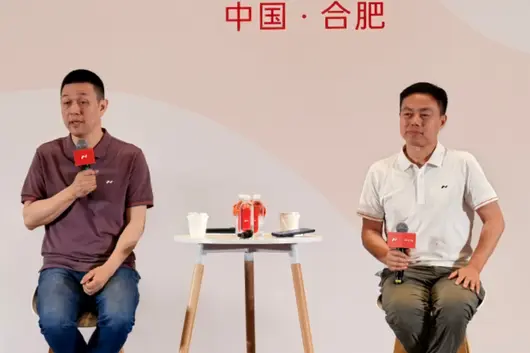
On the morning of the second day of the press conference, NIO Founder, Chairman, and CEO Li Bin and NIO Senior Vice President and Onvo President Shen Fei accepted media interviews including Car21.

▲ Li Bin (left), Shen Fei (right)
After the new Onvo L60 launch, besides the NIO ES8 5-seater version, NIO has centrally released all new models in the first half of the year. When answering Car21's questions, Li Bin stated that NIO is not worried that the lack of new car launches in the second half will affect orders; instead, they can focus on selling cars and serving users sincerely.
Below is the interview transcript, with some editing by Car21 to maintain the original meaning.
1. NIO Company basically finished launching new models in the first half of this year, but competitors still have many new models ready to launch. Will this affect the competitiveness of NIO's already released models?
Li Bin: I think the pressure is manageable because every one of our cars has strong competitiveness. For example, the Onvo L60 was released in 2024, and today it still has very strong competitiveness. We have confidence in our technological leadership. I believe the recent cars we released will have very strong competitiveness over a long period.
For example, the ET7 we released in 2022, our intelligent driving capability is still continuously improving today, still very competitive. Its hardware capabilities have not been fully exploited yet. In terms of technology layout, we have always been relatively forward-looking, and we are very confident in the market competitiveness of upcoming products.
We are not worried that orders will drop if there are no new cars in the second half. For us, it means we can focus on selling cars and serving users sincerely. Firefly is a good example. Now the waiting cycle for Firefly orders has become longer again. In the more than a year since Firefly's launch, there were only some minor iterations, not particularly major ones. But now ordering a Firefly requires waiting a month for the car.
2. Where is the biggest difficulty in achieving automotive lightweighting? Is it the trade-offs on configurations by enterprises, or the accumulation in R&D or route selection? What is the biggest difficulty?
Li Bin: Actually, the significance of lightweighting is consensus in the automotive engineering field. Lightweighting is a manifestation of comprehensive automotive R&D capability because it can truly bring benefits to users, and it also includes societal benefits. It is beneficial for vehicle handling, vehicle safety, structural durability, and long-term lifespan of the vehicle. This is one of the reasons why Onvo and NIO have insisted on lightweighting, because it has user value and can bring tangible benefits to users.
Doing lightweighting well is not easy. First, you need to make trade-offs because the cost boundary is limited. If you pursue particularly long range, you must use particularly large LFP batteries. We have been cautious in our battery selection, which requires courage. This is not cutting corners; this is making trade-offs because costs are fixed.
The second harder thing I think is technical, the smart fuse issue. It is not as simple as replacing traditional fuses with smart fuses. The entire vehicle high-voltage architecture, low-voltage architecture, and other aspects must support this. It is a systematic engineering project, so there is a high technical content behind it.
There is also our integrated design, creating better space and bringing better lightweighting. This requires a lot of R&D investment and also high technical content.
Including our full-domain 900V technology, which is definitely beneficial for lightweighting. The technical barrier is very high, it requires underlying R&D capability.
The third is also part of technology, we call it engineering capability. For example, the white body lightweighting coefficient of the new Onvo L60 reached 2.22, which is more of an engineering capability. It needs to be achieved while ensuring safety structure and balance. Sometimes overuse of materials yields no safety gain. Just like some houses look thick but do not necessarily mean the structure is solid. This engineering capability is very important.
Finally, cost is also important. You need to bear the cost increase brought by lightweighting technology. Including NIO and Onvo, we have long-range batteries. Our 85 kWh version has 740 km range. If we don't want to add too much weight for our long-range version, we must use ternary lithium batteries. Ternary lithium batteries have high energy density. Of course, with the same battery capacity, the weight is lighter. This is a significant amount of money. Everyone knows an 85 kWh ternary lithium battery reduces weight by over 100 kg compared to an 85 kWh LFP battery.
3. NIO participated in formulating the battery swapping standard in Singapore. Does this mean NIO's battery swapping model has moved from enterprise standards to national standards? How is NIO's battery swapping ecosystem going global?
Li Bin: We already have more than 60 battery swapping stations in Europe, mainly in 5 Nordic countries. There are more than 60 stations in Germany and several Nordic countries, including more than 20 stations in Norway. Regarding the Singapore market, Firefly is already on sale. We, along with European countries and Singapore, have been having very active exchanges with relevant authorities regarding battery swapping station standards.
When Shen Fei was still responsible for NIO Energy, we very early started promoting battery swapping standards with relevant national departments. We participated in formulating many standards, working hard to promote battery swapping standardization. This is because battery swapping can indeed solve many problems of current electric vehicles that can only charge but cannot swap, and can solve many problems like different lifespans for vehicle and battery.
4. When Onvo L60 first launched, it was mainly benchmarking against fuel competitors. What was the overall product thinking strategy? Currently, how is the appeal of L60 to users?
Shen Fei: Actually, looking at Onvo's overall brand user repurchase and repeat purchase data, our user group comes from relatively premium brands. BBA and traditional luxury brands account for about 35%, joint venture brand owners also account for 30%, 10% come from new energy competitor users, and NIO Community repurchase/repeat purchase is also nearly 10%. There are quite a few from the traditional fuel car camp.
Actually, from a user perspective, this math is easy to calculate. Moving from fuel cars, trading-in old cars used to fetch some money. But our space, intelligent driving upgrades, or overall experience are class-defying.
The key is the monthly usage cost. Originally you spent fuel money, but here if you choose the battery rental plan, even adding battery rent and electricity fees, it still saves a thousand or so compared to driving fuel cars. So there is no reason not to convert.
I felt running on the frontline that everyone's consumption habits are to drive their current car well if they have one. The motivation to understand other new cars is not that strong. They won't visit the store like people wanting to change cars.
But people still have channels to communicate, including like the Cave Intelligent Driving video this time. I think it will touch potential consumers to understand, maybe more opportunities will come later.
Li Bin: The latest market data shows fuel cars declined by more than 40%. The overall market is very challenging, but relatively speaking, pure electricity is still growing. What does this reflect? As Shen Fei just mentioned our user source, BBA, joint venture fuel proportion, NIO system user repurchase proportion, added up about 85%. That means new purchases are quite less. The whole market has entered a stock era. Many families have more than one car, truly new purchases have become fewer, most are trade-ins.
So for now fuel car users, do they still trade-in for fuel cars? I think with today's new energy infrastructure and electric vehicle product competitiveness, they will most likely switch to new energy vehicles. New energy vehicles originally might not have been that developed infrastructure, because past pure electric vehicle technology experience advantages were not fully reflected. Now from the user perspective, since switching to new energy vehicles, why not switch to a pure electric car? Why not switch to a smart electric pure car?
From the user perspective, they actually find it easy to make choices. Unlike a few years ago when they were so conflicted. A few years ago because infrastructure was not developed, charging and swapping conditions were not that good, at that time choosing extended range or plug-in hybrid were reasonable. Today I think users start choosing pure electric, choosing smart electric vehicles, I think this is a natural consequence.
This is why everyone sees although the total auto market volume January to May declined year-on-year by about 20%, pure electricity overall is growing. Especially May, fuel dropped 40%, but pure electricity is still growing. It deeply reflects the auto market has entered a stock era. Repurchase, repeat purchase, trade-in have become the mainstream. In this situation, intelligent electric vehicle pure electricity technology route, I believe will definitely get more user choices.
We also see China Passenger Car Association data, June 1-7 new energy penetration rate reached 66.9%. I previously thought it would reach 70% by year-end, now looking it might hit 70% in June, third quarter will definitely touch 70%. Indeed the speed is much faster than we imagined.
5. What is the intelligent driving level of Onvo L60 compared to Tesla FSD approximately?
Li Bin: I haven't experienced Tesla FSD latest version yet, if officially released I will go experience it and learn from them.
Of course Tesla's intelligent driving, including its models and compute power many aspects are definitely very advanced, there is much worth learning. But our NIO from self-developed chips to sensors, to whole world model + reinforcement learning route, I believe everyone has seen our capability. Through ultra-narrow cave crossing let everyone see we have such capability.
Of course subsequent many work needs to be done, like this year we will also increase investment in compute power, do our data training, continuously improve our entire intelligent driving experience ceiling. We are still very confident in subsequent continuous progress.
Of course intelligent driving now indeed fully reflects everyone's comprehensive technical ability. This chasing situation is also good. Hope everyone go experience more, also experience our new Onvo L60 intelligent driving, including NIO intelligent driving. I am still very confident its experience is very good.
6. Onvo launched three new cars this first half of year, all used flagship intelligent three major components. What is the consideration behind such dense updates? Including these technologies in current latest industry competition state what moats will it build for Onvo?
Li Bin: If everyone looks at our release speed, whether Coconut, originally no LiDAR, or now Coconut+, and NIO second generation platform cars, our several intelligent driving baselines, basically can do almost in within plus or minus few weeks time window do simultaneous release.
Actually this is very not easy, because inside here from time span, from our entire hardware difference still have challenges. I think inside here reason is through full-stack self-research internally unify what can be unified together. This point is very important.
Because when we plan everyone can also see, from ET7 start to Onvo L60, in vision up sensor layout is relatively forward-looking. 7 8 million pixel cameras + 7 surrounding cameras, we in this aspect planning is relatively early. Including sensors all considered long-term standardization.
Of course Onvo and NIO at beginning baselines there are some differences. Now Onvo added LiDAR too. So if everyone looks we in this planning aspect still push relatively deep.
Whole technical baseline can reuse represents data can reuse, represents tool chain can reuse, model deployment and variants relatively then easier to manage. So we from second generation products start whole intelligent driving underlying hardware self-research benefits come out. At the same time memory bandwidth very very important. Many times everyone underestimate this thing. Also our ISP multimodal signal processing capability, in extremely dark, also extremely strong light many cases its clarity and resolution, image restoration capability are very very strong.
Comprehensive overall, reflects we in intelligent driving aspect one in hardware aspect long-term thinking, in data closed-loop long-term thinking. So now second generation cars, swarm intelligence capability bring data closed-loop capability. Similarly these capability bring benefits, like Coconut etc can all get help. This is engineering system and architecture thinking.
7. How is new Onvo L60 order situation, this year for whole Onvo monthly sales level approximately what expectation, and adding specs price reduction will have certain impact to new Onvo L60 can provide gross margin?
Li Bin: Current market trend, our attitude is still relatively cautious. Very few say NIO each brand respective need to reach how much sales. But still hope NIO enter three brand development stage after, can maintain 40% to 50% growth. We this year January to May definitely higher than this number, reached 68%, growth is still good.
Second half starting we more energy will be used on selling cars, serving users above. Onvo these several cars market competitiveness are all very strong. I believe can reach our own internal preset goals.
As for gross margin aspect, indeed now supply chain price rise rise too much. We Onvo L60 gross margin still has, but quite miserable. So this year gross margin and entire profit growth, mainly look at total amount.
8. Will Onvo optimize leasing plan later, reduce user leasing rate? Currently battery leasing overall penetration rate situation how?
Li Bin: We battery rental plan penetration rate very high, have over 90%. As for industry battery swapping penetration rate, we cars sell well, penetration rate high, including competitors, like CATL also have battery swapping plan, participating people more, market penetration rate naturally high.
We with many competitors in battery swapping aspect have strategic cooperation. But for them whether do battery swapping is relatively long time make decision, make product preparation, business preparation. Our battery swapping ecosystem always is open.
9. Currently automotive grade memory price rise quite fiercely. This round price rise to Onvo model cost gross margin actual impact? NIO and CXMT already in progress related cooperation, current progress how? Later can imagine space how big?
Li Bin: This round price rise impact still very big. Take Onvo for example, one car cost rose over 10,000 yuan. If calculate to final selling price also need calculate taxes etc increase. To selling price impact about 15,000. At the same time like battery raw material lithium price rise also rise many. So this year indeed cost pressure very very big.
CXMT factory close to us very near, just few hundred meters, maybe one kilometer. All in Economic and Technological Development Zone North District. We in cooperation LPDDR5X on-vehicle verification progress all quite smooth.
10. Can detail interpret Onvo user source?
Li Bin: Just Shen Fei also spoke a bit. Now come from BBA, also traditional luxury brands user roughly account our users 35%. Joint venture fuel car users account 30%. Also previous new energy car repurchase, especially early buy pure electric car repurchase. Also extended car trade-in, about 10%. Others are from other sources, also include some new purchases and other users.
First quarter Onvo average selling price is 240,000 yuan, compared to some traditional luxury brands even higher some. So Onvo indeed is a family-oriented high-quality brand.
Everyone look new Onvo L60 main selling version Max+ version starting price starts 202,800 yuan. Order situation over 90% are our Max+ and Ultra+. Over 90% selected our Coconut+, Jingwei NX9031 and LiDAR versions. Onvo as 200,000-300,000 yuan range product layout, brand positioning is relatively fit our target users and consumption trends.
11. From first half year data, fast charging and swapping products both still can maintain growth. NIO for later whole refueling direction above how to view?
Li Bin: We very happy see more and more auto companies in charging swapping infrastructure aspect investment. Fast charging very good. To entire industry brought very good promotion. More people focus on infrastructure aspect investment. Not just simple rely on public charging piles.
NIO this aspect always done most determined. Actually NIO in charging pile construction aspect also very active. We always is chargeable, swappable, upgradable. Of course our construction thinking also have difference from others. We now already have 86 Recharging Scenic Routes. Build charging piles just build in places others unwilling to build. Earliest Inner Mongolia Highway, Jilin Highway charging piles, are we earliest build. Our departure point very simple. We users go where, if there no infrastructure, at least need guarantee.
We earliest also had mobile charging vehicles. Of course now dispatch rate lower and lower. Mainly used for rescue. Like Xinjiang, Tibet some very remote places still need have such an emergency measure.
I also want emphasize, battery swapping and charging are not opposed. This point very important. We never put charging and battery swapping opposed.
We internal very early have such a requirement. Just users regardless at home, or at unit, as long can install charging pile, we definitely help him install charging pile. So our user charging pile installation ratio in industry inside definitely number one or two. Because we have own national energy service team, push more efficient.
Behind thinking also very simple. Because this experience is best. You home inside want can install charging pile. Night charge a bit, or day go unit charge a bit, is best experience.
But, our battery swapping can do whole journey no need get off car. Experience still need better. Including battery swapping stations also some other dimension values.
First is can thoroughly solve car battery different lifespan problem. Take car and battery decoupling. This for users benefit and society benefit long term is have good benefit. Buy a car not just look short term experience. Need see 8 years, 10 years, even need see 15 years. Not say reach this time car must eliminate. So take car battery different lifespan, through battery swapping system solve off. I think is very important.
We in battery swapping stations will intelligently target every piece battery to give best charging strategy. This for battery lifespan is very important. So we through operation extend lifespan, basically take every piece battery lifespan, through operation extend lifespan can at least increase 1.5 years. These are very big some advantages.
Second is energy attribute. Battery swapping station itself is a natural energy storage facility. We 3,900+ battery swapping stations, equivalent 7 GWh energy storage. In China more and more electricity are new energy power generation large background, its value will gradually reflect. We already have many battery swapping stations participated grid response. Every day do energy storage things. These as energy infrastructure efficiency is very high.
So overall, super charge, fast charging and battery swapping not are not opposed. But battery swapping indeed can solve many fast charging can't solve problems. Everyone now see fast is shallow fast. Fast charge this thing indeed reach certain speed and time later, marginal benefit just not that big.
And just like I said, sometimes slow a bit also no relation. Home charge slow just slow bit, or unit building downstairs in passing charge. Reach certain rate later marginal benefit just become lower. More important is battery swapping to car battery different lifespan solution significance. To battery lifespan, safety significance. As distributed energy storage facility new power system part benefit. This thing all hard to use charging to solve.
12. Industry also have other manufacturers prepare to launch second brand or new series. In internal review view, Onvo in 2+ years time, have what experience is especially worth share externally?
Li Bin: We think still underestimated building a brand difficulty. Objectively speak, actually build a new brand not easy. NIO brand first time external release is 2016, to now already 10 years. And we that year market and overall attention very high. Everyone easier put us as one of new force representatives. This is have timing, location, and harmony factors.
Onvo as a new brand, we originally also think name soon can build up. But according to now we survey data, maybe still many people fundamentally don't know Onvo this brand. Now Onvo brand name awareness just equivalent 6 years ago NIO. Maybe still earlier. Actually many people don't clear. Today's market environment, a new brand is very hard to gain attention. Build new brand still quite hard work. Difficulty than we imagine still need bigger.
But to experience to Onvo from beginning brand concept construction on, we to serve who, actually in what positioning is very clear. Just make family life more beautiful. Onvo is a service family high-quality brand. Positioning, definition, concept all very clear. Also Onvo quality and safety, vibrant community etc these build our brand pillars. These all very clear. Users also will have response. These are we do still not bad places.
But market challenge indeed very big. Today you how let brand can be remembered. Not just me product configuration how or product performance how. More is I can can引起 everyone resonance. Everyone look we L90 also, L80 also, new L60 also. Launch meetings all spend very much time pass some user scenarios and users real stories to reflect our this brand underlying thinking, spiritual level thinking. We also hope and our target users cause this resonance.
13. Onvo recent few months sales situation seem not reached expected height?
Shen Fei: Regarding sales expectation, I and internal colleagues often share. We ourselves need firm confidence. Don't belittle oneself. Because Onvo is 2-year brand. Just Bin-ge also spoke name awareness problem.
Onvo current sales, compared to NIO 2 years more. Onvo overall sales climb still very fast. One year done NIO 4-year volume. But I also with our team partners speak. We ourselves so think because we need face squarely ourselves still have many problems need solve. Constantly go improve etc.
Of course actually external won't look so. For single user, I just buy a car, just select a car fit oneself. For whole industry, including sitting media teachers. Everyone will put Onvo and NIO put together look. So I hope whole team in maintain confidence, maintain to self have correct cognition when able constantly improve.
Li Bin: I also want supplement. Actually L90 after product launch, in pure electric large 3-row SUV market interval its sales is number one. Actually Onvo L60 after launch same level also is top 3. So I think achievement thing still look how you look. We now still need face squarely brand construction, including sales system capability construction. It have a process. We actually now just use this mindset look this thing.
14. Onvo L60 resale value very good. Internal have research over specific reason what?
Shen Fei: Onvo L60 product power is fundamental reason. Users to this car every aspect still very satisfied.
Second is we whole pricing policy every aspect relatively stable. Including this time new L60 pricing also in very hard balance this new car, second hand car etc aspects factors. This is a multi-facet effort result.
In addition, also include our direct sales model, battery swapping capability every aspect. Resale value is comprehensive thing. Everyone pay attention resale value right. Resale value reflects brand comprehensive competitiveness.
15. To intelligent driving team invested how big compute power and manpower? Later planning what?
Li Bin: We actually when talk about hardware competitiveness and our model competitiveness when, everyone don't forget compute power. Why DeepSeek last year beginning everyone all to it idolize. Core is it need training resources is far less than US peers.
We last year whole intelligent driving training compute power indeed compared to domestic do good peers only have theirs one fifth, even one tenth. If with most top compare maybe even less. And Tesla even can't compare. This year indeed increased investment. We about increase several times investment. We see effect still very good.
This year second half we also will have bigger one compute power investment. Overall on compute power operation on we still relatively stable.
16. In NIO layout process, three brands between how to define market?
Li Bin: Actually regardless NIO, Onvo or Firefly, we in respective sit target market still keep a high-end positioning.
Actually Firefly in small car market still also high-end positioning. And same level small cars compare we price about also high 50% roughly. Domestic many pure electric small cars about 70,000-80,000 yuan. Our main selling price is 120,000+ yuan. Of course we product and service is support can afford this price.
Onvo is face to family market. But we also still keep a high-end positioning. Like front Onvo first quarter average selling price is 240,000 yuan. Everyone know most mainstream family use car brand actually can't reach this average price. Our positioning also have enough technology and product to support. New Onvo L60 also is mid-size SUV tech flagship. Emphasize tech for home concept. Safety quality foundation.
We think for family use car aspect these aspect users very care. Of course some configurations can do some trade-offs. Like some luxury configurations are optional. But safety quality we won't trade-off. Technology architecture we won't do this trade-off. So this kept brand foundation.
NIO indeed is face to high-end market. User group more some. For example some full-scenario tech experience. Like ES9 such executive flagship. Even like ET5 etc also have respective unique emotional experience. Also our Skyline etc. All are very characteristic tech atmosphere. Let users have better emotional experience feelings.
So in do these three brands when common thing what? Keep high quality. Keep in respective segment market's high-end positioning. Keep technology leadership. In this basis below again around users needs go solve problem. We won't blindly simple stack configurations do this thing. Still look in which points and target user group is able have emotional resonance. In functional experience will go sort. Which to users most important, we will go sort. Different target market, its priority is not quite same.
17. Recently many brands released their own intelligent driving chips. NIO intelligent driving chip and OEM and chip factory competition trend what? NIO in chip aspect what advantages?
Li Bin: If from do a intelligent driving chip angle talk to. Actually have many do chip methods. Like let others help you define design. This isn't what hard matter. Industry many people all do.
But important is this chip non that chip. Like one car you find engineering design company do, or through own full-stack self-research. This involves enterprise self comprehensive engineering capability. Many core components need self-research. Investment bigger. Difficulty also bigger.
NIO Jingwei NX9031 team have 600+ people. Have from front-end to back-end complete design capability. Need build this capability is still very not easy. And we simple define well parameters let others do way difference still very very big.
Including intelligent driving chips between also can't simple compare. Need from three dimensions or four dimensions go assess its performance. Inference compute power is one aspect. Second is memory bandwidth. This for support model size and including model run speed very important. We chip memory bandwidth compared to industry basically theirs 2 times.
Third is multimodal signal processing capability. This is a need particularly detailed do work. We in many occasions demonstrated. Cave crossing why can have so good performance, also have relation with this. Intelligent driving foundation is vision. Can't just look light good time. Many scene light not good. This tests you really if can have very good process.
Also chip redundancy backup. Need be able do millisecond-level hot switch. Two chips between interconnection capability is very strong. Can do millisecond hot switch. This for future L4, L3 level intelligent driving very important.

Hello everyone, I am the editor from Electric Vehicle Commune.
Not long ago, the 2026 model Onvo L60 officially launched.

Compared to the old model, not only is the starting price reduced by as much as 14,000 yuan, but it also brings up to 106 comprehensive upgrades.
Including Max+ and Ultra+ versions, it is the first time equipped with NIO self-developed 5nm smart driving chip Shenji NX9031, aiming directly at NIO flagship Series 9. At its launch event, smart driving with zero handover traversed a very narrow natural cave, the promotional effect can be said to be fully maximized.
At the same time, new configurations include a 17.3-inch rear foldable entertainment screen, new small table boards on rear seats, intelligent driving small blue lights on exterior rearview mirrors, as well as more extreme vehicle lightweighting, lower energy consumption, more comfortable driving quality, etc.
In summary, this round of upgrades for the new Onvo L60 is completely more value without price increase. In today's environment where supply chain costs have generally surged significantly, achieving this is enough to show Onvo's sincerity.
The day after the press conference, Onvo organized an internal communication meeting for media face-to-face. NIO Founder and CEO Li Bin and Onvo President Shen Fei participated in the group interview. The editor had the honor to attend this meeting. Based on the meeting content, 8 major questions and answers were summarized to share with everyone:

Q1: Yesterday, NIO just participated in setting the battery swap standard for Singapore. How do you view the future market prospects of battery swap overseas?
Li Bin: We already have over 60 battery swap stations in Europe, mainly in 5 Nordic countries. Germany and a few Nordic countries already have over 60, including over 20 in Norway. For the Singapore market, Firefly is already selling there. We, like with European countries or Singapore, have been having very active exchanges with relevant departments regarding battery swap station standards.
At that time when Shen Fei was still responsible for NIO Energy, we started pushing battery swap standards with relevant national departments very early, we participated in many standards. We are definitely going all out to promote the standardization of battery swaps, not only domestically but also internationally, because it really solves many routes where EVs can only charge but not swap now, it solves many problems like vehicle and battery having different lifespans, etc.
Q2: At this point in time, how do you view the market prospects for powertrain forms such as BEV/EREV/PHEV/ICE?
Li Bin: The latest market data in this industry shows ICE vehicles dropped by over 40%. The whole market is challenging, but relatively speaking, BEV is still growing. Shen Fei just spoke about our user sources. BBA, joint venture ICE share, NIO system user repurchase share, together add up to about 85%. That means new purchases are relatively few. The whole market has entered an existing stock era. Many families have more than one car. True new purchases have become fewer, most are trade-ins.
From a user perspective, in previous years because infrastructure was not developed enough, charging and swapping conditions were not that good. At that time, choosing EREV or PHEV was reasonable. Today I believe users starting to choose BEV or smart EVs, I think this is a matter of things developing naturally.
This is why everyone sees that although the total car market volume decreased by about 20% year-on-year for January-May this year, BEV overall is still growing. Especially in May, ICE dropped by 40%, but BEV is still growing, deeply reflecting the car market has entered an existing stock era. Incremental purchase, repurchase, trade-in have become mainstream. Under this situation, the smart EV BEV technical route, I believe will definitely get more user choices.
Q3: How do you view the competition pressure in the second half of the year?
Li Bin: I think the pressure is okay, because every car of ours has strong competitiveness. Like Onvo L60 was released in 2024, today it still has very strong competitiveness. We still have confidence in the leadership of technology. These cars we recently released, I believe within a relatively long time, they will still have very strong competitiveness.
Like our ET7 released in 2022, today our smart driving is still continuously improving, still very competitive. Its hardware capabilities haven't been fully explored. In technology layout we have always been slightly ahead. We are still very confident in the competitiveness of future products in the market. Do we worry that if no new cars in second half orders will be bad? No. For us, it instead allows us to sell cars down-to-earth, serve users down-to-earth. Firefly is a good example. Firefly order wait cycle has become longer again. More than a year since launch, some small iterations in between, not particularly big iterations, but now Firefly orders again need to wait a month.
Q4: The cave smart driving effect of Onvo L60 is very explosive, how does it compare to Tesla FSD level currently?
Li Bin: I haven't experienced the latest version of Tesla FSD yet. If officially released I will go experience and learn from them. Of course Tesla's smart driving, including its model and computing power in many aspects are definitely very leading, many things worthy of our learning. But we NIO from self-developed chips to sensors, to the whole world model + reinforcement learning route, I believe everyone has seen our capabilities. Yesterday through the very narrow cave traversal let everyone see we possess such capabilities. Of course subsequently there are still many tasks to do. Like this year we will also increase investment in computing power, train the data in our data closed loop, continuously improve our entire smart driving experience ceiling. We are still very confident in our continuous progress subsequently.
Of course smart driving now indeed fully reflects each company's comprehensive technical capabilities. This chase and catch situation is also good. Hope everyone also experiences it. Also experience our new Onvo L60 smart driving, including NIO smart driving. I believe compared to peers, we are still very confident its experience is very good.
Q5: Currently automotive-grade memory prices are rising significantly, how much impact has this had on overall vehicle cost?
Li Bin: This round of price hikes has a big impact. Taking Onvo as an example, cost per car rose by over 10,000 yuan. If calculated to final selling price including tax increases etc., the impact on selling price is around 15,000. This includes non-chip parts. Like battery raw material lithium price also rose a lot. So this year indeed cost pressure is very big.
Q6: Where do Onvo users come from respectively?
Li Bin: Now coming from BBA, and traditional luxury brand users account for about 35% of our users. Joint venture ICE vehicle users account for 30%. Also previous new energy vehicle repurchases, especially early BEV repurchases, also include EREV trade-ins, about 10%. Others come from other sources, also including some new purchases and other users.
Q1 Onvo average selling price is 240,000 yuan, slightly higher than some traditional luxury brands. So Onvo is indeed a high-quality brand for families. If everyone looks, yesterday new Onvo L60 main selling version Max+ starting price is 202,800 yuan. Looked at last night's order situation, over 90% are our Max+ and Ultra+, over 90% chose our Coconut+, Shenji NX9031+ LiDAR versions. Onvo as layout for 200,000-300,000 yuan interval products, brand positioning is still quite fitting for our target users and their consumption trends.
Q7: How to view the increasingly popular BYD Flash Charge? Will it impact battery swapping?
Li Bin: We are very happy to see more and more auto companies investing in charging/swapping infrastructure. Flash Charge coming out is quite good, gave good impetus to the whole industry, let more focus on infrastructure investment, no longer simply relying on public charging piles.
NIO has always done this most resolutely. Actually NIO in charging pile construction aspect is also very proactive. We have always been chargeable, swappable, upgradeable. Of course our construction thinking has differences with others. We now already have 86 charging scenic routes. Build charging piles where others are unwilling to build. Earliest Inner Mongolia highway, Jilin highway charging piles, were all built by us first. Our starting point very simple. Where our users go, if there is no infrastructure, at least need guarantee. We earliest had mobile charging vehicles. Of course now dispatch rate is lower and lower, mainly for rescue. Like Xinjiang, Tibet some very remote places still need such an emergency means.
I also want to emphasize, swap and charge are not oppositional. This point very important. We never put charge and swap in opposition. We early on had such requirement, that users no matter at home or work, as long as can install charging pile, we definitely help install it. So our user charging pile installation ratio in industry definitely is top tier, because we have our own national energy service team, pushing more efficiently. Underlying thinking also simple. Because this way experience is best. You at home able to install charging pile, charge at night, go to work day charge, that is best experience. So this is our starting point.
Our swap entire process no need to get off car, experience still better. Including swap stations indeed have some other dimension values.
First is can thoroughly solve vehicle battery different lifespan problem. Decouple car and battery. For user interests and social interests long term is beneficial. Buy a battery not only look short term experience, need see 8 years, 10 years, even 15 years. It not say reached this time car must be scrapped. So put vehicle battery different lifespan, through swap system solve. I think very important. We inside swap stations will intelligently target every battery to give best charging strategy. This for battery lifespan very important. So we through operation extend lifespan, basically every battery lifespan, through operation extend lifespan can improve see 1.5 years or more. At least improve 1.5 years. Compared to its conventional lifespan, these are very big advantages.
Second is energy attribute. Swap station itself is a natural energy storage facility. We over 3,900 swap stations, equivalent to 7GW/h energy storage. In China more and more electricity is new energy generation background its value will gradually reflect. We already have many swap stations participated in grid response. Every day do energy storage things. These as energy infrastructure efficiency is very high.
So overall, supercharge, flash charge and swap are not oppositional. Swap indeed can solve many problems flash charge cannot solve. What everyone sees now is fast is shallow fast. Fast charge thing actually to certain speed and time after, your marginal benefit is not that big. And like I said, sometimes slow is okay. Charge home slow is slow, or work building down side charge conveniently. After reach certain rate marginal benefit lowers. More important is just spoke, it for vehicle battery different lifespan solution significance. For battery lifespan, safety significance. Also energy efficiency. As distributed energy storage facility new power system part of revenue. This thing hard to use charge to solve.
Q8: How to view more and more brands releasing smart driving chips? What specific advantages do self-developed chips have?
Li Bin: If from making a smart driving chip angle speak many ways. Let others help define design, this is not any difficulty. Industry many people doing. But important is this chip not that chip. Like a car you find engineering design company to make, or through yourself full stack self-develop, this involves your enterprise own complete engineering capability. Many core parts need self-develop. Investment bigger, difficulty bigger.
NIO Shenji NX9031 team has over 600 people. From front end to back end, complete a design capability. To build this capability still very not easy. Compared to us simply define good parameters let others do method difference still very very big. Including smart driving chips also not simple compare one point. Need from 3 dimensions or 4 dimensions evaluate its performance. Inference compute power is one aspect. Second is memory bandwidth. This for supporting model size and including model running speed very important. Our memory bandwidth compared to industry actually basically is their 2 times. Third is multi-modal signal processing capability. This is a need particularly detailed do work. We in many occasions demonstrated. Yesterday for cave crossing why can have so good performance, with this also has relation.
Smart driving foundation is vision. Cannot only look good light time. Many scenes light not good. This tests you truly can good handle. Also when have chip redundancy backup, need achieve millisecond level hot switch. Two chips between chip interconnect its interface and capability very strong. Can achieve millisecond hot cut. This for future L4, L3 level smart driving very important.
© 2024 Bitauto.com. All Rights Reserved.
Bitauto (www.yiche.com and www.bitauto.com) is one of the most visited automotive websites in China. We provide detailed info on Chinese car brands available in your area. Please note that the information provided on this website is based on publicly available data and is for reference only. It may not be fully updated or accurate at all times.

Help us improve our website


