

HomeLimited

Search History
Popular Searches
Dealer Login / Sign Up


In the Malaysian SUV market, many buyers compare the Proton X70 and Mazda CX-60 when choosing a car. The pricing and positioning of these two cars are quite close. Today we will make a detailed comparison from multiple aspects to help you save time on research.
The OTR price of the Proton X70 in Malaysia is RM 106,800 - 122,300, with a total of 3 versions, including 1.5L Standard 2WD (RM 106,800), 1.5L Executive 2WD (RM 115,800), 1.5L Premium 2WD (RM 122,300) etc.
The OTR price of the Mazda CX-60 in Malaysia is RM 200,510 - 252,873, with a total of 2 versions, including 2026 3.3T 4WD High Plus (RM 252,873), 2025 2.5L 2WD High (RM 200,510) etc.
From a price perspective, the starting price of the Proton X70 is indeed RM 93,710 cheaper than the Mazda CX-60. If your budget is limited, Proton's entry-level version can already meet daily needs. However, be aware that the cheaper few thousand might involve trade-offs in features, depending on your specific needs.

The Proton X70 safety rating is 5★ (ASEAN NCAP), active safety systems include ADAS (ACC, AEB, LKA, LDA, BSM, RCTA).
The Mazda CX-60 safety rating is 5★ (Euro NCAP), active safety systems include i-Activsense Pro.
Regarding safety features, both cars received good ratings. However, there are some differences in functionality between the Proton X70's ADAS (ACC, AEB, LKA, LDA, BSM, RCTA) and the Mazda CX-60's i-Activsense Pro. If you prioritize active safety, you can compare the feature lists of both carefully.

The Proton X70 is 4400 mm long with a 400 L trunk.
The Mazda CX-60 is 4500 mm long with a 450 L trunk.
In terms of space, the Mazda CX-60 body is 100 mm longer than the Proton X70, offering an advantage in passenger space. However, the Proton X70 is more flexible for parking in the city, each has its trade-offs.

Both the Proton X70 and Mazda CX-60 are mainstream choices in the Malaysian market, suitable for family use and daily commuting. If you value brand reputation and resale value more, consider the one with better reputation first; if you care more about cost-performance ratio and features, choose the one with richer configurations. Ultimately, it is recommended to test drive both, as firsthand experience is the most important.
Overall, the Proton X70 and Mazda CX-60 are both very good models in the Malaysian market. Which one to choose depends on your personal needs and budget. We suggest doing your research well, comparing quotes from several dealerships, and then test driving to make the final decision. Buying a car is a big deal; spending time on research will never be a mistake.


喺馬來西亞嘅 SUV 市場,好多買家喺揀車嘅時候都會拿 Perodua Aruz 同 Kia Sportage 嚟做比較。這兩款車喺價位同定位上都幾接近,今日我哋就由多個方面做一個詳細嘅比較,幫你節省做功課嘅時間。
Perodua Aruz 喺馬來西亞嘅 OTR 售價係 RM 72,900 - 77,900,一共有 2 個版本,包括 1.5L X(RM 72,900)、1.5L AV(RM 77,900) 等。
Kia Sportage 喺馬來西亞嘅 OTR 售價係 RM 129,639 - 179,320,一共有 4 個版本,包括 2025 1.6T DCT 4WD High(RM 179,320)、2025 1.6T DCT 2WD High(RM 159,320)、2025 2.0L AT 2WD High(RM 139,639) 等。
由價錢睇落嚟,Perodua Aruz 嘅起點價確實比 Kia Sportage 平咗 RM 56,739。如果你預算有限,Perodua 嘅入門版已經可以滿足日常需要。不過都要注意,便宜嘅那幾千蚊,可能會喺配備方面有所取舍,具體睇你嘅需要。

Perodua Aruz 嘅安全評級係 5★ (ASEAN NCAP),主動安全系統包括 。
Kia Sportage 嘅安全評級係 5★ (ASEAN NCAP),主動安全系統包括 Drive Wise。
兩款車嘅安全評級一樣,喺呢個級別入面安全配備都算好齊全。而家嘅新車安全性都唔差,唔使太擔心呢一點。

Perodua Aruz 車身長度 4400 mm,行李箱 400 L。
Kia Sportage 車身長度 4400 mm,行李箱 400 L。
兩款車嘅尺寸幾乎一樣,車內空間差別唔大。呢個級別嘅車,日常使用完全夠用。

Perodua Aruz 同 Kia Sportage 都係馬來西亞市場嘅主流選擇,適合家庭使用、日常通勤。如果你更重視品牌口碑同二手價,可以優先考慮口碑更好嗰款;如果你更介意性價比同配備,就揀配置更豐富嗰款。最後始終建議兩款都去試駕,親身測試先至係最重要。

總體嚟講,Perodua Aruz 同 Kia Sportage 都係馬來西亞市場幾唔錯嘅車型。揀邊款,關鍵仲係睇你嘅個人需求同預算。建議大家做足功課,多比較幾間車行嘅報價,再去試駕做最終決定。買車係件大事,花少少時間做功課絕對唔會錯。






在马来西亚的SUV市场,很多买家在选车的时候都会拿 Volvo XC90 和 BMW X5 PHEV 来做比较。这两款车在价位和定位上都蛮接近的,今天我们就从多个方面做一个详细的对比,帮你省下做功课的时间。
Volvo XC90 在马来西亚的 OTR 售价是 RM 418,888 - 418,888,一共有 1 个版本,包括 2025 2.0T Ultra(RM 418,888) 等。
BMW X5 PHEV 在马来西亚的 OTR 售价是 RM 486,800 - 494,800,一共有 2 个版本,包括 xDrive20i(RM 420,000)、xDrive30e(RM 480,000) 等。
从价钱来看,Volvo XC90 的起步价确实比 BMW X5 PHEV 便宜了 RM 67,912。如果你预算有限,Volvo 的入门版已经可以满足日常需求。但也要注意,便宜的那几千块,可能在配备上会有取舍,具体要看你的需求。

Volvo XC90 的安全评级是 5★ (Euro NCAP),主动安全系统包括 Premium ADAS。
BMW X5 PHEV 的安全评级是 5★ (Euro NCAP),主动安全系统包括 Premium ADAS。
两款车的安全评级一样,在这个级别里面安全配备都算给得很齐全了。现在的新车安全性都不差,不用太担心这一点。

Volvo XC90 车身长 4400 mm,后备箱 400 L。
BMW X5 PHEV 车身长 4400 mm,后备箱 400 L。
两款车的尺寸几乎一样,车内空间差别不大。这个级别的车,日常使用完全够用。

Volvo XC90 保修 5年/无限里程,保养间隔 每10,000km或6个月。
BMW X5 PHEV 保修 5年/无限里程,保养间隔 每10,000km或6个月。
两款车的保修条件一样,这方面不用纠结。实际保养成本还要看品牌的服务网络和零件价格,建议去车友群问问真实车主的经验。

总的来说,Volvo XC90 和 BMW X5 PHEV 都是马来西亚市场很不错的车型。选择哪一辆,关键还是要看你的个人需求和预算。建议大家做好功课,多比较几间车行的报价,再去试驾做最终决定。买车是件大事,花点时间做功课绝对不会错。


在马来西亚的SUV市场,很多买家在选车的时候都会拿 Mitsubishi Xforce 和 Volkswagen Tiguan 来做比较。这两款车在价位和定位上都蛮接近的,今天我们就从多个方面做一个详细的对比,帮你省下做功课的时间。
Mitsubishi Xforce 在马来西亚的 OTR 售价是 RM 109,930 - 119,930,一共有 2 个版本,包括 2026 1.5L Ultimate(RM 119,930)、2026 1.5L Urban(RM 109,930) 等。
Volkswagen Tiguan 在马来西亚的 OTR 售价是 RM 206,540 - 260,024,一共有 2 个版本,包括 2025 Allspace 2.0T R-Line(RM 260,024)、2025 Allspace 1.4T Elegance(RM 206,540) 等。
从价钱来看,Mitsubishi Xforce 的起步价确实比 Volkswagen Tiguan 便宜了 RM 96,610。如果你预算有限,Mitsubishi 的入门版已经可以满足日常需求。但也要注意,便宜的那几千块,可能在配备上会有取舍,具体要看你的需求。

Mitsubishi Xforce 车身长 4400 mm,后备箱 400 L。
Volkswagen Tiguan 车身长 4400 mm,后备箱 400 L。
两款车的尺寸几乎一样,车内空间差别不大。这个级别的车,日常使用完全够用。

Mitsubishi Xforce 采用 FWD 驱动方式。
Volkswagen Tiguan 采用 FWD 驱动方式。
两款车的驱动方式一样,都是 FWD,日常驾驶感受不会有太大区别。

Mitsubishi Xforce 和 Volkswagen Tiguan 都是马来西亚市场的主流选择,适合家庭使用、日常通勤。如果你更看重品牌口碑和二手价,可以优先考虑口碑更好的那一款;如果你更在意性价比和配备,那就选配置更丰富的那款。最终还是建议两款都去试驾,亲身体验才是最重要的。

总的来说,Mitsubishi Xforce 和 Volkswagen Tiguan 都是马来西亚市场很不错的车型。选择哪一辆,关键还是要看你的个人需求和预算。建议大家做好功课,多比较几间车行的报价,再去试驾做最终决定。买车是件大事,花点时间做功课绝对不会错。


At last year's Tokyo Motor Show, BYD launched an all-electric K-Car model for the Japanese market, the BYD RACCO Sea Otter. Now, another Chinese automaker has set its sights on this market. According to reports, Chery recently announced it will enter the Japanese market, and the exterior of its first K-Car model was revealed simultaneously.

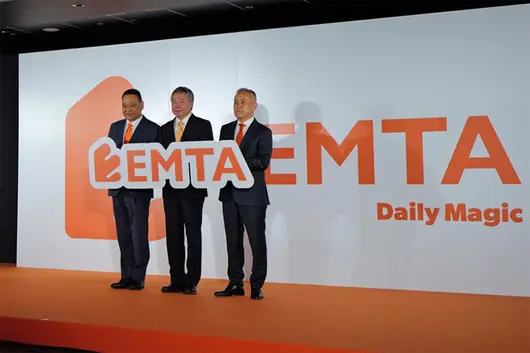
It is reported that Chery is entering the Japanese market through a joint venture. Chery will cooperate with four companies to establish a new EV brand, EMTA. The four companies are Jiangsu Yueda, Japanese auto parts manufacturer Autobacs Seven, Chinese battery company Gotion High-Tech, and Japanese machinery company Anest. Chery will provide platforms and drive hardware for the new brand among these.
Unlike the previous BYD situation, Chery's strategy this time is to build a brand new brand and emphasizes a Japanese brand positioning. Therefore, besides the participation of two Japanese companies, technicians from Japanese automakers such as Honda and Mazda were recruited to participate in localized development. The company CMO is Shun Uchiyama, who served at Dongfeng Nissan in the early years. At the same time, EMTA's registration location was chosen to be Singapore, which can be said to help avoid the "Made in China" label, so as to better establish in the Japanese market.

As for the first model, EMTA chose a K-Car model with distinct Japanese characteristics. The vehicle length is 3.4 meters, and it will be developed according to Japanese K-Car specifications. Currently, the new car has not been named, and more parameters are unclear. However, looking at the shareholding structure of the enterprise, we can make some guesses. The new car will adopt Chery's electric drive technology and Gotion High-Tech's batteries. Some technologies might adopt the setting of Chery's pure electric small car QQ Ice Cream. As for the two Japanese companies, Autobacs Seven is responsible for sales business, and Anest is responsible for quality management. The new car is scheduled for delivery in 2027 and will form a product matrix of four models by 2029.

However, the competition in this market is still very huge. Competitors include local hot models such as Honda N-Box, Nissan Sakura, Daihatsu Tanto, and Suzuki Hustler, of course, there is also BYD's Racco Sea Otter. K-Car models occupy one-third of Japan's car sales, and for a long time have been almost entirely occupied by Japanese local manufacturers.

BYD entered the Japanese market in 2023, but penetration progress has been very slow, perhaps this is also one of the reasons why Chery entered this time in the form of a joint venture. But whether it can skip the dilemma currently faced by BYD and achieve better results still needs the market to give the answer. For this new Chery car and the move to enter the Japanese market, we will also continue to follow closely.
© 2024 Bitauto.com. All Rights Reserved.
Bitauto (www.yiche.com and www.bitauto.com) is one of the most visited automotive websites in China. We provide detailed info on Chinese car brands available in your area. Please note that the information provided on this website is based on publicly available data and is for reference only. It may not be fully updated or accurate at all times.

Help us improve our website


