

HomeMicro

Search History
Popular Searches
Dealer Login / Sign Up

In Malaysia's SUV market, many buyers compare Proton X70 and Kia Sportage when choosing a car. These two models are quite close in price and positioning. Today, we will make a detailed comparison from multiple aspects to help you save time on research.
The Proton X70 OTR price in Malaysia is RM 106,800 - 122,300, with a total of 3 versions, including 1.5L Standard 2WD (RM 106,800), 1.5L Executive 2WD (RM 115,800), 1.5L Premium 2WD (RM 122,300), etc.
The Kia Sportage OTR price in Malaysia is RM 129,639 - 179,320, with a total of 4 versions, including 2025 1.6T DCT 4WD High (RM 179,320), 2025 1.6T DCT 2WD High (RM 159,320), 2025 2.0L AT 2WD High (RM 139,639), etc.
In terms of price, the starting price of Proton X70 is indeed RM 22,839 cheaper than Kia Sportage. If your budget is limited, Proton's entry-level version can already meet daily needs. But keep in mind, the few thousand savings might involve trade-offs in features, depending on your specific needs.

Proton X70 is equipped with 1.5L Turbo, horsepower 140 hp. Official fuel consumption 7.0 L/100km.
Kia Sportage is equipped with 1.5L Turbo, horsepower 140 hp. Official fuel consumption 7.0 L/100km.
Both cars use the same powertrain, and the driving experience feels basically the same. Fuel consumption is also similar, so there's no need to worry too much about this point.

Proton X70 adopts FWD drive method.
Kia Sportage adopts FWD drive method.
Both cars have the same drive method, both are FWD, and there won't be much difference in daily driving experience.

Proton X70 warranty 5 years/150,000km, service interval every 10,000km or 6 months.
Kia Sportage warranty 5 years/300,000km, service interval every 10,000km or 6 months.
Proton X70 and Kia Sportage are both mainstream choices in the Malaysian market, suitable for family use and daily commuting. If you value brand reputation and resale value more, you can prioritize the one with better reputation; if you care more about cost-performance and features, choose the one with richer configurations. Ultimately, it is recommended to test drive both, personal experience is the most important.
Overall, Proton X70 and Kia Sportage are both very good models in the Malaysian market. Which one to choose ultimately depends on your personal needs and budget. It is recommended to do your research, compare quotes from multiple dealers, and then test drive to make the final decision. Buying a car is a big matter, spending some time on research will never be wrong.

In Malaysia's SUV market, many buyers compare Perodua Aruz and Chery Tiggo 7 Pro when choosing a car. These two models are quite close in price and positioning. Today, we will do a detailed comparison from multiple aspects to help you save time on research.
Perodua Aruz OTR price in Malaysia is RM 72,900 - 77,900, with a total of 2 versions, including 1.5L X (RM 72,900), 1.5L AV (RM 77,900), etc.
Chery Tiggo 7 Pro OTR price in Malaysia is RM 123,750 - 123,750, with a total of 2 versions, including 1.6L Turbo Standard (RM 125,000), 1.6L Turbo Premium (RM 140,000), etc.
Looking at the price, the starting price of Perodua Aruz is indeed RM 50,850 cheaper than Chery Tiggo 7 Pro. If your budget is limited, Perodua's entry-level version can already meet daily needs. But be aware, the cheaper few thousand dollars might involve trade-offs in features, depending on your specific needs.

Perodua Aruz comes with a 1.5L 4-cyl, 105 hp. Official fuel consumption 6.0 L/100km.
Chery Tiggo 7 Pro comes with a 1.5L Turbo, 140 hp. Official fuel consumption 7.0 L/100km.
In terms of power, Chery Tiggo 7 Pro's 1.5L Turbo has 35 more horsepower than Perodua Aruz's 1.5L 4-cyl. However, for daily city driving, both cars have enough power and won't feel underpowered.

Perodua Aruz safety rating is 5★ (ASEAN NCAP), active safety systems include .
Chery Tiggo 7 Pro safety rating is TBD, active safety systems include Basic.

Perodua Aruz body length 4400 mm, trunk 400 L.
Chery Tiggo 7 Pro body length 4400 mm, trunk 400 L.
The dimensions of both cars are almost the same, and the interior space does not differ much. For cars in this class, daily use is more than enough.
Perodua Aruz warranty 5 years/150,000km, maintenance interval every 10,000km or 6 months.
Chery Tiggo 7 Pro warranty 3 years/100,000km, maintenance interval every 10,000km or 6 months.
Overall, Perodua Aruz and Chery Tiggo 7 Pro are both very good car models in the Malaysia market. Which one to choose depends mainly on your personal needs and budget. We suggest doing your research, comparing quotes from multiple dealerships, and test driving to make the final decision. Buying a car is a big matter, spending time researching will never go wrong.


喺馬來西亞嘅轎車市場,好多買家喺揀車嗰陣都會將本田思域 Type R 同寶馬 3 Series 嚟做比較。呢兩款車喺價位同定位上都好接近,今日我哋就從多個方面做一個詳細嘅比較,幫你省返做功課嘅時間。
本田思域 Type R 喺馬來西亞嘅 OTR 售價係 RM 399,900 - 399,900,總共有 3 個版本,包括 2023 2.0T Standard(RM 399,900)、OTR NI(RM 399,900)、Volvo ES90(RM 339,888) 等。
寶馬 3 Series 喺馬來西亞嘅 OTR 售價係 RM 267,800 - 392,800,總共有 2 個版本,包括 320i Sport(RM 248,000)、330i M Sport(RM 298,000) 等。
由價錢睇,寶馬 3 Series 嘅起步價比本田思域 Type R 平咗 RM 132,100。老實講,喺呢個價位段,幾千塊嘅差距其實唔算大,關鍵仲係睇整體嘅性價比同長期使用成本。

本田思域 Type R 搭載 2.0L Turbo,馬力 220 hp。官方油耗 9.5 L/100km。
寶馬 3 Series 搭載 2.0L Turbo,馬力 220 hp。官方油耗 9.5 L/100km。
兩款車用嘅係同一套動力系統,日常開落嚟嘅感受基本無咩差別。油耗方面都差不多,唔使太糾結呢一點。

本田思域 Type R 車身長 4450 mm,后备箱 470 L。
寶馬 3 Series 車身長 4400 mm,后备箱 400 L。
空間方面,本田思域 Type R 嘅車身比寶馬 3 Series 長咗 50 mm,車內乘坐空間會稍微寬鬆啲,尤其係後座腿部空間。如果你經常載家下或者需要放嬰孩車,大一點嘅車身確實更啱用。

本田思域 Type R 同寶馬 3 Series 都係馬來西亞市場嘅主流選擇,適合家庭使用、日常通勤。如果你更睇重品牌口碑同二手價,可以優先考慮口碑更好嗰一款;如果你更在意性價比同配備,那就揀配備更豐富嗰款。最終都係建議兩款都去試駕,親身感受先係最重要嘅。

總嘅嚟講,本田思域 Type R 同寶馬 3 Series 都係馬來西亞市場好唔錯嘅車型。揀邊一輛,關鍵都係要睇你嘅個人需求同預算。建議大家做好功課,多比較幾間車行嘅報價,再去試駕做最終決定。買車係件大事,花點時間做功課絕對唔會錯。


在马来西亚的轿车市场,很多买家在选车的时候都会拿 Toyota Camry 和 Volkswagen Golf GTI 来做比较。这两款车在价位和定位上都蛮接近的,今天我们就从多个方面做一个详细的对比,帮你省下做功课的时间。
Toyota Camry 在马来西亚的 OTR 售价是 RM 221,800 - 248,800,一共有 2 个版本,包括 2025 HEV 2.5L Standard(RM 248,800)、2025 2.5L Standard(RM 221,800) 等。
Volkswagen Golf GTI 在马来西亚的 OTR 售价是 RM 256,962 - 256,962,一共有 3 个版本,包括 2025 2.0T Sepang Edition(RM 262,990)、2025 2.0T Standard(RM 256,962)、DCT(RM 219,800) 等。
从价钱来看,Toyota Camry 的起步价确实比 Volkswagen Golf GTI 便宜了 RM 35,162。如果你预算有限,Toyota 的入门版已经可以满足日常需求。但也要注意,便宜的那几千块,可能在配备上会有取舍,具体要看你的需求。

Toyota Camry 搭载 2.0L 4-cyl,马力 170 hp。官方油耗 8.0 L/100km。
Volkswagen Golf GTI 搭载 2.0L Turbo,马力 220 hp。官方油耗 9.5 L/100km。
动力方面,Volkswagen Golf GTI 的 2.0L Turbo 比 Toyota Camry 的 2.0L 4-cyl 多了 50 匹马力。不过日常在市区开,两款车的动力都够用,不会觉得不够力。

Toyota Camry 车身长 4400 mm,后备箱 400 L。
Volkswagen Golf GTI 车身长 4400 mm,后备箱 400 L。
两款车的尺寸几乎一样,车内空间差别不大。这个级别的车,日常使用完全够用。

Toyota Camry 和 Volkswagen Golf GTI 都是马来西亚市场的主流选择,适合家庭使用、日常通勤。如果你更看重品牌口碑和二手价,可以优先考虑口碑更好的那一款;如果你更在意性价比和配备,那就选配置更丰富的那款。最终还是建议两款都去试驾,亲身体验才是最重要的。

总的来说,Toyota Camry 和 Volkswagen Golf GTI 都是马来西亚市场很不错的车型。选择哪一辆,关键还是要看你的个人需求和预算。建议大家做好功课,多比较几间车行的报价,再去试驾做最终决定。买车是件大事,花点时间做功课绝对不会错。


在马来西亚的SUV市场,很多买家在选车的时候都会拿 Ford Everest 和 Land Rover Discovery Sport 来做比较。这两款车在价位和定位上都蛮接近的,今天我们就从多个方面做一个详细的对比,帮你省下做功课的时间。
Ford Everest 在马来西亚的 OTR 售价是 RM 266,338 - 430,838,一共有 6 个版本,包括 2026 3.0T 4WD Platinum(RM 430,838)、2026 2.0T 4WD Platinum(RM 348,838)、2026 2.0T 4WD Sport(RM 316,838) 等。
Land Rover Discovery Sport 在马来西亚的 OTR 售价是 RM 499,800 - 499,800,一共有 1 个版本,包括 Standard(RM 499,800) 等。
从价钱来看,Ford Everest 的起步价确实比 Land Rover Discovery Sport 便宜了 RM 233,462。如果你预算有限,Ford 的入门版已经可以满足日常需求。但也要注意,便宜的那几千块,可能在配备上会有取舍,具体要看你的需求。

Ford Everest 的安全评级是 5★ (ASEAN NCAP),主动安全系统包括 Co-Pilot360。
Land Rover Discovery Sport 的安全评级是 TBD,主动安全系统包括 Basic。
安全配备方面,两款车都拿到了不错的评级。不过 Ford Everest 的 Co-Pilot360 和 Land Rover Discovery Sport 的 Basic 在功能上有些差异,如果你比较看重主动安全的话,可以仔细对比一下两者的功能列表。

Ford Everest 采用 FWD 驱动方式。
Land Rover Discovery Sport 采用 4WD 驱动方式。
Ford 的 FWD 和 Land Rover 的 4WD 在操控上会有不同感受,建议试驾对比。

Ford Everest 保修 3年/100,000km,保养间隔 每10,000km或6个月。
Land Rover Discovery Sport 保修 3年/100,000km,保养间隔 每10,000km或6个月。
两款车的保修条件一样,这方面不用纠结。实际保养成本还要看品牌的服务网络和零件价格,建议去车友群问问真实车主的经验。

总的来说,Ford Everest 和 Land Rover Discovery Sport 都是马来西亚市场很不错的车型。选择哪一辆,关键还是要看你的个人需求和预算。建议大家做好功课,多比较几间车行的报价,再去试驾做最终决定。买车是件大事,花点时间做功课绝对不会错。


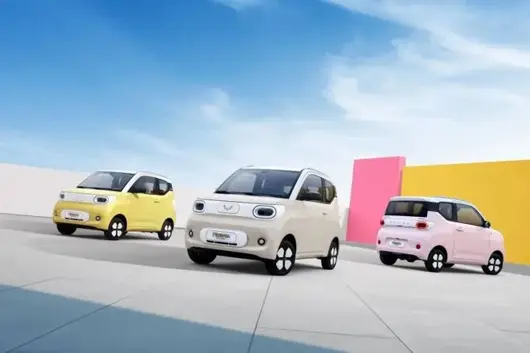
In early June, when automakers were showcasing sales posters, SAIC-GM-Wuling's poster, although full of glory, also revealed the cruelty of the new energy market.
The poster stated that Wuling Hongguang MINIEV consecutively retained the global micro new energy vehicle sales champion, with cumulative sales exceeding 1.9 million units in 70 months.

However, in the domestic market, Wuling Hongguang MINIEV has lost its voice in the new energy market. People are more concerned with mid-to-large vehicles like Tesla Model Y, Xiaomi SU7, and Li Auto i6. Microcars like MINIEV with affordable prices are no longer regulars on the sales rankings.
According to statistics, Wuling Hongguang MINIEV sold only 36,000 units in Q1 this year, a 74% year-on-year decline. Third-party data shows May sales were 18,308 units, a severe drop from the previous monthly high of 50,000 units.
The sales decline of Wuling Hongguang MINIEV is not a simple product change, but a deep change in the domestic new energy market structure. Market demand adjustments have impacted this generation of national hero cars towards the periphery.
From Breaking the Deadlock to Returning to Rationality
Although new energy vehicles have developed for several years, the one that truly opened the market cannot avoid Wuling Hongguang MINIEV, this national model. Starting in 2021, A00-class models represented by Wuling Hongguang MINIEV grew rapidly, with market share in new energy vehicles soaring to 20% at one point.
It can be said that low-priced microcars were the first stop for many to get into electric vehicles, undertaking the role of market education.
However, when new energy vehicles entered a period of high-speed growth, the A00-class models that should have spearheaded market expansion fell behind first. According to statistics, the market share of microcars in 2025 was less than 10%. While new energy vehicle sales expanded, A00-class model sales shrank rapidly.
Specifically, Wuling Hongguang MINIEV sales in 2025 were 430,000 units, consecutively retaining the sales champion in the A00-class market. At the same time, Wuling, Changan, BYD, and Geely, the four automakers, occupied 93.9% of the microcar market share.

Of course, apart from Wuling, microcar sales of the other three automakers were also declining. Whether it is Changan's Lumin or Chery's QQ Ice Cream, their situation was similar to Wuling.
Entering 2026, the declining status of the microcar market still saw no improvement. CPCA data shows that from January to May 2026, wholesale sales of A00-class pure electric small cars plummeted 40%-55% year-on-year, and market share returned to normal levels of the fuel vehicle era.
At the beginning of listing, the microcar market seized the market share of fuel vehicles. Relying on precise market positioning and small, flexible body dimensions along with affordable prices, it quickly achieved new energy replacement in the microcar market, realizing complete substitution with 99% new energy penetration rate early on.
Of course, the rapid speed came with a cost. The market developed too fast and entered a saturation state in a shorter time.
From a global market perspective, the microcar market is not large except in some regions with policy protection. In 2025, 1.03 million microcars were sold domestically, which was the last push under policy promotion.
The market entered a boom period starting from 2020. After 5 years, the not-large market has already approached saturation. The cliff-like decline in Q1 now explains the problem.

Of course, apart from its own market approaching saturation, the entry of the microcar market into a contraction period is also the joint influence of multiple factors.
First is the impact of policy. In 2026, the purchase tax for new energy vehicles was adjusted to half collection. Meanwhile, subsidies for cars under the Two New Policies were also adjusted from fixed subsidies to subsidies based on vehicle price proportion. This caused microcars to lose the core price competition.
The days when cars could be bought for 10,000 to 20,000 yuan including national subsidies are gone forever.
Under price factor influence, A0-class models began to fully replace A00-class products. In Guangxi, a microcar advantage market, this substitution has been completed. The market share of A0 class has already leveled with A00 class.
While in the more economically developed Zhejiang region, sales of A0-class models were more than 6 times that of A00-class models. Under similar prices, space and configuration became choices consumers cared about more.

This sales data can be intuitively shown. In 2025, Geely Xingyuan sales reached 460,000 units, and BYD Seagull sales reached 310,000 units, indicating that the main market choice has transitioned from A00 class to A0 class.
Of course, the more important factor in the decline of the microcar market is still the inherent issues of new energy vehicles. Unlike fuel vehicles, if new energy vehicles want long range, they can only increase battery size. If the battery is large, the vehicle size naturally becomes larger.
It can be said that microcars have completed the important mission of increasing new energy vehicle penetration. Under the trend of market saturation, they can no longer shoulder the responsibility of incremental growth. Returning to rationality has become inevitable.
Turbulent New Energy Market
Of course, the market contraction of microcars, apart from various objective factors, is inseparable from the changes in the entire new energy market. Entering 2026, the domestic new energy vehicle market is undergoing the most profound transformation.
First is operational pressure. In Q1, the profit margin of the automotive manufacturing industry was only 3.2%, and retail sales declined by nearly 20%. Automakers need to consider how to survive better.
The profit margin of microcars is inherently very thin. According to statistics, Wuling Hongguang MINIEV gross margin was only 2%-3%. Such a gross margin is unhealthy for automakers.

At the same time, costs in all aspects of new energy vehicles are rising. Lithium carbonate prices, which have fallen for many years, are experiencing a rebound. According to market quotes, the June lithium carbonate futures price rebounded to 175,000 yuan/ton. In terms of chips, driven by the AI wave, automotive-grade chip price increases exceeded 100%.
The rise in raw material costs was directly transmitted to the market. Since the beginning of this year, only 20 brands have adjusted prices. Especially on higher-order intelligent driving versions, price increases exceeded 20%. The price war of many years is tending to end.
The stacking of multiple factors led automakers to choose to advance towards high-value products. Whether it is the MPV market or the Battle of Series 8 and Series 9, behind it is automakers choosing high-value models to improve operations.
In 2025, new energy vehicle sales at the 300,000 yuan level and above grew 47.2% year-on-year, far higher than the market average growth rate of 18.3%. This May, wholesale volume of B-class pure electric models grew 42% year-on-year, indicating the market is also shifting towards high-value models.
After cars pass electrification, intelligent demand is becoming the core of consumer car purchasing. Under the situation where space, range, configuration, and comfort are all demanded, the budget also rises. In 2025, the average transaction price of passenger cars dropped to 168,000 yuan. This May, it has already rebounded to 173,000 yuan, indicating that consumer car purchasing budgets have also increased significantly under the influence of high-end new energy models.

When there is no better outlet in the domestic market, going overseas seems to become the only choice for microcars.
Ultimately, the overseas market for Wuling Hongguang MINIEV is Indonesia. Through the CKD assembly model, Wuling Indonesia's factory annual capacity exceeds 150,000 units.
At the same time, the Latin American market is gradually becoming a new blue ocean. According to statistics, in 2025, Chinese electric vehicle sales in the Latin American market grew over 300% year-on-year. Experts predict that microcar exports in 2026 will reach 183,000 units, a year-on-year growth of over 40%.
The microcar market will present a dual-track pattern of "domestic marginalization, overseas growth point search" for a long time. In the domestic market, microcars will maintain a certain share through product segmentation, channel sinking, and policy dependence. In the international market, new growth points will be sought through exports and localized production.
Adjustments in the microcar market will push the domestic new energy vehicle industry towards a more mature and sustainable development stage, getting rid of the inherent impression of low-end and cheap, and moving towards markets with more value.

The microcar market is heading towards an end, which is even more of a necessary pain for the Chinese new energy vehicle industry to become mature. When electrification no longer simply relies on cheap microcars to maintain scale, the entire industry can truly return to the core track of technological upgrades, value creation, and long-term profitability.
The new energy market should also walk out of the era of relying on simple and crude ways to achieve sales, heading towards an era that is more complex but has higher value. For automakers and the market, new energy microcars have reached the moment to end.
© 2024 Bitauto.com. All Rights Reserved.
Bitauto (www.yiche.com and www.bitauto.com) is one of the most visited automotive websites in China. We provide detailed info on Chinese car brands available in your area. Please note that the information provided on this website is based on publicly available data and is for reference only. It may not be fully updated or accurate at all times.

Help us improve our website


