

HomeMid

Search History
Popular Searches
Dealer Login / Sign Up

In Malaysia's SUV market, many buyers compare Proton X70 and Chery Tiggo 8 Pro when choosing a car. These two cars are quite close in price and positioning. Today, we will make a detailed comparison from multiple aspects to help you save time on research.
The OTR price of Proton X70 in Malaysia is RM 106,800 - 122,300, with a total of 3 versions, including 1.5L Standard 2WD (RM 106,800), 1.5L Executive 2WD (RM 115,800), 1.5L Premium 2WD (RM 122,300), etc.
The OTR price of Chery Tiggo 8 Pro in Malaysia is RM 159,750 - 159,750, with a total of 2 versions, including 1.6L Turbo Standard (RM 130,000), 1.6L Turbo Premium (RM 145,000), etc.
In terms of price, the starting price of Proton X70 is indeed RM 52,950 cheaper than Chery Tiggo 8 Pro. If your budget is limited, Proton's entry-level version is already sufficient for daily needs. But also note, the difference of a few thousand might involve compromises in equipment, depending on your specific needs.
Proton X70 is equipped with a 1.5L Turbo, 140 hp. Official fuel consumption 7.0 L/100km.
Chery Tiggo 8 Pro is equipped with a 2.0L 4-cyl, 170 hp. Official fuel consumption 8.0 L/100km.
In terms of power, Chery Tiggo 8 Pro's 2.0L 4-cyl has 30 more horsepower than Proton X70's 1.5L Turbo. However, for daily driving in the city, both cars have sufficient power and won't feel underpowered.
Proton X70's safety rating is 5★ (ASEAN NCAP), active safety systems include ADAS (ACC, AEB, LKA, LDA, BSM, RCTA).
Chery Tiggo 8 Pro's safety rating is TBD, active safety systems include Basic.
Regarding safety features, both cars have received good ratings. However, there are some differences in function between Proton X70's ADAS (ACC, AEB, LKA, LDA, BSM, RCTA) and Chery Tiggo 8 Pro's Basic. If you value active safety, you can compare the function lists of both closely.
Proton X70 adopts FWD drive type.
Chery Tiggo 8 Pro adopts FWD drive type.
The drive type of both cars is the same, both are FWD, there won't be too much difference in daily driving feel.
Overall, Proton X70 and Chery Tiggo 8 Pro are both very good models in the Malaysian market. Which one to choose depends on your personal needs and budget. We suggest doing your homework, comparing quotes from several dealerships, and then test driving to make a final decision. Buying a car is a big matter, spending time on research will definitely not be wrong.

Di pasaran SUV Malaysia, ramai pembeli semasa memilih kereta akan membandingkan Proton X70 dan Honda WR-V. Kedua-dua kereta ini dalam harga dan penarafannya cukup hampir, hari ini kita akan membuat perbandingan terperinci dari pelbagai aspek, membantu anda menjimatkan masa membuat kajian.
Proton X70 di Malaysia, harga OTR ialah RM 106,800 - 122,300, terdapat sebanyak 3 varian, termasuk 1.5L Standard 2WD (RM 106,800), 1.5L Executive 2WD (RM 115,800), 1.5L Premium 2WD (RM 122,300) dan lain-lain.
Honda WR-V di Malaysia, harga OTR ialah RM 89,900 - 107,900, terdapat sebanyak 4 varian, termasuk 2023 1.5L V (RM 99,900), 2023 1.5L E (RM 95,900), 2023 1.5L S (RM 89,900) dan lain-lain.
Dari segi harga, harga permulaan Honda WR-V lebih murah RM 16,900 berbanding Proton X70. Jujur berkata, dalam segmen harga ini, beza beberapa ribu tidak dianggap besar, yang penting adalah melihat nisbah harga dan prestasi keseluruhan serta kos penggunaan jangka panjang.

Penarafan keselamatan Proton X70 ialah 5★ (ASEAN NCAP), sistem keselamatan aktif termasuk ADAS (ACC, AEB, LKA, LDA, BSM, RCTA).
Penarafan keselamatan Honda WR-V ialah 5★ (ASEAN NCAP), sistem keselamatan aktif termasuk Honda SENSING.
Penarafan keselamatan kedua-dua kereta adalah sama, dalam tahap ini peralatan keselamatan dianggap lengkap. Keselamatan kereta baharu sekarang tidak buruk, tidak perlu terlalu bimbang mengenai perkara ini.

Proton X70 panjang badan 4400 mm, bagasi 400 L.
Honda WR-V panjang badan 4400 mm, bagasi 400 L.
Saiz kedua-dua kereta hampir sama, ruang dalam kereta tidak banyak perbezaan. Kereta dalam tahap ini, penggunaan harian sudah cukup.

Proton X70 waranti 5 tahun/150,000km, jarak penyelenggaraan setiap 10,000km atau 6 bulan.
Honda WR-V waranti 5 tahun/jarak tanpa had, jarak penyelenggaraan setiap 10,000km atau 6 bulan.
Secara keseluruhannya, Proton X70 dan Honda WR-V adalah model kereta yang agak baik di pasaran Malaysia. Memilih mana satu, yang penting adalah melihat keperluan dan bajet peribadi anda. Disarankan untuk membuat kajian terlebih dahulu, bandingkan harga dari beberapa dealer kereta, kemudian buat ujian memandu untuk membuat keputusan akhir. Membeli kereta adalah perkara besar, meluangkan sedikit masa untuk membuat kajian tidak akan salah.


在马来西亚的轿车市场,很多买家在选车的时候都会拿 Honda Civic Type R 和 Mercedes-Benz C-Class AMG 来做比较。这两款车在价位和定位上都蛮接近的,今天我们就从多个方面做一个详细的对比,帮你省下做功课的时间。
Honda Civic Type R 在马来西亚的 OTR 售价是 RM 399,900 - 399,900,一共有 3 个版本,包括 2023 2.0T Standard(RM 399,900)、OTR NI(RM 399,900)、Volvo ES90(RM 339,888) 等。
Mercedes-Benz C-Class AMG 在马来西亚的 OTR 售价是 RM 443,888 - 443,888,一共有 2 个版本,包括 C 200 Avantgarde(RM 260,000)、C 300 AMG Line(RM 310,000) 等。
从价钱来看,Honda Civic Type R 的起步价确实比 Mercedes-Benz C-Class AMG 便宜了 RM 43,988。如果你预算有限,Honda 的入门版已经可以满足日常需求。但也要注意,便宜的那几千块,可能在配备上会有取舍,具体要看你的需求。

Honda Civic Type R 搭载 2.0L Turbo,马力 220 hp。官方油耗 9.5 L/100km。
Mercedes-Benz C-Class AMG 搭载 3.0L Turbo,马力 350 hp。官方油耗 12.0 L/100km。
动力方面,Mercedes-Benz C-Class AMG 的 3.0L Turbo 比 Honda Civic Type R 的 2.0L Turbo 多了 130 匹马力。不过日常在市区开,两款车的动力都够用,不会觉得不够力。

Honda Civic Type R 的安全评级是 5★ (ASEAN NCAP),主动安全系统包括 Brand ADAS。
Mercedes-Benz C-Class AMG 的安全评级是 5★ (Euro NCAP),主动安全系统包括 Premium ADAS。
安全配备方面,两款车都拿到了不错的评级。不过 Honda Civic Type R 的 Brand ADAS 和 Mercedes-Benz C-Class AMG 的 Premium ADAS 在功能上有些差异,如果你比较看重主动安全的话,可以仔细对比一下两者的功能列表。

Honda Civic Type R 采用 FWD 驱动方式。
Mercedes-Benz C-Class AMG 采用 FWD 驱动方式。
两款车的驱动方式一样,都是 FWD,日常驾驶感受不会有太大区别。

总的来说,Honda Civic Type R 和 Mercedes-Benz C-Class AMG 都是马来西亚市场很不错的车型。选择哪一辆,关键还是要看你的个人需求和预算。建议大家做好功课,多比较几间车行的报价,再去试驾做最终决定。买车是件大事,花点时间做功课绝对不会错。


在马来西亚的SUV市场,很多买家在选车的时候都会拿 Mercedes-Benz GLB 和 Land Rover Discovery Sport 来做比较。这两款车在价位和定位上都蛮接近的,今天我们就从多个方面做一个详细的对比,帮你省下做功课的时间。
Mercedes-Benz GLB 在马来西亚的 OTR 售价是 RM 299,888 - 352,888,一共有 1 个版本,包括 Standard(RM 299,888) 等。
Land Rover Discovery Sport 在马来西亚的 OTR 售价是 RM 499,800 - 499,800,一共有 1 个版本,包括 Standard(RM 499,800) 等。
从价钱来看,Mercedes-Benz GLB 的起步价确实比 Land Rover Discovery Sport 便宜了 RM 199,912。如果你预算有限,Mercedes-Benz 的入门版已经可以满足日常需求。但也要注意,便宜的那几千块,可能在配备上会有取舍,具体要看你的需求。

Mercedes-Benz GLB 的安全评级是 5★ (Euro NCAP),主动安全系统包括 Premium ADAS。
Land Rover Discovery Sport 的安全评级是 TBD,主动安全系统包括 Basic。
安全配备方面,两款车都拿到了不错的评级。不过 Mercedes-Benz GLB 的 Premium ADAS 和 Land Rover Discovery Sport 的 Basic 在功能上有些差异,如果你比较看重主动安全的话,可以仔细对比一下两者的功能列表。

Mercedes-Benz GLB 采用 FWD 驱动方式。
Land Rover Discovery Sport 采用 4WD 驱动方式。
Mercedes-Benz 的 FWD 和 Land Rover 的 4WD 在操控上会有不同感受,建议试驾对比。

Mercedes-Benz GLB 和 Land Rover Discovery Sport 都是马来西亚市场的主流选择,适合家庭使用、日常通勤。如果你更看重品牌口碑和二手价,可以优先考虑口碑更好的那一款;如果你更在意性价比和配备,那就选配置更丰富的那款。最终还是建议两款都去试驾,亲身体验才是最重要的。

总的来说,Mercedes-Benz GLB 和 Land Rover Discovery Sport 都是马来西亚市场很不错的车型。选择哪一辆,关键还是要看你的个人需求和预算。建议大家做好功课,多比较几间车行的报价,再去试驾做最终决定。买车是件大事,花点时间做功课绝对不会错。

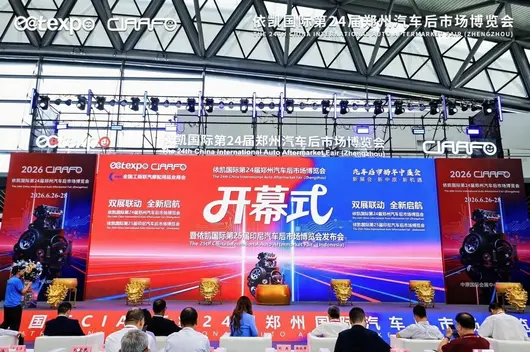
2026年6月26日,航空港区中原国际会展中心,依凯国际第24届郑州汽车后市场博览会正式拉开帷幕。逛完开幕式最大的感受是,这届展会刚好处在政策红利的关键节点上——三天前商务部等8部门刚敲定40个汽车流通消费改革试点城市,郑州成功入选,主攻方向正是汽车文化与汽车赛事。这场展会,可以说是试点政策落地后,中原地区首个实打实的行业标志性落地动作。

本届展会以“新展会·新中原·新机遇”为主题,展览面积超10万平方米,划分出十二大主题展区,从汽车电子、膜类产品、美容养护,到整车改装、新能源配套,基本覆盖了汽车后市场全产业链品类。和过去纯商贸对接的传统展会不同,这届展会把专业赛事、行业峰会、文化体验做了深度融合,内容扎实了很多。

开幕式上几位嘉宾的发言,也透露出不少行业信号。依凯国际创始人刘燕提到,品牌扎根郑州二十二年,业务已覆盖全球50多个国家和地区,郑州试点“汽车文化+赛事”的定位,刚好和他们“展览+赛事+文化”的办展思路不谋而合。尤其值得关注的是双展联动的布局:今年9月18日,第25届印尼汽车后市场博览会将在雅加达启幕,郑州深耕国内市场,印尼开拓东盟蓝海,相当于给国内汽配品牌搭好了出海的现成跳板。

这点也得到了业内的普遍认可。全国工商联汽摩配用品业商会会长张晓平就表示,新能源、智能化正在重塑后市场格局,郑州展凭借中原区位优势,早已是产业链对接的核心平台,双展联动的模式,刚好能助力企业实现国内国际双循环。这次展会还来了不少海外客商,比如印尼全国合作社联盟、蒙古采购团,还有印尼本土330万粉丝的汽车博主到场站台,也侧面印证了展会的国际化分量。

中国汽车流通协会秘书长赵庚晟的评价很中肯:这次9部门的17条举措,回应了行业多年的呼声,40个试点城市就是要鼓励地方先行先试,而郑州展恰恰站在了政策与产业的交汇点上,既有全产业链覆盖的广度,也有赛事、论坛支撑的专业深度。

逛展的时候也能明显感觉到,这届展会在刻意打破行业圈层。就像护驾品牌创始人张大伟说的,展会跳出了传统展示模式,往年轻化、场景化、品质化走。过去汽后展基本是业内人的闭门对接,普通观众参与感很低,现在把汽车文化、潮流互动揉进来,本质上是在培育消费土壤——只有让更多人接触、喜欢汽车文化,后市场的消费潜力才能真正释放出来。

现场同期活动看点很足:中原车聚改装文化节、IASCA国际汽车音响大赛、专业贴膜竞技大赛同步开赛,还有专门的“爱车极客杯”新能源汽车美容大赛,溜溜哥、高璇携手1087X车队带来的漂移表演,直接把现场氛围拉到高点。除此之外,多场高规格行业峰会也同步开讲,覆盖新能源技术、汽保数智化、4S店售后等当下行业最关注的议题。在我看来,这些设置绝非单纯的暖场活动,而是精准踩中了新政里鼓励汽车改装、赛事经济、技术升级的方向,是把政策导向真正落到了实处。

展会将持续到6月28日,面向行业观众和汽车爱好者全面开放。在我看来,这届郑州展的意义早已超出了一场展会本身:它既是政策落地的试水区,也是产业升级的对接台,更是汽车文化普及的新窗口。借着国家级试点的东风,中原汽车后市场接下来的发展,确实值得期待。

在马来西亚的汽车市场,很多买家在选车的时候都会拿 Mazda Mazda 6 和 Volkswagen Golf R 来做比较。今天我们从多个方面做一个详细的对比,帮你省下做功课的时间。

Mazda Mazda 6 在马来西亚的 OTR 售价是 RM 240,848 - 240,848,一共有 1 个版本,包括 Standard(RM 240,848) 等。
Volkswagen Golf R 在马来西亚的 OTR 售价是 RM 338,812 - 338,812,一共有 2 个版本,包括 2026 2.0T Standard(RM 338,812)、DCT(RM 294,800) 等。
从价钱来看,Mazda Mazda 6 的起步价确实比 Volkswagen Golf R 便宜了 RM 97,964。如果你预算有限,Mazda 的入门版已经可以满足日常需求。但也要注意,便宜的那几千块,可能在配备上会有取舍,具体要看你的需求。

Mazda Mazda 6 车身长 4400 mm,后备箱 400 L。
Volkswagen Golf R 车身长 4400 mm,后备箱 400 L。
两款车的尺寸几乎一样,车内空间差别不大。这个级别的车,日常使用完全够用。
Mazda Mazda 6 采用 FWD 驱动方式。
Volkswagen Golf R 采用 FWD 驱动方式。
两款车的驱动方式一样,都是 FWD,日常驾驶感受不会有太大区别。
Mazda Mazda 6 和 Volkswagen Golf R 都是马来西亚市场的主流选择,适合家庭使用、日常通勤。如果你更看重品牌口碑和二手价,可以优先考虑口碑更好的那一款;如果你更在意性价比和配备,那就选配置更丰富的那款。最终还是建议两款都去试驾,亲身体验才是最重要的。
总的来说,Mazda Mazda 6 和 Volkswagen Golf R 都是马来西亚市场很不错的车型。选择哪一辆,关键还是要看你的个人需求和预算。建议大家做好功课,多比较几间车行的报价,再去试驾做最终决定。买车是件大事,花点时间做功课绝对不会错。

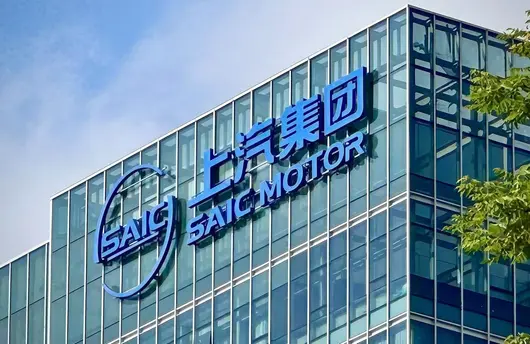
May 28, 2026, at the North Bund World Living Room in Shanghai, SAIC Motor welcomed its global 100 millionth user. Thus, China's automotive industry saw the birth of the first automotive group with cumulative production and sales surpassing 100 million vehicles.

100 million vehicles is a number, and even more so, a history. In 1955, the Shanghai Internal Combustion Engine Parts Manufacturing Company was established, marking the start of Shanghai's automotive industry. In 1958, workers hammered out the first "Phoenix" sedan with hammers, achieving the "zero breakthrough" in Shanghai's sedan manufacturing. From that era of hammering and knocking, to 2026 when high-end intelligent electric vehicles equipped with full-by-wire chassis and AI large models rolled off the production line; from 1983 when Santana started joint venture cooperation and established a modern automotive industrial system, to 2025 when overseas cumulative sales broke 7 million units, with products distributed in over 170 countries and regions — these 100 million vehicles weave together the complete process of China's automotive industry from nothing to something, from weak to strong. During this process, SAIC Motor was both a witness and the main driving force.
The Chassis of 100 Million Vehicles Comes from Full System Capabilities
100 million vehicles is not the merit of a single brand, but the result of SAIC Motor's whole value chain synergy. January to April 2026, SAIC Motor's cumulative sales reached 1.302 million units, ranking as China's top automaker by sales volume for four consecutive months. Among them, independent brand sales were 910,000 units, accounting for nearly 70%; new energy vehicle sales were 412,000 units; overseas market sales were 459,000 units, a year-on-year surge of 50.2%. These three data sets reveal SAIC's current growth logic: independent brands taking the lead, electric leadership, and global breakout.

On the day of the handover ceremony, more than a dozen brands and nineteen model lines under SAIC coordinated through the method of "Global Relay Handover". Independent brands covered diverse scenarios such as personal mobility, family life, commercial operations, and logistics transportation; the joint venture sector focused on showcasing the phased results of "Joint Venture 2.0". Starting from the Shanghai main venue, the handover scenes were lit up successively in multiple domestic cities such as Nanjing, Liuzhou, and Taiyuan, and in countries like the UK, Indonesia, and Singapore. This delivery method spanning mountains and seas and crossing continents is underpinned by a complete global value chain closed loop.
SAIC's system capabilities are reflected at multiple levels. At the parts and logistics end, Anjie Logistics owns 42 roll-on/roll-off ships, with 8 international routes covering Southeast Asia, Europe, and the Americas, with an annual transport capacity exceeding 10 million vehicles. At the R&D and manufacturing end, SAIC has over 100 parts production bases and over 3,000 dealer networks overseas, having built 3 major R&D and innovation centers in London and 4 manufacturing centers in Thailand, Indonesia, India, and Pakistan. At the product and market end, SAIC's products and services are distributed in over 170 countries and regions, with multiple independent brands continuing to lead in overseas markets. In 2025, SAIC released the overseas "Glocal Strategy", moving from "Product Going Global" to "Value Chain Going Global" — this means SAIC is no longer just exporting products overseas, but establishing a complete ecosystem of R&D, production, sales, and service locally, allowing "China Intelligent Manufacturing" to truly take root globally.
Running through this journey is SAIC's long-held concept of "Understand Cars, Understand You Better". Understanding cars represents the ultimate pursuit of core technologies — from the Santana localization community to Joint Venture 2.0 technology co-creation, from the country's first full-by-wire chassis to solid-state/half-solid-state batteries and AI large models onboard vehicles. Taking solid-state batteries as an example, SAIC has completed the mass production installation of half-solid-state batteries, while the next generation of all-solid-state batteries is accelerating implementation, with energy density and safety achieving a leap. Regarding AI large models, SAIC deeply integrates large language models with vehicle control, enabling the car machine not only to "understand speech" but also to "understand scenarios", actively recommending routes and adjusting cabin environments for users. Understanding you means precisely implementing every frontier technology into travel experiences that users can perceive and enjoy. 100 million vehicles represent both the concentrated fulfillment of trust from 100 million users and a phased answer SAIC has given to China's automotive industry's "from big to strong".
The Sample of Joint Venture 2.0, How to Build Power for the Next 100 Million Vehicles
SAIC Motor's 100 million vehicles is the result of synergy between three major sectors: independent brands, joint ventures, and overseas markets. Among them, the joint venture sector not only contributed significant sales volume but also explored a new path of "Joint Venture 2.0" first in the new energy transformation. As the joint venture enterprise established earliest and contributing the most cumulative sales to the group, SAIC Volkswagen is the core practitioner of this path.
In the grand narrative of 100 million vehicles, SAIC Volkswagen is a name that cannot be bypassed. It not only laid a solid foundation for manufacturing and supply chains for the group, cultivating the first batch of local suppliers from the Santana localization community to today's efficient production network covering the country, but also pioneered a new paradigm of "Joint Venture 2.0" in the new energy era.

ID. ERA 9X is the representative work of this paradigm. As the first 9-series flagship SUV globally by Volkswagen, it deeply integrates "German Heritage + Chinese Wisdom": equipped with EA211 Golden Range Extender, Xingyun Intelligent Driving Assistance System (Global Premiere of Momenta R7 Reinforcement Learning World Model), Yunqi Smart Cockpit, and other nine black technologies. One month after launch, ID. ERA 9X cumulatively delivered over 7,000 units, successfully entering the 300,000 yuan level and above extended-range large-end SUV market top three.
Notably, the 6,999th owner of ID. ERA 9X — former national team player Yang Chen, happened to become the user of the 99,999,999th complete vehicle of SAIC Motor. Yang Chen was the first Chinese player to compete in the Bundesliga, and his choice, to some extent, is also a metaphor: the combination of German heritage and Chinese power is producing new chemical reactions on the new energy track. This coincidence also symbolizes the deep binding of the joint venture sector and the group's overall destiny.
But the significance of ID. ERA 9X goes far beyond sales volume. It marks a fundamental shift in the joint venture model — from past "Technology Introduction" to "Technology Co-creation". In the past, joint venture brands mostly introduced globally mature products into China, and localization modifications were often limited to lengthening wheelbases and adjusting configurations. Now, SAIC Volkswagen uses Chinese user needs as the origin, collaborating with Chinese local intelligent partners (such as Momenta), to define products in reverse — the Chinese team leads the development of smart cockpits and intelligent driving systems, while the German team is responsible for chassis, powertrain, and manufacturing processes. Both parties run parallel from the beginning of development, rather than "first a global car, then localization". Products under this model are not only more aligned with Chinese consumers' usage habits but may even possess the possibility of feeding back Chinese innovations globally.
For SAIC Motor, the significance of Joint Venture 2.0 lies in: it is no longer a simple profit contributor, but an important force in the group's transformation that can stabilize the base and open up incremental space. In today's context where independent brands are soaring, the renewal of the joint venture sector provides the certainty of "dual-wheel drive" for the group's next 100 million vehicles.
100 million vehicles is a phased answer to SAIC's 70-plus years of development, and even more so, a new starting line facing the intelligent and electric future for "a second round of entrepreneurship". In 2014, SAIC took the lead in comprehensive transformation to new energy, and at that time there were still many doubts in the industry; twelve years later, from independent to joint venture, from passenger to commercial, from domestic to overseas, SAIC has formed a vigorous momentum. Just like the theme of this handover ceremony — "Together on the Road to 100 Million", for the next 100 million vehicles, SAIC will walk on this road together with global users and global partners.
© 2024 Bitauto.com. All Rights Reserved.
Bitauto (www.yiche.com and www.bitauto.com) is one of the most visited automotive websites in China. We provide detailed info on Chinese car brands available in your area. Please note that the information provided on this website is based on publicly available data and is for reference only. It may not be fully updated or accurate at all times.

Help us improve our website


