

HomeMini Cooper R56

Search History
Popular Searches
Dealer Login / Sign Up
In the Malaysian SUV market, many buyers compare Honda CR-V and Chery Tiggo 8 Pro when choosing a car. Both cars are quite close in price and positioning, so today we will make a detailed comparison from multiple aspects to help you save time doing research.
Honda CR-V's OTR price in Malaysia is RM 178,200 - 195,900, with a total of 4 versions, including 2026 e:HEV 2.0L 2WD RS (RM 195,900), 2026 1.5T 4WD V (RM 181,900), 2026 e:HEV 2.0L 2WD E (RM 178,200), etc.
Chery Tiggo 8 Pro's OTR price in Malaysia is RM 159,750 - 159,750, with a total of 2 versions, including 1.6L Turbo Standard (RM 130,000), 1.6L Turbo Premium (RM 145,000), etc.
From the price perspective, the starting price of Chery Tiggo 8 Pro is RM 18,450 cheaper than Honda CR-V. Honestly, in this price range, a difference of a few thousand is not really significant; the key is to look at overall cost-performance and long-term usage costs.

Honda CR-V is equipped with a 2.0L 4-cyl, 170 hp. Official fuel consumption is 8.0 L/100km.
Chery Tiggo 8 Pro is equipped with a 2.0L 4-cyl, 170 hp. Official fuel consumption is 8.0 L/100km.
Both cars use the same powertrain, the driving experience is basically the same in daily use. Fuel consumption is also similar, no need to worry too much about this point.

Honda CR-V body length is 4500 mm, trunk 450 L.
Chery Tiggo 8 Pro body length is 4400 mm, trunk 400 L.
In terms of space, the Honda CR-V body is 100 mm longer than the Chery Tiggo 8 Pro, the interior seating space will be slightly more spacious, especially the rear legroom. If you frequently carry family members or need to fit a stroller, a slightly larger body is indeed more practical.

Honda CR-V uses FWD drive system.
Chery Tiggo 8 Pro uses FWD drive system.
Both cars have the same drive system, both are FWD, there won't be a big difference in daily driving feel.
Overall, Honda CR-V and Chery Tiggo 8 Pro are both very good models in the Malaysian market. Which one to choose depends on your personal needs and budget. We recommend doing your homework, comparing quotes from several dealerships, and then test driving to make the final decision. Buying a car is a big matter, spending some time doing homework will never be wrong.


Di pasaran SUV Malaysia, ramai pembeli membandingkan Honda CR-V dan Toyota Fortuner ketika memilih kereta. Kedua-dua kereta ini mempunyai harga dan kedudukan yang hampir sama, hari ini kita akan buat perbandingan terperinci dari pelbagai aspek untuk membantu anda menjimatkan masa membuat kajian.
Harga OTR Honda CR-V di Malaysia adalah RM 178,200 - 195,900, terdapat 4 varian, termasuk 2026 e:HEV 2.0L 2WD RS (RM 195,900), 2026 1.5T 4WD V (RM 181,900), 2026 e:HEV 2.0L 2WD E (RM 178,200) dan lain-lain.
Harga OTR Toyota Fortuner di Malaysia adalah RM 195,880 - 241,880, terdapat 3 varian, termasuk 2024 2.8T VRZ Diesel (RM 241,880), 2024 2.7L SRZ Petrol (RM 202,880), 2024 2.4L Standard Diesel (RM 195,880) dan lain-lain.
Dari segi harga, harga permulaan Honda CR-V memang lebih murah RM 17,680 berbanding Toyota Fortuner. Jika bajet anda terhad, varian asas Honda sudah boleh memenuhi keperluan harian. Tetapi perlu diingat, beribu ringgit yang lebih murah itu, mungkin ada pertukaran dari segi ciri, bergantung pada keperluan anda.
Penilaian keselamatan Honda CR-V adalah 5★ (ASEAN NCAP), sistem keselamatan aktif termasuk Honda SENSING (ACC, CMBS, LKAS, RDM).
Penilaian keselamatan Toyota Fortuner adalah 5★ (ASEAN NCAP), sistem keselamatan aktif termasuk.
Penilaian keselamatan kedua-dua kereta sama, dalam tahap ini ciri keselamatan dianggap cukup lengkap. Keselamatan kereta baru sekarang tidak buruk, tidak perlu risau sangat tentang perkara ini.
Honda CR-V menggunakan sistem pemacu FWD.
Toyota Fortuner menggunakan sistem pemacu FWD.
Kedua-dua kereta mempunyai cara pemanduan sama, iaitu FWD, pengalaman memandu harian tidak akan berbeza banyak.
Honda CR-V waranti 5 tahun/tanpa had jarak, jarak servis setiap 10,000km atau 6 bulan.
Toyota Fortuner waranti 5 tahun/tanpa had jarak, jarak servis setiap 10,000km atau 6 bulan.
Syarat waranti kedua-dua kereta sama, perkara ini tidak perlu bimbang. Kos servis sebenar bergantung pada rangkaian servis jenama dan harga komponen, disyorkan bertanyakan pengalaman pemilik sebenar dalam komuniti kereta.

Honda CR-V dan Toyota Fortuner adalah pilihan utama pasaran Malaysia, sesuai untuk kegunaan keluarga, perjalanan harian. Jika anda lebih menghargai reputasi jenama dan harga tangan kedua, boleh pertimbangkan yang mempunyai reputasi lebih baik; jika anda lebih peduli nilai dan ciri, pilih yang lebih banyak ciri. Akhirnya disyorkan kedua-dua kereta dicuba, pengalaman langsung adalah yang paling penting.

Secara keseluruhan, Honda CR-V dan Toyota Fortuner adalah model yang bagus di pasaran Malaysia. Memilih yang mana, penting untuk melihat keperluan peribadi dan bajet anda. Disyorkan buat kajian, bandingkan beberapa tawaran kedai kereta, kemudian test drive untuk membuat keputusan akhir. Membeli kereta adalah perkara besar, meluangkan masa membuat kajian tidak akan salah.

Dalam pasaran SUV di Malaysia, ramai pembeli membandingkan Honda CR-V dan Toyota Yaris Cross semasa memilih kereta. Kedua-dua kereta ini dalam hal harga dan penjenamaan agak hampir, hari ini kita akan buat perbandingan terperinci dari pelbagai aspek, untuk membantu anda menjimatkan masa menyiapkan kerja.
Honda CR-V harga OTR di Malaysia ialah RM 178,200 - 195,900, ada sejumlah 4 varian, termasuk 2026 e:HEV 2.0L 2WD RS (RM 195,900), 2026 1.5T 4WD V (RM 181,900), 2026 e:HEV 2.0L 2WD E (RM 178,200) dan lain-lain.
Toyota Yaris Cross harga OTR di Malaysia ialah RM 99,900 - 109,900, ada sejumlah 2 varian, termasuk 2026 1.5L Standard (RM 99,900), 2026 HEV 1.5L Standard (RM 109,900) dan lain-lain.
Ditinjau dari harga, harga permulaan Toyota Yaris Cross lebih murah RM 78,300 berbanding Honda CR-V. Jujur dikatakan, dalam julat harga ini, perbezaan beberapa ribu sebenarnya tidak besar, yang penting ialah melihat keupayaan nilai keseluruhan dan kos penggunaan jangka panjang.
Honda CR-V dilengkapi dengan 2.0L 4-cyl, kuasa kuda 170 hp. Konsumen minyak rasmi 8.0 L/100km.
Toyota Yaris Cross dilengkapi dengan 1.5L 4-cyl, kuasa kuda 105 hp. Konsumen minyak rasmi 6.0 L/100km.
Dari segi kuasa, 2.0L 4-cyl Honda CR-V mempunyai 65 kuasa kuda lagi berbanding 1.5L 4-cyl Toyota Yaris Cross, akselerasi bahagian tengah lebih berkeyakinan, terutamanya ketika memotong di lebuh raya. Namun, konsumen minyak Toyota Yaris Cross mungkin lebih mesra, perbezaan komuter bandar harian tidak akan terlalu besar.
Honda CR-V menggunakan cara pemacu FWD.
Toyota Yaris Cross menggunakan cara pemacu FWD.
Kedua-dua kereta mempunyai cara pemacu yang sama, iaitu FWD, perasaan memandu harian tidak akan mempunyai perbezaan besar.
Honda CR-V garansi 5 tahun/miles tanpa had, selang penyelenggaraan setiap 10,000km atau 6 bulan.
Toyota Yaris Cross garansi 5 tahun/miles tanpa had, selang penyelenggaraan setiap 10,000km atau 6 bulan.
Syarat garansi kedua-dua kereta sama, tidak perlu bimbang dari segi ini. Kos penyelenggaraan sebenar juga bergantung pada rangkaian perkhidmatan jenama dan harga komponen, dicadangkan bertanya pengalaman pemilik sebenar dalam kumpulan peminat kereta.

Honda CR-V dan Toyota Yaris Cross kedua-duanya adalah pilihan utama pasaran Malaysia, sesuai untuk penggunaan keluarga, komuter harian. Jika anda lebih mengutamakan reputasi jenama dan harga pasaran kedua, boleh memberi keutamaan kepada model yang mempunyai reputasi lebih baik; jika anda lebih mengambil berat tentang keupayaan nilai dan kelengkapan, maka pilih model yang lebih banyak kelengkapan. Akhir sekali disyorkan untuk uji memandu kedua-duanya, pengalaman sendiri adalah yang paling penting.

Secara keseluruhan, Honda CR-V dan Toyota Yaris Cross kedua-duanya adalah model yang sangat baik di pasaran Malaysia. Memilih yang mana, yang penting adalah melihat keperluan dan bajet peribadi anda. Kami mengesyorkan agar anda melakukan penyelidikan, bandingkan beberapa harga dari dealer kereta, kemudian uji memandu untuk membuat keputusan akhir. Membeli kereta adalah perkara besar, meluangkan masa untuk penyelidikan tidak akan salah.

Dalam pasaran SUV Malaysia, ramai pembeli membandingkan Honda HR-V dan Volkswagen Tiguan semasa memilih kereta.
Harga OTR Honda HR-V di Malaysia adalah RM 115,900 - 143,900, terdapat 4 versi, termasuk 2026 e:HEV 1.5L RS (RM 143,900), 2026 1.5T V (RM 137,900), 2026 1.5T E (RM 130,900) dan lain-lain.
Harga OTR Volkswagen Tiguan di Malaysia adalah RM 206,540 - 260,024, terdapat 2 versi, termasuk 2025 Allspace 2.0T R-Line (RM 260,024), 2025 Allspace 1.4T Elegance (RM 206,540) dan lain-lain.
Dari segi harga, harga permulaan Honda HR-V memang lebih murah RM 90,640 berbanding Volkswagen Tiguan. Jika bajet anda terhad, versi asas Honda sudah boleh memenuhi keperluan harian. Tetapi perlu diingat, perbezaan harga beribu-ribu ringgit itu mungkin ada pertukaran pada peralatan, ia bergantung pada keperluan anda.

Honda HR-V dilengkapi enjin 1.5L Turbo, 140 hp. Penggunaan bahan api rasmi 7.0 L/100km.
Volkswagen Tiguan dilengkapi enjin 2.0L 4-cyl, 170 hp. Penggunaan bahan api rasmi 8.0 L/100km.
Dari segi kuasa, enjin 2.0L 4-cyl Volkswagen Tiguan mempunyai 30 hp lebih daripada 1.5L Turbo Honda HR-V. Namun untuk memandu harian di bandar, kedua-dua kereta ini mempunyai kuasa yang mencukupi, anda tidak akan terasa kurang kuasa.

Gred keselamatan Honda HR-V adalah 5★ (ASEAN NCAP), sistem keselamatan aktif termasuk Honda SENSING (ACC, CMBS, LKAS, RDM).
Gred keselamatan Volkswagen Tiguan adalah 5★ (Euro NCAP), sistem keselamatan aktif termasuk IQ.Drive.
Dari segi peralatan keselamatan, kedua-dua kereta mendapat gred yang baik. Walau bagaimanapun, Honda SENSING (ACC, CMBS, LKAS, RDM) pada Honda HR-V dan IQ.Drive pada Volkswagen Tiguan mempunyai perbezaan fungsi. Jika anda lebih mementingkan keselamatan aktif, boleh bandingkan senarai fungsi keduanya dengan teliti.

Panjang badan Honda HR-V 4500 mm, bak belakang 450 L.
Panjang badan Volkswagen Tiguan 4400 mm, bak belakang 400 L.
Dari segi ruang, badan Honda HR-V 100 mm lebih panjang daripada Volkswagen Tiguan, ruang duduk dalam kereta lebih luas sedikit, terutamanya ruang kaki bangku belakang. Jika anda kerap membawa keluarga atau perlu let kereta bayi, badan kereta yang lebih besar memang lebih praktikal.

Honda HR-V menggunakan cara pemacu FWD.
Volkswagen Tiguan menggunakan cara pemacu FWD.
Kedua-dua kereta mempunyai cara pemacu yang sama, iaitu FWD, pengalaman memandu harian tidak akan terlalu berbeza.
Secara keseluruhannya, Honda HR-V dan Volkswagen Tiguan kedua-duanya adalah model yang sangat bagus di pasaran Malaysia. Memilih mana satu, kunci utamanya adalah melihat keperluan dan bajet peribadi anda. Kami cadangkan melakukan kajian, bandingkan beberapa kutipan harga dari kedai kereta berbeza, kemudian buat ujian memandu untuk membuat keputusan akhir. Membeli kereta adalah perkara penting, meluangkan sedikit masa untuk mengkaji tidak akan salah.


喺馬來西亞嘅 SUV 市場,好多買家喺揀車嗰陣都會拿 Honda CR-V 同 Toyota Yaris Cross 做比較。呢兩款車喺價位同定位上都幾接近,今日我哋就從多個方面做詳細對比,幫你省返做功課嘅時間。
Honda CR-V 喺馬來西亞嘅 OTR 售價係 RM 178,200 - 195,900,一齊共有 4 個版本,包括 2026 e:HEV 2.0L 2WD RS(RM 195,900)、2026 1.5T 4WD V(RM 181,900)、2026 e:HEV 2.0L 2WD E(RM 178,200) 等。
Toyota Yaris Cross 喺馬來西亞嘅 OTR 售價係 RM 99,900 - 109,900,合共 2 個版本,包括 2026 1.5L Standard(RM 99,900)、2026 HEV 1.5L Standard(RM 109,900) 等。
睇返價錢,Toyota Yaris Cross 嘅起步價比 Honda CR-V 平咗 RM 78,300。講真嘅,喺呢個價位段,幾千塊嘅差唔多其實唔算大,關鍵仲係睇整體性價比同埋長期使用成本。
Honda CR-V 配 2.0L 4-cyl,馬力 170 hp。官方油耗 8.0 L/100km。
Toyota Yaris Cross 配 1.5L 4-cyl,馬力 105 hp。官方油耗 6.0 L/100km。
動力方面,Honda CR-V 嘅 2.0L 4-cyl 比 Toyota Yaris Cross 嘅 1.5L 4-cyl 多咗 65 匹馬力,中段加速更有信心,特別係跑高速公路超車嗰陣。不過 Toyota Yaris Cross 嘅油耗可能更抵,日常市區通勤差別唔會太大。
Honda CR-V 車身長 4500 mm,尾箱 450 L。
Toyota Yaris Cross 車身長 4400 mm,尾箱 400 L。
空間方面,Honda CR-V 嘅車身比 Toyota Yaris Cross 長咗 100 mm,車內坐位空間會稍微寬鬆少少,特別係後座腿部空間。如果你經常載家人或者需要放嬰兒車,大啲嘅車身確實更實用。
Honda CR-V 採用 FWD 驅動方式。
Toyota Yaris Cross 採用 FWD 驅動方式。
兩款車嘅驅動方式一樣,都係 FWD,日常駕駛感受唔會有太大分別。
Honda CR-V 保修 5 年/無限制里程,保養間隔 每 10,000km 或 6 個月。
Toyota Yaris Cross 保修 5 年/無限制里程,保養間隔 每 10,000km 或 6 個月。
兩款車嘅保修條件一樣,呢方面唔使糾結。實際保養成本仲要睇品牌嘅服務網絡同埋零件價格,建議去車友群問下真實車主嘅經驗。
總體嚟講,Honda CR-V 同 Toyota Yaris Cross 都係馬來西亞市場好好嘅車型。揀邊一輛,關鍵仲係睇你嘅個人需求同埋預算。建議大家做好功課,多比較幾間車行嘅報價,再去試駕做最終決定。買車係件大事,花少少時間做功課絕對唔會錯。

喺馬來西亞嘅 SUV 市場,好多買家喺揀車嘅時候都會拿 本田 HR-V 同 現代 Tucson 做比較。呢兩款車喺價位同定位上都幾接近,今日我哋就從多個方面做一個詳細嘅對比,幫你節省做功課嘅時間。
本田 HR-V 喺馬來西亞嘅 OTR 售價係 RM 115,900 - 143,900,一共有 4 個版本,包括 2026 e:HEV 1.5L RS(RM 143,900)、2026 1.5T V(RM 137,900)、2026 1.5T E(RM 130,900) 等。
現代 Tucson 喺馬來西亞嘅 OTR 售價係 RM 143,888 - 197,888,一共有 5 個版本,包括 2025 HEV 1.6T AT 2WD Prestige(RM 197,888)、2025 1.6T DCT 4WD Prestige(RM 186,888)、2025 1.6T DCT 2WD Prime(RM 164,888) 等。
由價格睇落,本田 HR-V 嘅起步價確實比 現代 Tucson 平咗 RM 27,988。如果你預算有限,本田嘅入門版已經可以滿足日常需求。但都要留意,平嗰幾千蚊,可能喺配備上會有取捨,具體要睇你嘅需求。
本田 HR-V 配備 1.5L Turbo,馬力 140 匹。官方油耗 7.0 公升/100 公里。
現代 Tucson 配備 1.5L Turbo,馬力 140 匹。官方油耗 7.0 公升/100 公里。
兩款車用咗同一套動力系統,日常開起上嚟嘅感覺基本冇分別。油耗方面都差唔多,唔使太糾結呢一點。
本田 HR-V 車身長 4500 mm,尾箱 450 L。
現代 Tucson 車身長 4400 mm,尾箱 400 L。
空間方面,本田 HR-V 嘅車身比 現代 Tucson 長咗 100 mm,車內乘坐空間會稍微寬鬆啲,尤其係後座腿部空間。如果你經常載家人或者需要放嬰兒車,大少少嘅車身確實更實用。
本田 HR-V 保修 5 年/無限里程,保養間隔 每 10,000 公里或 6 個月。
現代 Tucson 保修 5 年/300,000 公里,保養間隔 每 10,000 公里或 6 個月。

總嘅嚟講,本田 HR-V 同 現代 Tucson 都係馬來西亞市場幾唔錯嘅車型。揀邊一輛,關鍵仲要睇你嘅個人需求同預算。建议大家做好功課,多比較幾間車行嘅報價,再去試駕做最終決定。買車係件大事,花少少時間做功課絕對唔會錯。

In the Malaysian SUV market, many buyers compare Honda HR-V and Chery Tiggo 8 Pro when choosing a car. These two cars are quite close in price and positioning. Today we will make a detailed comparison from multiple aspects to help you save time doing research.
The OTR price of Honda HR-V in Malaysia is RM 115,900 - 143,900, with a total of 4 versions, including 2026 e:HEV 1.5L RS (RM 143,900), 2026 1.5T V (RM 137,900), 2026 1.5T E (RM 130,900), etc.
The OTR price of Chery Tiggo 8 Pro in Malaysia is RM 159,750 - 159,750, with a total of 2 versions, including 1.6L Turbo Standard (RM 130,000), 1.6L Turbo Premium (RM 145,000), etc.
From the price perspective, the starting price of Honda HR-V is indeed RM 43,850 cheaper than Chery Tiggo 8 Pro. If your budget is limited, Honda's entry-level version can already meet daily needs. But be aware, the few thousand saved may involve trade-offs in features, depending on your specific needs.
Honda HR-V body length is 4500 mm, trunk 450 L.
Chery Tiggo 8 Pro body length is 4400 mm, trunk 400 L.
Regarding space, Honda HR-V's body is 100 mm longer than Chery Tiggo 8 Pro, making the interior seating space slightly more spacious, especially rear legroom. If you frequently carry family or need to fit a stroller, the larger body is indeed more practical.
Honda HR-V adopts FWD drive mode.
Chery Tiggo 8 Pro adopts FWD drive mode.
Both cars have the same drive mode, both are FWD, daily driving experience will not differ much.
Honda HR-V and Chery Tiggo 8 Pro are both mainstream choices in the Malaysian market, suitable for family use, daily commuting. If you value brand reputation and resale value more, you can prioritize the one with better reputation; if you care more about cost-performance ratio and features, then choose the one with richer configurations. In the end, it is recommended to test drive both models, personal experience is the most important.
Overall, Honda HR-V and Chery Tiggo 8 Pro are both very good models in the Malaysian market. Which one to choose depends on your personal needs and budget. It is recommended to do your research, compare quotes from several dealerships, then test drive to make a final decision. Buying a car is a big matter, spending time doing research will definitely not be wrong.

In Malaysia's SUV market, many buyers compare the Honda HR-V and Mazda CX-5 when choosing a car. Both cars are quite close in price and positioning. Today, we will make a detailed comparison from multiple aspects to help you save time on research.
The Honda HR-V OTR price in Malaysia is RM 115,900 - 143,900, with a total of 4 versions, including 2026 e:HEV 1.5L RS (RM 143,900), 2026 1.5T V (RM 137,900), 2026 1.5T E (RM 130,900), etc.
The Mazda CX-5 OTR price in Malaysia is RM 135,469 - 166,760, with a total of 3 versions, including 2025 2.0L AT 35th Anniversary (RM 316,154), 2025 2.0L AT (RM 296,154), 2025 2.0L MT (RM 294,154), etc.
From a price perspective, the starting price of the Honda HR-V is indeed RM 19,569 cheaper than the Mazda CX-5. If your budget is limited, Honda's entry-level version can already meet daily needs. But also note, regarding the few thousand difference in price, there might be trade-offs in features, depending specifically on your requirements.
The Honda HR-V is equipped with a 1.5L Turbo, 140 hp. Official fuel consumption 7.0 L/100km.
The Mazda CX-5 is equipped with a 1.5L Turbo, 140 hp. Official fuel consumption 7.0 L/100km.
Both cars use the same powertrain, and the daily driving experience is basically no different. Fuel consumption is also similar, no need to dwell too much on this point.
The Honda HR-V safety rating is 5★ (ASEAN NCAP), active safety systems include Honda SENSING (ACC, CMBS, LKAS, RDM).
The Mazda CX-5 safety rating is 5★ (ASEAN NCAP), active safety systems include.
Both cars have the same safety rating, and safety features are quite comprehensive in this class. Safety of new cars these days is not poor, no need to worry too much about this.
Honda HR-V warranty 5 years/unlimited mileage, maintenance interval every 10,000km or 6 months.
Mazda CX-5 warranty 5 years/150,000km, maintenance interval every 10,000km or 6 months.

Overall, the Honda HR-V and Mazda CX-5 are both very solid models in the Malaysian market. Choosing which one depends mainly on your personal needs and budget. It is recommended to do your homework, compare quotes from multiple dealerships, and then test drive before making the final decision. Buying a car is a major decision; spending time doing research is never wrong.

喺馬來西亞嘅 SUV 市場,好多買家喺揀車嘅時候都會拿本田 HR-V 同馬自達 CX-8 嚟做比較。呢兩款車喺價位同定位上都幾接近,今日我哋就從多個方面做一個詳細嘅比較,幫你節省做功課嘅時間。
本田 HR-V 喺馬來西亞嘅 OTR 售價係 RM 115,900 - 143,900,總共有 4 個版本,包括 2026 e:HEV 1.5L RS(RM 143,900)、2026 1.5T V(RM 137,900)、2026 1.5T E(RM 130,900) 等。
馬自達 CX-8 喺馬來西亞嘅 OTR 售價係 RM 165,360 - 201,360,總共有 5 個版本,包括 2025 2.5T 4WD High Plus Petrol(RM 201,360)、2025 2.2L 2WD High Plus Diesel(RM 193,123)、2025 2.5L 2WD High Plus Petrol(RM 186,360) 等。
從價錢嚟睇,本田 HR-V 嘅起步價確實比馬自達 CX-8 平咗 RM 49,460。如果你預算有限,本田嘅入門版已經可以滿足日常需求。但都注意,平嗰幾千蚊,喺配備上可能有取舍,具體睇你嘅需求。
本田 HR-V 嘅安全評級係 5★ (ASEAN NCAP),主動安全系統包括本田 SENSING (ACC, CMBS, LKAS, RDM)。
馬自達 CX-8 嘅安全評級係 5★ (ASEAN NCAP),主動安全系統包括 Brand ADAS。
兩款車嘅安全評級一樣,喺呢個級別入面安全配備都算畀好齊全。而家嘅新車安全性都不差,唔使太擔心這一點。
本田 HR-V 保修 5 年/無限制里程,保養間隔 每 10,000km 或 6 個月。
馬自達 CX-8 保修 5 年/150,000km,保養間隔 每 10,000km 或 6 個月。
本田 HR-V 同馬自達 CX-8 都係馬來西亞市場嘅主流選擇,適合家庭使用、日常通勤。如果你更睇重品牌口碑同二手價,可以優先考慮口碑更好嗰一款;如果你更在意性價比同配備,嗰就揀配置更豐富嗰款。最後都係建議兩款都去試駕,親身體驗先係最重要。

總體嚟講,本田 HR-V 同馬自達 CX-8 都係馬來西亞市場好唔錯嘅車型。揀邊一輛,關鍵都要睇你嘅個人需求同預算。建議大家做好功課,多比較幾間車行嘅報價,再去試駕做最終決定。買車係件大事,花少少時間做功課絕對唔會錯。

Pada Julai 2026, pasaran pikap Thailand hanya mencatatkan jumlah 11,134 unit sepanjang bulan, berterusan dalam keadaan lesu. Toyota Hilux TRAVO/REVO kekal di puncak dengan 5,358 unit, mengambil 48.1% bahagian, hampir menguasai separuh pasaran; Isuzu D-Max menjual 3,803 unit, 34.2% bahagian. Dua pengeluar Jepun utama ini menggabungkan lebih 82% bahagian, struktur duopoli kekal kukuh.

Siri Toyota Hilux menunjukkan "penggunaan komersil dan penumpang berkembang serentak": Versi komersil Travo menjual 3,242 unit, Versi penumpang Revo menjual 2,116 unit, versi pertama mempunyai asas jualan yang lebih besar, manakala versi kedua yang terus laris mencerminkan permintaan untuk pikap penumpang kelas tinggi tidak sepenuhnya hilang. Hilux Champ menduduki tangga ke-4 dengan 479 unit, bahagian 4.3%, melengkapi produk bersama Travo.

Isuzu D-Max kekal di tangga ke-2, mengunci dua tempat teratas bersama Toyota. Ford Ranger menjual 568 unit menduduki tangga ke-3, bahagian 5.1%, mengekalkan tempat untuk pikap Amerika; Mitsubishi Triton menjual 403 unit menduduki tangga ke-6, bahagian 3.6%.

Perhatian tertumpu kepada prestasi pikap berkenderaan baharu. Geely Riddara (GEELY Riddara) menduduki tangga ke-5 dengan 409 unit, bahagian 3.7%, mengatasi Mitsubishi Triton, menjadi pikap elektrik tulen dengan jualan tertinggi pada Julai. King Long Dracon menjual 16 unit, Foton e-Tunland menjual 10 unit, Deep Blue Hunter K50 menjual 3 unit, pengeluar China telah membentuk kesan kelompok dalam litar pikap elektrik tulen. Walaupun bahagian keseluruhan pikap elektrik tulen masih kurang 4%, dalam konteks pikap bahan api tradisional yang semakin susut, elektrifikasi mungkin menjadi pemboleh ubah penting untuk mematahkan monopoli Jepun.

Kelesuan pada Julai bukanlah suatu kebetulan. Timbalan Pengerusi Persekutuan Industri Thailand, Pengerusi Kumpulan Industri Automotif (AIC) Suwat telah memperingatkan bahawa pada 2025, nisbah jualan pikap Thailand terhadap pasaran keseluruhan telah menurun ke 23%, mencapai paras terendah dalam sejarah. Sementara antara 2010 hingga 2022, nisbah ini kekal pada sekitar 45%. 2023 menurun ke 34% (lebih kurang 265,000 unit), 2024 jatuh ke 23% (lebih kurang 163,000 unit), 2025 kekal 23% tetapi jumlah mutlak sudah menurun ke lebih kurang 144,000 unit.

Hutang keluarga tinggi, pinjaman tidak lancar meningkat, dan daya beli domestik yang lemah adalah sebab utama pasaran pikap terus tertekan. AIC menggesa kerajaan mengeluarkan dasar rangsangan dengan segera, kerana industri pikap mempunyai kadar lokalisasi setinggi 90%, menjangkau lebih 2,500 pembekal komponen, penyusutan pasaran akan memberi kesan berantai kepada keseluruhan rantaian bekalan.

Eksport juga tertekan. Disebabkan keadaan Timur Tengah, eksport kenderaan Thailand menurun melebihi 20% dalam dua bulan lepas. Januari hingga Mei 2026, Thailand mengeksport 49,961 kenderaan ke Timur Tengah, turun 30.4% secara tahun ke tahun. Timur Tengah adalah pasaran eksport ketiga terbesar Thailand, mengambil 20% jumlah eksport pada 2025, pikap empat pintu dan PPV (SUV terbitan pikap) adalah produk permintaan utama. Hambatan eksport digabungkan dengan permintaan domestik yang lemah, industri pikap Thailand sedang menghadapi tekanan berganda.

Penutup: Data Julai sekali lagi mengesahkan tren menurun pasaran pikap Thailand belum mencapai paras terbawah. Toyota dan Isuzu. Struktur duopoli ganda sukar digoncang dalam masa terdekat, tetapi pikap elektrik tulen China yang diwakili oleh Geely Riddara sedang secara senyap mengumpulkan momentum. Bagaimana mencari keseimbangan antara rangsangan permintaan domestik, diversifikasi eksport dan transformasi elektrifikasi, akan menjadi faktor penentu sama ada pasaran pikap Thailand mampu keluar daripada lembah rendah.
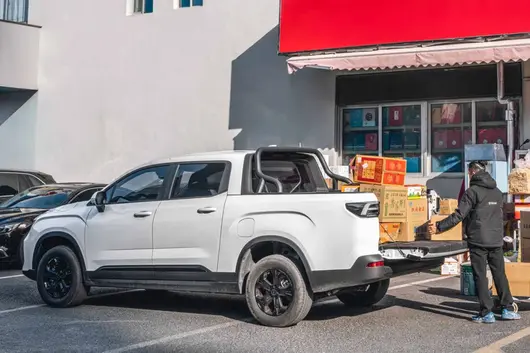

2026年7月,泰国皮卡市场全月合计仅11,134辆,延续低迷态势。丰田Hilux TRAVO/REVO以5,358辆稳居榜首,份额48.1%,几乎占据半壁江山;五十铃D-Max售出3,803辆,份额34.2%。两大日系品牌合计份额超82%,双寡头格局依然稳固。
丰田 Hilux系列内部呈"商用乘用双线并进":Travo商用版售出3,242辆,Revo乘用版售出2,116辆,前者基数占优,后者持续走量反映出高端乘用皮卡需求并未完全消失。Hilux Champ以479辆排名第四,份额4.3%,与Travo形成产品互补。
五十铃 D-Max稳居第二,与丰田 牢牢锁住前 2名位置 。福特 Ranger售出568辆排名第三,份额5.1%,守住美系皮卡一席之地;三菱Triton售出403辆排名第六,份额3.6%。
值得关注的是新能源皮卡表现。吉利雷达( GEELY Riddara)以409辆排名第五,份额3.7%,力压三菱Triton,成为7月销量最大的纯电皮卡。金龙 Dracon售出16辆,福田e-Tunland售出10辆,深蓝Hunter K50售出3辆,中国品牌在纯电皮卡赛道已形成集群效应。虽然纯电皮卡整体份额仍不足4%,但在传统燃油皮卡持续萎缩的背景下,电动化或许是打破日系垄断的关键变量。
7月低迷并非偶然。泰国工业联合会副主席、汽车产业集团(AIC)主席Suwat此前已警告:2025年泰国皮卡销量占整体市场比例已降至23%,创历史新低。而2010至2022年间,这一比例长期维持在45%左右。2023年降至34%(约26.5万辆),2024年跌至23%(约16.3万辆),2025年维持23%但绝对量已降至约14.4万辆。
家庭债务高企、不良贷款攀升、国内购买力疲软是皮卡市场持续承压的核心原因。 AIC呼吁政府尽快出台刺激政策,因为皮卡产业本地化率高达90%,覆盖超2,500家零部件供应商,市场萎缩将对整个供应链产生连锁冲击。
出口端同样承压。受中东局势影响,近两个月泰国汽车出口下滑超 20%。2026年1至5月,泰国对中东出口汽车49,961辆,同比大降30.4%。中东是泰国第三大出口市场,2025年占出口总量20%,四门皮卡和PPV(皮卡衍生SUV)正是其主力需求产品。出口受阻叠加内需疲软,泰国皮卡产业正面临双重挤压。
写在最后: 7月数据再次印证泰国皮卡市场下行趋势尚未见底。丰田与五十铃的双寡头格局短期难以撼动,但以吉利雷达为代表的中国纯电皮卡正在悄然积累势能。如何在内需刺激、出口多元化和电动化转型之间找到平衡,将是决定泰国皮卡市场能否走出低谷的关键。

Di pasaran SUV Malaysia, ramai pembeli apabila memilih kereta akan membandingkan Honda HR-V dengan Mazda CX-3. Kedua-dua kereta ini agak hampir dari segi harga dan segmen, hari ini kita akan buat perbandingan terperinci dari pelbagai aspek, membantu anda menjimatkan masa mencari maklumat.
Honda HR-V di Malaysia dijual dengan harga OTR RM 115,900 - 143,900, terdapat 4 varian, termasuk 2026 e:HEV 1.5L RS (RM 143,900), 2026 1.5T V (RM 137,900), 2026 1.5T E (RM 130,900) dan lain-lain.
Mazda CX-3 di Malaysia dijual dengan harga OTR RM 126,159 - 139,159, terdapat 2 varian, termasuk 2023 2.0L High (RM 139,159), 2023 2.0L Plus (RM 126,159) dan lain-lain.
Daripada segi harga, harga permulaan Honda HR-V memang RM 10,259 lebih murah daripada Mazda CX-3. Jika bajet anda terhad, varian masuk Honda sudah boleh memenuhi keperluan harian. Tetapi perlu diingat, ribuan ringgit yang lebih murah itu, mungkin ada kompromi dari segi peralatan, bergantung pada keperluan anda.
Honda HR-V dilengkapi enjin 1.5L Turbo, kuasa 140 hp. Penggunaan minyak rasmi 7.0 L/100km.
Mazda CX-3 dilengkapi enjin 1.5L Turbo, kuasa 140 hp. Penggunaan minyak rasmi 7.0 L/100km.
Kedua-dua kereta menggunakan sistem kuasa yang sama, pengalaman memandu harian pada dasarnya tiada perbezaan. Dari segi penggunaan minyak pun sama, tidak perlu terlalu bimbang tentang perkara ini.
Penarafan keselamatan Honda HR-V ialah 5★ (ASEAN NCAP), sistem keselamatan aktif termasuk Honda SENSING (ACC, CMBS, LKAS, RDM).
Penarafan keselamatan Mazda CX-3 ialah 5★ (ASEAN NCAP), sistem keselamatan aktif termasuk i-Activsense.
Penarafan keselamatan kedua-dua kereta sama, dalam tahap ini perengkapan keselamatan sudah dianggap sangat lengkap. Keselamatan kereta baharu sekarang tidak kurang, tidak perlu terlalu risau tentang perkara ini.
Panjang badan Honda HR-V 4500 mm, bagasi belakang 450 L.
Panjang badan Mazda CX-3 4500 mm, bagasi belakang 450 L.
Saiz kedua-dua kereta hampir sama, ruang dalaman sedikit perbezaan. Kereta dalam tahap ini, penggunaan harian cukup memadai.

Honda HR-V dan Mazda CX-3 kedua-duanya pilihan utama pasaran Malaysia, sesuai untuk kegunaan keluarga, perjalanan harian. Jika anda lebih mengutamakan reputasi jenama dan nilai semula, pertimbangkan yang lebih terkenal dulu; jika anda lebih mementingkan nilai dan perengkapan, pilih yang lebih lengkap. Akhir sekali disyorkan kedua-dua model dipandu ujian, pengalaman sendiri yang paling penting.

Secara keseluruhan, Honda HR-V dan Mazda CX-3 adalah model kereta yang bagus di pasaran Malaysia. Memilih yang mana, penting lihat keperluan dan bajet anda. Disyorkan buat penyelidikan, bandingkan beberapa tawaran dealer, kemudian buat uji jalan untuk keputusan akhir. Membeli kereta adalah urusan besar, ambil masa buat penyelidikan tidak akan salah.

喺馬來西亞嘅 SUV 市場,好多買家喺揀車嗰陣都會拿本田 HR-V 同馬自達 CX-3 嚟比較。呢兩款車喺價位同定位上都好接近,今日我哋就由多個方面做詳細比較,幫你省返做功課嘅時間。
本田 HR-V 喺馬來西亞嘅 OTR 售價係 RM 115,900 - 143,900,總共有 4 個版本,包括 2026 e:HEV 1.5L RS(RM 143,900)、2026 1.5T V(RM 137,900)、2026 1.5T E(RM 130,900) 等。
馬自達 CX-3 喺馬來西亞嘅 OTR 售價係 RM 126,159 - 139,159,總共有 2 個版本,包括 2023 2.0L High(RM 139,159)、2023 2.0L Plus(RM 126,159) 等。
從價錢嚟睇,本田 HR-V 嘅起步價確實比馬自達 CX-3 平咗 RM 10,259。如果你預算有限,本田嘅入門版已經可以滿足日常需求。但都要注意,平嗰幾千蚊,可能喺配備上會有取舍,具體要看你嘅需求。
本田 HR-V 嘅安全評級係 5★ (ASEAN NCAP),主動安全系統包括本田 SENSING (ACC, CMBS, LKAS, RDM)。
馬自達 CX-3 嘅安全評級係 5★ (ASEAN NCAP),主動安全系統包括 i-Activsense。
兩款車嘅安全評級一樣,喺呢個級別裡面安全配備都算好齊全。而家嘅新車安全性都唔差,唔使太擔心呢一點。
本田 HR-V 車身長 4500 mm,行李廂 450 L。
馬自達 CX-3 車身長 4500 mm,行李廂 450 L。
兩款車嘅尺寸幾乎一樣,車內空間差別唔大。呢個級別嘅車,日常使用完全夠用。
本田 HR-V 同馬自達 CX-3 都係馬來西亞市場嘅主流選擇,適合家庭使用、日常通勤。如果你更重視品牌口碑同二手價,可以優先考慮口碑更好嗰款;如果你更在意性價比同配備,嗰就揀配備更豐富嗰款。最後仲建議兩款都去試駕,親自體驗先係最重要嘅。
總括嚟講,本田 HR-V 同馬自達 CX-3 都係馬來西亞市場好正嘅車型。揀邊一輛,關鍵仲係睇你嘅個人需求同預算。建議大家做好功課,多比較幾間車行嘅報價,再去試駕做最終決定。買車係件大事,花少少時間做功課絕對唔會錯。
In Malaysia's SUV market, many buyers compare the Honda HR-V and Toyota Yaris Cross when choosing a car. These two cars are quite close in price and positioning. Today, we will make a detailed comparison from multiple aspects to help you save time on research.
The OTR price of the Honda HR-V in Malaysia is RM 115,900 - 143,900. There are 4 versions in total, including 2026 e:HEV 1.5L RS (RM 143,900), 2026 1.5T V (RM 137,900), 2026 1.5T E (RM 130,900), etc.
The OTR price of the Toyota Yaris Cross in Malaysia is RM 99,900 - 109,900. There are 2 versions in total, including 2026 1.5L Standard (RM 99,900), 2026 HEV 1.5L Standard (RM 109,900), etc.
Looking at the price, the starting price of the Toyota Yaris Cross is RM 16,000 cheaper than the Honda HR-V. Honestly, in this price range, a difference of a few thousand is not really significant; the key lies in overall value for money and long-term usage costs.
The safety rating of the Honda HR-V is 5★ (ASEAN NCAP), active safety systems include Honda SENSING (ACC, CMBS, LKAS, RDM).
The safety rating of the Toyota Yaris Cross is 5★ (ASEAN NCAP), active safety systems include TSS.
The safety ratings for both cars are the same. In this class, safety features are quite comprehensive. New cars nowadays generally have good safety, so there is no need to worry too much about this.
The Honda HR-V uses FWD drive mode.
The Toyota Yaris Cross uses FWD drive mode.
The drive mode for both cars is the same, both are FWD, so there won't be much difference in daily driving experience.
Both the Honda HR-V and Toyota Yaris Cross are mainstream choices in the Malaysian market, suitable for family use and daily commuting. If you value brand reputation and resale value more, you can prioritize the one with better reputation; if you care more about value for money and features, choose the one with richer configuration. Ultimately, it is recommended to test drive both, as personal experience is the most important.
Overall, the Honda HR-V and Toyota Yaris Cross are both very good models in the Malaysian market. Which one to choose depends on your personal needs and budget. It is recommended to do your homework, compare quotes from several car dealerships, and then test drive to make a final decision. Buying a car is a big matter, spending some time doing research will definitely not go wrong.

Berita Auto Elektrik, pada 26 Ogos, jenama Chery Fengyun menganjurkan pelancaran kenderaan baharu dengan tema "Kehidupan Tenang & Bahagia",SUV Elektrik Murni Berkualiti Global Fengyun T7 Dilancarkan Secara Rasmi. Kenderaan baharu telah dikeluarkan dalam tiga varian, iaitu Varian Nikmat 600km, Varian Selesa 600km, Varian Pintar 600km, harga panduan pelancaran97,900—118,900 Yuan, selepas menambah subsidi penukaran 3,000 Yuan/sebuah,Harga Penukaran Awal Serendah 94,900—115,900 Yuan, secara rasmi memasukkan SUV Elektrik Murni dengan jarak pemanduan CLTC 600km ke dalam bawah 100,000 Yuan.

Fengyun T7 diklasifikasikan sebagai SUV Elektrik Murni Kompak, saiz badan 4570×1852×1694mm, paksi 2700mm. Di bawah latar pasaran SUV Elektrik Kelas 100,000 Yuan yang umum 'Spesifikasi Rendah Jarak Pendek, Jarak Panjang Tambahan Harga', Fengyun T7 melakukan sebaliknya—Tiga varian kenderaan sama-sama dilengkapkan dengan bateri Litium Fosfat Chery Rhinoceros 65.05kWh, jarak CLTC semuanya 600km, cas pantas 30%—80% hanya mengambil masa 20 minit. Dari segi kuasa, kenderaan baharu menggunakan motor tunggal depan, kuasa maksimum 178kW, tork puncak 275N·m, kelajuan maksimum 180km/j.
Dari segi kecerdasan, varian tinggi dilengkapkan dengan cip integrasi kabin-pemanduan Qualcomm 8775 dan sistem pemanduan bantu Falcon 500, dilengkapi 22 pengesan keamatan tinggi, menyokong pemanduan bantu NOA laju dan parkir automatik 300+ senario. Dari segi keselamatan, bahagian keluli kuat 80% keseluruhan kenderaan, 9 beg udara keseluruhan, pek bateri mempunyai tahap perlindungan IP68. Yang patut diperhatikan,Semua konfigurasi utama di atas adalah sama pada ketiga-tiga varian kenderaan, perbezaan terutamanya terletak pada fungsi keselesaan dan kepraktisan.

Menurut laporan, Fengyun T7 adalah kenderaan global asli, melalui tiga tahun penyelidikan dan pembangunan, kumulatif berjaya memintas pengesahan kenderaan sebenar berjuta kilometer, model asing asal Lepas L6 telah memasuki pasaran Thailand, Afrika Selatan dan lain-lain. Di tempat pelancaran juga dikeluarkan pelbagai hak pembelian kenderaan, termasuk subsidi penukaran, faedah faedah kewangan, warna kenderaan unik percuma dan lain-lain faedah, seterusnya menurunkan ambang pembelian. Di trek SUV Elektrik Kelas 100,000 Yuan, Fengyun T7 dengan jarak panjang seragam, piawaian pembuatan kenderaan global, spesifikasi tinggi, membawa pembolehubah persaingan baru kepada pasaran rumah tangga elektrik murni, juga melengkapi matriks produk SUV elektrik murni siri Chery Fengyun.
Sah dari hari ini sehingga 30 September memesan, pengguna menikmati pakej lapan lapisan: Warna kenderaan unik Api Merah, Ungu Asap Gunung pilihan percuma terhad masa; Pakej kewangan 2 tahun 60,000 tanpa faedah atau 5 tahun 100,000 3 tahun bebas faedah; Subsidi penukaran 3,000 Yuan/buah tanpa mengira jenama; Pemilik pertama bukan komersial menikmati jaminan jangka panjang keseluruhan kenderaan (termasuk tiga sistem elektrik utama);Ganti rugi jika bateri kuasa berlaku lari panas model baru sama, insiden pemanduan pintar ganti rugi maksimum 5 Juta Yuandua hak perlindungan asas; dan pakej penyelenggaraan asas sepanjang hayat 666 Yuan dan lain-lain.



If looking purely at sales figures, Leapmotor in 2026 has already been impressive enough.
In the first half of 2026, Leapmotor sold 356,500 vehicles in the global market, a year-on-year increase of 60.8%. July single-month delivery reached 101,300 vehicles, doubling year-on-year, crossing the 100,000-vehicle monthly threshold for the first time, and becoming the first domestic new power brand to break 100,000 deliveries in a single month.
As of the end of July, Leapmotor's global cumulative deliveries exceeded 1.6 million. Among the comparable terminal registration data for the first 5 months released this year, Leapmotor further ranked fourth globally in new energy passenger vehicle brands, ranking only behind BYD, Tesla, and Geely.

However, what is more worth turning over than rankings is the semi-annual report just released on August 24.
In the first half of 2026, Leapmotor achieved operating revenue of 38.11 billion yuan, a historical high for the same period, with net profit of 210 million yuan, maintaining profitability for three consecutive semi-annual periods. Q2 gross margin improved sequentially to 12.6%, and funds on hand at the end of the period reached 38.59 billion yuan.
Currently, the Chinese new energy vehicle market has moved from competing on growth speed to competing on operational quality. Selling more is certainly important, but if growth is based on larger scale and greater losses, it is difficult for the growth itself to form a true barrier. Especially entering 2026, price competition remains fierce. Automotive enterprises must continue R&D, expand channels, and promote globalization and premiumization. Capital consumption has not decreased just because the industry has entered maturity.
Against this backdrop, Leapmotor is also quickly adapting to changes in the new energy vehicle market, growing from a new EV maker that relied on cost-performance for rapid expansion into a mature automotive enterprise with simultaneous growth in scale and profitability.

356,500 Vehicles, 38.11 Billion, Leapmotor Begins to Cross the Threshold of 'Scale for Profit'

The new energy vehicle industry naturally possesses economies of scale. R&D, factories, supply chains, channels, and intelligent investments all require huge upfront costs. Therefore, scale growth is usually an important prerequisite for achieving profitability.
However, the problem lies in that if sales growth is mainly built on continuous price cuts, high marketing costs, or low-margin products, scale itself may not automatically convert into profit.
The special feature of Leapmotor's H1 2026 financial report lies in that sales and profit presented a relatively clear positive cycle for the first time.
In the first half, Leapmotor's global sales increased from 221,700 vehicles in the same period last year to 356,500 vehicles, a year-on-year increase of 60.8%. Meanwhile, the company achieved 38.11 billion yuan in revenue and 210 million yuan in net profit. Q2 gross margin further improved sequentially to 12.6%. More critically, this is no longer an accidental quarterly profit, but profitability maintained for three consecutive semi-annual periods.
This means Leapmotor has preliminarily crossed a quite critical threshold in the development process of new EV makers, i.e., scale growth is no longer at the cost of continuously expanding losses.
Behind this is primarily a change in product structure.
As of the first half of this year, Leapmotor has formed an A, B, C, D major product matrix, with prices covering the mainstream market of 60,000 to 300,000 yuan. In the past, Leapmotor relied more on the C series to bear sales volume, but now its growth structure is starting to shift from a single blockbuster to multiple product series contributing together.
A10 reached 100,000 mass-produced vehicles off the line just 135 days after launch, ranking first in Chinese brand SUV sales for three consecutive months from May to July; the C series has accumulated over 850,000 users; flagship SUV D19 delivered 10,043 vehicles in July, entering the 10,000 monthly sales range; the average selling price of D99 exceeds 300,000 yuan.

This is very important for Leapmotor.
Because from the 60,000 yuan-class A series to the D series above 300,000 yuan, it means Leapmotor is no longer just looking for blockbusters in one price band, but trying to cover China's largest mainstream consumer segment for new energy vehicles. Once multiple price bands can generate stable sales simultaneously, the enterprise's dependence on a single model's lifecycle will decrease, and scale will also become more stable.
What is more worth noting is the D series.

In the past, Leapmotor's very distinct label was 'Good but not expensive'. This strategy helped it gain scale rapidly, but it also easily formed another problem: After consumers accept Leapmotor's high cost-performance, are they willing to pay for more expensive Leapmotor?
D19 monthly sales breaking 10,000, and D99 average selling price exceeding 300,000 yuan, has at least given a positive answer for the stage. Especially D19 entering the 10,000 monthly sales range means Leapmotor is trying to replicate the cost efficiency and technology accessibility capabilities established in the past to higher price bands.
This is also where Leapmotor truly needs to observe in the next stage.
The scale has already risen. Next, what determines Leapmotor's profit ceiling is not just how many more cars can be sold, but whether it can improve product structure while expanding scale.
From this perspective, the 12.6% Q2 gross margin might be even more worth watching than the 100,000 monthly sales volume. Because the former means growth is gradually forming operational quality, not just sales figures.
Leapmotor's past adherence to full-domain in-house research and deep in-house manufacturing also begins to reflect economic value after scaling up.

Currently, its self-research and self-manufacture ratio accounts for 65% of the total vehicle cost, covering three-electric systems and intelligent systems. For enterprises with sales of only tens of thousands of vehicles, a high proportion of self-research often means heavy R&D and manufacturing investment. But when annual sales begin to approach one million units, the same set of technology platforms, parts, and R&D investment can be amortized by more vehicle models, and self-research may instead become an important means of cost control.
This is also the reason why Leapmotor's business model is truly entering the verification period.
What the market needed to verify in the past was: can Leapmotor's low price really exchange for scale.
The problem has now become: after scale is achieved, can Leapmotor truly convert its cost advantage into profit.
38.11 billion yuan revenue, 210 million yuan net profit, and profitability for three consecutive semi-annual periods, at least indicates that this path has started to work. But 210 million yuan net profit is still not thick relative to 38.11 billion yuan revenue. Leapmotor is far from entering a profit stage where it can rest easy.
Conversely, with the expansion of the D series, overseas localization production, and increased R&D investment in intelligence, the coming few quarters will instead test its ability to find a balance between growth and investment.

Therefore, this financial report is worth affirming, but it is not yet time to draw conclusions.
Leapmotor has proven it can make money during high-speed growth. Next, it needs to prove whether this profitability is a stage-specific result in a boom cycle or a long-term ability that can expand continuously with million-vehicle scale.
Exports Boomed 372.6%, Leapmotor's Second Growth Curve Has Taken Effect
In the first half of 2026, Leapmotor exported 96,294 vehicles, a year-on-year increase of 372.6%, exceeding the full-year export volume of 2025, accounting for 27% of the company's total sales in the first half. Cumulative exports from January to July further reached 113,863 vehicles.
27% means that overseas is no longer just a supplementary item in Leapmotor's sales report. Instead, for every 4 Leapmotor sold, more than 1 comes from the overseas market.
Globalization is gradually becoming a real variable affecting Leapmotor's revenue, scale, and even future profit structure, from a strategic story.
Leapmotor's overseas growth does not come entirely from markets with weak new energy vehicle industry foundations.
In the first half of 2026, Leapmotor registered 23,000 pure electric vehicles in the Italian market, with market share exceeding 25%. In June, it became the leading Chinese electric vehicle brand by sales in the German market, and entered the top three in retail sales of Chinese brand pure electric vehicles in the UK. As of the end of June, Leapmotor International has established over 1,000 sales and after-sales service outlets in over 45 international markets.
Chinese new energy vehicles going global have entered a new stage. Relying solely on domestic production and complete vehicle exports is easily affected by tariffs, transportation costs, and local industrial policies.
Therefore, what truly determines a Chinese automotive company's globalization capability is no longer just 'how many exported', but whether there is the ability to build local production, sales, service, and even supply chain systems.
The cooperation value between Leapmotor and Stellantis is also gradually becoming apparent in this stage.
C10 at Malaysia Gurun factory has entered mass production, B10 planned for mass production in Q3; Zaragoza factory in Spain completed supporting renovations, B10 expected to start production in Q3, B05 planned for mass production in 2027; Brazil local assembly base has also been determined.

Therefore, Leapmotor is trying to establish a model different from past Chinese automotive exports: leveraging its own product and technical capabilities, plus Stellantis' existing global manufacturing, channels, and service systems, to enter the global market in a lighter way.
If this model holds, what Leapmotor gains is not just new sales volume, but greater scale amortization capabilities, broader technical output space, and a growth source that does not fully depend on Chinese market price competition.
Of course, globalization cannot just look at sales volume. Overseas localization production requires investment, and regulations, supply chains, and consumer habits in different countries are far more complex than the domestic market. Whether rapid export growth can eventually form stable profit still needs future financial reports to continue verifying.
But at least by the first half of 2026, Leapmotor is migrating from a 'Chinese new power brand' to a scaled, globalized new energy vehicle enterprise.
356,500 vehicles half-year sales, 38.11 billion yuan revenue, profitability for three consecutive semi-annual periods, 38.59 billion yuan funds on hand, overseas sales ratio 27%, and July first break of 100,000 vehicles. These numbers have pieced together a business logic for the first time completely:
Product matrix expands sales volume, sales volume amortizes self-research costs, cost efficiency improves profitability, profitability and cash continue to support R&D and globalization, and the overseas market further expands scale.
This is the corporate momentum released by Leapmotor's 2026 semi-annual report.
For Leapmotor, which has already entered the top 4 in global new energy vehicles, the next competition is no longer just 'selling more', but after selling more, being able to earn more and go further.
Note: Data in the article is all cited from Leapmotor's 2026 year Semi-Annual Performance Announcement (HKEX: 09863.HK). Domestic SUV sales data comes from CPCA 2026 year May-July month statistics; European market registration and ranking data comes from Dataforce and other institutions 2026 year first half statistics; Global ranking is third-party multi-source data integration calculation.



August 26, with the theme of "Steady Happiness", Chery Fengyun T7 was officially launched by Yanqi Lake. As a global quality all-electric SUV designed for family users, the new car offers 3 configuration versions in total, with an official guide price of 97,900-118,900 Yuan, and an advance exchange price of 94,900-115,900 Yuan. At the same time, 9 sets of purchase benefits are launched, bringing new high cost-performance all-electric travel choices for family consumers. At the press conference scene, musician Kevin Wu attended as Fengyun T7 "Happiness Experience Officer". Combining daily family travel scenarios, he interpreted the safe travel philosophy conveyed by the product, letting the four major product values of "Super Range, Global Beauty, Safer, Smart Wisdom" be implemented in real car use life.

As a car enterprise that has been the number one exporter of Chinese brand passenger cars for 23 consecutive years, Chery's global user scale has already broken 20 million, and products are sold in over 130 countries and regions worldwide. Fengyun T7 is positioned as a native global vehicle in the intelligent electricity era. Relying on Chery's "1+7+N" global R&D system, it incorporates regulatory standards and road conditions and climate conditions of over 210 countries and regions in the product definition stage, achieving full process benchmarking to global requirements from R&D, testing to manufacturing.

To polish reliable quality, Fengyun T7 completed over 6 million kilometers of vehicle tests, among which the mileage of durability special tests reached 1.45 million kilometers. Test footprints spread over 100+ types of extreme road conditions worldwide. Temperature test range covers -40°C to 55°C. Brazilian bumpy roads, Mexican cobblestone roads, German highway curves, and South African unpaved mud roads all became its testing grounds, covering over 95% of global road conditions. Currently, the homologous model Lepas L6 of this car has landed in South African and Thai markets, and also appeared at Milan Design Week. Overseas market feedback confirms the hard power brought by this global verification system. After finishing the strict tests from all over the world, Fengyun T7 returns to the domestic market, building a solid foundation for ordinary families' vehicle quality.

Range anxiety has always been the pain point most concerned by home all-electric users. Fengyun T7 focuses on "Super Range". All systems uniformly equip 65.05kWh Rhino Battery. CLTC range is 600km. Media actual test reached up to 681.6 km, achieving actual range performance better than rated. Battery cycle life can reach 2500 times, design service life 15 years, supports 20 minutes to complete 30%-80% fast charging. Addressing the problem of range shrinkage in Northern winter, the vehicle is standard equipped with dual-source wide temperature range heat pump AC plus high-voltage PTC system, combined with AGS active grille shutter and multiple low wind resistance designs, in -10°C environment range can increase by 30%. On the power level, it equips 12-in-1 Kunpeng Super Electric Drive. Peak power 178kW, maximum torque 275 N·m, electric drive comprehensive efficiency 90.8%, balancing power output and energy consumption control.

Except for running far, family cars value space practicality more. Fengyun T7 body dimensions 4570x1852x1694mm, wheelbase 2700mm, in-car space usage rate reaches 84%. Rear legroom 911mm, floor completely flat, full occupancy sitting will not be cramped. Rear seats support 4/6 split folding, can be expanded into fully flat bed mode. Conventional trunk 450L, matching 99L under-floor storage space, after folding rear seats max volume 1550L. The whole car sets 32 storage points. Whether it is daily grocery shopping and commuting, or weekend camping trips, loading needs can be easily satisfied.

In terms of appearance design, Fengyun T7 adopts Eastern Wind-Driving Aesthetic Design Language, taking into account Eastern aesthetics and global design trends. Wind-Driving front face, Wind Blade headlights, Wind-Sculpted Satin body, creating 0.286Cd ultra-low wind resistance. The body provides Flame Orange, Mountain Smoke Purple and other 6 car colors, among which Flame Orange adopts luxury car level Tri-coat paint process. Cockpit is Cloud Wing Enclosure Layout, diamond stitching, water ripple details matching Pebble floating speakers, providing Warm Black Brown, Midnight Obsidian two kinds of interiors, balancing texture and home attributes.

For family cars, safety is always the bottom line. Fengyun T7 creates Rock Solid Body. High strength steel accounts for 80%, hot-formed steel accounts for 18.84%. Adopting same-class debut double-frame subframe and Pack bumper beam, matching unique Shotgun structure to disperse collision impact force. Whole car equipped with 9 airbags. Rhino Battery has 31-layer Chainmail Protection Structure, 6D Safety Protection System, IP68 water resistance level reaches 96 times national standard, side anti-squeeze ability is two times national standard, also completed 1008 hours salt spray, 1.5 times national standard duration fire test. Chassis tuned by international team, has 50.8:49.2 Golden Axle Load Ratio, matching 70mm large bushings, One-Box wire-controlled braking system, further improving driving stability and braking safety.

Regarding intelligent configuration, Fengyun T7 equips same-class debut 4nm process 8775 Cockpit-Driving Integrated Chip. NPU computing power 72 TOPS, system response as low as 80ms. Equipped with 15.6-inch 2.5K anti-glare screen, supports multi-brand mobile phone wireless connection. Lingxi Smart Cockpit 2.0 connects Doubao Large Model, voice interaction is closer to human dialogue, built-in Napping, Baby, Sentry and other 6 one-click scene modes. Driving assistance equips Falcon 500 system, 22 high-precision sensors, supports Highway Pilot, 300+ scenarios automatic parking, 100 meters trace reverse, alleviating city commuting, parking difficulties.

Based on the 100,000-level home all-electric SUV track, Fengyun T7 takes global R&D verification strength as the base. It achieves long range, large space, high safety, high intelligence for the whole series inclusively. Relying on Chery's technical accumulation from many years of going overseas, Fengyun T7 brings "Steady Happiness" to family users with solid product strength, setting up a new value benchmark for 100,000-level all-electric SUV.

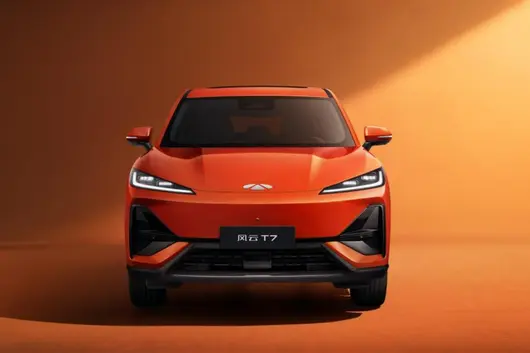
2026年8月26日,奇瑞风云T7以9.79万-11.89万元(抢先置换价9.49万-11.59万元)的价格正式上市。在新能源车以“月”为迭代单位的今天,这场发布会的主题却有点“反潮流”——“慢功造好车,久等了” 。当友商比拼发布速度时,奇瑞却把“慢”字摆上台面,这背后的逻辑值得深究。

“反向出海”:先吃全球苦,再回中国卖
风云T7最核心的差异化标签是“原生全球车” 。它没有走“国内上市再改款出口”的老路,而是走了“反向出海”的硬核路径:其同源车型已在南非、泰国上市,并将陆续登陆欧盟、澳新等市场。

这个“慢”体现在研发与验证上:依托全球“1+7+N”研发体系,历时2年策划、3年研发;投入81台耐久车,在全球21个国家累计测试超600万公里,覆盖-40℃至55℃的极限环境以及巴西减速坎、德国高速弯道等全球95%以上的复杂路况。这种“先接受全球考验,再回归国内”的做法,让中国用户买到的不再是参数堆砌的快消品,而是一台经过全球标准淬炼的耐用品。
全系平权:续航与安全不玩套路
奇瑞将全球验证的技术红利直接下放到了十万级市场。在最核心的续航与安全上,风云T7做到了“全系一视同仁”:

首先是“续航平权” 。全系标配65.05kWh犀牛电池,CLTC续航均为600km,实测可达667km以上,被网友戏称为“反向虚标”。30%-80%快充仅需20分钟,配合双源宽温域热泵,冬季续航表现提升30%。
其次是“安全冗余” 。新车按2026版E-NCAP五星标准开发,车身80%高强度钢,标配9安全气囊(含远端气囊)。电池具备IP68防水与6D防护结构,并给出了“电池热失控损毁赔新车”的兜底承诺。
竞品对比:向元PLUS与银河E5发起正面挑战
在10-15万级纯电SUV市场,风云T7直接对标比亚迪元PLUS与吉利银河E5。

风云T7的优势在于“入门即高配” 的策略。元PLUS入门版续航仅430km且气囊配置较低,银河E5入门版续航为440km且智驾功能需选装。相比之下,风云T7起售价更低(9.79万起),却做到了全系600km续航、9气囊、8775芯片及猎鹰500智驾。尽管银河E5在轴距(2750mm)上略占优势,但风云T7在动力功率(178kW)和核心安全配置上实现了越级压制。

结语
在行业疯狂内卷“冰箱彩电”和缩短研发周期的当下,奇瑞风云T7选择了一条更扎实的路:用全球的“慢功”去磨一台国内“快消”市场的车。它不仅以全系600km续航和安全平权重新定义了十万级SUV的价值标准,更通过全球验证体系,向用户传递了“可靠耐用”的长期主义价值。这台车能否成为搅动市场的鲶鱼,值得期待。
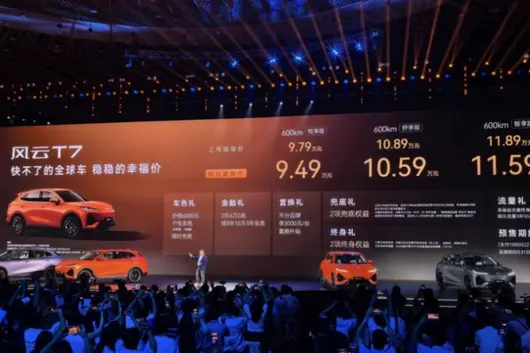

8月26日,以“稳稳的幸福”为主题,奇瑞风云T7正式上市。新车共推出3款版型,官方指导价9.79万‑11.89万元,抢先置换价9.49万‑11.59万元,并且实现上市即交付,为十万级家用纯电SUV市场带来全球品质新选择。

发布会现场,知名音乐人吴克群出任风云T7“幸福体验官”,与奇瑞汽车执行副总裁李学用围绕“稳稳的幸福”展开对话,探讨家庭出行的真实诉求,传递“慢功造好车”的造车理念,共同启动「幸福共创计划」,号召大众发掘生活中的幸福点滴。

作为一台原生全球车,风云T7并非国内车型简单改款出海。新车依托全球1+7+N研发体系,历经3年研发周期,对标2026版E‑NCAP五星安全标准开发,完成21个国家实车验证,整车累计大量耐久测试,历经高温、高寒、高湿、高盐碱等极限环境试炼,可适配‑40℃~55℃超宽温域环境,覆盖全球95%道路类型。其同源车型Lepas L6已在南非、泰国上市,后续将登陆欧盟、澳新等海外市场。

产品层面,风云T7围绕超能跑、美全球、更安全、好智慧四大核心价值,打造碰撞安全、电池安全、续航平权、全域节能、操控性能、整车验证“六大冗余”硬核实力。全系标配65.05kWh犀牛电池,CLTC续航600km,实测可达681.6km,实现反向虚标,30%-80%快充仅需20分钟。搭载双源宽温域热泵空调,解决低温续航衰减痛点。安全上,80%高强度钢磐石车身、9安全气囊、31层6D锁子甲电池防护,构筑双重安全堡垒;同级首发8775舱驾一体芯片,搭配灵犀智舱2.0与豆包大模型,支持300+全场景自动泊车、高速领航辅助,智能体验拉满。

购车权益方面,即日起至9月30日,下订可享8重礼包,包含限时免费个性车色、金融免息、置换补贴、动力电池与辅助驾驶双重兜底、整车终身质保、低价购终身基础保养、流量福利等,预售1000元订金抵2000元购车款政策延期至8月31日。

凭借全球标准、严苛验证、满配实力与诚意定价,风云T7重新定义十万级纯电SUV价值标杆,让普通家庭也能拥有全球品质出行体验,守护每一段出行路上稳稳的幸福。
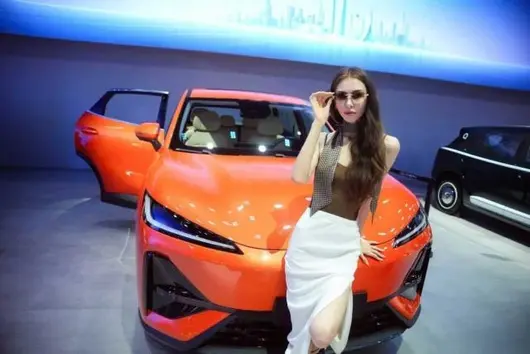

On August 26, Chery Fengyun brand held a new car launch event with the theme "Steady Happiness", unveiling its all-new pure electric SUV — Fengyun T7 for nationwide launch. This event was not about piling up flashy concepts, but used solid prices and configurations to drop a "heavy bomb" into the 100,000-level pure electric market.

At the event, the official announced that Fengyun T7 launches with three configuration models, with an official guidance price range of 97,900 to 118,900 yuan. During the launch period, a priority replacement price of 94,900 to 115,900 yuan is available. As a pure electric SUV built to global standards, this pricing directly shattered market expectations and broke the industry unwritten rule that "entry-level pure electric must be downgraded".
600km Range Equality for All Series, Powertrain Strength Holds Up
In the 100,000-level pure electric SUV market, "entry-level gets short range, pay more for long range to get high specs" is almost an industry consensus. But Fengyun T7 directly overturned this gameplay — all series come standard with 65.05kWh Chery Rhino Lithium Iron Phosphate batteries, CLTC condition range unified at 600km, and even official actual test range can reach 667km, equivalent to playing a "reverse false labeling" game.

There is also no discrimination in the power aspect. All series are equipped with a 12-in-1 intelligent electric drive system, front-mounted single motor maximum power 178kW (242 hp), peak torque 275 N·m, top speed 180 km/h, power consumption as low as 12.9 kWh per 100km. In terms of charging efficiency, 30%-80% SOC DC fast charging takes only 20 minutes, enough to replenish long-distance range during the time it takes to drink a cup of coffee. At the same time, it comes standard with 6.6kW external discharge function, camping power supply for hot pot and projector can be easily handled.

Aiming at the winter range anxiety of northern users, Fengyun T7 is equipped with dual-source wide temperature range heat pump air conditioning, combined with a global integrated thermal management system, which can operate stably in extreme temperature ranges from -30°C to 55°C. Official data shows winter range can increase by about 30%. The battery itself has been verified for 2,500 cycle life, calculated by normal usage frequency, no need to worry about battery decay within the 10+ year vehicle cycle.
Native Global Car Quality: Go Overseas First, Then Return to Domestic Market
Different from many "Domestic Exclusive" models, Fengyun T7 takes the "Reverse Going Global" route — the same-source model LEPAS L6 has already started pre-sales in South Africa and completed launch in Thailand, and will later land in global mainstream markets such as the EU, Australia/New Zealand, UK, etc. In other words, this is a "Global Quality Car" that first undergoes global regulatory testing, then returns to the domestic market for sale.

According to official introduction, Fengyun T7 went through 3 years of R&D cycle, completed 1.45 million kilometers of durability verification, ran through more than 100 overseas extreme road conditions such as high temperature, extreme cold, high humidity, etc. From the extreme cold environment of Northern Europe to the scorching conditions of the Middle East, the whole vehicle was polished according to unified global standards, there is no situation of "Domestic Version Downgrading". This "Slow work produces fine results" thinking appears particularly unusual in today's fast-paced new car launch wave.

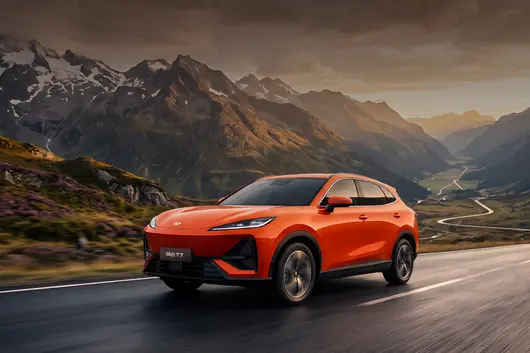
In terms of body dimensions, Fengyun T7 length, width, height are 4570x1852x1694 mm, wheelbase reaches 2700 mm, positioned as compact pure electric SUV, five-seat layout can meet ordinary family daily travel needs. Exterior adopts Fengyun family's latest design language, streamlined body paired with sleek LED headlight group, rear equipped with贯通 tail lights and dynamic rear spoiler, all series standard electric trunk. Car colors provide 6 choices: Fiery Orange, Mountain Smoke Purple, Cloud Pink Beige, Flowing Silver, Green Bamboo Grey, Ink Stone Black, obviously leaning towards young user aesthetics.
Intelligence and Safety: 100,000-Level Flagship Experience
For the intelligent cockpit part, Fengyun T7 is equipped with Lingxi Smart Cockpit 2.0 system, equipped with Qualcomm Snapdragon SA8775 Cockpit-Driving Integrated Chip, supports mainstream mobile phone wireless interconnection and multi-scenario interaction modes. High-spec models are also equipped with Falcon 500 Intelligent Driving Assistance System, equipped with 22 high-precision sensors, can achieve highway NOA pilot assistance, 300+ scenarios automatic parking, etc., covering daily car usage scenarios such as highway cruising, urban commuting, parking garage, etc.


On the safety aspect, there is also no shrinking. The whole vehicle is built according to global crash standards, the battery pack adopts multi-level safety protection design, forming a complete safety closed loop from structural protection to thermal management system. In addition to the standard equipment of chassis stability system, tire pressure monitoring, rearview camera and other basic configurations for all series, even the entry-level model can give users enough travel security.
In Conclusion
From the perspective of product positioning, Fengyun T7's goal is very clear — to use "Global Car Quality + National Car Price" to tear a hole in the 100,000-level pure electric SUV market. When same-level rivals are still playing the trick of "range options, configuration markup", Chery directly put the core values of 600km range, global quality, intelligent cockpit all on the entry-level price.

For consumers with a budget of around 100,000 who want to buy a reliable home pure electric SUV, the appearance of Fengyun T7 indeed gives a very hard-to-refuse option. As for whether it can stand firm in fierce market competition, it depends on subsequent market feedback, but at least from the launch sincerity, Chery showed full confidence this time.
© 2024 Bitauto.com. All Rights Reserved.
Bitauto (www.yiche.com and www.bitauto.com) is one of the most visited automotive websites in China. We provide detailed info on Chinese car brands available in your area. Please note that the information provided on this website is based on publicly available data and is for reference only. It may not be fully updated or accurate at all times.

Help us improve our website


