

HomeMobileGame

Search History
Popular Searches
Dealer Login / Sign Up

Chery's October sales, looking at the numbers alone, are not actually the most explosive. The group's total vehicle sales reached 295,934 units, a year-over-year increase of 5.3%. In the October ranking context of BYD nearing 500,000 and Geely breaking 310,000, Chery's growth rate is not particularly conspicuous. But if you only focus on this 5.3%, you will miss the truly important things in this performance report.

Chery being number one in exports is no longer news. The true new signal is that the export business itself is upgrading.
Exports reached 200,618 units, up 58.7% year-over-year, breaking the 200,000 units mark for a single month for the third time this year; New Energy reached 140,893 units, up 27.7% year-over-year, standing on the 100,000 units step for seven consecutive months in a single month. The proportion of exports in the group's total sales has approached 70%. This means that for every three cars Chery sold in October, two went overseas. It is becoming a company that uses the profits and scale of the overseas market to support domestic new energy transformation and brand elevation. This path has no other Chinese automaker walking so deeply.
Chery Executive Vice President Zhang Guibing previously revealed that it is expected that by the end of 2026, the proportion of vehicles produced overseas in Chery's exports will exceed 50% for the first time, rise to 60% in 2027, and reach 70% in 2030. The significance of this number lies in the fact that Chery's overseas focus is shifting from "selling cars made in China overseas" to "manufacturing cars overseas, procuring overseas, and making money overseas". Shipping complete vehicles from China for export faces increasingly high tariff thresholds and exchange rate fluctuations; localized production bypasses trade barriers, retains employment and taxes, and exchanges for long-term market access qualifications in local markets.
The financial meaning of this is equally direct. Chery's net profit for the first three quarters was 14.6 billion yuan, while the overall revenue profit margin of the automotive manufacturing industry was only 3.3% during the same period. Chery's earning power is close to twice the industry average level. The gross profit margin structure of overseas business is Chery's card for daring to maintain stability in the domestic price war. When most Chinese brands are still harding involution in the domestic market with profits, Chery has already found a cycle of using high overseas gross margins to hedge against low domestic gross margins. This is not escaping involution, it is changing the battlefield to win the ammunition needed for involution.

Chery New Energy sold 140,900 vehicles in October, breaking 100,000 for seven consecutive months. From January to October, the cumulative total was 999,417 units, up 43.2% year-over-year, exceeding the total new energy volume for the entire previous year in advance. Wholesale volume remains firmly in the top three of the industry, with a global new energy share of 5.5%, ranking in the top five automotive groups.
Behind these numbers, more worthy of attention is the product structure supporting the scale. The Fengyun A9 secured sales leadership in the 100,000 to 150,000 yuan pure electric mid-size car market. The brand-new QQ3 sold over 10,000 units monthly for seven consecutive months and entered Thailand, Indonesia, and South Africa. iCAR V23 global sales exceeded 100,000 units, topping multiple overseas market niche tracks. Chery's new energy volume growth is not a pulse-like growth driven by one or two influencer cars, but building the base stone by stone in mainstream price segments and mainstream categories. This certainty of growth is harder for opponents to knock down with a single new car.
Meanwhile, within the Chery Group in October, each brand showed a rare synchronized resonance. Chery brand sales reached 200,571 units, up 18.2% year-over-year, an absolute cornerstone. This number shows that in the most competitive mainstream fuel and hybrid markets, Chery's base continues to maintain strong upward momentum, with channel efficiency and product reputation continuously releasing dividends.
Jetour reached 58,443 units, maintaining stable output, firmly rooted in the Travel+ niche track. As the representative of new forces, iCAR, relying on the personalized positioning of V23 and other models, not only broke out among the domestic young group but also shone brightly in the overseas market, becoming an important extension for Chery's brand elevation and rejuvenation. As for Exeed and Luxeed, they are also steadily exploring on their respective premiumization paths.
For a huge group with nearly 3 million annual sales, multi-brand synergy originally needs rhythm. The strong growth of the mainstream base provides sufficient trial and error space and resource support for the upward breakthrough of high-end brands. This tiered development rhythm proves exactly that Chery owns a healthy brand ecosystem with extremely strong risk resistance capabilities.

The main theme of Chinese automakers in the past few years has been close-quarters combat with configurations and prices in the domestic market. Many brands fell into a vicious circle: sales were rising, profits were falling. In order to grab shares, they were willing to spend bullets that should have been used for R&D on the price war. The revenue profit margin of the entire industry was suppressed to an extremely low level. Everyone was consuming each other in the same pool; this is a typical zero-sum game.
In this big background, Chery's October performance report provides a completely different sample for breaking through: upgrading globalization from a simple sales action to a deep operational action, using overseas manufacturing and overseas profits to provide a leisurely space for domestic technology investment and brand elevation.
Where exactly does this path lie in difficulty? It is difficult because it is not only selling products, but outputting a system. Chery is able to sell at high premiums and get high profits in the overseas market. It does not rely on low-price dumping, but on the global alignment of technical standards. For example, Chery's engines, gearboxes, and chassis architectures can withstand tests in harsh markets such as Europe, the Middle East, and South America, obtaining overseas five-star safety certifications. Behind this lies more than ten years of hard work by the Chinese automotive industry on the core three major components. When a Chery car on the European street is chosen and evaluated as a normal, competitive car, not a cheap Chinese substitute, then that kind of globalization that the Chinese automotive industry really wants can be said to start landing.
Deeper significance lies in Chery pumping the real money earned overseas back into the domestic market, feeding domestic new energy R&D, intelligent transformation, and multi-brand construction. This forms an extremely healthy business closed loop. Others are cutting prices to survive; it is accumulating strength with profits. Others are staring at the domestic pool to grab shares; it is expanding the pie in the global market. This model upgrade from product overseas expansion to ecosystem overseas expansion sets an example for all Chinese brands still struggling desperately in the domestic red ocean: truly world-class automakers cannot only reign over at their own doorsteps, they must dare to go to others' home grounds and earn back profits with technology and quality.

Auto Review:
October's performance report is actually a slice of the Chinese automotive industry walking towards maturity. In the past, we were used to using price to exchange for the market, using sales to prove presence; but Chery's path tells us that true strength is not crushing opponents in the domestic market, but bringing the ability to build cars, brand reputation, and profit thickness together to the global market for inspection.
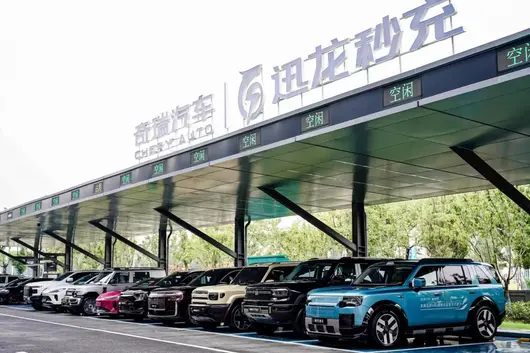

In the SUV market in Malaysia, many buyers compare Toyota Harrier and Volvo XC90 PHEV when choosing a car. These two cars are quite close in price and positioning. Today we will make a detailed comparison from multiple aspects to help you save time on research.
The OTR price for Toyota Harrier in Malaysia is RM 289,000 - 289,000, with a total of 1 version, including 2026 HEV 2.5L Standard (RM 289,000), etc.
The OTR price for Volvo XC90 PHEV in Malaysia is RM 434,888 - 434,888, with a total of 2 versions, including 2025 2.0T 77km Ultra (RM 434,888), What safety features does the Volvo XC90 PHEV have? (RM 362,888), etc.
From a price perspective, the starting price of Toyota Harrier is indeed RM 145,888 cheaper than Volvo XC90 PHEV. If your budget is limited, Toyota's entry-level version is already sufficient for daily needs. However, note that the savings of a few thousand might involve trade-offs in specifications, depending on your specific needs.

The safety rating for Toyota Harrier is 5★ (ASEAN NCAP), active safety systems include Brand ADAS.
The safety rating for Volvo XC90 PHEV is 5★ (Euro NCAP), active safety systems include Premium ADAS.
In terms of safety features, both cars received good ratings. However, there are some differences in functionality between Toyota Harrier's Brand ADAS and Volvo XC90 PHEV's Premium ADAS. If you value active safety, you can compare the feature lists of both closely.

Toyota Harrier uses FWD drive configuration.
Volvo XC90 PHEV uses FWD drive configuration.
Both cars have the same drive configuration, both FWD, there won't be much difference in daily driving experience.

Both Toyota Harrier and Volvo XC90 PHEV are mainstream choices in the Malaysian market, suitable for family use and daily commuting. If you value brand reputation and resale value more, you can prioritize the one with better reputation; if you care more about cost-performance and specifications, choose the one with richer configurations. Ultimately, it is recommended to test drive both, personal experience is the most important.

Overall, both Toyota Harrier and Volvo XC90 PHEV are very good models in the Malaysian market. Which one to choose depends mainly on your personal needs and budget. It is recommended that everyone do their homework, compare quotes from several dealerships, and then test drive to make the final decision. Buying a car is a big matter, spending some time doing research is never wrong.

In Malaysia's SUV market, many buyers compare Toyota Harrier and Mazda CX-9 when choosing a car. These two models are quite close in price and positioning. Today, we will conduct a detailed comparison from multiple aspects to save you the time of doing research.
The OTR price of Toyota Harrier in Malaysia is RM 289,000 - 289,000, with a total of 1 version, including 2026 HEV 2.5L Standard (RM 289,000) etc.
The OTR price of Mazda CX-9 in Malaysia is RM 328,810 - 345,810, with a total of 2 versions, including 2023 2.5T 4WD (RM 345,810), 2023 2.5T 2WD (RM 328,810) etc.
In terms of price, Toyota Harrier's starting price is indeed RM 39,810 cheaper than Mazda CX-9. If your budget is limited, Toyota's entry-level version can already meet daily needs. However, note that the few thousand dollars cheaper might involve trade-offs in equipment, depending on your specific needs.
Toyota Harrier is equipped with 2.0L Turbo, 220 hp. Official fuel consumption 9.5 L/100km.
Mazda CX-9 is equipped with 2.0L Turbo, 220 hp. Official fuel consumption 9.5 L/100km.
Both cars use the same powertrain system, and the driving experience is basically the same in daily use. Fuel consumption is also similar, so no need to worry too much about this point.
Toyota Harrier's safety rating is 5★ (ASEAN NCAP), active safety systems include Brand ADAS.
Mazda CX-9's safety rating is 5★ (ASEAN NCAP), active safety systems include Brand ADAS.
Both cars have the same safety rating, and safety features are quite comprehensive for this class. New cars nowadays have good safety, no need to worry too much about this.
Toyota Harrier body length is 4400 mm, trunk 400 L.
Mazda CX-9 body length is 4500 mm, trunk 450 L.
Regarding space, Mazda CX-9's body is 100 mm longer than Toyota Harrier, offering more passenger space advantage. However, Toyota Harrier is a bit more flexible for parking in the city, each has trade-offs.

Toyota Harrier adopts FWD drive mode.
Mazda CX-9 adopts FWD drive mode.
Both cars have the same drive mode, both are FWD, no big difference in daily driving experience.

Overall, Toyota Harrier and Mazda CX-9 are both very good models in the Malaysian market. Which one to choose depends mainly on your personal needs and budget. We recommend doing your research, comparing quotes from several dealerships, and then test driving to make a final decision. Buying a car is a big matter, spending some time researching will never be wrong.

Pada pasaran SUV di Malaysia, ramai pembeli membandingkan Toyota Corolla Cross dan Subaru Forester ketika memilih kereta. Kedua-dua kereta ini agak hampir dari segi harga dan penentuan pasaran, hari ini kami akan membuat perbandingan terperinci dari pelbagai aspek untuk membantu anda menjimatkan masa membuat kerja rumah.
Harga OTR Toyota Corolla Cross di Malaysia ialah RM 133,800 - 148,800, terdapat 3 varian, termasuk 2026 HEV 1.8L GR Sport (RM 148,800), 2026 HEV 1.8L Standard (RM 140,800), 2026 1.8L Standard (RM 133,800) dan lain-lain.
Harga OTR Subaru Forester di Malaysia ialah RM 174,000 - 197,000, terdapat 3 varian, termasuk 2024 2.0L S EyeSight GT Edition (RM 189,538), 2024 2.0L S EyeSight (RM 177,538), 2024 2.0L L EyeSight (RM 167,538) dan lain-lain.
Daripada segi harga, harga permulaan Toyota Corolla Cross memang lebih murah RM 40,200 berbanding Subaru Forester. Jika bajet anda terhad, varian asas Toyota sudah memadai untuk keperluan harian. Tetapi perlu diingatkan, ribuan ringgit yang lebih murah itu mungkin ada kompromi dari segi kelengkapan, bergantung pada keperluan anda.

Toyota Corolla Cross dilengkapi enjin 1.5L Turbo, kuasa 140 hp. Penggunaan bahan api rasmi 7.0 L/100km.
Subaru Forester dilengkapi enjin 2.0L 4-silinder, kuasa 170 hp. Penggunaan bahan api rasmi 8.0 L/100km.
Daripada segi tenaga, enjin 2.0L 4-silinder Subaru Forester mempunyai 30 hp lebih daripada 1.5L Turbo Toyota Corolla Cross. Tetapi untuk penggunaan harian di bandar, tenaga kedua-dua kereta sudah mencukupi, tidak akan terasa kurang kuasa.

Toyota Corolla Cross panjang badan 4400 mm, ruang penyimpanan belakang 400 L.
Subaru Forester panjang badan 4400 mm, ruang penyimpanan belakang 400 L.
Saiz kedua-dua kereta hampir sama, ruang dalaman tidak banyak berbeza. Kereta pada tahap ini, penggunaan harian sudah sepenuhnya memadai.

Toyota Corolla Cross menggunakan sistem pemacu FWD.
Subaru Forester menggunakan sistem pemacu FWD.
Sistem pemacu kedua-dua kereta sama, iaitu FWD, tiada perbezaan besar dari segi rasa memandu harian.

Toyota Corolla Cross dan Subaru Forester kedua-duanya merupakan pilihan utama pasaran Malaysia, sesuai untuk kegunaan keluarga, perjalanan harian. Jika anda lebih mengutamakan reputasi jenama dan harga pasaran kedua, utamakan model yang mempunyai reputasi lebih baik. Jika anda lebih mengutamakan nisbah harga-kekuatan dan kelengkapan, maka pilih model yang memiliki kelengkapan yang lebih lengkap. Akhir sekali, disyorkan untuk mencuba memandu kedua-dua model, pengalaman sendiri yang paling penting.

Secara keseluruhan, Toyota Corolla Cross dan Subaru Forester kedua-duanya merupakan model kereta yang sangat baik di pasaran Malaysia. Memilih mana satu, kuncinya bergantung kepada keperluan dan bajet peribadi anda. Kami sarankan anda melakukan penyelidikan terlebih dahulu, bandingkan kutipan harga dari beberapa pembekal, kemudian buat uji memandu untuk membuat keputusan akhir. Membeli kereta adalah perkara besar, meluangkan sedikit masa untuk membuat penyelidikan tidak akan salah.


喺馬來西亞嘅 SUV 市場,好多買家喺揀車嘅時候都會拿本田 CR-V 同梅賽德斯 - 賓士 GLA 做比較。這兩款車喺價位同定位上都好接近,今日我哋就從多個方面做一個詳細嘅比較,幫你省做功課嘅時間。
本田 CR-V 喺馬來西亞嘅 OTR 售價係 RM 178,200 - 195,900,總共有 4 個版本,包括 2026 e:HEV 2.0L 2WD RS(RM 195,900)、2026 1.5T 4WD V(RM 181,900)、2026 e:HEV 2.0L 2WD E(RM 178,200) 等。
梅賽德斯 - 賓士 GLA 喺馬來西亞嘅 OTR 售價係 RM 258,888 - 295,888,總共有 1 個版本,包括 Standard(RM 258,888) 等。
睇返價錢,本田 CR-V 嘅起步價確實比梅賽德斯 - 賓士 GLA 平咗 RM 80,688。如果你預算唔夠,本田嘅入門版已經可以滿足日常需要。但要留意,平嗰幾千蚊,可能喺配備上有取舍,具體要看你嘅需要。

本田 CR-V 配備 2.0L 4-cyl,馬力 170 hp。官方油耗 8.0 L/100km。
梅賽德斯 - 賓士 GLA 配備 2.0L Turbo,馬力 220 hp。官方油耗 9.5 L/100km。
動力方面,梅賽德斯 - 賓士 GLA 嘅 2.0L Turbo 比本田 CR-V 嘅 2.0L 4-cyl 多咗 50 匹馬力。不過日常喺市區開,兩款車嘅動力都夠用,唔會覺得唔夠勁。
本田 CR-V 車身長 4500 mm,尾箱 450 L。
梅賽德斯 - 賓士 GLA 車身長 4400 mm,尾箱 400 L。
空間方面,本田 CR-V 嘅車身比梅賽德斯 - 賓士 GLA 長咗 100 mm,車廂乘坐空間會稍微寬鬆啲,尤其是後座腳位空間。如果你經常載家人或者需要放嬰兒車,大啲嘅車身確實更實用。

本田 CR-V 保養 5 年/無限里程,保養間隔 每 10,000km 或 6 個月。
梅賽德斯 - 賓士 GLA 保修 3 年/100,000km,保養間隔 每 10,000km 或 6 個月。

總體嚟講,本田 CR-V 同梅賽德斯 - 賓士 GLA 都係馬來西亞市場好唔錯嘅車款。揀邊架,關鍵都係睇你嘅個人需要同預算。建議大家做足功課,多比較幾間車行嘅報價,再去試車做最後決定。買車係件大事,花點時間做功課絕對唔會錯。


In the Malaysian SUV market, many buyers compare the Honda HR-V and Chery Tiggo 8 when choosing a car. These two cars are quite close in price and positioning. Today, we will make a detailed comparison from multiple aspects to help you save time on research.
The Honda HR-V OTR price in Malaysia is RM 115,900 - 143,900, with a total of 4 versions, including 2026 e:HEV 1.5L RS (RM 143,900), 2026 1.5T V (RM 137,900), 2026 1.5T E (RM 130,900), etc.
The Chery Tiggo 8 OTR price in Malaysia is RM 129,750 - 129,750, with a total of 1 version, including 2026 1.6T Standard (RM 129,750), etc.
In terms of price, the Honda HR-V's starting price is indeed RM 13,850 cheaper than the Chery Tiggo 8. If your budget is limited, Honda's entry-level version is already sufficient for daily needs. But you should also note that the few thousand cheaper might involve trade-offs in features, depending on your specific needs.

The Honda HR-V is equipped with a 1.5L Turbo, 140 hp. Official fuel consumption 7.0 L/100km.
The Chery Tiggo 8 is equipped with a 1.5L Turbo, 140 hp. Official fuel consumption 7.0 L/100km.
Both cars use the same powertrain, the driving feel is basically the same in daily use. Fuel consumption is also similar, no need to worry too much about this.

The Honda HR-V safety rating is 5★ (ASEAN NCAP), active safety systems include Honda SENSING (ACC, CMBS, LKAS, RDM).
The Chery Tiggo 8 safety rating is TBD, active safety systems include Basic.
In terms of safety equipment, both cars have received good ratings. However, there are some functional differences between Honda HR-V's Honda SENSING (ACC, CMBS, LKAS, RDM) and Chery Tiggo 8's Basic. If you value active safety, you can compare the feature lists of both.
Honda HR-V warranty 5 years/unlimited mileage, maintenance interval every 10,000km or 6 months.
Chery Tiggo 8 warranty 3 years/100,000km, maintenance interval every 10,000km or 6 months.

Both Honda HR-V and Chery Tiggo 8 are mainstream choices in the Malaysian market, suitable for family use and daily commuting. If you value brand reputation and resale value more, you can prioritize the one with a better reputation; if you care more about cost-performance ratio and features, then choose the one with richer configurations. Ultimately, it is recommended to test drive both, as personal experience is the most important.
Overall, both Honda HR-V and Chery Tiggo 8 are very good models in the Malaysian market. Which one to choose depends mainly on your personal needs and budget. We suggest doing your homework, comparing quotes from several dealerships, and then test driving to make the final decision. Buying a car is a big deal, spending some time on research will definitely not be wrong.


近日,一段重走丝绸之路的万里行,在新加坡完美收官。
由比亚迪担任全程出行合作伙伴的“2026丝绸之路万里行·启迪之路”,历经33天、行驶上万公里,横跨中国六省,并穿越泰国、马来西亚,最终抵达新加坡。

万里丝绸之路,比亚迪王朝、海洋、腾势、方程豹、仰望五网四品牌组成的新能源车队,完成高速、山区、城市等多场景行驶,闪充与天神之眼辅助驾驶系统两大创新技术,也经受住了长途考虑。
从西安到新加坡,古代丝路驼队驿站补给的艰苦,演变为今天科技赋能的舒适旅途。

如在新加坡,截至2026年7月,比亚迪已连续19个月位居新加坡乘用车全品牌销量第一。今年前七个月,比亚迪在新加坡的乘用车市场份额达到24.7%,纯电市场份额达到40.3%。
要知道,新加坡的拥车成本极高,消费者选购车型也更加谨慎。在这样的市场环境下,比亚迪车型整体售价不低,仍持续保持良好的销售表现。

2026年比亚迪海外也继续保持高速增长,1-7月海外累计销量超97万辆,同比增长约76%;7月海外销量17.98万辆,同比增长124.3%。截至目前,比亚迪新能源汽车已进入全球超120个国家和地区。
丝路远行绿能相伴,比亚迪的新能源车,正走在助力全球绿色出行升级的征途上。
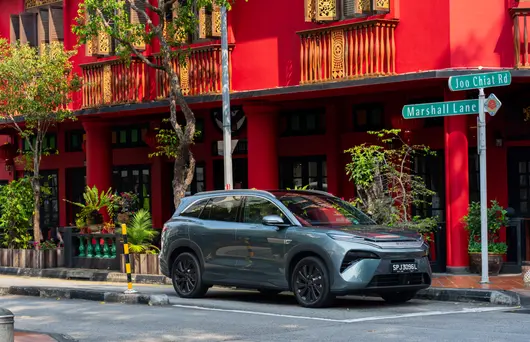

Di pasaran SUV Malaysia, ramai pembeli membandingkan Honda WR-V dan Mitsubishi Xforce semasa memilih kereta. Kedua-dua kereta ini mempunyai harga dan penempatan yang hampir sama. Hari ini kita akan buat perbandingan terperinci dari pelbagai aspek untuk bantu anda menjimatkan masa membuat kerja rumah.
Harga OTR Honda WR-V di Malaysia ialah RM 89,900 - 107,900, terdapat 4 versi, termasuk 2023 1.5L V (RM 99,900), 2023 1.5L E (RM 95,900), 2023 1.5L S (RM 89,900) dan lain-lain.
Harga OTR Mitsubishi Xforce di Malaysia ialah RM 109,930 - 119,930, terdapat 2 versi, termasuk 2026 1.5L Ultimate (RM 119,930), 2026 1.5L Urban (RM 109,930) dan lain-lain.
Dari segi harga, harga permulaan Honda WR-V memang lebih murah RM 20,030 berbanding Mitsubishi Xforce. Jika bajet anda terhad, versi asas Honda sudah cukup untuk kegunaan harian. Tetapi perlu diingat, perbezaan harga itu mungkin menjejaskan kelengkapan, bergantung pada keperluan anda.

Penilaian keselamatan Honda WR-V ialah 5★ (ASEAN NCAP), sistem keselamatan aktif termasuk Honda SENSING.
Penilaian keselamatan Mitsubishi Xforce ialah 5★ (ASEAN NCAP), sistem keselamatan aktif termasuk MI-PILOT.
Kedua-dua kereta mempunyai penilaian keselamatan yang sama, kelengkapan keselamatan dalam kategori ini sudah sangat lengkap. Keselamatan kereta baru sekarang tidak buruk, tidak perlu risau terlalu banyak tentang hal ini.

Panjang badan Honda WR-V 4400 mm, ruang bagasi 400 L.
Panjang badan Mitsubishi Xforce 4400 mm, ruang bagasi 400 L.
Saiz kedua-dua kereta hampir sama, ruang dalaman tidak banyak beza. Kereta dalam kategori ini cukup untuk kegunaan harian.

Waranti Honda WR-V 5 tahun/tanpa had jarak, jarak penyelenggaraan setiap 10,000km atau 6 bulan.
Waranti Mitsubishi Xforce 3 tahun/100,000km, jarak penyelenggaraan setiap 10,000km atau 6 bulan.

Honda WR-V dan Mitsubishi Xforce adalah pilihan utama pasaran Malaysia, sesuai untuk kegunaan keluarga dan perjalanan harian. Jika anda lebih mementingkan reputasi jenama dan nilai balik, pertimbangkan model dengan reputasi lebih baik; jika anda lebih mementingkan nilai harga dan kelengkapan, pilih model yang lebih lengkap. Pada akhirnya disarankan untuk memandu kedua-duanya, pengalaman sendiri adalah yang paling penting.
Secara umumnya, Honda WR-V dan Mitsubishi Xforce adalah model yang sangat bagus di pasaran Malaysia. Memilih yang mana, bergantung pada keperluan peribadi dan bajet anda. Disarankan untuk membuat kerja rumah, bandingkan tawaran daripada beberapa dealer, kemudian buat ujian memandu untuk membuat keputusan akhir. Membeli kereta adalah perkara besar, meluangkan masa untuk kerja rumah tidak akan salah.


In Malaysia's SUV market, many buyers compare Proton X70 and Subaru Forester when choosing a car. These two models are quite close in price and positioning. Today, we will make a detailed comparison from multiple aspects to help you save time on research.
Proton X70's OTR price in Malaysia is RM 106,800 - 122,300, with a total of 3 versions, including 1.5L Standard 2WD (RM 106,800), 1.5L Executive 2WD (RM 115,800), 1.5L Premium 2WD (RM 122,300), etc.
Subaru Forester's OTR price in Malaysia is RM 174,000 - 197,000, with a total of 3 versions, including 2024 2.0L S EyeSight GT Edition (RM 189,538), 2024 2.0L S EyeSight (RM 177,538), 2024 2.0L L EyeSight (RM 167,538), etc.
In terms of price, the starting price of Proton X70 is indeed RM 67,200 cheaper than Subaru Forester. If your budget is limited, Proton's entry-level version is already sufficient for daily needs. However, note that the few thousand difference in price might involve trade-offs in features, depending on your specific needs.
Proton X70 is equipped with a 1.5L Turbo, 140 hp. Official fuel consumption is 7.0 L/100km.
Subaru Forester is equipped with a 2.0L 4-cyl, 170 hp. Official fuel consumption is 8.0 L/100km.
In terms of power, Subaru Forester's 2.0L 4-cyl has 30 more horsepower than Proton X70's 1.5L Turbo. However, for daily driving in the city, the power of both cars is sufficient, and you won't feel underpowered.
Proton X70 warranty is 5 years/150,000 km, maintenance interval every 10,000 km or 6 months.
Subaru Forester warranty is 3 years/100,000 km, maintenance interval every 10,000 km or 6 months.
Proton X70 and Subaru Forester are both mainstream choices in the Malaysian market, suitable for family use and daily commuting. If you value brand reputation and resale value more, prioritize the one with better reputation; if you care more about cost-performance ratio and features, choose the one with richer configuration. Ultimately, it is recommended to test drive both models, as experiencing them personally is the most important.
In general, Proton X70 and Subaru Forester are both very good models in the Malaysian market. Choosing which one depends mainly on your personal needs and budget. We suggest doing your research, comparing quotes from several dealerships, and then test driving to make the final decision. Buying a car is a big matter; spending time on research will never be wrong.


喺馬來西亞嘅 SUV 市場,好多買家喺揀車嘅時候都會拿 Proton X50 同 Chery Tiggo 7 Pro 嚟做比較。呢兩款車喺價位同定位上都好接近,今日我哋就會由多個方面做一個詳細比較,幫你節省咗做功課嘅時間。
Proton X50 喺馬來西亞嘅 OTR 售價係 RM 89,800 - 113,300,合共 4 個版本,包括 1.5T Executive(RM 89,800)、1.5T Premium(RM 101,800)、1.5T Flagship(RM 113,300) 等。
奇瑞 Tiggo 7 Pro 喺馬來西亞嘅 OTR 售價係 RM 123,750 - 123,750,合共 2 個版本,包括 1.6L Turbo Standard(RM 125,000)、1.6L Turbo Premium(RM 140,000) 等。
由價錢睇,Proton X50 嘅起步價確實比奇瑞 Tiggo 7 Pro 平咗 RM 33,950。如果你預算有限,Proton 嘅入門版已經可以滿足日常需求。但都要留意,平嗰幾千蚊,可能喺配備上會有取捨,具體要睇你嘅需求。

Proton X50 配備 1.5L 4-cyl,馬力 105 hp。官方油耗 6.0 公升/100 公里。
奇瑞 Tiggo 7 Pro 配備 1.5L Turbo,馬力 140 hp。官方油耗 7.0 公升/100 公里。
動力方面,奇瑞 Tiggo 7 Pro 嘅 1.5L Turbo 比 Proton X50 嘅 1.5L 4-cyl 多咗 35 匹馬力。不過日常喺市區開,兩款車嘅動力都夠用,唔會覺得唔夠力。
Proton X50 保養 5 年/150,000 公里,保養間隔 每 10,000 公里或 6 個月。
奇瑞 Tiggo 7 Pro 保養 3 年/100,000 公里,保養間隔 每 10,000 公里或 6 個月。
Proton X50 同奇瑞 Tiggo 7 Pro 都係馬來西亞市場嘅主流選擇,適合家庭用、日常通勤。如果你更睇重品牌口碑同二手價,可以優先考慮口碑更好嗰一款;如果你更在意性價比同配備,就揀配置更豐富嗰款。最終都建議兩款都去試駕,親身體驗先至係最重要。
總體嚟講,Proton X50 同奇瑞 Tiggo 7 Pro 都係馬來西亞市場幾不錯嘅車款。揀邊一輛,關鍵仲係要睇你嘅個人需求同預算。建議大家做好功課,多比較幾間車行嘅報價,再去做最終決定。買車係件大事,花少少時間做功課絕對唔會錯。


In Malaysia's SUV market, many buyers compare the Proton X50 and the GWM Haval H6 when choosing a car. These two models are quite close in price and positioning. Today, we will make a detailed comparison from multiple aspects to help you save time on research.
The Proton X50 OTR price in Malaysia is RM 89,800 - 113,300, with a total of 4 versions, including 1.5T Executive (RM 89,800), 1.5T Premium (RM 101,800), 1.5T Flagship (RM 113,300), etc.
The GWM Haval H6 OTR price in Malaysia is RM 139,750 - 139,750, with a total of 2 versions, including 1.5L Turbo Standard (RM 140,000), 1.5L Turbo Premium (RM 155,000), etc.
From a price perspective, the starting price of the Proton X50 is indeed RM 49,950 cheaper than the GWM Haval H6. If your budget is limited, the entry-level Proton model can already meet daily needs. However, note that the few thousand ringgit difference might involve trade-offs in features, depending on your specific needs.
The Proton X50 is equipped with a 1.5L 4-cylinder, 105 hp. Official fuel consumption is 6.0 L/100km.
The GWM Haval H6 is equipped with a Hybrid system, 170 hp. Official fuel consumption is 4.5 L/100km.
Regarding power, the Hybrid in the GWM Haval H6 has 65 more horsepower than the 1.5L 4-cylinder in the Proton X50. However, for daily city driving, the power of both cars is sufficient and you won't feel underpowered.
The Proton X50 uses a 4WD drive system.
The GWM Haval H6 uses a FWD drive system.
The Proton 4WD and GWM FWD will feel different in handling, a test drive comparison is recommended.
Proton X50 warranty is 5 years/150,000km, maintenance interval is every 10,000km or 6 months.
GWM Haval H6 warranty is 7 years/150,000km, maintenance interval is every 10,000km or 6 months.
Both the Proton X50 and GWM Haval H6 are mainstream choices in the Malaysian market, suitable for family use and daily commuting. If you value brand reputation and resale value more, you can prioritize the one with better reputation; if you care more about value for money and features, choose the one with richer configuration. Ultimately, it is recommended to test drive both, as personal experience is the most important.
Overall, both the Proton X50 and GWM Haval H6 are very good models in the Malaysian market. Which one to choose depends on your personal needs and budget. It is recommended to do your homework, compare quotes from multiple dealerships, and then test drive to make a final decision. Buying a car is a big deal, spending time on research will never go wrong.

Dalam pasaran SUV Malaysia, ramai pembeli semasa memilih kereta akan membandingkan Perodua Aruz dan Subaru Crosstrek. Kedua-dua kereta ini hampir sama dari segi harga dan kedudukan pasaran, hari ini kita akan buat perbandingan terperinci dari pelbagai aspek, bantu anda menjimatkan masa untuk meneliti maklumat.
Perodua Aruz harga OTR di Malaysia ialah RM 72,900 - 77,900, terdapat 2 varian, termasuk 1.5L X (RM 72,900), 1.5L AV (RM 77,900) dan lain-lain.
Subaru Crosstrek harga OTR di Malaysia ialah RM 145,000 - 160,000, terdapat 1 varian, termasuk 2.0L e-Boxer (RM 150,000) dan lain-lain.
Dari segi harga, harga permulaan Perodua Aruz memang lebih murah RM 72,100 daripada Subaru Crosstrek. Jika bajet anda terhad, varian asas Perodua sudah boleh memenuhi keperluan harian. Tetapi perlu diingat, beberapa ribu ringgit yang lebih murah mungkin memerlukan kompromi dari segi kelengkapan, bergantung pada keperluan anda.

Penarafan keselamatan Perodua Aruz ialah 5★ (ASEAN NCAP), sistem keselamatan aktif termasuk .
Penarafan keselamatan Subaru Crosstrek ialah 5★ (Euro NCAP), sistem keselamatan aktif termasuk EyeSight.
Perodua Aruz menggunakan cara pemacu FWD.
Subaru Crosstrek menggunakan cara pemacu FWD.
Kedua-dua kereta menggunakan cara pemacu yang sama, iaitu FWD, pengalaman memandu harian tidak akan berbeza jauh.

Perodua Aruz waranti 5 tahun/150,000km, selang servis setiap 10,000km atau 6 bulan.
Subaru Crosstrek waranti 3 tahun/100,000km, selang servis setiap 10,000km atau 6 bulan.

Perodua Aruz dan Subaru Crosstrek adalah pilihan utama di pasaran Malaysia, sesuai untuk penggunaan keluarga, perjalanan harian. Jika anda lebih mengutamakan reputasi jenama dan nilai jualan semula, anda boleh memberi keutamaan kepada model yang mempunyai reputasi lebih baik; jika anda lebih memberi perhatian kepada nilai harga dan kelengkapan, maka pilih model yang mempunyai kelengkapan lebih banyak. Pada akhirnya, disyorkan untuk membanding test drive kedua-duanya, pengalaman langsung adalah yang paling penting.
Secara keseluruhan, Perodua Aruz dan Subaru Crosstrek adalah model yang sangat bagus di pasaran Malaysia. Memilih kereta mana, penting melihat keperluan peribadi dan bajet anda. Disyorkan membuat kajian, bandingkan kutipan harga dari beberapa pusat jualan, kemudian buat ujian memandu untuk membuat keputusan akhir. Membeli kereta adalah perkara besar, luangkan masa untuk membuat kajian tidak akan salah.


在马来西亚的汽车市场,很多买家在选车的时候都会拿 Mazda CX-30 和 Hyundai Tucson 来做比较。今天我们从多个方面做一个详细的对比,帮你省下做功课的时间。


Mazda CX-30 在马来西亚的 OTR 售价是 RM 122,409 - 146,409,一共有 4 个版本,包括 2025 2.0L High+ Premium(RM 146,409)、2025 2.0L High+(RM 138,409)、2025 2.0L High(RM 130,409) 等。
Hyundai Tucson 在马来西亚的 OTR 售价是 RM 143,888 - 197,888,一共有 5 个版本,包括 2025 HEV 1.6T AT 2WD Prestige(RM 197,888)、2025 1.6T DCT 4WD Prestige(RM 186,888)、2025 1.6T DCT 2WD Prime(RM 164,888) 等。
从价钱来看,Mazda CX-30 的起步价确实比 Hyundai Tucson 便宜了 RM 21,479。如果你预算有限,Mazda 的入门版已经可以满足日常需求。但也要注意,便宜的那几千块,可能在配备上会有取舍,具体要看你的需求。
Mazda CX-30 搭载 1.5L Turbo,马力 140 hp。官方油耗 7.0 L/100km。
Hyundai Tucson 搭载 1.5L Turbo,马力 140 hp。官方油耗 7.0 L/100km。
两款车用的是同一套动力系统,所以日常开起来的感受基本没有差别。油耗方面也差不多,不用太纠结这一点。
Mazda CX-30 车身长 4500 mm,后备箱 450 L。
Hyundai Tucson 车身长 4400 mm,后备箱 400 L。
空间方面,Mazda CX-30 的车身比 Hyundai Tucson 长了 100 mm,车内乘坐空间会稍微宽裕一些,尤其是后座腿部空间。如果你经常载家人或者需要放婴儿车,大一点的车身确实更实用。

Mazda CX-30 和 Hyundai Tucson 都是马来西亚市场的主流选择,适合家庭使用、日常通勤。如果你更看重品牌口碑和二手价,可以优先考虑口碑更好的那一款;如果你更在意性价比和配备,那就选配置更丰富的那款。最终还是建议两款都去试驾,亲身体验才是最重要的。

总的来说,Mazda CX-30 和 Hyundai Tucson 都是马来西亚市场很不错的车型。选择哪一辆,关键还是要看你的个人需求和预算。建议大家做好功课,多比较几间车行的报价,再去试驾做最终决定。买车是件大事,花点时间做功课绝对不会错。


在马来西亚的轿车市场,很多买家在选车的时候都会拿 Mazda Mazda 6 和 Audi A3 来做比较。这两款车在价位和定位上都蛮接近的,今天我们就从多个方面做一个详细的对比,帮你省下做功课的时间。
Mazda Mazda 6 在马来西亚的 OTR 售价是 RM 240,848 - 240,848,一共有 1 个版本,包括 Standard(RM 240,848) 等。
Audi A3 在马来西亚的 OTR 售价是 RM 340,112 - 340,112,一共有 2 个版本,包括 1.5L SkyActiv-G(RM 135,000)、2.0L SkyActiv-G(RM 155,000) 等。
从价钱来看,Mazda Mazda 6 的起步价确实比 Audi A3 便宜了 RM 99,264。如果你预算有限,Mazda 的入门版已经可以满足日常需求。但也要注意,便宜的那几千块,可能在配备上会有取舍,具体要看你的需求。

Mazda Mazda 6 搭载 2.0L 4-cyl,马力 170 hp。官方油耗 8.0 L/100km。
Audi A3 搭载 2.0L Turbo,马力 220 hp。官方油耗 9.5 L/100km。
动力方面,Audi A3 的 2.0L Turbo 比 Mazda Mazda 6 的 2.0L 4-cyl 多了 50 匹马力。不过日常在市区开,两款车的动力都够用,不会觉得不够力。

Mazda Mazda 6 车身长 4400 mm,后备箱 400 L。
Audi A3 车身长 4400 mm,后备箱 400 L。
两款车的尺寸几乎一样,车内空间差别不大。这个级别的车,日常使用完全够用。

Mazda Mazda 6 保修 5年/150,000km,保养间隔 每10,000km或6个月。
Audi A3 保修 5年/150,000km,保养间隔 每10,000km或6个月。
两款车的保修条件一样,这方面不用纠结。实际保养成本还要看品牌的服务网络和零件价格,建议去车友群问问真实车主的经验。
总的来说,Mazda Mazda 6 和 Audi A3 都是马来西亚市场很不错的车型。选择哪一辆,关键还是要看你的个人需求和预算。建议大家做好功课,多比较几间车行的报价,再去试驾做最终决定。买车是件大事,花点时间做功课绝对不会错。

© 2024 Bitauto.com. All Rights Reserved.
Bitauto (www.yiche.com and www.bitauto.com) is one of the most visited automotive websites in China. We provide detailed info on Chinese car brands available in your area. Please note that the information provided on this website is based on publicly available data and is for reference only. It may not be fully updated or accurate at all times.

Help us improve our website


