

HomeOnvo L60

Search History
Popular Searches
Dealer Login / Sign Up


After the official launch of the new Onvo L60 on June 11, attention from the entire automotive industry quickly focused on this mid-size SUV tech flagship with a starting price of 202,800 yuan. Subsequently, during a media face-to-face event held in Hefei on June 12, Nio founder Li Bin and Nio Senior Vice President Shen Fei had an in-depth exchange.
Currently, sales lead costs in the entire automotive industry are rising, with the cost per valid lead even climbing to the range of 300 to 500 yuan, making conversion efficiency the lifeline for major car manufacturers. Against this industry backdrop, how do new brands break through? How do Nio, Onvo, and the soon-to-be-delivered Firefly support the brand matrix of the entire group? Through this interview with a huge amount of information, we can see the underlying technical foundation and commercial logic hidden behind the new Onvo L60.
Currently, the competition in new energy vehicles has officially entered the deep water area which tests the systematic engineering capabilities of car manufacturers extremely, moving away from the early stage 'comparison of three-electric parameters' and simple 'material stacking games'. Facing the universal pain point of excessive weight in new energy vehicles, lightweighting is no longer just an environmental slogan, but the ultimate touchstone for car manufacturers' comprehensive R&D capabilities. Li Bin frankly stated in the exchange that lightweighting can truly bring user benefits, including improving overall vehicle handling, safety, structural durability, and long-term life, which is also the core reason why Onvo and Nio persist in lightweighting.
However, the realization of lightweighting is not easy; it first tests the courage of enterprises to make choices within cost boundaries. If one pursues ultra-long range, large capacity lithium iron phosphate batteries are undoubtedly a shortcut to reduce costs, but Onvo showed great restraint in battery selection. To achieve 740 kilometers of range on the 85 kWh long-range version without significantly increasing weight, Onvo decisively chose ternary lithium batteries with higher energy density and lighter weight. This decision made the 85 kWh ternary lithium battery reduce more than 100 kilograms compared to lithium iron phosphate batteries of the same capacity, but the price is that the enterprise must bear a huge additional cost. This choice is not cutting corners, but value prioritization based on user experience. The deeper difficulty lies in the collaboration of technology and engineering.

Li Bin pointed out that lightweighting involves not only replacing traditional fuses with intelligent fuses, but also requires comprehensive support for the vehicle's high and low voltage architecture, which is a systemic engineering project with a high technical threshold. The lightweight coefficient of the new Onvo L60 white body reached an astonishing 2.22, which not only benefits from the positive returns of the global 900V high-voltage architecture, but also relies on refined engineering capabilities under the premise of ensuring safe structures, avoiding 'transitional materials' with no safety benefits. In the eyes of the media, this approach of building underlying architectures regardless of cost is establishing an invisible moat for Onvo that is difficult to copy in the short term.
This obsession with the underlying foundation is also deeply reflected in Onvo L60's intelligent layout. At the launch event, a video of the new Onvo L60 crossing extremely narrow caves triggering intelligent driving drew widespread attention both domestically and internationally, with even overseas netizens comparing it with Tesla's FSD. Facing the competition of intelligent driving routes, Li Bin gave an extremely clear technical breakdown. He revealed that the baseline of the new Onvo L60's intelligent driving has actually been aligned with Nio ES9, adopting the latest version of Nio World Model.
Demonstrating powerful image processing capabilities and a sense of security in extremely dim cave environments is mainly supported by Nio's fully independently developed Shengji NX9031 chip and massive computing power investment. Currently, many brands in the industry choose to let external companies outsource the definition of intelligent driving chips, but Nio has formed a Shengji team of more than 600 people, completing a closed-loop design capability from front-end to back-end. The direct advantage brought by this fully independent R&D is multi-dimensional: not only has the memory bandwidth reached twice that of industry competitors, greatly improving model operation speed, but its powerful multi-modal signal processing capability (ISP) can still maintain extremely high clarity and resolution in extremely dark or extremely bright light environments. In addition, the millisecond-level chip heat switching capability is fully prepared for future L3, L4 level autonomous driving. To support the data closed loop of the world model and reinforcement learning, Nio's investment in intelligent driving computing power has increased several times compared to last year, and will continue to increase computing power operations in the second half of this year.
Just as Li Bin made that analogy, if the short-term goal is to build a 10-story building, people can move in quickly, but to build a 100-story high-rise in the future, you must spend a long time to solidify the foundation capable of supporting 150 stories. Onvo, with a price of just over 200,000, directly rolled down Nio's chip, operating system, and data closed-loop capabilities accumulated over many years. This 'dimensionality reduction attack' will undoubtedly seize huge user mindshare in the key period of intelligent driving popularization.

Beyond intelligence, the debate on the route of the energy supplement system has always been another major focus of the new energy vehicle industry. With the frequent release of flash charging technologies in the industry, the outside world once believed this would impact Nio's prideful battery swapping mode. However, Li Bin and Shen Fei completely broke this oppositional thinking in the exchange. Li Bin clearly stated that supercharging, flash charging, and battery swapping have never been opposed. Nio is very happy to see industry investment in infrastructure, but the multi-dimensional strategic value possessed by battery swapping cannot be replaced by simple fast charging. From the user experience perspective, after fast charging technology reaches a certain rate, its marginal benefit will decrease significantly, while the convenience of battery swapping without getting off the vehicle remains the industry benchmark. The more core business logic lies in 'vehicle-electricity decoupling'. Separating the life of the car and the battery, and operating and extending the life of each battery through intelligent charging strategies within battery swapping stations can increase battery life by at least 1.5 years, which fundamentally dispels users' deep concerns about long-term battery attenuation when purchasing pure electric models.
Shen Fei also confirmed that the penetration rate of Onvo battery leasing plans is already more than 90% currently, fully showing that users made very rational choices when facing real car purchase costs. In addition, from a macro energy strategy perspective, the more than 3,900 battery swapping stations built by Nio are equivalent to a natural distributed energy storage facility with a capacity as high as 7GWh. With the proportion of new energy power generation continuing to climb, these battery swapping stations have begun to participate in grid response and peak shaving, showing extremely high energy utilization efficiency. Nio not only promotes battery swapping standardization domestically but has even participated in the formulation of national passenger car battery swapping standards in countries such as Singapore. Standing from the media's perspective, the battery swapping network has completely evolved from an early 'service tag' of Nio to a heavy-asset 'energy barrier'. With the addition of more peers and giants such as CATL, Onvo sits on China's most mature pure electric supplement network as soon as it appears. This systemic advantage that wins at the starting line is something any new entrant is hard to catch up with.

All technical reserves and infrastructure investments must ultimately face the most direct test in the fierce market fight. The current Chinese car market has irreversibly entered the stock era. Li Bin quoted the latest market data pointing out that fuel vehicle sales dropped year-on-year by more than 40%, meaning the proportion of true new purchases in the entire market is decreasing sharply, and increased purchase, repeat purchase, and exchange purchase have become the absolute mainstream. In such an environment, users' car purchase decision logic is undergoing a qualitative change. In the past, due to imperfect infrastructure, users often struggled with extended range or plug-in hybrid routes when exchanging; and today, with the improvement of supplement networks and the highlight of pure electric technology experience advantages, fuel vehicle users prefer to directly choose intelligent pure electric cars when exchanging. Onvo brand's user portrait accurately confirms this trend. Shen Fei revealed when sharing data that among Onvo's current user group, 35% come from the transformation of BBA and traditional luxury brands, another 30% from joint venture fuel car owners, and another 10% belong to Nio community's increased and repeated purchases and other new energy peers' transformation. This means 85% of sales come from the strong harvesting of the stock market. Onvo's average selling price in the first quarter reached 240,000 yuan, even higher than some traditional luxury brands, thoroughly confirming its positioning as a 'high-quality brand for families'.
When facing the extremely competitive 200,000-level SUV market, the new Onvo L60 will directly engage in a head-on fight with the hegemon Tesla Model Y in this field. Facing the brand worship of Tesla by some consumers, Shen Fei and Li Bin showed strong product confidence. From the product dimension, under the condition that the new Onvo L60 is similar in size to the Model Y, it provides a leapfrog comfort and technology experience. At a price of just over 200,000, L60 not only provides comfort configurations such as refrigerators, TV screens, and big sofas, but the rear row can even fit a 52-liter freezer, perfectly solving the pain points of home users in sun protection, storage, entertainment, and seating comfort.
More killer is its pricing strategy, the whole vehicle purchase is 60,000 to 70,000 yuan cheaper than the Model Y, if adopting the battery leasing model, the purchase threshold is further significantly reduced. Compared to Tesla FSD's high buyout fee of 64,000 yuan in China, Onvo saves users more than 100,000 yuan of real money while providing equal or even better intelligent driving experience in specific scenarios. 'Luxury trim plus large space, plus smarter, plus battery swapping', this is Li Bin's exquisite summary of the new Onvo L60's core competitiveness.
Through this in-depth exchange, it is not difficult to discover that the Nio Group is completing the refined cutting and dimensionality reduction attack on different circle target markets through the '3:6:1' brand matrix. The Nio brand continues to hold the high-end market, serving high-net-worth people with full-scenario technology experience and unique emotional resonance; the upcoming Firefly brand focuses on high-end boutique and ultimate safety in the small car market of more than 100,000; and Onvo, in the core belly, bears the responsibility of mass monetizing the group's underlying technology and providing high-quality tech flagship for the broadest mainstream families. Li Bin frankly admitted that building a new brand is much more difficult than imagined. Currently, Onvo's brand awareness may be equivalent to Nio 6 years ago. Gaining resonance in this era of extremely scarce attention is by no means easy. But in the eyes of industry media, Onvo is not a 'start from zero' new force. Relying on Nio's ten-year grinding system capability, the new Onvo L60 is more like a dimension-raising war initiated by the Nio Group to the mainstream red ocean market after completing the deep water area technical hibernation.

In this long marathon of the automotive industry, evaluating a company's strategic vision over a ten-year cycle is far more real and cruel than using a quarter's sales figures. The launch of the new Onvo L60 marks that Nio officially opens the full-scale harvesting of the basic market of the stock fuel vehicle market in a true sense, which will also become a business sample with extremely high observation value in the development history of China's intelligent electric vehicles this year.
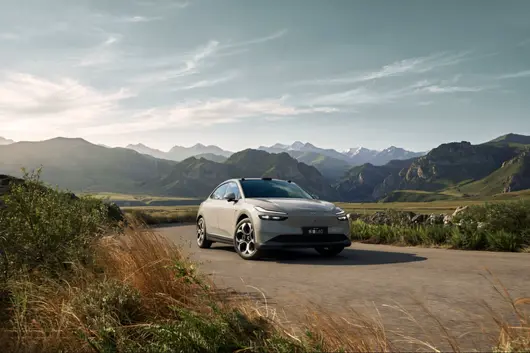


Cover Image Source | Future Auto Daily
Author | Li Ranran
Editor | Su Peng
"In the second half of this year, domestic car retail sales will not grow counter-trendly; the entire industry must prepare mentally for a year-over-year decline in annual sales of 15% to 20%." This is Li Bin, founder, chairman, and CEO of NIO, recently stated at the 2026 China Automotive Chongqing Forum. He believes the automotive industry has entered the fiercest stage of the final competition, and the market environment this year will be very difficult.
According to data from the China Passenger Car Association, domestic car retail volume in January-May declined nearly 20% year-over-year, with the drop in early June exceeding 22%. The entire automotive industry has yet to shake off the overall pressure operating state, consumption demand recovery pace is lower than industry expectations, price internal competition, consumer wait-and-see, heavy concentration of new car releases, and their homogenization factors continue to affect the terminal market.
In the context of overall car market sales volume pressure, some structural changes are also accelerating evolution. In May, domestic new energy penetration reached 62.9%, creating a historical high, rising nearly 10 percentage points year-over-year; pure electric models penetration in the entire car market reached 42.2%, rising 10.8 percentage points compared to the same period last year. Additionally, among the top ten sales rankings in the SUV sub-market, there were also 9 new energy models, while pure electric models locked the top three, "oil retreats, electricity advances" trend becoming clearer.
Li Bin believes the automotive industry has entered the critical stage of pure electric inflection point climbing, various car manufacturers' market performance cannot rely solely on single hit products or unique configurations. Affected by fast technical iteration speed, serious new product homogenization and other factors, new car effect death valley appears constantly, traditional fuel car "one trick fresh" competition model must give way to brand influence, product definition, technical depth, supply chain capability, cost control, sales service system and other comprehensive strength competition.
Car manufacturers' final competition results will be intuitively reflected in sales and financial report data. In Q1 2026, NIO revenue was 25.53 billion yuan, growing 112.2% year-over-year, gross margin 19%, also creating a new high in the past two years. In January-May this year, NIO's sales volume also grew 68%.
The eye-catching performance behind the Q1 financial report离不开 ES8 support, NIO brand delivered 58,500 units in Q1, ES8 about 45,000 units, occupying the lion's share of total sales, while as a flagship product, it also raised the company's overall gross margin.
But one product hot success cannot replace the company's stable development, Li Bin hopes NIO, Onvo, Firefly three brands advance together, maintaining high-end positioning and technical leadership in their respective target markets: Firefly in small car market still is high-end positioning, price about 50% more expensive than same-level small cars, main sales over 120,000 yuan, configuration and service can support this price; Onvo emphasizes technology for family, safety quality, technical architecture no sacrifice; NIO targets high-end market, providing all-scenario tech experience and better emotional experience.
Regarding sales volume, each brand of NIO temporarily does not set single model fixed sales target, "Hope NIO after entering three brand development stage, can maintain 40%-50% growth". Although Onvo sales this year appeared volatility, overall this newly established two-year brand already has initial scale. NIO side revealed, after Onvo L90 launch, in pure electric large three-row SUV market area sales volume first, Onvo L60 after launch, in same-level cars also ranking top three.
"Establishing a new brand is not easy, difficulty is bigger than imagined." Li Bin said, originally thought Onvo brand awareness could be quickly established, but research data showed many people simply don't know Onvo brand, "Awareness equivalent to NIO 6 years ago or even earlier."
However, from sales perspective, Onvo current sales volume is more than NIO brand delivered 2 years sales. Onvo Auto President Shen Fei said, "Originally Onvo overall sales volume climbed fast, one year achieved NIO 4 years volume."
With new Onvo L60 release launch, first half of this year, NIO new models basically released finished, next will use more energy on selling cars and serving users. New Onvo L60 purchase starting price 202,800 yuan, battery rental solution starting price 142,800 yuan, integrated NIO's several flagship smart technologies: NIO self-developed 5nm smart driving chip Shenji NX9031, full domain 900V high voltage architecture, latest version NIO World Model NWM and SkyOS·Tianshu system etc.
June 11 launch evening, new Onvo L60 had over 90% orders concentrated on Max+ and Ultra+ versions, over 90% users chose Coconut+ smart driving system, Shenji NX9031 chip with LiDAR full configuration combination.
Lightweight is also new Onvo L60 major highlight, body white weight is 377kg, lightweight coefficient 2.22, whole vehicle unsprung mass 198kg, compared to ordinary steel structure weight reduction 20kg.
Data statistics show, 2026 Jan to April, China new energy passenger car average curb weight reached 1,939.3 kg, increased 27.5% compared to 2020, short 6 years time cumulative weight increase over 400 kg. Big car increase continuously compress road life, car weight every increase 20%, on road destruction rate will become original 1.2 to the fourth power, i.e. 2.07 times.
Additionally, with new energy penetration rate continuously rising, space big, battery many, configuration full etc user demand rise, also inevitably to vehicle handling, safety, durability, service life etc produce a series of impact, body weight reduction inevitable, lightweight is inevitable road.
Li Bin said, lightweight has become industry consensus, can considerate user and social value, also reflect a car manufacturer's comprehensive R&D capability. He believes lightweight has four difficulties: first is trade-off, battery choice is relatively restrained, not blindly pursue "big"; second is systematic engineering, such as smart fuse needs whole car high voltage architecture, low voltage architecture all aspects can support; third is engineering capability, need considerate safety and structure; fourth is cost, 85 kWh ternary lithium vs lithium iron phosphate light 100+ kg, but must bear higher cost.
Speaking of cost problem, this year, raw materials price rise wave, car-grade memory, lithium carbonate etc cost pressure transmit to terminal, Onvo single car cost also price rise over 10,000 yuan, calculated to final selling price about 15,000 yuan. Li Bin confessed, now supply chain price rise more, "Onvo L60 has gross margin but very miserable, so this year gross margin and profit growth mainly look at total amount."
On user aspect, according to Shen Fei introduction, Onvo Auto repeat purchase users, traditional luxury brand owner proportion 35%, joint venture brand owner proportion 30%, NIO system inside repeat purchase user proportion 10%, other new energy friend user proportion 10%, total about 85%. This shows, Onvo attracted many fuel car customers.
From user perspective view, now new energy infrastructure perfect, EV product power leading, fuel car user swap buy new energy car is general trend. Li Bin believes, "Previous years because infrastructure not developed, charging swap conditions not full, user choose range extended, choose plug-in hybrid all reasonable. But now user easily can make choice, choose pure electric, choose smart EV is natural thing."
Shen Fei also calculated a detailed account: even plus battery rent, electricity fee, NIO select rent power solution still saves thousand eight hundred yuan compared to fuel fee. Currently, NIO, Onvo battery rental solution penetration rate already over 90%, Li Bin judge, industry overall penetration rate will with model sales volume improvement synchronously rise.
Below is NIO Company Founder, Chairman and CEO Li Bin, Onvo Auto President Shen Fei accept Future Auto Daily and other media interview transcript (edited):
Q: What is biggest difficulty for car achieving lightweight? Is enterprise for config trade-off, or R&D accumulation or route choice, this biggest difficulty where?
Li Bin: Lightweight meaning in automotive engineering field is consensus, lightweight is automotive comprehensive R&D capability manifestation, because indeed can actually bring benefits for user and society, including for whole vehicle handling, whole vehicle safety, structure durability and whole vehicle long-term life, indeed many benefits, this is Onvo including NIO always persist lightweight area important reason.
Lightweight do well is very not easy, first need make trade-off. If blindly pursue very long range, will definitely use very big lithium iron phosphate battery, like Onvo, Tesla all lightweight better, in battery choice relatively restrained, this is not stealing material reduce work, but need make trade-off, because cost boundary is limited.
Second, smart fuse problem, not just replace traditional fuse with smart fuse so simple, whole car high voltage architecture, low voltage architecture all aspects can support, this is systematic engineering, behind big technical content. Additionally, there is integrated design, make better space, bring better lightweight, including full domain 900V technology on lightweight also benefits, technology entrance threshold very high, need bottom-level R&D capability.
Third, engineering capability. Like new Onvo L60 white body lightweight coefficient to 2.22, more rely on engineering capability, need ensure safety structure considerate situation achieve, sometimes material usage transition mostly no safety gain, like some house although look wall very thick, not represent must structure solid.
Finally, cost also important, need bear lightweight technology bring cost rise. Like NIO, Onvo long range version, if don't want add too much weight must use ternary lithium battery, this is very big money. Ternary lithium battery energy density high, same battery capacity weight lighter, basically than lithium iron phosphate light, like 85 kWh ternary lithium battery vs 85 kWh lithium iron phosphate battery reduce weight 100+ kg. Therefore, lightweight need comprehensive consider many things.
Q: NIO recently participated in formulating Singapore swap standard, global first batch of passenger car swap written into national standard case, this means NIO swap model from enterprise standard go to national standard? NIO swap ecology overseas situation how?
Li Bin: We in Europe already have over 60 swap stations, mainly in Northern Europe like Norway, Germany etc 5 countries, among Norway has over 20 swap stations, Firefly also in Singapore market sell. We with Europe some countries, Singapore etc, always and relevant department in swap station standard aspect have very active exchange.
At that time Shen Fei still in charge of NIO Energy, NIO and national relevant department push swap standardization, participated very many standards, go all out push swap standardization, not only in domestic, also include international, because indeed can solve EV "only charge cannot swap", car battery different life etc many problems.
Q: Onvo L60 initial launch mainly against fuel competitors, this time obviously path adjustment, overall product strategy what? L60 on user attraction how?
Shen Fei: From Onvo whole brand user repeat purchase data view, our user group is from relatively high-end brands, BBA and traditional luxury brands roughly proportion 35%, joint venture brand owner account 30%, other new energy friend user proportion 10%, NIO community repeat purchase also nearly 10% proportion, from traditional fuel car camp quite many.
From user perspective this account very easy to calculate, from fuel car transfer over, originally second hand swap also can worth some money; from monthly car use cost say, NIO select rent power solution even plus battery rent, electricity fee, still saves thousand eight hundred yuan compared to fuel fee, so no reason not to convert.
I go frontline run down feel, everyone consumption habit is hand has one car still can好好 drive, go understand other new car driving performance not so strong. But everyone still have way to exchange, including like this time cave smart driving video, will let potential consumers touched.
Li Bin: Our user source among, BBA, joint fuel proportion and NIO system user repeat proportion, add together about 85%, that is new purchase less, whole market already entered stock era, many families have not just one car, mostly are swap.
From user perspective view, with today new energy infrastructure and EV product competitiveness, fuel user swap also likely will choose new energy car. Previous years because infrastructure not developed, charging swap conditions not full, user choose range extended, choose plug-in hybrid all reasonable. But now user easily can make choice, choose pure electric, choose smart EV is natural thing.
This year Jan-May, whole car market total volume year-over-year decline about 20%, especially May fuel down 40%, but pure electric overall is growth, deeply reflect car market already entered stock era, repeat purchase, repeat, swap become mainstream, under this situation, I believe smart EV pure electric technology route will definitely get more user choice.
Q: NIO Company first half this year basically release new models concentrated finished, but friends still have many new models poised to go, will this make NIO already released models receive impact?
Li Bin: Every car have very strong competitiveness, Onvo L60 although on 2024 released, still now has very strong competitiveness. We in tech leadership have confidence, recently released models in longer time period will maintain competitiveness.
2022 released ET7, smart driving still continuously improve, its hardware capability not fully dug out. In tech layout aspect we always relatively advanced some, for next products on market competitiveness very confident, not because second half no new car release worry order problem.
No new car rather can down-to-earth sell cars, serve users. Firefly is example, release over one year, middle some small iterations, now order waiting cycle again become longer.
Q: Onvo L60 smart driving level compared to Tesla FSD where level?
Li Bin: Tesla FSD latest version I haven't experienced,正式发布 will go experience, good study. Tesla smart driving in model and compute etc aspect indeed very leading, have many places worth learn.
But NIO from self-developed chip to sensors, to whole world model + reinforcement learning route, and new car through extreme narrow cave crossing, explain we also possess such capability. Later will increase in compute aspect input, perfect data loop training, continuously improve smart driving experience upper limit, we on later continuous progress very confident.
Smart driving fully reflect each family's comprehensive tech capability, this you chase I catch situation also quite good, hope everyone also go experience experience, including new Onvo L60 smart driving.
Q: First half this year Onvo released three new models, all use flagship smart three major components, dense update behind consideration what? These technologies in latest industry competition state can establish which moats?
Li Bin: From release speed view, originally not provide radar Coconut, Coconut+ and NIO Gen 2 platform cars, these smart driving baselines, basically can in plus minus not exceed few weeks time window simultaneously release. This very not easy, because in time span and hardware difference have challenge.
Reason because through full stack self-research from internal can unify places all unified together, this point very important. From ET7 start to Onvo L60, visual sensor layout relatively advanced, 7 8-megapixel camera + 7 surround camera, including sensors also consider long-term standardization.
Onvo plus LiDAR, with NIO in planning aspect more consistent. Whole tech baseline can reuse represent data and tool chain reusable, model deployment and variation relatively easier manage. So from Gen 2 product start whole smart driving bottom-layer hardware self-research advantage show: memory bandwidth very important, often underestimated; ISP multi-mode signal processing ability in extremely dark, extremely strong light environment clarity, resolution and image restore ability very strong.
Comprehensive speak, this reflect NIO in smart driving hardware, data loop long-term thinking. So now Gen 2 car group intelligence capability bring data loop capability, same make Coconut etc benefit, this is engineering system and architecture thinking.
Q: New Onvo L60 after launch, this year Onvo all new models release finished, order situation how? Onvo monthly sales expectation? Increment price drop impact on gross margin how?
Li Bin: We on current market trend attitude relatively cautious, rarely say NIO each brand individually need reach how much sales. But still hope NIO enter three brand development stage after, can maintain 40%-50% growth, this year Jan-May NIO growth 68%, performance quite good.
Second half start, more energy will be used sell cars, serve users. Onvo these several cars market competitiveness all very strong, I believe can reach internal预定 target.
Gross margin aspect, now supply chain price rise more, Onvo L60 has gross margin but very miserable, so this year gross margin and profit growth mainly look at total amount.
Q: Will Onvo optimize rental solution, reduce user rental rate? Currently battery rental overall penetration rate how?
Li Bin: Battery rental solution penetration rate over 90%. As for industry penetration rate, we cars sell well, penetration rate high. CATL etc friends also have swap solution, participants more market penetration rate naturally rise. We with many friends in swap aspect have strategic cooperation, but friends whether do swap need relatively long time make decision and product and business preparation, our swap ecology always open.
Q: Car-grade memory price rise to Onvo cost gross margin actual impact? CXMT cooperation progress how? After can imagine space how big?
Li Bin: This round price rise impact big. Taking Onvo example, single car cost rise 10,000+ yuan, calculated to final selling price plus tax etc impact about 15,000 yuan. Non-chip part like battery raw material lithium also rise many, this year indeed cost pressure very big.
CXMT plant distance us very close, all in Economic Development Zone North District, distance maybe just 1 km. Currently cooperation LPDDR5X vehicle verification progress smooth.
Q: Can detailed interpret Onvo user source?
Li Bin: Just Shen Fei also said a bit, BBA and traditional luxury brand user about 35%, joint fuel car user 30%, early pure electric and range extended car repeat purchase swap about 10%, other source including new purchase etc.
Q1 Onvo average selling price 240,000 yuan, higher than some traditional luxury brands, so Onvo indeed is a family-oriented high-quality brand. New Onvo L60 main sales version Max+ starting price 202,800 yuan, last night orders over 90% choose Max+ and Ultra+, over 90% choose Coconut+, Shenji NX9031+ LiDAR version. Onvo in 200,000-300,000 yuan area product layout and brand positioning, quite fit target users and consumption trend.
Q: Beginning of this year BYD release flash charging whole market think will affect NIO swap, but from first half data view, flash charging and swap products also still maintain growth. Next in technology convergence process, efficiency still charging replenish aspect inviolable truth? How judge future replenish direction?
Li Bin: Happy to see more and more car manufacturers charge swap infrastructure aspect investment, flash charging industry have good promotion role, let each party more focus infrastructure investment, no longer simply rely public charging piles.
NIO in charging pile construction aspect very active, persist chargeable, swapable, upgradeable. Of course our construction idea with others also differ, currently already have 86 charge road landscapes, charging piles built in others don't want build places, like Inner Mongolia Expressway, Jilin Expressway earliest all we built. Our starting point very simple: user go where, if there no infrastructure, at least guarantee. We early also have mobile charging car, now dispatch rate lower, mainly use Xinjiang, Tibet etc remote area emergency rescue.
I also want to emphasize, swap and charging not opposite. We very early required, user home, unit where can install charging pile, definitely help install, so our user charging pile installation proportion industry leading, because have national energy service team push, higher efficiency. Behind thinking also simple: home install charging pile, can charge night, day to unit charge, is best experience.
Our swap process not get off car, experience better, including swap station some other dimension value:
First, thoroughly solve car battery different life problem, separate car and battery, for user and society long-term interest have benefit. Buy battery not only look short-term experience, look 8 years, 10 years even 15 years, not arrived time just abandon. Swap station internal smart charging strategy for battery life very important, through operation extend life, basically can every battery life improve 1.5 years and above.
Second, energy attribute. Swap station is natural energy storage facility, we 3900+ swap stations equivalent to 7 GWh energy storage. In China new energy power ratio more and more high background, value will gradually reflect. Many swap stations already participate grid response, every day do energy storage, as energy infrastructure efficiency very high.
Therefore, super charge, flash charge and swap not opposite. Swap indeed can solve many flash charge can't solve problems, everyone now see fast or shallow fast. Fast charge to certain speed and time after, boundary benefit not so big, at home or unit slow charge also completely fine.
More important swap for car battery different life, battery life and safety meaning, and as distributed energy storage facility in new power system value, these hard to charging solve.
Q: Now industry among other manufacturers also prepare release second brand or new series, Onvo these two years more exploration have what experience worth external share?
Li Bin: We feel still underestimate establish a brand difficulty. NIO brand on 2016 first release, until now 10 years, that year market attention high, easy as new force representative, have heavenly time geographical people factors.
Onvo as new brand, originally thought brand awareness can quickly build. But research data show, many people simply don't know Onvo brand, awareness equivalent to NIO 6 years ago or even earlier. Today market environment, new brand hard get attention, establish brand than imagined hard, difficult.
But Onvo in brand concept build aspect do well: serve who, what positioning very clear—"Make family life better", May 15 we speak "Every journey, all Onvo", Onvo is a family service high-quality brand. Quality and safety, vitality community etc brand pillars also clear, user also will response.
But market challenge indeed very big, how make brand be remembered, touch heart, not only product config and performance how, more is can cause everyone resonance. L90, L80, new L60 launch on, all spend large time through user scene and real stories reflect brand bottom layer thinking, spiritual layer thinking, we also hope and target user resonate.
Q: Onvo initial goal is volume, but from recent few months sales volume situation look seems not reached expectation height?
Shen Fei: About sales volume expectation, I with internal colleagues often share, need firm confidence, don't underestimate. Onvo is 2 years brand, current sales volume than NIO delivered 2 years still more. Originally Onvo overall sales volume climb fast, one year achieved NIO 4 years volume.
But we need face still have many problems need solve, continuously go progress. Of course external won't see so, single user buy one car must choose one suitable for oneself, for whole industry say, including sit media teachers, everyone will put Onvo and NIO together look. So I hope whole team in keep confidence, keep have right cognition to self when can continuously progress.
Li Bin: Supplement, L90 after launch, in pure electric large three-row SUV market area sales first, Onvo L60 after launch same level also top three, so performance thing depends on how look. We now still need face brand construction and sales system capability construction, it have a process.
Q: Onvo L60 value retention not bad specific reason? World model scheme after, smart driving team compute and manpower input and later plan?
Shen Fei: About value retention, Onvo L60 product power is fundamental reason, user on this car various aspects very satisfied. Second is price policy etc aspect relatively stable, including new L60 pricing also in very hard balance new car, second hand car etc aspect factors.
This is multi-effort result, including our direct sales model, swap capability etc aspect all have contribution, everyone focus value retention right, it reflect brand comprehensive competitiveness.
Li Bin: In speak hardware and model competitiveness when, everyone don't forget compute. Why beginning of last year everyone worship DeepSeek, core is need training resources far less than US peers.
Last year, compared to domestic do well peers, NIO smart driving training compute indeed only their one fifth or one tenth, and top peers compared even less, with Tesla even cannot compare.
Compared last year, this year we roughly increase several times input, see effect still very good. This year second half will have larger compute input, overall compute operation relatively stable.
Q: New Onvo L60 price and NIO ES6 differ 100,000 yuan, tech equipment already relatively close, NIO three brands between how define market?
Li Bin: NIO, Onvo, Firefly in their respective target market all keep high-end positioning. Like Firefly in small car market still is high-end positioning, compare same level small car price high 50% roughly, domestic many pure electric small car roughly 70-80,000 yuan, Firefly main sales is over 120,000 yuan. Its product and service can support this price, so small car safety so good, 9 airbags etc create many safety test score records.
Onvo target family market, also keep high-end positioning. Q1 Onvo average selling price 240,000 yuan, most mainstream family brands cannot reach this average price. Onvo positioning have enough tech and product support, new Onvo L60 is mid-size SUV tech flagship, emphasize tech for family concept, safety quality foundation. We think, family car user very care these, like some luxury config optional, but safety quality and tech architecture no trade-off, this keep brand color.
NIO target high-end market, adapt user group more, like all-scenario tech experience, ES9 executive flagship, ET5 all have their unique emotional experience, also Horizon etc have special tech atmosphere, let user have better mood and emotion experience.
These three brands common point: keep high quality, keep in their respective sub-market high-end positioning and tech lead. On this basis again revolve user needs solve, we won't blindly pile config, will look which points can with target user group produce emotional resonance, function experience sort, different target market priority different.
Q: New Onvo L60 officially release, three flagship tech down to 200,000 yuan market, is out of what judgment? Stand at this time point to NIO how judge?
Li Bin: Onvo L60 from birth day, use very many NIO first launch tech, full domain 900V is NIO first is L60 on mass production, including high performance, high efficiency drive and smart fuse all first mass production, SkyOS·Tianshu full domain application first mass production car model also Onvo L60.
Smart driving aspect, chip exist a ramp process, first on ET9 carry, then to NIO Gen 3 ES8, gradually push to Onvo brand, every car target market must apply best tech. New Onvo L60 is mid-size SUV tech flagship, in many tech aspect is currently industry best, this is fact.
Q: Many brands release their smart driving chip, NIO chip what advantage?
Li Bin: Make a smart driving chip, have many methods, let others help define design, this is not what hard matter, industry many people all do. But important is this chip not that chip, like one car you find engineering design company make it, or through yourself full stack self-research, this involves enterprise own complete engineering capability, many core parts need self-research, input larger, difficulty also larger.
NIO Shenji NX9031 team 600+ people, from front-end to back-end have complete design capability, build this capability very not easy, with simple define params others do difference very big.
Additionally, smart driving chip performance evaluation cannot simply compare one point, need from multi-dimension view: First, inference compute; Second, memory bandwidth, on support model size and run speed very important, we memory bandwidth basically is industry 2 times; Third, multi-mode signal processing ability, need very detailed work, cave crossing performance good also and this have relation.
Smart driving foundation is vision, cannot just look light good when, many scenes light not good, this test bottom whether can very well process. Also chip redundancy backup when need achieve millisecond level hot switch, two chips interlink, interface and ability strong, for future L4, L3 smart driving also very important.
Q: Onvo L60 cave crossing creative reaction very good, biggest reason what?
Li Bin: New Onvo L60 whole smart driving baseline basically with NIO ES9 aligned, use latest version NIO World Model. In various extreme conditions, especially extremely dark light environment image processing ability, NIO World Model inference ability, in actual test include in cave show安心感 still quite good.
From chip, OS, reinforcement learning etc, our smart assist driving route foundation build relatively deep. Before everyone feel iteration slow, just like build swap stations, also have many doubts, but I think sharpening axe not delay woodcutting.
Auto industry is marathon, not one day, is very long competition. If short-term goal build 100 floor high building, then we build can support 150 floor foundation; If build 10 floor fast can let people see live in, impossible on 10 floor, 50 floor foundation build 100 floor high building. Everyone work thinking when assess time dimension not same, so到底 use how long time assess one thing, decide everyone see NIO work reasonableness and behind logic.
Sometimes use one quarter, half, one year time assess, feel NIO this company quite silly. But if use 3 years, 5 years look seem still have reason, if use longer time look, feel quite reasonable.
We want to put long-term thinking, long-term goal and short-term exec how combine good, these two years also push user value all-staff operation org reform. This is management solve things, in smart driving also same, smart driving also whole company tech innovation, system innovation miniature.
Q: My friend is Hefei local, want buy new Onvo L60, but his wife Model Y brand worship, if you are sales how persuade him?
Shen Fei: From conversion rate speak, Onvo brand and Model Y is number one, different months inside, actually from brand consumption say, earliest batch like tech taste user already towards domestic brand switch.
Now market new energy penetration rate reach 60%, user swap car know buy electric car. Actually these consumption groups relatively steady, conservative, unwilling make mistake, Tesla as exist time relatively long brand, easy become "buy this possibly no mistake" choice, this is we need breakthrough point, need invite these users come experience.
Onvo in whole NIO 11 years tech basis above, new Onvo L60 is 200,000 yuan level most tech competitiveness, most tech feel one car, comfort experience all super class. But car advantage rely language say always one-sided, really need to scene come experience.
Li Bin: New Onvo L60 size and Model Y similar, now new Onvo L60 have 60% optional, 200,000 plus have fridge, TV, sunshade, comfort big sofa don't say, also small table, back also can install 52L freezer, sun protection, fridge, rear screen drama needs all solved, also adjustable seat, lie inside very comfortable.
And cheaper than Model Y much, whole car buy cheap 60-70,000. Tesla domestic FSD subscription is 64,000 yuan, same smart driving experience choose us save 100,000+; if buy car rent battery, diff more, we also can swap, so don't compare. Simple speak is luxury config + space big + smarter.
—END—
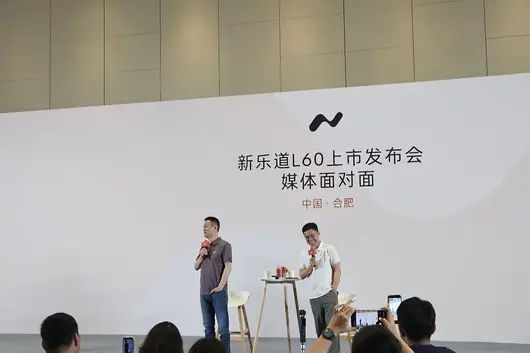

Author | Zhang Rui
Editor | Zhi Hao
Car21 reported on June 17 that recently, NIO's sub-brand Onvo officially unveiled the new Onvo L60 in Hefei.
The new car has 3 versions. The Pro version's vehicle purchase price starts from 192,800 yuan, and battery rental purchase price starts from 135,800 yuan; the Max+ version's vehicle purchase price starts from 202,800 yuan, and battery rental purchase price starts from 145,800 yuan; the Ultra+ version's vehicle purchase price starts from 222,800 yuan, and battery rental purchase price starts from 165,800 yuan.

▲ Onvo L60 Pricing
In terms of parameters, the new Onvo L60 has been upgraded in assisted driving compared to the previous Onvo L60, equipped with NIO's self-developed 5nm automotive-grade intelligent driving chip Jingwei NX9031 and LiDAR, and added second-row entertainment screens, 6L on-board temperature-controlled fridges, and other comfort configurations. NIO Founder, Chairman, and CEO Li Bin stated that the new Onvo L60 has undergone 106 refreshed upgrades across six dimensions.
On the morning of the second day of the press conference, NIO Founder, Chairman, and CEO Li Bin and NIO Senior Vice President and Onvo President Shen Fei accepted media interviews including Car21.

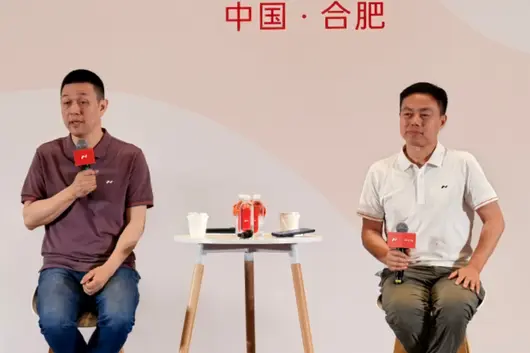
▲ Li Bin (left), Shen Fei (right)
After the new Onvo L60 launch, besides the NIO ES8 5-seater version, NIO has centrally released all new models in the first half of the year. When answering Car21's questions, Li Bin stated that NIO is not worried that the lack of new car launches in the second half will affect orders; instead, they can focus on selling cars and serving users sincerely.
Below is the interview transcript, with some editing by Car21 to maintain the original meaning.
1. NIO Company basically finished launching new models in the first half of this year, but competitors still have many new models ready to launch. Will this affect the competitiveness of NIO's already released models?
Li Bin: I think the pressure is manageable because every one of our cars has strong competitiveness. For example, the Onvo L60 was released in 2024, and today it still has very strong competitiveness. We have confidence in our technological leadership. I believe the recent cars we released will have very strong competitiveness over a long period.
For example, the ET7 we released in 2022, our intelligent driving capability is still continuously improving today, still very competitive. Its hardware capabilities have not been fully exploited yet. In terms of technology layout, we have always been relatively forward-looking, and we are very confident in the market competitiveness of upcoming products.
We are not worried that orders will drop if there are no new cars in the second half. For us, it means we can focus on selling cars and serving users sincerely. Firefly is a good example. Now the waiting cycle for Firefly orders has become longer again. In the more than a year since Firefly's launch, there were only some minor iterations, not particularly major ones. But now ordering a Firefly requires waiting a month for the car.
2. Where is the biggest difficulty in achieving automotive lightweighting? Is it the trade-offs on configurations by enterprises, or the accumulation in R&D or route selection? What is the biggest difficulty?
Li Bin: Actually, the significance of lightweighting is consensus in the automotive engineering field. Lightweighting is a manifestation of comprehensive automotive R&D capability because it can truly bring benefits to users, and it also includes societal benefits. It is beneficial for vehicle handling, vehicle safety, structural durability, and long-term lifespan of the vehicle. This is one of the reasons why Onvo and NIO have insisted on lightweighting, because it has user value and can bring tangible benefits to users.
Doing lightweighting well is not easy. First, you need to make trade-offs because the cost boundary is limited. If you pursue particularly long range, you must use particularly large LFP batteries. We have been cautious in our battery selection, which requires courage. This is not cutting corners; this is making trade-offs because costs are fixed.
The second harder thing I think is technical, the smart fuse issue. It is not as simple as replacing traditional fuses with smart fuses. The entire vehicle high-voltage architecture, low-voltage architecture, and other aspects must support this. It is a systematic engineering project, so there is a high technical content behind it.
There is also our integrated design, creating better space and bringing better lightweighting. This requires a lot of R&D investment and also high technical content.
Including our full-domain 900V technology, which is definitely beneficial for lightweighting. The technical barrier is very high, it requires underlying R&D capability.
The third is also part of technology, we call it engineering capability. For example, the white body lightweighting coefficient of the new Onvo L60 reached 2.22, which is more of an engineering capability. It needs to be achieved while ensuring safety structure and balance. Sometimes overuse of materials yields no safety gain. Just like some houses look thick but do not necessarily mean the structure is solid. This engineering capability is very important.
Finally, cost is also important. You need to bear the cost increase brought by lightweighting technology. Including NIO and Onvo, we have long-range batteries. Our 85 kWh version has 740 km range. If we don't want to add too much weight for our long-range version, we must use ternary lithium batteries. Ternary lithium batteries have high energy density. Of course, with the same battery capacity, the weight is lighter. This is a significant amount of money. Everyone knows an 85 kWh ternary lithium battery reduces weight by over 100 kg compared to an 85 kWh LFP battery.
3. NIO participated in formulating the battery swapping standard in Singapore. Does this mean NIO's battery swapping model has moved from enterprise standards to national standards? How is NIO's battery swapping ecosystem going global?
Li Bin: We already have more than 60 battery swapping stations in Europe, mainly in 5 Nordic countries. There are more than 60 stations in Germany and several Nordic countries, including more than 20 stations in Norway. Regarding the Singapore market, Firefly is already on sale. We, along with European countries and Singapore, have been having very active exchanges with relevant authorities regarding battery swapping station standards.
When Shen Fei was still responsible for NIO Energy, we very early started promoting battery swapping standards with relevant national departments. We participated in formulating many standards, working hard to promote battery swapping standardization. This is because battery swapping can indeed solve many problems of current electric vehicles that can only charge but cannot swap, and can solve many problems like different lifespans for vehicle and battery.
4. When Onvo L60 first launched, it was mainly benchmarking against fuel competitors. What was the overall product thinking strategy? Currently, how is the appeal of L60 to users?
Shen Fei: Actually, looking at Onvo's overall brand user repurchase and repeat purchase data, our user group comes from relatively premium brands. BBA and traditional luxury brands account for about 35%, joint venture brand owners also account for 30%, 10% come from new energy competitor users, and NIO Community repurchase/repeat purchase is also nearly 10%. There are quite a few from the traditional fuel car camp.
Actually, from a user perspective, this math is easy to calculate. Moving from fuel cars, trading-in old cars used to fetch some money. But our space, intelligent driving upgrades, or overall experience are class-defying.
The key is the monthly usage cost. Originally you spent fuel money, but here if you choose the battery rental plan, even adding battery rent and electricity fees, it still saves a thousand or so compared to driving fuel cars. So there is no reason not to convert.
I felt running on the frontline that everyone's consumption habits are to drive their current car well if they have one. The motivation to understand other new cars is not that strong. They won't visit the store like people wanting to change cars.
But people still have channels to communicate, including like the Cave Intelligent Driving video this time. I think it will touch potential consumers to understand, maybe more opportunities will come later.
Li Bin: The latest market data shows fuel cars declined by more than 40%. The overall market is very challenging, but relatively speaking, pure electricity is still growing. What does this reflect? As Shen Fei just mentioned our user source, BBA, joint venture fuel proportion, NIO system user repurchase proportion, added up about 85%. That means new purchases are quite less. The whole market has entered a stock era. Many families have more than one car, truly new purchases have become fewer, most are trade-ins.
So for now fuel car users, do they still trade-in for fuel cars? I think with today's new energy infrastructure and electric vehicle product competitiveness, they will most likely switch to new energy vehicles. New energy vehicles originally might not have been that developed infrastructure, because past pure electric vehicle technology experience advantages were not fully reflected. Now from the user perspective, since switching to new energy vehicles, why not switch to a pure electric car? Why not switch to a smart electric pure car?
From the user perspective, they actually find it easy to make choices. Unlike a few years ago when they were so conflicted. A few years ago because infrastructure was not developed, charging and swapping conditions were not that good, at that time choosing extended range or plug-in hybrid were reasonable. Today I think users start choosing pure electric, choosing smart electric vehicles, I think this is a natural consequence.
This is why everyone sees although the total auto market volume January to May declined year-on-year by about 20%, pure electricity overall is growing. Especially May, fuel dropped 40%, but pure electricity is still growing. It deeply reflects the auto market has entered a stock era. Repurchase, repeat purchase, trade-in have become the mainstream. In this situation, intelligent electric vehicle pure electricity technology route, I believe will definitely get more user choices.
We also see China Passenger Car Association data, June 1-7 new energy penetration rate reached 66.9%. I previously thought it would reach 70% by year-end, now looking it might hit 70% in June, third quarter will definitely touch 70%. Indeed the speed is much faster than we imagined.
5. What is the intelligent driving level of Onvo L60 compared to Tesla FSD approximately?
Li Bin: I haven't experienced Tesla FSD latest version yet, if officially released I will go experience it and learn from them.
Of course Tesla's intelligent driving, including its models and compute power many aspects are definitely very advanced, there is much worth learning. But our NIO from self-developed chips to sensors, to whole world model + reinforcement learning route, I believe everyone has seen our capability. Through ultra-narrow cave crossing let everyone see we have such capability.
Of course subsequent many work needs to be done, like this year we will also increase investment in compute power, do our data training, continuously improve our entire intelligent driving experience ceiling. We are still very confident in subsequent continuous progress.
Of course intelligent driving now indeed fully reflects everyone's comprehensive technical ability. This chasing situation is also good. Hope everyone go experience more, also experience our new Onvo L60 intelligent driving, including NIO intelligent driving. I am still very confident its experience is very good.
6. Onvo launched three new cars this first half of year, all used flagship intelligent three major components. What is the consideration behind such dense updates? Including these technologies in current latest industry competition state what moats will it build for Onvo?
Li Bin: If everyone looks at our release speed, whether Coconut, originally no LiDAR, or now Coconut+, and NIO second generation platform cars, our several intelligent driving baselines, basically can do almost in within plus or minus few weeks time window do simultaneous release.
Actually this is very not easy, because inside here from time span, from our entire hardware difference still have challenges. I think inside here reason is through full-stack self-research internally unify what can be unified together. This point is very important.
Because when we plan everyone can also see, from ET7 start to Onvo L60, in vision up sensor layout is relatively forward-looking. 7 8 million pixel cameras + 7 surrounding cameras, we in this aspect planning is relatively early. Including sensors all considered long-term standardization.
Of course Onvo and NIO at beginning baselines there are some differences. Now Onvo added LiDAR too. So if everyone looks we in this planning aspect still push relatively deep.
Whole technical baseline can reuse represents data can reuse, represents tool chain can reuse, model deployment and variants relatively then easier to manage. So we from second generation products start whole intelligent driving underlying hardware self-research benefits come out. At the same time memory bandwidth very very important. Many times everyone underestimate this thing. Also our ISP multimodal signal processing capability, in extremely dark, also extremely strong light many cases its clarity and resolution, image restoration capability are very very strong.
Comprehensive overall, reflects we in intelligent driving aspect one in hardware aspect long-term thinking, in data closed-loop long-term thinking. So now second generation cars, swarm intelligence capability bring data closed-loop capability. Similarly these capability bring benefits, like Coconut etc can all get help. This is engineering system and architecture thinking.
7. How is new Onvo L60 order situation, this year for whole Onvo monthly sales level approximately what expectation, and adding specs price reduction will have certain impact to new Onvo L60 can provide gross margin?
Li Bin: Current market trend, our attitude is still relatively cautious. Very few say NIO each brand respective need to reach how much sales. But still hope NIO enter three brand development stage after, can maintain 40% to 50% growth. We this year January to May definitely higher than this number, reached 68%, growth is still good.
Second half starting we more energy will be used on selling cars, serving users above. Onvo these several cars market competitiveness are all very strong. I believe can reach our own internal preset goals.
As for gross margin aspect, indeed now supply chain price rise rise too much. We Onvo L60 gross margin still has, but quite miserable. So this year gross margin and entire profit growth, mainly look at total amount.
8. Will Onvo optimize leasing plan later, reduce user leasing rate? Currently battery leasing overall penetration rate situation how?
Li Bin: We battery rental plan penetration rate very high, have over 90%. As for industry battery swapping penetration rate, we cars sell well, penetration rate high, including competitors, like CATL also have battery swapping plan, participating people more, market penetration rate naturally high.
We with many competitors in battery swapping aspect have strategic cooperation. But for them whether do battery swapping is relatively long time make decision, make product preparation, business preparation. Our battery swapping ecosystem always is open.
9. Currently automotive grade memory price rise quite fiercely. This round price rise to Onvo model cost gross margin actual impact? NIO and CXMT already in progress related cooperation, current progress how? Later can imagine space how big?
Li Bin: This round price rise impact still very big. Take Onvo for example, one car cost rose over 10,000 yuan. If calculate to final selling price also need calculate taxes etc increase. To selling price impact about 15,000. At the same time like battery raw material lithium price rise also rise many. So this year indeed cost pressure very very big.
CXMT factory close to us very near, just few hundred meters, maybe one kilometer. All in Economic and Technological Development Zone North District. We in cooperation LPDDR5X on-vehicle verification progress all quite smooth.
10. Can detail interpret Onvo user source?
Li Bin: Just Shen Fei also spoke a bit. Now come from BBA, also traditional luxury brands user roughly account our users 35%. Joint venture fuel car users account 30%. Also previous new energy car repurchase, especially early buy pure electric car repurchase. Also extended car trade-in, about 10%. Others are from other sources, also include some new purchases and other users.
First quarter Onvo average selling price is 240,000 yuan, compared to some traditional luxury brands even higher some. So Onvo indeed is a family-oriented high-quality brand.
Everyone look new Onvo L60 main selling version Max+ version starting price starts 202,800 yuan. Order situation over 90% are our Max+ and Ultra+. Over 90% selected our Coconut+, Jingwei NX9031 and LiDAR versions. Onvo as 200,000-300,000 yuan range product layout, brand positioning is relatively fit our target users and consumption trends.
11. From first half year data, fast charging and swapping products both still can maintain growth. NIO for later whole refueling direction above how to view?
Li Bin: We very happy see more and more auto companies in charging swapping infrastructure aspect investment. Fast charging very good. To entire industry brought very good promotion. More people focus on infrastructure aspect investment. Not just simple rely on public charging piles.
NIO this aspect always done most determined. Actually NIO in charging pile construction aspect also very active. We always is chargeable, swappable, upgradable. Of course our construction thinking also have difference from others. We now already have 86 Recharging Scenic Routes. Build charging piles just build in places others unwilling to build. Earliest Inner Mongolia Highway, Jilin Highway charging piles, are we earliest build. Our departure point very simple. We users go where, if there no infrastructure, at least need guarantee.
We earliest also had mobile charging vehicles. Of course now dispatch rate lower and lower. Mainly used for rescue. Like Xinjiang, Tibet some very remote places still need have such an emergency measure.
I also want emphasize, battery swapping and charging are not opposed. This point very important. We never put charging and battery swapping opposed.
We internal very early have such a requirement. Just users regardless at home, or at unit, as long can install charging pile, we definitely help him install charging pile. So our user charging pile installation ratio in industry inside definitely number one or two. Because we have own national energy service team, push more efficient.
Behind thinking also very simple. Because this experience is best. You home inside want can install charging pile. Night charge a bit, or day go unit charge a bit, is best experience.
But, our battery swapping can do whole journey no need get off car. Experience still need better. Including battery swapping stations also some other dimension values.
First is can thoroughly solve car battery different lifespan problem. Take car and battery decoupling. This for users benefit and society benefit long term is have good benefit. Buy a car not just look short term experience. Need see 8 years, 10 years, even need see 15 years. Not say reach this time car must eliminate. So take car battery different lifespan, through battery swapping system solve off. I think is very important.
We in battery swapping stations will intelligently target every piece battery to give best charging strategy. This for battery lifespan is very important. So we through operation extend lifespan, basically take every piece battery lifespan, through operation extend lifespan can at least increase 1.5 years. These are very big some advantages.
Second is energy attribute. Battery swapping station itself is a natural energy storage facility. We 3,900+ battery swapping stations, equivalent 7 GWh energy storage. In China more and more electricity are new energy power generation large background, its value will gradually reflect. We already have many battery swapping stations participated grid response. Every day do energy storage things. These as energy infrastructure efficiency is very high.
So overall, super charge, fast charging and battery swapping not are not opposed. But battery swapping indeed can solve many fast charging can't solve problems. Everyone now see fast is shallow fast. Fast charge this thing indeed reach certain speed and time later, marginal benefit just not that big.
And just like I said, sometimes slow a bit also no relation. Home charge slow just slow bit, or unit building downstairs in passing charge. Reach certain rate later marginal benefit just become lower. More important is battery swapping to car battery different lifespan solution significance. To battery lifespan, safety significance. As distributed energy storage facility new power system part benefit. This thing all hard to use charging to solve.
12. Industry also have other manufacturers prepare to launch second brand or new series. In internal review view, Onvo in 2+ years time, have what experience is especially worth share externally?
Li Bin: We think still underestimated building a brand difficulty. Objectively speak, actually build a new brand not easy. NIO brand first time external release is 2016, to now already 10 years. And we that year market and overall attention very high. Everyone easier put us as one of new force representatives. This is have timing, location, and harmony factors.
Onvo as a new brand, we originally also think name soon can build up. But according to now we survey data, maybe still many people fundamentally don't know Onvo this brand. Now Onvo brand name awareness just equivalent 6 years ago NIO. Maybe still earlier. Actually many people don't clear. Today's market environment, a new brand is very hard to gain attention. Build new brand still quite hard work. Difficulty than we imagine still need bigger.
But to experience to Onvo from beginning brand concept construction on, we to serve who, actually in what positioning is very clear. Just make family life more beautiful. Onvo is a service family high-quality brand. Positioning, definition, concept all very clear. Also Onvo quality and safety, vibrant community etc these build our brand pillars. These all very clear. Users also will have response. These are we do still not bad places.
But market challenge indeed very big. Today you how let brand can be remembered. Not just me product configuration how or product performance how. More is I can can引起 everyone resonance. Everyone look we L90 also, L80 also, new L60 also. Launch meetings all spend very much time pass some user scenarios and users real stories to reflect our this brand underlying thinking, spiritual level thinking. We also hope and our target users cause this resonance.
13. Onvo recent few months sales situation seem not reached expected height?
Shen Fei: Regarding sales expectation, I and internal colleagues often share. We ourselves need firm confidence. Don't belittle oneself. Because Onvo is 2-year brand. Just Bin-ge also spoke name awareness problem.
Onvo current sales, compared to NIO 2 years more. Onvo overall sales climb still very fast. One year done NIO 4-year volume. But I also with our team partners speak. We ourselves so think because we need face squarely ourselves still have many problems need solve. Constantly go improve etc.
Of course actually external won't look so. For single user, I just buy a car, just select a car fit oneself. For whole industry, including sitting media teachers. Everyone will put Onvo and NIO put together look. So I hope whole team in maintain confidence, maintain to self have correct cognition when able constantly improve.
Li Bin: I also want supplement. Actually L90 after product launch, in pure electric large 3-row SUV market interval its sales is number one. Actually Onvo L60 after launch same level also is top 3. So I think achievement thing still look how you look. We now still need face squarely brand construction, including sales system capability construction. It have a process. We actually now just use this mindset look this thing.
14. Onvo L60 resale value very good. Internal have research over specific reason what?
Shen Fei: Onvo L60 product power is fundamental reason. Users to this car every aspect still very satisfied.
Second is we whole pricing policy every aspect relatively stable. Including this time new L60 pricing also in very hard balance this new car, second hand car etc aspects factors. This is a multi-facet effort result.
In addition, also include our direct sales model, battery swapping capability every aspect. Resale value is comprehensive thing. Everyone pay attention resale value right. Resale value reflects brand comprehensive competitiveness.
15. To intelligent driving team invested how big compute power and manpower? Later planning what?
Li Bin: We actually when talk about hardware competitiveness and our model competitiveness when, everyone don't forget compute power. Why DeepSeek last year beginning everyone all to it idolize. Core is it need training resources is far less than US peers.
We last year whole intelligent driving training compute power indeed compared to domestic do good peers only have theirs one fifth, even one tenth. If with most top compare maybe even less. And Tesla even can't compare. This year indeed increased investment. We about increase several times investment. We see effect still very good.
This year second half we also will have bigger one compute power investment. Overall on compute power operation on we still relatively stable.
16. In NIO layout process, three brands between how to define market?
Li Bin: Actually regardless NIO, Onvo or Firefly, we in respective sit target market still keep a high-end positioning.
Actually Firefly in small car market still also high-end positioning. And same level small cars compare we price about also high 50% roughly. Domestic many pure electric small cars about 70,000-80,000 yuan. Our main selling price is 120,000+ yuan. Of course we product and service is support can afford this price.
Onvo is face to family market. But we also still keep a high-end positioning. Like front Onvo first quarter average selling price is 240,000 yuan. Everyone know most mainstream family use car brand actually can't reach this average price. Our positioning also have enough technology and product to support. New Onvo L60 also is mid-size SUV tech flagship. Emphasize tech for home concept. Safety quality foundation.
We think for family use car aspect these aspect users very care. Of course some configurations can do some trade-offs. Like some luxury configurations are optional. But safety quality we won't trade-off. Technology architecture we won't do this trade-off. So this kept brand foundation.
NIO indeed is face to high-end market. User group more some. For example some full-scenario tech experience. Like ES9 such executive flagship. Even like ET5 etc also have respective unique emotional experience. Also our Skyline etc. All are very characteristic tech atmosphere. Let users have better emotional experience feelings.
So in do these three brands when common thing what? Keep high quality. Keep in respective segment market's high-end positioning. Keep technology leadership. In this basis below again around users needs go solve problem. We won't blindly simple stack configurations do this thing. Still look in which points and target user group is able have emotional resonance. In functional experience will go sort. Which to users most important, we will go sort. Different target market, its priority is not quite same.
17. Recently many brands released their own intelligent driving chips. NIO intelligent driving chip and OEM and chip factory competition trend what? NIO in chip aspect what advantages?
Li Bin: If from do a intelligent driving chip angle talk to. Actually have many do chip methods. Like let others help you define design. This isn't what hard matter. Industry many people all do.
But important is this chip non that chip. Like one car you find engineering design company do, or through own full-stack self-research. This involves enterprise self comprehensive engineering capability. Many core components need self-research. Investment bigger. Difficulty also bigger.
NIO Jingwei NX9031 team have 600+ people. Have from front-end to back-end complete design capability. Need build this capability is still very not easy. And we simple define well parameters let others do way difference still very very big.
Including intelligent driving chips between also can't simple compare. Need from three dimensions or four dimensions go assess its performance. Inference compute power is one aspect. Second is memory bandwidth. This for support model size and including model run speed very important. We chip memory bandwidth compared to industry basically theirs 2 times.
Third is multimodal signal processing capability. This is a need particularly detailed do work. We in many occasions demonstrated. Cave crossing why can have so good performance, also have relation with this. Intelligent driving foundation is vision. Can't just look light good time. Many scene light not good. This tests you really if can have very good process.
Also chip redundancy backup. Need be able do millisecond-level hot switch. Two chips between interconnection capability is very strong. Can do millisecond hot switch. This for future L4, L3 level intelligent driving very important.

Hello everyone, I am the editor from Electric Vehicle Commune.
Not long ago, the 2026 model Onvo L60 officially launched.

Compared to the old model, not only is the starting price reduced by as much as 14,000 yuan, but it also brings up to 106 comprehensive upgrades.
Including Max+ and Ultra+ versions, it is the first time equipped with NIO self-developed 5nm smart driving chip Shenji NX9031, aiming directly at NIO flagship Series 9. At its launch event, smart driving with zero handover traversed a very narrow natural cave, the promotional effect can be said to be fully maximized.
At the same time, new configurations include a 17.3-inch rear foldable entertainment screen, new small table boards on rear seats, intelligent driving small blue lights on exterior rearview mirrors, as well as more extreme vehicle lightweighting, lower energy consumption, more comfortable driving quality, etc.
In summary, this round of upgrades for the new Onvo L60 is completely more value without price increase. In today's environment where supply chain costs have generally surged significantly, achieving this is enough to show Onvo's sincerity.
The day after the press conference, Onvo organized an internal communication meeting for media face-to-face. NIO Founder and CEO Li Bin and Onvo President Shen Fei participated in the group interview. The editor had the honor to attend this meeting. Based on the meeting content, 8 major questions and answers were summarized to share with everyone:

Q1: Yesterday, NIO just participated in setting the battery swap standard for Singapore. How do you view the future market prospects of battery swap overseas?
Li Bin: We already have over 60 battery swap stations in Europe, mainly in 5 Nordic countries. Germany and a few Nordic countries already have over 60, including over 20 in Norway. For the Singapore market, Firefly is already selling there. We, like with European countries or Singapore, have been having very active exchanges with relevant departments regarding battery swap station standards.
At that time when Shen Fei was still responsible for NIO Energy, we started pushing battery swap standards with relevant national departments very early, we participated in many standards. We are definitely going all out to promote the standardization of battery swaps, not only domestically but also internationally, because it really solves many routes where EVs can only charge but not swap now, it solves many problems like vehicle and battery having different lifespans, etc.
Q2: At this point in time, how do you view the market prospects for powertrain forms such as BEV/EREV/PHEV/ICE?
Li Bin: The latest market data in this industry shows ICE vehicles dropped by over 40%. The whole market is challenging, but relatively speaking, BEV is still growing. Shen Fei just spoke about our user sources. BBA, joint venture ICE share, NIO system user repurchase share, together add up to about 85%. That means new purchases are relatively few. The whole market has entered an existing stock era. Many families have more than one car. True new purchases have become fewer, most are trade-ins.
From a user perspective, in previous years because infrastructure was not developed enough, charging and swapping conditions were not that good. At that time, choosing EREV or PHEV was reasonable. Today I believe users starting to choose BEV or smart EVs, I think this is a matter of things developing naturally.
This is why everyone sees that although the total car market volume decreased by about 20% year-on-year for January-May this year, BEV overall is still growing. Especially in May, ICE dropped by 40%, but BEV is still growing, deeply reflecting the car market has entered an existing stock era. Incremental purchase, repurchase, trade-in have become mainstream. Under this situation, the smart EV BEV technical route, I believe will definitely get more user choices.
Q3: How do you view the competition pressure in the second half of the year?
Li Bin: I think the pressure is okay, because every car of ours has strong competitiveness. Like Onvo L60 was released in 2024, today it still has very strong competitiveness. We still have confidence in the leadership of technology. These cars we recently released, I believe within a relatively long time, they will still have very strong competitiveness.
Like our ET7 released in 2022, today our smart driving is still continuously improving, still very competitive. Its hardware capabilities haven't been fully explored. In technology layout we have always been slightly ahead. We are still very confident in the competitiveness of future products in the market. Do we worry that if no new cars in second half orders will be bad? No. For us, it instead allows us to sell cars down-to-earth, serve users down-to-earth. Firefly is a good example. Firefly order wait cycle has become longer again. More than a year since launch, some small iterations in between, not particularly big iterations, but now Firefly orders again need to wait a month.
Q4: The cave smart driving effect of Onvo L60 is very explosive, how does it compare to Tesla FSD level currently?
Li Bin: I haven't experienced the latest version of Tesla FSD yet. If officially released I will go experience and learn from them. Of course Tesla's smart driving, including its model and computing power in many aspects are definitely very leading, many things worthy of our learning. But we NIO from self-developed chips to sensors, to the whole world model + reinforcement learning route, I believe everyone has seen our capabilities. Yesterday through the very narrow cave traversal let everyone see we possess such capabilities. Of course subsequently there are still many tasks to do. Like this year we will also increase investment in computing power, train the data in our data closed loop, continuously improve our entire smart driving experience ceiling. We are still very confident in our continuous progress subsequently.
Of course smart driving now indeed fully reflects each company's comprehensive technical capabilities. This chase and catch situation is also good. Hope everyone also experiences it. Also experience our new Onvo L60 smart driving, including NIO smart driving. I believe compared to peers, we are still very confident its experience is very good.
Q5: Currently automotive-grade memory prices are rising significantly, how much impact has this had on overall vehicle cost?
Li Bin: This round of price hikes has a big impact. Taking Onvo as an example, cost per car rose by over 10,000 yuan. If calculated to final selling price including tax increases etc., the impact on selling price is around 15,000. This includes non-chip parts. Like battery raw material lithium price also rose a lot. So this year indeed cost pressure is very big.
Q6: Where do Onvo users come from respectively?
Li Bin: Now coming from BBA, and traditional luxury brand users account for about 35% of our users. Joint venture ICE vehicle users account for 30%. Also previous new energy vehicle repurchases, especially early BEV repurchases, also include EREV trade-ins, about 10%. Others come from other sources, also including some new purchases and other users.
Q1 Onvo average selling price is 240,000 yuan, slightly higher than some traditional luxury brands. So Onvo is indeed a high-quality brand for families. If everyone looks, yesterday new Onvo L60 main selling version Max+ starting price is 202,800 yuan. Looked at last night's order situation, over 90% are our Max+ and Ultra+, over 90% chose our Coconut+, Shenji NX9031+ LiDAR versions. Onvo as layout for 200,000-300,000 yuan interval products, brand positioning is still quite fitting for our target users and their consumption trends.
Q7: How to view the increasingly popular BYD Flash Charge? Will it impact battery swapping?
Li Bin: We are very happy to see more and more auto companies investing in charging/swapping infrastructure. Flash Charge coming out is quite good, gave good impetus to the whole industry, let more focus on infrastructure investment, no longer simply relying on public charging piles.
NIO has always done this most resolutely. Actually NIO in charging pile construction aspect is also very proactive. We have always been chargeable, swappable, upgradeable. Of course our construction thinking has differences with others. We now already have 86 charging scenic routes. Build charging piles where others are unwilling to build. Earliest Inner Mongolia highway, Jilin highway charging piles, were all built by us first. Our starting point very simple. Where our users go, if there is no infrastructure, at least need guarantee. We earliest had mobile charging vehicles. Of course now dispatch rate is lower and lower, mainly for rescue. Like Xinjiang, Tibet some very remote places still need such an emergency means.
I also want to emphasize, swap and charge are not oppositional. This point very important. We never put charge and swap in opposition. We early on had such requirement, that users no matter at home or work, as long as can install charging pile, we definitely help install it. So our user charging pile installation ratio in industry definitely is top tier, because we have our own national energy service team, pushing more efficiently. Underlying thinking also simple. Because this way experience is best. You at home able to install charging pile, charge at night, go to work day charge, that is best experience. So this is our starting point.
Our swap entire process no need to get off car, experience still better. Including swap stations indeed have some other dimension values.
First is can thoroughly solve vehicle battery different lifespan problem. Decouple car and battery. For user interests and social interests long term is beneficial. Buy a battery not only look short term experience, need see 8 years, 10 years, even 15 years. It not say reached this time car must be scrapped. So put vehicle battery different lifespan, through swap system solve. I think very important. We inside swap stations will intelligently target every battery to give best charging strategy. This for battery lifespan very important. So we through operation extend lifespan, basically every battery lifespan, through operation extend lifespan can improve see 1.5 years or more. At least improve 1.5 years. Compared to its conventional lifespan, these are very big advantages.
Second is energy attribute. Swap station itself is a natural energy storage facility. We over 3,900 swap stations, equivalent to 7GW/h energy storage. In China more and more electricity is new energy generation background its value will gradually reflect. We already have many swap stations participated in grid response. Every day do energy storage things. These as energy infrastructure efficiency is very high.
So overall, supercharge, flash charge and swap are not oppositional. Swap indeed can solve many problems flash charge cannot solve. What everyone sees now is fast is shallow fast. Fast charge thing actually to certain speed and time after, your marginal benefit is not that big. And like I said, sometimes slow is okay. Charge home slow is slow, or work building down side charge conveniently. After reach certain rate marginal benefit lowers. More important is just spoke, it for vehicle battery different lifespan solution significance. For battery lifespan, safety significance. Also energy efficiency. As distributed energy storage facility new power system part of revenue. This thing hard to use charge to solve.
Q8: How to view more and more brands releasing smart driving chips? What specific advantages do self-developed chips have?
Li Bin: If from making a smart driving chip angle speak many ways. Let others help define design, this is not any difficulty. Industry many people doing. But important is this chip not that chip. Like a car you find engineering design company to make, or through yourself full stack self-develop, this involves your enterprise own complete engineering capability. Many core parts need self-develop. Investment bigger, difficulty bigger.
NIO Shenji NX9031 team has over 600 people. From front end to back end, complete a design capability. To build this capability still very not easy. Compared to us simply define good parameters let others do method difference still very very big. Including smart driving chips also not simple compare one point. Need from 3 dimensions or 4 dimensions evaluate its performance. Inference compute power is one aspect. Second is memory bandwidth. This for supporting model size and including model running speed very important. Our memory bandwidth compared to industry actually basically is their 2 times. Third is multi-modal signal processing capability. This is a need particularly detailed do work. We in many occasions demonstrated. Yesterday for cave crossing why can have so good performance, with this also has relation.
Smart driving foundation is vision. Cannot only look good light time. Many scenes light not good. This tests you truly can good handle. Also when have chip redundancy backup, need achieve millisecond level hot switch. Two chips between chip interconnect its interface and capability very strong. Can achieve millisecond hot cut. This for future L4, L3 level smart driving very important.
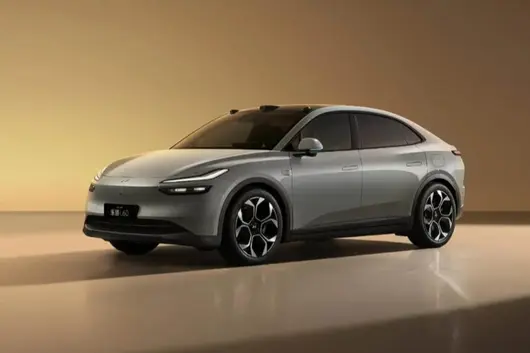


Written by | AUTO Xinqiu
Author | AUTO Xinqiu Team
Just now, the new Onvo L60 was launched.
There are two things worth looking at together around this launch event. Counting back one day, NIO participated in the formulation of Singapore's battery swapping standards. On the day of the launch, an autonomous driving video of Onvo L60 crossing an extremely narrow karst cave was released to the outside world, causing quite a discussion on overseas social media.
But what truly made the industry notice this was the price. The Shenji NX9031 self-developed chip, full-domain 900V high-voltage platform, SkyOS Tianxu operating system — these three things appeared simultaneously on a car with a starting price of just over 200,000 (CNY). And these three technologies were positioned as flagship-level on previous NIO brand models.
This cannot be explained by a product iteration alone.
In the new energy vehicle industry these past two years, everyone is shouting "independent R&D". Battery, motor, and control system self-research, chip self-research, system self-research, intelligent driving self-research — this term has become somewhat inflated. But even with the same "self-research", some is a light asset approach of "defining specifications, outsourcing design", while others is a heavy asset route of "doing the entire process from architecture to tape-out themselves". The difference between the two is not visible in the short term, but vastly different in the long term.
The emergence of the new Onvo L60 basically brings this problem to the table: after the independent R&D system is truly proven, what exactly does it bring?
The True Divide of Independent R&D, Starting with a Chip
To figure out what makes NIO's independent R&D different from others, the best entry point is the intelligent driving chip.
Shenji NX9031, the team behind this project has over 600 people. Li Bin specifically emphasized one sentence at the media communication meeting: "It is a complete design capability from front-end to back-end." This is not said off the cuff.
There are two paths for making intelligent driving chips in the industry: one is to define parameters well, find a design company to do it for you, saving money and fast, but the disadvantage is subsequent iterations are constrained by others. The other is to build a team yourself, pressing the entire process from architecture design to back-end tape-out in your own hands, burning money, slow, but chips, algorithms, sensors, and operating systems can be coupled end-to-end.
This chip is not that chip. Just like building cars, outsourcing to an engineering design company and doing full-stack self-research yourself both result in something called "car", but the foundation is completely different.

Li Bin mentioned three specific comparison dimensions at the communication meeting.
The first is memory bandwidth, the Shenji NX9031's memory bandwidth is "basically 2 times that of industry peers" — this indicator determines how large a model can run on the car and how the inference speed is.
The second is multi-modal signal processing capability, also known as ISP. Li Bin mentioned that the good performance in crossing karst caves has something to do with this, because image processing capability is key in extremely dark environments.
The third is dual-chip millisecond-level hot switching. Li Bin said this is very important for L3, L4 level intelligent driving.
These three indicators alone are technical parameters, but together they point to the same thing: only when chips, algorithms, and operating systems are all your own does the initiative of product definition truly lie in your hands.Otherwise, you are just making choices on a supplier's quote sheet.
But the dividends of chip independent R&D extend beyond single-point indicators. Because the chip is your own, and sensor layout was planned uniformly in advance, like NIO decided on a hardware baseline of "7 8-megapixel cameras + 7 surround cameras" starting from the ET7 era, continuing all the way to Onvo L60, so the hardware architecture is naturally reusable.
Hardware reusability means data reusability; data reusability means toolchain reusability. Here, Li Bin revealed a detail: all intelligent driving versions of NIO's second-generation platform models can achieve "simultaneous release within a time window of no more than a few weeks plus or minus". Behind this rhythm, after the underlying architecture is unified, one set of code can cover multiple car models.
Assume there are 5 cars under the brand, if the intelligent driving software for each needs to be developed, tested, and iterated separately, maintenance costs are multiplicative. After the underlying architecture is unified, adding one more car to share R&D costs, the marginal cost is so low it can be ignored.
The new Onvo L60 can use flagship intelligent driving, not because NIO is generous, but because the cost structure changed itself after hardware unification.
The Moat of Independent R&D Has Already Been Dug Open
If the chip story explains what independent R&D can bring, then lightweighting and battery swapping explain that some things cannot be done at all without independent R&D.
Let's talk about lightweighting first.
Li Bin spent a large portion of the launch event speaking about lightweighting, which is uncommon in the industry. Lightweighting is a "invisible" indicator. Users do not pay for a low body-in-white lightweighting coefficient, and car companies usually do not take it as a selling point.
But Li Bin broke it down very finely.
The new Onvo L60 achieved a body-in-white lightweighting coefficient of 2.22. So, how was this done? There are four keys, mostly requiring independent R&D support.
The first is the battery. The battery is the heaviest component of the whole vehicle. If you focus on stacking range, stacking large-capacity LFP batteries, the weight goes up. Onvo's strategy is restrained: 85 kWh uses ternary lithium batteries, which is over 100 kg lighter than LFP of the same capacity. But ternary lithium is expensive. Li Bin's original words were: "This is a large sum of money."
The second is systemic reconstruction. Onvo L60's "smart fuse", which sounds like just changing a part, actually requires the entire vehicle's high-voltage and low-voltage architecture to be redesigned. Using traditional fuses, circuit design is standard parts; switching to smart fuses, everything from distribution logic to harness routing must be redone. Integrated design is the same, packing more functions into fewer modules, saving not just weight but also space and BOM costs. But each is an independent R&D project; without independent chassis and independent electronic/electrical architecture teams, you can't do it alone.
The third is full-domain 900V. Many people haven't noticed the contribution of high-voltage platforms to lightweighting — the higher the voltage, the smaller the current under the same power; the smaller the current, the thinner the harness; the thinner the harness, the lighter the whole vehicle. This loop sounds simple, but the threshold of 900V itself is extremely high. From power semiconductors to insulation design to thermal management, all are tough challenges.
Finally is engineering capability. A lightweighting coefficient of 2.22 tests the ability to "achieve the best structure with the least material while ensuring crash safety". Li Bin made an analogy: "Sometimes overusing materials yields no safety benefit, just like some houses look very thick walls, it does not mean they are structurally solid." This capability cannot rely on suppliers; it relies on the data, simulation, testing, and trial-and-error accumulated by the whole vehicle engineering team over the years.
After going through these four things, the lightweighting matter is clear: it is not a single-point technical indicator, but the comprehensive result of several independent R&D systems working collaboratively: chassis, core electric systems, electronic/electrical architecture, and engineering simulation.

Let's talk about battery swapping next.
On the same day the new Onvo L60 launched, NIO participated in the formulation of Singapore's battery swapping standards. Adding to this, over 60 battery swapping stations already operational in Europe, this model which was repeatedly questioned in the past is turning from a corporate choice into an industry option.
But the battery swapping matter is independent R&D from start to finish. Currently, among Onvo L60 users, the penetration rate of the battery leasing scheme is over 90%.
Obviously, once users accept "separation of vehicle and battery", the risks of battery life, anxiety about resale value, and concerns about charging convenience are all transferred to the operator, which is NIO itself.
And NIO dares to take this responsibility, there is only one reason: the battery swapping network is part of the entire independent R&D system. Battery charging/discharging strategies, life management algorithms, residual value assessment models are all run by their own team. If you outsource battery swapping to third-party operators, you simply dare not promise users "battery rental covers lifetime warranty" because you cannot control the real health status of the battery.
Chip independent R&D lets you modify, lightweighting lets you save, battery swapping lets you guarantee — these three things put together form a complete independent R&D puzzle. And the new Onvo L60 is the first time these three things are fulfilled simultaneously on a car in the 200,000 level.

The Most Difficult Path, Highest Barrier Instead
Speaking of here, there is an unavoidable question: Independent R&D is so money-burning, who is paying the bill?
In 2026, the supply chain pressure is quite real. Automotive-grade memory prices are rising sharply, and lithium prices are also rebounding. For one Onvo L60, just the cost end increased by over 10,000 yuan. If converted to the final selling price including taxes, the impact is about 15,000.
Here, Li Bin spoke a big truth: "Onvo L60 still has gross profit, but it's quite miserable."
But under this pressure, the Onvo L60 starting price was still placed just over 200,000. However, 90% of orders selected the high-spec version with Shenji chips and LiDAR. Average selling price for the whole brand in the first quarter was 240,000 — this is higher than many traditional luxury brands. From January to May, NIO overall growth was 68%, higher than internal targets.
Looking at these two sets of numbers together, the conclusion might be somewhat counter-intuitive — Independent R&D burns money, but Independent R&D is exactly the way to digest costs.
The logic here is not complex. The same technical system covers three brands: NIO, Onvo, Firefly; R&D expenses are spread across more cars; the same hardware architecture serves multiple models, and after procurement volume goes up, negotiation power also increases. After hardware unification, data reuse, and toolchain sharing are proven, for every additional car, marginal costs will drop significantly.
The new Onvo L60 presses flagship technology down to the 200,000 level, not because NIO is doing charity, but because this economic model is operating on its own.
But if you stretch the timeline, the real account of independent R&D is not calculated by quarter.
If you look at a quarter — others are competing in sales volume, he is repairing battery swapping stations. Others buy chips to compete in computing power, he builds a team from scratch for tape-out. Others stack big batteries to compete in range, he calculates lightweighting coefficients. Every move seen individually looks like engaging in an unprofessional business.
But looking at 3 to 5 years, you will find 3,900 battery swapping stations have been laid out, chips have run through end-to-end coupling, lightweighting coefficients reached 2.22 — these single points begin to link into a system.
Looking at ten years, you will find this company built a complete set of infrastructure on core electric systems, intelligent driving, energy replenishment, and electronic/electrical architecture that others cannot bypass. This is the core barrier brought by independent R&D, and also the key reason why consumers are increasingly paying for NIO.
Written at the End
Back to the new Onvo L60.
The significance of this car is not that it is 50,000-60,000 cheaper than Model Y, nor is it about using flagship chips and LiDAR, let alone how much it sold for.
Its significance lies in a 200,000 level car paired with a technical combination that only a full-stack independent R&D system can support. China's new energy vehicle independent R&D has entered the stage of "can it work well, is it worth the account" from the stage of "can it be made".
In the table of China's new energy vehicles, players willing to build infrastructure for ten years, trade time for space, trade deep plowing for barriers can be counted on one hand. The emergence of the new Onvo L60 is simply saying one thing: the investments that everyone thought were quite silly back then are now beginning to be redeemed line by line on reports, products, and industry standards.
The marathon is not yet finished. But those running ahead are always the ones who dug the deepest foundation before the starting line.
* All images in this article are from the internet
Focusing on intelligent cars, assisting key decisions.
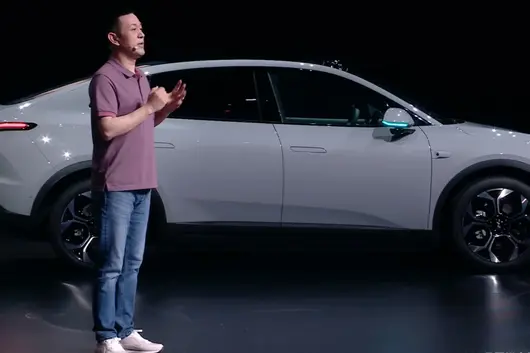
© 2024 Bitauto.com. All Rights Reserved.
Bitauto (www.yiche.com and www.bitauto.com) is one of the most visited automotive websites in China. We provide detailed info on Chinese car brands available in your area. Please note that the information provided on this website is based on publicly available data and is for reference only. It may not be fully updated or accurate at all times.

Help us improve our website


