

HomeParenting

Search History
Popular Searches
Dealer Login / Sign Up

In Malaysia's SUV market, many buyers compare Honda CR-V and Mazda CX-80 when choosing a car. These two models are quite close in price and positioning. Today, we will conduct a detailed comparison from multiple aspects to save you the time of doing research.
The OTR price of Honda CR-V in Malaysia is RM 178,200 - 195,900, with a total of 4 versions, including 2026 e:HEV 2.0L 2WD RS (RM 195,900), 2026 1.5T 4WD V (RM 181,900), 2026 e:HEV 2.0L 2WD E (RM 178,200), etc.
The OTR price of Mazda CX-80 in Malaysia is RM 296,610 - 296,610, with a total of 1 version, including 2025 2.5L 65km High Plus (RM 296,610), etc.
In terms of price, the starting price of Honda CR-V is indeed RM 118,410 cheaper than Mazda CX-80. If your budget is limited, Honda's entry-level version can already meet daily needs. However, keep in mind that the few thousand ringgit saved might involve compromises on features, depending on your specific needs.

The safety rating of Honda CR-V is 5★ (ASEAN NCAP), active safety systems include Honda SENSING (ACC, CMBS, LKAS, RDM).
The safety rating of Mazda CX-80 is 5★ (ASEAN NCAP), active safety systems include Brand ADAS.
Both cars have the same safety rating, and safety features are quite comprehensive within this class. New cars nowadays are generally safe, so there is no need to worry too much about this.

Honda CR-V uses FWD drive system.
Mazda CX-80 uses FWD drive system.
Both cars have the same drive system, both are FWD, there won't be much difference in daily driving experience.

Honda CR-V and Mazda CX-80 are mainstream choices in the Malaysia market, suitable for family use and daily commuting. If you value brand reputation and resale value more, you can prioritize the one with better reputation; if you care more about cost-performance and features, then choose the one with richer configuration. Ultimately, it is recommended to test drive both, as personal experience is the most important.

Overall, Honda CR-V and Mazda CX-80 are both very good models in the Malaysia market. Which one to choose mainly depends on your personal needs and budget. We suggest doing your research, comparing quotes from several dealerships, and then test drive to make a final decision. Buying a car is a big matter, spending some time on research will never go wrong.


On August 1, Geely Automobile Holdings Limited (0175.HK) announced the latest sales data: July sales reached 250,161 vehicles, showing month-on-month and year-on-year double growth for 5 consecutive months, with a 5% increase year-on-year and a 4% increase month-on-month. Among them, overseas exports reached 106,663 vehicles, a 202% increase year-on-year and a 4% increase month-on-month, achieving month-on-month and year-on-year double growth for 7 consecutive months, and exports exceeding 100,000 vehicles for two consecutive months. In the first half of the year, Geely Automobile's overseas sales cumulatively reached 470,000 vehicles. Behind this impressive performance is the result of Geely Automobile relying on a global product matrix and industrial layout, accelerating the promotion of high-value overseas expansion, gradually improving local channels and production systems, and accelerating the implementation of the globalization strategy.

Double Breakthrough in Sales and Structure, Moving Towards High-Value Overseas Expansion
From a data perspective, Geely's overseas growth is substantial. In July, new energy vehicle exports reached 62,604 units, surging 616% year-on-year, accounting for 59% of total exports, achieving simultaneous upgrades in export scale and product structure.
Meanwhile, multiple brands are blooming in multiple locations in the global market. In June, Geely Star Wish (Geely EX2) ranked first in Thailand EV sales, second in Brazil EV sales, and second in Mexico all-category pure electric sales; Starship 7 EM-i (Geely EX5 EM-i) secured first place in Poland's C-segment PHEV market single model sales and second place in Mexico's June PHEV sub-market sales.
Since its launch, Lynk & Co 08 has achieved nearly 190,000 cumulative global deliveries, ranking in the top three for Mexico's high-end PHEV SUV and Morocco's mid-size PHEV SUV sales in the first half of the year. Zeekr has anchored its global luxury technology brand positioning, with its influence continuously advancing, securing the top spot for Australia and Malaysia's luxury pure electric brand sales in the first half of the year. From the mainstream mass market to the luxury technology track, Geely Automobile's product matrix has taken root globally.

Systematic Collaboration Construction Establishes New Paradigm for Overseas Expansion
The continuous improvement of overseas exports is rooted in Geely's globalization strategy coordination, as well as long-term technical accumulation and systematic innovation capabilities.
Relying on the "One Geely" strategy, Geely has built a brand matrix with clear positioning and distinct personality, forming a development pattern of collaborative combat and potential complementarity among Geely, Lynk & Co, and Zeekr. Among them, the Geely brand is positioned as a global mainstream automobile brand, focusing on safety, quality, and intelligence; the Lynk & Co brand is positioned as a global new energy high-end brand, focusing on fashion, sports, and personality; the Zeekr brand is positioned as a global luxury technology brand, focusing on luxury, extreme, and technology.
Geely has always regarded technological innovation as the core driving force for globalization development, building a globalization technology system of "Five Design Centers, Five Engineering R&D Centers, Five Testing Areas, Five Energy Technology Forms, and Five AI Smart Ecosystems" around global R&D, global synergy, and global innovation, providing solid support for globalization development.
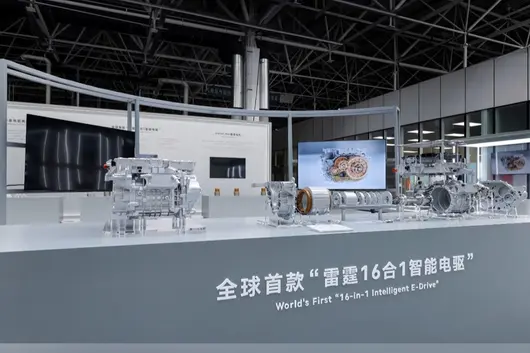
In the past decade, Geely's cumulative R&D investment has exceeded 250 billion yuan. In the fuel vehicle field, Geely has created globally leading BMA and CMA vehicle architectures and independently developed the Thunder God power system; in the new energy field, it has created new energy exclusive architectures such as SEA and GEA, successively launched core technologies such as the Thunder God AI Electric Mix 2.0 system, Divine Shield Gold Brick Battery, and "11-in-1" electric drive, continuously improving product competitiveness.

In addition, Geely continues to promote the construction of local operational capabilities, further opening up overseas market growth space through win-win cooperation with localization enterprises. In July, Geely Automobile reached an agreement with Ford Motor Company, and both parties will establish a joint venture company at Ford's Valencia plant in Spain, creating new energy vehicle products for the Geely and Ford brands for the European market through capacity sharing, accelerating the implementation of Geely's European localization strategy.

Under the top-level coordination of the "One Geely" strategy, with five globalization technology systems as the growth base, multi-brand differentiated matrices as market touchpoints, and local operations as the grip, continuously strengthening service and channel systems, Geely has walked a new path of driving high-quality growth with systematic capabilities.
Looking to the future, we will continue to adhere to open collaboration, persist in continuous product technology innovation, adhere to user supremacy, and insist on compliant operation, creating higher value for global users, and contributing greater strength to promoting the high-quality "going global" of China's automotive industry.

喺馬來西亞嘅 SUV 市場,好多買家喺揀車嘅時候都會將 寶騰 X90 同 三菱 Xforce 嚟做比較。呢兩款車喺價位同定位上都幾接近,今日我哋就由多個方面做一個詳細嘅對比,幫你慳到做功課嘅時間。
寶騰 X90 喺馬來西亞嘅 OTR 售價係 RM 106,800 - 122,800,合共有 4 個版本,包括 2026 1.5T Prime X(RM 122,800)、2026 1.5T Prime(RM 116,800)、2026 1.5T Lite(RM 106,800) 等。
三菱 Xforce 喺馬來西亞嘅 OTR 售價係 RM 109,930 - 119,930,合共有 2 個版本,包括 2026 1.5L Ultimate(RM 119,930)、2026 1.5L Urban(RM 109,930) 等。
從價錢睇,寶騰 X90 嘅起步價確實比三菱 Xforce 平咗 RM 3,130。如果你預算有限,寶騰嘅入門版已經足夠應付日常需要。但都需注意,平嗰幾千蚊,可能喺配備上會有所取捨,具體睇返你嘅需求。

寶騰 X90 配備 1.5L Turbo,馬力 140 hp。官方油耗 7.0 L/100km。
三菱 Xforce 配備 1.5L Turbo,馬力 140 hp。官方油耗 7.0 L/100km。
兩款車用緊同一套動力系統,日常開落嚟嘅感覺基本無分別。油耗方面都幾接近,唔使太糾結這一點。

寶騰 X90 嘅安全評級係 5★ (ASEAN NCAP),主動安全系統包括 ADAS (ACC, AEB, LKA, LDA, BSM, RCTA)。
三菱 Xforce 嘅安全評級係 5★ (ASEAN NCAP),主動安全系統包括 MI-PILOT。
兩款車嘅安全評級一樣,喺呢個級別入面安全配備都算好齊全。而家嘅新車安全性都唔差,唔使太擔心這一點。

寶騰 X90 車身長 4400 mm,後尾箱 400 L。
三菱 Xforce 車身長 4400 mm,後尾箱 400 L。
兩款車嘅尺寸幾乎一樣,車內空間差別唔大。呢個級別嘅車,日常使用完全足夠。

寶騰 X90 保修 5 年/150,000km,保養間隔 每 10,000km 或 6 個月。
三菱 Xforce 保修 3 年/100,000km,保養間隔 每 10,000km 或 6 個月。
總體嚟講,寶騰 X90 同三菱 Xforce 都係馬來西亞市場好好嘅車型。揀邊一輛,關鍵仲要睇你嘅個人需求同預算。建議大家做好功課,多比較幾間車行嘅報價,再去做試車做最終決定。買車係一件大事,花少少時間做功課絕對無錯。


Dalam pasaran SUV di Malaysia, ramai pembeli akan membandingkan Proton X90 dan Mazda CX-3 semasa memilih kereta. Kedua-dua kereta ini sangat hampir dari segi harga dan positioning. Hari ini kita akan buat perbandingan terperinci dari pelbagai aspek, membantu anda menjimatkan masa membuat riset.
Harga OTR Proton X90 di Malaysia ialah RM 106,800 - 122,800, terdapat 4 varian termasuk 2026 1.5T Prime X (RM 122,800), 2026 1.5T Prime (RM 116,800), 2026 1.5T Lite (RM 106,800) dan lain-lain.
Harga OTR Mazda CX-3 di Malaysia ialah RM 126,159 - 139,159, terdapat 2 varian termasuk 2023 2.0L High (RM 139,159), 2023 2.0L Plus (RM 126,159) dan lain-lain.
Dari segi harga, harga permulaan Proton X90 memang lebih murah RM 19,359 berbanding Mazda CX-3. Jika bajet anda terhad, versi permulaan Proton sudah cukup memenuhi keperluan harian. Namun perlu diingat, ribuan ringgit yang murah itu mungkin ada kompromi dari segi kelengkapan, ia bergantung pada keperluan anda.
Proton X90 dilengkapi enjin 1.5L Turbo, kuasa kuda 140 hp. Pengeluaran bahan api rasmi 7.0 L/100km.
Mazda CX-3 dilengkapi enjin 1.5L Turbo, kuasa kuda 140 hp. Pengeluaran bahan api rasmi 7.0 L/100km.
Kedua-dua kereta menggunakan sistem kuasa yang sama, pengalaman memandu sehari-hari hampir tiada perbezaan. Dari segi penggunaan bahan api juga hampir sama, tidak perlu terlalu pening memikirkan hal ini.
Proton X90 mempunyai jaminan 5 tahun/150,000km, selang penyelenggaraan setiap 10,000km atau 6 bulan.
Mazda CX-3 mempunyai jaminan 5 tahun/150,000km, selang penyelenggaraan setiap 10,000km atau 6 bulan.
Kedua-dua kereta mempunyai syarat jaminan yang sama, tidak perlu risau dari segi ini. Kos penyelenggaraan sebenar bergantung pada rangkaian perkhidmatan jenama dan harga komponen, disyorkan bertanya ahli kumpulan pemilik kereta tentang pengalaman pemilik sebenar.
Proton X90 dan Mazda CX-3 kedua-duanya pilihan utama pasaran Malaysia, sesuai untuk kegunaan keluarga dan perjalanan harian. Jika anda lebih mengutamakan reputasi jenama dan nilai jualan semula, pilihlah yang mempunyai reputasi lebih baik; jika anda lebih menekankan nisbah harga dan prestasi, pilihlah yang mempunyai kelengkapan lebih banyak. Pada akhirnya disyorkan untuk ujian memandu kedua-dua kereta, pengalaman peribadi adalah yang paling penting.

Secara keseluruhan, Proton X90 dan Mazda CX-3 adalah model yang sangat baik di pasaran Malaysia. Memilih mana satu, penting bergantung pada keperluan dan bajet peribadi anda. Disyorkan buat riset terlebih dahulu, bandingkan sebut harga beberapa kedai kereta, kemudian buat ujian memandu untuk membuat keputusan akhir. Membeli kereta adalah perkara besar, meluangkan masa membuat riset tidak akan merugikan langsung.

喺馬來西亞嘅 SUV 市場,好多買家喺揀車嘅時候都會拿 寶騰 X90 同 馬自達 CX-30 嚟做比較。呢兩款車喺價位同定位上都幾接近,今日我哋就從多個方面做一個詳細嘅比較,幫你節省做功課嘅時間。
寶騰 X90 喺馬來西亞嘅 OTR 售價係 RM 106,800 - 122,800,一共有 4 個版本,包括 2026 1.5T Prime X(RM 122,800)、2026 1.5T Prime(RM 116,800)、2026 1.5T Lite(RM 106,800) 等。
馬自達 CX-30 喺馬來西亞嘅 OTR 售價係 RM 122,409 - 146,409,一共有 4 個版本,包括 2025 2.0L High+ Premium(RM 146,409)、2025 2.0L High+(RM 138,409)、2025 2.0L High(RM 130,409) 等。
由價錢嚟睇,寶騰 X90 嘅起步價確實比 馬自達 CX-30 平咗 RM 15,609。如果你預算有限,寶騰嘅入門版已經可以滿足日常需求。但亦都要留意,平嗰啲幾千蚊,可能喺配備上會有取舍,具體睇返你嘅需求。
寶騰 X90 搭載 1.5L Turbo,馬力 140 hp。官方油耗 7.0 L/100km。
馬自達 CX-30 搭載 1.5L Turbo,馬力 140 hp。官方油耗 7.0 L/100km。
兩款車用緊同一套動力系統,日常開開嘅感覺基本冇分別。油耗方面都差不多,唔使太糾結呢一點。
寶騰 X90 車身長 4400 mm,後廂 400 L。
馬自達 CX-30 車身長 4500 mm,後廂 450 L。
空間方面,馬自達 CX-30 嘅車身比 寶騰 X90 長咗 100 mm,乘坐空間更有優勢。不過 寶騰 X90 喺城市入面泊車會靈活啲,各有取舍。
寶騰 X90 採用 FWD 驅動方式。
馬自達 CX-30 採用 FWD 驅動方式。
兩款車嘅驅動方式一樣,都係 FWD,日常駕駛感覺唔會有太大分別。

總嚟講,寶騰 X90 同 馬自達 CX-30 都係馬來西亞市場幾唔錯嘅車型。揀邊一部,關鍵都要睇你嘅個人需求同預算。建議大家做好功課,多比較幾間車行之報價,再去試駕先做最終決定。買車係件大事,花少少時間做功課絕對無錯。

喺馬來西亞嘅 SUV 市場,好多買家喺揀車嘅時候都會拿 Perodua Aruz 同 Proton X90 來做比較。這兩部車喺價錢同定位上都好接近,今日我哋就從多個方面做一個詳細嘅比較,幫晒你節省咗做功課嘅時間。
Perodua Aruz 喺馬來西亞嘅 OTR 售價係 RM 72,900 - 77,900,總共 2 個版本,包括 1.5L X(RM 72,900)、1.5L AV(RM 77,900) 之類。
Proton X90 喺馬來西亞嘅 OTR 售價係 RM 106,800 - 122,800,總共 4 個版本,包括 2026 1.5T Prime X(RM 122,800)、2026 1.5T Prime(RM 116,800)、2026 1.5T Lite(RM 106,800) 之類。
由價錢睇,Perodua Aruz 嘅起價真係比 Proton X90 平咗 RM 33,900。如果你預算有限,Perodua 嘅入門版已經可以滿足日常需要。不過都要留意,平嗰幾千蚊,可能喺配備上會要有取舍,具體就要睇你嘅需要。

Perodua Aruz 配 1.5L 4-cyl,馬力 105 hp。官方油耗 6.0 L/100km。
Proton X90 配 1.5L Turbo,馬力 140 hp。官方油耗 7.0 L/100km。
就動力方面,Proton X90 嘅 1.5L Turbo 比 Perodua Aruz 嘅 1.5L 4-cyl 多咗 35 匹馬力。不過日常喺市區行,兩部車嘅動力都夠用,唔會覺得唔夠力。

Perodua Aruz 嘅安全評級係 5★ (ASEAN NCAP),主動安全系統包括 。
Proton X90 嘅安全評級係 5★ (ASEAN NCAP),主動安全系統包括 ADAS (ACC, AEB, LKA, LDA, BSM, RCTA)。
兩部車嘅安全評級一樣,喺呢個級距入面安全配備都算好齊全。而家嘅新車安全性都唔差,唔使太擔心呢一點。

Perodua Aruz 保修 5 年/150,000km,保養間隔 每 10,000km 或 6 個月。
Proton X90 保修 5 年/150,000km,保養間隔 每 10,000km 或 6 個月。
兩部車嘅保修條件一樣,呢方面唔使糾結。實際保養成本仲要睇品牌嘅服務網絡同零件價格,建議去車友群問下真實車主嘅經驗。
總括嚟講,Perodua Aruz 同 Proton X90 都係馬來西亞市場幾唔錯嘅車型。揀邊一部,關鍵始終都要睇你嘅個人需要同預算。建議大家做足功課,多比較幾間車行嘅報價,先至去試車做最終決定。買車係件大事,花少少時間做功課絕對無錯。


喺馬來西亞嘅 SUV 市場,好多買家喺揀車嗰陣都會拿 Perodua Aruz 同 Mazda CX-30 嚟比較。呢兩部車喺價錢同定位上都幾接近,而家我哋就由多個方面做個詳細比較,幫你慳返做功課嘅時間。
Perodua Aruz 喺馬來西亞嘅 OTR 售價係 RM 72,900 - 77,900,合共有 2 個版本,包括 1.5L X(RM 72,900)、1.5L AV(RM 77,900)等。
Mazda CX-30 喺馬來西亞嘅 OTR 售價係 RM 122,409 - 146,409,合共有 4 個版本,包括 2025 2.0L High+ Premium(RM 146,409)、2025 2.0L High+(RM 138,409)、2025 2.0L High(RM 130,409)等。
由價錢睇,Perodua Aruz 嘅起步價確係比 Mazda CX-30 平咗 RM 49,509。如果你預算有限,Perodua 嘅入門版已經可以满足日常需要。不過都要留意,平嗰幾千蚊,可能喺配備上會有取舍,具體要看你嘅需求。
Perodua Aruz 嘅安全評級係 5★ (ASEAN NCAP),主動安全系統包括。
Mazda CX-30 嘅安全評級係 5★ (ASEAN NCAP),主動安全系統包括 i-Activsense。
兩部車嘅安全評級一樣,喺呢個級別入面安全配備都算好齊全。而家嘅新車安全性都唔差,唔使太擔心呢一點。
Perodua Aruz 車身長 4400 mm,行李廂 400 L。
Mazda CX-30 車身長 4500 mm,行李廂 450 L。
空間方面,Mazda CX-30 嘅車身比 Perodua Aruz 長咗 100 mm,乘車空間更有優勢。不過 Perodua Aruz 喺市區停車會靈活少少,各有取舍。
Perodua Aruz 保用 5 年/150,000km,保養間隔 每 10,000km 或 6 個月。
Mazda CX-30 保用 5 年/150,000km,保養間隔 每 10,000km 或 6 個月。
兩部車嘅保用條件一樣,呢方面唔使糾結。實際保養成本仲要看品牌嘅服務網絡同零件價格,建議去車友群問吓真實車主嘅經驗。
總括嚟講,Perodua Aruz 同 Mazda CX-30 都係馬來西亞市場幾唔錯嘅車型。揀邊一輛,關鍵仲係要看你嘅個人需求同預算。建議大家做好功課,多比較幾間車行嘅報價,先至去試駕做最終決定。買車係件大事,花啲時間做功課絕對唔會錯。

喺馬來西亞嘅 SUV 市場,好多買家喺揀車嘅時候,都會拿 Perodua Aruz 同 Chery Tiggo Cross 比下。呢兩款車喺價錢同定位上都好接近,今日我哋就從多個方面做一個詳細嘅比較,幫你節省做功課嘅時間。
Perodua Aruz 喺馬來西亞嘅 OTR 售價係 RM 72,900 - 77,900,一共有 2 個版本,包括 1.5L X(RM 72,900)、1.5L AV(RM 77,900) 等。
Chery Tiggo Cross 喺馬來西亞嘅 OTR 售價係 RM 88,750 - 99,750,一共有 2 個版本,包括 2025 HEV 1.5L CSH(RM 99,750)、2025 1.5T Standard(RM 88,750) 等。
由價錢睇嚟,Perodua Aruz 嘅起步價確實比 Chery Tiggo Cross 平咗 RM 15,850。如果你預算有限,Perodua 嘅入門版已經可以滿足日常需求。但都要注意,平嗰幾千蚊,可能喺配備上會有取捨,具體要看你嘅需要。
Perodua Aruz 車身長 4400 mm,行李箱 400 L。
Chery Tiggo Cross 車身長 4400 mm,行李箱 400 L。
兩款車嘅尺寸差唔多,車內空間差別唔大。呢個級別嘅車,日常使用完全夠用。
Perodua Aruz 採用 FWD 驅動方式。
Chery Tiggo Cross 採用 FWD 驅動方式。
兩款車嘅驅動方式一樣,都係 FWD,日常駕駛感受唔會有太大分別。
Perodua Aruz 同 Chery Tiggo Cross 都係馬來西亞市場嘅主流選擇,適合家庭使用、日常通勤。如果你更看重品牌口碑同二手價,可以優先考慮口碑更好嗰款;如果你更在意性價比同配備,就揀配備更豐富嗰款。最終都係建議兩款都去試駕,親身體驗先係最重要嘅。

總括嚟講,Perodua Aruz 同 Chery Tiggo Cross 都係馬來西亞市場幾唔錯嘅車型。揀邊部車,關鍵都要睇你嘅個人需求同預算。建議大家做好功課,多比幾間車行嘅報價,再去試駕做最終決定。買車係件大事,花少少時間做功課絕對唔會錯。

In Malaysia's SUV market, many buyers compare Proton X70 and Chery Tiggo Cross when selecting a car. These two cars are quite close in price and positioning. Today, we will make a detailed comparison from multiple aspects to help you save time doing research.
Proton X70 has an OTR price in Malaysia of RM 106,800 - 122,300, with a total of 3 versions, including 1.5L Standard 2WD (RM 106,800), 1.5L Executive 2WD (RM 115,800), 1.5L Premium 2WD (RM 122,300), etc.
Chery Tiggo Cross has an OTR price in Malaysia of RM 88,750 - 99,750, with a total of 2 versions, including 2025 HEV 1.5L CSH (RM 99,750), 2025 1.5T Standard (RM 88,750), etc.
In terms of price, the starting price of Chery Tiggo Cross is RM 18,050 cheaper than Proton X70. Honestly, in this price range, a difference of a few thousand is actually not significant; the key is to look at overall value for money and long-term usage costs.
Proton X70's safety rating is 5★ (ASEAN NCAP), active safety systems include ADAS (ACC, AEB, LKA, LDA, BSM, RCTA).
Chery Tiggo Cross's safety rating is TBD, active safety systems include Basic.
Regarding safety features, both cars received good ratings. However, there are some differences in functionality between Proton X70's ADAS (ACC, AEB, LKA, LDA, BSM, RCTA) and Chery Tiggo Cross's Basic. If you value active safety, you can carefully compare the feature lists of both.
Proton X70 body length 4400 mm, trunk 400 L.
Chery Tiggo Cross body length 4400 mm, trunk 400 L.
The dimensions of both cars are almost the same, and the interior space is not very different. This level of car is completely sufficient for daily use.

Proton X70 warranty 5 years/150,000km, maintenance interval every 10,000km or 6 months.
Chery Tiggo Cross warranty 3 years/100,000km, maintenance interval every 10,000km or 6 months.
Overall, Proton X70 and Chery Tiggo Cross are both very good models in the Malaysian market. Which one to choose mainly depends on your personal needs and budget. It is recommended that you do your research, compare quotes from several dealerships, and then go for a test drive to make a final decision. Buying a car is a major matter, taking time to do research will definitely not be wrong.


In the Malaysian SUV market, many buyers compare Proton X70 and Chery Tiggo Cross when choosing a car. These two cars are quite close in terms of price and positioning. Today, we will make a detailed comparison from multiple aspects to help you save time on research.
Proton X70 OTR price in Malaysia is RM 106,800 - 122,300, with a total of 3 versions, including 1.5L Standard 2WD (RM 106,800), 1.5L Executive 2WD (RM 115,800), 1.5L Premium 2WD (RM 122,300), etc.
Chery Tiggo Cross OTR price in Malaysia is RM 88,750 - 99,750, with a total of 2 versions, including 2025 HEV 1.5L CSH (RM 99,750), 2025 1.5T Standard (RM 88,750), etc.
In terms of price, the starting price of Chery Tiggo Cross is RM 18,050 cheaper than Proton X70. Honestly, in this price range, a difference of a few thousand isn't really that big. The key is still to look at the overall cost-performance ratio and long-term usage costs.
Proton X70 is equipped with 1.5L Turbo, 140 hp. Official fuel consumption 7.0 L/100km.
Chery Tiggo Cross is equipped with 1.5L 4-cyl, 105 hp. Official fuel consumption 6.0 L/100km.
In terms of power, the 1.5L Turbo on Proton X70 has 35 more horsepower than the 1.5L 4-cyl on Chery Tiggo Cross, offering more confidence in mid-range acceleration, especially when overtaking on highways. However, Chery Tiggo Cross might have more friendly fuel consumption, and the difference in daily city commuting won't be too big.
Proton X70 safety rating is 5★ (ASEAN NCAP), active safety system includes ADAS (ACC, AEB, LKA, LDA, BSM, RCTA).
Chery Tiggo Cross safety rating is TBD, active safety system includes Basic.
In terms of safety equipment, both cars got good ratings. However, the ADAS (ACC, AEB, LKA, LDA, BSM, RCTA) of Proton X70 and the Basic of Chery Tiggo Cross have some differences in features. If you value active safety more, you can compare the feature lists of both carefully.
Proton X70 adopts FWD drive system.
Chery Tiggo Cross adopts FWD drive system.
The drive systems of both cars are the same, both are FWD, and the daily driving experience won't have too big of a difference.
Overall, Proton X70 and Chery Tiggo Cross are both very good models in the Malaysian market. Which one to choose depends on your personal needs and budget. We suggest you do your research, compare quotes from several dealerships, and then go for a test drive to make the final decision. Buying a car is a big deal, spending some time on research will definitely not be wrong.

In the Malaysian SUV market, many buyers compare the Proton X70 and Toyota Fortuner when choosing a car. These two cars are quite close in price and positioning, so today we will make a detailed comparison from multiple aspects to save you time on research.
The OTR price of Proton X70 in Malaysia is RM 106,800 - 122,300, with a total of 3 versions, including 1.5L Standard 2WD (RM 106,800), 1.5L Executive 2WD (RM 115,800), 1.5L Premium 2WD (RM 122,300) etc.
The OTR price of Toyota Fortuner in Malaysia is RM 195,880 - 241,880, with a total of 3 versions, including 2024 2.8T VRZ Diesel (RM 241,880), 2024 2.7L SRZ Petrol (RM 202,880), 2024 2.4L Standard Diesel (RM 195,880) etc.
In terms of price, the starting price of Proton X70 is indeed RM 89,080 cheaper than Toyota Fortuner. If your budget is limited, Proton's entry-level version can already meet daily needs. But note that the few thousand cheaper might involve compromises in features, depending on your specific needs.

Proton X70 is equipped with 1.5L Turbo, 140 horsepower. Official fuel consumption 7.0 L/100km.
Toyota Fortuner is equipped with 2.5L Diesel, 187 horsepower. Official fuel consumption 8.5 L/100km.
In terms of power, Toyota Fortuner's 2.5L Diesel has 47 more horsepower than Proton X70's 1.5L Turbo. However, for daily driving in the city, the power of both cars is sufficient and will not feel lacking.

Proton X70 body length 4400 mm, trunk 400 L.
Toyota Fortuner body length 4400 mm, trunk 400 L.
The dimensions of both cars are almost the same, and the interior space difference is not significant. For cars in this class, daily use is completely sufficient.

Proton X70 adopts FWD drive mode.
Toyota Fortuner adopts FWD drive mode.
The drive mode of both cars is the same, both are FWD, and there won't be much difference in daily driving experience.
Proton X70 warranty 5 years/150,000km, maintenance interval every 10,000km or 6 months.
Toyota Fortuner warranty 5 years/unlimited mileage, maintenance interval every 10,000km or 6 months.
Overall, both Proton X70 and Toyota Fortuner are very good models in the Malaysian market. Which one to choose mainly depends on your personal needs and budget. We suggest doing research, comparing quotes from several car dealerships, and then test driving to make a final decision. Buying a car is a big matter, spending time on research will never go wrong.


喺馬來西亞嘅 SUV 市場,好多買家喺揀車嗰陣都會拿梅賽德斯 - 奔馳 GLC 同保時捷 Macan 嚟做比較。呢兩款車喺價位同定位上都幾接近,今日我哋就從多個方面做一個詳細比較,幫你省返做功課嘅時間。
梅賽德斯 - 奔馳 GLC 喺馬來西亞嘅 OTR 售價係 RM 336,888 - 336,888,一共有 2 個版本,包括 GLC 200(RM 290,000)、GLC 300(RM 340,000) 等等。
保時捷 Macan 喺馬來西亞嘅 OTR 售價係 RM 469,000 - 469,000,一共有 4 個版本,包括 2025 55 quattro S line(RM 467,285)、2025 50 quattro Advanced(RM 361,135)、PMT 1874, Lorong IKS BukitTengah 14000 Bukit Mertajam(RM 296,610) 等等。
從價錢睇落,梅賽德斯 - 奔馳 GLC 嘅起價確實比保時捷 Macan 平咗 RM 132,112。如果你預算有限,梅賽德斯嘅入門版已經可以滿足日常需求。但要留意,平嘅嗰幾千蚊,可能喺配備上會有取捨,具體要看你嘅需求。

梅賽德斯 - 奔馳 GLC 搭載 2.0L Turbo,馬力 220 hp。官方油耗 9.5 L/100km。
保時捷 Macan 搭載 3.0L Turbo,馬力 350 hp。官方油耗 12.0 L/100km。
動力方面,保時捷 Macan 嘅 3.0L Turbo 比梅賽德斯 - 奔馳 GLC 嘅 2.0L Turbo 多咗 130 匹馬力。不過日常喺市區開,兩款車嘅動力都夠用,唔會覺得唔夠力。

梅賽德斯 - 奔馳 GLC 嘅安全評級係 5★ (Euro NCAP),主動安全系統包括 Premium ADAS。
保時捷 Macan 嘅安全評級係 5★ (Euro NCAP),主動安全系統包括 InnoDrive。
兩款車嘅安全評級一樣,喺呢個級別入面安全配備都算畀得好齊全啦。而家嘅新車安全性都唔差,唔使太擔心呢一點。

梅賽德斯 - 奔馳 GLC 保修 3 年/100,000km,保養間隔 每 10,000km 或 6 個月。
保時捷 Macan 保修 3 年/100,000km,保養間隔 每 10,000km 或 6 個月。
兩款車嘅保修條件一樣,呢方面唔使糾結。實際保養成本仲要看品牌嘅服務網絡同零件價格,建議去車友群問問真實車主嘅經驗。
梅賽德斯 - 奔馳 GLC 同保時捷 Macan 都係馬來西亞市場嘅主流選擇,適合家庭使用、日常通勤。如果你更睇重品牌口碑同二手價,可以優先考慮口碑更好嗰一款;如果你更在意性價比同配備,就揀配置更豐富嗰款。最終都係建議兩款都去試駕,親身體驗先係最重要嘅。
總嘅來說,梅賽德斯 - 奔馳 GLC 同保時捷 Macan 都係馬來西亞市場好好嘅車型。揀邊一輛,關鍵仲係要看你嘅個人需求同預算。建議大家做好功課,多比較幾間車行嘅報價,再去試駕做最終決定。買車係件大事,花點時間做功課絕對唔會錯。


在马来西亚的汽车市场,很多买家在选车的时候都会拿 Mercedes-Benz GLB 和 Land Rover Discovery Sport 来做比较。今天我们从多个方面做一个详细的对比,帮你省下做功课的时间。


Mercedes-Benz GLB 在马来西亚的 OTR 售价是 RM 299,888 - 352,888,一共有 1 个版本,包括 Standard(RM 299,888) 等。
Land Rover Discovery Sport 在马来西亚的 OTR 售价是 RM 499,800 - 499,800,一共有 1 个版本,包括 Standard(RM 499,800) 等。
从价钱来看,Mercedes-Benz GLB 的起步价确实比 Land Rover Discovery Sport 便宜了 RM 199,912。如果你预算有限,Mercedes-Benz 的入门版已经可以满足日常需求。但也要注意,便宜的那几千块,可能在配备上会有取舍,具体要看你的需求。

Mercedes-Benz GLB 搭载 2.0L Turbo,马力 220 hp。官方油耗 9.5 L/100km。
Land Rover Discovery Sport 搭载 3.0L Turbo,马力 350 hp。官方油耗 12.0 L/100km。
动力方面,Land Rover Discovery Sport 的 3.0L Turbo 比 Mercedes-Benz GLB 的 2.0L Turbo 多了 130 匹马力。不过日常在市区开的话,两款车的动力都够用,不会觉得不够力。

Mercedes-Benz GLB 保修 3年/100,000km,保养间隔 每10,000km或6个月。
Land Rover Discovery Sport 保修 3年/100,000km,保养间隔 每10,000km或6个月。
两款车的保修条件一样,这方面不用纠结。实际保养成本还要看品牌的服务网络和零件价格,建议去车友群问问真实车主的经验。
Mercedes-Benz GLB 和 Land Rover Discovery Sport 都是马来西亚市场的主流选择,适合家庭使用、日常通勤。如果你更看重品牌口碑和二手价,可以优先考虑口碑更好的那一款;如果你更在意性价比和配备,那就选配置更丰富的那款。最终还是建议两款都去试驾,亲身体验才是最重要的。
总的来说,Mercedes-Benz GLB 和 Land Rover Discovery Sport 都是马来西亚市场很不错的车型。选择哪一辆,关键还是要看你的个人需求和预算。建议大家做好功课,多比较几间车行的报价,再去试驾做最终决定。买车是件大事,花点时间做功课绝对不会错。

車型概覽

奧迪 A6 值唔值買,關鍵唔係佢睇起嚟有多吸引,而係佢可唔可以解決你嘅真實用車需求。呢篇文章會把重點放喺落訂前最容易忽略嘅問題。
版本方面,奧迪 A6 而家可圍繞 2025 Sedan 40 TFSI S line、2025 Avant、2025 Sedan 55 TFSI quattro 嚟比較。
買車價格指南
評估奧迪 A6 嘅買車預算時,建議先從版本定位同其後養車成本入手。價格唔係唯一重點,真正決定係咪划算嘅係每日會唔會用到嗰啲配備。
如果你喺幾個版本之間猶豫,可以把 2025 Sedan 40 TFSI S line、2025 Avant、2025 Sedan 55 TFSI quattro 放喺同一份清單入面比較。日常通勤買家優先睇舒適同安全,常跑高速嘅買家則更應重視動力、輔助駕駛同車廂方便。
核心參數匯總
睇奧迪 A6 嘅核心規格,最重要係把數字轉換成生活入面嘅感覺。
奧迪 A6 嘅核心價值應回到日常場景判斷:你要佢負責通勤、家庭出行、長途,定係作為更有個性嘅選擇。
優缺點分析
奧迪 A6 嘅優點無須誇張,真正有價值嘅係佢可唔可以令日常使用更省心:車型定位清楚,適合先作為同級比較對象。
需要留意嘅係,最終取舍會落喺版本配備、保險同長期保養成本。呢啲唔係扣分項,而係落訂前應該先諗清楚嘅生活細節。
買車常見問題解答
購買奧迪 A6 之前,買家最問嘅唔係單一規格,而係佢可唔可以融入你嘅生活。
呢架車適合邊個?適合把落訂前最容易忽略嘅問題放喺首位嘅買家。 家庭用戶要睇咩?優先睇後排乘坐、兒童座椅、行李同日常上下車係唔係順手。 日日開會唔會麻煩?如果能源成本、停車方便同版本配備都符合你嘅生活節奏,佢會比較容易相處。
競爭對手比較內容
把奧迪 A6 放進同級車名單時,唔建議只睇品牌或者外形。真正有用嘅比較次序係:先從版本定位、品牌售後同日常用途開始比較。
咁樣篩選出嚟嘅結果更貼近日常生活。你會更清楚佢係適合城市通勤、家庭代步、長途巡航,定係更適合作為一輛講求個性嘅選擇。
用車全週期指南
擁有奧迪 A6 嘅重點,係確認保險、路稅、保養同輪胎成本都喺可接受範圍內。買車唔係一次付款結束,而係日日都要相處。
如果你常跑南北大道,動力同車廂舒適度會比單純低價更重要;如果主要喺市區,停車靈活性、視野同低速順滑度會更影響心情。

車型概覽

Chery Tiggo 9 值唔值得買,關鍵唔係佢幾吸引,而係佢係咪可以解決你嘅真實用車需求。呢篇文章會重點講下版本之間嘅取捨。近期圍繞呢款車嘅討論包括「New 2026 Chery Tiggo 9 launched in Malaysia: No hybrid (yet), bigger than Tiggo 8 Pro, starts at RM 166k with early bird promo」,說明佢喺本地買家視野入面仲有關注度。
價格落喺 RM 179,750,買家可以先用佢判斷預算壓力同同級定位。
購買價格指南
Chery Tiggo 9 嘅購買預算可以先從 RM 179,750 開始衡量。呢個數字真正影響嘅係月供、保險同現金流,而唔止係車廠入面嘅售價。
如果你喺幾個版本之間猶豫,可以把 2026 2.0T Standard(RM 179,750) 放喺同一張清單入面比較。日常通勤買家優先睇舒適同安全,常見跑高速嘅買家則更應重視動力、輔助駕駛同座艙便利。
核心參數匯總
睇 Chery Tiggo 9 嘅核心規格,最重要係將數字翻譯成生活入面嘅感受。
渦輪增壓、4 缸嘅動力底子,適合拿來判斷市區跟車同高速巡航係咪輕鬆。256 Ps、390 N·m 嘅輸出,真正意義在於滿載、上坡同超車時唔會太吃力。8.3 L/100km 嘅油耗,對每日通勤嘅人來說會直接影響加油頻率。車長 4810 mm、車寬 1925 mm、車高 1741 mm、軸距 2800 mm,可以幫你預判泊車難度同後排乘坐空間。
優點缺點分析
Chery Tiggo 9 嘅優點唔使誇張,真正有價值嘅係佢係咪可以讓日常使用更省心:預算範圍清晰,方便同同級車直接比較、日常能源成本有明確參考、動力輸出能夠支撐高速同超車需求。
需要留意嘅係,市區泊車同狹窄路段仍然要看個人駕駛習慣。呢啲唔係扣分項,而係落訂之前應該要想清楚嘅生活細節。
購買常見問題解答
購買 Chery Tiggo 9 之前,買家最常問嘅唔係單一規格,而係佢係咪可以融入自己嘅生活。
這輛車邊個適合?適合把版本之間嘅取捨放在首位嘅買家。家庭用戶要睇咩?優先睇後排乘坐、兒童座椅、行李同日常上落車係咪順手。每日開會唔會麻煩?8.3 L/100km 嘅油耗參考讓通勤成本更容易預估。
競爭對手比較內容
把 Chery Tiggo 9 放進同級車名單嘅時候,唔建議只看品牌或者外形。真正有用嘅比較順序係:先用 RM 179,750 鎖定預算圈、再看動力係唔係足夠應付高速同滿載、接着比較能源成本同補能便利、最後睇空間係唔適合家人同行李。
這樣篩選出嚟嘅結果更貼近日常生活。你會更清楚佢係適合城市通勤、家庭代步、長途巡航,定係更適合做一輛講求個性嘅選擇。
用車全周期指南

擁有 Chery Tiggo 9 嘅日常成本,最直接會反映喺燃油、保險、輪胎同定期保養上面。8.3 L/100km 嘅油耗讓通勤預算更容易掌握。
如果你常見跑南北大道,動力同座艙舒適度會比單純低價更重要;如果主要喺市區,泊車靈活性、視野同低速順滑度會更影響心情。


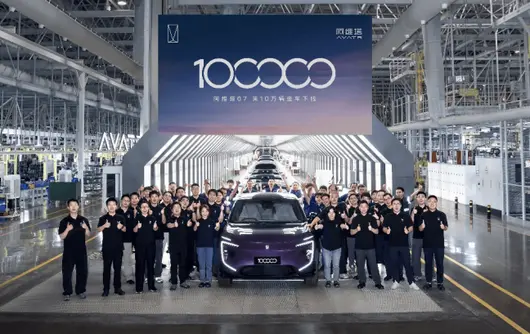
7月8日,阿维塔07第十万台整车在重庆数智工厂下线,这台里程碑车型为右舵海外版本,标志这款主力车型完成从国内爆款到全球化产品的跨越。十万台交付规模、同步布局海外、双车型矩阵落地,背后折射出国内高端新能源汽车产业制造、技术、全球化三条清晰的产业化升级路径,为行业提供可复制的发展样本。
从制造产业化维度看,十万台下线的核心底气来自全域智能化工厂体系。当前国内新能源市场进入存量内卷阶段,价格战压缩利润,稳定、低成本、高品质的量产能力,已经成为品牌生存底线。支撑阿维塔07产能释放的重庆数智工厂,是全球首个全域5G+AI柔性整车制造基地,融合数字孪生、全流程自动化焊接、数字化品控四十余项前沿技术,年产能可稳定支撑多款车型同步生产,最高年产两百台整车的配套能力,实现个性化定制与规模化量产兼顾。

这套联合长安、华为、联通打造的智能制造体系,解决了高端车型量产一致性难题。过去高端新能源车型普遍存在小批量、定制化难量产的痛点,而阿维塔以三方协同供应链打通研发、生产、品控全链路,将实验室前沿技术快速转化为标准化商品。十万台整车的稳定交付,证明国内高端新能源已经摆脱“小众概念车”标签,完成产业化落地,摆脱依靠单一爆款短期走量的脆弱模式。
其次,技术协同产业化是阿维塔07站稳20-30万高端赛道的核心竞争力。不同于单一车企自研模式,阿维塔整合三方产业链核心资源,形成完整技术闭环:华为提供乾崑ADS 4智驾与鸿蒙座舱、宁德时代输出神行超充电池、长安负责整车底盘与整车制造,六大核心技术全部自主可控,不存在核心零部件外部卡脖子风险。
在行业普遍配置同质化的当下,完整产业链协同体系构建差异化壁垒。车型先后拿下美国IDA、德国iF国际设计大奖,外观原创设计具备全球审美适配性;90秒极速补能、全场景高阶智驾、增程纯电双动力方案,兼顾国内通勤与海外多元路况需求。这种整车、智能、三电一体化协同模式,代表国内新能源产业全新分工形态:整车厂统筹整合,科技企业输出智能软硬件,电池企业提供能源方案,产业链各司其职、深度绑定,是产业成熟化的重要标志。
第三,全球化产业化布局打开行业增长新空间,右舵里程碑车型释放清晰行业信号。国内市场增量见顶,出海已经成为所有新能源车企的必答题,而产业出海早已告别简单整车外销,转向产品、产能、渠道一体化布局。本次下线第十万台为右舵车型,针对性适配东南亚、中东、英联邦等海量右舵市场,并非简单改动方向盘布局,而是从底盘标定、车机交互、安全法规完成全维度本地化适配。

目前阿维塔产品已落地新加坡、泰国、阿联酋等市场,渠道覆盖43个国家,2026年规划进军欧洲,2030年覆盖超110个国家。相比多数车企零散出口,阿维塔提前完成右舵车型同步研发、同步量产,在制造端直接打通海内外双市场供给,依托国内成熟产能基地辐射全球,规避海外建厂高额投入,以本土超级工厂作为全球化产能支点,这是性价比更高的产业化出海路线。
与此同时,阿维塔07L同步开启预售,07与07L组成双车矩阵,完善细分市场覆盖,完成单一爆款向产品矩阵的产业化迭代。单一车型十万台销量只是起点,双车型并行可以摊薄研发、生产、供应链成本,进一步放大规模化优势,对冲市场周期波动。
放在整个汽车产业转型大背景下,阿维塔07十万台右舵整车下线,不只是品牌里程碑,更是国内新能源产业成熟的缩影。智能制造筑牢量产底座,全产业链协同打造技术壁垒,海内外双市场同步布局拓宽增长天花板,三大产业化路径相互支撑,让中国高端电动车摆脱低价内卷,真正具备与国际豪华品牌全球同台竞争的实力。未来随着国内车企持续深化产业链整合、完善全球化产品布局,新能源汽车产业将完成从规模领先到技术、制造、品牌全方位领先的质变。

Di pasaran SUV di Malaysia, ramai pembeli akan membandingkan Perodua Aruz dan Proton X90 semasa memilih kereta. Kedua-dua kereta ini mempunyai harga dan kedudukan yang agak hampir, hari ini kita akan buat perbandingan terperinci dari pelbagai aspek untuk membantu anda menjimatkan masa membuat kajian.
Harga OTR Perodua Aruz di Malaysia adalah RM 72,900 - 77,900, terdapat 2 varian termasuk 1.5L X (RM 72,900), 1.5L AV (RM 77,900) dan lain-lain.
Harga OTR Proton X90 di Malaysia adalah RM 106,800 - 122,800, terdapat 4 varian termasuk 2026 1.5T Prime X (RM 122,800), 2026 1.5T Prime (RM 116,800), 2026 1.5T Lite (RM 106,800) dan lain-lain.
Dari segi harga, harga permulaan Perodua Aruz memang lebih murah RM 33,900 berbanding Proton X90. Jika bajet anda terhad, varian asas Perodua sudah memadai untuk keperluan harian. Namun, perlu diingat, perbezaan harga beberapa ribu itu mungkin melibatkan kompromi pada kelengkapan, bergantung sepenuhnya pada keperluan anda.
Penarafan keselamatan Perodua Aruz adalah 5★ (ASEAN NCAP), sistem keselamatan aktif termasuk.
Penarafan keselamatan Proton X90 adalah 5★ (ASEAN NCAP), sistem keselamatan aktif termasuk ADAS (ACC, AEB, LKA, LDA, BSM, RCTA).
Penarafan keselamatan kedua-dua kereta adalah sama, kelengkapan keselamatan dalam kategori ini dianggap cukup lengkap. Keselamatan kereta baharu pada masa ini adalah baik, tiada perlu bimbang terlalu banyak mengenai hal ini.
Panjang kenderaan Perodua Aruz 4400 mm, stor belakang 400 L.
Panjang kenderaan Proton X90 4400 mm, stor belakang 400 L.
Saiz kedua-dua kereta adalah hampir sama, ruang dalaman tidak banyak berbeza. Kereta dalam kategori ini cukup sepenuhnya untuk penggunaan harian.
Penjaminan Perodua Aruz 5 tahun/150,000km, selang servis setiap 10,000km atau 6 bulan.
Penjaminan Proton X90 5 tahun/150,000km, selang servis setiap 10,000km atau 6 bulan.
Keadaan penjaminan kedua-dua kereta adalah sama, tiada perlu ragu mengenai hal ini. Kos servis sebenar juga bergantung pada rangkaian perkhidmatan dan harga komponen jenama, disarankan bertanyakan pengalaman pemilik sebenar dalam kumpulan pemilik kereta.
Perodua Aruz dan Proton X90 adalah pilihan utama pasaran Malaysia, sesuai untuk kegunaan keluarga dan komuter harian. Jika anda lebih mengutamakan reputasi jenama dan harga terpakai, utamakan model dengan reputasi yang lebih baik; jika anda lebih mementingkan nilai wang dan kelengkapan, pilih model dengan kelengkapan yang lebih lengkap. Pada akhirnya disarankan untuk uji memandu kedua-dua model, merasai sendiri adalah yang paling penting.
Secara keseluruhannya, Perodua Aruz dan Proton X90 adalah model yang sangat baik dalam pasaran Malaysia. Memilih mana satu, terutamanya bergantung pada keperluan dan bajet peribadi anda. Kami sarankan buat kajian, bandingkan harga tawaran dari beberapa dealer kereta, kemudian uji memandu untuk membuat keputusan akhir. Membeli kereta adalah perkara besar, meluangkan masa untuk kajian pasti tidak akan salah.

在马来西亚的汽车市场,很多买家在选车的时候都会拿 Audi Q5 和 Land Rover Defender 来做比较。今天我们从多个方面做一个详细的对比,帮你省下做功课的时间。


Audi Q5 在马来西亚的 OTR 售价是 RM 354,174 - 423,174,一共有 2 个版本,包括 40 TDI(RM 320,000)、45 TFSI(RM 350,000) 等。
Land Rover Defender 在马来西亚的 OTR 售价是 RM 688,000 - 688,000,一共有 1 个版本,包括 Standard(RM 688,000) 等。
从价钱来看,Audi Q5 的起步价确实比 Land Rover Defender 便宜了 RM 333,826。如果你预算有限,Audi 的入门版已经可以满足日常需求。但也要注意,便宜的那几千块,可能在配备上会有取舍,具体要看你的需求。

Audi Q5 搭载 2.0L Turbo,马力 220 hp。官方油耗 9.5 L/100km。
Land Rover Defender 搭载 3.0L Turbo,马力 350 hp。官方油耗 12.0 L/100km。
动力方面,Land Rover Defender 的 3.0L Turbo 比 Audi Q5 的 2.0L Turbo 多了 130 匹马力。不过日常在市区开的话,两款车的动力都够用,不会觉得不够力。
Audi Q5 车身长 4400 mm,后备箱 400 L。
Land Rover Defender 车身长 4400 mm,后备箱 400 L。
两款车的尺寸几乎一样,车内空间差别不大。这个级别的车,日常使用完全够用。

Audi Q5 保修 5年/150,000km,保养间隔 每10,000km或6个月。
Land Rover Defender 保修 3年/100,000km,保养间隔 每10,000km或6个月。

总的来说,Audi Q5 和 Land Rover Defender 都是马来西亚市场很不错的车型。选择哪一辆,关键还是要看你的个人需求和预算。建议大家做好功课,多比较几间车行的报价,再去试驾做最终决定。买车是件大事,花点时间做功课绝对不会错。

在马来西亚的汽车市场,很多买家在选车的时候都会拿 Hyundai Tucson 和 Volkswagen Tiguan 来做比较。今天我们从多个方面做一个详细的对比,帮你省下做功课的时间。


Hyundai Tucson 在马来西亚的 OTR 售价是 RM 143,888 - 197,888,一共有 5 个版本,包括 2025 HEV 1.6T AT 2WD Prestige(RM 197,888)、2025 1.6T DCT 4WD Prestige(RM 186,888)、2025 1.6T DCT 2WD Prime(RM 164,888) 等。
Volkswagen Tiguan 在马来西亚的 OTR 售价是 RM 206,540 - 260,024,一共有 2 个版本,包括 2025 Allspace 2.0T R-Line(RM 260,024)、2025 Allspace 1.4T Elegance(RM 206,540) 等。
从价钱来看,Hyundai Tucson 的起步价确实比 Volkswagen Tiguan 便宜了 RM 62,652。如果你预算有限,Hyundai 的入门版已经可以满足日常需求。但也要注意,便宜的那几千块,可能在配备上会有取舍,具体要看你的需求。

Hyundai Tucson 搭载 1.5L Turbo,马力 140 hp。官方油耗 7.0 L/100km。
Volkswagen Tiguan 搭载 2.0L 4-cyl,马力 170 hp。官方油耗 8.0 L/100km。
动力方面,Volkswagen Tiguan 的 2.0L 4-cyl 比 Hyundai Tucson 的 1.5L Turbo 多了 30 匹马力。不过日常在市区开的话,两款车的动力都够用,不会觉得不够力。

Hyundai Tucson 车身长 4400 mm,后备箱 400 L。
Volkswagen Tiguan 车身长 4400 mm,后备箱 400 L。
两款车的尺寸几乎一样,车内空间差别不大。这个级别的车,日常使用完全够用。
Hyundai Tucson 和 Volkswagen Tiguan 都是马来西亚市场的主流选择,适合家庭使用、日常通勤。如果你更看重品牌口碑和二手价,可以优先考虑口碑更好的那一款;如果你更在意性价比和配备,那就选配置更丰富的那款。最终还是建议两款都去试驾,亲身体验才是最重要的。
总的来说,Hyundai Tucson 和 Volkswagen Tiguan 都是马来西亚市场很不错的车型。选择哪一辆,关键还是要看你的个人需求和预算。建议大家做好功课,多比较几间车行的报价,再去试驾做最终决定。买车是件大事,花点时间做功课绝对不会错。


在马来西亚的汽车市场,很多买家在选车的时候都会拿 Mazda CX-9 和 Hyundai Santa Fe 来做比较。今天我们从多个方面做一个详细的对比,帮你省下做功课的时间。


Mazda CX-9 在马来西亚的 OTR 售价是 RM 328,810 - 345,810,一共有 2 个版本,包括 2023 2.5T 4WD(RM 345,810)、2023 2.5T 2WD(RM 328,810) 等。
Hyundai Santa Fe 在马来西亚的 OTR 售价是 RM 225,000 - 270,000,一共有 3 个版本,包括 2025 2.5T DCT 4WD Calligraphy 6 Seats(RM 270,000)、2025 HEV 1.6T AT 2WD Prestige 7 Seats(RM 245,000)、2025 HEV 1.6T AT 2WD Prime 7 Seats(RM 225,000) 等。
从价钱来看,Hyundai Santa Fe 的起步价比 Mazda CX-9 便宜了 RM 103,810。老实讲,在这个价位段,几千块的差距其实不算大,关键还是看整体的性价比和长期使用成本。

Mazda CX-9 的安全评级是 5★ (ASEAN NCAP),主动安全系统包括 Brand ADAS。
Hyundai Santa Fe 的安全评级是 TBD,主动安全系统包括 Basic。
安全配备方面,两款车都拿到了不错的评级。不过 Mazda CX-9 的 Brand ADAS 和 Hyundai Santa Fe 的 Basic 在功能上有些差异,如果你比较看重主动安全的话,可以仔细对比一下两者的功能列表。

Mazda CX-9 采用 FWD 驱动方式。
Hyundai Santa Fe 采用 FWD 驱动方式。
两款车的驱动方式一样,都是 FWD,日常驾驶感受不会有太大区别。

Mazda CX-9 保修 5年/150,000km,保养间隔 每10,000km或6个月。
Hyundai Santa Fe 保修 5年/300,000km,保养间隔 每10,000km或6个月。

总的来说,Mazda CX-9 和 Hyundai Santa Fe 都是马来西亚市场很不错的车型。选择哪一辆,关键还是要看你的个人需求和预算。建议大家做好功课,多比较几间车行的报价,再去试驾做最终决定。买车是件大事,花点时间做功课绝对不会错。

© 2024 Bitauto.com. All Rights Reserved.
Bitauto (www.yiche.com and www.bitauto.com) is one of the most visited automotive websites in China. We provide detailed info on Chinese car brands available in your area. Please note that the information provided on this website is based on publicly available data and is for reference only. It may not be fully updated or accurate at all times.

Help us improve our website


