

HomePerodua Axia

Search History
Popular Searches
Dealer Login / Sign Up

Dalam pasaran SUV di Malaysia, ramai pembeli semasa memilih kereta akan membandingkan Honda HR-V dan Chery Tiggo 8 PHEV. Kedua-dua kereta ini dari segi harga dan penempatan agak hampir, hari ini kita akan membuat perbandingan terperinci dari pelbagai aspek, membantu anda menjimatkan masa membuat kajian.
Honda HR-V di Malaysia harga OTR adalah RM 115,900 - 143,900, terdapat 4 varian, termasuk 2026 e:HEV 1.5L RS (RM 143,900), 2026 1.5T V (RM 137,900), 2026 1.5T E (RM 130,900) dan lain-lain.
Chery Tiggo 8 PHEV di Malaysia harga OTR adalah RM 159,750 - 159,750, terdapat 2 varian, termasuk 1.6L Turbo Standard (RM 130,000), 1.6L Turbo Premium (RM 145,000) dan lain-lain.
Dari segi harga, harga permulaan Honda HR-V memang lebih murah RM 43,850 berbanding Chery Tiggo 8 PHEV. Jika bajet anda terbatas, varian asas Honda sudah boleh memenuhi keperluan harian. Tetapi perlu diingat, beribu-ribu ringgit yang lebih murah, mungkin ada kompromi dari segi kelengkapan, bergantung spesifik pada keperluan anda.

Honda HR-V ditenagai 1.5L Turbo, kuasa 140 hp. Penggunaan minyak rasmi 7.0 L/100km.
Chery Tiggo 8 PHEV ditenagai Hybrid, kuasa 170 hp. Penggunaan minyak rasmi 4.5 L/100km.
Dari segi kuasa, Hybrid Chery Tiggo 8 PHEV mempunyai 30 hp lebih berbanding 1.5L Turbo Honda HR-V. Namun harian di bandar, kuasa kedua-dua kereta cukup, tidak akan terasa kurang tenaga.

Penilaian keselamatan Honda HR-V adalah 5★ (ASEAN NCAP), sistem keselamatan aktif termasuk Honda SENSING (ACC, CMBS, LKAS, RDM).
Penilaian keselamatan Chery Tiggo 8 PHEV adalah TBD, sistem keselamatan aktif termasuk Basic.
Dari segi kelengkapan keselamatan, kedua-dua kereta mendapat penilaian yang baik. Namun Honda SENSING (ACC, CMBS, LKAS, RDM) Honda HR-V dan Basic Chery Tiggo 8 PHEV ada perbezaan dari segi fungsi, jika anda lebih mengutamakan keselamatan aktif, boleh bandingkan senarai fungsi kedua-duanya.

Honda HR-V menggunakan kaedah penggerak FWD.
Chery Tiggo 8 PHEV menggunakan kaedah penggerak FWD.
Kaedah penggerak kedua-dua kereta sama, iaitu FWD, pengalaman memandu harian tidak akan banyak berbeza.
Secara keseluruhannya, Honda HR-V dan Chery Tiggo 8 PHEV adalah model kereta yang sangat bagus di pasaran Malaysia. Memilih yang mana, penting bergantung kepada keperluan dan bajet peribadi anda. Disarankan membuat kajian terlebih dahulu, bandingkan tawaran harga beberapa dealer kereta, kemudian buat ujian pemanduan untuk membuat keputusan akhir. Membeli kereta adalah perkara besar, luangkan masa membuat kajian pasti tidak salah.


Pasaran SUV di Malaysia, ramai pembeli semasa memilih kereta akan membandingkan Honda HR-V dan Chery Tiggo 8 Pro. Kedua-dua kereta ini dalam harga dan kedudukan agak dekat, hari ini kita akan buat perbandingan terperinci dari banyak aspek, membantu anda menjimatkan masa membuat kajian.
Honda HR-V harga OTR di Malaysia ialah RM 115,900 - 143,900, terdapat 4 varian, termasuk 2026 e:HEV 1.5L RS (RM 143,900), 2026 1.5T V (RM 137,900), 2026 1.5T E (RM 130,900) dan lain-lain.
Chery Tiggo 8 Pro harga OTR di Malaysia ialah RM 159,750 - 159,750, terdapat 2 varian, termasuk 1.6L Turbo Standard (RM 130,000), 1.6L Turbo Premium (RM 145,000) dan lain-lain.
Dari segi harga, harga permulaan Honda HR-V memang lebih murah RM 43,850 berbanding Chery Tiggo 8 Pro. Jika bajet anda terhad, versi asas Honda sudah boleh memenuhi keperluan harian. Namun perlu diingat, beribu ringgit yang lebih murah itu, mungkin ada pertimbangan dalam pelengkapan, bergantung pada keperluan anda.
Honda HR-V dilengkapi enjin 1.5L Turbo, kuasa 140 hp. Konsumsi minyak rasmi 7.0 L/100km.
Chery Tiggo 8 Pro dilengkapi enjin 2.0L 4-cyl, kuasa 170 hp. Konsumsi minyak rasmi 8.0 L/100km.
Dari segi kuasa, 2.0L 4-cyl Chery Tiggo 8 Pro mempunyai 30 kuasa kuda lebih daripada 1.5L Turbo Honda HR-V. Namun untuk penggunaan harian di bandar, kuasa kedua-dua kereta sudah mencukupi, tidak akan berasa kurang kuasa.
Honda HR-V jaminan 5 tahun/tanpa had jarak, selang penyelenggaraan setiap 10,000km atau 6 bulan.
Chery Tiggo 8 Pro jaminan 3 tahun/100,000km, selang penyelenggaraan setiap 10,000km atau 6 bulan.
Honda HR-V dan Chery Tiggo 8 Pro adalah pilihan utama pasaran Malaysia, sesuai untuk kegunaan keluarga dan perjalanan harian. Jika anda lebih mementingkan reputasi jenama dan harga jualan semula, boleh pertimbangkan yang mempunyai reputasi lebih baik; jika anda lebih mementingkan nilai dan pelengkapan, pilih yang mempunyai spesifikasi lebih lengkap. Akhir sekali, disyorkan untuk memandu kedua-dua model, pengalaman langsung adalah yang paling penting.
Secara keseluruhan, Honda HR-V dan Chery Tiggo 8 Pro adalah model yang cukup bagus di pasaran Malaysia. Memilih yang mana, penentu utamanya adalah keperluan dan bajet peribadi anda. Disyorkan anda buat kajian, bandingkan beberapa tawaran dari pengedar, kemudian buat ujian memandu untuk membuat keputusan akhir. Membeli kereta adalah perkara besar, meluangkan masa membuat kajian pasti tidak akan salah.

Di pasaran SUV Malaysia, ramai pembeli semasa memilih kereta akan membandingkan Honda HR-V dan Chery Tiggo 8 Pro. Kedua-dua kereta ini agak hampir dari segi harga dan penjenamaan. Hari ini, kita akan membuat perbandingan terperinci dari pelbagai aspek untuk membantu anda menjimatkan masa membuat kajian.
Harga OTR Honda HR-V di Malaysia ialah RM 115,900 - 143,900, dengan jumlah 4 varian, termasuk 2026 e:HEV 1.5L RS (RM 143,900), 2026 1.5T V (RM 137,900), 2026 1.5T E (RM 130,900) dan lain-lain.
Harga OTR Chery Tiggo 8 Pro di Malaysia ialah RM 159,750 - 159,750, dengan jumlah 2 varian, termasuk 1.6L Turbo Standard (RM 130,000), 1.6L Turbo Premium (RM 145,000) dan lain-lain.
Dari segi harga, harga permulaan Honda HR-V memang lebih murah RM 43,850 berbanding Chery Tiggo 8 Pro. Jika bajet anda terhad, versi asas Honda sudah boleh memenuhi keperluan harian. Namun, anda perlu berhati-hati, beratus hingga beribu ringgit yang lebih murah itu mungkin ada pertukaran dari segi peralatan, bergantung pada keperluan anda.
Gred keselamatan Honda HR-V ialah 5★ (ASEAN NCAP), sistem keselamatan aktif termasuk Honda SENSING (ACC, CMBS, LKAS, RDM).
Gred keselamatan Chery Tiggo 8 Pro ialah TBD, sistem keselamatan aktif termasuk Basic.
Dari segi pelengkapan keselamatan, kedua-dua kereta mendapat gred yang baik. Walau bagaimanapun, Honda SENSING (ACC, CMBS, LKAS, RDM) pada Honda HR-V dan Basic pada Chery Tiggo 8 Pro mempunyai perbezaan dari segi fungsi. Jika anda mengutamakan keselamatan aktif, anda boleh membuat perbandingan terperinci senarai fungsi kedua-duanya.
Honda HR-V menggunakan cara pemacu FWD.
Chery Tiggo 8 Pro menggunakan cara pemacu FWD.
Kedua-dua kereta mempunyai cara pemacu yang sama, iaitu FWD, pengalaman memandu harian tidak akan berbeza jauh.
Honda HR-V menjamin 5 tahun / tanpa had kilometer, selang penyelenggaraan setiap 10,000km atau 6 bulan.
Chery Tiggo 8 Pro menjamin 3 tahun / 100,000km, selang penyelenggaraan setiap 10,000km atau 6 bulan.
Secara keseluruhannya, Honda HR-V dan Chery Tiggo 8 Pro adalah model kereta yang sangat baik di pasaran Malaysia. Memilih yang mana, kuncinya masih bergantung pada keperluan dan bajet peribadi anda. Kami menasihatkan anda membuat kajian yang baik, bandingkan harga dari beberapa dealer kereta, kemudian buat ujian memandu untuk membuat keputusan akhir. Membeli kereta adalah perkara besar, meluangkan masa membuat kajian tidak akan pernah salah.

Dalam pasaran SUV di Malaysia, banyak pembeli akan membandingkan Honda HR-V dan Chery Tiggo 8 Pro ketika memilih kereta.
Harga OTR Honda HR-V di Malaysia adalah RM 115,900 - 143,900, terdapat 4 varian, termasuk 2026 e:HEV 1.5L RS (RM 143,900), 2026 1.5T V (RM 137,900), 2026 1.5T E (RM 130,900) dan lain-lain.
Harga OTR Chery Tiggo 8 Pro di Malaysia adalah RM 159,750 - 159,750, terdapat 2 varian, termasuk 1.6L Turbo Standard (RM 130,000), 1.6L Turbo Premium (RM 145,000) dan lain-lain.
Dari segi harga, harga permulaan Honda HR-V memang lebih murah RM 43,850 berbanding Chery Tiggo 8 Pro. Jika bajet anda terhad, versi asas Honda sudah boleh memenuhi keperluan harian. Namun, perbezaan harga yang sedikit itu mungkin melibatkan pengurangan ciri, ia bergantung pada keperluan anda.
Honda HR-V dilengkapi enjin 1.5L Turbo, kuasa 140 hp. Konsumsi bahan api rasmi 7.0 L/100km.
Chery Tiggo 8 Pro dilengkapi enjin 2.0L 4-silinder, kuasa 170 hp. Konsumsi bahan api rasmi 8.0 L/100km.
Dari segi kuasa, 2.0L 4-silinder Chery Tiggo 8 Pro mempunyai 30 kuasa kuda lebih banyak berbanding 1.5L Turbo Honda HR-V. Namun untuk penggunaan harian di bandar, kedua-dua kereta mempunyai kuasa yang mencukupi, anda tidak akan rasa kurang tenaga.
Panjang badan Honda HR-V 4500 mm, ruang bagasi 450 L.
Panjang badan Chery Tiggo 8 Pro 4400 mm, ruang bagasi 400 L.
Dari segi ruang, badan Honda HR-V lebih panjang 100 mm berbanding Chery Tiggo 8 Pro, ruang duduk dalam kereta sedikit lebih lapang, terutamanya ruang kaki di tempat duduk belakang. Jika anda sering membawa keluarga atau perlu meletakkan kereta bayi, badan yang lebih besar memang lebih praktikal.
Honda HR-V menggunakan penggerak roda depan (FWD).
Chery Tiggo 8 Pro menggunakan penggerak roda depan (FWD).
Kedua-dua kereta menggunakan sistem penggerak yang sama, iaitu FWD, pengalaman memandu harian tidak akan berbeza jauh.
Secara keseluruhan, Honda HR-V dan Chery Tiggo 8 Pro adalah model kereta yang cukup baik di pasaran Malaysia. Memilih yang mana, kunci utamanya bergantung pada keperluan dan bajet peribadi anda. Disarankan untuk membuat kajian terlebih dahulu, membandingkan beberapa tawaran daripada dealer kereta, kemudian membuat keputusan akhir setelah ujian memandu. Membeli kereta adalah perkara besar, mengambil masa untuk membuat kajian pasti tidak salah.

一份來自奇瑞集團 8 月份嘅新能源銷量。8 月賣咗 12.09 萬輛新能源車,同比增長 69.8%,連續 5 個月銷量突破 10 萬輛。咩概念?國內新能源批發量連續 5 個月排行業前三。更值得睇嘅係滲透率——8 月國內市場新能源滲透率 61.9%,每賣出 3 輛車就有 2 輛係新能源。呢唔係「狼來了」,係真刀真槍打出嚟嘅成績。而放喺全球視野裏,今年 1 到 7 月奇瑞新能源銷量佔全球份額 5.5%,排到全球車企集團前五。中國車企佔咗 TOP5 裏嘅四席,奇瑞係其中之一。從量變到質變,奇瑞嘅節奏正喺加快。

根據乘聯會負責人崔東樹統計分析,2026 年 1-7 月,奇瑞集團新能源銷量嘅世界份額達到 5.5%,位居全球車企集團前五。由 4 月嘅 10.03 萬輛到 8 月嘅 12.1 萬輛,奇瑞新能源嘅快速增長推動奇瑞喺全球新能源市場地位嘅躍升。喺全球新能源銷量份額 TOP5 名單上,中國車企佔咗四席,展現咗中國汽車喺全球市場嘅品牌新形象。8 月,奇瑞集團銷售汽車 280,128 輛,同比增長 15.4%,其中出口 196,984 輛,同比增長 52.1%,保持中國品牌汽車第一。
值得關注嘅係奇瑞規模增長背後新能源滲透率嘅提升:8 月,奇瑞國內市場新能源滲透率再次突破 60%,達到 61.9%。這意味著,奇瑞喺國內市場每賣出 3 輛汽車,就有 2 輛係新能源。新能源已經成為奇瑞國內市場絕對主力軍。
新能源亦成為奇瑞全球化嘅強力引擎。而家,中國每出口 7 輛新能源汽車,就有 1 輛來自奇瑞。8 月,奇瑞集團新能源出口近 7 萬輛,同比增長 124.2%,佔當月總出口嘅比重達到 35.3%。

歐洲市場嘅「含新量」更高。1-7 月,奇瑞喺歐洲 24 國銷售汽車超 20.8 萬輛,同比增長 201%;其中新能源 10.2 萬輛,同比增長 332.5%。從歐洲銷量結構睇,新能源佔比約 50%,奇瑞新能源產品加快進入全球高法規市場,產品力得到全球最嚴苛市場嘅驗證同認可。
奇瑞喺全球市場形成覆蓋唔同市場、唔同價位、唔同品類嘅「爆款矩陣」,推動奇瑞新能源銷量持續突破、行業地位穩固提升。
喺國內,風雲 T7 上市首日訂單破 2.3 萬,驗證咗「原生全球車」理念嘅市場爆發力;FREELANDER 神行者首款量產車型神行者 8 開啟預售,48 小時訂單突破 1 萬輛,向高端新能源市場發起衝擊;全新 QQ 3 連續 5 個月銷量過 1 萬輛,A0 級純電明星產品地位穩固;智界 V9 累計交付已突破 2 萬輛,刷新 50 萬級新能源 MPV 最快交付紀錄。

喺海外,以新能源為特色嘅 JAECOO 7、JAECOO 5、OMODA 5 三款車型進入英國十大暢銷車型榜單;JAECOO 5 成為澳大利亞細分市場、印尼同泰國純電市場銷量冠軍,iCAUR V23 位居泰國、南非等地細分市場第一。

奇瑞新能源唔止有「量嘅增長」,更有「質嘅躍升」。奇瑞新能源正由規模擴張邁向價值增長嘅新階段。2026 年上半年,奇瑞汽車新能源業務收入達 592.84 億元,同比增長 63.8%,佔總收入比重由 25.6% 提升至 41.4%。
奇瑞新能源嘅增長唔單止係規模上嘅突破。上半年新能源業務收入 592.84 億元,同比增長 63.8%,佔總收入比重由 25.6% 提升至 41.4%。收入增速跑贏咗銷量增速,說明單價更高嘅車型佔比喺提高,結構喺優化。產品層面,風雲 T7 上市首日訂單破 2.3 萬,神行者 8 預售 48 小時破萬,智界 V9 累計交付破 2 萬輛,50 萬級新能源 MPV 最快紀錄。國內國外兩條腿都喺向前邁。截至 8 月底,奇瑞全球累計銷量突破 2044 萬輛,海外累計超 718 萬輛——呢個係新起點,而新能源正喺為呢個起點注入新嘅內涵。中國汽車換道超車嘅故事,奇瑞正喺全球版圖上持續往下寫。
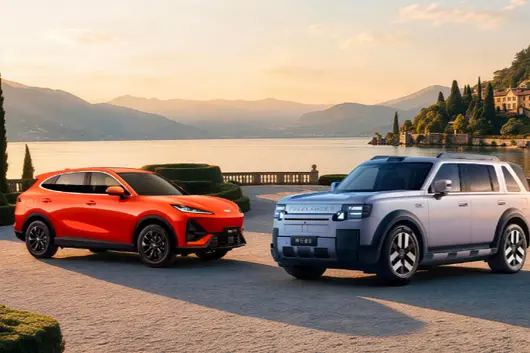

Pada pasaran SUV di Malaysia, ramai pembeli semasa memilih kenderaan akan membandingkan Honda HR-V dan Chery Tiggo 7 Pro. Kedua-dua kereta ini dalam segi harga dan kategori agak hampir, hari ini kita akan buat perbandingan terperinci dari pelbagai aspek, membantu anda menjimatkan masa penyelidikan.
Harga OTR Honda HR-V di Malaysia ialah RM 115,900 - 143,900, terdapat 4 versi, termasuk 2026 e:HEV 1.5L RS (RM 143,900), 2026 1.5T V (RM 137,900), 2026 1.5T E (RM 130,900) dan lain-lain.
Harga OTR Chery Tiggo 7 Pro di Malaysia ialah RM 123,750 - 123,750, terdapat 2 versi, termasuk 1.6L Turbo Standard (RM 125,000), 1.6L Turbo Premium (RM 140,000) dan lain-lain.
Dari segi harga, harga permulaan Honda HR-V memang lebih murah RM 7,850 berbanding Chery Tiggo 7 Pro. Jika bajet anda terhad, versi asas Honda sudah dapat memenuhi keperluan harian. Namun, perhatikan juga perbezaan harga yang murah itu, mungkin ada kompromi pada spesifikasi, bergantung pada keperluan anda.
Honda HR-V dilengkapi enjin 1.5L Turbo, kuasa 140 hp. Penggunaan bahan api rasmi 7.0 L/100km.
Chery Tiggo 7 Pro dilengkapi enjin 1.5L Turbo, kuasa 140 hp. Penggunaan bahan api rasmi 7.0 L/100km.
Kedua-dua kereta menggunakan sistem enjin yang sama, pengalaman memandu harian pada asasnya tiada beza. Dari segi penggunaan bahan api juga hampir sama, tiada perlu bimbang tentang hal ini.
Penarafan keselamatan Honda HR-V ialah 5★ (ASEAN NCAP), sistem keselamatan aktif termasuk Honda SENSING (ACC, CMBS, LKAS, RDM).
Penarafan keselamatan Chery Tiggo 7 Pro ialah TBD, sistem keselamatan aktif termasuk Asas.
Dari segi perkakasan keselamatan, kedua-dua kereta telah menerima penarafan yang baik. Walau bagaimanapun, Honda SENSING (ACC, CMBS, LKAS, RDM) Honda HR-V dan Asas Chery Tiggo 7 Pro mempunyai perbezaan fungsi. Jika anda mengutamakan keselamatan aktif, anda boleh menyemak senarai fungsi kedua-duanya dengan teliti.
Panjang badan Honda HR-V 4500 mm, ruang bagasi 450 L.
Panjang badan Chery Tiggo 7 Pro 4400 mm, ruang bagasi 400 L.
Dari segi ruang, badan Honda HR-V lebih panjang 100 mm berbanding Chery Tiggo 7 Pro, ruang duduk dalaman agak lebih lapang, terutamanya ruang kaki di baris kedua. Jika anda kerap membawa keluarga atau perlu menaruh kereta bayi, badan kereta yang lebih besar memang lebih praktikal.
Jaminan Honda HR-V 5 tahun/jarak tanpa had, selang penyelenggaraan setiap 10,000 km atau 6 bulan.
Jaminan Chery Tiggo 7 Pro 3 tahun/100,000 km, selang penyelenggaraan setiap 10,000 km atau 6 bulan.
Secara keseluruhan, Honda HR-V dan Chery Tiggo 7 Pro kedua-duanya merupakan model yang sangat baik di pasaran Malaysia. Pilih mana satu, penting untuk melihat keperluan peribadi dan bajet anda. Disarankan untuk membuat penyelidikan terlebih dahulu, bandingkan banyak tawaran dari pengedar kereta, kemudian uji pemanduan untuk membuat keputusan akhir. Membeli kereta adalah perkara besar, meluangkan masa membuat penyelidikan tidak akan salah.

喺馬來西亞嘅 SUV 市場,好多買家在揀車嘅時候都會拿本田 HR-V 同奇瑞 Tiggo 8 PHEV 做比較。呢兩部車在價位同定位上都好接近,今日我哋就由多個方面做一個詳細嘅比較,幫你省返做功課嘅時間。
本田 HR-V 喺馬來西亞嘅 OTR 售價係 RM 115,900 - 143,900,一共有 4 個版本,包括 2026 e:HEV 1.5L RS(RM 143,900)、2026 1.5T V(RM 137,900)、2026 1.5T E(RM 130,900)等。
奇瑞 Tiggo 8 PHEV 喺馬來西亞嘅 OTR 售價係 RM 159,750 - 159,750,一共有 2 個版本,包括 1.6L Turbo Standard(RM 130,000)、1.6L Turbo Premium(RM 145,000)等。
由價錢睇落去,本田 HR-V 嘅起價確實比奇瑞 Tiggo 8 PHEV 平咗 RM 43,850。如果你預算有限,本田嘅入門版已經可以满足日常需要。但都要注意,平嗰幾千蚊,可能在配備上會有取舍,具體要睇你嘅需要。
本田 HR-V 車身長 4500 mm,尾箱 450 L。
奇瑞 Tiggo 8 PHEV 車身長 4400 mm,尾箱 400 L。
空間方面,本田 HR-V 嘅車身比奇瑞 Tiggo 8 PHEV 長咗 100 mm,車內乘坐空間會稍微寬鬆啲,尤其係後座腳位空間。如果你經常載家人或者需要擺嬰兒車,大一點嘅車身確實更實用。
本田 HR-V 採用 FWD 驅動方式。
奇瑞 Tiggo 8 PHEV 採用 FWD 驅動方式。
兩款車嘅驅動方式一樣,都係 FWD,日常駕駛感覺唔會有太大分別。
本田 HR-V 同奇瑞 Tiggo 8 PHEV 都係馬來西亞市場嘅主流選擇,適合家庭使用、日常通勤。如果你更睇重品牌口碑同二手價,可以優先考慮口碑更好嗰款;如果你更在意性價比同配備,就揀配備更豐富嗰款。最終始終建議兩款都去試駕,親身體驗先係最重要嘅。
總體嚟講,本田 HR-V 同奇瑞 Tiggo 8 PHEV 都係馬來西亞市場好唔錯嘅車。揀邊一輛,關鍵都要睇你嘅個人需要同預算。建議大家做好功課,多比較幾間車行嘅報價,再去試駕做最後決定。買車係件大事,花啲時間做功課絕對唔會錯。

喺馬來西亞嘅 SUV 市場,好多買家喺揀車嘅時候都會揀本田 HR-V 同奇瑞 Tiggo 8 嚟做比較。呢兩款車喺價位同定位上都好接近,今日我哋就從多個方面做一個詳細嘅比較,幫你省下做功課嘅時間。
本田 HR-V 喺馬來西亞嘅 OTR 售價係 RM 115,900 - 143,900,一共有 4 個版本,包括 2026 e:HEV 1.5L RS(RM 143,900)、2026 1.5T V(RM 137,900)、2026 1.5T E(RM 130,900)等。
奇瑞 Tiggo 8 喺馬來西亞嘅 OTR 售價係 RM 129,750 - 129,750,一共有 1 個版本,包括 2026 1.6T Standard(RM 129,750)等。
由價錢睇落嚟,本田 HR-V 嘅起步價確實比奇瑞 Tiggo 8 平咗 RM 13,850。如果你預算有限,本田嘅入門版已經可以滿足日常需求。但都要注意,平咗嗰幾千蚊,可能喺配備上有取舍,具體要睇你嘅需求。
本田 HR-V 搭載 1.5L Turbo,馬力 140 hp。官方油耗 7.0 L/100km。
奇瑞 Tiggo 8 搭載 1.5L Turbo,馬力 140 hp。官方油耗 7.0 L/100km。
兩款車用嘅係同一套動力系統,日常開落去嘅感覺基本冇乜分別。油耗方面都差唔多,唔使太糾結這一點。
本田 HR-V 嘅安全評級係 5★ (ASEAN NCAP),主動安全系統包括本田 SENSING (ACC, CMBS, LKAS, RDM)。
奇瑞 Tiggo 8 嘅安全評級係 TBD,主動安全系統包括 Basic。
安全配備方面,兩款車都拿到唔錯嘅評級。不過本田 HR-V 嘅本田 SENSING (ACC, CMBS, LKAS, RDM) 同奇瑞 Tiggo 8 嘅 Basic 喺功能上有少少差異,如果你比較睇重主動安全嘅話,可以仔細比較下兩者嘅功能列表。
本田 HR-V 車身長 4500 mm,後廂 450 L。
奇瑞 Tiggo 8 車身長 4400 mm,後廂 400 L。
空間方面,本田 HR-V 嘅車身比奇瑞 Tiggo 8 長咗 100 mm,車內乘坐空間會稍微寬敞啲,尤其係後座腿部空間。如果你經常載家人或者需要放嬰兒車,大少少嘅車身確實更實用。

本田 HR-V 保修 5 年/無限里程,保養間隔 每 10,000km 或 6 個月。
奇瑞 Tiggo 8 保修 3 年/100,000km,保養間隔 每 10,000km 或 6 個月。

總而言之,本田 HR-V 同奇瑞 Tiggo 8 都係馬來西亞市場幾唔錯嘅車型。揀邊一輛,關鍵都係要睇你嘅個人需求同預算。建議大家做好功課,多比較間車行嘅報價,再去試駕做最終決定。買車係件大事,花少少時間做功課絕對唔會錯。

喺馬來西亞嘅 SUV 市場,好多買家喺揀車嘅時候都會拿 Honda HR-V 同 Chery Tiggo 8 嚟做比較。佢哋兩款車喺價位同定位上都好接近,今日我哋就從多個方面做一個詳細嘅比較,幫你省返做功課嘅時間。
Honda HR-V 喺馬來西亞嘅 OTR 售價係 RM 115,900 - 143,900,一共有 4 個版本,包括 2026 e:HEV 1.5L RS(RM 143,900)、2026 1.5T V(RM 137,900)、2026 1.5T E(RM 130,900) 等。
Chery Tiggo 8 喺馬來西亞嘅 OTR 售價係 RM 129,750 - 129,750,一共有 1 個版本,包括 2026 1.6T Standard(RM 129,750) 等。
從價錢睇,Honda HR-V 嘅起步價真係比 Chery Tiggo 8 平咗 RM 13,850。如果你預算有限,Honda 嘅入門版已經可以滿足日常需求。但都要注意,平嗰幾千蚊,可能喺配備上會有取舍,具體要睇你嘅需求。
Honda HR-V 嘅安全評級係 5★ (ASEAN NCAP),主動安全系統包括 Honda SENSING (ACC, CMBS, LKAS, RDM)。
Chery Tiggo 8 嘅安全評級係 TBD,主動安全系統包括 Basic。
安全配備方面,兩款車都拿到不錯嘅評級。不過 Honda HR-V 嘅 Honda SENSING (ACC, CMBS, LKAS, RDM) 同 Chery Tiggo 8 嘅 Basic 喺功能上有些差異,如果你比較睇重主動安全嘅話,可以仔細比較下兩者嘅功能列表。
Honda HR-V 車身長 4500 mm,行李箱 450 L。
Chery Tiggo 8 車身長 4400 mm,行李箱 400 L。
空間方面,Honda HR-V 嘅車身比 Chery Tiggo 8 長咗 100 mm,車內坐人嘅空間會稍微寬敞啲,特別係後座腳部空間。如果你經常載家人或者需要放嬰兒車,大少少嘅車身真係更實用。
Honda HR-V 保固 5 年/無限制里程,保養間隔 每 10,000km 或 6 個月。
Chery Tiggo 8 保固 3 年/100,000km,保養間隔 每 10,000km 或 6 個月。
Honda HR-V 同 Chery Tiggo 8 都係馬來西亞市場嘅主流選擇,適合家庭使用、日常通勤。如果你更睇重品牌口碑同二手價,可以優先考慮口碑更好嗰一款;如果你更在意性價比同配備,那就揀配置更豐富嗰款。最終都係建議兩款都去試駕,親身體驗先最重要。
總得嚟講,Honda HR-V 同 Chery Tiggo 8 都係馬來西亞市場好唔錯嘅車型。揀邊一部,關鍵係要睇你嘅個人需求同預算。建議大家做好功課,多比較間車行嘅報價,再去試駕做最終決定。買車係件大事,花啲時間做功課絕對唔會錯。

喺馬來西亞嘅 SUV 市場,好多買家喺揀車嘅時候都會攞 本田 HR-V 同 奇瑞 Tiggo 8 嚟做比較。這兩款車喺價位同定位上都幾接近,今日我就由多個方面做一個詳細嘅對比,幫你節省做功課嘅時間。
本田 HR-V 喺馬來西亞嘅 OTR 售價係 RM 115,900 - 143,900,合共有 4 個版本,包括 2026 e:HEV 1.5L RS(RM 143,900)、2026 1.5T V(RM 137,900)、2026 1.5T E(RM 130,900)等。
奇瑞 Tiggo 8 喺馬來西亞嘅 OTR 售價係 RM 129,750 - 129,750,合共有 1 個版本,包括 2026 1.6T Standard(RM 129,750)等。
從價錢來看,本田 HR-V 嘅起步價確實比 奇瑞 Tiggo 8 平咗 RM 13,850。如果你預算有限,本田嘅入門版已經可以满足日常需求。但都要注意,平嗰幾千蚊,可能喺配備上會要有取捨,具體要睇你嘅需求。
本田 HR-V 採用 FWD 驅動方式。
奇瑞 Tiggo 8 採用 FWD 驅動方式。
兩款車嘅驅動方式一樣,都係 FWD,日常駕駛感受唔會有太大分別。
本田 HR-V 保養 5 年/無限里程,保養間隔 每 10,000km 或 6 個月。
奇瑞 Tiggo 8 保養 3 年/100,000km,保養間隔 每 10,000km 或 6 個月。
本田 HR-V 同 奇瑞 Tiggo 8 都係馬來西亞市場嘅主流選擇,適合家庭使用、日常通勤。如果你更睇重品牌口碑同二手價,可以優先考慮口碑更好嗰一款;如果你更在意性價比同配備,就揀配備更豐富嗰款。最後都係建議兩款都去試駕,親身體驗先係最重要嘅。
總括嚟講,本田 HR-V 同 奇瑞 Tiggo 8 都係馬來西亞市場幾唔錯嘅車型。揀邊輛,關鍵仍係要睇你嘅個人需求同預算。建議大家做好功課,多比較幾間車行嘅報價,再去試駕做最終決定。買車係件大件事,花點時間做功課絕對唔會錯。

喺馬來西亞嘅 SUV 市場,好多買家喺揀車嘅時候都會拿 Honda HR-V 同 Chery Tiggo 7 Pro 嚟做比較。呢兩款車喺價位同定位上都幾接近,今日我就從多個方面做一個詳細嘅比較,幫你省做功課嘅時間。
Honda HR-V 喺馬來西亞嘅 OTR 售價係 RM 115,900 - 143,900,一共有 4 個版本,包括 2026 e:HEV 1.5L RS(RM 143,900)、2026 1.5T V(RM 137,900)、2026 1.5T E(RM 130,900) 等。
Chery Tiggo 7 Pro 喺馬來西亞嘅 OTR 售價係 RM 123,750 - 123,750,一共有 2 個版本,包括 1.6L Turbo Standard(RM 125,000)、1.6L Turbo Premium(RM 140,000) 等。
從價錢睇落,Honda HR-V 嘅起步價確實比 Chery Tiggo 7 Pro 平咗 RM 7,850。如果你預算有限,Honda 嘅入門版已經可以滿足日常需求。但都要留意,平嘅嗰幾千蚊,喺配備上或有取舍,具體要看你嘅需求。
Honda HR-V 嘅安全評級係 5★ (ASEAN NCAP),主動安全系統包括 Honda SENSING (ACC, CMBS, LKAS, RDM)。
Chery Tiggo 7 Pro 嘅安全評級係 TBD,主動安全系統包括 Basic。
安全配備方面,兩款車都拿到唔錯嘅評級。不過 Honda HR-V 嘅 Honda SENSING (ACC, CMBS, LKAS, RDM) 同 Chery Tiggo 7 Pro 嘅 Basic 喺功能上有啲差異,如果你比較睇重主動安全嘅話,可以仔細比較下兩者嘅功能列表。
Honda HR-V 車身長 4500 mm,後備箱 450 L。
Chery Tiggo 7 Pro 車身長 4400 mm,後備箱 400 L。
空間方面,Honda HR-V 嘅車身比 Chery Tiggo 7 Pro 長咗 100 mm,車內乘坐空間會稍為寬敞少少,尤其係後座腳位空間。如果你經常載家人或者需要放嬰兒車,大一點嘅車身確實更實用。
Honda HR-V 保修 5 年/無限制里程,保養間隔 每 10,000km 或 6 個月。
Chery Tiggo 7 Pro 保修 3 年/100,000km,保養間隔 每 10,000km 或 6 個月。
Honda HR-V 同 Chery Tiggo 7 Pro 都係馬來西亞市場嘅主流選擇,適合家庭使用、日常通勤。如果你更睇重品牌口碑同二手價,可以優先考慮口碑更好嗰一款;如果你更在乎性價比同配備,就揀配備更豐富嗰款。最後始終建議兩款都去試駕,親身體驗先至最重要。
總括嚟講,Honda HR-V 同 Chery Tiggo 7 Pro 都係馬來西亞市場幾不錯嘅車型。揀邊一部,關鍵都要睇你嘅個人需求同預算。建議大家做好功課,多比較幾間車行嘅報價,再去試駕做最終決定。買車係件大事,花少少時間做功課絕對唔會錯。

Di pasaran SUV Malaysia, ramai pembeli membandingkan Honda HR-V dan Chery Tiggo Cross apabila memilih kenderaan. Kedua-dua model ini mempunyai harga dan kedudukan pasaran yang agak dekat, hari ini kita akan buat perbandingan terperinci dari pelbagai aspek, membantu anda menjimatkan masa membuat kajian.
Harga OTR Honda HR-V di Malaysia ialah RM 115,900 - 143,900, terdapat keseluruhan 4 varian, termasuk 2026 e:HEV 1.5L RS (RM 143,900), 2026 1.5T V (RM 137,900), 2026 1.5T E (RM 130,900) dan lain-lain.
Harga OTR Chery Tiggo Cross di Malaysia ialah RM 88,750 - 99,750, terdapat keseluruhan 2 varian, termasuk 2025 HEV 1.5L CSH (RM 99,750), 2025 1.5T Standard (RM 88,750) dan lain-lain.
Dari segi harga, harga permulaan Chery Tiggo Cross lebih murah RM 27,150 berbanding Honda HR-V. Jujur berkata, pada tahap harga ini, perbezaan beberapa ribu sebenarnya tidak besar, yang penting melihat kos keupayaan keseluruhan dan kos penggunaan jangka panjang.
Honda HR-V dilengkapi enjin 1.5L Turbo, kuasa 140 hp. Penggunaan minyak rasmi 7.0 L/100km.
Chery Tiggo Cross dilengkapi enjin 1.5L 4-silinder, kuasa 105 hp. Penggunaan minyak rasmi 6.0 L/100km.
Dari segi kuasa, enjin 1.5L Turbo Honda HR-V mempunyai 35 hp lebih berbanding enjin 1.5L 4-silinder Chery Tiggo Cross, pecutan di tengah lebih yakin, terutamanya ketika memotong di lebuh raya. Namun, penggunaan minyak Chery Tiggo Cross mungkin lebih menjimatkan, perbezaan harian di bandar tidak akan terlalu besar.
Taraf keselamatan Honda HR-V ialah 5★ (ASEAN NCAP), sistem keselamatan aktif termasuk Honda SENSING (ACC, CMBS, LKAS, RDM).
Taraf keselamatan Chery Tiggo Cross ialah TBD, sistem keselamatan aktif termasuk Basic.
Dari segi persaraan keselamatan, kedua-dua kereta telah mendapat taraf yang baik. Namun, Honda SENSING (ACC, CMBS, LKAS, RDM) Honda HR-V dan Basic Chery Tiggo Cross mempunyai perbezaan dalam fungsi, jika anda lebih mementingkan keselamatan aktif, anda boleh membandingkan senarai fungsi kedua-duanya dengan teliti.
Honda HR-V menggunakan cara pemanduan FWD.
Chery Tiggo Cross menggunakan cara pemanduan FWD.
Kedua-dua kereta mempunyai cara pemanduan yang sama, semuanya FWD, pengalaman memandu harian tidak akan terlalu berbeza.

Secara keseluruhan, Honda HR-V dan Chery Tiggo Cross adalah model kereta yang sangat bagus di pasaran Malaysia. Memilih yang mana, yang penting adalah melihat keperluan dan bajet peribadi anda. Kami cadangkan untuk membuat kajian terlebih dahulu, bandingkan beberapa tawaran dari dealer kereta, kemudian buat ujian memandu untuk membuat keputusan akhir. Membeli kereta adalah perkara besar, menghabiskan masa untuk membuat kajian tidak akan salah.

Di pasaran SUV Malaysia, ramai pembeli membandingkan Honda HR-V dan Chery Tiggo Cross ketika memilih kereta. Kedua-dua model ini mempunyai harga dan segmen yang hampir sama, hari ini kita akan membuat perbandingan terperinci dari pelbagai aspek untuk membantu anda menjimatkan masa penyelidikan.
Honda HR-V dijual dengan harga OTR di Malaysia sebanyak RM 115,900 - 143,900, terdapat 4 varien, termasuk 2026 e:HEV 1.5L RS (RM 143,900), 2026 1.5T V (RM 137,900), 2026 1.5T E (RM 130,900) dan lain-lain.
Chery Tiggo Cross dijual dengan harga OTR di Malaysia sebanyak RM 88,750 - 99,750, terdapat 2 varien, termasuk 2025 HEV 1.5L CSH (RM 99,750), 2025 1.5T Standard (RM 88,750) dan lain-lain.
Dari segi harga, harga permulaan Chery Tiggo Cross adalah RM 27,150 lebih murah daripada Honda HR-V. Jujur berkata, dalam julat harga ini, perbezaan ribuan ringgit sebenarnya tidak terlalu besar, yang penting adalah melihat nisbah harga dan kos penggunaan jangka panjang secara keseluruhan.
Penarafan keselamatan Honda HR-V ialah 5★ (ASEAN NCAP), sistem keselamatan aktif termasuk Honda SENSING (ACC, CMBS, LKAS, RDM).
Penarafan keselamatan Chery Tiggo Cross ialah TBD, sistem keselamatan aktif termasuk Basic.
Dari segi pelengkapan keselamatan, kedua-dua kereta telah mendapat penarafan yang baik. Walau bagaimanapun, Honda SENSING (ACC, CMBS, LKAS, RDM) pada Honda HR-V dan Basic pada Chery Tiggo Cross mempunyai perbezaan dari segi fungsi, jika anda lebih mengutamakan keselamatan aktif, anda boleh membandingkan senarai fungsi kedua-duanya dengan teliti.
Honda HR-V mempunyai panjang badan 4500 mm, ruang muatan belakang 450 L.
Chery Tiggo Cross mempunyai panjang badan 4400 mm, ruang muatan belakang 400 L.
Dari segi ruang, badan Honda HR-V adalah 100 mm lebih panjang daripada Chery Tiggo Cross, ruang duduk di dalam kereta akan sedikit lebih lapang, terutamanya ruang kaki kerusi belakang. Jika anda sering membawa ahli keluarga atau perlu meletakkan kereta bayi, badan kereta yang lebih besar memang lebih praktikal.
Honda HR-V waranti 5 tahun / tanpa had jarak, selang penyelenggaraan setiap 10,000km atau 6 bulan.
Chery Tiggo Cross waranti 3 tahun / 100,000km, selang penyelenggaraan setiap 10,000km atau 6 bulan.
Secara keseluruhannya, Honda HR-V dan Chery Tiggo Cross adalah model kereta yang sangat bagus di pasaran Malaysia. Memilih yang mana satu, yang penting adalah melihat keperluan dan bajet peribadi anda. Kami cadangkan anda melakukan kajian, bandingkan sebut harga dari beberapa dealer kereta, kemudian buat ujian memandu untuk membuat keputusan akhir. Membeli kereta adalah perkara besar, mengambil masa untuk melakukan kajian tidak akan salah.

喺馬來西亞嘅 SUV 市場,好多買家喺揀車嘅時候都會拿 Honda HR-V 同 Chery Tiggo Cross 來做比較。呢兩款車喺價位同定位上都幾接近,今日我哋就從多個方面做一個詳細嘅對比,幫你省咗做功課嘅時間。
Honda HR-V 喺馬來西亞嘅 OTR 售價係 RM 115,900 - 143,900,一共有 4 個版本,包括 2026 e:HEV 1.5L RS(RM 143,900)、2026 1.5T V(RM 137,900)、2026 1.5T E(RM 130,900) 等。
Chery Tiggo Cross 喺馬來西亞嘅 OTR 售價係 RM 88,750 - 99,750,一共有 2 個版本,包括 2025 HEV 1.5L CSH(RM 99,750)、2025 1.5T Standard(RM 88,750) 等。
從價錢嚟睇,Chery Tiggo Cross 嘅起步價比 Honda HR-V 平咗 RM 27,150。老實講,喺呢個價位段,幾千塊嘅差距其實唔算大,關鍵仲係睇整體嘅性價比同長期使用成本。
Honda HR-V 嘅安全評級係 5★ (ASEAN NCAP),主動安全系統包括 Honda SENSING (ACC, CMBS, LKAS, RDM)。
Chery Tiggo Cross 嘅安全評級係 TBD,主動安全系統包括 Basic。
安全配備方面,兩款車都拿到唔錯嘅評級。不過 Honda HR-V 嘅 Honda SENSING (ACC, CMBS, LKAS, RDM) 同 Chery Tiggo Cross 嘅 Basic 喺功能上有啲差異,如果你比較睇重主動安全嘅話,可以仔細對比下兩者嘅功能列表。
Honda HR-V 保修 5 年/無限里程,保養間隔 每 10,000km 或 6 個月。
Chery Tiggo Cross 保修 3 年/100,000km,保養間隔 每 10,000km 或 6 個月。
Honda HR-V 同 Chery Tiggo Cross 都係馬來西亞市場嘅主流選擇,適合家庭使用、日常通勤。如果你更睇重品牌口碑同二手價,可以優先考慮口碑好嗰款;如果你更在意性價比同配備,那就揀配備更豐富嗰款。最終都建議兩款都去試駕,親身體驗先至最重要。
總體嚟講,Honda HR-V 同 Chery Tiggo Cross 都係馬來西亞市場幾唔錯嘅車型。揀邊一輛,關鍵仲係要睇你嘅個人需求同預算。建議大家做好功課,多比較幾間車行嘅報價,先至去試駕做最後決定。買車係件大事,花少少時間做功課絕對唔會錯。



In the first half of 2026, Sunwoda's power battery delivery volume and revenue both grew significantly. Power and storage batteries have already become the company's main source of revenue, surpassing consumer batteries. However, the subsidiary Sunwoda Power, which serves as the core carrier of the power battery business, is still losing money. Coupled with exchange losses in overseas markets, Sunwoda's non-recurring net profit for the first half of the year was less than 100 million yuan. The new growth engine has just arrived but is yet to exert force.
Written by | “Caijing” Special Contributors Yang Zheng, Zhao Cheng
As a globally leading consumer battery supplier, Sunwoda (300207.SZ)'s main growth engine is shifting towards power batteries.
Recently, Sunwoda Electronic Co., Ltd. disclosed its 2026 semi-annual report. The company achieved operating revenue of 38.179 billion yuan in the first half of the year, a year-on-year increase of 41.48%, setting a new record for the same period. Net profit was 468 million yuan, a year-on-year increase of 91.1%. Net profit attributable to shareholders of the listed company was 603 million yuan, a year-on-year decrease of 29.59%. The difference between the two comes from minority interest, specifically the loss of the non-wholly-owned subsidiary Sunwoda Power.
The change in performance mainly stems from two aspects: First, power battery deliveries surged 76.37% year-on-year to 28.36GWh, driving rapid expansion of revenue scale; Second, financial expenses surged 345.33% to 882 million yuan, mainly due to increased exchange losses.
From a business structure perspective, Sunwoda, which used to be mainly focused on the consumer battery business, has shifted its core growth engine to the power and energy storage sectors. Electric vehicle (power battery) business revenue reached 14.134 billion yuan, a year-on-year increase of 85.87%, with gross margin improving by 8.59 percentage points to 18.36%. Energy storage system business revenue reached 1.77 billion yuan, a year-on-year increase of 76.21%. In comparison, traditional advantageous consumer battery business revenue was 14.452 billion yuan, a year-on-year increase of 4.04%, with gross margin declining by 4.95 percentage points to 14.68%. It is evident that Sunwoda's profit growth in the first half of this year mainly came from power batteries and energy storage systems, and the main growth engine has shifted to the power battery sector.
However, the contradiction lies here. Sunwoda Power Technology, the core of the power battery business, achieved operating revenue of 15.529 billion yuan in the first half of the year, a year-on-year increase of 90.1%, but still incurred a loss of 129 million yuan calculated on a net profit attributable to the parent company basis.
This means that although Sunwoda has found new growth momentum in the face of weak growth in the traditional consumer market, its profit quality still needs improvement. The real test may not lie in how many orders are won, but in how much money can be earned from those orders.

(Chart: Yang Zheng | Data Source: Corporate Financial Report)

Power Battery Becomes the Main Engine of Revenue Growth
Power battery business is Sunwoda's main growth pole in the first half of the year. Financial reports show that electric vehicle battery revenue in the first half of the year reached 14.134 billion yuan, a year-on-year increase of 85.87%, with gross margin at 18.36%, nearly doubling the 9.77% of the same period last year. In the first half of 2026, the company's electric vehicle battery delivery volume reached 28.36GWh, a year-on-year increase of 76.37%.
The rapid growth in the power battery field comes from both internal and external dynamics. First, Sunwoda's leading position in the HEV (Hybrid Electric Vehicle) battery field. In 2018, Sunwoda passed the review of the Renault-Nissan Alliance and obtained HEV battery specifications. Products were equipped on models like Sylphy and X-Trail e-POWER, and entered the hybrid supply system of many main models of SAIC Volkswagen and FAW-Volkswagen. SNE Research data shows that in the second quarter of this year, Sunwoda's HEV lithium battery installed capacity ranked first globally.
European market demand for HEV batteries continues to drive related business growth. According to official data released by the European Automobile Manufacturers Association (ACEA), the market share of HEV in new car registrations in the EU was 37.3% in the first half of this year. This proportion ranked first among all power types and increased from 34.8% in the same period of 2025. Accordingly, Sunwoda planned a 15GWh power battery base in Hungary to meet the needs of large customers like Renault and Volkswagen. This factory will become the first wholly-owned battery factory built by a Chinese second-tier manufacturer in Europe.
The domestic market also shows a development trend favorable to Sunwoda. Many vehicle enterprises are striving to promote the diversification of power battery suppliers, providing entry space for second-tier manufacturers. Zhongshang Industry Research Institute data shows that CATL's market share in the power battery market showed a downward trend overall in the first half of the year, dropping from 49% in February to 42.7% in June. CITIC Securities analysis stated that against the backdrop of continuous intensification of competition in the automotive industry chain, the power battery supply system is gradually evolving from single supply to dual supply and multi-supply, and diversified procurement will become a long-term industry trend.
In the second half of 2025, Sunwoda and Li Auto established a power battery joint venture, Shandong Li Auto Battery Co., Ltd., in Shandong with equity ratios of 50% each. Sunwoda stated in its financial report that Shandong Li Auto is managed by the Sunwoda dispatched management team. In addition, according to local media reports, in Xiaomi Auto's independent sub-brand "Xuntian" series, Sunwada became the primary supplier with a supply proportion of 60%. Hongmeng Intelligent Mobility's Luxeed brand also officially introduced Sunwada, with two models Luxeed V9 and Luxeed R7 to be equipped with its ternary battery packs. At the same time, mainstream automakers such as SAIC Motor, Geely, and Wuling maintain close cooperation with Sunwada. The Phase I products of Sunwada's Yiwu base are directly supplying Volvo and Geely.

(Chart: Yang Zheng | Data Source: Corporate Financial Report)
Cooperation with many vehicle manufacturers effectively pulled Sunwada's power battery market performance. According to Gasgoo Automotive Research Institute data, Sunwada's power battery installed capacity reached 7.24GWh in the first half of the year, with a market share of 3.1%. Installed capacity increased by 32% year-on-year, and market share increased by 0.6 percentage points compared to the full year of 2025.
Accordingly, the release of scale effects and improvement of profitability in the power battery field were expected. Western Securities research report pointed out that Sunwada's power battery is equipped with vehicle companies such as Li Auto, Dongfeng, Geely, Renault, and Nissan, and is expected to achieve the release of shipment scale effects and drive the company's annual performance to break even. Huachuang Securities also believes that the company's power battery and energy storage business volume drive high revenue growth, and profitability has been significantly repaired.

New Energy Storage Products Land, Second Curve Appears
The incremental business of energy storage is mentioned frequently by brokerage firms along with the power battery sector. Financial reports show that Sunwada's energy storage business revenue in the first half of the year was 1.77 billion yuan, a year-on-year increase of 76.21%, with delivery volume of 14.7GWh, a year-on-year increase of 64.98%.
The highlight of new products this year is large-capacity cells and AI backup power. In May, Sunwada put into production 588Ah energy storage cells, and officially released them in August. The cell energy density reached 417Wh/L. At 25 degrees Celsius and when the battery health drops to 70%, the cycle life can reach 10,000 times, theoretically matching the 20-year operation cycle of the power station. The full life cycle of a single 200MWh power station is expected to save 10 million kWh of power loss. Before this, its 684Ah stacked cells achieved mass production of millions of units. The two products are based on winding and stacking routes, forming a capacity ladder covering different system designs.
Financial reports show that Sunwada's energy storage system revenue mainly comes from overseas markets, with over 70% of overseas customers. In the field of home energy storage and industry and commerce, it has covered core markets in Europe, the Middle East, and South Asia. Europe is the main battlefield, becoming a major industrial and commercial energy storage brand in the German-speaking region, with core channel coverage exceeding 95%. In the field of network energy, with the high-speed expansion of the global AI (Artificial Intelligence) computing power industry, Sunwada's AIDC (Artificial Intelligence Data Center) energy storage business orders increased nearly 30 times year-on-year in the first half of the year. Relying on full-stack self-developed capabilities, its AIDC lithium battery solutions have been implemented in multiple key projects at home and abroad.
CICC research report stated that data center energy storage backup power demand is expanding, and Sunwada can provide a full-stack solution, so it is optimistic that energy storage business will become the company's second growth curve along with power battery business.

(Image Source: Yang Zheng)

Quality of New Engine Needs Improvement
In the first half of the year, consumer battery revenue, as Sunwada's traditional main business, reached 14.452 billion yuan, a year-on-year increase of only 4.04%, with gross margin declining by 4.95 percentage points to 14.68%. This is not a problem unique to Sunwada. Brokerage firm research reports show that global smartphone shipments declined year-on-year in the first half of the year. Although high-end phone sales grew, it could not change the overall pressure on the sector, and the profit space for consumer cells was squeezed.
However, for Sunwada, consumer batteries are the company's main products sold overseas. With limited growth in the consumer battery business compared to the previous year, the urgency of the power and storage sector continuing to expand its overseas layout became more obvious.
Currently, Sunwada's overseas bases are still in the investment phase. Financial reports show that Sunwada's Thailand battery production base Phase I project officially started production in the first half of the year. Currently, the company still has Thailand Phase II project, Hungary power battery production base, and Vietnam consumer cell production base under construction in overseas. The cost of the investment phase is directly reflected in the financial end. In the first half of the year, exchange loss was 538 million yuan, among which the US dollar was hedged through hedging. Tether, Indian rupee and other currency hedging tools are limited. The financial expenses surged more than 300%, largely due to this.
Therefore, Sunwada's growth prospects in the second half of the year still need to return to the domestic power and storage market. Brokerage structure analysis believes that Sunwada's power and storage product deliveries for the second half of the year are fully booked. As raw material price adjustments gradually land and production line yield rates continue to improve, future profitability is expected to improve. According to Dongwu Securities' calculation, Sunwada's annual power and storage delivery volume will reach 90GWh, of which power batteries are 55GWh and energy storage systems are 35GWh. This means that the company has about 62GWh to be delivered in the second half of the year. If the profit per Wh improves by one cent, there will be an additional 620 million yuan of profit space, and vice versa. The company's profitability curve for the second half of the year and even the full year will largely be determined by the power and storage business, especially the profit quality of the power battery sector.
Looking at power battery performance horizontally within the industry, among the few power battery listed companies that recently disclosed financial reports, Sunwada has the advantages of fast growth rate and large gross margin improvement, as well as the disadvantage of not yet achieving profitability in the power sector. Besides CATL which leads in scale and profitability, Gotion High-Tech achieved 1.386 billion yuan of net profit attributable to the parent company in the first half of the year while achieving power battery installed capacity ranking in the top three. EVE Energy's net profit attributable to the parent company in the first half of the year was 3.3 billion yuan with 45.7 billion yuan in revenue, with a net profit increase of 105.66%, and power and storage entered a stable profitability zone. In comparison, although Sunwada's power battery business achieved high revenue growth and significant gross margin improvement, it still recorded a small overall loss in the first half of the year, and the overall net profit attributable to the parent company was not commensurate with its revenue scale of over 38 billion yuan.
Growth rate not losing to peers, profit quality still catching up, is Sunwada's true position in the power battery industry. In other words, the growth engine has completed the switch, but there is still distance from the new engine being in place to exert force on growth.

喺馬來西亞嘅 SUV 市場,好多買家喺揀車嘅時候都會拿本田 HR-V 同馬自達 CX-60 來做比較。這兩款車喺價錢同定位上都幾相近,今日我哋就從多個方面做一個詳細嘅比較,幫你節省做功課嘅時間。
本田 HR-V 喺馬來西亞嘅 OTR 售價係 RM 115,900 - 143,900,一共有 4 個版本,包括 2026 e:HEV 1.5L RS(RM 143,900)、2026 1.5T V(RM 137,900)、2026 1.5T E(RM 130,900) 等。
馬自達 CX-60 喺馬來西亞嘅 OTR 售價係 RM 200,510 - 252,873,一共有 2 個版本,包括 2026 3.3T 4WD High Plus(RM 252,873)、2025 2.5L 2WD High(RM 200,510) 等。
從價錢睇,本田 HR-V 嘅起步價確實比馬自達 CX-60 平咗 RM 84,610。如果你預算有限,本田嘅入門版已經可以满足日常需要。但都要注意,平嗰幾千蚊,可能喺配備上會有取舍,具體要看你嘅需求。
本田 HR-V 車身長 4500 mm,後尾箱 450 L。
馬自達 CX-60 車身長 4500 mm,後尾箱 450 L。
兩款車嘅尺寸幾乎一樣,車內空間分別唔大。呢個級別嘅車,日常使用完全夠用。
本田 HR-V 保養 5 年/無限里程,保養間隔 每 10,000km 或 6 個月。
馬自達 CX-60 保養 5 年/150,000km,保養間隔 每 10,000km 或 6 個月。
本田 HR-V 同馬自達 CX-60 都係馬來西亞市場嘅主流選擇,適合家庭使用、日常通勤。如果你更睇重品牌口碑同二手價,可以優先考慮口碑更好嗰款;如果你更在意性價比同配備,就揀配置更豐富嗰款。最後都係建議兩款都去試駕,親身感受先係最重要嘅。

總嘅嚟講,本田 HR-V 同馬自達 CX-60 都係馬來西亞市場幾唔錯嘅車型。揀邊一輛,關鍵仲係要睇你嘅個人需要同預算。建議大家做好功課,多比較幾間車行嘅報價,先去試駕做最終決定。買車係一件大事,花點時間做功課絕對唔會錯。

In Malaysia's SUV market, many buyers compare Honda HR-V and Mazda CX-5 when choosing a car. These two models are quite close in price and positioning. Today, we will make a detailed comparison from multiple aspects to help you save time doing research.
The OTR price of Honda HR-V in Malaysia is RM 115,900 - 143,900, with a total of 4 versions, including 2026 e:HEV 1.5L RS (RM 143,900), 2026 1.5T V (RM 137,900), 2026 1.5T E (RM 130,900), etc.
The OTR price of Mazda CX-5 in Malaysia is RM 135,469 - 166,760, with a total of 3 versions, including 2025 2.0L AT 35th Anniversary (RM 316,154), 2025 2.0L AT (RM 296,154), 2025 2.0L MT (RM 294,154), etc.
Looking at the price, Honda HR-V's starting price is indeed RM 19,569 cheaper than Mazda CX-5. If your budget is limited, Honda's entry-level version can already meet daily needs. But also note that the few thousand cheaper might involve trade-offs in equipment, it depends on your specific needs.
Honda HR-V is equipped with 1.5L Turbo, 140 hp. Official fuel consumption 7.0 L/100km.
Mazda CX-5 is equipped with 1.5L Turbo, 140 hp. Official fuel consumption 7.0 L/100km.
Both cars use the same powertrain system, the driving feeling is basically no difference in daily use. Fuel consumption is also similar, no need to fuss too much over this point.
Honda HR-V body length 4500 mm, trunk 450 L.
Mazda CX-5 body length 4500 mm, trunk 450 L.
The dimensions of both cars are almost the same, interior space difference is not large. For cars in this class, daily use is fully sufficient.
Honda HR-V and Mazda CX-5 are both mainstream choices in the Malaysian market, suitable for family use and daily commuting. If you value brand reputation and resale value more, you can prioritize the one with better reputation; if you care more about cost-performance ratio and equipment, choose the one with richer configuration. In the end, it is suggested to test drive both, personal experience is the most important.

Overall, Honda HR-V and Mazda CX-5 are both quite good car models in the Malaysian market. Which one to choose depends on your personal needs and budget. It is recommended to do your research, compare quotes from several dealers, then go for a test drive to make a final decision. Buying a car is a big matter, spending some time doing research will never be wrong.

In the Malaysia SUV market, many buyers compare Honda HR-V and Mazda CX-3 when choosing a car. These two models are quite close in price and positioning. Today we will do a detailed comparison from multiple aspects to help you save time on research.
The OTR price for Honda HR-V in Malaysia is RM 115,900 - 143,900, with a total of 4 versions, including 2026 e:HEV 1.5L RS (RM 143,900), 2026 1.5T V (RM 137,900), 2026 1.5T E (RM 130,900), etc.
The OTR price for Mazda CX-3 in Malaysia is RM 126,159 - 139,159, with a total of 2 versions, including 2023 2.0L High (RM 139,159), 2023 2.0L Plus (RM 126,159), etc.
Looking at the price, the starting price of Honda HR-V is indeed RM 10,259 cheaper than Mazda CX-3. If your budget is limited, Honda's entry-level version can already meet daily needs. But also note, the few thousand difference in price might involve trade-offs in features, depending on your specific needs.
Honda HR-V's safety rating is 5★ (ASEAN NCAP), active safety systems include Honda SENSING (ACC, CMBS, LKAS, RDM).
Mazda CX-3's safety rating is 5★ (ASEAN NCAP), active safety systems include i-Activsense.
Both cars have the same safety rating, and safety features are quite comprehensive for this class. New cars nowadays are generally safe, so no need to worry too much about this.
Honda HR-V uses FWD drive mode.
Mazda CX-3 uses FWD drive mode.
Both cars use the same drive mode, which is FWD, so there shouldn't be much difference in daily driving experience.
Honda HR-V warranty is 5 years/unlimited mileage, maintenance interval is every 10,000km or 6 months.
Mazda CX-3 warranty is 5 years/150,000km, maintenance interval is every 10,000km or 6 months.

Both Honda HR-V and Mazda CX-3 are mainstream choices in the Malaysia market, suitable for family use and daily commuting. If you value brand reputation and resale value more, prioritize the one with better reputation; if you care more about cost-performance ratio and features, choose the one with richer configurations. Ultimately, it is recommended to test drive both, as personal experience is the most important.
Overall, Honda HR-V and Mazda CX-3 are both excellent models in the Malaysia market. Which one to choose mainly depends on your personal needs and budget. We suggest doing your research, comparing quotes from several dealers, and then test driving to make the final decision. Buying a car is a big deal, spending time doing research is definitely worth it.
当前锂电行业告别野蛮增长,进入产能出清、竞争提质的周期新阶段,短期规模内卷、盈利分化成为行业常态。在此背景下,坚守长期战略、深耕技术创新、优化经营质效的企业,方能穿越行业波动,实现确定性增长。
近日,瑞浦兰钧(00666.HK)披露上半年亮眼中期业绩,营收、净利润、出货量、现金流等核心指标全线走高,净利润更是超越2025年全年水平。这份逆势上扬的高分财报,并非行业短期红利加持,而是公司深耕赛道、坚守长期主义、持续优化经营体系的成果落地,全方位彰显了企业穿越周期的硬核竞争力与行业冠军底色。
瑞浦兰钧2026年中期业绩公告显示,报告期内公司实现营收人民币149.16亿元,同比增长57.2%;实现净利润人民币7.78亿元,超过2025年全年净利润水平。
公司表示,经营业绩增长主要得益于动力与储能电池出货量持续提升。2026年上半年,公司共销售42.7GWh锂电池产品,同比增长31.8%。其中,动力电池出货量达15.5GWh,同比增长14.8%,动力电池产品收入同比增长29.8%;储能电池出货量达27.2GWh,同比增长43.9%,储能电池产品收入同比增长81.5%。随着销售规模扩大、产能利用率提高,规模效应进一步显现。
上半年,公司毛利达到人民币19.80亿元,同比增长138.8%;经营活动产生的现金流量净额达到人民币34.60亿元,较去年同期显著增加,盈利能力与经营质量同步提升。
这份亮眼的财报,并非短期行业红利带来的偶然结果,而是2025年公司推进“战略聚焦、体系重塑”之后,长期主义经营路径结出的阶段性果实。瑞浦兰钧通过组织整合、经营策略升级,完成了业务结构的持续性优化,走出了一条穿越周期的韧性增长之路,诠释了多维度的“冠军”内核。
赛道深耕的耐力冠军:从细分场景的单点领跑到全场景进阶不难看出,储能领域正成为瑞浦兰钧业绩增长的重要引擎。
据起点研究院SPIR数据显示,瑞浦兰钧2026年上半年户储电芯出货量稳居全球第一梯队,在2026H1全球户储电芯企业竞争力TOP榜单中位列TOP1;工商业储能电芯出货量同样位居全球前列,连续11个季度获评彭博新能源财经Tier1一级储能供应商,与此同时,瑞浦兰钧并未囿于细分领域的既有成就,而是持续开拓创新,向着更广阔的市场空间进阶。

备注:起点研究院SPIR力求数据、榜单信息客观完整,若和企业官方数据存在偏差,以厂家官方发布为准。本内容仅代表SPIR研究观点,不构成商业背书与投资依据,SPIR保留最终解释权和说明权。
面向 AI 算力时代 AIDC 全新能源需求,瑞浦兰钧提前布局搭载问顶 ®648Ah 电芯的 Powtrix®6.9MWh 储能系统,该产品循环寿命突破 10000 次,系统往返效率可达 96%,可有效降低算力项目运维成本;同时推出专为 AI 数据中心脉冲负载场景定制的问顶 ®85Ah 高功率磷酸铁锂储能电芯,该产品支持 10C 持续放电,脉冲循环寿命超 60000 次,工作温域覆盖40℃~65℃,可从容应对算力负载瞬时冲击,保障算力设施稳定运行;此外还发布问顶®320Ah 钠离子电池,拥有超宽温域、高安全特性,适配电网、工商业、极端场景储能需求,把不断沉淀的技术研发实力转化为面向新赛道的快速响应能力。

市场端的表现尤为瞩目,进入2026年,瑞浦兰钧海外市场拓展持续提速,海外订单多点落地。2026 年 3 月意大利国际可再生能源展上,瑞浦兰钧与 7 家欧洲合作伙伴签订未来两年合计 8.3GWh 储能供货协议;同年 6 月,在德国慕尼黑欧洲智慧能源展上,公司再度与多家欧洲合作伙伴达成 GW 级框架合作,覆盖德国、荷兰、比利时、奥地利及东欧多国,并现场发布 Global Delivery 全球交付保障体系,输出 “80% 全球统一标准 + 20% 本地灵活适配” 的出海交付模式。同时与 Energy Vault 达成 3GWh 供货合作,覆盖美国、澳洲、欧洲市场;携手阪和兴业布局日本市场,两年交付超 1GWh 储能系统。
目前,合作成果已实现落地,在日本栃木县鹿沼市,1.99MW/8.35MWh 独立电网侧储能项目完成并网投运,为当地提供电网调频、电能质量优化以及 BCP 应急备用电源。此外,印尼8GWh 海外制造基地已经投产,实现本地化交付,海外业务占比持续提升,全球化布局逐步深化。

在动力领域,瑞浦兰钧差异化优势逐步凸显。
报告期内,瑞浦兰钧动力电池装车量位列全国第六,6月单月装车量跻身全球前十。据行业最新统计数据显示,2026年上半年,瑞浦兰钧新能源重卡动力电池累计装车量达到3.33GWh,同比大幅增长188.0%,远超行业90.8%的平均水平。
瑞浦兰钧持续打磨辰星S系列、辰星 D800 Pro场景化定制产品,深耕商用车、新能源重卡、矿卡等垂直赛道。其中,辰星D800 Pro 在大电量前提下实现系统减重700kg,支持1.3MW大功率快充,测算可帮助重卡用户5年增加约16万元运营收益;公司作为独家动力供应商为华能伊敏露天矿百台90 吨无人电动矿卡提供电池方案,实现-40℃低温稳定运行。
乘用车领域,面向插混、增程、纯电乘用车市场推出问顶 ® 增混 4C 超充电芯及配套系统,支持平均 4C、峰值 6C 快充,10 分钟可完成 10%80% 补能,工作温域40℃~60℃,循环寿命超 4500 次,系统体积利用率达 70%,具备零热蔓延安全特性,已进入多家主流车企供应链,适配城市通勤、长途出行等多元家用出行场景;面向下一代乘用车,推出问顶 ® 固液混合锰电池,兼顾高安全、低成本与宽温性能,整车条件下可实现 800 公里续航。

不仅如此,瑞浦兰钧进一步把场景化动力能力向外延伸,布局工程机械、电动船舶、低空飞行器(eVTOL)等多元创新动力领域。面向叉车、装载机、高空作业设备等工程机械,开发高防护、长循环专用电池方案,适配工地高频重载、颠簸恶劣作业环境;船舶动力方面,推出通过中国船级社 CCS 认证的船用电池系统,产品已落地温州瓯江亚运观光船、福建宁德港 5400 马力港口拖轮、京杭运河 2000 吨级货运船等项目,满足内河、近海航运盐雾、高湿复杂环境要求。在低空经济赛道方面,依托问顶 ® 固液混合高镍电池技术,开发 eVTOL 航空级电芯,能量密度可达 375Wh/kg,支持 15C 峰值放电,工作温域覆盖40℃~70℃,并与御风未来达成战略合作,为电动垂直起降飞行器提供高可靠动力解决方案,多维度的场景化技术沉淀,打造出差异化增长曲线。

面对行业低价内卷、以牺牲利润换取规模的普遍现状,瑞浦兰钧恪守商业底层逻辑,摒弃无序恶性竞争。通过前置客户筛选与风控、搭建原材料产品价格联动机制,主动舍弃低毛利、高风险订单。
这套策略落地成效显著。在行业整体产能利用率下行背景下,公司保持高位产能利用率,订单结构持续向高价值的海外储能、核心动力客户倾斜,实现规模扩张与利润增长双向并行。2026上半年净利润超越 2025 全年,印证了 “长期理性经营远比短期规模扩张更有生命力” 的发展理念。

商业增长之外,瑞浦兰钧同步深化 ESG 与可持续发展建设,践行 Reliable、Environmental、Pioneering、Talented 企业理念。温州、嘉善、柳州基地获评国家级绿色工厂,全部运营基地取得 ISO14001 环境管理体系认证,单位产量碳排放强度同比下降39.53%。公司联合 TÜV 莱茵、Circulor 推进电池护照试点,以 Powtrix®2.0 储能系统完成试点验证,实现碳足迹、原材料溯源等全生命周期数据可追溯,筑牢出海合规能力。
作为联合国全球契约组织成员,瑞浦兰钧首评即拿下CDP 气候 B 级、Wind ESG A 级,收获多项可持续发展权威认证,构筑企业抵御行业波动的坚实底气。
以人为本的成长冠军:把人的创造力作为最核心的价值观“没有人的可持续就没有企业的可持续”。瑞浦兰钧认为,技术进步归根到底依托于人。AI 能够辅助效率提升,但企业源源不断的创新活力,源自每一位员工的创造力与持续投入。
2026年4月,公司正式发布企业文化体系,确立 “更健康、更快乐、更富足” 核心价值追求,将员工成长与获得感纳入企业长期发展目标,倡导构建“命运与共、价值共生、发展同频”的文化生态。在8月8日 “冠军之芯・梦想时分” 品牌日活动中,瑞浦兰钧携手梦想大使刘浩,以追逐音乐梦想的奋斗故事,呼应研发攻坚、运营提效、生产保交付的团队精神,实现企业内核与个体追梦精神的同频共振。

整体来看,2026年上半年的亮眼业绩,是瑞浦兰钧战略定力、技术实力、经营能力与企业文化的集中兑现。在锂电行业深度洗牌、高质量发展成为主旋律的当下,公司凭借全场景的赛道布局、理性稳健的经营策略、持续迭代的技术创新以及以人为本的发展理念,构筑起深厚的企业壁垒。
立足当前、放眼长远,随着储能全球化布局持续落地、动力电池差异化优势不断强化、新兴赛道逐步放量,瑞浦兰钧的长期价值有望持续释放,将以稳健的增长姿态持续领跑行业,书写锂电企业长期主义发展的全新范本。

In Malaysia's SUV market, many buyers compare the Honda HR-V and Toyota Corolla Cross when choosing a car. These two cars are quite close in price and positioning. Today, we will conduct a detailed comparison from multiple aspects to help you save time doing your research.
The Honda HR-V's OTR price in Malaysia is RM 115,900 - 143,900, with a total of 4 versions, including 2026 e:HEV 1.5L RS (RM 143,900), 2026 1.5T V (RM 137,900), 2026 1.5T E (RM 130,900), etc.
The Toyota Corolla Cross's OTR price in Malaysia is RM 133,800 - 148,800, with a total of 3 versions, including 2026 HEV 1.8L GR Sport (RM 148,800), 2026 HEV 1.8L Standard (RM 140,800), 2026 1.8L Standard (RM 133,800), etc.
From a pricing perspective, the Honda HR-V's starting price is indeed RM 17,900 cheaper than the Toyota Corolla Cross. If your budget is limited, Honda's entry-level version can already meet daily needs. However, note that the savings of a few thousand Ringgit might involve trade-offs in features, which depends on your specific requirements.
Honda HR-V is equipped with a 1.5L Turbo, 140 hp. Official fuel consumption is 7.0 L/100km.
Toyota Corolla Cross is equipped with a 1.5L Turbo, 140 hp. Official fuel consumption is 7.0 L/100km.
Both cars use the same powertrain, the driving experience is basically the same. Fuel consumption is also similar, no need to worry too much about this.
Honda HR-V's safety rating is 5★ (ASEAN NCAP), active safety systems include Honda SENSING (ACC, CMBS, LKAS, RDM).
Toyota Corolla Cross's safety rating is 5★ (ASEAN NCAP), active safety systems include TSS (PCS, LDA, ACC, LTA).
Both cars have the same safety rating; safety features are quite comprehensive in this class. New cars nowadays generally have decent safety, no need to worry too much about this.
Honda HR-V warranty 5 years/unlimited mileage, maintenance interval every 10,000km or 6 months.
Toyota Corolla Cross warranty 5 years/unlimited mileage, maintenance interval every 10,000km or 6 months.
Both cars have the same warranty terms, no need to worry about this aspect. Actual maintenance costs depend on the brand's service network and parts prices. It is recommended to ask real owners in car owner groups for experience.

Overall, the Honda HR-V and Toyota Corolla Cross are both very good models in the Malaysian market. Which one to choose depends on your personal needs and budget. We recommend doing your research, comparing quotes from several car dealers, and test-driving before making a final decision. Buying a car is a big deal; spending some time on research will never be wrong.
© 2024 Bitauto.com. All Rights Reserved.
Bitauto (www.yiche.com and www.bitauto.com) is one of the most visited automotive websites in China. We provide detailed info on Chinese car brands available in your area. Please note that the information provided on this website is based on publicly available data and is for reference only. It may not be fully updated or accurate at all times.

Help us improve our website


