

HomePerodua Axia

Search History
Popular Searches
Dealer Login / Sign Up

喺馬來西亞嘅 SUV 市場,好多買家喺揀車嘅時候都會拿 Honda WR-V 同 Chery Tiggo 7 Pro 嚟做比較。這兩款車喺價位同定位上都幾相近,今日我哋就從多個方面做一個詳細嘅對比,幫你省下做功課嘅時間。
Honda WR-V 喺馬來西亞嘅 OTR 售價係 RM 89,900 - 107,900,一共有 4 個版本,包括 2023 1.5L V(RM 99,900)、2023 1.5L E(RM 95,900)、2023 1.5L S(RM 89,900) 等。
Chery Tiggo 7 Pro 喺馬來西亞嘅 OTR 售價係 RM 123,750 - 123,750,一共有 2 個版本,包括 1.6L Turbo Standard(RM 125,000)、1.6L Turbo Premium(RM 140,000) 等。
從價錢嚟睇,Honda WR-V 嘅起步價確實比 Chery Tiggo 7 Pro 平咗 RM 33,850。如果你預算有限,Honda 嘅入門版已經可以滿足日常需要。但都要注意,平嗰幾千蚊,可能喺配備上會有取舍,具體要睇你嘅需要。

Honda WR-V 嘅安全評級係 5★ (ASEAN NCAP),主動安全系統包括 Honda SENSING。
Chery Tiggo 7 Pro 嘅安全評級係 TBD,主動安全系統包括 Basic。
安全配備方面,兩款車都拿到唔錯嘅評級。不過 Honda WR-V 嘅 Honda SENSING 同 Chery Tiggo 7 Pro 嘅 Basic 喺功能上有些分別,如果你比較看重主動安全嘅話,可以仔細對比下兩者嘅功能列表。

Honda WR-V 採用 FWD 驅動方式。
Chery Tiggo 7 Pro 採用 FWD 驅動方式。
兩款車嘅驅動方式一樣,都係 FWD,日常駕駛感受唔會有太大分別。

Honda WR-V 保養保修 5 年/無限制里程,保養間隔 每 10,000km 或 6 個月。
Chery Tiggo 7 Pro 保養保修 3 年/100,000km,保養間隔 每 10,000km 或 6 個月。
Honda WR-V 同 Chery Tiggo 7 Pro 都係馬來西亞市場嘅主流選擇,適合家庭使用、日常通勤。如果你更看重品牌口碑同二手價,可以優先考慮口碑更好嗰款;如果你更在意性價比同配備,就揀配置更豐富嗰款。最終都係建議兩款都去試駕,親身體驗先係最重要嘅。
總體嚟講,Honda WR-V 同 Chery Tiggo 7 Pro 都係馬來西亞市場幾唔錯嘅車型。揀邊輛,關鍵都要睇你嘅個人需要同預算。建議大家做好功課,多比較幾間車行嘅報價,先去試駕做最終決定。買車係件大事,花少少時間做功課絕對唔會錯。


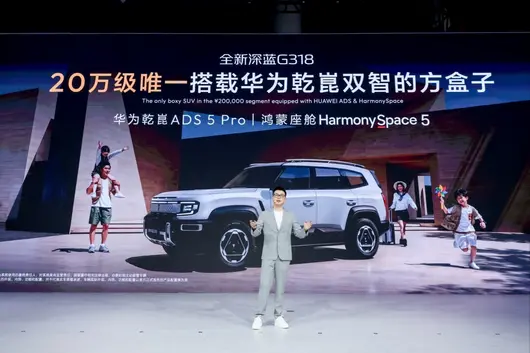
On the media day of the Chengdu Auto Show, the Deepal booth was packed tight. This warmth wasn't unexpected, after all the all-new G318 brought two hardcore selling points: box-shaped styling, plus the only Huawei Qiankun dual-intelligent system in the 200,000 RMB class.
First look at price. The all-new Deepal G318 limited promotional price 196,800 RMB-236,800 RMB, three configurations: 4WD Comfort Tianshu Edition, 4WD Comfort Qiankun Edition, 4WD Air Suspension Qiankun Edition. Place orders and get an eight-package gift package worth up to 44,159 RMB. Truth be told, being able to buy a box-shaped SUV equipped with Huawei Qiankun ADS 5 Pro and HarmonySpace 5 Cockpit in this price range would be unimaginable two years ago.

From "Off-road Toy" to "Family All-rounder", G318 Redefines the Box-Shaped SUV
The positioning of the all-new G318 is interesting: "9 Cities 1 Wild", 90% time commuting in the city, 10% time out exploring. This positioning precisely hits the real needs of most family users: want a vehicle that looks tough, feels comfortable to use, and can occasionally go off-road, but don't want to sacrifice 90% city comfort for that 10% outdoor scenario.
Body length over 5 meters, spacious space brought by long wheelbase, rear row completely flat folding can become a 1.8-meter large bed, these details all convey a signal: this vehicle first serves family daily life. And dual-motor real 4WD, two differential locks, ET all-terrain system, then guarantee that 10% of outdoor scenarios won't break down. 450 horsepower, 552N·m peak torque, 5-second level 0-100 acceleration, power reserve is also sufficient to handle various road conditions.
Huawei Qiankun Dual-Intelligence Goes Downmarket, 200,000 RMB Box-Shaped SUV Finally Has a Smart Brain
The biggest highlight of this all-new G318 is bringing Huawei Qiankun ADS 5 Pro and HarmonySpace 5 Cockpit to the 200,000 RMB box-shaped SUV market. 27 sensors fusion perception, plus WEWA 2.0 architecture, urban pilot NCA, highway pilot NCA, full-domain intelligent parking assistance all arranged.

Urban commute most frustrating ring road passing, unprotected left turn, narrow road anti-scratch, congestion anti-cut-in, the system can handle autonomously. In-cabin laser Lidar placement location is also worth mentioning, installed inside the cabin means no wind resistance, do not obstruct view, fear no dirt, rainy days, tunnels, low light, backlight environment still work. Identify 30cm x 30cm small obstacles 116 meters in advance, this perception distance has already exceeded most old drivers' reaction limits.
All-dimensional anti-collision system CAS embeds 24 active safety capabilities into the decision link, 4 core safety scenarios achieved same-level leapfrog leading. Machine reaction speed is faster than humans, this is an objective fact, especially in emergency situations, millisecond-level decision difference might be the dividing line between avoiding accidents and accidents.
HarmonySpace Cockpit experience no need much description, after logging same Huawei account phone close to car screen auto connect, cross-end content seamless relay. 15.6-inch Huawei Smart Screen supports 3D real-time car control, operation silky smooth no lag. MoLA large model architecture voice interaction supports ten instructions mixed speaking, Sichuan dialect, Cantonese, etc., ten dialects all can recognize. Navigation Agent can understand "that coffee shop next to the airport" such fuzzy expression, auto correct typos plan optimal route. These details are exactly where practical value is most embodied in daily use.

"Air Suspension + CDC + Magic Carpet" Comfort Trio, Box-Shaped SUV Can Also Be Very Comfortable
Chassis aspect, all-new G318 equipped same-level only "Air Suspension + CDC + Magic Carpet" combination, plus double wishbone + multi-link independent suspension. Value of this system lies in millisecond-level damping adjustment, city road conditions soft and quiet, near-suburb unpaved road surface more smooth. Past box-shaped SUVs were criticized most for "hard bridge hard horse" ride quality, G318 this chassis solution counts as completed the comfort supplement.

Deepal L06 Special Edition Premiere: 1000N Downforce Track Toy
Another model worth attention on the booth is Deepal L06 new special edition. This vehicle itself has already stood firm in the 150,000 RMB market, July sales 7,267 units, consecutive 5 months break 5,000, steady sit 200,000 inside new energy medium car sales champion.
This special edition added track racing kit: Front head 3D wind blade plus integrated front splitter, side skirt wind blade, carbon fiber fixed large spoiler. Whole car highest downforce reaches 1000N, turning corners more satisfying, highway more stable. 3 million Ferrari-style magnetorheological suspension is L06's core card, this kit further amplifies sports gene. Young people want "daily comfort, track atmosphere" contradictory needs, L06 special edition counts as gave a solution.

Deepal S05 and S07: Bring Laser Radar and Air Suspension to Lower Price Range
Booth also has newly refreshed not long ago all-new Deepal S05, 115,900 RMB starting limited promotional price, gave laser radar, one-segment end-to-end algorithm, 3nm cockpit chip, FSD+HRS variable adaptive suspension. This vehicle has entered global 73 countries and regions, 250,000+ users, German iF Design Award, Thailand Car of the Year Award won repeatedly, is Deepal going out sea sales powerhouse.

All-new S07 then realized "Pure Electric + Extended Range" dual power form laser intelligent assisted driving full coverage, bring 300,000 RMB level intelligent driving experience to 150,000 RMB market. Huawei Qiankun plan urban pilot full coverage, plus full series standard configuration FSD+HRS variable adaptive chassis, this configuration scheme in same price range indeed rare.

Sales close to million, Deepal's Technical Bottom Card Getting Thicker
2026 Jan-Jul, Deepal global cumulative sales 193,369 units, year-on-year growth 13.48%. Overseas sales 44,508 units, year-on-year sharp increase 87.48%. As of July cumulative sales broke 910,000 vehicles, within year impact million milestone basically no suspense.
Deepal in technology layer accumulation also getting thicker. Hyper Force Super Integrated Electric Drive cumulative 45 months super 1 million units line, system assembly condition efficiency 94.13% global first. Gold Bell Battery two won National Science and Technology Progress Second Prize, 600,000 km decay no perception. Micro-core High-Frequency Pulse Heating took China Patent Gold Award. Second half year pure electric models successively launch 800V high voltage platform, support 6C super charging, 10 minutes complement energy 30%-80%.
Conclusion:
Past box-shaped SUV either hardcore off-road player niche toy, or appearance only city decoration. All-new Deepal G318 chose a middle road — using "9 Cities 1 Wild" product logic, Huawei Qiankun Dual-Intelligence intelligent support, plus air suspension CDC comfort chassis, this category truly pushed to family users.
When 200,000 RMB range box-shaped SUV can both satisfy daily commute comfort and intelligence needs, can also take whole family to suburbs play on weekends, this segment market ceiling probably need re-examine. Tech equity also, category innovation, ultimately pay bill is consumer, market will give answer. August 21st to 30th, Chengdu Western China International Expo Center Hall 11 Deepal booth, interested can go touch real car.

In the Malaysian SUV market, many buyers compare the Honda WR-V and Mazda CX-8 when choosing a car. These two cars are quite close in price and positioning. Today, we will make a detailed comparison from multiple aspects to help you save time on research.
The OTR price of the Honda WR-V in Malaysia is RM 89,900 - 107,900. There are 4 versions in total, including 2023 1.5L V (RM 99,900), 2023 1.5L E (RM 95,900), 2023 1.5L S (RM 89,900), etc.
The OTR price of the Mazda CX-8 in Malaysia is RM 165,360 - 201,360. There are 5 versions in total, including 2025 2.5T 4WD High Plus Petrol (RM 201,360), 2025 2.2L 2WD High Plus Diesel (RM 193,123), 2025 2.5L 2WD High Plus Petrol (RM 186,360), etc.
From a price perspective, the Honda WR-V's starting price is indeed RM 75,460 cheaper than the Mazda CX-8. If your budget is limited, Honda's entry-level version can already meet daily needs. But be aware, the few thousand difference might involve trade-offs in features, depending on your specific needs.
The Honda WR-V is equipped with a 1.5L 4-cyl, 105 hp. Official fuel consumption 6.0 L/100km.
The Mazda CX-8 is equipped with a 2.0L 4-cyl, 170 hp. Official fuel consumption 8.0 L/100km.
Regarding power, the Mazda CX-8's 2.0L 4-cyl has 65 more horsepower than the Honda WR-V's 1.5L 4-cyl. However, for daily driving in the city, the power of both cars is sufficient, and you won't feel underpowered.
The Honda WR-V has a body length of 4400 mm and a trunk of 400 L.
The Mazda CX-8 has a body length of 4500 mm and a trunk of 450 L.
In terms of space, the Mazda CX-8's body is 100 mm longer than the Honda WR-V, offering better passenger space. However, the Honda WR-V is a bit more flexible for parking in the city, each has its trade-offs.
The Honda WR-V and Mazda CX-8 are both mainstream choices in the Malaysian market, suitable for family use and daily commuting. If you value brand reputation and resale value more, you can prioritize the one with a better reputation; if you care more about cost-performance ratio and features, choose the one with richer configurations. Ultimately, it is recommended to test drive both, as personal experience is the most important.

Overall, the Honda WR-V and Mazda CX-8 are both very good models in the Malaysian market. Which one to choose depends mainly on your personal needs and budget. It is recommended to do your research, compare quotes from several dealerships, and then go for a test drive to make the final decision. Buying a car is a big matter; spending some time researching will never go wrong.

In Malaysia's SUV market, many buyers compare the Honda WR-V and Mazda CX-5 when choosing a car. These two cars are quite close in price and positioning. Today, we will make a detailed comparison from multiple aspects to help you save time on research.
Honda WR-V OTR price in Malaysia is RM 89,900 - 107,900, with a total of 4 versions, including 2023 1.5L V (RM 99,900), 2023 1.5L E (RM 95,900), 2023 1.5L S (RM 89,900) etc.
Mazda CX-5 OTR price in Malaysia is RM 135,469 - 166,760, with a total of 3 versions, including 2025 2.0L AT 35th Anniversary (RM 316,154), 2025 2.0L AT (RM 296,154), 2025 2.0L MT (RM 294,154) etc.
From the price perspective, the starting price of the Honda WR-V is indeed RM 45,569 cheaper than the Mazda CX-5. If your budget is limited, Honda's entry-level version can already meet daily needs. But also note, saving a few thousand RM might involve compromises on equipment, it depends on your specific needs.
Honda WR-V is equipped with 1.5L 4-cyl, 105 hp power. Official fuel consumption 6.0 L/100km.
Mazda CX-5 is equipped with 1.5L Turbo, 140 hp power. Official fuel consumption 7.0 L/100km.
In terms of power, the Mazda CX-5's 1.5L Turbo has 35 more horsepower than the Honda WR-V's 1.5L 4-cyl. However, for daily city driving, the power of both cars is sufficient, you won't feel it lacks power.
Honda WR-V safety rating is 5★ (ASEAN NCAP), active safety systems include Honda SENSING.
Mazda CX-5 safety rating is 5★ (ASEAN NCAP), active safety systems include .
The safety ratings of the two cars are the same, safety features in this class are considered quite comprehensive. New cars nowadays are not lacking in safety, no need to worry too much about this point.
Honda WR-V body length 4400 mm, trunk 400 L.
Mazda CX-5 body length 4500 mm, trunk 450 L.
In terms of space, the Mazda CX-5 body is 100 mm longer than the Honda WR-V, passenger space has more advantage. However, the Honda WR-V is more flexible for parking in the city, each has its trade-offs.

Honda WR-V Warranty 5 years/Unlimited mileage, Maintenance interval every 10,000km or 6 months.
Mazda CX-5 Warranty 5 years/150,000km, Maintenance interval every 10,000km or 6 months.

Overall, Honda WR-V and Mazda CX-5 are both very good models in the Malaysia market. Which one to choose depends on your personal needs and budget. It is recommended to do your research, compare quotes from several car dealers, and go for a test drive to make a final decision. Buying a car is a big matter, spending time on research will definitely not go wrong.
In the SUV market in Malaysia, many buyers compare Honda WR-V and Mazda CX-5 when choosing a car. These two cars are quite similar in price and positioning. Today, we will make a detailed comparison from multiple aspects to help you save time on research.
The OTR price of Honda WR-V in Malaysia is RM 89,900 - 107,900, with a total of 4 versions, including 2023 1.5L V (RM 99,900), 2023 1.5L E (RM 95,900), 2023 1.5L S (RM 89,900), etc.
The OTR price of Mazda CX-5 in Malaysia is RM 135,469 - 166,760, with a total of 3 versions, including 2025 2.0L AT 35th Anniversary (RM 316,154), 2025 2.0L AT (RM 296,154), 2025 2.0L MT (RM 294,154), etc.
From a price perspective, the starting price of Honda WR-V is indeed RM 45,569 cheaper than Mazda CX-5. If your budget is limited, Honda's entry-level version is already sufficient for daily needs. But also note, the few thousand cheaper might involve trade-offs in features, specific to your needs.
The safety rating of Honda WR-V is 5★ (ASEAN NCAP), active safety systems include Honda SENSING.
The safety rating of Mazda CX-5 is 5★ (ASEAN NCAP), active safety systems include .
Both cars have the same safety rating, and safety features are quite comprehensive for this class. New car safety isn't bad nowadays, so you don't need to worry too much about this.
Honda WR-V warranty 5 years/unlimited mileage, maintenance interval every 10,000km or 6 months.
Mazda CX-5 warranty 5 years/150,000km, maintenance interval every 10,000km or 6 months.
Both Honda WR-V and Mazda CX-5 are mainstream choices in the Malaysian market, suitable for family use and daily commuting. If you value brand reputation and used car price more, you can prioritize the one with better reputation; if you care more about cost-performance ratio and features, choose the one with richer configurations. Ultimately, we recommend test-driving both; experiencing them firsthand is most important.
In general, both Honda WR-V and Mazda CX-5 are quite good models in the Malaysian market. Which one to choose mainly depends on your personal needs and budget. We suggest everyone do their homework, compare quotes from multiple car dealerships, and then test-drive to make the final decision. Buying a car is a big matter; spending time doing research will never go wrong.

In the Malaysian SUV market, many buyers compare the Honda WR-V and Mazda CX-30 when choosing a car. These two models are quite close in price and positioning. Today, we will make a detailed comparison from multiple aspects to help you save time on research.
The Honda WR-V OTR price in Malaysia is RM 89,900 - 107,900, with a total of 4 versions, including 2023 1.5L V (RM 99,900), 2023 1.5L E (RM 95,900), 2023 1.5L S (RM 89,900), etc.
The Mazda CX-30 OTR price in Malaysia is RM 122,409 - 146,409, with a total of 4 versions, including 2025 2.0L High+ Premium (RM 146,409), 2025 2.0L High+ (RM 138,409), 2025 2.0L High (RM 130,409), etc.
From a price perspective, the Honda WR-V's starting price is indeed RM 32,509 cheaper than the Mazda CX-30. If your budget is limited, Honda's entry-level version can already meet daily needs. But keep in mind, that few thousand dollars saved might involve trade-offs in features, which depends on your specific needs.
The Honda WR-V body length is 4400 mm, trunk 400 L.
The Mazda CX-30 body length is 4500 mm, trunk 450 L.
Regarding space, the Mazda CX-30 body is 100 mm longer than the Honda WR-V, offering better seating space. However, the Honda WR-V is more flexible for parking in the city, each has its trade-offs.
The Honda WR-V adopts FWD drive configuration.
The Mazda CX-30 adopts FWD drive configuration.
The drive configuration for both cars is the same, both are FWD, so there won't be much difference in daily driving experience.
Both the Honda WR-V and Mazda CX-30 are mainstream choices in the Malaysian market, suitable for family use and daily commuting. If you value brand reputation and resale value more, prioritize the one with better reputation; if you care more about cost-performance and features, choose the one with richer configurations. Ultimately, it is recommended to test drive both, personal experience is most important.

Overall, both the Honda WR-V and Mazda CX-30 are very good models in the Malaysian market. Which one to choose depends mainly on your personal needs and budget. We recommend doing your homework, comparing quotes from several car dealers, and then test driving before making the final decision. Buying a car is a big matter, spending some time on research will never go wrong.
In Malaysia's SUV market, many buyers compare the Honda WR-V and Toyota Corolla Cross when choosing a car. These two cars are quite close in price and positioning. Today, we will make a detailed comparison from multiple aspects to help you save time on research.
The Honda WR-V's OTR price in Malaysia is RM 89,900 - 107,900, with a total of 4 versions, including 2023 1.5L V (RM 99,900), 2023 1.5L E (RM 95,900), 2023 1.5L S (RM 89,900), etc.
The Toyota Corolla Cross's OTR price in Malaysia is RM 133,800 - 148,800, with a total of 3 versions, including 2026 HEV 1.8L GR Sport (RM 148,800), 2026 HEV 1.8L Standard (RM 140,800), 2026 1.8L Standard (RM 133,800), etc.
From the price perspective, the Honda WR-V's starting price is indeed RM 43,900 cheaper than the Toyota Corolla Cross. If your budget is limited, Honda's entry-level version can already meet daily needs. But also note, the few thousand cheaper might mean compromises on features, it depends on your specific needs.
Honda WR-V comes equipped with a 1.5L 4-cyl, 105 hp. Official fuel consumption 6.0 L/100km.
Toyota Corolla Cross comes equipped with a 1.5L Turbo, 140 hp. Official fuel consumption 7.0 L/100km.
Regarding power, Toyota Corolla Cross's 1.5L Turbo has 35 hp more than Honda WR-V's 1.5L 4-cyl. However, daily driving in the city, both cars have sufficient power, you won't feel it lacks power.
Honda WR-V's safety rating is 5★ (ASEAN NCAP), active safety systems include Honda SENSING.
Toyota Corolla Cross's safety rating is 5★ (ASEAN NCAP), active safety systems include TSS (PCS, LDA, ACC, LTA).
Both cars have the same safety rating, safety features in this class are quite comprehensive. New cars nowadays do not lack safety, no need to worry too much about this point.
Honda WR-V body length 4400 mm, trunk 400 L.
Toyota Corolla Cross body length 4400 mm, trunk 400 L.
Both cars' dimensions are almost the same, interior space difference is not significant. Cars in this class are completely sufficient for daily use.

Honda WR-V and Toyota Corolla Cross are both mainstream choices in the Malaysia market, suitable for family use, daily commuting. If you value brand reputation and resale price more, prioritize the one with better reputation; if you care more about value for money and features, choose the one with richer configuration. Ultimately it is recommended to test drive both, personal experience is the most important.

Overall, Honda WR-V and Toyota Corolla Cross are both very good car models in the Malaysia market. Which one to choose mainly depends on your personal needs and budget. It is suggested to do your research, compare quotes from several dealers, then test drive to make a final decision. Buying a car is a big matter, spending time on research will never be wrong.

Di pasaran SUV Malaysia, ramai pembeli yang membandingkan Honda WR-V dan Mazda CX-5 semasa memilih kereta. Kedua-dua kereta ini mempunyai harga dan kedudukan yang hampir sama. Hari ini, kita akan melakukan perbandingan terperinci dari pelbagai aspek untuk membantu anda menjimatkan masa melakukan kajian.
Harga OTR Honda WR-V di Malaysia ialah RM 89,900 - 107,900, terdapat 4 varian, termasuk 2023 1.5L V (RM 99,900), 2023 1.5L E (RM 95,900), 2023 1.5L S (RM 89,900) dan lain-lain.
Harga OTR Mazda CX-5 di Malaysia ialah RM 135,469 - 166,760, terdapat 3 varian, termasuk 2025 2.0L AT 35th Anniversary (RM 316,154), 2025 2.0L AT (RM 296,154), 2025 2.0L MT (RM 294,154) dan lain-lain.
Dari segi harga, Honda WR-V mempunyai harga permulaan yang RM 45,569 lebih murah daripada Mazda CX-5. Jika bajet anda terhad, model asas Honda sudah boleh memenuhi keperluan harian. Namun, perhatikan juga bahawa perbezaan harga beberapa ribu ini mungkin melibatkan pengorbanan dalam pelengkapan, ia bergantung kepada keperluan anda.
Honda WR-V dilengkapi enjin 1.5L 4-silinder, kuasa 105 hp. Penggunaan minyak rasmi 6.0 L/100km.
Mazda CX-5 dilengkapi enjin 1.5L Turbo, kuasa 140 hp. Penggunaan minyak rasmi 7.0 L/100km.
Dari segi kuasa, 1.5L Turbo Mazda CX-5 mempunyai 35 kuasa kuda lebih daripada 1.5L 4-silinder Honda WR-V. Walau bagaimanapun, untuk penggunaan harian di bandar, kuasa kedua-dua kereta sudah memadai dan anda tidak akan terasa kurang tenaga.
Panjang kenderaan Honda WR-V ialah 4400 mm, bagasi 400 L.
Panjang kenderaan Mazda CX-5 ialah 4500 mm, bagasi 450 L.
Dari segi ruang, Mazda CX-5 lebih panjang 100 mm daripada Honda WR-V, memberikan kelebihan ruang duduk. Namun, Honda WR-V lebih fleksibel semasa memarkir di bandar, kedua-duanya mempunyai pengorbanan masing-masing.
Honda WR-V menggunakan sistem penggerak FWD.
Mazda CX-5 menggunakan sistem penggerak FWD.
Sistem penggerak kedua-dua kereta adalah sama, iaitu FWD, tiada perbezaan besar dalam pengalaman memandu sehari-hari.
Honda WR-V bergaransi 5 tahun/jarak tanpa had, selang servis setiap 10,000 km atau 6 bulan.
Mazda CX-5 bergaransi 5 tahun/150,000 km, selang servis setiap 10,000 km atau 6 bulan.
Secara keseluruhannya, Honda WR-V dan Mazda CX-5 kedua-duanya adalah model kereta yang sangat baik di pasaran Malaysia. Pilihan bergantung kepada keperluan dan bajet peribadi anda. Kami menyarankan anda membuat kajian dengan teliti, bandingkan beberapa tawaran daripada dealer kereta yang berbeza, dan kemudian buat keputusan akhir selepas ujian jalan. Membeli kereta adalah perkara besar, meluangkan masa untuk membuat kajian adalah perkara yang betul.

Dalam pasaran SUV di Malaysia, ramai pembeli ketika memilih kereta akan membandingkan Honda WR-V dan Mazda CX-5. Kedua-dua kereta ini hampir sama dari segi harga dan kedudukan pasaran, hari ini kita akan membuat perbandingan terperinci dari pelbagai aspek, untuk membantu anda menjimatkan masa mencari maklumat.
Honda WR-V di Malaysia mempunyai harga OTR sebanyak RM 89,900 - 107,900, mempunyai 4 varian, termasuk 2023 1.5L V (RM 99,900), 2023 1.5L E (RM 95,900), 2023 1.5L S (RM 89,900) dan lain-lain.
Mazda CX-5 di Malaysia mempunyai harga OTR sebanyak RM 135,469 - 166,760, mempunyai 3 varian, termasuk 2025 2.0L AT 35th Anniversary (RM 316,154), 2025 2.0L AT (RM 296,154), 2025 2.0L MT (RM 294,154) dan lain-lain.
Dari segi harga, harga permulaan Honda WR-V memang lebih murah RM 45,569 berbanding Mazda CX-5. Jika bajet anda terhad, versi permulaan Honda sudah boleh memenuhi keperluan harian. Namun, anda juga perlu ambil perhatian, beberapa ribu ringgit yang lebih murah itu mungkin ada kompromi dari segi kelengkapan, ia bergantung pada keperluan anda.
Penilaian keselamatan Honda WR-V ialah 5★ (ASEAN NCAP), sistem keselamatan aktif termasuk Honda SENSING.
Penilaian keselamatan Mazda CX-5 ialah 5★ (ASEAN NCAP), sistem keselamatan aktif termasuk.
Kedua-dua kereta mempunyai penilaian keselamatan yang sama, kelengkapan keselamatan dalam kategori ini memang lengkap. Keselamatan kereta baru masa kini tidak kurang baik, tiada perlu bimbang terlalu banyak mengenai hal ini.
Panjang badan Honda WR-V ialah 4400 mm, kapasiti bagasi 400 L.
Panjang badan Mazda CX-5 ialah 4500 mm, kapasiti bagasi 450 L.
Dari segi ruang, panjang badan Mazda CX-5 lebih 100 mm daripada Honda WR-V, ruang duduk lebih menguntungkan. Walau bagaimanapun, Honda WR-V lebih fleksibel untuk diparkir di bandar, setiap ada kelebihannya sendiri.
Honda WR-V dan Mazda CX-5 sama-sama pilihan utama di pasaran Malaysia, sesuai untuk penggunaan keluarga, perjalanan harian. Jika anda lebih mementingkan reputasi jenama dan harga jualan semula, boleh优先考虑 model dengan reputasi lebih baik; jika anda lebih mementingkan nilai harga dan kelengkapan, maka pilih yang mempunyai konfigurasi lebih banyak. Pada akhirnya disarankan untuk kedua-dua model diuji jalan, pengalaman langsung adalah yang paling penting.
Secara keseluruhannya, Honda WR-V dan Mazda CX-5 sama-sama model yang sangat baik di pasaran Malaysia. Memilih mana satu, kunci utamanya masih bergantung pada keperluan dan bajet peribadi anda. Kami sarankan anda membuat penyelidikan, bandingkan tawaran harga dari beberapa pengedar kereta, kemudian uji jalan untuk membuat keputusan akhir. Membeli kereta adalah perkara besar, meluangkan masa untuk penyelidikan pasti tidak salah.

Dalam pasaran SUV di Malaysia, ramai pembeli membandingkan Honda WR-V dan Mazda CX-30 semasa memilih kereta. Kedua-dua kereta ini mempunyai harga dan penstran yang agak serupa. Hari ini, kita akan membuat perbandingan terperinci dari pelbagai aspek untuk membantu anda menjimatkan masa membuat kajian.
Harga OTR Honda WR-V di Malaysia ialah RM 89,900 - 107,900. Terdapat 4 versi, termasuk 2023 1.5L V (RM 99,900), 2023 1.5L E (RM 95,900), 2023 1.5L S (RM 89,900) dan lain-lain.
Harga OTR Mazda CX-30 di Malaysia ialah RM 122,409 - 146,409. Terdapat 4 versi, termasuk 2025 2.0L High+ Premium (RM 146,409), 2025 2.0L High+ (RM 138,409), 2025 2.0L High (RM 130,409) dan lain-lain.
Dari segi harga, harga permulaan Honda WR-V memang lebih murah RM 32,509 berbanding Mazda CX-30. Jika bajet anda terhad, versi permulaan Honda sudah cukup untuk memenuhi keperluan harian. Tetapi perlu diingat, beberapa ribu ringgit yang lebih murah itu mungkin melibatkan pengorbanan dari segi kelengkapan, bergantung kepada keperluan anda.
Gred keselamatan Honda WR-V ialah 5★ (ASEAN NCAP). Sistem keselamatan aktif termasuk Honda SENSING.
Gred keselamatan Mazda CX-30 ialah 5★ (ASEAN NCAP). Sistem keselamatan aktif termasuk i-Activsense.
Gred keselamatan kedua-dua kereta adalah sama. Dalam kategori ini, kelengkapan keselamatan dianggap lengkap. Keselamatan kereta baru sekarang tidak buruk, tidak perlu risau sangat tentang hal ini.
Panjang kenderaan Honda WR-V ialah 4400 mm, ruang storan 400 L.
Panjang kenderaan Mazda CX-30 ialah 4500 mm, ruang storan 450 L.
Dari segi ruang, kenderaan Mazda CX-30 lebih panjang 100 mm daripada Honda WR-V, mempunyai kelebihan ruang penumpang. Namun, Honda WR-V lebih fleksibel untuk diparkir di bandar. Setiap ada kelebihan dan kekurangannya.
Honda WR-V mempunyai garansi 5 tahun/tanpa had kilometer, selang penyelenggaraan setiap 10,000km atau 6 bulan.
Mazda CX-30 mempunyai garansi 5 tahun/150,000km, selang penyelenggaraan setiap 10,000km atau 6 bulan.
Secara keseluruhan, Honda WR-V dan Mazda CX-30 adalah model yang sangat baik di pasaran Malaysia. Memilih mana satu, penting bergantung pada keperluan dan bajet peribadi anda. Kami menasihatkan anda membuat kajian terlebih dahulu, bandingkan sebut harga daripada beberapa pengedar, kemudian buat uji pandu untuk membuat keputusan akhir. Membeli kereta adalah perkara penting, meluangkan masa untuk kajian pasti tidak salah.

兄弟们有没有发现,奇瑞旗下的风云系列,这几年在市场上的存在感越来越强了?
像风云A8和风云A9都拿出了不错的销量成绩。
为啥能如此快速取得成效,我觉得吧,风云品牌走的是“技术普惠”路线,价格不贵,配置却不含糊,这也是它能在细分市场站稳脚跟的主要原因。
然而没想到的是,风云家族又来了个“风云T7”,官方已经确认,新车将于8月26日正式上市,预售价区间10.99-12.99万元。

据悉,定位是一款纯电动紧凑型SUV,这也是奇瑞在10万级纯电SUV这个“兵家必争之地”投下的一颗重磅棋子。
老规矩,聊车之前先发誓,没有被充值,全凭良心评车,天地可鉴!
不废话,先说说这款车的基本信息吧。
风云T7全系搭载CLTC纯电续航600km的犀牛电池,容量为65.05kWh,30%-80%充电只需要20分钟。
高配车型还搭载了猎鹰500辅助驾驶系统,支持高速辅助驾驶。
说句心里话,这个配置放在10万级这个价位,诚意不算低了。
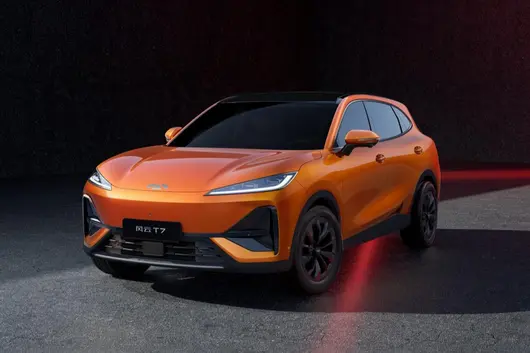
外观方面,新车整体走的是流线动感路线,双LED前大灯支持自适应远近光灯和大灯延时关闭功能,前脸两侧的大尺寸导流槽,让整车运动感更强。

车身侧面配备镀铬饰条,车门是传统式门把手,车身下包围采用熏黑材质,17英寸、18英寸两种规格的黑色轮圈可选。
车身尺寸方面,长宽高分别为4570/1852/1694mm,轴距2700mm,这个数据属于紧凑型SUV里比较标准的身材,跟同级的深蓝S05、银河E5基本处在同一水平线上。

车尾采用贯穿式尾灯样式,风格极简,后扰流板加上强化运动属性的后包围,视觉上很有运动气场,还提供了电动后备厢,这一点在10万级车型里算是加分项。

内饰方面,环抱式座舱设计搭配双拼配色方案,8.8英寸全液晶仪表加上15.6英寸2.5K悬浮式中控屏,内置的是高通骁龙8775座舱芯片,支持CarPlay、HiCar、Carlink互联,可开启全景天窗以及50W无线充电也都安排上了。

前排座椅带加热与通风功能,全系标配8扬声器SONY音响,这套配置组合,家用属性拉得很满。
动力上,新车全系单电机,最大功率178kW,峰值扭矩275N·m,底盘为前麦弗逊式独立悬架、后多连杆式独立悬架。
整体来看的话,风云T7走的不是性能怪兽路线,更看重的是均衡与实用,这个思路跟它锁定的目标用户群体是非常匹配的。

那么问题来了,10万级纯电SUV这个赛道,究竟有多卷呢?
那就要来看看风云T7要面对的对手有哪些了?
比如说,零跑B10、吉利银河E5、深蓝S05、比亚迪元UP/元PLUS、广汽埃安i60,这几款车基本占据了这个价位的主流市场,每一款都有各自的优势和卖点。

零跑B10的核心优势在续航,600km的CLTC续航在同价位里属于扎实水平,欧洲底盘调校加上智能化座舱也是它的卖点,高配车型搭载激光雷达版本,辅助驾驶能力比较全面。
银河E5的强项在车机生态,Flyme Auto系统加龙鹰一号芯片,四屏联动体验做得比较到位,安全性方面通过了Euro NCAP和ANCAP双五星认证。

深蓝S05则在底盘调校上偏运动,路感清晰,操控是它的加分项,还支持6kW交流放电,户外用电比较方便。

埃安i60主打“养成系”迭代,OTA更新节奏快,加上烧一赔三的兜底政策,长期使用价值和心理安全感这块做得比较到位。

跟这几款车比起来,风云T7的优势和短板都挺明显。
优势在于,600km的续航在这个价位属于第一梯队水平,跟零跑B10打了个平手,比银河E5、深蓝S05的主流续航版本要更长一些。
高配车型的猎鹰500辅助驾驶系统,加上骁龙8775芯片、8.8英寸仪表+15.6英寸2.5K中控屏这套组合拳,配置密度不算低,尤其是无线充电、座椅通风加热、SONY音响这些“舒适向”配置全系标配,家用体验很实在。

短板也要说清楚,178kW的单电机功率、275N·m的扭矩,跟零跑B10的160kW比虽然占优,恰恰相反,跟这个价位追求运动感的用户需求相比,动力储备只能算够用,谈不上惊喜。
悬架结构方面,前麦弗逊+后多连杆是这个价位的常规配置,没有像大唐EV、海豹08那种空气悬架的越级表现,这也符合它10万级的定位,不能用更高价位的标准去要求。
值得一提的是,风云T7走的是“先海外再国内”的路径,海外同源车型Lepas L6已经进入泰国、印度尼西亚等东南亚市场,经过海外验证之后才回到国内发布。
这个思路跟大多数国产新能源车国内首发的节奏不太一样,官方说法是历经2年策划、3年研发,完成了百万公里全球路况测试。

对于看重品控和验证周期的用户来说,这也算是一个差异化的卖点。
对于想要买这车的兄弟,我个人的建议是这样的,你们可以参考权衡一下。
要是你们的预算刚好卡在10-13万,家里用车场景以城市通勤加短途出游为主,续航焦虑是你最在意的点,风云T7的600km续航加上20分钟快充,基本能满足需求。
真正的关键是,要不要选高配车型,主要看对辅助驾驶的依赖程度,猎鹰500只在高配车型上才有,预算有限的话中低配够日常代步用。

如果对操控和加速更敏感,深蓝S05、零跑B10可能更对胃口。
更看重车机生态和品牌背书,银河E5、埃安i60也值得放进备选名单。
核心在于,10万级纯电SUV这个赛道已经进入“没有明显短板,比的是细节体验”的阶段,风云T7能不能突围,还得看8月26日正式上市后的最终定价,以及后续的用户口碑反馈。
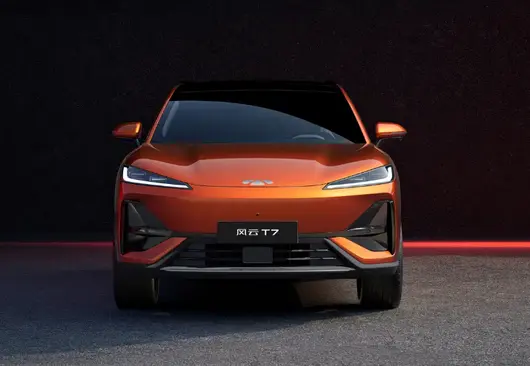

揀純電 SUV,係咪要妥協?續航長嘅太貴,平嘅又驚唔安全,空間大嘅唔智能,智能嘅又犧牲續航……屋企有老有細,揀車就好似做多選題,揀咗個就得舍嗰個。直到搶先體驗咗奇瑞風雲 T7,我先得發現——原來真係有一台車,能夠令家庭用戶咩都唔使妥協。
講返最讓我安心嘅——全球品質。風雲 T7 唔係內地專供車,同源車款喺南非預售、泰國上市咗。奇瑞連續 23 年出口第一,呢台車由研發就鎖定全球標準,2 年策劃、3 年研發,累計測試超 600 萬公里。講白啲,佢哋係先接受全球市場考驗再回國,品質底子擺喺度。
續航焦慮?無影蹤。全系標配 65.05kWh 犀牛電池,CLTC 續航全部 600 公里——入門版唔砍續航,高配唔加價換取續航,先至係誠意。傳媒實測可以跑到 667 公里,反向虛標真係好實。快充 30% 至 80% 只要 20 幾分鐘,帶家人出遠門,休息區上洗手間嗰陣間電就充好咗。
安全呢方面,屋企有細路嘅朋友可以安心啦。全車 80% 高強鋼、18.84% 熱成型鋼,九橫五縱籠式車身,直接對標 2026 版 E-NCAP 五星標準。全車配 9 個安全氣囊,同級最多——前後排側氣囊、貫穿式長側氣簾都有,老細全車都有保護。

智能方面亦唔含糊。4nm 製程 8775 座艙駕駛一體芯片 + 15.6 吋 2.5K 大螢幕,靈犀智艙 2.0 配上豆包大模型,反應快、交互順暢。帶細路出街喊聲就得調校冷氣、放兒歌,省心。
空間更加驚喜。2700mm 軸距,後排純平地台,後排摺埋就係 1.9 米純平大牀。尾箱最大可以延伸至 1550L——露營裝備、手推車、行李箱一一塞得落。
“慢工出細貨,等咗好耐”。風雲 T7 用全球品質證明咗真正嘅好車急唔嚟。10.99 萬元起,呢個價位能買到唔妥協嘅純電 SUV,真心推薦帶埋家人去門市親身體驗下

8月17日,吉利汽车控股有限公司(0175.HK)发布2026年中期业绩。上半年总营收达1736亿元,同比增长15%,创历史新高。核心归母净利润达96.8亿元,同比劲增46%,增速跑赢营收增长;核心归母净利率5.6%。在行业价格战持续、多数车企盈利承压的背景下,近百亿的核心利润引发市场关注。

前插行后插行
同日,吉利汽车控股有限公司宣布了一项引发行业关注的管理层调整:创始人李书福辞任吉利汽车控股有限公司董事会主席及执行董事职务,由在吉利体系工作三十年的安聪慧接任。业绩与人事的双重消息叠加,吉利汽车午后股价拉升超5%。
现任董事会副主席桂生悦在业绩会上将此次调整定性为:“这次大幅度人事变动并非简单的人事更替,而是吉利汽车战略级的组织进化宣言。”这标志着吉利汽车已从“创始人驱动”的创业期和发展期,迈向了由“制度与团队驱动”的成熟期。
量价利齐升
2026年上半年,中国汽车市场“以价换量”仍是主旋律,吉利汽车却实现了量、价、利齐升。
财报显示,吉利汽车上半年总销量突破142万辆,创同期新高。单车核心归母净利润达6806元,同比提升45%——反推去年同期约4700元,同样是卖一辆车,今年比去年多赚约2100元。单车收入同比提升16%至11.2万元。
利润提升的直接原因是产品结构优化。极氪品牌上半年销量17.8万辆,仅占总销量12.5%,却贡献了31.7%的收入,平均客单价约35万元。银河以近52万辆守住主流新能源基本盘,中国星超58万辆蝉联中国品牌燃油乘用车销冠。高端向上、主流守稳、燃油输血——“一个吉利”战略整合两年后,四大品牌首次如此清晰地各就其位。
与此同时,费用端没有跟着规模膨胀。行政费用率同比下降0.2个百分点至1.7%,研发投入比下降0.3个百分点至5.2%,销售费用率在海外大扩张之下仍与上年持平。研发投入绝对值增长8%至90.6亿元。上半年毛利率提升至17.9%。
桂生悦在业绩会上给出了一个层层递进的判断:这份财报“预料之中”——近几年吉利销量和利润大概率都将创历史新高;也“亮眼”——行业平均利润率仅1.6%,吉利净利率达5.6%;但“并不惊艳”——国内汽车总销量同比双位数下滑,芯片和大宗原材料价格飞速上涨。他同时表示:“我相信在不远的将来,会有令人惊艳的财报出现。”
上市21年,分红远超融资
利润增长的同时,吉利汽车持续加码股东回报。上半年累计回购股份18.85亿港元,7月30日实施每股派息0.5港元,同比提升51.5%,派息总额达53.9亿港元。这是吉利汽车连续第五年核心利润派息率超过30%。
浙江吉利控股集团董事长、吉利汽车控股有限公司终身荣誉主席李书福在中期业绩发布会上披露了一组对比数据:2005年5月19日吉利汽车股票在港交所上市时,股价0.4港元、市值16亿港元;至2026年8月12日,股价18.06港元、市值1948亿港元。每年分红从2005年的4000万港元到2025年的54亿港元。“公司从资本市场上融资的金额远远少于公司分红给股东的金额,我们坚持每年分红,回报股东。”李书福说,“我们基本上说到做到,用人格信守诺言,用能力兑现承诺。”
截至6月末,吉利汽车资金储备达695.6亿元,居于历史高位。
“一个吉利”深化
李书福辞任后,获委任为终身荣誉主席。他对接任者、吉利汽车控股有限公司董事会主席安聪慧的评价用词颇为罕见——“德才兼备,品学兼优,事业心坚定,意志力超强”。他特意强调:“安聪慧是吉利体系内培养出来的优秀职业人才。”
公开资料显示,安聪慧1996年加入吉利控股集团,从审计员开始职业生涯。此后三十年的履历几乎覆盖了吉利汽车产业扩张的每一个关键节点:从审计员到工程总指挥,从总经理到集团总裁,主导CVVT发动机项目,参与沃尔沃收购整合,一手创建领克。2021年,他主动请缨卸任吉利汽车集团CEO,从零起步打造极氪品牌——不到三年推动极氪登陆纽交所。2026年初,他出任浙江吉利控股集团首席执行官。
此次调整并非“一上一下”的简单替换,而是一场四人联动的精密调整。李书福辞任吉利汽车控股有限公司董事会主席和执行董事,继续担任浙江吉利控股集团董事长。安聪慧接任吉利汽车控股有限公司董事会主席。李东辉辞任董事会副主席职务,继续担任执行董事。桂生悦辞任行政总裁职务,转任董事会副主席,继续担任执行董事。淦家阅获任行政总裁,负责日常运营。
四人各挪一步,董事会、战略层、执行层三级治理架构一次理顺。桂生悦在业绩会上进一步阐释:吉利汽车将是安聪慧担任主席的吉利体系内唯一一家上市公司。这意味着吉利将继续落实《台州宣言》,集中集团所有优质资源,做大、做实、做强上市公司。
李书福在视频中阐述了吉利的核心价值观:“用户至上、战略引领、元动力保障”。他特别解释:“元动力是企业的元气,是员工的心气,我们一定要让员工的心与企业在一起。”吉利专门成立了人才集团,2026年发起“跨时代跃迁人才培养计划”和“跨时代实战专业能力培养计划”。从基石计划到跨时代跃迁计划,吉利正在构建从高中毕业生到高管的全链条培养体系。
海外提速与技术转身
海外市场成为第二增长曲线。上半年海外销量超47.4万辆,已超2025年全年出口总量,同比大增158%。6月和7月海外销量连超10万辆,排名升至中国车企出海销量第三位。吉利汽车据此将全年海外销量目标由64万辆上调至92万辆,冲刺年销100万辆。
安聪慧在业绩会上透露,吉利自成立之初就确立了“让三分之二的汽车销往海外”的长期战略。具体落地为“123456”框架——打造1个海外吉利体系,欧洲60万级、东盟50万级、拉美非40万级、东欧30万级、中东亚20万级,合计200万辆规划。海外本地化产能布局首次系统披露:沃尔沃欧洲工厂将承接吉利体系内豪华车生产,2028年投产;宝腾马来西亚工厂从20万辆提升至50万辆;福特西班牙工厂50万辆产能;雷诺巴西项目30万辆产能;雷诺韩国工厂已投产。
在燃油车领域,淦家阅透露了一个重大战略转向:“未来我们不再研发传统燃油汽车,而是将所有燃油汽车全部转向i-HEV。这是经营管理班子和产品战略委员会做出的重大决定。”i-HEV智擎混动技术油耗比日系混动标杆低12%,零百加速快1秒以上。下半年将推出星越、星瑞、博越L等i-HEV车型。
2026年开年至今,吉利汽车是A股和H股中唯一股价正增长的中国乘用车整车股。花旗、摩根士丹利、摩根大通等数十家国内外投行给予“增持”“买入”等评级。
在行业价格战白热化、中国汽车业平均利润率持续承压的背景下,这份近百亿核心利润的成绩单,为这场酝酿多年的交接提供了最坚实的底气。从1996年安聪慧加入吉利,到2026年他接任吉利汽车控股有限公司董事会主席,整整三十年。李书福继续在浙江吉利控股集团层面掌舵全局,安聪慧及其职业经理人团队操盘上市公司,权责清晰,各守其位。李书福在中期业绩发布会上说:“公司从资本市场上融资的金额远远少于公司分红给股东的金额,我们坚持每年分红,回报股东。我们基本上说到做到,用人格信守诺言,用能力兑现承诺。”


喺馬來西亞嘅 SUV 市場,好多買家喺揀車嘅時候都會拿 Honda WR-V 同 Mazda CX-8 嚟做比較。呢兩款車喺價位同定位上都幾相近,今日我哋就從多個方面嚟做一個詳細嘅比較,幫你節省做功課嘅時間。
Honda WR-V 喺馬來西亞嘅 OTR 售價係 RM 89,900 - 107,900,合共有 4 個版本,包括 2023 1.5L V(RM 99,900)、2023 1.5L E(RM 95,900)、2023 1.5L S(RM 89,900)等。
Mazda CX-8 喺馬來西亞嘅 OTR 售價係 RM 165,360 - 201,360,合共有 5 個版本,包括 2025 2.5T 4WD High Plus Petrol(RM 201,360)、2025 2.2L 2WD High Plus Diesel(RM 193,123)、2025 2.5L 2WD High Plus Petrol(RM 186,360)等。
從價錢來看,Honda WR-V 嘅起步價確實比 Mazda CX-8 平咗 RM 75,460。如果你預算有限,Honda 嘅入門版已經可以滿足日常需求。但都要留意,平嘅嗰幾千蚊,可能喺配備上會有取舍,具體要睇你嘅需求。
Honda WR-V 嘅安全評級係 5★ (ASEAN NCAP),主動安全系統包括 Honda SENSING。
Mazda CX-8 嘅安全評級係 5★ (ASEAN NCAP),主動安全系統包括 Brand ADAS。
兩款車嘅安全評級一樣,喺呢個級別入面安全配備都算好齊全。而家嘅新車安全性都唔錯,唔使太擔心呢一點。
Honda WR-V 車身長 4400 mm,尾箱 400 L。
Mazda CX-8 車身長 4500 mm,尾箱 450 L。
空間方面,Mazda CX-8 嘅車身比 Honda WR-V 長咗 100 mm,乘坐空間更有優勢。不過 Honda WR-V 喺城市入面泊車會靈活啲,各有取舍。
Honda WR-V 採用 FWD 驅動方式。
Mazda CX-8 採用 FWD 驅動方式。
兩款車嘅驅動方式一樣,都係 FWD,日常駕駛感受唔會有太大分別。
總括嚟講,Honda WR-V 同 Mazda CX-8 都係馬來西亞市場幾唔錯嘅車款。揀邊一部,關鍵都要睇你嘅個人需求同預算。建議大家做好功課,多比較幾間車行嘅報價,再去試車做最終決定。買車係件大事,花少少時間做功課絕對唔會錯。

喺馬來西亞嘅 SUV 市場,好多買家喺揀車嘅時候都會拿本田 WR-V 同馬自達 CX-3 嚟做比較。呢兩部車喺價位同定位上都幾接近,而家我哋就從多個方面做一個詳細嘅比較,幫你省咗做功課嘅時間。
本田 WR-V 喺馬來西亞嘅 OTR 售價係 RM 89,900 - 107,900,一總共有 4 個版本,包括 2023 1.5L V(RM 99,900)、2023 1.5L E(RM 95,900)、2023 1.5L S(RM 89,900) 等。
馬自達 CX-3 喺馬來西亞嘅 OTR 售價係 RM 126,159 - 139,159,一總共有 2 個版本,包括 2023 2.0L High(RM 139,159)、2023 2.0L Plus(RM 126,159) 等。
從價錢睇,本田 WR-V 嘅起步價確實比馬自達 CX-3 平咗 RM 36,259。如果你預算有限,本田嘅入門版已經可以满足日常需要。但都要留意,平嗰幾千蚊,可能喺配備上會有取舍,具體要睇你嘅需要。
本田 WR-V 嘅安全評級係 5★ (ASEAN NCAP),主動安全系統包括 Honda SENSING。
馬自達 CX-3 嘅安全評級係 5★ (ASEAN NCAP),主動安全系統包括 i-Activsense。
兩部車嘅安全評級一樣,喺呢個級別入面安全配備都算給得好齊全嘅。而家嘅新車安全性都唔差,唔使太擔心呢一點。
本田 WR-V 車身長 4400 mm,行李箱 400 L。
馬自達 CX-3 車身長 4500 mm,行李箱 450 L。
空間方面,馬自達 CX-3 嘅車身比本田 WR-V 長咗 100 mm,乘坐空間更有優勢。不過本田 WR-V 喺城市入面停車會靈活啲,各有取舍。
本田 WR-V 保養 5 年/無限里程,保養間隔 每 10,000km 或 6 個月。
馬自達 CX-3 保養 5 年/150,000km,保養間隔 每 10,000km 或 6 個月。

總括嚟講,本田 WR-V 同馬自達 CX-3 都係馬來西亞市場幾唔錯嘅車款。揀邊一部,關鍵都要睇你嘅個人需要同預算。建議大家做好功課,多比較幾間車行嘅報價,再去做試駕做最終決定。買車係件大事,花啲時間做功課絕對唔會錯。
In the Malaysian SUV market, many buyers compare Honda WR-V and Toyota Corolla Cross when choosing a car. These two cars are quite close in price and positioning. Today we will make a detailed comparison from multiple aspects to help you save time on research.
The OTR price of Honda WR-V in Malaysia is RM 89,900 - 107,900, with a total of 4 versions, including 2023 1.5L V (RM 99,900), 2023 1.5L E (RM 95,900), 2023 1.5L S (RM 89,900) etc.
The OTR price of Toyota Corolla Cross in Malaysia is RM 133,800 - 148,800, with a total of 3 versions, including 2026 HEV 1.8L GR Sport (RM 148,800), 2026 HEV 1.8L Standard (RM 140,800), 2026 1.8L Standard (RM 133,800) etc.
From a price perspective, the starting price of Honda WR-V is indeed RM 43,900 cheaper than Toyota Corolla Cross. If your budget is limited, Honda's entry-level version is already sufficient for daily needs. But also note that the savings of a few thousand might involve trade-offs in features, it depends on your specific needs.
Honda WR-V is equipped with 1.5L 4-cyl, 105 hp power. Official fuel consumption 6.0 L/100km.
Toyota Corolla Cross is equipped with 1.5L Turbo, 140 hp power. Official fuel consumption 7.0 L/100km.
In terms of power, the 1.5L Turbo in Toyota Corolla Cross has 35 more horsepower than the 1.5L 4-cyl in Honda WR-V. However, for daily driving in the city, the power of both cars is sufficient, you won't feel like it lacks power.
Honda WR-V warranty 5 years/unlimited mileage, maintenance interval every 10,000km or 6 months.
Toyota Corolla Cross warranty 5 years/unlimited mileage, maintenance interval every 10,000km or 6 months.
The warranty conditions for both cars are the same, no need to worry about this aspect. Actual maintenance costs depend on the brand's service network and spare part prices, it is recommended to ask real owners in car owner groups for their experience.
Both Honda WR-V and Toyota Corolla Cross are mainstream choices in the Malaysian market, suitable for family use and daily commuting. If you value brand reputation and resale value more, you can prioritize the one with better reputation; if you care more about cost-performance ratio and features, choose the one with richer configuration. Finally, it is recommended to test drive both, personal experience is the most important.
In general, both Honda WR-V and Toyota Corolla Cross are very good models in the Malaysian market. Choosing which one depends mainly on your personal needs and budget. It is recommended to do your research, compare quotes from several dealerships, and then test drive to make a final decision. Buying a car is a big matter, spending time on research will definitely not be wrong.

Four years ago, BYD's monthly sales in Australia were zero, as it only officially entered the Australian market in November 2022.
But no one expected that in less than four years, this new Chinese brand established in the Australian market actually cornered the Japanese car brands that had been operating in Australia for 28 years.
According to Nikkei China, in June this year, BYD's sales in Australia reached 19,000, with a gap of only 243 units compared to the local number one, Toyota, meaning the two are nearly level.
Data from the Australian Federal Automotive Industries Chamber is even more direct: in the first seven months of this year, BYD's cumulative sales broke 60,000, with a market share of up to 8.5%, leaving behind old faces like Ford, Mazda, and Hyundai, second only to Toyota.
Additionally, Chinese cars and Japanese cars in the Australian market show completely different trends. According to the Australian Broadcasting Corporation, compared to the same period last year, Mazda sales dropped 17%, Toyota dropped 21%, Subaru and Mitsubishi both dropped 25%, while BYD increased by 124% year-on-year, with Chery and Geely also achieving varying degrees of growth.

But data is ultimately just appearance. What is truly worth pondering is, why does a brand that had nothing to do with this market four years ago manage to create such a stir on someone else's turf? Why does this country, accounting for less than 2% of global new car sales, warrant Chinese car companies breaking their heads to rush in? What does conquering Australia really mean for Chinese cars making their way into the world?
Reading this article you will understand:
1. What is the landscape of the Australian automotive market?
2. Why is it specifically Australia?
3. What irreplaceable strategic value does the Australian market hold for the global expansion of Chinese cars?
Three keywords to fully explain the Australian automotive market
To understand the Australian automotive market, three keywords are enough: Monopoly, Rise, Siege.
Monopoly, refers to Japanese cars.
Using "Monopoly" to describe Japanese cars is not an exaggeration. Taking sales in 2025 as an example, Australia's total new car sales for the year reached 1.241 million, with Toyota alone accounting for 239,000 units, becoming the sales champion of the Australian automotive market for 23 consecutive years, with a market share close to 20%. Besides Toyota, Mazda, Mitsubishi, Isuzu, Subaru, and Nissan all ranked in the top ten of the 2025 Australian automotive sales brand list.
In the entire Australian market, only American Ford, Tesla, Korean Hyundai, Kia, German Volkswagen, Chinese BYD, Great Wall, Chery, and MG can compete with Japanese cars, but sales have never managed to exceed Japanese cars. Exaggerating, take a glance at a gas station, seven out of ten cars display Japanese car logos.
Rise, it's time for Chinese brands to take the stage.
In the Australian market, although Chinese cars have never managed to surpass Japanese cars, their strong growth momentum has been narrowing the gap between the two.
From January to July 2026, among the top ten car brands in Australia, Chinese brands accounted for four, namely:
BYD ranked second, sales were 60,192 units;
Great Wall Motor ranked seventh, sales were 34,877 units;
Chery Automobile ranked eighth, sales were 29,579 units;
MG ranked tenth, sales were 27,430 units.

In addition, there is Geely with sales of 14,655 units, OMODA & JAECOO with sales of 10,943 units (Chery's J&O dual-brand matrix for overseas markets), and Zeekr with sales of 7,950 units. Moreover, both Chery and Geely are building multi-brand matrices. If sub-brand sales are combined, the share would be even larger. The question is no longer about Chinese cars "whether they exist," but "how much share they can seize."
Siege, that is the third keyword.
This is not one brand fighting Japanese cars alone, but a group of Chinese brands rushing into the Japanese brand's territory. BYD tears open a gap with EVs and PHEVs, Great Wall uses hard hits with pickups and SUVs, Chery spreads the line of battle with multi-brand matrices, Geely and Zeekr attack from the high-end and intelligence angles. Meanwhile, for Japanese cars this year, except Honda, Toyota dropped 21%, Mazda dropped 17%, Subaru and Mitsubishi both dropped 25%, the gap will only widen.
So, what do Australian consumers actually think? Can Chinese cars surpass the deeply rooted Japanese cars in Australia?
This question has already been answered by local authoritative institutions. According to research by AADA (Australian Automotive Dealers Association), China's momentum in supplying vehicles to the Australian market is strengthening. It is expected to become the main source of vehicle imports by 2035, accounting for 43% of all new car sales by 2035.
That is to say, Chinese cars topping Australia has almost become a foregone conclusion.
Why is it Australia?
Chinese cars breaking the monopoly in the local market in Australia is clearly not a coincidence, but a superposition of three characteristics.
The first characteristic is that Australia does not have well-known local automobile enterprises.
As early as 1948, the "Holden 48-215" came off the production line, this is the first car independently manufactured in Australia. For a long time, Holden was the mainstream in the local automotive market. However, Australia has a vast land and sparse population, with an annual scale of just over 1 million units, which cannot be compared with huge markets like China and Southeast Asia, leaving extremely limited growth space.

(Holden Auto Logo)
On the other hand, Australian labor costs are extremely high, while there are no particularly leading technical advantages, and they cannot compete with giants in the US, Germany, Japan, etc., in terms of going global.
Finally, on October 20, 2017, the last car came off the line for Holden Motor Company, and Australia's automotive industry was declared ended. The then Prime Minister Malcolm Turnbull even stated: "This is the end of an era."

The lack of local brands instead cleared the track for latercomers. Whoever has good products, fair prices, and fast delivery can get a seat at the table.
To put it plainly, this is a place where you eat based on your skills.
The second characteristic is zero tariffs.
In June 2015, the China-Australia Free Trade Agreement was officially signed. After that, tariffs for Chinese complete vehicles entering Australia gradually dropped to zero.
That is to say, Australia is willing to "open its doors" to Chinese cars. While Chinese cars were blocked by tariffs in other markets, in Australia they only had to worry about "is the product good enough". This also gave Chinese car companies great development space.
Finally, the forced push from high oil prices.
Since the Hormuz Strait channel was blocked this year, global oil prices soared directly, and Australia even released heavy news that fuel reserves were in complete emergency.
Under this situation, Australian consumers turned to new energy vehicles with lower travel costs, and this happens to be the strong suit of Chinese car companies, offering not only better experience but also more competitive prices.
Taking BYD as an example, according to "Nikkei China", Toyota RAV4 starts from about 46,000 AUD, while BYD's Sealion 6 starts from about 43,000 AUD. Consumers will choose the lower-priced one after comparison.
No local car companies, no tariff thresholds, and oil prices constantly hindering, these three characteristics superimposed together equal paving a shortest and most fair track for Chinese new energy vehicles.
But running smoothly does not mean winning. Even if the track is flat, if the car is bad, it's useless. Chinese brands' ability to go from "getting in" to "standing firm" in Australia relies not only on external conditions but also on the capabilities of the products themselves.
Next, let's talk about what this market in Australia really means for Chinese car export.
Strategic value behind sales
If attention is only focused on sales, the perspective is too small. The value of the Australian market for Chinese car export is far more than just a "place to sell cars".
In the early years, there were actually Chinese brands entering Australia, but due to Australia's strict quality standards, they were eventually forced to withdraw. This time, the fact that Chinese brands can collectively achieve growth in Australia is actually the most powerful proof that "Made in China is moving towards high-end".
It should be known that Australia's vehicle standards are mainly safety crash tests (ANCAP) and vehicle design rules (ADR). ANCAP was established in 1992, it is the second new car safety evaluation system globally, cross-referencing and benchmarking with Europe's E-NCAP, with data interconnection. ADR is even more of a mandatory technical standard; if not met, you cannot even enter the market. It has requirements for active safety, passive safety, environmental protection requirements, special vehicle specifications, etc.
It is visible that Chinese car companies being able to stand their ground in the Australian market is itself a pass with extremely high gold content.
In addition, success in the Australian market also completed a psychological wall-breaking for the old order.
Japanese cars ruled the Australian market for decades, so long that Australians themselves almost forgot that the "top spot could change hands", but Chinese brands pried open this iron plate in just a few years.

This is not only a fight for share, but also an embodiment of the strength of the Chinese automotive industry, which is that in a mature market with no trade protection and fully free competition, Chinese cars can fight head-on with any century-old brand.
This reversal of psychological expectation has extremely high value for the future acceleration of Chinese car exports.
Epilogue
A few years ago, probably no one dared to think Chinese cars could force Japanese cars to this extent in Australia, but Chinese brands achieved it.
What is even more anticipated is that this is just the beginning. As early as May 2026, the European Automobile Manufacturers Association stated that Chinese brands exceeded Japanese brands in market share for the first time in 31 European countries in May 2026. Similarly, in the Thai market, which is also a "Japanese car backyard", Chinese brands are gradually breaking the Japanese car monopoly pattern. Now in the Australian market, Chinese brands are about to "capture another city".
The signals conveyed by these victories are far more weighty than the sales numbers themselves. It proves that Chinese cars' export is not relying on the luck of one or two markets, but a structural, irreversible industrial force.
After all, winning a tough battle head-on in a fully free-competition mature market is more effective than any advertising placement.
References:
1. [Reviewing Export|Chinese Car Companies Occupied Nearly 18% of Australian Auto Market in 2025], Zhineng Auto
2. [Major Reshuffle in Australian Auto Market for First 7 Months: Chinese Brands Account for 4 of Top 10!], Australian Auto Magazine
3. [China EV Sales Surge in Australia, BYD Approaches Toyota], Nikkei China
4. [New Research Maps Australia’s Automotive Future], AADA
5. [Australian Auto Market, Chinese Car Companies Strongly Breakout], Global Times
6. [As a Resource Powerhouse, Why Does Australia Not Manufacture Cars], Automotive Business Review Magazine

作者 | Janson
編輯 | 志豪
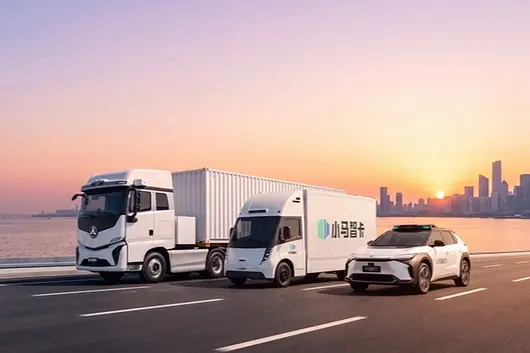
車東西 8 月 19 日消息,日前,小馬智行與全球出行平台 Uber 宣佈進一步擴大戰略合作,計劃在歐洲 5 座城市部署超過 2,000 輛小馬智行 Robotaxi,這也是歐洲規模最大的 Robotaxi 部署計劃之一,而由此小馬智行海外部署計劃合計超 4,000 輛。
此次小馬智行與 Uber 的合作將以克羅地亞薩格勒布現有商業化營運為基礎,擴展至包括薩格勒布在內的 5 座歐洲城市。

▲小馬智行創始人兼 CEO 彭軍(右)與 Uber CEO Dara Khosrowshahi(左)
與此同時,薩格勒布 Robotaxi 服務即將接入 Uber 平台,用戶通過 Uber App 即可呼叫小馬智行 Robotaxi。
從薩格勒布單城運營到歐洲 5 城、超過 2,000 輛,小馬智行與 Uber 的合作正在跨過一個關鍵節點。
雙方針對同一套技術、產品和營運模式為何能在多個城市快速複製?
對此,技術、平台、營運被組織進同一套「共建車隊」體系。
小馬智行正與海外合作夥伴一道,把在中國市場驗證過的主動駕駛技術、量產產品和商業化能力複製到更廣闊的海外市場。
01.
從薩格勒布到歐洲五城
小馬智行與 Uber 共建 Robotaxi 車隊
此次擴張,小馬智行與 Uber 合作,探索出一種由技術方和出行平台共同參與的「共建車隊」模式。
與全鏈條自營相比,這種分工可以減少重複建設。
小馬智行無須在每座海外城市從零搭建出行平台和完整的線下營運體系,Uber 也不必自行研發 L4 自動駕駛系統。
雙方可以在各自能力基礎上,引入熟悉當地市場的合作夥伴,推進車輛管理及城市營運,車輛資金投入和資產歸屬也並非採用固定方案。
按照雙方披露的合作框架,各參與方可以根據當地市場條件承擔多重角色,車輛由誰投入、資產由誰持有,可以結合具體城市靈活安排。
這使同一套合作模式能夠適應不同市場,而不是為每座城市重新設計一套業務架構。
當然,共建車隊並不等于繞開本地化工作,Robotaxi 進入新的國家和城市,仍需推進監管溝通、車輛准入、測試驗證和營運許可,而這部分工作正好是當地合作夥伴,特別是 Uber 這樣豐富經驗合作夥伴的優勢,小馬智行再利用自身技術及營運優勢針對當地道路環境、交通規則和用戶需求進行產品適配。
當地合作夥伴的價值,在於補充城市資源和營運經驗,提高項目落地效率。小馬智行仍需負責自動駕駛系統的安全、穩定和持續迭代。
從此前的經驗來看,薩格勒布已經完成了這套模式的前期驗證。

▲小馬智行 Robotaxi 在歐洲
薩格勒布已經完成了這套模式的單城驗證,今年 5 月,小馬智行、Uber 與克羅地亞本地公司 Verne 合作,在當地推出商業化 Robotaxi 服務。
接下來,三方要驗證的,是這套模式能否適應不同城市的道路、監管和營運環境,從單城落地走向區域複製,這正是「共建車隊」的核心價值,各方重新組合已有能力,從而降低進入新市場的資金壓力和執行複雜度,為 Robotaxi 由單點落地走向區域規模營運提供基礎。
02.
從技術驗證到千輛部署
小馬智行為何獲得 Uber 加碼
Uber 擴大與小馬智行的合作,核心原因並不複雜,平台需要能在歐洲路況複雜的老城區提供服務、能在雨天等叫車高峰時段接單、而硬件和營運總成本足夠低的 Robotaxi 運力。
小馬智行已經完成了從技術測試到商業營運的跨越。
目前,小馬智行已在北京、上海、廣州和深圳開展全無人 Robotaxi 商業化營運,擁有 1,975 輛 Robotaxi。
同時,小馬智行全球自動駕駛路測里程超過 1 億公里,其中全無人駕駛路測里程超過 4,000 萬公里。
複雜道路、真實用戶和常態化營運,共同檢驗了其自動駕駛系統的安全性和穩定性。
但對於 Uber 而言,技術能夠跑通只是基礎,將 Robotaxi 接入出行平台,還要保證車輛能夠在打車需求最旺盛的複雜核心城區長期穩定服務、風雨無阻,且乘坐體驗能夠被用戶接受,車隊規模擴大後服務質量不會下降。
小馬智行在國內一線城市積累的用戶體驗和規模車隊營運經驗,滿足了 Uber 在歐洲營運的高要求,從而成為 Uber 在歐洲最大的自動駕駛合作夥伴。

▲小馬智行 Robotaxi 在中國
技術之外,商業化能力同樣關鍵。小馬智行第七代 Robotaxi 已在廣州、深圳實現單車盈利,說明其 Robotaxi 不僅能夠完成全無人駕駛,也開始跑通收入與成本之間的平衡。
對 Uber 來說,只有單車經濟模型成立,自動駕駛運力才可能從少量示範車擴大為持續營運的千輛級車隊。
支撐規模擴張的另一項能力,是車規級量產。
小馬智行第七代 Robotaxi 已經具備規模化生產和部署能力,其技術、安全、用戶體驗及成本控制均經過實際營運檢驗。
相比針對單個項目改裝的測試車輛,標準化、可量產的 Robotaxi 更適合跨城市複製,也為後續車輛補充和車隊營運提供穩定基礎。
在量產能力之外,成本優勢進一步擴大了小馬智行的規模部署空間。
小馬智行創始人兼 CEO 彭軍此前表示,小馬智行的車輛成本約為 Waymo 的四分之一至五分之一,這一差距來自技術研發、供應鏈和工程化能力的共同作用。
更低的車輛投入,意味著海外合作夥伴可以用相同資金部署更多車輛,也為車隊擴大後的投資回報留下更大空間。
對 Uber 而言,小馬智行提供的不僅是 L4 級虛擬司機,還包括車規級量產車型、經過驗證的用戶體驗和可持續的單車經濟模型。
這也是 Uber 選擇與小馬智行合作加碼的關鍵。
由此一來,在海外市場,小馬智行的角色也隨之改變。小馬智行開始向全球出行平台提供能夠批量部署的 Robotaxi 產品和無人駕駛運力能力。
03.
車隊規模擴大
小馬智行「雙引擎」開始轉動
歐洲 5 城、超過 2,000 輛車隊,全球 4,000 輛總規劃規模的規模,意味著小馬智行的海外佈局開始從單一城市落地,轉向區域規模營運。
未來,小馬智行在歐洲形成的將不再係若干分散項目,而是一張覆蓋多座城市的 Robotaxi 營運網絡。
千輛級規模也是 Robotaxi 商業化的重要分水嶺。
車輛數量達到一定規模,才能提高區域覆蓋密度和運力調度效率,讓用戶更容易叫到車,並依靠更多訂單和規模效應進一步改善單車經濟模型。
建立在第七代 Robotaxi 單車盈利和成本優勢之上,小馬智行已經具備將國內驗證過的商業模式放大至歐洲千輛級車隊的基礎。
歐洲則為這一模式提供了更大的價值空間。
歐洲城市密集、共享出行市場成熟,人工及用車成本較高,為 Robotaxi 提供了更大的商業價值空間。
小馬智行已經跑通的單車經濟模型,有望在當地獲得更高收入和更大利潤空間;更好的車輛回報也將增強平台及營運夥伴擴大部署的意願。
規模擴大後,小馬智行獲得的也不只是車輛部署數量。
按照此次共建車隊的商業模式,歐洲車隊營運有望為其帶來技術授權、乘客車費分成等持續性收入。
車輛越多、覆蓋城市越廣,小馬智行的收入來源也將由項目合作,逐步轉向與實際營運規模掛鉤的長期收益。
這正是小馬智行「中國 + 海外」雙引擎戰略的核心。

▲小馬智行 Robotaxi 在中東
中國市場承擔產品驗證和產業化任務。小馬智行依靠國內複雜的城市道路環境打磨技術、驗證商業模式,並借助成熟的汽車供應鏈推進車規級量產和持續降本。
海外市場則承擔規模放大和收入增長任務,將國內跑通的 Robotaxi 產品與商業模式複製到高價值增量市場。
兩個市場由此形成相互增強的循環。
國內把產品做成熟、把成本降下來,為海外部署提供基礎;海外擴大車隊和服務範圍,釋放更大的商業價值,同時帶回不同道路、法規和用戶需求下的營運經驗,推動產品繼續迭代。
歐洲 5 城只是這一全球擴張路徑的重要一步。
目前,小馬智行已在中東、新加坡、韓國、盧森堡和克羅地亞等市場取得自動駕駛測試或營運牌照,並提出 2026 年進入全球超過 20 座城市、車隊規模突破 3,500 輛的目標。
小馬智行向海外輸出的也不再只是一套自動駕駛算法,而是經過中國超大城市驗證的 Robotaxi 產品、供應鏈能力和商業營運方法論。
至此,小馬智行「中國 + 海外」雙引擎開始真正轉動。
04.
結語:Robotaxi 進入「規模營運」階段
Robotaxi 競爭的下一階段,比拼的是誰能將技術、車輛、訂單、資本和線下營運真正組織起來。
Uber 的持續加碼,也使小馬智行在歐洲的共建車隊模式逐漸形成閉環。
超 2,000 輛新增部署,全球 4,000 輛規劃部署預期若能陸續轉化為穩定營運的真實車隊,其所驗證的將不只是一家企業的出海路徑,更是一套源自中國市場、面向全球複製的 Robotaxi 商業化方法。

喺馬來西亞嘅 SUV 市場,好多買家在揀車嘅時候都會拎 Proton X90 同 Subaru Crosstrek 嚟做比較。呢兩款車喺價位同定位上都幾接近,今日我哋就從多個方面做一個詳細嘅比較,幫你省返做功課嘅時間。
Proton X90 喺馬來西亞嘅 OTR 售價係 RM 106,800 - 122,800,一共有 4 個版本,包括 2026 1.5T Prime X(RM 122,800)、2026 1.5T Prime(RM 116,800)、2026 1.5T Lite(RM 106,800)等。
Subaru Crosstrek 喺馬來西亞嘅 OTR 售價係 RM 145,000 - 160,000,一共有 1 個版本,包括 2.0L e-Boxer(RM 150,000)等。
從價錢睇,Proton X90 嘅起步價真係比 Subaru Crosstrek 平咗 RM 38,200。如果你預算有限,Proton 嘅入門版已經可以滿足日常需要。不過都要留意,平嗰幾千蚊,可能喺配備上有取捨,具體就要睇你嘅需要。

Proton X90 搭載 1.5L Turbo,馬力 140 hp。官方油耗 7.0 L/100km。
Subaru Crosstrek 搭載 1.5L Turbo,馬力 140 hp。官方油耗 7.0 L/100km。
兩款車用緊同一套動力系統,日常開落嘅感覺基本冇分別。油耗方面都差唔多,唔使太糾結呢一點。

Proton X90 嘅安全評級係 5★ (ASEAN NCAP),主動安全系統包括 ADAS (ACC, AEB, LKA, LDA, BSM, RCTA)。
Subaru Crosstrek 嘅安全評級係 5★ (Euro NCAP),主動安全系統包括 EyeSight。
安全配備方面,兩款車都拿唔錯嘅評級。不過 Proton X90 嘅 ADAS (ACC, AEB, LKA, LDA, BSM, RCTA) 同 Subaru Crosstrek 嘅 EyeSight 功能上有些差異,如果你比較看重主動安全嘅話,可以仔細對比下兩者嘅功能列表。
Proton X90 採用 FWD 驅動方式。
Subaru Crosstrek 採用 FWD 驅動方式。
兩款車嘅驅動方式一樣,都係 FWD,日常駕駛感覺唔會有太大區別。

Proton X90 同 Subaru Crosstrek 都係馬來西亞市場嘅主流選擇,適合家庭使用、日常通勤。如果你更重視品牌口碑同二手價,可以優先考慮口碑更好嗰一款;如果你更喺意性價比同配備,嗰就揀配置更豐富嗰款。最終都建議兩款都去試駕,親身體驗先係最重要。

總體嚟講,Proton X90 同 Subaru Crosstrek 都係馬來西亞市場幾唔錯嘅車型。揀邊部,關鍵都要睇你個人需求同預算。建議大家做好功課,多比較幾間車行嘅報價,先至去試駕做最終決定。買車係件大事,花少少時間做功課絕對唔會錯。


喺馬來西亞嘅 SUV 市場,好多買家喺揀車嘅時候都會將 Proton X90 同 Subaru Crosstrek 嚟比較。呢兩款車喺價位同定位上都好相近,今日我哋就從多個方面做一個詳細嘅比較,幫你節省做功課嘅時間。
Proton X90 喺馬來西亞嘅 OTR 售價係 RM 106,800 - 122,800,一共有 4 個版本,包括 2026 1.5T Prime X(RM 122,800)、2026 1.5T Prime(RM 116,800)、2026 1.5T Lite(RM 106,800) 等。
Subaru Crosstrek 喺馬來西亞嘅 OTR 售價係 RM 145,000 - 160,000,一共有 1 個版本,包括 2.0L e-Boxer(RM 150,000) 等。
睇返價錢,Proton X90 嘅起步價確實比 Subaru Crosstrek 平咗 RM 38,200。如果你預算有限,Proton 嘅入門版已經可以滿足日常需要。但要注意,平嗰幾千蚊,可能喺配備上要有取捨,具體睇你嘅需要。
Proton X90 嘅安全評級係 5★ (ASEAN NCAP),主動安全系統包括 ADAS (ACC, AEB, LKA, LDA, BSM, RCTA)。
Subaru Crosstrek 嘅安全評級係 5★ (Euro NCAP),主動安全系統包括 EyeSight。
安全配備方面,兩款車都拿到唔錯嘅評級。不過 Proton X90 嘅 ADAS (ACC, AEB, LKA, LDA, BSM, RCTA) 同 Subaru Crosstrek 嘅 EyeSight 喺功能上有啲分別,如果你比較重視主動安全嘅話,可以仔細對比下兩者嘅功能列表。
Proton X90 車身長 4400 mm,尾箱 400 L。
Subaru Crosstrek 車身長 4400 mm,尾箱 400 L。
兩款車嘅尺寸差唔多,車內空間無乜分別。呢個級別嘅車,日常使用完全夠用。
Proton X90 保修 5 年/150,000km,保養間隔 每 10,000km 或 6 個月。
Subaru Crosstrek 保修 3 年/100,000km,保養間隔 每 10,000km 或 6 個月。
Proton X90 同 Subaru Crosstrek 都係馬來西亞市場嘅主流選擇,適合家庭用、日常通勤。如果你更重視品牌口碑同二手價,可以優先考慮口碑更好嗰款;如果你更在意性價比同配備,就揀配備更豐富嗰款。最終都建議兩款都去試駕,親自體驗先至最重要。
總體嚟講,Proton X90 同 Subaru Crosstrek 都係馬來西亞市場幾唔錯嘅車型。揀邊一部,關鍵都要睇你個人需要同預算。建議大家做好功課,多比較間車行嘅報價,再去試駕做最後決定。買車係件大件事,花啲時間做功課絕對唔會錯。
© 2024 Bitauto.com. All Rights Reserved.
Bitauto (www.yiche.com and www.bitauto.com) is one of the most visited automotive websites in China. We provide detailed info on Chinese car brands available in your area. Please note that the information provided on this website is based on publicly available data and is for reference only. It may not be fully updated or accurate at all times.

Help us improve our website


