

HomePerodua Myvi

Search History
Popular Searches
Dealer Login / Sign Up

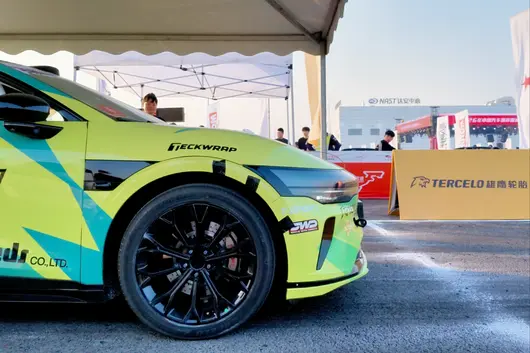
10月30日至11月1日,2026 新能源汽车飘移武汉公开赛在武汉国际赛道燃情落幕。据中国轮胎商务网(Tirechina.net)了解,作为赛事指定轮胎品牌,雄鹰轮胎全程为这场横跨中国、蒙古国、俄罗斯、韩国、泰国五国车手的巅峰对决提供专业轮胎保障,来自国内外的 16 名漂移高手在“中国车谷”的赛道上完成了新能源汽车操控极限的又一次探索。

赛事版图扩容:从海南首秀到武汉落子
武汉站站是继新能源汽车飘移公开赛今年5月海南全球首秀后的第二站,也是新能源飘移赛事首次落户中部地区。武汉作为“中国车谷”,正加速成为汽车电动化转型的前沿阵地,赛事落子武汉,标志着新能源飘移赛事从单点试验走向区域常态化布局。
赛事开幕式上,雄鹰轮胎集团销售总监金哲受邀出席,与中汽摩联、武汉市相关领导、行业专家、车手及媒体代表共同见证这一历史时刻。从海南到武汉,两站赛事的地理跨度背后,是新能源飘移运动从概念验证向产业渗透的清晰路径。
极限工况大考:新能源飘移对轮胎的全新命题
本站比赛官方赛车仍为赛事化改装车 —— 焕新极氪 007,赛事评分规则围绕线路精准度、角度控制、速度保持、整体流畅性等核心维度展开。

与传统燃油车飘移相比,新能源飘移对轮胎提出了全新考验。电机瞬时爆发峰值扭矩,车辆因搭载电池普遍更重、惯性更大,电机、电池、电控三重热源叠加;胎面长期处于侧滑状态,局部温度急剧升高,同时承受巨大的侧向力和剪切力。
传统燃油飘移常见的半热熔轮胎配置,在新能源赛事中难以直接适配。新能源飘移需要的是 稳、控、耐、匀—— 抗热衰、可控滑动、高耐久、均匀磨损。赛事中,雄鹰EV01助力车手从容发挥、顺利完赛,获得赛会与车手的一致认可。


渠道伙伴沉浸式体验:从看台到驾驶舱的品牌信任
据悉,赛事同期,雄鹰轮胎30 余位客户代表受邀走进武汉国际赛道。在专业车手驾驭下,客户们登上赛车,亲身感受新能源汽车飘移的强烈离心力与精准操控;发车区、赛道边,客户们全程观摩赛事进程,近距离领略雄鹰轮胎在极限工况下的真实性能。


体验之余,客户们还参观了雄鹰轮胎最新研发上市的 EV 新品矩阵 —— 雄鹰 TAMIR EV01、驰风 PremEnergy EV07、三 ANeoEnerZ EV Pro、力贝德 RevoEpic EV Pro,覆盖不同消费场景的多元化需求。

从“看比赛”到“坐赛车”,从展台观摩到赛道实证,这场沉浸式体验让渠道伙伴对雄鹰轮胎的产品实力与技术底气有了更直观的认知。

行业评论:赛事营销正在成为轮胎品牌切入新能源赛道的关键路径
从海南到武汉,雄鹰轮胎以赛事为试金石,在极限工况中反复检验轮胎性能,持续反哺新能源轮胎技术升级。面向未来,雄鹰轮胎将坚持以赛事为试金石,深耕新能源赛道、持续完善 EV 产品矩阵,携手渠道伙伴加速驶向更广阔的新能源市场。
值得行业关注的是,随着新能源汽车渗透率持续攀升,轮胎企业的产品研发与市场推广逻辑正在被重写。传统燃油车时代积累的轮胎经验,在新能源车辆的重量、扭矩、热源结构面前需要重新校准。雄鹰轮胎选择以飘移赛事这一极端场景作为技术验证与品牌传播的双重抓手,既在极限工况中完成了产品压力测试,又通过沉浸式渠道体验实现了从技术到市场的闭环传导。
这种“赛事验证 — 渠道感知 — 产品落地” 的模式,正在成为头部轮胎品牌布局新能源赛道的共性打法。随着新能源飘移赛事从海南向武汉、向更多区域城市拓展,轮胎企业与新能源汽车运动的深度绑定,或许将为行业提供一个更具想象力的增长样本。

Di pasaran SUV Malaysia, ramai pembeli membandingkan Mazda CX-3 dan Mitsubishi Xforce semasa memilih kereta. Kedua-dua kereta ini mempunyai harga dan kedudukan pasaran yang agak dekat, hari ini kami akan membuat perbandingan terperinci dari pelbagai aspek, membantu anda menjimatkan masa untuk membuat kajian.
Harga OTR Mazda CX-3 di Malaysia ialah RM 126,159 - 139,159, terdapat 2 varian, termasuk 2023 2.0L High (RM 139,159), 2023 2.0L Plus (RM 126,159) dan lain-lain.
Harga OTR Mitsubishi Xforce di Malaysia ialah RM 109,930 - 119,930, terdapat 2 varian, termasuk 2026 1.5L Ultimate (RM 119,930), 2026 1.5L Urban (RM 109,930) dan lain-lain.
Dari segi harga, harga permulaan Mitsubishi Xforce lebih murah RM 16,229 berbanding Mazda CX-3. Secara jujur, pada julat harga ini, beza beberapa ribu sebenarnya tidak besar, kuncinya adalah melihat nilai harga dan kos penggunaan jangka panjang secara keseluruhan.

Penilaian keselamatan Mazda CX-3 ialah 5★ (ASEAN NCAP), sistem keselamatan aktif termasuk i-Activsense.
Penilaian keselamatan Mitsubishi Xforce ialah 5★ (ASEAN NCAP), sistem keselamatan aktif termasuk MI-PILOT.
Penilaian keselamatan kedua-dua kereta sama, pada tahap ini peralatan keselamatan dianggap lengkap. Keselamatan kereta baharu sekarang tidak buruk, tidak perlu terlalu bimbang tentang hal ini.

Panjang badan Mazda CX-3 4500 mm, trunk 450 L.
Panjang badan Mitsubishi Xforce 4400 mm, trunk 400 L.
Dari segi ruang, badan Mazda CX-3 100 mm lebih panjang berbanding Mitsubishi Xforce, ruang duduk dalam kereta akan lebih lega, terutamanya ruang kaki baris belakang. Jika anda sering membawa keluarga atau perlu letak kereta bayi, badan kereta yang lebih besar memang lebih praktikal.

Mazda CX-3 dan Mitsubishi Xforce adalah pilihan utama pasaran Malaysia, sesuai untuk penggunaan keluarga, perjalanan harian. Jika anda lebih menitikberatkan reputasi jenama dan harga kedua, boleh mempertimbangkan dahulu yang mempunyai reputasi lebih baik; jika anda lebih mengutamakan nilai harga dan peralatan, pilihlah yang mempunyai konfigurasi lebih lengkap. Akhir sekali, disarankan kedua-dua model perlu dicuba, pengalaman sendiri adalah yang paling penting.

Secara keseluruhannya, Mazda CX-3 dan Mitsubishi Xforce adalah model kereta yang sangat baik di pasaran Malaysia. Memilih yang mana, kuncinya bergantung pada keperluan dan bajet peribadi anda. Disarankan membuat kajian, membandingkan harga dari lebih banyak dealer, kemudian uji pemanduan untuk membuat keputusan akhir. Membeli kereta adalah perkara besar, meluangkan masa untuk membuat kajian tidak akan salah.


喺馬來西亞嘅 SUV 市場,好多買家喺揀車嘅時候都會拿馬自達 CX-3 同 現代 Santa Fe 嚟做比較。呢兩部車喺價位同定位上都幾接近,今日我哋就從多個方面做一個詳細嘅比較,幫你節省咗做功課嘅時間。
馬自達 CX-3 喺馬來西亞嘅 OTR 售價係 RM 126,159 - 139,159,一共 2 個版本,包括 2023 2.0L High(RM 139,159)、2023 2.0L Plus(RM 126,159) 等。
現代 Santa Fe 喺馬來西亞嘅 OTR 售價係 RM 225,000 - 270,000,一共 3 個版本,包括 2025 2.5T DCT 4WD Calligraphy 6 座位(RM 270,000)、2025 HEV 1.6T AT 2WD Prestige 7 座位(RM 245,000)、2025 HEV 1.6T AT 2WD Prime 7 座位(RM 225,000) 等。
從價錢睇,馬自達 CX-3 嘅起步價確實比 現代 Santa Fe 平咗 RM 98,841。如果你預算有限,馬自達嘅入門版已經可以滿足日常需求。但都要注意,平嗰幾千蚊,可能在配備上會有取舍,具體要看你嘅需求。
馬自達 CX-3 採用 FWD 驅動方式。
現代 Santa Fe 採用 FWD 驅動方式。
兩部車嘅驅動方式一樣,都係 FWD,日常駕駛感受唔會有太大區別。
馬自達 CX-3 保修 5 年/150,000 公里,保養間隔 每 10,000 公里或 6 個月。
現代 Santa Fe 保修 5 年/300,000 公里,保養間隔 每 10,000 公里或 6 個月。
馬自達 CX-3 同 現代 Santa Fe 都係馬來西亞市場嘅主流選擇,適合家庭使用、日常通勤。如果你更重視品牌口碑同二手價,可以優先考慮口碑更好嗰一款;如果你更在乎性價比同配備,就揀配置更豐富嗰款。最後始終都建議兩部車都去試駕,親身體會先至係最重要。

總嘅嚟講,馬自達 CX-3 同 現代 Santa Fe 都係馬來西亞市場好唔錯嘅車款。揀邊一輛,關鍵始終都係睇你嘅個人需求同埋預算。建議大家做好功課,多比較幾間車行嘅報價,再過去試駕做最終決定。買車係件大事,花少少時間做功課絕對唔會錯。

提到奇瑞,很多人的第一印象還是「汽車出口大戶」。如今,這家長期依靠燃油車打開海外市場的中車企,正在用新能源汽車改寫自己的增長結構。
根據奇瑞最新產銷數據,2026 年 10 月,奇瑞集團新能源汽車銷量達到 140,893 輛,同比增長 27.7%,連續 7 個月單月突破 10 萬輛,再創月度新高。
今年前 10 個月,奇瑞新能源汽車累計銷量達到 999,417 輛,同比增長 43.2%,已超過去年全年水平。

圖片來源:奇瑞
放在全球市場,奇瑞新能源的規模同樣在擴大。據乘聯分會等機構數據,今年 1—8 月,奇瑞集團新能源汽車全球市場份額達到 5.5%,進入全球車企集團前五。
不過,比排名更值得關注的是另一個數字。
今年 1—10 月,奇瑞新能源汽車累計出口 614,065 輛,同比增長 130.4%。以同期新能源總銷量計算,出口佔比已超過六成。
換句話說,奇瑞每賣出 10 輛新能源汽車,就有超過 6 輛銷往海外。
當國內新能源汽車市場競爭日益激烈,海外市場正在成為奇瑞新能源增長的重要支撐。
從燃油車出口大戶,到新能源全球前五
過去多年,燃油車出口一直是奇瑞全球化業務的重要支柱。
如今,新能源汽車開始承擔越來越重要的角色。

圖片來源:奇瑞
今年 10 月,奇瑞新能源汽車出口 84,728 輛,同比增長 108.6%,明顯高於同期新能源整體銷量 27.7% 的增幅。
歐洲市場的變化尤其明顯。
今年 1—9 月,奇瑞在歐洲 24 個國家累計銷售汽車 29.2 萬輛,同比增長 182%;其中新能源汽車超過 14.6 萬輛,同比增長 251%。
這意味著,奇瑞在歐洲每銷售兩輛汽車,就有約一輛是新能源車型。

圖片來源:奇瑞
產品方面,OMODA、JAECOO 等品牌正在擴大歐洲市場覆蓋範圍。其中,JAECOO 7、JAECOO 5 及 OMODA 5 進入英國暢銷車型榜單前十,iCAUR V23 則在泰國、馬來西亞等市場拓展細分需求。
海外市場增長的同時,奇瑞也在國內加快完善新能源產品矩陣。
從主流純電小車到家庭轎車、個性化 SUV,再到高端 MPV,奇瑞透過 QQ、風雲、iCAR、智界等不同產品與品牌覆蓋更多細分市場。
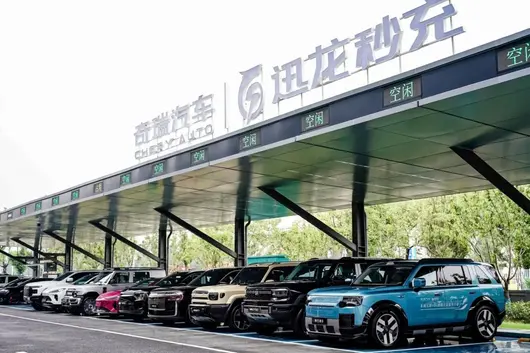
技術方面,犀牛電池、迅龍秒充及 V2G 等技術構成了奇瑞電動化佈局的重要部分。其中,固態電池計劃於 2027 年開展裝車驗證,迅龍秒充則提出了「充電 5 分鐘,續航 500 公里」的技術目標。
不過,技術規劃與規模化應用之間仍有距離。對於奇瑞而言,如何將技術投入轉化為不同市場認可的產品競爭力,將直接影響新能源汽車業務的持續增長。
賣到全球之後,還要扎根全球
新能源汽車出口翻倍,意味著奇瑞正在加速打開海外市場。
但出口規模越大,本地化經營的重要性也越突出。
就在不久前,奇瑞控股集團董事長尹同躍在 2026 世界智能網聯汽車大會上專門談到了這一問題。
尹同躍認為,汽車國際化不能侷限於整車外銷,而是要從「賣到全球」轉向「長在全球、扎根全球」,深入融入當地技術鏈、供應鏈與價值鏈。
他同時提醒,中國車企需要警惕盲目擴張和惡性價格競爭,避免重蹈早年摩托車出海低價競爭的覆轍,否則可能「出海變填海」。
這些提醒放在奇瑞最新銷量數據面前,具有更直接的現實意義。

圖片來源:奇瑞
目前,奇瑞已在馬來西亞、南非、西班牙等市場推進本地化佈局。其中,南非羅斯林工廠透過改造既有產能,推動當地製造體系向電動化、智能化轉型;馬來西亞項目則計劃推進研發、生產、供應和銷售一體化佈局。
從出口整車到整合當地製造資源,奇瑞的全球化業務正在向產業鏈更多環節延伸。
不過,新能源汽車出口佔比超過六成,也意味著奇瑞未來的經營表現將更加受到海外政策、市場需求及供應鏈變化的影響。
尤其是在歐洲等成熟汽車市場,銷量增長只是進入競爭的第一步。產品可靠性、品牌認知、售後服務以及本地化成本控制,都會影響長期經營表現。
過去,奇瑞依靠燃油車建立了覆蓋全球的銷售渠道;如今,新能源汽車正在成為新的增長支柱。
接近百萬輛的銷量,證明奇瑞已經進入全球新能源汽車規模競爭的前列。而六成以上的出口佔比,也把更複雜的全球化課題擺到了奇瑞面前。
接下來,比出口多少輛更重要的,是奇瑞能否真正把市場留住。

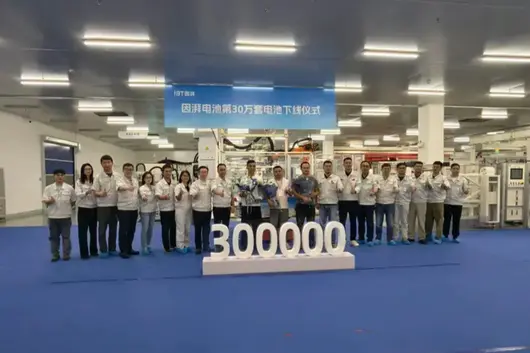
Baterai Yinpai adalah entiti utama industrialisasi bateri Kumpulan GAC, pelaburan keseluruhan 10.9 bilion yuan, baterai kuasa dan penyimpanan tenaga penyelidikan dan pengeluaran penuh sendiri, merangkumi dua bidang utama, iaitu kenderaan tenaga baharu serta penyimpanan tenaga. Memahami langkah siri Yinpai terkini, tidak dapat dipisahkan daripada penilaian terhadap asas industrialisasi ini.
"Penyelidikan dan Pengeluaran Penuh Sendiri" bererti Yinpai bukan sekadar pengumpul bateri atau pengintegrasi pembelian yang mudah, tetapi mempunyai keupayaan reka bentuk dan pembuatan bebas dari sel bateri hingga ke sistem bateri. Kelebihan model ini ialah: Di satu pihak, pengulangan teknologi tidak terhad oleh irama pembekal luaran, boleh mentakrifkan produk dengan cepat mengikut keperluan kenderaan penuh; Di satu pihak lain, piawaian kualiti dan keselamatan boleh disebarkan dari sumber hingga ke produk siap, membentuk keupayaan pembuatan yang konsisten. Baterai Yinpai mencipta produk penanda aras industri dengan keupayaan pembuatan litium-ion yang luar biasa; sel baterinya tidak asap, tidak terbakar, tidak meletup walaupun dalam keadaan ditusuk, diputar 360°, dilipat tiga, ini adalah manifestasi langsung keupayaan pembuatan sedemikian.
Skala pelaburan 10.9 bilion yuan, maka mencerminkan ketegasan pelaburan jangka panjang Kumpulan GAC terhadap industrialisasi bateri. Kuasa dan penyimpanan tenaga dikendalikan serentak, juga menjadikan struktur perniagaan Yinpai tidak terhad kepada senario penggunaan kenderaan, sebaliknya menuju ke pasaran aplikasi tenaga baharu yang lebih luas. Dari 300,000 set bateri kuasa pertama kali keluar talian, ke pembukaan kilang Thailand, setiap langkah Yinpai dibina di atas asas industrialisasi ini.


Kumpulan GAC yang menaungi Baterai Yinpai mengumumkan bahawa upacara pembukaan kilang Thailand dan pengeluaran set pertama bateri tenaga akan diadakan secara rasmi pada 29 Oktober. Titik penting ini menandakan langkah kunci dalam strategi globalisasi Yinpai, dan bateri penyelidikan sendiri GAC secara rasmi berpindah dari "Ekspor Produk" ke tahap baru pembuatan tempatan "Ekspor Pembuatan".
Pada masa lalu, eksport syarikat bateri tenaga China kebanyakannya berfokus pada produk, manakala Yinpai memilih untuk menubuhkan kilang di Thailand dan merealisasikan pengeluaran set pertama bateri tenaga, yang bermaksud mereka melanjutkan keseluruhan kemampuan penyelidikan, pembuatan dan rantaian bekalan ke luar negara. Pembuatan tempatan bukan sahaja dapat lebih mendekati permintaan pasaran Asia Tenggara, memperkemas tempoh penyampaian, malah juga membantu mengelakkan halangan perdagangan, mengurangkan kos logistik dan meningkatkan kelajuan respons.
Bagi GAC, kilang Thailand merupakan titik sokongan penting dalam pelan strategik globalisasi Yinpai. Berdasarkan pelan kenderaan utuh GAC di pasaran luar negara, Baterai Yinpai dapat mencapai ekspor bersinergi dengan perniagaan kenderaan utuh, membentuk model ekspor yang disambungkan "kenderaan utuh + bateri". Dari keluaran produk ke keluaran kemampuan pembuatan, langkah Yinpai ini mencerminkan bahawa globalisasi rantaian industri tenaga baharu China sedang mengalami perubahan mendalam daripada "menjual produk" ke "membina kemampuan".


In the SUV market in Malaysia, many buyers compare the Mazda CX-3 and GWM Haval H6 when choosing a car. These two cars are quite close in price and positioning, so today we will make a detailed comparison from multiple aspects to help you save time doing research.
The Mazda CX-3 OTR price in Malaysia is RM 126,159 - 139,159, with a total of 2 versions, including 2023 2.0L High (RM 139,159), 2023 2.0L Plus (RM 126,159), etc.
The GWM Haval H6 OTR price in Malaysia is RM 139,750 - 139,750, with a total of 2 versions, including 1.5L Turbo Standard (RM 140,000), 1.5L Turbo Premium (RM 155,000), etc.
Looking at the price, the starting price of the Mazda CX-3 is indeed RM 13,591 cheaper than the GWM Haval H6. If your budget is limited, the Mazda entry-level version can already meet daily needs. But you should also note that the few thousand ringgit cheaper might involve compromises on features, depending on your specific requirements.
The safety rating of the Mazda CX-3 is 5★ (ASEAN NCAP), and the active safety systems include i-Activsense.
The safety rating of the GWM Haval H6 is TBD, and the active safety systems include Basic.
Regarding safety features, both cars have received decent ratings. However, there are some differences in functionality between Mazda CX-3's i-Activsense and GWM Haval H6's Basic. If you value active safety, you can carefully compare their feature lists.
Mazda CX-3 Warranty: 5 years/150,000 km, Maintenance Interval: Every 10,000 km or 6 months.
GWM Haval H6 Warranty: 7 years/150,000 km, Maintenance Interval: Every 10,000 km or 6 months.
Both the Mazda CX-3 and GWM Haval H6 are mainstream choices in the Malaysian market, suitable for family use and daily commuting. If you value brand reputation and resale value more, prioritize the one with better reputation; if you care more about cost-performance and features, choose the one with richer specifications. Ultimately, it is recommended to test drive both, as personal experience is the most important.
Overall, both the Mazda CX-3 and GWM Haval H6 are very good models in the Malaysian market. Which one to choose mainly depends on your personal needs and budget. We recommend doing your homework, comparing quotes from several dealerships, and then test driving to make a final decision. Buying a car is a big deal, taking time to do your research will never be wrong.

In Malaysia's SUV market, many buyers compare Mazda CX-3 and MG MG HS when choosing a car. The price and positioning of these two cars are quite close. Today, we will make a detailed comparison from multiple aspects to help you save time on research.
Mazda CX-3 OTR price in Malaysia is RM 126,159 - 139,159, with a total of 2 versions, including 2023 2.0L High (RM 139,159), 2023 2.0L Plus (RM 126,159), etc.
MG MG HS OTR price in Malaysia is RM 130,450 - 146,450, with a total of 2 versions, including 1.5L Standard (RM 105,000), 1.5L Executive (RM 115,000), etc.
From a price perspective, the starting price of Mazda CX-3 is indeed RM 4,291 cheaper than MG MG HS. If your budget is limited, Mazda's entry-level version can already meet daily needs. But also note, the few thousand savings might involve trade-offs in features, depending on your needs.
Mazda CX-3 safety rating is 5★ (ASEAN NCAP), active safety systems include i-Activsense.
MG MG HS safety rating is TBD, active safety systems include Basic.
Regarding safety features, both cars received decent ratings. However, there are some differences in function between Mazda CX-3's i-Activsense and MG MG HS's Basic. If you value active safety, you can compare the feature lists of both closely.
Mazda CX-3 uses FWD drive mode.
MG MG HS uses FWD drive mode.
Both cars have the same drive mode, both are FWD, and daily driving experience will not differ much.
Mazda CX-3 warranty 5 years/150,000km, maintenance interval every 10,000km or 6 months.
MG MG HS warranty 7 years/150,000km, maintenance interval every 10,000km or 6 months.
Both Mazda CX-3 and MG MG HS are mainstream choices in the Malaysian market, suitable for family use and daily commuting. If you value brand reputation and resale value more, you can prioritize the one with better reputation; if you care more about cost-performance ratio and features, choose the one with richer configuration. Finally, it is recommended to test drive both, as personal experience is the most important.
Overall, Mazda CX-3 and MG MG HS are both excellent models in the Malaysian market. Which one to choose mainly depends on your personal needs and budget. It is recommended to do your research, compare quotes from several dealerships, and then test drive to make the final decision. Buying a car is a big matter, taking time to do research is never wrong.

Di pasaran SUV Malaysia, ramai pembeli semasa memilih kereta menggunakan Mazda CX-3 dan MG MG HS untuk dibandingkan. Kedua-dua kereta ini mempunyai harga dan kedudukannya agak hampir, hari ini kita akan buat perbandingan terperinci dari pelbagai aspek untuk membantu anda menjimatkan masa membuat kajian.
Mazda CX-3 di Malaysia harga OTR adalah RM 126,159 - 139,159, keseluruhan ada 2 varien, termasuk 2023 2.0L High(RM 139,159)、2023 2.0L Plus(RM 126,159)dll.
MG MG HS di Malaysia harga OTR adalah RM 130,450 - 146,450, keseluruhan ada 2 varien, termasuk 1.5L Standard(RM 105,000)、1.5L Executive(RM 115,000)dll.
Dari segi harga, harga permulaan Mazda CX-3 memang lebih murah sebanyak RM 4,291 berbanding MG MG HS. Jika bajet anda terhad, varian asas Mazda sudah boleh penuhi keperluan harian. Tapi kena ingat, lebih murah beberapa ribu ringgit itu mungkin ada kompromi pada kelengkapan, bergantung pada keperluan anda.
Mazda CX-3 dilengkapi enjin 1.5L Turbo, kuasa 140 hp. Kegunaan minyak rasmi 7.0 L/100km.
MG MG HS dilengkapi enjin 1.5L Turbo, kuasa 140 hp. Kegunaan minyak rasmi 7.0 L/100km.
Kedua-dua kereta menggunakan sistem kuasa yang sama, perasaan memandu sehari-hari hampir tiada beza. Penggunaan minyak juga hampir sama, tidak perlu risau perkara ini.
Mazda CX-3 menggunakan sistem penggerak FWD.
MG MG HS menggunakan sistem penggerak FWD.
Kedua-dua kereta menggunakan sistem penggerak yang sama, iaitu FWD, perasaan memandu sehari-hari tidak akan terlalu berbeza.
Mazda CX-3 jaminan 5 tahun/150,000km, selang penyelenggaraan setiap 10,000km atau 6 bulan.
MG MG HS jaminan 7 tahun/150,000km, selang penyelenggaraan setiap 10,000km atau 6 bulan.
Mazda CX-3 dan MG MG HS adalah pilihan utama di pasaran Malaysia, sesuai untuk kegunaan keluarga, perjalanan kerja harian. Jika anda lebih utamakan reputasi jenama dan harga jualan semula, boleh pilih yang reputasi lebih baik; Jika anda lebih mementingkan nilai harga dan kelengkapan, pilih yang kelengkapan lebih banyak. Akhir sekali disyorkan kedua-dua model dicuba, pengalaman sendiri yang paling penting.
Secara keseluruhannya, Mazda CX-3 dan MG MG HS adalah model yang sangat bagus di pasaran Malaysia. Memilih yang mana satu, kuncinya bergantung pada keperluan dan bajet peribadi anda. Disyorkan buat kajian terlebih dahulu, bandingkan harga beberapa kedai kereta, kemudian buat ujian pemandu untuk keputusan akhir. Membeli kereta adalah perkara besar, meluangkan masa buat kajian tidak akan salah.

The lack of core product power means intelligent driving overseas needs to accelerate implementation.
With the announcement of October sales for automakers, unsurprisingly, exports are becoming the core sales volume for domestic automakers, and Chinese car exports are showing an explosive growth trend.
According to China Association of Automobile Manufacturers data, total Chinese car exports from January to September 2026 reached 8.63 million vehicles, up 52% year-on-year. In October, the proportion of new energy passenger car exports alone reached 44.2%.
At the same time, domestic automakers are becoming the main force at overseas auto shows. Selling points like cabins and intelligent driving, which are commonplace at domestic auto shows, continue to attract overseas consumers.

Before the Paris Auto Show this year, He Xiaopeng brought Xpeng's NGP to the European market and had a direct showdown with Tesla's FSD.
Recently, He Xiaopeng proposed a new testing ground for domestic automakers and intelligent driving companies, stating that if an automaker wants to prove its intelligent driving technology is truly robust, the most direct verification method is to drive the product to overseas markets and undergo actual tests in different road conditions and traffic rule scenarios around the world.
Setting aside how Xpeng's intelligent driving actually performs, behind He Xiaopeng's viewpoint is the common status quo faced by Chinese new energy vehicle overseas expansion: cars go out, but intelligent driving cannot be used.
Intelligent Driving Untapped Market
With the intensification of price wars and the manifestation of supply chain scale advantages, the prices of domestic new energy vehicle intelligent assisted driving solutions are gradually decreasing, and penetration rates are also climbing. Ministry of Industry and Information Technology data shows that in 2026, the penetration rate of new passenger cars equipped with L2-level integrated driving assistance functions reached 70.5%, and the penetration rate of models equipped with Pilot Driving Assistance functions (NOA) also broke through 34.2%.
Looking at Europe, although it is the birthplace of the automotive industry and the region most actively promoting assisted driving, the penetration rate is still not high.
At the L2 level, under the EU GSR2 regulation framework, the L2 installation rate was forcibly pushed to 100% in 2026. However, this 100% mainly corresponds to basic ADAS functions such as intelligent speed assist and emergency lane keeping, which are not entirely equivalent to the L2 that domestic consumers perceive as simultaneously controlling steering and acceleration/deceleration.

Data from JATO Dynamics statistics of five European countries (Germany, France, Italy, Spain, UK) shows that the penetration rate of new L2 cars that truly possess the ability to control steering and acceleration/deceleration simultaneously is about 35%. In 2022, this figure was 22%, an increase of only 13 percentage points over five years.
As for the penetration rate of high-order urban NOA in Europe, it is less than 1%. The EU's UN R171.02 regulation requires system behavior to be 100% consistent with the written declaration thresholds submitted by the manufacturer to the regulatory authorities in advance, and does not allow any autonomous decision-making behavior beyond the declared scope.
As for the closer Southeast Asian market, although the growth rate has accelerated, it is still lagging in infrastructure, regulations, and after-sales verification systems.
Data shows that the overall ADAS penetration rate in Southeast Asia jumped from 18% in 2025 to 24% in the first quarter of 2026. The rate of pre-installation in pure electric vehicles has reached 42%, and 29% in plug-in hybrid models.

Behind this, the gradual improvement of regulations in Southeast Asian countries. Thailand took the lead in stipulating that new registered electric passenger cars must be equipped with at least three basic ADAS functions starting from January 2026. Indonesia plans to follow up in 2027. Regulations are the primary driver for current penetration rate increases.
However, high-order functions still remain at the verification stage, and test cars are mainly concentrated in closed testing parks in Thailand and Malaysia. Mass-produced urban NOA for consumers basically does not exist.
As for the Middle East and Latin America regions, they are still in the popularization stage of L2 basic functions. There is still a long way to go before reaching high-order intelligent driving.
As for the only region that truly achieved NOA penetration, it is the North American market. Driven by Tesla, the penetration rate of new cars equipped with North American NOA is expected to break through 45% in 2026. Q2 data shows that 55% of users in newly delivered Tesla vehicles in North America activated FSD subscriptions at the time of pickup. As for data on truly realizable urban NOA, it is also less than 5%, contributed entirely by Tesla.

Overall, currently the European and Southeast Asian markets where new energy vehicles mainly export have gaps in the field of high-order assisted driving. For domestic automakers, this is undoubtedly another area of technical dividends. There is no stock competition; once successful, it will become an absolute technical barrier.
But the reality is that intelligent driving overseas faces dual pressure from regulations and infrastructure, and there is still a long way to go before landing.
Three Ways to Seek Breakthroughs
Currently, major domestic automakers exporting overseas have already laid out landing points for intelligent driving solutions overseas to achieve breakthroughs locally. The main paths are divided into three categories, corresponding to these different solution models.
First is the self-developed + localization adaptation solution, which is also one of the current mainstream implementation paths. Tesla's global layout also follows the same solution. A set of core models combined with local data can theoretically achieve adaptation quickly.
Taking Xpeng mentioned at the beginning of intelligent driving overseas as an example, it adopts the "one model eats all globally" strategy. The second-generation VLA model uses world models and reinforcement learning to support L2 assisted driving and L4 autonomous driving with the same architecture.
At the same time, Xpeng has established a local data center in Europe to meet GDPR compliance requirements and has passed the German TÜV Rheinland UN R171 certification, becoming the first Chinese intelligent driving system to receive this certification. It plans to deliver intelligent driving systems adapted to the local environment to European users in 2027, and is also the automaker domestically that has provided a definite timeline so far.

Traditional automaker Changan Automobile also follows the same solution. In details, Changan Automobile adopts a "layered layout" strategy in Europe. The European version uses the Tiandu System + Horizon chip adapted to UN R171 regulations. It plans to launch highway NOA in Europe in 2027, while urban NOA is suspended due to insufficient local verification.
At the same time, Changan established a R&D center in Munich and cooperates with Qualcomm to develop the European data training system, which will accelerate the verification and landing of urban NOA.
The second path is starting from scratch, re-walking the domestic training route in overseas markets. Currently, BYD mainly adopts this solution. Currently, all of BYD's export models are downgraded to basic L2-level functions, and Sky Eye System has not landed overseas.
Intelligent driving technology adapts to the market by cooperating with local companies and building data training centers locally. It uses physical isolation and full-stack localization strategies to cope with GDPR compliance requirements, ensuring European user data is 100% stored in EU data centers and cutting off the data return link.

As for the third route, it is the easiest to implement, which is to directly adopt locally compliant intelligent driving solutions. Just like the Aito export version. Aito models in China are equipped with Huawei Qiankun solutions, but due to regulatory limitations, in order to land overseas as soon as possible, the European version of Aito models plans to adopt the Bosch intelligent driving solution. It plans to mass-produce highway NOA functions in September 2027.
This third path also triggered the rhythm of solution suppliers accelerating landing overseas. Horizon entered the European market through CARIZON, a joint venture with Volkswagen. At the same time, Horizon is accelerating the landing of HSD. It has already secured design wins for 11 automakers and more than 40 export models.
Zhuoyu Technology activated its European headquarters located in Braunschweig, Germany in May 2026, promoting the "In Europe, For Europe" localization strategy. It used ID.Buzz for highway NOA, urban NOA, and automatic parking road trials, planning to complete verification by the end of 2026.

Momenta, one of the four giants in intelligent driving, is the fastest to place its pieces. On the one hand, it has obtained L4 testing permits in the Europe and Middle East region. On the other hand, with cooperation with local European automakers, Momenta's high-order solutions are also accelerating landing. After signing a global strategic cooperation agreement with Dongfeng Peugeot-Citroën Technology, it directly entered Stellantis's global supply chain.
As for true landing, it actually lies in the periodicity of local data training and multiple regulatory certifications. Facing the EU's GDPR compliance requirements, whether it is automakers or solution suppliers, they can only choose to build local data processing and training capabilities locally, slowing down the landing speed.
On the other hand, under the multi-country road conditions overseas, various regulations and certification systems are the issues that currently most affect landing. The EU's WVTA certification takes an average of 12-18 months. Under such a long period of time, intelligent driving solutions have already iterated several versions, making it difficult to truly achieve global synchronization.
The competition of intelligent driving going overseas is no longer about whose technology is more advanced, but about who can complete a mass-producible system-level closed loop under the multiple constraints of the target market, with acceptable costs and cycles. The proof of intelligent driving going overseas is not only technical strength, but also the efficiency competition in local layout under globalization strategies.
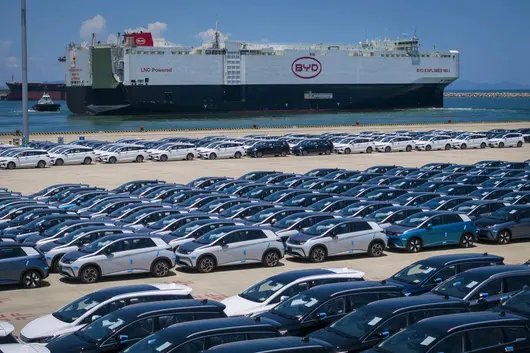

Dalam pasaran SUV di Malaysia, ramai pembeli cenderung membandingkan Mazda CX-3 dan Chery Tiggo 9 semasa memilih kereta. Kedua-dua model ini mempunyai julat harga dan segmentasi yang agak hampir. Hari ini, kami akan membuat perbandingan terperinci dari pelbagai aspek untuk membantu anda menjimatkan masa penyelidikan.
Mazda CX-3 di Malaysia mempunyai harga OTR RM 126,159 - 139,159, terdapat keseluruhan 2 varian, termasuk 2023 2.0L High (RM 139,159), 2023 2.0L Plus (RM 126,159) dan seumpamanya.
Chery Tiggo 9 di Malaysia mempunyai harga OTR RM 166,800 - 179,800, terdapat keseluruhan 1 varian, termasuk 2026 2.0T Standard (RM 179,750) dan seumpamanya.
Dari segi harga, harga permulaan Mazda CX-3 memang lebih murah sebanyak RM 40,641 berbanding Chery Tiggo 9. Jika anda mempunyai bajet terhad, varian permulaan Mazda sudah boleh memenuhi keperluan harian. Namun, perlu diingat, jimatnya berapapun dalam ribuan itu, mungkin terdapat pertukaran dalam peralatan, bergantung kepada keperluan anda.
Mazda CX-3 dilengkapi dengan 1.5L Turbo, kuasa 140 hp. Penggunaan minyak rasmi 7.0 L/100km.
Chery Tiggo 9 dilengkapi dengan 2.0L 4-cyl, kuasa 170 hp. Penggunaan minyak rasmi 8.0 L/100km.
Dari segi kuasa, 2.0L 4-cyl Chery Tiggo 9 mempunyai 30 hp lebih daripada 1.5L Turbo Mazda CX-3. Walau bagaimanapun, untuk pemanduan harian di bandar, kedua-dua kereta mempunyai kuasa yang mencukupi, tidak akan berasa kurang kuasa.
Panjang badan Mazda CX-3 ialah 4500 mm, ruang bagasi 450 L.
Panjang badan Chery Tiggo 9 ialah 4400 mm, ruang bagasi 400 L.
Dari segi ruang, badan Mazda CX-3 lebih panjang 100 mm berbanding Chery Tiggo 9, ruang duduk dalam kenderaan akan sedikit lebih lapang, terutamanya ruang kaki di baris kedua. Jika anda sering membawa keluarga atau perlu meletakkan kereta bayi, badan yang lebih besar memang lebih praktikal.
Mazda CX-3 waranti 5 tahun/150,000km, jarak penyelenggaraan setiap 10,000km atau 6 bulan.
Chery Tiggo 9 waranti 3 tahun/100,000km, jarak penyelenggaraan setiap 10,000km atau 6 bulan.

Secara keseluruhannya, Mazda CX-3 dan Chery Tiggo 9 adalah model kenderaan yang sangat bagus di pasaran Malaysia. Memilih mana satu, kuncinya bergantung kepada keperluan peribadi dan bajet anda. Kami mengesyorkan anda membuat penyelidikan terlebih dahulu, membandingkan beberapa kutipan harga dari kedai kereta, kemudian melakukan ujian pandu untuk membuat keputusan akhir. Membeli kereta adalah perkara penting, meluangkan masa membuat penyelidikan tidak akan salah.

喺馬來西亞嘅 SUV 市場,好多買家喺揀車嗰陣都會拿 Mazda CX-3 同 MG MG HS 嚟做比較。呢兩款車喺價位同定位上都幾接近,今日我哋就從多個方面做一個詳細嘅對比,幫你省返做功課嘅時間。
Mazda CX-3 喺馬來西亞嘅 OTR 售價係 RM 126,159 - 139,159,一共有 2 個版本,包括 2023 2.0L High(RM 139,159)、2023 2.0L Plus(RM 126,159) 等。
MG MG HS 喺馬來西亞嘅 OTR 售價係 RM 130,450 - 146,450,一共有 2 個版本,包括 1.5L Standard(RM 105,000)、1.5L Executive(RM 115,000) 等。
從價錢睇,Mazda CX-3 嘅起價確實比 MG MG HS 平咗 RM 4,291。如果你預算有限,Mazda 嘅入門版已經可以滿足日常需要。但亦都要注意,平嗰幾千蚊,可能喺配備上會有所取捨,具體要睇你嘅需要。
Mazda CX-3 車身長度 4500 mm,行李廂 450 L。
MG MG HS 車身長度 4400 mm,行李廂 400 L。
空間方面,Mazda CX-3 嘅車身比 MG MG HS 長咗 100 mm,車內乘坐空間會稍微寬鬆啲,尤其係後座腳位空間。如果你經常載家人或者需要放嬰兒車,車身大少少確實更抵用。
Mazda CX-3 採用 FWD 驅動方式。
MG MG HS 採用 FWD 驅動方式。
兩款車嘅驅動方式一樣,都係 FWD,日常駕駛感受唔會有太大分別。
Mazda CX-3 同 MG MG HS 都係馬來西亞市場嘅主流選擇,適合家庭使用、日常通勤。如果你更重視品牌口碑同二手價,可以優先考慮口碑好少少嗰款;如果你更在意性價比同配備,那就揀配備更豐富嗰款。最終都係建議兩款都去試駕,親身試過先係最重要。
總體嚟講,Mazda CX-3 同 MG MG HS 都係馬來西亞市場幾好嘅車型。揀邊輛,關鍵都要睇你嘅個人需求同預算。建議大家做好功課,多比較幾間車行嘅報價,再去試駕做最終決定。買車係件大事,費少少時間做功課絕對唔會錯。

喺馬來西亞嘅 SUV 市場,好多買家喺揀車嘅時候都會拎 Mazda CX-3 同 MG MG HS 嚟做比較。呢兩款車喺價位同定位上都好接近,今日我哋就從多個方面做一次詳細比較,幫你節省做功課嘅時間。
Mazda CX-3 喺馬來西亞嘅 OTR 售價係 RM 126,159 - 139,159,一共有 2 個版本,包括 2023 2.0L High(RM 139,159)、2023 2.0L Plus(RM 126,159) 等。
MG MG HS 喺馬來西亞嘅 OTR 售價係 RM 130,450 - 146,450,一共有 2 個版本,包括 1.5L Standard(RM 105,000)、1.5L Executive(RM 115,000) 等。
從價錢睇落,Mazda CX-3 嘅起步價真係比 MG MG HS 平咗 RM 4,291。如果你預算有限,Mazda 嘅入門版已經可以滿足日常需要。但都要留意,平嗰啲幾千蚊,喺配備上可能有取捨,具體就要睇你嘅需要。
Mazda CX-3 搭載 1.5L Turbo,馬力 140 hp。官方油耗 7.0 L/100km。
MG MG HS 搭載 1.5L Turbo,馬力 140 hp。官方油耗 7.0 L/100km。
兩款車用緊同一套動力系統,日常開起嚟嘅感覺基本上無分別。油耗方面亦都差不多,唔使太糾結呢一點。
Mazda CX-3 嘅安全評級係 5★ (ASEAN NCAP),主動安全系統包括 i-Activsense。
MG MG HS 嘅安全評級係 TBD,主動安全系統包括 Basic。
安全配備方面,兩款車都攞到唔錯嘅評級。不過 Mazda CX-3 嘅 i-Activsense 同 MG MG HS 嘅 Basic 喺功能上有啲差異,如果你比較重視主動安全嘅話,可以仔細對比吓兩邊嘅功能列表。
Mazda CX-3 採用 FWD 驅動方式。
MG MG HS 採用 FWD 驅動方式。
兩款車嘅驅動方式一樣,都係 FWD,日常駕駛感覺唔會有太大區別。
總嚟講,Mazda CX-3 同 MG MG HS 都係馬來西亞市場好唔錯嘅車型。揀邊一輛,關鍵始終係睇你嘅個人需要同預算。建議大家做好功課,多比較吓幾間車行嘅報價,再去試駕做最後決定。買車係件大事,花啲時間做功課絕對無錯。

In the Malaysian SUV market, many buyers compare Mazda CX-3 and Chery Tiggo 8 Pro when choosing a car. These two cars are quite close in price and positioning. Today, we will make a detailed comparison from multiple aspects to save you the time doing research.
The OTR price of Mazda CX-3 in Malaysia is RM 126,159 - 139,159, with a total of 2 versions, including 2023 2.0L High (RM 139,159), 2023 2.0L Plus (RM 126,159), etc.
The OTR price of Chery Tiggo 8 Pro in Malaysia is RM 159,750 - 159,750, with a total of 2 versions, including 1.6L Turbo Standard (RM 130,000), 1.6L Turbo Premium (RM 145,000), etc.
In terms of price, the starting price of Mazda CX-3 is indeed RM 33,591 cheaper than Chery Tiggo 8 Pro. If your budget is limited, Mazda's entry-level version can already meet daily needs. However, note that the few thousand cheaper might involve compromises on features, depending specifically on your needs.
Mazda CX-3 is equipped with 1.5L Turbo, 140 hp power. Official fuel consumption 7.0 L/100km.
Chery Tiggo 8 Pro is equipped with 2.0L 4-cyl, 170 hp power. Official fuel consumption 8.0 L/100km.
In terms of power, the 2.0L 4-cyl of Chery Tiggo 8 Pro has 30 more hp than the 1.5L Turbo of Mazda CX-3. However, for daily city driving, the power of both cars is sufficient and won't feel lacking.
Mazda CX-3 safety rating is 5★ (ASEAN NCAP), active safety systems include i-Activsense.
Chery Tiggo 8 Pro safety rating is TBD, active safety systems include Basic.
Regarding safety features, both cars have received good ratings. However, there are some differences in functions between Mazda CX-3's i-Activsense and Chery Tiggo 8 Pro's Basic. If you value active safety, you can carefully compare their feature lists.
Mazda CX-3 body length 4500 mm, trunk 450 L.
Chery Tiggo 8 Pro body length 4400 mm, trunk 400 L.
In terms of space, the Mazda CX-3 body is 100 mm longer than Chery Tiggo 8 Pro, making the interior seating space slightly more spacious, especially rear legroom. If you often carry family or need to fit a stroller, a larger body is indeed more practical.
Mazda CX-3 adopts FWD drive mode.
Chery Tiggo 8 Pro adopts FWD drive mode.
Both cars have the same drive mode, both are FWD, daily driving experience will not have much difference.
Overall, Mazda CX-3 and Chery Tiggo 8 Pro are both quite good car models in the Malaysian market. Which one to choose depends mainly on your personal needs and budget. We suggest doing your research, comparing quotes from several dealerships, and then test driving to make the final decision. Buying a car is a big deal, spending some time researching will never go wrong.

In Malaysia's SUV market, many buyers compare the Mazda CX-3 and Chery Tiggo 8 Pro when selecting a car. These two cars are quite close in price and positioning, today we will make a detailed comparison from multiple aspects, helping you save time on research.
The OTR price for Mazda CX-3 in Malaysia is RM 126,159 - 139,159, with a total of 2 versions, including 2023 2.0L High (RM 139,159), 2023 2.0L Plus (RM 126,159), etc.
The OTR price for Chery Tiggo 8 Pro in Malaysia is RM 159,750 - 159,750, with a total of 2 versions, including 1.6L Turbo Standard (RM 130,000), 1.6L Turbo Premium (RM 145,000), etc.
From a price perspective, the Mazda CX-3's starting price is indeed RM 33,591 cheaper than the Chery Tiggo 8 Pro. If your budget is limited, Mazda's entry-level version can already meet daily needs. But be aware that the savings of a few thousand ringgit might involve trade-offs in features, depending on your specific needs.
The Mazda CX-3 safety rating is 5★ (ASEAN NCAP), active safety systems include i-Activsense.
The Chery Tiggo 8 Pro safety rating is TBD, active safety systems include Basic.
Regarding safety features, both cars received good ratings. However, the Mazda CX-3's i-Activsense and the Chery Tiggo 8 Pro's Basic differ in functionality, if you value active safety more, you can compare the feature lists of both in detail.
Mazda CX-3 warranty is 5 years/150,000km, maintenance interval every 10,000km or 6 months.
Chery Tiggo 8 Pro warranty is 3 years/100,000km, maintenance interval every 10,000km or 6 months.
Both Mazda CX-3 and Chery Tiggo 8 Pro are mainstream choices in the Malaysian market, suitable for family use and daily commuting. If you value brand reputation and resale value more, you can prioritize the one with better reputation; if you care more about value for money and features, then choose the one with richer configuration. Ultimately, it is suggested to test drive both, as personal experience is the most important.
Overall, Mazda CX-3 and Chery Tiggo 8 Pro are both very good models in the Malaysian market. Which one to choose depends mainly on your personal needs and budget. It is recommended to do research, compare quotes from several dealerships, and then test drive to make the final decision. Buying a car is a big matter, spending time on research will definitely not go wrong.


10月的车市,没等来一个火热的“金九银十”。乘联会预估数据显示,10月终端销量同比大幅下滑28%。行业里谈论最多的是价格战、库存和现金流。
就在这样的气氛里,昊铂埃安公布10月销量:42357辆,同比大涨56.79%,刷新年内新高,并录得“同比八连涨”。

一个月的数字,放在大盘下行里,很容易被读成“逆势爆发”。但真正值得看的,不是56.79%本身,而是这个数字出现的时间位置:它已经是连续第八个月正增长。单月反弹可以靠节奏、靠压库、靠一款车的集中交付;连续八个月的增长,背后往往不是短期刺激,而是更稳定的结构性因素在起作用。
一、连续八个月增长,说明什么
先看一个容易被忽略的背景。昊铂埃安的增长,并不是在一个孤立的小盘子里发生的。2026年第三季度,广汽集团新能源汽车销量同比增长50.79%,自主品牌销量同比增长15.39%,自主品牌在集团销量结构中的占比首次超过50%。大盘在下行,但广汽的新能源板块在提速。昊铂埃安的连续增长,首先是从这个结构性变化里长出来的。
实际上,支撑连续性的不是某一款车的偶发爆发,而是组织方式的变化。2025年底昊铂埃安BU完成组建之后,研产供销被打成一个权责更清晰的经营单元。按照广汽方面披露的数据,这一调整推动整体业务效率提升约50%,市场反应速度提升6倍以上。渠道端,双品牌融合已布局超过1000家销售网点;用户结构上,C端私人用户占比稳定在81%左右。对于一个从“营运车标签”里走出来的品牌而言,C端占比的变化比单月销量更能说明问题。

所以,42357辆的第一层意义,不在于它比去年同期多了多少,而在于它出现在一条已经持续了八个月的曲线上。一条连续向上的曲线,比一个孤立的峰值更难制造,也更难被一次价格战轻易抹平。
二、增长有没有“根”,看三电和产品
连续增长回答的是“有没有起来”,接下来要回答的是“靠什么站住”。
一个容易被忽略的事实是:因湃电池第30万套正式下线,夸克电驱第50万套即将下线。这两个数字不算热闹,却说明昊铂埃安的动力系统自研已经跨过“从实验室到规模化装车”的门槛。因湃是国内少有的同时具备车企背景、并能实现从电芯到PACK全栈自研自产的动力电池主体,2025年装车增速位列行业第一,动力电池销量已跻身全国前十。其泰国工厂开业并下线首套动力电池,也意味着“制造出海”开始进入实质阶段。

技术上的另一条线,是非晶合金电驱。把厚度仅0.025毫米的非晶合金薄带做到车规级量产,本身就不是一条好走的路。广汽方面称,其是全球唯一实现非晶合金车用电机规模化量产的企业;相关精密制造技术摘得第51届日内瓦国际发明展“评审团特别嘉许金奖”,核心工艺被列入国家《禁止出口限制出口技术目录》。经中国汽研认证,其最高峰值效率99.03%,CLTC工况效率94.184%。落到用户层面,这些参数会翻译成一句更朴素的话:同样的电池容量,续航提升30至50公里。
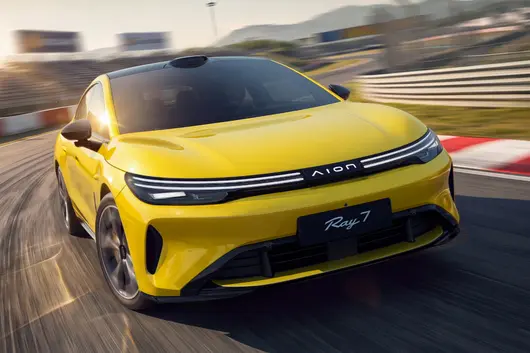
值得一提的是Ray7。它以12.88万至15.88万元的预售价,把大5米纯电轿车的百公里电耗带入“9字头”,预售两小时订单突破6817单,并将于11月12日正式上市。这个订单量放在当前的新势力预售榜单上不算炸裂,也有分析指出,预售数字本身“说明不了太多”,真正要看的是配置表怎么排、交付后能不能站住。但它指向一种有别于“以价换量”的思路:用系统效率而不是电池堆砌,来降低用户的全生命周期成本。

再加上埃安i60第10万辆交付、海外市场持续登陆新加坡、泰国、哥伦比亚、沙特、阿联酋等国家和地区,昊铂埃安的产品矩阵正在形成“国内+海外”的双向拉动。今年前三季度,广汽累计出口197701辆,同比增长138.9%。这些不是单月销量的直接注脚,却是连续增长能否延续下去的底层支撑。

三、真正的悬念,是改革红利能走多远
广汽“番禺行动”启动至今,最实质的变化并非某一款车的成败,而是自主板块从“各自向前”转向“合力前进”的组织重组。研发周期缩短、研发成本下降、昊铂埃安BU完成渠道融合,这些动作的共同指向,是试图把过去分散在多个品牌和条线中的资源,收拢到一套更接近市场节奏的决策体系里。

但改革的另一面是代价。广汽自主板块的盈利修复仍在途中,埃安产能利用率处于行业低位,整车毛利尚未完全转正。在这个阶段,昊铂埃安连续八个月的正增长,还不足以被简单解读为“拐点已至”。它更像一次压力测试的结果:当技术投入进入兑现期、渠道整合释放出短期效率、产品节奏刚好踩中一个窗口,这个体系能够跑出怎样的加速度。
真正的考验,不在10月的海报上,而在接下来的三到四个季度里:整合红利能不能过渡为产品红利,产品红利又能不能转化为盈利改善。连续八个月是一条不错的起跑线,但起跑线本身不是终点。
结语:
在中国新能源市场,一个月四万余辆的销量,放在比亚迪、零跑、鸿蒙智行等对手的坐标系中,并不足以改变竞争格局的排序。但对于一家正处于深度改革中的大型汽车集团而言,昊铂埃安10月的数据提供了一个难得的观察窗口。

行业可以下行,好产品永远有自己的上行通道。只是这句话还有一个前提:好产品,必须先是可持续的生意。一个月的新高,能上海报;一个体系的转身,要靠接下来每个季度去证明。

In the Malaysian SUV market, many buyers compare the Mazda CX-3 and Chery Tiggo 8 when choosing a car. These two vehicles are quite close in price and positioning. Today, we will make a detailed comparison from multiple aspects to help you save time on research.
The Mazda CX-3 OTR price in Malaysia is RM 126,159 - 139,159, with a total of 2 versions, including 2023 2.0L High (RM 139,159), 2023 2.0L Plus (RM 126,159), etc.
The Chery Tiggo 8 OTR price in Malaysia is RM 129,750 - 129,750, with a total of 1 version, including 2026 1.6T Standard (RM 129,750), etc.
From a price perspective, the starting price of the Mazda CX-3 is indeed RM 3,591 cheaper than the Chery Tiggo 8. If your budget is limited, Mazda's entry-level version can already meet daily needs. But you should also note that the few thousand difference might involve trade-offs in features, depending on your specific needs.
The safety rating of the Mazda CX-3 is 5★ (ASEAN NCAP), and active safety systems include i-Activsense.
The safety rating of the Chery Tiggo 8 is TBD, and active safety systems include Basic.
Regarding safety features, both cars have received good ratings. However, there are some differences in functionality between Mazda CX-3's i-Activsense and Chery Tiggo 8's Basic. If you value active safety highly, you can carefully compare the feature lists of both.
Mazda CX-3 warranty is 5 years / 150,000km, maintenance interval is every 10,000km or 6 months.
Chery Tiggo 8 warranty is 3 years / 100,000km, maintenance interval is every 10,000km or 6 months.
Both Mazda CX-3 and Chery Tiggo 8 are mainstream choices in the Malaysian market, suitable for family use and daily commuting. If you value brand reputation and resale value more, prioritize the one with better reputation; if you care more about cost-performance ratio and features, choose the one with richer configurations. Ultimately, it is recommended to test drive both, as personal experience is the most important.

Overall, both Mazda CX-3 and Chery Tiggo 8 are very good models in the Malaysian market. Choosing which one depends mainly on your personal needs and budget. It is recommended to do your research, compare quotes from several car dealerships, and then test drive to make a final decision. Buying a car is a big matter, taking some time to do research will definitely not be a mistake.

In the Malaysia SUV market, many buyers compare Mazda CX-3 and Chery Tiggo 7 Pro when choosing a car. These two cars are quite close in price and positioning. Today, we will make a detailed comparison from multiple aspects to help you save time on research.
The OTR price of Mazda CX-3 in Malaysia is RM 126,159 - 139,159, with a total of 2 versions, including 2023 2.0L High (RM 139,159), 2023 2.0L Plus (RM 126,159), etc.
The OTR price of Chery Tiggo 7 Pro in Malaysia is RM 123,750 - 123,750, with a total of 2 versions, including 1.6L Turbo Standard (RM 125,000), 1.6L Turbo Premium (RM 140,000), etc.
From a price perspective, the starting price of Chery Tiggo 7 Pro is RM 2,409 cheaper than Mazda CX-3. Honestly, in this price range, a difference of a few thousand is not that big; the key is to look at overall value for money and long-term usage costs.
Mazda CX-3 safety rating is 5★ (ASEAN NCAP), active safety system includes i-Activsense.
Chery Tiggo 7 Pro safety rating is TBD, active safety system includes Basic.
Regarding safety features, both cars received good ratings. However, there are some differences in functionality between Mazda CX-3's i-Activsense and Chery Tiggo 7 Pro's Basic. If you value active safety, you can compare the feature lists of both carefully.
Mazda CX-3 body length is 4500 mm, trunk 450 L.
Chery Tiggo 7 Pro body length is 4400 mm, trunk 400 L.
In terms of space, Mazda CX-3's body is 100 mm longer than Chery Tiggo 7 Pro, providing slightly more interior passenger space, especially rear legroom. If you often carry family members or need to put in a stroller, a larger body is indeed more practical.
Mazda CX-3 adopts FWD drive system.
Chery Tiggo 7 Pro adopts FWD drive system.
Both cars have the same drive system, both are FWD, so there won't be much difference in daily driving experience.
In summary, both Mazda CX-3 and Chery Tiggo 7 Pro are very good models in the Malaysia market. Which one to choose depends mainly on your personal needs and budget. It is recommended to do your research, compare quotes from several dealerships, and then test drive to make the final decision. Buying a car is a major matter, taking time to research is never wrong.

In Malaysia's SUV market, many buyers compare the Mazda CX-3 and Chery Tiggo 7 Pro when choosing a car. Both models are quite close in price and positioning. Today, we will conduct a detailed comparison from multiple aspects to save you time doing research.
The OTR price of the Mazda CX-3 in Malaysia is RM 126,159 - 139,159, with a total of 2 versions, including 2023 2.0L High (RM 139,159), 2023 2.0L Plus (RM 126,159), etc.
The OTR price of the Chery Tiggo 7 Pro in Malaysia is RM 123,750 - 123,750, with a total of 2 versions, including 1.6L Turbo Standard (RM 125,000), 1.6L Turbo Premium (RM 140,000), etc.
Looking at the price, the starting price of the Chery Tiggo 7 Pro is RM 2,409 cheaper than the Mazda CX-3. Honestly, at this price point, a difference of a few thousand is not really significant; the key is overall cost-effectiveness and long-term usage costs.
Mazda CX-3 is equipped with a 1.5L Turbo, 140 hp. Official fuel consumption 7.0 L/100km.
Chery Tiggo 7 Pro is equipped with a 1.5L Turbo, 140 hp. Official fuel consumption 7.0 L/100km.
Both cars use the same powertrain system, and the driving feel is basically the same in daily use. Fuel consumption is also similar, no need to worry too much about this point.
Mazda CX-3 body length 4500 mm, trunk 450 L.
Chery Tiggo 7 Pro body length 4400 mm, trunk 400 L.
Regarding space, the Mazda CX-3 body is 100 mm longer than the Chery Tiggo 7 Pro, and the interior seating space will be slightly more spacious, especially the rear legroom. If you often carry family members or need to put in a stroller, the slightly larger body is indeed more practical.
Both the Mazda CX-3 and Chery Tiggo 7 Pro are mainstream choices in the Malaysian market, suitable for family use and daily commuting. If you value brand reputation and resale value more, you can prioritize the one with better reputation; if you care more about cost-effectiveness and features, then choose the one with richer configurations. Finally, it is recommended to test drive both models; personal experience is the most important.
In general, both the Mazda CX-3 and Chery Tiggo 7 Pro are quite good models in the Malaysian market. Which one to choose depends mainly on your personal needs and budget. It is recommended that everyone do their homework, compare quotes from several dealerships, and then go for a test drive to make a final decision. Buying a car is a big matter; spending time doing research will never be wrong.

Dalam pasaran SUV di Malaysia, ramai pembeli yang membandingkan Mazda CX-3 dan Chery Tiggo 8 PHEV semasa memilih kereta. Kedua-dua model kereta ini mempunyai harga dan posisi yang agak hampir, hari ini kita akan membandingkan secara terperinci dari pelbagai aspek untuk membantu anda menjimatkan masa mengkaji.
Mazda CX-3 dijual di Malaysia pada harga OTR RM 126,159 - 139,159, dengan sebanyak 2 varian, termasuk 2023 2.0L High (RM 139,159), 2023 2.0L Plus (RM 126,159) dan lain-lain.
Chery Tiggo 8 PHEV dijual di Malaysia pada harga OTR RM 159,750 - 159,750, dengan sebanyak 2 varian, termasuk 1.6L Turbo Standard (RM 130,000), 1.6L Turbo Premium (RM 145,000) dan lain-lain.
Dari segi harga, harga permulaan Mazda CX-3 memang lebih murah RM 33,591 berbanding Chery Tiggo 8 PHEV. Jika bajet anda terhad, varian permulaan Mazda sudah dapat memenuhi keperluan harian. Namun perlu diingat, beberapa ribu yang lebih murah mungkin ada penyesuaian dalam pelengkapan, ia bergantung pada keperluan anda.
Mazda CX-3 dilengkapi enjin 1.5L Turbo, kuasa 140 hp. Penggunaan bahan api rasmi 7.0 L/100km.
Chery Tiggo 8 PHEV dilengkapi Hybrid, kuasa 170 hp. Penggunaan bahan api rasmi 4.5 L/100km.
Dari segi kuasa, Hybrid Chery Tiggo 8 PHEV mempunyai 30 hp lebih daripada 1.5L Turbo Mazda CX-3. Namun penggunaan harian di bandar, kuasa kedua-dua kereta sudah memadai, tiada rasa kurang tenaga.
Tahap keselamatan Mazda CX-3 adalah 5★ (ASEAN NCAP), sistem keselamatan aktif termasuk i-Activsense.
Tahap keselamatan Chery Tiggo 8 PHEV adalah TBD, sistem keselamatan aktif termasuk Basic.
Dari segi peralatan keselamatan, kedua-dua kereta mendapat tahap yang baik. Namun i-Activsense Mazda CX-3 dan Basic Chery Tiggo 8 PHEV mempunyai perbezaan dalam fungsi, jika anda lebih mengutamakan keselamatan aktif, boleh bandingkan senarai fungsi kedua-duanya dengan teliti.
Mazda CX-3 panjang badan 4500 mm, bak bagasi 450 L.
Chery Tiggo 8 PHEV panjang badan 4400 mm, bak bagasi 400 L.
Dari segi ruang, badan Mazda CX-3 lebih panjang 100 mm daripada Chery Tiggo 8 PHEV, ruang duduk dalam kereta akan sedikit lebih luas, terutamanya ruang kaki kerusi belakang. Jika anda sering membawa keluarga atau perlu letak kerusi bayi, badan kereta yang lebih besar memang lebih praktikal.
Mazda CX-3 jaminan 5 tahun/150,000km, selang servis setiap 10,000km atau 6 bulan.
Chery Tiggo 8 PHEV jaminan 3 tahun/100,000km, selang servis setiap 10,000km atau 6 bulan.
Secara keseluruhannya, Mazda CX-3 dan Chery Tiggo 8 PHEV adalah model kereta yang sangat bagus di pasaran Malaysia. Memilih yang mana satu, penting adalah lihat keperluan dan bajet peribadi anda. Disarankan membuat kajian dengan teliti, bandingkan banyak sebut harga dari beberapa kedai kereta, kemudian uji memandu untuk membuat keputusan akhir. Membeli kereta adalah perkara besar, meluangkan masa untuk mengkaji tidak akan salah.
© 2024 Bitauto.com. All Rights Reserved.
Bitauto (www.yiche.com and www.bitauto.com) is one of the most visited automotive websites in China. We provide detailed info on Chinese car brands available in your area. Please note that the information provided on this website is based on publicly available data and is for reference only. It may not be fully updated or accurate at all times.

Help us improve our website


