

HomePlace

Search History
Popular Searches
Dealer Login / Sign Up

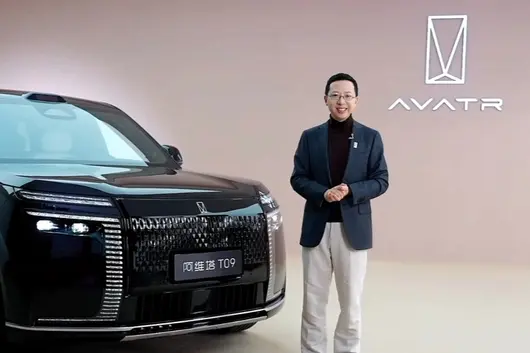
Pada Pameran Kereta Paris, versi konsep Avatr T09 telah membuat debut global.
Maklumat mengenai kenderaan ini banyak, tetapi soalan intinya mudah: sebuah kenderaan jenama China, mengapa dijual lebih daripada 500,000, dan mesti pergi ke Eropah untuk berebut pasaran dengan BBA?
Lihat dahulu produk: kelengkapan cukup berat, tetapi membentuk rasa sistemik
 Pelaksanaan T09 sangat jelas, SUV flaghship besar enam tempat duduk peringkat 500,000, panjang kereta 5285mm, paksi 3150mm, lebih besar sedikit berbanding Li Auto L9. Penampilan menggunakan laluan "rasa arkitektur", gril hadapan menggunakan 362 elemen LOGO tinggi berbeza untuk ukiran timbul 3D, lampu ialah pemotongan berlian dua lapisan, tiub D menggunakan plat alu untuk bina bumbung terapung. Gaya reka bentuk ini berbeza sepenuhnya dengan gaya sporty tajam Avatr 11, 12, jelas mengarah ke "rasa dihormati".
Yang paling istimewa di kabin ialah alat interaktif naik-turun yang dipanggil "Vortex Vorteks Emosi", mempunyai 118 LED RGB terbina dalam, boleh bersandar dengan lampu suasana kereta keseluruhan untuk menyambut, irama muzik atau amaran kereta dari belakang. Secara teknikal memang baru, tetapi asasnya adalah mekanisme elektronik yang teliti, kebolehpercayaan jangka panjang perlu disahkan.
Barang sebenar yang kukuh terletak pada kuasa dan cassis. Enjin hibrid 2.0T ditambah tiga motor, kuasa kuda gabungan sistem melebihi seribu, menyokong pertukaran tiga mod: elektrik tulen, hibrid plug-in, dan range extender, bateri CATL Shengyao 71.24kWh memberikan jarak perjalanan elektrik tulen CLTC melebihi 400km. Cassis ialah sistem kawalan pintar Taihang, dilengkapi dengan suspensi udara dwi-ruang tertutup ditambah stereng roda belakang, jari-jari pusingan minimum dicapai sehingga tahap 4 meter, juga menyokong mod berjalan ketam. Sistem pemanduan pintar Huawei Qianshun ADS 5 dilengkapkan dengan empat unit sensor lidar.
Pukulan kombinasi ini dalam harga 500,000, parameter memang kompetitif.
 Lihat semula kompetitor: lawan bukan lagi BBA
Objektif langsung T09 sebenarnya adalah Li Auto L9, AITO M9, dan Zeekr 9X, beberapa flagship negara sudah berdiri kukuh.
Banding dengan Li Auto L9, saiz badan dan paksi T09 mempunyai kelebihan, kuasa tiga motor dan mod berjalan ketam tidak ada pada L9. Tetapi Li Auto L9 sudah sangat mendalam dalam fikiran pengguna keluarga, T09 perlu meyakinkan pengguna: sebuah Avatr yang menekankan "rasa dihormati", mengapa lebih sesuai untuk anda berbanding "kereta keluarga"?
Banding dengan AITO M9, kedua-duanya terikat mendalam pada sistem pemanduan pintar Huawei. Tetapi AITO M9 telah meraih jualan nombor satu model melebihi 500,000 secara berterusan selama empat bulan, hantaran bulanan stabil lebih 10,000. T09 lebih menekankan rasa masa depan dan pahatan dalam reka bentuk, tetapi ekosistem HarmonyOS AITO dan potensi jenama Huawei telah membentuk gelung tertutup, ini sukar direplikasi oleh Avatr dalam masa pendek.
Ancaman sebenar mungkin datang dari Zeekr 9X. Kenderaan ini memecahkan 10,000 pada Mac 2026 secara tunggal bulan, paruh pertama tahun menjadi Juara Jualan seluruh kategori melebihi 500,000, harga jual purata melebihi 530,000. Dalam pengguna Zeekr 9X, perjalanan jauh pemanduan sendiri mengambil 48.6%, percutian luar mengambil 30.1%, menunjukkan keperluan pengguna bernilai tinggi telah berpindah dari "kabin perniagaan bergerak" ke "gaya kehidupan semua skenario". Adakah naratif produk T09 boleh menyentuh orang ini, adalah pemboleh ubah penting.
Pelantar luar negara: Paris hanya permulaan, Eropah adalah perang keras
 Prestasi luar negara Avatr semasa tidak buruk: perniagaan meliputi 70 negara dan wilayah, harga purata produk melebihi 300,000, sudah mencapai keuntungan. Pangsa pasaran kereta elektrik premium Mesir 10%, Avatr 11 meraih jualan nombor satu dalam pasaran SUV elektrik mewah Thailand.
Tetapi Eropah adalah medan perang tahap lain. Avatr merancang untuk masuk Eropah secara rasmi pada 2027, 06T dan 07L sebagai produk pertama mendarat di Norway dan Sepanyol. T09 debut di Paris, secara asasnya menduduki posisi di pasaran Eropah setahun lebih awal, memberitahu pengguna Eropah: Jenama China juga boleh buat flagship.
Masalahnya, walaupun penerimaan pengguna Eropah terhadap jenama China sedang meningkat dengan cepat—Suku Kedua 2026, pangsa pasaran jenama China di Eropah Barat untuk pertama kali mengatasi jenama Jepun—tetapi dalam julat harga melebihi 500,000, mereka menghadapi lawan kukuh seperti siri Mercedes EQ, BMW iX. Falsafah "Kemewahan Emosi Baru" Avatr, adakah boleh diterjemahkan menjadi premium jenama yang berkesan di pasaran Eropah, adalah ketidakpastian terbesar.
Penilaian prospek: kekuatan produk cukup layak, tetapi tempoh tingkap tidak luas
Definisi produk T09 adalah jelas: menggunakan tiga motor dan chassis Taihang untuk membezakan pengendalian, menggunakan interaksi Vortex untuk membezakan emosi, menggunakan gabungan pihak ketiga untuk sokongan teknikal. Logik ini sah di pasaran China, AITO M9 dan Zeekr 9X telah membuktikan SUV nasional peringkat 500,000 mempunyai keperluan sebenar.
Tetapi cabaran juga jelas. Jenama Avatr tidak mempunyai sejarah dalam julat harga melebihi 500,000, T09 adalah karya pembuka, ruang kesalahan sangat kecil. Kebolehpercayaan jangka panjang mekanisme elektronik teliti, kawalan tenaga hibrid tiga mod, kos pembaikan reka bentuk kompleks, ini memerlukan banyak data pengguna selepas hantaran pengeluaran untuk disahkan.
Lebih penting ialah tingkap masa. Zeekr 9X dan AITO M9 sudah menduduki kelebihan terdahulu, perang merebut fikiran pengguna tidak akan menunggu T09 membina reputasi secara perlahan. Avatr merancang memasuki lebih 110 negara dan wilayah pada 2030, peratusan jualan luar negara melebihi 50%—sasaran ini sangat besar, tetapi syaratnya T09 dan produk flaghship seterusnya boleh berdiri kukuh di dalam negara terlebih dahulu.
T09 adalah sebuah kereta yang ikhlas, ketumpatan teknikal dan kelengkapan reka bentuk layak dengan perkataan "flagship". Tetapi soalan yang perlu dijawabnya lebih besar daripada produk itu sendiri: apabila jenama China mendaki secara kolektif, adakah "kemewahan terhormat" Avatr boleh menjadi alasan pengguna berani membayar?
Debut Paris hanyalah permulaan, ujian sebenar adalah selepas hantaran pengeluaran.

Di pasaran SUV Malaysia, banyak pembeli yang membandingkan Toyota Corolla Cross dan Chery Tiggo 8 Pro semasa memilih kereta. Kedua-dua model ini sangat hampir dari segi harga dan posisioning. Hari ini, kami akan membuat perbandingan terperinci dari pelbagai aspek untuk membantu anda jimat masa membuat kajian.
Toyota Corolla Cross dijual di Malaysia dengan harga OTR RM 133,800 - 148,800. Terdapat 3 varian, termasuk 2026 HEV 1.8L GR Sport (RM 148,800), 2026 HEV 1.8L Standard (RM 140,800), 2026 1.8L Standard (RM 133,800) dan lain-lain.
Chery Tiggo 8 Pro dijual di Malaysia dengan harga OTR RM 159,750 - 159,750. Terdapat 2 varian, termasuk 1.6L Turbo Standard (RM 130,000), 1.6L Turbo Premium (RM 145,000) dan lain-lain.
Dari segi harga, harga permulaan Toyota Corolla Cross memang lebih murah RM 25,950 berbanding Chery Tiggo 8 Pro. Jika bajet anda terhad, versi masuk Toyota sudah cukup untuk memenuhi keperluan harian. Namun, perlu diingat, perbezaan harga beberapa ribu ringgit ini mungkin melibatkan pengorbanan pada peralatan, bergantung pada keperluan anda.

Toyota Corolla Cross dilengkapi enjin 1.5L Turbo, kuasa 140 hp. Penggunaan minyak rasmi 7.0 L/100km.
Chery Tiggo 8 Pro dilengkapi enjin 2.0L 4-cyl, kuasa 170 hp. Penggunaan minyak rasmi 8.0 L/100km.
Dari segi kuasa, 2.0L 4-cyl Chery Tiggo 8 Pro mempunyai 30 hp lebih berbanding 1.5L Turbo Toyota Corolla Cross. Namun untuk penggunaan harian di bandar, kuasa kedua-dua kereta sudah cukup, tidak terasa kurang kuasa.

Penilaian keselamatan Toyota Corolla Cross adalah 5★ (ASEAN NCAP). Sistem keselamatan aktif termasuk TSS (PCS, LDA, ACC, LTA).
Penilaian keselamatan Chery Tiggo 8 Pro adalah TBD. Sistem keselamatan aktif termasuk Basic.
Dari segi peralatan keselamatan, kedua-dua kereta mendapat penilaian yang baik. Namun, terdapat perbezaan dalam fungsi antara TSS (PCS, LDA, ACC, LTA) Toyota Corolla Cross dengan Basic Chery Tiggo 8 Pro. Jika anda mengutamakan keselamatan aktif, sila bandingkan senarai fungsi kedua-duanya.

Toyota Corolla Cross panjang badan 4400 mm, ruang boot 400 L.
Chery Tiggo 8 Pro panjang badan 4400 mm, ruang boot 400 L.
Saiz kedua-dua kereta hampir sama, ruang dalaman tidak banyak beza. Kereta kelas ini cukup untuk kegunaan harian.
Toyota Corolla Cross waranti 5 tahun/mile tanpa had, selang servis setiap 10,000km atau 6 bulan.
Chery Tiggo 8 Pro waranti 3 tahun/100,000km, selang servis setiap 10,000km atau 6 bulan.
Secara keseluruhan, Toyota Corolla Cross dan Chery Tiggo 8 Pro adalah model yang sangat baik di pasaran Malaysia. Memilih mana satu, penting bergantung pada keperluan dan bajet peribadi anda. Disyorkan untuk membuat kajian mendalam, bandingkan lebih banyak harga dari dealer kereta, dan buat ujian memandu untuk membuat keputusan akhir. Membeli kereta adalah perkara besar, meluangkan masa membuat kajian tidak akan salah.


9月2日至4日,第二十一届上海国际轮胎轮毂博览会(CITEXPO 2026)在上海世博展览馆圆满落幕。作为亚洲极具影响力的轮胎行业专业贸易平台,本届展会汇聚了来自140多个国家和地区的专业观众。江苏通用科技股份有限公司(以下简称“通用股份”)携千里马(CELIMO)、瑞途(GOODTRIP)、喜达通(TBBtires)三大自主品牌再度亮相,凭借全品类、全场景的产品矩阵与硬核创新成果,现场达成意向订单总额超300万美元,品牌国际化进程再加速。

聚焦细分赛道,精准适配多元场景需求
为保障参展实效,通用股份立足全球不同区域场景特点,围绕乘用车、卡客车、OTR轮胎、斜交轮胎四大赛道,构建了品类完备、场景导向清晰的产品展示体系。
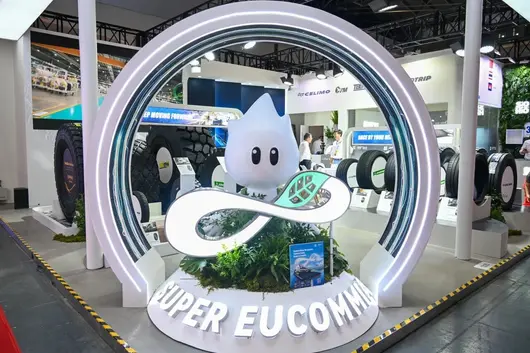
在乘用车轮胎领域,战略级新品超级杜仲轮胎系列成为展台明星。旗舰高性能SUV轮胎千里马C-SPORT 01、城市SUV舒适轮胎千里马CHP8及瑞途GE58重磅亮相,以“超级耐磨、超级安全、超级舒适”三大核心性能优势脱颖而出。卡客车轮胎板块,千里马CRA-R56、瑞途GDW100及KTX730L等主力产品集中展出,凭借强承载、耐磨损、长里程等性能优势,精准适配干线物流、长途运输等场景。此外,OTR领域的千里马XR992搭载“双效乌金”创新技术,成功突破绿色技术壁垒;喜达通KTX986及斜交轮胎产品线也凭借优异性能获得高度认可。


深化全球经贸合作,意向订单与新客双增长
展会期间,通用股份展位人气持续高涨。公司销售团队与来自南美、北美、欧洲、中东、东南亚、非洲等全球多个地区的数百名专业客商进行了深入洽谈。数据显示,本次通用股份累计接待客商中,新客户占比近60%。这一高比例的新客增量,叠加超300万美元的意向订单总额,不仅印证了全球市场对通用股份产品的高度认可,也标志着公司海外市场合作版图的进一步扩大。

依托全球布局,持续夯实产业发展优势
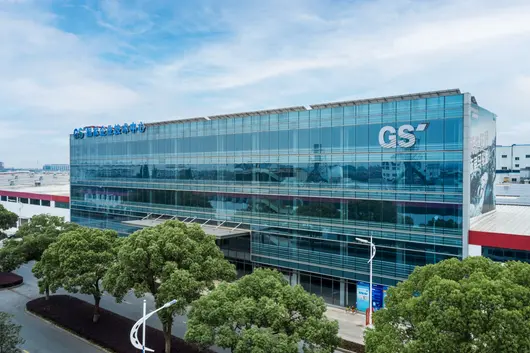
近年来,通用股份依托中国、泰国、柬埔寨三大生产基地的协同运营,构建了国际化、智能化、绿色化的生产体系。自去年融入苏豪控股集团体系以来,公司充分借助国资平台赋能,整合产业资源,畅通跨境贸易通道,品牌全球竞争力持续跃升。

喺馬來西亞嘅 SUV 市場,好多買家在揀車嘅時候都會拿本田 HR-V 同三菱 Xforce 嚟做比較。呢兩款車喺價位同定位上都好接近,今日我哋就從多個方面做一個詳細嘅對比,幫你省返做功課嘅時間。
本田 HR-V 喺馬來西亞嘅 OTR 售價係 RM 115,900 - 143,900,合共 4 個版本,包括 2026 e:HEV 1.5L RS(RM 143,900)、2026 1.5T V(RM 137,900)、2026 1.5T E(RM 130,900) 等。
三菱 Xforce 喺馬來西亞嘅 OTR 售價係 RM 109,930 - 119,930,合共 2 個版本,包括 2026 1.5L Ultimate(RM 119,930)、2026 1.5L Urban(RM 109,930) 等。
由價錢嚟睇,三菱 Xforce 嘅起價比本田 HR-V 平咗 RM 5,970。講真,喺呢個價位段,幾千蚊嘅差距其實唔算大,關鍵淨係睇整體嘅性價比同長期使用成本。

本田 HR-V 配備 1.5L Turbo,馬力 140 hp。官方油耗 7.0 L/100km。
三菱 Xforce 配備 1.5L Turbo,馬力 140 hp。官方油耗 7.0 L/100km。
兩款車用嘅係同一套動力系統,日常開落去嘅感覺基本冇分別。油耗方面都差唔多,唔使太糾結呢一點。

本田 HR-V 車身長 4500 mm,尾箱 450 L。
三菱 Xforce 車身長 4400 mm,尾箱 400 L。
空間方面,本田 HR-V 嘅車身比三菱 Xforce 長咗 100 mm,車內乘坐空間會啲寬鬆啲,尤其係後座腿部空間。如果你經常載家人或者需要放手推車,大少少嘅車身確實更實用。
本田 HR-V 採用 FWD 驅動方式。
三菱 Xforce 採用 FWD 驅動方式。
兩款車嘅驅動方式一樣,都係 FWD,日常駕駛感覺唔會有太大分別。

本田 HR-V 保養 5 年/無限里程,保養間隔 每 10,000km 或 6 個月。
三菱 Xforce 保養 3 年/100,000km,保養間隔 每 10,000km 或 6 個月。
總體嚟講,本田 HR-V 同三菱 Xforce 都係馬來西亞市場好唔錯嘅車型。揀邊一輛,關鍵仲係睇你嘅個人需求同預算。建議大家做足做功課,多比較幾間車行嘅報價,先至去試駕先做最後決定。買車係件大件事,花少少時間做功課絕對無錯。

8月27日晚间,通用股份(601500.SH)披露2026年半年度报告:上半年实现营业收入44.48亿元,同比增长11.2%;归母净利润1.38亿元,同比暴增114.84%;扣非净利润1.37亿元,同比大增176.79%。

这份成绩单成色颇高。上半年全球轮胎业遭遇多重逆风:中东地缘冲突扰动海运,天然橡胶价格宽幅震荡,欧盟对华半钢胎“双反”政策落地,行业盈利普遍承压。通用股份在苏豪控股集团赋能下践行“5X战略计划”,凭三驾马车平抑周期波动。
海外双基地放量,构筑抗险“避风港”
报告期内,泰国基地5月单月发货量突破100万条,创历史新高;柬埔寨基地销量同比增长20%,产能利用率保持高位。公司在巩固北美、欧洲、东南亚市场的同时,发力南美、中东、非洲等新兴市场,上半年海外非美市场营收同比增长15.2%。3月,公司落地行业首单4.5亿元科技创新专项债券,并加速推进海外第三生产基地选址。

材料创新突破,高附加值矩阵拉升毛利
历经十余年攻关,公司成功将“植物黄金”杜仲胶推向量产,填补行业产业化空白;3月发布的“超级杜仲轮胎”系列切入高端新能源替换赛道,连获奚仲奖、金轮奖等多项殊荣。商用车领域,“龙马系列”ET新能源重载轮胎成功投放;非公路轮胎“双效乌金”技术耐久性提升10%以上,并实现防老剂6PPD的100%环保替代。泰国基地6月量产首条28寸UUHP超超高性能轮胎,柬埔寨基地产出符合美国Smartway认证的低滚阻新品。

AI降本增效,品牌跨界“破圈”
公司与联想集团共建创新实验室,全钢X光缺陷检测项目使人工质检成本节约超60%,获“2025年度中国工业AI杰出应用奖”;AI大模型在排产、质检、仓储全域渗透,有效压降成本、提升良率。品牌端,千里马轮胎深度参与2026“苏超”联赛,赤兔马轮胎征战环塔拉力赛,公司亮相广交会与德国科隆轮胎展,并以“远航行动”赋能终端门店。
行业人士指出,中国轮胎产业正由“产能换市场”转向“技术赢空间”,通用股份已在全球产能、新材料与智能制造的综合博弈中抢占先机。公司表示,下半年将继续以“5X战略计划”为牵引,稳步推进“百亿通用”战略目标,创造长期可持续的价值回报。

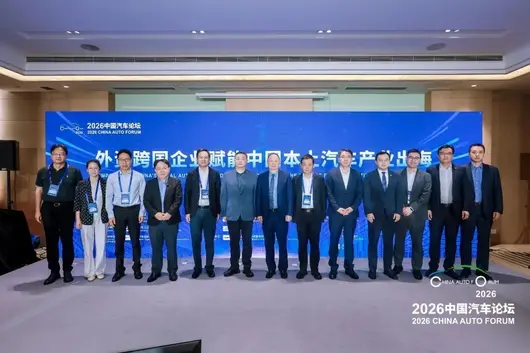
On the morning of July 23, as one of the core sub-forums of the "2026 China Auto Forum", the themed forum "Foreign Multinational Enterprises Empowering the Going Global of the Chinese Local Automotive Industry" was held in Shanghai Jiading. This forum was hosted by the China Association of Automobile Manufacturers, co-organized by the Intelligent Manufacturing Branch of the Shanghai Chamber of Foreign Investment and the Jiading District Foreign-invested Enterprise Association. Focusing on key propositions in the process of international development of the automotive industry, it set up four discussion directions: breaking market barriers overseas, diverse empowerment models of foreign capital, practice of industrial ecosystem landing, and paths for supply chain collaborative going global. It attracted nearly 130 guests from domestic and foreign capital vehicle and parts enterprises, industry institutions, and mainstream media.

Chen Ye, Party Secretary and Director of the Shanghai Jiading District Commerce Commission, Shao Gang, Deputy Party Secretary and Town Mayor of Anting Town, Shanghai Jiading District, Huang Feng, President of the Shanghai Chamber of Foreign Investment, Wei Wenqing, Executive Deputy Secretary-General of the China Association of Automobile Manufacturers, and other government and industry leaders attended the forum. Executives and representatives from domestic and foreign enterprises and institutions, including Yang Xiaoming, President of Aptiv China and Asia Pacific, Gao Gang, Vice President, Global Chief Legal Counsel, and Chief Compliance Officer of Nio, Zhang Lianchong, Vice President of New Braking Systems, China, Bosch Vehicle Motion Intelligence Control Systems, Chen Xiangbin, President of the E-Mobility Division, China, Schaeffler, Jian Quan, Senior Vice President, China Market Licensing, Avanci, Li Dong, Director of Intelligent Manufacturing Innovation Research Institute, Rockwell Automation (China) Co., Ltd., Tao Gao, Co-Director of Light Vehicle Production, Mobility Global Greater China, and Sun Jian, General Manager of the National Automotive Foreign Trade Transformation and Upgrading Base (Automotive and Parts), respectively shared forward-looking insights and practical paths for empowering Chinese car companies to go global from diverse perspectives such as technology empowerment, compliance system construction, and localization practice, jointly outlining the development scenario of the Chinese automotive industry moving from "product going global" to "systematic going global".
Going Global Enters a New Phase of Systemization
Starting from a multi-dimensional perspective from local industry support to industry platform services to national development overview, multiple guests set the tone for the discussion at the opening session of the forum, conveying a high degree of consensus among all parties on the current phased characteristics of going global.
Chen Ye stated that the Chinese automotive industry is currently at a key node in the transition from product output to systematic output, that is, from early export of complete vehicles to laying out R&D centers, production bases, and supply chain networks overseas, Chinese car brands are accelerating into the global industrial map. As the core carrying area for Shanghai building a world-class automotive industry center, Jiading will continue to explore a new model of collaborative going global with "government guidance, foreign capital empowerment, and local dominance", helping Chinese car companies proceed steadily in the process of globalization.

Chen Ye, Party Secretary and Director of the Shanghai Jiading District Commerce Commission
Shao Gang stated in his address that Anting has formed an automotive industry foundation and mature ecosystem system covering the full chain, building a full-cycle going global service system with "Industrial empowerment + Resource linking + Landing escort". Anting will continue to anchor on the direction of high-quality going global, link global resources with a more open attitude, promote deep cooperation between Chinese and foreign car companies in technology, channels, and other levels, and jointly explore new industrial paths for collaborative going global and mutual benefit and win-win.

Shao Gang, Deputy Party Secretary and Town Mayor of Anting Town, Shanghai Jiading District
Huang Feng stated that promoting bidirectional empowerment and collaborative going global between foreign multinational enterprises and local car companies is the current core work direction of the Shanghai Chamber of Foreign Investment. Combining the observation of recent industry exchanges in Germany, he pointed out that win-win cooperation is a key link in resolving Sino-European automotive trade friction. In the process of going global, Chinese car companies should not only seek their own development but also strive to create value for local ecosystem partners, achieving mutual benefit and win-win through bidirectional empowerment.

Huang Feng, President of the Shanghai Chamber of Foreign Investment
Wei Wenqing analyzed from the perspective of the whole industry that the current Chinese automotive going global faces multiple real challenges such as overseas policy barriers, compliance certification, and cross-border supply chains. The global resources and mature operation experience of foreign multinational enterprises can form complementary advantages with local car companies, pushing the cooperation between Chinese and foreign industries to a new level. The China Association of Automobile Manufacturers will continue to build a normalized docking platform, escorting the global development of the Chinese automotive industry to progress steadily and far.

Wei Wenqing, Executive Deputy Secretary-General of the China Association of Automobile Manufacturers
It is not difficult to discover a common logical trend from the above speeches: Chinese automotive going global is no longer a choice question of "whether to go out", but a must-answer question of "how to go, how to stand firm, and how to go far"; foreign multinational enterprises are no longer simply viewed as competitors or technology suppliers, but are clearly defined as important partners for the deep integration of the Chinese automotive industry into the global system.
Foreign Capital Empowerment Technology and Manufacturing System Support
Focusing on how to support Chinese car companies going global with technology and manufacturing systems, representatives of foreign enterprises from the fields of intelligent manufacturing and core parts respectively gave their own practical plans.
Li Dong shared from the perspective of intelligent manufacturing and industrial automation. He believes that 40 years ago, the foreign system entered China with the wave of globalization; now, China's industrial system is experiencing a reverse "going global", which requires relevant parties to view the coordination of government, industry, academia, research, funds, and services from a more systematic perspective. Data shows that the proportion of China's productive service industry in GDP is about 17%, while European and American countries reach 50% to 60%. The huge growth space suggests that systematic going global will become the core engine of industrial upgrade. Rockwell, which has been deeply cultivating the Chinese market for forty years, based on the scenario complexity that China is the only one globally covering all 666 industrial sub-categories of the United Nations Industrial Development Organization, has developed a series of customized solutions such as automotive production scheduling, energy management, and equipment predictive maintenance. These local results have begun to feed back into the global market.

Li Dong, Director of Intelligent Manufacturing Innovation Research Institute, Rockwell Automation (China) Co., Ltd.
Li Dong further stated that systematic going global faces two major core gateways: compliance and manufacturing. On the one hand, enterprises need to face the constraints of the EU CBAM carbon tariff, Battery Passport, Digital Product Passport, and International ESG standards. Although CBAM has not yet directly covered complete vehicles, its extended supervision on batteries, parts, and steel and aluminum materials has constituted a full-chain challenge. The way to solve it lies in systematically designing domestic full-link carbon footprint coverage, forming a standardized data traceability framework, and seamlessly transferring it to the European market. On the other hand, the final resolution of compliance issues needs to return to the production end, involving full-process manufacturing control, cross-border supply chain coordination, virtual simulation pre-validation, and green carbon compliance. To this end, he proposed the idea of building a "Regional Automotive Going Global Joint Innovation Center". Drawing on Rockwell's experience in building a joint net-zero intelligent manufacturing co-creation center in Shanghai, it will gather resources from government, industry, academia, research, and funds through a physical platform, helping Chinese car companies move from product output to capability and brand output in overseas markets.

Chen Xiangbin, President of the E-Mobility Division, China, Schaeffler
From Chen Xiangbin's perspective, the Chinese automotive industry is undergoing a qualitative leap from single product trade, single-point breakthrough, and low-cost price competition to full value chain system going global, production and research global layout, and full-dimension comprehensive capability competition. However, systematic going global faces four major core challenges: geopolitical trade barriers continue to be high, with both North American and European markets showing a tightening trend; localization compliance thresholds are increasingly strict, with overseas development certification cycles taking more than two years, far higher than the domestic market rhythm; brand awareness foundation is weak, with channel and service systems needing to be built from scratch; global supply chains are under pressure, where delivery efficiency and cost control are often difficult to balance at the same time. He stated that Schaeffler's business spans drive guide bearings, drive transmission, drive control, and drive execution, extending to drive empowerment, drive power, drive energy, and drive O&M, fully covering core fields of electric drive, able to provide system-level solutions for Chinese car companies rather than single parts. Schaeffler is willing to reduce going global risks with localization capabilities, accelerate product iteration with technical accumulation, and empower systematic going global with global layout, achieving full-process coordination with Chinese car companies from the first car to the one millionth car, helping the Chinese automotive industry move from "going out" to "going up" in the global market.

Bosch Vehicle Motion Intelligence Control Systems China
Vice President of New Braking Systems Zhang Lianchong
Combining the differentiated characteristics of the three core going global markets of Europe, Southeast Asia, and Latin America, Zhang Lianchong pointed out: Europe, as a compliance testing ground for brands and technology, requires vehicles going global to be re-calibrated for local driving scenarios, and some extreme operating conditions even require local calibration; the Southeast Asian market faces the challenge of fragmentation of localization policies, such as Thailand, Indonesia, and Malaysia having independent requirements, making it difficult to radiate to neighboring markets even if a factory is set up in one country; the Latin American market, although expanding relatively quickly, has severe economic environment fluctuations, and OEMs need to weigh local production regulations and exchange rate risks at the same time. In response to the above complex situation, Bosch has built a full-link support system from five dimensions: regulatory compliance, R&D local adaptation, component warranty, after-sales network, and production localization; 150 global R&D bases and 13 professional test sites cover various calibration needs; more than 400 stationed engineers provide on-site technical support, effectively making up for the shortcomings of insufficient overseas OTA infrastructure; an independent after-sales network covers more than 43,000 outlets in 130 countries, which can serve as a substitute for service functions when the OEM's local after-sales system has not yet been built; and in the production localization link, Bosch has mature local supply chains in Europe, Mexico, and Brazil, which can provide a solid guarantee for going global vehicle enterprises to avoid trade barriers.
From these shares, it can be seen that whether it is the systematic empowerment of intelligent manufacturing, or the global coordination of core parts such as electric drive and braking systems, the common value of foreign technology and manufacturing enterprises lies in: using their long-accumulated global R&D, testing, and production networks to help Chinese car companies convert highly fragmented and time-consuming overseas adaptation processes into copyable and scalable standard processes, thereby reducing compliance trial and error costs to the greatest extent.
Supply Chain, Intellectual Property, and Ecosystem Coordination
Focusing on "soft ecosystem" dimensions such as supply chain reverse going global, intellectual property compliance, industry trend analysis, and national-level policy services, the speeches of multiple guests further demonstrated the practical process of foreign capital empowering Chinese car companies to go global. From the linkage of upstream and downstream of the industrial chain, legal and rule compliance, overall strategic analysis to government resource integration, sharing at different levels jointly completed the system capability puzzle needed for Chinese car companies to go global.

Yang Xiaoming, President of Aptiv China and Asia Pacific
From Yang Xiaoming's perspective, Chinese automotive going global has shown a dual-track trend of export and overseas production base construction, with Europe, South America, and Southeast Asia becoming core layout areas. He elaborated on Aptiv's empowerment ideas from four aspects: First, global layout needs adaptive adjustments; quotes from European teams are often several times higher than the prices acceptable to Chinese car companies, indicating that global resource advantages cannot automatically be converted into competitiveness and must actively transform in organizational efficiency and cost structure; Second, technical differentiation accelerates evolution; there is already a generation gap in regulations and implementation paths for intelligent cockpits and L2 level driving assistance between China and the West, and China has more prominent advantages in the field of high-level intelligent driving, which is evidenced by Aptiv's 4D Satellite Radar developed in China and launched first in China; Third, supply chain collaborative going global is accelerating; Aptiv has deeply participated in the localization process of joint ventures such as SAIC Volkswagen in the past, and now is promoting Chinese suppliers to go overseas with OEMs at a speed of 6 to 10 per year; Fourth, international enterprises themselves also need to transform and continuously explore in three aspects of technology iteration speed, supply chain feedback to global, and global conversion of Chinese advantages in order to seize the annual millions of vehicle level going global increment.

Jian Quan, Senior Vice President of China Market Licensing, Avanci
Qian Quan focused on the intellectual property field, stating that in the context of intelligent connected vehicles accelerating going global, intellectual property compliance has become an unavoidable strategic issue. As a one-stop patent licensing platform focusing on the cellular communication technology field, Avanci aggregates many standard essential patent holders on the one hand, and on the other hand provides standardized licensing terms and open and transparent pricing mechanisms for vertical industries such as automobiles, helping car companies obtain global patent usage rights that are long-term, predictable, and consistent with competitors' conditions, thereby avoiding pain points such as time-consuming and laborious bilateral licensing negotiations, information opacity, and potential litigation disputes. He summarized Avanci's systematic support for Chinese car companies to go global from four dimensions: solving the global licensing problem of the vast majority of standard essential patents with fair business terms; providing efficient alternative paths outside of bilateral negotiations; significantly reducing compliance and transaction costs of patent licensing; and helping Chinese going global brands build a fair and just global competition environment, changing the previous passive situation of opaque patent price bargaining and excessive risk exposure.

Tao Gao, Co-Director of Light Vehicle Production, Mobility Global Greater China
Tao Gao made trend analysis from the perspective of global industry research. He believes that the Chinese automotive industry is reshaping the global pattern at a pace far faster than the historical speed of Japan and South Korea. Export volume has jumped from the million level five years ago to the 8 million vehicles expected this year, but this is only the prologue to going global; facing the status of surplus domestic capacity, car companies embrace the overseas market with a positive attitude, while the continuous rise of New Energy Vehicle penetration rates in Europe and Southeast Asia provides a strategic window for Chinese brands. At the same time, he also pointed out concerns about brand fragmentation: nearly 40 enterprises are competing for 16% of the overseas market share, and the risk of involution needs to be transformed into high-quality competition and cooperation. The key to breaking the situation lies in avoiding trade barriers through local production and building moats relying on industry integration advantages rather than purely cost or speed.

Sun Jian, General Manager of the National Automotive Foreign Trade Transformation and Upgrading Base (Automotive and Parts)
Sun Jian emphasized in policy promotion that the model of low-price competition and self-destruction should definitely not be replicated overseas. As a government-led "Global Linker", the National Automotive and Parts Export Base is committed to providing SMEs with a full-process going global solution. Its core advantages lie in resolving cross-border trust barriers with national-level credit endorsement, achieving precise resource matching relying on a huge database, and gathering supply and demand ends resources with "orders" as traction. The base has launched ten services covering finance, logistics, law, talent, and business model design, adhering to the grouping concept of "First Shanghai, Then Going Global", by selecting partners with landing capabilities globally, and replicating the New Energy ecosystem model to Southeast Asia, the Middle East, and Africa.
Value Persistence and Collaborative Win-Win of Local Car Companies
While foreign enterprises share experiences and plans, the voices of local car companies from China also provide an important complementary perspective for the forum. Gao Gang shared from the perspective of Nio's compliance construction and brand value building. In his view, Chinese car companies' going global has entered a new stage of capability and brand competition, the essence of which lies in the persistence of the value system. Nio has adhered to the pure electric route, full-stack self-research, extreme safety, and user service since its inception. This is not only the product foundation but also the moat for brand going global. In specific practice, global layout not only covers R&D, supply chain, and sales services but also focuses on pre-control of compliance risks: establishing a compliance committee directly under the board of directors, building more than 10 compliance policies applicable globally, and actively absorbing local talent into the corporate culture to deal with regional differences in the way of "alignment" rather than one-way output; at the same time, the enterprise is fully embracing artificial intelligence, building a global legal compliance AI platform covering the whole group, continuously improving operational efficiency. He emphasized that going global is not simply migrating the domestic model but is driven by underlying values, learning governance experience from excellent foreign partners such as Bosch and Schaeffler, and achieving sustainable mutual trust and win-win overseas.

Gao Gang, Vice President, Global Chief Legal Counsel, and Chief Compliance Officer of Nio
Comprehensive discussion of multiple levels of this forum clearly shows the common trends and inspirations presented by the Chinese automotive industry's going global. First, the going global model has been upgraded from simple product trade to systematic going global covering R&D, manufacturing, supply chain, and brand, which puts higher requirements on the enterprise's global governance capabilities. Second, the role of foreign multinational enterprises is undergoing a profound transformation, gradually evolving from early technology suppliers to "empowering partners" who deeply participate in the global strategy of Chinese car companies; whether it is intelligent manufacturing, core parts, supply chain coordination, intellectual property licensing, or localization production and after-sales networks, they can effectively help Chinese car companies avoid overseas compliance, certification, and supply chain risks. Third, compliance and standardization construction has become a core variable that determines whether going global can proceed steadily and far. From EU carbon tariffs, Battery Passports and other green trade barriers to standard essential patent licensing and regional technical regulation differences, all require upstream and downstream enterprises of the industrial chain to establish systematic compliance capabilities as early as possible. Fourth, supply chain collaborative going global is becoming a new trend, with more and more Chinese parts suppliers following vehicle enterprises in "reverse going global", forming new industrial ecosystem collaboration relationships with foreign enterprises in overseas markets.
The going global of the Chinese automotive industry is not only a strategic need for its own development but should also be committed to creating value for local overseas ecosystem partners, achieving mutual benefit and win-win through bidirectional empowerment. Against the background of profound adjustments in the global trade pattern and the acceleration of iteration in green and low-carbon and intelligent connected technology, the global network and localization capabilities of foreign enterprises are deeply coupled with the technological innovation and industrial scale advantages of Chinese car companies, providing continuous momentum for the global development of the Chinese automotive industry. In the future, with the implementation of more normalized docking platforms and joint innovation mechanisms, the deep coordination of Chinese and foreign automotive industrial chains is expected to further accelerate. In this process, the Intelligent Manufacturing Branch of the Shanghai Chamber of Foreign Investment and the Jiading District Foreign-invested Enterprise Association will also continue to play the platform advantage, gather industry wisdom and resources, promote deep cooperation between foreign and local automotive enterprises, and build a more solid organizational support and ecological guarantee for industrial going global.

111 萬台,同比跌咗 17.44%——長安汽車 2026 年嘅上半年呢個銷量成績,確實出乎意料,比起去年同期整整少賣咗將近 24 萬輛車。24 萬台乜嘢概念?放喺國內車市,可係一些造車新勢力嘅全年銷量。更讓人揪心嘅係,由 4 月起長安嘅月銷量就好似踩咗煞車——4 月同比跌 5.95%,5 月跌 19.71%,6 月跌 14.09%,連續三個月同比往下掉,一點反彈嘅跡象都冇。

乍一看,呢份成績單就好似喺話:長安唔得咗。但冷靜啲拆解下數據,你就會發現事情冇咁簡單。
先拆解數據,唔好畀表面數字誤導
自主品牌上半年賣咗 92 萬台,同比下滑 19.91%——呢塊係長安嘅根基,跌幅比大盤仲狠。新能源上半年 41 萬台,同比跌 8.3%,跌幅溫和啲,但方向都係往下走。乍一看,基本盤同增長盤都在縮,故事似乎好悲觀。

但係有一個數字好多人冇留意到:6 月海外銷量 91065 台,佔當月總銷量嘅 45%。將近一半嘅車賣咗落外國。上半年海外交付 40.2 萬台,同比增長 35.1%。換句話講,如果將海外市場撇開,長安國內部分嘅跌幅會比而家睇落來更慘;但反轉講,海外已經係長安實實在在嘅增長引擎,唔係嗰種光講唔做嘅。
點解要跌?屋企外邊都有帳要算
先講外因。2026 年春節來得早,1 月本來就冇咩賣車嘅日子,再加上去年新能源補貼退坡前嗰波搶購潮,將唔少消費者嘅購買力提前透支咗。一季度整個行業都在食呢碗苦飯,長安唔係孤例——同期其他車企數據都唔好睇。呢係行業性嘅陣痛,唔係長安獨有嘅問題。
再講內因。長安嘅新能源產品正處於新舊交接期,幾款主力車型喺換代,舊款收尾、新款仲未上量,中間呢段空檔自然會影響銷量數字。另外,長安今年明顯喺主動調整產品結構——砍掉一部分薄利多銷嘅低端燃油車型,唔再單純追求規模。董事長朱華榮公開講咗,過去係量在先、利在後,今年開始要量利並重。呢啲話聽落似官方辭令,但落實到點子上就係:寧可銷量少少,都唔靠虧本換數字。

呢種主動收縮短期當然要付出代價,銷量會跌。但問題係——你到頭底係被動滑坡定係主動揀路?兩者嘅區別,半年報睇唔出,到年底先見真章。
長安手仲有牌,而且牌面唔差
出海呢塊,長安已經唔止係將車賣出去咁簡單咗。泰國羅勇工廠投產 13 個月就下線咗第 2 萬台整車,巴西工廠今年 3 月投產。呢套當地造、當地供、當地融嘅打法,正將海外從增量市場變成真正嘅增長支柱。上半年海外銷量同比增長 35.1%,呢個速度喺行業裏面算快嘅。覆蓋 118 個國家同地區、1124 家銷售網點,佈局已經鋪開,唔係探測階段。

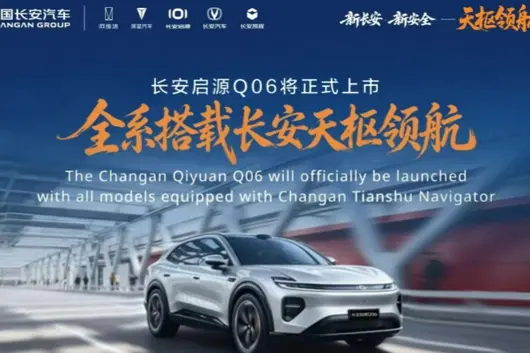
技術上,6 月重慶車展長安發布咗自研輔助駕駛系統天樞領航,分 Pro、Max、Ultra 三個版本,首款搭載車型啟源 Q06 下半年上市。藍鯨超擎混動已經量產,城區百公里油耗 2.98L——第四代逸動同 CS75 PLUS 已經喺路上測試咗。最值得留意嘅係金鐘罩固態電池,能量密度 400Wh/kg,滿電續航超 1500 公里,三季度前完成裝車驗證。如果這三項技術都能按計劃落地,長安喺新能源下半場嘅技術儲備並唔弱。

產品端,2026 年全年計劃投放 10 餘款新車型同改款,包括啟源 Q06、深藍 L05、阿維塔 06T,以及阿維塔全新旗艦大六座 SUV。陣容喺擴充,價位同場景覆蓋喺拓寬。再加上阿維塔同深藍兩大品牌正喺推進戰略性整合,整合後成本有望降低 20% 到 30%——呢係用體系效率換競爭力,唔係靠堆車型數量硬撐。
核心判斷:下滑係事實,但唔係終局
330 萬輛嘅年度目標,上半年只完成咗 33.9%,下半年要賣 219 萬台先至摸到目標線——比去年下半年仲多賣將近 40 萬台。壓力確實唔細。
但車市從來唔係以半場定輸贏。下半年係傳統旺季,金九銀十加上年底沖量,變數好大。更關鍵嘅係,長安呢輪下滑裏面夾雜住主動調整嘅成分——砍低端、推新品、整合品牌、轉向量利並重。呢啲動作短期傷銷量,長期睇係喺給下半場攞彈藥。

當然,對手都冇閒住。比亞迪嘅規模優勢仲喺擴大,吉利海外喺加碼,蔚來同小鵬喺高端市場持續蠶食。長安下半場要追分,靠嘅唔係喊口號,而係技術兌現嘅速度、產品上量嘅節奏,仲有海外市場唔係唔係繼續以 35% 以上嘅增速往下跑。
半年報就好似一場足球賽嘅中場哨——上半場踢得唔好,數據擺喺嗰度邊個都回避唔到。但下半場仲有 45 分鐘,長安手裏嘅牌唔少:海外勢頭猛,技術底子厚,產品陣列仲喺擴充,戰略喺主動求變。點翻盤,考驗嘅唔係決心,係執行力同時間窗口嘅把握。畢竟車市呢盤棋,對手唔等人,時間更唔等人。

In Malaysia's SUV market, many buyers compare the Proton X70 and Subaru Forester when choosing a car. Both cars are quite close in price and positioning. Today, we will make a detailed comparison from multiple aspects to help you save time on research.
Proton X70's OTR price in Malaysia is RM 106,800 - 122,300, with a total of 3 versions, including 1.5L Standard 2WD (RM 106,800), 1.5L Executive 2WD (RM 115,800), 1.5L Premium 2WD (RM 122,300), etc.
Subaru Forester's OTR price in Malaysia is RM 174,000 - 197,000, with a total of 3 versions, including 2024 2.0L S EyeSight GT Edition (RM 189,538), 2024 2.0L S EyeSight (RM 177,538), 2024 2.0L L EyeSight (RM 167,538), etc.
In terms of price, the starting price of Proton X70 is indeed RM 67,200 cheaper than Subaru Forester. If your budget is limited, Proton's entry-level version can already meet daily needs. However, also note that the difference of a few thousand may involve trade-offs in equipment, depending on your needs.

Proton X70's safety rating is 5★ (ASEAN NCAP), with active safety systems including ADAS (ACC, AEB, LKA, LDA, BSM, RCTA).
Subaru Forester's safety rating is 5★ (Euro NCAP), with active safety system including EyeSight.
Regarding safety features, both cars received good ratings. However, there are some differences in functionality between Proton X70's ADAS (ACC, AEB, LKA, LDA, BSM, RCTA) and Subaru Forester's EyeSight. If you value active safety, you can compare the feature lists of both in detail.

Proton X70 body length is 4400 mm, trunk 400 L.
Subaru Forester body length is 4400 mm, trunk 400 L.
The dimensions of both cars are almost the same, and the interior space does not differ much. Cars at this level are completely sufficient for daily use.

Proton X70 uses FWD drive mode.
Subaru Forester uses FWD drive mode.
Both cars use the same drive mode, both are FWD, and the daily driving experience will not be significantly different.
Overall, Proton X70 and Subaru Forester are both very good car models in the Malaysian market. Which one to choose depends mainly on your personal needs and budget. It is recommended to do your homework well, compare quotes from several car dealerships, and then test drive to make the final decision. Buying a car is a big matter, spending time doing research will never be wrong.


Di pasaran SUV Malaysia, ramai pembeli membandingkan Perodua Aruz dan Mitsubishi Xforce semasa memilih kereta. Kedua-dua kereta ini mempunyai julat harga dan kedudukan yang agak dekat, hari ini kita akan membuat perbandingan terperinci dari pelbagai aspek, membantu anda menjimatkan masa membuat kajian.
Harga OTR Perodua Aruz di Malaysia ialah RM 72,900 - 77,900, terdapat sejumlah 2 varian, termasuk 1.5L X (RM 72,900), 1.5L AV (RM 77,900) dan lain-lain.
Harga OTR Mitsubishi Xforce di Malaysia ialah RM 109,930 - 119,930, terdapat sejumlah 2 varian, termasuk 2026 1.5L Ultimate (RM 119,930), 2026 1.5L Urban (RM 109,930) dan lain-lain.
Dari segi harga, harga permulaan Perodua Aruz benar-benar lebih murah RM 37,030 berbanding Mitsubishi Xforce. Jika bajet anda terhad, varian permulaan Perodua sudah boleh memenuhi keperluan harian. Tetapi perlu diingat, beberapa ribu ringgit yang lebih murah mungkin mempunyai kompromi pada pelengkapan, bergantung pada keperluan anda.

Penggredan keselamatan Perodua Aruz ialah 5★ (ASEAN NCAP), sistem keselamatan aktif termasuk .
Penggredan keselamatan Mitsubishi Xforce ialah 5★ (ASEAN NCAP), sistem keselamatan aktif termasuk MI-PILOT.
Kedua-dua kereta mempunyai penggredan keselamatan yang sama, dalam kelas ini pelengkapan keselamatan dianggap lengkap. Kereta baru sekarang mempunyai keselamatan yang baik, tidak perlu terlalu bimbang tentang perkara ini.

Panjang kenderaan Perodua Aruz 4400 mm, ruang muat belakang 400 L.
Panjang kenderaan Mitsubishi Xforce 4400 mm, ruang muat belakang 400 L.
Kedua-dua kereta mempunyai saiz yang hampir sama, ruang dalam kenderaan tidak jauh berbeza. Kereta dalam kelas ini, untuk kegunaan harian sudah memadai.

Perodua Aruz dan Mitsubishi Xforce adalah pilihan utama pasaran Malaysia, sesuai untuk kegunaan keluarga, pengangkutan harian. Jika anda lebih mengutamakan reputasi jenama dan harga pasaran kedua, boleh utamakan yang mempunyai reputasi lebih baik; jika anda lebih mengambil kira nilai dan pelengkapan, maka pilih yang mempunyai konfigurasi lebih kaya. Pada akhirnya disyorkan untuk menguji pemanduan kedua-duanya, pengalaman langsung adalah yang paling penting.
Secara keseluruhan, Perodua Aruz dan Mitsubishi Xforce adalah model yang cukup bagus di pasaran Malaysia. Memilih mana satu, kuncinya adalah melihat keperluan dan bajet anda. Disarankan membuat kajian terlebih dahulu, bandingkan beberapa tawaran dari dealer kereta, kemudian buat ujian pemanduan untuk membuat keputusan akhir. Membeli kereta adalah perkara penting, menghabiskan sedikit masa untuk kajian pasti tidak akan salah.


在马来西亚的汽车市场,很多买家在选车的时候都会拿 Lexus LS 和 BMW M5 PHEV 来做比较。今天我们从多个方面做一个详细的对比,帮你省下做功课的时间。


Lexus LS 在马来西亚的 OTR 售价是 RM 1,250,000 - 1,531,000,一共有 2 个版本,包括 2021 500 Executive Kiriko(RM 1,531,000)、2021 500 Luxury(RM 1,250,000) 等。
BMW M5 PHEV 在马来西亚的 OTR 售价是 RM 1,200,800 - 1,200,800,一共有 1 个版本,包括 Standard(RM 1,200,800) 等。
从价钱来看,BMW M5 PHEV 的起步价比 Lexus LS 便宜了 RM 49,200。老实讲,在这个价位段,几千块的差距其实不算大,关键还是看整体的性价比和长期使用成本。

Lexus LS 的安全评级是 TBD,主动安全系统包括 Basic。
BMW M5 PHEV 的安全评级是 5★ (Euro NCAP),主动安全系统包括 Premium ADAS。
安全配备方面,两款车都拿到了不错的评级。不过 Lexus LS 的 Basic 和 BMW M5 PHEV 的 Premium ADAS 在功能上有些差异,如果你比较看重主动安全的话,可以仔细对比一下两者的功能列表。

Lexus LS 保修 3年/100,000km,保养间隔 每10,000km或6个月。
BMW M5 PHEV 保修 5年/无限里程,保养间隔 每10,000km或6个月。

Lexus LS 和 BMW M5 PHEV 都是马来西亚市场的主流选择,适合家庭使用、日常通勤。如果你更看重品牌口碑和二手价,可以优先考虑口碑更好的那一款;如果你更在意性价比和配备,那就选配置更丰富的那款。最终还是建议两款都去试驾,亲身体验才是最重要的。
总的来说,Lexus LS 和 BMW M5 PHEV 都是马来西亚市场很不错的车型。选择哪一辆,关键还是要看你的个人需求和预算。建议大家做好功课,多比较几间车行的报价,再去试驾做最终决定。买车是件大事,花点时间做功课绝对不会错。


在马来西亚的汽车市场,很多买家在选车的时候都会拿 Toyota Veloz 和 Mitsubishi Xpander 来做比较。今天我们从多个方面做一个详细的对比,帮你省下做功课的时间。


Toyota Veloz 在马来西亚的 OTR 售价是 RM 95,000 - 95,000,一共有 1 个版本,包括 2025 1.5L Standard(RM 95,000) 等。
Mitsubishi Xpander 在马来西亚的 OTR 售价是 RM 99,930 - 109,930,一共有 2 个版本,包括 2024 1.5L Standard(RM 99,930)、2024 1.5L Plus(RM 109,930) 等。
从价钱来看,Toyota Veloz 的起步价确实比 Mitsubishi Xpander 便宜了 RM 4,930。如果你预算有限,Toyota 的入门版已经可以满足日常需求。但也要注意,便宜的那几千块,可能在配备上会有取舍,具体要看你的需求。

Toyota Veloz 的安全评级是 5★ (ASEAN NCAP),主动安全系统包括 Brand ADAS。
Mitsubishi Xpander 的安全评级是 TBD,主动安全系统包括 Basic。
安全配备方面,两款车都拿到了不错的评级。不过 Toyota Veloz 的 Brand ADAS 和 Mitsubishi Xpander 的 Basic 在功能上有些差异,如果你比较看重主动安全的话,可以仔细对比一下两者的功能列表。

Toyota Veloz 车身长 4450 mm,后备箱 550 L。
Mitsubishi Xpander 车身长 4400 mm,后备箱 400 L。
空间方面,Toyota Veloz 的车身比 Mitsubishi Xpander 长了 50 mm,车内乘坐空间会稍微宽裕一些,尤其是后座腿部空间。如果你经常载家人或者需要放婴儿车,大一点的车身确实更实用。

Toyota Veloz 保修 5年/无限制里程,保养间隔 每10,000km或6个月。
Mitsubishi Xpander 保修 3年/100,000km,保养间隔 每10,000km或6个月。
总的来说,Toyota Veloz 和 Mitsubishi Xpander 都是马来西亚市场很不错的车型。选择哪一辆,关键还是要看你的个人需求和预算。建议大家做好功课,多比较几间车行的报价,再去试驾做最终决定。买车是件大事,花点时间做功课绝对不会错。

© 2024 Bitauto.com. All Rights Reserved.
Bitauto (www.yiche.com and www.bitauto.com) is one of the most visited automotive websites in China. We provide detailed info on Chinese car brands available in your area. Please note that the information provided on this website is based on publicly available data and is for reference only. It may not be fully updated or accurate at all times.

Help us improve our website


