

HomeR

Search History
Popular Searches
Dealer Login / Sign Up


When E-NCAP 2026 new regulations push automotive safety standards to new heights, when cockpit AI moves from "instruction execution" to "proactive intelligence", how can Chinese intelligent driving and cockpit enterprises deliver answers in the most stringent European market globally?
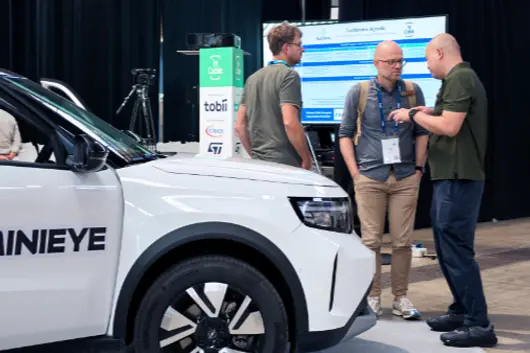
On September 22 local time, at the InCabin Europe 2026 exhibition held in Barcelona, Spain, UDrive Innovation offered its own solution.
As the enterprise making its debut at this top-tier cockpit technology exhibition, UDrive Innovation not only brought the overseas version cockpit large model butler BamBam which completed localization adaptation, but also exclusively released the next-generation cockpit safety assessment model: DFR (Driver Functional Readiness).
This marks that its overseas expansion strategy has advanced from simple product export to the global implementation of technical standards and safety systems.
DFR Model Release: Redefining Driver "Functional Readiness"For a long time, traditional DMS (Driver Monitoring System) fell into a misconception: relying excessively on superficial physiological characteristics such as closing eyes and yawning to judge fatigue. This "treat only when symptoms appear" logic often fails to truly reflect the driver's current takeover capability.
Addressing this pain point, the DFR model released by UDrive Innovation at this exhibition attempts to establish a next-generation cockpit active safety system. Different from traditional solutions, DFR is no longer limited to fatigue detection in a single dimension, but integrates multi-modal inputs such as arousal, cognitive load, sustained vigilance, and distracted behavior to comprehensively evaluate the driver's cognitive state and action execution capability.

The DFR model can output 0-3 level classified closed-loop intervention strategies. This means the system is no longer a simple "alarm or no alarm", but dynamically responds based on the driver's real-time "functional readiness level". In addition, targeting the high-risk scenario of drunk driving, UDrive Innovation also launched a detection scheme based on individual sober behavior baselines, accurately identifying driving ability impairment caused by alcohol by integrating DMS visual features with CAN bus driving condition data.
It is worth noting that UDrive Innovation has completed E-NCAP 2026 regulation adaptation, its CPD (Child Presence Detection) function based on visual and radar fusion can cover multiple scenarios such as forward-facing and rear-facing safety seats. From compliance to advanced prediction, the launch of the DFR model is essentially a key step towards promoting cockpit safety from "passive response" to "system-level active understanding".
BamBam Overseas Version Debut: From "People Seeking Functions" to "Services Seeking People"If DFR solves the "safety baseline" problem, then the overseas version of BamBam targets the "experience ceiling" of the European market.
Under the wave of AI large models reshaping cockpit interaction, simple voice Q&A can no longer meet user needs. The BamBam overseas version premiering in Europe this time is positioned as a cockpit agent with autonomous thinking capabilities. In the live vehicle demonstration, BamBam demonstrated the ability to connect four major scenarios: people, vehicles, home, and office: users can process emails, book flights and hotels through natural language inside the car; remotely wake up smart home devices on the way home; and even play interactive games during fragmented waiting times.

What is more differentiated is that the overseas version of BamBam added an outside-the-cabin target recognition function based on driver gaze. With gaze tracking and VLM (Vision Language Model) technology, the system can recognize buildings or road targets in the area the driver is looking at, and actively provide information interaction and explanation.
Behind this function is a fundamental change in cockpit interaction logic. With the iteration of VLM technology, BamBam is gradually breaking the functional boundaries of the mass production phase, dynamically optimizing service strategies based on user behavior portraits, achieving the leap from "people seeking functions" to "services actively arriving". At the same time, by introducing emotional computing, the system begins to balance IQ and EQ, providing empathetic human-like feedback, making the smart cockpit more warm.
Overseas Expansion 2.0: Full-Stack Matrix Supporting "Steering Direct Sailing"Behind the technology release is the accelerated realization of UDrive Innovation's global layout.
At this exhibition, the full-stack product matrix including iPilot 4 Lite assisted driving domain controller, iCabin 1X DMS all-in-one machine, and OMS cameras was displayed. These products are all core-oriented towards compliance and implementation, and are currently installed on multiple exported vehicle models, sold to EU, Australia, Mexico, Singapore, South Korea, Dubai, Turkey and other places.
As of the first half of this year, UDrive Innovation has cumulatively reached mass production cooperation with more than 40 car companies. The company is steadily stepping into the overseas 2.0 "Leading Direct Sailing" stage, directly outputting full-stack solutions to overseas Tier 1 suppliers.
In Europe, a highland of global automotive technology and regulations, UDrive Innovation adheres to the "Regulation First, Localization Adaptation, Mass Production Implementation" strategy, and enriches overseas project types and cooperation models by expanding new markets such as India.
Final WordsFrom the DFR model's return to the essence of safety, to BamBam's reconstruction of interaction paradigms, UDrive Innovation's appearance at InCabin Europe reflects the new trend of the Chinese intelligent automotive supply chain going overseas: no longer just a cost-effective alternative, but gradually becoming a defining participant in the next-generation cockpit safety standards and AI experience.
Under the dual high requirements of compliance and experience in the European market, this "Technology + Localization" dual-wheel drive model may be the key password for Chinese technology enterprises to traverse the cycle.
End.

Apabila peraturan baharu E-NCAP 2026 mengangkat piawaian keselamatan kereta ke tahap baharu, apabila AI kabin bergerak daripada 'pelaksanaan arahan' menuju 'kecerdasan proaktif', bagaimana syarikat keselamatan dan kabin pintar China memberikan jawapan di pasaran Eropah yang paling ketat?
Pada 22 September waktu tempatan, di pameran InCabin Europe 2026 yang diadakan di Barcelona, Sepanyol, Youjia Innovation memberikan penyelesaian sendiri.
Sebagai syarikat yang tampil di pameran teknologi kabin terkemuka ini buat kali pertama, Youjia Innovation tidak hanya membawa model kabin pintar versi luar negara BamBam yang telah disesuaikan untuk pelokalan, malah secara eksklusif merilis model penilaian keselamatan dalaman kabin generasi seterusnya: DFR (Kesiapan Fungsian Pemandu).
Ini menandakan strategi keluar negara mereka telah bertingkat daripada sekadar pengeluaran produk, ke peringkat pelaksanaan piawaian teknikal dan sistem keselamatan secara global.
Pelancaran Model DFR: Menambah Baikan 'Kesiapan Fungsian' Pemandu
Secara jangka masa panjang, DMS (Sistem Pemantauan Pemandu) tradisional terjebak dalam kesilapan satu: terlalu bergantung pada ciri fisiologi permukaan seperti mata tertutup, menguap, untuk menentukan keletihan. Logik 'sebab sakit baru rawat' ini, sering kali sukar menggambarkan keupayaan alih tangan pemandu semasa secara sebenar.
Memandangkan masalah ini, model DFR yang dirilis oleh Youjia Innovation di pameran ini, cuba membina satu sistem keselamatan proaktif dalaman kabin ke arah generasi seterusnya. Berbeza dengan solusi tradisional, DFR tidak lagi terhad kepada pengesanan keletihan satu dimensi, malah menggabungkan input multimodal seperti tahap kesedaran, beban kognitif, waspada berterusan dan perilaku terganggu, menilaian keadaan kognitif dan keupayaan pelaksanaan tindakan pemandu secara komprehensif.
Model DFR dapat mengeluarkan strategi campur tangan berjenjang tertutup aras 0-3. Ini bermaksud sistem bukan lagi sekadar 'am atau tidak am', malah bertindak balas secara dinamik berdasarkan aras 'kesediaan fungsian' pemandu secara masa nyata. Selain itu, untuk senario berisiko tinggi mabuk, Youjia Innovation juga memperkenalkan solusi pengesanan berdasarkan garis dasar perilaku sedar peribadi, melalui gabungan ciri visual DMS dengan data keadaan perjalanan bus CAN, mengenal pasti kecederaan keupayaan memandu yang disebabkan oleh alkohol dengan tepat.
Perlu diperhatikan, Youjia Innovation telah selesai adaptasi peraturan E-NCAP 2026, fungsinya CPD (Pengesanan Kanak-Kanak Tertinggal) berasaskan visual dan radar yang dipadukan dapat merangkumi senario pelbagai seperti kerusi keselamatan dipasang depan, dipasang belakang. Dari mematuhi undang-undang sehingga jangkaan lebih awal, pelancaran model DFR, pada hakikatnya adalah langkah penting mendorong keselamatan kabin daripada 'tindak balas pasif' ke 'pengertian aktif peringkat sistem'.
Debut Versi Asing BamBam: Dari 'Pencarian Fungsi Oleh Manusia' ke 'Perkhidmatan Mencari Manusia'
Jika DFR menyelesaikan masalah 'garis dasar keselamatan', maka BamBam versi luar negara menepuk 'had pengalaman' pasaran Eropah.
Dalam ombak AI model besar membentuk semula interaksi kabin, soalan jawapan suara mudah tidak dapat memenuhi keperluan pengguna. BamBam versi luar negara yang mendebut Eropa ini, diletakkan sebagai agen pintar kabin dengan keupayaan berfikir autonomi. Dalam demonstrasi kereta sebenar di lokasi, BamBam memaparkan keupayaan menghubungkan manusia, kereta, rumah, pejabat empat senario: Pengguna boleh memproses mel, tempahan kapal terbang hotel dalam kereta melalui bahasa semula jadi; dalam perjalanan pulang ke rumah boleh menyahidupkan jauh peranti pintar rumah; malah dalam waktu tunggu pecah boleh berinteraksi permainan.
Yang lebih berbeza, BamBam versi luar negara menambah fungsi pengenal pasti sasaran luar kabin berasaskan pandangan pemandu. Memanfaatkan teknologi penjejakan pandangan dan VLM (Model Bahasa Visual), sistem boleh mengenal pasti bangunan atau sasaran jalan dalam kawasan pandangan pemandu, dan secara aktif menyediakan interaksi maklumat dan penerangan.
Di sebalik fungsi ini, terdapat perubahan asas logik interaksi kabin. Dengan perkembangan teknologi VLM, BamBam secara beransur-ansur membatalkan sempadan fungsi peringkat pengeluaran secara besar-besaran, berdasarkan profil perilaku pengguna mengoptimumkan strategi perkhidmatan secara dinamik, merealisasikan lonjakan daripada 'pencarian fungsi oleh manusia' ke 'perkhidmatan tiba secara aktif'. Selain itu, melalui pengenalan pengiraan emosi, sistem mula mengambil kira IQ dan EQ, menyediakan maklum balas antropomorfik yang mempunyai keupayaan empati, menjadikan kabin pintar lebih bersempena.
Ekspansi 2.0: Matriks Penuh Sokongan 'Layang Langsung'
Di sebalik pelancaran teknologi, adalah pemenuhan pantas pelan peluasan globalisasi Youjia Innovation.
Pada pameran ini, iPilot 4 Lite pengawal selia kawasan pemanduan bantu, iCabin 1X DMS semua dalam satu dan kamera OMS dan lain-lain matriks produk penuh turut tampil. Produk ini berorientasikan kepatuhan dan pelaksanaan sebagai teras, kini telah dipasang pada banyak model kereta eksport, dijual ke Eropah, Australia, Mexico, Singapura, Korea, Dubai dan Turki dan lain-lain tempat.
Sehingga separuh pertama tahun ini, Youjia Innovation telah mencapai kerjasama pengeluaran secara besar-besaran dengan lebih 40 buah syarikat automobil. Syarikat sedang dengan mantap memasuki fasa Ekspansi 2.0 'Layang Langsung', secara langsung menghadkan pembekal Tier 1 luar negara untuk meluahkan solusi matriks penuh.
Di Eropah yang merupakan puncak teknologi dan peraturan automobil global, Youjia Innovation mengekalkan strategi 'undang-undang dahulu, pelokalan adaptasi, pengeluaran dilaksanakan', dan melalui mengembangkan pasaran baharu seperti India, memperkayakan jenis projek luar negara dan model kerjasama.
Penutup
Dari pengembalian asas keselamatan model DFR, kepada BamBam terhadap penyusunan semula interaksi paradigma, penampilan Youjia Innovation di InCabin Europe, mencerminkan trend baru rantaian bekalan automobil pintar China keluar negara: tidak lagi hanya pengganti kos dan kecekapan, malah secara beransur-ansur menjadi penyertaan definisi piawaian keselamatan kabin generasi seterusnya dan pengalaman AI.
Di bawah keperluan tinggi berganda kepatuhan dan pengalaman pasaran Eropah, model penggerak roda ganda 'teknologi + pelokalan' ini, mungkin adalah kunci syarikat teknologi China melalui kitaran.
Tamat.

As E-NCAP 2026 new regulations push automotive safety standards to new heights, and as cockpit AI moves from "command execution" to "proactive intelligence", how do Chinese intelligent driving and cockpit enterprises present their answers in the world's strictest European market?
On September 22 local time, at the InCabin Europe 2026 exhibition held in Barcelona, Spain, YauJia Innovation offered its own solution.
As a company debuting at this top-tier cockpit technology exhibition, YauJia Innovation not only brought the localized overseas version cockpit large model butler BamBam, but also exclusively released the next-generation in-cabin safety evaluation model: DFR (Driver Functional Readiness).
This marks that its global expansion strategy has advanced from simple product output to the global implementation of technical standards and safety systems.
DFR Model Launch: Redefining Driver "Functional Readiness"For a long time, traditional DMS (Driver Monitoring System) fell into a misconception: over-reliance on superficial physiological characteristics such as closing eyes and yawning to determine fatigue. This "treat only after symptoms appear" logic often fails to truly reflect the driver's current takeover ability.
Addressing this pain point, the DFR model launched by YauJia Innovation at this exhibition attempts to establish a next-generation in-cabin proactive safety system. Unlike traditional solutions, DFR is no longer limited to single-dimensional fatigue detection, but integrates multi-modal inputs such as arousal, cognitive load, sustained vigilance, and distracted behavior to comprehensively evaluate the driver's cognitive state and action execution ability.
The DFR model can output 0-3 level graded closed-loop intervention strategies. This means the system is no longer a simple "alarm or no alarm", but dynamically responds according to the driver's real-time "functional readiness level". In addition, for the high-risk scenario of drunk driving, YauJia Innovation also launched a detection scheme based on personal sober behavior baselines. By integrating DMS visual features and CAN bus driving condition data, it accurately identifies driving ability impairment caused by alcohol.
It is worth noting that YauJia Innovation has completed E-NCAP 2026 regulation adaptation. Its vision and radar fusion-based CPD (Child Presence Detection) function can cover multiple scenarios such as forward-facing and rear-facing safety seats. From compliance to advanced prediction, the launch of the DFR model is actually a key step in promoting cockpit safety from "passive response" to "system-level proactive understanding".
BamBam Overseas Version Debut: From "People Finding Functions" to "Service Finding People"If DFR solves the "safety bottom line" problem, then the overseas version of BamBam targets the "experience ceiling" of the European market.
Under the wave of AI large models reshaping cockpit interaction, simple voice Q&A no longer meets user needs. This BamBam overseas version debuting in Europe is positioned as a cockpit agent with autonomous thinking capabilities. In the on-site live vehicle demonstration, BamBam demonstrated the ability to connect four major scenarios: people, cars, homes, and offices. Users can process emails and book flights and hotels via natural language in the car; remotely wake up smart home appliances on the way home; or even interact with games during fragmented waiting time.
More differentiated is the overseas version of BamBam adding a cabin-outside target recognition function based on the driver's line of sight. With gaze tracking and VLM (Vision Language Model) technology, the system can recognize buildings or road targets within the driver's gaze area and proactively provide information interaction and explanation.
Behind this function is a fundamental change in cockpit interaction logic. With the iteration of VLM technology, BamBam is gradually breaking through the functional boundaries of mass production stages, dynamically optimizing service strategies based on user behavior portraits, achieving a leap from "people finding functions" to "service active arrival". At the same time, by introducing emotional computing, the system begins to take into account both IQ and EQ, providing empathetic human-like feedback, making the smart cockpit more warm.
Going Global 2.0: Full-Stack Matrix Supporting "Steering Direct Voyage"Behind the technology launch is the accelerated implementation of YauJia Innovation's global layout.
At this exhibition, the iPilot 4 Lite auxiliary driving domain controller, iCabin 1X DMS all-in-one machine, and OMS camera and other full-stack product matrices made their appearance. These products are all oriented around compliance and deployability, and have been installed on multiple export models, sold to the EU, Australia, Mexico, Singapore, South Korea, Dubai, Turkey, and other places.
As of the first half of this year, YauJia Innovation has cumulatively achieved mass production cooperation with more than 40 car companies. The company is steadily moving into the "steering direct voyage" stage of Going Global 2.0, directly outputting full-stack solutions to overseas Tier 1 suppliers.
In Europe, a height of global automotive technology and regulations, YauJia Innovation adheres to the "regulation first, local adaptation, mass production implementation" strategy, and enriches overseas project types and cooperation models by expanding into emerging markets such as India.
Final ThoughtsFrom DFR model's return to the essence of safety to BamBam's reconstruction of interaction paradigms, YauJia Innovation's appearance at InCabin Europe reflects a new trend in the overseas expansion of the Chinese intelligent automotive supply chain: no longer merely a price-performance alternative, but gradually becoming a definitional participant in next-generation cockpit safety standards and AI experiences.
Under the dual high requirements of compliance and experience in the European market, this "technology + localization" dual-wheel drive model may well be the key password for Chinese technology companies to cross the cycle.
The End.

当E-NCAP 2026新规将汽车安全标准推向新高度,当座舱AI从「指令执行」迈向「主动智能」,中国智驾智舱企业如何在全球最严苛的欧洲市场交出答卷?
当地时间9月22日,在西班牙巴塞罗那举行的InCabin Europe 2026展会上,佑驾创新给出了自己的解法。
作为首次亮相该顶级座舱技术展会的企业,佑驾创新不仅带来了完成本地化适配的海外版座舱大模型管家BamBam,更独家发布了下一代舱内安全评估模型:DFR(Driver Functional Readiness)。
这标志着其出海战略已从单纯的产品输出,进阶为技术标准与安全体系的全球化落地。
DFR模型发布:重新定义驾驶员「功能准备度」长期以来,传统DMS(驾驶员监测系统)陷入了一个误区:过度依赖闭眼、打哈欠等表层生理特征来判定疲劳。这种「见症才治」的逻辑,往往难以真实反映驾驶员当下的接管能力。
针对这一痛点,佑驾创新在本次展会上发布的DFR模型,试图建立一套面向下一代的舱内主动安全体系。与传统方案不同,DFR不再局限于单一维度的疲劳检测,而是融合了唤醒度、认知负荷、持续警觉性及分心行为等多模态输入,综合评判驾驶员的认知状态与动作执行能力。
DFR模型能够输出0-3级的分级闭环干预策略。这意味着系统不再是简单的「报警或不报警」,而是根据驾驶员实时的「功能就绪水平」进行动态响应。此外,针对酒驾这一高危场景,佑驾创新还推出了基于个人清醒行为基线的检测方案,通过融合DMS视觉特征与CAN总线行驶工况数据,精准识别酒精引发的驾驶能力损伤。
值得注意的是,佑驾创新已完成E-NCAP 2026法规适配,其基于视觉与雷达融合的CPD(儿童遗留检测)功能可覆盖正装、反装安全座椅等多场景。从合规到超前预判,DFR模型的推出,实质上是推动座舱安全从「被动响应」向「系统级主动理解」跨越的关键一步。
BamBam海外版首秀:从「人找功能」到「服务找人」如果说DFR解决了「安全底线」问题,那么海外版BamBam则瞄准了欧洲市场的「体验上限」。
在AI大模型重塑座舱交互的浪潮下,简单的语音问答已无法满足用户需求。此次首秀欧洲的BamBam海外版,定位为具备自主思考能力的座舱智能体。在现场实车演示中,BamBam展示了打通人、车、家、办公四大场景的能力:用户可通过自然语言在车内处理邮件、预定机酒;归家途中可远程唤醒智能家居;甚至在碎片化等待时间进行互动游戏。
更具差异化的是,海外版BamBam新增了基于驾驶员视线的舱外目标识别功能。借助视线追踪与VLM(视觉语言模型)技术,系统能识别驾驶员注视区域内的建筑物或道路目标,并主动提供信息交互与讲解。
这一功能的背后,是座舱交互逻辑的根本性变革。随着VLM技术的迭代,BamBam正逐步打破量产阶段的功能边界,基于用户行为画像动态优化服务策略,实现从「人找功能」到「服务主动到达」的跃迁。同时,通过引入情感计算,系统开始兼顾IQ与EQ,提供具备共情力的拟人化反馈,让智能座舱更有温度。
出海2.0:全栈矩阵支撑「掌舵直航」技术发布的背后,是佑驾创新全球化布局的加速兑现。
本次展会上,iPilot 4 Lite辅助驾驶域控制器、iCabin 1X DMS一体机及OMS摄像头等全栈产品矩阵悉数亮相。这些产品均以合规性与落地性为核心导向,目前已搭载于多款出口车型,销往欧盟、澳大利亚、墨西哥、新加坡、韩国、迪拜及土耳其等地。
截至今年上半年,佑驾创新已累计与40余家车企达成量产合作。公司正稳步迈入出海2.0「掌舵直航」阶段,直接面向海外Tier 1供应商输出全栈解决方案。
在欧洲这一全球汽车技术与法规的高地,佑驾创新坚持「法规先行、本地化适配、量产落地」策略,并通过拓展印度等新兴市场,不断丰富海外项目类型与合作模式。
写在最后从DFR模型对安全本质的回归,到BamBam对交互范式的重构,佑驾创新在InCabin Europe的亮相,折射出中国智能汽车供应链出海的新趋势:不再仅仅是性价比的替代者,而是逐渐成为下一代座舱安全标准与AI体验的定义参与者。
在欧洲市场对合规与体验双重高要求下,这种「技术+本地化」的双轮驱动模式,或许正是中国科技企业穿越周期的关键密码。
完。

9 月 18 日,Alphabet 旗下自動駕駛企業 Waymo 宣佈,計劃於 2028 年在新加坡提供收費無人計程車出行服務,本星期早段時間還表示目標明年在日本東京實現商業化營運。Waymo 計劃未來數月建立新加坡本地業務,完成首批捷豹 I-PACE 車隊入駐;2027 年啟動基於真人駕駛的本地化訓練;2028 年通過第一方應用向公眾提供叫車服務。

Waymo 聯合首席執行官 Tekedra Mawakana 表示,新加坡打造了世界上最安全、最高效、最具前瞻性的交通生態系統之一,其對可靠性、可持續性和以人為本進步的關注直接反映了 Waymo 構建技術與服務的方式。Waymo 致力於傾聽社區聲音、創造高技能本地營運職位,並與新加坡國家領導人攜手完善其世界一流公共交通網絡。公司表示很榮幸能與新加坡交通部和陸路運輸管理局合作,將經過驗證的商業安全記錄帶到獅城。
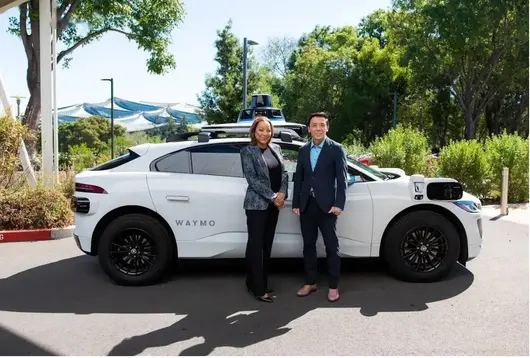

On September 18, Waymo, an autonomous driving company under Alphabet, announced plans to launch paid Robotaxi mobility services in Singapore in 2028. Earlier this week, it also stated its target to achieve commercial operations in Tokyo, Japan next year. Waymo plans to establish its Singapore local business over the coming months and complete the deployment of the initial Jaguar I-PACE fleet; it will launch localized training based on human driving in 2027 and provide ride-hailing services to the public via first-party apps in 2028.
Waymo Co-CEO Tekedra Mawakana stated that Singapore has built one of the world's safest, most efficient, and most forward-looking transportation ecosystems. Its focus on reliability, sustainability, and people-centric progress directly reflects Waymo's approach to building technology and services. Waymo is committed to listening to the community, creating high-skilled local operational jobs, and working with Singapore's national leaders to improve its world-class public transportation network. The company expressed its honor in cooperating with the Singapore Ministry of Transport and Land Transport Authority to bring its proven commercial safety record to the Lion City.

18 September, syarikat pemandu automatik Waymo di bawah Alphabet mengumumkan, merancang untuk menyediakan perkhidmatan perjalanan Teksi Robot berbayar di Singapura pada 2028, awal minggu ini juga menyatakan sasaran untuk pengkomersialan di Tokyo, Jepun pada tahun hadapan. Waymo merancang untuk membina perniagaan tempatan Singapura dalam beberapa bulan hadapan, menyelesaikan penempatan armada Jaguar I-PACE terawal; memulakan latihan tempatan berdasarkan pemanduan manusia pada 2027; dan pada 2028 menyediakan perkhidmatan teksi atas permintaan kepada orang ramai melalui aplikasi pihak pertama.
Ketua Pegawai Eksekutif Bersama Waymo, Tekedra Mawakana menyatakan, Singapura telah membina salah satu ekosistem pengangkutan paling selamat, paling cekap, dan paling berwawasan di dunia, fokusnya terhadap kebolehpercayaan, kelestarian dan kemajuan berpusatkan manusia secara langsung mencerminkan cara Waymo membina teknologi dan perkhidmatannya. Waymo komited untuk mendengarkan suara komuniti, mencipta peluang pekerjaan operasi tempatan berkemahiran tinggi, dan bekerjasama dengan pemimpin negara Singapura untuk memantapkan rangkaian pengangkutan awam bertaraf dunia. Syarikat menyatakan sangat berbangga dapat bekerjasama dengan Kementerian Pengangkutan Singapura dan Agensi Pengangkutan Tanah, membawa rekod keselamatan komersial yang telah disahkan ke Singapura.
9月18日,Alphabet旗下自动驾驶企业Waymo宣布,计划于2028年在新加坡提供有偿Robotaxi出行服务,本周早些时候还表示目标明年在日本东京实现商业化运营。Waymo计划未来数月建立新加坡本地业务,完成首批捷豹I-PACE车队入驻;2027年启动基于真人驾驶的本地化训练;2028年通过第一方应用向公众提供网约车服务。
Waymo联合首席执行官Tekedra Mawakana表示,新加坡打造了世界上最安全、最高效、最具前瞻性的交通生态系统之一,其对可靠性、可持续性和以人为本进步的关注直接反映了Waymo构建技术与服务的方式。Waymo致力于倾听社区声音、创造高技能本地运营岗位,并与新加坡国家领导人携手完善其世界一流公共交通网络。公司表示很荣幸能与新加坡交通部和陆路运输管理局合作,将经过验证的商业安全记录带到狮城。









© 2024 Bitauto.com. All Rights Reserved.
Bitauto (www.yiche.com and www.bitauto.com) is one of the most visited automotive websites in China. We provide detailed info on Chinese car brands available in your area. Please note that the information provided on this website is based on publicly available data and is for reference only. It may not be fully updated or accurate at all times.

Help us improve our website


