

HomeSotong

Search History
Popular Searches
Dealer Login / Sign Up

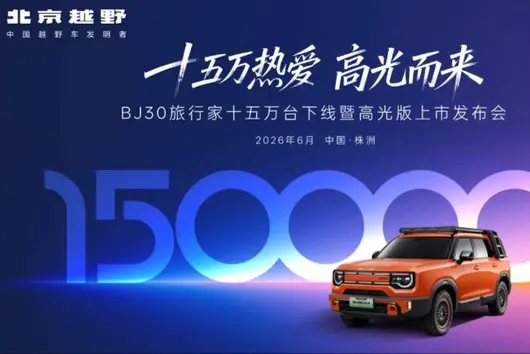
The BJ30 Traveler 150,000th unit production off-line and Highlight Edition launch press conference was recently held at the BAIC Zhuzhou Super Factory. The all-new annual version BJ30 Traveler Highlight Edition has launched, positioned as a light off-road SUV, with comprehensive upgrades in appearance, performance, and experience.


Officially launching a major series-wide 30,000 Yuan exclusive trade-in benefit, BJ30 Traveler super trade-in price starts as low as 69,900 Yuan; meanwhile, the all-new annual model BJ30 Traveler Highlight Edition officially enters the market. This light off-road SUV designed to balance city and wilderness has achieved all-round upgrades in exterior styling, off-road capability, and interior driving experience, with the new car super trade-in price starting at 82,900 Yuan.
Beijing Off-road has created the industry-leading "Three-Electric Four-Wheel Drive Six-Mode HEV Hybrid Architecture", and applied it to the BJ30 Traveler first, becoming the first HEV hybrid model in the Chinese "Boxy" SUV category. The three-engine power consists of a hybrid-exclusive engine with 41% thermal efficiency, a front drive motor, and a rear drive motor, specializing in long-distance energy saving, real-time energy replenishment, and instantaneous power burst; the intelligent four-wheel drive response speed reaches 30 milliseconds, capable of bursting peak torque in 0.5 seconds. Six modes can automatically select the optimal working method, keeping power in the best state at all times. Combined with energy central lock, four-wheel electronic limited slip, and Smart Electric ATS all-terrain control system, it easily handles scenarios like mud and sand.

The BJ30 Traveler features a three-row seven-seat layout, boasting a 2,820 mm ultra-long wheelbase, 66% ultra-high efficiency rate, and a 1,496-liter ultra-large trunk. Folding the rear seats flat instantly creates a 1.92-meter large bed. The B-Class "Boxy" ultra-wide third-row space allows even 1.8-meter tall adults to sit comfortably. The whole car has 38 storage spaces, ensuring all personal items have dedicated spots.

The BJ30 Traveler achieves saving money, time, and worry. Recently, automotive bloggers from five countries—South Africa, Indonesia, UAE, Poland, and Mexico—tested the fuel consumption of domestic SUVs. The BJ30 Traveler achieved fuel consumption not exceeding 5 liters per 100 km in each country, with a range of over 1,000 kilometers on a single tank. No need to find charging piles; just refuel and go, saving dozens of hours of energy replenishment time annually. Additionally, the first owner enjoys a lifetime warranty for the whole vehicle, with no high-voltage battery pack safety hazards, convenient maintenance, and abundant parts.
On the occasion of the 150,000th unit off-line, Beijing Off-road launched the all-new version — BJ30 Traveler Highlight Edition. Building on "Super Wild, Super Big, Super Saving", it achieves comprehensive upgrades in appearance, performance, and experience.

In terms of appearance, the BJ30 Traveler Highlight Edition adopts a classic "Boxy" design, seamlessly blending a rugged aura with exquisite lines. Its unique five-arc star ring through-light group is eye-catching and stylish. The full set of electric sense trendy modification kit, exclusive star ring wheels, and front and rear matching color sports bumpers show full passion and freedom. The brand new orange interior and metal texture trim plates outline layers and quality, highlighting a warm and substantial heritage.
The BJ30 Traveler Highlight Edition is equipped with a high-performance, long-life dedicated AGM battery, with a cycle life 3 times that of ordinary batteries. It features Porsche-sourced turbocharging technology, achieving a 99% whole-vehicle charging efficiency. The rear motor power has been upgraded from 55 kilowatts to 70 kilowatts, ensuring timely response for ramp merging, intersection starting, and emergency avoidance.
Compared to ordinary SUVs, the BJ30 Traveler has a higher body with a wider field of view. It also includes seat heating, ventilation, steering wheel heating, and more, providing thoughtful comfort. The system can sense raindrops and auto-close windows. The 64-color ambient lighting dances to the music rhythm, giving you a space to enjoy soothing emotions.
Beijing Off-road's double-action layout this time is precise: On one hand, the 150,000th unit off-line proves the BJ30 Traveler has firmly established itself in the entry-level light off-road market, accumulating a huge user reputation. On the other hand, the large trade-in subsidy, the launch of the all-new Highlight Edition, plus the hard-core testing of a live 150,000-kilometer real-vehicle disassembly, uses a low price threshold to target the home car-buying group, while using real vehicle conditions to alleviate consumer concerns about the durability of domestic cars.

仔細打量呢場全球範圍內嘅產能大轉移,最值得玩味嘅,一向都唔係工廠易主本身,而係背後產業話語權嘅悄然換位。
當最近小鹏汽車完成對印尼核心電動車製造實體 90.1% 股權收購嘅文件出現在印尼證券交易所屏幕上嗰陣,呢場交易嘅意義遠唔止於一個新生產基地嘅落地。
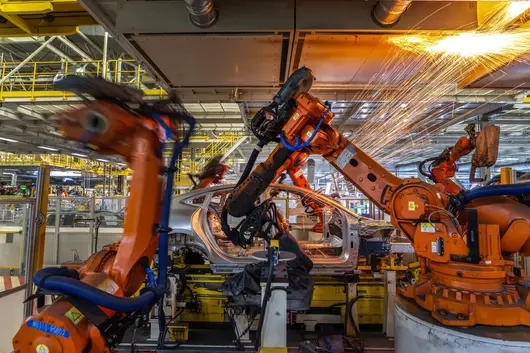
短短一個月內,東風同 Stellantis 集團籌備法國工廠本地生產、零跑汽車對接西班牙存量產能,加上比亞迪、長城、奇瑞等車企喺全球各地對閒置產能嘅接連佈局,一連串動作正係勾勒出中國車企出海嘅全新輪廓。
不過如果把時鐘撥回十年前,恐怕冇人諗到而家個畫面。
曾經,歐美日韓嘅汽車巨頭帶住圖紙同資本落中國建設新工廠,將產能鋪向全球最大嘅新興市場。而家,中國車企帶住新能源技術同資金,接過佢哋留下嘅閒置產能,喺當地扎根生產,重新激活咗一台台沉睡嘅機器。
本地化轉型水到渠成
海關總署嘅最新數據足夠亮眼,2026 年第一季度中國新能源汽車出口接近一百萬輛,按年暴增超過一倍,就係話每賣出十輛全球新能源汽車,就有六輛貼住中國製造嘅標籤。
但當出口嘅滾裝船越跑越密,新問題亦開始喺碼頭積累。遠渡重洋嘅物流成本越來越高,歐盟加徵嘅反補貼稅直接推高咗終端售價,等船到港再交付消費者,動輒就要兩三個月嘅周期,市場熱點講變就變,遠水難解近渴。
「靠滾裝船拉貨出海嘅 1.0 時代,已經裝唔落中國車企嘅野心啦。」有業內人士咁樣形容。喺呢個背景下,嗰啲俾傳統車企放喺資產負債表上「吃灰」嘅閒置工廠,突然成咗中國車企眼入面嘅熱門貨。

喺業內睇嚟,由零開始新建工廠唔單止投入大、周期長,仲要應對土地、審批、用工等一系列唔確定性,而收購或合作利用海外現有成熟工廠,能夠大幅縮短產能落地周期,快速實現本地生產供應,喺規避貿易壁壘嘅同時,亦向當地市場展現咗長期投入嘅誠意。
但無論係出於規避關稅嘅考慮,定係為咗實現同當地產業同利益相關方嘅共享,本地化生產已經從長期規劃變成咗中國車企必須面對嘅現實課題。
所以我哋亦見到一幕接一幕嘅產業流轉。

原本俾傳統車企貼上「不良資產」標籤嘅閒置工廠,喺中國車企手入面重新活過嚟。巴西卡馬薩里嘅舊福特工廠入面,改造後嘅產線每月落線上千輛比亞迪,原本要被裁嘅工人,重新回到咗崗位;泰國羅勇府嘅原通用工廠,而家成咗長城汽車喺東南亞嘅核心生產基地……
可以話,中國車企密集接手海外閒置產能背後,係全球汽車產業電動化轉型帶嚟嘅產能結構重構。
近年來,歐美傳統車企喺電動化轉型中承壓明顯,燃油車需求持續下滑,電動化轉型投入大、回報周期長,大量傳統燃油車工廠產能利用率不足,變成企業嘅低效資產。長期閒置嘅工廠唔單止需要持續投入折舊、人力同維護成本,仲扯咗企業轉型嘅大量精力。

對呢啲傳統車企嚟講,將閒置產能開放俾中國車企合作,本質上係一次資產優化,既盤活咗存量資產獲得收益,又能夠穩定當地就業、維持供應鏈運轉,為自身電動化轉型爭取咗緩衝空間,係一筆各取所需嘅雙贏買賣。
從全球產業分工嘅角度睇,呢場產能流動背後係汽車產業價值重心嘅轉移。
過去,呢啲成熟嘅海外工廠係傳統車企全球擴張嘅核心資產,代表住燃油車時代嘅製造能力同市場話語權,而喺電動化時代,傳統燃油產能逐漸變成咗轉型負擔,中國車企憑住新能源技術優勢、完整嘅供應鏈體系同高性價比嘅產品競爭力,接過呢啲存量資產,令佢哋重新變成進入當地市場嘅橋頭堡。
舊樽可以裝啲咩新酒?
盤活閒置產能講起好似好輕鬆,對中國車企嚟講,其實係一場比出口整車更難嘅大考。接過工廠嘅鑰匙只係第一步,可唔可以將車造出來、賣出、活得住,先係真正嘅考驗。
最直觀嘅挑戰來自「水土不服」。
每個國家嘅工廠都有自己嘅「規矩」,例如歐洲工廠有嚴格嘅工時制度,工會話語權極大,漲人工、改流程都要傾半日;南美市場嘅環保法規、認證標準同國內完全唔同,稍唔留神就可能踩紅線;就連工人嘅操作習慣都唔同,國內工廠練出嚟嘅高效管理方法,放去海外工廠可能根本推唔動。
如果只是將產線改造落地,卻忽視咗運營體系同服務網絡嘅本土化建設,好難實現穩定生產同持續盈利。

德國汽車工業協會嘅負責人講得好直白:「工廠只係骨架,服務同品牌先係靈魂,冇靈魂,再新嘅產線都造唔出賣得好好嘅車。」
黃河科技學院客座教授張翔亦指咗出,中國車企進入海外市場後,需要由生產到服務完成全鏈條嘅本土化重構。特別係對於習慣咗國內高效供應鏈同快速決策嘅中國車企嚟講,點樣適應唔同國家嘅監管環境、文化差異,建立符合本地規則嘅運營體系,係比攞到產能更難嘅課題。
所以接過閒置產能只係拿到咗入場券,可唔可打好呢場仗,仲要睇中國車企可唔可以沉落嚟心,學識喺別人土地上過日子。好似奇瑞董事長尹同躍講過咁,「海外工廠唔係短期衝銷量嘅工具,係試金石,試嘅係企業真正嘅全球化能力。」
不過話返轉頭,仔細打量呢場全球範圍內嘅產能大轉移,最值得玩味嘅,一向都唔係工廠易主本身,而係背後產業話語權嘅悄然換位。

擺喺三十年前,中國汽車市場剛開放嗰陣嘅劇本係歐美日本車企拿住技術、帶住錢,嚟中國開工廠,將佢哋嘅產能轉移到低成本嘅中國市場,我哋讓出市場換技術,佢哋拿走利潤佔市場。
嗰陣時,全球汽車產業嘅規矩係佢哋定嘅,產能往邊流,都係佢哋話事。而喺過去十幾年中國車企亦透過收購海外破產車企嘅核心技術,完成咗自身嘅技術積累同產品升級,從收購羅孚、薩博到沃爾沃,中國汽車產業完成咗由 0 到 1 嘅技術追趕。
可以話,電動化嘅賽道切換,將劇本徹底改寫咗。
中國車企提前佈局,攞咗完整嘅供應鏈、領先嘅三電技術、快速迭代嘅產品能力,將傳統歐美車企亦甩喺後頭。轉型慢,唔敢輕易關停燃油工廠,又投唔起新嘅電動車產線,淨係望住產能閒置,一步步讓出市場。

從另一方面嚟睇,全球汽車產能向中國車企流動嘅背後更係全球汽車產業話語權嘅轉移。
當然,我哋亦要睇到,轉向我「本地造」只係中國車企全球化嘅新起點,由水土唔服嘅運營挑戰,到品牌認知嘅長期建設,中國車企呢趟 2.0 出海之旅,注定唔會一路坦途。但唔可以否認嘅係,嗰啲原本沉寂喺全球各地嘅舊工廠,已經因為中國新能源汽車到嚟重新響起機器嘅轟鳴。
站喺產業變遷嘅十字路口回望,呢場方向反轉嘅產能大流轉,好似極咗一面鏡,照見到全球汽車產業百年變局嘅生動軌跡,更預示住一個新嘅汽車時代正喺緩緩拉開大幕。未來全球馬路上跑嘅,會越嚟越多本地生產嘅中國電動車,而呢,就係中國汽車產業畀世界產業變局寫落嚟嘅最好註腳。
© 2024 Bitauto.com. All Rights Reserved.
Bitauto (www.yiche.com and www.bitauto.com) is one of the most visited automotive websites in China. We provide detailed info on Chinese car brands available in your area. Please note that the information provided on this website is based on publicly available data and is for reference only. It may not be fully updated or accurate at all times.

Help us improve our website


