

HomeTaiping

Search History
Popular Searches
Dealer Login / Sign Up


種地,點會係奇瑞 2026 年嘅關鍵詞。
一場創新大會,奇瑞發佈咗涵蓋四大類、超 11 項嘅新技術進展同規劃,將覆蓋汽車、能源、糧食、生活。睇清創新大會,就能了解奇瑞到 2035 年嘅方向,智能具身農機嘅出現,自然喺汽車行業內好少見,所以先吸引咗大量關注。

但係其實,奇瑞喺度佈下嘅嗰盤大棋係,全局深度 AI 化強化整體嘅創新基因,令每個板塊都擁有自己嘅獨特特徵同創新血脈,AI 係可以大量同化同复用嘅術,而道就係真創新。
唔使急,眼前有個 3 年 100 萬輛嘅樣本
2026 年,OMODA & JAECOO 全球累計銷量正式突破 100 萬輛。由 2023 年 4 月品牌成立計起,只用三年左右時間,就完成咗呢個成績,成為全球最快達成百萬銷量嘅汽車品牌之一。截至 2026 年 9 月,品牌全球累計銷量已突破 140 萬輛,業務覆蓋 79 個市場,搭建起 1702 間經銷商網絡。呢個速度,唔單止刷新咗汽車行業嘅成長紀錄,亦令「奇瑞式創新」喺全球市場獲得咗一次清晰嘅驗證。

OMODA & JAECOO 定位為「生而全球、生而新能源、生而個性」嘅新勢力品牌。OMODA 聚焦時尚跨界,以潮流、未來同科技為核心;JAECOO 則定位精緻越野,強調由經典到超越經典嘅戶外探索。兩者共同承擔「與年輕人共創美好生活」嘅願景。同傳統出口路徑唔同,佢哋由誕生之初就喺全球市場為起點,而唔係先喺國內穩陣再向外複製。呢種「先全球、後本地」嘅邏輯,本身就係奇瑞喺出海策略上嘅一次主動創新。
睇銷量數據,增長並唔係偶然。2025 年品牌銷量突破 20 萬輛,同比增長超過 600%;2026 年 1 至 9 月累計銷售約 56.8 萬輛,連續九個月保持三位數同比增長。9 月單月全球銷量達 5.4 萬輛左右,同比增幅超過 180%,其中新能源車占比約 73.5%。新能源已成為真正嘅增長引擎,而唔係點綴。

歐洲市場貢獻突出,兩年內佈局 22 個國家、開拓超 500 間經銷商展廳,累計銷量佔品牌全球銷量嘅約四成。英國進入唔到兩年累計銷量破 10 萬輛,2026 年 9 月註冊量達 2.2 萬輛,市佔率 6.37%,位列當地品牌第二,JAECOO 7 多次登頂單月最暢銷新車;西班牙、波蘭喺新能源細分領域領先,意大利、法國等市場亦快速起量。東南亞嘅泰國、印尼多次登頂純電或細分市場,巴西連續刷新月銷紀錄,澳洲實現數倍增長。呢啲市場嘅共同特點係法規嚴格、競爭充分,成績背後係產品同渠道嘅持續交付能力。
創新,搞掂中國車新全球化
支撐呢個銷量嘅,係清晰嘅營運節奏。平均每 16 日進入一個新市場,全球每日新增一間展廳,呢種速度喺傳統汽車出海中並唔常見。產品開發按全球高標準推進,採用 A-NCAP 同 E-NCAP 雙五星安全設計,通過歐盟 UN/ECE R171 安全體系審核及荷蘭 RDW 認證;全球 16 個國家、114 間媒體參與、累計超 10 萬公里嘅真實道路實測,覆蓋高海拔、高速、丘陵等複雜工況。JAECOO 8 SHS-P 喺印尼創下 1660 公里綜合續航紀錄,英國 UTAC 測試中兩款 SHS-P 車型實際續航均超出官方數據。
多國權威獎項進一步背書:英國 Carwow 年度品牌、西班牙經銷商網絡評價滿分、多國車型獎項等。呢啲唔係宣傳口號,而係進入嚴苛市場後必須交出嘅答卷。

年輕化同共創,係另一條營運主線。品牌以首席合作夥伴身份進入倫敦時裝周,成為 VALORANT VCT EMEA 全球首席合作夥伴,贊助西班牙 Mad Cool、智利 Lollapalooza 等音樂節,同歐洲職業橄欖球、女子橄欖球聯賽建立長期合作。品牌名由全球用戶投票誕生,首款車型造型用戶滿意率超 92%;喺波蘭捕捉到「寵物即家庭成員」嘅真實訴求後,透過天使用戶共創計劃落地寵物友好 SUV,並獲得德國萊茵 TÜV 認證。門店推行「一店兩生活」,將都市科技同戶外探索置於同一空間,形成日間咖啡、夜間社交嘅社區屬性。教育、生態保護同社區互助等行動,就係將品牌同當地社會嘅連接落到具體項目上。
三年百萬嘅成績,本質上係產品定義、標準執行、渠道擴張同用戶共創四個環節嘅同步推進。奇瑞並唔簡單將國內成熟產品貼牌出口,而係為全球年輕用戶單獨打造兩個差異化品牌,並以新能源、高標準同文化現場為抓手,直接喺歐洲、東南亞、拉美等市場建立存在感。呢條路徑並唔係無挑戰——本地化深度、供應鏈韌性、長期品牌溢價仍需持續驗證——但而家嘅數據同市場反饋顯示,佢已經跑咗出一條可複製嘅節奏:先用速度進入,再用標準同體驗留住用戶,最終將銷量轉化為品牌認同。
中國車嘅新一輪全球化,唔再只係「賣得多」,而係要喺唔同文化同法規環境中被真實需要。OMODA & JAECOO 用三年時間給咗一個樣本:當創新真正圍繞全球年輕人嘅審美、生活同實際出行需求展開時,銷量同品牌可以同步加速。呢個唔係終點,而係奇瑞式出海進入下一阶段嘅起點。
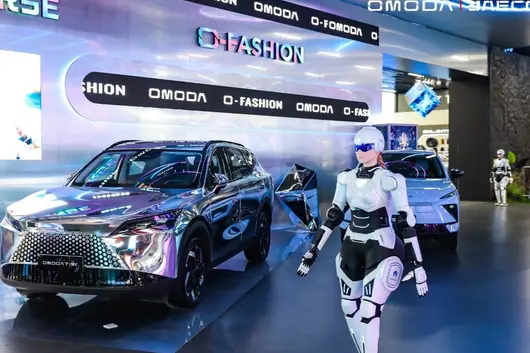

Dalam pasaran SUV di Malaysia, ramai pembeli yang akan membandingkan Toyota Fortuner dan Audi Q5 ketika memilih kereta. Kedua-dua kereta ini mempunyai kedudukan dan julat harga yang hampir sama, hari ini kita akan membuat perbandingan terperinci dari pelbagai aspek untuk membantu anda menjimatkan masa membuat kajian.
Harga OTR Toyota Fortuner di Malaysia ialah RM 195,880 - 241,880, terdapat 3 varian, termasuk 2024 2.8T VRZ Diesel (RM 241,880), 2024 2.7L SRZ Petrol (RM 202,880), 2024 2.4L Standard Diesel (RM 195,880) dan lain-lain.
Harga OTR Audi Q5 di Malaysia ialah RM 354,174 - 423,174, terdapat 2 varian, termasuk 40 TDI (RM 320,000), 45 TFSI (RM 350,000) dan lain-lain.
Dari segi harga, harga permulaan Toyota Fortuner memang lebih murah RM 158,294 berbanding Audi Q5. Jika bajet anda terhad, varian asas Toyota sudah dapat memenuhi keperluan harian. Tetapi perlu diingat, beza harga beberapa ribu ringgit tersebut, mungkin ada pengorbanan pada peralatan, bergantung pada keperluan anda.

Toyota Fortuner menggunakan pemacu FWD.
Audi Q5 menggunakan pemacu FWD.
Kedua-dua kereta ini mempunyai pemacu yang sama, iaitu FWD, pengalaman memandu harian tidak akan terlalu berbeza.

Toyota Fortuner bergarans 5 tahun/jarak tiada had, selang penyelenggaraan setiap 10,000 km atau 6 bulan.
Audi Q5 bergarans 5 tahun/150,000 km, selang penyelenggaraan setiap 10,000 km atau 6 bulan.

Toyota Fortuner dan Audi Q5 adalah pilihan utama di pasaran Malaysia, sesuai untuk kegunaan keluarga dan perjalanan harian. Jika anda lebih menghargai reputasi jenama dan harga jualan semula, pertimbangkan yang mempunyai reputasi lebih baik dahulu; jika anda lebih mementingkan nilai dan peralatan, pilih yang mempunyai spesifikasi lebih lengkap. Pada akhirnya, disyorkan untuk menguji pemanduan kedua-duanya, pengalaman sendiri adalah yang paling penting.

Secara keseluruhannya, Toyota Fortuner dan Audi Q5 adalah model kereta yang sangat baik di pasaran Malaysia. Pilihan mana yang diambil, kuncinya bergantung pada keperluan dan bajet peribadi anda. Disyorkan untuk melakukan kajian, membandingkan beberapa tawaran kedai kereta, kemudian melakukan uji pemanduan untuk membuat keputusan akhir. Membeli kereta adalah perkara besar, meluangkan masa untuk melakukan kajian tidak akan salah.



Written by | Mo Li
Edited by | Huang Dalu
Designed by | Zhen Youmei
Featured Image | AI
BYD 2 million units, Chery over 2 million units, SAIC 1.8 million to 2 million units, Geely 1 million units, Great Wall and Changan total 1.5 million units, GAC 500,000 units, New Force Brands 1.5 million units.
Total approximately 11 million units.
On May 15, during the 18th Xuanyuan Auto Blue Book Forum Overseas Special Session "China's Global Market Share Ceiling" Top Debate, Zheng Yun, Head of Automotive Business, Asia Region, Roland Berger, did one thing: sum up the publicly disclosed 2027 overseas sales targets of major Chinese car companies one by one.
He divided this number by the total accessible overseas market volume for Chinese car companies, deducting markets that cannot enter in the short term such as the US, Japan, South Korea, India, etc., arriving at 25.5%.
This number almost completely coincides with the "25% ceiling" hypothesis proposed by Zheng Yun previously based on historical research. He stated a fact tacitly known in the industry at the forum: "The industry has all felt this ceiling, but no one has said it explicitly."

Chinese automotive global expansion has already moved past the stage of simply competing on export numbers.
In the past few years, the presence of Chinese car companies in overseas markets has strengthened rapidly. In 2025, China's automobile exports reached 7.098 million units, a year-on-year increase of 21.1%, continuing to rank first globally. Entering 2026, this curve is still going up.
Data from CAAM shows that in the first quarter of this year, China's automobile exports reached 2.226 million units, a year-on-year increase of 56.7%, among which new energy vehicle exports were 954,000 units, a year-on-year increase of 1.2 times. By April of this year, data from CPCA showed that China's passenger car exports reached 769,000 units, a year-on-year increase of 80.7%, with new energy vehicles accounting for 52.7% of total exports, surpassing fuel vehicles for the first time.
But the more cars sold, the harder the subsequent questions become to bypass.
Chinese car companies have already secured nearly 70% share domestically. In April of this year, the domestic retail share of independent brands reached 69.6%, and the penetration rate of new energy vehicle retail also exceeded 60% for the first time. However, once overseas, the growth experience from domestic markets cannot be directly copied.
Price, configuration, intelligence, and supply chain efficiency can indeed help Chinese cars open up the situation first, but whether they can truly stay depends on local production, compliance, after-sales service, spare parts, brand recognition, and cultural integration.
This is also the reason why "China's Global Market Share Ceiling" has become a realistic issue.
In the past fuel vehicle era, when US, Japanese, and German car companies expanded in the global market, they often encountered an invisible boundary in overseas share. Today, Chinese automobiles are re-entering the global market with new energy, intelligent connectivity, and a complete industrial chain. Does this boundary still hold?
In response, Wei Haigang, General Manager of GAC International, believes that Chinese car companies going global cannot simply copy the domestic "King of Competition" strategy. GAC's job is to implement "For Local, In Local" around products, channels, brands, localization, service, and ecology, completing the transition from "Going Out" to "Walking In" to "Walking Up".
Yan Huofeng, Global Senior Vice President of Mingshi Group, believes that the real difficulty in building factories overseas is not equipment and capacity, but people, compliance, and social value. Only by becoming part of the local community can a company operate sustainably for the long term.
In the view of Zhou Lingkun, President of Linglong Tire, the global supply chain is not simply more open or more closed, but is differentiating: parts involving security, data, chips, and software will tighten, but mature performance parts like tires will instead see new windows.

Yang Hongwei, Founder and CEO of Shanghai Huayi Auto Connect Auto Technology, believes that Chinese automotive global expansion is still in the early stage. Many "Belt and Road" markets are not lacking purchase demand, but lack after-sales service, spare parts, and repair systems. Parallel exports and local service networks still have space to fill.
Zheng Yun finally brought the question back to a more realistic judgment. 25% is not a mysterious number, but a reminder: for Chinese automobiles to go up, we cannot just look at export volume, but also whether we can truly operate overseas.
Where does 25% come from
This claim of 25% did not come out of nowhere.
Zheng Yun and the Roland Berger team reviewed three stages of automotive globalization history: US in the 1950s, Japanese in the 1980s, and German around 2000.
A common phenomenon is that no matter how strong the technology or brand of these countries' car companies is, once their overseas market share approaches a certain level, growth will slow down.
Toyota is often used as a reference. In 2025, Toyota's sales in the US market were about 2.518 million units, with a market share of about 15.5%. This is a mature market operated for decades, but Toyota also did not long break through 20%.
In this sense, overseas markets are not just about having a strong enough product to increase volume indefinitely. Local industry, employment, politics, supply chain, and consumer mindsets will all form boundaries.
Yan Huofeng mentioned at the forum that after US, Japanese, and German car companies develop to a certain stage overseas, they will often consciously control their share.
She gave an example of Toyota in the US pickup market. The three most profitable in Detroit are full-size pickups. Toyota is not unable to make them, but it has long not done too much in this area.

Behind this is not a capability issue, but a business choice. If an external brand charges too hard in the host country's most core and most profitable market, it is easy to trigger local industry and policy backlash.
Chinese car companies have been used to addition in the past few years. Adding configuration, adding speed, adding capacity, adding market, adding stores. Domestic price wars and product iteration also make it difficult for enterprises to slow down.
But going global is not a simple extension of domestic competition.
Zheng Yun said that Chinese independent brands have already secured nearly 70% share domestically, which can be seen as a ticket to enter the global top table. The key lies in the fact that Japanese, Korean, and German companies are not only strong in their local markets but also operate long-term in overseas markets.
Chinese automobiles now need to answer whether they can tear open the boundary left by the fuel vehicle era with new energy, intelligence, supply chain, and product efficiency.
This question placed in 2026 has more realism.
Chinese car exports are still in high growth, but barriers in European and American markets are rising. The EU has already imposed additional anti-subsidy tariffs on Chinese-made EVs, with BYD, Geely, and SAIC facing different tax rates, and they are stacked on top of the 10% standard import tariff. The US maintains a 100% tariff on Chinese EVs. Tariffs are just the surface; behind them there are also data compliance, software restrictions, supply chain reviews, and local production requirements.
In other words, Chinese cars are not unsellable; rather, as more are sold, the rules become more complex.
This is exactly the meaning of this 25% question.
Exports are still pushing forward
From a data perspective, the speed of Chinese automotive global expansion is indeed fast. At the same time, the domestic market is obviously under pressure.
From January to April 2026, domestic automobile sales were 6.447 million units, a year-on-year decline of 20.6%. The proportion of exports in total sales has risen significantly.
The new energy structure is also changing.
Data from CPCA shows that in April 2026, the domestic retail penetration rate of new energy passenger cars exceeded 60% for the first time, reaching 61.4%. The domestic market has been reshaped by new energy, and overseas markets are also receiving Chinese new energy products.
The larger background is that global electrification is still advancing. IEA mentioned in "Global EV Outlook 2025" that global EV sales exceeded 17 million units in 2024, a year-on-year increase of over 25%, with China's sales exceeding 11 million units. Reuters cited research firm Rho Motion predicting that in 2025, global pure electric and plug-in hybrid sales will exceed 20 million units.
This provides new opportunities for Chinese car manufacturers.
In the past, Chinese car exports relied more on fuel vehicles and price-performance. Now, China has formed relatively strong industrial chain capabilities in batteries, electric drive, motor control, hybrid, smart cockpits, assisted driving, and complete vehicle manufacturing efficiency. For many emerging market consumers, Chinese cars are not only cheap but also have higher configuration.
Yang Hongwei mentioned at the forum that in the Belt and Road markets he deeply cultivates, the penetration rate of Chinese cars is still very low; some places are not even 5%, but local consumers like it very much. Even Addis Ababa, the capital of Ethiopia, saw a situation where Chinese new energy vehicles were hard to find.

Ethiopia is a very typical example. AP reported that Ethiopia became the first country in the world to ban the import of non-electric private vehicles in 2024, but it is also facing problems with charging, maintenance, parts, and used car residual value. This case shows that emerging markets indeed have demand, but behind the demand follows a whole set of service issues.
This is also the reason Yang Hongwei repeatedly emphasized after-sales and parts.
Huayi Auto Connect where he works is positioned as an automotive global cooperation partner, mainly serving some markets that manufacturers temporarily cannot care for. He mentioned, the company exports about 15,000 to 16,000 cars annually, mainly flowing to Belt and Road countries, while building warehouses locally and incubating repair shops, many of which are husband-and-wife shops.
In these markets, whether parts arrive after cars are sold and whether maintenance can keep up is often more important than brand launch events.
This is different from the tactics familiar to Chinese car manufacturers domestically. Domestically, after a new car launch, it can quickly pull sales through dense channels, OTA, social media, and pricing strategies. But overseas, whether a city has a spare parts warehouse, whether a technician knows how to repair, or whether a user can get parts quickly after an accident will all affect brand reputation.
Therefore, the better the export data, the greater the pressure behind it.
Advantages cannot be copied directly
What Chinese car manufacturers can most easily bring out is price and product configuration. What they cannot directly bring out at all is the intelligence that has been hottest domestically in recent years.
Wei Haigang proposed at the forum that Chinese automobiles are forming two markets.
Domestic intelligent connectivity development is fast; some cars have reached L2++, even emphasizing city NOA, all-road intelligent driving. But overseas, in many markets, reaching L2+, Highway NOA plus parking is already considered advanced.
The reason is simple. City intelligent driving needs local road data, maps, regulations, network infrastructure, and user scenarios. Different countries have different data compliance requirements, road structures, and traffic habits. Intelligent driving capabilities that run well in the Chinese market cannot be directly copied overseas.
Wei Haigang said, if Chinese automobiles take off alone, making cars that fit domestic markets but detach from international markets, it will form two markets. For car companies, this is not a technical slogan, but a product definition issue.
Yang Hongwei's front-line observation is more specific.
He mentioned that Chinese new energy vehicles went out too fast. Many content inside domestic car machine screens, when overseas except for the vehicle itself functions, might be a burden. In some countries he deeply cultivates, local users may not care about LiDAR, millimeter-wave radar, or complex smart cockpit functions, but are more concerned about whether white robes can hang in the car or slippers can be put inside.
His judgment is: local users care more about whether your intelligence respects me.
Many things Chinese car manufacturers fought out domestically are not necessarily advantages overseas. Large screens are not needed by every market; intelligent driving cannot be used in every country; high configuration is not necessarily more moving than localization details.
This is also the reason Wei Haigang emphasized stratification and classification.

He believes that Chinese automobiles leveraged overseas markets early on with price-performance; in recent years, more with new car concepts, including intelligent connectivity, new energy, car design, and scenario definition.
But when going overseas, not every country wants you to have strong intelligence and electrification. Some countries have weak energy facilities; some countries have insufficient network conditions. Overseas markets must be layered.
GAC's approach is also pragmatic. Introducing products that meet local needs according to different overseas markets, while adopting因地制宜 overseas factory building models, investing and building KD factories in countries like Thailand, and adopting cooperative ODM modes in some countries.
This is not the most radical approach, but it fits the rhythm Wei Haigang spoke of. Different countries choose different entry methods; not rushing to fit one model to all markets.
Zhou Lingkun then added another layer of change from the supply chain perspective.
He believes that the global supply chain is not simply more open or more closed, but is differentiating. Parts involving security, privacy, data, chips, software, and three-electric systems will increasingly emphasize sovereignty and controllability in the future. National sovereignty will manifest through data compliance and supply chain security; walls in relevant fields will get higher.
But mature performance components like tires are different. They have both matching and aftermarket, and retail market size is large. Linglong has achieved supply for 8 of the top 10 global car manufacturers, with opportunities for further breakthroughs in the future.
What Zhou Lingkun means is that Chinese supply chains cannot only look at complete vehicle exports. The more mature, standardized, and able to reflect cost and manufacturing efficiency parts, the more opportunities they might get overseas.
New energy tires are an example. Pure electric vehicles are heavier than fuel vehicles, proposing higher requirements for load bearing, rolling resistance, and noise. After the engine is gone, vehicle interior noise comes more from road and wind noise, and the importance of tires increases. If tires have built-in sensors in the future, they can also transmit temperature, pressure, and ground status back to the complete vehicle system.
This shows that Chinese automotive global expansion is not just one company's business. Complete vehicles, parts, after-sales, logistics, maintenance, finance, software, and data will all connect together in the end.
Localization requires tuition fees
If intelligence tests product adaptation, localization tests organizational capability.
The Mingshi experience provided by Yan Huofeng offers another perspective: the real threshold of globalization is not technology, but people.
Mingshi first went to the US to buy a factory in 2007, and sequentially built factories in Mexico, Thailand, and Germany in 2012 and 2013. She said, in the first ten years, in the first 5 to 6 years after every overseas factory was established, it was basically headstrong and bloody, paying a high price. Until 2017, Mingshi overseas factories achieved comprehensive profitability.
But after 2017, the situation changed. Mingshi continued to expand in Serbia, France, UK, Poland, Czech Republic, Tennessee, USA, Canada, etc. New factories can even achieve profitability in the second year of mass production.
Yan Huofeng summarized the experience into three keywords: People, Compliance, Social Value.
Among them, the hardest is People.
She mentioned, in the early stage of overseas factories, the general manager must be dispatched by headquarters, and must undergo systematic training, having global project, factory management, or overseas factory work experience, and also possess language ability. For middle and team leader positions, Mingshi adopts a dual-post system, one person dispatched from headquarters, one local person, slowly cultivating local people. Once the local team matures, headquarters personnel go to the next place to build a factory.
Now, Mingshi overseas factory employee localization rate is roughly 50% to 70%.
Compliance is the bottom line; social value determines whether one can truly integrate.
Yan Huofeng gave an example of Serbia. Mingshi hosts one to two China-Serbia youth cultural exchanges annually, inviting local junior high, high school, and college students to visit China; expenses are borne by Mingshi. Candidates come from employee recommendations, school recommendations, government recommendations, or recommendations by influential figures in the local community.
She believes this method is more useful than writing CSR numbers in annual reports. Because employees' families and communities will truly feel that this enterprise is not just here to build a factory, but willing to engage with the locals.

This is different from the localization many car manufacturers are just starting.
Chinese car manufacturers have significantly increased overseas factory building actions in recent years, but shifting from export to production is only the first step. The real difficulty is local recruitment, local suppliers, local regulations, local unions, local service, and local social relations.
This is also the background for Wei Haigang mentioning borrowing ships to go out. Heavy asset factory building suits large-scale overseas markets, but in many countries and regions, entering the market first through cooperation, ODM, KD assembly, regional warehouses, and channel construction may be more stable than directly building complete factories.
However, looking long term, localization is inescapable.
Toyota, Hyundai, Kia, Volkswagen, and these car companies' global shares are not made solely through exports, but through overseas production, local procurement, local sales, and local employment. China is still a structure heavy on exports, light on overseas production. Japanese car companies have roughly formed a structure of 4 million exported, 17 million overseas produced, while China is still in a state of over 7 million exported and overseas production just starting.
This is also a lesson Chinese car manufacturers must make up in the next few years.
Exports can be fast; localization is slow. Exports look at sales; localization looks at patience.
After-sales is also business
In this roundtable, Yang Hongwei provided an easily overlooked angle: Used cars and after-sales.
He believes that Chinese automotive global expansion is still in a very early stage. Even if exported millions of units, penetration rates in many markets are still very low. What truly decides whether a brand can stay is not just how many new cars are sold, but whether they can be repaired after being sold, whether parts are available, and whether used car residual value can be formed.
He mentioned that the US and Japan export a considerable scale of used cars annually. Chinese new energy vehicle production and sales rise year by year; where these cars flow in the future will also become an issue. If China can build up used car exports in the future, there is an opportunity for over 2 million units annually.
This judgment currently needs more industry data verification, but the direction is worth noting.
Chinese cars previously discussed new car exports more, but rarely discussed existing car service. When overseas users buy a Chinese car, if it cannot be sold after three years, maintenance prices are high, and parts cycles are long, brand reputation will be affected.
In emerging markets, after-sales is even more important than advertising.
Yang Hongwei mentioned, in markets like Ethiopia, consumers find it hard to repair after buying cars, manufacturers can't care for it, and consumers cannot buy parts. They need to air freight parts from Guangzhou. Setting up warehouses in some places may not be cost-effective; even air freight from China is more convenient than adjusting goods from transshipment points.
These details sound trivial, but they are the real cost of going out.
Chinese car manufacturers in the past formed strong new car launch capabilities, supply chain response capabilities, and marketing capabilities domestically, but overseas markets test a different system. Whether there are regional parts warehouses, local technicians, repair training, financial services, residual value systems, or insurance cooperation, all these determine whether users will buy a second car.
Zheng Yun also mentioned at the roundtable that when Chinese automobiles discuss going global today, we cannot just look at the share of complete vehicle brands, but also how companies like Mingshi and Huayi embed into the global automotive industry. In other words, going global is not just the battlefield of complete vehicle factories.

This can also be linked with what Zhou Lingkun said about ecology.
If Chinese car manufacturers only export complete vehicles, once share growth reaches a certain level, it is easy to encounter tariffs and localization requirements. But if complete vehicles, parts, maintenance, logistics, finance, used cars, software, and services go out together, overseas markets will not see just external products, but a whole set of industrial capabilities.
Of course, this capability is harder to do. It needs time, and also enterprises need to have less short-term volume mentality.
Don't just count sales volume
Back to Zheng Yun's addition problem.
Wei Haigang believes that the rapid growth of Chinese new energy vehicles domestically has proven that many past judgments will be rewritten. In previous years, industry predictions for new energy penetration rates were far lower than actual results; now many consumers, after using EVs, cannot return.
Looking at the global market, if overseas energy environments, oil price changes, and industrial chain construction continue to advance, Chinese new energy vehicles still have opportunities.
But he also admits that 25%'s realistic restrictions exist. Markets like the US, Japan, South Korea, India are hard to enter in the short term; the markets truly accessible to Chinese car companies are limited. Whether remaining markets can make up enough share depends on product adaptation, localization, compliance, and service.
Yan Huofeng's answer emphasizes long-term operation more.
She believes 25% or 25.5% is not impossible to reach, but whether it can be maintained or even broken through long-term depends on whether Chinese OEMs consider sustainable development truly when going global. When reaching every place, whether they are operating locally, integrating into local culture, and digging deep into brands, these are very key.
She mentioned that Chinese OEMs need to use the mindset of global companies to do a global win-win cause. This win-win is not just between supply chains, but a win-win of all stakeholders.
Zhou Lingkun then reminded that the 25% historical experience of the past still has reference significance, but three premises have changed today.
First, the number of Chinese companies going global is far more than US, Japanese, and German companies of that time. It is not three companies covering the world, but a batch of enterprises and many service providers going out together.
Second, the power type has changed. The past 25% happened in the fuel vehicle era; this time it is the industrial chain changes brought by new energy and intelligence.
Third, production efficiency might have changed. If AI and intelligent manufacturing continue to develop, the original production organization methods will be rewritten.
But Zhou Lingkun didn't put it all out. He believes the Chinese automotive industry needs to answer, not just products and technology, but also what kind of business civilization is output. Besides products, technology, and employment, what else Chinese enterprises take out, this is a very meaningful question.
This sentence sounds a bit grand, but landing in enterprise actions, it is actually not complex.
If an enterprise goes overseas just to grab share, hit prices, and suppress suppliers, it is easy to trigger local resentment. If it can bring employment, training, supply chain opportunities, service capabilities, and long-term investment, the local market's acceptance of it will be different.
Yang Hongwei's judgment is the most optimistic. He believes the 25% ceiling is data from past traditional cars. For today's new cars, changes brought by intelligent connectivity, software, and new energy cannot be simply judged by past thinking.
But even so, the point he said is not relying only on sales, but after-sales supply chain and localization.
What this discussion finally left behind is not a certain answer. Whether 25% can be broken through, no one can give a final conclusion. But what can be determined is that Chinese automotive global expansion has passed the stage of just looking at export volume. Next, the questions enterprises need to answer will be more detailed and more difficult.
Whether a car can be sold is still the first step.
After selling, whether it can be repaired, whether parts can arrive, whether intelligence can adapt, whether factories can localize, whether employees can localize, whether brands can be trusted by local users, are the longer exam questions.
Chinese car manufacturers in the past were good at addition. Going to overseas markets, they may need to start learning another thing. Which functions should be kept, which configurations should be reduced, which markets should be done deeply, which boundaries cannot be forced, which local partners must be respected, which long-term investments cannot be saved.
How high the 25% wall is in the end depends not only on how many cars Chinese car companies can make, but also on how many Chinese cars overseas markets are willing to keep.



In Malaysia's SUV market, many buyers compare Toyota Fortuner and BMW X1 when choosing a car. These two cars are quite similar in price and positioning. Today we will make a detailed comparison from multiple aspects to help you save time on research.
Toyota Fortuner's OTR price in Malaysia is RM 195,880 - 241,880, with a total of 3 versions, including 2024 2.8T VRZ Diesel (RM 241,880), 2024 2.7L SRZ Petrol (RM 202,880), 2024 2.4L Standard Diesel (RM 195,880), etc.
BMW X1's OTR price in Malaysia is RM 252,800 - 252,800, with a total of 2 versions, including sDrive18i (RM 220,000), sDrive20i (RM 250,000), etc.
From a price perspective, Toyota Fortuner's starting price is indeed RM 56,920 cheaper than BMW X1. If your budget is limited, Toyota's entry-level version can meet daily needs. But you should also note, the few thousand difference might involve trade-offs in features, it depends on your specific needs.
Toyota Fortuner is equipped with 2.5L Diesel, horsepower 187 hp. Official fuel consumption 8.5 L/100km.
BMW X1 is equipped with 2.0L Turbo, horsepower 220 hp. Official fuel consumption 9.5 L/100km.
In terms of power, BMW X1's 2.0L Turbo has 33 more horsepower than Toyota Fortuner's 2.5L Diesel. However, for daily driving in the city, both cars have enough power, you won't feel it's underpowered.
Toyota Fortuner's safety rating is 5★ (ASEAN NCAP), active safety systems include .
BMW X1's safety rating is 5★ (Euro NCAP), active safety systems include Premium ADAS.
Toyota Fortuner warranty 5 years/unlimited mileage, maintenance interval every 10,000km or 6 months.
BMW X1 warranty 5 years/unlimited mileage, maintenance interval every 10,000km or 6 months.

Overall, Toyota Fortuner and BMW X1 are both very good models in the Malaysia market. Which one to choose depends on your personal needs and budget. We suggest doing research, comparing quotes from multiple dealerships, and going for a test drive for the final decision. Buying a car is a big matter, spending time on research will never be wrong.

In the Malaysian SUV market, many buyers compare Toyota Fortuner and Subaru Outback when choosing a car. These two cars are quite close in price and positioning. Today, we will do a detailed comparison from multiple aspects to save you time on research.
The OTR price of Toyota Fortuner in Malaysia is RM 195,880 - 241,880, with a total of 3 versions, including 2024 2.8T VRZ Diesel (RM 241,880), 2024 2.7L SRZ Petrol (RM 202,880), 2024 2.4L Standard Diesel (RM 195,880), etc.
The OTR price of Subaru Outback in Malaysia is RM 260,000 - 280,000, with a total of 2 versions, including 2025 2.4T R-Touring EyeSight (RM 310,340), 2025 2.5L Touring EyeSight (RM 280,340), etc.
From a price perspective, Toyota Fortuner's starting price is indeed RM 64,120 cheaper than Subaru Outback. If your budget is limited, Toyota's entry-level version can already meet daily needs. But also note, the savings of a few thousand RM might involve trade-offs in equipment, depending on your needs.
Toyota Fortuner is equipped with a 2.5L Diesel, 187 hp. Official fuel consumption 8.5 L/100km.
Subaru Outback is equipped with a 2.0L Turbo, 220 hp. Official fuel consumption 9.5 L/100km.
In terms of power, the Subaru Outback's 2.0L Turbo has 33 more horsepower than the Toyota Fortuner's 2.5L Diesel. However, for daily city driving, both cars have sufficient power and won't feel underpowered.
Toyota Fortuner's safety rating is 5★ (ASEAN NCAP), active safety systems include .
Subaru Outback's safety rating is TBD, active safety systems include Basic.
Toyota Fortuner body length 4400 mm, trunk 400 L.
Subaru Outback body length 4400 mm, trunk 400 L.
The dimensions of both cars are almost the same, and the interior space is not much different. Cars of this level are completely sufficient for daily use.

Toyota Fortuner warranty 5 years/unlimited mileage, maintenance interval every 10,000km or 6 months.
Subaru Outback warranty 3 years/100,000km, maintenance interval every 10,000km or 6 months.

Overall, Toyota Fortuner and Subaru Outback are both excellent models in the Malaysian market. Which one to choose mainly depends on your personal needs and budget. We recommend doing your research, comparing quotes from several dealerships, and then test driving to make the final decision. Buying a car is a big matter, spending time on research will definitely not be a mistake.

In the SUV market in Malaysia, many buyers compare the Toyota Fortuner and Subaru Outback when choosing a car. These two cars are quite close in price and positioning. Today, we will make a detailed comparison from multiple aspects to help you save time on research.
The Toyota Fortuner OTR price in Malaysia is RM 195,880 - 241,880, with a total of 3 versions, including 2024 2.8T VRZ Diesel (RM 241,880), 2024 2.7L SRZ Petrol (RM 202,880), 2024 2.4L Standard Diesel (RM 195,880), etc.
The Subaru Outback OTR price in Malaysia is RM 260,000 - 280,000, with a total of 2 versions, including 2025 2.4T R-Touring EyeSight (RM 310,340), 2025 2.5L Touring EyeSight (RM 280,340), etc.
In terms of price, the starting price of the Toyota Fortuner is indeed RM 64,120 cheaper than the Subaru Outback. If your budget is limited, Toyota's entry-level version can already meet daily needs. However, note that the few thousand dollars cheaper might involve compromises in features, depending on your needs.
The Toyota Fortuner comes with a 2.5L Diesel engine, producing 187 hp. Official fuel consumption is 8.5 L/100km.
The Subaru Outback comes with a 2.0L Turbo engine, producing 220 hp. Official fuel consumption is 9.5 L/100km.
In terms of power, the Subaru Outback's 2.0L Turbo has 33 hp more than the Toyota Fortuner's 2.5L Diesel. However, for daily city driving, both cars have sufficient power, and you won't feel a lack of power.
The Toyota Fortuner's safety rating is 5★ (ASEAN NCAP), and the active safety systems include.
The Subaru Outback's safety rating is TBD, and the active safety systems include Basic.
Toyota Fortuner warranty is 5 years/unlimited mileage, maintenance interval is every 10,000km or 6 months.
Subaru Outback warranty is 3 years/100,000km, maintenance interval is every 10,000km or 6 months.
Overall, both the Toyota Fortuner and Subaru Outback are excellent models in the Malaysian market. Which one to choose mainly depends on your personal needs and budget. We suggest doing your research, comparing quotes from multiple dealerships, and test driving before making a final decision. Buying a car is a big matter, spending some time doing research will never be wrong.


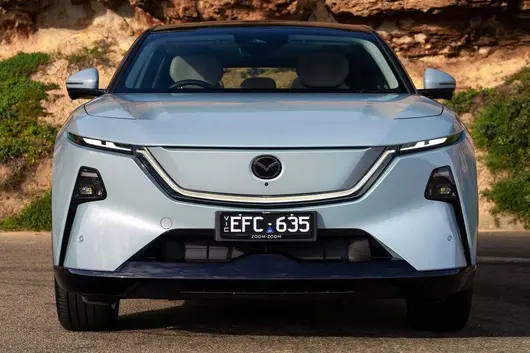
根據澳洲汽車媒體報導,馬自達正積極透過與中國合作夥伴長安汽車合作擴大電動車產品陣容,而馬自達 6e 以及 CX-6e 就是這項合作代表作。雖然兩款車採用了中國合作夥伴提供技術與平台,但馬自達堅持這些產品仍然必須符合品牌自身品質標準,而不是單純將中國車型換上馬自達廠徽。

事實上,馬自達對中國生產汽車品質已經不止一次作出回應。馬自達全球銷售與市場營銷主管 Manabu Osuga 此前接受澳洲媒體訪問時表示,由於馬自達持有中國合資生產基地 50% 股權,因此品牌能夠將這座工廠視為馬自達自身製造體系一部分,並導入馬自達生產流程、製造管理以及品質保證制度。

這意味著,即使車輛不是在日本生產,馬自達仍然有責任確保產品符合自身要求,而不是完全交由合作夥伴決定製造標準。另外,馬自達在南京生產基地負責人 Hiroshi Ozawa 也曾指出,當地工廠採用馬自達生產流程,而且中國汽車工廠自動化程度已經相當高,早已不是過去依賴大量人工作業生產模式。
從馬自達角度看,汽車品質取決於生產技術、零件規格、品質管理以及製造過程檢驗制度,而不是單純根據生產國家來判斷。因此,馬自達對中國製造車型品質表現抱有相當高信心。

當然,廠方保證並不等同於車輛已經證明擁有與日本製造車型完全相同長期可靠性。特別是新一代電動車,未來仍然需要經過實際市場使用、長期耐久測試以及售後維修表現,才能進一步證明它們可靠程度。
目前最明顯例子,就是馬自達 6e 和馬自達 CX-6e。兩款車型都是馬自達與長安合作開發產品,並且共享中國深藍旗下車型部分技術基礎。其中,馬自達 6e 在中國市場被稱為馬自達 EZ-6,它與深藍 L07 有着密切技術關係;至於馬自達 CX-6e,在中國市場名稱則是馬自達 EZ-60,其技術基礎與深藍 S07 有關聯。

不過,雖然採用了中國合作夥伴電動車技術與平台,但馬自達並沒有直接將現有深藍車型換上自己品牌標誌。馬自達仍然參與車輛外觀設計、內飾材質選擇以及底盤調校等工作,希望這些車型在駕駛感受和整體設計方面繼續保留馬自達品牌特色。
尤其是馬自達一直強調 Jinba Ittai(人馬一體)駕駛理念,也是品牌希望在電動車產品中保留下來核心元素。即使電動車與傳統內燃機車型在動力輸出、重量分佈以及駕駛特性上存在明顯差異,馬自達依然希望透過轉向、懸掛以及動力響應調校,建立屬於自己駕駛感受。
馬自達選擇與長安深化合作,其實也是現實市場環境所推動結果。相比豐田、大衆等規模更大汽車集團,馬自達研發資源相對有限,如果必須獨立開發完整電動車平台、電池管理系統、電驅技術以及智能車載系統,所需要投入資金和時間都相當可觀。
與此同時,中國汽車製造商已經在電動車、電池技術以及智能化系統方面累積了豐富經驗。因此,與長安合作能夠讓馬自達直接利用現有技術基礎,縮短產品開發週期,同時降低研發成本。
另一方面,馬自達也可以將更多資源集中在自身擅長領域,包括外觀設計、車廂質感以及駕駛調校等方面。這樣合作方式不僅可以提高開發效率,也有助於馬自達更快進入競爭激烈全球電動車市場。對於馬自達來說,與其花費大量時間獨立開發所有技術,不如利用合作夥伴成熟技術,再加入自己設計與工程理念。
值得注意的是,馬自達目前面對挑戰,其實不完全是中國製造品質問題,而是消費者是否仍然能夠從這些車型感受到馬自達一貫品牌特色。以馬自達 6e 為例,部分澳洲汽車媒體在試駕後認為,它擁有出色外觀設計、舒適乘坐表現以及具競爭力價格,不過在車載系統操作、實體按鈕配置和部分主動安全系統調校方面,仍然與傳統馬自達車型存在明顯差異。

這也說明,即使製造品質符合馬自達要求,車輛駕駛體驗和使用習慣仍然可能因為開發平台及技術架構不同而改變。對於長期駕駛馬自達 3、CX-5 或馬自達 6 消費者來說,他們熟悉不僅是品牌製造品質,還包括車輛轉向手感、懸掛表現,以及內飾操作邏輯。這些都是馬自達必須在未來中國合作車型中努力保留部分。
隨著馬自達 6e 和 CX-6e 陸續進入海外市場,馬自達與長安合作很可能繼續擴大。此前已有海外媒體指出,馬自達未來可能利用更多現有中國電動車平台開發新產品,其中也包括定位更親民純電動 SUV,不過相關產品規劃仍有待廠方正式確認。
這意味著未來消費者購買馬自達時,可能會接觸到更多採用中國電動車技術、由中國工廠生產,但經過馬自達自身設計及調校產品。從市場策略來看,這能夠讓馬自達在電動車領域加快追赶競爭對手步伐,同時降低獨立研發所帶來財務壓力。不過,馬自達也必須確保品牌不會因為共享技術而逐漸失去自己產品特色。
其實,隨著全球汽車產業供應鏈越來越国际化,單純用生產國家判斷汽車品質,已經不一定能夠準確反映一款車實際表現。無論是日本、中國、泰國還是其他國家生產車輛,真正決定品質,始終是製造商技術能力、生產管理、品質標準以及供應商體系。
馬自達選擇與長安合作,不代表品牌準備放棄過去堅持日本製造理念,而是在電動車時代尋找更有效率開發方式。不過,馬自達現在能夠證明的是中國生產基地採用了其品質管理體系,而車輛能否在使用五年、十年後繼續維持馬自達一貫可靠性,仍然需要時間驗證。
對於消費者來說,車子究竟在哪裡製造,或許不應該是唯一考慮因素。更重要的是,它是否擁有良好品質、合理價格,以及是否還保留馬自達過去令人欣賞駕駛感受。

喺馬來西亞嘅 SUV 市場,好多買家喺選車嗰陣都會拿 Toyota Fortuner 同 Hyundai Tucson 做比較。這兩款車喺價位同定位上都幾接近,今日我哋就從多個方面做一個詳細嘅對比,幫你省下做功課嘅時間。
Toyota Fortuner 喺馬來西亞嘅 OTR 售價係 RM 195,880 - 241,880,一共有 3 個版本,包括 2024 2.8T VRZ Diesel(RM 241,880)、2024 2.7L SRZ Petrol(RM 202,880)、2024 2.4L Standard Diesel(RM 195,880) 等。
Hyundai Tucson 喺馬來西亞嘅 OTR 售價係 RM 143,888 - 197,888,一共有 5 個版本,包括 2025 HEV 1.6T AT 2WD Prestige(RM 197,888)、2025 1.6T DCT 4WD Prestige(RM 186,888)、2025 1.6T DCT 2WD Prime(RM 164,888) 等。
由價錢睇,Hyundai Tucson 嘅起步價比 Toyota Fortuner 平咗 RM 51,992。老實講,喺呢個價位段,幾千塊嘅差距其實唔算大,關鍵仲係睇整體嘅性價比同長期使用成本。
Toyota Fortuner 配備 2.5L Diesel,馬力 187 hp。官方油耗 8.5 L/100km。
Hyundai Tucson 配備 1.5L Turbo,馬力 140 hp。官方油耗 7.0 L/100km。
動力方面,Toyota Fortuner 嘅 2.5L Diesel 比 Hyundai Tucson 嘅 1.5L Turbo 多咗 47 匹馬力,中段加速更有信心,尤其係跑高速超車嘅時候。不過 Hyundai Tucson 嘅油耗可能更啱用,日常市區通勤差別唔會太大。
Toyota Fortuner 車身長 4400 mm,後備箱 400 L。
Hyundai Tucson 車身長 4400 mm,後備箱 400 L。
兩款車嘅尺寸幾乎一樣,車內空間差別唔大。呢個級別嘅車,日常使用完全夠用。
Toyota Fortuner 採用 FWD 驅動方式。
Hyundai Tucson 採用 FWD 驅動方式。
兩款車嘅驅動方式一樣,都係 FWD,日常駕駛感受唔會有太大分別。

Toyota Fortuner 保修 5 年/無限制里程,保養間隔 每 10,000km 或 6 個月。
Hyundai Tucson 保修 5 年/300,000km,保養間隔 每 10,000km 或 6 個月。

總括嚟講,Toyota Fortuner 同 Hyundai Tucson 都係馬來西亞市場好唔錯嘅車型。揀邊一輛,關鍵仲係要睇你嘅個人需求同預算。建議大家做好功課,多比較幾間車行嘅報價,再去試駕做最終決定。買車係件大事,花少少時間做功課絕對唔會錯。

喺馬來西亞嘅 SUV 市場,好多買家揀車嗰陣都會拿 Toyota Fortuner 同 Hyundai Tucson 做比較。呢兩部車喺價位同定位上都幾接近,今日我哋就從多方面做詳細比較,幫你省返做功課嘅時間。
Toyota Fortuner 喺馬來西亞嘅 OTR 售價係 RM 195,880 - 241,880,一共 3 個版本,包括 2024 2.8T VRZ Diesel(RM 241,880)、2024 2.7L SRZ Petrol(RM 202,880)、2024 2.4L Standard Diesel(RM 195,880)等。
Hyundai Tucson 喺馬來西亞嘅 OTR 售價係 RM 143,888 - 197,888,一共 5 個版本,包括 2025 HEV 1.6T AT 2WD Prestige(RM 197,888)、2025 1.6T DCT 4WD Prestige(RM 186,888)、2025 1.6T DCT 2WD Prime(RM 164,888)等。
從價錢嚟睇,Hyundai Tucson 嘅起步價比 Toyota Fortuner 平咗 RM 51,992。老實講,喺呢個價位段,幾千蚊嘅差距其實唔算大,關鍵都要睇整體嘅性價比同埋長遠使用成本。
Toyota Fortuner 嘅安全評級係 5★ (ASEAN NCAP),主動安全系統包括。
Hyundai Tucson 嘅安全評級係 5★ (ASEAN NCAP),主動安全系統包括 SmartSense。
兩部車嘅安全評級一樣,喺呢個級數入面安全配備都算好齊全。而家嘅新車安全性都唔差,唔使太擔心呢一點。
Toyota Fortuner 車身長 4400 mm,尾箱 400 L。
Hyundai Tucson 車身長 4400 mm,尾箱 400 L。
兩部車嘅尺寸幾乎一樣,車內空間差別唔大。呢個級數嘅車,日常使用完全夠用。
Toyota Fortuner 保養 5 年/無限制里程,保養間隔 每 10,000km 或 6 個月。
Hyundai Tucson 保養 5 年/300,000km,保養間隔 每 10,000km 或 6 個月。
Toyota Fortuner 同 Hyundai Tucson 都係馬來西亞市場嘅主流選擇,適合家庭使用、日常通勤。如果你更睇重品牌口碑同埋二手價,可以優先考慮口碑更好嗰款;如果你更在乎性價比同配備,那就揀配置更豐富嗰款。最終都係建議兩款都去試駕,親身體驗先最重要。
總體嚟講,Toyota Fortuner 同 Hyundai Tucson 都係馬來西亞市場幾唔錯嘅車型。揀邊輛,關鍵都要睇你嘅個人需要同預算。建議大家做好功課,多比較幾間車行嘅報價,再去試駕做最終決定。買車係件大事,花少少時間做功課絕對唔會錯。

喺馬來西亞嘅 SUV 市場,好多買家喺揀車嘅時候都會拿 Toyota Fortuner 同 Hyundai Tucson 嚟做比較。呢兩款車喺價格同定位上都好接近,今日我哋就從多個方面做個詳細比較,幫你省咗做功課嘅時間。
Toyota Fortuner 喺馬來西亞嘅 OTR 售價係 RM 195,880 - 241,880,總共 3 個版本,包括 2024 2.8T VRZ Diesel(RM 241,880)、2024 2.7L SRZ Petrol(RM 202,880)、2024 2.4L Standard Diesel(RM 195,880)等。
Hyundai Tucson 喺馬來西亞嘅 OTR 售價係 RM 143,888 - 197,888,總共 5 個版本,包括 2025 HEV 1.6T AT 2WD Prestige(RM 197,888)、2025 1.6T DCT 4WD Prestige(RM 186,888)、2025 1.6T DCT 2WD Prime(RM 164,888)等。
從價格嚟睇,Hyundai Tucson 嘅起步價比 Toyota Fortuner 平咗 RM 51,992。坦白講,喺呢個價位段,幾千塊嘅差其實唔算大,關鍵始終都要睇整體嘅性價比同長期使用成本。
Toyota Fortuner 配備 2.5L Diesel,馬力 187 hp。官方油耗 8.5 L/100km。
Hyundai Tucson 配備 1.5L Turbo,馬力 140 hp。官方油耗 7.0 L/100km。
动力方面,Toyota Fortuner 嘅 2.5L Diesel 比 Hyundai Tucson 嘅 1.5L Turbo 多咗 47 匹馬力,中段加速更有信心,尤其係跑高速超車嘅時候。不過 Hyundai Tucson 嘅油耗可能會更節省,日常市區通勤分別唔會太大。
Toyota Fortuner 保修 5 年/無限制里程,保養間隔 每 10,000km 或 6 個月。
Hyundai Tucson 保修 5 年/300,000km,保養間隔 每 10,000km 或 6 個月。
Toyota Fortuner 同 Hyundai Tucson 都係馬來西亞市場嘅主流選擇,適合家庭使用、日常通勤。如果你更睇重品牌口碑同二手價,可以優先考慮口碑更好嗰款;如果你更在意性價比同配備,嗰就揀配備更豐富嗰款。最終始終建議兩款都去試駕,親身體驗先係最重要嘅。
總嘅嚟講,Toyota Fortuner 同 Hyundai Tucson 都係馬來西亞市場幾唔錯嘅車型。揀邊一部,關鍵始終都要睇你嘅個人需求同預算。建議大家做好功課,多比較幾間車行嘅報價,再去試駕做最終決定。買車係件大事,花少少時間做功課絕對唔會錯。

喺馬來西亞嘅 SUV 市場,好多買家喺揀車嘅時候都會拿 Toyota Fortuner 同 GWM Haval H6 嚟做比較。呢兩款車喺價錢同定位上都幾接近,今日我哋就由多個方面做一個詳細嘅比較,幫你節省咗做功課嘅時間。
Toyota Fortuner 喺馬來西亞嘅 OTR 售價係 RM 195,880 - 241,880,一共有 3 個版本,包括 2024 2.8T VRZ Diesel(RM 241,880)、2024 2.7L SRZ Petrol(RM 202,880)、2024 2.4L Standard Diesel(RM 195,880) 等。
GWM Haval H6 喺馬來西亞嘅 OTR 售價係 RM 139,750 - 139,750,一共有 2 個版本,包括 1.5L Turbo Standard(RM 140,000)、1.5L Turbo Premium(RM 155,000) 等。
由價錢睇落,GWM Haval H6 嘅起步價比 Toyota Fortuner 平咗 RM 56,130。坦白講,喺呢個價位段,幾千塊嘅差距其實唔算大,關鍵仲係睇整體嘅性價同長期使用成本。
Toyota Fortuner 配備 2.5L Diesel,馬力 187 hp。官方油耗 8.5 L/100km。
GWM Haval H6 配備 Hybrid,馬力 170 hp。官方油耗 4.5 L/100km。
動力方面,Toyota Fortuner 嘅 2.5L Diesel 比 GWM Haval H6 嘅 Hybrid 多咗 17 匹馬力,中段加速更有信心,尤其係跑高速超車嗰陣。不過 GWM Haval H6 嘅油耗可能更加友好,日常市區通勤差別唔會太大。
Toyota Fortuner 嘅安全評級係 5★ (ASEAN NCAP),主動安全系統包括。
GWM Haval H6 嘅安全評級係 TBD,主動安全系統包括 Basic。
Toyota Fortuner 車身長 4400 mm,車尾箱 400 L。
GWM Haval H6 車身長 4400 mm,車尾箱 400 L。
兩款車嘅尺寸幾乎一樣,車內空間差別唔大。呢個級別嘅車,日常使用完全夠用。
Toyota Fortuner 採用 FWD 驅動方式。
GWM Haval H6 採用 FWD 驅動方式。
兩款車嘅驅動方式一樣,都係 FWD,日常駕駛感受唔會有太大分別。
總括嚟講,Toyota Fortuner 同 GWM Haval H6 都係馬來西亞市場好唔錯嘅車型。揀邊架,關鍵仲係睇你個人需求同預算。建議大家做好功課,多比較間車行嘅報價,再去試駕做最終決定。買車係件大事,花啲時間做功課絕對唔會錯。

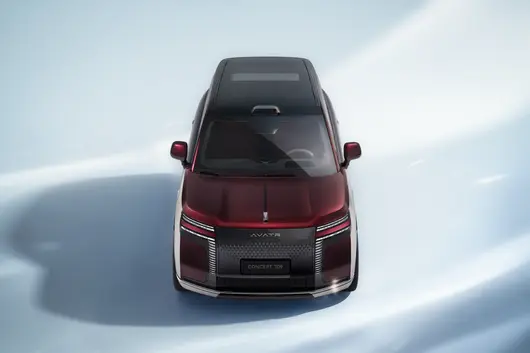
On October 11, 2026, the inaugural work of the Avatr brand flagship series, the Avatr T09 Concept, completed its global premiere in Paris. This full-size flagship SUV, integrating the highest specifications of technology collaboration from Changan, Huawei, and CATL, with a more grand and noble original design, top-tier industry smart technology, and meticulously crafted flagship quality, officially anchors the 500,000-level flagship luxury SUV market.

The new car is planned to officially launch within 2026, and will appear alongside star models such as Avatr 06T and Avatr 07L at the Paris Auto Show held from October 12 to 18, showcasing China's automotive systematic achievements in original design and smart technology on the global stage.
Building a Noble Presence Without Ostentation Through Architectural FormThe Avatr T09 Concept is built upon a new flagship design language, serving as the mass-produced interpretation of the VISION XPECTRA philosophy. Avatr Technology Executive Vice President and Chief Designer Nader Faghihzadeh stated at the launch event: VISION XPECTRA interprets the freedom in our vision. The T09 Concept translates these concepts into a steady, confident noble temperament, opening a broader world for Avatr—Noble Luxury.

From afar majestic, up close exquisite. The new car's front face presents a strong architectural feel; the grille adopts a 3D relief structure, with 362 Avatr LOGO elements of varying 3D heights seamlessly connected, shimmering between light and shadow. The crystal diamond array headlight group employs an inner and outer double-layer diamond-cut design, creating a diamond-like fire quality texture that better suits the full-size SUV volume. The impressive 2.1㎡ clamshell-style front hood, combined with island-like bulges on both sides, fuses steady power with dynamic tension, exuding nobility and dominance without needing to appear threatening.

On the side of the body, razor-sharp lines are carved onto the body. The wheel arches and sides use waist-reducing curves, as if inner energy bursts outward. Planar shear curves and full expansion volume contrast with each other, shaping dynamic tension where precision, power, and sculptural depth interweave.

The entire D-pillar is decorated with aluminum trim plates, integrating into the window contours and rear spoiler, forming a visual effect of a floating roof; crystal decorative door handles and DToF sensor islands are staggered among them, powerful and commanding, evident without ostentation.

The rear section features integrated crystal diamond taillights, also using a double-layer diamond cutting design, echoing the front headlights. When lit, they are crystal clear, presenting rich light and dark changes at different angles.

Continuing the VISION XPECTRA design philosophy, Avatr T09 introduces the same design philosophy to the cabin, constructing a space centered on tranquility, generosity, and connection. As an industry-unique emotional interaction design, Vortex Emotion Flow systemically expresses the connection of all vehicle functions and status, building a bridge between the digital emotional world and the physical cabin structure.

It adopts a 360° seamless two-stage concave surface and retractable design, embedded with 118 RGB LED matrix light sources, compatible with the entire vehicle ambient light to create various smart light effects. In terms of texture quality, Vortex optimizes the silent motor and mechanism operation, and specially designs anti-pinch function, guarding every piece of warm emotional interaction in the details.

Avatr T09 is equipped with an immersive integrated triple-screen, a 10.25-inch driver dashboard combined with dual 17.2-inch center console screens and co-pilot screen, seamlessly integrated with air conditioning vents on both sides, like a giant ultra-wide canvas, embedded with NFC function, one touch connects. In the cabin of Avatr T09, technology is no longer cold stacking of functions, but a travel partner that can perceive, predict, and resonate.
Technical Synergy Empowerment, Anchoring the 500,000-Level Flagship MarketIn addition to unique design, Avatr T09 possesses flagship-level technology configuration, the mass-produced model with the highest technology density in the brand so far. The new car deeply integrates Huawei Qiankun Intelligent Driving and new Taihang Intelligent Control technology, achieving leading industry smart flexible control and million-level luxury driving texture. In terms of power, the new car is equipped with new smart super hybrid technology, equipped with 2.0T hybrid engine and three-motor distributed electric drive, system total power exceeds 1000 horsepower; equipped with 71.24kWh CATL Xiaoyao Super Plus-Hybrid battery, CLTC pure electric range highest exceeds 400km, balancing long range and high safety, covering user full-scenario travel needs.

From market prospects, the 500,000-level flagship luxury SUV market has been held by traditional luxury brands for a long time, but the new energy and intelligence wave is reshaping the competitive landscape. Avatr T09 uses New Luxury with Emotion as the differentiating core, relying on Changan's manufacturing foundation, Huawei's smart technology, and CATL's battery technology, forming a systematic advantage that traditional luxury brands cannot easily copy. Its original design language breaks away from the common material stacking logic of domestic brands, building true luxury perception with architectural aesthetics and emotional interaction, expected to establish unique brand identity among high-end consumer groups.
Brand Momentum Upward, New Luxury Avatr Goes GlobalUsing Paris as a fulcrum, Avatr is accelerating towards the global market and will officially enter Europe in 2027. Currently, Avatr's overseas business has expanded to 70 countries and regions, the average product price exceeds 300,000 yuan, and has achieved profitability. Among them, the market share of high-end electric vehicles in Egypt reaches 10%; Avatr 11 ranks first in sales in the Thailand luxury pure electric SUV market. In 2030, Avatr plans to enter over 110 countries and regions, overseas sales account for more than 50% of total sales.

With the launch of T09, Avatr officially forms two product sequences: Digital and Flagship. The Digital sequence is casual luxury, corresponding to elegant, sporty, and personal pioneer design; the Flagship sequence is noble luxury, corresponding to noble, calm, and atmospheric flagship design. As Avatr Technology Chairman Chen Zhuo said: Two design sequences, one Avatr, the same adherence to originality and taste. Starting from Paris, Avatr is facing traditional luxury brands with New Luxury with Emotion, accelerating towards the global new luxury smart electric vehicle leading brand.

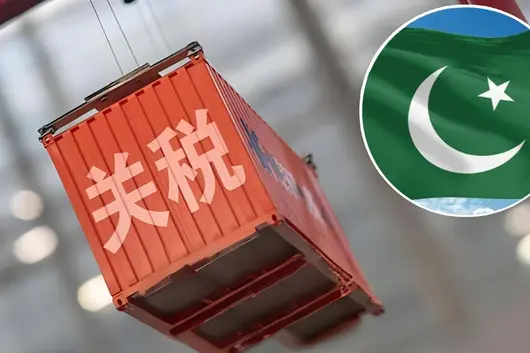
10 月 10 日,巴基斯坦正式批准調高輪胎同摩托車零部件進口附加關稅,最高一檔升至 31%——但中國產品基本唔喺受影響之列。


政策要點:只加收附加稅,普通關稅唔變
2026 年 10 月 10 日,巴基斯坦經濟協調委員會(ECC)依據稅務部門提案,修訂法定監管令 SRO 693(I)/2006,調高相關產品進口附加關稅(ACD),普通關稅及其他稅費唔變。核心調整為:
摩托車零部件: 整車廠境外採購嘅附加關稅由 11% 調高至 31%;
子午線輪胎: 附加關稅由 4% 調高至 11%。
31% 高稅率針對本土 OEM 以散件套件(CKD)進口、且巴基斯坦已具備生產能力嘅約 13 類零部件——車牌、支架、腳踏板、車輪組件、擋風玻璃、座椅、工具箱等車身裝飾類配件,唔包括引擎、波箱等核心部件。

點解使出大棒:摩托車王國嘅國產化焦慮
巴基斯坦註冊車輛中約 78% 為摩托車,保有量超 5000 萬台,年售後零部件市場約 37.5 億美元,但約 80% 配件依賴進口。政策邏輯好直接:將本地可以生產嘅產品進口成本推高,畀本土製造讓路。
中國產品靠 FTA 獲豁免
根據中巴自由貿易協定(CPFTA),從中國進口嘅上述零部件仍享零關稅或優惠稅率,新增附加關稅通常唔適用。受衝擊更大嘅係日本、東南亞等摩托散件主要來源國。
數據顯示中國產品嘅份量:中巴 FTA 下 75% 嘅中國汽摩零部件對巴免關稅;中國佔巴基斯坦摩托車/自行車輪胎進口 80%—88%,汽摩配件佔其進口總量 70% 以上;2025 年巴基斯坦自華進口約 205 億美元,佔總進口約 31%。
但豁免唔係自動生效:須同時符合 FTA 原產地規則、提供符合規定嘅原產地證書、HS 編碼喺優惠清單內,任何一項唔符合都可能被按普通稅率徵收。出貨前逐票核對單證,係呢輪加稅中最值錢嘅動作。

政策效果存疑,企業須留後路
一個無可迴避嘅問題:若最大來源國中國嘅合規產品仍享零稅率,31% 關稅抑制進口嘅實際效果可能大打折扣,後續唔排除再調整。
短期睇嚟,競爭對手成本上升,中國產品價格競爭力相對增強;長期睇嚟,“本地可生產即加稅”嘅類別預計擴圍,純貿易出口空間將被壓縮。建議企業重新核算報價成本、利用窗口期同客戶議定過渡方案,並提前評估本地化佈局,同步關注孟加拉國、印尼、尼日利亞等替代市場。
關稅大棒已經揮下,豁免窗口唔會永遠敞開——為中國產品備好 Plan B,比享受零關稅更重要。

Dalam pasaran SUV di Malaysia, ramai pembeli semasa memilih kereta sering membandingkan Toyota Fortuner dan Chery Tiggo 7 PHEV. Kedua-dua kereta ini agak hampir dari segi harga dan penempatan, hari ini kita akan buat perbandingan terperinci dari pelbagai aspek untuk membantu anda menjimatkan masa membuat penyelidikan.
Toyota Fortuner di Malaysia dijual pada harga OTR RM 195,880 - 241,880, terdapat keseluruhan 3 varian, termasuk 2024 2.8T VRZ Diesel (RM 241,880), 2024 2.7L SRZ Petrol (RM 202,880), 2024 2.4L Standard Diesel (RM 195,880) dan sebagainya.
Chery Tiggo 7 PHEV di Malaysia dijual pada harga OTR RM 129,750 - 129,750, terdapat keseluruhan 2 varian, termasuk 2025 1.5T 90km CSH (RM 129,750), Apakah kaedah pengecasan yang disokong oleh Tiggo 7 PHEV? Bolehkah ia dicas menggunakan soket kuasa rumah? (RM 117,478) dan sebagainya.
Dari segi harga, harga permulaan Chery Tiggo 7 PHEV lebih murah RM 66,130 berbanding Toyota Fortuner. Jujur berkata, dalam julat harga ini, perbezaan beberapa ribu sebenarnya tidak terlalu besar, yang penting adalah melihat nisbah harga dan faedah keseluruhan serta kos penggunaan jangka panjang.
Toyota Fortuner dilengkapi enjin 2.5L Diesel, kuasa 187 hp. Penggunaan bahan api rasmi 8.5 L/100km.
Chery Tiggo 7 PHEV dilengkapi Hybrid, kuasa 170 hp. Penggunaan bahan api rasmi 4.5 L/100km.
Dari segi kuasa, 2.5L Diesel Toyota Fortuner mempunyai 17 hp lebih berbanding Hybrid Chery Tiggo 7 PHEV, memberikan lebih keyakinan dalam pecutan sederhana, terutamanya semasa memotong di lebuh raya. Namun, penggunaan bahan api Chery Tiggo 7 PHEV mungkin lebih cekap, perbezaan untuk perjalanan seharian di bandar tidak akan terlalu besar.
Toyota Fortuner panjang badan 4400 mm, ruang bagasi 400 L.
Chery Tiggo 7 PHEV panjang badan 4400 mm, ruang bagasi 400 L.
Saiz kedua-dua kereta ini hampir sama, ruang dalam kenderaan tidak banyak berbeza. Kereta dalam kategori ini, cukup untuk penggunaan harian.
Toyota Fortuner menjamin 5 tahun/ tanpa had jarak, selang penyelenggaraan setiap 10,000km atau 6 bulan.
Chery Tiggo 7 PHEV menjamin 3 tahun/100,000km, selang penyelenggaraan setiap 10,000km atau 6 bulan.

Secara keseluruhan, Toyota Fortuner dan Chery Tiggo 7 PHEV adalah model yang cukup bagus di pasaran Malaysia. Memilih mana satu, yang penting adalah melihat keperluan dan bajet peribadi anda. Kami cadangkan anda buat penyelidikan terlebih dahulu, bandingkan beberapa sebut harga di kedai-kedai kereta, kemudian buat uji jalan untuk membuat keputusan akhir. Membeli kereta adalah perkara besar, luangkan masa untuk membuat penyelidikan tidak akan salah.

喺馬來西亞嘅 SUV 市場,好多買家喺揀車嘅時候都會拿 Toyota Fortuner 同 Mazda CX-80 做比較。這兩款車喺價位同定位上都好接近,今日我哋就由多個方面做詳細比較,幫你節省做功課嘅時間。
Toyota Fortuner 喺馬來西亞嘅 OTR 售價係 RM 195,880 - 241,880,總共有 3 個版本,包括 2024 2.8T VRZ Diesel(RM 241,880)、2024 2.7L SRZ Petrol(RM 202,880)、2024 2.4L Standard Diesel(RM 195,880) 等。
Mazda CX-80 喺馬來西亞嘅 OTR 售價係 RM 296,610 - 296,610,總共有 1 個版本,包括 2025 2.5L 65km High Plus(RM 296,610) 等。
由價錢睇落,Toyota Fortuner 嘅起步價真係比 Mazda CX-80 平咗 RM 100,730。如果你預算有限,Toyota 嘅入門版已經可以滿足日常需要。但亦要留意,平嗰幾千蚊,可能在配備上會有所取舍,具體要看你嘅需要。
Toyota Fortuner 車身長 4400 mm,行李廂 400 L。
Mazda CX-80 車身長 4500 mm,行李廂 450 L。
空間方面,Mazda CX-80 嘅車身比 Toyota Fortuner 長咗 100 mm,乘坐空間更有優勢。不過 Toyota Fortuner 喺城市度停車會靈活啲,各有取舍。
Toyota Fortuner 採用 FWD 驅動方式。
Mazda CX-80 採用 FWD 驅動方式。
兩款車嘅驅動方式一樣,都係 FWD,日常駕駛感受唔會有太大分別。
Toyota Fortuner 同 Mazda CX-80 都係馬來西亞市場嘅主流選擇,適合家庭使用、日常通勤。如果你更睇重品牌口碑同二手價,可以優先考慮口碑更好嗰一款;如果你更在意性價比同配備,就揀配備更豐富嗰款。最終係建議兩款都去試駕,親身體驗先至係最緊要。

總體嚟講,Toyota Fortuner 同 Mazda CX-80 都係馬來西亞市場幾唔錯嘅車型。揀邊輛,始終都要睇你嘅個人需要同預算。建議大家做好功課,多比較幾間車行嘅報價,再去試駕做最終決定。買車係件大事,花少少時間做功課絕對無錯。
In Malaysia's SUV market, many buyers compare the Toyota Corolla Cross and Subaru Outback when choosing a car. These two vehicles are quite close in terms of price and positioning. Today, we will conduct a detailed comparison from multiple aspects to help you save time on research.
The Toyota Corolla Cross OTR price in Malaysia is RM 133,800 - 148,800, with a total of 3 versions, including the 2026 HEV 1.8L GR Sport (RM 148,800), 2026 HEV 1.8L Standard (RM 140,800), 2026 1.8L Standard (RM 133,800), etc.
The Subaru Outback OTR price in Malaysia is RM 260,000 - 280,000, with a total of 2 versions, including the 2025 2.4T R-Touring EyeSight (RM 310,340), 2025 2.5L Touring EyeSight (RM 280,340), etc.
Looking at the price, the starting price of the Toyota Corolla Cross is indeed RM 126,200 cheaper than the Subaru Outback. If your budget is limited, Toyota's entry-level version can already meet daily needs. However, be aware that the few thousand ringgit saved might involve compromises in features, depending on your specific needs.

The Toyota Corolla Cross is equipped with a 1.5L Turbo, with 140 hp. Official fuel consumption is 7.0 L/100km.
The Subaru Outback is equipped with a 2.0L Turbo, with 220 hp. Official fuel consumption is 9.5 L/100km.
In terms of power, the Subaru Outback's 2.0L Turbo has 80 more horsepower than the Toyota Corolla Cross's 1.5L Turbo. However, for daily city driving, the power of both cars is sufficient and won't feel underpowered.

The Toyota Corolla Cross safety rating is 5★ (ASEAN NCAP), and active safety systems include TSS (PCS, LDA, ACC, LTA).
The Subaru Outback safety rating is TBD, and active safety systems include Basic.
In terms of safety features, both cars have received good ratings. However, there are some functional differences between the Toyota Corolla Cross's TSS (PCS, LDA, ACC, LTA) and the Subaru Outback's Basic. If you value active safety, you can compare their feature lists carefully.

The Toyota Corolla Cross adopts FWD drive mode.
The Subaru Outback adopts FWD drive mode.
Both cars have the same drive mode, which is FWD, so there won't be much difference in daily driving feel.
Both the Toyota Corolla Cross and Subaru Outback are mainstream choices in the Malaysian market, suitable for family use and daily commuting. If you value brand reputation and resale value more, you can prioritize the one with better reputation; if you care more about cost-performance and features, choose the one with richer configurations. Ultimately, it is recommended to test drive both, as hands-on experience is the most important.
Overall, both the Toyota Corolla Cross and Subaru Outback are very good models in the Malaysian market. Which one to choose depends primarily on your personal needs and budget. We suggest doing your homework, comparing quotes from several dealerships, and then test driving to make the final decision. Buying a car is a major matter, spending time on research will definitely not be wrong.


喺馬來西亞嘅 SUV 市場,好多買家在揀車嘅時候都會拿 Toyota Corolla Cross 同 Subaru Outback 黎做比較。這兩款車喺價位同定位上都好接近,今日我哋就從多個方面做一個詳細嘅對比,幫你省咗做功課嘅時間。
Toyota Corolla Cross 喺馬來西亞嘅 OTR 售價係 RM 133,800 - 148,800,一共有 3 個版本,包括 2026 HEV 1.8L GR Sport(RM 148,800)、2026 HEV 1.8L Standard(RM 140,800)、2026 1.8L Standard(RM 133,800) 等。
Subaru Outback 喺馬來西亞嘅 OTR 售價係 RM 260,000 - 280,000,一共有 2 個版本,包括 2025 2.4T R-Touring EyeSight(RM 310,340)、2025 2.5L Touring EyeSight(RM 280,340) 等。
從價錢嚟睇,Toyota Corolla Cross 嘅起步價確實比 Subaru Outback 平咗 RM 126,200。如果你預算有限,Toyota 嘅入門版已經可以滿足日常需求。但都要注意,平嗰幾千蚊,可能在配備上會有取舍,具體要看你嘅需求。
Toyota Corolla Cross 嘅安全評級係 5★ (ASEAN NCAP),主動安全系統包括 TSS (PCS, LDA, ACC, LTA)。
Subaru Outback 嘅安全評級係 TBD,主動安全系統包括 Basic。
安全配備方面,兩款車都拿到不錯嘅評級。不過 Toyota Corolla Cross 嘅 TSS (PCS, LDA, ACC, LTA) 同 Subaru Outback 嘅 Basic 喺功能上有些差異,如果你比較睇重主動安全嘅話,可以仔細對比一吓兩者嘅功能列表。
Toyota Corolla Cross 採用 FWD 驅動方式。
Subaru Outback 採用 FWD 驅動方式。
兩款車嘅驅動方式一樣,都係 FWD,日常駕駛感受唔會有太大分別。
Toyota Corolla Cross 保養 5 年/無限制里程,保養間隔 每 10,000km 或 6 個月。
Subaru Outback 保養 3 年/100,000km,保養間隔 每 10,000km 或 6 個月。
總體嚟講,Toyota Corolla Cross 同 Subaru Outback 都係馬來西亞市場好唔錯嘅車型。揀邊一輛,關鍵係要睇你嘅個人需求同預算。建議大家做好功課,多比較幾間車行嘅報價,再去試駕做最終決定。買車係件大事,花少少時間做功課絕對無錯。

Di pasaran SUV Malaysia, ramai pembeli membuat perbandingan antara Toyota Corolla Cross dan GWM Haval H6 ketika memilih kereta. Kedua-dua kereta ini mempunyai harga dan posisi pasaran yang hampir sama, hari ini kita akan buat perbandingan terperinci dari pelbagai aspek, membantu anda menjimatkan masa untuk membuat kajian.
Toyota Corolla Cross dijual di Malaysia dengan harga OTR sebanyak RM 133,800 - 148,800, terdapat 3 versi, termasuk 2026 HEV 1.8L GR Sport (RM 148,800), 2026 HEV 1.8L Standard (RM 140,800), 2026 1.8L Standard (RM 133,800) dan lain-lain.
GWM Haval H6 dijual di Malaysia dengan harga OTR sebanyak RM 139,750 - 139,750, terdapat 2 versi, termasuk 1.5L Turbo Standard (RM 140,000), 1.5L Turbo Premium (RM 155,000) dan lain-lain.
Dari segi harga, harga permulaan Toyota Corolla Cross memang lebih murah RM 5,950 berbanding GWM Haval H6. Jika bajet anda terhad, versi pemula Toyota sudah cukup untuk memenuhi keperluan harian. Tetapi perlu diingatkan, perbezaan harga ribuan ringgit ini mungkin melibatkan kompromi dari segi peralatan, bergantung kepada keperluan anda.
Panjang badan Toyota Corolla Cross 4400 mm, kompartmen muatan 400 L.
Panjang badan GWM Haval H6 4400 mm, kompartmen muatan 400 L.
Saiz kedua-dua kereta hampir sama, ruang dalam kenderaan tidak banyak berbeza. Untuk kereta kelas ini, cukup untuk penggunaan harian.
Toyota Corolla Cross jaminan 5 tahun/milen tanpa had, tempoh servis setiap 10,000km atau 6 bulan.
GWM Haval H6 jaminan 7 tahun/150,000km, tempoh servis setiap 10,000km atau 6 bulan.
Toyota Corolla Cross dan GWM Haval H6 adalah pilihan utama di pasaran Malaysia, sesuai untuk kegunaan keluarga dan perjalanan harian. Jika anda lebih mengutamakan reputasi jenama dan harga jualan semula, boleh utamakan yang mempunyai reputasi lebih baik; jika anda lebih mempedulikan nilai dan peralatan, pilih yang mempunyai konfigurasi lebih lengkap. Pada akhirnya, disarankan untuk uji kenderaan kedua-dua model, kerana pengalaman sendiri adalah yang paling penting.
Secara keseluruhan, Toyota Corolla Cross dan GWM Haval H6 adalah model kereta yang sangat bagus di pasaran Malaysia. Memilih yang mana, bergantung kepada keperluan peribadi dan bajet anda. Kami menyarankan anda membuat kajian terlebih dahulu, bandingkan sebut harga dari beberapa dealer kereta, kemudian buat uji kenderaan untuk membuat keputusan akhir. Membeli kereta adalah perkara besar, meluangkan masa untuk kajian pasti tidak salah.

喺馬來西亞嘅 SUV 市場,好多買家喺揀車嘅時候都會拿 Toyota Corolla Cross 同 GWM Haval H6 嚟做比較。呢兩款車喺價位同定位上都幾接近,今日我哋就從多個方面做一個詳細嘅比較,幫你節省做功課嘅時間。
Toyota Corolla Cross 喺馬來西亞嘅 OTR 售價係 RM 133,800 - 148,800,一總有 3 個版本,包括 2026 HEV 1.8L GR Sport(RM 148,800)、2026 HEV 1.8L Standard(RM 140,800)、2026 1.8L Standard(RM 133,800)等等。
GWM Haval H6 喺馬來西亞嘅 OTR 售價係 RM 139,750 - 139,750,一總有 2 個版本,包括 1.5L Turbo Standard(RM 140,000)、1.5L Turbo Premium(RM 155,000)等等。
從價錢嚟睇,Toyota Corolla Cross 嘅起步價確實比 GWM Haval H6 平咗 RM 5,950。如果你預算有限,Toyota 嘅入門版已經可以滿足日常需要。但要留意,平嗰幾千塊,可能喺配備上會有取舍,具體要睇你嘅需求。
Toyota Corolla Cross 嘅安全評級係 5★ (ASEAN NCAP),主動安全系統包括 TSS (PCS, LDA, ACC, LTA)。
GWM Haval H6 嘅安全評級係 TBD,主動安全系統包括 Basic。
安全配備方面,兩款車都拿到唔錯嘅評級。不過 Toyota Corolla Cross 嘅 TSS (PCS, LDA, ACC, LTA) 同 GWM Haval H6 嘅 Basic 喺功能上有啲差異,如果你比較睇重主動安全嘅話,可以仔細比較下兩者嘅功能列表。
Toyota Corolla Cross 車身長 4400 mm,行李箱 400 L。
GWM Haval H6 車身長 4400 mm,行李箱 400 L。
兩款車嘅尺寸幾乎一樣,車內空間分別唔大。呢個級別嘅車,日常使用完全夠用。
Toyota Corolla Cross 保養 5 年/無限制里程,保養間隔 每 10,000km 或 6 個月。
GWM Haval H6 保養 7 年/150,000km,保養間隔 每 10,000km 或 6 個月。
Toyota Corolla Cross 同 GWM Haval H6 都係馬來西亞市場嘅主流選擇,適合家庭使用、日常通勤。如果你更睇重品牌口碑同二手價,可以優先考慮口碑更好嗰一款;如果你更在意性價比同配備,就揀配置更豐富嗰款。始終都建議兩款都去試駕,親身體驗先係最重要嘅。
總體嚟講,Toyota Corolla Cross 同 GWM Haval H6 都係馬來西亞市場幾唔錯嘅車型。揀邊一輛,關鍵都要睇你嘅個人需求同預算。建議大家做好功課,多比較幾間車行嘅報價,再去試駕做最終決定。買車係件大事,花啲時間做功課絕對唔會錯。
In Malaysia's SUV market, many buyers compare the Toyota Corolla Cross and Chery Tiggo 8 Pro when choosing a car. Both cars are quite close in price and positioning. Today, we will make a detailed comparison from multiple aspects to help you save time on research.
The OTR price of Toyota Corolla Cross in Malaysia is RM 133,800 - 148,800, with a total of 3 versions, including 2026 HEV 1.8L GR Sport (RM 148,800), 2026 HEV 1.8L Standard (RM 140,800), 2026 1.8L Standard (RM 133,800), etc.
The OTR price of Chery Tiggo 8 Pro in Malaysia is RM 159,750 - 159,750, with a total of 2 versions, including 1.6L Turbo Standard (RM 130,000), 1.6L Turbo Premium (RM 145,000), etc.
From a price perspective, the starting price of Toyota Corolla Cross is indeed RM 25,950 cheaper than Chery Tiggo 8 Pro. If your budget is limited, Toyota's entry-level version can already meet daily needs. But note also, the few thousand yuan savings might involve trade-offs in features, depending on your specific requirements.
Toyota Corolla Cross safety rating is 5★ (ASEAN NCAP), active safety system includes TSS (PCS, LDA, ACC, LTA).
Chery Tiggo 8 Pro safety rating is TBD, active safety system includes Basic.
In terms of safety features, both cars have received good ratings. However, there are some differences in function between Toyota Corolla Cross's TSS (PCS, LDA, ACC, LTA) and Chery Tiggo 8 Pro's Basic. If you value active safety, you can carefully compare the feature lists of both.
Toyota Corolla Cross adopts FWD drive method.
Chery Tiggo 8 Pro adopts FWD drive method.
Both cars have the same drive method, both are FWD, there won't be much difference in daily driving feel.
Toyota Corolla Cross warranty 5 years/unlimited mileage, maintenance interval every 10,000km or 6 months.
Chery Tiggo 8 Pro warranty 3 years/100,000km, maintenance interval every 10,000km or 6 months.
Toyota Corolla Cross and Chery Tiggo 8 Pro are both mainstream choices in the Malaysia market, suitable for family use and daily commuting. If you value brand reputation and resale value more, you can prioritize the one with better reputation; if you care more about cost-performance ratio and features, then choose the one with richer configuration. Ultimately, it is recommended to test drive both, experiencing it personally is the most important.
Overall, Toyota Corolla Cross and Chery Tiggo 8 Pro are both very good car models in the Malaysia market. Which one to choose depends mainly on your personal needs and budget. It is recommended to do your homework, compare quotes from several car dealerships, then test drive to make the final decision. Buying a car is a big matter, spending time on research will never be wrong.
© 2024 Bitauto.com. All Rights Reserved.
Bitauto (www.yiche.com and www.bitauto.com) is one of the most visited automotive websites in China. We provide detailed info on Chinese car brands available in your area. Please note that the information provided on this website is based on publicly available data and is for reference only. It may not be fully updated or accurate at all times.

Help us improve our website


