

HomeTesla Model 3 RWD

Search History
Popular Searches
Dealer Login / Sign Up

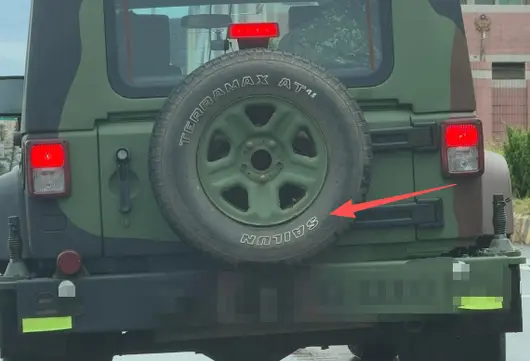
Recently, a photo of the spare tire at the rear of a Taiwan Army "light tactical wheeled vehicle" sparked heated discussion online. The photo shows the spare tire clearly printed with the word "SAILUN", which is a product of Sailun, a Chinese tire manufacturer headquartered in Qingdao, Shandong. According to Taiwan media reports, the Taiwan "Army Command" subsequently confirmed that these tires are indeed a mainland enterprise brand, purchased in 2020, and added that the actual delivery origin was Thailand and Vietnam, meeting acceptance standards. This unexpected "product promotion" incident not only debunked the so-called "non-red supply chain" advocated by the DPP authorities, but also unexpectedly served as a full-domain global live advertisement for Sailun Tires, sparking heated discussion among netizens on the island: "It indicates that tires made in mainland China have superior quality."

In fact, Sailun Tires' standout strength was no accident, but a microcosm of the strong rise of China's tire industry. Founded in 2002, Sailun has now developed into a tire manufacturing leader integrating new materials, new processes, and intelligent production. In terms of R&D, Sailun owns the globally unique "Liquid Gold" tire technology, not only breaking the "devil's triangle" law where tire wear resistance, anti-slip performance, and low rolling resistance cannot be balanced simultaneously, but also performing excellently in reducing energy consumption. Meanwhile, Sailun built the world's first rubber industrial internet platform "Xianglian Cloud", and independently developed the world's largest 63-inch giant engineering radial tire, highlighting its core strength in the tire intelligent manufacturing field.

In terms of global layout, Sailun has taken a route of "R&D + Distributed Tire Manufacturing". Currently, Sailun has intelligent manufacturing bases in Qingdao, Dongying, Shenyang, etc., domestically, and has invested tens of billions in advance in Vietnam, Cambodia, Indonesia, Mexico, Egypt, and other places. This global capacity layout not only effectively avoided international trade barriers, but also ensured the stability of the supply chain. This is also the underlying logic behind why the Taiwan Army's purchased Sailun tires were produced in Southeast Asia.
Market and brand recognition is the best footnote to Sailun's technical strength. In 2026, Sailun held the 10th position in global tire brand value again with a brand value of 1.239 billion US dollars, becoming the only Chinese brand in the top ten of the list, ranking first in China's tire brand value for four consecutive years. Over eight years, brand value grew 2.7 times, with growth rate leading the global top tire enterprises.

Sailun's rise relies on China's powerful tire industry full-chain cluster ecosystem. At the raw material end, China possesses the world's largest natural rubber distribution center, significantly compressing enterprise logistics costs; at the equipment end, domestic rubber intelligent equipment leading companies' internal mixing, shaping, vulcanization equipment global market share exceeds 40%, firmly grasping the autonomy of tire manufacturing equipment; at the research and development end, relying on top industry think tanks and national-level technology enterprise incubators, it has gathered 60% of tire manufacturing experts in the industry and a R&D team of over 4,000 people, providing a core engine for China's tire intelligent transformation.

The blunder incident of the Taiwan Army vehicle equipping Sailun tires, seemingly a piece of behind-the-scenes trivia, actually reflects China's tire manufacturing global competitiveness. The more exclusion, the wider the recognition. Chinese tire enterprises represented by Sailun are accelerating to the center of the world stage with solid technology, forward-looking global layout, and full industry chain advantages.

In the SUV market in Malaysia, many buyers compare the Mazda CX-8 and Volkswagen Tiguan when choosing a car. Both cars are quite similar in terms of price and positioning. Today, we will make a detailed comparison from multiple aspects to save you time on research.
The OTR price of the Mazda CX-8 in Malaysia is RM 165,360 - 201,360. There are a total of 5 versions, including the 2025 2.5T 4WD High Plus Petrol (RM 201,360), 2025 2.2L 2WD High Plus Diesel (RM 193,123), 2025 2.5L 2WD High Plus Petrol (RM 186,360), etc.
The OTR price of the Volkswagen Tiguan in Malaysia is RM 206,540 - 260,024. There are a total of 2 versions, including the 2025 Allspace 2.0T R-Line (RM 260,024), 2025 Allspace 1.4T Elegance (RM 206,540), etc.
From the price perspective, the starting price of the Mazda CX-8 is indeed RM 41,180 cheaper than the Volkswagen Tiguan. If you have a limited budget, Mazda's entry-level version can already meet daily needs. But do note, the few thousand less in price might involve compromises in features, which depends on your specific needs.

The Mazda CX-8 is equipped with a 2.0L 4-cyl engine, delivering 170 hp. Official fuel consumption is 8.0 L/100km.
The Volkswagen Tiguan is equipped with a 2.0L 4-cyl engine, delivering 170 hp. Official fuel consumption is 8.0 L/100km.
Both cars use the same powertrain, so the driving experience is basically the same. Fuel consumption is also similar, so there is no need to worry too much about this aspect.

The Mazda CX-8 has a body length of 4500 mm and a trunk capacity of 450 L.
The Volkswagen Tiguan has a body length of 4400 mm and a trunk capacity of 400 L.
Regarding space, the Mazda CX-8 is 100 mm longer than the Volkswagen Tiguan, giving slightly more spacious interior seating, especially in the rear legroom. If you frequently carry family members or need to put in a stroller, the larger body is indeed more practical.

The Mazda CX-8 adopts FWD drive mode.
The Volkswagen Tiguan adopts FWD drive mode.
Both cars have the same drive mode, both are FWD, so there will not be much difference in daily driving feel.

In general, both the Mazda CX-8 and Volkswagen Tiguan are excellent car models in the Malaysian market. Choosing which one depends mainly on your personal needs and budget. We recommend doing your research, comparing quotes from several car dealerships, and test driving before making the final decision. Buying a car is a major matter, taking time to research will never be wrong.


在马来西亚的汽车市场,很多买家在选车的时候都会拿 Toyota Corolla 和 Mazda Mazda 2 来做比较。今天我们从多个方面做一个详细的对比,帮你省下做功课的时间。

Toyota Corolla 在马来西亚的 OTR 售价是 RM 144,800 - 149,800,一共有 2 个版本,包括 2026 1.8L GR Sport(RM 149,800)、2026 1.8L G(RM 144,800) 等。
Mazda Mazda 2 在马来西亚的 OTR 售价是 RM 108,670 - 108,670,一共有 1 个版本,包括 1.5L SkyActiv-G(RM 108,670) 等。
从价钱来看,Mazda Mazda 2 的起步价比 Toyota Corolla 便宜了 RM 36,130。老实讲,在这个价位段,几千块的差距其实不算大,关键还是看整体的性价比和长期使用成本。

Toyota Corolla 的安全评级是 5★ (ASEAN NCAP),主动安全系统包括 TSS (PCS, LDA, ACC, LTA)。
Mazda Mazda 2 的安全评级是 5★ (ASEAN NCAP),主动安全系统包括 。
两款车的安全评级一样,在这个级别里面安全配备都算给得很齐全了。现在的新车安全性都不差,不用太担心这一点。

Toyota Corolla 车身长 4400 mm,后备箱 400 L。
Mazda Mazda 2 车身长 4400 mm,后备箱 400 L。
两款车的尺寸几乎一样,车内空间差别不大。这个级别的车,日常使用完全够用。
Toyota Corolla 保修 5年/无限制里程,保养间隔 每10,000km或6个月。
Mazda Mazda 2 保修 5年/150,000km,保养间隔 每10,000km或6个月。
总的来说,Toyota Corolla 和 Mazda Mazda 2 都是马来西亚市场很不错的车型。选择哪一辆,关键还是要看你的个人需求和预算。建议大家做好功课,多比较几间车行的报价,再去试驾做最终决定。买车是件大事,花点时间做功课绝对不会错。


在马来西亚的汽车市场,很多买家在选车的时候都会拿 Toyota Vios 和 Mazda Mazda 2 来做比较。今天我们从多个方面做一个详细的对比,帮你省下做功课的时间。

Toyota Vios 在马来西亚的 OTR 售价是 RM 90,600 - 109,900,一共有 4 个版本,包括 2026 1.5L G(RM 96,600)、2026 1.5L E(RM 90,600)、2026 HEV 1.5L GR Sport(RM 109,900) 等。
Mazda Mazda 2 在马来西亚的 OTR 售价是 RM 108,670 - 108,670,一共有 1 个版本,包括 1.5L SkyActiv-G(RM 108,670) 等。
从价钱来看,Toyota Vios 的起步价确实比 Mazda Mazda 2 便宜了 RM 18,070。如果你预算有限,Toyota 的入门版已经可以满足日常需求。但也要注意,便宜的那几千块,可能在配备上会有取舍,具体要看你的需求。

Toyota Vios 车身长 4450 mm,后备箱 470 L。
Mazda Mazda 2 车身长 4400 mm,后备箱 400 L。
空间方面,Toyota Vios 的车身比 Mazda Mazda 2 长了 50 mm,车内乘坐空间会稍微宽裕一些,尤其是后座腿部空间。如果你经常载家人或者需要放婴儿车,大一点的车身确实更实用。

Toyota Vios 保修 5年/无限制里程,保养间隔 每10,000km或6个月。
Mazda Mazda 2 保修 5年/150,000km,保养间隔 每10,000km或6个月。
Toyota Vios 和 Mazda Mazda 2 都是马来西亚市场的主流选择,适合家庭使用、日常通勤。如果你更看重品牌口碑和二手价,可以优先考虑口碑更好的那一款;如果你更在意性价比和配备,那就选配置更丰富的那款。最终还是建议两款都去试驾,亲身体验才是最重要的。
总的来说,Toyota Vios 和 Mazda Mazda 2 都是马来西亚市场很不错的车型。选择哪一辆,关键还是要看你的个人需求和预算。建议大家做好功课,多比较几间车行的报价,再去试驾做最终决定。买车是件大事,花点时间做功课绝对不会错。

在马来西亚的汽车市场,很多买家在选车的时候都会拿 Honda Civic 和 Toyota Corolla 来做比较。今天我们从多个方面做一个详细的对比,帮你省下做功课的时间。

Honda Civic 在马来西亚的 OTR 售价是 RM 133,900 - 167,900,一共有 5 个版本,包括 2025 e:HEV 2.0L RS(RM 167,900)、2025 1.5T RS(RM 149,900)、2025 1.5T V(RM 144,900) 等。
Toyota Corolla 在马来西亚的 OTR 售价是 RM 144,800 - 149,800,一共有 2 个版本,包括 2026 1.8L GR Sport(RM 149,800)、2026 1.8L G(RM 144,800) 等。
从价钱来看,Honda Civic 的起步价确实比 Toyota Corolla 便宜了 RM 10,900。如果你预算有限,Honda 的入门版已经可以满足日常需求。但也要注意,便宜的那几千块,可能在配备上会有取舍,具体要看你的需求。

Honda Civic 的安全评级是 5★ (ASEAN NCAP),主动安全系统包括 Honda SENSING (ACC, CMBS, LKAS, RDM)。
Toyota Corolla 的安全评级是 5★ (ASEAN NCAP),主动安全系统包括 TSS (PCS, LDA, ACC, LTA)。
两款车的安全评级一样,在这个级别里面安全配备都算给得很齐全了。现在的新车安全性都不差,不用太担心这一点。

Honda Civic 采用 FWD 驱动方式。
Toyota Corolla 采用 FWD 驱动方式。
两款车的驱动方式一样,都是 FWD,日常驾驶感受不会有太大区别。
Honda Civic 保修 5年/无限制里程,保养间隔 每10,000km或6个月。
Toyota Corolla 保修 5年/无限制里程,保养间隔 每10,000km或6个月。
两款车的保修条件一样,这方面不用纠结。实际保养成本还要看品牌的服务网络和零件价格,建议去车友群问问真实车主的经验。
总的来说,Honda Civic 和 Toyota Corolla 都是马来西亚市场很不错的车型。选择哪一辆,关键还是要看你的个人需求和预算。建议大家做好功课,多比较几间车行的报价,再去试驾做最终决定。买车是件大事,花点时间做功课绝对不会错。


在马来西亚的汽车市场,很多买家在选车的时候都会拿 Mazda CX-80 和 Volvo XC40 来做比较。今天我们从多个方面做一个详细的对比,帮你省下做功课的时间。


Mazda CX-80 在马来西亚的 OTR 售价是 RM 296,610 - 296,610,一共有 1 个版本,包括 2025 2.5L 65km High Plus(RM 296,610) 等。
Volvo XC40 在马来西亚的 OTR 售价是 RM 278,888 - 278,888,一共有 1 个版本,包括 2025 2.0T Plus(RM 278,888) 等。
从价钱来看,Volvo XC40 的起步价比 Mazda CX-80 便宜了 RM 17,722。老实讲,在这个价位段,几千块的差距其实不算大,关键还是看整体的性价比和长期使用成本。

Mazda CX-80 的安全评级是 5★ (ASEAN NCAP),主动安全系统包括 Brand ADAS。
Volvo XC40 的安全评级是 5★ (Euro NCAP),主动安全系统包括 Pilot Assist, City Safety (标准)。
安全配备方面,两款车都拿到了不错的评级。不过 Mazda CX-80 的 Brand ADAS 和 Volvo XC40 的 Pilot Assist, City Safety (标准) 在功能上有些差异,如果你比较看重主动安全的话,可以仔细对比一下两者的功能列表。

Mazda CX-80 车身长 4500 mm,后备箱 450 L。
Volvo XC40 车身长 4400 mm,后备箱 400 L。
空间方面,Mazda CX-80 的车身比 Volvo XC40 长了 100 mm,车内乘坐空间会稍微宽裕一些,尤其是后座腿部空间。如果你经常载家人或者需要放婴儿车,大一点的车身确实更实用。

Mazda CX-80 和 Volvo XC40 都是马来西亚市场的主流选择,适合家庭使用、日常通勤。如果你更看重品牌口碑和二手价,可以优先考虑口碑更好的那一款;如果你更在意性价比和配备,那就选配置更丰富的那款。最终还是建议两款都去试驾,亲身体验才是最重要的。
总的来说,Mazda CX-80 和 Volvo XC40 都是马来西亚市场很不错的车型。选择哪一辆,关键还是要看你的个人需求和预算。建议大家做好功课,多比较几间车行的报价,再去试驾做最终决定。买车是件大事,花点时间做功课绝对不会错。


在马来西亚的汽车市场,很多买家在选车的时候都会拿 Mazda CX-9 和 BMW X5 PHEV 来做比较。今天我们从多个方面做一个详细的对比,帮你省下做功课的时间。


Mazda CX-9 在马来西亚的 OTR 售价是 RM 328,810 - 345,810,一共有 2 个版本,包括 2023 2.5T 4WD(RM 345,810)、2023 2.5T 2WD(RM 328,810) 等。
BMW X5 PHEV 在马来西亚的 OTR 售价是 RM 486,800 - 494,800,一共有 2 个版本,包括 xDrive20i(RM 420,000)、xDrive30e(RM 480,000) 等。
从价钱来看,Mazda CX-9 的起步价确实比 BMW X5 PHEV 便宜了 RM 157,990。如果你预算有限,Mazda 的入门版已经可以满足日常需求。但也要注意,便宜的那几千块,可能在配备上会有取舍,具体要看你的需求。

Mazda CX-9 的安全评级是 5★ (ASEAN NCAP),主动安全系统包括 Brand ADAS。
BMW X5 PHEV 的安全评级是 5★ (Euro NCAP),主动安全系统包括 Premium ADAS。
安全配备方面,两款车都拿到了不错的评级。不过 Mazda CX-9 的 Brand ADAS 和 BMW X5 PHEV 的 Premium ADAS 在功能上有些差异,如果你比较看重主动安全的话,可以仔细对比一下两者的功能列表。

Mazda CX-9 采用 FWD 驱动方式。
BMW X5 PHEV 采用 4WD 驱动方式。
Mazda CX-9 的 FWD 和 BMW X5 PHEV 的 4WD 在操控上会有不同感受,建议试驾对比。

Mazda CX-9 保修 5年/150,000km,保养间隔 每10,000km或6个月。
BMW X5 PHEV 保修 5年/无限里程,保养间隔 每10,000km或6个月。

总的来说,Mazda CX-9 和 BMW X5 PHEV 都是马来西亚市场很不错的车型。选择哪一辆,关键还是要看你的个人需求和预算。建议大家做好功课,多比较几间车行的报价,再去试驾做最终决定。买车是件大事,花点时间做功课绝对不会错。

© 2024 Bitauto.com. All Rights Reserved.
Bitauto (www.yiche.com and www.bitauto.com) is one of the most visited automotive websites in China. We provide detailed info on Chinese car brands available in your area. Please note that the information provided on this website is based on publicly available data and is for reference only. It may not be fully updated or accurate at all times.

Help us improve our website


