

HomeToyota Hilux

Search History
Popular Searches
Dealer Login / Sign Up

Mengenai had kecekapan terma berkesan enjin pembakaran dalaman, "Enjin diesel kira-kira 55%, nisbah udara-bahan api teori enjin petrol kira-kira 45%, pembakaran langsir kira-kira 50%. Ini ditentukan oleh prinsip termodinamik, tidak boleh diubah oleh kehendak manusia."
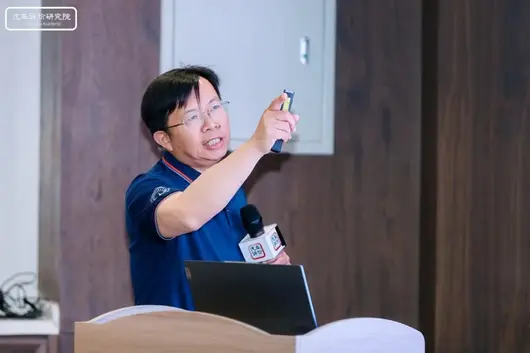
Pada 11 Jun, di "Seminaran Inovasi Berterusan Teknologi Kuasa Dunia 2026 dan Trend Pasaran" oleh Institut Penilaian Automotif, Profesor Shuai Shijin dari Institut Penyelidikan Enjin Penerbangan Universiti Tsinghua telah menetapkan batas fizikal perbahasan kecekapan terma enjin pembakaran dalaman dengan ayat ini. Beliau memberikan pertimbangan berdasarkan pemacu data dan analisis teknikal dari tiga dimensi: pasaran kereta bahan api global, had kecekapan terma enjin khusus hibrida, dan pelancaran keluaran kereta hibrida petrol-elektrik China (HEV).

Pertumbuhan Hibrida Global, China Telah Menempuh Laluan Teknologi Yang Unik
Berdasarkan statistik "Buku Putih Teknologi Kereta Bahan Api Baharu China" yang diterbitkan pada April 2026, jualan kereta global pada 2025 adalah 95.8 juta unit, meningkat 4.1% secara tahun ke tahun, di mana kereta bahan api (kereta bahan api tradisional + HEV) masih mewakili sehingga 76.6%. China, Amerika Utara dan Eropah adalah tiga pasaran utama kereta global, menyumbang 73.2% daripada kereta global dan 67.0% daripada kereta bahan api global. Saiz pasaran China adalah yang terbesar dan kadar pertumbuhannya jauh lebih tinggi daripada Amerika Utara dan Eropah, menjadi sokongan penting bagi pasaran kereta global.
Shuai Shijin menggambarkan tren pertumbuhan kereta hibrida global dengan satu set data: berbanding 2024, jualan 2025 untuk kereta bahan api tradisional (ICEV) turun 4%, manakala HEV meningkat 14%. Dalam 10 negara teratas jualan kereta bahan api 2025, China, Amerika Syarikat, India, Jerman, Kanada, United Kingdom, Perancis, Mexico adalah pasaran pertumbuhan HEV, di mana Kanada meningkat paling cepat melebihi 90%, Brazil mengekalkan jualan tetap, hanya Jepun turun 2%, tetapi nisbah HEV tertinggi (melebihi 45%).
Kereta HEV China telah menempuh laluan teknologi yang berbeza dari kereta hibrida Toyota. Pertama, perbezaan konfigurasi hibrida, Toyota menggunakan konfigurasi pembahagian kuasa dengan ganding mekanikal kuat gear planet, enjin dan motor boleh bertukar tanpa had, operasi lancar, manakala syarikat automotif China menggunakan konfigurasi hibrida campuran suis siri-selari (dominan P1+P3), enjin dan motor boleh didrive secara mekanikal berasingan, dengan pendorongan elektrik sebagai utama dan bahan api sebagai tambahan, lebih luas skenario penggunaan, lebih baik kesan penjimatan tenaga. Kedua, kapasiti bateri HEV Toyota, Honda adalah rendah, hanya 1 hingga 2 kWh, berfungsi sebagai penimbal tenaga. Syarikat automotif China dengan bantuan pengumpulan teknologi bertahun-tahun dalam kereta hibrida penyambungan (PHEV) dan kelebihan kos bateri ion litium, telah meningkatkan kapasiti bateri HEV ke tahap 5 kWh, dalam keadaan penggunaan tenaga seperti permulaan sejuk, pecutan lebih banyak menggunakan pendorongan elektrik, pada masa yang sama menyelesaikan masalah tenaga tinggi dan pelepasan tinggi enjin HEV tradisional yang kerap menyala dan mati serta masalah NVH (bising, getaran dan kekasaran bunyi getaran) yang dikaitkan dengan penyertaan enjin, dan kos bateri tambahan adalah terkawal. "Teknologi HEV China berasal dari PHEV, juga dipelajari dari Toyota, Honda, tetapi telah melebihi dari segi falsafah pembangunan dan peringkat teknologi."
Dari segi persekitaran dasar global, kereta hibrida petrol-elektrik (HEV) sedang menghadapi ruang pengawasan yang lebih mesra. Kepentingan pengawalan Eropah telah beralih daripada sekadar memampatkan ruang enjin pembakaran dalaman kepada memberikan tempoh peralihan hibrida — daripada pencapaian matlamat tahunan kepada pencapaian purata tiga tahun, memasukkan HEV ke dalam sistem karbon rendah. Amerika Syarikat mengkalibrasi semula piawaian CAFE (kecekapan bahan api purata syarikat), memberi ruang lebih besar untuk HEV. Jepun juga meningkatkan nisbah bahan api boleh diperbaharui, dari tahun 2030 bekalan petrol mengandungi 10% bioetanol, dari tahun 2040 meningkat ke 20%. Hibrida petrol-elektrik telah menjadi tumpuan pembangunan pelbagai negara.
Shuai Shijin menganggar, HEV bateri kapasiti besar (kira-kira 5 unit tenaga) akan bergerak dari dalam negara ke global, membawa impak besar terhadap struktur nisbah HEV global. "HEV China telah menempuh laluan teknologi yang unik, mempunyai masa depan yang sangat baik untuk pasaran kereta global."
Laluan Kecekapan Terma Berkesan Enjin Petrol Melangkaui 50% Telah Dijangka
Sebagai pakar berpengalaman di bidang enjin, Shuai Shijin memberikan had termodinamik kecekapan terma berkesan enjin pembakaran dalaman.
Kecekapan berkesan enjin pembakaran dalaman sama dengan kecekapan pembakaran kali kecekapan terma kitaran kali kecekapan mekanikal. Kecekapan pembakaran enjin petrol moden hampir 100%, kecekapan mekanikal kira-kira 90%, ruang peningkatan kedua-dua jenis kecekapan ini adalah terhad. Yang benar-benar menentukan had kecekapan terma berkesan adalah kecekapan terma kitaran. Kitaran ideal enjin pembakaran dalaman bukan kitaran Carnot, tetapi kitaran isipadu tetap, dua parameter termodinamik terpusat yang mempengaruhi kecekapan terma kitaran isipadu tetap adalah nisbah mampatan dan nisbah keupayaan haba. Apabila nisbah mampatan menjadi besar sehingga tahap tertentu (seperti 17), peningkatan kecekapan terma menjadi perlahan, pulangan marjinal berkurang, kecekapan teori kitaran isipadu tetap enjin pembakaran dalaman adalah kira-kira 60%~70%, tetapi enjin pembakaran dalaman sukar mencapai kitaran isipadu tetap, medium kerja bukan udara ideal, nisbah keupayaan haba medium sebenar jauh kurang daripada 1.40.
Kecekapan terma berkesan enjin petrol khusus hibrida semasa jauh melebihi 40%, nisbah udara-bahan api teori boleh mendekati 45%, pendekatan 50% untuk pembakaran langsir adalah boleh dilakukan. Berbanding peningkatan kecekapan terma berkesan 15 peratus poin enjin petrol tradisional, pemacu teras datang dari hibrida khusus — tidak mengejar tenaga maksimum (ada bantuan motor), beralih mengejar kecekapan ekonomi maksimum, lebih banyak teknologi efisien seperti pembakaran langsir, kitaran Miller, nisbah gulingan tinggi, nisbah mampatan tinggi, kadar EGR tinggi, pencetap tenaga tinggi, penambah berkesan dan kerugian pam udara rendah, geseran rendah dan teknologi lain telah digunakan. Laluan teknologi melebihi 50% kecekapan terma berkesan telah jelas, telah dilalui dalam makmal, tetapi sama ada teknologi ini akan digunakan sepenuhnya pada enjin sebenar, perlu dipertimbangkan secara menyeluruh, seimbangkan kos, tenaga, ekonomi dan pelepasan."
Shuai Shijin turut menunjuk, enjin hibrida khusus perlu mempunyai kecekapan terma yang tinggi, dan juga mempunyai kawasan efisien yang luas, dengan demikian boleh memudahkan sistem pemindahan, dari segi struktur tidak memerlukan pembolehubah berbilang gear untuk penyesuaian.
Syarikat Automotif China Perlu Berkumpul Keluar, Bahan Api Neutralisasi Karbon adalah Sokongan Jangka Panjang Enjin
Shuai Shijin memberikan pertimbangan berbeza daripada perspektif teknikal terhadap topik keluaran — persekitaran dasar dan ekosistem industri adalah sama pentingnya.
Dalam beberapa tahun kebelakangan ini, proteksionisme perdagangan terhadap industri automotif oleh ekonomi utama global jelas semakin meningkat, menunjukkan trend peningkatan berperingkat dan berterusan, halangan perdagangan telah berkembang dari satu alat tarif kepada gabungan kompleks tarif dan langkah bukan tarif. Ketegasan dasar yang digerakkan oleh perundingan geopolitik ini sedang membentuk semula logik asas perdagangan automotif global dari asas. Pada aras negara perlu menguruskan hubungan diplomatik global terutamanya kuasa besar dengan baik, secara aktif mewujudkan persekitaran perdagangan antarabangsa yang lebih baik dan lebih adil dan munasabah, supaya konsep komuniti berkongsi nasib yang dipelopori China menerima pengakuan global.
Beliau secara khas menyeru industri automotif untuk melihat secara jujur sumbangan jenama kongsi kepada industri automotif China. "Untuk kereta jenama kongsi, beri mereka dasar dan ruang hidup yang lebih mesra. Syarikat automotif China perlu keluar untuk mendapat pengiktirafan pelanggan luar negara, menguruskan peningkatan kerjasama jenama kongsi domestik, juga merupakan pelajaran wajib." Beliau menggunakan Thailand sebagai contoh untuk menerangkan model betul industri automotif berkumpul keluar: bukan satu orang bertarung sendirian, tetapi perancangan pasukan syarikat automotif China, tempatanisasi keseluruhan rantaian, inilah model yang diterima oleh pasaran luar negara.
Dari segi data, kereta bahan api China termasuk HEV adalah titik pertumbuhan baharu untuk eksport. Dari taburan kawasan eksport HEV China 2025 dan kadar pertumbuhan tahun ke tahun, kecuali Jepun dan Korea, Amerika Selatan, Afrika, Asia Tenggara dan Amerika Tengah, dll. kawasan pertumbuhan sangat jelas, Eropah, Timur Tengah, Amerika Utara dan CIS juga meningkat. "Dari eksport produk tunggal ke eksport kolaborasi rantaian industri, adalah soalan wajib yang perlu diselesaikan oleh syarikat automotif China."
Beliau turut menunjuk, bahan api neutralisasi karbon adalah sokongan kritikal untuk kehadiran jangka panjang enjin hibrida khusus. Enjin jika ditambah bahan api neutralisasi karbon atau bahan api sifar karbon — membakar hidrogen, metanol, etanol dan bahan api fleksibel lain — mempunyai kepentingan penting terhadap strategi kelestarian tenaga kuasa HEV, juga merupakan perancangan penting China dalam strategi pelbagai tenaga automotif.

Dari had termodinamik kecekapan terma enjin ke data pertumbuhan kereta hibrida petrol-elektrik global (HEV), dari terobosan teknologi HEV bateri kapasiti besar ke pemikiran strategik industri berkumpul keluar, titik utama Shuai Shijin melalui satu logik: enjin tidak akan hilang, tetapi akan berkembang dengan bentuk baharu — enjin hibrida khusus efisien, bahan api neutralisasi karbon — berkembang berterusan. HEV China telah menempuh laluan unik dari belajar untuk melebihi, kunci langkah seterusnya adalah kolaborasi rantaian industri automotif China keluar.

In May, China's new energy vehicle penetration rate hit a new high again, reaching 62.9%. In early June, the single-week rate even broke 70%. BYD exerted efforts in both technology and products. In May, the brand alone secured 330,000 sales, leading by a landslide. From January to May, BYD brand cumulative sales reached 1.208 million units, still firmly holding the top spot. Not just the brand, according to automotive group classification, BYD remains first, still leading by a landslide. Perhaps we are accustomed to BYD topping the charts, yet most people fail to combine these two facts. 1.208 million units is just the tip of the iceberg; more terrifying giants are actually beneath the surface.


In the past, BYD had also lost the single-month sales championship, such as during the off-season of January and February. At that time, no matter which brand surged up, it was only temporary. More importantly, the brand that surged up did not play an obvious driving role. BYD is different; during its surge, it drives the rise of new energy penetration rates. Previously, when Qin Plus DM-i emerged, it was like this. New energy penetration rose from less than 30% at that time to over 50%.
In the first half of this year, especially after the flash charging technology was released on March 5th, BYD welcomed another explosion. On the surface, it's a monthly sales figure of over 300,000, but what is truly terrifying are those unfulfilled orders. The second-generation Blade Battery is too in demand, so Denza and Fang Cheng Bao are both fighting the Dynasty and Ocean Networks for batteries. Even though the FinDreams factory has already been working overtime, the delivery speed still can't keep up with the order growth rate.

More noteworthy is that this wave of BYD's sales surge did not rely on price wars. I analyze two main reasons: First is flash charging technology, fully charged in 5 minutes, fully powered in 9 minutes, even at -30 degrees, it takes only 3 minutes more. It solves not only the pain point of slow charging, but also due to the popularity of flash charging piles, it directly widens the core gap with other brand electric vehicles. For pure electric models, your usage experience and my usage experience are completely different. The quantitative change in charging speed has developed into a qualitative change in experience. So many consumers would rather wait than choose models without flash charging. This is a technology war, a value war!

Even more ruthless is the ADAS safety net strategy. After the strategy release, the selection of God's Eye B increased, and usage volume surged even more. More importantly, the safety net strategy replaced promotion with action. Who has better ADAS, don't look at what is said, look at what the car companies do! I dare to guarantee smart parking, dare to guarantee urban navigation pilot! This is not just technical confidence, bringing us one step closer to L3, but also a rectification of marketing in the automotive industry. You claim you're in the first tier, you claim you are far ahead. Come on, I'm covering the risk, will you follow? Consumers are not fools. What you say is flowery, it is not as good as BYD's actual actions. This is a cognition war, a service war!

BYD calls itself a leader in new energy vehicles, not just talk. It is indeed pulling the industry forward, and also leads by example, guiding industry progress. After BYD launched DM-i, everyone followed up with plug-in hybrids, which is indeed keeping up, and also took away a lot of low-price market occupied by BYD. Now BYD has accelerated again. Flash charging technology is a large technical threshold. From PPT to implementation on vehicles, it takes considerable time. Plus flash charging piles are already all over the country, making it harder for followers to catch up.
And ADAS guarantee is a clear strategy, testing not only peers' technical level but also overall vehicle integration capability and service quality. If technology isn't good, you can make two pages of PPT to confuse consumer cognition, but promises are written in black on white, not just talk. And until now, no one dares to follow up solidly.

Currently, BYD's growth engine has started. Not only are domestic orders surging, overseas is also full of good news. In May, BYD passenger cars and pickups overseas sales hit a new high, year-on-year increase exceeded 80%, Jan-May cumulative exports exceeded 610,000 units. From Seagull, Yuan PLUS such civilian models, to SHARK pickup, to Denza high-end product line, BYD's full category models are continuously selling well in the global market. In dozens of countries such as Thailand, Brazil, Italy, BYD has firmly held the top spot in new energy sales, brand recognition and market share rising in sync.
Many people don't know, BYD's pricing overseas is far higher than domestic: Yuan PLUS price in UK is comparable to BMW 3 Series, Denza Z9GT pricing in Europe benchmarks Porsche Taycan.

Even more worth looking forward to, this is far from BYD's full strength. In the second half of the year, BYD will welcome a new round of product year: Dynasty Network's Da Tang, Da Han will welcome flagship updates, Ocean Network's Seal 08, Sea Lion 08 will complete mainstream market product line, Denza Z Hypercar will land Goodwood for global premiere, Fang Cheng Bao S series will also launch in Q3 to challenge the performance market. These models will all be equipped with second-generation Blade Battery and God's Eye ADAS system, and the speed of technology downgrading is still accelerating.
BYD's speed is "Chinese Speed", it is setting standards for the industry with its own actions. All competitors have no other choice, either keep up or get eliminated. With a big boss like BYD here, the elimination round is about to start.

2026 年 5 月,中國車市交出一份相當分裂嘅成績單。整體乘用車零售同比下滑 22.1%,燃油車更係暴跌 39%。然而就喺呢片「跌」聲中,比亞迪單月銷量 38.3 萬輛,1-5 月累計 140.5 萬輛,穩坐中國汽車品牌同新能源銷量雙榜首。
呢個數字本身並唔意外——畢竟比亞迪已經連續 60 個月居於國內新能源榜首。真正值得追問嘅係:喺一個整體下行、政策紅利消退嘅市場入面,憑乜嘢仲係佢?
銷量數字背後,藏住兩個被低估嘅結構性變化
第一個變化:市場邏輯變咗。車市競爭早已唔係「邊個補貼多邊個賣得好」嘅粗放遊戲。2026 年 1 月起新能源購置稅從全免改為減半徵收,政策紅利退潮。消費者開始真正關注補能效率、智能化體驗、產品可靠性同品牌長期服務能力。換句話話,價格戰嘅邊際效應正喺遞減,技術戰同體驗戰先至開始。
比亞迪 1-5 月總銷量 140.5 萬輛,同比下滑 20.32%——呢個「下滑」需要放喺特定語境度去理解:去年同期嘅銷量係建立在購置稅全免嘅透支性需求之上。剔除呢個一次性因素,比亞迪嘅「真實需求」底盤並冇鬆動。5 月單月銷量環比增長 19.4%,同比已經轉正,說明市場正喺回歸常態軌道。
第二個變化:增長引擎喺切換。5 月比亞迪海外銷量 16.06 萬輛,同比增長 80.4%,海外銷量佔比已經達 41.9%。1-5 月海外累計 61.69 萬輛,同比增長 64.9%。國內銷量同比下滑 24.1%嘅同時,海外以 80% 以上嘅增速喺填補缺口。比亞迪正從一個「中國新能源車企」變咗成「全球新能源車企」——呢個轉變,遠比月度銷量嘅漲跌更重要。

閃充:解決係焦慮,改變係格局
技術層面,最值得關注嘅唔係嗰啲炫目嘅參數,而係比亞迪解決咗一個電動車最致命嘅體驗痛點。
第二代刀片電池,常溫下 10% 充至 70% 只需 5 分鐘,10% 充至 97% 只需 9 分鐘。零下 30℃環境下,從 20% 充到 97% 只同常溫差多 3 分鐘。呢啲唔係參數嘅堆砌,而係對「充電慢」同「低溫充電難」呢兩個電動化世界性難題嘅系統性攻克。
更關鍵係落地速度。截至 2026 年 5 月,比亞迪已經建成超 6100 座閃充站,目標係年底達到 20000 座。搭載閃充技術嘅第三代元 PLUS、方程豹豹 5/豹 8 閃充版、騰勢 N9 閃充版等車型已經密集上市。中信證券預測,第二代閃充車型下半年有望月增交付 2-3 萬輛,佔全年銷量約 30%。
呢套組合拳嘅邏輯好清晰:用技術解決用戶嘅真實焦慮,用基建打消用戶嘅補能顧慮,再用產品矩陣將技術紅利轉化為銷量。佢唔係同對手比邊個減價多,而係喺重新定義「電動車應該有嘅樣子」。

智駕:315 萬輛車嘅「數據飛輪」
智能化嘅競爭,本質上係數據嘅競爭。
截至 5 月 28 日,比亞迪輔助駕駛車型保有量超過 315 萬輛,「天神之眼」每日生成數據超過 2 億公里。呢兩個數字意味著乜嘢?意味著比亞迪擁有中國車企入面最大嘅真實路況數據池。數據越多,演算法迭代越快;演算法越好,用戶體驗越優;體驗越好,更多人願意用——呢樣係典型嘅「數據飛輪」。
5 月 28 日,比亞迪召開智能化戰略發布會,宣布全系車型可搭載「天神之眼 B」輔助駕駛激光版,選裝價 12000 元。更關鍵係,比亞迪率先承諾為城市領航安全兜底一年。呢個動作嘅潛台詞係:我唔止係畀你「敢用」,仲為妳嘅安全「兜底」。喺智駕事故頻發、用戶心存顧慮嘅當下,呢樣嘢比任何技術參數都更能打消消費者嘅戒備。
出海:從「賣出去」到「紮落去」
海外銷量破 16 萬輛,同比增長 80.7%——呢個數字嘅含金量唔喺「多」,而喺「點做到嘅」。
比亞迪嘅出海早已唔係簡單嘅產品出口。巴西工廠由福特舊廠改造,2025 年已經下线首車;泰國工廠 2024 年投产,年產能 15 萬輛;匈牙利工廠兼歐洲總部。印尼、烏茲別克斯坦等地都有喺度布局。呢唔係「賣車」,係「建體系」。
產品策略上,比亞迪採取「一地一策」:東南亞推海鷗,中東推豹 5,歐洲推宋 PLUS EV。SHARK 皮卡連續兩個月銷量突破 4000 輛。呢種精準匹配區域需求嘅能力,背後係供應鏈、製造、渠道三位一體嘅全球化運營能力。
當然,風險同樣存在。歐盟加徵關稅、部分國家設置本地化生產門檻、海外售後服務體系嘅搭建成本,都係實實在在嘅挑戰。但比亞迪嘅選擇好清晰:與其被動應對貿易壁壘,不如主動本地化。收購現成工廠、同當地合作建廠,本質上係「以時間換空間」嘅戰略抉擇。

根據官方數據,2026 年 5 月,深藍汽車全球銷量為 33,243 輛,同比增長 30%,連續 3 個月穩定喺「月銷 3 萬 +」俱樂部。1 至 5 月累計銷量 130,531 輛,同比增長 15%,全球累計交付量已突破 85 萬輛。
就喺幾個月前,深藍仲被銷量下滑、利潤虧損嘅陰雲籠罩,甚至被質疑能否喺「內捲」加劇嘅市場中活落嚟。從被唱衰到連續月銷破 3 萬,深藍到底靠乜嘢完成咗這次逆襲?
站喺懸崖邊嘅「3 萬俱樂部」
就喺幾個月前,深藍仲係被唱衰聲包圍嘅典型範本。
2026 年一季度,深藍銷量同比下滑超 17%,前兩個月交付持續承壓,1 月交付量環比下降,2 月甚至未直接公佈全系銷量。
橫向對比更顯尷尬——同期理想、蔚來、問界均保持正增長,就連長安體系內嘅兄弟品牌啟源都喺 2 月交出 1.83 萬輛、環比大漲 96.3% 嘅成績單,深藍嘅「掉隊」顯得格外刺眼。
比銷量更棘手嘅係盈利困境。2025 年深藍汽車全年虧損 8.99 億元,近四年累計虧損逾 80 億元;阿維塔同期淨虧損約 29.5 億元,2022 年至 2025 年上半年累計虧損已超 113 億元。
兩大「吞金獸」拖累母公司長安汽車呈現「增收不增利」——2025 年營收同比微增,歸母淨利潤卻同比下滑 44.34%;2026 年一季度淨利潤更係同比驟降 74.09%。
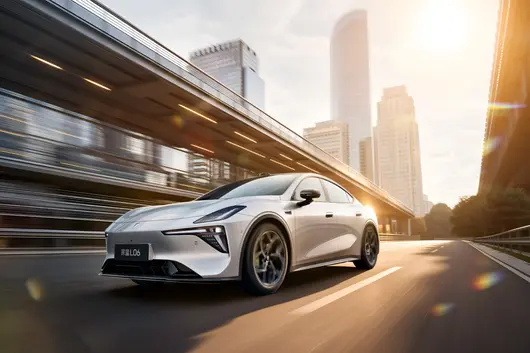
更令人擔心嘅係品牌內耗。深藍與啟源喺 11 萬至 15 萬元價格區間形成直接競爭,兩者同源長安 EPA 技術平台,啟源 A06 與深藍 L06 上市僅差 8 日,起售價卻低咗近 3 萬元。

圖片來源:深藍
長安嘅算盤係透過差異化定位實現市場全覆蓋,啟源主打家庭用戶,以高性價比嘅 800V 快充切入;深藍瞄準年輕消費群體,強調運動化設計同無框車門等個性元素。但市場反應並唔買賬:消費者眼中,同一口鍋入面加咗唔同調味料嘅「兩種麵」,好難被當作唔同嘅菜系。
長安董事長朱華榮嘅比喻——「豌豆麵同雜醬麵唔排斥」,喺殘酷嘅銷量數據面前顯得理想化。當行業價格戰已將整個汽車行業嘅利潤率拉低至 3.2%,任何一個子品牌嘅資源錯配或同室操戈,都可能成為壓垮集團嘅最後一根稻草。深藍正站喺這樣嘅懸崖邊上。
逆風翻盤靠乜嘢
轉折出現喺 2026 年 3 月。深藍以 31,742 輛、環比大漲 87.8% 嘅成績迅速逆轉局面,此後兩個月連續守住 3 萬 + 門檻。這一反攻主要由三個變數驅動。
最核心嘅變數係深藍 S05。這款緊湊型 SUV 喺價格與配置之間搵到咗精准嘅平衡點。620km CLTC 續航、全系標配 3C 超充、搭配寧德時代電芯,同時以 2880mm 嘅長軸距實現咗接近中型 SUV 嘅乘坐空間,純電版仲具備 159L 同級領先嘅前備箱。

圖片來源:深藍
喺 10 萬至 15 萬元呢個神仙打架嘅核心戰場,S05 以無邊框車門嘅高顏值設計吸引年輕用戶,4 月全球銷量 17,269 輛,同比增長 96.1%,上市以來月均銷量破萬,累計銷量超 20 萬輛。
對於一個「賣一輛虧一輛」嘅行業來說,一款真正被市場買單嘅走量產品,至少意味著虧損逐步收窄,深藍 2025 年同比減虧超過 50%,S05 嘅規模化貢獻無疑問係關鍵因素。
智能化係深藍拿到手嘅第二張牌。2026 年 6 月 13 日,全新深藍 S07 增程版上市,售價 15.99 萬元起,搭載華為乾崑智駕 ADS Pro,首次將高級智駕下放俾呢個價位段。
呢套系統覆蓋城區同高速全場景 NOA,配備 27 個傳感器感知方案,百公里饋電油耗低至 3.8L,CLTC 純電續航最高達 300 公里。
深藍嘅選擇好清晰:喺智能輔助駕駛已成購車決策真實變數嘅市場入面,直接用華為二字嘅信任背書打穿用戶心智。憑藉搭載華為激光雷達嘅版本持續走俏,深藍 S07 自上市以來累計銷量已超 30 萬輛。

圖片來源:深藍
第三條途徑係渠道與出海嘅雙重突圍。4 月,深藍同京東達成戰略合作,深藍 L06 增程版成為京東獨家銷售嘅「國民好車 2.0」。用戶喺京東 APP 可一鍵完成睇車、預約、下單、支付全流程,享受 120 分鐘上門深度試駕服務,借助京東數億用戶流量同成熟電商體系,快速拓寬品牌觸達範圍,降低獲客成本。
深藍 L06 增程版純電續航 245km、綜合續航 1505km,喺京東獨家銷售後迅速起量,4 月單月訂單突破 10,000 輛,實際銷量 5,189 輛,連續兩個月穩定喺 5,000 輛以上。
海外市場則提供咗更大嘅想像空間。1 至 5 月深藍海外累計銷量 28,704 輛,同比增長 167%。核心車款深藍 S05 喺歐洲售價 3.899 萬至 4.499 萬歐元,進入歐洲、東南亞等 66 個國家同地區,右舵版已開始喺泰國羅勇工廠投產,仲被引入巴基斯坦作為首款本土組裝嘅增程式電動 SUV。喺多個海外市場,深藍嘅銷量穩居前例,成為品牌嘅長期增長動力。
相比年初嘅焦慮局面,如今嘅深藍已喺「3 萬 +」俱樂部站穩腳跟。不過,真正嘅考驗先至開始——點樣擺脫「賣得多虧得少但仍喺虧」嘅窘境,點樣喺長安體系內與阿維塔嘅整合中各自揀準定位,都需要喺下一個增長階段畀出答案。用產品說話,用銷量回應質疑,深藍只係行完第一步。

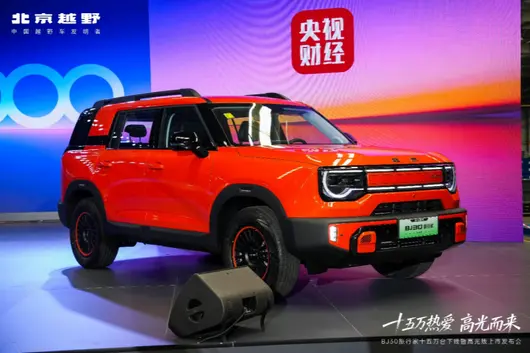
当下的SUV市场,正在经历一场深刻的消费变革。曾经两极分化的“城市通勤SUV”与“硬核越野SUV”格局被彻底打破,轻越野赛道凭借场景多元、性价比突出、适配家用的优势,成为车市增速最快的蓝海细分市场。用户不再满足于千篇一律的城市代步车型,既想要城市通勤的省油舒适,也想要周末奔赴山野的自由底气,轻越野平权时代已然全面来临。

在此行业风口之下,谁能打破性能、油耗、价格的不可能三角,谁就能抢占市场话语权。6月12日,北京BJ30旅行家十五万台下线暨高光版上市发布会在北汽株洲超级工厂盛大启幕。作为中国轻越野SUV最快突破15万台销量的爆款车型,BJ30旅行家再度刷新行业速度纪录。全新高光版车型正式上市,超级置换价8.29万元起,同时全系解锁3万元超大置换政策,入门超级置换价低至6.99万元,以击穿行业底价的诚意、经得起央视拆解实测的硬核品质,重新定义7-10万级轻越野价值天花板,真正实现“全民越野平权”。

近两年国内轻越野市场持续爆发,2025年越野SUV整体市场占比已达9%,其中轻越野车型凭借亲民定位、多元场景适配性,拿下近70%的越野细分市场份额,成为自主品牌突围的核心赛道。但赛道高速扩容的同时,行业乱象也随之显现:多数车型停留在“方盒子造型堆砌”的表面内卷,要么油耗偏高、代步成本高昂,要么四驱性能缩水、徒有越野外观,要么品控堪忧、长期使用故障率高,难以兼顾家用实用与越野性能。
消费者的需求早已迭代,用户不再为“颜值噱头”买单,而是追求真性能、低能耗、高耐久、全场景的硬核产品力。在这样的行业背景下,北京越野凭借六十余年专业越野积淀,跳出同质化竞争,以技术普惠打破行业壁垒。BJ30旅行家15万台的销量里程碑,绝非简单的市场数据,而是十五万用户用真金白银投票,对“中国智造轻越野”品质的最高认可,也印证了高耐久、低能耗、全场景轻越野才是市场真正的主流需求。
15万用户铸就品质丰碑:三大硬核实力,打破轻越野固有短板十五万台销量的背后,是BJ30旅行家“超野、超大、超省”三大核心实力的绝对支撑,彻底解决了传统越野SUV费油、空间小、通过性弱的行业痛点,实现城市通勤与山野越野的双向兼顾。

超野性能,平民也能拥有专业四驱。不同于同级多数车型的伪四驱、适时四驱,BJ30旅行家搭载行业领先的三擎四驱六模HEV混动架构,作为中国方盒子SUV首款HEV混动车型,硬件配置直接拉满。41%高热效率混动专用发动机、前后双驱动电机协同发力,兼顾长距离节能与瞬时动力爆发;30毫秒极速响应智能四驱,0.5秒即可爆发峰值扭矩,搭配能量中锁、四轮电子限滑与智电ATS全地形控制系统,泥地、沙地、陡坡等复杂路况轻松征服,越野底气远超同级。

超大空间,七座布局解锁全家出行自由。依托2820mm超长轴距与66%超高得房率,新车打造越级三排七座空间,1.8米成年人乘坐第三排依旧宽敞舒适。1496L超大后备箱搭配纯平放倒1.92米大床,外加全车38处精细化储物空间,完美适配家庭出游、长途自驾、户外露营等全场景需求,彻底告别紧凑型SUV的局促感,让每一位乘客都能舒适出行。
超省能耗,全球实测认证省油标杆。油耗是家用用户的核心痛点,BJ30旅行家凭借成熟混动技术,实现全球同级领先的节能表现。南非、印尼、阿联酋、波兰、墨西哥五国汽车博主联合实测,新车百公里油耗稳定控制在5L以内,一箱油续航超1000公里,彻底告别里程焦虑与充电困扰,加油即走、省时省心。同时首任车主享整车终身质保,无高压电池包安全隐患,维保成本更低,长期用车性价比拉满。

依托十五万用户口碑积淀,北京越野精准洞察用户升级需求,正式推出BJ30旅行家高光版,在原有硬核产品力基础上,实现颜值、性能、体验全方位进阶,打造无短板国民轻越野SUV,超级置换价仅8.29万元起。
颜值高光:方盒子硬朗气质,兼顾精致潮流。新车延续经典硬派方盒子造型,搭配独有的五阙星环贯穿灯组,辨识度拉满。专属电感潮改套件、星环轮毂、同色运动保险杠加持,运动感与洒脱感十足;全新橙色内饰搭配金属纹理饰板,质感全面升级,既满足年轻人的个性审美,也契合家庭用户的沉稳品味,全年龄段审美通吃。
性能高光:硬件全面升级,动力响应更迅猛。针对用户高速超车、路口起步、紧急避让的场景需求,高光版完成核心硬件升级。换装三倍寿命高性能AGM专用电瓶,耐用性大幅提升;搭载保时捷同款涡轮增压技术,充电效率高达99%;后电机功率从55kW提升至70kW,动力输出更充沛、响应更及时,日常通勤平顺省油,高速超车底气十足。
体验高光:打造移动舒适会客厅,家用体验拉满。新车依托高车身设计带来开阔视野,配备座椅加热、通风、方向盘加热全舒享配置,四季出行皆舒适。搭载智能感应自动关窗、64色律动氛围灯等细节配置,兼顾实用性与仪式感,既能承载奔赴山海的热爱,也能满足日常通勤的精致舒适。

真正的品质,无惧严苛拆解检验。为直观展现车辆耐久品质,本次发布会携手央视财经,对一台行驶15万公里的BJ30旅行家进行全网直播拆解。15万公里,相当于普通家庭近十年的用车里程,是检验车辆长期品质的最佳标准。
拆解结果惊艳全网:发动机涡轮积碳极少,动力输出依旧巅峰状态;变速箱无漏油、齿轮无磨损,工况稳定优异;电池包无鼓包、漏液、衰减等问题,无老化故障隐患;副车架、悬挂摆臂无锈蚀、渗油情况,底盘规整度、平整度近乎新车。整场拆解直播,用最真实的车况证明,BJ30旅行家用料扎实、工艺靠谱、耐久出众,长期用车安全省心、维保成本极低。
同时镜头深入北汽株洲超级工厂,揭秘品质背后的硬核支撑。全自动化机器人焊接、发丝级精密涂胶、五千吨巨型设备一体冲压成型、全自动环保喷涂,多道高精度工序筑牢车身品质,层层严苛品控把关,从源头保障每一台下线车辆的卓越品质,诠释中国智造的硬核实力。

为回馈十五万用户的信赖与热爱,北京越野推出史上诚意政策,全力推进越野平权,让普通家庭也能轻松拥有专业轻越野SUV。

全系车型重磅解锁3万元超级置换政策,置换、新购用户均可享受,入门超级置换价低至6.99万元,创下同级价格新低。在此基础上,限时叠加五重尊享礼遇:
1、质保礼:赠送价值6000元整车终身质保(首任非营运车主);
2、金融礼:0首付等多元金融方案,降低购车压力;
3、呼朋礼:老客户转介绍成交,至高可获800元京东卡;
4、升级礼:全系终身OTA免费升级,常用常新;
5、流量礼:基础流量终身免费,2年不限量娱乐流量。

不仅如此,恰逢世界杯赛事节点,品牌限时开启“燃情世界杯,高光赢大奖”活动,到店购车即可参与赛事竞猜,精准命中冠军与决赛比分,可叠加畅享5万元购车补贴,福利力度拉满。

从15万台销量快速落地,到高光版车型重磅迭代,再到击穿底价的购车政策,北京BJ30旅行家始终以用户需求为核心,打破高端越野的价格壁垒、同质化产品的内卷困局。六十余年越野技术沉淀、央视权威品质鉴证、全球实测省油实力、超大空间全能场景,让这台车做到了“可城可野、省油耐用、亲民普惠”。

在新能源与轻量化越野的行业浪潮下,北京越野以技术普惠、品质坚守、诚意定价,重新定义10万级轻越野SUV的价值标准。未来,BJ30旅行家将继续陪伴千万家庭,解锁城市通勤的舒适与山野奔赴的自由,让每一份热爱都有处可栖,让每一次出行皆为高光时刻。



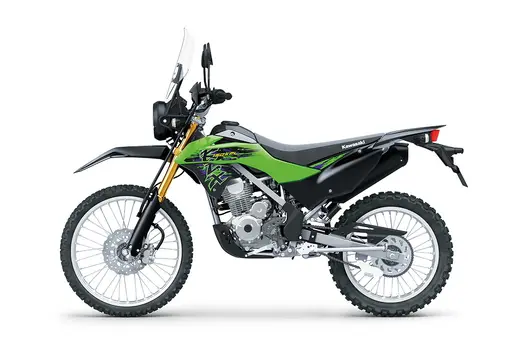
Kawasaki Indonesia brings another surprise to global off-road and adventure riders, officially launching the all-new variant of the 2027 model, the "KLX150 XPL". This bike completely subverts the past stereotypical impression of the KLX family as hardcore, sharp, and ready for competition, instead wearing the "Dakar Rally" outfit of a wanderer.
The original factory slogan is "Rugged dual-purpose bike born for exploration", directly transforming the originally pure lightweight trail bike into a "Mini Adventure" bike full of retro sentiment yet highly functional.

Key Points Summary
Major Exterior Transformation: Equipped with LED retro round lights and large long-distance windshields, creating an adventure look like a Dakar rally car.
Carburetor Glory Continues: Equipped with an extremely reliable 144cc air-cooled single-cylinder engine, and extremely rarely retains the Keihin NCV24 carburetor and electric/kick dual-start modes.
Pure Off-road Chassis: Uses professional full-size steel rims front 21-inch, rear 18-inch, paired with 35mm inverted front forks, ground clearance up to 295mm.
Lightweight and Affordable: Curb weight is only an extremely light 121kg.
Dakar Rally Spirit! LED retro round lights and large windshields build a new exterior
Amidst a wave of new retro adventure trends in the motorcycle world, Kawasaki Indonesia hit the fans' aesthetic points precisely this time. The most eye-catching part of this bike is definitely the redesigned front face. The sharp beak or small windshields that used to be standard for off-road bikes are gone, replaced by a round LED headlight emitting a retro tech feel, and above it is directly locked a large plastic wind deflector with strong visual impact that effectively reduces wind pressure during long-distance riding.

The "XPL" in the bike name is undoubtedly the abbreviation for "Explorer", paired with plastic handlebar guards, engine underguards, and frame skid plates inherited from the KLX150 SE high-end version. The whole vehicle transforms from a wild child originally ready to play in mud to a professional explorer ready to cross the desert.


12 HP is enough! Persisting with Keihin NCV24 Carburetor and the old-school romance of "Kick Start"
In modern times where environmental regulations are increasingly strict and even 50cc grocery bikes are stuffed with sensors and electronic fuel injection systems, Kawasaki Indonesia played a "time reversal" romance on this 144cc air-cooled 4-stroke SOHC 2-valve single-cylinder engine. This engine has a maximum power of 12 HP (PS) and 11.3 Newton-meters of torque output. These data might not look scary, but what truly excites old-school fans is that its fuel supply is still handled by the classic "Keihin NCV24 Carburetor".

As the saying goes, "The simpler the structure, the more reliable it is in the wilderness". The new car not only retains the carburetor but also completely retains the kick starter lever for "Kick Start", coexisting with the electric start system. This design gives people an unparalleled sense of security when going deep into uninhabited areas. After all, in places without roads, if the battery unfortunately reaches its end, you can still kick out a ray of life with your right foot.

35mm Inverted Fork Support and 121kg Extremely Light Weight! Full-size Front 21 Rear 18-inch Authentic Off-road Chassis
Don't think this is just a visual modification bike. The KLX150 XPL is completely hardcore specifications in its bones. The frame uses Kawasaki's signature high-rigidity steel perimeter frame. The front suspension system is sincerely equipped with 35mm inverted forks, and the rear is equipped with Uni-Trak multi-link mono-shock rear suspension with preload adjustment.


The front and rear wheelsets also hit the top, adopting the most standard off-road full-size steel rim configuration of front 21-inch, rear 18-inch, giving it a ground clearance of up to 295mm, whether crossing fallen logs or crossing piles of rocks, it appears effortless; Even more amazingly, after stuffing so many long-distance adventure equipment, benefiting from the lightweight advantages of the air-cooled engine and carburetor, the curb weight of this bike is pinned down to an extremely light 121 kg, which means even if you unfortunately fall in the forest road, you can easily lift it up alone, without the "weightlifting anxiety" that liter-class multi-purpose bikes cause.


Price 44.8 Million Indonesian Rupiah (17,000)! Classic Lime Green single color scheme shows pure Kawasaki bloodline
In terms of color selection, Kawasaki Indonesia was very decisive this time, adhering to the attitude of "classic needs no words", only launching one Kawasaki signature "Lime Green x Obsidian Black (Lime Green / Ebony)" classic color scheme, and regarding the price point everyone cares most about, the official suggested price in Jakarta, Indonesia is 4,480 Million Indonesian Rupiah.
If we convert using the current exchange rate, this exquisite small car with inverted forks, large windshields, and full-size off-road frames, equivalent to approximately 400,000 Japanese Yen (17,000) in Japan. The sweet spot of this equipment and price is simply like dropping a bombshell in the Southeast Asian market.
In summary, the birth of this Kawasaki KLX150 XPL is undoubtedly a master move by Kawasaki in the Southeast Asian market. It successfully packaged the originally somewhat serious, pure trail off-road bike requiring a certain technical threshold into a highly personalized "Mini Rally" bike that everyone wants to ride to camping and coffee.
Originally, the rugged trail bike can emit such charming North African rally style; in the contemporary era where electronicization and technologization are pursued in everything, such a pure, lightweight small car that allows people to revisit the fun of "tuning the carburetor" is indeed a rare motorcycle romance of this era.


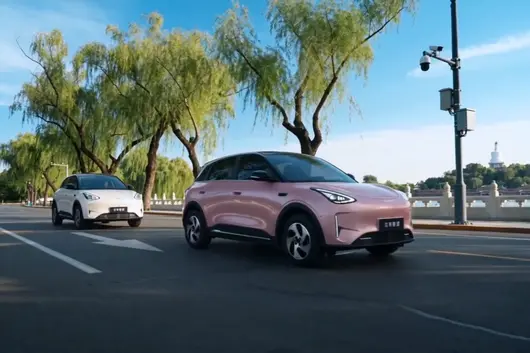
5 月 28 日,全新吉利星願正式上市,全系續航全面升級:310 公里升級至 410 公里,410 公里升級至 480 公里。新車推出 410km 嚮往版、410km 乘風版、480km 探索版、480km 探索 + 版四款車型,上市限時權益價 6.18 萬元 -9.18 萬元。為滿足不同用戶需求,在 410km 版型上,仍提供 310km 續航反選權益,反選後價格可減 7000 元。即日起,用戶可透過吉利銀河 APP、微信小程序下定,可享十重購車好禮及限時超級置換金等豐厚權益。此外,凡在 2026 年 6 月 30 日前,大定並鎖單的用戶,可享超級置換金權益 3000 元。

高手再出招,本次全新吉利星願正式上市,經典之上再進階,以五大升級全面煥新,為用戶帶來超 100 項產品力升級,實現超 25 項同級唯一,以代際領先的技術為用戶提供越級體驗。作為 2025 年中國車市全品類銷量冠軍,吉利星願 573 天交付量突破 70 萬輛,今年一季躋身全球新能源銷量前三,是中國品牌唯一進入全球新能源汽車銷量前三的車型,持續釋放冠軍勢能。新車發布會上,全新吉利星願代言人容祖兒也親臨現場,與大家分享她與吉利星願的真實故事,用溫柔而堅定的力量為新車助陣,與 70 萬 + 用戶共同見證這款冠軍純電小車的煥新時刻。
同時,新車攜手小紅書打造出全國首個流動式的「沉浸旅行」汽車發布會,帶着大家一起感受美好,享受美好。不仅如此,吉利星願也聯動寧德時代、卡皮巴拉、珂拉琪、好孩子、麥富迪等跨界品牌,創新性打造「海港口人家、小巷人家、雨林人家、絲路人家、游牧人家」五大生活場景,聚焦日常出行核心場景,直擊用戶真實用車需求,以冠軍實力重新定義純電小車價值標桿。
冠軍實力一:極致駕控進階——首個全球化原生架構 + 中德聯合調校
吉利星願為用戶的每一次出行,都帶來從容自在、輕盈靈動的乘駕感受。這一冠軍實力,源自吉利首個全球化原生架構與賽道級調校:吉利星願是同級第一個採用原生架構、第一個標配後驅獨懸、第一個經過全球化調校的純電小車,讓用戶第一次感受到純電小車也能有極致的駕控!

好的駕控要經得起檢驗。目前,吉利星願已走進全球 30 多個國家,研發團隊集結全球資源,針對全球不同極端路況進行了全維的驗證,讓全新吉利星願在「行駛、轉向、煞車」三大核心體驗上,進行全面升級,再一次引領小車駕控進入 2.0 時代。G-TCS 2.0 全天候防滑系統在保留後驅靈活樂趣的同時,確保平路、坡道、彎道不打滑、不甩尾、不溜車,新手也能開得從容;全新無刷轉向系統響應快 1 倍,支持三種轉向模式及轉向中位自學習;G-CST 2.0 全場景舒適制動系統模擬老司機腳感,煞車不點頭、行車不暈車。此外,吉利星願是同級唯一以 130km/h 成功挑戰魚鉤測試,及同級第一以 80.7km/h 成功通過麋鹿測試的純電小車,操控表現媲美 20 萬級運動轎跑。
冠軍實力二:高效三電進階——全系標配寧德時代 +480km 續航 +19 分鐘快充
310 公里升級為 410 公里,410 公里升級為 480 公里,全新吉利星願實現全系續航升級。續航夠實不玩虛、充電快用得久、用電節省不費錢,不管日常通勤還是偶爾跑長途,全新吉利星願都能輕鬆應對。新車是同級唯一全系標配寧德時代電芯、液冷溫控及 11 合 1 高集成電驅的純電小車,三電實力自上市起便是同級天花板。新車搭載專屬定制的寧德時代全新一代電芯,能量密度達 190Wh/kg,最高 CLTC 續航 480km,足夠日常通勤與週末郊遊;配合同級唯一的主動式進氣格柵與低風阻輪轂,風阻降低 15counts,實際續航再提升 10km。

續航紮實,補能效率也要持續升級。補能方面,30%-80% 快充僅需 19 分鐘,一杯咖啡的時間就能滿電出發;液冷系統與全新 BMS 保障天冷天熱都能滿速充電,且充電提速不以犧牲電池壽命為代價。同時,同級獨有的星睿 AI 雲動力 2.0 實現全鏈路能量管理,涵蓋智能充放電、波谷電價識別、電池維溫、能耗診斷及電池養護等功能,讓每一次充電都高效,每一程用電都省心。
冠軍實力三:AI 智艙進階——銀河 Flyme Auto 2 智能座艙系統+Eva 大模型
全新吉利星願把溫暖與智慧裝進座艙,讓車輛更好用、更懂人、更全面。全新吉利星願搭載銀河 Flyme Auto 2 智能座艙系統,基於 7nm 車規級龍鷹 1 號芯片及 16G+128G 大存儲,反應迅速,操作絲滑,上手就會。用戶可以隨心切換地圖或喜歡的壁紙桌面,萌寵壁紙支持互動功能,為座艙增添趣味性。

全新 AI Eva 更是用戶的隨身智慧夥伴,語音助手 Hi EVA 支持模糊指令理解及上下文記憶,可完成車控、問答、娛樂等操作,樣樣在行。用戶僅一句「Hi Eva,我要回家」,車輛即可自動調用最新高德 850 版選擇最優路線。同時,車機新增支持 CarPlay 手機互聯,兼容 iOS 設備無縫連接,本地常用應用一應俱全,雲端更有 200+ 海量應用隨心選。還有隱身模式、洗車模式、一鍵尋車等貼心場景,以及千人千面的自定義助手,下班自動開導航調空調,專屬迎賓儀式感滿滿。從導航到娛樂,從生活到驚喜,全新吉利星願的智能座艙全面覆蓋用戶日常所需。
冠軍實力四:輔助駕駛進階——千里浩瀚輔助駕駛 H3 方案
全新吉利星願搭載與高端車型同源的千里浩瀚輔助駕駛 H3 方案,可覆蓋多種行車場景,每一項功能都是真真切切在幫用戶提升駕駛體驗。該系統已安全行駛 13.8 億公里,用戶使用量增速第一,依托 G-ASD 智駕底層與星睿 AI 大模型,帶來「越開越好用、越開越聰明」的智能體驗。

高速高架 NOA 不受道路與雨霧天氣限制,支持語音變道、多場景避讓以及自動上下匝道,用戶只需輕扶方向盤就能輕鬆跑長途。全場景 MPI 接管率超 200 公里,相當於連續開 3 小時僅需接管 1 次。同時,泊車方面可做到全場景適配,APA 泊車輔助功能支持一鍵泊入、指尖泊車、遙控泊車,覆蓋 300 多種停車場景。針對新手司機停車難、女性司機停車易緊張等實際痛點,HPA 記憶泊車支持 2km 超長記憶、cm 級精準定位,學習一次路線後即可全程自動泊入,具備智能跟車、自主找位、遇障繞行功能,臨時改道也無需重新學習,有效降低泊車操作難度。此外,DMS 主動式疲勞檢測若檢測到駕駛員出現疲勞行為或分心駕駛,將及時提醒駕駛員;哨兵模式可 24 小時全天候守護停車安全,有異常立刻錄下視頻並發送到用戶手機裡。從出發到抵達,從行車到泊車,全新吉利星願把複雜的駕駛變得簡單安心,讓用戶把更多精力留給路上的風景和同行的歡笑。
冠軍實力五:全維安全進階——三電安全 + 主動被動安全
安全是吉利刻進骨子裡的基因!對於吉利而言,無論大車還是小車,無論豪華車型還是主流車型,旗下所有品牌均採用相同的安全理念與嚴苛標準。吉利已建成投資超 20 億元的全球全域安全中心,並發布「人、車、路、雲、星」一體化全域安全 2.0 體系,覆蓋生命安全、健康安全、財產安全、隱私安全四大核心安全域。全新吉利星願同樣遵循這一高標準,並秉承「小車,更要有大安全」理念,將小車安全做到極致。
被動安全方面,全新吉利星願打造了五縱八橫星甲籠式車身,像一件堅固又輕盈的鎧甲,前後左右都做了精心加固——前端三傳力路徑配合雙「三葉草」洩力結構,側面電池至門檻間距 149mm 並增加雙重防撞縱樑,後端 750mm 長後懸與雙「井」字形後副車架形成堅固屏障;車頂抗壓強度提升至 3.4 倍車重,AB 柱及頂蓋橫樑等核心區材料升級,即便遇到側翻或重物壓頂,座艙依然安然無恙,側氣簾保壓技術更能在滾翻時持續保護頭部。

在電池壽命方面,吉利星願的驗證標準提升至國標的 2 倍,完成 1000 次循環後電池容量仍保持 90.72%。更有實際行駛 8.4 萬公里的星願,成功挑戰海水腐蝕,泥水沖刷、爛路刮底、極限火燒等六大串行極限測試,完成行業首創。
為了進一步提升電池安全防護,全新吉利星願在用戶看不見的地方照樣下硬功夫,採用行業領先的 BDMU 高壓器件深度集成技術,把 BMS 電池管理系統和 BDU 高壓分配單元二合一,大幅減少接口,可靠性再上一個台階,從根源上降低電池密封失效的風險。值得一提的是,5 月 12 日,吉利攜手央視完成了同級首次,也是同級唯一的正面和側面連續碰撞,高壓系統及時下電,電池包未冒煙起火,乘員艙結構完整,氣囊精準點爆,非碰撞側車門可正常開啟。此外,全新吉利星願配齊胎壓直顯、DOW 開門預警、哨兵模式,更有 AEB 主動煞車與 AES 緊急轉向雙保險,成功通過 120km/h 靜態車輛煞停和 130km/h「消失的前車」主動避讓測試,性能遠超行業主流水平。
70 萬用戶信賴,從中國冠軍到全球前三,冠軍之路永不止步
一直被模仿,從未被超越。憑藉從研發到製造的高標準與代際領先的產品力,吉利星願一直贏得行業認可和用戶喜愛。自 2024 年 10 月上市以來,吉利星願累計交付已經突破了 70 萬輛,相當於每分鐘就賣出一台,它不僅是全行業最快達成這一目標的明星車型,更是一舉斬獲了 2025 年中國車市銷量冠軍。進入 2026 年,吉利星願依然持續領跑,穩居榜首,今年一季度的全球新能源汽車銷量排行榜中,吉利星願首次躋身全球前三,達成了中國 A0 級電車的全新里程碑。

吉利星願不僅在國內銷售火爆,在海外市場同樣廣受好評,目前已登陸全球 30 多個國家和地區。在巴西上市兩個月銷量突破 2300 台;在泰國車展單周訂單斬獲 3300 台,並拿下「巴西年度最佳緊湊型電動車」和「印尼車展最受喜愛電動車」的雙重國際大獎。在全世界的街頭,吉利星願正在成為「中國智造」流動的新名片。

全新吉利星願的進階,讓吉利銀河品牌在純電小車的賽道上再次拉高了「高質優價」的標桿。未來,吉利銀河將繼續堅守「造每個人的智能精品車」的初心,精準把握用戶最真實的需求,在各個細分市場都為用戶帶來超越期待的產品和服務。

In the 2026 hybrid market, domestic brands are rising comprehensively, ending the long-term monopoly premium of Japanese hybrids.
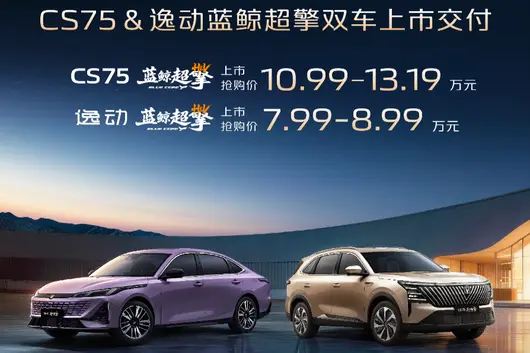
On May 23, Changan Automobile's 4th Gen CS75PLUS Blue Whale Super Engine and 4th Gen Eado Blue Whale Super Engine officially launched and delivered, starting prices are 109,900 yuan and 79,900 yuan respectively. This means Changan directly pulled HEV hybrid SUVs into the 100,000 yuan range, and hybrid family sedans into the 70,000 yuan range.

For the past 20+ years, the global HEV market has been dominated by Japanese brands. Joint-venture hybrid models often carry a premium of 20,000 to 30,000 yuan compared to fuel vehicles of the same spec, making fuel savings hard to offset the price difference.
The arrival of Changan Blue Whale Super Engine dual vehicles is not just a price drop, but a comprehensive dimensional attack on technology, experience, benefits, and cost-performance. It not only redefines the value standards of the 100,000 yuan hybrid market but also allows Chinese hybrid technology to officially overtake traditional joint-venture hybrids on a corner.
01
HEV Becomes a Strategic Battleground for Car Companies
Under pressures of high fuel prices, uneven charging infrastructure, and over 45% of households lacking fixed charging spots, HEVs that require no charging, reduce fuel consumption by half compared to ICE vehicles, and have no refueling anxiety are back in the mainstream focus, becoming a key move on the strategic chessboard of Chinese car companies.
Geely, Changan, Chery, Great Wall, and other top domestic brands made strategic choices almost simultaneously, densely releasing new generation HEV technology. Analysts point out that true technological trends are never a single route substitution, but long-term coexistence of pure electric, plug-in hybrid, and HEV directions.
In this new tech competition, domestic brands did not follow the Japanese path, but came up with a more "aggressive" electrification plan. Geely launched i-HEV Intelligent Drive Hybrid with 48.41% thermal efficiency; Chery launched the "Rhinoceros H" gas-electric system with 5.1kWh battery capacity. Changan's Blue Whale Super Engine Hybrid takes a different path, redefining the basic logic of hybrid systems.
Traditional Japanese HEVs are essentially optimization plans for ICE vehicles — the engine is always the core, the motor and battery only "give a hand" when the engine is inefficient. Changan used a vivid analogy: Japanese hybrids are like a "master craftsman leading an apprentice", always taking on the vast majority of work themselves, only letting the apprentice help when busy.
Blue Whale Super Engine's approach is completely different. It proposes an architecture of "Balance of Gas and Electric, Fusion of Intelligence", consisting of 500 Bar ultra-high-pressure direct injection hybrid engine, 180kW highest power electric drive in class, 50C high-rate battery, and Ai Cloud Intelligent Control System.
The core change here isn't how high a specific parameter is, but the underlying synergy logic of the whole system changed. The engine and electric drive are no longer main/subordinate, but achieve intelligent division of labor based on all scenario road conditions.
Comparing Toyota Dual Engine and other traditional hybrids, Blue Whale Super Engine hybrid has distinct advantages: 180kW high-power electric drive far exceeds Japanese 88kW low-power electric drive. Low-speed engine is fully decoupled from wheels, pure electric drive is quieter, startup response fast to 0.29 seconds, 0-60km/h acceleration low to 3.71 seconds, power is instant without hesitation.
Meanwhile, whole vehicle idle noise is as low as 37.9 decibels, reaching library-level quiet standards. Noise reduced by 10 decibels compared to traditional fuel cars. Driving quality infinitely close to pure electric vehicles.
02
Saving Downpayment for a Car in Five Years
From test data, Changan Blue Whale Super Engine architecture effect is also very intuitive. 4th Gen Eado Blue Whale Super Engine city average fuel consumption 2.62L, medium speed 3.21L, highway 4.10L, combined 100km fuel consumption 3.2L; 4th Gen CS75PLUS Blue Whale Super Engine city average 2.88L, medium speed 3.78L, highway 4.44L, combined 3.6L — Fuel consumption directly halved compared to same-level traditional fuel cars.
In Xi'an media tests, Eado Blue Whale Super Engine even ran 1.6L/100km city results. CS75PLUS Blue Whale Super Engine also achieved 2.3L/100km city fuel consumption. This "more traffic, more savings; highway no waste" full-condition energy-saving performance is difficult for traditional mechanical logic hybrid systems to achieve.

A user participating in the "Challenge World Record, I am Fuel Consumption Champion" nationwide store test drive activity drove CS75PLUS Blue Whale Super Engine on urban congested roads with 3L class fuel consumption. He is not a professional car reviewer, nor does he have the "Golden Right Foot" of extreme fuel-efficient driving, just an ordinary prospective buyer. This scene was unlikely in the previous fuel vehicle era — normal people driving casually, fuel consumption actually lower than the manufacturer's combined condition rating.
This is determined by Blue Whale Super Engine's technical logic. It doesn't rely on the driver "saving fuel" to reduce consumption, but relies on the system "driving to save" to make every drop of fuel count.
In the past, when consumers were debating between fuel cars and PHEV/BEV, attention often focused on purchase price and government subsidies. But this time Changan fully calculated and cleared these "silent big items": insurance, energy consumption, residual value, daily maintenance.
Taking 4th Gen CS75PLUS Blue Whale Super Engine as an example, calculated at 15,000 km/year average, same-level fuel SUV combined consumption is about 8.56L, one year fuel cost 11,267 yuan; Blue Whale Super Engine combined consumption only 3.6L, annual fuel cost 4,744 yuan, directly saving 6,523 yuan in one year. Also as a "Blue License Plate" car, it is basically consistent with traditional fuel cars in insurance and used car residual value.
More importantly, the first non-operating owner enjoys lifetime warranty for core components of the HEV hybrid system, completely eliminating user concerns about large maintenance costs during long-term use.
Summarizing, calculating total over 5 years, CS75PLUS Blue Whale Super Engine saves over 32,000 yuan in comprehensive vehicle cost compared to same-level fuel SUV, Equivalent to directly saving downpayment for a car. 4th Gen Eado Blue Whale Super Engine uses the same algorithm, saving about 21,800 yuan in 5 years compared to same-level fuel sedans.
Even comparing with same-level BEVs that need charging, CS75PLUS Blue Whale Super Engine as a "Blue License Plate" car, premium cost is about 1,000 yuan lower per year than BEVs. Resale value gap is more obvious. 3-year-old compact fuel car retention rate about 50%, BEV about 44%. A 120,000 yuan car, can sell 7,200 yuan more after 3 years, annualized income increase 2,400 yuan. After calculating energy, insurance, maintenance, residual value etc. total over 5-year usage cycle, 4th Gen CS75PLUS Blue Whale Super Engine still saves about 10,730 yuan compared to same-level pure electric SUV.


In terms of range, CS75PLUS Blue Whale Super Engine one tank of fuel runs 1500km, Eado Blue Whale Super Engine breaks 1700km. Chongqing to Beijing one-way no need to refuel, completely saying goodbye to range anxiety, perfectly fitting long-distance self-drive and high-frequency commuting user needs.
Changan's Blue Whale Super Engine is a HEV that completely doesn't need charging, doesn't rely on charging piles, doesn't change refueling habits. Pulled entry-level price into 70,000 yuan range, directly cutting into core territory of joint-venture fuel cars. The cost saved day by day is enough to cover years of maintenance fees, truly achieving "more you drive, more you earn".
03
Chinese Hybrid Technology Goes Global
While product breakthroughs, Changan Automobile global layout accelerated synchronously. Local time May 22, Changan Automobile formally signed global strategic cooperation agreement with Portugal Football Association in Lisbon, becoming Portugal National Team Global Official Partner. Cooperation covers 2026 USA/Canada/Mexico World Cup, 2030 World Cup and 2027, 2031 Women's World Cup.
Previously Changan announced investing over 500 million yuan to layout 2026 World Cup global marketing, target directly 750,000 units overseas sales in 2026.
Globally, HEV is showing explosive growth trend. 2025, HEV sales in Europe reached 4.57 million units, YoY growth 19.9%, market share reached 35%, exceeding gasoline cars for the first time, becoming Europe's largest single power form; in Southeast Asia Indonesia, Malaysia, HEV is also a rapidly growing emerging market.
2025 BEV exports were greatly affected by tariffs in some overseas regions, while China HEV exports grew 94.1% YoY. This further highlights HEV's special value in going overseas strategy.
Changan uses World Cup traffic to push Blue Whale Super Engine to global view, both brand positioning and anchor point for Chinese hybrid solutions going global. From tech self-research breakthrough, domestic market subversion, to landing global top venues to show Made in China, Changan Automobile is pushing Chinese hybrid technology globally with tech as core, quality as wings.
Changan Automobile Executive Vice President Yang Dayong previously stated in media interview that China new energy development is fast, but globally, still 70 million users choose fuel cars annually, many overseas regions charging conditions cannot keep up. From the domestic market perspective, currently there are also over half fuel car users. They are not unwilling to save energy, but charging is inconvenient, no fixed parking spot, or they don't want to change driving habits. This is HEV's most practical market logic.

Yang Dayong stated, Changan's judgment is clear: not "Gas vs Electric", but "What users need, we do". Future must be multiple power types coexist long-term, HEV will become one of mainstream choices. Expected by 2030, HEV (Gas-Electric Hybrid) share in China fuel cars will exceed 60%. In addition, Overseas HEV sales will likely be higher than domestic market.
China auto industry always talks about electrification endgame, but true market evolution is never "elimination-style" substitution, but "addition-style" enrichment. For over 45% users without home charging piles, for owners in winter extremely cold regions, for people doing long-distance self-drive several times a year, they don't need to be educated to "change habits", but need a non-troublesome solution.
So Changan Blue Whale Super Engine dual vehicle launch is not just iteration of two new cars, but a value reconstruction of home hybrid market. Currently many hybrid models, either high price high spec, threshold discourages, or low price reduced spec, experience discounted, while Changan accurately grabs ordinary family vehicle core needs: No charging, no fear of winter, not wasting fuel, not breaking car, not expensive price.
79,900, 109,900 yuan friendly pricing, 2L class real fuel consumption, 1500km+ super long range, full cycle low cost, lifetime warranty safety net, this combination punch completely broke "Hybrid must be premium" industry stereotype. Not forcing users to change driving habits, using hardcore tech to adapt to user needs, this is Changan Blue Whale Super Engine hybrid's given "Chinese Hybrid Optimal Solution".
Technology is never to replace someone, but to fill those unmet needs. When industry was still arguing "Who dominates Gas vs Electric", Changan already silently pressed hybrid threshold to 70,000 yuan level, submitted a China solution to the market.

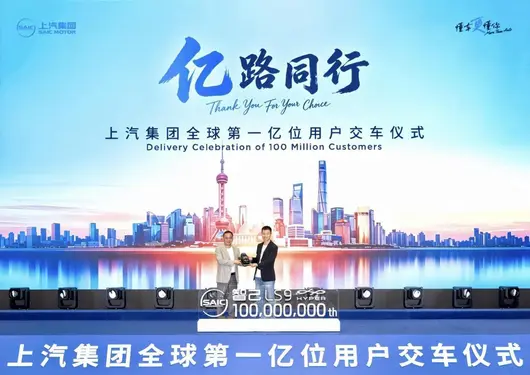
2026 年 5 月 28 日,上海北外灘世界會客廳。東方衛視嘅直播鏡頭入面冇冗長嘅領導致辭,只係一場橫跨亞歐大陸、連線全球多城嘅「全球接力交付」。
上汽集團迎嚟咗佢嘅全球第一億位用戶,正式成為中國汽車工業史上首家累計產銷量突破 1 億輛嘅汽車集團。

15 個品牌,從第 99999996 輛倒數到第 100000012 輛,18 款車喺上海、柳州、安亭、倫敦、雅加達、新加坡同步交付。
這唔只係一個企業嘅里程碑,更加係中國汽車工業從無到有、從弱到強嘅一個生動註腳。
2014 年 5 月,上汽積極落實「發展新能源汽車係我國從汽車大國邁向汽車強國嘅必由之路」嘅指示,全面向新能源轉型 。
十二年過去,上汽用呢一億輛交付,完成咗從當年率先轉型嘅「一馬當先」,到而家品牌、技術、生態、全球全面開花嘅「萬馬奔騰」 。
如果將啲空洞嘅公關詞彙全部撕走,將視線對準呢次交車盛典上身份各異、甚至地域跨度極大嘅車主畫像,你會發現,大廠真正嘅智電量產力與體系力量,正正喺藏住呢啲唔同圈層嘅用腳投票入面。
真正嘅國際原居民
真正嘅國際化,從來都唔係喺海外辦個臨時發佈會、請幾個華人媒體,而係你嘅產品真正融入咗海外普通人嘅生活入面 。上汽一億輛嘅軍功章入面,海外累計交付已經超過 700 萬輛 。
喺倫敦嘅交付現場,實習醫生 Natalia 提咗一台 MG4 EV。對佢嚟講,呢唔止係一台都市通勤嘅純電細車。佢嘅成長之路始終有 MG 陪伴,佢個爺爺當年開嘅係經典嘅英倫敞篷跑車 MGB。

MG 代表咗中國車企嘅全球開拓新篇章。呢個曾誕生喺英國、擁有百年歷史嘅品牌,喺被上汽集團全資擁有之後,已經多年蟬聯中國品牌歐洲銷冠。

與此同時,喺雅加達,印尼國家隊嘅男足核心邊鋒、曾經留洋歐洲五年嘅「天才少年」埃吉,俾自己同家人揀咗嘅出行夥伴,係五菱喺當地生產、完美配合印尼本地化空間與舒適需求嘅 7 座 SUV Eksion 。

呢種全球多時區、全球多城同台接力交付嘅背後,係上汽喺海外鋪設嘅超 100 個零部件基地、3 大研發中心同埋 4 個境外生產製造中心。甚至為咗唔俾國際物流運力卡住頸子,上汽仲組建咗規模達 41 艘、航線覆蓋全球嘅自營滾裝船隊。
呢種全球本土化(Glocal)嘅「大航海」吞吐力 ,令海外車主喺買車嗰陣,買到嘅唔係一個遙遠嘅進口符號,而係一個有本地研發布局、有本地化體系生態支撐嘅靠谱產品 。
創富奮鬥者嘅效率工具。
盯住中產私家車嘅造車新勢力,好難理解點解上汽嘅交付名單入面會同埋夾雜咗大量商用輕客、物流車同客車。
喺新加坡,DHL(敦豪)高級副總裁 Herbert 提咗一批大通 eDeliver 5 純電輕客,用來應對高密度、高頻次嘅城市末端配送同跨境包裹轉運;

喺山西太原,恒隆勝工貿總經理張燕斌再度增購 56 輛紅岩新能源重卡,喺最嚴苛、最講求出勤率嘅攪拌站同城市基建工程入面高頻作業;

喺江蘇揚州,地上鐵高級副總裁袁果批量交付咗近萬台躍進大拿 T1 純電輕卡;

喺河南,眾聯旅遊汽車總經理王曉兵則一口氣增購依維柯聚星 EV,用來跑洛阳到老君山嘅高密集山嘅山路定制接駁專線 。

喺車圈一窩蜂捲彩電、冰箱、大沙發嘅時候,呢啲行喺基建、文旅、物流一線嘅奮鬥者,最在乎嘅係出勤率、質量底線同能耗成本。大通輕客喺城配模式下每公里成本可以低至 5 分錢;紅岩新能源喺多山地坡道嘅作業環境下能頂得住極端工況。
呢就係大廠先具備嘅「全場景、全品類覆蓋」嘅抗週期結構性優勢。體系力量嘅本質,係佢既能造出智己 LS9 Hyper 咁樣俾精英階層貼地飛行嘅三十萬元級豪華電動車,又能造出跑喺城市物流骨幹網入面、幫普通人高效創富嘅智電工具車。
毋庸置疑,呢種立體化嘅產品矩陣,單一賽道玩家畀再多人錢都買唔嚟。
拒絕高價壟斷
前沿嘅智電科技,唔應該只係富人嘅專屬高價玩具。
呢次交付入面,最讓人感動嘅一個故事故事來自陝西藍田嘅 85 後村書記龐富強。佢每日自掏腰包,為大山入面 74 位留守長者提供 2 元一餐嘅送餐上門服務。因為送餐路線分散同埋路況分散,佢以前開嘅三輪車裝載量細同埋無安全保障。
喺呢次活動入面,佢獲贈咗一台五菱榮光純電版,4.3 立方米嘅大空間、神煉電池商用版,同埋撞擊零自燃嘅安全紀錄,變成咗佢更加快捷、更加安全守護大山長者嘅幫手 。

而喺廣西河池大化瑤族自治縣,公益博主劉佳連續五年風雨無阻驅車穿梭於崇山峻嶺為留守兒童理髮、送陪伴 ,佢提走嘅別克至境 E7,佢配備嘅護眼頂燈同埋零甲醛座艙,變成咗大山細路嘅「滿分座艙」。
普通老百姓同基層奮鬥者,憑咗可以享受到最前沿、最可靠嘅技術?
答案依然係體系帶來嘅規模效應同技術量產力。
因為上汽擁有全技術路線、全價格帶嘅產品布局 ,佢可以透過產業鏈嘅整合能力,把高通 8155 芯片同豆包深度思考大模型砸入 6 萬級嘅國民家轎榮威 i6 入面;

把華為乾崑智駕 Pro 同鴻蒙座艙變成 15 萬元級五菱華境 S 嘅全系標配 ,直接打破高級智能同高昂價格嘅強綁定 。
將實驗室入面嘅頂尖科技快速實現量產、下放,變成大山入面嘅送餐車,變成幾萬塊燃油車入面唔卡頓嘅智能車機,令技術平權,先至係車企大廠特有嘅、與時俱進嘅底層硬實力。
第 99,999,999 位車主
上汽集團嘅全球第 99,999,999 輛交付嘅整車,係上汽大眾 ID. ERA 9X。
呢次交付,亦都迎嚟咗 ID. ERA 9X 第 6999 位車主。喺世界盃即將開鑼之際,首位征戰德甲嘅中國球員楊晨,成為 ID. ERA 9X 第 6,999 位車主,共同見證上汽集團累計產銷量邁入「億級時代」。
深度融合「德系底蘊 + 中國智慧」,ID. ERA 9X 上市 1 小時內鎖單破萬、上市僅 5 日零售交付就達到 2,326 台,4 月強勢躋身增程式大型高端 SUV Top3。

而家,上市僅 1 個月累計交付超 7,000 輛,進一步印證佢喺高端增程市場嘅用戶認可度同產品競爭力。呢份成績,源於上汽大眾 42 年深耕中國市場嘅積澱,更加係「喺中國,為中國」戰略同「全球智慧 + 中國速度」嘅融合賦能。
呢次里程碑交付,係上汽集團邁嚟全球累計產銷量一億輛嘅重要節點,亦係上汽大眾深耕新能源賽道嘅堅實印記。
「一億輛」唔係獨角戲
「一億輛」從來都唔係上汽自己嘅獨角戲,而係呢一億位身份各異、身處唔同時區嘅車主,喺各自嘅人生賽道上用腳投票嘅結果 。
喺上海提走智己 LS9 Hyper 嘅智能駕駛頭部企業 CEO 曹旭東,喺倫敦街頭踩落電門嘅英國實習醫生 Natalia,喺洛陽景區接載一波波遊客嘅客運司機,同埋喺陝西藍田大山入面開住電車為留守長者送餐嘅村書記龐富強……

佢哋職業唔同、膚色唔同、預算唔同,但佢哋喺買落車匙嗰一刻所體驗到嘅智能、品質同安心,佢哋底層共享嘅,正正就係同一個龐大、與時俱進且無處不在嘅智電大廠量產體系。
一億輛唔係終點,而係呢台大廠智電量產巨獸加速向用戶型高科技公司轉型嘅起跑線。屬於中國智造嘅體系故事,喺呢個全球接力嘅交車季節,先至剛剛翻開新嘅一章。

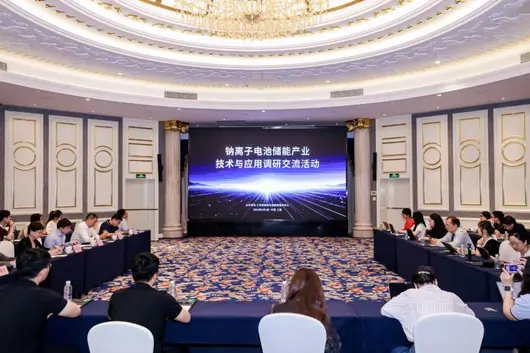
Sodium-ion battery energy storage is transitioning from demonstration and verification to the fast lane of scaled application.
In the past, sodium-ion batteries were viewed as "spare tires" or "supplements", but at the June Ministry of Industry and Information Technology (MIIT) "Sodium-ion Battery Energy Storage Industry Technology and Application Survey Exchange Activity" meeting, representatives from all links of the industry chain, from material innovation to system integration and further to downstream applications, gave completely different judgments.

Synchronized maturity at the material, manufacturing, system, and application ends.
The era of sodium batteries has truly arrived.
The most solid advantage of sodium-ion batteries is not technology, but the geopolitical immunity of resource endowments.
Lithium resources are extremely unevenly distributed globally, and China's dependence on external lithium raw materials has long exceeded 60%. Cobalt and nickel resources are also highly concentrated in countries such as the Democratic Republic of Congo and Indonesia.
This concentration of resources exposes the lithium battery industry chain to continuous geopolitical risks and price volatility risks.
Sodium resources are completely different, with a crustal abundance of about 2.3%, over 1,000 times that of lithium; reserves in seawater and salt lakes are almost infinite; China is the world's largest producer of crude salt, with crude salt production exceeding 100 million tons in 2025.
This means the raw material supply for sodium battery cathode materials is completely free from international resource political constraints.

Breakthrough at the Material End
Recreating the LFP Miracle
Whether sodium-ion batteries can be applied on a large scale depends on materials and costs.
"Sodium-ion batteries are recreating the Lithium Iron Phosphate path of 2020." Wang Zunzhi, General Manager of the Sodium Battery Division of Ronbay Technology, judged.

He provided specific data support:
Currently, the pressed density of sodium battery cathode sheets has increased to 2.5g/cm³, the cycle life of composite sodium ferrous phosphate (NFPP) exceeds 15,000 times, and production stability is constantly being verified.
As the leader in cathode materials, Ronbay Technology is vigorously promoting the polyanion route centered on NFPP.
Wang Zunzhi revealed that the company, through its pioneering adaptation of sodium battery processes and equipment, innovatively reduced the processing cost of polyanion sodium battery materials by 30%-50%, which is undoubtedly a key move to accelerate sodium battery mass production.
In terms of capacity layout, Ronbay has landed 6,000 tons of polyanion cathode material capacity in Xiantao, Hubei, which will expand to 28,000 tons in 2026. By 2027, it plans to build a 300,000-ton sodium battery production line according to market demand.
There is also good news for anode materials.
The cost reduction rate of hard carbon anodes has exceeded market expectations, and is expected to drop from 60,000 to 70,000 Yuan per ton in 2024 to 35,000 to 40,000 Yuan in 2026, with a long-term goal aimed below 25,000 Yuan/ton.

Wei Dong, General Manager of the Marketing Center of Wanhua Chemical Battery Industry Company, stated that opening up two engineering hard carbon technology routes based on coal and resin fundamentally solves the supply limitations and performance fluctuations caused by early reliance on natural biomass raw materials.
The coal-based route has prominent cost advantages, suitable for price-sensitive scenarios, while the resin-based route performs better in product consistency and comprehensive performance.
Specifically, the NFPP (composite sodium ferrous phosphate) route promoted by Ronbay Technology has sodium phosphate and ferrous sulfate as its core raw materials, which are bulk chemical products with extremely mature supply chains.
The coal/resin-based hard carbon route opened by Wanhua Chemical, the raw materials come from coal chemical by-products and petrochemical products, both of which have sufficient domestic supply in China.
Cathode cost halved, anode cost halved, the cost reduction curve at the material end is clear.

Sodium-ion Battery
Has Welcomed Full Productization
The maturity of the material end has provided battery and system integrators with the possibility of stepping onto the stage.
Lin Jiubiao, CTO of CATL's domestic energy storage solutions, stated: "Sodium-ion batteries have ushered in the era of full productization."
CATL has made rapid progress in sodium-ion batteries.

Sodium-ion battery characteristics reconstruct electrochemical models, tackling mass production difficulties such as hard carbon electrode moisture control and gas production, and the products have wide temperature ranges and 15,000 times ultra-long cycle life.
Lin Jiubiao introduced that CATL adopts a "One Shell, Two Cores" platform solution, maintaining the same dimensions as lithium battery systems and achieving convenient switching.
A complete energy storage unit composed of a 3MWh DC cabin and a 3MW step-up converter integrated machine has been launched, with a system lifespan of 20 years.
Lin Jiubiao also revealed the mass production and delivery schedule.
CATL is promoting cost reduction in two aspects: product design and manufacturing production, and a dedicated sodium-ion battery production line has been built and put into production. At the same time, since sodium battery materials do not contain lithium, cobalt, or nickel, it does not need to bear the premium of these strategic metals.
In September this year, the company will deliver the first batch of sodium-ion battery energy storage systems to customers, achieving GWh-level shipments for the full year. This marks that sodium battery energy storage has truly entered the commercial delivery stage.
GWh-level shipments mean that sodium-ion battery energy storage is no longer megawatt-level demonstration, but has truly entered the track of scaled commercial delivery.

Large Orders Locked
Wang Lei, General Manager of HiTHiSTOR Experimental Test Center, gave a clear application scenario:
Sodium-ion battery energy storage has significant differentiation advantages in large-scale independent energy storage power stations, computing-power synergy and other new high-energy-consuming scenarios, 4-6 hours and above long-duration energy storage, high-cycle frequency energy storage projects, and projects with operational cycles of more than 15 years.
At a large wind-solar base in Northwest China, a lithium-sodium fusion energy storage power station was built supporting it. During the day, solar power generates, and the lithium battery system is responsible for high-frequency frequency regulation response; at night, when 4-6 hours of stable power support is needed, sodium batteries with cost advantages and long cycle life begin to play a role.
This "Lithium-Sodium Fusion" mode not only exerts the high energy density and fast response advantages of lithium batteries, but also utilizes the economy and long-duration energy storage capabilities of sodium batteries, achieving the maximization of overall system benefits.
In addition, with the development of AI large models, "computing-power synergy" has become a highly promising scenario.
Data center power demand surges and requires uninterrupted, high-quality power supply. The excellent wide temperature range performance and inherent safety of sodium-ion batteries make it an ideal choice for data center backup power and peak-valley arbitrage.
Seeing the potential demand, the market has voted with its feet. HiTHiSTOR will promote the scaled application of sodium-ion battery energy storage and build a lithium-sodium fusion energy storage power station demonstration project, with the first batch of projects to be implemented and landed within 2026.
CATL and HiTHiSTOR have signed a 3-year sodium-ion battery energy storage order with a scale of 60GWh. This super-large order has injected strong confidence into the entire sodium battery industry chain.


Future
Industry confidence also comes from the support of top-level design.
Liu Yafang, adjunct professor at Zhejiang University and chief expert at China Energy Society, pointed out that looking forward to the "15th Five-Year Plan", the sodium-ion battery energy storage industry should take advantage of policy tailwinds to accelerate R&D and industrialization landing, and actively expand large base, computing-power synergy and other application scenarios.
Of course, challenges still exist.
Zhou Bo, General Manager of the Research Center of the Power Battery Application Branch of China Association for Chemical and Physics Power Sources, suggested that the industry needs to quickly promote the establishment of standards and certification systems for the full lifecycle and accelerate the industrialization process.
Ronbay Technology's 300,000-ton capacity plan, Wanhua Chemical hard carbon anode cost moving towards 25,000 Yuan/ton, CATL's GWh-level shipment and "One Shell, Two Cores" platform design, HiTHiSTOR's 60GWh order lock.
15,000 times cycle life technology verification, 20-year system life commercial commitment, sodium-ion battery energy storage industry is completing the key leap from "technically feasible" to "commercially feasible".
From cost reduction breakthroughs at the material end, to GWh-level delivery at the system end, to the 60GWh large order lock at the application end, sodium-ion battery energy storage is no longer a "concept" or "alternative".
The key point is that HiTHiSTOR proposed "building a lithium-sodium fusion energy storage power station demonstration project", and CATL adopted the "One Shell, Two Cores" scheme to achieve lithium-sodium same dimension switching.
The true advantage of sodium-ion battery energy storage is not to replace lithium iron phosphate, but to form a complementary combination with lithium batteries in a large-scale energy storage system:
Lithium batteries undertake the main role of high energy density and high power density.
Sodium batteries undertake the auxiliary role of long-duration energy storage, high cycle frequency, and low-temperature environments.
Through unified platform design (same dimensions, same interface), reduce the complexity of system integration and switching costs.
This "Lithium-Sodium Fusion" architecture can optimize the asset portfolio of the entire energy storage system:
Use sodium batteries to cover operating conditions that lithium batteries are not good at or uneconomical, thereby improving the full lifecycle returns of the entire power plant. Under this framework, the advantages of sodium batteries are not absolute, but relatively complementary.
Cars in winter, that's the guarantee~
2026 年夏天,車市嘅體感溫度比氣溫更滾燙。
4 月,國內新能源滲透率歷史性突破 60% 大關,燃油車固守嘅陣地,仲剩唔到四成。
5 月,國內合資 SUV 市場掀起新一輪降價風暴,終端價格「腰斬」已成常態,部分車型最大降幅達到 51%,涵蓋豪華品牌與普通合資品牌。銷售顧問嘅朋友圈清一色「歷史最低」「清庫甩賣」「集團特批」。

更具象徵意義嘅信號係,3 月底大眾正式確認斯柯達將於年中退出中國。這唔再係簡單嘅價格戰,而係「大逃殺」,被價格刺激出嚟嘅短期到店量,掩唔蓋唔到一個冰冷現實——中國汽車流通協會數據顯示,2026 年 1–5 月主流合資品牌市場份額已滑落至 32% 左右,而 2020 年呢個數字仲曾觸及 60%。曾經踩一腳油門就能收割利潤嘅合資車,而家正集體深陷「越降越虧,越虧越降」嘅泥潭。

無論係短期嘅斷臂止損抑或是最後嘅回光返照,都引向一個核心命題:中國市場仲需要合資品牌嗎?如果需要,乜樣嘅合資先至算「好合資」?
一、集體降價背後:不同派系嘅共同焦慮與各自底牌
合資品牌嘅態勢發展到而家,已經唔能將降價簡單歸結為「以價換量」嘅。本質上,係合資陣營三個層面同時失速之後嘅應激反應:燃油車護城河干涸、電動化主動權缺失、定價權向中國品牌轉移,而且不同派系嘅處境同籌碼,其實都有很大差異。
日系:混動長板被插混「截胡」,執念成為枷鎖
豐田、本田嘅油電混動曾喺中國享受近十年技術溢價,而家面對自主品牌插混、增程嘅全面圍剿,節油率相仿卻無法插電、無綠牌優勢。降價係試圖用 B 級燃油/混動產品嘅性價比,對沖自主 C 級新能源嘅越級打擊。日系底牌係全球利潤池同精益生產體系,但對「純電過渡期」嘅路徑依賴嚴重,軟件定義能力欠賬太多。

德系:電動化最用力,但品牌溢價正被智能化「解構」
大眾係合資中電動化轉型最決絕嘅,ID.系列一度衝量,但軟件短板同智駕差距令佢始終無法進入第一陣營。BBA 嘅電動產品陷入品牌溢價失靈:三電拉唔開差距,招牌嘅機械素質同底盤調校喺電動時代感知力下降,車機體驗卻被 30 萬級中國品牌遠遠甩開。大眾選擇加碼本土研發,而部分豪華品牌開始考慮縮減本土產能、轉向進口模式保利潤。
美系:夾喺中美脫鉤縫隙,兩頭唔靠岸
通用同福特喺華份額持續萎縮,美系合資嘅獨有困境喺地緣政治:華盛頓對中國智能車技術日益警惕,如果通用、福特喺合資公司深度綁定中國供應鏈,可能招致本土審查。呢令佢哋喺「本土化深入」同「技術脫鉤避險」之間搖擺不定,節奏混亂,兩頭唔討好。

韓系法系:邊緣化嘅「先行者」
現代起亞喺中國已淪為「其他」,法系仲剩少少聲量。佢哋提供咗某種預演:關閉工廠、削減車型,轉做出口基地或輕資產技術提供方,保住利潤底線,但也永久退出中國主流市場嘅牌桌。
二、終局推演:合資品牌嘅三條路,以及各自嘅致命 Bug
基於國內合資車機嘅困境同動向,我哋試住推演三種最具現實可能性嘅終局路徑。
路徑一:體面離場——「斯柯達式」退出與邊緣化
主要係以美系、韓系及歐洲二線品牌為主,喺華份額已萎縮至生存紅線以下,無法負擔高昂嘅本土智能化轉型成本。佢哋將複製鈴木、三菱、斯柯達嘅路徑,喺兩三年內官宣退出中國,將產能同資金轉移至印度、東盟或拉美等燃油車生命週期更長嘅市場,僅保留少量進口車同品牌授權業務。

致命 Bug:「慢性自殺」同全球戰場嘅防禦失效
中國市場係全球新能源同智駕技術最捲嘅「超級煉鋼爐」。放棄中國,意味著呢啲品牌將徹底同最前沿嘅汽車科技脫節。當比亞迪、吉利、奇瑞帶住代差級嘅電動車捲到海外嘅時候,退守者喺海外同樣無險可守,只係將死亡時間推遲咗幾年。更何況,冇任何一個主流跨國車企敢於主動放棄中國呢個全球最大市場嘅「現場參與權」——呢唔單止意味著銷量歸零,更意味著將數據、場景迭代權完全讓畀對手,長期削弱全球競爭力。
路徑二:全球跳板——「喺中國,為全球」嘅出口基地
以日系同部分頭部歐洲車系為主。佢哋睇中中國無與倫比嘅供應鏈成本優勢同新能源製造效率,將中國合資工廠升級為面向全球嘅生產同研發總基地。「中國造,全球銷」。典型案例係東風日產今年初正式成立嘅日產進出口(廣州)有限公司,由日產中國持股 60%、東風集團持股 40%,已完成首批「N 品牌」純電車嘅發運,戰略意圖亦係極為清晰嘅:

借雞生蛋——利用中國卷出嚟嘅成熟三電供應鏈同開發速度,生產高性價比電動車去喂飽海外市場,無需喺海外砸重金新建電動車工廠。
化包袱為資產——完美消化國內合資車企嘅閒置產能。中方「借道出海」賺取海外利潤,外方拿到現成嘅優質產能,實現利益雙贏。
地理紅利——廣州花都、南沙港擁有通往東南亞最密集嘅班輪航線,疊加 RCEP 關稅紅利,將物流效率拉到極限。
致命 Bug:地緣政治嘅「降維打擊」同東南亞嘅「正面炮火」
首先,呢條路嘅壁壘唔喺生產端,而喺貿易端。歐美對中國產汽車築起嘅關稅牆越來越高,只要車喺中國工廠組裝、使用中國電池供應鏈,就可能遭遇高額關稅同供應鏈合規審查,中國工廠極易淪為被關稅「圍困」嘅孤島。
其次,東南亞戰場絕非坦途。當日產嘅 N7 運到泰國嘅時候,就會發現呢度早已係比亞迪、長城、吉利嘅天下。自主品牌喺東南亞嘅佈局早咗整整 2-3 年,日產拿住中國技術賦能嘅車去跟技術源頭嘅中國品牌喺海外貼身肉搏,喺智能座艙、OTA 速度上好難打出差異化。

更深層嘅 Bug 藏喺渠道內部。日產喺東南亞各國嘅銷售公司,其管理層同經銷商網絡深度固守燃油車利益,且受日本總部文化影響。當廣州進出口公司把帶住濃厚「中國新能源基因」嘅車輛推過去嘅時候,當地渠道是否願意全力配合?佢哋會唔會擔心蠶食咗自己利潤極高嘅燃油車基本盤?呢種跨國合資公司內部嘅話語權內耗,極易導致好車喺海外賣唔動。
品牌認知都係難題。東南亞消費者心中嘅 NISSAN 係「省油、耐操、日系工藝」。突然間日產推出主打「智能座艙、中國三電」嘅純電車,消費者會陷入混亂:想買科技感十足嘅中國電動車,點解唔直接買比亞迪?想買純正日系車,點解要買中國製造嘅日產?
路徑三:打唔落就加入——深度本土化嘅「反向合資」
以德系巨頭(大眾、奔馳、寶馬)為典型。佢哋家底厚、現金流足,絕唔願放棄中國市場,選擇「打唔落就加入」。徹底將技術底層「中國化」——大眾入股小鵬並聯合開發 CEA 電子電氣架構、奧迪同上汽推出新掛「四環」標嘅全新「AUDI」品牌、奔馳深度綁定 Momenta 打造智駕。合資公司變咗成為「外殼係國際大廠,靈魂係東方科技」嘅新物種。
呢而家係最被行業看好嘅方向,亦係跨國巨頭用資本換時間嘅「速效救心丸」。當然,從財務同股權嘅底層邏輯拆解,呢種合作比表面睇落複雜。
第一種,大眾當年斥資約 7 億美元收購小鵬汽車約 4.99% 嘅股份,並獲得一個董事會觀察員席位。喺美股同港股監管體系中,5% 係一條觸發舉牌公告同反壟斷審查嘅紅線。大眾將持股精準卡喺 4.99%,既展現咗「我看好你」嘅誠意,又避免咗漫長嘅跨國審批,同時解除咗小鵬管理層對喪失控制權嘅戒備心——呢係一個極其聰明嘅「財務對賭」。

而奧迪同上汽則處於唔同嘅困局。雙方被鎖死喺「上汽大眾/上汽奧迪」嘅傳統 50:50 合資框架入面,無法直接買賣母公司股票。於是佢哋選擇另立門戶——推出全新「AUDI」品牌,唔掛四環標。股權比例雖未變,但項目嘅實際產品定義權發生咗歷史性位移:由上汽(智己團隊)輸出核心智能數位化平台,奧迪駐派設計同底盤調校團隊。外方喺核心嘅「產品定義權」上做出咗歷史性讓步。

但兩種形式都會產生從「躺賺特許權費」到「支付技術服務費」嘅財務倒灌。過去 40 年嘅財務模型係:合資公司賣車,向跨國總部支付高昂嘅技術許可費,外方躺住拿走利潤大頭。而家嘅模型發生咗「反向倒灌」:
大眾向小鵬支付嘅係「技術服務費」。軟件同架構嘅研發成本屬於前期一次性投入,當小鵬把 CEA 架構同智能化軟件打包授權嘅時候,呢部分收入喺小鵬嘅財務報表中毛利率幾乎係接近 100% 嘅純利潤。呢係中國新勢力喺造車主業唔賺錢時,最強大嘅財務造血幹細胞。
更深層嘅財務武器係聯合採購。大眾同小鵬成立咗聯合採購組織。大眾擁有全球千萬級銷量嘅恐怖議價能力,小鵬對中國本土電子元器件、激光雷達等創新供應鏈瞭如指掌。雙方把採購清單合二為一,令到單車物料成本實現咗斷崖式下降。
致命 Bug:IP 嘅動態演進、渠道嘅內耗同地緣政治嘅靈魂閹割
但是,呢套模式都存在三個大隱患:
第一,IP 嘅「黑箱演進」——軟件係活嘅,每個月都要 OTA。大眾買嘅係小鵬「某一個時間節點」嘅架構同智駕代碼。咁當小鵬明年迭代出更高级嘅端到端 AI 大模型嘅時候,大眾需唔需要重新付費?如果毫無保留同步,小鵬自己嘅車點樣保持差異化?如果唔同步,大眾花幾十億買到嘅靈魂可能喺 2-3 年後變成為「殭屍代碼」。呢種動態升級嘅定價同 IP 歸屬,喺合同上極難固化。
第二,渠道內耗同品牌溢價嘅雪崩——奧迪同上汽合作嘅新「AUDI」新車,最終要放進上汽奧迪嘅渠道去賣。如果賣得好,利潤分配自然好講。但如果賣唔好,前期雙方投入嘅鉅額研發費點樣喺資產負債表入面做減值準備?更致命嘅係品牌認知:當消費者發現幾十萬嘅合資豪車,入面嘅車機同智駕同幾十萬嘅國產車一模一樣,甚至因為跨國團隊兼容問題打咗折,點解仲要為「品牌溢價」買單?一旦技術崇拜嘅光環消失,合資品牌將陷入同國產車貼身肉搏價格戰嘅死循環。
第三,「靈魂出海」嘅地緣防火牆——跨國巨頭買中國靈魂,絕唔止係為咗中國市場,佢哋成日夢都想將呢套高性價比平台賣到歐洲同北美。但呢啲車型嘅底層代碼、智能座艙服務器同電池供應鏈深度綁定中國本土供應商,一旦跨出中國國門,就會立刻撞上歐盟嘅數據安全審查或北美嘅關稅壁壘。大眾同奧迪砸下真金白銀買來嘅靈魂,大概率被物理閹割,只能喺中國呢個「溫室」入面存活,無法喺全球範圍內分摊財務成本。呢係整個模式最大嘅結構性 Bug。
三、終極拷問:乜樣嘅合資先至算「好合資」?
事實係,三條路唔係三揀一嘅問題,係同步發生喺唔同處境嘅合資品牌身上,而且三者之間都可能會有互有流通,正如同標題咁講,合資品牌最少唔止「一條命」。
但所有路徑都傳達同一個核心認知:外方輸出動力總同品牌,中方提供土地、渠道同勞動力嘅舊合資模式,已經徹底死亡。
點算「好合資」,或者講更能喺呢個新時代生存落嚟嘅合資品牌,要滿足三個條件:
·能力對等互補——中方貢獻智能駕駛全棧能力、電子電氣架構、產業鏈成本效率;外方貢獻整車安全、底盤行駛質感、全球研發驗證標準以及海外渠道。唔再係「師傅與徒弟」,而係各有所長嘅聯營體。
·利益深度綁定——雙方喺數據管理、車型定義、出口權益上擁有制度化、對等嘅決策機制。唔再係一方嘅「施捨式合作」,而係「你中有我」嘅強強聯合物體。
·博弈規則透明——合作唔止步於中國市場,而係一開始就面向全球,喺產品定義權、IP 動態演進、利潤分配上建立經得起時間考驗嘅制度設計,共同將蛋糕做大。

大眾 - 小鵬、Stellantis-零跑、奧迪 - 上汽,正喺呢條路上行,但就算佢哋都遠冇交得出滿意嘅答卷。因為「好合資」最大嘅 Bug 係:雙方既係夥伴又係對手,今日聯合推出嘅車型,明日可能正面迎戰各自嘅獨立品牌,呢種「競合」嘅平衡木,需要極高嘅戰略定力。
四、結語:傲慢同躺賺嘅時代已經落幕
合資品牌並冇死,死咗嘅只係「傲慢同躺賺嘅舊合資模式」。未來嘅中國汽車市場,唔再分咩中資定係外資,只分「順應中國速度嘅進化者」同「抱殘守缺嘅退場者」。
唯一可以確定嘅係:能活落嚟嘅合資,一定唔係舊世界嘅遺老,而係新秩序嘅共建者。而通往新秩序嘅三條路上,冇一條係坦途——每一步,都踩喺地緣政治、技術迭代同人性博弈嘅刀鋒之上。

© 2024 Bitauto.com. All Rights Reserved.
Bitauto (www.yiche.com and www.bitauto.com) is one of the most visited automotive websites in China. We provide detailed info on Chinese car brands available in your area. Please note that the information provided on this website is based on publicly available data and is for reference only. It may not be fully updated or accurate at all times.

Help us improve our website


