

HomeToyota Yaris

Search History
Popular Searches
Dealer Login / Sign Up

车型概览

KGM Actyon 值不值得买,关键不是它看起来有多吸引,而是它能不能解决你的真实用车需求。这篇文章会把重点放在长期相处时会不会带来额外压力。
版本方面,KGM Actyon 目前可围绕 2025 Standard 来比较。
购车价格指南
评估 KGM Actyon 的购车预算时,建议先从版本定位和后续拥车成本下手。价格不是唯一重点,真正决定是否划算的是每天会不会用到那些配置。
如果你在几个版本之间犹豫,可以把 2025 Standard 放在同一张清单里比较。日常通勤买家优先看舒适与安全,常跑高速的买家则更应重视动力、辅助驾驶和座舱便利。
核心参数汇总
看 KGM Actyon 的核心规格,最重要是把数字翻译成生活里的感受。
KGM Actyon 的核心价值应回到日常场景判断:你要它负责通勤、家庭出行、长途,还是作为更有个性的选择。
优缺点分析
KGM Actyon 的优点不必夸张,真正有价值的是它能不能让日常使用更省心:车型定位清楚,适合先作为同级比较对象。
需要留意的是,最终取舍会落在版本配置、保险和长期保养成本。这些不是扣分项,而是下订前应该先想清楚的生活细节。
购车常见问题解答
购买 KGM Actyon 前,买家最常问的不是单一规格,而是它能不能融入自己的生活。
这辆车适合谁?适合把长期相处时会不会带来额外压力放在首位的买家。 家庭用户要看什么?优先看后排乘坐、儿童座椅、行李和日常上下车是否顺手。 每天开会不会麻烦?如果能源成本、停车便利和版本配置都符合你的生活节奏,它会比较容易相处。
竞品对比内容
把 KGM Actyon 放进同级车名单时,不建议只看品牌或外形。真正有用的比较顺序是:先从版本定位、品牌售后和日常用途开始比较。
这样筛选出来的结果更贴近日常生活。你会更清楚它是适合城市通勤、家庭代步、长途巡航,还是更适合作为一辆讲求个性的选择。
用车全周期指南
拥有 KGM Actyon 的重点,是确认保险、路税、保养和轮胎成本都在可接受范围内。买车不是一次付款结束,而是每天都要相处。
如果你常跑南北大道,动力和座舱舒适度会比单纯低价更重要;如果主要在市区,停车灵活性、视野和低速顺滑度会更影响心情。



车型概览

Forthing T5 值不值得买,关键不是它看起来有多吸引,而是它能不能解决你的真实用车需求。这篇文章会把重点放在它是否容易融入日常生活。
版本方面,Forthing T5 目前可围绕 2019 1.5T CVT Top luxury type、2019 1.5T CVT Super luxury type、2019 1.8T MT Top Luxury Type、2019 1.8T MT Luxury Type 来比较。
购车价格指南
评估 Forthing T5 的购车预算时,建议先从版本定位和后续拥车成本下手。价格不是唯一重点,真正决定是否划算的是每天会不会用到那些配置。
如果你在几个版本之间犹豫,可以把 2019 1.5T CVT Top luxury type、2019 1.5T CVT Super luxury type、2019 1.8T MT Top Luxury Type、2019 1.8T MT Luxury Type 放在同一张清单里比较。日常通勤买家优先看舒适与安全,常跑高速的买家则更应重视动力、辅助驾驶和座舱便利。
核心参数汇总
看 Forthing T5 的核心规格,最重要是把数字翻译成生活里的感受。
涡轮增压、4缸、1493 mL 排量的动力底子,适合拿来判断市区跟车和高速巡航是否轻松。 150 Ps、200 N·m的输出,真正意义在于满载、上坡和超车时不会太吃力。 车长 4550 mm、车宽 1825 mm、车高 1725 mm、轴距 2720 mm,可以帮助你预判停车难度和后排乘坐空间。 CVT 变速箱、前轮驱动布局 的设定,会影响起步顺滑度、湿地稳定感和长途巡航感。
优缺点分析
Forthing T5 的优点不必夸张,真正有价值的是它能不能让日常使用更省心:动力输出能支撑高速和超车需求、空间和车身尺寸便于家庭买家预判实用性。
需要留意的是,市区停车和狭窄路段仍要看个人驾驶习惯。这些不是扣分项,而是下订前应该先想清楚的生活细节。
购车常见问题解答
购买 Forthing T5 前,买家最常问的不是单一规格,而是它能不能融入自己的生活。
这辆车适合谁?适合把它是否容易融入日常生活放在首位的买家。 家庭用户要看什么?优先看后排乘坐、儿童座椅、行李和日常上下车是否顺手。 每天开会不会麻烦?如果能源成本、停车便利和版本配置都符合你的生活节奏,它会比较容易相处。
竞品对比内容
把 Forthing T5 放进同级车名单时,不建议只看品牌或外形。真正有用的比较顺序是:再看动力是否足够应付高速和满载、最后看空间是否适合家人和行李。
这样筛选出来的结果更贴近日常生活。你会更清楚它是适合城市通勤、家庭代步、长途巡航,还是更适合作为一辆讲求个性的选择。
用车全周期指南
拥有 Forthing T5 的重点,是确认保险、路税、保养和轮胎成本都在可接受范围内。买车不是一次付款结束,而是每天都要相处。
如果你常跑南北大道,动力和座舱舒适度会比单纯低价更重要;如果主要在市区,停车灵活性、视野和低速顺滑度会更影响心情。


车型概览

Daihatsu Copen 值不值得买,关键不是它看起来有多吸引,而是它能不能解决你的真实用车需求。这篇文章会把重点放在它和同级车相比的生活适配度。
版本方面,Daihatsu Copen 目前可围绕 2025 Standard 来比较。
购车价格指南
评估 Daihatsu Copen 的购车预算时,建议先从版本定位和后续拥车成本下手。价格不是唯一重点,真正决定是否划算的是每天会不会用到那些配置。
如果你在几个版本之间犹豫,可以把 2025 Standard 放在同一张清单里比较。日常通勤买家优先看舒适与安全,常跑高速的买家则更应重视动力、辅助驾驶和座舱便利。
核心参数汇总
看 Daihatsu Copen 的核心规格,最重要是把数字翻译成生活里的感受。
Daihatsu Copen 的核心价值应回到日常场景判断:你要它负责通勤、家庭出行、长途,还是作为更有个性的选择。
优缺点分析
Daihatsu Copen 的优点不必夸张,真正有价值的是它能不能让日常使用更省心:车型定位清楚,适合先作为同级比较对象。
需要留意的是,最终取舍会落在版本配置、保险和长期保养成本。这些不是扣分项,而是下订前应该先想清楚的生活细节。
购车常见问题解答
购买 Daihatsu Copen 前,买家最常问的不是单一规格,而是它能不能融入自己的生活。
这辆车适合谁?适合把它和同级车相比的生活适配度放在首位的买家。 家庭用户要看什么?优先看后排乘坐、儿童座椅、行李和日常上下车是否顺手。 每天开会不会麻烦?如果能源成本、停车便利和版本配置都符合你的生活节奏,它会比较容易相处。
竞品对比内容
把 Daihatsu Copen 放进同级车名单时,不建议只看品牌或外形。真正有用的比较顺序是:先从版本定位、品牌售后和日常用途开始比较。
这样筛选出来的结果更贴近日常生活。你会更清楚它是适合城市通勤、家庭代步、长途巡航,还是更适合作为一辆讲求个性的选择。
用车全周期指南
拥有 Daihatsu Copen 的重点,是确认保险、路税、保养和轮胎成本都在可接受范围内。买车不是一次付款结束,而是每天都要相处。
如果你常跑南北大道,动力和座舱舒适度会比单纯低价更重要;如果主要在市区,停车灵活性、视野和低速顺滑度会更影响心情。


车型概览

Bufori CS8 值不值得买,关键不是它看起来有多吸引,而是它能不能解决你的真实用车需求。这篇文章会把重点放在保险、路税、轮胎和日常能源成本。
版本方面,Bufori CS8 目前可围绕 2025 6.4T Standard 来比较。
购车价格指南
评估 Bufori CS8 的购车预算时,建议先从版本定位和后续拥车成本下手。价格不是唯一重点,真正决定是否划算的是每天会不会用到那些配置。
如果你在几个版本之间犹豫,可以把 2025 6.4T Standard 放在同一张清单里比较。日常通勤买家优先看舒适与安全,常跑高速的买家则更应重视动力、辅助驾驶和座舱便利。
核心参数汇总
看 Bufori CS8 的核心规格,最重要是把数字翻译成生活里的感受。
Bufori CS8 的核心价值应回到日常场景判断:你要它负责通勤、家庭出行、长途,还是作为更有个性的选择。
优缺点分析
Bufori CS8 的优点不必夸张,真正有价值的是它能不能让日常使用更省心:车型定位清楚,适合先作为同级比较对象。
需要留意的是,最终取舍会落在版本配置、保险和长期保养成本。这些不是扣分项,而是下订前应该先想清楚的生活细节。
购车常见问题解答
购买 Bufori CS8 前,买家最常问的不是单一规格,而是它能不能融入自己的生活。
这辆车适合谁?适合把保险、路税、轮胎和日常能源成本放在首位的买家。 家庭用户要看什么?优先看后排乘坐、儿童座椅、行李和日常上下车是否顺手。 每天开会不会麻烦?如果能源成本、停车便利和版本配置都符合你的生活节奏,它会比较容易相处。
竞品对比内容
把 Bufori CS8 放进同级车名单时,不建议只看品牌或外形。真正有用的比较顺序是:先从版本定位、品牌售后和日常用途开始比较。
这样筛选出来的结果更贴近日常生活。你会更清楚它是适合城市通勤、家庭代步、长途巡航,还是更适合作为一辆讲求个性的选择。
用车全周期指南

拥有 Bufori CS8 的重点,是确认保险、路税、保养和轮胎成本都在可接受范围内。买车不是一次付款结束,而是每天都要相处。
如果你常跑南北大道,动力和座舱舒适度会比单纯低价更重要;如果主要在市区,停车灵活性、视野和低速顺滑度会更影响心情。


车型概览

BMW iX 值不值得买,关键不是它看起来有多吸引,而是它能不能解决你的真实用车需求。这篇文章会把重点放在花出去的钱是否换来每天会用到的便利。
价格落在 RM 425,800 - 487,800,买家可以先用它判断预算压力和同级定位。
购车价格指南
BMW iX 的购车预算可以先从 RM 425,800 - 487,800 开始衡量。这个数字真正影响的是月供、保险和现金流,而不只是展厅里的标价。
如果你在几个版本之间犹豫,可以把 2025 xDrive60 M Sport Pro(RM 487,800)、2025 xDrive45 Sport(RM 425,800) 放在同一张清单里比较。日常通勤买家优先看舒适与安全,常跑高速的买家则更应重视动力、辅助驾驶和座舱便利。
核心参数汇总

看 BMW iX 的核心规格,最重要是把数字翻译成生活里的感受。
109.6 kWh的电池容量,重点是能不能支撑一周通勤和周末出门。 400 kW、765 N·m的输出,让高速并线和短距离超车更有底气。 车长 4965 mm、车宽 1970 mm、车高 1695 mm、轴距 3000 mm,可以帮助你预判停车难度和后排乘坐空间。 固定齿比 变速箱、四轮驱动布局 的设定,会影响起步顺滑度、湿地稳定感和长途巡航感。
优缺点分析
BMW iX 的优点不必夸张,真正有价值的是它能不能让日常使用更省心:预算位置清楚,方便和同级车直接比较、动力输出能支撑高速和超车需求、空间和车身尺寸便于家庭买家预判实用性。
需要留意的是,需要先确认家里、公司或常去商场的充电条件、市区停车和狭窄路段仍要看个人驾驶习惯。这些不是扣分项,而是下订前应该先想清楚的生活细节。
购车常见问题解答
购买 BMW iX 前,买家最常问的不是单一规格,而是它能不能融入自己的生活。
这辆车适合谁?适合把花出去的钱是否换来每天会用到的便利放在首位的买家。 家庭用户要看什么?优先看后排乘坐、儿童座椅、行李和日常上下车是否顺手。 每天开会不会麻烦?只要充电条件稳定,电动车的通勤体验通常更安静,也更容易控制日常能源成本。
竞品对比内容
把 BMW iX 放进同级车名单时,不建议只看品牌或外形。真正有用的比较顺序是:先用 RM 425,800 - 487,800 锁定预算圈、再看动力是否足够应付高速和满载、接着比较能源成本和补能便利、最后看空间是否适合家人和行李。
这样筛选出来的结果更贴近日常生活。你会更清楚它是适合城市通勤、家庭代步、长途巡航,还是更适合作为一辆讲求个性的选择。
用车全周期指南

拥有 BMW iX 的关键,是先把充电安排想清楚。家充、公司充电或商场快充只要其中一项稳定,日常体验就会轻松很多。
如果你常跑南北大道,动力和座舱舒适度会比单纯低价更重要;如果主要在市区,停车灵活性、视野和低速顺滑度会更影响心情。


车型概览

Acura ZDX BEV 值不值得买,关键不是它看起来有多吸引,而是它能不能解决你的真实用车需求。这篇文章会把重点放在整体购车判断。
版本方面,Acura ZDX BEV 目前可围绕 2025 Standard 来比较。
购车价格指南
评估 Acura ZDX BEV 的购车预算时,建议先从版本定位和后续拥车成本下手。价格不是唯一重点,真正决定是否划算的是每天会不会用到那些配置。
如果你在几个版本之间犹豫,可以把 2025 Standard 放在同一张清单里比较。日常通勤买家优先看舒适与安全,常跑高速的买家则更应重视动力、辅助驾驶和座舱便利。
核心参数汇总
看 Acura ZDX BEV 的核心规格,最重要是把数字翻译成生活里的感受。
Acura ZDX BEV 的核心价值应回到日常场景判断:你要它负责通勤、家庭出行、长途,还是作为更有个性的选择。
优缺点分析
Acura ZDX BEV 的优点不必夸张,真正有价值的是它能不能让日常使用更省心:车型定位清楚,适合先作为同级比较对象。
需要留意的是,最终取舍会落在版本配置、保险和长期保养成本。这些不是扣分项,而是下订前应该先想清楚的生活细节。
购车常见问题解答
购买 Acura ZDX BEV 前,买家最常问的不是单一规格,而是它能不能融入自己的生活。
这辆车适合谁?适合把整体购车判断放在首位的买家。 家庭用户要看什么?优先看后排乘坐、儿童座椅、行李和日常上下车是否顺手。 每天开会不会麻烦?如果能源成本、停车便利和版本配置都符合你的生活节奏,它会比较容易相处。
竞品对比内容
把 Acura ZDX BEV 放进同级车名单时,不建议只看品牌或外形。真正有用的比较顺序是:先从版本定位、品牌售后和日常用途开始比较。
这样筛选出来的结果更贴近日常生活。你会更清楚它是适合城市通勤、家庭代步、长途巡航,还是更适合作为一辆讲求个性的选择。
用车全周期指南
拥有 Acura ZDX BEV 的重点,是确认保险、路税、保养和轮胎成本都在可接受范围内。买车不是一次付款结束,而是每天都要相处。
如果你常跑南北大道,动力和座舱舒适度会比单纯低价更重要;如果主要在市区,停车灵活性、视野和低速顺滑度会更影响心情。


车型概览

Audi A4 值不值得买,关键不是它看起来有多吸引,而是它能不能解决你的真实用车需求。这篇文章会把重点放在它是否容易融入日常生活。
版本方面,Audi A4 目前可围绕 2025 Avant 40 TFSI quattro S line、2025 Sedan quattro 来比较。
购车价格指南
评估 Audi A4 的购车预算时,建议先从版本定位和后续拥车成本下手。价格不是唯一重点,真正决定是否划算的是每天会不会用到那些配置。
如果你在几个版本之间犹豫,可以把 2025 Avant 40 TFSI quattro S line、2025 Sedan quattro 放在同一张清单里比较。日常通勤买家优先看舒适与安全,常跑高速的买家则更应重视动力、辅助驾驶和座舱便利。
核心参数汇总
看 Audi A4 的核心规格,最重要是把数字翻译成生活里的感受。
Audi A4 的核心价值应回到日常场景判断:你要它负责通勤、家庭出行、长途,还是作为更有个性的选择。
优缺点分析
Audi A4 的优点不必夸张,真正有价值的是它能不能让日常使用更省心:车型定位清楚,适合先作为同级比较对象。
需要留意的是,最终取舍会落在版本配置、保险和长期保养成本。这些不是扣分项,而是下订前应该先想清楚的生活细节。
购车常见问题解答
购买 Audi A4 前,买家最常问的不是单一规格,而是它能不能融入自己的生活。
这辆车适合谁?适合把它是否容易融入日常生活放在首位的买家。 家庭用户要看什么?优先看后排乘坐、儿童座椅、行李和日常上下车是否顺手。 每天开会不会麻烦?如果能源成本、停车便利和版本配置都符合你的生活节奏,它会比较容易相处。
竞品对比内容
把 Audi A4 放进同级车名单时,不建议只看品牌或外形。真正有用的比较顺序是:先从版本定位、品牌售后和日常用途开始比较。
这样筛选出来的结果更贴近日常生活。你会更清楚它是适合城市通勤、家庭代步、长途巡航,还是更适合作为一辆讲求个性的选择。
用车全周期指南
拥有 Audi A4 的重点,是确认保险、路税、保养和轮胎成本都在可接受范围内。买车不是一次付款结束,而是每天都要相处。
如果你常跑南北大道,动力和座舱舒适度会比单纯低价更重要;如果主要在市区,停车灵活性、视野和低速顺滑度会更影响心情。


6 月 10 日,工業和信息化部第 408 批《道路機動車輛生產企業及產品公告》公示,騰勢 Z 硬頂版、敞篷版、賽道版三款車款赫然在列。這意味著這款1604 匹馬力嘅中國超跑已經通過咗所有國家強制性標準檢驗,拿到咗量產、銷售與合法上牌嘅全套法定资质,即將同我哋見面。

1604 匹馬力係咩概念?柯尼塞格 Jesko 有 1600 匹馬力,售價近 5000 萬;布加迪 Divo 有 1500 匹馬力,售價 7000 萬。馬力差唔多只係一半嘅保時捷 918 Spyder,1300 多萬;法拉利 Daytona SP3 1400 萬。藍寶堅尼 Aventador Ultimae,即係我哋俗稱嘅大牛,736 萬。你話,我哋騰勢 Z 賣幾多錢合適?
唔止係堆馬力,騰勢 Z 採用咗成熟嘅易三方技術,加上雲輦 M 磁流變懸架。咁同你講,重心咁高嘅全尺寸 SUV 騰勢 N9 使用咗易三方,魚鉤測試可以搞到 210 公里,你估騰勢 Z 作為超跑,會有咩表現?
然而呢樣一款根正苗紅嘅中國超跑,卻將全球首秀嘅舞台選喺萬里之外嘅英國古德伍德速度節。點解比亞迪放住全球最大嘅汽車市場唔揀,而揀咗萬里之外嘅英國?答案講出嚟有少少痛心 —— 呢更像係一場被迫嘅“出走”,背後藏住中國超跑產業兩層難言之悲。
首先係認可度問題,好多人可能仲唔知,比亞迪喺海外嘅品牌認知度遠高於內地。喺內地,比亞迪留俾消費者嘅印象仲停留喺經濟型家車嘅層面,甚至仲未同低端完全脫鉤。入面有我哋嘅認知慣性,亦有比亞迪相對惠民嘅價格因素,不過唔可否认嘅係,我哋仲未能夠擺脫對國產品牌嘅刻板偏見,仲有少少崇洋媚外嘅心理作祟。
實際上喺海外,比亞迪相當於內地特斯拉粉絲眼中嘅特斯拉,係高端技術嘅代名詞。係中國強大嘅具體化體現。內地起售 26.98 萬嘅騰勢 Z9GT,登入歐洲後插混版起售價達 10.35 萬歐元(約折合人民幣 82.5 萬元),純電版更加係賣到 11.5 萬歐元,直接對標保時捷 Taycan、奔馳 S 級等傳統豪華旗艦;內地 15 萬級嘅元 PLUS(海外命名 ATTO 3),喺英國起售價 3.9 萬英鎊(約折合人民幣 36 萬元),同寶馬 3 系、奧迪 A4 處於同一價格帶。
市場數據更唔會欺騙:2025 年比亞迪海外年銷量突破 105 萬輛,2026 年前 5 個月出口同比增長 64.9%,喺泰國、巴西、意大利等數十個國家穩居新能源銷量榜首。

第二,我哋能夠造出馬力最大嘅量產超跑,卻仲未孕育出適合超跑嘅文化土壤。中國早已係無可爭議嘅全球第一汽車大國:最大嘅消費市場、最完整嘅新能源供應鏈、最領先嘅三電技術,我哋用十幾年走完咗別人幾十年嘅產業路。但汽車文化嘅沉澱,從來唔可以靠技術超車一蹴而就。
歐美超跑文化發展咗上百年,由民間賽道日、改裝文化到頂級賽事體系,形成咗成熟嘅受眾生態。古德伍德速度節能夠成為全球車迷嘅聖地,本質上係深厚汽車文化嘅縮影 —— 嗰度嘅觀眾懂馬力曲線、懂底盤調校、懂工程美學,願意為純粹嘅性能同技術付費。

而內地汽車全面普及唔過二三十年,新能源爆發更係近五六年嘅事。大眾對汽車嘅認知,仲大多停留喺代步、家用、商務屬性上,對賽道文化、性能文化嘅認知極其有限。喺好多人眼裡,超跑依然只係“土豪嘅面子玩具”,真正懂技術、玩賽道嘅核心圈層規模細得好可憐。
當然,呢場“出走”從來唔係終點,而係中國超跑崛起嘅必經之路。走出去,最終係為了更好地走返嚟。總有一日,我哋嘅頂級超跑,唔使遠赴海外先至搵到掌聲,我哋嘅本土也終究能孕育出屬於自己嘅汽車文化。
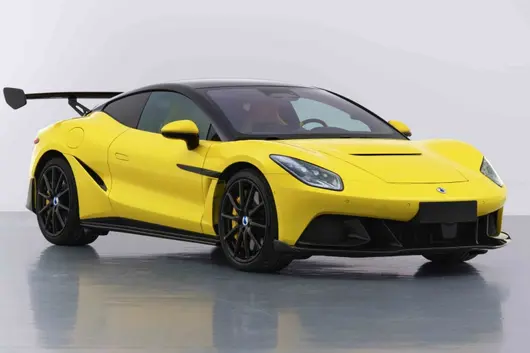


BYD has confirmed it will soon export its "Fang Cheng Bao Titanium 7" luxury 7-seater SUV from the domestic market to international markets, but it will be launched in international markets under the name BYD Ti7, and it has been confirmed that a right-hand drive version will be available.
Fang Cheng Bao is a sub-brand of BYD Group positioned as luxury high-end in the domestic market. The Denza B8 released in Malaysia recently is actually a rebadged version of the "Fang Cheng Bao Leopard 8", and this time the BYD Ti7 is based on the "Fang Cheng Bao Titanium 7". Both are box-shaped 7-seater SUVs, but there are some differences in details and product positioning.


In terms of appearance, the silhouettes of the two look similar, but a closer look reveals the BYD Ti7's headlight group features an upgraded two-stage L-shaped LED daytime running light, while the Denza B8 has a complete C-shape design. Additionally, details such as the front bumper, side C-pillar, door handles, and taillight design are also different, but both adopt a rear-mounted spare tire.


There are also differences in body dimensions. The specific dimensions of the BYD Ti7 are 5016×1995×1865mm (Length x Width x Height), with a wheelbase of 2920mm. While the Denza B8 is 5195×1994×1905mm, the wheelbase is the same at 2920mm, so apart from the wheelbase, there is a discrepancy in body length and height.
Another difference lies in the chassis and body structure. The Denza B8 (Leopard 8) adopts a body-on-frame chassis design, which generally handles off-road requirements better; while the Ti7 (Titanium 7) adopts a unibody structure, with the benefit of better comfort and suitability for general road driving, but in off-road aspects, it is inferior to body-on-frame chassis due to inherent conditions.
In terms of power, Ti7 is equipped with BYD Group's DMO plug-in hybrid (PHEV) system, consisting of a 1.5L four-cylinder turbocharged petrol engine paired with two motors to form an AWD four-wheel drive system. Comprehensive horsepower reaches 489PS, comprehensive torque 630Nm. The manufacturer announced its 0-100km/h acceleration time is 4.8 seconds, with a top speed of 190km/h.

Regarding the battery part, BYD Ti7 offers two battery capacity options: 26.6 and 35.6kWh. The former can achieve 80km (WLTP Standard) pure electric range, while the latter can achieve 127km pure electric range. Moreover, the manufacturer claims both battery capacities support DC fast charging and can charge from 30% to 80% within 17.5 minutes.
Regarding equipment, BYD Ti7 will come standard with a 15.6-inch central control screen head unit, 10.25-inch fully digital instrument cluster, 26-inch color Head-Up Display (HUD), electric seats with heating and air conditioning ventilation, active sound system composed of 16 speakers, small refrigerator integrated in the front center armrest box, etc. These features have almost become standard equipment in the current domestic high-end new energy vehicle market.


It should be noted that the domestic original model "Fang Cheng Bao Titanium 7" of BYD Ti7, besides the PHEV hybrid version, also launched a pure electric version. It has single motor and dual motor configurations, paired with 92 or 105.7kWh batteries, with ranges reaching 675 and 755 kilometers respectively. However, currently only the PHEV hybrid version Ti7 is confirmed to be exported to international markets, and there is no official information regarding the export of the pure electric version for now.
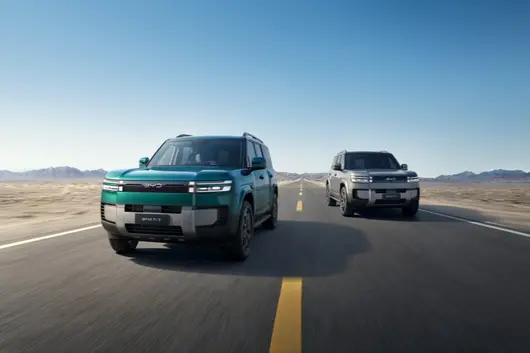

In the Chinese automotive market, a model breaking 150,000 units in sales might not count as a shocking number. But if you add "Fastest Achievement in the Light Off-road SUV Category" in front of this number, standing behind it are 150,000 real users' choices, and daring to livestream disassemble a real vehicle that has driven 150,000 kilometers under CCTV lenses — the story is completely different.

On June 12, Zhuzhou, Hunan, BAIC Super Factory. When that BJ30 Traveler that had driven 150,000 kilometers was disassembled, the engine turbocharger was clean, the transmission casing had no oil stains, and the chassis suspension had no rust. The CCTV cameras on site recorded all of this. BAIC Group Vice General Manager and Beijing Off-road Chairman Zhang Guofu said: "This is 150,000 firm choices, a monument of quality cast by users."
And this is just the beginning of the BJ30 Traveler story.
150,000 km Disassembly: A "Quality Assessment" Without a Script
150,000 kilometers, for ordinary family users, is roughly a ten-year driving distance. Ten years is enough for a car to experience the erosion of wind, frost, rain, and snow, the test of complex road conditions, and daily wear and tear. When Beijing Off-road decided to livestream the first full network disassembly of a real BJ30 Traveler driven for 150,000 kilometers under CCTV cameras, this was undoubtedly a "quality assessment" without rehearsals or scripts.

The disassembly results were impressive.
In terms of the power system, the internal carbon buildup in the engine turbocharger was extremely low, and power output remained abundant; the transmission casing was clean with no signs of oil seepage, internal gears were smooth and flat with no wear pits. This means that even after 150,000 kilometers of high-intensity use, the core powertrain of this car still maintains a state close to new.

The battery pack also withstood the test. No bulging, no leakage, no obvious internal degradation or aging. For an HEV hybrid vehicle model, this is the most direct response to "battery anxiety" — with long-term use, you simply don't need to worry about trouble caused by battery aging.
The chassis part was even more surprising. The subframe, suspension control arms, steering tie rods... all parts had no rust, no leakage, and the flatness and neatness of the entire chassis were negligibly different from a new car. Passive safety protection was always online, no abnormal noise on bad roads, driving still feels solid.
This disassembly conveyed a clear message: BJ30 Traveler uses solid materials, reliable craftsmanship, and outstanding durability. For users, this means lower maintenance costs, longer vehicle replacement cycles, and a sense of security for every trip.

Three Rows Seven Seats + One Tank of Fuel 1,000 km: The "All-around Solution" for Light Off-road
If the 150,000 km disassembly proves the "durability" of BJ30 Traveler, then its product power itself is the fundamental reason attracting 150,000 users.
In this "Light Off-road" niche track, BJ30 Traveler found a unique "all-around solution" — Ultra Off-road, Ultra Large, Ultra Fuel-efficient, three dimensions working simultaneously. It is neither a simple city SUV "lookalike" nor an off-road SUV "fuel guzzler".

"Ultra Off-road" is the confidence to depart. Beijing Off-road condensed over sixty years of professional accumulation into a "Three-Motor Four-Wheel Drive Six-Mode HEV Hybrid Architecture", making BJ30 Traveler the first HEV hybrid model in the Chinese Box SUV category. Three power sources work independently: the high-efficiency engine is responsible for long-distance energy saving, the front motor replenishes energy in real-time, and the rear motor provides instant burst. Intelligent 4WD response takes only 30 milliseconds, reaching peak torque in 0.5 seconds. Six working modes switch automatically. Mud, sand, snow, Intelligent Electric ATS All-Terrain Control System helps you handle it.
"Ultra Large" is the confidence in travel. Three rows seven seats layout, 2,820 mm ultra-long wheelbase, 66% ultra-high space utilization rate — this means every inch of space inside the car is efficiently utilized. 1,496 liters of ultra-large trunk, after folding the rear seats completely flat, instantly becomes a 1.92-meter bed. A 1.8-meter tall adult sitting in the third row is still spacious, and 38 storage spaces in the whole car give everyone a dedicated spot for personal items. For family travel, no one needs to compromise.

"Ultra Fuel-efficient" is the long-term companionship. This is the truly surprising part. Automotive bloggers from five countries including South Africa, Indonesia, UAE, Poland, and Mexico gave the answer with actual tests — BJ30 Traveler ran with fuel consumption not exceeding 5 liters per 100 km in every country, easily achieving a range of over 1,000 km on one tank of fuel. No need to find charging stations, refuel and go, saving dozens of hours of recharging time every year. Plus, whole vehicle lifetime warranty for the first owner, no safety hazards of high-voltage battery packs, simple maintenance and abundant parts, this car is fulfilling the commitment of "companionship" in an extremely pragmatic way.
A box shape car that can take you to the mountains and fields, and at the same time a city commuting SUV that lets you enjoy life comfortably. This is probably the reason 150,000 users chose it.

Highlight Edition Debuts: Triple Evolution of Appearance, Performance, and Experience
At the time of 150,000 units coming off the line, Beijing Off-road launched a new version — BJ30 Traveler Highlight Edition. It is not a simple configuration adjustment, but a comprehensive leap in appearance, performance, and experience based on "Ultra Off-road, Ultra Large, Ultra Fuel-efficient".
Highlight Appearance, tailored for different life stages. Classic box shape design, fusion of rugged aura and refined lines, star ring through light strip is eye-catching and handsome. Full set of electric trendy modification kit, exclusive star ring rims, front and rear same-color sport bumpers, every detail expresses passion and freedom. The interior is brand new orange interior with metal texture trim plates, warm and quality. Whether you are a young person in your twenties or a middle-aged user with a family, you can find your own highlight moments in this car.

Highlight Performance, gaining power and fuel economy. High-performance, long-life dedicated AGM battery, cycle life reaches 3 times that of ordinary batteries; Porsche-style turbocharger technology, whole vehicle charging efficiency is as high as 99%; rear motor power increased from 55 kW to 70 kW. Ramp merging, intersection start, emergency evasion, power is available on call. This is not for speeding, but to give you the confidence to hold your right of way.

Highlight Experience, Mobile Comfort Living Room. Car body is higher, visibility is wider, seat heating, ventilation, steering wheel heating are all included, intimate and comfortable. The system can sense raindrops to auto-close windows, 64-color ambient light moves to the rhythm of music. Off-road life and city commuting are both obtained, using one car's confidence to contain two sides of life — make every ordinary daily life into a highlight moment.

CCTV Explores Super Factory: Quality Starts from the Source
If disassembling 150,000 km real vehicle is "result verification", then CCTV cameras going deep into BAIC Zhuzhou Super Factory are revealing the "reasons".
In the welding workshop, hundreds of robots work collaboratively, automation rate reaches 100%. Glue application error is controlled within not exceeding the range of a hair strand — this means the car body skeleton is more solid, impact resistance, and deformation resistance are stronger. No abnormal noise on bad roads, safer in collisions.
In the stamping workshop, over 5,000 tons of giant stamping equipment presses body panels into shape in one go. High-precision stamping ensures the car body is uniform and neat, lines are smooth. Good looking appearance starts being laid here.

In the painting workshop, dozens of robots do fully automatic painting, paired with eco-friendly water-based paint. Harmful pungent volatile substances are reduced by more than 60%, new car has no odor, elderly and children riding is more reassuring. The paint surface is also more sun-resistant and corrosion-resistant, still bright as new after many years.
Every process has a quality control inspection checkpoint, ensuring every BJ30 Traveler coming off the line meets quality standards. This is not a slogan, but a whole set of traceable, quantifiable manufacturing system.
Super Trade-in + Five Premium Gifts: Making "Off-road Democratization" Land
150,000 owners' companionship and love deserve serious feedback. Beijing Off-road launched the "30,000 CNY Super Trade-in Policy", making BJ30 Traveler full series super trade-in price as low as starting from 69,900 CNY, new users can also enjoy it. Highlight Edition super trade-in price starts from 82,900 CNY.
On top of this, there are five exclusive privileges: Whole vehicle lifetime warranty worth 6,000 CNY (limited to first non-commercial owner); 0 down payment and other financial products available; old customer referral transaction reward up to 800 CNY JD Card; full series lifetime OTA free upgrade; basic traffic lifetime free, entertainment traffic 2 years free and unlimited.

On the occasion of the World Cup opening, BJ30 Traveler Highlight Edition also temporarily launches "Passionate World Cup, Highlight Win Big" event: Car purchase at any authorized store nationwide gets prediction qualification, accurately predict World Cup champion and final score, get 50,000 CNY car purchase subsidy.
Final Thoughts
150,000 units off the line, for a light off-road SUV, is a milestone, and also a new starting point. Zhang Guofu said, this is "the answer paper Chinese HEV technology gives to the world, a powerful declaration of Chinese Smart Manufacturing".
But from the user's perspective, this sentence perhaps can have a more simple expression: Whether a car is good or not, is not looking at the PPT on the launch event, but looking at what it looks like after being driven 150,000 kilometers and disassembled. BJ30 Traveler has already given its own answer before the CCTV lens.
And the arrival of the Highlight Edition makes this answer more complete — with better appearance, stronger performance, more comfortable experience, accompany more people to the next journey of mountains, rivers, lakes, and seas, attend every highlight moment together.
This is probably the true meaning of "150,000 loves, arriving with highlights".
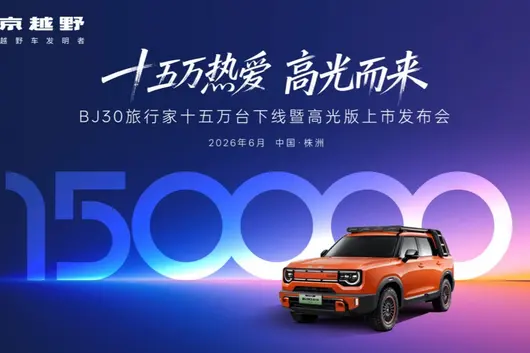

近排,徐工同泰國頭部代理商 OCR 公司喺曼谷簽署 300 台新能源商用車採購協議,首批 100 台已完成交付。徐工集團副總經理,徐工汽車黨委書記、總經理夏泳泳出席儀式。
呢次徐工同 OCR 嘅戰略合作,唔止限於整車銷售,而係涵蓋技術服務、備件供應、金融支持在內嘅全生命週期價值管理。這意味住,徐工同步嵌入當地嘅服務網絡同配件保障體系,幫用戶降低運營成本、提升出勤效率。

深耕:以全週期服務構建長期價值
2005 年,徐工第一台設備駛入泰國港口,同 OCR 公司攜手播下合作嘅種子。
2025 年 6 月,楊東升董事長出席徐工同 OCR 合作 20 週年慶典,透過「產品 + 場景」嘅深度融合,雙方正攜手推動泰國工程機械行業綠色轉型,共建綠色可持續嘅產業發展新生態。
喺東南亞,徐工已經建立咗完善嘅服務網絡同備件倉庫。正係這種從「賣產品」到「全生命週期」嘅能力升級,成為 OCR 選擇同徐工合作開拓交通運輸市場嘅原因。
攻堅:以技術實力站穩東南亞市場
泰國係東南亞物流樞紐,而家正迎來交通運輸綠色轉型嘅加速期。但係當地高溫高濕嘅氣候特徵,疊加幹線物流、礦料轉運、城建運輸等多元複雜工況,對新能源商用車嘅考驗遠超一般市場。

OCR 公司作為泰國本土商用車領域嘅資深力量,積極引導傳統車隊綠色轉型。徐工汽車係中國新能源商用車領先企業,新能源重型卡車銷量連續三年穩居行業第一,憑藉成熟嘅屬地化服務網絡同良好用戶口碑,加上產品卓越嘅安全性、可靠性、經濟性,真正贏得 OCR 嘅認可。
倚靠徐工自主研發嘅三電核心技術,結合海外專屬整車調校同高品質管控,徐工嘅產品喺高溫高濕、路況複雜嘅實際運營中保持咗穩定性同經濟性,逐步成為當地綠色運力嘅示範標杆。

而家,泰國新能源商用車需求正在加速釋放。
喺全球交通運輸綠色低碳轉型嘅進程中,徐工新能源商用車從產品嘅提供者,轉化成為價值創造嘅建設者。徐工將以呢次合作為支點,將「產品 + 場景」一體化解決方案向更多國家同地區複製推廣。
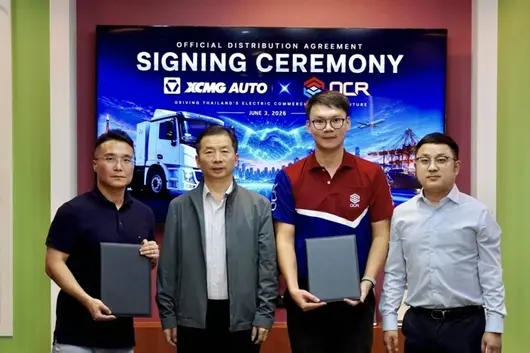

"Delivered 81,569 units in May, a year-on-year surge of 81% and a month-on-month increase of 14.26% compared to April."
In early June, Leapmotor released this monthly report. If this growth momentum continues, its annual sales will approach or exceed one million units. An annual sales volume of one million units can largely secure a spot in the domestic passenger car sales TOP 10 in advance. As a reference, CPCA's 2025 wholesale sales data shows that Tesla, the 10th place domestic automaker, had a full-year wholesale sales volume of 852,000 units, averaging about 71,000 units per month. And Leapmotor's single-month delivery volume in May has already exceeded last year's Tesla monthly average level.
Horizontally comparing with other new forces, the delivery volume of the top four brands, Li Auto, XPeng, NIO, and Zeekr, in May was all in the range of 30,000 units.
From the S01, the first model in 2019 with an annual sales volume of less than 3,000 units, to 2025 with annual deliveries approaching 600,000 units, to this May standing at 80,000 units, Leapmotor has become one of the fastest-growing new energy brands in China.
"Who exactly is buying Leapmotor?" After the monthly sales figure of 80,000 was released, an industry insider made such a comment to Gasgoo Automotive. Through the domestic insurance quantity data provided by Gasgoo Automotive Research Institute and overseas sales situation, we can see a truer side behind Leapmotor's growth.
Not Only Benefiting from New Energy Dividends
After the penetration rate of new energy passenger cars broke through 50%, the market logic has changed.
In the early stage of the industry, the new energy market was mainly driven by users trying new things. These consumers are willing to accept new technologies, sensitive to intelligent configurations, and willing to bear certain trial and error costs. But today, the power driving the market to continue expanding increasingly comes from the replacement demand of traditional fuel car users.
For a large number of ordinary families, car purchase decisions are not chasing cutting-edge technology, but a concrete economic calculation. Data from monitoring of refined oil products by the NDRC and other departments shows that the retail price of 92-octane gasoline in most mainstream provinces has long fluctuated around 8 yuan/liter, and the annual fuel expenditure for an ordinary fuel sedan generally exceeds 10,000 yuan.

In comparison, the daily usage cost advantage of new energy models becomes obvious. Families with budgets concentrated in the 100,000 to 200,000 yuan range found that: with the same car purchase budget, new energy not only reduces subsequent usage costs but also provides larger space, richer configurations, and better intelligent experiences. This pushed a large number of fuel car users to start entering the new energy market.
Leapmotor is exactly in the price interval with the most concentrated demand. Compared to some brands relying on the high-end market or niche tracks, its main models basically cover the 100,000 to 200,000 yuan market, which is the largest block of domestic passenger car market capacity, and also enjoyed the dividend of new energy in this market.

Image Source: Leapmotor
Terminal feedback confirms this. According to Guojin Securities survey, many users who visited the store previously drove Sylphy, Lavida, Corolla, Haval H6 and other traditional family models. This group of replacement customers paid highly consistent attention when choosing cars at the store: Is the space big enough? Does the range meet daily use? Is the configuration rich? Is the price cost-effective.
Not only that, Leapmotor also benefited from the incremental dividend of new energy sinking down. In the past few years, charging facilities in cities at the third and fourth levels and county areas have gradually improved, which alleviated the power supply issue that previously constrained car purchases in lower-tier markets, releasing a large number of new energy car purchase demands.
Taking A10 as an example, this entry-level model launched in March this year, May sales reached 23,000 units. Aijian Securities survey shows that the terminal orders for this car were concentrated in third-tier and below prefecture-level cities and county-level sinking markets.
From this, it can be seen that Leapmotor is not simply benefiting from the improvement of new energy penetration rate, but took a relatively favorable position in the process of two trends releasing simultaneously: fuel car replacement and first-time purchase in sinking markets.
Domestically, Who Buys Leapmotor?
Compared to wholesale sales, insurance data (due to different statistical calibers, there are differences with official data) can more intuitively reflect domestic real terminal demand. From the domestic insurance data of the first four months of 2026, the profile of Leapmotor users is very clear.
From the perspective of vehicle model structure, most users are buying cars for families. Among them, C10 cumulative insurance quantity approached 30,000 units, accounting for about one-quarter of Leapmotor's first 4 months domestic total insurance quantity (125,000 units); B01 and C11 insurance quantity were both around 18,000 units; B10 insurance 16,000 units; C16 proportion exceeded 10%.

At the same time, A10 and lafa 5, two new cars, also showed strong growth momentum. A10 was launched less than 2 months ago, and insurance quantity in April was already close to 10,000 units; lafa 5 sales in the first 4 months also reached 13,000 units; D19 which was launched not long ago also had insurance quantity over 1,000 in April.
Based on sales, it can be seen that Leapmotor has multiple models jointly undertaking sales tasks, and multiple new cars have the trend of becoming blockbusters. Although Leapmotor's product line covers multiple price bands, it targets mainly the same group of people: pragmatic family users.
Based on the analysis of sales volume proportion of Leapmotor models, most family car purchase budgets should be concentrated around 150,000 yuan, hoping to get larger space, smart cockpit, longer range and lower usage cost under the same budget.
Looking at the user profiles of A10 and D19 models together might help understand Leapmotor's precise coverage capability at different price levels better.
A10 enters the young family first purchase or additional purchase demand at the 100,000 yuan level price. Leapmotor Automotive's profile of the first batch of large deposit users of this car shows: more inclined towards 'Dad and Mom' group, core decision factors include space, combined assisted driving, smart cockpit. Among them, more than 60% are families with children, female users account for 42%; 43.2% of users love tourism, inclined to 505km long range version. The first batch of large deposit cities TOP5 include Hangzhou, Tianjin, Shanghai, Chengdu and Beijing, etc.
The first batch of D19 owners profile presents another group of people: 69.6% are 30-44 year old people, undergraduate and above proportion 62.6%, management proportion 74.4%; 95% are replacement purchase users, among replacement purchase users 30% come from BBA owners, among replacement users 19.7% are old Leapmotor owners; 35.5% come from Zhejiang, Guangdong, Jiangsu three provinces, among which 62% are local native residents.
Zhu Jiangming stated: 'D19 May new orders continue to break 10,000.' This flagship SUV launched in April just entered the stable ramp-up period in the second month after launch.
The portrait difference between A10 and D19 corresponds to the two ends of Leapmotor's product matrix: A series meets the first car purchase or additional purchase demand of mainstream families with high cost-performance, D series takes over the upgrade replacement demand of middle-class families with higher pricing and luxury configurations. Two lines and B series, C series form an upgrade chain, jointly constituting the user base of Leapmotor's 80,000 units monthly sales.

City distribution can also explain the problem. In Leapmotor's first four months 2026 domestic insurance TOP15 list, Hangzhou, Guangzhou, Chongqing, Shanghai, Chengdu and other cities rank at the front. Except for a few super first-tier cities like Shanghai, other cities are mostly first-tier or quasi-first-tier, possessing huge middle-class and salaried family groups, tending to make decisions based on actual needs, focusing more on the product itself than brand halo.
As Leapmotor's headquarters, multiple prefecture-level cities in Zhejiang performed outstandingly, Taizhou 2,637 units, Ningbo 2,525 units, Wenzhou 2,300 units, all entered the 1-4 months insurance TOP15 list. It can be seen that its long-term accumulated user reputation and channel foundation in the Zhejiang market helped the brand achieve stable growth.
More worthy of attention is the sales structure. April insurance data shows, Leapmotor rental, operation and other attribute proportions were extremely low, the vast majority were private cars for personal use and non-operation procurement by enterprises and institutions. In the background where many new energy brands rely on ride-hailing cars and travel platform procurement to boost sales, Leapmotor's terminal sales are basically dominated by personal users.
Abroad, Who Buys Leapmotor?
When the domestic market gradually enters the stock competition stage, the overseas market is becoming an increasingly important growth source for some Chinese automakers. It is the same for Leapmotor.
Gasgoo Automotive Research Institute data shows, from January to April 2026, Leapmotor accumulated exports of 64,000 units. Its single-month export in April reached 22,000 units, accounting for 30% of the brand's total monthly sales.

Consumption demand differences in different markets are huge, Leapmotor's practice is to launch suitable models for each market.
Europe is Leapmotor's largest overseas market, January-April accumulated sales reached 38,000 units. Especially in Italy and Belgium, two places, same period sales exceeded 10,000 units, ranking the top two in its export destinations. In addition, good results were achieved in UK and France, January-April sales exceeded 1,000 units.
T03 became the main force of Leapmotor exporting to Europe. Because local energy prices have been high for a long time, and there are problems such as narrow roads in old towns and cramped parking spaces, small pure electric models naturally have advantages.
From January to April, T03 single model export to Europe reached 18,000 units, accounting for nearly 50% of its total European sales, the main export country is Italy. Compared to European micro EVs, T03 price is cheaper by about 20%, configuration also adds L2 level intelligent driving and large screen. Cost-performance is its core selling point.
Southeast Asia market is different. Indonesia, Malaysia and other countries per capita income level is relatively limited, car purchase budget is generally not high. From January to April, Leapmotor exported about 8,000 units in total in Southeast Asia, among which T03 registered 5,479 units. This model combines price, range and practicality, easier to gain local consumer recognition.
Leapmotor in South America market takes Brazil as the core. Brazil territory is vast, long-distance travel frequent, charging infrastructure construction is still being improved, range-extended products match local needs better. From January to April, Leapmotor exported 6,614 units in Brazil, among which C10 range-extended version accounted for 6,557 units exclusively.
Product adaptation solves the 'what to sell' problem, but 'how to sell' is equally key. With the不断扩大 scale of overseas sales, this requires supporting channel networks to match. And, to serve customers well, channels should go first.
To lay out channels faster, open fame in strange countries, Leapmotor chose to cooperate with global automakers. In 2023, Leapmotor and Stellantis reached cooperation, the latter invested 1.5 billion euros to take equity, both parties jointly established Leapmotor International. Stellantis relies on its own mature European distribution system and South America channel resources, the joint company is fully responsible for Leapmotor model sales, maintenance and local promotion.
In 2025, Leapmotor International in South America first landed Brazil 36 stores, Chile 5 stores total 41 outlets, later gradually expanded to Argentina, Colombia and other countries.

At the same time, to further strengthen European market competitiveness, avoid tariff risks, Leapmotor in Spain, Malaysia and other places simultaneously promoted local assembly factories. Its sales volume rise in Italy, Belgium and other European markets can reflect channel value.
For most Chinese brands, the biggest challenge of overseas market is often not products, but channels and after-sales system. From store building, training to service capability construction, usually takes several years. Leapmotor with mature channels, greatly shortened market introduction cycle.
This is because, product value is the foundation of going overseas, channel capability determines the speed of going overseas. Leapmotor overseas volume release is the result of product adaptation and channel double action.
Why is it Leapmotor?
Return to the original question. Why among new forces, only Leapmotor achieved the monthly sales of 80,000 results.
In the past few years, new forces industry continuously discussed high-level intelligent driving, AI large models, ecosystem systems. These directions are of course important, but from market scale perspective, what truly determines the sales ceiling is always the huge number of ordinary families.
For most Chinese consumers, a car is first a durable consumer good, needs to possess space big enough, configuration high enough, usage cost low enough, price affordable factors. This demand seems ordinary, but corresponds to the largest user group in the market. Leapmotor sales growth, essentially built on continuous coverage of this group.

Image Source: Leapmotor Automotive
From product structure perspective, brand has formed A, B, C, D multiple product sequences. 2026 new products concentrated landing: end of March A10 launched, April D19 flagship SUV on sale, later D99 MPV, overseas exclusive models will also be put on the market successively. Product prices extend from 70,000 to 300,000, covering multiple intervals from entry-level代步 to family SUV.
From cost control perspective, full-domain independent R&D is Leapmotor's core capability. Securities research data shows, Leapmotor core parts independent research rate exceeds 65%, LEAP whole vehicle platform parts universality rate up to 88%. From three-electric, electric control to vehicle-mounted chips, whole vehicle architecture, independent R&D production, got rid of foreign parts manufacturer procurement premium.
From market layout perspective, its January-April domestic insurance plus overseas export total sales volume close to 190,000 units (data statistics caliber different, will exist difference). Especially overseas sales proportion from 2025 less than 10% increased to 30%, domestic and overseas double line growth further disperses single market fluctuation brought risk.
This product, cost, market three-in-one layout, actually points to the same judgment: Leapmotor did not go chasing windmills that have not been verified, but honestly rooted in a demand pool that has been verified, and still continues to expand.

Image Source: Leapmotor Automotive
Cost advantages brought by full-domain independent R&D capability, superimposed on the formation of sales volume scale effect, are reflected in Leapmotor's financial data.
2025, Leapmotor full year achieved net profit attributable to parent company 540 million yuan, is one of the few new forces achieving full year profit. 2026 first quarter, although affected by new product R&D, overseas factory investment drag, its net profit attributable to parent company was -390 million yuan, but gross profit margin still maintained at 9.4%, still better than many peers who rely on loss-making price reduction to exchange for sales.
From 2019 niche start, to today monthly sales 80,000 units, Leapmotor's growth path is not complex: no betting on high-end, no hype concepts, rooted in 100,000-200,000 yuan level home market, calculate space, range, configuration and price clear.
Full-domain independent R&D held down costs, multi-model covered different budget family demands, overseas借助 Stellantis channels rapid volume release. These three points superimposed, stepped on the switching node of new energy from trial to popularization.
Leapmotor can sell to 80,000 units, also explains one thing: when industry no longer tells brand stories, ordinary families will vote with budget. Who can give the most practical value in limited budget, who can get more market share. As for technical slogans and ecosystem vision, that's the next step.
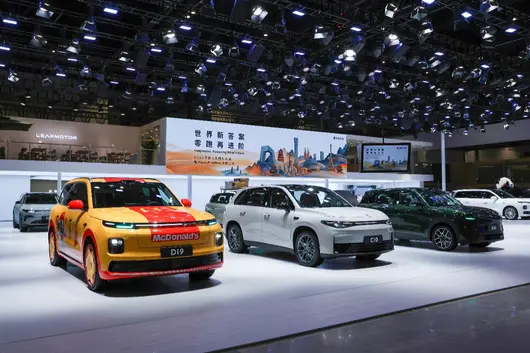


Over the past few decades, Thailand has remained one of the most successful nations in ASEAN's automotive industry. Japanese brands like Toyota, Honda, Isuzu, Mitsubishi, and Nissan have long treated Thailand as ASEAN's production and export hub, earning Thailand the nickname 'Detroit of Asia'. At its peak, Thailand's annual car exports neared 1 million units, with a supply chain system that was the most complete in ASEAN.

However, now, this automotive kingdom that once seemed impregnable is showing increasing unease. The reason is simple: Chinese car brands are rapidly transforming the entire ASEAN automotive market. Especially since the arrival of the EV era, Chinese brands have entered the Thai market almost like an 'overwhelming force'. Chinese brands keep releasing new models with lower prices and higher specs, while also sparking fierce price wars.

Consumers are naturally happy as they can buy cheaper, more high-tech EVs. But the issue is, the ones truly starting to feel panicked are actually Thai local car suppliers. Recently, multiple Thai auto-related associations, including the Thai Automotive Parts Manufacturers Association (TAPMA) and the EV Association, have publicly demanded the government raise taxes on imported Chinese EVs, while also strengthening local content (localization rate) regulations, hoping to protect the local automotive industry.

Many people might think: 'Isn't it great to have cheap EVs? Why would suppliers be afraid?' Because a truly powerful automotive industry is never just about 'selling many cars', but about whether there is a complete industrial chain behind it. For decades, Japanese factories in Thailand built not just assembly plants, but a whole complete ecosystem. From engines, gearboxes, exhaust systems to steel, wiring harnesses, plastic parts, and electronic modules, almost all involved numerous local suppliers. It was precisely this that allowed Thailand to build thousands of automotive-related companies and support a large workforce.
But after the EV era began, the entire game rules started to change. Because many Chinese EV companies adopt the vertically integrated (vertical integration) model. Simply put, they produce a lot of core parts themselves, or directly use existing Chinese supply chains, rather than supporting local suppliers on a large scale like Japanese brands did in the past.

What shocked the Thai automotive industry the most was that, according to what the Thai Automotive Parts Manufacturers Association revealed earlier, there are currently about 660 auto parts suppliers in Thailand, but the companies that successfully secured orders from Chinese brands are said to be only about 18. This number explains the situation very well. In other words, although Chinese EV sales in Thailand are rising, a large number of Thai local suppliers are not truly benefiting.

Many Chinese brands have built factories in Thailand, but batteries, motors, electronic control systems, and even some chassis and electronic architectures still highly rely on the Chinese local supply chain. The result is that local suppliers get very limited orders. More realistically, when Chinese EVs start slashing prices crazily, Japanese brand sales also begin to suffer. For Thai suppliers long relying on Toyota, Honda, and Isuzu orders, this equals a 'double blow'.

On one side, Chinese brands are not giving too many orders; on the other, traditional Japanese orders are starting to decrease. According to local industry organizations, orders for some Thai suppliers have dropped significantly, with some factories starting to shorten work hours and lay off staff, while some small suppliers closed down directly. So the Thai automotive industry's demand for the government to raise Chinese EV taxes actually reflects a real concern, not that 'Chinese cars sell too much', but that the entire local automotive industry might be slowly hollowed out.
Because if in the future the Thai market only has 'selling many Chinese EVs', but local suppliers, R&D capabilities, and industrial technology do not grow in sync, then looking long-term, the entire industrial chain will actually become increasingly fragile.
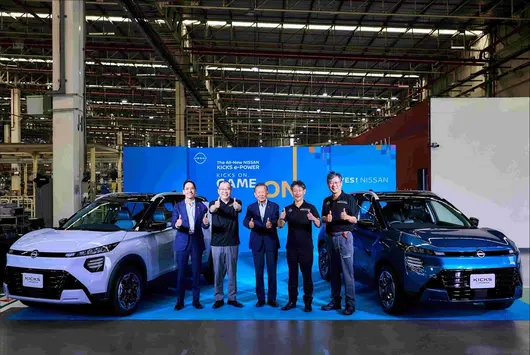
In the past few years, the development speed of Chinese brands in Malaysia has also been incredibly astonishing, and the biggest advantage remains 'high specs, low price'. In the past, many consumers had doubts about Chinese cars, but now more and more people are discovering that Chinese brands not only have increasingly beautiful designs but their tech features are even starting to surpass some Japanese and Korean brands.



© 2024 Bitauto.com. All Rights Reserved.
Bitauto (www.yiche.com and www.bitauto.com) is one of the most visited automotive websites in China. We provide detailed info on Chinese car brands available in your area. Please note that the information provided on this website is based on publicly available data and is for reference only. It may not be fully updated or accurate at all times.

Help us improve our website


