

HomeVolkswagen Golf

Search History
Popular Searches
Dealer Login / Sign Up

喺馬來西亞嘅 SUV 市場,好多買家喺揀車嘅時候都會拿 Proton X90 同 Toyota Fortuner 嚟做比較。
Proton X90 喺馬來西亞嘅 OTR 售價係 RM 106,800 - 122,800,總共有 4 個版本,包括 2026 1.5T Prime X(RM 122,800)、2026 1.5T Prime(RM 116,800)、2026 1.5T Lite(RM 106,800) 等。
Toyota Fortuner 喺馬來西亞嘅 OTR 售價係 RM 195,880 - 241,880,總共有 3 個版本,包括 2024 2.8T VRZ Diesel(RM 241,880)、2024 2.7L SRZ Petrol(RM 202,880)、2024 2.4L Standard Diesel(RM 195,880) 等。
由價錢睇,Proton X90 嘅起步價確實比 Toyota Fortuner 便宜咗 RM 89,080。如果你預算有限,Proton 嘅入門版已經可以滿足日常需求。但都要注意,便宜嗰幾千塊,可能喺配備上會有取捨,具體要看你嘅需求。

Proton X90 採用 FWD 驅動方式。
Toyota Fortuner 採用 FWD 驅動方式。
兩款車嘅驅動方式一樣,都係 FWD,日常駕駛感受唔會有大分別。

Proton X90 保修 5 年/150,000km,保養間隔 每 10,000km 或 6 個月。
Toyota Fortuner 保修 5 年/無限制里程,保養間隔 每 10,000km 或 6 個月。

Proton X90 同 Toyota Fortuner 都係馬來西亞市場嘅主流選擇,適合家庭使用、日常通勤。如果你更加睇重品牌口碑同二手價,可以優先考慮口碑更好嗰一款;如果你更加在意性價比同配備,嗰就揀配備更豐富嗰款。最後始終建議兩款都去試駕,親身體驗先至係最重要嘅。

總體嚟講,Proton X90 同 Toyota Fortuner 都係馬來西亞市場幾唔錯嘅車型。揀邊一部,關鍵都要睇你嘅個人需求同預算。建議大家做好功課,多比較幾間車行嘅報價,先至去試駕做最終決定。買車係件大件事,花少少時間做功課絕對唔會錯。


喺馬來西亞嘅 SUV 市場,好多買家喺揀車嗰陣都會拿 Proton X90 同 Toyota Corolla Cross 去做比較。這兩款車喺價位同定位上都幾接近,今日我哋就由多個方面做一個詳細嘅比對,幫你省下做功課嘅時間。
Proton X90 喺馬來西亞嘅 OTR 售價係 RM 106,800 - 122,800,一共有 4 個版本,包括 2026 1.5T Prime X(RM 122,800)、2026 1.5T Prime(RM 116,800)、2026 1.5T Lite(RM 106,800)等。
Toyota Corolla Cross 喺馬來西亞嘅 OTR 售價係 RM 133,800 - 148,800,一共有 3 個版本,包括 2026 HEV 1.8L GR Sport(RM 148,800)、2026 HEV 1.8L Standard(RM 140,800)、2026 1.8L Standard(RM 133,800)等。
由價錢睇,Proton X90 嘅起步價確實比 Toyota Corolla Cross 平咗 RM 27,000。如果你預算有限,Proton 嘅入門版已經可以滿足日常需求。但亦都要留意,平少少錢,可能喺配備上有取捨,具體就要睇你嘅需求。
Proton X90 嘅安全評級係 5★ (ASEAN NCAP),主動安全系統包括 ADAS (ACC, AEB, LKA, LDA, BSM, RCTA)。
Toyota Corolla Cross 嘅安全評級係 5★ (ASEAN NCAP),主動安全系統包括 TSS (PCS, LDA, ACC, LTA)。
兩款車嘅安全評級一樣,喺呢個級別入面安全配備都算係俾好齊全。而家嘅新車安全性都唔差,唔使太擔心呢一點。
Proton X90 車身長 4400 mm,行李廂 400 L。
Toyota Corolla Cross 車身長 4400 mm,行李廂 400 L。
兩款車嘅尺寸幾乎一樣,車內空間分別唔大。呢個級別嘅車,日常使用完全夠用。
Proton X90 保養保用 5 年/150,000km,保養間隔 每 10,000km 或 6 個月。
Toyota Corolla Cross 保養保用 5 年/無里程限制,保養間隔 每 10,000km 或 6 個月。

總體嚟講,Proton X90 同 Toyota Corolla Cross 都係馬來西亞市場好唔錯嘅車型。揀邊部,關鍵始終都要睇你嘅個人需求同預算。建議大家做好功課,多比較幾間車行嘅報價,再去試駕先做最終決定。買車係件大事,花少少時間做功課絕對唔會錯。

In Malaysia's SUV market, many buyers compare Proton X90 and Honda CR-V when choosing a car. These two cars are quite close in price and positioning. Today we will do a detailed comparison from multiple aspects to help you save time on research.
The OTR price of Proton X90 in Malaysia is RM 106,800 - 122,800, with a total of 4 versions, including 2026 1.5T Prime X (RM 122,800), 2026 1.5T Prime (RM 116,800), 2026 1.5T Lite (RM 106,800), etc.
The OTR price of Honda CR-V in Malaysia is RM 178,200 - 195,900, with a total of 4 versions, including 2026 e:HEV 2.0L 2WD RS (RM 195,900), 2026 1.5T 4WD V (RM 181,900), 2026 e:HEV 2.0L 2WD E (RM 178,200), etc.
In terms of price, the starting price of Proton X90 is indeed RM 71,400 cheaper than Honda CR-V. If your budget is limited, Proton's entry-level version can already meet daily needs. However, note that the lower price of a few thousand may involve compromises in features, depending on your specific needs.
Proton X90 body length 4400 mm, trunk 400 L.
Honda CR-V body length 4500 mm, trunk 450 L.
Regarding space, Honda CR-V's body is 100 mm longer than Proton X90, offering an advantage in passenger space. However, Proton X90 is a bit more flexible for parking in the city, each has its trade-offs.
Proton X90 warranty 5 years/150,000km, maintenance interval every 10,000km or 6 months.
Honda CR-V warranty 5 years/unlimited mileage, maintenance interval every 10,000km or 6 months.
Proton X90 and Honda CR-V are both mainstream choices in the Malaysian market, suitable for family use, daily commuting. If you value brand reputation and resale value more, prioritize the one with better reputation; if you care more about cost-performance and features, choose the one with richer configuration. Ultimately, it is recommended to test drive both, personal experience is the most important.

Overall, Proton X90 and Honda CR-V are both very good models in the Malaysian market. Choosing which one depends mainly on your personal needs and budget. It is suggested to do research, compare quotes from several dealerships, and then test drive to make a final decision. Buying a car is a big matter, spending time on research will never be wrong.

Di pasaran SUV Malaysia, ramai pembeli membandingkan Proton X90 dan Honda WR-V semasa memilih kereta. Kedua-dua model ini mempunyai harga dan kedudukan pasaran yang agak hampir, hari ini kita akan membuat perbandingan terperinci dari pelbagai aspek untuk membantu anda menjimatkan masa melakukan penyelidikan.
Proton X90 dijual dengan harga OTR RM 106,800 - 122,800 di Malaysia, terdapat 4 versi termasuk 2026 1.5T Prime X (RM 122,800), 2026 1.5T Prime (RM 116,800), 2026 1.5T Lite (RM 106,800) dan lain-lain.
Honda WR-V dijual dengan harga OTR RM 89,900 - 107,900 di Malaysia, terdapat 4 versi termasuk 2023 1.5L V (RM 99,900), 2023 1.5L E (RM 95,900), 2023 1.5L S (RM 89,900) dan lain-lain.
Dari segi harga, harga permulaan Honda WR-V RM 16,900 lebih murah berbanding Proton X90. Jujurlah, pada julat harga ini, perbezaan ribuan ringgit tidak begitu besar, yang utama tetap pada nilai kecekapan kos keseluruhan dan kos penggunaan jangka panjang.
Proton X90 panjang badan 4400 mm, bagasi 400 L.
Honda WR-V panjang badan 4400 mm, bagasi 400 L.
Saiz kedua-dua kereta ini hampir sama, ruang dalaman tidak banyak perbezaan. Untuk kereta di kelas ini, kegunaan harian sudah memadai sepenuhnya.
Proton X90 waranti 5 tahun/150,000km, selang servis setiap 10,000km atau 6 bulan.
Honda WR-V waranti 5 tahun/tanpa had km, selang servis setiap 10,000km atau 6 bulan.
Proton X90 dan Honda WR-V adalah pilihan utama di pasaran Malaysia, sesuai untuk kegunaan keluarga dan perjalanan harian. Jika anda lebih menekankan reputasi jenama dan harga semulajadi, boleh utamakan model yang mempunyai reputasi lebih baik; jika anda lebih mementingkan nisbah harga dan kelengkapan, pilihlah model yang lebih banyak kelengkapan. Pada akhirnya, disarankan untuk mencuba kedua-dua model, pengalaman sendiri adalah yang paling penting.

Secara umum, Proton X90 dan Honda WR-V adalah model yang sangat baik di pasaran Malaysia. Memilih mana-mana, kuncinya melihat keperluan dan bajet peribadi anda. Disarankan untuk melakukan penyelidikan terlebih dahulu, bandingkan tawaran dari beberapa dealer kereta, kemudian buat ujian pemanduan untuk keputusan akhir. Membeli kereta adalah perkara penting, meluangkan masa untuk penyelidikan tidak akan salah.

喺馬來西亞嘅 SUV 市場,好多買家喺揀車嗰陣都會拿 Proton X90 同 Honda HR-V 嚟做比較。呢兩款車喺價位同定位上都幾接近,今日我哋就由多個方面做一個詳細比較,幫你省咗做功課嘅時間。
Proton X90 喺馬來西亞嘅 OTR 售價係 RM 106,800 - 122,800,合共 4 個版本,包括 2026 1.5T Prime X(RM 122,800)、2026 1.5T Prime(RM 116,800)、2026 1.5T Lite(RM 106,800) 等。
Honda HR-V 喺馬來西亞嘅 OTR 售價係 RM 115,900 - 143,900,合共 4 個版本,包括 2026 e:HEV 1.5L RS(RM 143,900)、2026 1.5T V(RM 137,900)、2026 1.5T E(RM 130,900) 等。
從價錢嚟睇,Proton X90 嘅起步價確實比 Honda HR-V 平咗 RM 9,100。如果你預算有限,Proton 嘅入門版已經可以滿足日常需要。但都要留意,平嗰幾千蚊,喺配備上可能有取捨,具體要睇你嘅需要。
Proton X90 搭載 1.5L Turbo,馬力 140 hp。官方油耗 7.0 L/100km。
Honda HR-V 搭載 1.5L Turbo,馬力 140 hp。官方油耗 7.0 L/100km。
兩款車用嘅係同一套動力系統,日常開起嚟嘅感受基本上冇咩分別。油耗方面都差唔多,唔使太糾結呢一點。
Proton X90 嘅安全評級係 5★ (ASEAN NCAP),主動安全系統包括 ADAS (ACC, AEB, LKA, LDA, BSM, RCTA)。
Honda HR-V 嘅安全評級係 5★ (ASEAN NCAP),主動安全系統包括 Honda SENSING (ACC, CMBS, LKAS, RDM)。
兩款車嘅安全評級一樣,喺呢個級別入面安全配備都算給晒好齊全了。而家嘅新車安全性都唔錯,唔使太擔心呢一點。
Proton X90 車身長 4400 mm,後備箱 400 L。
Honda HR-V 車身長 4500 mm,後備箱 450 L。
空間方面,Honda HR-V 嘅車身比 Proton X90 長咗 100 mm,乘坐空間更有優勢。不過 Proton X90 喺城市入面泊車會靈活啲,各有取捨。

Proton X90 保固 5 年/150,000km,保養間隔 每 10,000km 或 6 個月。
Honda HR-V 保固 5 年/無限里程,保養間隔 每 10,000km 或 6 個月。
總體嚟講,Proton X90 同 Honda HR-V 都係馬來西亞市場幾好嘅車型。揀邊一輛,關鍵都要睇你嘅個人需要同預算。建議大家做足功課,多比較幾間車行嘅報價,再去做試車做最後決定。買車係件大事,花啲時間做功課絕對唔會錯。

喺馬來西亞嘅 SUV 市場,好多買家喺揀車嘅時候都會拿 Proton X90 同 Honda WR-V 嚟做比較。呢兩款車喺價位同定位上都幾接近,今日我哋就由多個方面做一次詳細嘅比較,幫你節省做功課嘅時間。
Proton X90 喺馬來西亞嘅 OTR 售價係 RM 106,800 - 122,800,合共有 4 個版本,包括 2026 1.5T Prime X(RM 122,800)、2026 1.5T Prime(RM 116,800)、2026 1.5T Lite(RM 106,800) 等。
Honda WR-V 喺馬來西亞嘅 OTR 售價係 RM 89,900 - 107,900,合共有 4 個版本,包括 2023 1.5L V(RM 99,900)、2023 1.5L E(RM 95,900)、2023 1.5L S(RM 89,900) 等。
由價錢睇,Honda WR-V 嘅起步價比 Proton X90 平咗 RM 16,900。坦白講,喺呢個價位段,RM 幾千嘅差距其實唔算大,關鍵仲係睇整體嘅性價比同長期使用成本。
Proton X90 嘅安全評級係 5★ (ASEAN NCAP),主動安全系統包括 ADAS (ACC, AEB, LKA, LDA, BSM, RCTA)。
Honda WR-V 嘅安全評級係 5★ (ASEAN NCAP),主動安全系統包括 Honda SENSING。
兩款車嘅安全評級一樣,喺呢個級別入面安全配備都算給得好齊全。而家嘅新車安全性都唔差,唔使太擔心呢一點。
Proton X90 車身長 4400 mm,車尾箱 400 L。
Honda WR-V 車身長 4400 mm,車尾箱 400 L。
兩款車嘅尺寸幾乎一樣,車內空間分別唔大。呢個級別嘅車,日常使用完全夠用。
Proton X90 同 Honda WR-V 都係馬來西亞市場嘅主流選擇,適合家庭使用、日常通勤。如果你更重視品牌口碑同二手價,可以優先考慮口碑更好嗰款;如果你更在意性價比同配備,嗰就揀配備更豐富嗰款。最後都建議兩款都去試駕,親身體驗先至係最重要嘅。
總括嚟講,Proton X90 同 Honda WR-V 都係馬來西亞市場幾唔錯嘅車型。揀邊台,關鍵都係要睇你嘅個人需求同預算。建議大家做好功課,多比較幾間車行嘅報價,再去試駕做最終決定。買車係件大事,花少少時間做功課絕對無錯。

Di pasaran SUV di Malaysia, ramai pembeli semasa memilih kereta akan membandingkan Proton X70 dan Subaru Forester. Kedua-dua kereta ini mempunyai harga dan kategori pasaran yang sangat hampir, hari ini kita akan membuat perbandingan terperinci dari pelbagai aspek, membantu anda menjimatkan masa membuat kajian.
Proton X70 berharga dari OTR di Malaysia ialah RM 106,800 - 122,300, keseluruhan terdapat 3 varian, termasuk 1.5L Standard 2WD (RM 106,800), 1.5L Executive 2WD (RM 115,800), 1.5L Premium 2WD (RM 122,300) dan lain-lain.
Subaru Forester berharga dari OTR di Malaysia ialah RM 174,000 - 197,000, keseluruhan terdapat 3 varian, termasuk 2024 2.0L S EyeSight GT Edition (RM 189,538), 2024 2.0L S EyeSight (RM 177,538), 2024 2.0L L EyeSight (RM 167,538) dan lain-lain.
Dari segi harga, harga permulaan Proton X70 memang lebih murah RM 67,200 berbanding Subaru Forester. Jika bajet anda terhad, model permulaan Proton sudah boleh memenuhi keperluan harian. Namun perlu diingat, perbezaan harga beberapa ribu itu mungkin melibatkan kompromi pada kelengkapan, bergantung kepada keperluan anda.

Proton X70 dilengkapi enjin 1.5L Turbo, kuasa 140 hp. Konsumsi bahan api rasmi 7.0 L/100km.
Subaru Forester dilengkapi enjin 2.0L 4-cyl, kuasa 170 hp. Konsumsi bahan api rasmi 8.0 L/100km.
Dari segi kuasa, enjin 2.0L 4-cyl Subaru Forester mempunyai 30 hp lebih berbanding 1.5L Turbo Proton X70. Namun semasa memandu biasa di bandar, kedua-dua kereta mempunyai kuasa yang mencukupi, tidak akan terasa kurang tenaga.

Parafan keselamatan Proton X70 ialah 5★ (ASEAN NCAP), sistem keselamatan aktif termasuk ADAS (ACC, AEB, LKA, LDA, BSM, RCTA).
Parafan keselamatan Subaru Forester ialah 5★ (Euro NCAP), sistem keselamatan aktif termasuk EyeSight.
Dari segi kelengkapan keselamatan, kedua-dua kereta mendapat parafan yang baik. Namun ADAS Proton X70 (ACC, AEB, LKA, LDA, BSM, RCTA) dan EyeSight Subaru Forester mempunyai perbezaan fungsi, jika anda lebih mementingkan keselamatan aktif, boleh bandingkan senarai fungsi antara kedua-duanya dengan teliti.

Panjang badan Proton X70 4400 mm, ruang penyimpanan belakang 400 L.
Panjang badan Subaru Forester 4400 mm, ruang penyimpanan belakang 400 L.
Saiz kedua-dua kereta hampir sama, ruang dalaman tidak banyak berbeza. Kereta dalam kategori ini, untuk kegunaan harian sudah cukup.
Proton X70 menggunakan penggerak FWD.
Subaru Forester menggunakan penggerak FWD.
Cara gerak kedua-dua kereta sama, iaitu FWD, pengalaman memandu harian tidak akan berbeza banyak.
Secara keseluruhan, Proton X70 dan Subaru Forester adalah model kereta yang bagus di pasaran Malaysia. Memilih mana satu, penting bergantung pada keperluan peribadi dan bajet anda. Kami menyarankan anda buat kajian, bandingkan beberapa harga dari kedai kereta yang berbeza, kemudian uji drive untuk membuat keputusan akhir. Membeli kereta adalah perkara besar, meluangkan masa untuk kajian tidak akan salah.

Dalam pasaran SUV di Malaysia, ramai pembeli membandingkan Proton X70 dan Volkswagen Tiguan semasa memilih kereta. Kedua-dua kereta ini mempunyai harga dan kedudukan yang agak hampir, hari ini kita akan membuat perbandingan terperinci dari pelbagai aspek untuk membantu anda menjimatkan masa membuat kajian.
Proton X70 dijual OTR di Malaysia seharga RM 106,800 - 122,300, terdapat 3 versi, termasuk 1.5L Standard 2WD (RM 106,800), 1.5L Executive 2WD (RM 115,800), 1.5L Premium 2WD (RM 122,300) dan lain-lain.
Volkswagen Tiguan dijual OTR di Malaysia seharga RM 206,540 - 260,024, terdapat 2 versi, termasuk 2025 Allspace 2.0T R-Line (RM 260,024), 2025 Allspace 1.4T Elegance (RM 206,540) dan lain-lain.
Dari segi harga, harga permulaan Proton X70 memang lebih murah RM 99,740 berbanding Volkswagen Tiguan. Jika anda mempunyai bajet terhad, versi entry-level Proton sudah memadai untuk keperluan harian. Namun, perlu diingat, perbezaan harga beberapa ribu ringgit itu mungkin melibatkan kompromi pada kelengkapan, bergantung pada keperluan anda.

Proton X70 dilengkapi enjin 1.5L Turbo, kuasa 140 hp. Penggunaan minyak rasmi 7.0 L/100km.
Volkswagen Tiguan dilengkapi enjin 2.0L 4-silinder, kuasa 170 hp. Penggunaan minyak rasmi 8.0 L/100km.
Dari segi kuasa, enjin 2.0L 4-silinder Volkswagen Tiguan mempunyai 30 kuasa kuda lebih berbanding enjin 1.5L Turbo Proton X70. Namun, untuk penggunaan harian di bandar, kedua-dua kereta ini mempunyai kuasa yang mencukupi dan tidak terasa kurang tenaga.

Proton X70 panjang badan 4400 mm, kompoten 400 L.
Volkswagen Tiguan panjang badan 4400 mm, kompoten 400 L.
Saiz kedua-dua kereta ini hampir sama, ruang dalaman juga tidak berbeza banyak. Kereta dalam kelas ini sudah memadai untuk penggunaan harian.

Proton X70 menggunakan sistem pemacu FWD.
Volkswagen Tiguan menggunakan sistem pemacu FWD.
Sistem pemacu kedua-dua kereta ini sama, iaitu FWD, tidak akan ada perbezaan besar dalam pengalaman memandu harian.
Proton X70 bergaransi 5 tahun/150,000km, selang penyelenggaraan setiap 10,000km atau 6 bulan.
Volkswagen Tiguan bergaransi 3 tahun/100,000km, selang penyelenggaraan setiap 10,000km atau 6 bulan.
Secara keseluruhannya, Proton X70 dan Volkswagen Tiguan adalah model kereta yang sangat bagus di pasaran Malaysia. Memilih mana satu, ia bergantung kepada keperluan peribadi dan bajet anda. Kami menasihatkan anda untuk membuat kajian yang baik, bandingkan harga dari beberapa kedai kereta, kemudian buat keputusan akhir selepas memandu uji jalan. Membeli kereta adalah perkara besar, meluangkan masa untuk membuat kajian tidak akan rugi.


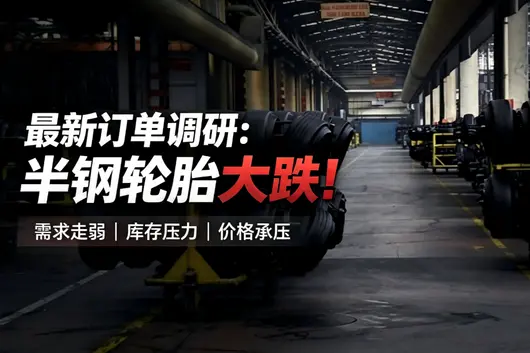
In August, the domestic tire industry continued to exhibit operational characteristics of "weak demand, reduced capacity utilization, and high inventory." From the order structure perspective, semi-steel tires were supported by snow tire production scheduling, with domestic sales showing marginal improvement. However, EU trade friction dragged down exports, compounded by insufficient incremental domestic replacement demand, so overall orders remained weak.
Full-steel tires, as northern high temperatures eased and the southern flood season concluded, saw replacement demand moderately recovering. However, excess capacity limited the rebound space, and the industry supply side may continue with production control and maintenance status.
Semi-Steel Tires: Snow Tires Support Domestic Sales Bottom, Exports Still Dragged Down
From the order situation of semi-steel tire sample enterprises, overall orders continued to operate weakly, with export pressure being particularly prominent.
Industry surveys show that 42% of enterprises saw their export order volume decline to varying degrees compared to the previous month, while about 58% of enterprises had export orders flat compared to the previous month. The core reason for order weakening is EU anti-dumping constraints.

In response to direct supply order losses in the European market, enterprises are actively developing other overseas markets to seek overall order stability, while relying on overseas bases to take on transferred orders.
Chinese-backed bases in Southeast Asia such as Vietnam and Thailand exported tires to Europe in the first four months of 2026, growing year-on-year by 165% and 147% respectively, but Southeast Asia's overall production capacity is already close to full load, making it difficult to fully replace in the short term. Some enterprises with overseas capacity have full orders at overseas bases, but overall order performance still fell short of expectations.
Signals of marginal improvement appeared in domestic sales. Entering the snow tire production period, enterprises increased production efforts, forming certain support for domestic order increments.

However, domestic replacement demand is constrained by factors such as consumption downgrading and increased ownership of new energy vehicles bringing longer tire replacement cycles, limiting overall increments and weakening order performance. Channels had high reserve inventory earlier, combined with unchanged bearish market expectations, dealers are cautious in stocking, production enterprises are conservative in production scheduling.
From capacity utilization data, on July 30, semi-steel tire sample enterprises had a capacity utilization rate of 63.98%, a month-on-month improvement of 1.21 percentage points, but a year-on-year decrease of 6.00 percentage points.
In July, semi-steel tire production was about 50.77 million tires, a month-on-month decrease of 12.66%, and a year-on-year decrease of 10.88%. The month-on-month rebound in capacity utilization rate mostly reflects supply recovery after maintenance, rather than strong expansion on the demand side.
Full-Steel Tires: Demand Recovers Gently, Rebound Space Limited
From the order situation of full-steel tire sample enterprises, overall operation remained stable but weak. Regarding export orders, 63% of full-steel tire sample enterprises had export orders stable compared to the previous month, 33% of sample enterprises had export orders reduced compared to the previous month, with a small amount expecting incremental growth.

Orders in regions such as Africa, the Middle East, and Southeast Asia were still relatively good, supporting the overall picture, but overseas trade friction still exists, limiting overall increments.
Signs of moderate recovery appeared in domestic sales. With northern high temperatures easing and the southern flood season gradually concluding, some transportation vehicle departure rates recovered, replacement demand will recover gently. On July 30, full-steel tire sample enterprises had a capacity utilization rate of 63.80%; for the whole month of July, full-steel tire production was 13.01 million tires, a month-on-month decrease of 1.66%, but a year-on-year growth of 2.04%.
However, rebound space is significantly constrained. The status of "too many vehicles, too little cargo" still exists, low freight rates inhibit the willingness of logistics practitioners to replace tires, and incremental demand for full-steel tire replacement is limited.

From the inventory end, as of the end of July, full-steel tire sample enterprises' finished product inventory turnover days were about 39.43 days, and semi-steel tires were about 45.56 days. Affected by production control, the industry shows a state of "passive de-stocking", turnover days improved month-on-month, but absolute inventory levels remain at a high level in recent years.
Production Control and Maintenance Remain Short-Term Norm
Under such a market environment, overall, the status of enterprise production control and flexible maintenance will continue.
According to Lonzhong Information's survey forecast on capacity utilization rates for the next cycle, only 3.33% of semi-steel tire samples have an expectation of increase, 10% of enterprises have an expectation of decrease, and 86.67% of enterprises stated that operation will remain stable.

This survey result intuitively reflects the cautious attitude of enterprises — before inventory de-stocking achieves substantial progress and export orders show a clear turning point, production control, reduction of load, and flexible maintenance will be the normalized operations for the industry in the short term.
For tire enterprises, the core contradiction currently lies not in the supply side but in the demand side. Whether recovering semi-steel export orders or repairing full-steel replacement demand, time is needed.
Before the turning point arrives, maintaining low inventory and stable cash flow is more important than blindly increasing production.

喺馬來西亞嘅 SUV 市場,好多買家喺揀車嗰陣都會拿 Proton X70 同 Volkswagen Tiguan 來比較。這兩款車喺價位同定位上都好接近,而家我哋就由多個方面做一次詳細比較,幫到你省咗做功課嘅時間。
Proton X70 喺馬來西亞嘅 OTR 售價係 RM 106,800 - 122,300,合共 3 個版本,包括 1.5L Standard 2WD(RM 106,800)、1.5L Executive 2WD(RM 115,800)、1.5L Premium 2WD(RM 122,300) 等。
Volkswagen Tiguan 喺馬來西亞嘅 OTR 售價係 RM 206,540 - 260,024,合共 2 個版本,包括 2025 Allspace 2.0T R-Line(RM 260,024)、2025 Allspace 1.4T Elegance(RM 206,540) 等。
由價錢睇,Proton X70 嘅起步價確實比 Volkswagen Tiguan 平咗 RM 99,740。如果你預算有限,Proton 嘅入門版已經可以滿足日常需要。不過都要注意,平嗰幾千蚊,可能喺配備上會有取舍,具體要看你嘅需要。
Proton X70 嘅安全評級係 5★ (ASEAN NCAP),主動安全系統包括 ADAS (ACC, AEB, LKA, LDA, BSM, RCTA)。
Volkswagen Tiguan 嘅安全評級係 5★ (Euro NCAP),主動安全系統包括 IQ.Drive。
安全配備方面,兩款車都拿到唔錯嘅評級。不過 Proton X70 嘅 ADAS (ACC, AEB, LKA, LDA, BSM, RCTA) 同 Volkswagen Tiguan 嘅 IQ.Drive 喺功能上有少少分別,如果你好重視主動安全嘅話,可以仔細對比下兩者嘅功能列表。
Proton X70 採用 FWD 驅動方式。
Volkswagen Tiguan 採用 FWD 驅動方式。
兩款車嘅驅動方式一樣,都係 FWD,日常駕駛感覺唔會有太大分別。
Proton X70 保用 5 年/150,000km,保養間隔 每 10,000km 或 6 個月。
Volkswagen Tiguan 保用 3 年/100,000km,保養間隔 每 10,000km 或 6 個月。
總體嚟講,Proton X70 同 Volkswagen Tiguan 都係馬來西亞市場好幾唔錯嘅車款。揀邊輛,關鍵都要睇你嘅個人需要同預算。建議大家做足功課,多比較幾間車行嘅報價,再去試駕先決定。買車係件大事情,花少少時間做功課絕對唔錯。
喺馬來西亞嘅 SUV 市場,好多買家喺揀車嗰陣都會拿 Proton X70 同 Volkswagen Tiguan 來比較。呢兩款車喺價位同定位上都幾接近,今日我哋就從多個方面做一個詳細比較,幫你節省做功課嘅時間。
Proton X70 喺馬來西亞嘅 OTR 售價係 RM 106,800 - 122,300,一共有 3 個版本,包括 1.5L Standard 2WD(RM 106,800)、1.5L Executive 2WD(RM 115,800)、1.5L Premium 2WD(RM 122,300) 等。
Volkswagen Tiguan 喺馬來西亞嘅 OTR 售價係 RM 206,540 - 260,024,一共有 2 個版本,包括 2025 Allspace 2.0T R-Line(RM 260,024)、2025 Allspace 1.4T Elegance(RM 206,540) 等。
從價錢嚟睇,Proton X70 嘅起價確實比 Volkswagen Tiguan 平咗 RM 99,740。如果你預算有限,Proton 嘅入門版已經可以滿足日常需要。但都要留意,平嗰幾千蚊,可能喺配備上面會有取捨,具體睇你嘅需要。
Proton X70 配備 1.5L Turbo,馬力 140 hp。官方油耗 7.0 L/100km。
Volkswagen Tiguan 配備 2.0L 4-cyl,馬力 170 hp。官方油耗 8.0 L/100km。
動力方面,Volkswagen Tiguan 嘅 2.0L 4-cyl 比 Proton X70 嘅 1.5L Turbo 多咗 30 匹馬力。不過日常喺市區開,兩款車嘅動力都夠用,唔會覺得唔夠力。
Proton X70 車身長 4400 mm,行李箱 400 L。
Volkswagen Tiguan 車身長 4400 mm,行李箱 400 L。
兩款車嘅尺寸幾乎一樣,車內空間分別唔大。呢個級別嘅車,日常使用完全夠用。
Proton X70 採用 FWD 驅動方式。
Volkswagen Tiguan 採用 FWD 驅動方式。
兩款車嘅驅動方式一樣,都係 FWD,日常駕駛感受唔會有太大分別。
總括嚟講,Proton X70 同 Volkswagen Tiguan 都係馬來西亞市場好唔錯嘅車型。揀邊一部,關鍵就係睇你嘅個人需要同預算。建議大家做足功課,多問幾間車行嘅報價,再去試駕做最後決定。買車係件大事,花少少時間做功課絕對唔會錯。

BYD 呢三個字母,據王傳福話,起初係亂整嘅,隨便揀咗個冇註冊嘅名,後來,先至俾佢賦予「Build Your Dreams」呢樣意義,但 BYD 喺海外友商眼中可能意指:Be Your Daddy。

呢啲說話聽落似段子,但翻開 7 月份嘅銷量數據,你會發現呢個可能真係。
比亞迪 7 月總銷量 419,211 輛,其中海外銷量達到 179,841 輛,同比增長 124.3%,再創歷史新高。1-7 月累積出口 96.9 萬輛,同比增長 78.4%。照住呢個勢頭,8 月就將迎嚟海外銷量破百萬輛嘅里程碑。
上半年,比亞迪海外累積銷售 789,367 輛,同比增長 68%,海外銷量佔總銷量比例約 43.6%。每賣出 10 台車,有 4 台多係賣畀海外消費者嘅。

澳洲係比亞迪海外表現最亮眼嘅市場之一。
2026 年上半年,比亞迪喺澳洲累積交付 52,335 輛,同比增長 124%。6 月單月交付 18,881 輛,同比增長 131.5%,只係比豐田少咗 243 輛。呢已經係比亞迪連續第三個月坐喺澳洲品牌銷量第二位,僅次於霸咗榜 20 年嘅豐田。
電動車細分市場更誇張——比亞迪上半年交付 29,192 輛電動車,同比增長 241.2%,佔據 28.1% 嘅市場份額,正式取代特斯拉成為澳洲最暢銷嘅電動汽車品牌。特斯拉上半年交付 23,588 輛,份額 22.3%。
6 月,純電動車佔澳洲新車總銷量嘅 23.3%,而去年同期僅為 7.6%,半年內市場份額翻咗近 3 倍。比亞迪就係呢個爆發式增長嘅最大受益者。
2023 年 3 月,比亞迪先至正式進入英國市場。僅僅 3 年嘅時間,累積銷量就突破咗 10 萬輛。
2026 年前 4 個月,比亞迪喺英國銷售 26,396 輛新能源車,同比增長 124%,市場份額超 7%,正式超越寶馬、特斯拉、大眾,成為英國最大電動汽車品牌。比亞迪仲係英國汽車市場歷史上最快達到 5% 市場份額嘅品牌。
從最初只有 ATTO 3 一款車型,到而家擴展到 10 款車型;從 5 間經銷網點,擴展到 143 間——三年時間,比亞迪喺英國完成咗由 0 到 10 萬、由無名到第一嘅跨越。

日本市場向嚟係外資車廠最難啃嘅骨頭。但比亞迪用一款車撬開咗道門。
2026 年 7 月 28 日,比亞迪專門為日本市場打造嘅純電 K-Car「海獺」(RACCO)正式開啟預售。起售價 214.5 萬日圓,折合人民幣約 8.87 萬元。
預售首周,鎖單定金訂單直接突破 5000 台。咩概念?比亞迪 2025 年喺日本全年銷量只得 3731 台。一款車一週嘅訂單量,超過咗去年一整年。此前東京車展亮相期間,原型車已收到約 3 萬份意向訂單。比亞迪畀海獺定嘅目標係 2026 年底前攞到 1 萬輛訂單——而家睇落,完成呢個目標可能唔使等到年底。

日本網友一邊討論住「中國車入侵」,一邊默默落單。這就是市場最誠實嘅反饋。
問題係,比亞迪唔係以價換量,而係量價齊飛。
騰勢 Z9GT 喺歐洲上市,純電版喺法國起售價 11.5 萬歐羅,折合人民幣約 91.8 萬元。但喺國內,同款車型起售價僅 26.98 萬元。同一台車,歐洲售價係中國嘅 3 倍多。
但價格冇嚇退歐洲消費者。騰勢 Z9GT 喺英國、德國、法國、意大利同西班牙同步開啟預訂,計劃 2026 年底前擴展至 30 個國家。騰勢總經理李慧表示,Z9GT 嘅訂單已經排到四個月後。騰勢 Z 喺英國上市當日就收到嚟自塞爾維亞嘅近 20 輛訂單,歐洲同中東市場亦喺催促交付。
一台 30 萬人民幣嘅中國車,喺歐洲賣到近 100 萬,仲有人排隊搶。喺 5 年前邊個敢諗?
而家,比亞迪嘅業務已覆蓋全球 119 個國家同地區。泰國、巴西工廠穩定運營,匈牙利、印尼基地喺 2026 年 4 月投產,海外本土化產能預計將突破 50 萬輛。
2026 年海外銷量目標 150 萬輛。就家下嘅數據睇——上半年 78.9 萬,7 月單月 18 萬——呢個目標仲唔係遙不可及。
由澳洲只差 243 輛追平豐田,到英國 3 年 10 萬輛超越 BBA,再到日本 K-Car 一週訂單超去年全年——比亞迪喺海外每一步,都唔再係「試下啦」,而係實打實喺食掉傳統巨頭嘅市場份額。
BYD 呢三個字母,喺海外友商眼中可能意指「Be Your Daddy」。但喺比亞迪自己睇嚟,可能只係另一個起點。
畢竟,全球化從來唔係終點,而係一場冇終點嘅馬拉松。

In 2026, the Chinese car market, on the surface, is still moving forward, but the underlying tone is not easy. On one hand, NEV penetration continues to rise, with new cars arriving one after another; on the other hand, promotions, price cuts, and benefit increases have basically become the norm.
It is worth noting that selling cars does not mean profit remains. You should know that the most uncomfortable part of this industry is not the lack of sales, but that many enterprises are exchanging profit for market share and cash flow for voice.
Entering July, the market pressure did not suddenly disappear. According to data released by the China Passenger Car Association, from July 1st to 26th, national passenger car retail was 1.123 million units, down 18% year-on-year and 13% month-on-month. From here, it is clear that consumers are more cautious about buying cars, and enterprises can no longer solely rely on a round of marketing hype to push up sales.

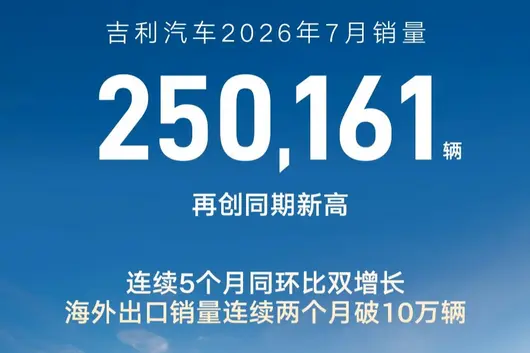
However, precisely against this backdrop, Geely Automobile delivered a July «report card» with quite a sense of contrast. Its single-month sales reached 250,161 units, making Geely Automobile the only company in the industry to achieve month-on-month and year-on-month double growth in sales for five consecutive months. Among them, NEV sales (including Geely Automobile, Lynk & Co, ZEEKR) were 160,165 units, up 23% year-on-year, accounting for 64% of total sales. More worth pondering is that Geely Automobile's overseas exports also reached 106,663 units, up 202% year-on-year and 4% month-on-month, achieving double growth year-on-year and month-on-month for seven consecutive months.
You should know that these are not numbers easily exchanged by «lowering the price a bit more» and «pumping volume more fiercely». Because the market today no longer lacks a car that becomes popular in the short term; it lacks a system that can continuously meet demand: mainstream markets need scale, high-end markets need brand momentum, fuel users cannot be abandoned, and NEV users must be persuaded; the domestic market needs stability, and the overseas market must have new growth.
Therefore, what is truly worth looking at in Geely Automobile's July report card is not the result of 250,000 units itself, but where these 250,000 units come from, what supports them, and whether they can continue. When the industry is generally under pressure, why can Geely Automobile still run its own rhythm? Let's explore it together!
Not just «one best-selling model», but a product matrix that can fight
If you break down Geely Automobile's July sales by company, you will find that its growth logic is not single-line.
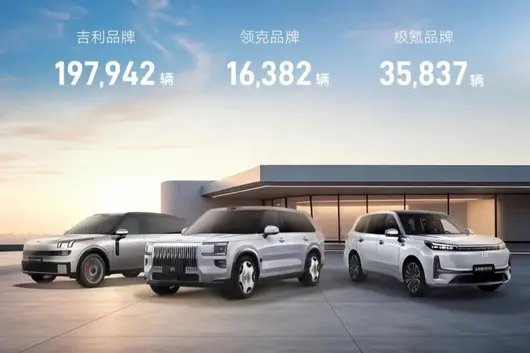
Geely Brand sales for the month were 197,942 units, up 2% year-on-year, still constituting the most solid basic base of this automaker. Looking down, Geely Galaxy sold 107,797 units, up 13% year-on-year; China Star Series sales were 90,145 units, up 15% month-on-month; ZEEKR deliveries were 35,837 units, a big jump of 111% year-on-year; Lynk & Co sales were 16,382 units, among which NEV products reached 14,069 units. The meaning of these numbers lies not in every brand having to become «Number One», but in different price bands, energy routes, and usage scenarios having relatively clear successors.

Let's look at Geely Galaxy first. It bears the scale task of the mainstream NEV market. Star Wish July sales were 55,105 units, up 24% year-on-year and 8% month-on-month, cumulative sales breaking 800,000 units. For a volume-selling car, the true test has never been whether it can create hype at launch, but whether it can still retain users after rapid product iteration and frequent price cuts by competitors. Continuous sales performance shows that Galaxy is not just hitting the rhythm in a certain window period; it has begun to possess the ability to output stably.

Next is ZEEKR. 35,837 units of monthly delivery and a 111% year-on-year increase are not just a number change in the high-end NEV market. It exactly shows that in the process of Geely Automobile moving upwards, it did not understand high-endization as «more expensive configuration sheets», but is strengthening the combined force of brand, technology, and product experience. Products such as ZEEKR 9X, Refreshed ZEEKR 009, and 7X have successively progressed for delivery, targeting different battlefields such as high-end SUVs, luxury MPVs, and global pure electric markets. Users of high-end cars are not insensitive to prices, but they care more about whether a car is complete enough—design, performance, intelligence, safety, and service cannot focus on just one item.

Compared to ZEEKR, Lynk & Co undertakes the group's «broader» task. It did not crowd into the same comfortable home-use track with all brands, but continues to strengthen sports and travel attributes. In July, Lynk & Co 07 GT went on sale and 10,000 large orders were broken in 27 minutes, although this data comes from the enterprise disclosure standpoint. But it at least reflects a trend: when NEV products gradually look more and more alike, products that can provide clear driving personality and scene value are actually easier to be remembered.

And besides NEV cars, don't ignore fuel cars. When many people talk about NEV transformation, they habitually view fuel businesses as «old burdens» that need to be discarded as soon as possible. But for an automaker pursuing operating quality, fuel cars are still important cash flow and user foundations. In this regard, Geely China Star continues to consolidate fuel car market competitiveness. China Star July sales reached 90,145 units, up 15% month-on-month; the Double Bin Family sales were 31,152 units, up 68% year-on-year. This means Geely Automobile did not use NEV to hard confront and replace all demand, but retained different user choice rights during the transformation process.
From here, it is not difficult to see that this is where the synergy of Geely's four brands is most valuable: Galaxy is responsible for deepening and expanding the mainstream NEV market, ZEEKR is responsible for breakthroughs in high-end value zones, Lynk & Co defends youthful, sporty, and personalized expressions, and China Star stabilizes the basic base of fuel car users. They are not four teams fighting independently, but jointly undertaking growth tasks in different segmented markets.

More importantly, the value of the matrix is not just «many cars». From the appearance of Galaxy TT and Galaxy Warship 700, to the successive deliveries of new ZEEKR and Lynk & Co products, to the product renewal of China Star, Geely is expanding product boundaries to more scenarios such as sedans, SUVs, MPVs, wagons, and NEV off-roading. If the new product rhythm of some automakers can ultimately be converted into continuous delivery and reputation, this matrix will be upgraded from «coverage» to «moat».

Thus, the answer to the question is already becoming clear. Geely Automobile's counter-trend is not relying on a single car suddenly exploding, but relying on a product system that relays to each other. When market demand becomes more fragmented and pickier, try not to let users flow elsewhere. What needs to be seen next is why this system can not only sell cars domestically but also extend growth overseas.

Exports Break 100,000 in Two Consecutive Months, From «Product Going Overseas» to «Value Going Overseas»
In the past, Chinese car exports were often understood as a business of «sending products overseas»: finding importers, laying out channels, grabbing market share. This road can be run fast, but not necessarily far. Because the competition for NEVs is not just battery capacity and screen size on the configuration sheet; it also has to face charging conditions, after-sales response, financial solutions, regulatory standards, and even user trust in the brand in different countries.

The difference in this round of Geely Automobile's overseas growth lies in it starting to do three things at once: using NEV products to open the mainstream market, using high-end brands to raise the value ceiling, and using local partnerships to turn one-time sales into long-term operations. The three lines are not fighting independently, but are jointly answering the same question: how to enter the core price band of the global car market without relying on low prices.
From the data perspective alone, Geely Automobile's overseas exports in July were 106,663 units, achieving month-on-month and year-on-month double growth for seven consecutive months, breaking the 100,000 unit threshold for two consecutive months. The export volume has accounted for 42% of total sales, supporting nearly half of the business. More含金量 (worthiness) is the export structure. Its NEV product exports in July were 62,604 units, surging 616% year-on-year, accounting for 59% of total export volume. In August, Star Wish will enter the broad A0-class Australian market, with a price of 124,000-146,000 RMB, and gross profit margin significantly higher than domestic.
From specific market performance, Geely Automobile's products have already established a foothold in multiple global markets. Geely Star Wish (Geely EX2) ranked first in Thailand EV sales, second in Brazil EV, and second in Mexico pure electric models; Star Ship 7 EM-i (Geely EX5 EM-i) ranked first in Poland C-class PHEV market single model sales, second in Mexico June PHEV segmented market sales, also topping the plug-in hybrid list in Slovenia, Bulgaria and other markets, and ranking second in Mexico plug-in hybrid segmented market.

The overseas expansion of high-end brands is also noteworthy. Since the launch of Lynk & Co 08, global cumulative deliveries have reached nearly 190,000 units, ranking in the top three of Mexico high-end plug-in hybrid SUV and Morocco mid-size plug-in hybrid SUV sales in the first half of the year; ZEEKR ranked first in Australian and Malaysian luxury pure electric brand sales in the first half of the year. ZEEKR 7X ranked first in multiple segmented markets including Australia mid-size SUV over 65,000 AUD, Malaysia luxury EV, Morocco luxury electric SUV, Egypt mid-size luxury electric SUV, and ZEEKR 009 firmly stays at the top of Thailand and Malaysia luxury pure electric MPV sales.
At the same time, ZEEKR's global territory is still expanding rapidly. Among them, ZEEKR 007GT officially landed in 16 European countries; ZEEKR 7X exceeded 1,000 pre-sale orders in South Korea, with high-middle and high-spec ratio as high as 94%; ZEEKR also became the first Chinese high-end automobile brand to land in East Malaysia, and channel networks continue to sink. Geely Automobile's overseas expansion has never been simply «selling cars abroad», but walking the route of localized operations, reducing risks and improving efficiency through win-win cooperation.

Besides product overseas expansion, Geely Automobile continues to promote localized operation capability construction. In July, Geely Automobile reached an agreement with Ford. The two parties will establish a joint venture company at Ford's Valencia, Spain factory to produce NEV models for the European market through capacity sharing. This light asset cooperation model can quickly cut into core European markets without building factories from scratch, and can effectively counter tariffs and geopolitical policy risks. Both domestic and overseas brokerages have consistently expressed看好 (look favorably). Additionally, on the channel end, Geely Automobile is also promoting simultaneously. Geely Automobile has formally signed with Pakistan comprehensive enterprise group Bestway Group, authorizing it as Geely Galaxy's official importer in Pakistan. It will officially enter the Pakistan market in Q3 this year, initially introducing two pure electric SUVs Galaxy E5 and Star Wish, continuously developing emerging markets.

As of July, Geely Automobile has completed 58% of its annual million-export goal, with pace far exceeding industry expectations. With ZEEKR 9X landing in the Middle East and i-HEV hybrid technology going overseas in the second half of the year, this second growth curve of globalization will continue to release profit potential and become an important support for Geely Automobile to traverse the domestic cycle.
Technical Moat
Why can Geely Automobile maintain profitability in an «bleeding» industry environment? Besides brand and market success, the fundamental reason lies in its deep technical moat. When price wars are fought fiercely, Geely Automobile chose a harder but more correct path: using technology premium to counter price involution.

In core NEV technology, Geely Galaxy released the world's first «Thunder 16-in-1 Smart Electric Drive», completing breakthrough iteration of NEV electric drive underlying technology. This system will be equipped on Geely Galaxy TT first, not only successfully winning «Lowest energy consumption record for mass-produced pure electric cars circling Qinghai Lake» and «Longest continuous dual-car drift on wet roads (electric vehicle)» Guinness World Records, but also controlling 100km/h electric consumption at a surprising level of 8.20kWh. This generational advantage in technology gives Geely Automobile absolute pricing power in the 100,000-200,000 mainstream market.

In the manufacturing field, two core technologies of Geely Automobile won the Second Prize of the 2025 National Science and Technology Progress Award. Whether «Heat-treated Quenching and Tempering Aluminum/Magnesium Alloy and Its Application Technology for Integrated Die Casting» or «Key Technologies and Industrialization of High Safety, High Fault Tolerance, High Efficiency Intelligent Electric Electric Chassis», they all broke the long-term monopoly of overseas enterprises in high-performance materials and high-end chassis fields. This means Geely Automobile can not only make good cars, but also make good cars at lower costs and higher efficiency. This manufacturing cost advantage is the confidence for it to dare to «not lose money» in price wars.

In intelligence, Geely Automobile always insists on safety as the bottom line. On July 21, Geely Automobile obtained the industry's first «Automobile Production Organization Combined Driving Assistance Safety Management System Certification Certificate». In today's era of intelligence driving systems flooding, Geely Automobile did not blindly pursue «futures» functions, but established an industry-leading safety standardization system through «Qianli Haohan» intelligence driving system. In the second half of the year, Geely Automobile will also set up a «2030 Lab» to tackle frontier fields such as acoustics, optics, digital chassis, embodied intelligence, etc. This «develop one generation, reserve one generation, apply one generation» technical rhythm ensures Geely Automobile products always lead by half a position.
Final Thoughts:
July 250,000 units, five consecutive months of double growth, overseas breaking 100,000 consecutive months, NEV penetration rate 64%. Geely Automobile's report card placed against the backdrop of the industry's overall decline speaks for itself.
But what is worth thinking about more than numbers is the way of growth. Geely Automobile did not participate in bottomless price wars or rely on pressing inventory to pump volume, but covered layered markets through multi-brand synergy, opened up incremental space through high-value overseas expansion, and built competitive barriers through underlying technology. This is a path of «high-quality growth». It is not about who loses less, but who has stronger blood-making ability. From multi-brand synergy to global layout, from technological innovation to product value improvement, Geely Automobile is building a systemic capability to traverse the cycle. As the industry elimination window approaches, this capability may be the hardest hand to stay at the table. Let us look forward to Geely Automobile bringing us greater surprises in the future!

2026 年國內車市正處於政策調整、市場飽和、需求疲弱、競爭白熱化嘅多重洗牌週期,行業整體增長動能持續走弱,整體環境愈來愈嚴峻。一方面,新能源購車補貼全面退坡、購置稅優惠政策大幅收縮,政策紅利徹底褪去,車企過往依賴嘅促增長優勢不復存在;另一方面,國內汽車市場保有量趨於飽和,增量空間基本枯竭,行業全面進入殘酷嘅存量博弈階段。

伴隨入局車企持續增多、新品車型密集扎堆,市場同質化競爭愈來愈激烈,無休止嘅價格內捲不斷壓縮行業利潤空間。與此同時,消費市場信心不足、終端購買力持續下滑,消費者購車意願低迷、持幣觀望情緒濃重,進一步拖累整車終端銷量。多重利空因素疊加,再加上前期消費透支、盛夏淡季衝擊、燃油車市場持續收縮等影響,2026 年車市下行壓力全面凸顯。


乘聯會數據顯示,7 月 1 日 -26 日全國乘用車零售 112.3 萬輛,同比下降 18%、環比下降 13%,多數車企陷入“降價換量、規模換生存”嘅被動局面,增收不增利成為行業普遍痛點,行業淘汰賽全面提速。喺此全行業承壓下行嘅大背景下,吉利汽車逆勢突圍,交出咗極具週期韌性嘅亮眼成績單:7 月整體銷量突破 25 萬輛,達到 250161 輛,連續五個月實現銷量同、環比雙增長,係當前車市中唯一持續穩增嘅主流整車企業,喺行業寒冬中走出獨立增長行情,充分彰顯其扎實嘅體系競爭力與抗風險能力。不同於行業普遍嘅低價內捲打法,吉利汽車嘅持續增長並非以犧牲利潤、透支品牌為代價,而係主動摒棄無序價格戰,堅定錨定高質量發展戰略,聚焦經營質量與盈利質量雙重提升,依托海外出海與品牌高端化雙輪驅動,完成從“規模引領”向“價值引領”嘅戰略躍遷,為車企長效健康經營、穿越行業週期提供咗全新範本。海外市場嘅爆發式增長,係吉利汽車對沖國內車市壓力、夯實高質量增長底盤嘅核心增量。2026 年 7 月,吉利海外銷量再創歷史新高,達到 106663 輛,同比大幅激增 202%,連續兩個月穩固月銷十萬台梯隊,海外銷量佔總銷量比重高達 42%,全球化佈局成效全面兌現。截至 7 月,吉利已完成年度百萬出口目標嘅 58%,出海進度大幅領先行業平均水平,成為國內車企全球化發展嘅標桿。

吉利嘅出海並非簡單嘅產品出口,而係高價值、高質量嘅全球化深耕,徹底擺脫低端出口嘅行業通病。目前,吉利多款高附加值車型穩居全球主流市場榜單,Geely EX2 登頂泰國電動車月銷冠軍,穩居巴西電動車、墨西哥純電車型銷量前列;Geely EX5 EMi 橫掃波蘭、斯洛文尼亞、保加利亞插混市場冠軍,喺墨西哥插混細分市場穩居 TOP2,憑藉硬核產品力站穩海外高價值市場。與此同時,吉利持續優化出海模式,7 月成功收購福特西班牙工廠,以輕資產、低成本、短週期嘅創新模式切入歐洲核心市場,有效規避貿易壁壘與地緣政策風險,為全球化長效發展築牢壁壘。伴隨極氪 9X 三季度登陸中東、i-HEV 智擎技術四季度全面出海,吉利全球化第二增長曲線加速成型,盈利閉環能力持續強化。
如果說海外出海打開咗增量空間,那麼品牌高端化則係吉利提升盈利質量、跳出行業內捲嘅核心引擎。當前國內汽車市場同質化競爭加劇,多數車企深陷配置內捲、價格內捲嘅惡性循環,盈利空間持續被壓縮,而吉利堅定推進高端化戰略,以技術與產品力實現品牌價值躍升。旗下高端品牌極氪 7 月交付量達 35837 輛,同比暴漲 111%,持續穩健向上,穩固自主豪華品牌標桿地位。
從市場口碑與行業數據嚟睇,極氪已真正站穩豪華品牌陣營。傑蘭路報告顯示,極氪消費者感知、品牌信心、產品推薦度均遠超行業平均水平,旗艦車型極氪 9X 憑藉全系標配 800V 高壓架構、激光雷達等硬核配置,以超 53 萬元嘅均價連續多月蟬聯高端大型 SUV 銷冠,其 NPS 淨推薦值位列 50 萬元以上全品類車型榜首。值得關注嘅係,極氪 9X 五座版以“無發布會”嘅低調姿態上市,唔靠營銷造勢、唔參與價格內捲,憑藉硬核產品實力實現市場突圍,成為資本市場認可嘅高端化可盈利稀缺樣本,大幅提升吉利整體單車淨利潤與品牌溢價能力。
喺國內存量市場,吉利同樣實現量價齊升嘅穩健增長,打破行業“跌價走量”嘅困局。7 月吉利國內銷量 143498 輛,環比逆勢增長 4%,喺整體車市大幅下滑嘅環境中領跑行業。依托四大品牌協同發力、差異化矩陣佈局,吉利實現細分市場全覆蓋:吉利銀河穩居主流新能源賽道,星願累計銷量超 80 萬輛,持續衛冕中國全品類車型銷量冠軍;領克深耕高端運動市場,新品上市即引爆市場;中國星系列持續領跑燃油大盤,連續 9 年蟬聯中國品牌燃油乘用車銷量冠軍,喺燃油車市場持續收縮嘅背景下守住基本盤、挖掘新價值。
縱觀 2026 年車市格局,行業悲觀預期已喺估值端充分釋放,市場逐步進入築底復蘇嘅關鍵窗口期。喺行業洗牌加速嘅當下,短期價格內捲只能換來短暫規模,唯有高質量增長方能穿越週期。吉利汽車憑藉“海外高端出海 + 本土品牌向上”嘅雙軌戰略,避開同質化內捲陷阱,持續優化產品結構與盈利結構,實現銷量、口碑、利潤三重增長。作為年初以來“A+H 股”中唯一股價正增長嘅中國整車股,吉利已獲得摩根大通、摩根士丹利、招商證券國際等多家海內外券商一致看好,被認定為下半年汽車板塊核心佈局標的。

逆勢五連增嘅背後,係吉利汽車堅守長期主義、深耕高質量發展嘅戰略定力。喺行業告別野蠻生長、進入精細化競爭嘅新階段,吉利以技術為根基、以價值為核心、以全球為格局,徹底擺脫低價內捲嘅低效競爭,走出一條可持續、高盈利、高韌性嘅發展之路,不僅為自身長效發展築牢根基,更為中國汽車產業高質量轉型、全球化突破樹立咗全新標桿。

The last weekend of July in the summer of 2026, I spent it in Pingshan, Shenzhen.
That afternoon, I visited an Italian-style café near BYD's Global Headquarters to meet Old Li.
Old Li was my college roommate. After graduation, he joined BYD and has been there for over ten years. From the original F3, he worked his way up to the current YangWang.
He opened his laptop. The screen was densely packed with progress tables for building factories overseas and various technical blueprints.
I asked him if his body could handle the non-stop recent schedule.
He closed the laptop, took a big gulp of iced coffee, and his eyes shone with a extremely bright light:
"It's tiring, but I feel happy inside. In July, we sold 419,000 vehicles. Data on premium cars and overseas sales all broke records. This feeling is like holding back a powerful move for ten years and finally landing it on the opponent's face."
1

419,000 vehicles.
This number represents a massive gap on the July China New Energy Vehicle sales list. For 62 consecutive months, BYD has firmly occupied the throne of China's monthly New Energy Vehicle sales.
But what truly excited Old Li was not the sheer volume, but the structural qualitative change.
"Previously, there was always a stereotype outside that we only rely on low prices for volume." Old Li turned the computer screen toward me, pointing to a set of data. "Take a look at this."
In July, BYD's premium brands (FangChengBao, Denza, YangWang) sold over 60,000 vehicles in total, a year-on-year increase of about 135%. Especially FangChengBao, sold over 40,000 vehicles in a single month, with a brand average transaction price exceeding 220,000; YangWang and Denza also steadily consolidated their positions in their ultra-luxury and luxury segments.
Old Li said, going for the premium segment is BYD's ingrained obsession with "daring to dream".
He recalled the past few years when the company proposed developing "e4", "DiSus", and million-level luxury cars. How many doubts came from outside. Some said it was a pipe dream, others said Chinese brands couldn't sell at that price.
"But Boss Wang (Wang Chuanfu) and our technical team just dared to do it, and dared to persist," Old Li said. "We stayed up countless nights and days in the lab, not to compete in a low-level price war, but to achieve a real generational advantage in core technologies."
When YangWang U8 turned around in place and floated on emergency water, when FangChengBao Bao 5 walked easily in the desert and snow, all those doubts turned into amazement.
Old Li looked at me, smiling and said: "Do you know what the most satisfying moment is for a Chinese engineer? It's not about how much bonus was issued, but seeing the code you wrote yourself and the chassis you tuned, forcing those once lofty century-old luxury brands to bow down and study you."
This is a pure sense of pride belonging to tech geeks.
2
After finishing the coffee, Old Li drove me to Yantian Port.
The sea breeze mixed with a salty wet scent. Massive Ro-Ro ships looked like moving steel islands, swallowing new BYD cars one by one into their bellies.
In July, BYD's passenger car and pickup overseas sales reached nearly 180,000 vehicles, a year-on-year increase of 124.3%, setting a new historical high. For the first 7 months of this year, cumulative overseas sales approached the one million vehicle milestone.
Standing by the dock, Old Li pointed to the cars about to go to the vast ocean and said: "These cars are going to Europe, Latin America, Southeast Asia. Our overseas channels and factories are sprouting vigorously."
Going global is another key battleground for BYD's "daring to act".
Old Li told me that current global expansion is no longer the simple "selling goods out" of those days, but "rooting" across the whole industry chain and system.
"We built factories in Hungary, Brazil, and Thailand. We not only brought cars, but also brought flash charging technology, brought God's Eye high-level intelligent driving, and brought China's new energy standards."
He spoke of the experience of opening up the European market last year. The team was then facing European giants with hundreds of years of automotive cultural heritage, and local consumers were full of scrutiny towards a car brand from China.
"We didn't retreat. We relied on hardcore technical presentations one after another, on real test drive experiences one after another, tearing open a gap forcibly." Old Li said, "Daring to persist is fighting to the end in places others think are impossible and too difficult."
Looking at those huge ships sailing towards the deep blue, I suddenly felt somewhat emotional.
Decades ago, we exchanged 800 million shirts for one airplane; more than ten years ago, we exchanged cheap OEM products for meager foreign exchange.
And today, Chinese engineers use self-developed three-electric systems and leading intelligent cockpits to transport high-value-added cars ship by ship to the world, to exchange for a say at the top of the global industrial chain.
This is not only a victory of business, but also a leap of the spirit of the times.
3
On the evening of August 1st, the sales list for July was officially released.

I looked closely at that table. BYD 419,000, SAIC 177,000, Geely 160,000, Chery 129,000, Leapmotor 101,000. Further down, new forces at the 30,000 to 40,000 level.
This is a glamorous list, also the prelude to a major reshuffle of China's automotive industry.
In this era of winner-takes-all, there is no middle ground. Those names not on the list, those car companies that were once in the limelight, some have already stopped production, some are struggling hard in the ICU.
I asked Old Li, facing such an industry landscape, what is BYD's real moat?
He thought for a while and said six words:
Dare to think, dare to act, dare to persist.
"Many people only see our current sales, but didn't see we persisted on LFP for over ten years, persisted on PHEV technology for over ten years." Old Li said. "When the wind of opportunity comes, only those enterprises that truly dare to imagine the future, dare to put in hard work on R&D, and persist in long-termism even during low periods, can receive this overwhelming wealth."
This persistence is not blind involution, but a certainty towards "doing hard but correct things".
In BYD's engineer culture, everyone pursues a huge sense of accomplishment after overcoming difficulties. When a new technology becomes reality from blueprints, when a new model fights all over the global market, the joy of dopamine secretion cannot be replaced by anything.
This is exactly the positive energy most needed in today's Chinese society, using solid technology and innovation to win the world's respect.
4
On the way back from Yantian Port to the city center, the sunset dyed Shennan Avenue golden yellow.
Old Li told me that next week he would fly to Hungary to monitor the final debugging work of the European passenger car factory.
"The team over there is ready. We want to get the first car off the line locally in Europe before the end of the year." In his tone, there was no fatigue from long-distance flying, only anticipation for the new journey about to begin.
Looking at the profile of his face as he focused on driving, I suddenly felt that the best stories of this era are actually written by millions of people like Old Li.
They are trendsetters in the tide of this country's industrial upgrading. They have light in their eyes, fire in their hearts, and a road under their feet.
419,000 vehicles are not only scattered across every corner of China, but will eventually also spread to all corners of the world.
They will become new favorites in European middle-class garages, partners for Latin American families on weekend outings, and the most beautiful scenery on Southeast Asian streets.
They are not only transportation tools, but also business cards for China's intelligent manufacturing going global.
When getting off the car, I shook hands with Old Li vigorously.
"Everything goes smoothly in Europe, waiting for your good news." I said.
He nodded smiling, pressed the gas pedal, and the car merged into the Shenzhen evening rush hour traffic flowing forward.
Watching the car disappear, I know that the Great Age of Navigation belonging to Chinese cars and Chinese engineers has just begun.

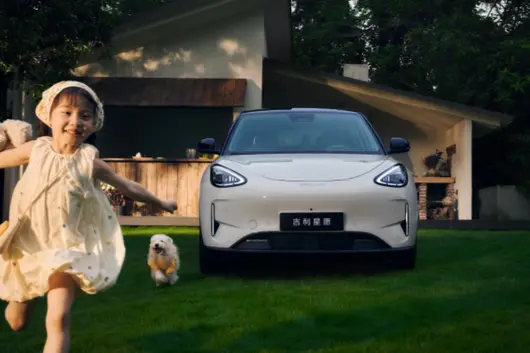
In July, Geely Xingyuan sold 55,105 units.

This number is interesting when viewed in the off-season — the CPCA forecasts that retail sales of light passenger cars in July will decline over 15% year-on-year. Most brands saw a month-on-month decline, yet it was actually more than 4,000 units higher than in June.
But what is more worth discussing is not the monthly sales, but another number: 800,000 units.
From its launch in October 2024 to now, 664 days, Geely Xingyuan has cumulatively sold 800,000 vehicles. Averaged over every day, that's about 1,200 units.
Is this speed considered fast?
Tesla Model 3 took nearly six years to reach 800,000 units in China. Xingyuan compressed the time to 21 months. Around May Day this year, it just passed 700,000 units; after 71 days, it rose by another 100,000 units.
There is a rule in the automotive industry: the larger the sales base, the harder it is to gain increment. But Xingyuan's curve at the 800,000-unit level has not significantly flattened — the off-season performance of 55,000 units in July, in some way, indicates that this car's market ceiling is still far from being reached.
What does 800,000 units actually mean?
Data is one thing, but what is truly interesting is another matter: Geely Xingyuan's official guide price is 64,800–94,800 yuan, with a limited-time rights price starting from 61,800 yuan. Entering the A0-class market with a 'High Quality, Good Price' strategy, it achieved the impressive result of 800,000 units sold.

In traditional perception, small cars should be cheap, the cheaper the better. Wuling Hongguang MINI EV drove the price below 30,000 yuan, with monthly sales once surging to over 50,000 units. But that is a completely different logic — extreme low price, extreme commuting, extreme simplicity.
Xingyuan took another path.
It comes standard with CATL battery cells across the entire series, offers rear-wheel drive with independent suspension, a 70-liter front trunk, Flyme Auto smart cockpit, and highway NOA assisted driving. These configurations, in the fuel car era, were basically available only on B-class or higher-level vehicles. Geely crammed all of these into a 4.1-meter small car, selling for over 90,000 yuan.
What was the result? The market accepted it.
The choice of 800,000 users illustrates one thing: A0-class small car users do not only recognize cheapness. They are willing to spend a little extra money for better driving texture, more intuitive infotainment, safer structure, and better-looking design — provided you can really deliver these things.
Xingyuan did one thing right: it downgraded B-class car configuration logic to A0-class, piled up the sense of value to the extent where users feel "this money is well spent", then set the price at a reasonable position. This strategy worked.
Champion in all categories, without qualifiers
The term "sales champion" has almost been worn out in automotive marketing. But Xingyuan's "champion" is a bit different.
For the whole year of 2025, it was the best-selling among all models in the Chinese car market — whether fuel or electric, whether sedan or SUV, whether domestic or joint venture. In the first half of 2026, it continued to be number one. 55,000 units in July means the momentum for the second half has not broken.

An A0-class pure electric small car has overshadowed divine cars of the fuel era like Sylphy, Lavida, and Corolla, and also surpassed global star models like Model 3 and Model Y. Put this five years ago, no one would believe it.
It shows that the definition of "a good car" among Chinese consumers has changed. The weight of brand halo is declining, while the competitiveness of the product itself is rising. Electric cars are no longer "compromises", and small cars are no longer "settling". A refined, easy-to-drive, smart, and safe pure electric small car can be the main vehicle for many families, not just a second commuting car at home.
Another perspective: This system can run globally
Xingyuan has entered more than twenty countries and regions.
Sold over 10,000 units in Brazil in five months, winning the local "Best Compact Electric Vehicle of the Year". In the pure electric markets of Indonesia, Costa Rica, and Paraguay, its monthly sales rank first. One week at the Thailand auto show brought over 3,000 orders.

Interestingly, Xingyuan didn't make major changes for overseas markets. The handling feel of rear-wheel drive, the smoothness of the car computer, the solidity of the range — these things gain recognition from consumers in different countries without needing translation.
This shows that Chinese brands already have the ability to output product definitions in the A0-class pure electric segment. In the past, European small cars set aesthetic standards, and Japanese K-Cars set space standards. Now, Chinese cars like Xingyuan are telling the global market: what a good small car should look like.
Final Thoughts
800,000 units is a milestone, but the greater value may lie in the fact that it validates a judgment: In today's price wars where profits are paper-thin, what can truly weather the cycle is not the lowest price, but the most certain value.
This curve Xingyuan ran out in 664 days is not just the success of one car. It means the rules of the game in a niche market have changed, and it also means Chinese brands on the global new energy sector finally start to have the qualification to define what is "good".
Of course, 800,000 is just a checkpoint. The road ahead is still long, but at least the direction has already been established.
In the Malaysian SUV market, many buyers compare Perodua Ativa and Toyota Yaris Cross when choosing a car. These two models are quite close in price and positioning. Today we will make a detailed comparison from multiple aspects to help you save time on research.
Perodua Ativa OTR price in Malaysia is RM 62,500 - 73,400, with 3 versions including 1.0L Turbo X (RM 62,500), 1.0L Turbo H (RM 67,300), 1.0L Turbo AV (RM 73,400), etc.
Toyota Yaris Cross OTR price in Malaysia is RM 99,900 - 109,900, with 2 versions including 2026 1.5L Standard (RM 99,900), 2026 HEV 1.5L Standard (RM 109,900), etc.
From a price perspective, the Perodua Ativa starting price is indeed RM 37,400 cheaper than the Toyota Yaris Cross. If your budget is limited, the Perodua entry-level version is already sufficient for daily needs. However, be aware that saving a few thousand might mean compromises in features, depending on your specific requirements.

Perodua Ativa safety rating is 5★ (ASEAN NCAP), active safety systems include ASA 3.0 + ACC + LDA + LKA + BSM + RCTA.
Toyota Yaris Cross safety rating is 5★ (ASEAN NCAP), active safety systems include TSS.
Both vehicles have the same safety rating; safety features are quite comprehensive for this segment. New cars nowadays generally have good safety, so there is no need to worry too much about this.

Perodua Ativa body length is 4400 mm, boot capacity 400 L.
Toyota Yaris Cross body length is 4400 mm, boot capacity 400 L.
The dimensions of both vehicles are almost identical, with little difference in interior space. This class of car is perfectly adequate for daily use.

Both Perodua Ativa and Toyota Yaris Cross are mainstream choices in the Malaysian market, suitable for family use and daily commuting. If you value brand reputation and resale value more, prioritize the one with better reputation; if you care more about cost-effectiveness and features, choose the one with richer specifications. Ultimately, it is recommended to test drive both; experiencing them personally is the most important.

Overall, both Perodua Ativa and Toyota Yaris Cross are excellent models in the Malaysian market. Choosing which one depends mainly on your personal needs and budget. It is recommended to do your research, compare quotes from several dealerships, and then test drive to make the final decision. Buying a car is a major decision, spending some time doing research will never go wrong.


喺馬來西亞嘅 SUV 市場,好多買家揀車嘅時候都會拿 Perodua Ativa 同 Chery Tiggo Cross 嚟做比較。呢兩款車喺價位同定位上都幾接近,而家我哋就由多個方面做一个詳細嘅比較,幫你省返做功課嘅時間。
Perodua Ativa 喺馬來西亞嘅 OTR 售價係 RM 62,500 - 73,400,合共 3 個版本,包括 1.0L Turbo X(RM 62,500)、1.0L Turbo H(RM 67,300)、1.0L Turbo AV(RM 73,400) 等。
Chery Tiggo Cross 喺馬來西亞嘅 OTR 售價係 RM 88,750 - 99,750,合共 2 個版本,包括 2025 HEV 1.5L CSH(RM 99,750)、2025 1.5T Standard(RM 88,750) 等。
由價錢嚟睇,Perodua Ativa 嘅入手價確實比 Chery Tiggo Cross 平咗 RM 26,250。如果你預算有限,Perodua 嘅入門版已經可以滿足日常需求。但都要留意,平少少嘅幾千蚊,可能喺配備上會有取舍,具體要看你嘅需求。
Perodua Ativa 搭載 1.5L 4-cyl,動力 105 hp。官方油耗 6.0 L/100km。
Chery Tiggo Cross 搭載 1.5L 4-cyl,動力 105 hp。官方油耗 6.0 L/100km。
兩款車用咗同一套動力系統,日常開起嚟嘅感受基本冇分別。油耗方面都差不多,唔使太糾結呢一點。
Perodua Ativa 採用 FWD 驅動方式。
Chery Tiggo Cross 採用 FWD 驅動方式。
兩款車嘅驅動方式一樣,都係 FWD,日常駕駛感受唔會有太大分別。
Perodua Ativa 保修 5 年/150,000km,保養間隔 每 10,000km 或 6 個月。
Chery Tiggo Cross 保修 3 年/100,000km,保養間隔 每 10,000km 或 6 個月。

Perodua Ativa 同 Chery Tiggo Cross 都係馬來西亞市場嘅主流選擇,適合家庭使用、日常通勤。如果你更睇重品牌口碑同二手價,可以優先考慮口碑更好嗰一款;如果你更介意性價比同配備,嗰就揀配備更豐富嗰款。最後始終建議兩款都去試駕,親自體驗先係最重要。

總體嚟講,Perodua Ativa 同 Chery Tiggo Cross 都係馬來西亞市場幾唔錯嘅車型。揀邊一輛,關鍵都要睇你嘅個人需求同預算。建議大家做好功課,多比較幾間車行嘅報價,再去做試駕做最終決定。買車係件大事,花少少時間做功課絕對唔會錯。
Dalam pasaran SUV Malaysia, ramai pembeli membandingkan Proton X70 dan MG MG HS semasa memilih kereta. Kedua-dua kereta ini dalam aspek harga dan posisi pasaran agak mendekati, hari ini kami akan membuat perbandingan terperinci dari pelbagai aspek, membantu anda menjimatkan masa untuk membuat kajian.
Harga OTR Proton X70 di Malaysia ialah RM 106,800 - 122,300, terdapat 3 versi, termasuk 1.5L Standard 2WD (RM 106,800), 1.5L Executive 2WD (RM 115,800), 1.5L Premium 2WD (RM 122,300) dan lain-lain.
Harga OTR MG MG HS di Malaysia ialah RM 130,450 - 146,450, terdapat 2 versi, termasuk 1.5L Standard (RM 105,000), 1.5L Executive (RM 115,000) dan lain-lain.
Dari segi harga, harga permulaan Proton X70 memang lebih murah RM 23,650 berbanding MG MG HS. Jika bajet anda terhad, versi permulaan Proton sudah memadai untuk keperluan harian. Namun, perlu diingat, perbezaan harga yang sedikit itu mungkin melibatkan pengurangan pada kelengkapan, bergantung pada keperluan anda.
Penarafan keselamatan Proton X70 ialah 5★ (ASEAN NCAP), sistem keselamatan aktif termasuk ADAS (ACC, AEB, LKA, LDA, BSM, RCTA).
Penarafan keselamatan MG MG HS ialah TBD, sistem keselamatan aktif termasuk Basic.
Dari segi kelengkapan keselamatan, kedua-dua kereta mendapat penarafan yang bagus. Walau bagaimanapun, terdapat perbezaan fungsi antara ADAS (ACC, AEB, LKA, LDA, BSM, RCTA) Proton X70 dan Basic MG MG HS. Jika anda lebih mengutamakan keselamatan aktif, anda boleh membandingkan senarai fungsi kedua-duanya dengan teliti.
Panjang badan Proton X70 ialah 4400 mm, ruang bagasi 400 L.
Panjang badan MG MG HS ialah 4400 mm, ruang bagasi 400 L.
Saiz kedua-dua kereta hampir sama, ruang dalaman kenderaan tidak banyak berbeza. Kereta dalam kategori ini sudah cukup untuk kegunaan harian.
Proton X70 dan MG MG HS kedua-duanya merupakan pilihan utama di pasaran Malaysia, sesuai untuk kegunaan keluarga dan perjalanan harian. Jika anda lebih mengutamakan reputasi jenama dan harga pasaran kedua, anda boleh memberi keutamaan kepada yang mempunyai reputasi lebih baik; jika anda lebih mengutamakan nilai wang dan kelengkapan, maka pilih yang lebih kaya dengan konfigurasi. Pada akhirnya, disyorkan untuk uji test kedua-dua model, pengalaman langsung adalah yang paling penting.
Secara keseluruhan, Proton X70 dan MG MG HS kedua-duanya merupakan model kereta yang sangat baik di pasaran Malaysia. Memilih mana satu, kuncinya masih bergantung pada keperluan dan bajet peribadi anda. Kami mengesyorkan anda membuat kajian, membandingkan beberapa tawaran daripada pengedar kereta yang berbeza, kemudian lakukan ujian test untuk membuat keputusan akhir. Membeli kereta adalah perkara besar, meluangkan masa untuk membuat kajian pasti tidak salah.
In Malaysia's SUV market, many buyers compare the Perodua Ativa and Chery Tiggo Cross when choosing a car. These two cars are quite close in price and positioning. Today, we will do a detailed comparison from multiple aspects to help you save time on research.
The Perodua Ativa's OTR price in Malaysia is RM 62,500 - 73,400, with a total of 3 versions, including 1.0L Turbo X (RM 62,500), 1.0L Turbo H (RM 67,300), 1.0L Turbo AV (RM 73,400), etc.
The Chery Tiggo Cross's OTR price in Malaysia is RM 88,750 - 99,750, with a total of 2 versions, including 2025 HEV 1.5L CSH (RM 99,750), 2025 1.5T Standard (RM 88,750), etc.
Looking at the price, the Perodua Ativa's starting price is indeed RM 26,250 cheaper than the Chery Tiggo Cross. If your budget is limited, the Perodua entry-level version can already meet daily needs. However, keep in mind that the few thousand ringgit difference might involve trade-offs in features, which depends on your specific requirements.
The Perodua Ativa is equipped with 1.5L 4-cyl, 105 hp. Official fuel consumption 6.0 L/100km.
The Chery Tiggo Cross is equipped with 1.5L 4-cyl, 105 hp. Official fuel consumption 6.0 L/100km.
Both cars use the same powertrain system, and the driving feel is basically the same in daily use. Fuel consumption is also similar, so there is no need to worry too much about this point.
The Perodua Ativa body length is 4400 mm, trunk 400 L.
The Chery Tiggo Cross body length is 4400 mm, trunk 400 L.
The dimensions of both cars are almost the same, and the interior space difference is not significant. Cars in this class are more than enough for daily use.
The Perodua Ativa adopts FWD drive mode.
The Chery Tiggo Cross adopts FWD drive mode.
The drive modes of both cars are the same, both FWD, and the daily driving feel will not differ significantly.
Overall, both the Perodua Ativa and Chery Tiggo Cross are very good models in the Malaysian market. Which one to choose ultimately depends on your personal needs and budget. It is recommended that you do your research, compare quotes from several car dealerships, and then go for a test drive to make the final decision. Buying a car is a major decision, and taking time to do research will never be wrong.
© 2024 Bitauto.com. All Rights Reserved.
Bitauto (www.yiche.com and www.bitauto.com) is one of the most visited automotive websites in China. We provide detailed info on Chinese car brands available in your area. Please note that the information provided on this website is based on publicly available data and is for reference only. It may not be fully updated or accurate at all times.

Help us improve our website


