

Homeacross

Search History
Popular Searches
Dealer Login / Sign Up

In the Malaysia SUV market, many buyers compare Toyota Harrier and Porsche Macan when choosing a car. These two cars are quite close in price and positioning. Today, we will do a detailed comparison from multiple aspects to help you save time on research.
Toyota Harrier's OTR price in Malaysia is RM 289,000 - 289,000, with a total of 1 version, including 2026 HEV 2.5L Standard (RM 289,000), etc.
Porsche Macan's OTR price in Malaysia is RM 469,000 - 469,000, with a total of 4 versions, including 2025 55 quattro S line (RM 467,285), 2025 50 quattro Advanced (RM 361,135), PMT 1874, Lorong IKS BukitTengah 14000 Bukit Mertajam (RM 296,610), etc.
In terms of price, the starting price of Toyota Harrier is indeed RM 180,000 cheaper than Porsche Macan. If your budget is limited, Toyota's entry-level version can already meet daily needs. However, be aware that the few thousand cheaper may involve trade-offs in features, depending on your specific needs.

Toyota Harrier's safety rating is 5★ (ASEAN NCAP), active safety systems include Brand ADAS.
Porsche Macan's safety rating is 5★ (Euro NCAP), active safety systems include InnoDrive.
Regarding safety features, both cars have received good ratings. However, there are some differences in function between Toyota Harrier's Brand ADAS and Porsche Macan's InnoDrive. If you value active safety, you can compare their feature lists in detail.

Toyota Harrier warranty 5 years/unlimited mileage, maintenance interval every 10,000km or 6 months.
Porsche Macan warranty 3 years/100,000km, maintenance interval every 10,000km or 6 months.

Both Toyota Harrier and Porsche Macan are mainstream choices in the Malaysia market, suitable for family use and daily commuting. If you value brand reputation and resale value more, prioritize the one with better reputation; if you care more about cost-effectiveness and features, choose the one with richer configuration. Ultimately, it is recommended to test drive both, as personal experience is the most important.

Overall, both Toyota Harrier and Porsche Macan are very good models in the Malaysia market. Which one to choose depends on your personal needs and budget. We suggest doing your research, comparing quotes from multiple dealerships, and then test driving to make the final decision. Buying a car is a big deal, spending time on research is never wrong.


Di pasaran SUV di Malaysia, ramai pembeli sering membandingkan Mazda CX-3 dan Chery Tiggo Cross ketika memilih kereta. Kedua-dua kereta ini mempunyai harga dan posisi pasaran yang agak hampir, hari ini kita akan melakukan perbandingan terperinci dari pelbagai aspek untuk membantu anda menjimatkan masa membuat kajian.
Mazda CX-3 dijual di Malaysia dengan harga OTR RM 126,159 - 139,159, terdapat 2 varian, termasuk 2023 2.0L High (RM 139,159), 2023 2.0L Plus (RM 126,159) dan sebagainya.
Chery Tiggo Cross dijual di Malaysia dengan harga OTR RM 88,750 - 99,750, terdapat 2 varian, termasuk 2025 HEV 1.5L CSH (RM 99,750), 2025 1.5T Standard (RM 88,750) dan sebagainya.
Dari segi harga, harga permulaan Chery Tiggo Cross adalah RM 37,409 lebih murah daripada Mazda CX-3. Jujur berkata, pada julat harga ini, perbezaan beberapa ribu ringgit sebenarnya tidak besar, yang penting adalah nilai keseluruhan dan kos penggunaan jangka panjang.

Mazda CX-3 panjang badan 4500 mm, ruang bagasi 450 L.
Chery Tiggo Cross panjang badan 4400 mm, ruang bagasi 400 L.
Dari segi ruang, badan Mazda CX-3 100 mm lebih panjang daripada Chery Tiggo Cross, ruang duduk dalam kereta akan sedikit lebih lapang, terutamanya ruang kaki bangku belakang. Jika anda sering membawa keluarga atau perlu membawa kereta dorong bayi, badan kereta yang lebih besar memang lebih praktikal.

Mazda CX-3 menggunakan cara pemacu FWD.
Chery Tiggo Cross menggunakan cara pemacu FWD.
Kedua-dua kereta mempunyai cara pemacu yang sama, iaitu FWD, pengalaman memandu harian tidak akan terlalu berbeza.

Mazda CX-3 dan Chery Tiggo Cross kedua-duanya adalah pilihan utama pasaran Malaysia, sesuai untuk kegunaan keluarga, perjalanan harian. Jika anda lebih mengutamakan reputasi jenama dan harga jual semula, boleh utamakan yang mana reputasinya lebih baik; jika anda lebih mengambil kira nilai kegunaan dan kelengkapan, maka pilih yang mana kelengkapannya lebih banyak. Akhir sekali, disyorkan untuk memandu uji kedua-dua kereta ini, pengalaman langsung adalah yang paling penting.

Secara keseluruhannya, Mazda CX-3 dan Chery Tiggo Cross kedua-duanya adalah model kereta yang cukup bagus di pasaran Malaysia. Memilih yang mana satu, yang penting adalah melihat keperluan peribadi dan bajet anda. Kami mengesyorkan anda membuat kajian dengan baik, membandingkan sebut harga di beberapa pengedar, kemudian buat keputusan akhir setelah memandu uji. Membeli kereta adalah perkara besar, meluangkan masa membuat kajian tidak akan salah.


喺马来西亚嘅 SUV 市場,好多買家喺揀車嗰陣都會拿 Toyota Harrier 同 Subaru Crosstrek 嚟做比較。两款車喺價位同定位上都好接近,我哋今日就從多個方面做個詳細比較,幫你節省做功課嘅時間。
Toyota Harrier 喺马来西亚嘅 OTR 售價係 RM 289,000 - 289,000,一共有 1 個版本,包括 2026 HEV 2.5L Standard(RM 289,000) 等。
Subaru Crosstrek 喺马来西亚嘅 OTR 售價係 RM 145,000 - 160,000,一共有 1 個版本,包括 2.0L e-Boxer(RM 150,000) 等。
由價錢嚟睇,Subaru Crosstrek 嘅起步價比 Toyota Harrier 平咗 RM 144,000。講真,喺呢個價位段,幾千塊嘅差距其實唔算大,關鍵仲係睇整體嘅性價比同長期使用成本。
Toyota Harrier 配備 2.0L Turbo,馬力 220 hp。官方油耗 9.5 L/100km。
Subaru Crosstrek 配備 1.5L Turbo,馬力 140 hp。官方油耗 7.0 L/100km。
動力方面,Toyota Harrier 嘅 2.0L Turbo 比 Subaru Crosstrek 嘅 1.5L Turbo 多咗 80 匹馬力,中段加速更有信心,尤其係跑高速公路超車嗰陣。不過 Subaru Crosstrek 嘅油耗可能更抵玩,日常市區通勤唔會差太遠。
Toyota Harrier 嘅安全评分係 5★ (ASEAN NCAP),主動安全系統包括 Brand ADAS。
Subaru Crosstrek 嘅安全评分係 5★ (Euro NCAP),主動安全系統包括 EyeSight。
安全配備方面,兩款車都拿到唔錯嘅評分。不過 Toyota Harrier 嘅 Brand ADAS 同 Subaru Crosstrek 嘅 EyeSight 喺功能上有啲差異,如果你好重視主動安全嘅話,可以仔細比較下兩者嘅功能列表。
Toyota Harrier 車身長 4400 mm,後尾箱 400 L。
Subaru Crosstrek 車身長 4400 mm,後尾箱 400 L。
兩款車嘅尺寸幾乎一樣,車內空間差別唔大。呢個級別嘅車,日常使用完全夠用。

Toyota Harrier 同 Subaru Crosstrek 都係马来西亚市場嘅主流選擇,適合家庭使用、日常通勤。如果你更看重品牌口碑同二手價,可以優先考慮口碑好嗰款;如果你更在意性價比同配備,那就揀配備更豐富嗰款。最後都建議兩款都去試駕,親自體驗先最重要。

總體嚟講,Toyota Harrier 同 Subaru Crosstrek 都係马来西亚市場幾唔錯嘅車型。揀邊部,關鍵仲係睇你嘅個人需求同預算。建議大家做好功課,多比較幾間車行之報價,再試駕先做最後決定。買車係件大事,花點時間做功課絕對無錯。

In Malaysia's SUV market, many buyers compare Toyota Fortuner and Ford Everest when choosing a car. These two models are quite close in price and positioning. Today, we will make a detailed comparison from multiple aspects to help you save time on research.
Toyota Fortuner's OTR price in Malaysia is RM 195,880 - 241,880, with a total of 3 versions, including 2024 2.8T VRZ Diesel (RM 241,880), 2024 2.7L SRZ Petrol (RM 202,880), 2024 2.4L Standard Diesel (RM 195,880), etc.
Ford Everest's OTR price in Malaysia is RM 266,338 - 430,838, with a total of 6 versions, including 2026 3.0T 4WD Platinum (RM 430,838), 2026 2.0T 4WD Platinum (RM 348,838), 2026 2.0T 4WD Sport (RM 316,838), etc.
Looking at the price, the starting price of Toyota Fortuner is indeed RM 70,458 cheaper than Ford Everest. If your budget is limited, Toyota's entry-level version can already meet daily needs. But also note, the few thousand cheaper might have compromises in features, depending on your specific requirements.

Toyota Fortuner is equipped with 2.5L Diesel, 187 hp. Official fuel consumption 8.5 L/100km.
Ford Everest is equipped with 2.5L Diesel, 187 hp. Official fuel consumption 8.5 L/100km.
Both cars use the same powertrain system, the driving feel is basically the same in daily use. Fuel economy is also similar, no need to worry too much about this point.

Toyota Fortuner's safety rating is 5★ (ASEAN NCAP), active safety systems include.
Ford Everest's safety rating is 5★ (ASEAN NCAP), active safety systems include Co-Pilot360.
Both cars have the same safety rating, safety features in this class are considered quite comprehensive. New car safety nowadays is not bad, no need to worry too much about this point.

Toyota Fortuner body length 4400 mm, trunk 400 L.
Ford Everest body length 4400 mm, trunk 400 L.
The dimensions of both cars are almost the same, interior space difference is not large. Cars in this class are fully sufficient for daily use.

Toyota Fortuner warranty 5 years/unlimited mileage, service interval every 10,000km or 6 months.
Ford Everest warranty 3 years/100,000km, service interval every 10,000km or 6 months.
In general, Toyota Fortuner and Ford Everest are both very good models in the Malaysian market. Which one to choose depends on your personal needs and budget. It is recommended to do your homework, compare quotes from several car dealerships, and then test drive to make the final decision. Buying a car is a big thing, spending some time doing homework will never be wrong.

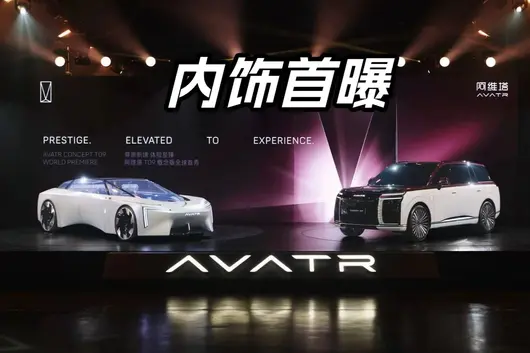
作为阿维塔全新旗舰序列的首款车型,T09不仅是一款豪华SUV,更承担着阿维塔品牌向上的重要任务。它的出现,也意味着阿维塔正式形成“双产品序列”战略,希望进入传统豪华品牌长期占据的核心领域。那么,这款车究竟有什么底气?

阿维塔开始打造“旗舰气场”,阿维塔T09的设计并不是完全从零开始。它的设计灵感来源于此前在慕尼黑亮相的阿维塔VISION XPECTRA概念车,并将概念车中的未来元素进一步转化为更加成熟、更适合量产的旗舰SUV语言。官方表示,T09希望通过“情感新奢”设计理念,将豪华从单纯的视觉表达延伸到空间和智能体验之中。

从设计上来看,T09确实展现出了明显区别于以往阿维塔的气质。如果说阿维塔11像一件锋利的科技产品,那么T09更像一座移动建筑。它没有追求年轻运动的视觉冲击,而是强调宽大、沉稳和旗舰感。

阿维塔T09采用全新的旗舰设计语言。车头最大的特点,是采用立体浮雕结构格栅。这套格栅由362个不同高度的阿维塔LOGO元素组成,通过不同角度的排列制造自然光影变化,看起来更像一件精密雕刻作品,而不是传统意义上的进气格栅。
两侧搭配晶钻阵列灯组,灯组采用内外双层钻石切割设计,在不同光线条件下能够呈现类似珠宝切面的视觉效果。对于一款定位豪华旗舰SUV的车型来说,这种设计明显是在强调“精致感”,而不是简单追求科技感。此外,T09还采用了面积达到2.1平方米的蚌式前舱盖,并保留VISION XPECTRA概念车上的“岛屿式隆起”设计,让整个车头拥有更强的力量感。

尺寸方面,阿维塔T09长宽高分别为5285/2025/1810毫米,轴距达到3150毫米。车身侧面,阿维塔T09没有采用过度复杂的线条堆叠,而是通过曲面变化塑造车身比例。车身采用收腰式曲面设计,轮拱与侧面线条形成强烈的肌肉感,同时通过平面切割与饱满体量之间的反差,营造出类似雕塑作品的视觉效果。
值得注意的是,T09的D柱区域采用大面积铝饰板处理,并融入车窗轮廓和尾翼设计,形成悬浮车顶效果。相比很多同级车型使用黑色塑料饰板营造悬浮感,阿维塔这种处理方式显然更加高级。

此次巴黎首秀,阿维塔首次公布了T09内饰设计。最大的亮点,是中央区域的可升降Vortex情感涡流交互机构。这套设计采用360度无缝两段式反曲面结构,上方加入真木材质,并结合烟灰色半透明材料以及镭雕星点元素,看起来更像一件艺术装置。

内部搭载118颗独立控制RGB LED光源,可以根据车辆状态实现迎宾、音乐律动以及安全提醒等不同灯光效果。同时,这套升降机构还加入静音电机,并支持缓启缓停以及防夹功能,让科技功能不会显得突兀。阿维塔希望打造的是一种“情绪价值”,这也是近年来豪华新能源车型的新趋势:未来豪华,不只是材料和配置,而是让用户感觉车辆能够理解自己。
座舱另一大亮点,是沉浸式一体三联屏。车辆配备10.25英寸仪表+双17.2英寸中控与副驾屏幕,三块屏幕与两侧空调出风口形成整体融合设计,视觉效果更加简洁。同时,中控下方加入屏下NFC区域,手机靠近即可完成设备连接,进一步提升日常使用便利性。
如果说设计是T09吸引消费者的第一步,那么技术配置则是它挑战豪华SUV市场的核心。阿维塔表示,T09是品牌目前技术密度最高的量产车型,融合了阿维塔、华为乾崑以及宁德时代三方技术。

动力方面,新车搭载全新智能超级混动技术,配备2.0T混动发动机与三电机分布式电驱,系统综合动力超过1000马力。电池方面,车辆搭载宁德时代骁遥超级增混电池,容量为71.24千瓦时,CLTC纯电续航超过400公里,城市通勤、长途旅行、商务接待,都可以兼顾。
智能驾驶方面,阿维塔T09搭载华为乾崑ADS 5系统,并采用四激光雷达方案。底盘方面,则配备全新太行智控底盘技术,包括闭式双腔空气悬架、后轮转向、蟹行模式。这些配置的加入,让T09不仅强调“智能”,也开始强化豪华车用户非常关注的驾驶质感。

综合来看,阿维塔T09真正的挑战,是如何证明“中国豪华”,新车给出的答案,是原创设计、智能科技和情感体验。从设计到技术,阿维塔T09展现出了非常强烈的向上野心。它想做的不只是另一款新能源SUV,而是一款进入50万元级市场、与传统豪华品牌正面竞争的产品。

与此同时,阿维塔也正以巴黎车展为契机,加快全球化布局,计划于2027年正式进军欧洲市场。目前,阿维塔的海外业务已覆盖70个国家和地区,产品平均售价超过30万元,并已实现盈利。其中,阿维塔在埃及高端电动车市场的占有率达到10%,阿维塔11则位居泰国豪华纯电SUV市场销量第一。按照品牌规划,到2030年,阿维塔将进入超过110个国家和地区,海外销量占总销量的比例将超过50%。

在加速海外扩张的同时,阿维塔也在不断完善产品阵容。目前,品牌已布局阿维塔11、12、06/06T以及07/07L等多款车型,其中阿维塔06T和07L将作为首批核心产品,率先进入挪威、西班牙等欧洲市场。除了产品布局,阿维塔还将同步建设海外服务体系,通过统一服务标准与本地化运营,提升用户体验。未来三年,品牌将继续丰富欧洲市场的产品阵容,并完善当地服务网络,为进一步拓展全球豪华汽车市场打下基础。
In the Malaysian SUV market, many buyers compare Toyota Corolla Cross and Chery Tiggo 8 Pro when choosing a car. These two cars are quite close in price and positioning. Today, we will make a detailed comparison from multiple aspects to help you save time on research.
The OTR price of Toyota Corolla Cross in Malaysia is RM 133,800 - 148,800, with a total of 3 versions, including 2026 HEV 1.8L GR Sport (RM 148,800), 2026 HEV 1.8L Standard (RM 140,800), 2026 1.8L Standard (RM 133,800) etc.
The OTR price of Chery Tiggo 8 Pro in Malaysia is RM 159,750 - 159,750, with a total of 2 versions, including 1.6L Turbo Standard (RM 130,000), 1.6L Turbo Premium (RM 145,000) etc.
In terms of price, the starting price of Toyota Corolla Cross is indeed RM 25,950 cheaper than Chery Tiggo 8 Pro. If your budget is limited, Toyota's entry-level model can already meet daily needs. But be aware that the few thousand difference in price might involve trade-offs in features, depending on your specific needs.

Toyota Corolla Cross comes with 1.5L Turbo, 140 hp. Official fuel consumption 7.0 L/100km.
Chery Tiggo 8 Pro comes with 2.0L 4-cyl, 170 hp. Official fuel consumption 8.0 L/100km.
In terms of power, Chery Tiggo 8 Pro's 2.0L 4-cyl has 30 more horsepower than Toyota Corolla Cross's 1.5L Turbo. However, for daily city driving, the power of both cars is sufficient, you won't feel a lack of power.
Toyota Corolla Cross safety rating is 5★ (ASEAN NCAP), active safety system includes TSS (PCS, LDA, ACC, LTA).
Chery Tiggo 8 Pro safety rating is TBD, active safety system includes Basic.
In terms of safety features, both cars received good ratings. However, there are some differences in functionality between Toyota Corolla Cross's TSS (PCS, LDA, ACC, LTA) and Chery Tiggo 8 Pro's Basic. If you value active safety, you can compare the feature lists of both carefully.
Toyota Corolla Cross adopts FWD drive mode.
Chery Tiggo 8 Pro adopts FWD drive mode.
Both cars have the same drive mode, both are FWD, daily driving experience will not differ significantly.
Overall, Toyota Corolla Cross and Chery Tiggo 8 Pro are both very good models in the Malaysian market. Which one to choose depends mainly on your personal needs and budget. We suggest doing your research, comparing quotes from several car dealers, and test driving before making a final decision. Buying a car is a big matter, spending some time doing research is never wrong.


Dalam pasaran SUV di Malaysia, ramai pembeli yang membandingkan Toyota Corolla Cross dan Chery Tiggo 7 Pro ketika memilih kereta. Kedua-dua kereta ini agak hampir dari segi harga dan kedudukan, hari ini kita akan buat perbandingan terperinci dari pelbagai aspek untuk bantu anda menjimatkan masa membuat kajian.
Toyota Corolla Cross harga OTR di Malaysia adalah RM 133,800 - 148,800, tersedia 3 variasi, termasuk 2026 HEV 1.8L GR Sport (RM 148,800), 2026 HEV 1.8L Standard (RM 140,800), 2026 1.8L Standard (RM 133,800) dan lain-lain.
Chery Tiggo 7 Pro harga OTR di Malaysia adalah RM 123,750 - 123,750, tersedia 2 variasi, termasuk 1.6L Turbo Standard (RM 125,000), 1.6L Turbo Premium (RM 140,000) dan lain-lain.
Dari segi harga, harga permulaan Chery Tiggo 7 Pro lebih murah RM 10,050 berbanding Toyota Corolla Cross. Jujur berkata, pada tahap harga ini, perbezaan beberapa ribu sebenarnya tidak besar, yang penting adalah melihat nisbah harga dan nilai prestasi serta kos penggunaan jangka panjang secara keseluruhan.
Tahap keselamatan Toyota Corolla Cross adalah 5★ (ASEAN NCAP), sistem keselamatan aktif termasuk TSS (PCS, LDA, ACC, LTA).
Tahap keselamatan Chery Tiggo 7 Pro adalah TBD, sistem keselamatan aktif termasuk Basic.
Dari segi peralatan keselamatan, kedua-dua kereta mendapat rating yang baik. Namun TSS (PCS, LDA, ACC, LTA) Toyota Corolla Cross dan Basic Chery Tiggo 7 Pro ada beberapa perbezaan dari segi fungsi, jika anda lebih mementingkan keselamatan aktif, boleh bandingkan senarai fungsi antara kedua-dua model ini dengan teliti.
Panjang badan Toyota Corolla Cross 4400 mm, ruang bagasi 400 L.
Panjang badan Chery Tiggo 7 Pro 4400 mm, ruang bagasi 400 L.
Saiz kedua-dua kereta hampir sama, ruang dalam kereta perbezaannya tidak banyak. Untuk kereta dalam kategori ini, cukup untuk kegunaan harian.
Toyota Corolla Cross waranti 5 tahun / tanpa had kilometer, selang penyelenggaraan setiap 10,000 km atau 6 bulan.
Chery Tiggo 7 Pro waranti 3 tahun/100,000 km, selang penyelenggaraan setiap 10,000 km atau 6 bulan.
Toyota Corolla Cross dan Chery Tiggo 7 Pro adalah pilihan utama di pasaran Malaysia, sesuai untuk kegunaan keluarga, perjalanan harian. Jika anda lebih mementingkan reputasi jenama dan harga kereta terpakai, boleh utamakan model yang lebih mempunyai reputasi; jika anda lebih mementingkan nisbah harga dan nilai prestasi serta kelengkapan, pilihlah model yang lebih lengkap. Pada akhirnya disarankan untuk ujian memandu kedua-dua model, pengalaman peribadi adalah yang paling penting.
Secara keseluruhan, Toyota Corolla Cross dan Chery Tiggo 7 Pro adalah model kereta yang sangat bagus di pasaran Malaysia. Pilihan mana satu, yang penting adalah melihat keperluan bajet dan individu anda. Disarankan supaya anda membuat kajian, bandingkan beberapa tawaran dari kedai kereta, kemudian buat ujian memandu untuk membuat keputusan akhir. Membeli kereta adalah perkara besar, mengeluarkan masa membuat kajian tidak akan salah.

In the Malaysia SUV market, many buyers often compare the Toyota Yaris Cross and Mazda CX-8 when choosing a car. The price and positioning of these two cars are quite close. Today we will conduct a detailed comparison from multiple aspects to help you save time on research.
The Toyota Yaris Cross OTR selling price in Malaysia is RM 99,900 - 109,900, with a total of 2 versions, including 2026 1.5L Standard (RM 99,900), 2026 HEV 1.5L Standard (RM 109,900), etc.
The Mazda CX-8 OTR selling price in Malaysia is RM 165,360 - 201,360, with a total of 5 versions, including 2025 2.5T 4WD High Plus Petrol (RM 201,360), 2025 2.2L 2WD High Plus Diesel (RM 193,123), 2025 2.5L 2WD High Plus Petrol (RM 186,360), etc.
From a price perspective, the Toyota Yaris Cross starting price is indeed RM 65,460 cheaper than the Mazda CX-8. If your budget is limited, Toyota's entry-level version can already meet daily needs. But also note, those few thousand in savings might involve trade-offs in features, depending on your specific needs.

The Toyota Yaris Cross is equipped with a 1.5L 4-cyl, with 105 hp. Official fuel consumption is 6.0 L/100km.
The Mazda CX-8 is equipped with a 2.0L 4-cyl, with 170 hp. Official fuel consumption is 8.0 L/100km.
Regarding power, the Mazda CX-8 2.0L 4-cyl has 65 more horsepower than the Toyota Yaris Cross 1.5L 4-cyl. However, for daily city driving, the power of both cars is sufficient, and you won't feel a lack of power.

The Toyota Yaris Cross has a 5-year/unlimited mileage warranty, service interval every 10,000km or 6 months.
The Mazda CX-8 has a 5-year/150,000km warranty, service interval every 10,000km or 6 months.

Both the Toyota Yaris Cross and Mazda CX-8 are popular choices in the Malaysia market, suitable for family use and daily commuting. If you value brand reputation and resale value more, you can prioritize the one with a better reputation; if you care more about value for money and features, choose the model with more features. In the end, it is recommended to test drive both models, as personal experience is the most important.

Overall, both the Toyota Yaris Cross and Mazda CX-8 are very good models in the Malaysia market. Choosing which one depends on your personal needs and budget. We suggest doing your research, comparing quotations from several dealerships, and then test driving to make the final decision. Buying a car is a big matter, spending time on research will never be wrong.


喺馬來西亞嘅 SUV 市場,好多買家喺揀車嘅時候都會拿本田 CR-V 同福特 Everest 嚟做比較。呢兩款車喺價位同定位上都幾接近,今日我哋就從多個方面做一次詳細嘅比較,幫你省咗做功課嘅時間。
本田 CR-V 喺馬來西亞嘅 OTR 售價係 RM 178,200 - 195,900,總共 4 個版本,包括 2026 e:HEV 2.0L 2WD RS(RM 195,900)、2026 1.5T 4WD V(RM 181,900)、2026 e:HEV 2.0L 2WD E(RM 178,200) 等。
福特 Everest 喺馬來西亞嘅 OTR 售價係 RM 266,338 - 430,838,總共 6 個版本,包括 2026 3.0T 4WD Platinum(RM 430,838)、2026 2.0T 4WD Platinum(RM 348,838)、2026 2.0T 4WD Sport(RM 316,838) 等。
由價錢睇落嚟,本田 CR-V 嘅入門價確實比福特 Everest 平咗 RM 88,138。如果你預算有限,本田嘅入門版已經可以滿足日常需求。不過都要留意,平嗰幾千蚊,可能喺配備上會有取捨,具體要看你嘅需求。

本田 CR-V 配備 2.0L 4-cyl,馬力 170 hp。官方油耗 8.0 L/100km。
福特 Everest 配備 2.5L Diesel,馬力 187 hp。官方油耗 8.5 L/100km。
動力方面,福特 Everest 嘅 2.5L Diesel 比本田 CR-V 嘅 2.0L 4-cyl 多咗 17 匹馬力。不過日常喺市區開,兩款車嘅動力都夠用,唔會覺得唔夠力。
本田 CR-V 保修 5 年/無限里程,保養間隔 每 10,000km 或 6 個月。
福特 Everest 保修 3 年/100,000km,保養間隔 每 10,000km 或 6 個月。

本田 CR-V 同福特 Everest 都係馬來西亞市場嘅主流選擇,適合家庭用途、日常通勤。如果你更鍾意品牌口碑同二手價,可以優先考慮口碑更好嗰款;如果你更在意性價比同配備,嗰就揀配備更豐富嗰款。最後始終建議兩款都去試駕,親身體驗先至最緊要。
總括嚟講,本田 CR-V 同福特 Everest 都係馬來西亞市場幾唔錯嘅車型。揀邊輛,關鍵都要睇你嘅個人需求同預算。建議大家做好功課,多比較幾間車行嘅報價,再去試駕做最終決定。買車係件大事,花少少時間做功課絕對唔會錯。


喺馬來西亞嘅 SUV 市場,好多買家喺揀車嘅時候都會拿 Honda CR-V 同 Chery Tiggo 9 嚟做比較。這兩款車喺價位同定位上都好接近,今日我哋就從多個方面做一次詳細嘅比較,幫你省返做功課嘅時間。
Honda CR-V 喺馬來西亞嘅 OTR 售價係 RM 178,200 - 195,900,一共有 4 個版本,包括 2026 e:HEV 2.0L 2WD RS(RM 195,900)、2026 1.5T 4WD V(RM 181,900)、2026 e:HEV 2.0L 2WD E(RM 178,200) 等。
Chery Tiggo 9 喺馬來西亞嘅 OTR 售價係 RM 166,800 - 179,800,一共有 1 個版本,包括 2026 2.0T Standard(RM 179,750) 等。
從價錢睇落,Chery Tiggo 9 嘅起步價比 Honda CR-V 平咗 RM 11,400。坦白講,喺呢個價位段,幾千蚊嘅差距其實唔算大,關鍵仲係睇整體嘅性價比同長期使用成本。
Honda CR-V 搭載 2.0L 4-cyl,馬力 170 hp。官方油耗 8.0 L/100km。
Chery Tiggo 9 搭載 2.0L 4-cyl,馬力 170 hp。官方油耗 8.0 L/100km。
兩款車用咗同一套動力系統,日常開起嚟嘅感覺基本冇乜分別。油耗方面都差唔多,唔使太糾結呢一點。
Honda CR-V 嘅安全評級係 5★ (ASEAN NCAP),主動安全系統包括 Honda SENSING (ACC, CMBS, LKAS, RDM)。
Chery Tiggo 9 嘅安全評級係 TBD,主動安全系統包括 Basic。
安全配備方面,兩款車都拿到唔錯嘅評級。不過 Honda CR-V 嘅 Honda SENSING (ACC, CMBS, LKAS, RDM) 同 Chery Tiggo 9 嘅 Basic 喺功能上啲分別,如果你比較睇重主動安全嘅話,可以仔細對比吓兩者嘅功能列表。
Honda CR-V 車身長 4500 mm,尾箱 450 L。
Chery Tiggo 9 車身長 4400 mm,尾箱 400 L。
空間方面,Honda CR-V 嘅車身比 Chery Tiggo 9 長咗 100 mm,車內乘坐空間會稍微闊落啲,尤其係後座腿部空間。如果你經常載家人或者需要放嬰兒車,大啲嘅車身確實更實用。

Honda CR-V 保修 5 年/無限制里程,保養間隔 每 10,000km 或 6 個月。
Chery Tiggo 9 保修 3 年/100,000km,保養間隔 每 10,000km 或 6 個月。
總嘅嚟講,Honda CR-V 同 Chery Tiggo 9 都係馬來西亞市場好好嘅車型。揀邊一輛,關鍵仲係要睇你個人需求同預算。建議大家做好功課,多比較幾間車行嘅報價,再落去試車先做最後決定。買車係件大事,花少少時間做功課絕對無錯。

In the Malaysian SUV market, many buyers compare the Honda CR-V and Mazda CX-80 when choosing a car. These two models have very similar pricing and positioning. Today, we will make a detailed comparison from multiple aspects to save you time doing your homework.
The Honda CR-V OTR price in Malaysia is RM 178,200 - 195,900, with a total of 4 variants, including 2026 e:HEV 2.0L 2WD RS (RM 195,900), 2026 1.5T 4WD V (RM 181,900), 2026 e:HEV 2.0L 2WD E (RM 178,200), etc.
The Mazda CX-80 OTR price in Malaysia is RM 296,610 - 296,610, with a total of 1 variant, including 2025 2.5L 65km High Plus (RM 296,610), etc.
From a pricing perspective, the Honda CR-V is indeed RM 118,410 cheaper than the Mazda CX-80. If your budget is limited, Honda's entry-level version can already meet daily needs. However, also note that the cheaper few thousand might involve trade-offs in features, it depends on your specific needs.
Honda CR-V is equipped with 2.0L 4-cyl, horsepower 170 hp. Official fuel consumption 8.0 L/100km.
Mazda CX-80 is equipped with 2.0L Turbo, horsepower 220 hp. Official fuel consumption 9.5 L/100km.
In terms of power, the Mazda CX-80's 2.0L Turbo has 50 more horsepower than the Honda CR-V's 2.0L 4-cyl. However, for daily city driving, the power of both cars is sufficient, you won't feel underpowered.
The safety rating of Honda CR-V is 5★ (ASEAN NCAP), active safety systems include Honda SENSING (ACC, CMBS, LKAS, RDM).
The safety rating of Mazda CX-80 is 5★ (ASEAN NCAP), active safety systems include Brand ADAS.
Both cars have the same safety rating, safety features are quite comprehensive in this class. New cars nowadays generally have good safety, no need to worry too much about this.
Honda CR-V body length 4500 mm, trunk 450 L.
Mazda CX-80 body length 4500 mm, trunk 450 L.
The dimensions of both cars are almost the same, interior space difference is not significant. For cars in this class, it is completely sufficient for daily use.

Honda CR-V adopts FWD drive configuration.
Mazda CX-80 adopts FWD drive configuration.
Both cars have the same drive configuration, both are FWD, there won't be much difference in daily driving experience.

Overall, both Honda CR-V and Mazda CX-80 are quite good models in the Malaysian market. Which one to choose depends on your personal needs and budget. We suggest doing your homework, compare quotes from several dealers, and then test drive to make the final decision. Buying a car is a major event, taking time to do research is never wrong.

Dalam pasaran SUV di Malaysia, ramai pembeli membandingkan Honda HR-V dan Subaru Forester semasa memilih kereta. Kedua-dua kereta ini berada pada harga dan kedudukan yang agak hampir, hari ini kita akan membuat perbandingan terperinci dari pelbagai sudut, untuk membantu anda menjimatkan masa membuat penyelidikan.
Honda HR-V Harga OTR di Malaysia ialah RM 115,900 - 143,900, terdapat 4 varian, termasuk 2026 e:HEV 1.5L RS (RM 143,900), 2026 1.5T V (RM 137,900), 2026 1.5T E (RM 130,900) dan lain-lain.
Subaru Forester Harga OTR di Malaysia ialah RM 174,000 - 197,000, terdapat 3 varian, termasuk 2024 2.0L S EyeSight GT Edition (RM 189,538), 2024 2.0L S EyeSight (RM 177,538), 2024 2.0L L EyeSight (RM 167,538) dan lain-lain.
Dari segi harga, Harga permulaan Honda HR-V benar-benar lebih murah RM 58,100 daripada Subaru Forester. Jika bajet anda terhad, versi asas Honda sudah cukup untuk memenuhi keperluan harian. Namun perlu diingat, perbezaan harga ribuan ringgit itu mungkin memerlukan kompromi dari segi peralatan, bergantung pada keperluan anda.

Honda HR-V Penarafan keselamatannya ialah 5★ (ASEAN NCAP), sistem keselamatan aktif termasuk Honda SENSING (ACC, CMBS, LKAS, RDM).
Subaru Forester Penarafan keselamatannya ialah 5★ (Euro NCAP), sistem keselamatan aktif termasuk EyeSight.
Dari segi kelengkapan keselamatan, kedua-dua kereta telah mendapat penarafan yang baik. Walau bagaimanapun, Honda SENSING (ACC, CMBS, LKAS, RDM) pada Honda HR-V dan EyeSight pada Subaru Forester mempunyai beberapa perbezaan dari segi fungsi, jika anda lebih mengutamakan keselamatan aktif, anda boleh membandingkan senarai fungsi kedua-duanya dengan teliti.
Honda HR-V Menggunakan kaedah pemacu FWD.
Subaru Forester Menggunakan kaedah pemacu FWD.
Kedua-dua kereta menggunakan kaedah pemacu yang sama, iaitu FWD, pengalaman memandu harian tidak akan berbeza banyak.
Honda HR-V Waranti 5 tahun / tanpa had jarak, jarak penyelenggaraan setiap 10,000km atau 6 bulan.
Subaru Forester Waranti 3 tahun/100,000km, jarak penyelenggaraan setiap 10,000km atau 6 bulan.

Honda HR-V dan Subaru Forester kedua-duanya adalah pilihan utama di pasaran Malaysia, sesuai untuk kegunaan keluarga dan perjalanan harian. Jika anda lebih mengutamakan reputasi jenama dan nilai semula, pertimbangkan yang lebih bagus reputasinya; jika anda lebih mengutamakan nisbah harga dan prestasi serta kelengkapan, pilih yang mempunyai kelengkapan lebih kaya. Pada akhirnya, disyorkan untuk memandu kedua-duanya, pengalaman sendiri adalah yang paling penting.
Secara keseluruhan, Honda HR-V dan Subaru Forester adalah model kereta yang sangat bagus di pasaran Malaysia. Memilih yang mana, kunci utamanya bergantung pada keperluan dan bajet peribadi anda. Kami cadangkan anda melakukan penyelidikan, bandingkan sebut harga daripada beberapa dealer, kemudian uji pandu untuk membuat keputusan akhir. Membeli kereta adalah perkara besar, meluangkan masa membuat penyelidikan tidak akan pernah salah.


喺馬來西亞嘅 SUV 市場,好多買家在揀車嘅時候都會拿 Honda HR-V 同 Chery Tiggo 9 做比較。这两款车喺价位同定位上都幾接近,今日我哋就由多個方面做一个詳細嘅比較,幫你省返做功課嘅時間。
Honda HR-V 喺馬來西亞嘅 OTR 售價係 RM 115,900 - 143,900,一共有 4 個版本,包括 2026 e:HEV 1.5L RS(RM 143,900)、2026 1.5T V(RM 137,900)、2026 1.5T E(RM 130,900) 等。
Chery Tiggo 9 喺馬來西亞嘅 OTR 售價係 RM 166,800 - 179,800,一共有 1 個版本,包括 2026 2.0T Standard(RM 179,750) 等。
由價錢來看,Honda HR-V 嘅起步價確實比 Chery Tiggo 9 平咗 RM 50,900。如果你預算有限,Honda 嘅入門版已經可以滿足日常需要。但都係要注意,平嗰幾千蚊,可能喺配備上會有取捨,具體要看你嘅需要。
Honda HR-V 搭載 1.5L Turbo,馬力 140 hp。官方油耗 7.0 L/100km。
Chery Tiggo 9 搭載 2.0L 4-cyl,馬力 170 hp。官方油耗 8.0 L/100km。
動力方面,Chery Tiggo 9 嘅 2.0L 4-cyl 比 Honda HR-V 嘅 1.5L Turbo 多咗 30 匹馬力。不過日常喺市區開,兩款車嘅動力都夠用,唔會覺得唔夠力。
Honda HR-V 嘅安全評級係 5★ (ASEAN NCAP),主動安全系統包括 Honda SENSING (ACC, CMBS, LKAS, RDM)。
Chery Tiggo 9 嘅安全評級係 TBD,主動安全系統包括 Basic。
安全配備方面,兩款車都拿到唔錯嘅評級。不過 Honda HR-V 嘅 Honda SENSING (ACC, CMBS, LKAS, RDM) 同 Chery Tiggo 9 嘅 Basic 喺功能上有啲差異,如果你比較睇重主動安全嘅話,可以仔細比較下兩者嘅功能列表。
Honda HR-V 保修 5 年/無限里程,保養間隔 每 10,000km 或 6 個月。
Chery Tiggo 9 保修 3 年/100,000km,保養間隔 每 10,000km 或 6 個月。
Honda HR-V 同 Chery Tiggo 9 都係馬來西亞市場嘅主流選擇,適合家用、日常通勤。如果你更睇重品牌口碑同二手價,可以優先考慮口碑更好嗰一款;如果你更在意性價比同配備,那就揀配備更豐富嗰款。始終係建議兩款都去試駕,親身體驗先係最重要嘅。
總括嚟講,Honda HR-V 同 Chery Tiggo 9 都係馬來西亞市場幾唔錯嘅車型。揀邊一輛,關鍵仲係要看你嘅個人需要同預算。建議大家做好功課,多比較幾間車行嘅報價,再去試駕做最終決定。買車係件大事,花啲時間做功課絕對唔會錯。

喺馬來西亞嘅 SUV 市場,好多買家喺揀車嘅時候都會拎本田 HR-V 同奇瑞 Tiggo 8 PHEV 做比較。呢兩款車喺價位同定位上都幾接近,今日我哋就從多個角度做一個詳細嘅對比,幫你省做功課嘅時間。
本田 HR-V 喺馬來西亞嘅 OTR 售價係 RM 115,900 - 143,900,一齊有 4 個版本,包括 2026 e:HEV 1.5L RS(RM 143,900)、2026 1.5T V(RM 137,900)、2026 1.5T E(RM 130,900) 等。
奇瑞 Tiggo 8 PHEV 喺馬來西亞嘅 OTR 售價係 RM 159,750 - 159,750,一齊有 2 個版本,包括 1.6L Turbo Standard(RM 130,000)、1.6L Turbo Premium(RM 145,000) 等。
從價錢睇落嚟,本田 HR-V 嘅起步價真係比奇瑞 Tiggo 8 PHEV 平咗 RM 43,850。如果你預算有限,本田嘅入門版已經可以滿足日常需求。但都要留意,平啲嗰幾千蚊,可能喺配備上有取捨,具體要睇你嘅需求。
本田 HR-V 搭載 1.5L Turbo,馬力 140 hp。官方油耗 7.0 L/100km。
奇瑞 Tiggo 8 PHEV 搭載 Hybrid,馬力 170 hp。官方油耗 4.5 L/100km。
动力方面,奇瑞 Tiggo 8 PHEV 嘅 Hybrid 比本田 HR-V 嘅 1.5L Turbo 多咗 30 匹馬力。不過日常喺市區開,兩款車嘅動力都夠用,唔會覺得唔夠力。
本田 HR-V 嘅安全評級係 5★ (ASEAN NCAP),主動安全系統包括本田 SENSING (ACC, CMBS, LKAS, RDM)。
奇瑞 Tiggo 8 PHEV 嘅安全評級係 TBD,主動安全系統包括 Basic。
安全配備方面,兩款車都拿到唔錯嘅評級。不過本田 HR-V 嘅本田 SENSING (ACC, CMBS, LKAS, RDM) 同奇瑞 Tiggo 8 PHEV 嘅 Basic 喺功能上有啲差異,如果你比較重視主動安全嘅話,可以仔細對比吓兩者嘅功能列表。
本田 HR-V 車身長 4500 mm,尾箱 450 L。
奇瑞 Tiggo 8 PHEV 車身長 4400 mm,尾箱 400 L。
空間方面,本田 HR-V 嘅車身比奇瑞 Tiggo 8 PHEV 長咗 100 mm,車內乘坐空間會稍微寬裕啲,尤其係後座腿部空間。如果你經常載家人或者需要放嬰兒車,大少少嘅車身真係更實用。
本田 HR-V 採用 FWD 驅動方式。
奇瑞 Tiggo 8 PHEV 採用 FWD 驅動方式。
兩款車嘅驅動方式一樣,都係 FWD,日常駕駛感受唔會有太大區別。
總嘅嚟講,本田 HR-V 同奇瑞 Tiggo 8 PHEV 都係馬來西亞市場好唔錯嘅車型。揀邊輛,關鍵始終要睇你嘅個人需求同預算。建议大家做好功課,多比較幾間車行嘅報價,先去試駕做最終決定。買車係件大事,花少少時間做功課絕對唔會錯。

Dalam pasaran SUV Malaysia, ramai pembeli bandingkan Honda HR-V dan Mazda CX-8 ketika memilih kereta. Kedua-dua kereta ini dalam kelas harga dan kedudukan hampir sama, hari ini kita akan buat perbandingan terperinci dari pelbagai aspek, membantu anda menjimatkan masa menjalankan penyelidikan.
Harga OTR Honda HR-V di Malaysia ialah RM 115,900 - 143,900, terdapat 4 versi, termasuk 2026 e:HEV 1.5L RS (RM 143,900), 2026 1.5T V (RM 137,900), 2026 1.5T E (RM 130,900) dll.
Harga OTR Mazda CX-8 di Malaysia ialah RM 165,360 - 201,360, terdapat 5 versi, termasuk 2025 2.5T 4WD High Plus Petrol (RM 201,360), 2025 2.2L 2WD High Plus Diesel (RM 193,123), 2025 2.5L 2WD High Plus Petrol (RM 186,360) dll.
Dari segi harga, harga permulaan Honda HR-V memang lebih murah RM 49,460 berbanding Mazda CX-8. Jika bajet terhad, versi masuk Honda sudah mencukupi keperluan harian. Tapi berhati-hati, beberapa ribu ringgit lebih murah itu, mungkin ada kompromi pada kelengkapan, bergantung pada keperluan anda.
Honda HR-V menggunakan enjin 1.5L Turbo, kuasa 140 hp. Penggunaan bahan api rasmi 7.0 L/100km.
Mazda CX-8 menggunakan enjin 2.0L 4-cyl, kuasa 170 hp. Penggunaan bahan api rasmi 8.0 L/100km.
Dari segi kuasa, enjin 2.0L 4-cyl Mazda CX-8 mempunyai 30 hp lebih daripada 1.5L Turbo Honda HR-V. Tapi untuk penggunaan harian di bandar, kuasa kedua-dua kereta sudah mencukupi, tidak terasa kurang kuasa.
Panjang badan Honda HR-V 4500 mm, kapasiti bagasi 450 L.
Panjang badan Mazda CX-8 4500 mm, kapasiti bagasi 450 L.
Saiz kedua-dua kereta hampir sama, ruang dalam tiada perbezaan ketara. Untuk kereta tahap ini, penggunaan harian sudah mencukupi.
Honda HR-V menggunakan cara pemanduan FWD.
Mazda CX-8 menggunakan cara pemanduan FWD.
Cara pemanduan kedua-dua kereta sama, semua FWD, rasa pemanduan harian tiada beza besar.
Honda HR-V waranti 5 tahun/tanpa had jarak, selang penyelenggaraan setiap 10,000km atau 6 bulan.
Mazda CX-8 waranti 5 tahun/150,000km, selang penyelenggaraan setiap 10,000km atau 6 bulan.
Secara keseluruhan, Honda HR-V dan Mazda CX-8 adalah model yang sangat baik di pasaran Malaysia. Memilih mana satu, penting bergantung keperluan peribadi dan bajet anda. Disarankan melakukan penyelidikan, bandingkan harga beberapa dealer, kemudian buat test drive untuk keputusan akhir. Membeli kereta adalah perkara besar, meluangkan sedikit masa melakukan penyelidikan pasti tidak salah.

2026 年 8 月 28 日晚間,比亞迪(002594.SZ)隆重揭曉上半年經營成績單!在全球汽車行業競爭白熱化、行業整體盈利承受壓力的大環境下,比亞迪依舊憑藉超強的經營韌性與綜合實力穩紮穩打,交出了一份含金量十足的亮眼財報,盡顯行業龍頭的硬核底氣與穩健發展態勢,彰顯持續穩健發展底色。

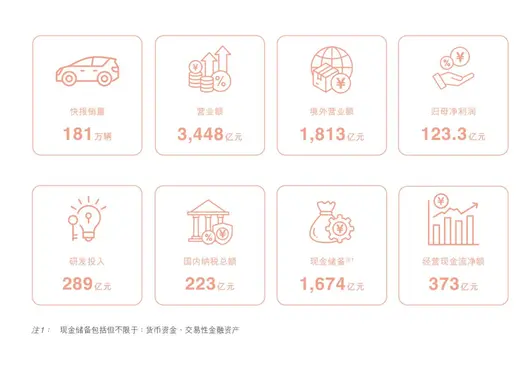
從核心經營數據來看,比亞迪上半年戰績十分亮眼:斬獲3448 億元營業收入,淨利潤高達123 億元,持續高額投入289 億元用於技術研發,同時手握1674 億元充足現金儲備,築牢企業穩健發展的堅實底盤。尤其值得驚喜的是,第二季度業績迎來強勢爆發,淨利潤同比大幅增長 30%,毛利率持續攀升至 18.9%,成功創下近一年新高!這一組亮眼數據直觀印證,比亞迪的盈利能力正持續質量提升同升級,高質量發展勢頭勢不可擋。
當下汽車行業內卷加劇、市場格局加速重組,不少品牌面臨增長瓶頸。而比亞迪憑藉扎實穩健的經營底盤、持續優化的業務結構,在行業浪潮中逆市而上,上半年整體發展態勢昂揚向上,市場競爭力持續飆升,全球新能源汽車龍頭的地位愈發穩固、不可撼動。

雙向發力方能突破增長上限!今年上半年,比亞迪精準佈局國際化與高端化兩大核心賽道,雙輪驅動跑出增長加速度,企業整體增長結構持續向好、愈發健康。
海外市場迎來爆發式增長,成為業績增長的核心新引擎!上半年比亞迪海外銷量狂飆至 79 萬輛,同比暴漲 68%,勢頭十分迅猛。目前品牌業務已全面覆蓋全球超 120 個國家同地區,憑藉過硬的產品實力,成功登頂英國、巴西、泰國等多個海外核心市場新能源汽車銷量榜首,俘虜全球消費者。隨著海外本地化產能持續落地釋放、全球銷售渠道體系不斷完善,比亞迪的全球化佈局逐步進入收穫期,海外業務正持續為企業整體業績增長注入澎湃動力。
高端化佈局同樣碩果累累,品牌價值與產品溢價能力持續躍升!上半年,方程豹、騰勢、仰望三大高端品牌合力突圍,累計銷量突破 22.8 萬輛,同比大增 61%,在整體銷量中的佔比穩步提升至 12.6%,標誌著比亞迪產品結構高端化轉型成效顯著。
其中,新晉高端品牌方程豹表現尤為驚艷,上半年銷量強勢突破 16 萬輛,同比暴漲 163%,實現跨越式增長;騰勢品牌穩步深耕高端市場,口碑與銷量雙豐收,6 月銷量首次突破 2 萬輛大關,產品均價高達 36 萬元,穩穩站穩中高端新能源市場;仰望更是創造行業奇蹟,成為國產百萬元級豪華新能源汽車中,銷量最快突破萬台的標桿品牌,徹底打破海外豪華品牌的壟斷格局,彰顯中國智造的頂尖實力。
國際化拓疆、高端化提質的雙線戰略,讓比亞迪產品結構持續迭代優化,核心盈利能力穩步攀升。第二季度淨利潤、毛利率雙雙走高,創下階段性佳績。而上半年整體淨利潤小幅波動,主要源自市場匯率波動帶來的短期匯兌損失,剔除該外部因素影響後,比亞迪主營業務盈利態勢平穩向好,企業穿越行業週期的超強發展韌性盡顯無遺。

持續的技術創新,是比亞迪長期領跑行業的核心密碼,也是企業高質量發展的核心驅動力!多年來,比亞迪始終堅持重研發、強創新,以超高投入深耕核心技術,築牢深厚的行業護城河。2026 年上半年,企業研發投入高達 289 億元,投入規模遠超同期淨利潤,持續蟬聯 A 股“研發之王”的重磅榮譽。截至目前,比亞迪累計研發投入已突破 2700 億元,海量的科研投入,為技術迭代、產品升級提供了源源不斷的硬核支撐。
重投入必有高回報!持續深耕研發的比亞迪,正迎來技術成果的集中爆發期,一系列顛覆性科技落地量產,徹底解決行業痛點。今年 3 月隆重發布的第二代刀片電池與閃充技術,一舉刷新全球量產車型最快充電速度紀錄,成功攻克新能源汽車“充電慢、低溫充電難”的世界性行業難題,憑藉過硬的技術實力斬獲工信部權威認可,為用戶帶來極致便捷的用車體驗。
技術落地與生態佈局同步提速!目前第二代刀片電池產能持續爬坡擴容,全國閃充站建設如火如荼。依托“閃充中國”戰略,比亞迪已在全國建成 10000 座閃充站,全面覆蓋 332 座城市,完美構建全域快充網絡。不止深耕國內市場,品牌更加速全球化能源生態佈局,計劃一年內於海外部署 6000 座閃充站,以中國技術助力全球新能源汽車電動化跨越式發展,推動全球綠色出行變革。
智能化賽道同樣捷報頻傳,持續領跑行業!在實現智能泊車安全兜底後,比亞迪在今年 5 月率先官宣完成城市領航安全兜底,成為全球唯一實現智駕“雙兜底”的企業,以極致嚴苛的安全標準,推動智能輔助駕駛技術全民普及,為用戶出行安全保駕護航。
數據見證硬核實力!截至 7 月 31 日,比亞迪智能輔助駕駛車型保有量突破 352 萬輛,旗下天神之眼智駕系統日均累計行駛數據超 2.2 億公里,海量真實路況數據持續反哺技術迭代。與此同時,品牌隆重發布的璇璣 A3 芯片,是國內首款自研 4nm 製程智駕芯片,從底層核心芯片到全套系統軟件,比亞迪實現全棧自研、垂直整合,持續引領全球汽車行業智能化、數碼化變革浪潮。
堅持初心踐行擔當,以實幹詮釋企業社會責任實力領跑,更懷溫情擔當!在高速發展、深耕創新的同時,比亞迪始終牢記企業社會責任,以實際行動踐行綠色發展理念,彰顯民族企業的責任與格局。
稅務貢獻彰顯企業擔當,2026 年上半年,比亞迪國內納稅總額高達 223 億元,數值遠超同期淨利潤,為社會經濟發展注入強勁動力。在綠色低碳發展領域,比亞迪更是堅定不移錨定"2045 年實現全價值鏈碳中和”的長遠目標,ESG 綜合表現穩居國內企業第一梯隊,持續為全球雙碳事業賦能。
綠色成果可見可觸!今年 1-6 月,比亞迪新能源汽車全生命週期碳減排量高達 2317 萬噸,等效植樹量達 3.86 億棵,用實打實的綠色成效,助力全球產業低碳轉型,為生態環境保護貢獻中國企業力量。
未來可期!全年業績逐季攀升,領跑全球產業變革回望 2026 年上半年,全球汽車產業格局深度重組,行業整體經營壓力凸顯。面對複雜多變的市場環境,比亞迪逆市突圍、攻堅克難,憑藉精準的戰略佈局、硬核的技術實力與完善的產業佈局,實現第二季度業績強勢回暖、再上新台階,交出了超預期的經營答卷。
展望下半年,比亞迪增長勢能持續蓄力、後勁十足!隨著前沿技術成果持續落地量產、高端車型市場佔比穩步提升、全球化佈局全面進入收穫期,企業核心盈利能力與長期發展潛力將進一步釋放,全年業績有望持續逐季攀升、穩步走高。
從千億研發突破技術壁壘,到全球化佈局揚帆出海;從高端產品矩陣全面突圍,到躬身踐行社會責任,比亞迪正以全方位、多層次的核心競爭力重構行業增長邏輯,持續領跑全球新能源賽道,引領世界汽車產業全新變革!未來,這家民族車企必將持續突破、再創佳績!


Written by | Ding Dang
Editor| Zhang Nan
Designed by | Li Yue
Layout | Che Bian Xiao Ling Dang
▼
Featured Person This Issue


«We hope not to miss any plastic component on a vehicle.»
On the morning of July 18, 2026, at the factory of Suzhou Wanlong Automotive Parts Co., Ltd. located in Changzhou, Jiangsu, Yin Xiaolin and Li Chao took turns stepping onto the stage of the Xuan Yuan Class Sharing Session. Both are Vice General Managers of the company, and young generation managers who returned to this established manufacturing enterprise more than two years ago.
Joking with the students of the Xuan Yuan Class Julang-Lingxuan Joint 6th Session sitting under the stage, they said this introduction was a bit like «performing crosstalk»: one talked about products, and the other continued with craftsmanship.
In the showroom next to it, the dashboard, door panels, bumpers, air vents, front hood covers, and front trunks almost assembled the outer and inner contours of a car.
They look like just plastic parts. But a dashboard must simultaneously meet requirements for safety, quietness, appearance, and touch; behind a bumper are connected injection molding, materials, coatings, environmental protection, and cost control. The development of new energy vehicles and smart cockpits is causing these traditional parts to bear more and more functions.
Products are becoming more complex, but prices are becoming harder to negotiate.
In the procurement system of OEMs, interior and exterior trim are still often regarded as mature hardware. Materials, motors, and every process step are calculated separately, compressing the supplier's pricing space. Someone on site described that even for an electric air vent, the motor and parts must be calculated item by item, and in the end, it still feels like «weighed by the weight».
This constitutes the most direct contradiction in the automotive plastic parts industry: engineering complexity keeps increasing, but the value suppliers can obtain does not necessarily grow in sync.

►
Suzhou Wanlong Automotive Parts Co., Ltd. Vice General Manager Yin Xiaolin (left), Li Chao (right), giving a sharing session in the 3rd module class of the Julang-Lingxuan Joint 6th Session.
For Yin Xiaolin and Li Chao, the real question is no longer whether Wanlong can produce more plastic parts, but whether every plastic part can be given higher value.
This is both a realistic test after the two young successors returned to the factory, and the industrial change that Chinese traditional automotive parts enterprises are undergoing. Of course, it is also the reason they invited the Xuan Yuan Class Julang-Lingxuan Joint 6th Session 3rd Module course to hold classes at their factory.

Suzhou Wanlong Automotive Parts Co., Ltd. was founded in 1981, and its predecessor was a plastic products factory, initially producing plastic components in air conditioners, refrigerators, and washing machines.
In the 1990s, the enterprise began entering the automotive track, and early customers mainly included commercial vehicle enterprises such as JAC and JMC. Today, the automotive business share has exceeded 90%, and products cover dashboards, door panels, center consoles, bumpers, wheel arches, air vents, handles, front hood covers, and front trunks, etc.
The customer structure also expanded from traditional automakers to joint ventures and new energy brands, including FAW, Dongfeng, Nissan, Mazda, as well as Li Auto, Zeekr, Xpeng, etc.
In order to be closer to whole vehicle customers, Wanlong has successively built production bases in Suzhou, Changchun, Hefei, Mengcheng, Wuhan, Baoji, Chongqing, Nanchang, and Changzhou, and plans to continue layout in Qingdao.

►
To be closer to whole vehicle customers, Wanlong has laid out production parks in many places in China. The picture above is the Changzhou production base of Suzhou Wanlong Automotive Parts.
This development path has distinct characteristics of the Chinese automotive industry.
During the period of high-speed growth in the automotive market, whole vehicle plants constantly expanded production, and parts enterprises followed customers into different cities. Larger injection molding equipment, more complete product lines, and more production bases often meant more orders.
Wanlong's largest injection molding equipment reaches 3200 tons, and the process has extended from single-color, dual-color injection molding to slush molding, foaming, wrapping, welding, and spraying. The goal proposed by the enterprise is very direct: do not miss any plastic part on a vehicle.
But when the automotive market shifted from incremental competition to saturation competition, "doing more" no longer naturally means "earning more".
Yin Xiaolin and Li Chao, who returned to Wanlong two years ago, took over exactly such an enterprise with manufacturing accumulation but must find its value position anew.

The plastic interior and exterior trim industry has a long-standing contradiction: the engineering complexity of products is increasing, but the value suppliers can obtain does not necessarily grow in sync.
A dashboard does not end when taken out of the injection molding machine. It also needs to be fitted with beam tubes, air vents, air ducts, and sound insulation materials, surfaces undergo wrapping and sewing, and the airbag area undergoes laser weakening to ensure it opens at the designated location during a collision.
A range extender cover is not just covering the machine. In order to reduce noise entering the cabin, a foaming layer needs to be added inside to undertake NVH noise reduction functions.
Smart cockpits also make dashboards, door panels, and air vents undertake more and more interaction, lighting, and comfort functions. The requirements of new energy vehicles for quietness, lightweighting, and environmentally friendly materials are also constantly increasing.
But whole vehicle value is concentrating more on software, chips, data, and system control. Even if traditional hardware functions become more complex, it does not mean suppliers can obtain corresponding value increments.
Hardware value is compressed, but R&D investment cannot be reduced; product prices continue to go down, but equipment, molds, and environmental investment continue to go up.
If suppliers can only prove they can produce a plastic part, it is hard to escape processing prices. The solution Wanlong gave is to move towards the front end of product development.
The company owns its own mold enterprise, cumulatively completing about 10,000 sets of large molds; the technology center has about 120 developers. After project initiation, the company can send people into the whole vehicle plant office to jointly conduct product design, mold design, and mold flow analysis with customers. At least two people are stationed for regular projects, and emergency projects may reach more than six people.
The self-owned laboratory undertakes basic inspections such as mechanics, odor, and durability, making design, molds, trial production, and verification form a relatively complete closed loop.
This means Wanlong no longer waits for the customer to submit complete drawings before starting production, but participates in structure, material, process, and cost judgment in the early stage of product design.
Song Hanming summarized the changes in the automotive industry's OEM-supplier relationship in the sharing: the traditional supply system is more like a pyramid, the OEM defines the product, and the supplier delivers according to drawings; the new cooperation model requires the OEM and supplier to plan synchronously, develop synchronously, and control quality and cost synchronously.
For Wanlong, what truly needs to be fought for is no longer just more plastic parts on cars, but the position in the definition process of every plastic part.
From "production according to drawings" to "participating in definition", this may be the first step for traditional parts suppliers to break away from "priced by weight".

Automotive interior and exterior parts have another special attribute: large volume and light weight.
This makes them typical "bulky cargo". Long-distance transportation not only requires a large amount of packaging and protection, but also occupies expensive logistics space. Even if the product itself is not heavy, transporting from China to Europe or America makes it difficult to form a reasonable cost structure.
Therefore, Wanlong adopts the method of building production bases around customers in China. The main function of out-of-province subsidiaries is to be close to whole vehicle plants, producing, delivering, and handling quality issues within a shorter radius.

►
Xuan Yuan Class visits the Su Wanlong showroom.
But when Chinese automotive brands go overseas, this localization logic also pushes parts enterprises to a more difficult choice question.
Wanlong once discussed the Slovenia project with a certain European manufacturer. The other party proposed an expected scale of about 50,000 vehicles per year, and also hoped to purchase at prices close to the Chinese market.
Li Chao's judgment was very direct: such a price is unacceptable.
If produced in China and shipped to Europe, logistics costs are too high; if a factory is built directly in Europe, labor, land, environmental protection, and operating costs are completely different. A project scale of 50,000 vehicles may not be enough to support a new factory, while customers still hope to obtain purchase prices close to the Chinese supply chain.
Large interior and exterior suppliers fall into a paradox of going overseas: products are not suitable for long-distance export, only local production; but without enough stable orders, local investment cannot be supported.
Wanlong's current thinking is relatively cautious: not building factories first and then finding customers, but waiting for stable cooperative whole vehicle plants to propose clear requirements, and using sufficient project scale as an investment fulcrum.
Yin Xiaolin and Li Chao have already gone to Europe, Thailand, Vietnam, and other places for inspection. They agree that going overseas is a long-term direction, but where to build the first overseas factory, which customer to follow, and whether to use self-built or cooperative models, currently have no answers.
For parts enterprises, true global capability may not be how many overseas addresses they have, but whether they can copy the efficiency, quality, and response speed of Chinese factories to another cost, system, and cultural environment.

If external prices cannot be changed temporarily, profits can only be found from within first.
After returning to Wanlong, Yin Xiaolin and Li Chao entered different subsidiaries separately. The two did not immediately divide who is responsible for technology and who is responsible for the market, but started learning from the complete operation process of one subsidiary first.
A subsidiary chosen by Yin Xiaolin, initially even the warehouse was in a chaotic state. He described that when he went in for the first time, he even «could not step in».

►
Yin Xiaolin discusses practical thinking on enterprise flexible production line transformation and internal management reform.
The transformation started from warehouse locations, processes, and inventory order, then introduced WMS warehouse management system. After the pilot achieved results, this method was promoted to other subsidiaries.
Bigger changes happened on the production line.
Wanlong undertakes projects with many car models and varying batches, but rarely encounters super hits that can support special equipment long-term. If every dashboard and door panel is equipped with a non-standard production line, once the sales of the model do not meet expectations, a large amount of equipment will be idled.
The two young people redesigned the connection method of flexible production lines and quick-change tooling. Products of different sizes and structures only need to change tooling costing thousands of yuan to switch on the same production line.
Yin Xiaolin proposed that instead of buying ten special lines for different products, it is better to cover more projects with fewer flexible lines. By recalculating the stress of metal structures and reducing design redundancy, the cost of introducing the whole line can be reduced by more than 20%.
According to the enterprise on-site sharing, some workshops reduced expenses of over one million yuan or even two million yuan per year thereby.
These transformations did not create a single new product, but changed the way the factory bears market fluctuations.
In an era where super hits are unpredictable and model life cycles shorten, what manufacturing enterprises truly need is not necessarily larger fixed capacity, but lower model change costs and faster adjustment capabilities.
The value of flexible manufacturing lies not only in improving efficiency but also in reducing the cost of betting on the wrong model.

Beyond technical transformation, Wanlong is also trying to change the management language of the factory.
In the workshop, there are a few slogans that are not refined:
«Management talks about processes, not «I think».»
«The more careful the work, the less arguing after-sales.»
«Management level determines inventory volume.»
«The machine tool is your own bed.»
These words were not designed by professional agencies entrusted by management, but came from frontline employees, forklift operators, and workshop directors.
A forklift operator believed that inventory volume ultimately depends on management level. If the enterprise can grasp customer needs in advance, arrange production accurately, and deliver timely after product completion, inventory can be continuously suppressed.
A workshop director compared the machine tool to his own bed: «Seeing trash on the bed, can you sleep down?»

►
Large hopper type blow molding equipment in Su Wanlong workshop, used to produce large hollow automotive plastic components such as front hood covers and front trunks.
These languages with workshop emotions were later posted on-site.
They reflect another side of young managers promoting reform: not directly pressing concepts learned overseas to the factory, but trying to transform frontline employees' understanding of problems into mutually recognized rules.
Reform was initially also met with resistance. Facing employees who have worked for many years and methods that have been running for many years, young people relying only on identity and education find it hard to convince everyone.
Until the new warehouse and production line methods indeed saved time and reduced costs, the original opposing voices gradually turned into «doing this is really convenient».
For traditional manufacturing enterprises, digitalization is not just installing a system. What is more difficult is to let everyone give up «I feel» «I think», and start working according to processes that can be tracked, verified, and copied.

Traditional spraying is another realistic pressure faced by Wanlong.
Spraying business has high value-added, environmental protection investment is also high. Large spraying lines not only have high construction costs but also need to continuously bear environmental protection equipment, consumables, and operating expenses. Due to environmental requirements, Wanlong's spraying capacity is mainly concentrated in Suzhou and has not been replicated in every out-of-province base.
The enterprise is evaluating the replacement of some traditional spray painting with PUR surface coating: after plastic parts are injection molded, a layer of coating is formed and cured on the surface to reduce material waste and emission pressure.
Before this, Wanlong had already tried glossy injection molding and paint-free materials with metal effects. By adding materials with metal effects into plastic particles, the product directly obtains an appearance close to spraying after molding.
The longer-term direction is lightweighting, plant fiber, and recycled materials.
Peers proposed on site that new fiber materials and process integration can not only reduce weight but also reduce production steps and development costs. This pushes traditional interior and exterior enterprises to a sharper question: in the future, do we rely on producing original products at lower costs, or redefine products through material innovation?
Yin Xiaolin did not avoid the gap. He frankly stated that in plant fiber, environmental materials, and interior lightweighting, Wanlong still lags behind some peers.
A new material is not as simple as changing a batch of plastic particles. It means new molds, equipment, process windows, quality verification, and customer certification. Any link requires long-term investment.
For suppliers under profit pressure, the most difficult thing is not knowing that lightweighting will definitely come, but being willing to continue betting in the situation where the return cycle cannot be determined.

Changes in a plastic part will eventually fall on changes in people.
Yin Xiaolin and Li Chao are both Wanlong's younger generation managers. Both grew up in a factory environment, later went overseas to study, and also experienced external work, entrepreneurship, and the process of selling the company. More than two years ago, they returned to Wanlong.
Li Chao studied mechanical engineering and engineering management, closer to manufacturing, equipment, and investment judgment; Yin Xiaolin studied artificial intelligence and intelligent design, emphasizing the independent optimization of production lines, tooling, and management systems.
From this sharing, Li Chao discussed process routes, equipment capabilities, and economic accounts of overseas projects more, while Yin Xiaolin was more willing to talk about warehouses, employees, and production sites.
The previous generation has formed clear division of labor: one serves as chairman, one is responsible for sales. One is in the center of corporate governance and decision-making, one is long-term at the frontline of the market and customers.
But whether the next generation will follow this structure is currently unclear.
Will the two people respectively inherit the positions of their fathers? Or based on their respective professional abilities, redivide technology, manufacturing, operations, market, and overseas businesses?
When someone asked this question on site, Yin Xiaolin jokingly said that he wished the two people could «have a quarrel» one day.
Because currently the two people's experiences and judgments are too similar. Whenever one person proposes an idea, the other person often answers: «Yes, that's how it is.»
This tacit understanding is conducive to promoting current reform but cannot replace the future governance mechanism.

►
Li Chao analyzes the realistic challenges of automotive parts going overseas difficulties and equipment process selection.
Li Chao said that their father is still young and is still guiding the two. Therefore, what Wanlong is experiencing is not a sudden position handover, but a transition period of two generations operating together.
True succession is not just changing the names of two business cards «Chairman» and «Sales Manager» to young people's names, but establishing a new decision-making structure capable of handling technical investment, overseas expansion, and different opinions.
Whether Wanlong can complete the transformation depends not only on whether there are new materials and equipment but also on whether the younger generation can turn personal tacit understanding into organizational capabilities.

Wanlong summarized the corporate mission as «Studying every piece of plastic meticulously».
In the era of rapid automotive growth, this sentence can be understood as expanding the product line: from dashboard to door panel, from interior to exterior, from large parts to functional parts.
But today, it requires a completely different explanation.
«Studying meticulously» means studying how a plastic part reduces weight, reduces spraying, and lowers emissions; means participating in structure and mold development at the design stage; means using flexible production lines to cope with unpredictable model sales; and also means when customers go overseas, they can judge where a factory should be built.
A plastic part will not actively tell the grand narrative of the automotive industry, but industry changes will ultimately fall on it.
Fewer processes, reduce weight by one gram, shorten model change once, reduce a batch of inventory, all can become new profits; a miscalculation of material route, an overseas factory lacking order support, can also consume enterprise's years of accumulation.
From home appliance plastic parts to automotive interior and exterior trim, from production according to drawings to participating in joint development, from domestic location matching to inspecting overseas factories, Wanlong's change is a slice of Chinese parts enterprise transformation.
What it faces is not a single technical problem, but changes occurring simultaneously in manufacturing efficiency, material innovation, customer relations, global layout, and generational governance.
It seems Wanlong is still studying every plastic on cars.
In fact, it is re-studying how a traditional manufacturing enterprise should survive.



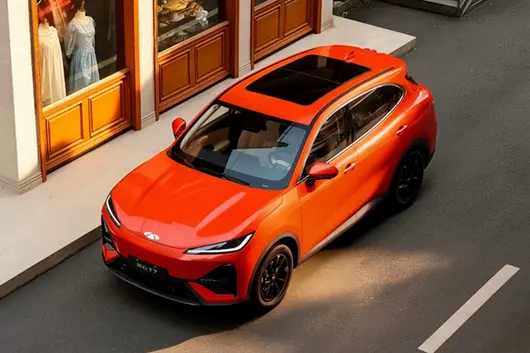
喺之前唔遠嘅中國汽車論壇上,某汽車品牌高管公開狠批速成車嘅說話,一舉成為近期嘅熱門事件,呢亦令不少正在揀車嘅消費者擔心踩到速成車嘅坑,咁點樣規避呢?其實答案好簡單,優先考慮揀選傳統大廠嘅車型,究竟佢哋喺生產製造階段有完善嘅產品規劃、試驗流程同規章制度,尤其係對於一啲走出國門嘅龍頭車企嚟講,更加唔會幹這種砸招牌嘅事。唔使講,而家有一款拒絕速成車嘅爆款新車,佢就係上市指導價只得 9.79 萬 -11.89 萬嘅「全球品質純電 SUV」——風雲 T7。

3 年研發、超 600 萬公里測試
恐怕好多人睇到呢度就會發問:售價僅 10 萬左右嘅家用車,憑咩敢保唔係速成車?
究其因都好簡單,首先呢輛車出自主動表示拒絕快造車嘅奇瑞汽車,其次呢係一輛早喺海外市場銷售嘅全球車型。

從第一個點嚟講,作為連續 23 年居中國品牌乘用車出口第一嘅中國車企,奇瑞汽車喺全球範圍內嘅用戶規模已經突破 2000 萬。因此,當其他汽車品牌話造嘅係全球車型,可能只係產品層面嘅營銷宣傳,實際上並冇喺海外市場進行銷售,但當奇瑞話呢係一輛全球車型,佢就係如假包賠嘅全球車型,呢就係實力同口碑!

正所謂前面講緊嘅呢係一輛已經喺海外市場銷售嘅全球車型,作為風雲 T7 同源車型嘅 Lepas L6,呢輛車已經先後喺泰國、南非等海外市場成為熱門之選,其後仲將喺歐洲、澳洲等地區進行銷售。

既然作為一款喺海外市場銷售嘅全球車型,呢就意味著風雲 T7 並唔係國內車型簡單改款出海,而係要同步適應全球 210 個國家同地區用車需求,除咗要符合亞洲標準,仲要符合更嚴苛嘅歐洲標準,呢意味著完全唔會俾速成車留少少活路。

咁問題嚟啦,風雲 T7 呢輛高品質嘅全球車型,點樣打造而成嘅呢?
要知道風雲 T7 僅研發周期就長達 3 年,整車累計測試里程超 600 萬公里,其中僅耐久專項實測嘅車輛投入就多達 81 輛,耐久測試里程更加長達 145 萬公里,測試環境亦跨越高溫、高寒、高濕、高鹽鹼等多種極限環境,例如巴西高減速坎、墨西哥鵝卵石路、德國高速大曲率彎道、南非非鋪裝泥路同北歐極寒工況等,從源頭適應全球法規同用車環境,完全杜絕實驗室模擬數據,呢既係風雲 T7 敢喊出全球品質嘅底氣所在,又係佢喺海外上市后能迅速爆火嘅重要原因!

10 萬價格享受 20 萬價值
用證據夯實咗呢係一輛高標準、高品質嘅全球車型,接下來就要睇產品力嘅。

作為一款先行完成海外市場驗證,再回歸國內嘅原生全球車,風雲 T7 自然知道國人在揀車時嘅關注點,那就係追求高配備、高性價比嘅同時,最好仲要具備空間大、操控好等優點,起售價唔到 10 萬嘅風雲 T7,佢表現點樣呢?

唔好睇佢係一輛 A 級家用 SUV,但係佢卻擁有近 1.9 米嘅寬體車身,以及 2.7 米嘅領先軸距,搭配支持通風、加熱等功能嘅座椅,以及鵝卵石造型嘅 SONY 音響系統,帶嚟寬敞舒適嘅乘坐體驗。

同時,呢輛車仲能依托全系標配嘅 AGS 智能進氣格柵,雙源寬溫域熱泵空調 + 高壓 PTC 組成嘅豪華配備,既能降低風阻風噪,又能透過超寬溫域運行實現極致能耗控制,令車輛喺極寒、極熱環境中依然能保障製熱製冷效率,避免因低溫續航出現大幅跳水,因高溫出現能耗飆升,俾用戶帶嚟穩定可靠嘅實際用車續航。

既然提到續航,就要講到風雲 T7 全系搭載嘅犀牛電池,佢唔單止採用零自燃設計,仲擁有 65.05kWh 嘅超大容量,令車輛嘅 CLTC 純電續航達到 600km,搭配只需 20 分鐘就充滿嘅充電效率,呢既既能輕鬆滿足半個月以上嘅市區通勤,又能喺跨省出行時緩解里程焦慮。值得提下嘅係,奇瑞喺能耗層面一向存在嘅「反向虛標」亦出現喺呢輛車上,風雲 T7 嘅實測續航竟然可達 681.6 公里,呢就進一步消除咗電車用戶嘅續航焦慮。

唔止於此,奇瑞風雲並唔因係一輛 10 萬塊嘅家用車,就忽視咗駕控層面嘅體驗。
要知道風雲 T7 唔單止全系搭載 178kW 嘅高性能電機,性能參數比德系 2.0T 高功率引擎更犀利,仲配備有採用大襯套同大直徑前穩定桿嘅四輪獨立懸掛,呢能大幅提升整車嘅駕控性能,令車輛以 80km/h 時速通過麋鹿測試,真正實現城市通勤平順舒適、高速行駛唔飄唔晃,俾年輕家庭帶嚟兼顧舒適同駕控嘅全能體驗。

然而呢仲未算完,喺年輕用戶看重嘅智能配備層面,風雲 T7 除咗標配 15.6 吋 2.5K 智慧大屏、全液晶儀表板等多項科技配備,以及支持 AI 大模型嘅智慧車機系統,仲配備有同級罕有嘅 8775 座艙駕一體芯片,佢既能提升車機系統嘅響應速度同運行能力,又能为呢輛車搭載嘅支持高速領航、多場景輔助泊車嘅進階智駕系統提供強大嘅運算能力基礎,令用戶喺 10 萬塊嘅車型上,都能享受到 20 萬嘅越級出行體驗!

大俠車談:毋庸置疑,作為一款慢功造好車嘅模範產品,起售價只得 9 萬級嘅風雲 T7,都係用全球品質同超強實力,為家用 SUV 市場豎立起全新嘅價值標竿,究竟呢個價位就能買到一輛具備准入歐洲市場、擁有全能實力嘅全球高品質車型,呢喺買車、用車時都算係一種幸福啦!

喺馬來西亞嘅 SUV 市場,好多買家喺揀車嘅時候都會拿 Honda WR-V 同 Chery Tiggo 8 PHEV 嚟做比較。呢兩部車喺價位同定位上都幾接近,今日我哋就從多個方面做一個詳細嘅比較,幫你省咗做功課嘅時間。
Honda WR-V 喺馬來西亞嘅 OTR 售價係 RM 89,900 - 107,900,一共有 4 個版本,包括 2023 1.5L V(RM 99,900)、2023 1.5L E(RM 95,900)、2023 1.5L S(RM 89,900) 等。
Chery Tiggo 8 PHEV 喺馬來西亞嘅 OTR 售價係 RM 159,750 - 159,750,一共有 2 個版本,包括 1.6L Turbo Standard(RM 130,000)、1.6L Turbo Premium(RM 145,000) 等。
從價錢來看,Honda WR-V 嘅起步價確實比 Chery Tiggo 8 PHEV 平咗 RM 69,850。如果你預算有限,Honda 嘅入門版已經可以滿足日常需要。但都要注意,平嗰幾千塊,可能喺配備上會有取舍,具體就要睇你嘅需要。

Honda WR-V 搭載 1.5L 4-cyl,馬力 105 hp。官方油耗 6.0 L/100km。
Chery Tiggo 8 PHEV 搭載 Hybrid,馬力 170 hp。官方油耗 4.5 L/100km。
動力方面,Chery Tiggo 8 PHEV 嘅 Hybrid 比 Honda WR-V 嘅 1.5L 4-cyl 多咗 65 匹馬力。不過日常喺市區開,兩部車嘅動力都夠用,唔會覺得唔夠力。

Honda WR-V 保修 5 年/無限里程,保養間隔 每 10,000km 或 6 個月。
Chery Tiggo 8 PHEV 保修 3 年/100,000km,保養間隔 每 10,000km 或 6 個月。

Honda WR-V 同 Chery Tiggo 8 PHEV 都係馬來西亞市場嘅主流選擇,適合家庭使用、日常通勤。如果你更重視品牌口碑同二手價,可以優先考慮口碑更好嗰款;如果你更在意性價比同配備,就揀配備更豐富嗰款。最終都係建議兩部都去試駕,親身體驗先至係最重要嘅。
總體嚟講,Honda WR-V 同 Chery Tiggo 8 PHEV 都係馬來西亞市場幾不錯嘅車型。揀邊一輛,關鍵仲係要睇你嘅個人需求同預算。建議大家做好功課,多比較幾間車行嘅報價,再去試駕先做最終決定。買車係件大事,花少少時間做功課絕對唔會錯。


Dalam pasaran SUV di Malaysia, ramai pembeli sering membandingkan Honda WR-V dan Chery Tiggo 8 semasa memilih kereta. Kedua-dua kereta ini mempunyai harga dan klasifikasi yang agak hampir, hari ini kita akan membuat perbandingan terperinci dari pelbagai aspek, membantu anda menjimatkan masa membuat kajian.
Harga OTR Honda WR-V di Malaysia adalah RM 89,900 - 107,900, terdapat 4 varian, termasuk 2023 1.5L V (RM 99,900), 2023 1.5L E (RM 95,900), 2023 1.5L S (RM 89,900) dan lain-lain.
Harga OTR Chery Tiggo 8 di Malaysia adalah RM 129,750 - 129,750, terdapat 1 varian, termasuk 2026 1.6T Standard (RM 129,750) dan lain-lain.
Dari segi harga, permulaan harga Honda WR-V memang lebih murah RM 39,850 berbanding Chery Tiggo 8. Jika bajet anda terhad, varian masuk Honda sudah boleh memenuhi keperluan harian. Tetapi berhati-hati, perbezaan beberapa ribu ringgit ini, mungkin ada pengorbanan pada kelengkapan, bergantung pada keperluan anda.
Panjang badan Honda WR-V adalah 4400 mm, bagasi 400 L.
Panjang badan Chery Tiggo 8 adalah 4400 mm, bagasi 400 L.
Saiz kedua-dua kereta hampir sama, ruang dalaman tidak banyak perbezaan. Untuk kereta kelas ini, penggunaan harian sudah memadai.
Honda WR-V menggunakan sistem pemacu FWD.
Chery Tiggo 8 menggunakan sistem pemacu FWD.
Sistem pemacu kedua-dua kereta sama, keduanya FWD, rasa pemanduan harian tidak akan berbeza banyak.
Honda WR-V dan Chery Tiggo 8 adalah pilihan utama pasaran Malaysia, sesuai untuk kegunaan keluarga, perjalanan harian. Jika anda lebih mengutamakan reputasi jenama dan harga jual semula, boleh utamakan jenama yang lebih baik reputasinya; jika anda lebih mengutamakan nilai dan kelengkapan, maka pilih yang mempunyai kelengkapan lebih banyak. Akhir sekali, disyorkan untuk memandu kedua-duanya, pengalaman sendiri adalah yang paling penting.

Secara keseluruhan, Honda WR-V dan Chery Tiggo 8 adalah model kereta yang sangat baik di pasaran Malaysia. Memilih yang mana, penting melihat keperluan peribadi dan bajet anda. Disyorkan membuat kajian, bandingkan beberapa harga dari beberapa dealer, kemudian uji memandu untuk membuat keputusan akhir. Membeli kereta adalah perkara besar, meluangkan masa membuat kajian tidak akan salah.
© 2024 Bitauto.com. All Rights Reserved.
Bitauto (www.yiche.com and www.bitauto.com) is one of the most visited automotive websites in China. We provide detailed info on Chinese car brands available in your area. Please note that the information provided on this website is based on publicly available data and is for reference only. It may not be fully updated or accurate at all times.

Help us improve our website


