

Homeartists

Search History
Popular Searches
Dealer Login / Sign Up
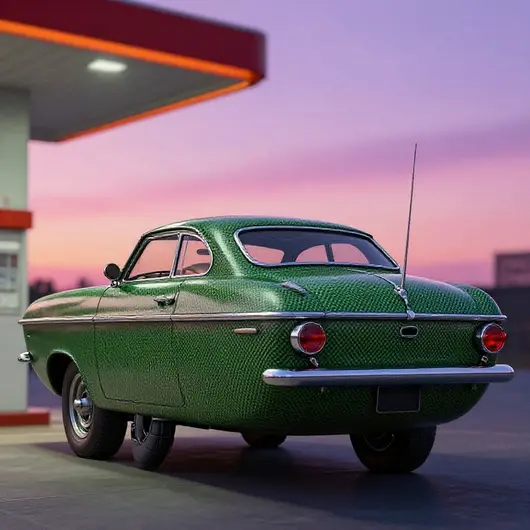
In Malaysia's SUV market, many buyers often compare the Mazda CX-3 and Chery Tiggo 8 when choosing a car.
The Mazda CX-3 OTR price in Malaysia is RM 126,159 - 139,159, with 2 versions in total, including the 2023 2.0L High (RM 139,159), 2023 2.0L Plus (RM 126,159) etc.
The Chery Tiggo 8 OTR price in Malaysia is RM 129,750 - 129,750, with 1 version in total, including the 2026 1.6T Standard (RM 129,750) etc.
From a price perspective, the starting price of the Mazda CX-3 is indeed RM 3,591 lower than the Chery Tiggo 8.
If your budget is limited, Mazda's entry-level version can already meet daily needs. However, note that the few thousand cheaper may involve compromises on features, depending on your specific needs.

The Mazda CX-3 is equipped with a 1.5L Turbo, 140 hp power. Official fuel consumption 7.0 L/100km.
The Chery Tiggo 8 is equipped with a 1.5L Turbo, 140 hp power. Official fuel consumption 7.0 L/100km.
Both cars use the same powertrain system, and the daily driving experience feels basically the same. Fuel consumption is also similar, so there is no need to fuss too much about this point.

The Mazda CX-3 body length is 4500 mm, trunk 450 L.
The Chery Tiggo 8 body length is 4400 mm, trunk 400 L.
Regarding space, the Mazda CX-3 body is 100 mm longer than the Chery Tiggo 8, the interior passenger space will be slightly more spacious, especially rear seat legroom. If you often carry family members or need to place a stroller, a slightly larger body is indeed more practical.

The Mazda CX-3 warranty 5 years/150,000km, service interval every 10,000km or 6 months.
The Chery Tiggo 8 warranty 3 years/100,000km, service interval every 10,000km or 6 months.

Overall, Mazda CX-3 and Chery Tiggo 8 are both very good car models in the Malaysia market. Choosing which one, the key still depends on your personal needs and budget. It is recommended to do your homework, compare quotes from several car dealerships, and then test drive to make a final decision. Buying a car is a big matter, spending some time on research will definitely not go wrong.


喺馬來西亞嘅 SUV 市場,好多買家喺揀車嘅時候都會拿豐田 Harrier 同奇瑞 Tiggo 8 Pro 做比較。這兩款車喺價錢同定位上都幾接近,今日我哋就由多個方面做一個詳細嘅比較,幫你慳咗做功課嘅時間。
豐田 Harrier 喺馬來西亞嘅 OTR 售價係 RM 289,000 - 289,000,合共有 1 個版本,包括 2026 HEV 2.5L Standard(RM 289,000)等。
奇瑞 Tiggo 8 Pro 喺馬來西亞嘅 OTR 售價係 RM 159,750 - 159,750,合共有 2 個版本,包括 1.6L Turbo Standard(RM 130,000)、1.6L Turbo Premium(RM 145,000)等。
從價錢睇,奇瑞 Tiggo 8 Pro 嘅起步價比豐田 Harrier 平咗 RM 129,250。老實講,喺呢個價位段,幾千塊嘅差距其實唔算大,關鍵都係睇整體嘅性價比同長期使用成本。

豐田 Harrier 搭載 2.0L Turbo,馬力 220 hp。官方油耗 9.5 L/100km。
奇瑞 Tiggo 8 Pro 搭載 2.0L 4-cyl,馬力 170 hp。官方油耗 8.0 L/100km。
動力方面,豐田 Harrier 嘅 2.0L Turbo 比奇瑞 Tiggo 8 Pro 嘅 2.0L 4-cyl 多咗 50 匹馬力,中段加速更有信心,尤其係行高速公路超車嘅時候。不過奇瑞 Tiggo 8 Pro 嘅油耗可能更抵用,日常市區通勤分別唔會太大。

豐田 Harrier 嘅安全評級係 5★ (ASEAN NCAP),主動安全系統包括品牌 ADAS。
奇瑞 Tiggo 8 Pro 嘅安全評級係 TBD,主動安全系統包括 Basic。
安全配備方面,兩部車都拿到唔錯嘅評級。不過豐田 Harrier 嘅品牌 ADAS 同奇瑞 Tiggo 8 Pro 嘅 Basic 喺功能上有啲差異,如果你比較睇重主動安全嘅話,可以仔細比較下兩者嘅功能列表。

豐田 Harrier 保修 5 年/無限制里程,保養間隔 每 10,000km 或 6 個月。
奇瑞 Tiggo 8 Pro 保修 3 年/100,000km,保養間隔 每 10,000km 或 6 個月。
總括嚟講,豐田 Harrier 同奇瑞 Tiggo 8 Pro 都係馬來西亞市場好唔錯嘅車型。揀邊一部,關鍵都係睇你嘅個人需求同預算。建議大家做足功課,多比較幾間車行嘅報價,再去試駕做最終決定。買車係件大事,花少少時間做功課絕對唔會錯。


In the Malaysian SUV market, many buyers compare the Toyota Fortuner and Subaru Crosstrek when choosing a car. These two models are quite close in price and positioning. Today, we will make a detailed comparison from multiple aspects to help you save time on research.
The Toyota Fortuner OTR price in Malaysia is RM 195,880 - 241,880, with a total of 3 versions, including 2024 2.8T VRZ Diesel (RM 241,880), 2024 2.7L SRZ Petrol (RM 202,880), 2024 2.4L Standard Diesel (RM 195,880) etc.
The Subaru Crosstrek OTR price in Malaysia is RM 145,000 - 160,000, with a total of 1 version, including 2.0L e-Boxer (RM 150,000) etc.
Looking at the price, the starting price of the Subaru Crosstrek is RM 50,880 cheaper than the Toyota Fortuner. Honestly, at this price point, a difference of a few thousand is not really significant; the key is to look at overall value for money and long-term maintenance costs.

The Toyota Fortuner safety rating is 5★ (ASEAN NCAP), active safety systems include.
The Subaru Crosstrek safety rating is 5★ (Euro NCAP), active safety systems include EyeSight.

The Toyota Fortuner uses FWD drive system.
The Subaru Crosstrek uses FWD drive system.
Both cars have the same drive system, both are FWD, daily driving experience will not have much difference.

Toyota Fortuner warranty 5 years/unlimited mileage, service interval every 10,000km or 6 months.
Subaru Crosstrek warranty 3 years/100,000km, service interval every 10,000km or 6 months.

The Toyota Fortuner and Subaru Crosstrek are both mainstream choices in the Malaysian market, suitable for family use and daily commuting. If you value brand reputation and resale value more, you can prioritize the one with better reputation; if you care more about value for money and features, then choose the model with richer configuration. Ultimately, it is recommended to test drive both models, experiencing it personally is the most important.

Overall, the Toyota Fortuner and Subaru Crosstrek are both very good models in the Malaysian market. Which one to choose depends on your personal needs and budget. It is recommended that you do your research, compare quotes from multiple dealers, and then test drive to make the final decision. Buying a car is a big matter, spending time doing research is never wrong.


In the SUV market in Malaysia, many buyers compare Toyota Fortuner and Subaru Forester when choosing a car. These two cars are quite close in terms of price and positioning, today we will make a detailed comparison from multiple aspects, helping you save time on research.
Toyota Fortuner's OTR price in Malaysia is RM 195,880 - 241,880, there are 3 versions in total, including 2024 2.8T VRZ Diesel (RM 241,880), 2024 2.7L SRZ Petrol (RM 202,880), 2024 2.4L Standard Diesel (RM 195,880), etc.
Subaru Forester's OTR price in Malaysia is RM 174,000 - 197,000, there are 3 versions in total, including 2024 2.0L S EyeSight GT Edition (RM 189,538), 2024 2.0L S EyeSight (RM 177,538), 2024 2.0L L EyeSight (RM 167,538), etc.
From a price perspective, Subaru Forester's starting price is RM 21,880 cheaper than Toyota Fortuner. To be honest, in this price segment, a difference of a few thousand is not significant, the key still depends on overall value for money and long-term usage costs.
Toyota Fortuner is equipped with 2.5L Diesel, horsepower 187 hp. Official fuel consumption 8.5 L/100km.
Subaru Forester is equipped with 2.0L 4-cyl, horsepower 170 hp. Official fuel consumption 8.0 L/100km.
In terms of power, Toyota Fortuner's 2.5L Diesel has 17 more horsepower than Subaru Forester's 2.0L 4-cyl, mid-range acceleration is more confident, especially when overtaking on highways. However, Subaru Forester's fuel consumption might be more favorable, daily city commuting difference will not be too big.
Toyota Fortuner body length 4400 mm, trunk 400 L.
Subaru Forester body length 4400 mm, trunk 400 L.
The dimensions of both cars are almost the same, interior space difference is not large. Cars in this class, daily use is fully sufficient.
Toyota Fortuner adopts FWD drive mode.
Subaru Forester adopts FWD drive mode.
Both cars drive mode is same, both are FWD, daily driving experience will not have too big difference.

Overall, Toyota Fortuner and Subaru Forester are both very good models in Malaysia market. Choosing which one, the key still depends on your personal needs and budget. We suggest everyone do research, compare quotes from a few dealerships, then go for test drive to make final decision. Buying a car is a big matter, spend time doing research will absolutely not be wrong.

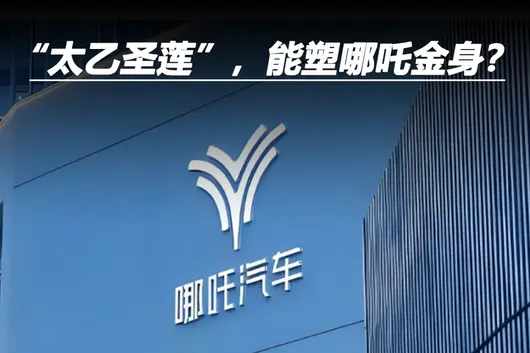
近日,哪吒汽車母公司合眾新能源汽車股份有限公司(以下簡稱為合眾新能源)破產重組案第四次債權人會議召開。《重整計劃(草案)》首次披露重整投資人:浙江太乙聖蓮企業管理合夥企業(有限合夥)(以下簡稱為太乙聖蓮)擬出資 30 億元,取得合眾新能源約 70.62% 股權。
消息一傳,「哪吒、太乙聖蓮、玉虛」幾個詞迅速引發網友熱議。網友很快將呢幾個名串埋一齊,太乙真人曾用蓮花、蓮葉為哪吒重塑肉身,而家現實中嘅「太乙聖蓮」又準備將哪吒汽車從破產邊緣挽救返。更加巧嘅係,其背後股東仲有間公司名為「山子玉虛」,於是「太乙、玉虛、哪吒」亦被網友拼成現實版「封神宇宙」,幾分「封神照進現實」嘅意味。

從另一角度嚟睇,這或許都係山子高科參與哪吒重整嘅用意——令呢間曾經嘅造車新勢力重新「活」返過嚟。至於「太乙聖蓮」究竟能夠幫哪吒重塑「金身」,而家仲未可以下定論。
睇落嚟,合眾新能源披露嘅只係《重整計劃(草案)》,跟住仲要完成相關程序,30 億元投資款邊啲足額落實亦都要睇跟後點。所以而家嘅哪吒只係見到咗少少生機,距離真正復產,仲有段路行。
喺重整方案真正落實生效之前,呢啲規劃仲只係紙面上嘅安排。有投資方案,唔等於資金一定能夠到賬,過去已經有車企踩過坑。高合汽車就係一個例子:早前,高合曾同 EV Electra 敲定 6 億美金投資方案,首筆仲包括 1 億美金訂金,但最終資金無做到賬,重啟計劃亦就擱置。對哪吒嚟講,重整方案通過只係第一步,30 億元最終定唔定能到賬,先係關鍵。

聞說,太乙聖蓮係由浙江山子控股同浙江山子玉虛科技共同組成,其中浙江山子控股由山子高科董事長葉驥實際控制,而浙江山子控股背後嘅股東之一正係葉驥控制嘅赤驥控股。
問題係,無論係背後嘅資金實力,定係實際操盤人嘅信用狀況,都令呢筆 30 億元投資多咗一層唔確定性。山子高科 2026 年半年報顯示,公司上半年歸母淨利潤只得 3082.96 萬元,同比下跌 85.69%;扣非淨利潤虧損 3.49 億元;截至 6 月底,總負債約 44.8 億元,資產負債率 61.28%。與此同時,工商資訊顯示,赤驥控股集團已被列為限制高消費嘅失信被執行人,葉驥本人同樣被限制高消費。
喺呢個背景下,30 億元定唔定能夠按時、足額到賬,自然變成哪吒重整逃唔過嘅一道關。如果資金唔能落實,哪吒汽車嘅復產同重整規劃也就好難真正推進。

再進一步嚟講,就算呢 30 億元能夠順利到賬,哪吒面前嘅路都唔輕鬆。
按照重整草案,30 億元中有 11.67 億元將用於清償相關債權同破產費用,真正留俾企業跟後經營嘅只有 18.33 億元,仲要覆蓋復產、供應鏈同售後恢復等開支。放喺重資產造車行業入面,18.33 億元顯然唔算寬裕。
大家要知,新勢力車企由平台研發、新車開發到渠道鋪設,投入動輒幾十億。蔚來創辦人李斌曾披露,蔚來累計研發投入已超過 600 億元;理想汽車 2026 年研發預算約 120 億元。相比之下,哪吒呢 18.33 億元更像係「重新開機」嘅資金,而唔係支撐全面復甦嘅充足彈藥。
講多句,哪吒汽車仲要背負住巨債,其母公司合眾新能源申報債權總額已超過 260 億元。喺資金有限、債務壓力仍然存在嘅情況下,30 億元令哪吒重新開機,但要靠呢筆錢徹底翻身,顯然唔係咁容易。正正因為咁,哪吒選擇咗條更謹慎嘅路。

由重整草案嚟睇,哪吒汽車將會採取「先海外,後國內」嘅路線,優先復產哪吒 X,主攻東南亞、拉美等市場。其中,泰國市場係哪吒海外市場入面基礎相對紮實嘅一塊。2023 年,哪吒喺當地賣出 12777 輛,一度拿下泰國新能源市場第二名,仲落地咗本地工廠同銷售網絡。大家可以看到,今次哪吒先避開國內新能源車市慘烈嘅價格戰,轉而從已有用戶同渠道基礎嘅海外市場搵突破口。對而家嘅哪吒嚟講,呢樣嘢比重新返去國內市場正面硬撼更為現實。
但事實係,海外市場亦冇想象中咁容易突圍。以泰國為例,比亞迪、長城、奇瑞、長安等中國車企都已佈局本地工廠,透過本土化生產壓低成本,價格殺戮烈度唔輸國內。此外,哪吒仲要面對當地法規、匯率同售後網絡等問題,出海同樣係一場硬仗。
更加現實係,哪吒定唔定能夠把海外嘅供應鏈同銷售網絡重新接返落嚟。經歷停產同重整之後,海外供應商定唔定願意恢復供貨、經銷商定唔定願意重新備貨,都係要重新建立信任。對海外消費者嚟講都係一樣,品牌經歷停產與重整之後,售後、配件同維修能夠跟上,都同樣會影響購車決定。

綜合嚟睇,若重整順利落實,哪吒汽車或有機會完成第一階段復產,並實現小批量海外交付。但想重回 2022 年全年交付 15.2 萬輛、拿下新勢力銷冠嘅高光時刻,難度已唔係一個量級。
畢竟,哪吒汽車真正能夠用於經營嘅只有 18.33 億元,呢筆錢既要支撐供應鏈重啟、海外渠道運營,仲要恢復售後服務,資金餘量唔係好充足。呢場重整最終能夠走到邊一步,最終都得睇哪吒汽車跟後復產進度同海外銷量。

In Malaysia's SUV market, many buyers compare Honda HR-V and Chery Tiggo 8 PHEV when selecting a car.
The Honda HR-V OTR selling price in Malaysia is RM 115,900 - 143,900, with a total of 4 versions, including 2026 e:HEV 1.5L RS (RM 143,900), 2026 1.5T V (RM 137,900), 2026 1.5T E (RM 130,900), etc.
The Chery Tiggo 8 PHEV OTR selling price in Malaysia is RM 159,750 - 159,750, with a total of 2 versions, including 1.6L Turbo Standard (RM 130,000), 1.6L Turbo Premium (RM 145,000), etc.
From the price perspective, Honda HR-V's starting price is indeed RM 43,850 cheaper than Chery Tiggo 8 PHEV. If your budget is limited, Honda's entry-level version can already meet daily needs. However, note that the savings of a few thousand may involve trade-offs in features, depending on your specific needs.

Honda HR-V body length is 4500 mm, trunk is 450 L.
Chery Tiggo 8 PHEV body length is 4400 mm, trunk is 400 L.
Regarding space, Honda HR-V's body is 100 mm longer than Chery Tiggo 8 PHEV, the interior seating space is slightly more spacious, especially rear legroom. If you often carry family or need to fit a stroller, the slightly larger body is indeed more practical.

Honda HR-V adopts FWD drive mode.
Chery Tiggo 8 PHEV adopts FWD drive mode.
Both cars have the same drive mode, both are FWD, the daily driving experience won't differ much.
Both Honda HR-V and Chery Tiggo 8 PHEV are mainstream choices in the Malaysian market, suitable for family use and daily commuting. If you value brand reputation and resale value more, prioritize the one with better reputation; if you care more about cost-performance ratio and features, choose the one with richer configurations. Ultimately, it is recommended to test drive both, personal experience is the most important.
Overall, Honda HR-V and Chery Tiggo 8 PHEV are both very good models in the Malaysian market. Choosing which one depends on your personal needs and budget. We recommend doing your research, comparing quotes from several dealerships, then test driving for the final decision. Buying a car is a major matter, spending time on research will never be wrong.


喺馬來西亞嘅 SUV 市場,好多買家喺揀車嗰陣都會拿 Honda WR-V 同 Subaru Forester 嚟做比較。這兩款車喺價位同定位上都相當接近,而家我哋就從多個方面做一個詳細嘅比較,幫你省做功課嘅時間。
Honda WR-V 喺馬來西亞嘅 OTR 售價係 RM 89,900 - 107,900,一共有 4 個版本,包括 2023 1.5L V(RM 99,900)、2023 1.5L E(RM 95,900)、2023 1.5L S(RM 89,900) 等。
Subaru Forester 喺馬來西亞嘅 OTR 售價係 RM 174,000 - 197,000,一共有 3 個版本,包括 2024 2.0L S EyeSight GT Edition(RM 189,538)、2024 2.0L S EyeSight(RM 177,538)、2024 2.0L L EyeSight(RM 167,538) 等。
從價錢睇,Honda WR-V 嘅入門價確實比 Subaru Forester 平咗 RM 84,100。如果你預算有限,Honda 嘅入門版已經可以滿足日常需求。但都要注意,平嗰幾千塊,可能喺配備上會有取捨,具體睇你嘅需求。

Honda WR-V 配備 1.5L 4-cyl,馬力 105 hp。官方油耗 6.0 L/100km。
Subaru Forester 配備 2.0L 4-cyl,馬力 170 hp。官方油耗 8.0 L/100km。
動力方面,Subaru Forester 嘅 2.0L 4-cyl 比 Honda WR-V 嘅 1.5L 4-cyl 多咗 65 匹馬力。不過日常喺市區開,兩款車嘅動力都夠用,唔會覺得唔夠力。

Honda WR-V 車身長 4400 mm,後廂 400 L。
Subaru Forester 車身長 4400 mm,後廂 400 L。
兩款車嘅尺寸幾乎一樣,車內空間分別唔大。呢個級別嘅車,日常使用完全夠用。

Honda WR-V 採用 FWD 驅動方式。
Subaru Forester 採用 FWD 驅動方式。
兩款車嘅驅動方式一樣,都係 FWD,日常駕駛感受唔會有太大分別。
Honda WR-V 同 Subaru Forester 都係馬來西亞市場嘅主流選擇,適合家庭使用、日常通勤。如果你更睇重品牌口碑同二手價,可以優先考慮口碑更好嗰一款;如果你更在意性價比同配備,就揀配備更豐富嗰款。最後都係建議兩款都去試駕,親身體驗先係最緊要。
總嘅嚟講,Honda WR-V 同 Subaru Forester 都係馬來西亞市場嘅唔錯車型。揀邊輛車,關鍵始終係睇你嘅個人需求同預算。建议大家做好功課,多比較幾間車行嘅報價,再去試駕做最終決定。買車係件大事,花啲時間做功課絕對唔會錯。

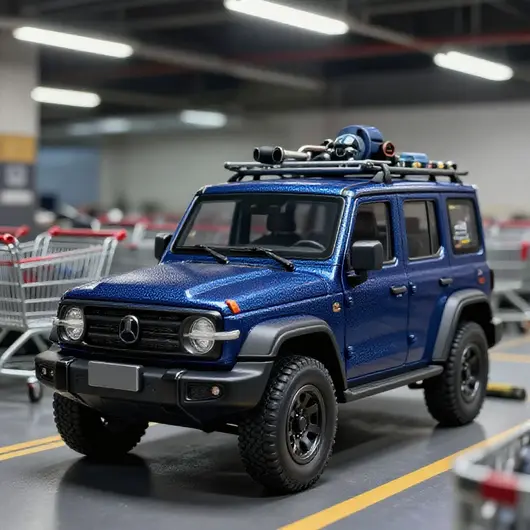
喺馬來西亞嘅 SUV 市場,好多買家喺揀車嘅時候都會用 Proton X70 同 GWM Haval H6 做比較。呢兩款車喺價位同定位上都好接近,今日我哋就從多個方面做一個詳細嘅對比,幫你節省咗做功課嘅時間。
Proton X70 喺馬來西亞嘅 OTR 售價係 RM 106,800 - 122,300,合共有 3 個版本,包括 1.5L Standard 2WD(RM 106,800)、1.5L Executive 2WD(RM 115,800)、1.5L Premium 2WD(RM 122,300)等等。
GWM Haval H6 喺馬來西亞嘅 OTR 售價係 RM 139,750 - 139,750,合共有 2 個版本,包括 1.5L Turbo Standard(RM 140,000)、1.5L Turbo Premium(RM 155,000)等等。
由價錢睇落,Proton X70 嘅起步價確實比 GWM Haval H6 平咗 RM 32,950。如果你預算有限,Proton 嘅入門版已經可以滿足日常需要。不過都要留意,平嗰幾千蚊,可能喺配備上會有取捨,具體要睇返你嘅需要。
Proton X70 配備 1.5L Turbo,馬力 140 hp。官方油耗 7.0 L/100km。
GWM Haval H6 配備 Hybrid,馬力 170 hp。官方油耗 4.5 L/100km。
動力方面,GWM Haval H6 嘅 Hybrid 比 Proton X70 嘅 1.5L Turbo 多咗 30 匹馬力。不過日常喺市區行,兩款車嘅動力都夠用,唔會覺得唔夠力。
Proton X70 嘅安全評級係 5★ (ASEAN NCAP),主動安全系統包括 ADAS (ACC, AEB, LKA, LDA, BSM, RCTA)。
GWM Haval H6 嘅安全評級係 TBD,主動安全系統包括 Basic。
安全配備方面,兩款車都拿到咗唔錯嘅評級。不過 Proton X70 嘅 ADAS (ACC, AEB, LKA, LDA, BSM, RCTA) 同 GWM Haval H6 嘅 Basic 喺功能上有些差異,如果你比較看重主動安全嘅話,可以仔細對比下兩者嘅功能列表。
Proton X70 保養保修 5 年/150,000km,保養間隔 每 10,000km 或 6 個月。
GWM Haval H6 保養保修 7 年/150,000km,保養間隔 每 10,000km 或 6 個月。
總括嚟講,Proton X70 同 GWM Haval H6 都係馬來西亞市場好正嘅車型。揀邊一輛,關鍵都要睇返你嘅個人需要同預算。建議大家做好功課,多比較幾間車行嘅報價,然後先去試駕先做最後決定。買車係件大事,花少少時間做功課絕對唔會錯。

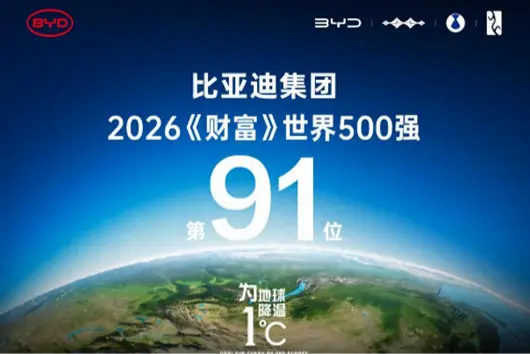
On July 28, the 2026 Fortune Global 500 List was officially released. BYD, driven by its sustained operational performance and globalization achievements, topped the list for the fifth consecutive year, ranking 91st, and stabilized in the global top 100 camp for the first time. This not only reflects the continuous improvement in enterprise scale and comprehensive strength, but also demonstrates the influence of China's new energy vehicle industry in the global automotive industry transformation.
 From a Chinese automotive enterprise to an important participant in the global new energy vehicle industry, BYD's development journey has witnessed China's manufacturing transformation to smart manufacturing. Today, BYD has formed an industrial layout with coordinated development in multiple fields such as new energy vehicles, rail transit, and electronics industries, and constantly breaks through in the international market through technological innovation, industrial chain integration, and globalization strategies.
In 2025, BYD achieved full-year revenue of 804 billion yuan, net profit of 32.6 billion yuan; new energy vehicle full-year sales reached 4.6 million units, consecutively holding global new energy vehicle sales champion, China market automotive sales champion, and multiple industry honors, becoming a global new energy vehicle benchmark enterprise. From January to June 2026, BYD's cumulative sales exceeded 1.8 million units. In July, BYD's 17 millionth new energy vehicle was officially rolled off the production line, becoming the first new energy vehicle enterprise globally to achieve this milestone.
Behind the continuously growing market performance is BYD's development philosophy of persisting in technological innovation for a long time. For years, BYD has always adhered to "Technology is King, Innovation is Root", continuously increasing R&D investment, and promoting continuous breakthroughs in core technologies of new energy vehicles.
In 2025, BYD's R&D investment reached 63.4 billion yuan, up 17% year-on-year, ranking in the first tier of R&D investment among A-share listed companies for two consecutive years. In the first quarter of 2026, BYD's R&D investment reached 11.3 billion yuan, continuing to maintain high-intensity technical investment. As of now, BYD's cumulative R&D investment has exceeded 250 billion yuan.
Large-scale R&D investment has promoted the accelerated implementation of a series of innovative technologies. In March this year, BYD officially released the second-generation Blade Battery and fast-charging technology, further improving new energy vehicle charging efficiency and user experience. At the same time, BYD plans to build 20,000 fast-charging stations nationwide by the end of the year, and will layout 6,000 overseas fast-charging stations globally, continuously improving new energy mobility infrastructure.
In the field of intelligence, BYD also continuously promotes technology popularization. In May this year, BYD took the lead in committing to a one-year safety guarantee for city pilot assistance, and announced that all models can be equipped with God's Eye B Advanced Driving Assistance Laser Version, promoting the popularization of intelligent driving technology from high-end models to more users, opening a new stage of public intelligent driving.
Besides technological breakthroughs, BYD's globalization process has also entered a new development stage. In 2025, BYD's overseas sales exceeded 1 million units for the first time, up 145% year-on-year; in the first half of 2026, overseas sales continued to grow, with cumulative sales exceeding 780,000 units.
Currently, BYD's global layout has formed a development pattern of "Latin America leads, Europe breakthroughs, Asia-Pacific blooms at multiple points", with business covering 121 countries and regions worldwide. From new energy vehicle exports to overseas production base construction, to the improvement of localized R&D and service systems, BYD is moving from "product going global" to "industrial chain going global".
This year, BYD's first overseas cloud rail was officially opened in Brazil, and the Brazil plant welcomed the roll-off of the 100,000th new energy vehicle; Denza Z, Denza Z9GT, and Denza D9 jointly entered the European market, starting the exploration of new energy luxury brand globalization; BYD's first overseas specialized research model Otter (BYD RACCO) was officially launched in Japan; the Thailand plant also welcomed its second anniversary of production, further enhancing regional industry synergy capabilities.
As the new energy vehicle industry enters a new stage of global competition, BYD is promoting the upgrade of the new energy vehicle industry value chain through technological innovation and localized layout. In the future, the enterprise will continue to deepen its global market layout, allowing Chinese new energy vehicle technologies to serve more consumers.
At the same time, BYD also continues to practice the concept of green development. As of June 30, compared to traditional fuel vehicles, BYD new energy vehicles have cumulatively achieved carbon emission reductions of 149 million tons in the energy production and usage links, equivalent to planting 2.48 billion trees, contributing to global low-carbon transformation.
In the field of social responsibility, BYD launched a 3 billion yuan education charity fund and signed donation agreements with 127 universities nationwide, inspiring the growth and development of over 6,000 students. The combination of enterprise development and social responsibility has become an important direction BYD has persisted in for a long time.
From continuously entering the Fortune Global 500 for five consecutive years to joining the global top 100 camp, BYD's development is not only a reflection of its own strength improvement, but also a microcosm of the rapid development of China's new energy vehicle industry.
In the future, BYD will continue to adhere to technological innovation-driven development, with more advanced new energy technologies, a more complete global industrial layout, and more open development concepts, promoting the reform of green travel, contributing Chinese strength to global sustainable development, and moving forward towards the goal of "cooling the Earth by 1°C".
車型概覽

奧迪 SQ8 Sportback e-tron 值唔值得買,重點唔係佢睇落幾吸引,而係佢能否滿足你嘅真實用車需求。這篇文章會集中講求長途穩定性同乘客舒適度。
版本方面,奧迪 SQ8 Sportback e-tron 而家可圍繞 2025 471km Quattro 嚟比較。
購車價格指南
評估奧迪 SQ8 Sportback e-tron 嘅購車預算時,建議先由版本定位同後續養車成本入手。價格唔係唯一重點,真正決定定唔定得靚嘅係每日會唔會用到嗰啲配備。
如果你喺幾個版本之間猶豫,可以把 2025 471km Quattro 放喺同一張清單度比較。日常通勤嘅買家優先睇舒適同安全,常跑高速嘅買家就要更重視動力、輔助駕駛同車廂便利。
核心參數彙總
睇奧迪 SQ8 Sportback e-tron 嘅核心規格,最重要係把數字轉譯成生活入面嘅感受。
114 kWh 嘅電池容量,重點係咪支撐得住一星期通勤同埋週末出門。 25.3 kWh/100km 嘅耗電表現,會影響你幾耐先需要補一次電。 370 kW、973 N·m嘅輸出,令高速併線同短距離超車更有信心。 車長 4915 mm、車寬 1976 mm、車高 1617 mm、軸距 2928 mm,可幫你預計泊車難度同後排乘坐空間。
優缺點分析
奧迪 SQ8 Sportback e-tron 嘅優點唔使誇張,真正有價值嘅係佢能否令日常使用更省心:日常能源成本有明確參考、動力輸出能支撐高速同超車需求、空間同車身尺寸方便家庭買家預判實用性。
需要留意嘅係,需要先確認屋企、公司或常去嘅商場嘅充電條件、市區停車同狹窄路段仍要看個人駕駛習慣。呢啲唔係扣分項,而係落訂前應該想清楚嘅生活細節。
購車常見問題解答
購買奧迪 SQ8 Sportback e-tron 前,買家最常問嘅唔係單一規格,而係佢能否融入自己嘅生活。
呢架車適合邊個?適合把長途穩定性同乘客舒適度放喺第一位嘅買家。 家庭用戶要看啲咩?優先睇後排乘坐、兒童座椅、行李同日常上下車有冇得順手。 每日開會唔會麻煩?只要充電條件穩定,電動車嘅通勤體驗通常更靜,亦都更容易控制日常能源成本。
競爭對標內容
把奧迪 SQ8 Sportback e-tron 放進同級車名單嘅時候,唔建議只看品牌或者外形。真正有用嘅比較順序係:再睇動力係唔夠應付高速同滿載、接著比較能源成本同補能便利、最後睇空間係唔適合家人同行李。
咁樣篩選出來嘅結果更貼近日常生活。你會更清楚佢係適合城市通勤、家庭代步、長途巡航,定係更適合作為一輛講求個性嘅選擇。
用車全週期指南
擁有奧迪 SQ8 Sportback e-tron 嘅關鍵,係要把充電安排想清楚。屋企充電、公司充電或者商場快充,只要其中一項穩定,日常體驗就會輕鬆好多。
如果你常行南北大道,動力同車廂舒適度會比單純低價更重要;如果主要喺市區,泊車靈活性、視野同低速順暢度會更影響心情。


Recently, Geely Holding Group announced its performance for the first half of 2026, once again becoming the focus of industry attention.

Data shows that Geely Holding Group's total sales volume in the first half of 2026 reached 1,934,842 units, setting a new historical record. Among them, new energy vehicle sales reached 1,100,893 units, a year-on-year increase of 10%, with new energy penetration rate further rising to 56.9%. In the first half, Geely Automobile Holdings Limited (0175.HK) sold 1,422,958 units, setting a new high for the same period; new energy vehicle sales (including Geely, Lynk & Co, Zeekr) were 799,454 units, a year-on-year increase of 10%, with a new energy penetration rate of 56%.
According to CPCA data, Geely Automobile's domestic terminal retail sales volume in the first half of the year was 1.021 million units, ranking first in China's passenger car domestic sales for the first half of 2026, and also the only domestic brand to exceed sales of one million units.
However, to truly understand Geely's "new historical record" this time, one cannot only look at the total volume of 1.93 million units, nor stay only at the domestic first place of 1.021 million units. What is more worth asking is: Against the backdrop of slowing industry growth, divergent user demands, and intensifying global competition, what exactly does Geely rely on to beat the market?
It can be said that Geely's performance in the first half of the year was not just a refresh of sales records, but a concentrated realization of its long-term system capabilities once again.
In Geely's first-half performance report, several "Firsts" stood out especially.
Among them, Geely China Star sales reached 581,000 units, firmly holding the first place in domestic brand fuel vehicle sales; Zeekr delivered 178,000 units, a year-on-year increase of 97%, with delivery growth rate ranking first in the luxury new energy market. At the same time, Geely Xingyuan monthly sales broke through 50,000 units, cumulative sales exceeded 750,000 units since listing, continuously reigning as the sales champion across all brands and categories, becoming a genuine national hit.

These "Firsts" seem to come from different tracks, but together reveal an important characteristic of Geely's growth: running fast, and walking steadily. Among them, China Star stabilizes the fuel vehicle base, continuing to maintain leadership in the stock market; Zeekr accelerates upward breakthrough, and Xingyuan continues to scale up in the mainstream new energy market.
Fuel and new energy, mainstream and high-end, scale and value, different sectors are not simply a zero-sum game, but gradually forming a mutually supportive growth structure. This balance is precisely the most worthy part of attention in Geely's first-half performance.
Supporting this balanced growth, on one hand is a multi-brand lineup with clear positioning and wide coverage; on the other hand, it is the continuous deepening of the "One Geely" strategic integration.
Not long ago, Geely Holding Group Chairman Li Shufu publicly stated that they will orderly close, cancel, and merge relevant redundant entities of Geely Automobile Group Co., Ltd., focusing advantageous resources to strengthen the core listed platform of Geely Automobile Holdings Limited. This more precise resource allocation for different market cycles and user needs is also further improving the operating efficiency and anti-cycle ability of the entire group.
From this perspective, what Geely truly deserves attention to is not just how many "Firsts" were captured, but behind these "Firsts", a growth system balancing scale, structure, and efficiency is forming. This ability to hold the base while continuously opening up new volume is the key for Geely to traverse industry cycles and maintain long-term leadership.
Another important growth lever for Geely comes from the overseas market.
From the performance in the first half of the year, Geely's overseas business is entering an accelerated realization period. Its overseas sales reached 474,228 units, a year-on-year increase of 158%, exceeding the total export sales of 2025. More worth noting is that its overseas growth is not mainly relying on traditional fuel vehicles for volume, but simultaneously upgrading towards new energy and high-end. Its new energy product export sales in the first half were 277,000 units, a surge of 585% year-on-year, with new energy proportion reaching 58%. This means Geely's overseas business growth logic is gradually shifting to relying on new energy technology, product experience, and brand value to open up incremental space.

Among them, Geely Galaxy new energy products entered the top sales ranks in multiple overseas markets; Zeekr won championships in niche markets of countries such as Thailand, Malaysia, Mexico.
This global synergy is also reflected in the performance of other brands under Geely Holding Group. Among them, Volvo Cars sold 325,000 units in the first half, of which new energy sales were 161,000 units, a year-on-year increase of 3.8%, with new energy penetration rate 50%. Pure electric model deliveries grew for 9 consecutive months, and new energy transformation continued to breakthrough.
In addition, Polestar Cars sold 30,400 units in the first half, setting a new historical record, achieving sales breakthroughs in major markets such as the UK, Germany, and South Korea. Proton Cars sold 100,300 units in the first half, a year-on-year increase of 39.1%, creating the best sales performance since 2011. It is worth mentioning that the Proton e.MAS 7 PHEV launched in February of this year continued to sell well, leading the Malaysian plug-in hybrid niche market.

Of course, a new historical record is only an interim result. Another issue worth noting is, with Geely having already stood on a new step, what cards does it have in hand for the second half of the year?
From the currently released information, Geely's new product and technology offensive in the second half of the year remains dense. First is Geely Galaxy TT. As a mid-to-large pure electric sedan, its body length reaches 4999mm, wheelbase is 2920mm, and it will match the Qianli Haohan H7 assisted driving solution. From the product positioning perspective, Galaxy TT targets young consumers' needs for sports design, smart experience, and personality expression, and also means Geely Galaxy will further extend to the higher value pure electric sedan market.

While products break through upwards, Geely's technical base is also continuing to upgrade. On July 16, Geely Galaxy's global first "Thunder 16-in-1 Intelligent Electric Drive" is about to be launched, native adapted to 800V high voltage platform, and 16 categories of functional modules including motors, silicon carbide electronic control, whole vehicle thermal management, etc. are highly integrated. The "16-in-1" will also be systemically integrated to further optimize whole vehicle space, weight, energy consumption and cost, continuously enhancing Geely Galaxy's competitive barrier.
Additionally, the imminent arrival of Galaxy Warship 700 also means that Geely will officially enter the new track of plug-in hybrid hard-core SUVs, which combines growth potential and profit margins.
For an enterprise that has already stood at the forefront of the Chinese automobile market, "selling more" is only the first stage; how to improve efficiency while expanding scale, how to maintain business quality during new energy transformation, and how to replicate domestic competitiveness to the global market are the questions that must be answered to become a world-class automobile group. And Geely is steadily walking on this path of advanced development.

在马来西亚的汽车市场,很多买家在选车的时候都会拿 Honda WR-V 和 Mazda CX-8 来做比较。今天我们从多个方面做一个详细的对比,帮你省下做功课的时间。

Honda WR-V 在马来西亚的 OTR 售价是 RM 89,900 - 107,900,一共有 4 个版本,包括 2023 1.5L V(RM 99,900)、2023 1.5L E(RM 95,900)、2023 1.5L S(RM 89,900) 等。
Mazda CX-8 在马来西亚的 OTR 售价是 RM 165,360 - 201,360,一共有 5 个版本,包括 2025 2.5T 4WD High Plus Petrol(RM 201,360)、2025 2.2L 2WD High Plus Diesel(RM 193,123)、2025 2.5L 2WD High Plus Petrol(RM 186,360) 等。
从价钱来看,Honda WR-V 的起步价确实比 Mazda CX-8 便宜了 RM 75,460。如果你预算有限,Honda 的入门版已经可以满足日常需求。但也要注意,便宜的那几千块,可能在配备上会有取舍,具体要看你的需求。
Honda WR-V 的安全评级是 5★ (ASEAN NCAP),主动安全系统包括 Honda SENSING。
Mazda CX-8 的安全评级是 5★ (ASEAN NCAP),主动安全系统包括 Brand ADAS。
两款车的安全评级一样,在这个级别里面安全配备都算给得很齐全了。现在的新车安全性都不差,不用太担心这一点。
Honda WR-V 采用 FWD 驱动方式。
Mazda CX-8 采用 FWD 驱动方式。
两款车的驱动方式一样,都是 FWD,日常驾驶感受不会有太大区别。
Honda WR-V 保修 5年/无限制里程,保养间隔 每10,000km或6个月。
Mazda CX-8 保修 5年/150,000km,保养间隔 每10,000km或6个月。

总的来说,Honda WR-V 和 Mazda CX-8 都是马来西亚市场很不错的车型。选择哪一辆,关键还是要看你的个人需求和预算。建议大家做好功课,多比较几间车行的报价,再去试驾做最终决定。买车是件大事,花点时间做功课绝对不会错。

在马来西亚的SUV市场,很多买家在选车的时候都会拿 Volkswagen Tiguan 和 Subaru Forester 来做比较。这两款车在价位和定位上都蛮接近的,今天我们就从多个方面做一个详细的对比,帮你省下做功课的时间。
Volkswagen Tiguan 在马来西亚的 OTR 售价是 RM 206,540 - 260,024,一共有 2 个版本,包括 2025 Allspace 2.0T R-Line(RM 260,024)、2025 Allspace 1.4T Elegance(RM 206,540) 等。
Subaru Forester 在马来西亚的 OTR 售价是 RM 174,000 - 197,000,一共有 3 个版本,包括 2024 2.0L S EyeSight GT Edition(RM 189,538)、2024 2.0L S EyeSight(RM 177,538)、2024 2.0L L EyeSight(RM 167,538) 等。
从价钱来看,Subaru Forester 的起步价比 Volkswagen Tiguan 便宜了 RM 32,540。老实讲,在这个价位段,几千块的差距其实不算大,关键还是看整体的性价比和长期使用成本。

Volkswagen Tiguan 的安全评级是 5★ (Euro NCAP),主动安全系统包括 IQ.Drive。
Subaru Forester 的安全评级是 5★ (Euro NCAP),主动安全系统包括 EyeSight。
两款车的安全评级一样,在这个级别里面安全配备都算给得很齐全了。现在的新车安全性都不差,不用太担心这一点。
Volkswagen Tiguan 保修 3年/100,000km,保养间隔 每10,000km或6个月。
Subaru Forester 保修 3年/100,000km,保养间隔 每10,000km或6个月。
两款车的保修条件一样,这方面不用纠结。实际保养成本还要看品牌的服务网络和零件价格,建议去车友群问问真实车主的经验。
Volkswagen Tiguan 和 Subaru Forester 都是马来西亚市场的主流选择,适合家庭使用、日常通勤。如果你更看重品牌口碑和二手价,可以优先考虑口碑更好的那一款;如果你更在意性价比和配备,那就选配置更丰富的那款。最终还是建议两款都去试驾,亲身体验才是最重要的。
总的来说,Volkswagen Tiguan 和 Subaru Forester 都是马来西亚市场很不错的车型。选择哪一辆,关键还是要看你的个人需求和预算。建议大家做好功课,多比较几间车行的报价,再去试驾做最终决定。买车是件大事,花点时间做功课绝对不会错。

© 2024 Bitauto.com. All Rights Reserved.
Bitauto (www.yiche.com and www.bitauto.com) is one of the most visited automotive websites in China. We provide detailed info on Chinese car brands available in your area. Please note that the information provided on this website is based on publicly available data and is for reference only. It may not be fully updated or accurate at all times.

Help us improve our website


