

Homecha

Search History
Popular Searches
Dealer Login / Sign Up

喺馬來西亞嘅 SUV 市場,好多買家喺揀車嗰陣都會拿寶騰 X70 同名爵 HS 嚟做比較。呢兩款車喺價位同定位上都好接近嘅,今日我哋就從多個方面做一個詳細嘅比較,幫你節省做功課嘅時間。
寶騰 X70 喺馬來西亞嘅 OTR 售價係 RM 106,800 - 122,300,一共都有 3 個版本,包括 1.5L Standard 2WD(RM 106,800)、1.5L Executive 2WD(RM 115,800)、1.5L Premium 2WD(RM 122,300)等。
名爵 HS 喺馬來西亞嘅 OTR 售價係 RM 130,450 - 146,450,一共都有 2 個版本,包括 1.5L Standard(RM 105,000)、1.5L Executive(RM 115,000)等。
從價錢來看,寶騰 X70 嘅起步價確實比名爵 HS 平咗 RM 23,650。如果你預算有限,寶騰嘅入門版已經可以滿足日常需要。但都要注意,便宜嗰幾千塊,可能喺配備上會有取捨,具體要睇你嘅需求。
寶騰 X70 搭載 1.5L Turbo,馬力 140 hp。官方油耗 7.0 L/100km。
名爵 HS 搭載 1.5L Turbo,馬力 140 hp。官方油耗 7.0 L/100km。
兩款車用嘅係同一套動力系統,日常開起嚟嘅感覺基本冇分別。油耗方面都差不多,不用太糾結這一點。
寶騰 X70 嘅安全評級係 5★ (ASEAN NCAP),主動安全系統包括 ADAS (ACC, AEB, LKA, LDA, BSM, RCTA)。
名爵 HS 嘅安全評級係 TBD,主動安全系統包括 Basic。
安全配備方面,兩款車都拿到唔錯嘅評級。不過寶騰 X70 嘅 ADAS (ACC, AEB, LKA, LDA, BSM, RCTA) 同名爵 HS 嘅 Basic 喺功能上有些差異,如果你比較重視主動安全嘅話,可以仔細對比一下兩者嘅功能列表。
寶騰 X70 車身長 4400 mm,行李箱 400 L。
名爵 HS 車身長 4400 mm,行李箱 400 L。
兩款車嘅尺寸幾乎一樣,車內空間分別唔大。呢個級別嘅車,日常使用完全夠用。
寶騰 X70 採用 FWD 驅動方式。
名爵 HS 採用 FWD 驅動方式。
兩款車嘅驅動方式一樣,都係 FWD,日常駕駛感受唔會有太大區別。
總體嚟講,寶騰 X70 同名爵 HS 都係馬來西亞市場好唔錯嘅車款。揀邊一輛,關鍵始終睇你嘅個人需要同預算。建議大家做好功課,多比較幾間車行嘅報價,再去做試駕做最終決定。買車係件大事,花啲時間做功課絕對唔會錯。

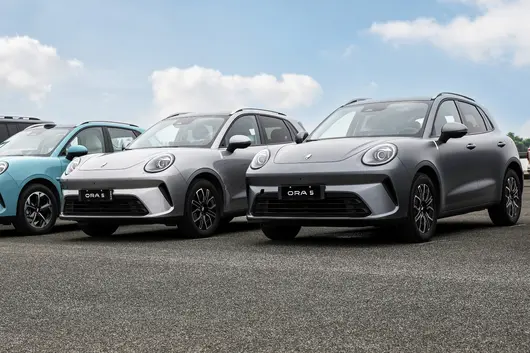
「长城欧拉5正在用一车三动力的全能表现与自然美学,悄然完成一场品牌定位的升维—从特定人群的个性之选,进化为覆盖家庭首购、追求品质增换购人群的“全民出行新选项”。」
7月20-22日长城汽车全球探索日在保定举办。全球各地的投资人纷纷前往长城技术中心与生产基地,在徐水专业试车场完成了长城欧拉5多动力版本的深度试驾,从智造工艺到动态性能完成了一次全方位的实地考察。随着长城欧拉5在海外总销售额破万,尤其在巴西、泰国等地接连交出优异的成绩,再次让全球市场的目光聚焦在这款中国新车。

“年轻人的第一台车”这道选择题,曾经的标准答案往往是“够用就好”——预算有限,就得在颜值、空间、动力、品质之间反复妥协。但长城欧拉5的出现,正在用产品力悄然改写这个命题:谁说第一台车,不能全都要?
欧拉5热销的背后,最关键的转变在于用户画像的急剧扩容。过去,欧拉或许被贴上特定圈层的标签,但如今,随着欧拉5这类全能车型的走红,它的用户池已扩展到“家庭首购”与“品质增换购”的广阔人群。 刚毕业的年轻人选它作为人生第一台车,看中的是入门即高配的诚意;年轻家庭用它代步出行,需要的是空间与能耗的均衡;甚至那些原本开燃油车的用户,也愿意换购一台欧拉5来升级出行品质。当一款车能同时取悦这些截然不同的需求,它就已经跳出小众叙事,成为“年轻人的第一台车”这个命题下的普适解。
年轻人买车,第一眼的感觉至关重要。欧拉5全系采用“自然美学”设计语言,从自然中汲取灵感,用极简圆润的线条呈现最纯粹的美感——不堆砌镀铬,不营造伪运动,不靠夸张造型博眼球。
这种“做减法”的设计哲学,反而成就了跨越文化的辨识度——无论是马德里街头的驻足回眸,还是曼谷商圈的交车仪式。
欧拉5那种“一眼惊艳”的干净气质,源自对全球年轻审美的精准洞察精准,击中了全球年轻一代追求本真、拒绝繁复的审美共鸣。对年轻人而言,车不只是工具,更是自我表达,而欧拉5恰好踩在了他们的审美节奏上。
一车多动力,无需妥协的自由选择真正让欧拉5实现“全球破圈”的核心武器,是“一车多动力、一车多品类”的产品逻辑。无论是纯电版还是混动版,欧拉5都共享同一套设计语言、同一套智能配置、同一套舒适标准——不因动力形式不同而降低任何一处的品质。
这意味着,年轻人完全可以根据自己的实际生活场景来选:国内充电桩密集的城市用户,纯电版通勤足够省心省钱;而在欧洲,许多城市公共充电设施尚不完善,老城区街道狭窄、私人车位稀缺,家用充电桩安装门槛极高,纯电补能的不便利恰恰成为日常出行的痛点,此时混动版便以无需依赖充电桩的从容姿态,用三擎六模全速域智能动力切换,做到省油平顺两不误。
不止欧洲,7月起长城欧拉5即将陆续登陆澳洲、南非、印尼及中南美等地区,这些市场的基建水平与出行需求各不相同,却同样需要一台能灵活适配当地条件的产品——而这恰恰是“一车多动力”战略的前瞻性所在。欧拉5以同一品质标准、不同动力选择,从容适配全球不同地区的差异化需求,让每一位年轻消费者都能拥有真正贴合个人生活的理性决定,无需为地域或基建差异而妥协。
当一台车能在巴西24小时售罄,能在泰国与日系豪强分庭抗礼,能在欧洲老城狭窄的街巷中从容穿梭,它便不再只是中国制造的名片,更是生而全球的生动注脚,欧拉5在全球不同市场反复验证同一件事:年轻人的第一台车,已经可以同时拥有高颜值、高品质与高自由度。
当“够用就好”变成“按需优选”,欧拉5正在重新定义这届年轻人的购车标准,它不要求年轻人去适应车,而是让车去适配每一种生活、每一片土地。从充电桩密集的国内都市,到基建尚未完善的南美与南非,欧拉5以同一套美学、同一份智能、同一种品质,打破了地域与基建的界限,因地制宜,让“按需选择、自由出行”成为全球年轻人触手可及的权利。
长城欧拉5用一个又一个真实的全球场景,为这代年轻人写下同一个答案:你值得用热爱投票,而不是用预算妥协。

7月16日,吉利银河以一场名为“星驱时代”的发布会,向全球亮出“雷霆16合1智能电驱”。
这不仅宣告电驱技术正式迈入高度集成化的新纪元,更将一家成立仅5年的企业——星驱科技,从幕后推至聚光灯中央。
作为吉利电驱技术的核心王牌,星驱科技以全栈自研的硬核实力打通了电驱技术的完整链路。虽是首次正式对外亮相,但这家年轻企业的市场统治力早已不容忽视:2026年营收预计突破200亿元,稳居国内电驱头部阵营。

早在成立之初,星驱科技的目标便很明确:做全球电驱的技术标杆,让“中国智造”的电驱方案成为世界标准。
发布会虽已落幕,一个判断却愈发清晰:在电驱这条赛道上,星驱科技有实力成为下一个“宁德时代”。
技术这条护城河,星驱挖了多深?
在这场发布会上,吉利银河TT首发亮相。该轿跑凭借极致能效与操控表现,一举创下“驾驶量产纯电轿车环青海湖能耗最低”与“湿滑路面最长连续双车漂移”两项吉尼斯世界纪录。
低能耗与强操控,在电动车时代往往难以兼得,为何银河TT能做到?
答案,藏在它的“动力心脏”里。
为吉利银河TT提供核心动力的,正是本次发布会的主角:雷霆16合1智能电驱。这套系统实现了电机、电控、减速器等16项核心硬件与功能的跨域深度集成,整套系统重量仅75kg。

在雷霆16合1智能电驱顺利量产发布的背后,是吉利核心生态伙伴——星驱科技深厚技术积淀和全球产业体系的实力彰显。
作为吉利的电驱技术王牌,星驱科技一直在重新定义电驱技术的边界:

2021年,首创自研400V碳化硅电驱,搭载于极氪001,至今仍是电驱效率与性能兼顾的经典标杆;2024年,行业首发超高集成11合1智能电驱,成为当时行业内重量最轻、体积最小、综合效率最高的电驱产品;2025年,发布全球首个900V高性能镁合金同轴双电驱,创下行业量产镁合金双电驱总成最高功率密度和最高扭矩密度纪录。
星驱科技定义全球电驱技术的新标杆,并非一句口号,而是一套以“量产+预研”双线并进的全栈技术护城河为底座的系统性能力。
量产层面,900V高压镁铝合金电驱总成、全系碳化硅电控、X-pin平台电机已规模化装车,在大批量市场验证中证明了可靠性与先进性;预研层面,非晶合金电机、三电平电机控制器、嵌入式电机控制器等下一代技术已完成储备,为后续产品迭代留足了“技术余量”。
此外,星驱科技还将技术版图还延伸至智能驾驶与补能领域——算力高达1400 TOPS的ADCU Ultra智驾超级大脑,以及可实现5分钟极速补能的HPC V4.0液冷超充设备,正在为下一代智能出行体验提供全面赋能。
整体来看,星驱科技的业务板块覆盖了从底层软件到硬件集成的全链条开发,深耕新能源核心动力领域,主营纯电动与混合动力系统电驱、电源及电子产品,并前瞻布局智能驾驶、充电补能、电池管理、AI电源及低空飞行等多元动力场景。
营收将破200亿,靠什么撑起?
技术的厚度,最终要由市场的速度来丈量。
星驱科技用一组数字,勾勒出一条陡峭得近乎不可思议的增长曲线:
2022年营收4000万,2023年跃至6亿,2024年突破17亿,2025年直达148亿。从17亿到破百亿,只花了1年,近6倍的年度增长,在汽车零部件行业实属罕见。根据预测,2026年,星驱科技营收将超过200亿元。
这样的速度,凭什么?
第一个关键词,是制造落地能力。
星驱科技已在无锡、嘉兴、杭州、宁波、衢州布局五大智能制造基地,采用国内外领先的高度自动化产线,核心装配工序精度控制在±25微米。

更令人惊叹的是其建厂速度。2022年签约无锡,当年即实现签约、开工、封顶、投产、开票全流程贯通,352天跑完“当年签约、当年投产”的行业纪录;2025年三期项目,8月签约,11月封顶,仅用90天。
这种可复制的极速落地能力,是“星驱速度”最硬核的底层支撑。
今年上半年,星驱科技的电机电控装机量稳居行业top3,技术实力位居全球第一梯队。
第二个关键词,是全产业链布局。
据悉,星驱科技覆盖了从底层软件到硬件集成的全链条开发:核心零部件层面,电机、电控、减速器全部自主研发;总成系统层面,具备多合一电驱总成的全价值链整合能力。
而在软件侧,双电机控制器软件开发过程已满足ASPICE L3认证,功能安全达到ASIL D等级;硬件侧,自建轴齿机加线、SMT贴片线、定转子线、总成装配线等多条自动化产线,实现轴齿、PCBA板等关键零部件的自研自制。
从芯片到电控,从软件算法到硬件总成——星驱科技构建了一套完整且自主可控的技术闭环。
这背后,星驱科技的供应链体系也提供了关键支撑。据悉,星驱科技以 “生态协同” 为核心战略,与全球及本土伙伴构建了深度合作网络,不仅与英飞凌、安森美、壳牌等全球顶尖的半导体及能源巨头建立了深度合作,也积极构建了本土化供应链生态。
全球客户,为何都认准星驱?
要做就要做全球的电驱技术!这是星驱科技自成立之初便立下的信条,也是其全球化战略最简洁的注脚。
用硬核技术说话,以全球化布局与世界交手,星驱科技正在将野心变为现实。
从吉利全系品牌起步,星驱科技迅速打开局面,已成为全球头部车企共同选择并认可的电驱合作伙伴。
那么,全球客户为何纷纷选择星驱科技?答案很简单:它能扛住最严苛的考验。

这样的能力,在一次次与全球顶尖客户的合作中反复被印证。
今年,星驱科技拿下一家欧洲豪华品牌客户的订单。对方开出了9000多项测试指标,其中一项尤为苛刻:要求一辆大型SUV实现107%的爬坡能力——换算下来,爬坡角约为47度。作为参照,普通家用轿车爬坡能力通常在15至20度,专业越野车在30至40度,而能达到45度的量产车型,凤毛麟角。
星驱科技做到了。
正是这种“敢接最难的题、能交最好的卷”的能力,让星驱科技在短短几年内赢得全球头部车企的信任。
目前,星驱已顺利进入沃尔沃、极星、雷诺、捷豹路虎等多家全球知名整车厂的供应链体系,多个深度合作项目正在稳步推进。据了解,星驱科技已签订300亿的海外订单,2026年的出口预计增幅100%。
订单背后,是一张日臻完善的全球布局版图。目前,星驱科技在瑞典哥德堡及全球多地设立了研发与售后服务中心,中欧团队接力合作,具备24小时服务全球客户的及时响应能力。
早在成立之初,星驱科技便在欧洲组建了一支顶尖的研发与项目管理团队,目前规模已近百人。
为克服时差、语言与文化的天然壁垒,星驱科技自主研发了“世界树”云上协同开发平台,中欧团队借此在云端完成软件、硬件与算法的深度协同开发。
值得关注的是,星驱科技的全球化也在加速前进。据公开报道,星驱科技位于马来西亚的首个海外工厂将在2026年投产,成为辐射东南亚市场的桥头堡。

结语:
在新能源汽车时代,动力核心已从内燃机切换至电驱,而在这场全球竞赛中,中国已跑在了最前面。
原有的产业逻辑,正在被星驱科技这样的企业重新书写。
当一家成立仅5年的中国电驱企业,用技术深度、制造速度和全球视野的组合拳,走完传统巨头数十年的路,它证明了一件事:全球汽车供应链的权力格局,正在被重塑。
在电驱这条赛道上,作为中国汽车产业链向上突围的隐形冠军,星驱科技有实力成为下一个“宁德时代”。
(本文图片均来自于吉利)



Surprisingly, this year's World Cup soccer tournament actually had a 'negative impact' on car sales.
The market analysis report for June released by the CPCA mentioned that with the World Cup starting, the time and budget of car buyers were diverted. Implicitly, cars aren't selling well, and even the World Cup is to blame.
This is not just passing the buck. In the first half of this year, the China auto market was indeed very difficult, where any minor factor could affect final transactions.
According to data, national passenger car retail sales were 8.701 million units in the first half, a year-on-year drop of 20.2%. The drop in June alone widened to 23.2%. Statistics from CAAM also show that total vehicle sales including exports were 15.017 million units, a year-on-year decline of 4.1%.
Fortunately, just like a football match, halftime does not mean the end. In the first 100 matches of this World Cup, based on 90-minute results, 40 matches had different halftime win/draw/loss outcomes compared to the final result.
The second half for automakers has just begun. Whether they can rewrite the score depends on what cards each company holds. But one thing is unquestionable: Only leading automotive enterprises that seriously 'prepare' and have a stable 'chassis' have the opportunity to continue leading.
More Difficult Than Sales Decline is Profit Squeezing
A retail drop of 20.2% is already enough to catch the eye, but the more troublesome pressure compared to sales decline is hidden in the automakers' profit statements.
Data from the National Bureau of Statistics shows that in the first five months of this year, industrial enterprise profits above a certain scale nationwide increased by 18.8% year-on-year, while automobile manufacturing industry profits fell by 19.8%.
During the same period, the automobile industry achieved revenue of 420.96 billion yuan, a 1.4% year-on-year increase, but the profit margin was only 3.4%. Back in 2017, this figure was around 8%.

Revenue barely grew while profits plummeted, indicating that insufficient demand is only part of the pressure. Price competition continues, raw material prices like lithium carbonate and aluminum have risen, and R&D, channel, and marketing investments are hard to shrink synchronously with sales. For many automakers, even if cars are sold, the profit remaining on the balance sheet is decreasing.
This pressure is more intuitive when falling on specific enterprises.
In the first half, Li Auto delivered a cumulative 193,500 units, down 5.13% year-on-year, and saw single-month sales decline for two consecutive months; XPeng delivered 165,000 units, down 15.8% year-on-year. New force automakers that used to maintain high-speed growth are also beginning to face growth pressure brought by the expansion of sales volume bases and intensified product competition.
The situation on the profit side is even more severe.
On July 12, Seres released performance forecasts, expecting a net loss of 1.5 billion to 1.8 billion yuan in the first half, while the net profit for the same period last year was 2.941 billion yuan. This means its performance decreased by more than 4.4 billion yuan compared to the same period last year. Price hikes in raw materials such as memory chips and lithium carbonate have pushed up costs, compounded by book adjustments of certain existing assets, significantly impacting its profitability.
The pressure is also transmitting to the channel end. In June, the dealer inventory warning index reached 57.2%, continuing to remain above the prosperity-thriving line; more than 70% of dealer stores did not complete their half-year sales targets. Slower inventory turnover and expanded terminal discounts further compressed the profit space for dealers and automakers.
The new energy market is no exception either. The penetration rate of new energy in June has reached 62.8%, but new energy passenger car retail sales still dropped by 14% in the first half. The substitution of new energy for fuel vehicles continues, but no longer naturally equates to the total growth of the auto market.
Insufficient domestic market growth has also made exports an important direction for automakers to seek new growth and diversify operational pressure.
Exports Contribute Growth, Going Overseas Shifts to Local Operation
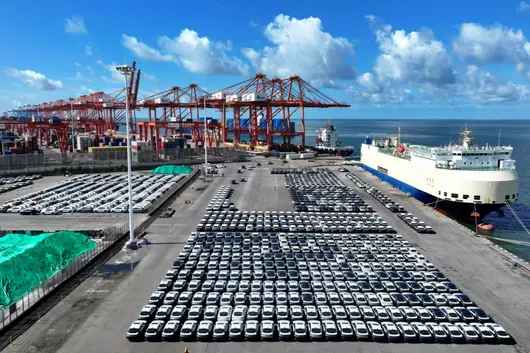
Data from CAAM shows that in the first half of the year, China's auto exports reached 5.096 million units, a 65.3% year-on-year increase; June alone exports were 1.037 million units, a 75.1% year-on-year increase, with monthly export volume standing at the million-unit level for the first time.
While domestic demand shrinks, exports have become an important fulcrum for many automakers to maintain scale. However, from exporting whole vehicles to building factories overseas to opening channels with international partners, the paths chosen by each company are not the same.
Chery remains the vanguard of exports. In the first half, Chery Group exported 943,800 units, accounting for nearly 70% of total sales; June alone saw exports of 191,100 units, breaking the record for single-month exports by Chinese automakers.
BYD's overseas focus is shifting from whole vehicle exports to local manufacturing. In the first half, BYD sold 789,400 units overseas, a 68% year-on-year increase; June overseas sales accounted for more than 40% of its total monthly sales. With factories in Brazil and Thailand coming into production successively, BYD is gradually spreading capacity 'beyond tariff barriers'.

Geely and Leapmotor's export growth rates are equally outstanding. Geely exported 474,200 units in the first half, a 158% increase year-on-year; first-half export volume has already exceeded that of the full year of 2025. Leapmotor utilized Stellantis' channels and factory layout to go overseas, exporting nearly 100,000 units in the first half, also exceeding the full previous year. Borrowing from a mature global system allowed Leapmotor to save the time needed to build its own channels and capacity.
SAIC's overseas sales in the first half were 735,000 units, a 48.7% year-on-year increase, accounting for about 36% of the group's total sales. Overseas manufacturing, channel, and brand systems accumulated over the years have become an important buffer in this round of domestic market adjustments.
Changan is also accelerating the transformation from product exports to local operations. The 2.0 version of the 'Sea Accepts Rivers' plan released in April proposed long-term, local, and systematic approaches, promoting global business extension into manufacturing, investment, service, and brand operations. With the landing of multiple results such as Brazilian President witnessing the Brazil factory production start, the 20,000th whole vehicle coming off the line at the Thailand factory, and Qiyuan Q05 launching in Uzbekistan, overseas localization layout is gradually showing results. In the first half, Changan delivered 402,000 units overseas, a 35.1% year-on-year increase, accounting for about one-third of the group's delivery volume.
In May, Changan reached a global official cooperation agreement with the Portuguese National Football Team. Carrying out sports marketing in the World Cup year can also be seen as a step where its overseas investment extends from channel construction to brand operations.
As the proportion of overseas sales in the enterprise's total portfolio continues to increase, export numbers are no longer the only standard for measuring the effectiveness of globalization.Tariff policies, certification standards, and consumption habit differences in different markets are significantly distinct. Channels, after-sales, local production, and brand building all require long-term investment, and may not directly translate into profits in the short term.
Therefore, in the second half of the year when evaluating automakers' overseas performance, sales volume is still the foundation, but local operation efficiency, brand recognition, and profit quality will become more important. Whether exports can truly precipitate into long-term growth depends on whether automakers can move from 'selling cars' to 'operating locally'.
Viewing Sales Proportion: Domestic Market Is Still the Main Battlefield
The rapid growth of overseas markets has not changed the basic proportion of the domestic market.
Data from CAAM shows that domestic car sales in the first half were 9.921 million units. Although down 21.1% year-on-year, the scale is still close to twice that of exports, accounting for about two-thirds of total auto sales. Calculated by half-year alone, one percentage point of market share is close to 100,000 units. No mainstream automaker would give up easily.
Domestic market competition is already fierce, but overseas giants have also not chosen to leave.
Data from the CPCA shows that in June, domestic retail of mainstream joint venture brand new energy passenger cars increased by 45% year-on-year. Volkswagen plans to launch more than 20 electrified models in China this year. The locally developed CEA electronic/electrical architecture has entered mass production with the first model, and subsequent models will also be launched successively within the year. As joint venture brands accelerate local R&D and new energy transformation, competition intensity in the domestic market will continue to increase.

Facing internal demand pressure, domestic independent brands are also looking for breakthrough points from different directions such as products, technology, organization, and capacity.
BYD stabilizes the sales basic disk while supplementing infrastructure. June sales reached 403,500 units, achieving year-on-year positive growth again; Megawatt flash charging is also starting to move from conferences to implementation, and charging networks are gradually spreading nationwide.
Geely is asking internal efficiency.Li Shufu proposed 'stopping, merging, transferring, and transforming' redundant entities, compressing repeated brand and R&D investments, and concentrating resources further on main platforms. In the first half, Geely stabilized overall sales volume with 1.423 million units.
New forces in the growth phase have also not stopped expanding. Leapmotor delivered 356,500 units in the first half, a 60% year-on-year increase, becoming the new force with the highest sales volume. The A10 launched in March entered the top three in SUV sales in three months, and the flagship model D19 cut into the fiercely competitive mid-to-large SUV market, promoting volume sales and brand elevation along two lines simultaneously.

Xiaomi delivered more than 180,000 units cumulatively in the first half. Compared to the 550,000 annual target set at the beginning of the year, monthly delivery volume in the second half needs to be increased to above 60,000. Expanding capacity and accelerating deliveries will become the core task of its second half.
Changan Auto achieved deliveries of 1.1956 million units in the first half, with 402,000 units delivered overseas (up 35.1% year-on-year), and new energy deliveries of 456,000 units (up 5.2% year-on-year). In the second half of this year, Changan Auto will concentrate on promoting product launches and technology implementation, continuously promoting the strategic synergy of Avatr and Deepal frontend independence and backend integration, while accelerating the application of self-developed intelligent technology.Currently, the Tiandu intelligent driving assistance function has been successively applied to Qiyuan Q07, A06, and the new Q05. According to the mass production plan announced in May this year, the Qiyuan Q06 launching in the second half will be equipped with Tiandu Pilot on all models, becoming an important node for Changan's self-developed assisted driving solution to further expand its application.

The domestic market still has a semi-annual scale of nearly 10 million units, and replacement demand will not disappear into thin air. The issue is, facing the increasingly dense new car launches and continuously increasing price pressure, automakers not only need to compete for sales but also need to try to repair profits.
In the second half, whether new cars can quickly gain volume, whether technology can be converted into experiences consumers are willing to pay for, and whether scale growth can bring operational efficiency improvements will jointly determine the performance of automakers in the domestic market.
Final Remarks:
In the first half of this year, the pressure on China's auto industry was reflected simultaneously at both sales and profit ends.Exports grew rapidly, providing a new scale fulcrum for automakers; but the domestic market still determines the basic disk of most enterprises and is the most intensely competitive main battlefield in the second half of the year.
The key to follow lies in whether overseas layout can precipitate into continuous orders and local operating capabilities, whether domestic new products can form scale delivery, and whether technology investment can truly be converted into revenue and profit.
For automakers that have completed a certain amount of preliminary layout, subsequent performance depends on whether products, technology, and global reserve can be timely redeemed for sales and income.
For the entire industry, simply pursuing sales volume is no longer enough; delivery speed, cost control, and profit quality will become equally important.
Halftime has passed, but the outcome has not yet been determined.

在马来西亚的汽车市场,很多买家在选车的时候都会拿 Ford Everest 和 Subaru Forester 来做比较。今天我们从多个方面做一个详细的对比,帮你省下做功课的时间。


Ford Everest 在马来西亚的 OTR 售价是 RM 266,338 - 430,838,一共有 6 个版本,包括 2026 3.0T 4WD Platinum(RM 430,838)、2026 2.0T 4WD Platinum(RM 348,838)、2026 2.0T 4WD Sport(RM 316,838) 等。
Subaru Forester 在马来西亚的 OTR 售价是 RM 174,000 - 197,000,一共有 3 个版本,包括 2024 2.0L S EyeSight GT Edition(RM 189,538)、2024 2.0L S EyeSight(RM 177,538)、2024 2.0L L EyeSight(RM 167,538) 等。
从价钱来看,Subaru Forester 的起步价比 Ford Everest 便宜了 RM 92,338。老实讲,在这个价位段,几千块的差距其实不算大,关键还是看整体的性价比和长期使用成本。

Ford Everest 搭载 2.5L Diesel,马力 187 hp。官方油耗 8.5 L/100km。
Subaru Forester 搭载 2.0L 4-cyl,马力 170 hp。官方油耗 8.0 L/100km。
动力方面,Ford Everest 的 2.5L Diesel 比 Subaru Forester 的 2.0L 4-cyl 多了 17 匹马力,中段加速会更有信心,尤其是跑高速公路超车的时候。但 Subaru Forester 的油耗表现可能更好,日常市区通勤的话差别不会太明显。

Ford Everest 车身长 4400 mm,后备箱 400 L。
Subaru Forester 车身长 4400 mm,后备箱 400 L。
两款车的尺寸几乎一样,车内空间差别不大。这个级别的车,日常使用完全够用。

Ford Everest 和 Subaru Forester 都是马来西亚市场的主流选择,适合家庭使用、日常通勤。如果你更看重品牌口碑和二手价,可以优先考虑口碑更好的那一款;如果你更在意性价比和配备,那就选配置更丰富的那款。最终还是建议两款都去试驾,亲身体验才是最重要的。

总的来说,Ford Everest 和 Subaru Forester 都是马来西亚市场很不错的车型。选择哪一辆,关键还是要看你的个人需求和预算。建议大家做好功课,多比较几间车行的报价,再去试驾做最终决定。买车是件大事,花点时间做功课绝对不会错。


在马来西亚的汽车市场,很多买家在选车的时候都会拿 Mercedes-Benz GLA 和 Audi Q7 来做比较。今天我们从多个方面做一个详细的对比,帮你省下做功课的时间。


Mercedes-Benz GLA 在马来西亚的 OTR 售价是 RM 258,888 - 295,888,一共有 1 个版本,包括 Standard(RM 258,888) 等。
Audi Q7 在马来西亚的 OTR 售价是 RM 462,222 - 462,222,一共有 1 个版本,包括 Standard(RM 462,222) 等。
从价钱来看,Mercedes-Benz GLA 的起步价确实比 Audi Q7 便宜了 RM 203,334。如果你预算有限,Mercedes-Benz 的入门版已经可以满足日常需求。但也要注意,便宜的那几千块,可能在配备上会有取舍,具体要看你的需求。
Mercedes-Benz GLA 的安全评级是 5★ (Euro NCAP),主动安全系统包括 Premium ADAS。
Audi Q7 的安全评级是 5★ (Euro NCAP),主动安全系统包括 Premium ADAS。
两款车的安全评级一样,在这个级别里面安全配备都算给得很齐全了。现在的新车安全性都不差,不用太担心这一点。
Mercedes-Benz GLA 车身长 4400 mm,后备箱 400 L。
Audi Q7 车身长 4400 mm,后备箱 400 L。
两款车的尺寸几乎一样,车内空间差别不大。这个级别的车,日常使用完全够用。

Mercedes-Benz GLA 和 Audi Q7 都是马来西亚市场的主流选择,适合家庭使用、日常通勤。如果你更看重品牌口碑和二手价,可以优先考虑口碑更好的那一款;如果你更在意性价比和配备,那就选配置更丰富的那款。最终还是建议两款都去试驾,亲身体验才是最重要的。

总的来说,Mercedes-Benz GLA 和 Audi Q7 都是马来西亚市场很不错的车型。选择哪一辆,关键还是要看你的个人需求和预算。建议大家做好功课,多比较几间车行的报价,再去试驾做最终决定。买车是件大事,花点时间做功课绝对不会错。


在马来西亚的汽车市场,很多买家在选车的时候都会拿 Mazda CX-9 和 Hyundai Santa Fe 来做比较。今天我们从多个方面做一个详细的对比,帮你省下做功课的时间。


Mazda CX-9 在马来西亚的 OTR 售价是 RM 328,810 - 345,810,一共有 2 个版本,包括 2023 2.5T 4WD(RM 345,810)、2023 2.5T 2WD(RM 328,810) 等。
Hyundai Santa Fe 在马来西亚的 OTR 售价是 RM 225,000 - 270,000,一共有 3 个版本,包括 2025 2.5T DCT 4WD Calligraphy 6 Seats(RM 270,000)、2025 HEV 1.6T AT 2WD Prestige 7 Seats(RM 245,000)、2025 HEV 1.6T AT 2WD Prime 7 Seats(RM 225,000) 等。
从价钱来看,Hyundai Santa Fe 的起步价比 Mazda CX-9 便宜了 RM 103,810。老实讲,在这个价位段,几千块的差距其实不算大,关键还是看整体的性价比和长期使用成本。

Mazda CX-9 搭载 2.0L Turbo,马力 220 hp。官方油耗 9.5 L/100km。
Hyundai Santa Fe 搭载 2.0L 4-cyl,马力 170 hp。官方油耗 8.0 L/100km。
动力方面,Mazda CX-9 的 2.0L Turbo 比 Hyundai Santa Fe 的 2.0L 4-cyl 多了 50 匹马力,中段加速会更有信心,尤其是跑高速公路超车的时候。但 Hyundai Santa Fe 的油耗表现可能更好,日常市区通勤的话差别不会太明显。

Mazda CX-9 的安全评级是 5★ (ASEAN NCAP),主动安全系统包括 Brand ADAS。
Hyundai Santa Fe 的安全评级是 TBD,主动安全系统包括 Basic。
安全配备方面,两款车都拿到了不错的评级。不过 Mazda CX-9 的 Brand ADAS 和 Hyundai Santa Fe 的 Basic 在功能上有些差异,如果你比较看重主动安全的话,可以仔细对比一下两者的功能列表。

Mazda CX-9 采用 FWD 驱动方式。
Hyundai Santa Fe 采用 FWD 驱动方式。
两款车的驱动方式一样,都是 FWD,日常驾驶感受不会有太大区别。

总的来说,Mazda CX-9 和 Hyundai Santa Fe 都是马来西亚市场很不错的车型。选择哪一辆,关键还是要看你的个人需求和预算。建议大家做好功课,多比较几间车行的报价,再去试驾做最终决定。买车是件大事,花点时间做功课绝对不会错。


在马来西亚的汽车市场,很多买家在选车的时候都会拿 Toyota Fortuner 和 Ford Everest 来做比较。今天我们从多个方面做一个详细的对比,帮你省下做功课的时间。

Toyota Fortuner 在马来西亚的 OTR 售价是 RM 195,880 - 241,880,一共有 3 个版本,包括 2024 2.8T VRZ Diesel(RM 241,880)、2024 2.7L SRZ Petrol(RM 202,880)、2024 2.4L Standard Diesel(RM 195,880) 等。
Ford Everest 在马来西亚的 OTR 售价是 RM 266,338 - 430,838,一共有 6 个版本,包括 2026 3.0T 4WD Platinum(RM 430,838)、2026 2.0T 4WD Platinum(RM 348,838)、2026 2.0T 4WD Sport(RM 316,838) 等。
从价钱来看,Toyota Fortuner 的起步价确实比 Ford Everest 便宜了 RM 70,458。如果你预算有限,Toyota 的入门版已经可以满足日常需求。但也要注意,便宜的那几千块,可能在配备上会有取舍,具体要看你的需求。

Toyota Fortuner 的安全评级是 5★ (ASEAN NCAP),主动安全系统包括 。
Ford Everest 的安全评级是 5★ (ASEAN NCAP),主动安全系统包括 Co-Pilot360。
两款车的安全评级一样,在这个级别里面安全配备都算给得很齐全了。现在的新车安全性都不差,不用太担心这一点。

Toyota Fortuner 车身长 4400 mm,后备箱 400 L。
Ford Everest 车身长 4400 mm,后备箱 400 L。
两款车的尺寸几乎一样,车内空间差别不大。这个级别的车,日常使用完全够用。
Toyota Fortuner 采用 FWD 驱动方式。
Ford Everest 采用 FWD 驱动方式。
两款车的驱动方式一样,都是 FWD,日常驾驶感受不会有太大区别。
总的来说,Toyota Fortuner 和 Ford Everest 都是马来西亚市场很不错的车型。选择哪一辆,关键还是要看你的个人需求和预算。建议大家做好功课,多比较几间车行的报价,再去试驾做最终决定。买车是件大事,花点时间做功课绝对不会错。


在马来西亚的SUV市场,很多买家在选车的时候都会拿 Volvo XC60 和 Audi Q5 来做比较。这两款车在价位和定位上都蛮接近的,今天我们就从多个方面做一个详细的对比,帮你省下做功课的时间。
Volvo XC60 在马来西亚的 OTR 售价是 RM 328,888 - 328,888,一共有 1 个版本,包括 2025 2.0T Core(RM 328,888) 等。
Audi Q5 在马来西亚的 OTR 售价是 RM 354,174 - 423,174,一共有 2 个版本,包括 40 TDI(RM 320,000)、45 TFSI(RM 350,000) 等。
从价钱来看,Volvo XC60 的起步价确实比 Audi Q5 便宜了 RM 25,286。如果你预算有限,Volvo 的入门版已经可以满足日常需求。但也要注意,便宜的那几千块,可能在配备上会有取舍,具体要看你的需求。

Volvo XC60 搭载 2.0L Turbo,马力 220 hp。官方油耗 9.5 L/100km。
Audi Q5 搭载 2.0L Turbo,马力 220 hp。官方油耗 9.5 L/100km。
两款车用的是同一套动力系统,日常开起来的感受基本没有差别。油耗方面也差不多,不用太纠结这一点。
Volvo XC60 的安全评级是 5★ (Euro NCAP),主动安全系统包括 。
Audi Q5 的安全评级是 5★ (Euro NCAP),主动安全系统包括 Pre Sense + ACC。
两款车的安全评级一样,在这个级别里面安全配备都算给得很齐全了。现在的新车安全性都不差,不用太担心这一点。
Volvo XC60 采用 FWD 驱动方式。
Audi Q5 采用 FWD 驱动方式。
两款车的驱动方式一样,都是 FWD,日常驾驶感受不会有太大区别。

Volvo XC60 和 Audi Q5 都是马来西亚市场的主流选择,适合家庭使用、日常通勤。如果你更看重品牌口碑和二手价,可以优先考虑口碑更好的那一款;如果你更在意性价比和配备,那就选配置更丰富的那款。最终还是建议两款都去试驾,亲身体验才是最重要的。

总的来说,Volvo XC60 和 Audi Q5 都是马来西亚市场很不错的车型。选择哪一辆,关键还是要看你的个人需求和预算。建议大家做好功课,多比较几间车行的报价,再去试驾做最终决定。买车是件大事,花点时间做功课绝对不会错。


在马来西亚的SUV市场,很多买家在选车的时候都会拿 Volvo XC40 和 Mercedes-Benz GLA 来做比较。这两款车在价位和定位上都蛮接近的,今天我们就从多个方面做一个详细的对比,帮你省下做功课的时间。
Volvo XC40 在马来西亚的 OTR 售价是 RM 278,888 - 278,888,一共有 1 个版本,包括 2025 2.0T Plus(RM 278,888) 等。
Mercedes-Benz GLA 在马来西亚的 OTR 售价是 RM 258,888 - 295,888,一共有 1 个版本,包括 Standard(RM 258,888) 等。
从价钱来看,Mercedes-Benz GLA 的起步价比 Volvo XC40 便宜了 RM 20,000。老实讲,在这个价位段,几千块的差距其实不算大,关键还是看整体的性价比和长期使用成本。

Volvo XC40 搭载 2.0L Turbo,马力 220 hp。官方油耗 9.5 L/100km。
Mercedes-Benz GLA 搭载 2.0L Turbo,马力 220 hp。官方油耗 9.5 L/100km。
两款车用的是同一套动力系统,日常开起来的感受基本没有差别。油耗方面也差不多,不用太纠结这一点。

Volvo XC40 的安全评级是 5★ (Euro NCAP),主动安全系统包括 Pilot Assist, City Safety (标准)。
Mercedes-Benz GLA 的安全评级是 5★ (Euro NCAP),主动安全系统包括 Premium ADAS。
两款车的安全评级一样,在这个级别里面安全配备都算给得很齐全了。现在的新车安全性都不差,不用太担心这一点。

Volvo XC40 车身长 4400 mm,后备箱 400 L。
Mercedes-Benz GLA 车身长 4400 mm,后备箱 400 L。
两款车的尺寸几乎一样,车内空间差别不大。这个级别的车,日常使用完全够用。
Volvo XC40 采用 FWD 驱动方式。
Mercedes-Benz GLA 采用 FWD 驱动方式。
两款车的驱动方式一样,都是 FWD,日常驾驶感受不会有太大区别。
总的来说,Volvo XC40 和 Mercedes-Benz GLA 都是马来西亚市场很不错的车型。选择哪一辆,关键还是要看你的个人需求和预算。建议大家做好功课,多比较几间车行的报价,再去试驾做最终决定。买车是件大事,花点时间做功课绝对不会错。


在马来西亚的SUV市场,很多买家在选车的时候都会拿 Mazda CX-80 和 Volvo XC60 来做比较。这两款车在价位和定位上都蛮接近的,今天我们就从多个方面做一个详细的对比,帮你省下做功课的时间。
Mazda CX-80 在马来西亚的 OTR 售价是 RM 296,610 - 296,610,一共有 1 个版本,包括 2025 2.5L 65km High Plus(RM 296,610) 等。
Volvo XC60 在马来西亚的 OTR 售价是 RM 328,888 - 328,888,一共有 1 个版本,包括 2025 2.0T Core(RM 328,888) 等。
从价钱来看,Mazda CX-80 的起步价确实比 Volvo XC60 便宜了 RM 32,278。如果你预算有限,Mazda 的入门版已经可以满足日常需求。但也要注意,便宜的那几千块,可能在配备上会有取舍,具体要看你的需求。

Mazda CX-80 的安全评级是 5★ (ASEAN NCAP),主动安全系统包括 Brand ADAS。
Volvo XC60 的安全评级是 5★ (Euro NCAP),主动安全系统包括 。
Mazda CX-80 车身长 4500 mm,后备箱 450 L。
Volvo XC60 车身长 4400 mm,后备箱 400 L。
空间方面,Mazda CX-80 的车身比 Volvo XC60 长了 100 mm,车内乘坐空间会稍微宽裕一些,尤其是后座腿部空间。如果你经常载家人或者需要放婴儿车,大一点的车身确实更实用。

Mazda CX-80 和 Volvo XC60 都是马来西亚市场的主流选择,适合家庭使用、日常通勤。如果你更看重品牌口碑和二手价,可以优先考虑口碑更好的那一款;如果你更在意性价比和配备,那就选配置更丰富的那款。最终还是建议两款都去试驾,亲身体验才是最重要的。
总的来说,Mazda CX-80 和 Volvo XC60 都是马来西亚市场很不错的车型。选择哪一辆,关键还是要看你的个人需求和预算。建议大家做好功课,多比较几间车行的报价,再去试驾做最终决定。买车是件大事,花点时间做功课绝对不会错。


在马来西亚的SUV市场,很多买家在选车的时候都会拿 Mazda CX-30 和 Chery Tiggo Cross 来做比较。这两款车在价位和定位上都蛮接近的,今天我们就从多个方面做一个详细的对比,帮你省下做功课的时间。
Mazda CX-30 在马来西亚的 OTR 售价是 RM 122,409 - 146,409,一共有 4 个版本,包括 2025 2.0L High+ Premium(RM 146,409)、2025 2.0L High+(RM 138,409)、2025 2.0L High(RM 130,409) 等。
Chery Tiggo Cross 在马来西亚的 OTR 售价是 RM 88,750 - 99,750,一共有 2 个版本,包括 2025 HEV 1.5L CSH(RM 99,750)、2025 1.5T Standard(RM 88,750) 等。
从价钱来看,Chery Tiggo Cross 的起步价比 Mazda CX-30 便宜了 RM 33,659。老实讲,在这个价位段,几千块的差距其实不算大,关键还是看整体的性价比和长期使用成本。

Mazda CX-30 搭载 1.5L Turbo,马力 140 hp。官方油耗 7.0 L/100km。
Chery Tiggo Cross 搭载 1.5L 4-cyl,马力 105 hp。官方油耗 6.0 L/100km。
动力方面,Mazda CX-30 的 1.5L Turbo 比 Chery Tiggo Cross 的 1.5L 4-cyl 多了 35 匹马力,中段加速更有信心,尤其是跑高速公路超车的时候。不过 Chery Tiggo Cross 的油耗可能更友好,日常市区通勤差别不会太大。

Mazda CX-30 的安全评级是 5★ (ASEAN NCAP),主动安全系统包括 i-Activsense。
Chery Tiggo Cross 的安全评级是 TBD,主动安全系统包括 Basic。
安全配备方面,两款车都拿到了不错的评级。不过 Mazda CX-30 的 i-Activsense 和 Chery Tiggo Cross 的 Basic 在功能上有些差异,如果你比较看重主动安全的话,可以仔细对比一下两者的功能列表。

Mazda CX-30 保修 5年/150,000km,保养间隔 每10,000km或6个月。
Chery Tiggo Cross 保修 3年/100,000km,保养间隔 每10,000km或6个月。

总的来说,Mazda CX-30 和 Chery Tiggo Cross 都是马来西亚市场很不错的车型。选择哪一辆,关键还是要看你的个人需求和预算。建议大家做好功课,多比较几间车行的报价,再去试驾做最终决定。买车是件大事,花点时间做功课绝对不会错。

© 2024 Bitauto.com. All Rights Reserved.
Bitauto (www.yiche.com and www.bitauto.com) is one of the most visited automotive websites in China. We provide detailed info on Chinese car brands available in your area. Please note that the information provided on this website is based on publicly available data and is for reference only. It may not be fully updated or accurate at all times.

Help us improve our website


