

Homeconsultant

Search History
Popular Searches
Dealer Login / Sign Up



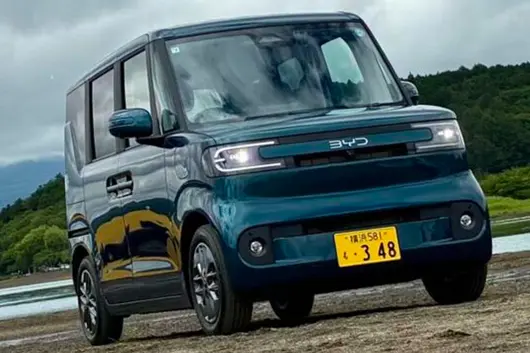
The BYD Racco is an all-electric vehicle developed by the brand for the Japanese K-Car market, officially launched in Japan in July 2026. Although the body size is quite small, its boxy body design, spacious cabin, and electric sliding doors make it perform well in terms of practicality. Now officially entering overseas markets also represents BYD's hope to further expand the market coverage of this model.
According to overseas media reports, the BYD Racco has officially landed in Sri Lanka through the local general agent John Keells CG Auto (JKCG Auto), and launch events were held simultaneously in the three cities of Colombo, Kandy, and Galle.
The launch discount price for this new car locally is 11.45 million Sri Lankan Rupees, and the discount period will last until November 9, 2026. There is also a quote information of 8.75 million Rupees locally, so the actual selling price still needs to be subject to the latest announcement by the dealer.

In comparison, the price of the BYD Racco in the Japanese market starts from only 2.14 million yen, while the price of the top-spec 300 Premium version is 2.497 million yen. The obvious gap in prices between the two places is mainly related to Sri Lanka's import tax and automotive tax system, so the pricing of this car in other countries cannot be directly judged by the local selling price.
It is worth mentioning that JKCG Auto has high expectations for the Racco and plans to sell 3,000 new cars within the next 12 months. Sri Lanka itself has a quite high acceptance of Japanese K-Cars, so BYD hopes to establish a new competitive advantage in this market through all-electric powertrain, lower daily usage costs, and modern equipment.

The most special thing about the BYD Racco is that it was developed entirely according to Japanese K-Car size standards. The body length is only 3395mm, width 1475mm, height reaches 1800mm, and wheelbase is 2520mm.

Although the body length is shorter than many traditional A-Segment hatchbacks, the Racco adopts a quite boxy body design, combined with a 1800mm vehicle height, thus it can maximize the headroom and practical area inside the cabin.
In addition, dual sliding doors are also one of its selling points. For urban users who frequently need to get on and off in narrow parking spaces, sliding doors can reduce the space required when opening the door, while making it more convenient for rear passengers to get on and off.

In terms of power, the BYD Racco uses a front-mounted single motor layout, with maximum output reaching 63Hp, peak torque is 160Nm, and it adopts front-wheel drive. Although the performance data is not particularly outstanding, for a K-Car mainly used for urban commuting, this power configuration is already sufficient to meet general daily usage needs.
The Japanese market offers two battery capacities, namely 22.4kWh and 35.84kWh, both use LFP lithium iron phosphate batteries, and the range performance is as follows:

Among them, the long-range version reaches a maximum range of 320km under the Japanese WLTC test standard. As for the Sri Lankan market, the currently introduced version is the Premium version equipped with a 35.8kWh battery, supporting up to about 6kW AC charging.
Regarding equipment, the overseas version provides a 10.1-inch central control touch screen, 360-degree panoramic camera, electric sliding doors, and six airbags. For a K-Car with a length of less than 3.4 meters, the overall equipment is not considered simple, reflecting BYD's hope to position it as a small urban electric vehicle with a certain level of comfort and technology, not just a basic commuting tool.

Except for Sri Lanka, the BYD Racco has also opened pre-orders in Macau, China, further expanding the sales range of this car in the Asian market. In fact, the BYD Racco was originally developed to comply with Japanese K-Car regulations, so in terms of body size, power output, and space design, it is different from general small electric vehicles developed for the global market.
However, there are also many right-hand drive markets outside Japan that have a certain demand for small cars, such as Sri Lanka, Indonesia, Thailand, and Malaysia. Especially in large cities with dense populations and limited parking space, such small but highly space-efficient cabin models can theoretically meet the needs of specific consumers.
Currently, it has been reported that BYD is researching the demand of local consumers for the Racco in Indonesia, but there is no official launch time yet. With Sri Lanka taking the lead in introduction and Macau, China opening pre-orders, the possibility of this model further expanding its overseas sales range in the future is also increasing.

On the other hand, the Racco's dual sliding doors and four-seat high roof design may also attract some consumers who want a car that is convenient for commuting, easy to park, while also meeting daily passenger carrying needs.
The BYD Racco officially entering overseas markets actually reflects a new direction for BYD's global product layout. In the past, BYD mainly relied on global models like Dolphin, Atto 3, Seal, etc. to expand overseas sales. Now, even the K-Car developed for Japanese special regulations is beginning to try entering other markets. This also indicates that K-Cars do not necessarily have to be sold only in Japan; as long as there is a demand for small cars in the market, combined with reasonable pricing and equipment, there is still a chance to attract overseas consumers.

In the SUV market in Malaysia, many buyers compare Toyota Harrier and Volkswagen Tiguan when choosing a car. Both cars are quite close in price and positioning. Today we will make a detailed comparison from multiple aspects to help you save time on research.
The OTR price for Toyota Harrier in Malaysia is RM 289,000 - 289,000, with a total of 1 version, including 2026 HEV 2.5L Standard (RM 289,000) etc.
The OTR price for Volkswagen Tiguan in Malaysia is RM 206,540 - 260,024, with a total of 2 versions, including 2025 Allspace 2.0T R-Line (RM 260,024), 2025 Allspace 1.4T Elegance (RM 206,540), etc.
From a price perspective, Volkswagen Tiguan's starting price is RM 82,460 cheaper than Toyota Harrier. To be honest, in this price range, the difference of a few thousand is actually not significant. The key is to look at the overall cost-performance ratio and long-term usage costs.

Toyota Harrier is equipped with a 2.0L Turbo, 220 hp. Official fuel consumption 9.5 L/100km.
Volkswagen Tiguan is equipped with a 2.0L 4-cyl, 170 hp. Official fuel consumption 8.0 L/100km.
In terms of power, Toyota Harrier's 2.0L Turbo has 50 more horsepower than Volkswagen Tiguan's 2.0L 4-cyl, providing more confidence in mid-range acceleration, especially when overtaking on highways. However, Volkswagen Tiguan's fuel consumption might be more friendly, and the difference in daily city commuting will not be too large.

Toyota Harrier uses FWD drive mode.
Volkswagen Tiguan uses FWD drive mode.
The drive modes of both cars are the same, both are FWD, and there will not be much difference in daily driving experience.

Toyota Harrier warranty 5 years/unlimited mileage, maintenance interval every 10,000km or 6 months.
Volkswagen Tiguan warranty 3 years/100,000km, maintenance interval every 10,000km or 6 months.

Both Toyota Harrier and Volkswagen Tiguan are mainstream choices in the Malaysian market, suitable for family use and daily commuting. If you value brand reputation and resale value more, you can prioritize the one with better reputation; if you care more about value for money and features, then choose the one with richer configurations. Finally, it is recommended to test drive both models, personal experience is the most important.

Overall, Toyota Harrier and Volkswagen Tiguan are both very good models in the Malaysian market. Which one to choose depends mainly on your personal needs and budget. We suggest you do your homework, compare quotes from several car dealers, and then go for a test drive to make the final decision. Buying a car is a big matter, spending some time doing homework will definitely not be wrong.


In Malaysia's SUV market, many buyers compare Toyota Harrier and Mazda CX-8 when choosing a car. These two cars are quite close in price and positioning. Today, we will make a detailed comparison from multiple aspects to help you save time on research.
Toyota Harrier's OTR price in Malaysia is RM 289,000 - 289,000, with a total of 1 version, including 2026 HEV 2.5L Standard (RM 289,000) etc.
Mazda CX-8's OTR price in Malaysia is RM 165,360 - 201,360, with a total of 5 versions, including 2025 2.5T 4WD High Plus Petrol (RM 201,360), 2025 2.2L 2WD High Plus Diesel (RM 193,123), 2025 2.5L 2WD High Plus Petrol (RM 186,360) etc.
From the price perspective, Mazda CX-8's starting price is RM 123,640 cheaper than Toyota Harrier. Honestly, in this price range, a difference of a few thousand is actually not that big. The key is to look at overall value for money and long-term usage costs.
Toyota Harrier is equipped with a 2.0L Turbo, 220 hp. Official fuel consumption 9.5 L/100km.
Mazda CX-8 is equipped with a 2.0L 4-cyl, 170 hp. Official fuel consumption 8.0 L/100km.
In terms of power, Toyota Harrier's 2.0L Turbo has 50 more horsepower than Mazda CX-8's 2.0L 4-cyl, offering more confidence in mid-range acceleration, especially when overtaking on highways. However, Mazda CX-8's fuel consumption might be more friendly, and the difference in daily city commuting would not be too big.
Toyota Harrier's safety rating is 5★ (ASEAN NCAP), active safety systems include Brand ADAS.
Mazda CX-8's safety rating is 5★ (ASEAN NCAP), active safety systems include Brand ADAS.
Both cars have the same safety rating, and safety features in this class are quite comprehensive. New car safety is generally not bad these days, so there is no need to worry too much about this point.
Toyota Harrier body length 4400 mm, trunk 400 L.
Mazda CX-8 body length 4500 mm, trunk 450 L.
Regarding space, Mazda CX-8's body is 100 mm longer than Toyota Harrier, offering an advantage in passenger space. However, Toyota Harrier is a bit more flexible for parking in the city. Each has its trade-offs.

Toyota Harrier adopts FWD drive mode.
Mazda CX-8 adopts FWD drive mode.
Both cars have the same drive mode, both are FWD, daily driving experience will not have a big difference.

In general, Toyota Harrier and Mazda CX-8 are both very good models in the Malaysia market. Which one to choose depends on your personal needs and budget. It is recommended to do your research, compare quotes from several car dealerships, and then test drive to make a final decision. Buying a car is a big matter, spending time doing research is definitely not wrong.

Dalam pasaran SUV Malaysia, ramai pembeli membandingkan Toyota Fortuner dan Ford Everest semasa memilih kereta. Kedua-dua kereta ini mempunyai julat harga dan kedudukan pasaran yang hampir sama. Hari ini, kami akan membuat perbandingan terperinci dari pelbagai aspek untuk membantu anda menjimatkan masa membuat kajian.
Toyota Fortuner mempunyai harga OTR di Malaysia antara RM 195,880 - 241,880, dengan keseluruhan 3 varian, termasuk 2024 2.8T VRZ Diesel (RM 241,880), 2024 2.7L SRZ Petrol (RM 202,880), 2024 2.4L Standard Diesel (RM 195,880) dan lain-lain.
Ford Everest mempunyai harga OTR di Malaysia antara RM 266,338 - 430,838, dengan keseluruhan 6 varian, termasuk 2026 3.0T 4WD Platinum (RM 430,838), 2026 2.0T 4WD Platinum (RM 348,838), 2026 2.0T 4WD Sport (RM 316,838) dan lain-lain.
Dari segi harga, harga permulaan Toyota Fortuner memang RM 70,458 lebih murah berbanding Ford Everest. Jika bajet anda terhad, varian asas Toyota sudah cukup memenuhi keperluan harian. Tetapi perhatikan juga, perbezaan harga ribuan ringgit tersebut mungkin melibatkan pertimbangan pada kelengkapan, bergantung pada keperluan anda.

Toyota Fortuner dilengkapkan dengan enjin 2.5L Diesel, kuasa 187 hp. Konsumsi minyak rasmi 8.5 L/100km.
Ford Everest dilengkapkan dengan enjin 2.5L Diesel, kuasa 187 hp. Konsumsi minyak rasmi 8.5 L/100km.
Kedua-dua kereta menggunakan sistem kuasa yang sama, perbezaan pengalaman memandu harian adalah hampir tiada. Dari segi konsumsi minyak juga hampir sama, tidak perlu terlalu bimbang mengenai hal ini.
Toyota Fortuner mempunyai jaminan 5 tahun/jarak tiada had, selang penyelenggaraan setiap 10,000km atau 6 bulan.
Ford Everest mempunyai jaminan 3 tahun/100,000km, selang penyelenggaraan setiap 10,000km atau 6 bulan.

Toyota Fortuner dan Ford Everest kedua-duanya adalah pilihan utama pasaran Malaysia, sesuai untuk kegunaan keluarga dan perjalanan harian. Jika anda lebih mementingkan reputasi jenama dan nilai jualan semula, boleh prioritaskan yang mempunyai reputasi lebih baik; jika anda lebih mementingkan nilai harga dan kelengkapan, pilih yang mempunyai pelengkapan lebih kaya. Akhir sekali disarankan untuk uji jalan kedua-dua model, pengalaman sendiri yang paling penting.

Secara keseluruhannya, Toyota Fortuner dan Ford Everest kedua-duanya adalah model kereta yang sangat bagus di pasaran Malaysia. Memilih yang mana satu, kunci utama masih lagi bergantung pada keperluan peribadi dan bajet anda. Kami mengesyorkan anda membuat kajian terlebih dahulu, bandingkan tawaran harga dari pelbagai pengedar kereta, kemudian uji jalan dan buat keputusan akhir. Membeli kereta adalah perkara penting, meluangkan masa untuk kajian tidak akan salah.


喺馬來西亞嘅 SUV 市場,好多買家喺揀車嘅時候都會拿豐田 Fortuner 同 馬自達 CX-80 嚟做比較。這兩款車喺價位同定位上都幾接近,今日我哋就從多個方面做一個詳細嘅對比,幫你慳咗做功課嘅時間。
豐田 Fortuner 喺馬來西亞嘅 OTR 售價係 RM 195,880 - 241,880,合共有 3 個版本,包括 2024 2.8T VRZ Diesel(RM 241,880)、2024 2.7L SRZ Petrol(RM 202,880)、2024 2.4L Standard Diesel(RM 195,880) 等。
馬自達 CX-80 喺馬來西亞嘅 OTR 售價係 RM 296,610 - 296,610,合共有 1 個版本,包括 2025 2.5L 65km High Plus(RM 296,610) 等。
由價錢嚟睇,豐田 Fortuner 嘅起步價確實比 馬自達 CX-80 平咗 RM 100,730。如果你預算有限,豐田嘅入門版已經可以滿足日常需求。但亦要留意,平嗰幾千蚊,可能喺配備上會有取舍,具體要看你嘅需求。
豐田 Fortuner 嘅安全評級係 5★ (ASEAN NCAP),主動安全系統包括 。
馬自達 CX-80 嘅安全評級係 5★ (ASEAN NCAP),主動安全系統包括 Brand ADAS。
兩款車嘅安全評級一樣,喺呢個級別入面安全配備都算好齊全㗎。而家嘅新車安全性都唔差,唔使太擔心呢一點。
豐田 Fortuner 車身長 4400 mm,後尾箱 400 L。
馬自達 CX-80 車身長 4500 mm,後尾箱 450 L。
空間方面,馬自達 CX-80 嘅車身比 豐田 Fortuner 長咗 100 mm,乘坐空間更有優勢。不過 豐田 Fortuner 喺城市入面停車會靈活啲,各有取舍。
豐田 Fortuner 採用 FWD 驅動方式。
馬自達 CX-80 採用 FWD 驅動方式。
兩款車嘅驅動方式一樣,都係 FWD,日常駕駛感受唔會有太大分別。

總嘅嚟講,豐田 Fortuner 同 馬自達 CX-80 都係 馬來西亞市場幾唔錯嘅車型。揀邊一輛,關鍵始終都要睇你嘅個人需求同預算。建議大家做好功課,多比較幾間車行嘅報價,先至去試駕做最終決定。買車係件大事,花啲時間做功課絕對唔會錯。

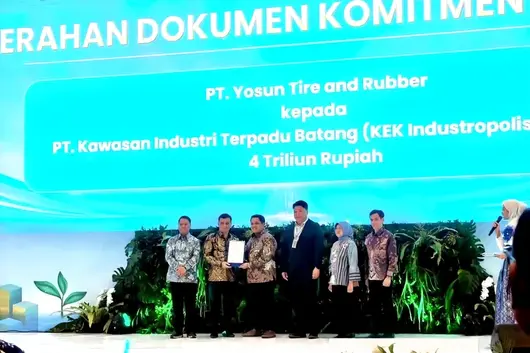
Chinese tire industry makes another major move to go global. Shandong Yosun Tire and Rubber (Yosun Tire and Rubber) recently announced an investment commitment, planning to invest 4 trillion Indonesian Rupiah (approximately 1.52 billion Chinese Yuan), to build local production facilities in the Batang Industrial City Special Economic Zone, Central Java Province. This is yet another Chinese tire company investing heavily in Indonesia, following Zhongce and Sailun.

Building Factory and Setting Up Headquarters, Targeting Global Exports
According to the plan, the project covers 40 hectares and is expected to absorb about 4,000 local laborers. The factory mainly serves the export market, and the production base after landing will also serve as the regional headquarters of Yosun in Indonesia.
Company General Manager Weng Jisheng (Weng Jisheng) stated that Indonesia has huge development potential. The location of the Batang Industrial City Special Economic Zone is advantageous, and the industrial ecosystem continues to grow, making it an ideal base for the enterprise to expand business and open up the export market.
Behind this massive investment is Yosun's long-prepared strategic upgrade. In July 2026, the company's registered capital doubled from 50 million yuan to 100 million yuan, and it established the Hainan Oumao Investment subsidiary to build a global capital platform. Its related enterprise Youyue Rubber holds a provincial key tire project worth 5.16 billion yuan, with a planned annual output of 15 million sets of high-performance tires. In the first four months of 2026, Yosun's output value soared by 190% year-on-year, 70% of products were exported overseas, and capacity and export strength became its biggest trump cards for going global.

Giants Cluster, Indonesia Becomes a Must-Fight Territory
Yosun's entry is just a microcosm of the wave of Chinese tire makers going global. Currently, several domestic top enterprises have gathered in the Indonesian market, increasing capital, expanding production, and building new factories have become the norm.
Zhongce Rubber has the earliest layout and the most complete chain. In December 2024, the first phase of the Indonesian factory was put into production, covering full-chain sectors such as truck and bus tires, two-wheeler tires, and carbon black production. The main construction of the second phase project is entering the finishing stage, steadily expanding its regional leadership advantage.

Sailun Tire continues to increase investment. In 2025, the Indonesian project investment was adjusted from 1.749 billion yuan to 2.085 billion yuan. In 2026, it further optimized the product structure, covering multi-category radial tires and off-road tires, using Indonesian port logistics advantages to compress costs and deepen the incremental market.

Cheng Shin Rubber expanded production continuously for six years, from increasing capital by 196 million yuan in 2020 to over 130 million yuan in 2026. It focuses on motorcycle tires and tubes, radiating the entire Southeast Asia from Indonesia as the center.

Yuanxing Rubber is the latest entrant. In July 2026, it officially started the construction of the new factory in Indonesia, also landing in the Batang Industrial Park. The construction period is 300 days. Relying on the local stock of 137 million motorcycles, it focuses on the essential market for motorcycle tires.

SEZ Becomes Hub for Chinese Investment
This investment will further strengthen the manufacturing strength of the Batang Industrial Economic Special Zone and improve the local automotive industry ecosystem. This economic zone located in the northern part of Java Island welcomed the landing of Chinese Lithium Iron Phosphate Battery enterprise LBM New Energy (LBM New Energy) in the second half of last year. The first phase investment is 1.5 trillion Indonesian Rupiah, covering 31.72 hectares, expected to create 1,000 local jobs. In addition, Chinese investment projects in the fields of outdoor furniture, eco-friendly yarns, etc., are also continuously expanding into this area.

Going Global is the Trend, Localization is Key
In the background of intensified domestic market competition and increased foreign trade barriers, going global with localization has become the necessary path for tire enterprises to break through growth bottlenecks. However, industry insiders remind that the extensive growth dividend period of the Indonesian market is disappearing. In the future, only enterprises that truly achieve comprehensive localization of production capacity, brand, and supply chain can stand firm in fierce competition.

Dalam pasaran SUV Malaysia, ramai pembeli semasa memilih kereta sering membandingkan Honda WR-V dan Mazda CX-30. Kedua-dua kereta ini mempunyai harga dan kedudukan pasaran yang agak hampir. Hari ini, kita akan membandingkannya secara terperinci dari pelbagai aspek untuk membantu anda menjimatkan masa membuat kajian.
Honda WR-V di Malaysia mempunyai harga OTR dari RM 89,900 hingga 107,900, terdapat 4 varian, termasuk 2023 1.5L V (RM 99,900), 2023 1.5L E (RM 95,900), 2023 1.5L S (RM 89,900) dan lain-lain.
Mazda CX-30 di Malaysia mempunyai harga OTR dari RM 122,409 hingga 146,409, terdapat 4 varian, termasuk 2025 2.0L High+ Premium (RM 146,409), 2025 2.0L High+ (RM 138,409), 2025 2.0L High (RM 130,409) dan lain-lain.
Dari segi harga, harga permulaan Honda WR-V benar-benar lebih murah RM 32,509 berbanding Mazda CX-30. Jika bajet anda terhad, varian permulaan Honda sudah cukup untuk memenuhi keperluan harian. Namun, perlu diingat, perbezaan ribuan ringgit yang lebih murah itu mungkin melibatkan kompromi pada kelengkapan, bergantung sepenuhnya pada keperluan anda.

Honda WR-V dilengkapi enjin 1.5L 4 silinder, kuasa 105 hp. Kerahan bahan api rasmi 6.0 L/100km.
Mazda CX-30 dilengkapi enjin 1.5L Turbo, kuasa 140 hp. Kerahan bahan api rasmi 7.0 L/100km.
Dari segi kuasa, enjin 1.5L Turbo Mazda CX-30 mempunyai 35 kuasa kuda lebih berbanding 1.5L 4 silinder Honda WR-V. Walau bagaimanapun, untuk penggunaan harian di bandar, kuasa kedua-dua kereta cukup dan tidak terasa kurang tenaga.

Panjang badan Honda WR-V ialah 4400 mm, ruang bagasi 400 L.
Panjang badan Mazda CX-30 ialah 4500 mm, ruang bagasi 450 L.
Dari segi ruang, panjang badan Mazda CX-30 lebih 100 mm daripada Honda WR-V, memberikan kelebihan pada ruang penumpang. Namun, Honda WR-V lebih fleksibel semasa memarkir di bandar, setiap satunya mempunyai kompromi.

Honda WR-V menggunakan sistem penggerak FWD.
Mazda CX-30 menggunakan sistem penggerak FWD.
Sistem penggerak kedua-dua kereta sama, iaitu FWD. Pengalaman memandu harian tidak akan berbeza terlalu banyak.

Honda WR-V dan Mazda CX-30 adalah pilihan utama pasaran Malaysia, sesuai untuk kegunaan keluarga dan perjalanan harian. Jika anda lebih mengutamakan reputasi jenama dan harga jualan semula, pertimbangkan yang mempunyai reputasi lebih baik; jika anda lebih mementingkan nilai wang dan kelengkapan, pilih yang mempunyai konfigurasi lebih lengkap. Pada akhirnya, disarankan untuk menguji jalan kedua-duanya, pengalaman sendiri adalah yang paling penting.

Secara keseluruhan, Honda WR-V dan Mazda CX-30 adalah model yang sangat baik di pasaran Malaysia. Memilih mana satu, penting untuk melihat keperluan dan bajet peribadi anda. Kami sarankan anda membuat kajian dengan teliti, bandingkan tawaran harga dari beberapa dealer, kemudian uji jalan sebelum membuat keputusan akhir. Membeli kereta adalah perkara besar, mengambil masa untuk membuat kajian tidak akan salah.


Ogos 2026, terdapat satu perkataan dalam industri automotif yang sering disebut berulang kali — "kereta siap pantas".
Beberapa kereta baharu dalam industri, kitaran pembangunan dipadatkan kepada 18 bulan bahkan 12 bulan, pengesahan komponen lulus dalam satu pusingan, ujian jalan tahan lasak terus dipotong separuh. Kereta dilancarkan dahulu, pengguna dijadikan "penguji ujian", jika ada masalah kemudian tarik balik OTA, menjadi operasi biasa sebahagian pengeluar kereta. Pengguna membeli "kereta separuh masak" — produk setengah masak, yang perlu disahkan tidak disahkan, yang perlu diuji tidak ditest habis.
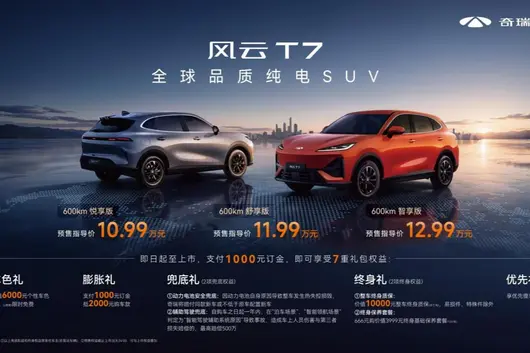
12 Ogos, Chery Fenwei T7 memulakan pra-jualan, melabelkan label yang bertentangan sepenuhnya — "kereta global tidak boleh pantas". 109,900 Yuan sehingga 129,900 Yuan, tiga konfigurasi. Keseluruhan sistem sama bateri Rhino 65.05kWh, CLTC jarak 600km.
Kitab I Ching Hexagram ke-16 "Yu", atas Gemuruh bawah Bumi, guruh keluar dari bumi. Kata-kata heksagram berkata, ada persiapan, tidak akan panik. Hexagram ke-17 "Sui", atas Danau bawah Gemuruh, guruh dalam tasik. Kata-kata heksagram berkata, ikut masa dan bergerak, maju lancar. Ada Yu dahulu, ada Sui kemudian. Fenwei T7 menggunakan masa empat tahun untuk "persediaan", menggunakan produk hari ini untuk menjawab "sesuai dengan masa" pasaran.

Fenwei T7 bukan kereta "khas China" yang dibuat dalam negara dahulu kemudian dieksport. Model homolog luar negara panggil LEPAS L6, sudah pra-jualan Afrika Selatan, Thailand pelancaran, seterusnya perlu masuk Eropah, Australia dan Selandia Baru, United Kingdom dan lebih 130 negara dan kawasan. Satu kereta perlu serentak penuhi pelbagai negara piawaian undang-undang, titik permulaan pembangunan jadi lain.
Dalam keselamatan, Fenwei T7 menandingi Edisi 2026 E-NCAP piawaian bintang lima, keselamatan fungsi buat ASIL D tahap tertinggi. Edisi 2026 E-NCAP banting keselamatan kenderaan utuh untuk keselamatan memandu, pengelakan perlanggaran, perlindungan perlanggaran dan keselamatan selepas perlanggaran empat tiang utama, mana-mana item ada kelemahan ketara, penarafan bintang lima tidak boleh capai. Badan badan guna 80% keluli berkekuatan tinggi, peratusan keluli terukir panas 18.84%, sembilan melintang lima memanjang rangka sangkar badan. Rangkap terbanyak 9 beg udara, termasuk 48L rongga ganda beg udara jarak jauh dan barisan belakang beg udara sisi. Bateri Rhino IP68 kalis air capai piawaian kebangsaan 96 kali ganda.
Piawaian ini bukan ditambah peringkat akhir, dari hari pertama penyelidikan tulis masuk definisi produk.

Timbalan Pengerusian Eksekutif Chery Li Xueyong berkata, kitaran empat tahun Fenwei T7 belanjakan di tiga tempat "tidak boleh pantas"— pembangunan tidak boleh pantas, produk perlukan penggilapan berulang kali; pengesahan tidak boleh pantas, kebolehpercayaan perlukan ujian situs sebenar; penggubahan bersama pengguna global tidak boleh pantas, perlukan dengar suara pasaran lain.
81 unit kenderaan tahan lasak khas ujian jalan serentak, kenderaan utuh jumlah ujian kilometer lebih 6 juta kilometer, ujian tahan lasak khusus benar 1.45 juta kilometer. Merangkumi -40℃ hingga 55℃ persekitaran seluruh kawasan, merangkumi 95% jenis jalan global. Terhadap musim hujan Asia Tenggara, panas terik Timur Tengah, Indonesia kelembapan tinggi dan lain wilayah global buat ujian kenderaan sebenar melampau.
Penggunaan global 963 unit kenderaan ujian. 5000+ tinjauan pengguna global, 15 negara tipikal lawatan mendalam. Dari keperluan penggunaan sebenar mula baik reka bentuk produk, bukan jurutera di pejabat teka pengguna apa yang perlu.
Pengujian global Fenwei T7 bukan pergi luar negara mengelilingi buat saja, dari peringkat penyelidikan sudah bawa global pelbagai negara undang-undang, keadaan jalan, kebiasaan pengguna semua masukkan sistem pengujian. Pengguna Eropah kebiasaan kepala kenderaan masuk garaj, kenderaan 70cm dalam automatik papar kamera depan. Pengguna Thailand cenderung rasa stereng lebih berat, jurutera tambah kuasa stereng satu tahap. Pengguna Turki dan Israel lebih suka butang fizikal, fungsi kerap kekalkan suis fizikal. Indonesia jalan bergelora pengguna kurang rasa selamat, jurutera baik tekstur kembali tengah stereng. Butiran ini bukan tambalan kemudian, dari peringkat penyelidikan sudah masukkan pertimbangan kepatuhan.

Penetapan harga Fenwei T7, adalah logik "piawaian global" ini rangkai terakhir. 109,900 Yuan sehingga 129,900 Yuan, tiga konfigurasi perbezaan harga sama 10,000 Yuan, bateri sama 65.05kWh, jarak sama 600km. Jangan main strategi premium berperingkat potongan jarak konfigurasi rendah, tambah jarak konfigurasi tinggi.
Letakkan harga ini tengok di pasaran, dalam SUV elektrik sepenuhnya harga sama, keseluruhan siri 600km jarak, keseluruhan siri 9 beg udara, keseluruhan siri cip 8775, keseluruhan siri gantung belakang bersendirian model, semasa hanya Fenwei T7 satu model.
Maksud harga ini bukan sahaja "murah", tetapi "guna harga rakyat, beli produk yang disahkan piawaian global". Fenwei T7 dahulu di luar negara lalui proses pengujian, kemudian dengan logik penetapan harga pasaran China lepas masuk negara sendiri. Model homolog LEPAS L6 di Thailand harga jualan kira-kira 160,000 Yuan, dalam pra-jualan 109,900 Yuan mulai — satu set piawaian global, dua logik penetapan harga. Kos pengujian luar negara oleh jualan global bahagikan, pengguna dalam negara nikmati dividen harga kesan skala bawa.
Kapsul pintar. Rangkap pertama kali cip 4nm proses Qualcomm SA8775 kabin dan pemanduan bersatu. 15.6 inci 2.5K skrin besar definisi tinggi, Lingxi Smart Cockpit 2.0 bawa Model Besar Doubao. Falcon 500 memandu pintar sediakan 22 sensor kejituan tinggi.
Keselesaan dan Kewujudan kukuh. 2700mm jarak gandar, 84% kadar ruang. Kerusi lipat menjadi 1955mm×1310mm katil rata besar. Papan sisi bawah oleh bekas Maserati jurutera berpengalaman terlibat penyetelan.
Selang harga 109,900 Yuan hingga 129,900 Yuan, bawa set produk piawaian global ini masuk ke dalam julat pilihan keluarga utama China.

Semakan Pertama 2026, Chery di Eropah jumlah jualan kumulatif 174,000 unit,其中新能源 86,000 unit, pertumbuhan tahun ke tahun 385%. China setiap eksport 5 kereta, ada 1 kereta datang dari Chery. Berturut-turut 23 tahun jenama China kereta penumpang eksport nombor satu.
Fenwei T7 "pembalasan global" bukan slogan, adalah hasil pengujian yang sebenar. Logik ini nilai bukan pada jumlah eksport sendiri, tetapi pada piawaian di sebalik eksport, sistem dan sikap kualiti. Apabila industri masih guna perang harga saling merosakkan, Chery guna satu kereta yang melalui pasaran global disahkan, tarik persaingan dari "siapa lebih murah" kembali ke "siapa lebih dipercayai".
Hekeagram Yu kata "Sedia untuk perkara tak dijangka", Hekeagram Sui kata "bergerak mengikut masa". Pertama guna masa empat tahun sediakan piawaian global, kemudian guna kereta ini menjawab pasaran "sesuai dengan masa". Pengujian global, Harga China — ini Fenwei T7 "kereta global tidak boleh pantas" maksud sebenar.

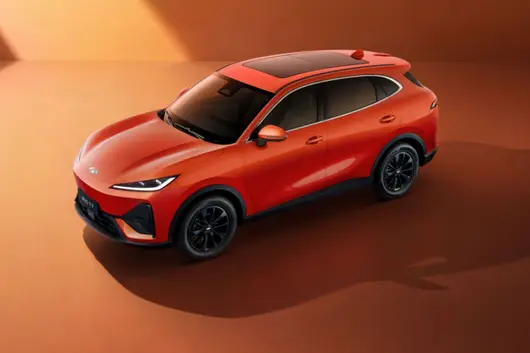

8 月 12 日,奇瑞風雲序列全新純電 SUV——風雲 T7 正式打開預訂通道。以「慢功造好車,久等了」為主題的發布會,沒有急於推銷數據,而是用一場關於「長期主義」的誠懇交流,宣佈了一款真正歷經全球標準打磨的車型歸來。新車共推出 3 款版本,預訂指導價 10.99 萬至 12.99 萬元,同步推出七重購車優惠,將全球品質拉低至市民價格區間。
在不少品牌追求「速成」的當下,風雲 T7 走出了一條截然不同的路徑。倚靠奇瑞 23 年全球化技術積累,佢拒絕簡單的配置堆砌,而是以全鏈路全球嚴苛標準逆向測試,把海外成熟市場耐用的、安全的、環保的要求,完整帶返中國。奇瑞稱之為「逆向出海測試路線」。風雲 T7 唔止係一款新車,更係全球造車體系同中國家庭需求的一次深度共鳴。圍繞生活品質不可妥協的六大新必須,新車從外觀、安全、出行、智能、舒適到安心保證,一應俱全。
唔止第一眼靚,更要經得起歲月
風雲 T7 的造型由奇瑞 10 大全球設計中心、5000 餘名海内外用戶共同創造而出,與其同源的 Lepas L6 曾亮相米蘭設計周。整車融合國際簡約風尚與東方雅致氣韻,御風前臉、風塑絲綢車身與天際霞光尾門,勾勒出持久的審美生命力。漆面同步海外嚴苛耐候標準,提供熾焰橙、山煙紫、雲粉米等 6 種配色。

車廂內的用心同樣經得起推敲:雲翼環抱座艙大面積軟包,所有皮革、密封條、塑料件均針對常年使用不易硬化、褪色而開發,鵝卵石懸浮揚聲器與菱格縫製等細節,讓實用與質感長久並存。

安全,用百萬公里路試來作答
安全係最大必須。風雲 T7 直接對標 2026 版 E-NCAP 五星安全標準設計,功能安全達到 ASILD 最高級別。整車歷經 81 台耐久測試車、超 600 萬公里累計測試,其中耐久專項測試 145 萬公里,並遠赴東南亞雨季、中東高溫暴曬、印尼高濕等典型環境進行極限實車驗證。車身以 80% 高強度鋼和 18.84% 熱成型鋼構築九橫五縱籠式結構,創新採用 Shotgun 結構、雙框副車架與 Pack 防撞梁,形成前後左右 9+6 條碰撞傳力路徑,最大限度保障乘客空間。新車罕見地配備了 9 個安全氣囊,包含 48L 雙腔遠端氣囊和後排側氣囊,防護維度向更高級別看齊。全系搭載的「犀牛電池」則構築起 6D 立體安全屏障,IP68 級防水能力為國標 96 倍,即便面對城市水浸或野外涉水,也能有效防止進水短路風險。
全系 600km 續航普及,無懼溫差
拒絕以續航距離劃分等級,風雲 T7 全系標配 65.05kWh 大容量犀牛電池,實現 CLTC 工況 600km 續航,實際測試甚至達到 667km 以上,「反向虛標」大大減輕里程焦慮。補能同樣高效,30% 充至 80% 只需 20 分鐘。更特別的是,佢搭載全域一體化熱管理雙源寬頻熱泵空調與高壓 PTC,在 -30°C 至 55°C 超寬溫域內都能穩定運作,北方冬季制熱更節省電力,高溫環境散熱更高效。配合全系標配的 AGS 智能進氣格柵和 14 項低風阻優化,高低速能耗表現更加穩定。

風雲 T7 率先搭載 4nm 製程的 8775 艙駕一體芯片,以 72TOPS 高算力實現座艙與駕駛輔助兩大域的深度協同。車機開機速度提升 33%,智能交互響應僅 80 毫秒,配合 15.6 英寸 2.5K 高清防眩光大螢幕,流暢體驗立見成效。靈犀智艙 2.0 內置小奇同學、口語老師、抬杠大師等六種真人陪伴形象,以及小憩、露營、寵物等六大場景模式,將車變為懂你的移動空間。駕駛輔助方面,獵鷹 500 系統集結 3 顆毫米波雷達、7 個攝像頭、12 個超聲波雷達共 22 個傳感器,實現 300 種全場景自動泊車,死巷泊車、跨層泊車、一鍵循跡倒車等高級功能悉數支援,泊車體驗跨入「自由」門檻。

坐得寬敞,行得穩妥
風雲 T7 長闊高 4570×1852×1694mm,軸距 2700mm,車內得房率高達 84%。後排純平地台、同級領先的 911mm 腿部空間,加上後排椅背放倒後擴展出的 1955mm 純平大床與 450L 至 1550L 的靈活尾廂空間,讓全家出行及戶外裝載從容不迫。9 層雲感座椅兼具通風、加熱,三檔溫控在 -20℃環境下 5 分鐘即可速熱至 30℃,吸風式通風也讓夏天后背告別悶汗。細節處,全車 38 處儲物空間、四個最大承重 300kg 的鉚環及兩個承重 3kg 掛鉤,實用主義貫徹到底。底盤由瑪莎拉蒂前底盤調校專家領銜的國際化團隊精心打磨,50.8:49.2 黃金軸荷比帶來更穩定的過彎姿態與循跡表現,倚靠奇瑞 26 年底盤設計功底,行駛質感厚重而靈活。


風雲 T7 給予的不僅係產品層面的紮實,更把誠意延伸至全用車週期。兩大兜底保障尤為引人注目:因動力電池自身原因導致熱失控損毀,奇瑞賠償同款或更高配置新車;購車一年內,在泊車或智能導航場景下因駕駛輔助系統原因引發事故,造成人員傷害與第三者損失的,最高可賠償 500 萬元。同時,價值 10000 元的整車終身保養(含三電)和 666 元購入價值 3999 元的終身基礎保養套餐,兩項終身優惠進一步減輕用戶的長期用車負擔。
熊貓點評
當不少品牌仍沉迷於「電冰箱、彩電、大沙發」的淺層競爭時,風雲 T7 以「慢功造好車」的姿態,完成了一次從外觀到安全、從續航到智能、從舒適到終身保證的全維價值重構。佢沒有簡單堆砌賣點,而是用全球路況的數百萬公里驗證、全系續航普及的配置哲學,以及電池與智駕的雙重兜底承諾,直面家庭用戶真正關注的每一個場景。10.99 萬元起價,買到的唔止係一台純電 SUV,更係一套歷經全球淬煉、承諾長期陪伴的出行方案。風雲 T7 的到來,或許正在為「國民純電」樹立一個更具厚度同溫度的新標竿。

In Malaysia's SUV market, many buyers compare Proton X90 and Toyota Yaris Cross when choosing a car. Both cars are quite close in price and positioning, so today we will make a detailed comparison from multiple aspects to help you save time on research.
Proton X90's OTR price in Malaysia is RM 106,800 - 122,800, with a total of 4 versions, including 2026 1.5T Prime X (RM 122,800), 2026 1.5T Prime (RM 116,800), 2026 1.5T Lite (RM 106,800), etc.
Toyota Yaris Cross's OTR price in Malaysia is RM 99,900 - 109,900, with a total of 2 versions, including 2026 1.5L Standard (RM 99,900), 2026 HEV 1.5L Standard (RM 109,900), etc.
From a price perspective, Toyota Yaris Cross's starting price is RM 6,900 cheaper than Proton X90. Honestly, in this price range, a difference of a few thousand is actually not that big; the key lies in overall value for money and long-term usage costs.

Proton X90 is equipped with a 1.5L Turbo, 140 hp. Official fuel consumption is 7.0 L/100km.
Toyota Yaris Cross is equipped with a 1.5L 4-cyl, 105 hp. Official fuel consumption is 6.0 L/100km.
In terms of performance, Proton X90's 1.5L Turbo has 35 more horsepower than Toyota Yaris Cross's 1.5L 4-cyl, providing more confidence in mid-range acceleration, especially when overtaking on highways. However, Toyota Yaris Cross's fuel consumption might be more favorable, with little difference in daily city commuting.
Proton X90's safety rating is 5★ (ASEAN NCAP), active safety systems include ADAS (ACC, AEB, LKA, LDA, BSM, RCTA).
Toyota Yaris Cross's safety rating is 5★ (ASEAN NCAP), active safety systems include TSS.
Both cars have the same safety rating; safety features in this class are quite comprehensive. New cars nowadays do not lack in safety, so there is no need to worry too much about this.

Proton X90 comes with a 5-year/150,000km warranty, service interval every 10,000km or 6 months.
Toyota Yaris Cross comes with a 5-year/unlimited mileage warranty, service interval every 10,000km or 6 months.

Overall, Proton X90 and Toyota Yaris Cross are both very good models in the Malaysian market. Which one to choose ultimately depends on your personal needs and budget. We suggest doing your research, comparing quotes from several dealerships, and test driving before making a final decision. Buying a car is a major decision, and spending some time on research will never be a mistake.


In Malaysia's SUV market, many buyers compare the Perodua Ativa and Mitsubishi Xforce when selecting a car. These two cars are quite close in price and positioning. Today we will make a detailed comparison from multiple aspects to help you save time on research.
The OTR price of the Perodua Ativa in Malaysia is RM 62,500 - 73,400, with a total of 3 versions, including 1.0L Turbo X (RM 62,500), 1.0L Turbo H (RM 67,300), 1.0L Turbo AV (RM 73,400), etc.
The OTR price of the Mitsubishi Xforce in Malaysia is RM 109,930 - 119,930, with a total of 2 versions, including 2026 1.5L Ultimate (RM 119,930), 2026 1.5L Urban (RM 109,930), etc.
From a price perspective, the starting price of the Perodua Ativa is indeed RM 47,430 cheaper than the Mitsubishi Xforce. If your budget is limited, the entry-level version of Perodua can already meet daily needs. However, note that the difference of a few thousand may involve trade-offs in features, depending on your specific needs.

The Perodua Ativa is equipped with a 1.5L 4-cyl, 105 hp. Official fuel consumption 6.0 L/100km.
The Mitsubishi Xforce is equipped with a 1.5L Turbo, 140 hp. Official fuel consumption 7.0 L/100km.
In terms of power, the Mitsubishi Xforce's 1.5L Turbo has 35 more horsepower than the Perodua Ativa's 1.5L 4-cyl. However, for daily city driving, the power of both cars is sufficient, you won't feel underpowered.
The safety rating of the Perodua Ativa is 5★ (ASEAN NCAP), active safety systems include ASA 3.0 + ACC + LDA + LKA + BSM + RCTA.
The safety rating of the Mitsubishi Xforce is 5★ (ASEAN NCAP), active safety system includes MI-PILOT.
Both cars have the same safety rating, safety features in this class are considered quite comprehensive. Safety of new cars nowadays is not bad, no need to worry too much about this.

Perodua Ativa warranty 5 years / 150,000km, maintenance interval every 10,000km or 6 months.
Mitsubishi Xforce warranty 3 years / 100,000km, maintenance interval every 10,000km or 6 months.

Both the Perodua Ativa and Mitsubishi Xforce are popular choices in the Malaysian market, suitable for family use and daily commuting. If you value brand reputation and resale value more, you can prioritize the one with better reputation; if you value value for money and features more, then choose the one with more features. Ultimately it is recommended to test drive both, personal experience is the most important.
Overall, both the Perodua Ativa and Mitsubishi Xforce are very good car models in the Malaysian market. Which one to choose mainly depends on your personal needs and budget. We recommend doing research well, comparing quotes from several dealerships, and then test driving to make the final decision. Buying a car is a major matter, spending some time doing research will definitely not go wrong.


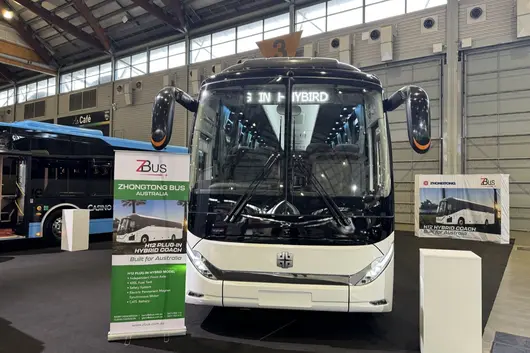
7 月 15 日,2026 年澳大利亞悉尼國際客車展(2026 Australasia Bus & Coach Expo)於悉尼奧林匹克公園展館拉開帷幕。該展會由新南威爾士巴士行業協會 Bus NSW 主辦,是大洋洲規模最大、專業度最高的客車全產業鏈貿易盛會。

立足高質量發展戰略,中通客車重磅亮相本次展會,集結柴油、增程、純電三大技術路線的五款經典車型——柴油版 H12、柴油版 L7、增程版 H12、增程版 L8、純電版 N12,全面展現中國客車的全球化佈局與高端化突破。
中通客車的全球化探索,鐫刻着中國客車乃至中國製造走向世界的時代印記。自 2003 年出口至今,中通客車的海外版圖持續擴大,市場份額穩步攀升。
中國客車統計信息網最新數據,2026 年上半年,中通客車 7 米以上客車出口 4318 輛,同比增長 23.65%,市場份額達 14.35%,展現出極強的市場韌性。
而真正令中通客車在激烈競爭中站穩腳跟的,係其「全能型」嘅實力。從傳統動力到增程混動,再到純電動,中通客車已構建起覆蓋全技術路線的產品矩陣,能夠根據不同市場的政策環境、氣候條件、路況特徵與運營需求,提供精準匹配的定制方案。
從新加坡的「窄體」純電動公交車到丹麥的低溫抗腐升級,從杜拜首次闖入高端公交系統到此次攜五款車型亮相澳洲,中通客車每進入一個市場,都先讀懂當地的需求,再拿出對應的方案,唔係標準化複製,係量體裁衣。

市場突破的背後,係中通客車對技術深耕與前瞻佈局的長期堅守。作為國內最早佈局新能源研發的企業之一,中通客車多年來在核心技術、品質管控不斷精進,以過硬實力拿到通往全球高端市場的通行證。
站在大洋洲最頂級的客車展會上,面對全球行業巨頭與澳洲本地運營商,中通客車不僅要展示產品,更要向世界亮明中國智造的技術底氣與品牌格局。此次參展的五款精品車型,既係對澳洲市場多元化需求的精準回應,亦係中通以全場景方案服務全球可持續交通的務實作答。

柴油版 H12 與柴油版 L7,係中通客車適配高強度運營場景打造嘅兩款主力車型。柴油版 H12 搭載全新一代「黃金動力鏈」,百公里油耗較行業平均水平降低 5%~10%,兼顧動力性與經濟性;柴油版 L7 則適配商務、旅遊、團體、租賃等場景,最大爬坡度大於 30%,動力強勁、省油高效。

增程版 H12、L8,精準錨定低碳轉型與降本增效的雙重需求。針對純電補能設施分佈不均、長途運營續航受限、燃油車型能耗偏高等行業痛點,中通客車依托自主可控的增程混動技術,實現油電智能聯動、能量按需分配,兼具超長續航、超低能耗、高適配性三重優勢,為澳洲乃至全球客運低碳轉型提供高性價比、高實用性的產品方案。
純電版 N12,係中通客車面向全球交通綠色智能化轉型需求打造的高端產品。佢以「深度定制」為核心,能夠根據不同國家的運營場景精準適配。整車搭載新一代高效三電系統,配合輕量化車身設計,能耗更低、續航更穩,足以支撐城市公交高頻次、長時段的運營節奏。在國內,係城市公共交通的核心運力擔當;在海外,佢以「中國方案」的定位,深度參與全球交通低碳變革。

此次亮相悉尼國際客車展,係中通客車完善全球化戰略佈局的關鍵一步,亦係其從「全球佈局」走向「全球深耕」的生動實踐。
未來,中通客車將持續立足全球視野,堅守技術創新,深耕本土適配,以中國智造硬核實力,為全球公共交通綠色升級與智慧轉型貢獻更多「中國方案」。

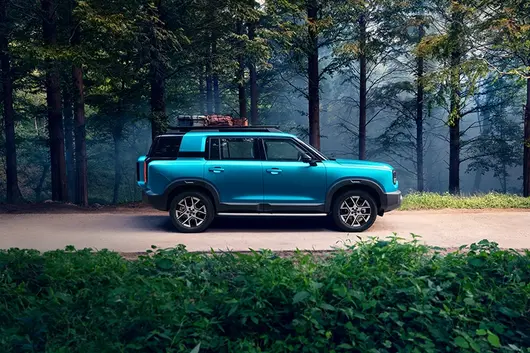
"Involution" is the most fitting word to summarize the entire automotive market in recent years. It is precisely due to the intense competition that it tests the comprehensive strength of automobile enterprises even more. According to incomplete statistics, in the first half of 2026 alone, there were more than 600 new models launched. How fierce the competition is can be imagined. Models that can carve out a path in such fierce competition must have their own exceptional qualities, and there must also be secrets behind the success of the enterprises. In June, the 100,000-level Box-style market suddenly changed. According to data from the Beijing Off-Road Data Center, BJ30 achieved 8,609 units in sales and successfully surpassed Haval Dog to become the sales champion of the 100,000-level Box-style market. Not just light off-road, even in the professional off-road field, BJ40 has achieved continuous hot sales of a hero product, once surpassing Tank 300. With a cumulative sales of 28,248 over half a year, it became the sales leader in the hard-core off-road market in the first half of 2026, and also the market with the first growth rate. Everything seems like luck, but there is inevitability behind it. So what is the inevitability behind the BJ30 Traveler topping and BJ40 hot sales? Actually, this reflects Beijing Off-Road's adherence to long-termism, insight into user needs, and polishing of product strength.


When talking about domestic off-road vehicles, what is the most classic model that appears in your mind? No matter how many answers, Beijing Off-Road is a brand that cannot be avoided. The brand history of Beijing Off-Road dates back to 1958. In June, Beijing Off-Road developed the first car in Beijing, the "Jinggangshan" Sedan. Zhang Fengshi, a leader of the Automotive Bureau of the First Ministry of Machine Building, immediately renamed it Beijing Automotive Works, and Zhu De personally wrote the factory name and car name. In January 1961, Beijing Automotive Works was approved by the state to begin organizing the production of light off-road vehicles, thus opening the legendary path.

Without the accumulation of small steps, one cannot reach a thousand li. Beijing Off-Road has nearly 70 years of brand history and professional accumulation so far. It can be said that in the off-road field, Beijing Off-Road is a true "veteran". This status is reflected in technology, quality, reliability and many other aspects. To this day, the new energy and electrification wave has arrived. BJ30 Traveler and BJ40 are excellent works refined and polished by Beijing Off-Road adhering to long-termism.
Precise Product Positioning, Profound Needs InsightLong-termism not only helped Beijing Off-Road achieve technical accumulation, but also made Beijing Off-Road more experienced in insight into user needs.
What may surprise many people is that BJ30 Traveler is not only good in new car sales, but also has a very high resale value. According to the "June 2026 China Car Resale Value Research Report" by the China Automobile Circulation Association, in the resale value ranking list of domestic compact SUVs in the 100,000-150,000 range, BJ30 Traveler ranked first with a 69.5% resale value. The report pointed out that the reason for its high resale value lies in its light off-road product positioning, rugged design language, and multi-scenario adaptability covering urban commuting and outdoor travel.

We can not find it difficult to carefully analyze the description of BJ30 Traveler in the report. Despite fierce competition in same-class models and diverse user needs, Beijing Off-Road can always precisely grasp the demand points. It relies on market experience accumulated over many years.
BJ30 Traveler adopts a classic Box-style appearance, the overall design is rugged. It continues the classic造型 of the brand but uses more modern lighting design to emphasize technological sense. The front face uses a semi-closed grille, the light group adopts an integrated design, the original classic five-hole grille element is retained to a certain extent, and technological sense is strengthened through multi-segment ring through-type light strips distributed up and down. Both sides are retro round headlights, the characteristic "Beijing" Chinese characters identifier on the hood highlights the identity, and the front and rear same-color sport bumper is quite sharp. The side is traditional and square, the line design is rugged, the A, B, and D columns use smoked treatment, and the contrast color body effectively enriches the visual level. The rear line is sharp and rugged, the upper part is a large piece of black with simple and atmospheric vertical taillights. This造型 that retains classic elements and has a modern feel is indeed a unique design only "veterans" have.

In addition to the unique design, in terms of configuration, BJ30 Traveler grasps the essence of consumers "wanting it all". BJ30 Traveler is equipped with a hybrid dedicated engine, paired with front and rear dual motors, and has six working modes. Moreover, it comes with Energy Center Lock + 4-Wheel Electronic Slip Limitation + AI Smart Super Electronic Control System, which can precisely control wheel end torque. The ATS Intelligent All-Terrain Control System also brings seven off-road terrain modes, which can easily handle various road conditions such as snow, mud, sand, and water crossing.

In terms of home usage scenarios, the length, width, and height of BJ30 Traveler are 4730*1910*1790mm, and the wheelbase is 2820mm. The square造型 leaves huge space for it. The car has a maximum 1496-liter trunk, and there are 38 storage spaces in the whole car. After the rear row is folded down, it can also form a large bed room up to 1.92 meters long. In addition, the car provides a 1.05㎡ panoramic sunroof, equipped with a 15.6-inch central control screen and 10 speakers, and sets a 220V power interface, with comfort configurations such as ventilated and heated seats, heated steering wheel, etc. Whether it is daily home use in the city or travel camping, it can easily cope.

Most importantly, for consumers of 100,000-150,000 SUVs, fuel economy must be a hard indicator. After all, in the past, when talking about hard-core off-road vehicles, fuel consumption was a major pain point. BJ30 Traveler uses HEV hybrid, which does even better in fuel consumption. Its two-drive version combined fuel consumption is 5.85L/100km, and one tank of fuel can run 1000km. This June, auto bloggers from five countries, South Africa, Indonesia, UAE, Poland, and Mexico, actually tested the fuel consumption of domestic SUVs. BJ30 Traveler ran a result of not exceeding 5 liters per 100km in every country.

From this point of view, BJ30 Traveler has not only a large space for home use in the city, but also the ability to go on rough roads, and it has a certain degree of comfort and excellent fuel economy, meeting the expectations of many consumers for light off-road models.
Of course, product power is the foundation of whether a vehicle can be popular, but what really makes consumers pay for it is the pricing. Obviously, the pricing of BJ30 Traveler (Guide Price: 99,900-139,900) and BJ40 Extended Range Version (Guide Price: 179,800-204,800) is successful. Among the 100,000-level domestic brand compact SUVs, BJ30 Traveler is one of the few to adopt HEV hybrid, with smart electric 4WD, Energy Center Lock and ATS All-Terrain Control, and a wheelbase exceeding 2.8 meters Box-style model. And BJ40 Extended Range Version relies on standard equipment such as smart 4WD, 49.4kWh battery, non-unibody body and three locks to provide more professional hard-core off-road models in the 150,000 level.

The pricing of the two models combined with product strength has successfully gained enough market acceptance in both light off-road and professional off-road fields. BJ30 Traveler reached the top of the 100,000-level Box-style market in less than 2 years and became the model that reached 150,000 units of sales fastest in China light off-road SUVs.

BJ40 Extended Range Version orders surpassed 7,000 units 24 hours after launch, and in June it even took the number one spot on the extended range off-road vehicle sales list, and has become one of the benchmarks in the 150,000-level professional hard-core off-road vehicle market.

Long-termism is also reflected in Beijing Off-Road's control of product quality. Beijing Off-Road once jointly with CCTV Finance carried out a live stream disassembly of a BJ30 Traveler driven for 150,000 km. The disassembly result showed that even after being driven for 150,000 km, the turbocharger of the engine was still clean without carbon buildup, the housing of the transmission remained intact without oil leaks, the battery pack had no bulging, fluid leakage, deterioration or attenuation, and the chassis flatness was very close to the new car.

This benefits from two points: One is the HEV power form adopted by BJ30 Traveler, which has mature technology and strong stability. At the same time, unlike PHEV models, it does not need a large battery pack, which will not affect the chassis layout, nor does it have scraping risk. Second, Beijing Off-Road has rich car-making experience. It has a history of producing military vehicles for many years and four consecutive championships in the Huan Ta Rally. This has also created Beijing Off-Road's demanding attitude towards product stability. In addition, all models of Beijing Off-Road provide a Lifetime Warranty Policy for First Owners, which also indirectly verifies the manufacturer's confidence in the quality of their own products.
Whether an enterprise can survive for a long time, in addition to looking at products, it also depends on user service and cultural ecosystem. As the big brother of domestic off-road vehicles, the contribution of Beijing Off-Road to the domestic off-road culture is undeniable. The manufacturer also released the "Enjoy Off-road 5+" user ecosystem system, covering five dimensions: Bases, Clubs, Events, Services, and Modifications. It owns 366 clubs and has established three free theme off-road bases for car owners to play for free. It is precisely the construction of such long-term ecosystem systems that allows Beijing Off-Road to communicate deeply with users, narrow the distance with users, and feed back to the product dimension.

Summary: The current automotive market has frequent new car releases. Some foreign automobile enterprise executives even complained that domestic automobile enterprises are not making cars, but making "Fast-Moving Consumer Goods". The flashiness of the car market makes long-termism precious. From the hot sales of BJ30 Traveler and BJ40, we can see that Beijing Off-Road is not limited to winning by quantity, but has the patience to polish products, seize opportunities to win all at once. This is the skill that long-termism is best at and the fundamental methodology for the brand to grow upwards sustainably.

喺馬來西亞嘅汽車市場,好多買家喺揀車嘅時候都會拿沃爾沃 XC60 同保時捷 Cayenne 嚟做比較。今日我哋從多個方面做一個詳細嘅對比,幫你節省做功課嘅時間。


沃爾沃 XC60 喺馬來西亞嘅 OTR 售價係 RM 328,888 - 328,888,一共有 1 個版本,包括 2025 2.0T Core(RM 328,888) 等。
保時捷 Cayenne 喺馬來西亞嘅 OTR 售價係 RM 609,000 - 1,200,000,一共有 3 個版本,包括 2025 Sportback 2.0T quattro S line(RM 442,112)、2026 Cayenne 3.0T(RM 609,000)、2026 Cayenne S 4.0T(RM 1,200,000) 等。
從價錢嚟睇,沃爾沃 XC60 嘅起價確實比保時捷 Cayenne 平咗 RM 280,112。如果你預算有限,沃爾沃嘅入門版已經可以滿足日常需求。但都要注意,平嗰幾千塊,可能喺配備上會有取捨,具體要睇你嘅需求。

沃爾沃 XC60 嘅安全評級係 5★ (Euro NCAP),主動安全系統包括 。
保時捷 Cayenne 嘅安全評級係 TBD,主動安全系統包括 Basic。

沃爾沃 XC60 採用 FWD 驅動方式。
保時捷 Cayenne 採用 FWD 驅動方式。
兩款車嘅驅動方式一樣,都係 FWD,日常駕駛感受唔會有太大分別。

沃爾沃 XC60 同保時捷 Cayenne 都係馬來西亞市場嘅主流選擇,適合家庭使用、日常通勤。如果你更重視品牌口碑同二手價,可以優先考慮口碑更好嗰一款;如果你更在意性價比同配備,那就揀配備更豐富嗰款。最終都係建議兩款都去試駕,親身體驗先係最緊要嘅。

總體嚟講,沃爾沃 XC60 同保時捷 Cayenne 都係馬來西亞市場好唔錯嘅車型。揀邊一輛,關鍵始終係睇你嘅個人需求同預算。建議大家做好功課,多比較間車行嘅報價,再去試駕做最終決定。買車係件大事,花少少時間做功課絕對唔會錯。


在马来西亚的汽车市场,很多买家在选车的时候都会拿 BMW M3 和 Porsche Panamera 来做比较。今天我们从多个方面做一个详细的对比,帮你省下做功课的时间。


BMW M3 在马来西亚的 OTR 售价是 RM 847,800 - 847,800,一共有 1 个版本,包括 Standard(RM 847,800) 等。
Porsche Panamera 在马来西亚的 OTR 售价是 RM 1,340,000 - 1,340,000,一共有 2 个版本,包括 2026 Panamera 2.9T(RM 1,340,000)、DCT(RM 1,200,800) 等。
从价钱来看,BMW M3 的起步价确实比 Porsche Panamera 便宜了 RM 492,200。如果你预算有限,BMW 的入门版已经可以满足日常需求。但也要注意,便宜的那几千块,可能在配备上会有取舍,具体要看你的需求。

BMW M3 搭载 3.0L Turbo,马力 350 hp。官方油耗 12.0 L/100km。
Porsche Panamera 搭载 3.0L Turbo,马力 350 hp。官方油耗 12.0 L/100km。
两款车用的是同一套动力系统,所以日常开起来的感受基本没有差别。油耗方面也差不多,不用太纠结这一点。

BMW M3 的安全评级是 5★ (Euro NCAP),主动安全系统包括 Premium ADAS。
Porsche Panamera 的安全评级是 TBD,主动安全系统包括 Basic。
安全配备方面,两款车都拿到了不错的评级。不过 BMW M3 的 Premium ADAS 和 Porsche Panamera 的 Basic 在功能上有些差异,如果你比较看重主动安全的话,可以仔细对比一下两者的功能列表。

BMW M3 保修 5年/无限里程,保养间隔 每10,000km或6个月。
Porsche Panamera 保修 3年/100,000km,保养间隔 每10,000km或6个月。

总的来说,BMW M3 和 Porsche Panamera 都是马来西亚市场很不错的车型。选择哪一辆,关键还是要看你的个人需求和预算。建议大家做好功课,多比较几间车行的报价,再去试驾做最终决定。买车是件大事,花点时间做功课绝对不会错。


在马来西亚的汽车市场,很多买家在选车的时候都会拿 Volkswagen Golf GTI 和 BMW 5 Series 来做比较。今天我们从多个方面做一个详细的对比,帮你省下做功课的时间。


Volkswagen Golf GTI 在马来西亚的 OTR 售价是 RM 256,962 - 256,962,一共有 3 个版本,包括 2025 2.0T Sepang Edition(RM 262,990)、2025 2.0T Standard(RM 256,962)、DCT(RM 219,800) 等。
BMW 5 Series 在马来西亚的 OTR 售价是 RM 340,800 - 407,800,一共有 2 个版本,包括 520i Sport(RM 320,000)、530e M Sport(RM 380,000) 等。
从价钱来看,Volkswagen Golf GTI 的起步价确实比 BMW 5 Series 便宜了 RM 83,838。如果你预算有限,Volkswagen 的入门版已经可以满足日常需求。但也要注意,便宜的那几千块,可能在配备上会有取舍,具体要看你的需求。

Volkswagen Golf GTI 的安全评级是 5★ (Euro NCAP),主动安全系统包括 IQ.Drive。
BMW 5 Series 的安全评级是 5★ (Euro NCAP),主动安全系统包括 。
两款车的安全评级一样,在这个级别里面安全配备都算给得很齐全了。现在的新车安全性都不差,不用太担心这一点。

Volkswagen Golf GTI 车身长 4400 mm,后备箱 400 L。
BMW 5 Series 车身长 4400 mm,后备箱 400 L。
两款车的尺寸几乎一样,车内空间差别不大。这个级别的车,日常使用完全够用。

Volkswagen Golf GTI 采用 FWD 驱动方式。
BMW 5 Series 采用 FWD 驱动方式。
两款车的驱动方式一样,都是 FWD,日常驾驶感受不会有太大区别。

总的来说,Volkswagen Golf GTI 和 BMW 5 Series 都是马来西亚市场很不错的车型。选择哪一辆,关键还是要看你的个人需求和预算。建议大家做好功课,多比较几间车行的报价,再去试驾做最终决定。买车是件大事,花点时间做功课绝对不会错。


在马来西亚的汽车市场,很多买家在选车的时候都会拿 Ford Everest 和 Land Rover Discovery Sport 来做比较。今天我们从多个方面做一个详细的对比,帮你省下做功课的时间。

Ford Everest 在马来西亚的 OTR 售价是 RM 266,338 - 430,838,一共有 6 个版本,包括 2026 3.0T 4WD Platinum(RM 430,838)、2026 2.0T 4WD Platinum(RM 348,838)、2026 2.0T 4WD Sport(RM 316,838) 等。
Land Rover Discovery Sport 在马来西亚的 OTR 售价是 RM 499,800 - 499,800,一共有 1 个版本,包括 Standard(RM 499,800) 等。
从价钱来看,Ford Everest 的起步价确实比 Land Rover Discovery Sport 便宜了 RM 233,462。如果你预算有限,Ford 的入门版已经可以满足日常需求。但也要注意,便宜的那几千块,可能在配备上会有取舍,具体要看你的需求。
Ford Everest 车身长 4400 mm,后备箱 400 L。
Land Rover Discovery Sport 车身长 4400 mm,后备箱 400 L。
两款车的尺寸几乎一样,车内空间差别不大。这个级别的车,日常使用完全够用。

Ford Everest 采用 FWD 驱动方式。
Land Rover Discovery Sport 采用 4WD 驱动方式。
Ford Everest 的 FWD 和 Land Rover Discovery Sport 的 4WD 在操控上会有不同感受,建议试驾对比。

Ford Everest 和 Land Rover Discovery Sport 都是马来西亚市场的主流选择,适合家庭使用、日常通勤。如果你更看重品牌口碑和二手价,可以优先考虑口碑更好的那一款;如果你更在意性价比和配备,那就选配置更丰富的那款。最终还是建议两款都去试驾,亲身体验才是最重要的。

总的来说,Ford Everest 和 Land Rover Discovery Sport 都是马来西亚市场很不错的车型。选择哪一辆,关键还是要看你的个人需求和预算。建议大家做好功课,多比较几间车行的报价,再去试驾做最终决定。买车是件大事,花点时间做功课绝对不会错。


在马来西亚的皮卡市场,很多买家在选车的时候都会拿 Nissan Navara 和 Isuzu D-MAX 来做比较。这两款车在价位和定位上都蛮接近的,今天我们就从多个方面做一个详细的对比,帮你省下做功课的时间。
Nissan Navara 在马来西亚的 OTR 售价是 RM 98,600 - 154,800,一共有 5 个版本,包括 2025 Single Cab 2.5T MT(RM 98,600)、2025 Double Cab 2.5T AT Pro-4X(RM 154,800)、2025 Double Cab 2.5T AT VL(RM 146,900) 等。
Isuzu D-MAX 在马来西亚的 OTR 售价是 RM 95,000 - 155,000,一共有 9 个版本,包括 2026 3.0T AT 4WD X-Terrain 5 Seats(RM 162,888)、2026 3.0T AT 4WD Premium 5 Seats(RM 145,088)、2026 2.2T AT 4WD Premium 5 Seats(RM 141,771) 等。
从价钱来看,Isuzu D-MAX 的起步价比 Nissan Navara 便宜了 RM 3,600。老实讲,在这个价位段,几千块的差距其实不算大,关键还是看整体的性价比和长期使用成本。

Nissan Navara 搭载 2.5L Diesel,马力 187 hp。官方油耗 8.5 L/100km。
Isuzu D-MAX 搭载 2.5L Diesel,马力 187 hp。官方油耗 8.5 L/100km。
两款车用的是同一套动力系统,日常开起来的感受基本没有差别。油耗方面也差不多,不用太纠结这一点。

Nissan Navara 的安全评级是 5★ (ASEAN NCAP),主动安全系统包括 Brand ADAS。
Isuzu D-MAX 的安全评级是 5★ (ASEAN NCAP),主动安全系统包括 ADAS。
两款车的安全评级一样,在这个级别里面安全配备都算给得很齐全了。现在的新车安全性都不差,不用太担心这一点。

Nissan Navara 保修 5年/150,000km,保养间隔 每10,000km或6个月。
Isuzu D-MAX 保修 3年/100,000km,保养间隔 每10,000km或6个月。

总的来说,Nissan Navara 和 Isuzu D-MAX 都是马来西亚市场很不错的车型。选择哪一辆,关键还是要看你的个人需求和预算。建议大家做好功课,多比较几间车行的报价,再去试驾做最终决定。买车是件大事,花点时间做功课绝对不会错。

© 2024 Bitauto.com. All Rights Reserved.
Bitauto (www.yiche.com and www.bitauto.com) is one of the most visited automotive websites in China. We provide detailed info on Chinese car brands available in your area. Please note that the information provided on this website is based on publicly available data and is for reference only. It may not be fully updated or accurate at all times.

Help us improve our website


