

Homefrom

Search History
Popular Searches
Dealer Login / Sign Up

Dalam pasaran SUV di Malaysia, ramai pembeli akan membandingkan Honda CR-V dan Mazda CX-5 semasa memilih kereta. Kedua-dua model ini mempunyai harga dan kedudukan pasaran yang hampir sama. Hari ini, kami akan membuat perbandingan terperinci dari pelbagai aspek untuk membantu anda menjimatkan masa mengkaji.
Harga OTR Honda CR-V di Malaysia ialah RM 178,200 - 195,900, terdapat keseluruhan 4 varian, termasuk 2026 e:HEV 2.0L 2WD RS (RM 195,900), 2026 1.5T 4WD V (RM 181,900), 2026 e:HEV 2.0L 2WD E (RM 178,200) dan lain-lain.
Harga OTR Mazda CX-5 di Malaysia ialah RM 135,469 - 166,760, terdapat keseluruhan 3 varian, termasuk 2025 2.0L AT 35th Anniversary (RM 316,154), 2025 2.0L AT (RM 296,154), 2025 2.0L MT (RM 294,154) dan lain-lain.
Dari segi harga, harga permulaan Mazda CX-5 lebih murah RM 42,731 berbanding Honda CR-V. Jujurnya, dalam julat harga ini, perbezaan beberapa ribu sebenarnya tidak besar, kuncinya ialah melihat nisbah harga terhadap prestasi keseluruhan dan kos penggunaan jangka panjang.

Honda CR-V dilengkapi enjin 2.0L 4-silinder, kuasa 170 hp. Konsumsi bahan api rasmi 8.0 L/100km.
Mazda CX-5 dilengkapi enjin 1.5L Turbo, kuasa 140 hp. Konsumsi bahan api rasmi 7.0 L/100km.
Dari segi kuasa, 2.0L 4-silinder Honda CR-V mempunyai 30 kuasa kuda lebih berbanding 1.5L Turbo Mazda CX-5, memberikan keyakinan lebih dalam pecutan tengah, terutamanya apabila memotong di lebuh raya. Walau bagaimanapun, penggunaan bahan api Mazda CX-5 mungkin lebih jimat, perbezaan untuk komuter bandar harian tidak akan terlalu ketara.

Honda CR-V panjang badan 4500 mm, kapasiti bagasi 450 L.
Mazda CX-5 panjang badan 4500 mm, kapasiti bagasi 450 L.
Saiz kedua-dua kereta hampir sama, perbezaan ruang dalam tidak banyak. Untuk kereta kelas ini, penggunaan harian sudah cukup.

Honda CR-V waranti 5 tahun/jarak tanpa had, selang servis 10,000km atau 6 bulan.
Mazda CX-5 waranti 5 tahun/150,000km, selang servis 10,000km atau 6 bulan.

Secara keseluruhannya, Honda CR-V dan Mazda CX-5 adalah model kereta yang sangat bagus di pasaran Malaysia. Memilih yang mana bergantung pada keperluan dan bajet peribadi anda. Kami sarankan anda melakukan kajian, bandingkan sebut harga dari beberapa dealer, kemudian buat ujian memandu untuk keputusan akhir. Membeli kereta adalah urusan besar, meluangkan masa untuk mengkaji pasti tidak salah.


In the Malaysian SUV market, many buyers often compare the Honda HR-V and Chery Tiggo Cross when choosing a car.
Honda HR-V's OTR price in Malaysia is RM 115,900 - 143,900, with a total of 4 trims, including 2026 e:HEV 1.5L RS (RM 143,900), 2026 1.5T V (RM 137,900), 2026 1.5T E (RM 130,900), etc.
Chery Tiggo Cross's OTR price in Malaysia is RM 88,750 - 99,750, with a total of 2 trims, including 2025 HEV 1.5L CSH (RM 99,750), 2025 1.5T Standard (RM 88,750), etc.
In terms of price, the Chery Tiggo Cross starting price is RM 27,150 cheaper than the Honda HR-V. Honestly, in this price segment, a difference of a few thousand is actually not significant; the key is still looking at overall value for money and long-term usage costs.

Honda HR-V is equipped with 1.5L Turbo, 140 hp. Official fuel consumption 7.0 L/100km.
Chery Tiggo Cross is equipped with 1.5L 4-cyl, 105 hp. Official fuel consumption 6.0 L/100km.
In terms of performance, the Honda HR-V 1.5L Turbo has 35 hp more than the Chery Tiggo Cross 1.5L 4-cyl, offering more confidence in mid-range acceleration, especially when overtaking on highways. However, the Chery Tiggo Cross fuel consumption might be more favorable, and the difference in daily city commuting will not be too significant.

Honda HR-V safety rating is 5★ (ASEAN NCAP), active safety systems include Honda SENSING (ACC, CMBS, LKAS, RDM).
Chery Tiggo Cross safety rating is TBD, active safety systems include Basic.
Regarding safety features, both cars have received good ratings. However, the Honda HR-V's Honda SENSING (ACC, CMBS, LKAS, RDM) and Chery Tiggo Cross's Basic have some differences in functionality. If you value active safety more, you can carefully compare the feature lists of both.

Honda HR-V warranty 5 years/unlimited mileage, maintenance interval every 10,000km or 6 months.
Chery Tiggo Cross warranty 3 years/100,000km, maintenance interval every 10,000km or 6 months.

Overall, the Honda HR-V and Chery Tiggo Cross are both very good models in the Malaysian market. Choosing which one depends mainly on your personal needs and budget. We suggest doing your homework, comparing quotes from several dealerships, and then test driving to make the final decision. Buying a car is a major decision, and spending some time doing your research will never go wrong.


Baru-baru ini, perjalanan beribu batu menelusuri semula Laluan Sutera telah berakhir dengan sempurna di Singapura.
Program 'Laluan Sutera 2026 Beribu-ribu Batu · Jalan Ilham' yang bekerjasama dengan BYD sebagai rakan kongsi perjalanan sepanjang masa, melalui 33 hari, merentasi lebih 10,000 kilometer, melintasi enam wilayah di China, serta merentasi Thailand dan Malaysia, akhirnya tiba di Singapura.

Laluan Sutera Beribu-ribu Batu, armada kenderaan tenaga baharu yang terdiri daripada BYD Dynasty, Ocean, Denza, Fangchengbao, dan Yangwang, lima rangkaian empat jenama, berjaya melengkapkan pusingan pelbagai senario seperti lebuh raya, kawasan pergunungan, bandar, dan lain-lain. Dua teknologi inovatif iaitu pengecasan pantas dan sistem bantu pemanduan 'Heavenly Eye' juga telah diuji dalam perjalanan jauh.
Dari Xi'an ke Singapura, kesukaran bekalan pos stesen kafilah unta di Laluan Sutera purba telah bertukar menjadi perjalanan selesa yang dikuasakan oleh teknologi hari ini.

Contohnya di Singapura, setakat Julai 2026, BYD telah menduduki tempat pertama dalam jualan keseluruhan jenama kenderaan persendirian di Singapura selama 19 bulan berturut-turut. Pada tujuh bulan pertama tahun ini, bahagian pasaran kenderaan persendirian BYD di Singapura mencapai 24.7%, dan bahagian pasaran kenderaan elektrik tulen mencapai 40.3%.
Perlu diketahui, kos memiliki kereta di Singapura adalah sangat tinggi, pengguna memilih model kereta dengan lebih berhati-hati. Dalam persekitaran pasaran seperti ini, harga jualan keseluruhan model BYD bukanlah rendah, ia masih terus menunjukkan prestasi jualan yang baik.

Pada tahun 2026, jualan luar negara BYD juga terus mengekalkan pertumbuhan pesat, jumlah kumulatif jualan luar negara pada Januari-Juli melebihi 970,000 unit, pertumbuhan secara tahunan sekitar 76%; jualan luar negara pada Julai sebanyak 179,800 unit, pertumbuhan secara tahunan 124.3%. Sehingga kini, kenderaan tenaga baharu BYD telah memasuki lebih 120 negara dan wilayah di seluruh dunia.
Perjalanan jauh Laluan Sutera bersama tenaga hijau, kenderaan tenaga baharu BYD sedang berada di atas misi membantu peningkatan mobiliti hijau global.
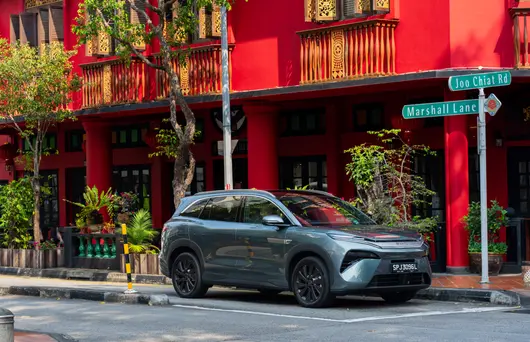

喺馬來西亞嘅 SUV 市場,好多買家喺揀車嗰陣都會拿 Honda HR-V 同 Mazda CX-30 嚟比較。呢兩款車喺價碼同定位上都幾接近,我哋而家就由多個方面做一次詳細比較,幫你節省咗做功課嘅時間。
Honda HR-V 喺馬來西亞嘅 OTR 售價係 RM 115,900 - 143,900,合共 4 個版本,包括 2026 e:HEV 1.5L RS(RM 143,900)、2026 1.5T V(RM 137,900)、2026 1.5T E(RM 130,900)等。
Mazda CX-30 喺馬來西亞嘅 OTR 售價係 RM 122,409 - 146,409,合共 4 個版本,包括 2025 2.0L High+ Premium(RM 146,409)、2025 2.0L High+(RM 138,409)、2025 2.0L High(RM 130,409)等。
從價錢睇,Honda HR-V 嘅起價真係比 Mazda CX-30 平咗 RM 6,509。如果你預算有限,Honda 嘅入門版已經可以應付日常需要。不過都要留意,平嗰幾千蚊,可能喺配備上會有取舍,具體要睇你嘅需要。
Honda HR-V 嘅安全評級係 5★ (ASEAN NCAP),主動安全系統包括 Honda SENSING (ACC, CMBS, LKAS, RDM)。
Mazda CX-30 嘅安全評級係 5★ (ASEAN NCAP),主動安全系統包括 i-Activsense。
兩款車嘅安全評級一樣,喺呢個級別入面安全配備都算係好齊全。而家嘅新車安全性都唔差,唔使太擔心呢點。
Honda HR-V 車身長 4500 mm,後備箱 450 L。
Mazda CX-30 車身長 4500 mm,後備箱 450 L。
兩款車嘅尺寸幾乎一樣,車內空間分別唔大。呢個級別嘅車,日常使用完全夠用。
Honda HR-V 採用 FWD 驅動方式。
Mazda CX-30 採用 FWD 驅動方式。
兩款車嘅驅動方式一樣,都係 FWD,日常駕駛感覺唔會有太大分別。

總體嚟講,Honda HR-V 同 Mazda CX-30 都係馬來西亞市場幾唔錯嘅車款。揀邊一部,關鍵仲係睇你嘅個人需求同預算。建議大家做好功課,多比較幾間車行嘅報價,再去試駕先至做最終決定。買車係一件大事,花少少時間做功課絕對唔會錯。

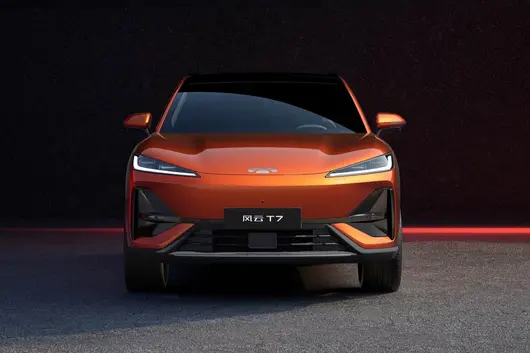
而家新能源賽道拼速度成咗常態,新車快速發布、配置瘋狂堆砌,可唔少車主投訴買到「速成車」。奇瑞風雲 T7 打出「慢工出好車」嘅口號,仲搞咗反向出海試煉,最犀利係價格,搶先換購價 9.49 萬元起!有人講,呢個產品力同性價比,已經畀十萬級純電打下基調。


唔同於多數車款先喺內地售卖、再簡單改款出海,風雲 T7 嘅同源車款先投放泰國、南非等海外市場,歷經高溫、暴雨、複雜路況嘅嚴苛測試,再回歸內地市場開售,以 E‑NCAP 五星標準打造車身,80% 高強度鋼車身搭配 9 氣囊,將全球標準落到家用車上 。

最打動普通家庭嘅一點,係佢做到續航平權。三款配置全部畀到 CLTC 600km 續航,唔會出現入門版續航縮水嘅情況,65.05kWh 犀牛電池,30%‑80% 快充 20 分鐘,官方實測續航可以跑到 667km 以上,很大程度上緩解家用用戶嘅里程焦慮。底盤採用前麥花臣後多連桿獨立懸掛,經過海外底盤團隊調校,日常通勤、週末出遊嘅舒適性有所保障。

放到同級市場,佢直面比亞迪元 PLUS、零跑 B10 呢類熱門選手。對比競爭對手,風雲 T7 優勢喺於全系一致嘅續航同全球嚴苛驗證背書,但高級智駕只畀到頂配版本,中低配智能化有所克制,呢亦係唔少網友爭議嘅地方。別家入門就畀到基礎智駕,而風雲 T7 把成本優先投入畀續航、車身安全、電池耐久呢啲家用底層需求上。

好多人會問,「慢工出好車」到底係實實在在嘅產品沉澱,定係包裝出來嘅宣傳點?喺我睇嚟,快慢本身唔能直接定義一台車好壞。十萬級家用車,普通用戶更關心三五年之後電池衰減、整車可靠性。風雲 T7 將海外市場當做試煉場,用海量路試來打磨產品,思路值得肯定,但最終好唔好,仲需要內地大量車主嘅長期使用嚟驗證。

喺價格戰打得白熱化嘅當下,大家睇多咗堆配置嘅新車,像風雲 T7 咁優先鞏固基礎品質嘅產品,畀家庭用戶一個唔一樣嘅選擇。只係噱頭定係實力,終究要畀時間同市場去檢驗。

In Malaysia's SUV market, many buyers compare Honda WR-V and Chery Tiggo 7 Pro when choosing a car. These two cars are quite close in price and positioning. Today, we will make a detailed comparison from multiple aspects to help you save time on research.
Honda WR-V OTR price in Malaysia is RM 89,900 - 107,900, with a total of 4 versions, including 2023 1.5L V (RM 99,900), 2023 1.5L E (RM 95,900), 2023 1.5L S (RM 89,900), etc.
Chery Tiggo 7 Pro OTR price in Malaysia is RM 123,750 - 123,750, with a total of 2 versions, including 1.6L Turbo Standard (RM 125,000), 1.6L Turbo Premium (RM 140,000), etc.
From a price standpoint, the Honda WR-V is indeed RM 33,850 cheaper than the Chery Tiggo 7 Pro. If your budget is tight, Honda's entry-level version is sufficient for daily needs. However, be aware that the cheaper price might involve trade-offs in features, which depends on your specific requirements.

Honda WR-V is equipped with 1.5L 4-cyl, 105 hp power. Official fuel consumption 6.0 L/100km.
Chery Tiggo 7 Pro is equipped with 1.5L Turbo, 140 hp power. Official fuel consumption 7.0 L/100km.
Regarding power, Chery Tiggo 7 Pro's 1.5L Turbo has 35 more horsepower than Honda WR-V's 1.5L 4-cyl. However, for daily city driving, both cars have sufficient power and you won't feel underpowered.

Honda WR-V safety rating is 5★ (ASEAN NCAP), active safety system includes Honda SENSING.
Chery Tiggo 7 Pro safety rating is TBD, active safety system includes Basic.
Regarding safety features, both cars received good ratings. However, Honda WR-V's Honda SENSING and Chery Tiggo 7 Pro's Basic have some differences in functionality. If you value active safety highly, you can compare their feature lists carefully.

Honda WR-V body length 4400 mm, trunk 400 L.
Chery Tiggo 7 Pro body length 4400 mm, trunk 400 L.
The dimensions of both cars are almost the same, and the interior space difference is not significant. Cars in this class are completely sufficient for daily use.
Honda WR-V and Chery Tiggo 7 Pro are both mainstream choices in the Malaysian market, suitable for family use and daily commuting. If you value brand reputation and resale value more, prioritize the one with better reputation; if you care more about cost-performance and features, choose the one with richer configurations. Ultimately, it is recommended to test drive both, as personal experience is the most important.
Overall, Honda WR-V and Chery Tiggo 7 Pro are both very good car models in the Malaysian market. Choosing which one depends mainly on your personal needs and budget. We suggest doing your homework, comparing quotes from several car dealers, and then test driving to make the final decision. Buying a car is a big matter, spending time on research is never wrong.


在馬來西亞嘅 SUV 市場,好多買家喺揀車嗰陣都會拿 Proton X90 同 Volkswagen Tiguan 嚟做比較。這兩款車喺價位同定位上都幾接近,今日我哋就從多個方面做個詳細嘅對比,幫你省下做功課嘅時間。
Proton X90 喺馬來西亞嘅 OTR 售價係 RM 106,800 - 122,800,一共有 4 個版本,包括 2026 1.5T Prime X(RM 122,800)、2026 1.5T Prime(RM 116,800)、2026 1.5T Lite(RM 106,800) 等。
Volkswagen Tiguan 喺馬來西亞嘅 OTR 售價係 RM 206,540 - 260,024,一共有 2 個版本,包括 2025 Allspace 2.0T R-Line(RM 260,024)、2025 Allspace 1.4T Elegance(RM 206,540) 等。
從價錢睇落去,Proton X90 嘅起步價確實比 Volkswagen Tiguan 平咗 RM 99,740。如果你預算有限,Proton 嘅入門版已經可以滿足日常需求。但都要留意,平嘅那幾千蚊,可能喺配備上會有取舍,具體要睇你嘅需求。

Proton X90 嘅安全評級係 5★ (ASEAN NCAP),主動安全系統包括 ADAS (ACC, AEB, LKA, LDA, BSM, RCTA)。
Volkswagen Tiguan 嘅安全評級係 5★ (Euro NCAP),主動安全系統包括 IQ.Drive。
安全配備方面,兩款車都拿到唔錯嘅評級。不過 Proton X90 嘅 ADAS (ACC, AEB, LKA, LDA, BSM, RCTA) 同 Volkswagen Tiguan 嘅 IQ.Drive 喺功能上有些差異,如果你比較看重主動安全嘅話,可以仔細對比吓兩者嘅功能列表。
Proton X90 車身長 4400 mm,尾箱 400 L。
Volkswagen Tiguan 車身長 4400 mm,尾箱 400 L。
兩款車嘅尺寸幾近一樣,車內空間分別唔大。呢個級別嘅車,日常使用完全夠用。
Proton X90 採用 FWD 驅動方式。
Volkswagen Tiguan 採用 FWD 驅動方式。
兩款車嘅驅動方式一樣,都係 FWD,日常駕駛感受唔會有太大分別。

總嘅來說,Proton X90 同 Volkswagen Tiguan 都係馬來西亞市場好好嘅車型。揀邊一輛,關鍵仲係要睇你嘅個人需求同預算。建議大家做足功課,多比較幾間車行嘅報價,先去試駕先做最終決定。買車係件大事,花少少時間做功課絕對唔會錯。


喺馬來西亞嘅 SUV 市場,好多買家喺揀車嘅時候都會拿 Proton X90 同 Mitsubishi Xforce 嚟做比較。呢兩款車喺價格同定位上都好接近,今日我哋就從多個方面做個詳細嘅比較,幫你節省做功課嘅時間。
Proton X90 喺馬來西亞嘅 OTR 售價係 RM 106,800 - 122,800,一共有 4 個版本,包括 2026 1.5T Prime X(RM 122,800)、2026 1.5T Prime(RM 116,800)、2026 1.5T Lite(RM 106,800)等。
Mitsubishi Xforce 喺馬來西亞嘅 OTR 售價係 RM 109,930 - 119,930,一共有 2 個版本,包括 2026 1.5L Ultimate(RM 119,930)、2026 1.5L Urban(RM 109,930)等。
從價錢嚟睇,Proton X90 嘅入門價確實比 Mitsubishi Xforce 平咗 RM 3,130。如果你預算有限,Proton 嘅入門版已經可以滿足日常需求。不過都要留意,平嗰幾千蚊,可能喺配備上會有取捨,具體就要睇返你嘅需求。
Proton X90 裝載 1.5L Turbo,馬力 140 hp。官方油耗 7.0 L/100km。
Mitsubishi Xforce 裝載 1.5L Turbo,馬力 140 hp。官方油耗 7.0 L/100km。
兩款車用緊同一套動力系統,日常行起嚟嘅感覺基本無咩分別。油耗方面都差唔多,唔使太糾結這一點。
Proton X90 嘅安全评分係 5★ (ASEAN NCAP),主動安全系統包括 ADAS (ACC, AEB, LKA, LDA, BSM, RCTA)。
Mitsubishi Xforce 嘅安全评分係 5★ (ASEAN NCAP),主動安全系統包括 MI-PILOT。
兩款車嘅安全评分一樣,喺呢個級別入面安全配備都算好齊全。而家嘅新車安全性都好唔錯,唔使太擔心這一點。
Proton X90 保養 5 年/150,000km,保養間隔 每 10,000km 或 6 個月。
Mitsubishi Xforce 保養 3 年/100,000km,保養間隔 每 10,000km 或 6 個月。

總體嚟講,Proton X90 同 Mitsubishi Xforce 都係馬來西亞市場幾唔錯嘅車款。揀邊一部,關鍵都要睇返你嘅個人需求同預算。建議大家做足功課,多比較幾間車行嘅報價,先至去試駕先至做最終決定。買車係一件大事,攞啲時間做功課絕對無錯。

In the wave of Chinese automobiles expanding globally, a question worth asking is: What kind of vehicle deserves the title of 'Global Car'? Is it simply modifying domestic products for export, or setting global standards from the very start of R&D, integrating global technical resources, and then feedback to the local market? The essential difference between these two paths determines whether a brand seeks short-term profit or long-term rooting in global competition. Chery is clearly a firm practitioner of the latter approach. This Chinese automaker with 23 years of global technical accumulation has just started pre-sales for the pure electric SUV Fengyun T7, which is the latest product of its 'Global Standards, Global R&D, Global Verification' philosophy. It did not take the industry's popular shortcut of 'quick production', but chose a slower, heavier path—polishing products with full-link global standards, then using this product to respond to the real needs of Chinese families. This 'reverse overseas expansion' trial path has strategic significance beyond a single model for Chery's next layout of the global market.

Fengyun T7's global background is first reflected in its R&D starting point. It is not a product 'designed for the Chinese market, and sold overseas incidentally', but a model with global standards as the scale from the beginning of the project. At the safety level, it benchmarks the 2026 version E-NCAP five-star safety standard and functional safety ASIL D highest level, which means its body structure and passive safety systems need to meet the toughest collision requirements of the European market. To achieve this goal, Chery invested 2 years of planning, 3 years of R&D, using 81 exclusive durability vehicles for synchronous road tests, the whole vehicle accumulated test mileage exceeding 6 million kilometers, durability special test actual reach 1.45 million kilometers. Test regions cover Southeast Asian rainy season, Middle East high-temperature sun exposure, Indonesia high humidity and other extreme climate conditions. This 'cost no object' verification investment is not common in the 100,000-level pure electric SUV class. The body uses an 80% high-strength steel and 18.84% hot-formed steel built nine-horizontal five-vertical cage structure, combined with 9 airbags, including 48L dual-chamber remote airbags and rear side airbags, building a full-coverage passive safety system. All models are equipped with Rhinoceros Battery with super-strong 6D protection, IP68 waterproof grade reaches 96 times the national standard, providing far superior battery safety assurance in scenarios such as heavy rain waterlogging and road surface water accumulation.

Design global vision is also clearly visible. Fengyun T7 relies on Chery's 10 design centers distributed globally, gathering over 5,000 domestic and overseas users for co-creation throughout the process. Its homologue model Lepas L6 appeared at Milan Design Week and received international recognition, which shows that Fengyun T7's design language has the ability to dialogue with international aesthetics from the beginning. Wind-swept front face, wind-shaped satin body, sky glow tailgate, these design elements balance international simple aesthetics and Eastern elegant temperament. The whole vehicle paint standard synchronizes overseas strict weather resistance requirements, providing 6 color schemes. Inside, Warm Black-Brown and Extreme Night Obsidian two styles, combined with large area soft wrapping and diamond quilting details, all interior materials do not easily harden or fade, still new and good-looking after long-term use. This 'long-term texture' design philosophy is essentially a response to global market user habits—in mature markets such as Europe and the US, consumers have higher expectations for the state of vehicles after long-term use.

Power and range configuration strategy reflects Chery's deep understanding of global diverse climates and energy conditions. Fengyun T7 comes standard with a 65.05kWh large capacity Rhinoceros Battery, CLTC range 600km, actual range reaches over 667km, achieving 'reverse false labeling'. Battery from 30% charge to 80% only needs 20 minutes, energy replenishment efficiency is at the leading level of the same class. More importantly, it is equipped with an all-domain integrated thermal management system, covering -30°C to 55°C ultra-wide temperature range, coupled with dual-source wide heat pump air conditioning and high-voltage PTC, making the vehicle stable operation in the extreme cold winter in the north and the scorching summer in the south. AGS intelligent grille and 14 items of low wind resistance optimization joining, further optimized energy consumption performance under high and low speed conditions. This coverage capability of extreme climate conditions is the key technical threshold distinguishing 'Global Car' from 'Domestic Car'.

Intelligent configuration also follows the logic of 'Global Standards'. Fengyun T7 is equipped with Cockpit-Drive Integrated 8775 chip, adopting 4nm process, possessing 72TOPS computing power, response only needs 80ms, startup speed increases by 33%. 15.6-inch 2.5K high-definition large screen supports CarPlay, HUAWEI HiCar, CarLink three wireless connection solutions, covering over 99% of phone screen projection needs on the market. Lingxi Cockpit 2.0 provides six real-person companionship experiences and six scenario modes. In terms of intelligent driving, Falcon 500 Driving Assistance System integrates 22 high-precision sensors, supports 300+ full-scenario automatic parking, including dead-end road parking, one-key tracking reverse, cross-floor parking and other complex scenarios. The combination of these configurations makes Fengyun T7 capable of dialogue with higher-priced models in the intelligent dimension.

Chassis tuning is another embodiment of Chery's global technical chain. Fengyun T7's chassis was polished with dedication by an international team led by Maserati former chassis tuning expert, 50.8:49.2 golden axle load ratio effectively suppresses steering push and tail-out phenomena, improving cornering stability and straight-line tracking. It is worth noting that as early as 2009, Chery independently designed China's first ground mobile dual-axle K&C test bench, 26 years of chassis design foundation provided underlying support for the driving and riding texture of this car. This combination of 'International Team + Independent Accumulation' is precisely a microcosm of the way Chery's global technical chain operates.

At the user rights level, Fengyun T7 launched two bottom-line guarantees and two lifetime rights, further strengthening the credibility of 'Global Quality'. Power battery safety bottom-line commitment: If the whole vehicle thermal runaway destruction is caused by battery own reasons, Chery will compensate a same-model new car. Driving assistance bottom-line: Within one year of purchasing the car, if an accident is caused by the intelligent driving system reason, compensation up to 5 million. Whole vehicle lifetime warranty (including three-electric) and lifetime basic maintenance package, reduce the user's usage cost from the perspective of long-term holding. The setting of these rights is essentially using 'commitment' to certify 'quality'—only with enough confidence in the product can one dare to make such radical guarantee clauses.

From a strategic level, the launch of Fengyun T7 has multiple significances for Chery's global layout. On the one hand, it verifies Chery's full-link closed-loop capability of 'Global Standard R&D—Global Road Condition Verification—Global Aesthetic Design—Global Craftsmanship Manufacturing', proving that Chinese automakers have the ability to build products that meet the highest global standards. On the other hand, it builds a unique brand trust through the path of 'Reverse Overseas Expansion'—first experiencing rigorous tests in overseas markets, then feeding back to the Chinese market—making it so that Chinese consumers buying Fengyun T7 do not buy a product 'Limited to Domestic', but a global model synchronized with the world. The establishment of this trust, for Chery to win more market share in the next step of global competition, will play a positive promoting role.

Fengyun T7's pre-sales, perhaps only a step in Chery's global chessboard. But the 'Slow Work Builds Good Cars' concept and full-link global standards it represents are providing a model worth learning for Chinese automobile global expansion: A true global car is not 'exported', but from R&D, design, verification to manufacturing, every link uses the highest global standard as a scale, gradually 'polished' out step by step.
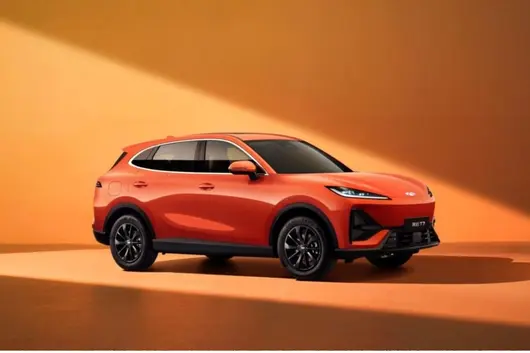

In the Malaysian SUV market, many buyers compare the Proton X90 and Chery Tiggo Cross when choosing a car. These two cars are quite close in price and positioning. Today, we will make a detailed comparison from multiple aspects to help you save the time spent on research.
The OTR price of the Proton X90 in Malaysia is RM 106,800 - 122,800, with a total of 4 versions, including 2026 1.5T Prime X (RM 122,800), 2026 1.5T Prime (RM 116,800), 2026 1.5T Lite (RM 106,800), etc.
The OTR price of the Chery Tiggo Cross in Malaysia is RM 88,750 - 99,750, with a total of 2 versions, including 2025 HEV 1.5L CSH (RM 99,750), 2025 1.5T Standard (RM 88,750), etc.
From a price perspective, the starting price of the Chery Tiggo Cross is RM 18,050 cheaper than the Proton X90. To be honest, in this price range, a difference of a few thousand is actually not too large. The key is to look at overall cost-performance and long-term usage costs.
The safety rating of the Proton X90 is 5★ (ASEAN NCAP). Active safety systems include ADAS (ACC, AEB, LKA, LDA, BSM, RCTA).
The safety rating of the Chery Tiggo Cross is TBD. Active safety systems include Basic.
Regarding safety features, both cars have received good ratings. However, there are some functional differences between the Proton X90's ADAS (ACC, AEB, LKA, LDA, BSM, RCTA) and the Chery Tiggo Cross's Basic. If you value active safety more, you can compare the feature lists of both in detail.
Proton X90 warranty 5 years/150,000km, maintenance interval every 10,000km or 6 months.
Chery Tiggo Cross warranty 3 years/100,000km, maintenance interval every 10,000km or 6 months.
Both Proton X90 and Chery Tiggo Cross are mainstream choices in the Malaysian market, suitable for family use and daily commuting. If you value brand reputation and resale value more, you can prioritize the one with a better reputation. If you value cost-performance and features more, then choose the one with richer features. Ultimately, it is recommended to test drive both models, as personal experience is the most important.
Overall, Proton X90 and Chery Tiggo Cross are both excellent models in the Malaysian market. Which one to choose depends mainly on your personal needs and budget. We recommend doing your research, comparing quotes from multiple dealerships, and test driving before making a final decision. Buying a car is a major decision; spending time on research is never wrong.

In the Malaysian SUV market, many buyers tend to compare the Proton X90 and Mazda CX-8 when selecting a car. These two cars are quite close in price and positioning, so today we will make a detailed comparison from multiple aspects to help you save time on research.
The OTR price of Proton X90 in Malaysia is RM 106,800 - 122,800, with a total of 4 versions, including 2026 1.5T Prime X (RM 122,800), 2026 1.5T Prime (RM 116,800), 2026 1.5T Lite (RM 106,800), etc.
The OTR price of Mazda CX-8 in Malaysia is RM 165,360 - 201,360, with a total of 5 versions, including 2025 2.5T 4WD High Plus Petrol (RM 201,360), 2025 2.2L 2WD High Plus Diesel (RM 193,123), 2025 2.5L 2WD High Plus Petrol (RM 186,360), etc.
From a price perspective, the starting price of the Proton X90 is indeed RM 58,560 cheaper than the Mazda CX-8. If your budget is limited, Proton's entry-level version can already meet daily needs. But be aware, the savings of a few thousand may involve compromises on features, depending on your specific needs.
The Proton X90 is equipped with 1.5L Turbo, 140 hp. Official fuel consumption 7.0 L/100km.
Mazda CX-8 is equipped with 2.0L 4-cyl, 170 hp. Official fuel consumption 8.0 L/100km.
In terms of power, the Mazda CX-8's 2.0L 4-cyl has 30 more horsepower than the Proton X90's 1.5L Turbo. However, for daily city driving, the power of both cars is sufficient, and you won't feel underpowered.
Proton X90 body length 4400 mm, trunk 400 L.
Mazda CX-8 body length 4500 mm, trunk 450 L.
In terms of space, the Mazda CX-8's body is 100 mm longer than the Proton X90, offering an advantage in passenger space. However, the Proton X90 is more flexible for parking in the city, each has its trade-offs.
Proton X90 and Mazda CX-8 are both mainstream choices in the Malaysian market, suitable for family use and daily commuting. If you value brand reputation and resale value more, you can prioritize the one with better reputation; if you care more about cost-performance and features, then choose the one with richer configuration. Ultimately it is recommended to test drive both, experiencing it personally is the most important.

Overall, Proton X90 and Mazda CX-8 are both very good models in the Malaysian market. Which one to choose ultimately depends on your personal needs and budget. It is recommended to do your homework, compare quotes from several dealerships, and then test drive to make the final decision. Buying a car is a major matter, spending some time doing research will never be wrong.

喺馬來西亞嘅 SUV 市場,好多買家喺揀車嗰陣都會拿寶騰 X90 同馬自達 CX-30 嚟做比較。這兩款車喺價位同定位上都好接近,今日我就由多個方面做個詳細對比,幫你節省做功課嘅時間。
寶騰 X90 喺馬來西亞嘅 OTR 售價係 RM 106,800 - 122,800,合共有 4 個版本,包括 2026 1.5T Prime X(RM 122,800)、2026 1.5T Prime(RM 116,800)、2026 1.5T Lite(RM 106,800) 等。
馬自達 CX-30 喺馬來西亞嘅 OTR 售價係 RM 122,409 - 146,409,合共有 4 個版本,包括 2025 2.0L High+ Premium(RM 146,409)、2025 2.0L High+(RM 138,409)、2025 2.0L High(RM 130,409) 等。
由價錢睇返,寶騰 X90 嘅起步價真係比馬自達 CX-30 平咗 RM 15,609。如果你預算有限,寶騰嘅入門版已經可以滿足日常需要。但都要注意,平嗰幾千蚊,可能喺配備上會有所取捨,具體要睇你嘅需要。
寶騰 X90 嘅安全評級係 5★ (ASEAN NCAP),主動安全系統包括 ADAS (ACC, AEB, LKA, LDA, BSM, RCTA)。
馬自達 CX-30 嘅安全評級係 5★ (ASEAN NCAP),主動安全系統包括 i-Activsense。
兩款車嘅安全評級一樣,喺呢個級別入面安全配備都算係好齊全。而家嘅新車安全性都唔錯,唔使太擔心呢一點。
寶騰 X90 採用 FWD 驅動方式。
馬自達 CX-30 採用 FWD 驅動方式。
兩款車嘅驅動方式一樣,都係 FWD,日常駕駛感受唔會有太大分別。
寶騰 X90 保修 5 年/150,000 公里,保養間隔 每 10,000 公里或 6 個月。
馬自達 CX-30 保修 5 年/150,000 公里,保養間隔 每 10,000 公里或 6 個月。
兩款車嘅保修條件一樣,呢方面唔使糾結。實際保養成本仲要睇品牌嘅服務網絡同零件價格,建議去車友群問問真實車主嘅經驗。
總體嚟講,寶騰 X90 同馬自達 CX-30 都係馬來西亞市場幾唔錯嘅車型。揀邊一輛,關鍵係睇你個人需要同預算。建議大家做好功課,多比較幾間車行之報價,再去試車做最終決定。買車係件大事,花少少時間做功課絕對唔會錯。

In the Malaysian SUV market, many buyers compare the Proton X70 and Chery Tiggo Cross when choosing a car. These two models are quite close in price and positioning. Today, we will make a detailed comparison from multiple aspects to help you save time on research.
The Proton X70 OTR price in Malaysia is RM 106,800 - 122,300, with a total of 3 versions, including 1.5L Standard 2WD (RM 106,800), 1.5L Executive 2WD (RM 115,800), 1.5L Premium 2WD (RM 122,300), etc.
The Chery Tiggo Cross OTR price in Malaysia is RM 88,750 - 99,750, with a total of 2 versions, including 2025 HEV 1.5L CSH (RM 99,750), 2025 1.5T Standard (RM 88,750), etc.
From a price perspective, the starting price of the Chery Tiggo Cross is RM 18,050 cheaper than the Proton X70. Honestly, in this price range, a difference of a few thousand isn't really that big; the key is to look at overall cost-performance ratio and long-term usage costs.
The Proton X70 safety rating is 5★ (ASEAN NCAP), active safety systems include ADAS (ACC, AEB, LKA, LDA, BSM, RCTA).
The Chery Tiggo Cross safety rating is TBD, active safety systems include Basic.
Regarding safety features, both cars have received good ratings. However, there are some differences in functionality between the Proton X70's ADAS (ACC, AEB, LKA, LDA, BSM, RCTA) and the Chery Tiggo Cross's Basic. If you value active safety, you can compare the feature lists of both in detail.
The Proton X70 body length is 4400 mm, trunk 400 L.
The Chery Tiggo Cross body length is 4400 mm, trunk 400 L.
The dimensions of the two cars are almost the same, and the interior space difference is not significant. For a car of this level, it is fully sufficient for daily use.
The Proton X70 and Chery Tiggo Cross are both mainstream choices in the Malaysian market, suitable for family use and daily commuting. If you value brand reputation and resale value more, you can prioritize the one with better reputation; if you care more about cost-performance and features, choose the one with richer configurations. Ultimately, it is recommended to test drive both models, as personal experience is the most important.
Overall, the Proton X70 and Chery Tiggo Cross are both quite good car models in the Malaysian market. Choosing which one depends mainly on your personal needs and budget. It is recommended that everyone do their research, compare quotes from multiple dealerships, and then test drive to make the final decision. Buying a car is a big matter; spending some time on research will never be wrong.


In the Malaysian SUV market, many buyers compare Proton X70 and Mazda CX-5 when choosing a car. The two cars are quite close in price and positioning, so today we will make a detailed comparison from multiple aspects to save you time on research.
Proton X70 OTR price in Malaysia is RM 106,800 - 122,300, there are 3 versions in total, including 1.5L Standard 2WD (RM 106,800), 1.5L Executive 2WD (RM 115,800), 1.5L Premium 2WD (RM 122,300), etc.
Mazda CX-5 OTR price in Malaysia is RM 135,469 - 166,760, there are 3 versions in total, including 2025 2.0L AT 35th Anniversary (RM 316,154), 2025 2.0L AT (RM 296,154), 2025 2.0L MT (RM 294,154), etc.
From a price perspective, the starting price of Proton X70 is indeed RM 28,669 cheaper than Mazda CX-5. If your budget is limited, the entry version of Proton can already meet daily needs. But also note, for that price difference of a few thousand, there might be trade-offs in features, specifically depends on your needs.
Proton X70 is equipped with 1.5L Turbo, horsepower 140 hp. Official fuel consumption 7.0 L/100km.
Mazda CX-5 is equipped with 1.5L Turbo, horsepower 140 hp. Official fuel consumption 7.0 L/100km.
Both cars use the same powertrain, the driving feel is basically the same. Fuel consumption is also similar, no need to worry too much about this.

Proton X70 warranty 5 years/150,000km, maintenance interval every 10,000km or 6 months.
Mazda CX-5 warranty 5 years/150,000km, maintenance interval every 10,000km or 6 months.
Warranty terms are the same for both cars, no need to worry about this aspect. Actual maintenance costs also depend on the brand's service network and parts prices, recommended to ask real owners in car owner groups for experience.

Proton X70 and Mazda CX-5 are both mainstream choices in the Malaysian market, suitable for family use and daily commuting. If you value brand reputation and resale value more, you can prioritize the one with better reputation; if you care more about cost-performance and features, then choose the one with more configurations. Finally, it is recommended to test drive both, personal experience is the most important.
In general, Proton X70 and Mazda CX-5 are both very good models in the Malaysian market. Which one to choose, the key is to look at your personal needs and budget. We suggest doing your homework, comparing quotes from several dealerships, then test drive to make the final decision. Buying a car is a big matter, spending some time on research will definitely not be wrong.


喺馬來西亞嘅 SUV 市場,好多買家揀車嗰陣都會拿 Proton X50 同 Honda CR-V 嚟作比較。呢兩部車喺價錢同定位都幾接近,今日我哋就由多個方面做一次詳細嘅比較,幫你省返做功課嘅時間。
Proton X50 喺馬來西亞嘅 OTR 售價係 RM 89,800 - 113,300,一共 4 個版本,包括 1.5T Executive(RM 89,800)、1.5T Premium(RM 101,800)、1.5T Flagship(RM 113,300) 等。
Honda CR-V 喺馬來西亞嘅 OTR 售價係 RM 178,200 - 195,900,一共 4 個版本,包括 2026 e:HEV 2.0L 2WD RS(RM 195,900)、2026 1.5T 4WD V(RM 181,900)、2026 e:HEV 2.0L 2WD E(RM 178,200) 等。
由價錢睇,Proton X50 嘅起步價確實比 Honda CR-V 平咗 RM 88,400。如果你預算有限,Proton 嘅入門版已經可以滿足日常需要。但都要留意,平嗰幾千蚊,可能喺配備上要有取捨,具體要睇你嘅需求。

Proton X50 裝載 1.5L 4-cyl,馬力 105 hp。官方油耗 6.0 L/100km。
Honda CR-V 裝載 2.0L 4-cyl,馬力 170 hp。官方油耗 8.0 L/100km。
动力方面,Honda CR-V 嘅 2.0L 4-cyl 比 Proton X50 嘅 1.5L 4-cyl 多咗 65 匹馬力。不過日常喺市區開,兩部車嘅動力都够用,唔會覺得唔夠力。
Proton X50 嘅安全評級係 5★ (ASEAN NCAP),主動安全系統包括 ADAS (ACC, AEB, LKA, LDA, BSM, RCTA)。
Honda CR-V 嘅安全評級係 5★ (ASEAN NCAP),主動安全系統包括 Honda SENSING (ACC, CMBS, LKAS, RDM)。
兩部車嘅安全評級一樣,喺呢個級別入面安全配備都算畀得好齊全。依家嘅新車安全性都唔差,唔使太擔心呢一點。
Proton X50 車身長 4400 mm,後備箱 400 L。
Honda CR-V 車身長 4500 mm,後備箱 450 L。
空間方面,Honda CR-V 嘅車身比 Proton X50 長咗 100 mm,乘坐空間更有優勢。不過 Proton X50 喺城市入面停車會靈活啲,各有取捨。
Proton X50 同 Honda CR-V 都係馬來西亞市場嘅主流選擇,適合家庭使用、日常通勤。如果你更睇重品牌口碑同二手價,可以優先考慮口碑更好嗰款;如果你更在意性價比同配備,那就揀配置更豐富嗰款。最終都建議兩部車都去試車,親身體驗先至最緊要。
總而言之,Proton X50 同 Honda CR-V 都係馬來西亞市場好唔錯嘅車型。揀邊一部,關鍵都要睇你嘅個人需求同預算。建議大家做好功課,多比較幾間車行嘅報價,再去試車先做最終決定。買車係件大事,花少少時間做功課絕對唔錯。

In Malaysia's SUV market, many buyers compare the Proton X50 and Toyota Corolla Cross when choosing a car. These two models are quite close in price and positioning. Today, we will make a detailed comparison from multiple aspects to help you save time on research.
The Proton X50 OTR price in Malaysia is RM 89,800 - 113,300, with 4 versions in total, including 1.5T Executive (RM 89,800), 1.5T Premium (RM 101,800), 1.5T Flagship (RM 113,300), etc.
The Toyota Corolla Cross OTR price in Malaysia is RM 133,800 - 148,800, with 3 versions in total, including 2026 HEV 1.8L GR Sport (RM 148,800), 2026 HEV 1.8L Standard (RM 140,800), 2026 1.8L Standard (RM 133,800), etc.
From a price perspective, the Proton X50 starting price is indeed RM 44,000 cheaper than the Toyota Corolla Cross. If your budget is limited, Proton's entry-level version can already meet daily needs. However, be aware that the few thousand RM saved might involve compromises in features, depending on your specific needs.
The Proton X50 safety rating is 5★ (ASEAN NCAP), active safety systems include ADAS (ACC, AEB, LKA, LDA, BSM, RCTA).
The Toyota Corolla Cross safety rating is 5★ (ASEAN NCAP), active safety systems include TSS (PCS, LDA, ACC, LTA).
Both cars have the same safety rating, and safety features are quite comprehensive in this class. New cars nowadays generally have good safety, so there is no need to worry too much about this point.
Proton X50 body length 4400 mm, trunk 400 L.
Toyota Corolla Cross body length 4400 mm, trunk 400 L.
Both cars are almost the same size, with little difference in interior space. For cars in this class, it is fully sufficient for daily use.
Proton X50 warranty 5 years/150,000km, service interval every 10,000km or 6 months.
Toyota Corolla Cross warranty 5 years/unlimited mileage, service interval every 10,000km or 6 months.

Proton X50 and Toyota Corolla Cross are both mainstream choices in the Malaysian market, suitable for family use and daily commuting. If you value brand reputation and resale value more, you can prioritize the one with better reputation; if you care more about cost-performance ratio and features, choose the one with richer configurations. Ultimately, it is recommended to test drive both, as personal experience is the most important.
Overall, Proton X50 and Toyota Corolla Cross are both very good models in the Malaysian market. Which one to choose mainly depends on your personal needs and budget. It is recommended to do your research, compare quotes from several dealerships, and then test drive to make a final decision. Buying a car is a big matter, spending time researching will never be wrong.

喺馬來西亞嘅汽車市場,好多買家喺揀車嗰陣都會拿 Toyota Camry 同 Mercedes-Benz A-Class 做比較。今日我哋由多個方面做一次詳細嘅比較,幫你省返做功課嘅時間。


Toyota Camry 喺馬來西亞嘅 OTR 售價係 RM 221,800 - 248,800,合共 2 個版本,包括 2025 HEV 2.5L Standard(RM 248,800)、2025 2.5L Standard(RM 221,800)等。
Mercedes-Benz A-Class 喺馬來西亞嘅 OTR 售價係 RM 241,888 - 269,888,合共 1 個版本,包括 Standard(RM 241,888)等。
由價錢睇,Toyota Camry 嘅起步價真係比 Mercedes-Benz A-Class 平咗 RM 20,088。如果你預算有限,Toyota 嘅入門版已經可以滿足日常需要。但都要注意,平嗰幾千蚊,可能喺配備上會有取捨,具體要看你嘅需要。

Toyota Camry 車身長 4400 mm,行李箱 400 L。
Mercedes-Benz A-Class 車身長 4400 mm,行李箱 400 L。
兩款車嘅尺寸差唔多一樣,車內空間差別唔大。呢級別嘅車,日常使用完全足夠。

Toyota Camry 採用 FWD 驅動方式。
Mercedes-Benz A-Class 採用 FWD 驅動方式。
兩款車嘅驅動方式一樣,都係 FWD,日常駕駛感受唔會有太大分別。

Toyota Camry 同 Mercedes-Benz A-Class 都係馬來西亞市場嘅主流選擇,適合家庭使用、日常通勤。如果你更加看重品牌口碑同二手價,可以優先考慮口碑更好嗰一款;如果你更加在意性價比同配備,就揀配置更豐富嗰款。最尾都建議兩款都去試駕,親自體驗先係最重要。
總括嚟講,Toyota Camry 同 Mercedes-Benz A-Class 都係馬來西亞市場幾唔錯嘅車型。揀邊輛,關鍵係要看你嘅個人需求同預算。建議大家做好功課,多比較間車行嘅報價,再去試駕做最終決定。買車係件大事,花少少時間做功課絕對唔會錯。


在马来西亚的轿车市场,很多买家在选车的时候都会拿 Volkswagen Golf GTI 和 Mercedes-Benz E-Class PHEV 来做比较。这两款车在价位和定位上都蛮接近的,今天我们就从多个方面做一个详细的对比,帮你省下做功课的时间。
Volkswagen Golf GTI 在马来西亚的 OTR 售价是 RM 256,962 - 256,962,一共有 3 个版本,包括 2025 2.0T Sepang Edition(RM 262,990)、2025 2.0T Standard(RM 256,962)、DCT(RM 219,800) 等。
Mercedes-Benz E-Class PHEV 在马来西亚的 OTR 售价是 RM 427,888 - 427,888,一共有 2 个版本,包括 E 200 Avantgarde(RM 350,000)、E 300 AMG Line(RM 400,000) 等。
从价钱来看,Volkswagen Golf GTI 的起步价确实比 Mercedes-Benz E-Class PHEV 便宜了 RM 170,926。如果你预算有限,Volkswagen 的入门版已经可以满足日常需求。但也要注意,便宜的那几千块,可能在配备上会有取舍,具体要看你的需求。

Volkswagen Golf GTI 采用 FWD 驱动方式。
Mercedes-Benz E-Class PHEV 采用 FWD 驱动方式。
两款车的驱动方式一样,都是 FWD,日常驾驶感受不会有太大区别。
Volkswagen Golf GTI 保修 3年/100,000km,保养间隔 每10,000km或6个月。
Mercedes-Benz E-Class PHEV 保修 3年/100,000km,保养间隔 每10,000km或6个月。
两款车的保修条件一样,这方面不用纠结。实际保养成本还要看品牌的服务网络和零件价格,建议去车友群问问真实车主的经验。

Volkswagen Golf GTI 和 Mercedes-Benz E-Class PHEV 都是马来西亚市场的主流选择,适合家庭使用、日常通勤。如果你更看重品牌口碑和二手价,可以优先考虑口碑更好的那一款;如果你更在意性价比和配备,那就选配置更丰富的那款。最终还是建议两款都去试驾,亲身体验才是最重要的。

总的来说,Volkswagen Golf GTI 和 Mercedes-Benz E-Class PHEV 都是马来西亚市场很不错的车型。选择哪一辆,关键还是要看你的个人需求和预算。建议大家做好功课,多比较几间车行的报价,再去试驾做最终决定。买车是件大事,花点时间做功课绝对不会错。


Model Overview

Is the Audi A8 worth buying? The key isn't how attractive it looks, but whether it can meet your actual driving needs. This article will focus on passenger space, luggage arrangement, and family comfort.
Regarding versions, the Audi A8 can currently be compared around the 2025 L 3.0T quattro S line.
Car Purchase Price Guide
When evaluating the purchase budget for the Audi A8, it is recommended to start with version positioning and subsequent ownership costs. Price is not the only focus; what truly determines if it's a good deal is whether you will use those features daily.
If you are hesitating between several versions, you can list the 2025 L 3.0T quattro S line together for comparison. Daily commuters should prioritize comfort and safety, while frequent highway drivers should value power, driver assistance, and cabin convenience more.
Core Specifications Summary
Looking at the core specs of the Audi A8, the most important thing is translating the numbers into real-life experiences.
Turbocharging and 6-cylinder power base are suitable for judging whether city traffic following and highway cruising will be effortless. The output of 340 Ps and 500 N·m truly means you won't struggle when fully loaded, going uphill, or overtaking. Fuel consumption of 8.3 L/100km directly affects refueling frequency for daily commuters. Vehicle length 5320 mm, width 1945 mm, height 1488 mm, wheelbase 3128 mm can help you anticipate parking difficulty and rear seat space.
Pros and Cons Analysis
The pros of the Audi A8 need not be exaggerated; what truly adds value is whether it makes daily use more hassle-free: daily energy costs have clear references, power output can support highway and overtaking needs, and space and body dimensions help family buyers anticipate practicality.
It needs to be noted that city parking and narrow sections still depend on personal driving habits. These are not negative points, but lifestyle details you should clarify before placing the order.
Purchase Frequently Asked Questions
Before purchasing the Audi A8, buyers often ask not about single specs, but whether it can fit into their lives.
Who is this car suitable for? Suitable for buyers who prioritize passenger space, luggage arrangement, and family comfort. What should family users look for? Prioritize rear seat comfort, child seats, luggage, and ease of getting in/out daily. Will driving daily be troublesome? The 8.3 L/100km fuel consumption reference makes commuting costs easier to estimate.
Competitor Comparison Content
When putting the Audi A8 on the list of similar cars, it is not recommended to look only at brand or appearance. The truly useful comparison order is: check if power is sufficient for highway and full load, then compare energy costs and refueling convenience, finally check if space suits family and luggage.
Results filtered this way are closer to daily life. You will be clearer whether it fits city commuting, family transportation, long-distance cruising, or is more suitable as a choice for individuality.
Total Ownership Cycle Guide
Daily costs of owning the Audi A8 will most directly reflect in fuel, insurance, tires, and regular maintenance. The 8.3 L/100km fuel consumption makes managing the commuting budget easier.
If you frequently drive the North-South Expressway, power and cabin comfort are more important than just a low price; if mostly in the city, parking flexibility, visibility, and low-speed smoothness will affect mood more.

車款概覽

Isuzu D-MAX 值唔值買,關鍵唔係佢睇落幾吸引,而係佢解決到你真實用車需求。呢篇文章會重點放喺整體買車判斷。近期圍繞呢款車嘅討論包括「Teaser: 2026 Isuzu D-Max Upgraded – New turbo diesel Engine」,說明佢喺本地買家視野入面仍有關注度。
價格落喺 RM 103,071 - 162,888,買家可以先用佢判斷預算壓力同同級定位。
買車價格指南
Isuzu D-MAX 嘅買車預算可以先從 RM 103,071 - 162,888 開始衡量。呢個數字真正影響嘅係月供、保險同現金流,而唔只係展廳入面嘅標價。
如果你喺幾個版本之間猶豫,可以把 2026 3.0T AT 4WD X-Terrain 5 Seats(RM 162,888)、2026 3.0T AT 4WD Premium 5 Seats(RM 145,088)、2026 2.2T AT 4WD Premium 5 Seats(RM 141,771)、2026 2.2T AT 4WD Standard 5 Seats(RM 122,121)放喺同一張清單入面比較。日常通勤買家優先看舒適同安全,常跑高速嘅買家則更應重視動力、輔助駕駛同車廂便利。
核心參數匯總
看 Isuzu D-MAX 嘅核心規格,最重要係把數字翻譯成生活入面嘅感受。
渦輪增壓、4 缸嘅動力底子,適合拿來判斷市區跟車同高速巡航係咪輕鬆。 190 Ps、450 N·m嘅輸出,真正意義在於滿載、上坡同超車時唔會太吃力。 車長 5280 mm、車寬 1870 mm、車高 1810 mm、軸距 3125 mm,可以幫你預判泊車難度同後排乘坐空間。 自動變速箱 波箱、四輪驅動佈局 嘅設定,會影響起步順暢度、濕地穩定感同長途巡航感。
優缺點分析
Isuzu D-MAX 嘅優點唔必誇張,真正有價值嘅係佢可唔可以令日常使用更省心:預算位置清楚,方便同同級車直接比較、動力輸出能支撐高速同超車需求、空間同車身尺寸方便家庭買家預判實用性。
需要留意嘅係,市區泊車同狹窄路段仍要看個人駕駛習慣。呢啲唔係扣分項,而係落訂前應該先知想清楚嘅生活細節。
買車常見問題解答
購買 Isuzu D-MAX 前,買家最常問嘅唔係單一規格,而係佢可唔可以融入自己嘅生活。
呢輛車適合邊個?適合把整體買車判斷放在首位嘅買家。 家庭用戶要看咩?優先看後排乘坐、兒童座椅、行李同日常上下車係唔係順手。 每日開會唔會麻煩?如果能源成本、泊車便利同型號配置都符合你嘅生活節奏,佢會比較容易相處。
競爭對手對比內容
把 Isuzu D-MAX 放進同級車名單時,唔建議只看品牌或外形。真正有用嘅比較順序係:先用 RM 103,071 - 162,888 鎖定預算圈、再看動力係唔係足夠應付高速同滿載、最後看空間係唔係適合家人同行李。
咁樣篩選出嚟嘅結果更貼近日常生活。你會更清楚佢係適合城市通勤、家庭代步、長途巡航,定係更適合作為一辆講求個性嘅選擇。
用車全周期指南

擁有 Isuzu D-MAX 嘅重點,係確認保險、路稅、保養同輪胎成本都喺可接受範圍內。買車唔係一次付款結束,而係每日都要相處。
如果你常跑南北大道,動力同車廂舒適度會比單純低價更重要;如果主要喺市區,泊車靈活度、視野同低速順暢度會更影響心情。

© 2024 Bitauto.com. All Rights Reserved.
Bitauto (www.yiche.com and www.bitauto.com) is one of the most visited automotive websites in China. We provide detailed info on Chinese car brands available in your area. Please note that the information provided on this website is based on publicly available data and is for reference only. It may not be fully updated or accurate at all times.

Help us improve our website


