

Homeice

Search History
Popular Searches
Dealer Login / Sign Up

喺馬來西亞嘅 SUV 市場,好多買家喺揀車嘅時候都會拿 Proton X70 同 Subaru Forester 嚟作比較。這兩款車喺價位同定位上都幾接近,今日我哋就從多個方面做一個詳細比較,幫你省返做功課嘅時間。
Proton X70 喺馬來西亞嘅 OTR 售價係 RM 106,800 - 122,300,合共 3 個版本,包括 1.5L Standard 2WD(RM 106,800)、1.5L Executive 2WD(RM 115,800)、1.5L Premium 2WD(RM 122,300) 等。
Subaru Forester 喺馬來西亞嘅 OTR 售價係 RM 174,000 - 197,000,合共 3 個版本,包括 2024 2.0L S EyeSight GT Edition(RM 189,538)、2024 2.0L S EyeSight(RM 177,538)、2024 2.0L L EyeSight(RM 167,538) 等。
睇返價錢,Proton X70 嘅起價確實比 Subaru Forester 平咗 RM 67,200。如果你預算有限,Proton 嘅入門版已經可以滿足日常需要。不過亦要留意,平嗰啲幾千蚊,可能喺配備上會有所取舍,具體要睇你嘅需求。

Proton X70 嘅安全評級係 5★ (ASEAN NCAP),主動安全系統包括 ADAS (ACC, AEB, LKA, LDA, BSM, RCTA)。
Subaru Forester 嘅安全評級係 5★ (Euro NCAP),主動安全系統包括 EyeSight。
安全配備方面,兩款車都拿到不錯嘅評級。不過 Proton X70 嘅 ADAS (ACC, AEB, LKA, LDA, BSM, RCTA) 同 Subaru Forester 嘅 EyeSight 喺功能上有些差異,如果你比較睇重主動安全嘅話,可以仔細對比下兩者的功能列表。

Proton X70 車身長 4400 mm,尾箱 400 L。
Subaru Forester 車身長 4400 mm,尾箱 400 L。
兩款車嘅尺寸差唔多,車內空間差別唔大。呢個級別嘅車,日常使用完全夠用。

Proton X70 採用 FWD 驅動方式。
Subaru Forester 採用 FWD 驅動方式。
兩款車的驅動方式一樣,都係 FWD,日常駕駛感覺唔會有太大分別。
總體嚟講,Proton X70 同 Subaru Forester 都係馬來西亞市場好唔錯嘅車型。揀邊一輛,關鍵都要睇返你嘅個人需求同預算。建議大家做好功課,多比較幾間車行嘅報價,先至去試駕做最終決定。買車係件大事,花少少時間做功課絕對唔會錯。



豪擲 400 億回購
”
作者|王磊
編輯|秦章勇
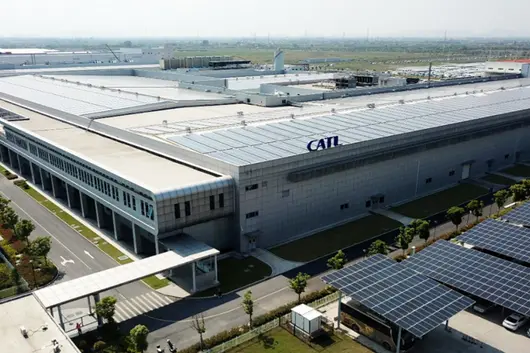
寧德時代每次公佈財報,都能刷新行業認知。
上半年,實現營業額 2769.17 億元,比去年同期嘅 1789 億元,又多出近千億,純利潤 432.84 億元,按年同比上升 41.98%。
即係話每日賺 2.4 億元,一個鐘頭就能賺近 1000 萬.... 去年同期,寧王仲只係每日賺 1.7 億,一年過去,寧王嘅吸金能力仍喺狂奔。
同佢哋形成鮮明對比嘅,多家新能源整車企業陸續發佈半年業績預報,賺錢有壓力嘅企業眾多,其實背後有清晰嘅經濟邏輯:
2026 年 1 至 5 月,中國汽車行業利潤率只係 3.4%,整車製造環節利潤率更只剩 1.5%,動力電池佔整車成本 30% 至 40%,係絕對嘅“成本大頭”。
產業鏈嘅利潤,正肉眼可見地向電池環節集中,這也的確係寧德時代盈利嘅重要來源。不過,如果將寧德時代呢份財報翻到細節裏去睇,即便強如寧王,面對上游原材料嘅升價,都難以獨善其身。
01
絕對嘅“寧王”
今年上半年,寧德時代交出咗公司歷史上最高嘅上半年收入:2769.17 億元,同佢對應嘅係,第二季度亦貢獻咗季度歷史上最高嘅 1477.86 億元。
呢個增速對寧德時代本就超級龐大體量嘅公司嚟講,已經相當離譜。
歸母公司股東淨利潤達 432.8 億元,按年同比上升 41.98%;扣除非經常性損益後歸母公司股東淨利潤390.1 億元,按年同比上升 43.44%,上半年每日淨賺約 2.4 億元,人哋彎腰撿錢嘅手勢,寧王已經入賬 3000 元。

錢係點賺出嚟?寧德時代有一筆清晰嘅業務賬。
其中動力電池始終係寧德時代嘅基本盤,上半年實現收入 1921.2 億元,按年同比上升 46.02%,佔公司總營業額約69.38%。
同收入相匹配嘅係,寧德時代電池系統總產能 525GWh,上半年產量達到咗 498GWh,產能利用率攀升至 94.86%,意味著公司今年上半年產線幾乎全開,完全唔缺訂單,而且 498GWh 嘅產能對應上營業額 2769.17 億元,單 GWh 產值約 5.6 億元,高於行業平均水平。
更重要嘅係,市場份額返到嚟。
按知名機構 SNE Research 嘅全球動力電池裝機量統計數據,今年 1 到 5 月寧德時代全球市佔率 40.2%,同比提高 2.2 個百分點,連續第八年坐全球第一把交椅,中國以外嘅海外市場,亦提高咗 3.7 個百分點,達到 33.7%。

再睇國內,中國汽車動力電池產業創新聯盟嘅統計顯示,今年上半年寧德時代喺乘用車裝車量中嘅份額為46.7%,同比提高 5.6 個百分點,係近三年首次回升。特別係三元鋰電池嘅份額達到 75.2%,即係話每賣出 4 塊三元電池,有 3 塊就係寧德時代嘅。
除動力電池外,寧德時代上半年儲能電池收入開始加速追趕,收入達到 532.6 億元,同比暴漲 87.5%,佔總營業額嘅 19.2%,已經接近佢去年全年嘅收入。成為寧德時代上半年增長最快嘅板塊,亦成為拉動寧德時代收入增長嘅第二曲線。
呢樣同行業情況吻合,根據寧德時代半年報援引嘅 SMM 數據,上半年全球儲能電芯出貨量約 486GWh,按年同比上升 93%,AI 數據中心成為新增需求。

喺寧王三大主營業務中,今年上半年最亮眼嘅,反而係嗰個外界最容易忽略嘅“回收業務”,雖然體量唔大僅有 188.1 億元,但按年同比上升 67.2%,毛利率達到三大業務中最高嘅 27.0%,同比提升 5.8 個百分點。
喺最核心嘅指標表現良好嘅情況下,寧德時代嘅其他賬面數據上,基本都係全線飄紅。
上半年經營現金流淨額 602.17 億元,高於歸母公司股東淨利潤 432.84 億元。呢點好重要,說明公司利潤唔係“紙面利潤”,公司存貨 1,308.19 億元,期初係 945.26 億元,半年增長約 38.39%,結合產能利用率,亦都恰恰說明目前寧德時代喺手“餘糧”充足。
02
寧王都有脾氣
除咗餘糧充足,家底亦足夠厚,喺半年報發佈嘅同時,寧德時代仲拋出一份回購方案。
宣佈咗 A 股歷史上規模最大嘅單次股份回購計劃,擬斥資200 億至 400 億元回購 A 股並全部註銷,回購價格上限係 573 元/股。較當日收市價溢價近 50%。
呢個金額上限亦順便創下咗 A 股歷史上規模最大嘅單次回購方案,此前嘅紀錄由格力電器 2021 年嘅 150 億元保持。400 億元嘅上限,已經近乎寧德時代上半年嘅全部純利潤。

而且同以前企業回購股票嘅操作唔同,註銷式回購意味著減少註冊資本,回購嘅唔再流通,總股本實打實變少,直接增厚剩餘股東嘅每股收益同每股淨資產,按上限 400 億、573 元計算,最大回購約 6980.8 萬股,佔總股本嘅 1.5%。EPS 增厚約 1.5%。
從賬面睇,呢筆錢寧德時代確實掏得起,賬上貨幣資金 3720.5 億元,即便按上限 400 億全額回購,都只佔貨幣資金嘅 10.8%,按總資產 11388.8 億元算,400 億只佔 3.5%。
業績說明會上,談及回購嘅原因都好直白——自己嘅價值畀低估咗。
財報發佈當日,寧德時代 A 股收市價 383.01 元,而近 52 週高點係 468.75 元。業績創新高,股價卻喺半年裏跌咗將近兩成。
喺呢種前提下,真金白銀嘅 400 億回購,係寧德時代給予市場嘅態度。就係我賺得夠多、錢都多、對未來充滿信心。而市場畀寧德時代嘅定價,明顯低咗。
03
上游壓力傳導
儘管營業額狂奔,但寧德時代嘅盈利水平已經有所下滑,同去年同期嘅利潤增速遠超營業額增速相比,今年嘅寧王,利潤已經趕唔上收入嘅增速。上半年營業額按年同比上升 54.8%,歸母公司股東淨利潤增長 41.98%,比營業額慢咗將近 13 個百分點。
核心原因就係,整體毛利率由去年同期嘅 25.02% 降至23.93%,下滑約 1.1 個百分點。
拆分到業務,作為核心主力嘅動力電池,毛利下滑最嚴重,降 1.78 個百分點至 20.63%,儲能毛利率降 1.56 個百分點至 23.96%,只有體量最細嘅回收業務有所上升。
管理層喺業績會上將毛利率下降嘅原因,歸結為“數學問題”。毛利率=毛利/總收入,單位毛利冇變、分母收入變大,毛利率就被攤薄咗。

毛利下降嘅原因都唔難猜到,公開數據顯示,無論係磷酸鋰鐵,定係三元材料,今年以來嘅價格都出現咗升幅。
喺 1 月份,磷酸鋰鐵嘅價格為 5 萬元/噸,但在 5 月份價格最高嗰陣,已經超過咗 6 萬元,升幅超過 20%。而如果同去年同期相比,漲幅更大。
但原材料嘅升價無辦法即刻即刻轉移畀客戶,因為汽車嘅訂單一般係長期供貨價,無辦法及時調整,所以呢部分嘅成本壓力暫時只能由寧德時代承擔。
所以,佢喺業績會上強調,建議投資者多關注單位淨利而非毛利率,即將毛利減去稅金同三項費用,剩下嘅核心經營利潤,更接近主營嘅盈利水平。
按呢個口徑,上半年核心經營利潤 453.77 億元,按年同比上升 70.1%,核心經營利潤率從 14.91% 升到 16.39%。咁睇嚟,主營業務嘅狀態,比賬面上嘅毛利率看起來要好。
此外,仲有個好易畀忽略但足以影響整體利潤嘅細節,今年寧德時代嘅上半年財務費用為 -6.31 億元,上年同期為 -58.22 億元。

主要原因係持有嘅外幣貨幣性項目受匯率變動影響產生匯兌損失,也就是單單因為匯率波動,寧德時代就少賺咗 52 億元,而呢部分係實打實嘅利潤增量。
此外,車企逃離寧德時代開始從傳言變成現實,喺寧德時代交出嘅呢份半年報裏,46.7% 嘅國內乘用車裝車份額,雖然始終係行業第一。
但拉長時間線睇,寧德時代喺國內乘用車市場嘅份額,早已經由 2021 年巔峰時期超過 50%,回落係近几年 43% 到 48% 區間反覆橫跳,而且從最近上市嘅新車嚟睇,寧德時代都確實正在從車企採購清單入面嘅“唯一選項”,慢慢退化成“多選項”之一。
所以在呢種趨勢下,海外就成為寧王接下來嘅重點方向,而半年報中嘅海外業績表現亦都佐證咗寧王嘅判斷冇錯。

今年上半年,海外收入達到咗871.29 億元,佔比 31.46%,按年同比上升 42.35%,亮眼嘅係毛利率,高達 29.97%,比國內嘅 21.16% 高出近 9 個百分點,匈牙利、美國、印尼三座海外工廠陸續投產,客戶名單裏躺著福斯、寶馬、豐田呢些全球主流車企。
從“賺錢效率”上睇,海外明顯更香,這亦係寧德時代為乜寧願砸幾十億歐元都要去歐洲、東南亞建廠。
不過,海外既係機會,都係變數,業務同利潤空間大嘅同時,關稅、匯率同地緣風險都更多,但更係寧德時代下一輪規模擴張嘅起點
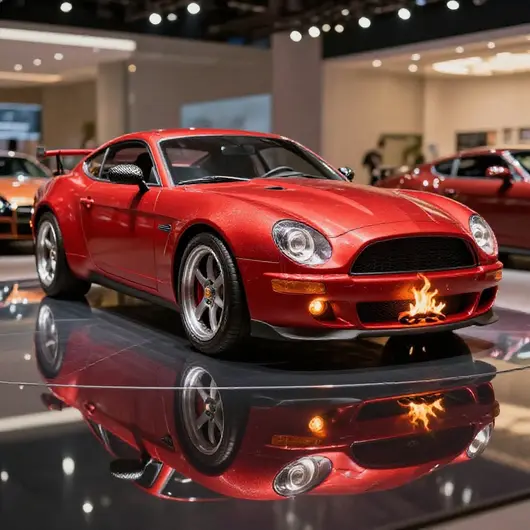
喺馬來西亞嘅汽車市場,好多買家喺揀車嘅時候都會拿寶馬 3 系列同梅賽德斯 - 賓士 C-Class 嚟比較。今日我哋由多個方面做一個詳細嘅對比,幫你節省做功課嘅時間。


寶馬 3 系列喺馬來西亞嘅 OTR 售價係 RM 267,800 - 392,800,總共有 2 個版本,包括 320i Sport(RM 248,000)、330i M Sport(RM 298,000)等等。
梅賽德斯 - 賓士 C-Class 喺馬來西亞嘅 OTR 售價係 RM 292,888 - 296,888,總共有 2 個版本,包括 C 200 Avantgarde(RM 260,000)、C 300 AMG Line(RM 310,000)等等。
從價格睇落,寶馬 3 系列嘅起步價確實比梅賽德斯 - 賓士 C-Class 平咗 RM 25,088。如果你預算有限,寶馬嘅入門版已經可以滿足日常需要。但都要注意,平嗰幾千蚊,可能喺配備上會有取捨,具體要睇你嘅需要。

寶馬 3 系列嘅安全評級係 5★ (Euro NCAP),主動安全系統包括 Driving Assistant Professional (ACC, AEB, LKA, BSM)。
梅賽德斯 - 賓士 C-Class 嘅安全評級係 5★ (Euro NCAP),主動安全系統包括 Active Distance Assist, Active Steering Assist。
兩款車嘅安全評級一樣,喺呢個級別入面安全配備已經算好齊全。而家嘅新車安全性都唔差,唔使太擔心這一點。

寶馬 3 系列車身長 4400 mm,行李箱 400 L。
梅賽德斯 - 賓士 C-Class 車身長 4400 mm,行李箱 400 L。
兩款車嘅尺寸幾乎一樣,車內空間差別唔係好大。呢個級別嘅車,日常使用完全夠用。

寶馬 3 系列同梅賽德斯 - 賓士 C-Class 都係馬來西亞市場嘅主流選擇,適合家庭使用、日常通勤。如果你更看重品牌口碑同二手價,可以優先考慮口碑更好嗰一款;如果你更在意性價比同配備,那就揀配置更豐富嗰款。最終始終建議兩款都去試車,親自體驗先係最重要嘅。
總體嚟講,寶馬 3 系列同梅賽德斯 - 賓士 C-Class 都係馬來西亞市場好唔錯嘅車款。揀邊一輛,關鍵仲係要睇你嘅個人需求同預算。建議大家做好功課,多比較幾間車行嘅報價,再去試車做最終決定。買車係件大事,花啲時間做功課絕對唔會錯。



The first half of 2026 is over; it is time to review the development of the new energy vehicle market in the first half of the year.
Overall, China's market position dominated by new energy vehicles has become relatively stable. In June, the retail penetration rate of new energy vehicles remained at a historic high of 62.8%.
On July 8, the CPCA released market data for passenger cars in June. The word most used by CPCA Secretary General Cui Dongshu was differentiation — “collapse of domestic fuel car sales, dominant strength of new energy vehicles, and strong growth in exports”. More specifically, passenger car trends were difficult, commercial vehicles were hot, and the performance of plug-in hybrids and extended-range vehicles was far weaker than pure electric models.
From the data perspective, from January to June 2026, new energy passenger car retail sales were 4.704 million units, a year-on-year decrease of 14.0%; wholesale sales were 6.788 million units, a year-on-year increase of 5.1%. The coexistence of negative growth in retail and positive growth in wholesale, reveals the core characteristic of the current market, which is domestic consumption contraction and explosive growth in overseas exports.

With the retreat of subsidies and the impact of high oil prices, new energy vehicles stabilized their basic market share through technology iteration and explosive export growth. Fuel vehicles, under the dual suppression of new energy vehicles and high oil prices, saw their market share shrink significantly.
01
Domestic Brands Lead, New Forces Gain Share, Joint Ventures Face 'Fuel vs. Electric' Contrasting Fortunes
In terms of enterprises, without exception, BYD still leads the pack with a monthly wholesale sales volume of 397,000 units. Domestic brands such as Geely, Chery, and Leapmotor made strong breakthroughs, while joint venture brands showed a dramatic differentiation of 'dismal fuel sales vs. rapid electric growth' — mainstream joint venture new energy retail sales grew by 45% year-on-year, but their fuel car base shrank by 39% concurrently.
Manufacturers with New Energy Passenger Car Wholesale Sales Exceeding 10,000 Units in June

Source: CPCA
Enterprise Brands with Domestic New Energy Passenger Car Retail Sales Exceeding 20,000 Units in June

Source: CPCA
In terms of new forces, the retail share of new forces rose to 26.0% in June, an increase of 6.5 percentage points year-on-year, and it is particularly worth noting that the proportion of pure electric vehicle sales for new forces reached as high as 82.2%, and the sales proportion of 100,000-150,000 yuan level models increased significantly, indicating that they are penetrating the mass market.
In terms of second-generation creators, new energy brands incubated by traditional large groups such as Zeekr, Deepal, Arcfox, and Lantu performed brightly. The share of independent new energy brands from traditional domestic automakers reached 18.5%, an increase of 5.2 percentage points year-on-year.
In terms of joint venture brands, the penetration rate of mainstream joint venture new energy only rose to 11.9%, but joint venture new energy vehicle sales grew by 45% year-on-year, while fuel vehicle sales plummeted by 39%, forming a sharp contrast. The new energy penetration rate of luxury cars reached 39.6%, but overall retail still declined by 30%, significantly impacted by high oil prices and downgrading consumption.
02
New Energy Vehicle Penetration Rate 62.8%, Extended-Range Wholesale Plunged 25.2% Year-on-Year
From the wholesale perspective, pure electric and plug-in hybrid still maintain positive growth, while extended-range vehicles show a decline in both wholesale and retail; from the retail perspective, all three routes declined, with pure electric having the smallest decline at -6.6%; plug-in hybrid had the largest decline at -27.6%. The growth rate difference between retail and wholesale clearly reflects the degree of reliance on exports to drive each route.
Currently, the characteristic of the pure electric market is 'the more expensive, the easier to sell; the cheaper, the harder to sell'. Pure electric wholesale increased by 10.7% month-on-month in June, significantly higher than the retail month-on-month growth rate. Class B electric vehicles became the only sub-segment with high-speed growth, with wholesale volume of 295,000 units in June, a 37% year-on-year increase, accounting for 30% of pure electric share, an increase of 2 percentage points compared to the same period last year, with high-end models like Model Y and BYD Song continuing to sell well. While the entry-level market saw a cliff-like decline: Class A00 wholesale in June was only 77,000 units, a 50% year-on-year plunge, dropping from nearly 20% last year to 8% of pure electric share; Class A electric vehicles wholesale was 236,000 units, a decrease of 2.7 percentage points year-on-year. Although the combined share of Class A00 and A0 accounts for 40% of pure electric share, it mainly relies on exports for digestion, and the domestic market performance is weak.
Plug-in hybrid models are the sub-segment where domestic and foreign demand divergence is most severe among the three routes. Wholesale volume for the first half of the year was 1.997 million units, a year-on-year increase of 4.6%; retail volume was 1.155 million units, a year-on-year drop of 27.6%. The difference in growth rates between retail and wholesale was 32.2 percentage points,
Extended-range models are the only sub-segment among the three routes to show a decline in both wholesale and retail. Wholesale volume for the first half of the year was 504,000 units, a year-on-year decrease of 13.1%; retail volume was 439,000 units, a year-on-year decrease of 19.4%, and the decline showed an expanding trend — wholesale volume for June alone was 94,000 units, a year-on-year decrease of 25.2%, and a month-on-month decrease of 0.2%.
The share of extended-range vehicles in the new energy wholesale structure has been compressed from about 10% in 2025 to 6.4% (June alone).
The decline in plug-in hybrid and extended-range models is mainly affected by falling battery prices, flash charging technology, and the improvement of charging facilities.

Regarding the poor performance in the June retail sector, Cui Dongshu's explanation is that the Dragon Boat Festival mismatch created a high base effect, the '618' promotion failed to meet expectations, the World Cup kick-off diverted the time and budget of car buyers, the college entrance exam and farming busy season suppressed store traffic, compounded by hot and rainy weather, plus the rare frequency squeeze of high base factors.
In addition, the new national standards for new energy vehicle safety landed in July (mandatory requirements for battery 'thermal runaway without fire'), causing some consumers to possibly be in a state of delayed and waiting consumption.
However, the CPCA expressed concern about the weak growth of economic electric vehicles. They believe that from a long-term popularization trend perspective, economic electric vehicle growth has the most potential; only the popularization of entry-level electric vehicles can truly drive sustainable incremental growth in the car market. However, the reality is that the county and township markets, entry-level models declined too much, the marginal impact of subsidy retreat on low-price models far exceeds that of high-end models. If the situation of 'high-end volume, entry-level collapse' continues, it will seriously restrict the popularization process of new energy. Economic electric vehicle standards are urgently needed to guide the industry to fill the entry market blank.
03
Exports Become Core Engine, Overseas Share Jumps
New energy vehicle exports were the biggest highlight of the first half of the year.
First, explosive growth in exports. In June, new energy passenger car exports reached 499,000 units, a year-on-year increase of 152.7%, a month-on-month increase of 17.6%, accounting for 56.9% of total passenger car exports. Cumulative exports for the first half of the year were 2.231 million units, a year-on-year increase of 124.3%, among which fuel car exports also grew by 33% concurrently. In terms of going global, the situation of 'both fuel and electric increase' was formed.
Secondly, the export structure is also being optimized. Pure electric vehicles account for 58.7% of new energy exports, narrow plug-in hybrids account for 37.7%, up 4.3 percentage points from last year; extended-range accounts for 3.6%. In June, BYD (exports 171,000 units), Chery (74,000 units), and Geely (62,000 units) ranked in the top three for exports. The CKD (complete knock-down assembly) export model was promoted rapidly, with Great Wall and SAIC-GM-Wuling, etc., having CKD shares exceeding 30%, and international system capabilities significantly enhanced.
Additionally, the overseas market share is still jumping up. From January to May 2026, China's new energy passenger cars accounted for 62% of the world share, of which pure electric accounted for 58%, plug-in hybrid accounted for 71%. The sales share of autonomous new energy overseas markets jumped significantly from 15.8% in 2025 to 23.4%, with rapid growth in markets such as Brazil, Australia, Thailand, and the UK. Although the US market was significantly affected by subsidy cancellation fluctuations, European new energy grew by 29% year-on-year, and domestic brands are accelerating to fill the blank.
In terms of market forecasting, the CPCA estimates the year-on-year growth rate of domestic narrow passenger car retail sales in 2026 to be about -14%, but Cui Dongshu believes that from the third quarter onwards, the decline will gradually narrow, and market growth expectations may rise by a few percentage points.
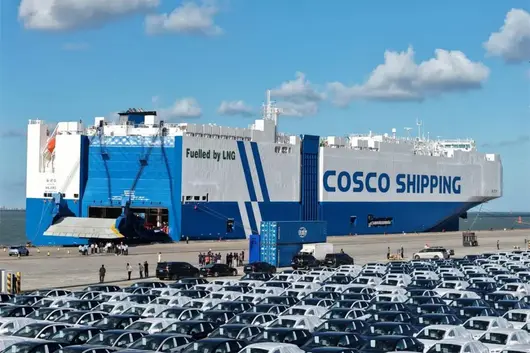

在马来西亚的汽车市场,很多买家在选车的时候都会拿 Hyundai Palisade 和 Volvo XC90 来做比较。今天我们从多个方面做一个详细的对比,帮你省下做功课的时间。


Hyundai Palisade 在马来西亚的 OTR 售价是 RM 368,838 - 399,838,一共有 4 个版本,包括 2023 3.8L 2WD Luxe 7 Seats Petrol(RM 399,838)、2023 2.2T 4WD Executive 7 Seats Diesel(RM 389,838)、2023 3.8L 2WD Luxe 8 Seats Petrol(RM 378,838) 等。
Volvo XC90 在马来西亚的 OTR 售价是 RM 418,888 - 418,888,一共有 1 个版本,包括 2025 2.0T Ultra(RM 418,888) 等。
从价钱来看,Hyundai Palisade 的起步价确实比 Volvo XC90 便宜了 RM 50,050。如果你预算有限,Hyundai 的入门版已经可以满足日常需求。但也要注意,便宜的那几千块,可能在配备上会有取舍,具体要看你的需求。

Hyundai Palisade 搭载 2.0L Turbo,马力 220 hp。官方油耗 9.5 L/100km。
Volvo XC90 搭载 3.0L Turbo,马力 350 hp。官方油耗 12.0 L/100km。
动力方面,Volvo XC90 的 3.0L Turbo 比 Hyundai Palisade 的 2.0L Turbo 多了 130 匹马力。不过日常在市区开的话,两款车的动力都够用,不会觉得不够力。

Hyundai Palisade 的安全评级是 TBD,主动安全系统包括 Basic。
Volvo XC90 的安全评级是 5★ (Euro NCAP),主动安全系统包括 Premium ADAS。
安全配备方面,两款车都拿到了不错的评级。不过 Hyundai Palisade 的 Basic 和 Volvo XC90 的 Premium ADAS 在功能上有些差异,如果你比较看重主动安全的话,可以仔细对比一下两者的功能列表。

Hyundai Palisade 采用 FWD 驱动方式。
Volvo XC90 采用 FWD 驱动方式。
两款车的驱动方式一样,都是 FWD,日常驾驶感受不会有太大区别。
总的来说,Hyundai Palisade 和 Volvo XC90 都是马来西亚市场很不错的车型。选择哪一辆,关键还是要看你的个人需求和预算。建议大家做好功课,多比较几间车行的报价,再去试驾做最终决定。买车是件大事,花点时间做功课绝对不会错。


在马来西亚的汽车市场,很多买家在选车的时候都会拿 Volkswagen Tiguan 和 Volvo XC60 PHEV 来做比较。今天我们从多个方面做一个详细的对比,帮你省下做功课的时间。


Volkswagen Tiguan 在马来西亚的 OTR 售价是 RM 206,540 - 260,024,一共有 2 个版本,包括 2025 Allspace 2.0T R-Line(RM 260,024)、2025 Allspace 1.4T Elegance(RM 206,540) 等。
Volvo XC60 PHEV 在马来西亚的 OTR 售价是 RM 362,888 - 362,888,一共有 2 个版本,包括 2025 2.0T 89km Ultra(RM 362,888)、What safety features does the Volvo XC60 PHEV have?(RM 296,610) 等。
从价钱来看,Volkswagen Tiguan 的起步价确实比 Volvo XC60 PHEV 便宜了 RM 156,348。如果你预算有限,Volkswagen 的入门版已经可以满足日常需求。但也要注意,便宜的那几千块,可能在配备上会有取舍,具体要看你的需求。

Volkswagen Tiguan 的安全评级是 5★ (Euro NCAP),主动安全系统包括 IQ.Drive。
Volvo XC60 PHEV 的安全评级是 5★ (Euro NCAP),主动安全系统包括 Premium ADAS。
两款车的安全评级一样,在这个级别里面安全配备都算给得很齐全了。现在的新车安全性都不差,不用太担心这一点。

Volkswagen Tiguan 车身长 4400 mm,后备箱 400 L。
Volvo XC60 PHEV 车身长 4400 mm,后备箱 400 L。
两款车的尺寸几乎一样,车内空间差别不大。这个级别的车,日常使用完全够用。

Volkswagen Tiguan 和 Volvo XC60 PHEV 都是马来西亚市场的主流选择,适合家庭使用、日常通勤。如果你更看重品牌口碑和二手价,可以优先考虑口碑更好的那一款;如果你更在意性价比和配备,那就选配置更丰富的那款。最终还是建议两款都去试驾,亲身体验才是最重要的。

总的来说,Volkswagen Tiguan 和 Volvo XC60 PHEV 都是马来西亚市场很不错的车型。选择哪一辆,关键还是要看你的个人需求和预算。建议大家做好功课,多比较几间车行的报价,再去试驾做最终决定。买车是件大事,花点时间做功课绝对不会错。


在马来西亚的MPV市场,很多买家在选车的时候都会拿 Honda Odyssey 和 Nissan Serena 来做比较。这两款车在价位和定位上都蛮接近的,今天我们就从多个方面做一个详细的对比,帮你省下做功课的时间。
Honda Odyssey 在马来西亚的 OTR 售价是 RM 278,000 - 278,000,一共有 1 个版本,包括 2.0L eHEV(RM 278,000) 等。
Nissan Serena 在马来西亚的 OTR 售价是 RM 149,888 - 179,800,一共有 7 个版本,包括 2026 HEV 1.5L Shiro Premium Highway Star(RM 179,800)、2026 HEV 1.5L Premium Highway Star(RM 174,800)、2026 HEV 1.5L Highway Star(RM 169,800) 等。
从价钱来看,Nissan Serena 的起步价比 Honda Odyssey 便宜了 RM 128,112。老实讲,在这个价位段,几千块的差距其实不算大,关键还是看整体的性价比和长期使用成本。

Honda Odyssey 搭载 2.0L Turbo,马力 220 hp。官方油耗 9.5 L/100km。
Nissan Serena 搭载 1.5L Turbo,马力 140 hp。官方油耗 7.0 L/100km。
动力方面,Honda Odyssey 的 2.0L Turbo 比 Nissan Serena 的 1.5L Turbo 多了 80 匹马力,中段加速更有信心,尤其是跑高速公路超车的时候。不过 Nissan Serena 的油耗可能更友好,日常市区通勤差别不会太大。

Honda Odyssey 车身长 4400 mm,后备箱 400 L。
Nissan Serena 车身长 4400 mm,后备箱 400 L。
两款车的尺寸几乎一样,车内空间差别不大。这个级别的车,日常使用完全够用。

Honda Odyssey 采用 FWD 驱动方式。
Nissan Serena 采用 FWD 驱动方式。
两款车的驱动方式一样,都是 FWD,日常驾驶感受不会有太大区别。

Honda Odyssey 和 Nissan Serena 都是马来西亚市场的主流选择,适合家庭使用、日常通勤。如果你更看重品牌口碑和二手价,可以优先考虑口碑更好的那一款;如果你更在意性价比和配备,那就选配置更丰富的那款。最终还是建议两款都去试驾,亲身体验才是最重要的。
总的来说,Honda Odyssey 和 Nissan Serena 都是马来西亚市场很不错的车型。选择哪一辆,关键还是要看你的个人需求和预算。建议大家做好功课,多比较几间车行的报价,再去试驾做最终决定。买车是件大事,花点时间做功课绝对不会错。


在马来西亚的SUV市场,很多买家在选车的时候都会拿 Chery Tiggo 7 Pro 和 Hyundai Tucson 来做比较。这两款车在价位和定位上都蛮接近的,今天我们就从多个方面做一个详细的对比,帮你省下做功课的时间。
Chery Tiggo 7 Pro 在马来西亚的 OTR 售价是 RM 123,750 - 123,750,一共有 2 个版本,包括 1.6L Turbo Standard(RM 125,000)、1.6L Turbo Premium(RM 140,000) 等。
Hyundai Tucson 在马来西亚的 OTR 售价是 RM 143,888 - 197,888,一共有 5 个版本,包括 2025 HEV 1.6T AT 2WD Prestige(RM 197,888)、2025 1.6T DCT 4WD Prestige(RM 186,888)、2025 1.6T DCT 2WD Prime(RM 164,888) 等。
从价钱来看,Chery Tiggo 7 Pro 的起步价确实比 Hyundai Tucson 便宜了 RM 20,138。如果你预算有限,Chery 的入门版已经可以满足日常需求。但也要注意,便宜的那几千块,可能在配备上会有取舍,具体要看你的需求。

Chery Tiggo 7 Pro 搭载 1.5L Turbo,马力 140 hp。官方油耗 7.0 L/100km。
Hyundai Tucson 搭载 1.5L Turbo,马力 140 hp。官方油耗 7.0 L/100km。
两款车用的是同一套动力系统,日常开起来的感受基本没有差别。油耗方面也差不多,不用太纠结这一点。

Chery Tiggo 7 Pro 的安全评级是 TBD,主动安全系统包括 Basic。
Hyundai Tucson 的安全评级是 5★ (ASEAN NCAP),主动安全系统包括 SmartSense。
安全配备方面,两款车都拿到了不错的评级。不过 Chery Tiggo 7 Pro 的 Basic 和 Hyundai Tucson 的 SmartSense 在功能上有些差异,如果你比较看重主动安全的话,可以仔细对比一下两者的功能列表。

Chery Tiggo 7 Pro 车身长 4400 mm,后备箱 400 L。
Hyundai Tucson 车身长 4400 mm,后备箱 400 L。
两款车的尺寸几乎一样,车内空间差别不大。这个级别的车,日常使用完全够用。
Chery Tiggo 7 Pro 和 Hyundai Tucson 都是马来西亚市场的主流选择,适合家庭使用、日常通勤。如果你更看重品牌口碑和二手价,可以优先考虑口碑更好的那一款;如果你更在意性价比和配备,那就选配置更丰富的那款。最终还是建议两款都去试驾,亲身体验才是最重要的。
总的来说,Chery Tiggo 7 Pro 和 Hyundai Tucson 都是马来西亚市场很不错的车型。选择哪一辆,关键还是要看你的个人需求和预算。建议大家做好功课,多比较几间车行的报价,再去试驾做最终决定。买车是件大事,花点时间做功课绝对不会错。


在马来西亚的SUV市场,很多买家在选车的时候都会拿 Mazda CX-5 和 Chery Tiggo Cross 来做比较。这两款车在价位和定位上都蛮接近的,今天我们就从多个方面做一个详细的对比,帮你省下做功课的时间。
Mazda CX-5 在马来西亚的 OTR 售价是 RM 135,469 - 166,760,一共有 3 个版本,包括 2025 2.0L AT 35th Anniversary(RM 316,154)、2025 2.0L AT(RM 296,154)、2025 2.0L MT(RM 294,154) 等。
Chery Tiggo Cross 在马来西亚的 OTR 售价是 RM 88,750 - 99,750,一共有 2 个版本,包括 2025 HEV 1.5L CSH(RM 99,750)、2025 1.5T Standard(RM 88,750) 等。
从价钱来看,Chery Tiggo Cross 的起步价比 Mazda CX-5 便宜了 RM 46,719。老实讲,在这个价位段,几千块的差距其实不算大,关键还是看整体的性价比和长期使用成本。

Mazda CX-5 的安全评级是 5★ (ASEAN NCAP),主动安全系统包括 。
Chery Tiggo Cross 的安全评级是 TBD,主动安全系统包括 Basic。

Mazda CX-5 采用 FWD 驱动方式。
Chery Tiggo Cross 采用 FWD 驱动方式。
两款车的驱动方式一样,都是 FWD,日常驾驶感受不会有太大区别。

Mazda CX-5 和 Chery Tiggo Cross 都是马来西亚市场的主流选择,适合家庭使用、日常通勤。如果你更看重品牌口碑和二手价,可以优先考虑口碑更好的那一款;如果你更在意性价比和配备,那就选配置更丰富的那款。最终还是建议两款都去试驾,亲身体验才是最重要的。

总的来说,Mazda CX-5 和 Chery Tiggo Cross 都是马来西亚市场很不错的车型。选择哪一辆,关键还是要看你的个人需求和预算。建议大家做好功课,多比较几间车行的报价,再去试驾做最终决定。买车是件大事,花点时间做功课绝对不会错。


车型概览

Perodua Ativa 值不值得买,关键不是它看起来有多吸引,而是它能不能解决你的真实用车需求。这篇文章会把重点放在长途稳定感和乘客舒适度。 近期围绕这款车的讨论包括「Perodua Ativa Hybrid Confirmed for Local CKD Production – Malaysia's First Mass-Market Hybrid SUV Arrives Soon」,说明它在本地买家视野里仍有关注度。
价格落在 RM 62,500 - 73,400,买家可以先用它判断预算压力和同级定位。
购车价格指南
Perodua Ativa 的购车预算可以先从 RM 62,500 - 73,400 开始衡量。这个数字真正影响的是月供、保险和现金流,而不只是展厅里的标价。
如果你在几个版本之间犹豫,可以把 2025 1.0T AV 2-Tone Special Metallic Black Roof(RM 73,400)、2025 1.0T AV Special Metallic(RM 73,100)、2025 1.0T AV Metallic(RM 72,600)、2025 1.0T H Special Metallic(RM 67,800) 放在同一张清单里比较。日常通勤买家优先看舒适与安全,常跑高速的买家则更应重视动力、辅助驾驶和座舱便利。
核心参数汇总

看 Perodua Ativa 的核心规格,最重要是把数字翻译成生活里的感受。
涡轮增压、3缸的动力底子,适合拿来判断市区跟车和高速巡航是否轻松。 98 Ps、140 N·m的输出,真正意义在于满载、上坡和超车时不会太吃力。 5.29 L/100km的油耗,对每天通勤的人来说会直接影响加油频率。 车长 4065 mm、车宽 1710 mm、车高 1635 mm、轴距 2525 mm,可以帮助你预判停车难度和后排乘坐空间。
优缺点分析
Perodua Ativa 的优点不必夸张,真正有价值的是它能不能让日常使用更省心:预算位置清楚,方便和同级车直接比较、日常能源成本有明确参考、动力输出能支撑高速和超车需求。
需要留意的是,市区停车和狭窄路段仍要看个人驾驶习惯。这些不是扣分项,而是下订前应该先想清楚的生活细节。
购车常见问题解答
购买 Perodua Ativa 前,买家最常问的不是单一规格,而是它能不能融入自己的生活。
这辆车适合谁?适合把长途稳定感和乘客舒适度放在首位的买家。 家庭用户要看什么?优先看后排乘坐、儿童座椅、行李和日常上下车是否顺手。 每天开会不会麻烦?5.29 L/100km 的油耗参考让通勤成本更容易预估。
竞品对比内容
把 Perodua Ativa 放进同级车名单时,不建议只看品牌或外形。真正有用的比较顺序是:先用 RM 62,500 - 73,400 锁定预算圈、再看动力是否足够应付高速和满载、接着比较能源成本和补能便利、最后看空间是否适合家人和行李。
这样筛选出来的结果更贴近日常生活。你会更清楚它是适合城市通勤、家庭代步、长途巡航,还是更适合作为一辆讲求个性的选择。
用车全周期指南

拥有 Perodua Ativa 的日常成本,最直接会反映在燃油、保险、轮胎和定期保养上。5.29 L/100km 的油耗让通勤预算更容易掌握。
如果你常跑南北大道,动力和座舱舒适度会比单纯低价更重要;如果主要在市区,停车灵活性、视野和低速顺滑度会更影响心情。

© 2024 Bitauto.com. All Rights Reserved.
Bitauto (www.yiche.com and www.bitauto.com) is one of the most visited automotive websites in China. We provide detailed info on Chinese car brands available in your area. Please note that the information provided on this website is based on publicly available data and is for reference only. It may not be fully updated or accurate at all times.

Help us improve our website


