

Homeinvestment

Search History
Popular Searches
Dealer Login / Sign Up


From the first three-quarter report, it is evident that in the era of intense competition, leading automakers have taken three distinct survival paths.
Author | Chen Weidong
In the first three quarters of 2026, beneath the appearance of a market recovery, the profit floor of automakers continued to break. The stock game has entered the deep water zone, and the core of competition has shifted from fighting for share to finding a sustainable survival paradigm.
Price wars are no longer short-term promotional tactics, but the underlying norm in the current domestic car market. When many automakers fall into the dilemma of "losing money if volume increases, harder to sell if not", the halo of sales figures is quickly fading.
Facing the same harsh industry challenge, BYD, Geely, and Chery submitted three reports with distinct styles. The 2026 third-quarter financial reports were released simultaneously. The sales of the three leading independent automakers rose in sync, but their strategies for breakthrough were clearly distinct.
BYD resists cyclical shocks with heavy-asset barriers across the entire industry chain; Geely initiated structural and organizational reforms inward to extract profit elasticity from the existing market; Chery anchored on the overseas market, using overseas profits to buffer domestic competitive pressure. All three paths have their own dividends but also come with long-term challenges that cannot be avoided.
BYD: Industry Chain Barriers Resist the Cycle
When peers competed to cut prices for orders, BYD did not dive into the low-end price melee.
In the first three quarters of 2026, BYD's cumulative sales reached 3.1316 million units, still leading the global new energy vehicle market, but sales were down 3.94% year-over-year; revenue achieved 566.304 billion yuan, up 0.01% year-over-year; net profit attributable to shareholders was 22.345 billion yuan, down 4.24% year-over-year; net profit excluding non-recurring items was 21.004 billion yuan, up 2.51% year-over-year.

Revenue rising steadily and profits falling slightly is not due to weakening operations, but rather active choice—sacrificing short-term book profits to invest in long-term technology foundations.
For many automakers, the root cause of profit decline is the loss of terminal selling prices and the passive breach of gross margins. BYD's profits were diluted by two rigid investments: continued R&D for high-end intelligent driving and new-generation battery platforms; infrastructure construction, production line debugging, and local supply chain cultivation at overseas bases such as Thailand, Brazil, and Hungary. The ramp-up cycle for overseas complete vehicle projects is generally 18 to 24 months, and production capacity utilization is low in the early stage of production, temporarily dragging down performance.
The core supporting BYD's resistance to cycles is the industry's rare deep vertical integration system. Cathode materials, battery cells, motors and motor controllers, and high-voltage core components are mostly self-developed and self-made. Blade Battery external supply continues to scale up, combined with double-digit growth in energy storage business, forming a second revenue curve outside passenger cars.

This closed loop gives it unique cost adjustment space: Competitors' price cuts mostly directly eat into per-vehicle profits, while BYD can rely on internal support to share some pressure. This is also the foundation for its stable positive profitability in a low-margin industry environment.
The market has long discussed that BYD has a rich SKU and a crowded product matrix with internal diversion. At the channel level, it is evident: the Dynasty and Ocean series stabilize production and the base; Fangcheng Bao anchors the 400,000-yuan off-road segment; Yangwang secures the million-yuan high-end segment; commercial vehicles and energy storage can share manufacturing resources with passenger cars to smooth quarterly fluctuations.
Under the layered layout, it does not need to rely on low-price involution for volume, but instead relies on system resilience to digest market shocks.

However, the heavy-asset model is inherently a double-edged sword. Battery production lines require huge investment and are highly specialized. Once demand slows and capacity utilization drops, depreciation costs will rise quickly. Some models have overlapping price bands and customer groups, and internal diversion objectively exists.
The bigger concern is that existing capacity is highly bound to the Lithium Iron Phosphate Blade Battery route. If semi-solid and solid-state batteries accelerate commercialization, this batch of specialized production lines will face impairment pressure. Although BYD is simultaneously laying out frontier technology research, the difficulty of switching main production capacity is extremely high. Combined with compliance, labor, and supply chain cultivation issues accompanying overseas factory construction, overseas business profit realization will require more time.
Domestic competitive space has bottomed out, and systematic overseas expansion has become a key increment and safety buffer for BYD. It is no longer simply exporting knock-down kits, but implementing localized full-chain solutions, bringing the entire system of production capacity, supporting facilities, certifications, and after-sales services overseas to circumvent tariff barriers. High-margin overseas markets continue to hedge against domestic pressure. Going global has upgraded from a second growth curve to its survival bottom line to traverse the cycle.

The signal conveyed by BYD's financial report is clear: in stock competition, industry chain control capability is the hardest moat. Trading short-term profits for technology and global foundation is the heaviest and hardest path to replicate for independent brands. Of course, it also requires higher judgment of cycles and global operation capabilities.
Geely Automobile: High Profitability Runs in Zero-Profit Zone
If BYD relies on heavy assets to brace against the cycle, Geely's solution is more inward: in this almost unprofitable stock market, extracting profit elasticity is also the brightest one among the top three independent automakers in terms of short-term profit realization.
In the first three quarters of 2026, Geely Automobile's cumulative sales reached 2.2355 million units, up 3% year-over-year; revenue achieved 272.564 billion yuan, up 13% year-over-year; net profit attributable to shareholders was 13.928 billion yuan, up 7% year-over-year.

Sales increased by an additional 3%, revenue by an additional 13%. Revenue growth continuously outperformed sales growth, reflecting that the average selling price per vehicle and product premium capacity are steadily rising. Profit structure changes are clear: ZEEKR contributed high-end profits continue to rise, Galaxy stabilizes the mainstream sales base, Lynk & Co overseas increments continue to be released, traditional fuel business shrinks orderly, resources are concentrated on high-value sectors.
Many automakers are trapped in the vicious cycle of "price cut—gross margin decline—supplier exploitation". Geely jumped out of this inefficient logic. The core grip is product structure upgrade, brand upward, and high-value overseas expansion.
In the first three quarters of this year, Geely New Energy cumulative sales reached 1.3264 million units, up 14% year-over-year; overseas exports 797,700 units, up 169% year-over-year.
ZEEKR stands firm in the high-end pure electric track, with per-vehicle gross profit significantly higher than the group average; Galaxy covers the 100,000–200,000 yuan mainstream market, safeguarding channel cash flow and production capacity base; Lynk & Co relies on sports labels to maintain niche premiums overseas; China Star hybrids continue to undertake replacement demand for joint venture fuel. Data shows, ZEEKR brand cumulative sales reached 288,400 units, growing 101% year-over-year, of which exports were 83,000 units, directly pulling up the group's average selling price and profitability.
This round of profit improvement is not an accidental dividend brought by a single hit, but the result accumulated over the past two years of organizational reconstruction and brand sorting.

At a recent communication meeting, Geely Automobile An Conghui also faced the old problems of the internal matrix directly: Lynk & Co's past product positioning was vague, and the differentiation from other brands in the group was insufficient. Next, a comprehensive brand reshaping will be launched; Galaxy will fill in the waistline hits and perfect the pure electric and plug-in hybrid product matrix; China Star series will be equipped with Super HEV technology on a large scale to strengthen fuel replacement advantages.
Supporting strategies have also been clarified: A new five-year strategy targeting 2030 will be released in the fourth quarter of this year. The core idea is to contract redundancy, focus on the core, reduce R&D budgets for niche and inefficient models, and concentrate resources on technology iteration, all-domain AI ecosystem and user experience. Brand simplification, channel integration, unified R&D middle platform, and centralized supply chain procurement, building an architecture of "middle platform cost control, front-end differentiated competition", sales and management expense ratios continue to optimize, management dividends continue to be released.
Unlike many automakers expanding multi-brands and falling into internal friction, Geely's current stage has brand synergy greater than competition. The results of backend cost reduction are directly converted into front-end product competitiveness. This is the underlying logic of profits rising against the trend.
The deeper the middle platform integration, the stronger the cost advantage, but it is also prone to technology and design language convergence. Once balance is lost, it will slowly dilute the unique tone of each brand and erode the foundation of brand premiums in the long term.

In terms of going overseas, Geely took a lightweight alliance route completely different from BYD, coordinating Volvo, Renault, and Proton to collaboratively layout production capacity and channels, with lower capital expenditure, promoting high-end models landing in Europe and new energy products scaling globally, carving out a sample path of value overseas expansion.
Geely's financial report provided another answer to the industry: The car market never lacks sales; the ability to make money stably is the scarce product. In an environment of comprehensive involution, refined operations, structural optimization, and efficiency improvement can also traverse the winter.
Chery Automobile: Overseas Market Hedges Domestic Involution
Comparing BYD's heavy barriers and Geely's internal efficiency, Chery's route is the most pragmatic and has the highest recognition: placing the profit base overseas to hedge against domestic red sea involution.
In the first three quarters of 2026, Chery Group achieved revenue of 241.234 billion yuan, up 12.29% year-over-year; gross profit 39.004 billion yuan, up 32.38% year-over-year; gross margin 16.17%, up 2.46 percentage points year-over-year; net profit attributable to shareholders 13.963 billion yuan, down 2.8% year-over-year. Overseas business has become the core profit source of the group.

Chery's operational logic is very straightforward: low margin to chase scale domestically and polish technology; stable profits and cash flow overseas. Domestic pricing is restrained, prioritizing stability of channels and capacity, equivalent to an experimental field for hybrid and chassis technology; relying on over twenty years of accumulated overseas dealer networks, in Latin America, Middle East, and Southeast Asian markets, models adapted to local road conditions can achieve higher per-vehicle gross profit than in domestic.
One attack and one defense, one thin and one thick, forming natural risk hedging, allowing it to remain steady when peers bear pressure.
On technology routes, Chery chooses a stable route, avoiding high-investment, high-uncertainty frontier tracks, establishing a "Hybrid Main, Pure Electric Auxiliary" globalization scheme. Yaoguang C-DM hybrid has high tolerance for fuel and road conditions, low maintenance costs, suitable for overseas markets with imperfect infrastructure, is the main force for going overseas.
Brand matrix division of labor is clear: Main brand stabilizes the national base, Jetour deep dives into outdoor off-road, iCAR goes pure electric for young groups, Exeed carries upward tasks. Each brand's goals are clear, not blindly following involution.
In R&D investment, resources are prioritized to practical technology and overseas adaptation. First three quarters of 2026 R&D expenses 11.046 billion yuan, focused on hybrid systems, chassis calibration, and localization adaptation. High-end intelligent driving self-research investment is relatively restrained. This is active choice, also meaning on the intelligent track, it still has a catching-up distance.

Chery's risk also comes from its own advantages. Profits are highly bound to overseas emerging markets. Performance will fluctuate with geopolitical policies, exchange rates, and regional demand, and profitability stability has shortcomings. Back to domestic, Exeed lacks a 300,000-yuan benchmark hit for years, user minds remain on cost-performance, brand upward pace is relatively slow.
But it cannot be denied that going overseas is not a bonus item for Chery, but a survival foundation. Long-term stable first tier of independent exports, mainly with light-asset KD mode, capital expenditure controllable, overseas production and sales system mature. In an environment of increasing geopolitical friction and trade barriers, this overseas base deeply cultivated for many years gives it sufficient ease.

Chery's enlightenment is simple enough: Domestic red sea competition is hard to stop, stable profit buffers are often hidden in global layout. Not relying on gimmicks, not actively starting low-price wars, steady overseas expansion is the path with the highest error tolerance in independent brands.
Fundamental Divergence
Reviewing the 2026 third-quarter report, the fundamental divergence of the top three independent automakers is already clear:
BYD takes the heavy barrier route: using whole industry chain control to exchange for long-term global discourse power; Geely takes the superior management route: relying on organizational change and product structure optimization to dig out stock profit elasticity; Chery takes the globalization route: relying on overseas profit base to hedge domestic cycle risk.
The three paths have no superiority or inferiority, rooted entirely in each company's resource endowment and strategic genes. Every route has confirmed dividends and is accompanied by long-term unresolved structural topics.
Price wars and stock involution will be the norm. In the future, automakers will compete not in short-term sales rankings, but in comprehensive strength: barrier thickness, operational efficiency, growth base diversity, and risk dissolution capability.

There is another proposition in the industry worth continuous observation: In the three routes, is there a final optimal solution? If overseas markets cool down synchronously, intelligent competition widens the generation gap, relying only on a single model, can it still stand firm?
Looking at the extended cycle, the leader who can truly traverse multiple downward cycles will not stick to one track, but has the ability to dynamically balance and complement each other among industry chain barriers, organizational efficiency, and global layout.
The big waves wash away the sand, the cycle leaves the strong.
After 2026, the fundamental elimination competition for independent brands has just begun. [Copyright Notice] This article is original from "Automotive Man", all rights reserved by the publisher. Unauthorized reproduction or partial copying is strictly prohibited.
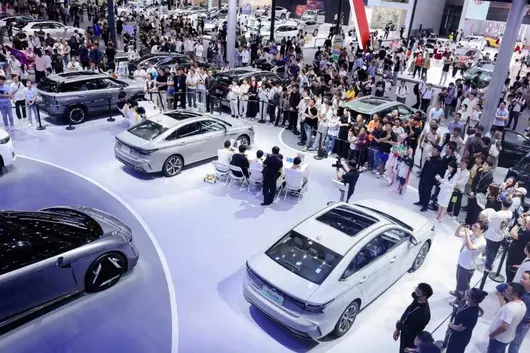

Dalam pasaran SUV di Malaysia, banyak pembeli membandingkan Toyota Harrier dan Volvo XC90 ketika memilih kereta. Kedua-dua model ini hampir sama dari segi harga dan penjenamaan. Hari ini, kita akan melakukan perbandingan terperinci dari pelbagai aspek untuk membantu anda menjimatkan masa membuat kajian.
Toyota Harrier dijual di Malaysia dengan harga OTR sebanyak RM 289,000 - 289,000, terdapat 1 varian, termasuk 2026 HEV 2.5L Standard (RM 289,000) dan lain-lain.
Volvo XC90 dijual di Malaysia dengan harga OTR sebanyak RM 418,888 - 418,888, terdapat 1 varian, termasuk 2025 2.0T Ultra (RM 418,888) dan lain-lain.
Dari segi harga, Toyota Harrier mempunyai harga permulaan yang benar-benar RM 129,888 lebih murah daripada Volvo XC90. Jika bajet anda terhad, model asas Toyota sudah cukup memenuhi keperluan harian. Tetapi perlu diingat, perbezaan harga beribu-ribu ringgit ini mungkin melibatkan pertimbangan pada kelengkapan, bergantung pada keperluan anda.

Pengkelasan keselamatan Toyota Harrier adalah 5★ (ASEAN NCAP), sistem keselamatan aktif termasuk Brand ADAS.
Pengkelasan keselamatan Volvo XC90 adalah 5★ (Euro NCAP), sistem keselamatan aktif termasuk Premium ADAS.
Dari segi kelengkapan keselamatan, kedua-dua kereta telah mendapat pengkelasan yang baik. Walau bagaimanapun, Brand ADAS pada Toyota Harrier dan Premium ADAS pada Volvo XC90 mempunyai perbezaan dalam fungsi. Jika anda lebih mengutamakan keselamatan aktif, anda boleh membandingkan senarai fungsi kedua-duanya dengan teliti.

Panjang badan Toyota Harrier ialah 4400 mm, ruang simpanan belakang 400 L.
Panjang badan Volvo XC90 ialah 4400 mm, ruang simpanan belakang 400 L.
Saiz kedua-dua kereta hampir sama, ruang dalaman tidak banyak berbeza. Kereta tahap ini cukup untuk kegunaan harian.

Toyota Harrier dan Volvo XC90 kedua-duanya adalah pilihan utama di pasaran Malaysia, sesuai untuk kegunaan keluarga dan perjalanan harian. Jika anda lebih mengutamakan reputasi jenama dan harga jualan semula, pilih model dengan reputasi lebih baik; jika anda lebih mementingkan nilai dan kelengkapan, pilih model dengan kelengkapan lebih lengkap. Akhir sekali, disarankan untuk memandu uji kedua-duanya, pengalaman sendiri adalah yang paling penting.

Secara keseluruhannya, Toyota Harrier dan Volvo XC90 adalah model kereta yang sangat baik di pasaran Malaysia. Memilih salah seorang, kunci utama masih bergantung pada keperluan dan bajet peribadi anda. Disarankan agar anda melakukan kajian terlebih dahulu, bandingkan harga penawaran dari beberapa dealer, kemudian memandu uji untuk membuat keputusan akhir. Membeli kereta adalah perkara besar, meluangkan masa untuk kajian pasti tidak salah.


喺馬來西亞嘅 SUV 市場,好多買車人喺揀車嘅時候都會拿 豐田 Harrier 同 馬自達 CX-60 做比較。呢兩款車喺價位同定位上都幾近嘅,今日我哋就從多個方面做一個詳細嘅比較,幫你省返做功課嘅時間。
豐田 Harrier 喺馬來西亞嘅 OTR 售價係 RM 289,000 - 289,000,合共 1 個版本,包括 2026 HEV 2.5L Standard(RM 289,000)等。
馬自達 CX-60 喺馬來西亞嘅 OTR 售價係 RM 200,510 - 252,873,合共 2 個版本,包括 2026 3.3T 4WD High Plus(RM 252,873)、2025 2.5L 2WD High(RM 200,510)等。
由價錢睇嚟,馬自達 CX-60 嘅起步價比 豐田 Harrier 平咗 RM 88,490。老實講,喺呢個價位段,幾千蚊嘅分別其實唔算大,關鍵都係睇整體嘅性價比同長期使用成本。
豐田 Harrier 搭載 2.0L Turbo,馬力 220 hp。官方油耗 9.5 L/100km。
馬自達 CX-60 搭載 2.0L 4-cyl,馬力 170 hp。官方油耗 8.0 L/100km。
動力方面,豐田 Harrier 嘅 2.0L Turbo 比 馬自達 CX-60 嘅 2.0L 4-cyl 多咗 50 匹馬力,中段加速更有信心,尤其係跑高速公路超車嘅時候。不過 馬自達 CX-60 嘅油耗可能更抵,日常市區通勤分別唔會太大。
豐田 Harrier 車身長 4400 mm,尾箱 400 L。
馬自達 CX-60 車身長 4500 mm,尾箱 450 L。
空間方面,馬自達 CX-60 嘅車身比 豐田 Harrier 長咗 100 mm,乘坐空間更有優勢。不過 豐田 Harrier 喺市區泊車會靈活啲,各有取捨。
豐田 Harrier 保養 5 年/無限里程,保養間隔 每 10,000km 或 6 個月。
馬自達 CX-60 保養 5 年/150,000km,保養間隔 每 10,000km 或 6 個月。

總括嚟講,豐田 Harrier 同 馬自達 CX-60 都係馬來西亞市場好唔錯嘅車型。揀邊一輛,關鍵都係睇你嘅個人需求同預算。建議大家做足功課,多比較幾間車行嘅報價,再去試駕做最終決定。買車係一件大事,花少少時間做功課絕對唔會錯。

In the Malaysian SUV market, many buyers compare Toyota Fortuner and Subaru Outback when choosing a car. These two models are quite close in price and positioning. Today, we will make a detailed comparison from multiple aspects to help you save time on research.
Toyota Fortuner OTR price in Malaysia is RM 195,880 - 241,880, with a total of 3 versions, including 2024 2.8T VRZ Diesel (RM 241,880), 2024 2.7L SRZ Petrol (RM 202,880), 2024 2.4L Standard Diesel (RM 195,880), etc.
Subaru Outback OTR price in Malaysia is RM 260,000 - 280,000, with a total of 2 versions, including 2025 2.4T R-Touring EyeSight (RM 310,340), 2025 2.5L Touring EyeSight (RM 280,340), etc.
From a price perspective, Toyota Fortuner's starting price is indeed RM 64,120 cheaper than Subaru Outback. If your budget is limited, Toyota's entry-level version can already meet daily needs. However, also note that the few thousand cheaper may involve trade-offs in features, depending on your specific requirements.

Toyota Fortuner is equipped with 2.5L Diesel, power 187 hp. Official fuel consumption 8.5 L/100km.
Subaru Outback is equipped with 2.0L Turbo, power 220 hp. Official fuel consumption 9.5 L/100km.
Regarding power, the 2.0L Turbo of Subaru Outback has 33 more horsepower than the 2.5L Diesel of Toyota Fortuner. However, for daily driving in the city, the power of both cars is sufficient and won't feel lacking.

Toyota Fortuner warranty 5 years/unlimited mileage, service interval every 10,000km or 6 months.
Subaru Outback warranty 3 years/100,000km, service interval every 10,000km or 6 months.

Toyota Fortuner and Subaru Outback are both mainstream choices in the Malaysian market, suitable for family use and daily commuting. If you value brand reputation and resale value more, you can prioritize the one with better reputation; if you care more about cost-performance ratio and equipment, choose the one with richer configurations. Finally, it is recommended to test drive both, personal experience is the most important.

Overall, Toyota Fortuner and Subaru Outback are both very good models in the Malaysian market. Which one to choose depends mainly on your personal needs and budget. We suggest doing your homework, comparing quotes from several dealerships, and then test driving to make a final decision. Buying a car is a major matter, spending time on research will never be wrong.


喺馬來西亞嘅 SUV 市場,好多買家喺揀車嘅時候都會拎 Toyota Fortuner 同 Kia Sportage 嚟比較。呢兩部車喺價位同定位上都好接近,今日我哋就從多個方面做一个詳細嘅比較,幫你省咗做功課嘅時間。
Toyota Fortuner 喺馬來西亞嘅 OTR 售價係 RM 195,880 - 241,880,一共有 3 個版本,包括 2024 2.8T VRZ Diesel(RM 241,880)、2024 2.7L SRZ Petrol(RM 202,880)、2024 2.4L Standard Diesel(RM 195,880) 等。
Kia Sportage 喺馬來西亞嘅 OTR 售價係 RM 129,639 - 179,320,一共有 4 個版本,包括 2025 1.6T DCT 4WD High(RM 179,320)、2025 1.6T DCT 2WD High(RM 159,320)、2025 2.0L AT 2WD High(RM 139,639) 等。
從價錢嚟睇,Kia Sportage 嘅起步價比 Toyota Fortuner 平咗 RM 66,241。老實講,喺呢個價位段,幾千蚊嘅差距其實唔算大,關鍵都係睇整體嘅性價比同埋長期使用成本。
Toyota Fortuner 嘅安全評級係 5★ (ASEAN NCAP),主動安全系統包括 。
Kia Sportage 嘅安全評級係 5★ (ASEAN NCAP),主動安全系統包括 Drive Wise。
兩部車嘅安全評級一樣,喺呢個級別入面安全配備都算畀到好齊全。而家嘅新車安全性都唔差,唔使太擔心呢一點。
Toyota Fortuner 車身長 4400 mm,後備箱 400 L。
Kia Sportage 車身長 4400 mm,後備箱 400 L。
兩部車嘅尺寸幾乎一樣,車內空間差別唔大。呢個級別嘅車,日常使用完全夠用。
Toyota Fortuner 採用 FWD 驅動方式。
Kia Sportage 採用 FWD 驅動方式。
兩部車嘅驅動方式一樣,都係 FWD,日常駕駛感受唔會有太大分別。

總體嚟講,Toyota Fortuner 同 Kia Sportage 都係馬來西亞市場好唔錯嘅車型。揀邊一部,關鍵都係睇你個人嘅需求同埋預算。建議大家做好功課,多比較幾間車行嘅報價,再去試駕做最終決定。買車係件大事,花少少時間做功課絕對唔會錯。

In Malaysia's SUV market, many buyers compare Toyota Fortuner and Hyundai Tucson when choosing a car. These two models are quite close in price and positioning. Today, we will make a detailed comparison from multiple aspects to help you save time on research.
Toyota Fortuner's OTR price in Malaysia is RM 195,880 - 241,880, with a total of 3 versions, including 2024 2.8T VRZ Diesel (RM 241,880), 2024 2.7L SRZ Petrol (RM 202,880), 2024 2.4L Standard Diesel (RM 195,880), etc.
Hyundai Tucson's OTR price in Malaysia is RM 143,888 - 197,888, with a total of 5 versions, including 2025 HEV 1.6T AT 2WD Prestige (RM 197,888), 2025 1.6T DCT 4WD Prestige (RM 186,888), 2025 1.6T DCT 2WD Prime (RM 164,888), etc.
In terms of price, Hyundai Tucson's starting price is RM 51,992 cheaper than Toyota Fortuner. Honestly, at this price range, a difference of a few thousand is not really significant; the key is to look at overall value for money and long-term usage costs.
Toyota Fortuner is equipped with a 2.5L Diesel, with 187 hp. Official fuel consumption 8.5 L/100km.
Hyundai Tucson is equipped with a 1.5L Turbo, with 140 hp. Official fuel consumption 7.0 L/100km.
In terms of power, Toyota Fortuner's 2.5L Diesel has 47 more hp than Hyundai Tucson's 1.5L Turbo, offering more confidence in mid-range acceleration, especially when overtaking on highways. However, Hyundai Tucson's fuel consumption might be more friendly, and the difference in daily city commuting will not be too large.
Toyota Fortuner body length 4400 mm, trunk 400 L.
Hyundai Tucson body length 4400 mm, trunk 400 L.
The dimensions of the two cars are almost the same, and the interior space difference is not large. For cars of this level, it is completely sufficient for daily use.
Toyota Fortuner and Hyundai Tucson are both mainstream choices in the Malaysian market, suitable for family use and daily commuting. If you value brand reputation and resale value more, you can prioritize the one with a better reputation; if you care more about value for money and features, choose the one with richer configurations. Ultimately, it is recommended to test drive both, and experiencing it personally is the most important.

Overall, Toyota Fortuner and Hyundai Tucson are both very good models in the Malaysian market. Which one to choose depends mainly on your personal needs and budget. It is recommended that everyone do their research, compare quotes from several car dealers, and then test drive to make a final decision. Buying a car is a big matter, spending time researching will never be wrong.

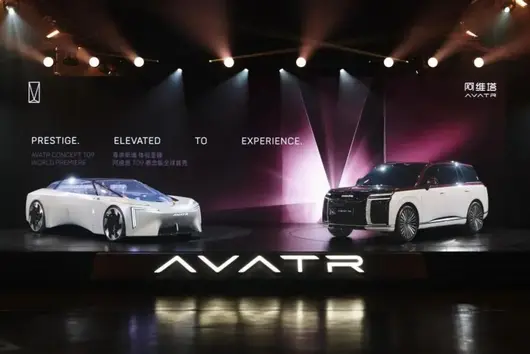
2026年10月11日,巴黎。阿维塔T09概念版全球首秀。
说实话,看完发布会我愣了几秒。不是因为它参数多炸裂——千匹马力、400km纯电续航、华为乾崑智驾,这些放在2026年的中国车市,已经算不上什么爆炸新闻。真正让我愣住的,是整场发布会从头到尾没提一句“对标谁”。


这在过去二十年的中国汽车出海叙事里,几乎不可想象。
我们习惯了这样的剧本:中国品牌去欧洲,先讲性价比,再讲电动化领先,最后小心翼翼地加一句“我们也在努力理解豪华”。本质上,我们一直在别人的考卷上答题。BBA定义了什么叫豪华,保时捷定义了什么叫运动,路虎定义了什么叫气场,然后我们拿着中国供应链的成本优势和技术迭代的速度,试图在这些既定框架里答出更高的分数。


阿维塔T09这次,直接把考卷撕了。
陈卓说“旗舰序列尊崇奢华,对应尊贵、从容与气场”。注意这个词:气场。这不是配置表能写出来的东西,也不是零百加速能证明的东西。它是一个纯东方的审美概念,西方豪华品牌讲了一百年的“presence”,本质上和“气场”是两套语言。阿维塔现在要做的事,是用一套完整的原创设计语言,把“气场”翻译成全球市场能读懂、能感知、甚至能向往的东西。
这比堆技术难多了。
看它的设计执行:前脸362个不同立体高度的LOGO元素,不是简单的矩阵排列,而是“疏密有致地衔接,于光影间流转生辉”。晶钻阵列灯组用内外双层钻石切割,追求的是“钻石火彩质感”。2.1㎡蚌式前舱盖配岛屿式隆起,把“沉稳的力量”和“灵动的张力”揉在一起。侧面刀锋线条配收腰曲面,D柱铝饰板融入车窗轮廓和尾翼,做出悬浮车顶。


这套语言的核心逻辑不是“好看”,而是“不彰自显”。
西方豪华车的设计逻辑是什么?是彰显。大格栅、大标、大轮毂、大排气,用视觉冲击力告诉你“我贵”。阿维塔T09走的是另一条路:远观威仪,近鉴考究。你不走近,看不出362个LOGO元素的高低错落;你不细看,读不懂双层钻石切割的光影层次。尊贵感不是喊出来的,是藏起来的,是等你发现的那个瞬间,自己涌上来的。
这很东方。也很冒险。
因为欧洲市场对“豪华”的认知是路径依赖的。他们习惯了三叉星徽的直白,习惯了双肾格栅的张扬,习惯了英国车的贵族叙事和意大利车的激情叙事。突然来一个中国品牌,说“我们的豪华叫情感新奢,我们的气场叫不彰自显”,他们能不能get到?
我觉得能。但需要时间。

Vortex情感涡流这个细节很说明问题。360°无缝两段式反曲面、可升降、118颗RGB LED、防夹功能。前三个是技术参数,最后一个是态度。一个情感交互装置,特意设计了防夹。 这在西方豪华车的语境里,叫“人性化配置”;在阿维塔的语境里,叫“有温度的情感交互”。区别在于:前者是功能列表里的一行字,后者是设计哲学里的一口气。
阿维塔把首秀放在巴黎,宣布2027年进军欧洲,这个节奏也很讲究。不是2026,不是2028,是2027。给自己留了一年多的时间,去铺渠道、建服务体系、做品牌预热。海外业务已经覆盖70个国家,平均售价超30万,已经盈利。埃及高端电动车市占率10%,泰国豪华纯电SUV销量第一。这些数据说明一件事:阿维塔不是去欧洲试水的,是去欧洲扎根的。
但我想说的重点是另一件事。
中国汽车出海,过去靠的是“我比你便宜”和“我比你快”。这两张牌打到现在,边际效应在递减。欧洲人开始反应过来,开始加关税,开始搞本地保护。下一步拼什么?拼谁能在别人的主场,用自己的规则赢。

阿维塔T09巴黎首秀,本质上是在做一件事:把“情感新奢”这四个字,从一句品牌口号,变成一个全球市场愿意讨论、愿意理解、甚至愿意追随的设计范式。
这条路如果走通了,中国汽车才算真正完成了从“产品出海”到“品牌出海”的跃迁。走不通,就还是在别人的考卷上答题,只是分数高一点而已。
所以,阿维塔T09的意义,不在于它能不能在50万级市场卖爆。而在于它是否能让欧洲用户开始讨论“气场”这个词,是否能让“不彰自显”成为一个被全球豪华车市场认可的审美标准。
这才是真正的踢馆。
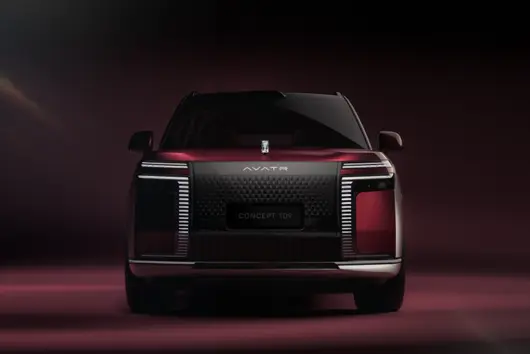


瞄準 50 萬級豪華 SUV,2026 年內上市;華為乾崑、鴻蒙座艙、超級混動、情感渦流全上車。
2026 年 10 月 11 日(巴黎),阿維塔 T09 概念版喺巴黎完成全球首秀,內飾設計首次公開。

作為阿維塔旗艦系列開山之作,T09 瞄準 50 萬級旗艦豪華 SUV 市場,預計 2026 年內正式上市。10 月 12 日 -18 日,新車同阿維塔 06T、07L 等車款亮相巴黎車展。截至發布會,官方尚未公佈具體售價同購車優惠。
建築之形,立而不彰自顯嘅尊貴氣場
阿維塔 T09 以「情感新奢」為設計哲學,透過果敢自信、和諧巧思、活力個性三大核心體驗,量產演繹 VISION XPECTRA。

車頭採用立體浮雕結構格柵,362 個唔同立體高度嘅阿維塔 LOGO 元素疏密銜接,喺光影間流轉生輝;晶鑽陣列燈組運用內外雙層鑽石切割設計,形成鑽石般火彩質感;2.1 平方米超大蚌式前蓋結合兩側島嶼式隆起,將沉穩力量同動態張力融為一體。

側面刀鋒般銳利線條、收腰曲面、平面剪切曲面同飽滿體量形成對比,D 柱鋁飾板融入車窗輪廓同尾翼,營造懸浮車頂;水晶裝飾門把手同 DToF 傳感器島錯落其間,旗艦氣場不彰自顯。車尾一體式晶鑽尾燈同樣採用雙層鑽石切割,同前燈組呼應。

情感渦流 + 三聯屏,座艙令科技有溫度
內飾延續 VISION XPECTRA 理念,以寧靜、慷慨、連接為核心。業界獨有嘅 Vortex 情感渦流採用可升降設計,360°無縫兩段式反曲面,內置 118 顆 RGB LED 矩陣光源,可同整车氛圍燈聯動;靜音電機同防夾功能,令情感交互更有溫度。

座艙搭載沉浸式一體三聯屏:10.25 吋駕駛儀表盤搭配雙 17.2 吋中控螢幕同副駕螢幕,連同兩側冷氣出風口無縫融合,內置 NFC 功能,一碰即連。科技唔再係冰冷堆砌,而係能感知、能預判、能共鳴嘅出行夥伴。

千匹馬力 + 超 400 公里純電,技術密度最高
阿維塔 T09 係品牌迄今技術密度最高嘅量產車型,深度融合華為乾崑智駕、鴻蒙座艙同全新太行智控技術。底盤同操控由太行智控賦能,實現領先同級嘅智慧靈活操控同百萬級豪華行車質感。

動力方面,新車搭載全新智能超級混動技術,配備 2.0T 混動引擎同三馬達分佈式電驅,系統總功率超千匹馬力;搭載 71.24kWh 寧德時代「驍遙」超級增·混電池,CLTC 純電續航最高超 400 公里,兼顧長續航同高安全,覆蓋全場景出行需求。
2027 登陸歐洲,2030 海外銷量過半
以巴黎為支點,阿維塔加速全球佈局,將於 2027 年正式進軍歐洲,阿維塔 06T 同 07L 將作為首批核心產品率先进入挪威、西班牙等市場。

而家,阿維塔海外業務已擴展至 70 個國家同地區,產品平均售價超 30 萬元,並已實現盈利;喺埃及高端電動車市場佔有率達 10%,阿維塔 11 喺泰國豪華純電 SUV 市場銷量第一。2030 年,阿維塔計劃進入超 110 個國家同地區,海外銷量佔總銷量超 50%。

阿維塔科技董事長陳卓表示,隨住 T09 推出,阿維塔將形成數字同旗艦兩大產品序列:數字序列隨性奢華,對應優雅、運動同個性;旗艦序列尊崇奢華,對應尊貴、從容同氣場。兩條序列,同一個阿維塔,同一份對原創同品味嘅堅持。隨住 T09 首秀,阿維塔以「情感新奢」直面全球豪華競爭,中國原創美學同頂尖技術正加速走向世界舞臺。
本文作者為踢車幫 孫小樹

Dalam pasaran SUV di Malaysia, ramai pembeli akan membandingkan Toyota Fortuner dan Mazda CX-3 ketika memilih kereta. Kedua-dua kenderaan ini mempunyai harga dan penyenaraian yang agak hampir. Hari ini, kita akan membuat perbandingan terperinci dari pelbagai aspek untuk membantu anda menjimatkan masa penyelidikan.
Harga OTR Toyota Fortuner di Malaysia ialah RM 195,880 - 241,880, terdapat 3 varian, termasuk 2024 2.8T VRZ Diesel (RM 241,880), 2024 2.7L SRZ Petrol (RM 202,880), 2024 2.4L Standard Diesel (RM 195,880) dan lain-lain.
Harga OTR Mazda CX-3 di Malaysia ialah RM 126,159 - 139,159, terdapat 2 varian, termasuk 2023 2.0L High (RM 139,159), 2023 2.0L Plus (RM 126,159) dan lain-lain.
Dari segi harga, harga permulaan Mazda CX-3 lebih murah RM 69,721 berbanding Toyota Fortuner. Jujur berkata, dalam julat harga ini, perbezaan beberapa ribu sebenarnya tidak terlalu besar, kuncinya adalah melihat nilai keseluruhan dan kos penggunaan jangka panjang.
Gred keselamatan Toyota Fortuner adalah 5★ (ASEAN NCAP), sistem keselamatan aktif termasuk .
Gred keselamatan Mazda CX-3 adalah 5★ (ASEAN NCAP), sistem keselamatan aktif termasuk i-Activsense.
Gred keselamatan kedua-dua kereta sama, dalam kelas ini peralatan keselamatan dianggap cukup lengkap. Keselamatan kereta baharu sekarang tidak begitu teruk, tidak perlu terlalu risau mengenai perkara ini.
Toyota Fortuner menggunakan sistem penggerak FWD.
Mazda CX-3 menggunakan sistem penggerak FWD.
Sistem penggerak kedua-dua kereta sama, semuanya FWD, pengalaman memandu harian tidak akan berbeza banyak.
Toyota Fortuner dan Mazda CX-3 adalah pilihan utama pasaran Malaysia, sesuai untuk kegunaan keluarga dan perjalanan harian. Jika anda lebih mengutamakan reputasi jenama dan harga terpakai, pertimbangkan dahulu yang mempunyai reputasi lebih baik; jika anda lebih mengutamakan nilai harga dan kelengkapan, pilih yang mempunyai kelengkapan lebih banyak. Pada akhirnya, disarankan untuk memandu uji kedua-dua model, pengalaman sendiri adalah yang paling penting.

Secara keseluruhan, Toyota Fortuner dan Mazda CX-3 adalah model yang sangat baik di pasaran Malaysia. Memilih mana satu, kuncinya masih bergantung pada keperluan dan bajet peribadi anda. Disarankan untuk membuat penyelidikan terlebih dahulu, bandingkan harga dari beberapa dealer kereta, kemudian memandu uji untuk membuat keputusan akhir. Membeli kereta adalah perkara besar, meluangkan masa untuk penyelidikan tidak akan salah.

喺馬來西亞嘅 SUV 市場,好多買家在揀車嘅時候都會拿豐田 Corolla Cross 同福特 Everest 嚟做比較。呢兩款車喺價位同定位上都幾近,今日我哋就從多個方面做一個詳細嘅對比,幫你省下做功課嘅時間。
豐田 Corolla Cross 喺馬來西亞嘅 OTR 售價係 RM 133,800 - 148,800,一共有 3 個版本,包括 2026 HEV 1.8 公升 GR Sport(RM 148,800)、2026 HEV 1.8 公升 Standard(RM 140,800)、2026 1.8 公升 Standard(RM 133,800) 等。
福特 Everest 喺馬來西亞嘅 OTR 售價係 RM 266,338 - 430,838,一共有 6 個版本,包括 2026 3.0T 4WD Platinum(RM 430,838)、2026 2.0T 4WD Platinum(RM 348,838)、2026 2.0T 4WD Sport(RM 316,838) 等。
從價錢嚟睇,豐田 Corolla Cross 嘅起步價確實比福特 Everest 平咗 RM 132,538。如果你預算有限,豐田嘅入門版已經可以滿足日常需求。但都要注意,平啲嘅幾千蚊,可能喺配備上有取捨,具體要看你嘅需求。

豐田 Corolla Cross 嘅安全評級係 5★ (ASEAN NCAP),主動安全系統包括 TSS (PCS, LDA, ACC, LTA)。
福特 Everest 嘅安全評級係 5★ (ASEAN NCAP),主動安全系統包括 Co-Pilot360。
兩款車嘅安全評級一樣,喺呢個級別裡面安全配備都算畀得好齊全。而家嘅新车安全性都唔差,唔使太驚呢一點。

豐田 Corolla Cross 車身長 4400 毫米,車尾箱 400 公升。
福特 Everest 車身長 4400 毫米,車尾箱 400 公升。
兩款車嘅尺寸幾乎一樣,車內空間差別唔大。呢個級別嘅車,日常使用完全夠用。

豐田 Corolla Cross 保修 5 年/無限制里程,保養間隔 每 10,000 公里或 6 個月。
福特 Everest 保修 3 年/100,000 公里,保養間隔 每 10,000 公里或 6 個月。

總括嚟講,豐田 Corolla Cross 同福特 Everest 都係馬來西亞市場幾不錯嘅車型。揀邊一輛,關鍵仲是要看你嘅個人需求同預算。建議大家做好功課,多比較幾間車行嘅報價,再去試駕做最終決定。買車係件大事,花點時間做功課絕對唔會錯。


Dalam pasaran SUV Malaysia, ramai pembeli semasa memilih kereta akan mengambil Toyota Corolla Cross dan Chery Tiggo 9 untuk dibandingkan. Kedua-dua kereta ini pada harga dan kedudukan agak dekat, hari ini kita akan buat perbandingan terperinci dari banyak aspek, bantu anda menjimatkan masa membuat kajian.
Toyota Corolla Cross di Malaysia harga OTR adalah RM 133,800 - 148,800, terdapat 3 varian, termasuk 2026 HEV 1.8L GR Sport (RM 148,800), 2026 HEV 1.8L Standard (RM 140,800), 2026 1.8L Standard (RM 133,800) dan lain-lain.
Chery Tiggo 9 di Malaysia harga OTR adalah RM 166,800 - 179,800, terdapat 1 varian, termasuk 2026 2.0T Standard (RM 179,750) dan lain-lain.
Ditinjau dari harga, harga permulaan Toyota Corolla Cross memang lebih murah RM 33,000 daripada Chery Tiggo 9. Jika bajet anda terbatas, varian asas Toyota sudah boleh penuhi keperluan harian. Tetapi perlu diingat, beberapa ribu ringgit yang lebih murah itu, mungkin ada kompromi dalam peralatan, bergantung pada keperluan anda.
Toyota Corolla Cross dilengkapi 1.5L Turbo, kuasa 140 hp. Kecekapan bahan api rasmi 7.0 L/100km.
Chery Tiggo 9 dilengkapi 2.0L 4-cyl, kuasa 170 hp. Kecekapan bahan api rasmi 8.0 L/100km.
Dari segi kuasa, 2.0L 4-cyl Chery Tiggo 9 lebih bertenaga 30 hp berbanding 1.5L Turbo Toyota Corolla Cross. Walau bagaimanapun untuk penggunaan harian di bandar, kuasa kedua-dua kereta adalah mencukupi, anda tidak akan rasa kurang kuasa.
Paraf keselamatan Toyota Corolla Cross ialah 5★ (ASEAN NCAP), sistem keselamatan aktif termasuk TSS (PCS, LDA, ACC, LTA).
Paraf keselamatan Chery Tiggo 9 ialah TBD, sistem keselamatan aktif termasuk Basic.
Dari segi peralatan keselamatan, kedua-dua kereta mendapat penilaian yang baik. Walau bagaimanapun TSS (PCS, LDA, ACC, LTA) Toyota Corolla Cross dan Basic Chery Tiggo 9 mempunyai perbezaan dari segi fungsi, jika anda lebih mementingkan keselamatan aktif, boleh bandingkan senarai fungsi kedua-duanya dengan teliti.
Toyota Corolla Cross panjang badan 4400 mm, kompartmen bagasi 400 L.
Chery Tiggo 9 panjang badan 4400 mm, kompartmen bagasi 400 L.
Saiz kedua-dua kereta hampir sama, ruang dalaman tidak banyak berbeza. Kereta dalam kategori ini, untuk penggunaan harian sudah cukup.

Toyota Corolla Cross jaminan 5 tahun/jarak tanpa had, selang penyelenggaraan setiap 10,000km atau 6 bulan.
Chery Tiggo 9 jaminan 3 tahun/100,000km, selang penyelenggaraan setiap 10,000km atau 6 bulan.

Secara keseluruhannya, Toyota Corolla Cross dan Chery Tiggo 9 adalah model kereta yang sangat bagus di pasaran Malaysia. Memilih mana satu, penting bergantung pada keperluan dan bajet peribadi anda. Kami cadangkan anda buat kajian dengan rapi, bandingkan pelbagai tawaran daripada kedai kereta, kemudian buat ujian memandu untuk membuat keputusan akhir. Membeli kereta adalah perkara besar, meluangkan masa untuk kajian tidak akan salah.

In the Malaysian SUV market, many buyers compare Honda CR-V and Subaru Outback when choosing a car. The price and positioning of these two models are quite close. Today, we will make a detailed comparison from multiple aspects to save you time on research.
The OTR price for Honda CR-V in Malaysia is RM 178,200 - 195,900, with a total of 4 versions, including 2026 e:HEV 2.0L 2WD RS (RM 195,900), 2026 1.5T 4WD V (RM 181,900), 2026 e:HEV 2.0L 2WD E (RM 178,200), etc.
The OTR price for Subaru Outback in Malaysia is RM 260,000 - 280,000, with a total of 2 versions, including 2025 2.4T R-Touring EyeSight (RM 310,340), 2025 2.5L Touring EyeSight (RM 280,340), etc.
From a price perspective, the starting price of Honda CR-V is indeed RM 81,800 cheaper than Subaru Outback. If your budget is limited, Honda's entry-level version can already meet daily needs. But you should also note that the few thousand dollars saved might come with trade-offs in features, depending on your specific needs.

Honda CR-V uses FWD drive mode.
Subaru Outback uses FWD drive mode.
The drive mode of both cars is the same, both are FWD, so there won't be a huge difference in daily driving experience.
Honda CR-V warranty 5 years/unlimited mileage, service interval every 10,000km or 6 months.
Subaru Outback warranty 3 years/100,000km, service interval every 10,000km or 6 months.

Honda CR-V and Subaru Outback are both mainstream choices in the Malaysian market, suitable for family use and daily commuting. If you value brand reputation and resale value more, you can prioritize the one with better reputation; if you care more about cost-performance ratio and features, choose the one with more features. In the end, it is recommended to test drive both models, as the personal experience is the most important.
Overall, Honda CR-V and Subaru Outback are both excellent models in the Malaysian market. Which one to choose mainly depends on your personal needs and budget. It is recommended to do your research, compare quotes from several dealerships, and test drive before making a final decision. Buying a car is a big deal, spending some time researching will never be wrong.


看参数觉得都差不多,买了才发现底盘松散、小毛病多、冬天续航打对折。家用车选的不是参数,是“省心”和“靠谱”。有没有一台车能在你看不见的地方也下足功夫?

2026年10万级家用纯电SUV市场,500km已成主流,600km不断下探。但真正拉开差距的是“看不见的地方”:底盘调校、耐久验证、环境适配。不少车型为压缩研发周期、控制成本,普遍存在入门版续航缩水、核心安全配置减配、整车验证流程简化等问题。消费者沦为新车“实测员”。
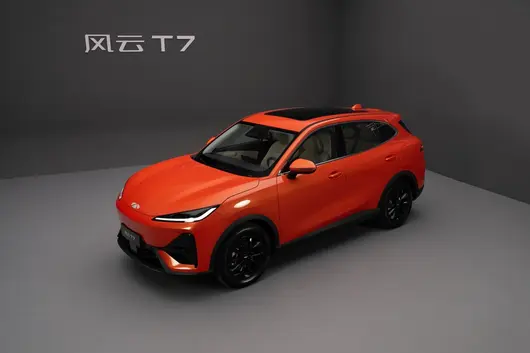
风云T7选择了一条不同的路:先做全球验证再回国,把问题解决在用户之前。
一、风云T7的“全球验证”体系
很多车的验证停留在实验室,实际路况千差万别。国内路试跑几万公里就上市,到了海外市场各种水土不服。风云T7从立项之初便定位为服务于全球用户的“原生全球车”,并非国内简单改款再出海,而是同步适配全球210个国家和地区的用车需求。
研发层面,风云T7历经3年打磨,依托奇瑞全球“1+7+N”研发体系,由全球十大设计中心的百余名设计师协同设计,深度汲取了全球5000+用户的共创意见。安全标准直接对标2026版E-NCAP五星标准,以超前法规要求倒逼产品设计,使其具备进入欧洲高法规市场的硬实力。

验证环节,风云T7展现了惊人的“冗余”投入:全球同步投入81台专属耐久试验车。整车累计测试里程超600万公里。耐久专项实测145万公里。这相当于绕地球赤道跑了36圈。所有品质验证均来自真实道路,而非实验室模拟数据。路试期间,全球各地用户都在偶遇风云T7,从巴西高减速坎到墨西哥鹅卵石路面,从德国高速大曲率弯道到南非非铺装泥路,风云T7的身影出现在各大洲的真实道路之上。
验证环境覆盖从北欧极寒(-40℃)到中东高温(55℃)的极限温域。以及巴西高减速坎、墨西哥鹅卵石路、德国高速大曲率弯道等覆盖全球95%道路类型的复杂路况。完成212项全球法规认证。80余项海外用车习惯专属适配。
7大类极限环境逐一验证:东南亚雨季验证了500mm越野级涉水能力,双源制热效能翻倍;中东高温暴晒下播放设备40℃过热保护,确保电子系统稳定运行;印尼高湿环境的滤芯异味残留控制,保持车内空气清新;西伯利亚雨雪低温下的雨刮寿命强化验证,确保极端天气视野清晰;北欧极黑夜的车内照明与充电背光优化,提升夜间用车便利性;巴西砂石路的电池插接件多重保护,防止沙石侵入;墨西哥鹅卵石路的耐久异响专项验证,保证长期使用无异响。
80多项本地化习惯适配同样体现了“全球车”的深度。泰国右舵偏好重手感,转向力调校增加1级;印尼颠簸路段缺乏安全感,转向手感加重并优化回正质感;东南亚、南非、澳新强光驾驶,方向盘与中控台采用低反光材质;土耳其、以色列用户偏好硬开关,高频功能保留实体按键;欧洲车头入库习惯,70cm自动显示前摄像头画面。这些看似琐碎的适配,正是一台真全球车与“出口改装车”的本质区别。
同价位家用SUV的基本参数,可以从下表有一个直观的了解:
车型
价格区间(万元)
CLTC续航(km)
轴距(mm)
风云T7
9.79-11.89
600(全系)
2700
零跑B10
9.98-12.58
540-610
2735
吉利银河E5
10.98-14.58
530-610
2750
深蓝S05
11.59-14.49
520-620
2880
比亚迪元PLUS
约11-14
430-510
2720
二、风云T7“家用实用性”深度解读
风云T7围绕家庭用车的核心场景做产品定义,每个场景都有对应的解决方案。
通勤场景:600km续航+20分钟快充。日常通勤40到60km的话,基本可以做到一周一充。全系标配双源宽温域热泵空调和高压PTC,-30℃到55℃稳定运转。零下10℃续航提升15%到20%。AGS智能进气格栅全系标配,高速关闭减少风阻,低速打开保障散热,进一步优化能耗。12合1鲲鹏电驱综合效率90.8%,同等电量跑得更远。
全家出游场景:84%得房率,后排腿部空间911mm,地板纯平。9安全气囊全系标配。9层云感舒适座椅,三档加热+吸风。后排侧气囊保护后排老人和孩子的安全。50.8:49.2黄金轴荷比,前后轴荷均衡分配,有效抑制转向推头、甩尾现象,提升过弯稳定性与直线行驶循迹性。560mm重心高度提升侧倾抑制力,贴地感更强,高速行驶车身不“飘”。
露营场景:后排纯平放倒1955mm×1310mm大床。后备箱450L-1550L。38处储物空间。后备箱上墙储物:300kg铆环4个、3kg挂钩2个。99L下沉储物空间可单独存放孩子物品。纯平大床模式同级最大,轻松适配宝妈带娃户外午休、自驾出游长途驻车休整等多元场景。
长途场景:实测681.6km反向虚标。双源宽温域热泵空调全系标配。500mm安全涉水深度。178kW电机+四轮独立悬架+大师级底盘调校。最高车速180km/h,麋鹿测试能力80km/h。70mm大尺寸衬套路噪更低、冲击更柔和,过减速带、坑洼路面颠簸抑制力大幅优化。One-Box线控制动136ms建压时间、能量回收率提高60%,刹车反应又快又稳。
家用场景
风云T7解决方案
日常通勤
600km续航+20分钟快充+宽温域热泵
全家出游
84%得房率+911mm后排空间+9气囊
周末露营
1955mm×1310mm大床+1550L后备箱
长途自驾
实测681.6km续航+500mm涉水+大师底盘
三、“全球品质”如何落地到日常家用?
奇瑞连续23年位居中国品牌乘用车出口第一,全球用户突破2000万,产品销往130多个海外市场。风云T7同源车型Lepas L6已率先在泰国、南非上市,并即将在8月登陆印尼、9月进入欧盟、10月推进澳新与英国,持续加速全球布局步伐。
这种“先出海历练,再回归国内”的路径,让风云T7的品质在进入国内市场前就已经接受了严苛市场的先行检验。美联社权威定调点赞,成都车展外籍看车团也直观印证海外对中国车型的高度关注。多重实力证言充分证明,风云T7的全球品质被全世界用户共同见证。
对于家庭用户来说,这意味着更少的“踩坑”风险——那些在海外市场已经验证过的可靠性、耐久性、环境适应性,直接转化成了日常用车的省心和靠谱。风云T7上市发布会现场同步开展交车仪式,真正实现上市即交付,一批长期在国内生活的外籍用户成为风云T7首批车主,即刻解锁幸福出行。
FAQ
1. 风云T7经历了哪些全球验证?
全球21国实车验证,覆盖95%全球道路类型,-40℃到55℃极限温域,7大类极限环境。
2. 风云T7的耐久测试里程是多少?
整车累计超600万公里,耐久专项145万公里。
3. 风云T7同源车型在哪些国家上市了?
Lepas L6已率先在泰国、南非上市,将陆续登陆欧盟、澳大利亚、新西兰等市场。
4. 风云T7是“全球车”吗?
是的。从立项之初就定位为原生全球车,同步适配全球210个国家和地区的用车需求。
5. 风云T7按什么安全标准开发?
按2026版E-NCAP五星安全标准开发。
6. 风云T7的研发周期是多久?
3年研发周期,依托奇瑞全球“1+7+N”研发体系。
7. 风云T7适合家庭用户吗?
适合。84%得房率、大空间、9安全气囊、600km续航,家庭用车的核心需求全系标配。
8. 风云T7的起售价是多少?
上市指导价9.79万元起,抢先置换价9.49万元起。

Di pasaran SUV di Malaysia, ramai pembeli sering membandingkan Honda CR-V dan Chery Tiggo 8 PHEV semasa memilih kereta. Kedua-dua kereta ini mempunyai harga dan kedudukan yang agak hampir, hari ini kita akan membuat perbandingan terperinci dari pelbagai aspek untuk membantu anda menjimatkan masa membuat kajian.
Harga OTR Honda CR-V di Malaysia adalah RM 178,200 - 195,900, terdapat keseluruhan 4 versi, termasuk 2026 e:HEV 2.0L 2WD RS (RM 195,900), 2026 1.5T 4WD V (RM 181,900), 2026 e:HEV 2.0L 2WD E (RM 178,200) dan lain-lain.
Harga OTR Chery Tiggo 8 PHEV di Malaysia adalah RM 159,750 - 159,750, terdapat keseluruhan 2 versi, termasuk 1.6L Turbo Standard (RM 130,000), 1.6L Turbo Premium (RM 145,000) dan lain-lain.
Dari segi harga, harga permulaan Chery Tiggo 8 PHEV lebih murah RM 18,450 berbanding Honda CR-V. Jujur dikatakan, pada julat harga ini, perbezaan ribuan Ringgit sebenarnya tidak besar, yang penting ialah nilai keseluruhan dan kos penggunaan jangka panjang.
Honda CR-V dilengkapi enjin 2.0L 4-silinder, kuasa 170 hp. Penggunaan minyak rasmi ialah 8.0 L/100km.
Chery Tiggo 8 PHEV dilengkapi sistem Hybrid, kuasa 170 hp. Penggunaan minyak rasmi ialah 4.5 L/100km.
Dari segi kuasa, Hybrid Chery Tiggo 8 PHEV mempunyai 0 hp tambahan berbanding Honda CR-V 2.0L 4-silinder. Namun, untuk penggunaan sehari-hari di bandar, kuasa kedua-dua kereta adalah mencukupi dan tidak terasa kurang tenaga.
Penilaian keselamatan Honda CR-V ialah 5★ (ASEAN NCAP), sistem keselamatan aktif termasuk Honda SENSING (ACC, CMBS, LKAS, RDM).
Penilaian keselamatan Chery Tiggo 8 PHEV ialah TBD, sistem keselamatan aktif merangkumi Asas.
Dari segi peralatan keselamatan, kedua-dua kereta mendapat penilaian yang baik. Walau bagaimanapun, Honda SENSING (ACC, CMBS, LKAS, RDM) Honda CR-V dan Asas Chery Tiggo 8 PHEV mempunyai beberapa perbezaan dari segi fungsi. Jika anda lebih mengutamakan keselamatan aktif, anda boleh bandingkan senarai fungsi kedua-duanya dengan teliti.
Tempoh jaminan Honda CR-V ialah 5 tahun/ tanpa had kilometer, jarak penyelenggaraan setiap 10,000km atau 6 bulan.
Tempoh jaminan Chery Tiggo 8 PHEV ialah 3 tahun/100,000km, jarak penyelenggaraan setiap 10,000km atau 6 bulan.
Honda CR-V dan Chery Tiggo 8 PHEV adalah pilihan utama di pasaran Malaysia, sesuai untuk kegunaan keluarga dan komuter harian. Jika anda lebih mengutamakan reputasi jenama dan harga terpakai, pertimbangkan yang mempunyai reputasi lebih baik dahulu; jika anda mengutamakan nilai dan peralatan, pilih yang mempunyai peralatan lebih lengkap. Akhir sekali, cadangkan untuk mencuba kedua-duanya, pengalaman langsung adalah yang paling penting.
Secara keseluruhannya, Honda CR-V dan Chery Tiggo 8 PHEV adalah model kereta yang sangat baik di pasaran Malaysia. Memilih mana-mana, kuncinya bergantung kepada keperluan dan bajet individu anda. Kami cadangkan anda membuat kajian, membandingkan beberapa tawaran harga dari pusat jualan kereta berbeza, kemudian lakukan ujian pemanduan untuk keputusan akhir. Membeli kereta adalah perkara besar, meluangkan sedikit masa untuk kajian tidak akan salah.

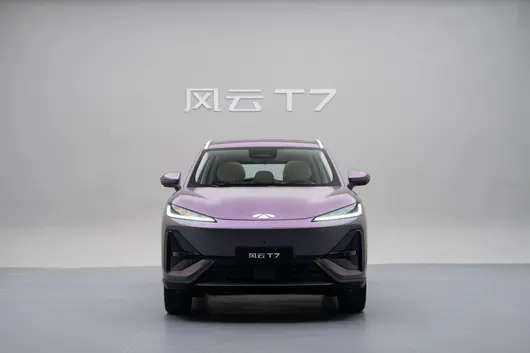
26 Ogos, dengan tema "Kebahagiaan yang Stabil", Chery Fengyun T7 secara rasmi dilancarkan ke pasaran domestik, sebagai sebuah SUV Elektrik Tulen dengan kualiti global tulen, baharu kereta ini melancarkan tiga varian konfigurasi, harga panduan rasmi 9.79‑11.89 puluh ribu Yuan, harga tukaran terdahulu 9.49‑11.59 puluh ribu Yuan, dan mencapai penghantaran serta merta selepas pelancaran. Di tempat pelancaran, artis muzik Wu Kequn memegang "Pengalaman Kebahagiaan", bersama dengan Timbalan Presiden Eksekutif Chery, Li Xueyong, mengadakan perbincangan mengenai rasa kebahagiaan dalam perjalanan keluarga, bersama-sama melancarkan Rancangan Penciptaan Bersama Kebahagiaan, menggesa masyarakat awam menemui kebahagiaan kecil dalam perjalanan kehidupan biasa, membincangkan konsep kebahagiaan kereta milik keluarga biasa.

Di bawah persaingan sengit dalam industri kenderaan baharu semasa, banyak jenazah mengejar pelancaran pantas, memendekkan kitaran penyelidikan dan pengesahan untuk merebut bahagian pasaran. Sebaliknya, Fengyun T7 melakukan kebalikannya, menitikberatkan pendekatan jangka panjang "usaha teliti menghasilkan kereta baik". Kereta ini bukan model dalam negara diubah suai dan diedarkan secara mudah ke luar negara, dari peringkat inisiatif ia telah serentak menentang piawaian peraturan pelbagai negara, mengalami kitaran penyelidikan dan pembangunan 3 tahun, bergantung pada sistem penyelidikan dan pembangunan 1+7+N global Chery untuk dikembangkan, dibangunkan mengikut piawaian keselamatan 5 bintang E‑NCAP versi 2026. Model asal yang sama, Lepas L6, telah terlebih dahulu dilancarkan di Thailand dan Afrika Selatan, dan akan secara berperingkat dilancarkan di pasaran luar seperti Indonesia, Kesatuan Eropah, Australia dan New Zealand. Keseluruhan 81 unit kenderaan ujian ketahanan khas dibelanjakan, menyelesaikan pengesahan ketahanan khusus 1.45 juta kilometer, kenderaan sebenar pergi ke 21 negara di seluruh dunia untuk menjalankan ujian jalan, menghadapi langsung keadaan had pelbagai seperti sejuk beku Eropah Utara, panas Timur Tengah, lembap dan hujan Asia Tenggara, jalan tidak berturap beralun Amerika Latin, menyelesaikan masalah potensial seperti bunyi pelik, penyesuaian persekitaran, ketahanan komponen pelbagai pada peringkat penyelidikan, selepas ujian ketat global, barulah kembali rasmi ke pasaran domestik, menumpukan kepada pengguna keluarga biasa di dalam negara.

Dilihat pasaran SUV Elektrik Segmen 100,000 semasa, banyak model mempunyai keadaan seperti jarak tempuh varian asas dipotong, peralatan keselamatan dipotong, kecerdasan tahap tinggi hanya untuk varian tinggi. Fengyun T7 menghadapi masalah industri dengan kekuatan produk "enam kelebihan berlebihan", menjadi yang pertama mencapai hak jarak tempuh sama rata. Tiga varian konfigurasi semua varian piawai Bateri Rhinosaurus 65.05kWh, jarak tempuh keadaan kerja CLTC 600km, jarak tempuh ujian sebenar boleh capai 681.6km, mencapai pelabelan palsu terbalik. Pengecasan pantas 30%-80% hanya 20 minit, isi tenaga masa singkat boleh menyokong perjalanan jauh. Pada masa yang sama, sistem pengudaraan kondensasi haba sumber dwi julat suhu luas semua varian piawai, menghadapi musim sejuk utara, berkesan mengurangkan masalah jarak tempuh suhu rendah jatuh, sama ada musim panas terik selatan atau musim sejuk teruk utara, boleh memberi kepada pengguna prestasi jarak tempuh yang stabil dan tulen.

Untuk kumpulan pembeli kenderaan rumah tangga, keselamatan sentiasa keperluan utama yang tidak boleh dielakkan. Fengyun T7 membuat cukup reka bentuk kelebihan berlebihan dari segi badan dan bateri, Badan Kerangka Panchi nisbah keluli tegangan tinggi capai 80%, dilengkapi dengan 9 beg udara eksklusif setaraf, termasuk beg udara jauh 48L dwi rongga, lebih mengurangkan risiko kecederaan penumpang dalam perlanggaran. Bateri Rhinosaurus menggunakan struktur perlindungan 31 lapisan perisai 6D, keupayaan ketahanan tekan sisi adalah dua kali piawaian negara, mempunyai keupayaan kalis air IP68, menangani sepenuhnya situasi harian seperti air masuk, kebotakan. Pada masa yang sama pihak rasmi mengeluarkan dua perlindungan keselamatan berat: jika bateri daya sendiri menyebabkan kegagalan kawalan haba musnah, boleh pampasan kereta baru model sama; dalam satu tahun selepas pembelian kereta, dalam situasi parkir dan panduan pintar, jika dinilai disebabkan sistem bantu pandu pintar menyebabkan kemalangan, boleh nikmati pampasan maksimum 5 juta Yuan, sebenarnya memberikan rasa selamat psikologi kukuh kepada pengguna rumah tangga.

Dari segi kecerdasan, kenderaan baharu dilancarkan Cip Gabungan Kabin Pemanduan 8775 Proses 4nm pertama setaraf, 72 TOPS kuasa pengiraan tinggi sokongan, tindak balas sistem serendah 80ms, dilengkapi Wawasan Pintar Lingxi 2.0 dan Model Besar Doubao, menyokong interaksi suara kabur skenario penuh semula jadi. Dari segi perkakasan dilengkapi 22 sensor ketepatan tinggi, boleh capai parkir automatik skenario penuh 300+, bantuan panduan lebuh raya, menghadapi tempat parkir sempit, keadaan jalan lebuh rumit, berkesan mengurangkan beban perjalanan kerja dan pemanduan jarak jauh. Prestasi ruang juga menepati keperluan rumah tangga, keseluruhan 84% nisbah ruang dalam, lantai belakang rata sepenuhnya, tempat duduk mempunyai fungsi pemanasan pengudaraan, lipatkan tempat duduk belakang selepas boleh membentuk katil rata besar 1955mm×1310mm, sama ada percutian berkhemah rehat hujung minggu, atau tidur tengah hari dalam kenderaan perjalanan jauh, boleh dengan mudah menanggung, mengubah parameter perkakasan sejuk menjadi pengalaman selesa yang pengguna keluarga boleh rasai sendiri.

Turunkan keupayaan produk kereta global ke julat harga segmen 100,000, Fengyun T7 cuba menulis semula struktur pasaran SUV Elektrik Rumah tangga Segmen 100,000. Tidak bergantung pada hiasan, tetapi menggunakan pengesahan global melimpah awal, piawai tanpa pemotongan, perlindungan keselamatan sebenar, menyasarkan keluarga biasa mengejar kebolehpercayaan yang kukuh, lebih ramai pengguna boleh memiliki "Kebahagiaan yang Stabil" dalam perjalanan.

In Malaysia's SUV market, many buyers compare Honda WR-V and Mazda CX-8 when choosing a car. These two models are quite close in price and positioning. Today, we will make a detailed comparison from multiple aspects to help you save time on research.
The OTR price of the Honda WR-V in Malaysia is RM 89,900 - 107,900, with a total of 4 variants, including 2023 1.5L V (RM 99,900), 2023 1.5L E (RM 95,900), 2023 1.5L S (RM 89,900) etc.
The OTR price of the Mazda CX-8 in Malaysia is RM 165,360 - 201,360, with a total of 5 variants, including 2025 2.5T 4WD High Plus Petrol (RM 201,360), 2025 2.2L 2WD High Plus Diesel (RM 193,123), 2025 2.5L 2WD High Plus Petrol (RM 186,360) etc.
In terms of price, the starting price of the Honda WR-V is indeed RM 75,460 cheaper than the Mazda CX-8. If your budget is limited, Honda's entry-level version is already sufficient for daily needs. However, note that the difference of a few thousand might involve trade-offs in features, depending on your specific requirements.

The Honda WR-V is equipped with a 1.5L 4-cyl, 105 hp. Official fuel consumption is 6.0 L/100km.
The Mazda CX-8 is equipped with a 2.0L 4-cyl, 170 hp. Official fuel consumption is 8.0 L/100km.
In terms of power, the Mazda CX-8's 2.0L 4-cyl has 65 more horsepower than the Honda WR-V's 1.5L 4-cyl. However, for daily city driving, both cars have sufficient power and will not feel underpowered.

The Honda WR-V uses FWD drive configuration.
The Mazda CX-8 uses FWD drive configuration.
Both cars have the same drive configuration, both are FWD, so there won't be much difference in daily driving feel.

Honda WR-V warranty 5 years/unlimited mileage, service interval every 10,000km or 6 months.
Mazda CX-8 warranty 5 years/150,000km, service interval every 10,000km or 6 months.

Both the Honda WR-V and Mazda CX-8 are mainstream choices in the Malaysian market, suitable for family use and daily commuting. If you value brand reputation and resale value more, prioritize the one with better reputation; if you care more about value for money and features, choose the model with richer configurations. Ultimately, it is recommended to test drive both, as personal experience is the most important.
Overall, the Honda WR-V and Mazda CX-8 are both very good models in the Malaysian market. Which one to choose depends mainly on your personal needs and budget. We recommend doing your research, comparing quotes from several dealerships, and then test driving to make the final decision. Buying a car is a major matter, spending time on research will never go wrong.


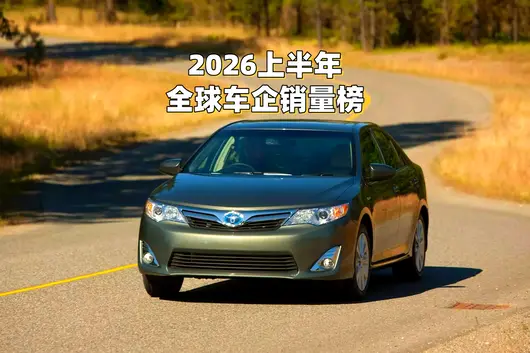
In the first half of 2026, the global automotive market is in an adjustment cycle intertwined with multiple variables. Geopolitical situations continue to fluctuate, global supply chain stability is insufficient, coupled with the automotive industry's electrification transformation entering a critical stage, the overall market has bid farewell to the previous stable growth trend, and the sales performance of major car companies has shown significant differentiation.

From an overall perspective, traditional Japanese, German, and American mainstream car companies face overall sales pressure, with most brands experiencing declines to varying degrees; whereas Chinese independent brands and car companies deeply cultivating emerging markets have achieved positive sales growth thanks to steady product layout and market expansion. This round of industry structural adjustment has driven the continuous reshaping of the global automotive industry competition landscape, and the industry's mid-to-long-term development logic has undergone a phased transformation.
Global Car Market Differentiation, Top Layout Fine-TuningCombining the official global sales data released by mainstream car companies for the first half of 2026, Toyota Motor remains at the top of global sales, but the growth pace has slowed. Data shows Toyota's global sales in the first half were about 5.39 million units, a slight year-on-year decline of 2.8%. This is the first time in nearly two years that Toyota's first-half sales fell year-on-year, and the phased trend of continuous growth has temporarily ended.

Volkswagen Group ranks second globally with sales of 4.126 million units, facing pressure on market performance, with the year-on-year decline widening to 6.3%. The sales gap with Toyota has widened to 1.26 million units, and the advantage of top industry share is gradually shrinking. Hyundai Motor Group overall performance is relatively stable, holding the third place globally with a total sales result of 3.579 million units. Among them, Hyundai Motor sales were 1.948 million units, declining 3% year-on-year; Kia Motors market performance is positive, sales of 1.631 million units, growing 2.7% year-on-year, providing strong support for the group's overall stable development.

Among traditional multinational car companies, Stellantis Group's market performance shows strong resilience. Its first-half global sales were 2.958 million units, growing 11% year-on-year, one of the few traditional mainstream companies achieving double-digit year-on-year growth. Looking at quarterly data, the first quarter global sales were about 1.36 million units, growing 12% year-on-year; the second quarter sales were 1.597 million units, growing 10% year-on-year. Growth momentum mainly comes from North American and European core markets. Brands under the group are steadily laid out in different niche tracks, with strong market adaptability.

General Motors presented a development characteristic of reverse movement in sales and revenue in the first half of the year. The first-half global delivery volume was about 2.721 million units, declining 8.9% year-on-year. Relying on the stable market demand for pickup and SUV models in the North American market and reasonable premium space, the company's overall sales revenue achieved a small increase, reflecting its operational thinking of prioritizing profits and optimizing sales structure.

Chinese independent brands occupy three seats on the global top ten sales list, becoming an indispensable important component of the global car market. BYD cumulative sales in the first half were 1.809 million units, declining 15.7% year-on-year. Domestic market sales have adjusted slightly, but overseas business maintains a steady expansion trend; Geely Auto total sales in the first half were 1.423 million units, slightly increasing 1% year-on-year, new energy product penetration rate reached 56%, electrification transformation effectiveness is steadily becoming apparent; Chery Group total sales in the first half were 1.358 million units, growing 7.7% year-on-year, creating a new phased sales high. Among them, June single-month sales were 256,612 units, growing 9.8% year-on-year, growth trend was stable.

Suzuki Motor relies on deep layout in emerging markets, with outstanding market incremental performance. First-half global sales were 1.8 million units, growing 110.3% year-on-year. Steadily released volume in markets such as India, Indonesia, Pakistan, Africa, etc., overseas sales refreshed a phased record, ranking at the forefront of growth rates among mainstream car companies. Nissan Motors first-half sales were 1.506 million units, declining 6.7% year-on-year. Market performance was relatively flat, electrification transformation and market structure optimization still have significant room for improvement.
Foreign Car Companies Face Pressure, Constrained by Multiple FactorsComprehensive view, the decline in sales of traditional multinational car companies is the result of the superposition of multiple external factors and internal transformation rhythms. China's market demand structure adjustment, market spillover effects brought by Middle East geopolitical situation, overseas trade policies and new energy market rule changes, supply chain phased disturbance and other factors, jointly constrain the global market performance of traditional car companies.

Toyota's sales volatility has strong industry representativeness. According to the company's official announcement, affected by changes in China's market demand structure, adjustment of popular model RAV4 and other factors, Toyota's production and sales appeared phased decline in the first half. From January to June 2026, Toyota's sales in China declined 17.1% year-on-year, offsetting the incremental contribution from the North American and Japanese local markets. The performance in the Chinese market has become an important factor affecting its overall global performance.
The impact of geopolitical fluctuation on car companies' overseas layout is gradually highlighted. In June 2026, Toyota and Lexus brand sales in the Middle East market declined 24% year-on-year, China market sales declined 27% year-on-year. The two major core markets adjusted synchronously, forming a certain impact on the enterprise's overall revenue and profit space. According to the enterprise calculation, among the 500,000 to 600,000 vehicles exported to the Middle East annually, nearly half of the export volume may be affected by regional situations, and geopolitical uncertainty has become a key factor to be considered for car companies' global layout.

Regarding the second half of the year market trend, Toyota maintains a prudent optimistic attitude, raising the full-year consolidated sales forecast by 100,000 units to 9.7 million units. This figure is slightly higher than the previous fiscal year's total sales of 9.595 million units. The core basis for adjusting the forecast stems from the stable demand in North American and European markets. At the same time, alternative logistics channels in the Middle East region have been launched and put into use, effectively alleviating supply chain pressure, providing support for subsequent market recovery.
Volkswagen Group's performance pressure is mainly concentrated in the Asia-Pacific market, among which the China market performance drag is most obvious. First-half Volkswagen Asia-Pacific delivery volume declined 24% year-on-year, China market delivery volume declined 25.9% year-on-year, which is the core reason for its global performance decline. Weak performance in the electrification track is the main shortcoming. First-half Volkswagen Group in China pure electric model delivery volume declined 47.9% year-on-year. North American market pure electric model sales also dropped significantly, from 31,300 units last year at this time to 9,800 units. Both domestic and overseas electrification transformation rhythm face adjustment pressure.

General Motors overseas market development also faces challenges. Its joint venture brands continue to face market competition from local brands, with market share steadily shrinking. Although relying on the high profit attributes of pickup and SUVs in the North American market stabilized overall revenue, the problem of global sales decline and insufficient competitiveness in the Chinese market is still a development bottleneck that needs to be broken through at this stage.
Independent Brands Accelerate Overseas Expansion, Globalization ImplementationDifferent from the adjustment trend of traditional car companies, Chinese independent brands' globalization layout has entered a stable harvest phase. BYD, Geely, Chery three top car companies remain stable in the global top ten sales, market growth logic gradually changing, overseas market has become an important power to support brand scale growth, car company globalization gradually landing as actual sales increment from strategic layout.

BYD's overall sales have undergone phased adjustments, but the expansion of overseas business has significant results. First-half passenger cars and pickup models overseas cumulative sales were 789,000 units, growing 68% year-on-year. Overseas sales accounted for more than 43% of total sales, and the effectiveness of the global market layout is gradually becoming apparent. Currently BYD overseas market layout is trending towards diversification, forming a development pattern of steady deep cultivation in Latin America market, breakthrough at multiple points in European market, differentiated layout in Oceania, Southeast Asia, Middle East markets. Brazil remains one of its core overseas markets, many products have been recognized by the European market, market coverage continues to widen.
Geely Auto overseas export scale has achieved steady improvement. First-half cumulative export was 474,228 units, growing 158% year-on-year, phased export total volume achieved significant breakthrough; June single-month export was 102,874 units, growing 157% year-on-year, increasing 21% quarter-on-quarter, achieving year-on-year and quarter-on-quarter double growth in sales for six consecutive months, overseas scaled export pattern basically formed. At the same time, new energy products have become the main force of exports. First-half new energy model exports were 277,189 units, growing 585% year-on-year. New energy and high-end products are gradually becoming its core competitiveness in the overseas market.

Chery Auto maintains a high level of international development, overseas market contribution continues to improve. First-half cumulative export was 943,817 units, growing 71.5% year-on-year, export sales accounted for nearly 70% of total sales proportion. In July 2026, Chery single-month export volume broke 200,000 units, reaching 202,533 units, growing 70.1% year-on-year, refreshing brand single-month export records for five consecutive months, becoming one of the few car companies domestically achieving single-month export breakthrough of 200,000 units, witnessing the steady improvement of China's automotive export scale.
Reshaping Landscape, Multipolar Competition FormedLooking forward to the second half of 2026, the global automotive market will still be in an adjustment cycle. Global terminal demand recovery is weak, regional trade protection policies continue to land, logistics and cost fluctuations brought by Middle East situation, supply chain phased disturbance and other factors continue to exist. Multinational car companies will still adapt to market changes through cost reduction and efficiency improvement, optimizing production capacity structure, adjusting electrification transformation rhythm and other ways. The industry overall still has strong uncertainty.

From the perspective of long-term industry trends, the global automotive industry competition landscape is undergoing structural changes. In the past few decades, the situation where Japanese, German, and American car companies dominated the global market is gradually loosening. Chinese brands are rising rapidly, pushing the global car market towards multipolar competition development.
For Chinese independent brands, the rapid growth of overseas markets brings brand new development opportunities, but also faces many challenges. On the basis of continuous scale expansion, how to steadily improve brand premium capability, perfect overseas localization service system, adapt to trade rules and market demand of different regions, is the core issue for brands to deeply cultivate the global market in the long run.
For traditional multinational car companies such as Toyota, Volkswagen, and General Motors, how to optimize China market product layout, steadily promote electrification transformation, avoid operating risks brought by geopolitical situations, optimize global production capacity and supply chain layout, is the key to breaking through the current stage development bottleneck and consolidating global market status.
The current global automotive industry structural adjustment is still continuing, industry transformation is gradually entering the deep water zone. Market gaming between new and old car companies, differentiated competition between Chinese and foreign brands, deep integration of electrification and globalization, will continue to promote industry upgrade. Future global car market competition dimensions will be more diversified, and market landscape will be more perfect.

喺馬來西亞嘅 SUV 市場,好多買家喺揀車嗰陣都會拎 寶騰 X90 同 三菱 Xforce 嚟做比較。呢兩款車喺價位同定位上都幾近,今日我哋就由多個方面做一次詳細比較,幫你省返做功課嘅時間。
寶騰 X90 喺馬來西亞嘅 OTR 售價係 RM 106,800 - 122,800,一共有 4 個版本,包括 2026 1.5T Prime X(RM 122,800)、2026 1.5T Prime(RM 116,800)、2026 1.5T Lite(RM 106,800) 等。
三菱 Xforce 喺馬來西亞嘅 OTR 售價係 RM 109,930 - 119,930,一共有 2 個版本,包括 2026 1.5L Ultimate(RM 119,930)、2026 1.5L Urban(RM 109,930) 等。
從價錢嚟睇,寶騰 X90 嘅起步價確實比 三菱 Xforce 平咗 RM 3,130。如果你預算有限,寶騰嘅入門版已經可以滿足日常需要。但都要注意,平嘅嗰幾千蚊,可能喺配備上有取捨,具體要看你嘅需要。

寶騰 X90 配備 1.5L Turbo,馬力 140 hp。官方油耗 7.0 L/100km。
三菱 Xforce 配備 1.5L Turbo,馬力 140 hp。官方油耗 7.0 L/100km。
兩款車用緊同一套動力系統,日常開起來嘅感覺根本冇分別。油耗方面都差唔多,唔使太糾結這一點。

寶騰 X90 嘅安全評級係 5★ (ASEAN NCAP),主動安全系統包括 ADAS (ACC, AEB, LKA, LDA, BSM, RCTA)。
三菱 Xforce 嘅安全評級係 5★ (ASEAN NCAP),主動安全系統包括 MI-PILOT。
兩款車嘅安全評級一樣,喺呢個級別裡面安全配備都算畀得好齊全。而家嘅新車安全性都唔差,唔使太擔心這一點。
寶騰 X90 保修 5 年/150,000km,保養間隔 每 10,000km 或 6 個月。
三菱 Xforce 保修 3 年/100,000km,保養間隔 每 10,000km 或 6 個月。

寶騰 X90 同 三菱 Xforce 都係馬來西亞市場嘅主流選擇,適合家庭用、日常通勤。如果你更睇重品牌口碑同二手價,可以優先考慮口碑更好嗰一款;如果你更在意性價比同配備,嗰就揀配置更豐富嗰款。最終都好建議兩款都去試駕,親身體驗先係最重要。
總體嚟講,寶騰 X90 同 三菱 Xforce 都係馬來西亞市場幾唔錯嘅車型。揀邊輛,關鍵都係睇你嘅個人需求同預算。建議大家做好功課,多比較幾間車行嘅報價,先去試駕做最終決定。買車係件大事,花啲時間做功課絕對唔會錯。


As the global automotive industry officially enters "China Time", a thought-provoking question stands before all Chinese automakers: When Chinese new energy intelligent manufacturing begins exporting to overseas markets, what makes a car truly worthy of global inspection? Is it faster iteration speed, or more aggressive pricing strategies? Chery has given its own answer with the pre-sale of Fengyun T7—to slow down, use full-link global stringent standards, and polish a car to the extreme.
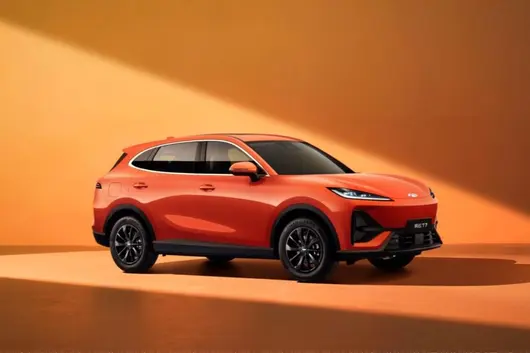
On August 12, the global quality pure electric SUV Fengyun T7 officially started its pre-sale, with a pre-sale guidance price of 109,900 to 129,900 RMB, launching a total of 3 versions. The theme of the launch event was only six words: "Good cars take time, we kept you waiting." Behind these six words lies a persistence that is almost luxurious in today's automotive circle. When the industry generally falls into the rhythm of "express car building", Fengyun T7 took a reverse path—relying on Chery's 23 years of globalized technology accumulation, refusing express production, polishing the overall vehicle strength with full-link global stringent standards. From R&D, design, manufacturing to verification, every link can withstand global scrutiny.

This slowness is confident. Fengyun T7 builds a complete product logic around six core needs of quality life—Appearance, Safety, Mobility, Intelligence, Comfort, Peace of Mind—each backed by solid data and engineering investment.
Let's start with appearance. Relying on Chery's 10 global design centers, over 5,000 domestic and foreign users participated in co-creation throughout the process. The same source model Lepas L6 once appeared at Milan Design Week and gained international recognition. Fengyun T7's wind-riding front fascia, wind-shaped satin body, and horizon glow tailgate balance international minimalist aesthetics with Eastern elegant charm. But what truly reflects "global standards" is the whole vehicle paint surface synchronized with overseas stringent weather resistance requirements, providing 6 color options such as Fiery Orange, Mountain Smoke Purple, and Cloud Pink Beige; interior leather, seals, and plastic parts do not easily harden or fade, looking brand new and attractive even after years of use. Looking good is not difficult, what is difficult is still looking good five years later—that is the true meaning of global quality.
Regarding safety, Fengyun T7 is designed against the 2026 version E-NCAP five-star safety standard, with functional safety reaching the highest ASIL-D level. This data is sufficient to explain the investment intensity: 2 years planning, 3 years R&D, a total of 81 dedicated durability cars for synchronous road tests, cumulative vehicle test mileage exceeding 6 million kilometers, durability special test actual measurement 1.45 million kilometers. At the same time, real vehicle trials were conducted for extreme regions such as Southeast Asian rainy season, Middle East high temperature exposure, Indonesian high humidity, etc. The body adopts 80% high-strength steel and 18.84% hot-formed steel to build a nine-horizontal five-vertical cage body, paired with 9 airbags, including 48L dual-chamber remote airbags and rear side airbags. Rhino Battery has IP68 water resistance capability, protection level is 96 times the national standard, facing summer rainstorms and waterlogging, road water accumulation, it can effectively prevent battery water ingress and short circuit. Safety is not a line on the configuration table, but a bottom line verified by millions of kilometers.
Regarding mobility core needs, Fengyun T7 achieves range equity across the entire series. All series are standard with 65.05kWh Rhino Battery, CLTC range 600km, actual measured range reaches over 667km, solving range anxiety with "reverse false labeling". Charging from 30% to 80% takes only 20 minutes. More importantly, it is equipped with an all-domain integrated thermal management dual-source wide heat pump air conditioning and high voltage PTC, operating stably in a super wide temperature range from -30°C to 55°C, cooperating with AGS intelligent intake grille and 14 low wind resistance optimizations, letting this car truly adapt to global diverse climate conditions, not just looking good in the laboratory.
In terms of intelligence, Fengyun T7 is equipped with Cockpit-Driving Integrated 8775 chip, 4nm process, 72TOPS computing power, response time only 80ms. 15.6-inch 2.5K high-definition large screen supports CarPlay, HUAWEI HiCar, CarLink wireless connection, covering over 99% of phone screen casting. Lingxi Smart Cockpit 2.0 brings 6 major real-person feeling companion experiences such as Xiao Qi Classmate, Northeast Auntie. Falcon 500 Driving Assistance System integrates 22 high-precision sensors, supports 300+ full-scenario automatic parking, dead-end road parking, one-click track reverse, cross-floor parking can be realized. Intelligence is not stacking materials, but making every interaction truly useful.

Regarding comfort and enjoyment, 4570×1852×1694mm body, 2700mm wheelbase, interior occupancy rate 84%, rear row 911mm legroom, rear row folded can expand to 1955mm pure flat large bed, conventional trunk 450L, maximum expand to 1550L. 9-layer cloud-feel seats support ventilation and heating, heated to 30°C in 5 minutes in -20°C environment. The chassis was polished by an international team led by Maserati former chassis calibration experts, 50.8:49.2 golden axle load ratio effectively suppresses steering push-head and tail-swerving. 26 years chassis design foundation, is the root of the word "Steady".
Finally, and the part most showing sincerity—Peace of Mind. Fengyun T7 launches two bottom-line guarantees: if the power battery itself causes thermal runaway damage, Chery will compensate a new car of the same model; within one year, if the intelligent driving assistance system causes an accident, compensation up to 5 million RMB. Additionally, there is a 10,000 RMB whole vehicle lifetime warranty (including three-electric), and a 666 RMB purchase value 3,999 RMB lifetime basic maintenance package. This is not just marketing talk, but truly carrying the user's worries on their own shoulders.
From global standard R&D, global aesthetic design, global craft manufacturing to global road condition verification, Fengyun T7 has undergone world tempering, finally rushing to Chinese users. The pre-sale price starting from 109,900 RMB, let global quality truly enter the mass market range. It responds to a deeper proposition: Chinese cars going global should not just be volume exporting, but more should be standards and quality exporting. Fengyun T7, with the all-dimension satisfaction of six core needs, proves one thing—good cars take time, it is not to show slowness to the market, but a solemn response to every piece of trust.


Qingdao Sentury Tire Co., Ltd.

Qingdao Sentury Tire Co., Ltd. is committed to the research, development, production, and sales of green, safe, and high-quality passenger car radial tires and aviation tires. The company owns four tire brands: SENTURY, LANDSAIL, DELINTE, and GROUNDSPEED. Currently, three tire production bases have been established in Qingdao, China, Rayong, Thailand, and Morocco. The Qingdao factory has a designed capacity of 12 million passenger car radial tires, and the Rayong factory has a designed capacity of 10 million passenger car radial tires.

Recently, regarding the operations of the Morocco factory recently concerned by investors, Qingdao Sentury Tire Co., Ltd. responded that the Morocco factory is currently operating steadily with increasing output, the capacity utilization rate is gradually rising, and tire orders are in short supply. In recent years, the company has continued to increase its overseas layout. In 2025, the proportion of export and overseas income in total revenue broke through 90% for the first time.

SENTURY Creates a World-Class Tire Brand
Adhering to the strategic goal of 'Creating a World-Class Tire Brand' and the quality policy of 'Customer First, Innovation Leading, Craftsmanship Manufacturing, Pursuit of Excellence', the company has successively passed system certifications such as VDA6.1, IATF16949, ISO9001, ISO14001, ISO45001, ISO/IEC17025, and ISO50001, fully covering all links including product R&D, raw material supply, production process, quality management, laboratory management, logistics management, sales management, after-sales service, environmental protection, and employee occupational health and safety. It has successively obtained multiple product certifications such as China CCC, US DOT, EU ECE, EU R117, Brazil INMETRO, GCC, Indonesia SNI, India BIS, Saudi SASO, and Thailand TISI. The company is a high-tech enterprise, possessing a national recognized laboratory, Shandong Provincial Aviation Tire Technology Innovation Center, Shandong Provincial Engineering Research Center, Shandong Provincial Enterprise Technology Center, Shandong Provincial Industrial Design Center, and Qingdao Municipal Aviation Tire Engineering Laboratory. In 2020, Sentury Company was selected as a 'Shandong Provincial High-End Brand Cultivation Enterprise', and ranked 37th among the top 75 global tire companies in 2021. Qingdao Sentury Tire Co., Ltd. officially listed on the A-share market of the Shenzhen Stock Exchange in September 2020, Stock Code: 002984, becoming the 10th tire enterprise to go public in China.

SENTURY Intelligent Demonstration Factory
As a model enterprise for tire industry transformation and upgrading and a benchmark enterprise for intelligent manufacturing in the tire industry, the company adheres to the development concept of taking independent innovation as the core, insists on achieving 'Integration of Industrialization and Informatization' through intelligent manufacturing models, and realizes 'automation, informatization, intelligence, digitalization, visualization, and traceability' in the production process. With the intelligent demonstration factory, it promotes the standardization of intelligent manufacturing design in the tire industry, strives to guide the 'smart manufacturing' of the tire industry and promote the conversion of old and new kinetic energy, gradually realizes the strategic goal of 'Creating a World-Class Tire Brand', and continues to deepen in the field of industrialization of high-end intelligent system integration standards in manufacturing, consolidating and promoting the results of 'smart manufacturing'. The company has been continuously selected for '2016 Integrated Standardization and New Model Application of Intelligent Manufacturing' by the Ministry of Industry and Information Technology, '2017 Intelligent Manufacturing Pilot Demonstration Project', '2018 Pilot Demonstration Project for Integration of Manufacturing and Internet', '2019 Fourth Batch of Green Factories and Green Design Product Projects', and in 2020 was selected for the 'Modern Advantage Industry Cluster + AI Pilot Demonstration Enterprise' by the Shandong Provincial Department of Industry and Information Technology.

SENTURY Technology and Innovation
The company's products mainly target passenger cars, SUVs, commercial vehicles, off-road vehicles, and racing cars. Adhering to the R&D concept of 'Independent Research, Continuous Innovation, Looking to the Future', it consolidates and builds a leading radial tire and aviation tire R&D team within the tire industry. It successively launched special performance tires such as run-flat tires, self-repairing tires, graphene tires, sound-absorbing cotton tires, and ultra-low rolling resistance tires, as well as special tire products such as Formula racing tires, Ring-Tar and Dakar Rally racing tires, Student Formula racing tires, and aviation tires. Leveraging its technical accumulation in racing tires and aviation tires, it continues to promote the R&D of high-end radial tires. Aviation tires are cutting-edge products in the tire manufacturing field. After more than seven years of continuous R&D investment, the company successfully mastered aviation tire technology, and multiple developed aviation tire products passed testing. In 2014, the company received the Aviation Tire Technical Standard Specification Approval (CTS0A Certificate) issued by the Civil Aviation Administration of China. In 2016, the aviation tires adapted to Boeing 737 models produced by the company successfully completed ground testing and flight test, and obtained the Major Change Design Approval (MDA Certificate) from the Civil Aviation Administration of China, marking that the company possessed qualifications for aviation tire design, production, and sales, becoming one of the few aviation tire manufacturing enterprises internationally. The company obtained the AS9100D Aerospace Quality Management System Certification Certificate in 2020, marking that the company's aerospace quality management system standardization and systematization have reached an international leading level.

SENTURY Global Layout Strategy
The company adheres to the cooperation concept of 'Forging close and long-term win-win relationships through sincere cooperation and becoming each other's most trusted partners'. It actively develops domestic and international markets, continuously enhances brand influence, its customer network covers regions such as the Americas, Europe, Asia-Pacific, and Africa, and products are exported to more than 150 countries and regions.

The company adheres to the global layout strategy, actively responds to the national 'Belt and Road' initiative, and formulated the '833plus' strategic plan. It plans to layout 8 digital intelligent manufacturing bases, 3 R&D centers, and 3 user experience centers globally within 10-15 years. 'Plus' refers to acquiring an internationally renowned tire enterprise at an opportune time.

'All our efforts are to provide a greener, safer, and more comfortable life experience, continuously presenting the best products to everyone.' This is the corporate mission that Sentury has always adhered to, and also the solemn promise that Sentury has always kept.

© 2024 Bitauto.com. All Rights Reserved.
Bitauto (www.yiche.com and www.bitauto.com) is one of the most visited automotive websites in China. We provide detailed info on Chinese car brands available in your area. Please note that the information provided on this website is based on publicly available data and is for reference only. It may not be fully updated or accurate at all times.

Help us improve our website


